
Shane Kelley - Powerful Blues Soul Inspired by Gregg Allman & Howlin’ Wolf | Rugged Revival
Watch on YouTube
Subscribe for new episodes, Grit Sessions & more
Listen to this episode
In This Episode
There's a moment early in our conversation with Shane Kelley where everything clicks into focus. He's describing his childhood in Green Cove Springs, a swampy nowhere town just south of the Florida-Georgia line, and how Lynyrd Skynyrd—who practically invented southern rock in Jacksonville—shaped his musical ambitions. But then he gets to the good bit: his punk rock band at seventeen, leather and attitude the whole package, telling him to lose the cowboy boots before taking the stage. He wore them anyway. And when he got up there, while the other guitarist was hammering away with heavy riffs, Kelley was weaving bluesy Albert Collins licks over the top. That's the moment you understand who he is—a musician incapable of abandoning his roots, no matter what costume he's wearing.
That tension between expectation and authenticity runs through everything Shane Kelley does. His debut album, *Misery Like A Wheel*, is a haunting study in how to honor your influences without becoming a tribute act. Drawing inspiration from titans like Gregg Allman and Howlin' Wolf, Kelley has crafted something that feels simultaneously rooted in the past and urgently present. It's blues music, yes, but it's blues music filtered through a southerner who grew up surrounded by the ghosts of Lynyrd Skynyrd, Molly Hatchet, and Blackfoot—bands that took blues language and bent it into southern rock's unmistakable twang.
You could put the same guitar and the same gear in any guitar player's hand and it's going to sound like them. It's going to sound like their influences, the way they play it.
— Shane Kelley
Growing up in Jacksonville meant growing up in the shadow of legends. Kelley's father bought him his grandfather's old guitar, the one that came with a Merle Haggard songbook and an American Music Store sticker still clinging to its front. His parents pushed him toward lessons early, but he wasn't ready. At fourteen, though, something shifted. That's when he started playing bar gigs—actual paying gigs, surrounded by fifty-year-old women nursing drinks while a teenager worked through covers like "Call Me the Breeze." It sounds like something out of a country song itself, but it was real, and it mattered. That's where Kelley learned that guitar playing isn't about technical perfection or hitting all the right notes. It's about voice. Every player, even with identical gear, sounds like themselves. Skynyrd had three guitar players all doing their own thing, and that diversity taught him everything he needed to know about style.
What makes Kelley's approach so compelling is his refusal to choose a lane. He didn't come up through the folk music circuit or the blues purist world. He came up through bar bands and punk rock groups and southern rock traditions all at once. That's created an artist who can honor Howlin' Wolf's raw vocal power and Gregg Allman's soulful restraint without ever sounding like a pale imitation. *Misery Like A Wheel* weaves together traditional southern elements—banjo, mandolin, fiddle—with dark, soulful melodies that feel genuinely haunting. It's not retro. It's not pastiche. It's the sound of someone who grew up breathing in all this music and found his own voice within it.
I smoked pot for the first time and I heard an AC/DC song and I was like hell yeah dude—like this is it.
— Shane Kelley
The best part about Kelley is that he's still figuring it out. There's no sense of a finished product here, no pretense of having solved the puzzle. He's a working musician who started at fourteen and never stopped, who wore cowboy boots in punk rock clubs because it felt right, who carries his grandfather's guitar and its Merle Haggard songbook like a promise. That hunger, that unwillingness to be put in a box, that's what animates *Misery Like A Wheel*.
If you want to hear what happens when someone actually lives the music they make—when the influences run deep enough that they become blood rather than reference points—this is essential listening. Shane Kelley isn't trying to revive anything. He's just trying to survive on his own terms, one song at a time.
I'll help you. I'll help you start a revolution for this Monday morning love situation. >> What's up everybody? This is Cam aka the Honky Tonk Hair Machine with the Rugged Revival podcast. Who am I with today? >> Name is Shane Kelly. >> Shane Kelly, thank you so much for joining me buddy. I appreciate it. >> Yeah, man. Happy to do it. Long time coming. >> So, I like to start these conversations off with this question. And I feel like it kind of gives us a little peak behind the curtain and who you are. So, uh, you know, you can answer as extensively or as little as you want, but, uh, where are you from and what was life like for you as a kid? So, I'm from a small town in North Florida about 45 minutes from Georgia called Green Cove Springs. It's a little swampy town, middle of nowhere. Um, our claim to fame is the band Leonard Skard. They used to have a a barn type place they practiced in called the Hell House. And that was in Green Cove Springs. So that's kind of like, you know, what I grew up on was just thinking Leonard Skard was was God's, you know, and that that definitely sparked me, you know, my interest in music. But I mean, man, there wasn't nothing to do out there. I mean, it was I wake up in my front yard and is a cow field and uh, you know, there just wasn't much to do. So my my grandpa who uh he passed before I was born, he decided he wanted to be a guitar player and you know he never did anything with it. He just bought the guitar and uh this uh the only things that I have from him is his guitar and this Merl Haggard song book that came with the guitar. >> Yeah. says, "Still got the uh the American Music Store, Lane Avenue, Jacksonville, Florida sticker on the front, which is pretty cool." Um, >> that's wild. >> But no, man, I hit my, you know, got it. My parents wanted me to play guitar when I was younger and they bought me a guitar and put me in lessons. And I think after like the third or fourth lesson, the the guy told my dad, he was like, "Hey, man, you're wasting your time. This kid just does not care." And then uh you know one summer when I was like 13 I smoked pot for the first time and I heard an AC/DC song and I was like hell yeah dude like this is it and uh just kind of went from there and picked it up and and just kept going with it ever since. >> Yeah, man. That's the beauty of it, right? You can as make you can make guitar playing as flourished as you want or as simple and driving as you want. You know, you do your own thing with it. >> Yeah. And you know, a lot one of my favorite things about uh Skard is, you know, they they had three guitar players in the band and all three of them just had their own sound and different styles. And that's what kind of taught me that every guitar player, you know, you could put the same guitar and the same gear in any guitar player's hand and it's not it's going to sound like them. It's going to sound like their influences, the way they play it. And uh you know it's definitely something like a band like Skinner taught me was just versatile guitar playing. You know, you had one guy doing all the heavy runchy solos and then you had like Ed King with the laid-back Fender twangy kind of guitar style and um yeah, so growing up I mean all that I mean being from Jacksonville man it's like the southern rock capital like the Almond Brothers performed here, Molly Hatchet's from here, 38 Special Skard I mean it's Blackfoot you know it's >> you're surrounded by it man. >> Yeah. So I just grew up into a lot of that [ __ ] you know, wanting to be a a rock and roller, but a rock and roller from the south, you know, >> right? Absolutely. Absolutely. So you started playing guitar pretty early on. When did you finally start taking some of your original music and taking that to the stage, >> man? Original stuff. So I I started playing in like a bar band when I was like 14. Um, >> and my dad always loves to tell a story of me being 14 at a bar with a bunch of 50-year-old women around me and I'm playing, you know, Call Me the Breeze with my little as good as as good as a 14year-old band can do it, you know? But >> sure, >> guess it was good enough for my dad to be like, "Damn, I can't believe my son's playing at a bar at 14 years old." Uh, but as far as original stuff, man, like I really didn't, you know, I I played in like punk rock bands and, you know, hardcore whatever. >> But even even those bands like, you know, my I remember the first show like my my punk hardcore band played, you know, years ago when I was like 17 and I remember all them guys were like, "You're not going to wear those cowboy boots on stage, are you?" I was like, I mean, yeah, why not? you know, it's but to them it was just like this is a little different and then I get up there and you know one guitar player's playing a heavy riff and I'm just doing like this bluesy Albert Collins style lead over it and so I never really did like full on you know there was always traces of my musical influence and and a lot of that stuff but as far as like me being like a solo songwriter kind of guy man I didn't really start doing that until my late 20s maybe when I hit 30 you know and um then that that's when I started kind because you know being when I was younger man all I cared about I just wanted to be the best lead guitar player I want to be a good lead guitar player didn't really focus on you know the songwriting as much and then finally it it hit me one day I was like man nobody gives a a [ __ ] about the lead at the end of the day it's all about what the overall song is delivering so maybe I should brush up on my songwriting job so I didn't really start hitting that until about like 30 >> okay and you know but that's the thing right I think That's what's uh what really drew me to you and what's going on with like you artistically is that you're unapologetically yourself, you know, you know, >> and that can be a good and a bad thing, but yeah. >> Oh, sure. Well, you know, you get up there and it's and it's raw, you know. It's like, yeah, I'm in a hardcore band, but I'm going to wear my snake skins, you know, I'm in a you know, I'm in a country band, but you know, I'm, you know, I'm I'm doing me. This is what I'm doing. This is who I am, >> right? And you know, I I I do put a lot of that on my parents and my family. You know, I'm pretty close with my family and everything. And I remember the first time I told my parents, I was like, "Hey, can we have band practice over here?" And they're like, "Oh, yeah." They're so excited. They can't wait. And then, you know, we set up in the living room and we start playing, you know, a heavy metal hard rock type [ __ ] My parents are like, "What the [ __ ] is going on?" Uh so so they wouldn't you know they they kind of >> they kind of made me dress how I dress you know because they wouldn't let me you know there was a time when I was younger I wanted to >> pierce my ears and dye my hair blonde and you know do that and they were like no you ain't doing none of that like this is >> and and you know what looking back I'm glad they didn't let me because I'd be I'd be damned if I saw a picture of me with blonde hair >> well I've got plenty of those of myself so I can send that to you later. >> Yeah. No, actually, uh, one of my good buddies back in Richmond, um, Chris Wilson, he he said he Yeah, he said he knew you and he was like, "How do you know that dude Camden?" And I was like, >> you know, he's just a supporter of the of the arts and I met him at a gig and just kind of stayed in touch with him since. But Chris spoke pretty highly of you, too. He's he was like, "Man, that dude is covered in tattoos. You ain't got no room to put a tattoo." >> Yeah. Chris and I have some equally embarrassing photos of really tight leopard print jeans and big big hair. >> Yeah, man. Yeah, man. >> Yeah, that's I love that guy. He's cool. >> He's a good dude for sure. >> So, um you know, you have a lot going on as a as a solo artist and it it's in my opinion, it takes a lot of balls to get up there. You're on stage. It's in your case, you know, from what I saw, it's you and an acoustic guitar. There's nowhere to hide. >> Yeah, man. So, what are some of the challenges you face when you're trying to bring the best representation of yourself to the stage? >> Uh, you know, like for me it's like I'm not a very big people person as is. Not that I don't necessarily like people. I I just I really think growing up in the middle of nowhere just kind of made me a little socially awkward. So, getting up on stage has always been, you know, I've done it hundreds of times. um thousands of times, but it I always still get a little bit of some jitters, you know what I'm saying, right before I get up there because it's just me, you know, when it it was easier, you know, like I lived out in Austin for a little bit, you know, I had a band there and >> you know, playing in bands in my teenage years, it's easier when you got a unit on stage and it's like, well, they ain't just looking at me, they're looking at all of us, >> right? And then you know when being just me up there as far as like challenges I face I mean it's it's mainly you know like talking in between songs me personally you know I just was like I don't want to get up on stage and be like well I wrote this song when I was going through this and this song is about this. you listen to the song, tell me what you think it's about, you know, and if and if you because I mean I writing songs and having friends that are songwriters and stuff, >> you know, there's people write songs and I'm sure you know it's like you could have meant something totally different, but somebody pulls finds some relation in that way and it makes it personal to them. Y >> so I like to, you know, describing songs like that and stuff on stage. I'll do it every now and then, but for the most part, it's, you know, I just want you to feel the music and just see an honest representation. There's a man on stage with an acoustic. I don't I'm not flashy. I don't dress flashy. I wear t-shirt and jeans and and boots. >> Um, all I want to do when I get up there is connect. And you know, of course, you'll play some gigs and you'll >> you'll you'll be able to tell like, "Ah, this is bombing, man. Nobody cares about this [ __ ] Everybody's at the bar getting drinks and stuff." And then you'll have those nights where you hit one certain chord with your voice and you can tell it strikes somebody and that that kind of helps you get through it. But man, I you know, I think that's part of I kind of get in my own way a lot because I don't I don't put myself out there enough. And you know, I I I've been working with some guys out in Nashville on some new songs that I've been kind of working on. And um I always wanted to do albums. I'm like, man, I like to make albums. I like to make cohesive projects. But obviously, we just live in a different time now where it's so I'm sitting on, you know, I got eight recorded songs. I sent you a couple. And >> I really I'm trying to adapt to the new world. You know, people want to get in front of cameras and talk and stuff. And that's just never been me. >> But I'm trying but I'm trying to learn, you know. So >> I think part of part of what I'd like to do is I'd like to move out to Nashville for a little bit and kind of soak up the creativity that a lot of these new and younger people are are doing. Cuz when you do everything by yourself, you you it's all up to you. You know what I'm saying? But when you're working with a group of other people, you thrive off their creativity and their drive and that kind of helps you motivate and see things differently, you know. So, >> um, I think it's important to find your tribe, of course, but at the same time, you know, when you find yourself bending to fit something, it doesn't feel right. You know, it doesn't feel, you know, as true. And yeah, we're, you know, we're in the era with like, you know, content content, and I hate that word, but I think, uh, >> yeah, I mean, but it's true. You know, this is this is what we >> Yeah. You got to promote constantly. But, you know, some of the characters that I think um do really well with that, you know, um like Danzig's Instagram stuff is great. You know, he doesn't do a lot of frilly stuff. He's just like, "Look, man. Here's me playing live. Here's an interview I did. You're not going to see me in the Walmart parking lot. You're not going to catch Danzig, you know, doing the floss dance in a Walmart. >> Right. Right. Right. Love Danzig. God, th those first three Danzig records are incredible. >> Exactly. Or even like someone like, you know, Lemie from Motorhead, you know, he's like, "Look, man, I'll do my interviews." But uh, you know, I think you'd be hardressed to find Lemie out there doing style on TikTok. >> No, for sure. For sure. And it's like, but you know, like I said, I just coming to terms with that's the world we live in. I gota I want to try to find a way to navigate it to where it's it's still authentically myself, but you know I'm I'm trying to appease what I said the other day like people's iPad baby brains because it's like that's all you know every everybody's attention span is just so quick now. Myself included, you know. >> Yes. Yeah. Well, and that's, you know, um and I even added you on my recent band project, the Black >> I saw that. Yep. Yep. That's uh you know these are horror stories told in a one minute one and a half minute clip and that's on purpose. You know it's almost like that Instagram page uh two sentence horror stories >> you know it's like it's real quick it gets your attention then hey we're off to the next thing. I mean, it is >> it is pretty wild that that's where we're at, right? Like, you know, when you listen to someone like John Morland, you know, he's sitting down and he's he's playing the songs. It's just him and a guitar. You know, there's that audience, too. But it's like, how do you stand out still in the modern era and be like, "Hey, here's what I'm doing, but I need I need the audience still, >> right?" >> You know, that can be that can be pretty tough. >> Yeah. It's a it's a weird thing to navigate. But, you know, I guess the way I look at it is I make music. I've always made music and written, you know, done songs and things like that. And, >> you know, like I said, as long as I can find a way to make it like authentically myself and I don't feel like I'm just trying to keep up with the time. You never want to feel like, oh, I'm just trying to keep up with the times, you know? But, >> Right. Absolutely. That's exactly right, man. It's like how do how do I use this tool to fit what I'm doing >> versus oh I'm just trying to keep up with the trend kind of thing and then it's not authentic man. You're not going to you're not going to get the real fans and as soon as you do something they don't like suddenly you know they drop you really quick. >> Well that's that's how the world goes now man. It's just a strange time to be alive for sure. >> So uh I know you've done you know a little bit of touring here and there. I mean just from what I've seen. Um have you done a lot of touring and where would you want to tour? Yeah. So, I mean, I toured a lot when, you know, I was playing in like punk bands and stuff. Um, I mean, I we toured all over the country. I would keep those guy. I did all the booking back then and I would keep those guys gone for two weeks, 3 weeks, a month. I just loved being on the road. I still love being on the road. I I honestly think one day I might end up a truck driver just because I just enjoy being on the road, you know? >> Yep. >> Um, >> yeah. My wife and I have even talked about that, too. We're like, "What's next?" We're like, "Maybe we just hit the road, man." >> Hey, you know, like it's I I love seeing places, new places, experiencing other cultures, you know, like I moved to I'm from Florida, but I moved to Virginia, lived there for a while, and then I moved to Texas, lived there for a while. And it's it's just cool to see how different everybody lives. >> But as uh as far as places I'd like to get to, man, I'd really like to play outside of the country. Anywhere outside of America would be great. I've always felt like like people outside of America just have so much more of an appreciation for the arts and you know a lot of these places they don't you know the overflow of live music and stuff that we have. So when bands or artists do come there they're just that much more excited you know. >> Yep. Absolutely. Um, circle back to like the Skinner thing, you know, they played in Japan in, you know, right towards the end of their career. First time they'd ever played Japan, only time they ever played Japan as the original band. But it is so funny to see, you know, all these people in this complete, you know, opposite side of the world country that are singing along to, you know, give me three steps and stuff like that and loving every minute of it, you know. So >> it's just like, you know, it's just like us. We see other cultures and, you know, you get fascinated by it. For some reason, those other cultures do the same with us. They're fascinated by these dumb hillbillies that, you know, make this music. And so, >> well, I think it's like you said, I think it's humans, you know, as humans, we're always looking for connection and relatability to each other. And um you know, I think when people from the other side of the world see these long-haired boys and leather pants and biker jackets and get up there and they're shredding, >> you know, they're like, I I want to be part of that. Like, what's going on there? So, they're connecting to it >> because it is, like you said, it is so different from what they're looking at, you know? >> Exactly. >> So, uh I really I really like what you got going on. I've seen a peak of you got some rings there. I can see a little bit of your tattoos. Yeah. >> Can you give us a rundown of the uh of the jewelry you got going on? >> Um, so let's see. A couple of these rings, two of these rings right here were from uh I've heard you talking about them before. Outlaws Amsterdam. >> That's Yep. Solid company. Couple rings are from them. Uh this ring right here, I thought it was a little uh little feminine, but it was cool. uh one of my uh best friends who just passed away a few weeks ago. He uh he made jewelry. He was a big hippie guy and and did a lot of festivals and sold jewelry and stuff and this was one that he made. So, I've been kind of holding on to that one. But >> yeah, >> I really I really never been. Um like I said, man, I grew up, you know, I loved bands like Skannard and uh you know, love Panta and you know, all these guys. They were just hillbilly dudes that um they wore t-shirts and you know cut off short or you know jeans. They they didn't dress up fancy. You know Ronnie wore a hat. >> Um you know I got a hat. Got a couple hats. But um I try to keep it pretty stripped down and simple, man. T-shirt, jeans. Uh you'll never see me without a pair of boots on. I mean around the house I'll wear some Crocs or slippers, but other than that, man, it's pretty much just always boots, jeans, and a t-shirt. What's is what's the piece you have on around your neck? >> Oh, that's uh that is also I believe from Outlaws Amsterdam. I've had it for so damn long. >> Um which and actually I'm I've been wanting to get into the market to you know finding some some new jewelry to wear because I've I've been wearing the same stuff for so long. But >> again, it's just one of those things I just don't that side of it doesn't appeal as much to me. And don't get me wrong, I mean, I love dudes like uh like Charlie Crockett who dresses to the nines every time you see him just always looking, you know, but me, I'm like, man, I just couldn't do that. God, you don't get hot on stage, boy. Like, come on, man. But you look damn good, you know. >> Yeah, you know, he's sweating through all that stuff. >> Oh, man. But, you know, whatever. He looks good and that's all I guess that's all that matters for the most part. And his music's good. It'd be one thing if his music was bad and he dressed that good. I'd be like, are you are you compensating for something? But >> what's uh has Chris done any of your tattoos? >> Yeah, man. He's done a few. Um just like little stuff. He actually just did uh it's on my Instagrams covered up, but he did a heart with my buddy Kirby, his name on it for me. Um and that's actually when we talked about you a few weeks ago. Um but no, a lot of my stuff was done uh here in Jacksonville at Inksmith and Rogers. Okay. >> You know, throughout throughout my 20s and then I moved to >> Austin. Then I got tattooed out there one time by this chick Britney Elliot. Um, but again, that's another one of those things. I mean, I like tattoos, you know, I've got sleeves and whatever, but I just >> there's 101 things I got money to spend on, you know, and it's t, you know, tattoos are are are great and I love them, but that's definitely kind of a back burner thing for me. Fortunately, I've always I've I've always become pretty good friends with tattoo artists who are they're like, "Hey, man. I've got two hours to kill. I'm bored, buy me a cheeseburger and I'll something. So for I've been pretty fortunate with that. >> Yeah, that's that's the way to go. I mean, look, you know, I was able to build a a good collection honestly early on in my teens and 20s because yeah, >> that's what we were doing. We were playing gigs and then we were going to hang out at the tattoo shop just just chilling, you know. >> Exactly the same. >> They get some downtime and, you know, I was still cutting hair at that point. So, uh, you trade a couple of haircuts and fades for, you know, a little little zapper, >> little get a little banger. Yeah, man. Absolutely. >> But it's true, dude. The older we get, like it's just, you know, like you say, you got 101 things you got to take care of. And, you know, the tattoo collecting tends to slow down a little bit. >> Yeah. But then, you know, when time goes by and then you you end up getting one, you're like, "Ah, man. This is what it's like. I forgot what it's like to get that nice especially once it once that thing heals up good enough to where you can scratch it again." It's like, "Hell yeah, we made it through." >> I don't know, man. The older I get, dude, it's getting harder and harder to sit. It's uh >> Oh, yeah. For sure. I I've never understood there's people that are like, "Man, I just love the pain of getting tattooed." I'm like, "Well, you're [ __ ] crazy." Cuz >> I don't I don't necessarily like it, but I like the final product. So, >> yeah. I feel like my my bones are going to jump out of my body now when I'm getting tattooed. >> Well, no doubt. >> So, uh this actually brings us to the end of the road, man. You know, like I said, we keep it short and sweet. Um I know you have one album out now. Do you have anything um that you want to promote now? Any gigs? any singles, >> man. So, like I said, I've I've kind of just been using the last six months to chill. Like, I put that album out earlier last year and um you know, I dude, I'm sitting on a plethora of recorded songs that, like I said, I was going to compile them and put them out as an album, but I think I've just been convinced to to you know, put a put out a single every few weeks and just to keep, you know, traction circulating or whatever. But man, if it was up to me, I'd dump them out on the internet right now and say, "Listen to it." And >> yeah, >> but you know, that's just not that's just not how things work anymore. So >> that's right. You got you got to get added to the playlist. You got to get added to all the things. >> All that. And you know, it's crazy because when I was living I was living in uh Austin and I did like a Southby I there was like a week of Southby gigs. I think I played like >> 16 gigs in like five days or something. It was a lot of fun. a lot of fun. You know, you'd play at one bar and you pack your [ __ ] run over the next bar, set up, play. Um, but while I was out there, whoever curated the playlist for uh there's a TV show called Ozark, I've never seen I've never seen it. Um, I'm familiar with it because of this, but >> somebody who curated the playlist for that show out there uh asked me if it was okay if they added one of my songs to the Ozark playlist, and I was like, "Yeah, [ __ ] I don't give a fuck." >> Mhm. And I wake up the next day and it's like my streams just spiked like crazy and I was like, "Oh my god." I was like, "What the [ __ ] is happening right now?" >> Yeah. >> Um >> that's dude, that's how it works. It's so weird. But yeah, you know what? That's the tools that we have. >> Yeah. So, you know, trying to trying to navigate how to learn how all that stuff works. And like I said, you know, I've moved back home for a little bit, try to get on my feet, and uh, you know, I don't think I would ever make Nashville a permanent home, but I've met a good group of people out there that I can tell are just driven. And everybody out there has that artistic drive. And that's really something that I need to surround myself with to keep the creative spark within me going, you know, like cuz I'll always I'll always lay in bed at night, reach over, grab the guitar, come up with a good little oneliner or something, but then I don't have anybody behind me being like, "All right, well, let's keep it going. Let's keep it going." >> And then, you know, next day I'm on a roof maintenancing a HVAC uh rooftop unit. And >> then you get home and you don't want to do anything. you're tired and I I I just need to get back to a city where I'm surrounded by people that are are pushing me and driving me, you know, cuz otherwise I'm just going to do everything at my own rate and then I'm going to wake up, be old, and just not give a [ __ ] anymore. So, >> and that happens quick, man. So, remind where can we find you on the socials? >> Uh, so Instagram is Shane Kelly. Um, there is another Shane Kelly out there from Texas with my same exact spelling. Um, I feel like I feel like I feel like he and I have had like friendly rivalry over the years because >> people will go follow me and they'll be like, "Yeah, I followed you." And I'll look and I'll be like, "Oh, no, you followed the other guy." Um, >> yeah. >> So, it's uh, yeah, Shane Kelly, K L E Y, on all the streaming services and um, Instagram. I don't I'm I'm pretty bad at social media. Like, I have a Tik Tok, but I I hardly use it. um over there. I'm pretty sure it's just Shane Kelly as well, but yeah, just s h a ne kel l e y. Look for a guy with long hair and that's a little broody looking and that's probably me. So, >> right on. Well, like I said, I appreciate your time and it's been really nice to talk to you and u and hopefully we can catch you out at a gig soon. >> Yes, sir. And uh yeah, I think I actually will be back up that way uh Richmond area in April. Um opening for somebody at uh at the Broadberry. It hasn't been announced yet. So I'm >> Yeah, >> hold on to that for a minute. But yeah, I'll be playing at the Broadberry sometime in April back up in Richmond. So >> that sounds good, brother. Well, let you go and we'll talk again soon. >> Sounds good, buddy. Good to see you. >> Nice to see you, too. Bye. Inflator.
Comments
Keep listening
Related Episodes
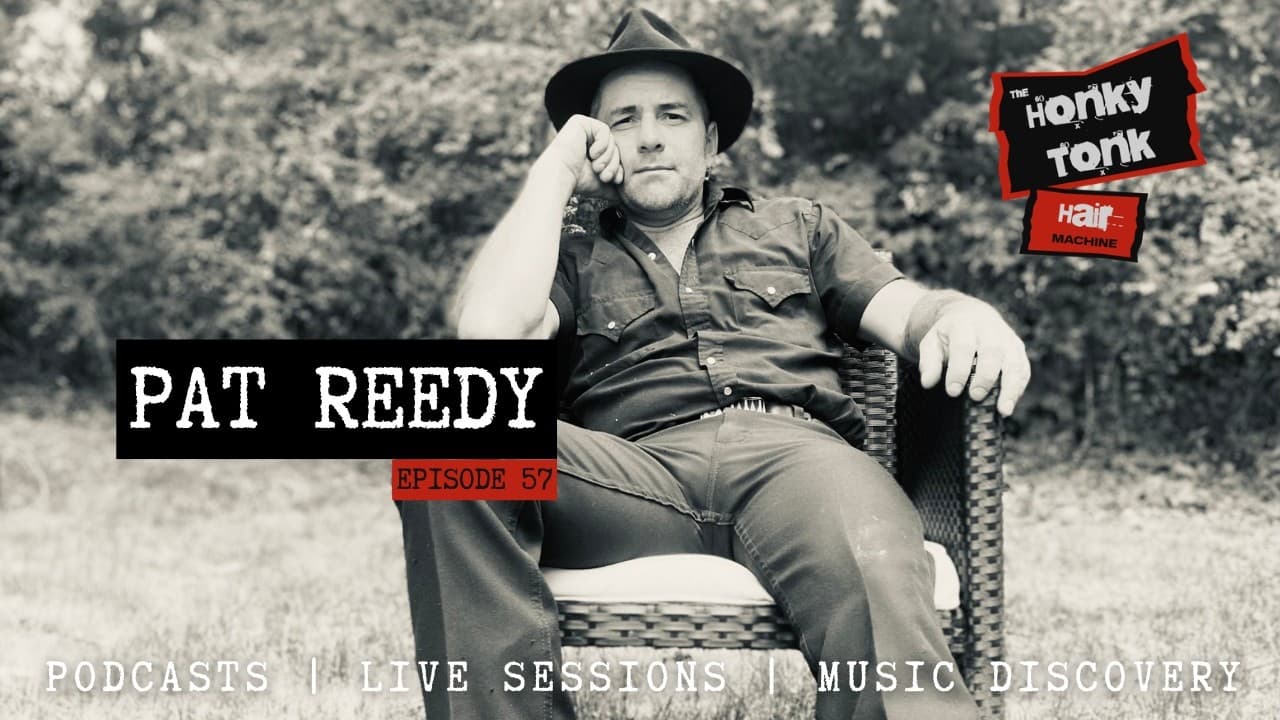
Pat Reedy
Pat Reedy on Busking, Nashville & Building a Country Music Career
Pat Reedy joins Camden to discuss leaving construction behind for country music, busking in New Orleans, life in Nashville, ...
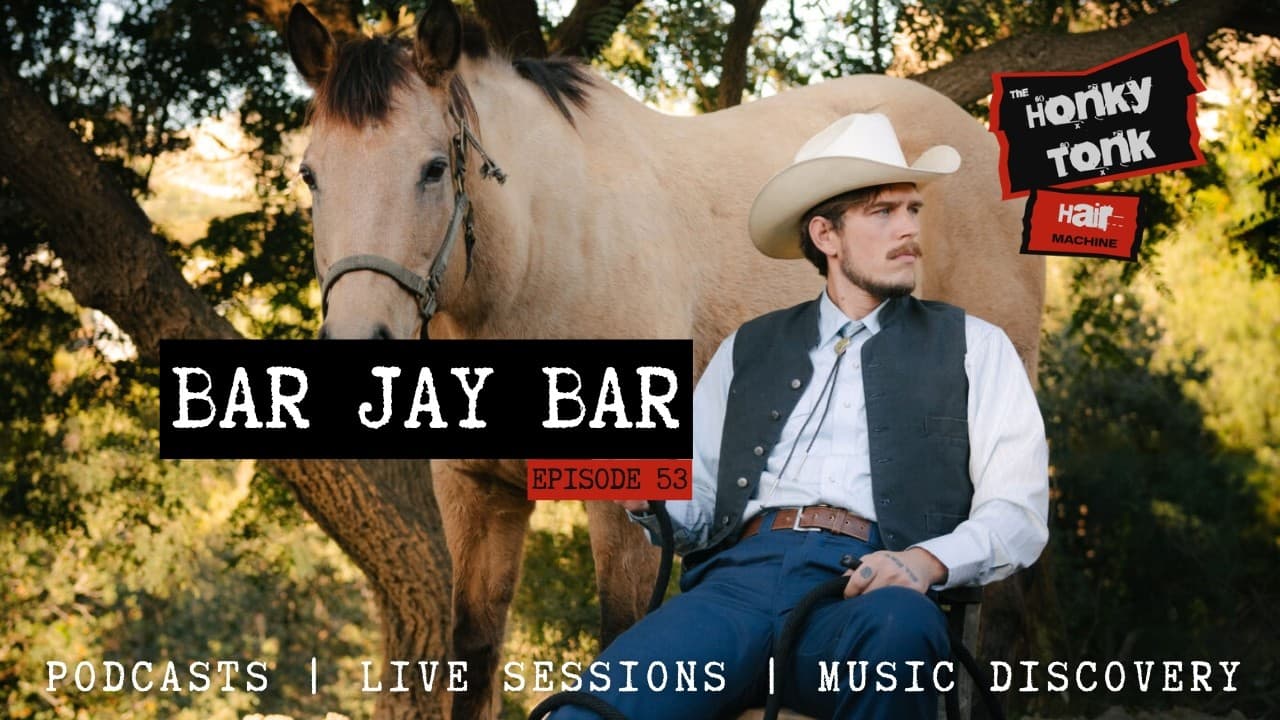
Bar Jay Bar
Wyoming Country & Western Revival | Bar Jay Bar Podcast
The Rugged Revival — independent Country, Americana & Roots music. Live sessions, artist interviews and real music discovery.Bar Jay Bar joins Camden for a conversation about modern Country & Western music, Americana storytelling, independent touring, songwriting, cowboy culture and building authentic roots music outside the mainstream industry.Based between Wyoming and the American West, Bar Jay Bar blends classic Country & Western influences with modern Americana and folk songwriting, creating music that feels both timeless and deeply personal.If you enjoy artists like Colter Wall, Charles Wesley Godwin, Tyler Childers, Sierra Ferrell and modern western Americana, this episode is for you.Subscribe to The Rugged Revival. Share it with your friends. Support independent music!Follow The Rugged Revival:Instagram: https://www.instagram.com/theruggedrevival/TikTok: https://www.tiktok.com/@theruggedrevivalFacebook: https://www.facebook.com/profile.php?id=100094507520679Website: www.theruggedrevival.comEmail: ruggedrevival@hotmail.com
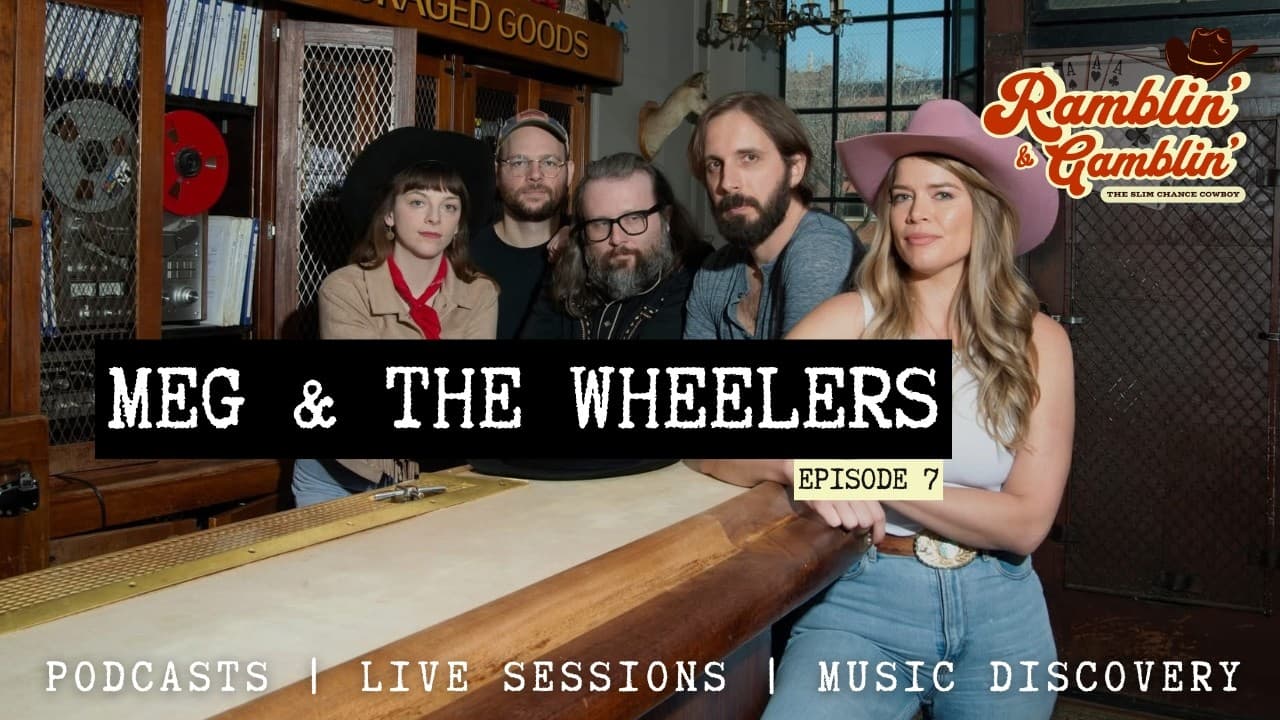
Meg and the Wheelers
Chicago’s Honky Tonk Revival | Meg and the Wheelers Podcast
The Rugged Revival — independent Country, Americana & Roots music. Live sessions, artist interviews and real music discovery."Meg and the Wheelers are a Country Western band from Chicago, Illinois. Their sharp-witted lyrics, solid harmonies, classic steel guitar twang, and enthusiasm for drinking the pain away will make you want to boot-scoot your regrets out all over the dance floor"More independent Country, Americana and Roots music conversations on The Rugged Revival.Subscribe to The Rugged Revival. Share it with your friends. Support independent music!Listen to the full podcast on Spotify: https://open.spotify.com/show/6wnHcgA73o1aiiKaz882vH?si=30aabdaa220a4628Follow The Rugged Revival:Instagram: https://www.instagram.com/theruggedrevival/TikTok: https://www.tiktok.com/@theruggedrevivalFacebook: https://www.facebook.com/profile.php?id=100094507520679Website: www.theruggedrevival.comEmail: ruggedrevival@hotmail.com
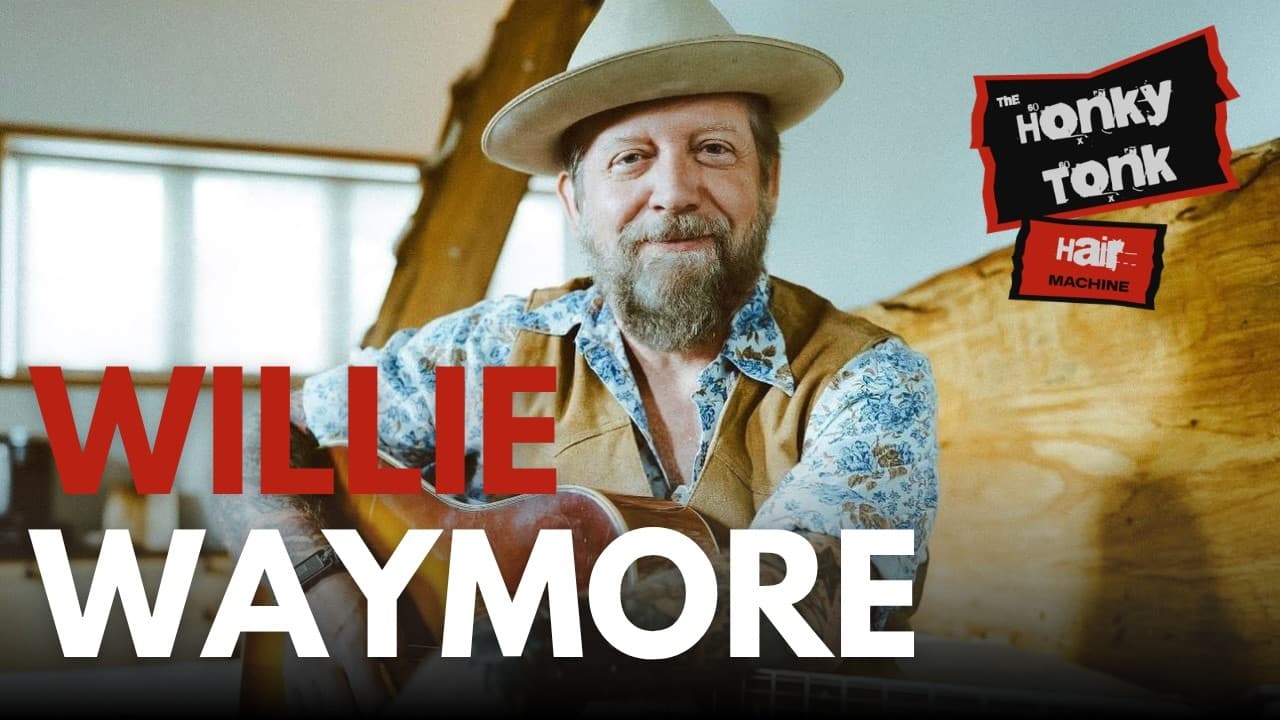
Willie Waymore
Road Worn Honky Tonk & Modern Americana Music | Willie Waymore
The Rugged Revival — independent Country, Americana & Roots music. Live sessions, artist interviews and real music discovery. "Straight out of Atlanta, GA, The Waymores are a honky-tonk duo keeping country music raw, road-worn, and rooted in truth. Fronted by husband-and-wife team Kira Annalise and Willie Heath Neal, they blend unique vocals, honest storytelling, and a wry sense of humor into a sound that’s equal parts classic grit and modern Americana. Since joining forces in 2018, The Waymores have toured across the U.S., U.K., and Europe, sharing stages with Dale Watson, Wayne Hancock, Kelley Willis, Summer Dean, and Scott H. Biram. Their lively shows — full of heartbreak, honky-tonk energy, and banter — have earned them devoted fans on both sides of the Atlantic.Their third studio album, Greener Pastures (2023), produced by legendary hitmaker Shel Talmy (The Kinks, The Who, David Bowie), drew strong acclaim, with singles climbing the Alt-Country Specialty Chart and landing in the Top 10 alongside Tyler Childers, Colter Wall, and Lucinda Williams.Now, with their fourth album The Knot arriving in February 2026, The Waymores continue doing what they do best: singing about love, loss, and the miles between shows. Recorded in Nashville with rising producer Mose Wilson, The Knot brings wit, grit, and the easy chemistry the duo is known for.Whether nodding to tradition or twisting it with a modern grin, The Waymores keep one boot in the past and one on the gas — proving that country music is still about real stories, real songs, and the long road ahead." Subscribe to The Rugged Revival. Share it with your friends. Support independent music! Listen to the full podcast on Spotify: https://open.spotify.com/show/6wnHcgA73o1aiiKaz882vH?si=30aabdaa220a4628 Follow The Rugged Revival:Instagram: https://www.instagram.com/theruggedrevival/ TikTok: https://www.tiktok.com/@theruggedrevival Facebook: https://www.facebook.com/profile.php?id=100094507520679 Website: www.theruggedrevival.com Email: ruggedrevival@hotmail.com