
Road Worn Honky Tonk & Modern Americana Music | Willie Waymore
Watch on YouTube
Subscribe for new episodes, Grit Sessions & more
Listen to this episode
In This Episode
There's something about a man who enlisted in the Navy before his own high school graduation that tells you he was built for reinvention. Willie Heath Neal—one half of the husband-and-wife honky-tonk duo The Waymores—didn't wait around for life to happen to him. When a recruiter set up shop in the back of his cafeteria in Rome, Georgia, sometime in the late '80s, he saw a door opening and walked straight through it. By the time his classmates walked across the graduation stage, he was already in boot camp.
That restless drive, that hunger to escape the gravitational pull of a dying mill town and forge something better, never really left Willie. It's wound through every phase of his life—from his foster care childhood across North Georgia to his three years serving in San Diego, from picking up his first acoustic guitar at fourteen to finally finding his songwriting voice in the Navy barracks. And now, decades later, it's become the lifeblood of The Waymores' sound: honest, unglamorous, road-worn Americana that doesn't apologize for its edges.
I grew up in foster families, but that journey took me to Rome, Georgia, which I still consider home.
— Willie Waymore
What's remarkable about Willie's journey isn't just that he survived a rough start—plenty of people do. It's that he kept moving toward music even when the path wasn't obvious. There were no formal lessons, no music theory classes, no silver-spoon upbringing filled with expensive instruments. Instead, there was a foster mother's kindness in handing him an acoustic, a father's introduction to John Prine's poetry, and a friend named Ron Crawford in San Diego who convinced him that maybe, just maybe, he had something worth trying to write about.
"They weren't great," Willie says of those early songs in the Navy, with the self-aware chuckle of someone who knows his own trajectory. But that's exactly the point. Real songwriting doesn't spring fully formed from the head of Zeus. It grows through repetition, through mistakes, through the slow accumulation of lived experience—the kind of experience that only comes from being knocked around by life a little bit.
Serving in the military was the best thing I ever did in my life.
— Willie Waymore
When he eventually joined forces with Kira Annalise to form The Waymores in 2018, something clicked. Here were two people who understood what it meant to claw your way toward something authentic. The duo's sound hits different because of it. This isn't manufactured Americana designed for playlist algorithms or coffee shop ambiance. This is honky-tonk in its truest form—gritty, specific, rooted in real stories and real suffering. Their vocals intertwine like two people who've learned to navigate hardship together. The instrumentation stays raw, the songwriting stays lean. There's a wry humor underneath it all, too, the kind that only people who've survived hard times are allowed to have.
The conversation between Willie and Cam touches on something essential about independent country music in 2024: the people doing it best are the ones with something genuine to say. They're not chasing trends or trying to fit into Nashville's prefab molds. They're doing what Willie's been doing since that first acoustic guitar at fourteen—just trying to tell the truth as they know it, one song at a time.
That authenticity resonates. In a world of streaming playlists and algorithmic recommendations, there's something profound about an artist whose story is inseparable from their sound. Willie didn't grow up dreaming of being a rock star. He grew up trying to survive. The music came later, almost as an afterthought—a friend suggesting they write a song together in San Diego. But once it had its hooks in him, it never let go.
The full episode is worth your time if you want to understand how The Waymores became one of independent country's most compelling voices. Willie's got the kind of story that reminds you why people make music in the first place: not for fame or validation, but because sometimes a song is the only honest thing you've got to say.
I'll help you. I'll help you. Start [music] a revolution. For this Monday morning love situation. Hey, welcome back everybody. As you know, I'm Cam, aka the Honky Tonk Hair Machine, for the Rugged Revival Podcast. And who am I with today? You're with Willie Heath Neal from the Waymores. Yes, sir. Thank you so much for joining me. I appreciate you. I appreciate you having me, bud. This is really fun cuz I already picked your wife's brain that a bit back. Yeah. >> Now we can do the other half. So this is cool. >> Yeah, I remember when that happened. We were in North Carolina somewhere. I remember when when you guys did it, yeah. Well, that's when we were I was still trying to do things on Instagram live to create like some engagement with the fans. Then we quickly realized that was that was falling apart. So here we are on Zoom. Yeah, yeah, it's all right. It's all right. So Willie, if you don't mind, I'd like to ask everybody this question. It gives us a little peek behind the curtain of who you are. You can answer as much detail or as little as you want, but where are you from originally and what was life like for you as a kid? Uh well, I'm from North Georgia. Uh kind of as a younger uh you know, uh kid, I grew up all over North uh North Georgia. You know, uh Canton area. Um but I would say uh I grew up kind of in foster families a little bit. So my mother had some issues and uh but I would say that journey took me to Rome, Georgia, which I spent most of my formative years, you know, uh most of my you know, most of my growth as a teen and as a young man happened in Rome, Georgia. So I still consider Rome, Georgia home. Cool. Cool. So all right. So you you you moved around a little bit. When did you start um playing the guitar and when did you start writing your own music? Uh that's a great question. Uh my foster mother was teaching me piano and um and uh I I was taking to it okay, but she had just recently purchased herself an acoustic and a Fender Gemini 2. And uh I took to it just started playing it quicker than I took to piano. And so she kind of just gave me that acoustic guitar. And that was my first I didn't you know, I could look at a chord book and learn how to chord a song and play it. I didn't know anything about any kind of music theory that I never had any music lessons. I would like to put an abridgement in there that uh my father, who I had reconnected with about this time in my life, um bought me my first electric guitar and introduced me to John Prine. Uh but I did you know, the electric guitar just wasn't for me. I just always loved the acoustic, you know. Um so I had that I guess I got that Fender guitar when I was about 14. And uh I had that sucker all the way up through when I joined the military and I had it with me in the Navy. And that was the first time it wasn't till I was in the Navy that a friend of mine had been in a band. This gentleman by the name of Ron Crawford. I owe him a great great debt of uh gratitude. He um convinced me to start trying to write a song with him, you know. And I would That's where I started was in the Navy. They weren't great, but that's where I got the bug to start trying to write. So I was in the I was in the Navy. So I would say, you know, that's the you know, like 1990 1991 that I was trying to write songs. And then like I said, they weren't anything to write home about, but that's where songwriting began for me in uh San Diego, California actually. Yeah, that's fantastic. How many years in the service did you serve? I did three. I was supposed to do four, but um the administration at time is uh Bill Clinton was in office. They made all these cuts, you know, I and uh I just I chose to get out. Still the best the best thing I ever did in my life was uh you know, serving in the military. Yeah, I'm you know, my folks were Coast Guard, my brother's in the army. So you know, I grew up on Fort Belvoir out here on the East Coast and you know, never served myself, but I definitely have a deep appreciation for military military families. Always always close to home. Well, man, you know, in the late '80s in Rome, Georgia man, there weren't a lot of opportunities if you want to get in a scholarship to a college somewhere or something. So it's either work at one of the many mills there or wind up working at a car lot or something. So man, I the recruiter had set up in our back of our cafeteria one day at lunch and I just knew I was like I got to get out of here. Yeah. >> I just walked back there and enlisted, man. Six I was gone. I didn't even uh I did a bunch of extracurricular stuff too. Uh courses to get me out of there earlier so I could go into the military. I didn't even I was in boot camp when my class was doing at graduation. Oh, wow. Yeah, so I was trying to hear this bad that I don't even care if I make it to graduation. Yeah, that's pretty wild. So how soon after you get out of the military, you've been practicing the guitar, early stages of songwriting, when did you start hitting the road as a musician? Um I didn't start hitting the road, man, until about the mid-'90s. I would do little tours, but by by '98 uh I you know, I played for several different outfits. I was a hired gun on bass on some things, but by '98 I was touring pretty hard. I was working a job and you know, married and had a you know, a child. So I was doing it like uh three you know, uh three-day three-day runs here and there and back and you know, it puts a lot of stress on the home life, but uh I was touring pretty hard. And and um when I got a record deal and started touring so I I think since about I don't know, 2003 or 2004, I have been on the road pretty much non-stop my whole life. Oh, wow. Yeah, that's a lot of lot of chewing up some asphalt there. Yeah, yeah, it is. So you know, I've had the pleasure of seeing you guys live. You know, I'm a huge Waymores fan. Yes, we appreciate So you guys have a lot going on though. You're you're doing the dual vocals and you've got the dual guitars. Right. You're singing, you're playing, and you're trying to be the best entertainer as you possibly can. What are some of the biggest challenges you face when trying to bring all those elements live? Uh to try not to drink too much. No, I I kid. I I never think about that. Uh man, I don't know. You know, it's uh it's pretty It's just sometimes, you know, uh I guess the biggest challenge when you got Kiera and I cuz even when we're doing it without the band, you know, there are times like you know, some venues the monitor makes maybe terrible or something and Kiera and I have to kind of I have to make sure I'm firing my hand at her and kind of making sure I can see her face to make sure we're singing and playing, you know, at the same time if you know, if there's a bad monitor mix or something. I I guess it's the biggest it's not really a challenge, but the thing I put the most effort into is making sure Kiera and I are playing in time together and singing in time cuz like I said, you know, sometimes it's a roll of the dice the mix you might get at a venue. Um but that's the biggest and it like I said, it's not really a challenge. It's just a discipline I've had to really you know, uh work on. But you know, just make sure Kiera and I are looking at each other and uh you know, and that we're playing at the same tempos and that we're you know, and I'm playing I'm not stepping on her part and that she's not stepping on mine. You know, it's different when you're a duo with someone because you have someone else to consider. It's not just you know, it's not just my timing and how I'm phrasing, but I have to make sure it's complementing and not interfering with her performance as well. Yeah, man, that's actually a really good point. And I've never really even thought about that. It's funny, you know, my time in bands, I remember playing and the singing and you kind of shoot the bass player a look or he'll give you a look and kind of like Was that you? Was that me? Yeah. Well, that's one of the things too is that it's a weird thing cuz sometimes you're just making eye contact with each other like, "Hey, this is going great." or you know, something. But the moment you know, you make eye contact, you think, "Oh, you're trying to signal something." You know, it's like, "Oh, steal first." or you know, "Steal second." I mean, you know, it's like, "What what's going on?" You know, so we have to kind of like throw a smile on, you know, just like we just are just staring at each other cuz we're you know, husband and wife. So sometimes we just like to look at each other. But uh you know, to make sure oh, there's no there's nothing wrong. Everything's okay. You know, but there's that I definitely those times where you're trying to you know, you're trying to drop the hint of, "Hey, look over here. Look over here." Uh but with the full band stuff, you know, I lead the band too. So there is same rule. It's like if I'm making eye eye contact with you, I need you to be paying attention to what I'm trying to tell you. Right. [clears throat] I don't look lustfully into the other bandmates' eyes. Only my wife. >> [laughter] >> Well, that's you know, that's also an interesting point. Um if you don't mind me asking about this, how do you guys find the balance with a working relationship and maintaining a romantic relationship? Cuz sometimes those two things don't necessarily vibe a whole lot. And you guys are really good at it. Man, you know, I have to say it's not a something we have to work at. Uh I mean, we're just she's my best friend, you know. She's the other half of me. And I've uh and now, you know, I had a solo career for a whole lot of years where I just it was just me singing, but now you know, her singing with me it's like giving me another life if you will. And it's like I just can't even imagine trying to sing without her. Uh we we divide up duties, you know, um like I handle most of the mechanicals. Kiera, you know, I know Keystone is our management company, but you know, Kiera's the big boss in my world. She handles most of all the business stuff and it it works out well and with it but the only you know the unfair thing to Kira is that you know she's on the clock all of the time as it were my duties are driving. I do all the driving. I load in. I you know I stage manage. I do all of these things so that um because my my job is only happening when we're actually on tour. Mhm. >> tour you know and uh so but her job is all the time you know she might work as soon as we wake up in the morning you know. So there's but it's just learning and there are times if I need help with something I'll say hey I need help with something if there's something she needs help with like I need you to reach out to this venue or this person for that I'll gladly do it. We help each other where we can but um those two things allow us to stay kind of in a lane if you will so we're not you know uh interfering with each other's you know uh duties. That makes absolute sense and I think my takeaway from that is and I think in most things in life is if you uh take a step back and let your ego take a backseat and just let you know give it some breathing room and some flexibility and you you work together and it works great. Yeah yeah it is and uh I mean Kira and I work very well when we work at the farm too when we're not you know she knows you know down there she knows where to fall you know if we're doing something she's never done you know she knows to fall you know she's easy very easy person to work with but there are definitely situations where she's in charge she knows more than I do in in an area so I'm going to listen to what she says and I'm going to do what she asked me to do and when it comes to other you know the mechanical side of things you know she's the same way. We work very well together and it just flows naturally. I mean every couple has to work a little bit give and take a little bit to maintain. I I've hit the jackpot with that I think you know we're I mean because we're together all of the time you know and that that's not a bad thing. I think that shows in the intimacy of our performance. You know I mean I wrap my guitar playing around her guitar playing. I wrap my vocals around her vocal and vice versa you know and I think you only get that from being as intimate as our lives make us be. Yeah I totally get that man and I think you could I think a lot of our listeners could take away that advice and put that in all aspects of life with any working relationship. I think that's that's very well said and very well put. So let's let's switch gears a little bit. I know you got a couple of tattoos on you. Uh yeah. When did you start getting tattooed? Oh man I was thinking about that today. Uh man I got my first tattoo in like 1988 and I got a little dragon way up on my shoulder and I was in high school still and they were not as accepted as they are today. Yeah. You know I remember trying to find a tattoo shop. I had to come to Atlanta from Rome because it there were no tattoos there were very few. You know and I remember stopping at a gas station that it was by this guy named Dr. Tattoo. Nice. But the backstory with that guy tattoo artist but he also did all of the body paint on the Indians in The Last of the Mohicans. Oh no way that's really cool. Uh but um I remember stopping and to ask uh again somewhere at the gas station I couldn't find this you know this is pre-GPS and all that where this place was and the guy was giving me direction and this little old lady came up and started berating me cuz I was going to get a tattoo. She said yeah your body's a temple and you uh your body's a temple and God something something about God and I just said if my body's a temple I should be allowed to hang tapestries in it. That's right. Shut her up real quick and I went on to get my little bitty dragon tattoo that I still have. I have never covered it up. There's tattoos around it but it's still there. Yeah I love that. I love that like the old school style tattooing. Did you acquire any tattoos during your time in the Navy? Oh yeah I got a couple. I got one in um I got one in Singapore. That was that was really it. That was I got one in Singapore and that was it. I was always kind of I don't know about you know these countries and their cleanliness rules and stuff but I did get one in Singapore me and a bunch friends. I still have that one too. I don't do cover-ups man I like to be reminded of the if the tattoo is a mistake I like to be reminded that I make poor decisions. >> [laughter] >> That's a great story though man like not a lot of people can say that they got on the ship and they went and got tattooed in Singapore. That's that's pretty wild. Yeah yeah. It was probably I it might have been my third or fourth one too. I wasn't nearly you know it takes taken me a lot of years to get get all the ink you know. Well you were like you know the tattooed country artist before it was like a thing you know. Yeah that is true man that is uh I was part of that school early on you know and 2000s of the tattooed up fast country guys. >> [laughter] >> So it looks like you have your sleeves rolled do you mind just kind of showing us what what you got going on here? Um yeah some of it's not good but some of it's great. You know like I said That's what makes it great though. Yeah. The top sides are a lot better than the bottom but that's like I was saying I I haven't really that's one of my favorite pieces the ship back here but you can Alan Wayne Nichols did that. But um Heavy. >> You know it's not I can't really show them off in here too much but you know it's like I said I'm always been about that hey I like to remind myself that I make mistakes and I make bad decisions. You know I don't have anything you know that I would ever have to be ashamed of other than myself. That's just not good work you know I should have you know that's what you get. Vet your artist ladies and gentlemen vet your artist. Well Willie you must have been in long sleeves when I met you in person because I don't remember you you're you're very heavily tattooed. I don't remember that. Uh man I always so yeah I I I might have been you know I always roll my sleeves up. I can't perform with stuff on my arms you know it's like what what else? I um like I've never been able to wear the super fancy you know pearl snaps only because I can't have anything on my arms when I play. I just freaks me out it drives me crazy so I always roll my sleeves up. You probably got distracted by Kira's beautiful [ __ ] tattoos man. She's got you know she's fully sleeved and uh you know it's whenever you see a girl sleeved up you always pay more attention to that than you do when you see a guy sleeved up. Well you guys both look great on stage so Thanks. >> Um well let's let's switch gears a little bit. You touched on your personal style. I I really like your personal style. You've got like a real working class western taste to it all. What's what's some of your favorite on stage attire? Man I always go with the classic you know boots jeans pearl snap and you know over the last few years I've been wearing a vest and um you know the Stetson which is man Kira dresses so I was always I always had the rule even in my solo careers you know you got to have a pearl snap on stage but I never you know wore a hat or anything like that but you know and I would wear my shirt untucked or whatever but Kira dresses so nice on stage man. She's got such a great fashion sense that it's like I can't be standing next to her looking like this honky-tonk hobo. I got to step it up a little bit. That's right. >> she got me the open road many years ago and that's still my hat of choice to this day but uh so it's usually you know a pearl snap and a vest but like I said I I never felt I've had like really fancy shirts and I just always kind of felt like a phony in them. I do like the working man aspect of of it. I like to still look nice but I still like to just have that you know that blue collar sleeves rolled up you know I my a lot of times it's funny I pulled into shows and got right on stage in the same boots I was just working on the farm in. >> [laughter] >> You know so Hey that's country you know that's as country as it gets. Yeah I [laughter] I I just I feel I I like the attire that I wear on stage but anything more than that I just feel kind of like a phony you know I'm not a guy that dresses up a whole whole lot. Like I said if you come to a show you see me usually you know I usually loading in gear and stuff I'll have on a t-shirt or whatever and I'll usually change you know into a pearl snap and something right before we hit the stage. Yeah and if I recall um when I saw y'all were you wearing Red Wing boots? No but I love Red Wing boots. Okay. >> have I might no you might I had on combat boots. I usually wear a lot of that's another thing I always like to do even though what I wore is technically called a boon docker in the Navy but still it's like I've got these old vintage Vietnam era combat boots that I've had resoled like three times that I I just freaking love and I wear those a lot on stage as another way to kind of give a little nod of the hat to uh to the service members and I've had a couple of Rangers. I remember once we were playing and a couple of these Rangers stopped me and were like asked me where I was like no man I I worked on the flight deck but I wear that you know as as a nod of the hat to uh you know the combat cowboy look and they're like yeah they you know so people have noticed that before but no weren't Red Wing they were straight up Vietnam era jungle boots. Well I think the thing that pulls people's attention to the small details that you have is that you wear it with a a lot of authenticity. Like every everything you wear like it it truly looks like this is where Willie Waymore. Well thank you. It it doesn't look like you know you're wearing like like you're saying if you're too flashy in the you know cowboy tuxedo you feel phony. You know you look sharp but it still looks you know street level but at the same time very working class and I think it's it's fantastic. Well thanks man. Like I said uh performing next to Kira has definitely punched up my attire game. Um but yeah I I've got to I like it you know it feels like when we're going on stage and I usually have Kira get that last roll up on my sleeve cuz I can't do it from my angle. And then she'll do it and it's like I feel like a feel like a honky-tonk superhero, you know. >> [laughter] >> Yeah, let's go play some music. So, this this question is really funny cuz a lot of people have so many different kinds of answers. So, in your go bag, you're on the road, life is life is uncomfortable, it can be sweaty, it can be cold, uh showers are missed. What are what's your what's your in your go bag? Like your must-have personal care items? Man, I'm kind of a I don't really have anything that's a must-have, you know, we always keep a pack of wipes around in case you know, we need clean it, but uh it used to be man, it's like I could never go without Murray's. I always had to have my a freaking Murray's with me. Uh but I don't really nothing man, you know, I don't really have a I must-have besides toothbrush and a comb. So, you you don't have a thing of talcum powder and a can of Skoal? No. >> [laughter] >> No. No. It's funny you mentioned the the wipes. The wipes are actually really important. Remember when I first started playing in bands in 2001, um I read an interview with Dimebag Darrell from Pantera and he said when you hit the road, you take baby wipes and Pedialyte. He's like you don't want to be hungover and dehydrated and you don't want to be the stinky guy. Yeah, yeah. Head to toe, just wipe yourself down, do what you got to do. Yeah, man, those wipes have been a lifesaver many times, you know. And uh he wasn't wrong, you know, about the the hydration drinks that there's those work their way through our camp quite a bit, but uh it's not, you know, it's something that Kira always makes sure that we have. I I never, you know, think about it. Yeah. Well, you got to have your your right-hand gal, you know, to take care of you. Yeah, she is she's my right hand, that's for sure. So, Willie, this brings us to the end of the road, my friend. Yeah, no worries. Do you guys have anything you want to shout out before we close this off? Man, I do. Let me stare down at my phone. We're going to be at Dee's on May 13th. Okay. We're going to be at Dee's in Nashville and then on the 14th and 15th we're playing the Tennessee Motorcycle and Music Revival at their Loretta Lynn's Ranch in Hurricane Mills. Uh then we do that and then we're going to do the Honky Tonk Tuesday in Nashville on the 19th and uh then we hit the road, we head up to New York and work our way back down. All those dates are on the website, so visit the waymores.com, get all that information, but New York, we're headed your way. Washington, D.C. Uh Philadelphia, we're headed all around there, so take a look at the website and you know, come see us. It's our maiden voyage as the Waymores to New York City. Very cool. Remind us, where can we find you on social media? Uh Facebook, Instagram, TikTok, all of those things. It's the Waymores. The Waymores. Okay, and remind me one more time the website address. It is thewaymores.com. Perfect. Awesome. Well, thank you, brother. I'm we're going to end it here. Just stay on the line with me for 1 minute, but I appreciate this time. Yeah, man, thank you for having me. Thank you for having me. Thank you, brother.
Comments
Keep listening
Related Episodes
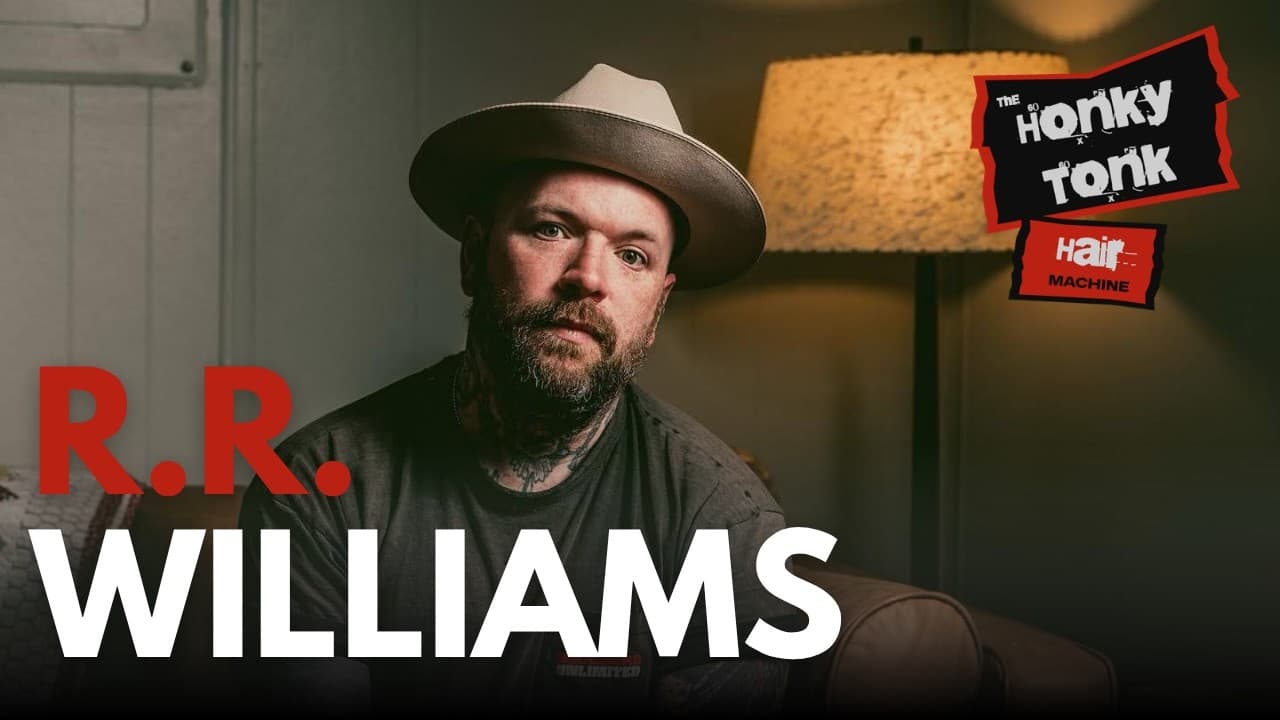
R.R. Williams - Raw Americana Rock & Honest Songwriting
R.R. Williams is a lot of things, and none of them are easily or quickly explained.These are songs about an American life from the honest-to-god user end, but believe you me- they waste not a single second muddling around in minutia. Williams’ writing quickly guides listeners straight into the belly of the beast; the deepest dwellings where the smoke is thick as the darkness; where we dare to ask our most honest questions of the universe. These are urgent matters; Purpose, Fate, Destiny, Redemption.There’s perverse and bizarre nuance to this modern life that doesn’t fit into a genre, a time, or a place necessarily. The fibers of the here don’t always intertwine with the fibers of the now as they once did, and the spaces where those knots have slipped are where these songs pick up the slack.But don’t let all this philosophical mumbo jumbo distract anyone from the fact that these are rock’n’roll songs. The radio may want you to think that thoughtful and expansive lyrics don’t pair well with catchy hooks and rowdy guitar tone, but R.R. Williams certainly doesn’t want you to think that. Not for a second.
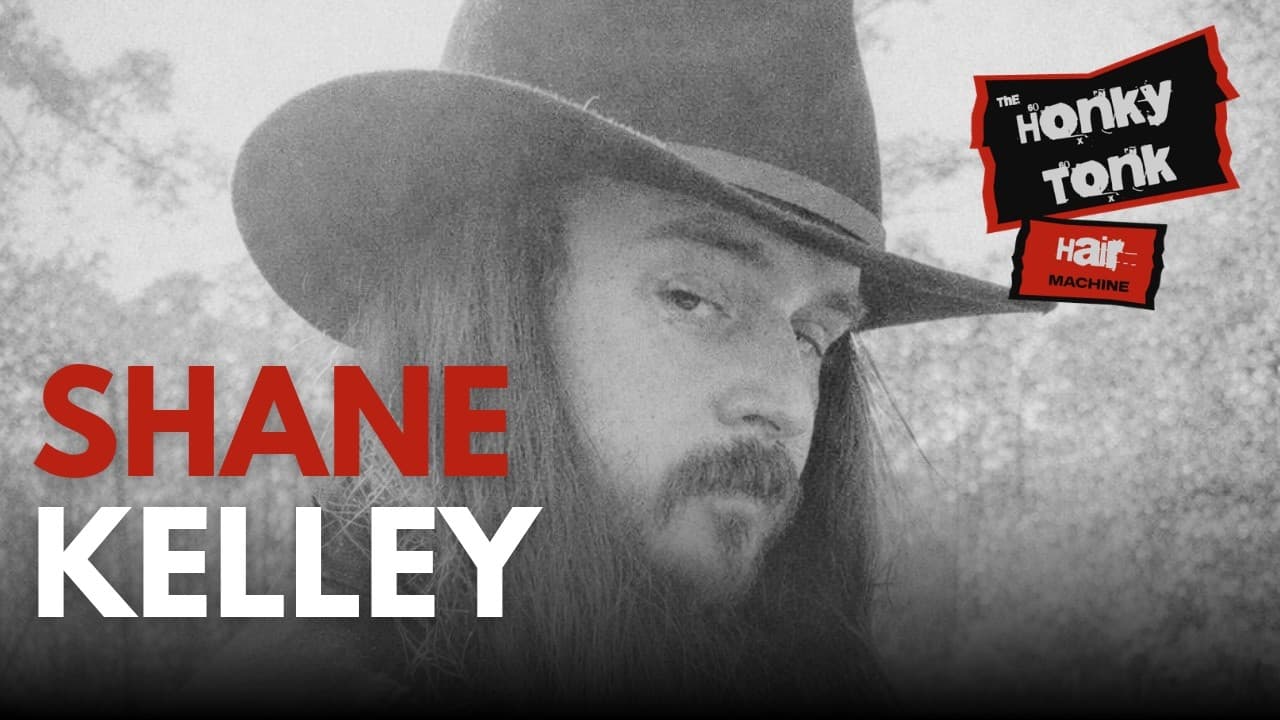
Shane Kelley
Shane Kelley - Powerful Blues Soul Inspired by Gregg Allman & Howlin’ Wolf | Rugged Revival
hane Kelley emerges from a small town just south of the Florida–Georgia line with a voice that carries the grit, soul, and raw power of classic blues. Drawing inspiration from legends like Gregg Allman and Howlin’ Wolf, his sound blends deep-rooted blues with rich storytelling and an unmistakable emotional edge.His debut album, Misery Like A Wheel, is a haunting and heartfelt introduction. The record weaves together traditional southern elements—banjo, mandolin, and fiddle—with dark, soulful melodies that feel both timeless and fresh. Every track reflects a journey shaped by struggle, resilience, and authenticity.Growing up surrounded by the strong musical traditions of the South, Kelley channels real-life experiences into songs that hit hard and stay with you. Misery Like A Wheel isn’t just an album—it’s a statement from an artist unafraid to be vulnerable and honest.If you’re a fan of raw blues, southern soul, and music that tells a story, this is one to turn up and feel.
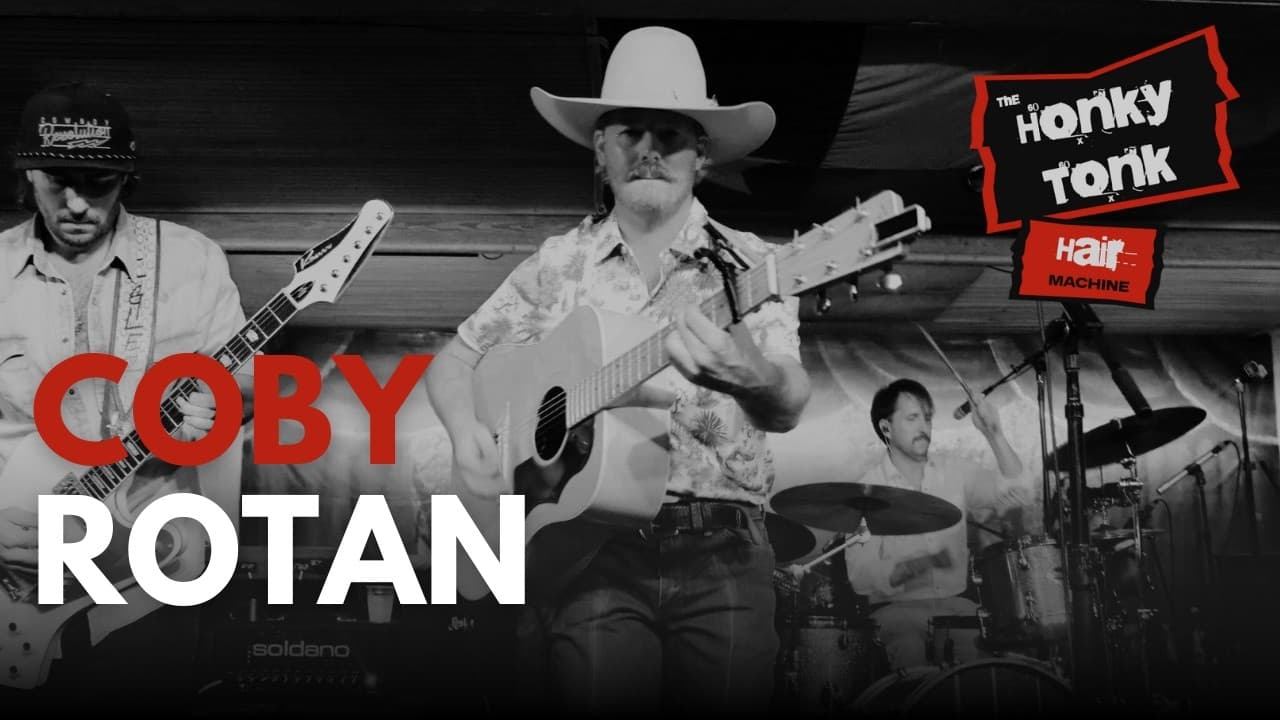
Coby Rotan
Coby Rotan - Gritty West Texas Country Rock | Rugged Revival
Born out of the ashes of other Texas projects, Coby Rotan & The Naturals is less a band than a brotherhood. Fronted by Permian Basin native Coby Rotan — now based in Canyon Lake — the group delivers a sound that’s gritty, soulful, and unmistakably their own. Rotan first surfaced with a string of independent singles in 2023, including “The Yeti Song” and “Place Outside of Austin,” showcasing a blend of West Texas grit and Southern warmth. His songwriting has been compared to troubadours like Robert Earl Keen, with a mission to “write songs people can feel.”In early 2025, Rotan teamed up with bassist Lucas “Honky Tonk Red” Copeland, drummer Lincoln “Love” Lankford, and manager Jon Paul “JP” “Hogleg” Long to form The Naturals — a band built on chemistry, groove, and truth-telling songs. The lineup quickly expanded to include Ryan Igler (lead guitar), Rolando “Rolo” Ramon (fiddle), Brad Sosebee (keys), and Kevin Garinger (harmonica).
Justin Trawick
Justin Trawick - DC based band leader, podcaster, and founder of "We Are the 9" | Rugged Revival
Justin Trawick has been performing in the Washington DC area and along the East Coast since 2006, citing musical influences like Bob Schneider, The Tallest Man on Earth, G. Love, Old Crow Medicine Show, and David Gray. In June of 2015, Trawick released his first single, “Goodbye”, under the band name “Justin Trawick and the Common Good”; written about the search for direction and belonging in a world that constantly feels one step ahead of you. Trawick has performed for TedxEast in NYC at the City Winery, TedxPennsylvaniaAvenue in DC at the Newseum, and has opened for over 30 national acts including Suzanne Vega, Wyclef Jean, Brett Dennen, Blues Traveler, Enter The Haggis, Bob Schneider, and Edwin McCain, and shared bills with Dr. Dogg and The Avett Brothers. Justin is the Founder of the nationally touring show “The 9 Songwriter Series” and co-founder of “The Circus Life Podcast.”