
R.R. Williams - Raw Americana Rock & Honest Songwriting
Watch on YouTube
Subscribe for new episodes, Grit Sessions & more
Listen to this episode
In This Episode
There's something almost defiantly honest about R.R. Williams. Sitting across from our host Cam, the Tulsa-based songwriter speaks with the kind of clarity that comes from someone who's spent years learning how to cut through the noise—both in music and in life. He's a lot of things, as the saying goes, and none of them are easily or quickly explained. But what becomes clear, listening to him trace his musical journey from suburban Georgia to Oklahoma punk bands to the raw Americana rock he makes today, is that Williams has always been chasing authenticity, even when he didn't know what to call it.
The path wasn't linear. Few paths in music ever are. Williams picked up a guitar at ten—a little Peavey Predator that was treated more like a toy than an instrument until school trouble cut short his formal lessons. Just two lessons. That's all the structured training this guy ever got. Yet there's a weird logic to it: perhaps only someone who had to teach himself how to make music could develop such an uncompromising ear for what actually matters in a song. The minutiae falls away. Only the essential remains.
I got in trouble because I wasn't doing good in school and then I was not allowed to take guitar lessons anymore—those are the only two guitar lessons I ever had.
When he moved to Tulsa as a young teenager, Williams didn't immediately become the country-influenced songwriter we know him as today. Instead, he fell in with the punk and ska kids, settling into bass because nobody else in town wanted to play it. There's a working-class pragmatism to that move—fill the gap, make the noise, be part of something. He spent years in The Agony Scene, a metal band he essentially did as a job, touring 200 days a year through the mid-2000s. That's not a hobby; that's commitment, even if the genre wasn't ultimately where his heart would settle.
The shift came gradually, almost imperceptibly. Williams started writing acoustic music around 2009 or 2010, but it wasn't some dramatic reinvention. It was more like finding the frequency that had always been there underneath the distortion. He cites Mike Ness's first solo record as a revelation—that moment when he realized there was a space between punk rock and country music, a third thing that honored both without genuflecting to either. Whiskeytown. Drive-By Truckers. Alt-Americana, though the label feels too neat for what he's actually doing.
I was primarily a bass player for most of my teenage bands basically because no one had bass players in their band.
What's striking is how he connects the dots backward. His first tapes—Green Day's "Dookie" and Counting Crows' "August and Everything After"—weren't country records at all. They were alternative rock records with emotional weight and lyrical depth. But they shared DNA with what he'd eventually make: that Rust Belt sensibility, that punk-rock urgency applied to songs about American lives lived on the honest-to-god user end. The songs don't waste time muddling around in minutia. They guide you straight into the belly of the beast, into those deepest dwellings where the smoke is thick as the darkness. These are urgent matters—purpose, fate, destiny, redemption.
That's the real lineage of R.R. Williams: not a direct inheritance from country music's traditional canon, but a convergence of influences that only someone shaped by both punk rock's DIY ethos and alternative rock's introspection could synthesize. He learned to make music on his own terms, with minimal instruction, surrounded by friends making their own kinds of noise in small Oklahoma suburbs. When he finally found his voice, it carried all of that with it.
The full conversation with R.R. Williams reveals much more about how he thinks about songwriting, community, and the American landscape. For anyone drawn to music that refuses easy categorization—that stands firmly in its own space between tradition and rebellion—his story is one worth hearing in full.
I'll help you. I'll help you. Start a revolution for this Monday morning love situation. Hey, what's up everybody? This is Cam aka the Honky Tonk Hair Machine for the Rugged Revival Podcast. Who am I with today? Uh this is Mike aka R. R. Williams uh from Tulsa, Oklahoma. Hey man, thanks so much sitting down with me. Um I came across your music a bit back and I've been a big fan since. So, this is this is cool for me. I appreciate it. Cool for me, too. Thanks for having me on. Yeah, brother. So, you can answer I like to ask this first question, you know, kind of gives us a peek behind the curtain of who you are. You can answer as much or as little as you want. So, uh where are you from originally and what was life like for you as a kid? Uh I was born in Marietta, Georgia. Um re- regular suburban Southern Baptist childhood, I guess. Uh I moved to Tulsa when I was 12, almost 13. Uh and I started my freshman year of high school here, which is when I met all my weird punk friends. And then uh I was a teenager in Tulsa up until now. So, all my first bands and uh experiences with music and stuff were all kind of happening here and uh to be fair, Broken Arrow, Oklahoma. So, um kind of uh the suburb of an even smaller suburb of a very small city. So, Nice. Right on. So, when did you start playing the guitar? Uh I think I was the first guitar I ever got uh was actually uh I was probably 10. Want to say 10. I got it uh I got a little Peavey Predator uh from whatever the local music store was when I was a little kid. And uh my uh it was kind of just treated as a toy for the most part when I was that age. I tried to learn a few songs and took a two guitar lessons and then I got in trouble cuz I wasn't doing good in school and then I was not allowed to take guitar lessons anymore which those are the only two guitar lessons I ever had was when I was 10. So I know basically that's the only proper guitar training I've ever had. So the rest of it has just been me making [ __ ] up but and then uh the first time I took anything like that seriously I started playing bass. Almost as soon as I moved to Tulsa I got a bass guitar and then I jumped cuz no one had bass players in their band. So I was primarily a bass player for most of my like teenage bands and like the first things I ever did. Nice. Yeah, right on dude. So So you you were playing I think you mentioned earlier doing more like punk rock bands earlier on? Yeah, all of it most of it the first couple bands I ever in I was in were punk rock bands. Um Actually that yeah when I was when I was in middle school I had a couple friends in my neighborhood that we played music with and they relegated me to bass. This was before I even owned a bass. So I played bass in their band and then when I moved to Tulsa um the first band that I joined was a ska band like a ska punk band and I was confident enough at bass to play in a ska punk band uh back then. So um uh and from there it was all like basically punk and hardcore and uh >> Yeah. kind of went from there. I think a lot of us around our our age can like you know we look at Op Ivy and like ska punk bands and later you know some of them were like hardcore kind of stuff. Um so when did what we know as today you as a musician when did that develop? Uh It was probably like Let me think. I was in a metal band for a long time called The Agony Scene, which I did basically for a living from like 04 to 07 08. I did that basically like as my job where I was touring, you know, 200 days a year. Uh after that um probably in like 09 or 10 or 09 or 10 uh I started writing little like acoustic music. Like here and there I like uh I got super into um well, even in high school um the Mike Ness solo record, like the the Mike Ness from Social Distortion's first solo record, which was sort of like my exposure to like, oh, there's that kind of like this sort of like country-driven punk rock thing that's not rockabilly cuz I don't like rockabilly very much. But there was this sort of other thing that he was doing that I thought was really cool and uh kind of from there I got into trying to write my own stuff and I was listening to like like Whiskeytown and Drive-By sort of alt-Americana stuff, which is sort of what I was trying to emulate. And uh a few you know, I also had like uh you know, there was sort of a music scene for that sort of burgeoning in town as well, so um you know, friends in my orbit were playing that kind of music, too, so it's sort of all sprung out of that kind of like cuz I always liked I think the first music I ever got that I bought for myself, I got like Green Day Dookie on tape and then I got Counting Crows August and Everything After. Those are like the first two tapes I ever bought with my own money. And so I think everything has sort of have like a those things getting put together. Yeah. Always like a little bit of like that sort of like Rust Belt rock and punk rock sort jelling into one thing. I think especially that era, too, right? It's like, you know, we were so exposed to a lot of different stuff. Like, I remember doing that same thing, going like the tape traders. And my my first tapes were the Georgia Satellites open all night and then Iron Maiden somewhere in time. Yeah, right. It music that's just >> Everything kind of like had this the the thing I remember the most about like the '90s from even being like a kid was like there was like this umbrella of what people called alternative music and it was kind of everything. And so under the umbrella of alternative, you did hear like every kind of thing and that sort of like swirled into like you know, kind of exposing you to a lot of different stuff at once. Yeah, absolutely. So, all right. So, when you're playing now, you're it's just you. Do you have a full band with you? I have a band uh occasionally. Um Yeah, it's the when I can like I don't know. It's a thing where like you want to we're all adults and everybody likes making money. So, whenever the usually, I play with a band locally because going anywhere, like no one everybody makes 20 bucks or something and like so, I try to like do band shows at home. And then if I play out of town at all, it's usually just me by myself. Yeah. So, when you're when you're playing solo, that's a lot of pressure. You know, there's nowhere to hide. There's no wall of distortion. There's no amps. What are some of the biggest challenges you face when it's just you and the guitar up there on the stage? Tuning. Yeah. Yeah, I think I think a lot of people would agree with that. I do I play in a I play in like D standard, so I tune a whole step down. Uh-huh. And I always buy like shitty um used guitars and it's a real crapshoot on what guitars can handle that for a long time. Yeah. >> So, uh I fight tuning a lot. Um But, I also just kind of I just kind of zone out like, I don't know. I don't like I wouldn't say that I'm like a engaging performer necessarily. I'm more of just like I just like to play the songs with enthusiasm or being loud or passionate or like trying to like emote more than necessarily even be good at playing them. So, that's always I always just lean towards that kind of maybe more of a punk rock mindset where it's like I'm just playing the songs as hard as I can or as you know, um, if it's not if it's like a fingerpicking song, that's more of a like, what can my voice do to sort of like make this feel powerful to myself. Um, and that's kind of the thing. It's never perfect. I'm not that good of a guitar player. Like I said, I only have two lessons and I just sort of uh I know what I know. So, Yeah, and I think, you know, I think a lot of folks like that, too, man. Where it's like, there's some artists that you like you want to hear the storytelling behind it, but like we we worked with uh, John Moreland last night and got him ready for his show out here. >> Yeah. And he had like um, and I've worked with him before and I it clicked in my head last night cuz he also has a punk rock background. Where like, he just blasted through the songs. He didn't stop. He was just like bang bang bang bang bang. Almost kind of like Ramone style, but if the Ramones were acoustic, you know, and just but it was cool cuz it was just like he just kept it kept it moving the whole time and no need for banter, no need for the extra. Yeah. Kind of keep on going. I was playing I was playing a solo set at Mercury, uh, the bar around where we're at, like kind of the the dive bar here that kind of all the music that um, like in the realm of what I do, it's sort of that's the hub. And I was kind of do It was like a late It was a late night set. It was one of It was like pretty casual. And I was trying to maybe like talk more than I normally do. And I started explaining what songs were about. And then like at the end, this very drunk dude came up and he was like, "Don't do that." I was like, "Don't do what?" And he's like, "Don't Don't tell anybody what they're about. Just sing them." And I was like, "All right, man." And then I just I It was like I just took his advice. And I was like, "You know, that he's probably right even though he's wasted. He's He's being like You just like got to let them speak for themselves, brother." Whatever he said. And he tripped over something. But uh I do like that approach. >> the life advice. Yeah. Well, there's there is sort of like uh we live in an era of like I mean, not that I'm I'm I'm not this up my own ass by any means. But like there is sort of like a loss of like artist mystique to some degree where like we're so perpetually online and everything is so public facing that like in a performance in a live setting like yeah, if you just kind of like do what you do and you don't have to like you can just let your songs speak for themselves and there doesn't have to be this thing and people kind of like don't get any sort of sense of you know, you don't have to be like, "This song is specifically about one time I was here and did that." Like you can kind of let the listener kind of interpret on their level what they want to hear from it, which you know. I've definitely learned what the origins of songs that I like are and it has maybe taken something away from what I thought they were about. Yeah, I get that. Yeah. Where you're like, "Oh, I had the totally wrong idea." And I was kind of using this song as like a shoulder to cry on when I was depressed. And it's like it wasn't about that at all. So Yeah, he kind of I think uh leaving something to the listeners imagination that's good. Yeah, but you're you're absolutely right. I mean, there's something to be said about like retaining a little bit of mystique as an artist and it keeps it interesting and exciting and kind of juggling that on social media thing is super important and you know I think Morland does a good job of that where it's like there but he you're not really getting the full picture of anything he's doing. Absolutely. He does kind of just like his personality comes through but not in like a shitty influencer way. It's just sort of like dribbles out enough to where like you know it's him posting and whatever and like he kind of you know, that's just who he is all the time which I think he does a great job of that. Other people are a little more you know car salesman-y which is like very unappealing to me. Yeah, it feels a little like hey you know, we we want the attention. I heard a quote there was I don't know who said it but uh there's like a tweet or something I read where it was like um it sucks that like most of the music you're ever going to hear again is just from people that are good at the internet. And I was like, yeah, that's a bummer. Yeah. Yeah, that's actually quite insightful when you think about it. So, you've done a lot of a lot of touring especially in the agony scene. Where where would you like to tour with your current act? Uh I would love to go overseas more. Going to I haven't said I haven't said anything about this but I'll say it but I'll say it to you now. Um I'm going to Dublin in August to make a record. Oh, awesome. Um and I'm going to try to play a couple shows while I'm there like a lot of the I'm I'm playing with like a bunch of people that are like um local musicians to there that are going to sort of be studio musicians on the recordings. So, I'm trying to like weasel my way into playing like a show with some of them while I'm there, but uh I definitely have heard uh through friends that like the UK and sort of Scotland and and Ireland are good places to play and I would like to you know, get over there. Yeah, that sounds awesome. They're like um There's sort of that's like pub rock that's sort of like there's that whole thing is like very appealing to me. Like there's this guy Paul Brady that's like an Irish guy singer-songwriter that like wrote like Gimme Shelter that The Rolling Stones play and he wrote a song called Steel Claw that Tina Turner did on Private Dancer and he's like one of my favorite songwriters of my life and he's like a very angry old Irish guy that uh but I love what he does and I like kind of like the history of that sort of stuff like The Waterboys and uh different music that's come out of there. So, I feel like I have there's like some uh good uh paths to try to cross of like cuz I you know, I don't do Well, I don't consider what I do to be country music in any way. So, um certainly not as western influence as maybe some other people. So, I think maybe uh my sensibilities might track in a in a positive way over there. So, I hope that I get to go uh do more stuff over there. Mhm. Yeah, dude, that'd be awesome. And uh I think I think you would do really well over there. That'd be pretty cool. So, you're also you know, I always I'm always drawn to like people's look first, you know? It's I've been in the fashion industry my whole life and I can't help it. You know, you're also a shaved head tattooed guy with an awesome array of uh you know, clothes and hats and jackets. Thank you. When you hit the stage, do you have a particular look that you like to go for? Like the look you have now, I think is awesome. I love that hat and that jacket. What are some of your favorite things to wear on stage? Um well, I don't know I don't know what your thoughts about this would be, but I don't believe that another pair of jeans exists outside of a 501. Yeah. You can maybe 517. Okay. When I wear boots, I like 501. Um usually man, it's usually like uh I don't like logos that much. Do you do you know what I mean? Like I don't really wear band shirts anymore. Like I had plenty and I've just sort of like I think it looks better the plainer you look. Yeah. >> Um so I try to find like a good like sort of boxier black t-shirt. If it's too hot, I'll cut the sleeves off. Mhm. Uh 501s and then uh I have vintage cowboy boots that I got at like a flea market that I wear usually 99% of the time that I'm playing anywhere. Um or uh I have iron rangers that I like that sometimes make an appearance, but they're a little clunky for stage. But um I try to keep it pretty plain and I try to look the same most of the time. You don't I try to not uh I try to just sit in sort of like the classic Americana pocket pretty well. Where like it's all kind of like staples that have that have existed for all always and probably will continue to exist without like looking really dated. I also work at the Levi's store. I'm like a manager at the Levi's store, so I get my stuff for uh free and cheap. So, most of it is just I'm getting I got this jacket for free. You know, I get >> That's fantastic. And I do agree with >> I made we We our quarterly numbers and I got a free thing. There you go. I I agree with you about the jeans, too, man. Like I I when I find something that fits my body type, I tend to go all in. And I like I like the Wrangler Ranchers. I wear those every day for work. Yeah. >> But when I when I'm in jeans, I like those Levi's 501's, you know? They they just seem to work. Uh I was I I I attempted to Well, I just ordered them online and I guess I I haven't tried them on in person in a long time and I know that like I was disturbed by how big of a waist I wear in those. It is considerably bigger than what I wear in Levi's. So, I was like, "God, I'm Holy [ __ ] Uh Dude, I Yeah, I always feel like um I don't know. Also, I have a thing where like uh I've definitely looked back in different areas of my life where like I have kind of like swung for the fences a little bit more fashion-wise. Certainly in like my punk rock era and like I think you just like eventually learn what your lane is and what you can pull off and how flashy you can be with stuff without looking like you're wearing a costume on Halloween. So, I like So, I try to just stay plain because I just look, you know, I look like you're somebody's [ __ ] dad. So, it's like, you know what I mean? Like I don't have like uh you know, my my features are relatively round. So, I try to just like You know what I mean? You got to just dress for who you are. And uh I think also when you're like when you're a tattooed guy, too, you've already got like a lot going on. Yes. So, you like, you know, do you need a ton of flare? Do you a ton of flash? Almost now Yeah, yeah. You kind of like It actually I think the like staples look better. Like if you're wearing basically like, you know, like a type three jacket or like just [ __ ] a white t-shirt or whatever, it's like this stuff looks better when it's on when it's sort of surrounded by plain or, you know, simple like classic stuff. I think that's what makes the like extra things pop. I think that's right. Yeah, I think that that's very true. The um Yeah, yeah, I I agree with that quite a bit, you know, and especially when it comes like band shirts and you've been playing music and people give you shirts, you got so much stuff, you know, it's like it starts to become a lot of stuff. >> problem with band shirts, too, it's like I have like proportionally I like like I'm all torso and short legs. So, like now that comfort colors are kind of ubiquitous, like comfort colors fit me like a night shirt and I have to like cut all of them off and that's like a there's a real art to like cropping a t-shirt correctly where you don't look like uh you outgrew it by being fat which is my problem where like everything's too short, so it's band t-shirts are like a real [ __ ] crapshoot as far as what you can I don't know. I also just find the things that work for my body type and sort of just always stick with that cuz like I know how things fit and then if I wear something like certain like the band shirts with like the fitted seam on the sides and all that [ __ ] it's like that doesn't look good on anybody. Spend bands, artists, please spend the money on a high-quality t-shirt and hat and then people will wear them. I don't know. It's it's tough. So, who makes the Who makes the best blanks? Like who What What t-shirts do you like? Uh man, there was a time this is funny um cuz I'm not like a high-fashion spend a bunch of money guy. Uh there's a place called Elwood that I like all of their blanks a lot. Uh they make kind of a cool like distressed boxy blank that's really good. Levi's makes a really good and not just cuz I get them for real cheap, but Levi's was a very good boxy blank. And then there is a I believe this season is over now, but Target Target's like brand of uh menswear for like 19-year-olds. Mhm. I don't remember what it's called. It's called like Is that the good fellow? Not the good fellow. It's like they're like kid It's like they're like giant jeans and uh you know, green leopard print sweatshirt sweater things where you can dress like Kurt Cobain. But they had the best [ __ ] blanks. They were like perfectly boxy. They sat right at your belt line. Um and there was like this perfect wash black and a white that just looked [ __ ] great. And I can't remember what they're called, but they were 10 bucks and I bought like 50 of them cuz they were like the perfect shirt and wore them like every day for like 6 months until I got stuff all over them, but man, I can't remember what they're Probably one of those pile of [ __ ] on me. But Yeah, those were great. Um and uh yeah, that Elwood brand is probably like I don't have I don't like spending if I can avoid spending $50 on a t-shirt, I will. But Elwood makes really good Is that Is that Elwood or is that the letter No, it's spelled like the Yeah, it's spelled like what you Elwood. Okay. >> They do like uh They're kind It's kind of like American Apparel level like they just make a bunch of [ __ ] blank stuff, but they're like really really nice. Like solid blanks. I think you get three for like 75 or something, but uh >> Nice. They make cool colors. It's kind of earthy, but their blacks are really good. All their garment dyed stuff is really good. Mhm. Uh I don't know. It's hard to tell anymore cuz like the really big t-shirts are currently in. Mhm. And so that's That's That's hard to I don't like that. >> Hard to see on the internet what stuff's going to be until it gets to you. Yeah. Let's uh let let's talk tattoos >> out about this topic I've ever done in my life, too. Like I don't can go we we She's like, "Yeah, whatever. I don't care." Yeah, we we could go on and on about that. Let's let's pivot to tattoos though. So, when did you start getting tattooed? First tattoo I ever got, I think I was 16. Uh there used to be I don't know how familiar with this you are. There used to be this like big Christian music festival in rural Illinois called Cornerstone. And when we were all in high school, like all of our favorite like Christian metalcore bands and punk bands would play this Cornerstone festival. And all of my friends and I went a couple of different years in a row. The first year in a row there was a tattoo shop in the town next to where the festival was who weren't too uh like they weren't checking IDs probably like the way they should. And so, I got uh my first tattoo when I was 16. 16 or 17. I was either 16 or 17. It was definitely before I was supposed to. And I got um in huge trouble when I got home. Um I got a little sacred heart that was right here. Uh this whole arm is blacked out, but uh my first tattoo I got was like a little sacred heart on my arm cuz I thought that looked like something like Mike Ness would get. So, I wanted like a pretty plain thing. Uh And then from there, I got a bunch of like apartment tattoos from my friend Squiggy who's now like a professional tattooer and works at a reputable shop. But all a bunch of my first stuff was like in an apartment. Yeah, yeah. That's the that's the that's the punk rock life, man. I mean, I remember getting tattooed at uh 16, 17 in some dude's apartment with like a single line needle machine and just like Yeah. had no idea he was gone. They're all gone. Like all of that shit's like I you know I covered all of it up but most of it most of it just looked like you know pretty bad shitty traditional flash that would that was like nobody's fault cuz I just picked a bunch of dumb [ __ ] to get and then uh I tried to cover it all up but that's a slow process. Also getting a black out [ __ ] sucks and uh I don't like sitting for them so Yeah man the the older I get I can't I can't John and I were talking about this last night. I don't know if it's because we're getting older or if like just the space we have left is the worst but like sitting for a longer than like two hours just it doesn't doesn't interest me anymore. It's it's awful. Dude the last one I got was my head and um that was the worst I mean I I if I never I was kind of like well that's it dude like you don't need to ever get another one. It was so [ __ ] it was the most It never stopped being you know when like like other parts of your body you get the thing where you kind of like the sort of like you get like the the you get used to it and there's like a little bit of numbness or you can kind of ignore it or like okay well we're now like your body kind of adjusts like the top of your head is that doesn't happen at all. No. >> It's just bad the whole [ __ ] time you know but of course as soon as you get the top of your head you're like well now I need the back and the sides and I need to fill in with all the stuff like I I have almost no desire to do more. I'll probably I probably will just cuz like I like things to be complete. Yeah. >> But yeah that was so it was so awful. I wanted to smoke like a whole pack of cigarettes that day dude it was it's [ __ ] bad. Yeah I've had and I'm I'm a little I'm a little fuzzy right now but Oh you got it you know how it is. Yeah so but I've had that redone twice and that was [ __ ] >> That was awful. I yeah and I even talk No, my wife laughs at me cuz she's like, "You talk about how bad that was." I'm like, "Yeah, but now I need to redo the sides and the back." And she's like, Man, I don't know. I just like Maybe I've just walked around with like bad tattoos for so long that I don't care that much that it's like Like if it fades, I'm 42 years old. Like I'm cool with that. Whatever. I actually wear hats 900% of the time anyway. Like Yeah. It's This only comes out if it's hot or if I like remember to shave my head. Like I don't know. I also really like >> like balding problem of like You know what I mean? Like the punk rock toupee where you get the You fill in the bald. And I was like, "This is cool. I don't have to wear a hat every day." And then it's like, "Nah, I don't want to shave my head every day." Yeah, but the uh I mean, you know, you and I are kind of old school, right? So like getting tattooed, you know, and seeing the faded and the old tattoos, it's like a It's like a badge of honor, you know? It's really cool to see that. And that means they've been in They've been in the game for a while. Yeah. Well, also like you know, if you go If you go to a certain point, like Like you said, it's like, "Well, what Like what else do I feel like doing?" Yeah. Uh-huh. Like what do I want to endure? Like what do I want to spend an afternoon doing and then go home and [ __ ] nap or whatever? Like, you know, just where you just like beat beat down from like the experience. Like it's like, "Eh." I don't know. Well, with that, I'm I'm going to uh I'm going to This brings us to the end of the road, man. Do you have anything you want to shout out before I let you go? Uh Where can we find you on the socials and what's your website? Oh, uh So, I mostly post on Instagram cuz I'm not good at the other stuff. So, Instagram is RRWilliamsTulsa. All of my music is under RR Williams on all the streaming stuff. Uh I'm kind of on I'm on TikTok when I remember I have one. Mhm. Uh at RR Williams Tulsa. Everything's kind of under RR Williams Tulsa. Um working on a new album that'll probably be out next year. And then all >> all my other stuff is out. Uh I don't know. I don't know about that. I'm just writing so I don't have like a lot of things coming up that aren't revolv- revolving around writing. So Sounds great, man. And like I said, I appreciate you sitting down with me. And I think you and I could talk for a very long time. I'm going to let you go. I was going to kindred spirit. Someone that cares about the the details. That's the Absolutely. All right, brother. I'm going to let you go. We'll talk later. >> thanks, man. I'll see you later. Bye.
Comments
Keep listening
Related Episodes
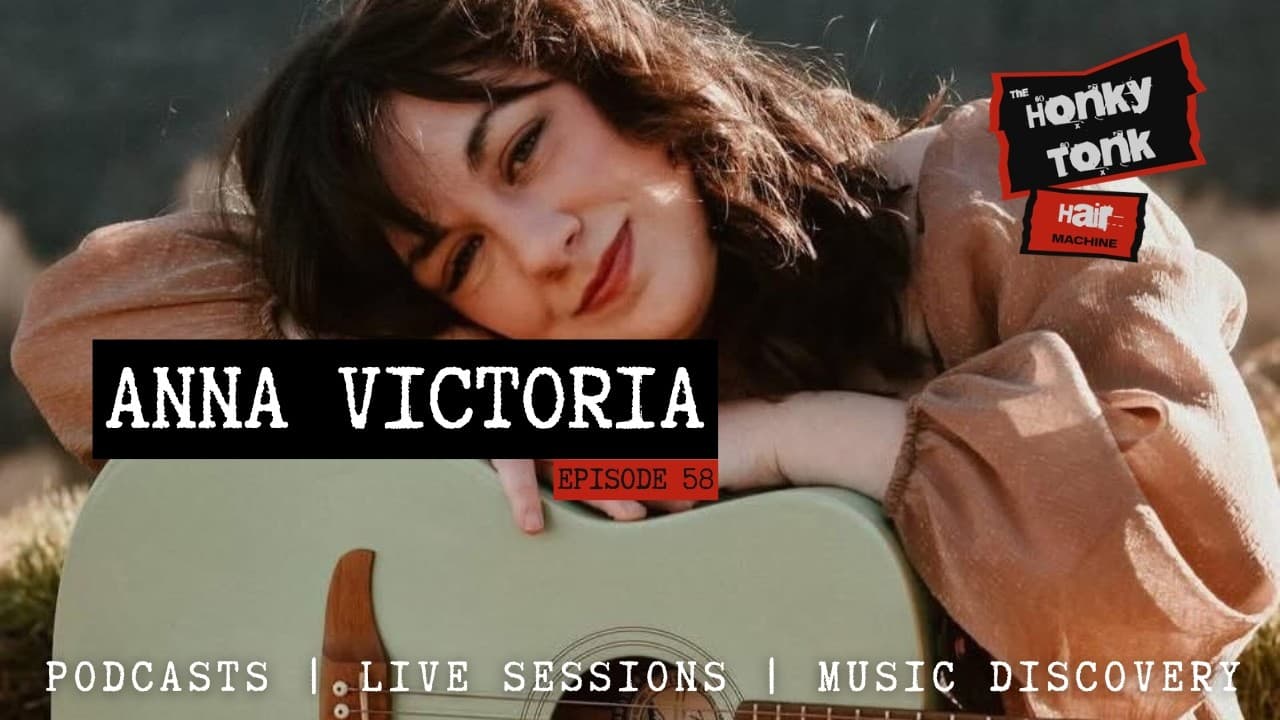
Anna Victoria
Inside North Carolina's Appalachian Music Scene | Anna Victoria
Anna Victoria joins Camden for an honest conversation about growing up in the mountains of North Carolina, discovering her voice as a songwriter and navigating life as an independent Country and Americana artist. We talk about learning to perform live, protecting her voice, finding confidence on stage, the influence of Appalachian music and artists such as Luke Combs, Sierra Ferrell and Dolly Parton, balancing music with motherhood, and the challenge of staying creative in a world driven by social media. It's a thoughtful conversation about music, family, creativity and staying true to yourself while building a career in independent music. Chapters 00:00 – Introductions, Weaverville, childhood. 02:00 – Singing, vocal health and beginning her musical journey. 06:00 – The pandemic, booking gigs and developing as a live performer. 09:00 – Coping with distractions, confidence and performing. 12:00 – Appalachian influences, Luke Combs, Sierra Ferrell, Dolly Parton and mountain songwriting. 15:00 – Family life, being a stay-at-home mum, social media and balancing music with everyday life. #lukecombs #sierraferrell #dollyparton Subscribe to The Rugged Revival. Share it with your friends. Support independent music! Listen to the full podcast on Spotify: https://open.spotify.com/show/6wnHcgA73o1aiiKaz882vH?si=30aabdaa220a4628 Follow The Rugged Revival: Instagram: https://www.instagram.com/theruggedrevival/ TikTok: https://www.tiktok.com/@theruggedrevival Facebook: https://www.facebook.com/profile.php?id=100094507520679 Website: www.theruggedrevival.com Email: ruggedrevival@hotmail.com
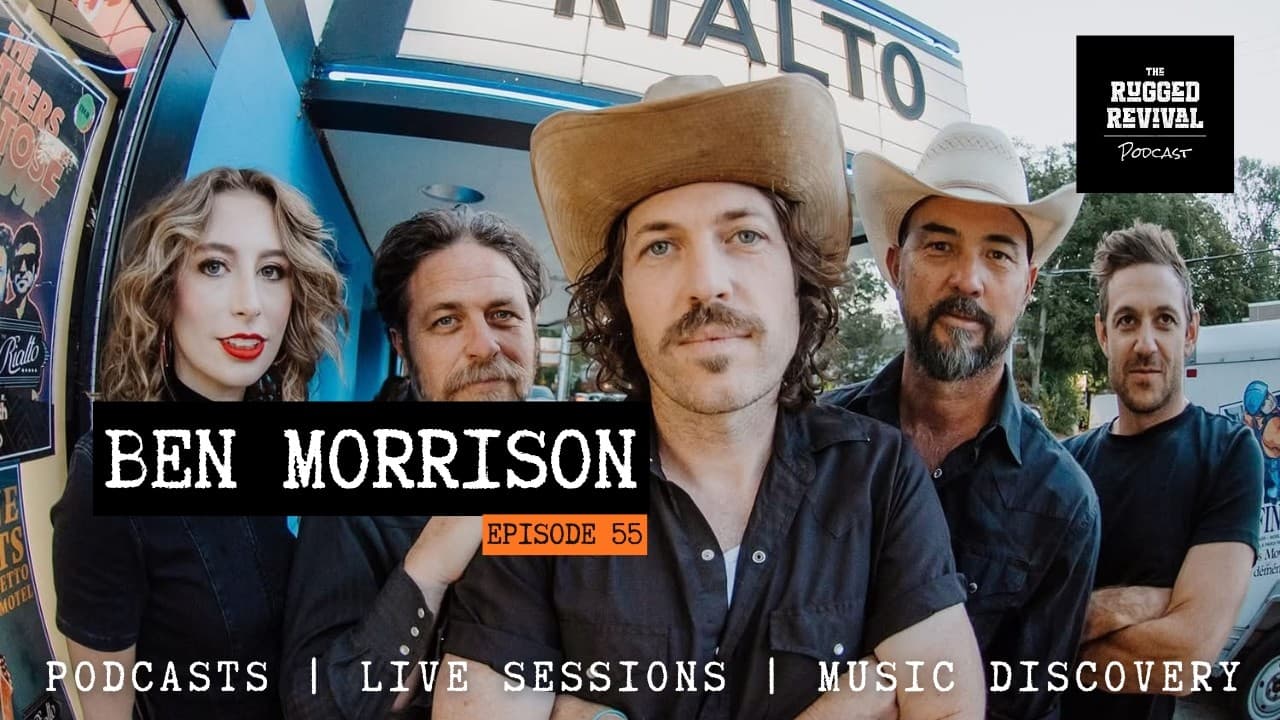
Ben Morrison
The Brothers Comatose: Ben Morrison on 18 Years of Music, Family & Touring
Ben Morrison of The Brothers Comatose joins the Rugged Revival Podcast for an honest conversation about nearly two decades ...
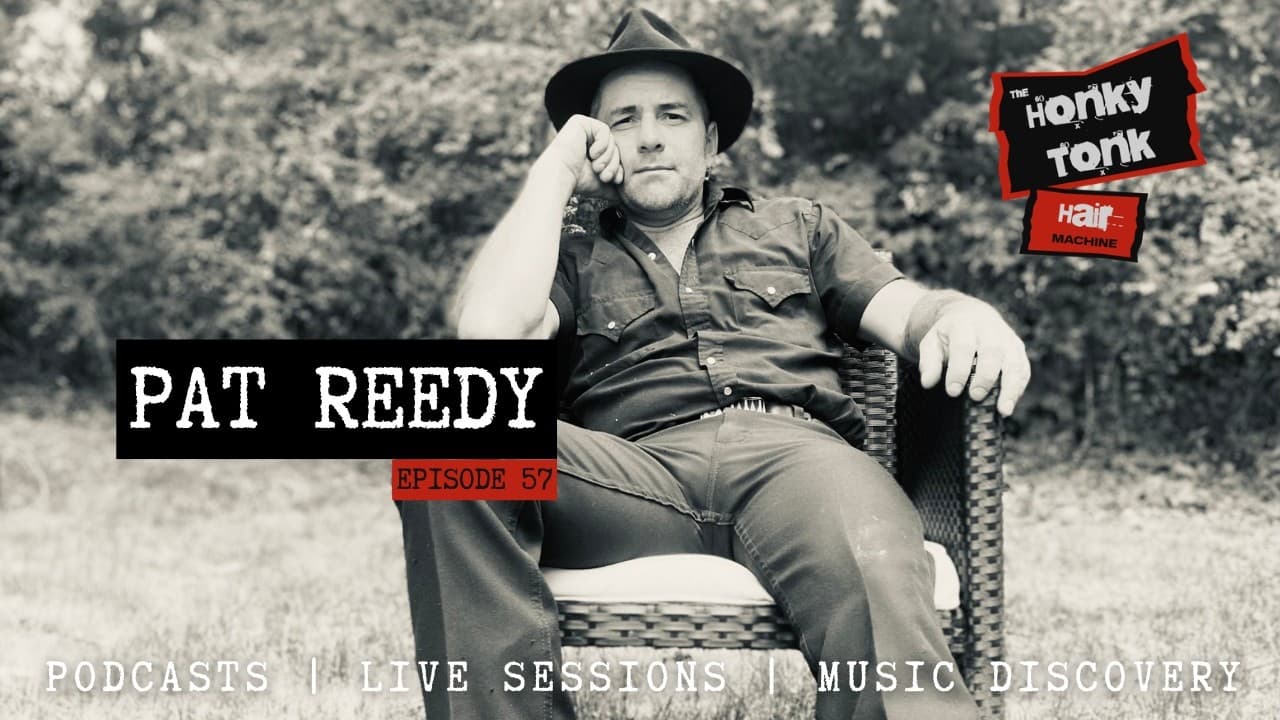
Pat Reedy
Pat Reedy on Busking, Nashville & Building a Country Music Career
Pat Reedy joins Camden to discuss leaving construction behind for country music, busking in New Orleans, life in Nashville, ...
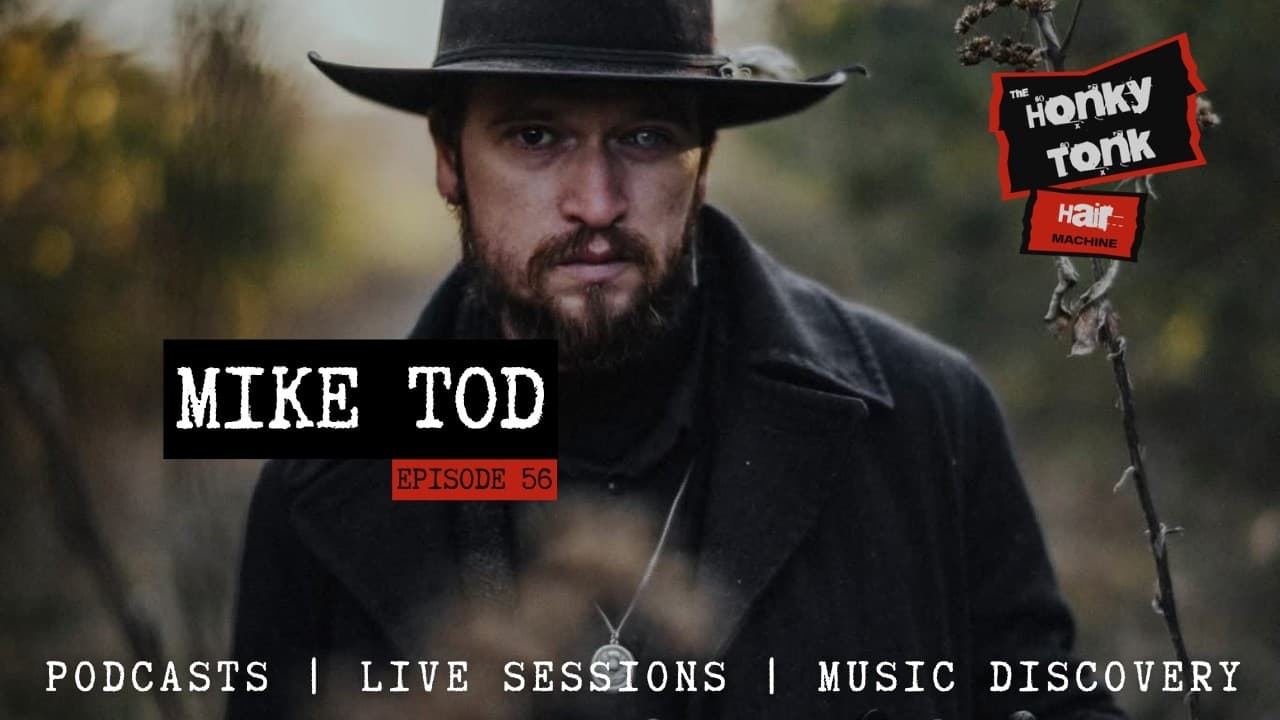
Mike Tod
Keeping Traditional Folk Music Alive in Nashville | Mike Tod Podcast
Mike Tod joins Camden to discuss traditional folk music, Canadian roots, life in Nashville, forgotten songs, unusual instruments and why preserving musical history still matters today.Originally from Canada and now based in Nashville, Mike explores the stories behind traditional songs, the connections between folk music around the world and how old music continues to influence modern artists. We also discuss his unique "Crankenstein" instrument, musical curiosity, collecting songs from the past and the importance of keeping traditions alive for future generations.Chapters00:00 Introduction00:00:30 Growing Up in Canada00:02:20 Discovering Music & The Crankenstein00:04:10 The Story Behind The Crankenstein00:05:20 Drones, Folk Traditions & Ancient Music00:08:10 Learning Guitar & Performing Original Songs00:09:40 Accessing Traditional Music in the Digital Age00:11:20 Researching Music History00:12:10 Playing The Crankenstein Live00:14:00 Creating Atmospheric Sounds & Live Performance00:16:00 Traditional Songs & Musical Origins00:17:50 The Artists Influencing Mike Today00:19:20 Studying Philosophy & Creative Thinking00:22:00 Horror, Heavy Music & Folk Culture00:24:00 Scottish Heritage & Family History00:27:10 Final ThoughtsSubscribe to The Rugged Revival. Share it with your friends. Support independent music!Listen to the full podcast on Spotify: https://open.spotify.com/show/6wnHcgA73o1aiiKaz882vH?si=30aabdaa220a4628Follow The Rugged Revival:Instagram: https://www.instagram.com/theruggedrevival/TikTok: https://www.tiktok.com/@theruggedrevivalFacebook: https://www.facebook.com/profile.php?id=100094507520679Website: www.theruggedrevival.comEmail: ruggedrevival@hotmail.com