
Keeping Traditional Folk Music Alive in Nashville | Mike Tod Podcast
Watch on YouTube
Subscribe for new episodes, Grit Sessions & more
Listen to this episode
In This Episode
There's something profoundly moving about watching someone discover their life's purpose by accident. For Mike Tod, that moment came at twenty-one, lonely in Glasgow with a handful of pocket money from his grandparents burning a hole in his pocket. He walked into a thrift shop, spotted a resonator guitar with a wooden body and metal cone, and walked out having found his calling. That guitar would eventually lead him from Scotland to Nashville, where he now spends his days hunting down forgotten folk songs and breathing new life into instruments most people have never heard of.
Tod's journey to Music City wasn't the typical Nashville pilgrimage. Originally from Manitoba before being raised in Alberta, he grew up with equal parts nature and curiosity—summers at a cabin in Manitoba, fishing and boating, the kind of childhood that roots you to something real. Those early years soaking in lakes and wilderness clearly shaped his approach to music, which feels less like chasing trends and more like archaeological excavation. He's digging through history, looking for the songs and stories that built the foundations of the music we listen to today.
I was living in Glasgow, Scotland at the time in a bit of a challenging part of my life and a little bit lonely, and that's when I started playing guitar.
— Mike Tod
What makes Tod's work particularly compelling is his refusal to compartmentalise folk music into neat geographical boxes. His Canadian roots, his time living in Glasgow, and his current base in Nashville have given him a unique vantage point for understanding how traditional songs travelled, evolved, and connected cultures. In conversation, he speaks about these songs not as museum pieces but as living, breathing things—vessels carrying the DNA of real people's lives across continents and centuries. When you listen to him talk about blues musicians using resonator guitars at juke joints before amplification existed, you hear someone who understands that every creative choice has a story, that nothing in music happens in a vacuum.
But perhaps the most intriguing part of Tod's artistic practice is his recent embrace of the Crankenstein—yes, that's really what it's called—a handmade hybrid instrument combining a medieval hurdy-gurdy with a guitar. There are only ten in the world, all crafted by a luthier living in the Polish mountains. Most owners are film composers, but Tod approached the instrument differently. He was drawn to its primal sound, that constant drone that sits underneath the melody like the heartbeat of something ancient. When he describes it, you understand immediately why he chose it: it doesn't sound like anything modern, anything polished. It sounds like pipes, like history itself has a voice.
Before amplification, before microphones and amps, that metal cone basically is a natural amplifier—blues musicians loved playing those at juke joints because they'd just cut through all the noise.
— Mike Tod
In a music industry obsessed with the new, with what's trending, with chasing algorithms and viral moments, Tod's commitment to preservation and historical investigation feels almost subversive. He's not interested in making folk music trendy or accessible in the way contemporary music tries to be. Instead, he's asking harder questions: Why do these songs matter? What were people experiencing when they created them? How do they speak to us now? These aren't the concerns of someone chasing commercial success. They're the concerns of someone genuinely convinced that understanding our musical past is essential to understanding ourselves.
Nashville, despite its reputation as a commercial music factory, is increasingly becoming home to artists like Tod—people drawn not by hit-making dreams but by the city's proximity to American musical roots. In his podcast conversation with Camden, you can hear someone thinking out loud about music in ways that feel genuine and searching. He's not selling you anything except the idea that this music deserves your attention, that these stories deserve to be told, and that the instruments our ancestors played still have something crucial to teach us.
For anyone curious about how folk music connects across continents, why preserving musical history matters in our streaming age, or what a medieval hurdy-gurdy sounds like when played by someone who genuinely loves it, this episode is essential listening. Mike Tod represents something increasingly rare in modern music: an artist driven by genuine historical curiosity rather than commercial calculation.
I'll help you. I'll help you. Start [music] a revolution for this Monday morning love situation. >> Hey, what's up everybody? This is Cam aka the Honky Tonk Hair Machine with the Rugged Revival. Who am I with today? >> With Mike Todd. >> Mike Todd, thank you so much for finding some time to sit down with me. I really appreciate it. >> Thanks for having me. >> So, I like to start things off with this first question. You know, it kind of gives us a peek behind the curtain. Um you can answer as much in depth as you want or as little as you want. But, uh where are you from originally and what was life like for you as a kid? >> So, I'm originally from Canada. I was born in a province called Manitoba, which is just north north of North Dakota. But, I was raised in a province called Alberta. Um so, west all west side of Can- Canada. And uh yeah, what was life like growing up? I mean, yeah, I spent most of my time in Alberta, but then my family had a cabin back in Manitoba, so we'd go back there every every summer. My mom was a teacher and um lots of lake time, boat time, fishing time, nature time. Uh that's certainly like a uh a happy spot in my mind and and thinking about growing up was being kind of like around that cabin quite often. But, uh yeah, then kind of like lived all over the place. Like, lived in Toronto. Uh I've lived in Glasgow, down here in Nashville now. I've lived on the west coast, so lots of lots of different places I've been. >> Yeah, that sounds awesome. That that's a really cool uh childhood. I love that a lot. And you have quite a diverse uh type of things you were getting into. Fishing, hunting, and all that kind of stuff, and just nature. That that's really awesome. I love that. I think more folks, you know, I know like urban folks, you know, you're in the city and it's kind of hard to get out, but something about like getting out even on like a good nature hike, I just think it connects you a little bit more. I think I think it's good for you. So, I know you're you're a multi-instrumentalist, right? How many instruments do you play? >> Yeah, I play guitar. I started playing piano when I was a kid and I've recently started playing this like, I don't know if you can see it back there, but it's it's called a crankenstein. It's like a a combination of a hurdy a medieval hurdy-gurdy and a guitar. Um but most instruments like that, like primarily guitar. >> Um so, when did you actually start playing the guitar? >> Started pretty late. I started when I was 21. I was living in Glasgow, Scotland at the time and you know, you know, kind of in a bit of a challenging or different part of my life and a little bit lonely and my you know, my grandparents had given me like a little bit of pocket money to buy something for myself over there and I bought this really beautiful resonator guitar from like a local like thrift thrift shop and that's that's kind of when I started started playing when I yeah, early 20s in in Glasgow. >> That's pretty awesome, man. And like a resonator guitar, too. That's pretty sweet. That's a good find. >> Yeah, yeah, it was a combo of like it had the metal cone, but a wooden body. Um some resonators will be like all metal. They'll have the metal cone and metal body. >> Okay. >> Back in the day like a lot of blues players would use that because it before amplification, before microphones and amps, that that cone basically is a natural amplifier. So, blues musicians loved playing those at juke joints cuz they were just loud and they'd cut through all the noise um that was happening. >> Oh, that's actually fascinating. I did not know that. That That's That's a really cool little factoid. >> Yeah. >> So, when did uh when did the Krakenstein come into the picture? >> Man, I just got this thing a couple months ago. Um in the fall I kind of came across my feed and somebody that I know also had one in Ireland. And there's only like 10 of them in the world right now. It's made by a luthier in Poland. Um Robert kind of lives in the mountains in Poland and he mashes up uh instruments and uh this is one of his creations and I have an understanding that, you know, of the 10 people in the world who own one, a lot of them are film composers. Lots of film composers like using them. And I just love it for the drone. Like a lot of people have compared it to sounding like pipes. Uh like Uilleann pipes or bagpipes. Um it's just got that constant drone. >> Yeah. >> [clears throat] >> I like a melody line over top of it on the guitar neck, but I something kind of ancient and uh deep guttural maybe you could call it. Uh it just kind of I absolutely love playing it and the sound of it. >> Yeah, it really, you know, when I've been watching you play it on Instagram, it it really uh feels um like primal, you know, if that makes sense. It it kind of like I don't know, pulls you back kind of rootsy in a way. It It reminds me a lot almost like a like a Viking instrument. >> Yeah, I mean, every region in the world has generally a version of a hand drum. If you go far enough back, it just generally the the thing that changes is the type of hide that you'll use on the drum. So, you know, indigenous folks here in North America, it'll be like deer hide, moose hide. But if you go way back in like Ireland or Scotland, it would be like sheep hide, and that's where the bodhrán drum comes from. But I think also another common like commonality is that a lot of regions will have a drone. And it's generally used in like spiritual music. So if you go to like India and you listen to raga music, they're playing like a harmonium and they just hold one note for like 30 minutes. And then over top of that, they'll have like a melody. But I think that they're like yeah, like you said, primitive, ancient, spiritual. There's something that's like deep down inside of us that really responds to hand drums and drones, man. And I love I love exploring that and I love bringing that out in in the music that I play. >> I think that's I think that's super accurate, you know, and like, you know, kind of even thinking with the droning, uh you mentioned this, bagpipes. What I think it Is it called a didgeridoo that you see in Australia? >> Yep, exactly. So that'd be like their long the didgeridoo >> Yeah. >> They just blow it and it's But it's a drone, man. It's the same I mean, if you go back into like ancient like Gregorian chants, Aramaic chants, you know, from more like the Middle East kind of area, same thing, but it's just the voice will be providing the drone, and then there'll be like other vocalists on top singing melody notes, but yeah, man, there's there's something deep about a drone, and I've always been drawn towards bands that that explore that and maybe have recognized that. Like, I mean, one of the most famous is the Velvet Underground and John Cale and how much he loved drone music, and you know, they they even tried to attempt to tune one of their albums to the drone of a refrigerator cuz I mean there's drones around us all the time. >> Yeah. >> And in New York City there was a lot of like mechanical drone noises. And so they had this concept that everybody's tuned to this like the the drone of the refrigerator. But yeah, I think >> Yeah, that's that's really interesting. Um So you started playing guitar at 21. When when did you start taking your original music to the stages? When did you start playing out? >> Yeah, well, I mean I don't really play original music. I I play traditional music, so or trad t r a d or old time music some people call it, but generally my MO is that I I I have a master's degree in a thing called ethnomusicology. So I love researching songs like the history of the song, who sang it, where the song comes from, are there related songs, is it part of a song family? And then just kind of tracing that line back as far as I can go like the oldest song that we play is dated to about like the 13 maybe 1200s. There's some medieval material like from the 1500s. Um but when I started doing that was like maybe a couple years after learning the guitar and I came back to Canada. I started volunteering at a community radio station and I got a folk music program. And started volunteering at folk festival that our local folk festival. And then pretty soon after that I was starting to like book shows, play out, and and then I mean it's grown and evolved from from there to I'm in Nashville now. >> [laughter] >> No, that's actually really fascinating. Um so when you're covering a lot of these these old songs, where are you discovering the music? Are you coming across vinyl records or like how do you know about this stuff? >> Yeah, dude. I mean everywhere. I mean, I feel somebody once asked me in an interview if they thought I was born in the wrong time and I I say I was born in the right time because for as much as we, you know, crap on technology, like we do live in an era where things are accessible and that can be maybe a challenge for some people, but I love it because it gives me access to, you know, recordings from the '20s and the '30s and everything's on YouTube or you can find them through the Library of Congress and a lot of these, you know, museums and places have digitized their material. They've digitized these old, um, you know, even wax cylinder recordings from like the late 1800s that you can listen to online and it's great. Um, I I and I mean like just for me speaking personally, I I try my best to find stuff that's on the little more rarer side, I'd say. Mhm. Um, so that does take a little bit more digging. Uh, but I mean the mediums that were songs would come to me would be like, yeah, vinyl. I have a pretty big collection back home. Uh, digital, you know, my my iTunes has like 25,000 songs on it. Um, and and a lot of like kind of compilation albums or have have been helpful for me over the years. Uh, there's a record label called Smithsonian Folkways, which is really great for that kind of content. And just talking to other players, too, you know, like just recommending songs or I hear somebody play it or I hear it in a movie or whatever and I just, you know, get curious about it and and I'll start researching it. >> So, have you always been like a really studious person? Like you kind of get into something and you go down this like total not to diminish the work, but like a bit of a rabbit hole. >> Oh, yeah. Yeah, my mother-in-law says that in a past life I'd probably be a good private investigator. >> Yeah. >> It's like it's one of the things that I love most about it, man, about like the trad old-time genre is that there is like an investigative element. You know, I mentioned things back as far as they'll go. Um and I I yeah, it's like kind of a investigative almost journalistic type type element. But and I've always had that in me, man. I've always been curious to yeah, follow things back as as far as they'll possibly go. >> So, with you being a multi-instrumentalist, first let me back up. Have you played the Frankenstein live yet? Has that been on stage? >> It has, yeah. I took it out for the first time on a St. Patrick's Day here in Nashville. And the guy I was just everybody, they're like, "I've literally never seen or heard something like that." And I was like, "Yeah, well, there's like 10 of them in the world. I think it's the only one in North America right now." >> Yeah, I think so. Do you I'd imagine you have like a pretty good like travel case for that. >> I'm getting one made. Yeah, so it's like it's because there's only 10 of them in the world. You can't buy a Gator case off Amazon for it. So, but luckily I'm in Nashville and there's there's there's a number of tremendous case builders here. So, I've got one on the on the go right now. >> So, so to kind of piggyback that question, you have several instruments that you're playing. You're trying to sing. There's a lot going on with your live show. What are some of your biggest challenges when you're bringing all that to life on the stage? Like what do you what's the biggest hurdle there? >> Yeah, this is a great question, actually, man. And I mean, for me, if you listen to our studio recordings, um we definitely take a lot of uh we we put a lot into like what's like in the studio. Like I mean, on one of the tracks in our last album, it's called O Death, I think there was like 350 tracks on it. So, it was And then the the producer uh named John Spud Murphy, who's incredible, he has a way of like gluing it all together. So, it doesn't sound overwhelming, but you know, it sounds cohesive. But, it's definitely a challenge like bringing that to a live setup. Um one thing I have Well, it's somewhere back there, but it's called a Digitech machine. So, people will use them as samplers for drums. And I just ended up programming a number of kind of like weird, odd, eerie sounds that we recorded in Dublin uh into like each track. So, I'll bring that with me on stage um just to kind of expand the soundscape, I guess, as it were. Cuz that's another thing I try and do is, you know, with this old material, um I I try [clears throat] to I don't modern modernize is the right word, but like just, you know, paint a full portrait of it and uh paint as large of a sonic soundscape as I can. Um I I sometimes describe it as you ever see when people like uh colorize old black and white photographs? >> Yep. >> I sort of do a musical equivalent of that, right? Where like I take, you know, a song that I heard on a recording from 1927, and that's like the black and white photograph. And I'll take like the structure, the melody, the lyrics, but then I try and colorize it. And whenever I look at those like colorized photos, I'm like, wow, like I could It almost feels like you could see that person walking down the street. It feels a a more real and, you know, a part of present day. And that's what I try and do with old folk songs. And it's a process that has been, you know, going on for hundreds and hundreds of years, sometimes with these songs, where they just get passed down and people try and add new things to them to keep them going and and and that's what I try and do. So, you know, in a way it's like it's not about me a lot of the times. I try and very I'm very conscious of the genre that I work within itself and I'm trying to add to the genre if if that makes sense. >> Do you ever come across and just to kind of stray a little bit, do you ever come across songs like they don't know who wrote it or where it came from? Kind of like, um, I might be mistaken, but I believe they don't know who wrote In the Pines. >> Yeah, man, all the that's like a big part of trad or folk music, old time music, is that a lot of the time they're just anonymous authors, you know, like one song, um, that was in my head recently and we recorded, it's called The Cowboy. And it's it comes from an anonymous set of, uh, like cowboy poetry, um, that was written sometime in the mid to late 1800s, but we don't know who the author was. Um, so that's one example. Another example is is that because these songs evolve and change and get added to over time. So, say you have a ballad that originated in the the borderlands of, uh, South Scotland and Northern England. They call that border ballads. And it's also where, you know, the Border Collie, that's where it gets its name from is cuz it comes from the same region. Um, but say you have a border ballad from Southern Scotland and then it came over here to North America. And instead of like mentioning the River Clyde, they start mentioning the Mississippi or, you know, the Red River or like whatever it is, they'll just change it and tweak it. And so it's through that process as well. Uh this combination of like communities and time and literal space that changes the song and and there's just no way of knowing where it originated, which drives me nuts sometimes, but that's part of like tracing it back to. >> Yeah, it's so fascinating and I can't think of any actual song titles off the top of my head right now, but I think Sierra Ferrell is also pretty good about doing some deep dives like that. >> Yeah, she uh she grew up I think in the kind of old-time trads uh scene. And I I think she more records maybe more knowing kind of like earlier country songs. Um in addition to like she writes fantastic songs you know, within that kind of genre or structure. Like they sound like they could be old, right? Um >> Yeah. >> But for I just go straight for the pure stuff and like and go as old as I can. So, yeah. >> So, not only are you doing like a really cool thing with your music and your presentation of this, but when you're when I've seen you on Instagram, you know, you also have a great look. So, when you hit the stage, you have a particular go-to outfit that you go for? >> Uh thanks, dude. Uh all black. Yeah. >> All black. >> Yeah, I got a uh I should get it here. You know what I mean? It's my Smithbilt hat that was made in Calgary, Alberta. Um that company started in 1919, I think. >> That's super nice. >> Hats for rodeo, the Calgary Stampede. And I have a black linen shirt that was made for me by a a seamstress on the Vancouver Island in Canada. And black Wranglers. Oh, actually, sorry. I wear brown belts and a um brown Ariats. I I have one set of shoes and it's my Ariats and I wear them year-round, including on stage. >> Yeah, but that's that's really funny. You you match the belt and the shoes, which some folks are like, that's actually pretty strict cowboy code. You got to match the belt and the shoes. >> [laughter] >> Yeah, man. >> Um So, when you're Are you still active in the classroom? Are you still teaching? >> Nope. I got my master's degree um in 2016. And I never really taught with it, actually. Usually, you have to have a PhD, I think, nowadays, but um yeah, it served me well, man. I I used to say that having a degree master's degree in ethnomusicology is like a level below a philosophy degree in terms of like getting hired. Um but, you know, it served me well. Like, I've I've done really cool Oh, pardon me. I I think I'm I'm proud of the work that I've done. Um like, I did a really in-depth podcast on the history of Canadian folk music at one point. I've made documentary films about folk musicians uh in in the region where I'm from. And then, of course, I use it, you know, for this, for my own albums and and the research component that that kind of goes into it. And honestly, it's a big part of our live show. I love explaining to people um and just sharing with them the history of you know, a song like The Wild Rover Berry and like that it's a murder ballad and it's from the 1500s and you know, explaining to people like, you ever just like watch like a 10-part true crime series on Netflix and it's like 3:00 a.m. and you're freaked out and you walk outside and just like, you know, the rustle of a bush freaks you out and you're just like freaked out. I'm like, what these songs would have been like and like are in a way. It's like you gather around the fire after supper, you know, after dinner and and you'd start singing these like old murder ballads and get freaked out and so yeah, I try and provide like context for for folks like live on on stage as well and and then on Instagram like I try and share my best to share like, you know, older material or older recordings of the songs that we play and you know, context is is a big part of folk music. And there's like a few different interesting stories about that, but yeah, it's very important to me. >> I think you touched on something really interesting. It's like I think when we're younger and we're kind of getting into, you know, horror and maybe even like what we deem like scary or extreme music, we always want like loud and fast, you know, it's kind of like, you know, coming up Cannibal Corpse and Slayer was like loud and scary and aggressive. And then when we watch when we watch horror movies, we want, you know, the bloody slasher, gory, over-the-top, jump-scare stuff. But you kind of evolve, right? And then you start getting into like for me I got really into folk horror and I follow a lot of those type of authors and movies and then you start listening to what you're talking about, some of these really old murder ballads and those are they're telling you an actual story through the lyrics and it's painting a picture in your mind and it's actually giving me goosebumps to talk about. But I I think it's really cool to see that that evolution of it all. >> Oh yeah, and if you think of like where some of these songs may have came from, they came from a time when people wouldn't be able to read the newspaper. >> Right. >> A lot of people were illiterate, but they'd be able to like tell you about a like a murder that happened in town through song. And lots of folk music like originates from this context. Is that like there's a movie, I forget the name of it. It's all about that you there used to be a job where somebody would go town to town and he'd read the world news to people because people couldn't read for themselves. But, in lieu of that or kind of in place of that uh people would revert to creating songs about, you know, a murder or you know, a wedding or you know, like whatever it is. Um and it would be a way of sharing like news and and information with each other. Um so, in a lot of ways like some of these like old murder ballads or folk songs are kind of like just like headline news, you know? Um but put into like song. So. >> Yeah, that makes sense. So, um if you don't mind shifting gears a little bit, could you tell us a little bit about your tattoos on your arms here? >> Yeah, I did. Um so, this is the line of St. Andrews. And uh I'm I'm primarily Scottish in my ancestry. I'm like over 90% Scottish. Um and that kind of came from my time of of living in Scotland. Uh I have a couple like Oghams on my hand that came from when we were Ireland. I have a loon on my arm. I have a key like E that was for my building in Scotland. Um I have a old thing that my grandpa made, Canadian Navy guy. I have the phrase sending the clowns cuz it was one of my favorite uh favorite songs and my dad really loves that song. So, yeah, I got a couple and there's a couple of up my arms, too. Buffalo skull and >> Yeah. And you also have a really nice collection of jewelry. What can you tell us about your rings and your necklace? >> Yeah, thanks, man. Uh I got This is a smoky quartz on my uh um pointer finger. Uh this one I got in Ireland to like an evil festival. And uh it's kind of an old like It's like an old Viking on my necklace. And some more more Ogham's. And uh this is my This ring spins. It's my social anxiety ring. >> [laughter] >> I just like spin it a lot when I'm out and about. >> Yeah, that looks that looks cooler than having like the plastic uh fidget spinner. >> Yeah, >> [laughter] >> exactly. >> Um well, look, Mike, I really appreciate your time and you know, it was really fun. I think we could talk way more about that uh you know, the the history of folk music and everything. But um you know, I don't want to tie up too much of your uh Friday night. But um where can we find you on social media and do you have a website? >> Yeah, so my website's uh miketodd.com and it's t o d with one d, which is Scottish. And uh it actually it's a word in Scots. It means fox in uh Lowland Scots. Lots of people like they grew up with that uh the Disney cartoon The Fox and the Hound. And the fox is named Todd with one d for this >> But yeah, it's m i k e t o d.com. >> and then on Instagram, miketoddmusic. So, yeah, trying my best post content pretty regularly. >> Very cool. Well, we'll end our interview here, but if you don't mind just stay on the line with me for a hot second and like I said, I appreciate you, Mike. Thank you. >> Thanks, Cannon. Thanks you so much.
Comments
Keep listening
Related Episodes
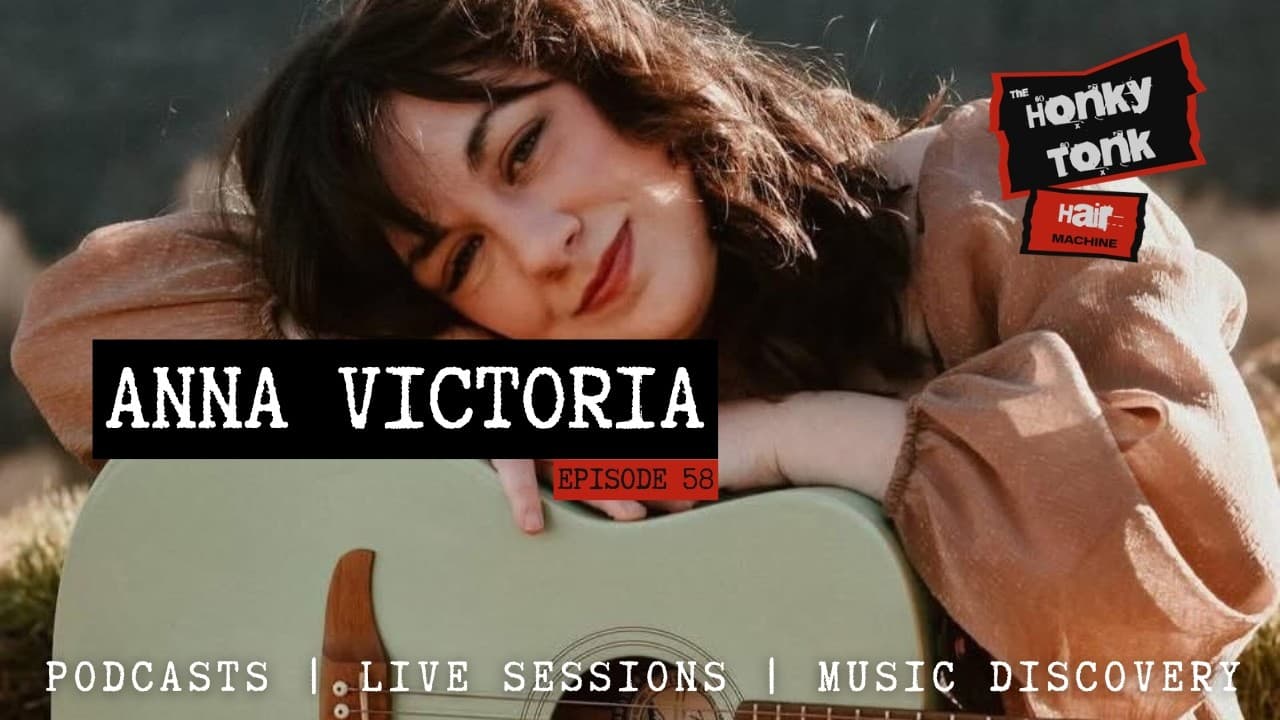
Anna Victoria
Inside North Carolina's Appalachian Music Scene | Anna Victoria
Anna Victoria joins Camden for an honest conversation about growing up in the mountains of North Carolina, discovering her voice as a songwriter and navigating life as an independent Country and Americana artist. We talk about learning to perform live, protecting her voice, finding confidence on stage, the influence of Appalachian music and artists such as Luke Combs, Sierra Ferrell and Dolly Parton, balancing music with motherhood, and the challenge of staying creative in a world driven by social media. It's a thoughtful conversation about music, family, creativity and staying true to yourself while building a career in independent music. Chapters 00:00 – Introductions, Weaverville, childhood. 02:00 – Singing, vocal health and beginning her musical journey. 06:00 – The pandemic, booking gigs and developing as a live performer. 09:00 – Coping with distractions, confidence and performing. 12:00 – Appalachian influences, Luke Combs, Sierra Ferrell, Dolly Parton and mountain songwriting. 15:00 – Family life, being a stay-at-home mum, social media and balancing music with everyday life. #lukecombs #sierraferrell #dollyparton Subscribe to The Rugged Revival. Share it with your friends. Support independent music! Listen to the full podcast on Spotify: https://open.spotify.com/show/6wnHcgA73o1aiiKaz882vH?si=30aabdaa220a4628 Follow The Rugged Revival: Instagram: https://www.instagram.com/theruggedrevival/ TikTok: https://www.tiktok.com/@theruggedrevival Facebook: https://www.facebook.com/profile.php?id=100094507520679 Website: www.theruggedrevival.com Email: ruggedrevival@hotmail.com
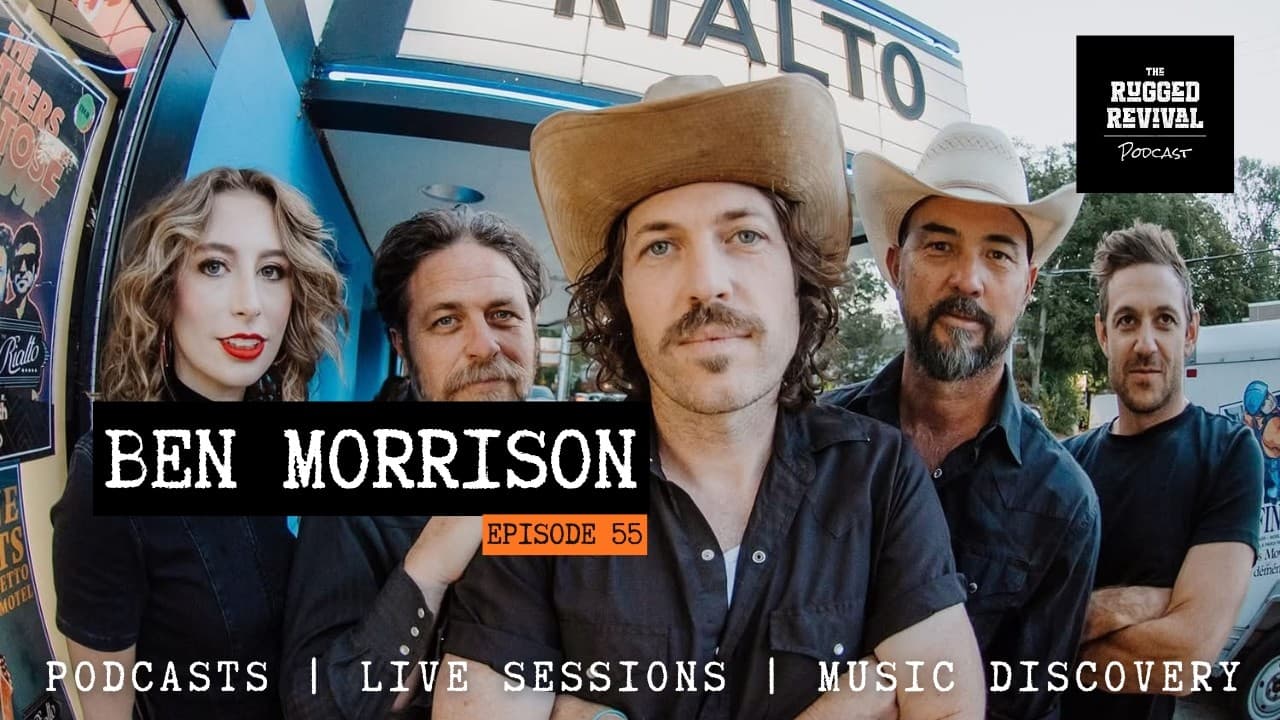
Ben Morrison
The Brothers Comatose: Ben Morrison on 18 Years of Music, Family & Touring
Ben Morrison of The Brothers Comatose joins the Rugged Revival Podcast for an honest conversation about nearly two decades ...
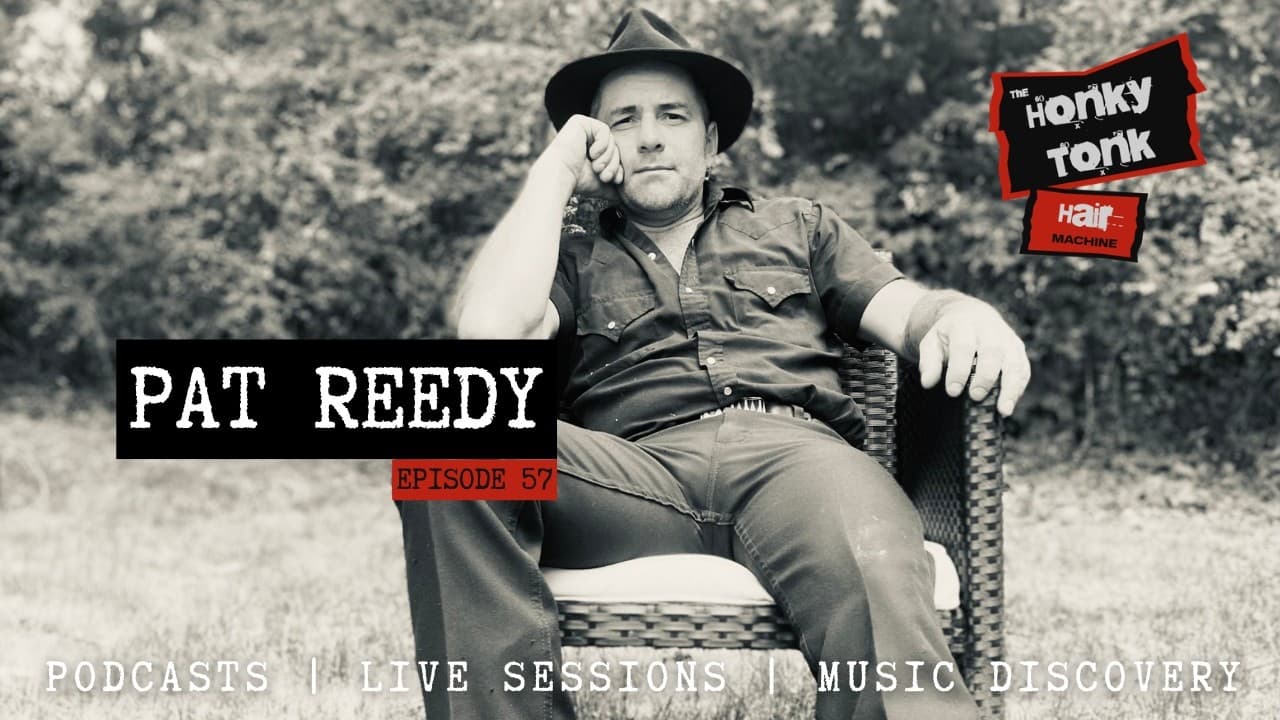
Pat Reedy
Pat Reedy on Busking, Nashville & Building a Country Music Career
Pat Reedy joins Camden to discuss leaving construction behind for country music, busking in New Orleans, life in Nashville, ...
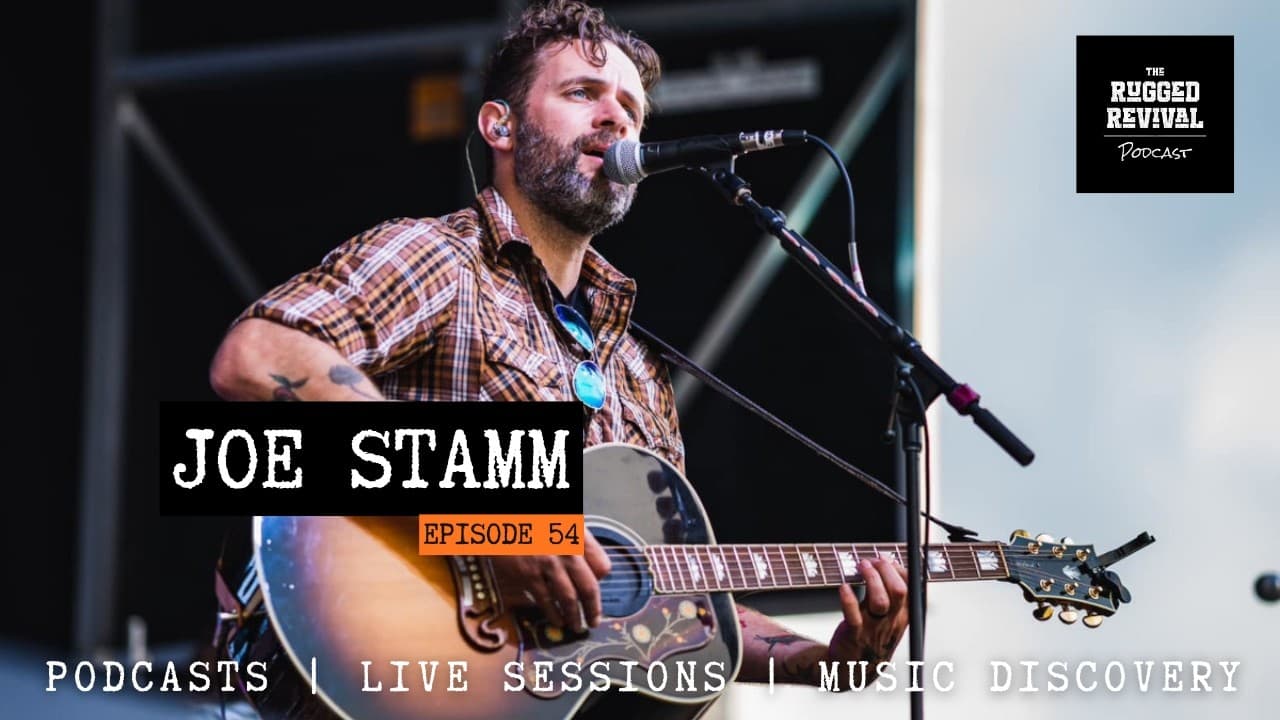
Joe Stamm
"I'd Still Make Music If Nobody Listened" | Joe Stamm on Touring, Songwriting & Country Music
Joe Stamm of the Joe Stamm Band joins the Rugged Revival Podcast for a conversation about songwriting, touring, independent country music, recording albums, and building a loyal fanbase from the ground up.In this episode, Joe discusses life on the road, the realities of being an independent artist, working on multiple recording projects at once, and why songwriting remains the driving force behind everything he does. He also shares insights into his creative process, growing up in Central Illinois, musical influences like Chris Knight, Eric Church, Blackberry Smoke, and Charles Wesley Godwin, and his thoughts on AI-generated music and the future of streaming platforms.Whether you're a fan of Americana, country rock, Red Dirt country, singer-songwriters, or independent artists carving their own path, this conversation offers a genuine look behind the curtain of modern country music.Chapters:00:00 Joe Stamm's Reality: No Sick Days & Why He Keeps Making Music00:42 Introduction to Joe Stamm & The Joe Stam Band01:35 Social Media, Humour & Connecting with Fans02:18 Touring, Illness & Cancelling Shows04:15 Touring Across America05:54 Why Joe Wants to Tour Europe06:43 Working on Three Albums at Once09:30 Recording Music & Finding a Creative Workflow12:20 Funding Records & Building a Fanbase14:50 The "Joe Stamm Man" Merch Idea16:20 Growing Up in Central Illinois18:55 The Midwest Music Scene20:55 Musical Influences & Discovering Country Music23:15 Napster, Streaming & Finding New Artists24:00 AI Music & Spotify's Challenges26:45 Defining the Joe Stam Band Sound30:10 Writing Lyrics That Matter32:55 Quick Fire Round37:20 Joe's Songwriting Process Explained40:25 Where Song Ideas Come From43:30 Perfectionism, Editing & Finishing Songs44:05 Songs Joe Is Most Proud Of47:55 What's Next for Joe Stamm?50:00 Where to Find Joe Online51:50 Final Toast & Closing ThoughtsSubscribe to The Rugged Revival. Share it with your friends. Support independent music!Listen to the full podcast on Spotify: https://open.spotify.com/show/6wnHcgA73o1aiiKaz882vH?si=30aabdaa220a4628Follow The Rugged Revival:Instagram: https://www.instagram.com/theruggedrevival/TikTok: https://www.tiktok.com/@theruggedrevivalFacebook: https://www.facebook.com/profile.php?id=100094507520679Website: www.theruggedrevival.comEmail: ruggedrevival@hotmail.com