
"I'd Still Make Music If Nobody Listened" | Joe Stamm on Touring, Songwriting & Country Music
Watch on YouTube
Subscribe for new episodes, Grit Sessions & more
Listen to this episode
In This Episode
There's a moment early in our conversation with Joe Stamm where he laughs about the reality of being an independent touring musician, admitting to his wife—probably not for the first time—that he's never working on three records simultaneously again. It's the kind of thing that sounds like a joke until you realise he's absolutely serious. Then he adds something that cuts right to the heart of why artists like him matter: "I'd still make music if nobody listened."
That's not a throwaway line. That's a philosophy.
I'd still make music even if people stop caring.
— Joe Stamm
The Joe Stamm Band represents something increasingly rare in modern country music—an artist entirely committed to the craft itself, independent from industry machinery, and genuinely unbothered by whether streaming numbers validate his existence. Stamm comes from Central Illinois, built his reputation the old-fashioned way (one show, one fan, one song at a time), and has somehow managed to maintain both artistic integrity and a wry sense of humour about the whole exhausting endeavour.
What strikes you immediately when talking with Joe is his refreshing absence of pretence. He's self-deprecating about his social media presence, openly admits his comedy sensibility lands somewhere between "okay, I guess" and "definitely not offensive," and speaks with genuine gratitude about people who drive two or three hours to catch his shows. That last bit isn't small talk—it's the foundation of everything he does. When a cancelled show due to illness weighs on him, it's not about lost revenue or metrics; it's about people who've blocked out their evening to be in the room with him.
There are no sick days in this business.
— Joe Stamm
The touring life takes its toll, obviously. Stamm was recently battling illness so severe he felt obliged to reschedule interviews, and he carries no illusions about the physical demands of the road. But there's something unshakeable about his commitment. He doesn't tour because he's chasing something; he tours because making music is what he does, full stop. The fanbase follows because they sense that authenticity—they're not paying for a product, they're supporting a person's genuine creative calling.
What's equally revealing is how Stamm talks about the creative process itself. Managing multiple recording projects simultaneously might sound chaotic (and by his own admission, it is), but it speaks to someone with constant ideas, constant restlessness artistically. He's not waiting for the "right moment" or the "perfect conditions." He's writing songs, recording them, touring them, and starting over again. That's not a strategy; that's just how he operates.
There's also something distinctly British about the interview itself—Maggie O'Connell, the host, immediately disarms him with that mix of genuine curiosity and dry humour that defines the best music journalism. When she mentions being ill through January, their mutual commiseration about man flu versus woman flu spirals into the kind of tangential banter that only happens when two people are actually enjoying themselves. It's a reminder that the best conversations about music happen when the pressure to "perform" gets removed.
For anyone following independent Americana and country music, Joe Stamm represents the real deal. He's not content to be a streaming algorithm footnote or a TikTok novelty. He's doing the unglamorous, relentless work of being a working musician in 2024—playing venues, writing constantly, managing his own career, and somehow maintaining perspective and humour while doing it all. That he'd continue making music even if nobody listened shouldn't be remarkable, but in an industry obsessed with metrics and virality, it absolutely is.
The full conversation deserves your time. This is the kind of episode that reminds you why independent music matters—not because it's scrappy or DIY for DIY's sake, but because artists like Stamm are fundamentally driven by something that can't be manufactured or marketed. They make music because they can't not make it. Everything else is just logistics.
You know, it >> [music] >> there are no sick days in this business. Every time I do this, I tell my wife [music] I'm never working on three records at the same time again. I'm going to keep writing songs. And for as long as the fans [music] will support me, I'll keep making records out of those songs and putting them out as long as people care. And probably even [music] if people stop caring, I'll still do that. >> [music] [music] >> This is Maggie O'Connell and I love Rugged Revival. >> This is the Rugged Revival podcast [music] where your global country Americana and roots music community. And come and join [music] us and let's help you discover new music and your new favorite artist. On today's show, we've got the one and only Mr. Joe Stamm from the Joe Stamm Band. How's it going, mate? You're okay? >> [music] >> It's It's going great. It's going as good as I can ask, I suppose. Yeah. >> Fantastic. I I was [music] putting my posh foot podcast voice on for you then, sir. >> Oh, sounds really good. You know, us us ignorant um Americans just think anybody with that with an accent like yours is sophisticated. So, no matter how how you say it, it just sounds so sophisticated, I guess. >> That's how we get away with just talking any old crap, really. And it sounds believable almost. >> Right. Americans, they'll just be they'll just be overwhelmed by the accent and not even >> [laughter] >> Yeah. >> [snorts] >> Awesome. But look, I appreciate you coming on, mate. Been been a fan of your music for a while and following you online. You know, some of the stuff you put out is hilarious and it's just fun it's just fun to see someone, you know, on tour and and you know, doing what you do, have fun at the same time and you know, social media's a funny old game, isn't it? >> Yeah, and I you know, I would use the term hilarious loosely. I was recently telling my wife it's like, you know cuz I've like every once in a while you get stuck scrolling through reels that are actually really funny that people post. And it's like you know, I don't I don't have a sense of humor that anybody like laughs out loud about. It's it's more like I'll post something and people are just kind of like >> [snorts] [laughter] >> Yeah, you know, it's like it's just like okay. But but I do my best, you know. >> That's my sense of humor to be honest with [laughter] you cuz when I see your post I think, yeah, I like that. >> Exactly. It's like you get overwhelmed. It's never it's never overwhelming anybody with greatness and hilarity. But it but it I'd also like to think it's it's very it's it's not offensive, you know, or not it's it's it's it's not it's it's I don't I don't know. I'm I'm grasping for straws at this point. But as we say >> Yeah, but I mean it gives us an insight into your world and what you're doing and I noticed you you were touring quite a bit lately and and had a bout of illness as well, mate, which is why we we kind of rescheduled this time, didn't we? >> Thanks for your understanding. You know, there are no there are no sick days in this business. It's it's a bummer because any time you have to cancel something, it just sucks cuz like people people will they'll like plan in advance for weeks and people will drive two or three hours, sometimes more to come see our shows. Um And I so I hate canceling. But anyways, thank you for being on to move this interview because you would not have wanted to interview. I think I could have gotten you sick like through the computer screen. >> [laughter] >> I felt so miserable that week. So thanks for letting me thanks for letting me >> I was I was ill as as [ __ ] you know, from probably the whole of January. I don't know what it was. I think it was flu or man flu for sure, you know. >> Yeah, which is way worse than than than woman flu. >> Yeah, even though we get no sympathy, you know. >> Yeah, well, it doesn't seem to affect them. I I just think it's a whole different degree of severity, man flu. >> Yeah, what than women flu. >> I agree. I did try and explain that to the wife, but she she won't having any of it, dude. >> My wife is super wonderful. Like we have this we finished our basement last year. So like like beyond be behind your you right now in the computer screen there is this roll out bed. Um which is great because if I'm sick, then I'm just down here in the sick ward, you know, and if anybody else upstairs is sick, like my daughter has been sick again for the last week and so you know, if she is is up 30 times a night, my wife is like just please go downstairs. And get out of our our way [laughter] and go get some sleep. So my wife is is wonderful about letting me whimper around when I'm sick. >> Yeah. Yeah. Oh, good for her, mate. >> [laughter] [snorts] >> So what where have you been though? So you you've been to many places, but so but where where is kind of your tour taking you so far? >> You know, it it's kind of been an unintended but nice this year that we our tour has been a little bit tightened up. Um you know, we always tour extensively throughout the Midwest here in the US and but but also beyond, you know, like last year we were in Idaho, Wyoming, Montana, all the way across to Eastern North Carolina. Um and then you know, upper Minnesota down to uh the coast at Pensacola in fact. Um we were talking before this started. Uh but this year it's it's it's unintentionally tightened up a little bit, which has turned out to and to be nice just because of the outrageous touring costs that is gasoline prices right now and lodging expenses as well. Um so we've we've really really up and it'll it's temporary. Uh I was just got off the phone with my manager before this call and talking about what's going to go on this fall. Um and certainly beyond that. But uh But you know, we we go anywhere that people call us up and say, "Hey, will you come out and visit us?" You know, so um So outside of like the northeast coast the and the southwest and the western coast here in the United States, we've we've pretty much been everywhere in between. We've never made it We've never made it across the pond yet, but maybe someday. >> That that was always going to be one of my questions, mate. And um you know, to see if you if you have been uh and if you haven't, would you like to come across? That's the uh >> Yeah, I think it's both it's intimidating. For someone who hasn't done it, it like it feels like I hate logistics. And it feels like there are just so many logistics that have to take place. Um And of course, hopefully at some ti- at some point somebody comes into our team that just wants to you know, take the ball and run with it and make that happen. But even just from a personal level, I would absolutely love to get over to Europe at some point um and just hang out, you know. >> That sounds good to me, mate. We can grab a beer and and pretend to work, you know, that's [laughter] That's my my way of working. >> than actually working. >> Exactly. Exactly. It's So you I I noticed you've been in the studio um as well recording some tracks. Is so is that is that some upcoming tracks? Uh what you know, what's going on with that? >> Well, this is going to sound a little bit confusing cuz I I've got three different albums that are in various stages of production. Um and so I'll start with it I'm I'm working on another acoustic record, which those those I just kind of work on in the background of life, you know, I I record them here locally um in central Illinois at a studio that's about a half hour away. and I'll just kind of schedule time in there when I have time and feel like it. And so like I did the memoirs record and this is the same thing and it took me maybe a couple years and I recorded 30 songs and then picked like 12 by the time that we put it out. So that's kind of just on my own personal time. Um and but but the the other two are more serious and intentional I guess. Uh I we started recording for our next band record which will be a follow-up to little crosses uh few weeks ago and I think tentatively right now we're hoping to get back in the studio early in the fall maybe September to wrap that up so that will be more of a that'll probably be a 2027 release if all goes according to plans and then um I also finished up and almost have post-production wrapped on a five-song EP that I recorded with a band called the Allegheny High who are more popularly known as the band that uh tours with Charles Wesley Godwin. And so I did five songs with them back in January and so we're just kind of finishing up mixes and then we'll be sending those off to mastering soon and hopefully we'll have a release date of for sometime this fall. So So yeah it's kind of confusing when I start talking about all the different every time I do this I tell my wife I'm never working on three records at the same time again cuz I did the same thing our last album cycle really identical project. Yeah. Um but here I am again. I just keep writing and like the my favorite part of this job is is is mind to notebook and then notebook to studio and studio to release. Like that's that's that's what does it for me. Um and so I inevitably find myself just in in these album cycles. And you know, it's like certain songs I feel like fit different approaches. And so that's that's why, you know, I'll take some songs to the Allegheny High. Um I saved the bulk of my work for my band. And then everything else that kind of falls in the cracks, I'm like, well, I'll just go into the studio and sit on a stool and play them with a guitar, you know? >> Yeah. Yeah. >> So. >> And that's that's interesting. >> Really long answer to a to a quick question. >> No, I'm I'm glad you kind of went into it cuz it it kind of leads into some of the other questions I had and you know, it's interesting your approach. So I I speak obviously speak to a lot of artists doing what we do on a podcast and you know, some of them only have a few tracks out or you know, just one album out and you know, but when I speak to them they've got hundreds of of songs that they've got written down either incomplete or mostly complete, but they just haven't recorded it. And >> Yeah. >> I don't know why that is whether they've just not got around to it or whether they're holding on to it for for something or some concept album or whatever that might be. But so are are you saying you are the the opposite where you've got a lot of songs, but you have this kind of workflow where you manage to get them out quicker? >> Yeah. Yeah, but I was absolutely that artist, you know, 10 years ago. Uh I think just like I was talking about the logistics of going to Europe or to touring in Europe are intimidating. The logistics and the finances of getting into a studio can be intimidating, especially when you're just starting out. And I think what some people and I'm kind of I was I've been very much like this in other areas of my life, but I think some people are intimidated by >> [gasps] >> by the costs, um but also by just like these songs are so precious and when you record them, I want them to be perfect. And and therefore you kind of find yourself waiting around for this perfect scenario and this totally professional approach to recording everything. Um and I just I I think what you end up needing to really do is just get into whatever studio you can, whether it's a buddy's, you know, spare room, uh or whether it's a full-fledged professional studio and you have the budget for it, whatever. Like, find your budget, um find your people because they're out there. I mean, you can record I mean, you can record for as cheap as you want or as expensive as you want. And the thing is, you know, like, there are people out there who have done big things with pretty low-level production quality. I mean, look at Zach Bryan's probably the the quintessential example of somebody who could take something very and I don't say this as an insult whatsoever, but like, a very simple and and and and lo-fi approach to production, um and do great things with it, you know? So, I think I I think people probably get stuck kind of just finding their workflow. You know, I've been doing it for enough years that that, you know, I've built relationships and created enough of a fan base that is hungry for this music that I can really lean on them to fund it, which they do repeatedly time after time, that I can kind of get it and and get into the studios that I want to want to get into when I'm ready to record. >> Yeah, that that's incredible and that's that's that's good testament to your fan base, man. I've seen a lot of people lately starting these Kickstarter schemes to fund the albums cuz like you say, it's not cheap. >> No. >> And and it can be a barrier to to achieving the sound or the quality that you want to go for, but like you say, at the other end of the spectrum, I mean, Lance Rogers, our good friend, is a is a good example of that. >> Yeah. >> Okay, that's cool. So, so Lance has been recording a lot of tracks using this this kind of Audix mic I see a lot of people using online and you know, just putting out these raw acoustic tracks, just getting them out there and putting them on Spotify or you know, the streaming places. You know, just to have that kind of body of work in in that format. But obviously, you've got you know, the the places where you want to go and record, the people that you want to work with and yeah, it's it's a funny old game, mate. It is a cruel world. >> It is and you know, perfectionist in me is it's difficult sometimes or especially early on, but you know, I would love to go back and re-record a lot of those early releases or you know, just write better songs. >> [laughter] >> But those but that but those early stuff is is how I started to acquire fans, you know? And that they're that those early songs whether I whether they sound as good as I would like or whether they're even as good as songs as I would never put out now. You know, those were the foundation for for everything that we've been able to build since then. And not that we've built this big huge tower of of of super stardom and support, which we haven't, but enough that I've been able to make a living doing it for 10 years now. And and also enough that I have figured out a system that I can record the way I want to record with the budget that I need to do it now, 10 years later. So, I would just anybody out there that's intimidated by the recording process, whether you're whether you're mic'ing it in your closet and put it out, I would just encourage you to start >> [sighs] >> start putting stuff out there with whatever resources you have. You can always take [ __ ] You can always take [ __ ] down if you really need to later on. >> [laughter] >> My my first something. >> Yeah, the first album I did is no longer available anywhere and that's okay, you know? >> [snorts] >> Fair enough. That's that's that's some that's some good advice, man. Like I said, you need to have a body of work if you want to start booking shows and to accumulate a fan base. You've got to start somewhere, but that's awesome. Maybe in terms of like maybe maybe crowdfunding or just just funding in general. I've got a t-shirt idea for you, mate. So uh >> All right. >> You know, we've got Ella Langley and she's got her Ella fellas at the minute. You know, I was thinking I wrote this down earlier thinking I was a genius. I'm going to tell Joe's this. You know, you can you can have a t-shirt saying I'm a Joe Stam man. I'm a Joe Stam >> Joe Stam man? >> I'm a Joe Stam man. >> I'm a Joe Stam man. You know what? We'll put that We'll put that in the Crock-Pot and we'll let We'll let it cook on the counter top for a little bit. >> Okay. That's probably wise. Yeah. >> With me and my wife designs all my merch and and so we just kind of have this Crock-Pot that sits on our proverbial counter top that we put ideas in and it's really a actually a spreadsheet my wife keeps and you know, eventually some of those she ends up designing. >> So there you go. Well, if if that comes to fruition, mate, then uh you know, that'll be pretty cool. But I just figured Ella has the kind of best marketing team in the world. So why not just steal her ideas and see if we can make some dollar. >> There's no such thing as an original thought. It's all on the shoulders of of other people, you know, that come before us. But song writing, that's any any amount of creativity, you know, is just is just being able to to steal stuff well. >> Exactly. Well, you can have that one for free, mate. I'll I'll pass it along. But uh So on this show, um I'm always interested in in where the guests are from because you know, in in little England where I I sit now, you know, America seems a far away land and you know, we've been to some places so far, but but not experienced a whole bunch of it. You know, I think you're from central Illinois, I believe. Um so I'd love to kind of hear a little bit about that. What was it like? Have you always kind of been been that way? The Midwest, I believe. And you know, tell me a little bit about it, mate. >> I've lived in central Illinois and I've lived briefly in central Indiana. That's pretty much where I've gone and where I've been. Um you know, I I I I don't know how I would explain this to somebody from the UK. I I my frame of reference for like the landscapes and the the uh the subcultures and the nuances of your culture are not well-rounded enough to like draw >> Yeah. >> draw you know, parallels and comparisons. I I guess, you know, it's it's it's it's flat around here. Um you know, you think of like you think of I don't know what your notion of the the America's heartland would be. Um but it it's very much kind of, you know, the the Great Plains and all that stuff. Um you know, it's it's square miles of of corn and bean fields, you know, that are interrupted occasionally by stands of timber and river valleys, you know, and where I live at least right now um is is really about a half a mile from the Illinois River. So, you know, I'm kind of on the edge of this farmland this flat farmland and then and then this timber that kind of surrounds and weaves in around you know, the Illinois River and its tributaries. Um and that's my landscape. But but also to me you know, familiar with my context that inform so much about the kind of the >> [sighs and gasps] >> uh the relationships and the lifestyles um that that I've grown up here and that kind of inform inform my music. Um but I don't know if I really answered your question. But that's kind of >> [laughter] >> It's my setting. You know, it's >> I'm on your level, mate. It's fine. No, that that's kind of the >> small towns and it's open spaces. >> Yes, that that's the image I have. But uh yeah, I try not to draw to the stereotypes cuz I've been proved wrong a lot of times in my life and >> But yet every But yet every stereotype is informed by some reality, you know. >> Exactly. So, what what's the What's the music scene like over over your way? >> Uh I wouldn't say there is a significant one. There is this old saying from outside of a a the bigger city in my area is called Peoria, Illinois. Um and there's this old saying that if it plays in Peoria, it'll play anywhere. And you know, people would would kind of use that it to call us a um to to say, "Yeah, it's a like it's a music town." But really that if you think about it, that saying is is it's it's it's saying that, "Man, if it'll play there, I guess it'll play everywhere because it's a tough town." Um I don't know if that's necessarily true in my era in my life. I know there's not like this thriving community of original artists. Um that you know, you you talk you get you hear these interviews. I was just listening to a Jason Boland interview on Joe Pug's podcast recently. >> [sighs] >> And you know, he talks about when he was in college, there was this community of songwriters and blah blah blah. And you you listen to guys who were in Austin during the times of Austin's history where there were these thriving communities of songwriters. And that's just not something that I've ever had access to, you know. Um so, that I'm not saying that there aren't good there aren't original artists. I mean, there um and there's certainly been some that have come out of Peoria. And I'm sure that there are some, you know, right now that that are doing great doing good things. But um there's just I can't say that there's a community of like-minded people that are doing what I'm doing >> Yeah. >> that um that that inform a lot about what I'm doing or when I started or how I've done it so far, you know, I just kind of was a music fan and a lyrics fan and started doing it myself 20 years ago. And for one reason or another, I'm sitting here still doing it. >> [laughter] >> So, what what what's the Would you say it's the it's that sort of I say culture there? What what was playing on the radio? I mean, was it was it just normal mainstream radio? What what sort of music was kind of influencing you, you know, in and around? >> Yeah. I mean, you know, it's mainstream radio. But But I also think like 20 years ago when I was really getting into music actively or intentionally as opposed to just turning it on when I was driving somewhere and paying attention to what artists were doing and what they were saying and what they were writing, you know, I I there were some artists on the radio that that were kind of, you know, uh gate gateway gateway artists into a I think a more nuanced or in um just a just a different just a different approach. Uh and you know, like Eric Church and Dierks Bentley, I think really had some great records when I back when I was listening to the radio, Gary Allan. Um you know, all the '90s country um not all of it, but a lot of that, you know, kind of eventually and was was stuff that when it like in the '90s, I wasn't really listening to a lot of music, but once I started getting into music in the early 2000s, those there were places to go in that early '90s country catalog, even the radio the radio catalog that that I really enjoyed, you know, like the Travis Tritts of the world and and things like that. Um But But you know, in the early 2000s, you were it was becoming easier and easier to access these more, I don't know if underground is the right word but just more niche artists like like Chris Knight um or Pat Green even before he went to Nashville and and Reckless Kelly and Randy Rogers band you know guys from Texas and Oklahoma and uh and and just a different flavor of country music that wasn't really you know coming out on the radio and still by and large does it. But that's that's kind of what I was you know but you had to search for that and it was really a group of friends that kind of opened my mind to that and then we just really dug in. >> [snorts and gasps] >> Yeah yeah I think I think you're right in saying like in the early 2000s music became more accessible when I remember you know wrecking a few computers downloading stuff >> Yeah absolutely. Napster days you know get some of that stuff and burn it to a disk. >> The good old days I call it yeah. It's but things have changed but those things have changed in good ways and in bad ways with Spotify and things like that and I found so many new artists and and niche artists you know just by you know finding the people that I suppose more the mainstream people that you like and then with Spotify it used to be a good thing it's kind of changed somewhat lately with the AI crap and I'm trying to trying to steer clear of that because I got on my soapbox recently and I had a good old moan but uh >> Yeah you doing the Christmas season is what it opened my eyes to the AI thing cuz you you got going down the road like what is this Christmas song and who are like Randy and the reindeer you know it's >> [laughter] >> made up it's made up [ __ ] You know and it all just but it all sounds so generic but at the same time if you're not paying attention you don't realize that these are not real artists and this is not real this is this is an AI generated music. What a weird what a weird thing you know. >> It is a weird thing and and think I think they're trying to fix it with um almost like a green check like you get on Instagram. >> Oh yeah, yeah, yeah. Like this is a real person. >> Yeah, I think that's their kind of fix. It's in beta stage at the minute, but this I got pissed off because I'm in beforehand I was you used to be able to type modern soul, country soul, whatever it is you're into at the time and it would give you some cool artists, you know, some that you know, a lot that you don't and that's how I've got some podcast guests, you know, by by doing that and thinking, well, their music is awesome. They they you know, not many people know about them. Let's let's have a chat. And I did it recently and 90% came back as AI and it's only because I I kind of can see that it's AI, but a lot of that would would kind of pass for for regular artists and bury it within normal artists. And I think you're actually in that list as well, one one of the playlists I I kind of uh typed in and your name was in there, but it was with a whole bunch of AI stuff and I thought >> of Randy and the Reindeer? >> Yeah, Randy and the Reindeer. I think it must have been a Christmas special I was trying to get a playlist >> Oh, that's so depressing, man. That's so depressing. I try to bury my head in the sand with that kind of [ __ ] just because it's like worrying about it for me doesn't help and and all I can do is try to make really good work and hope that it stands out, but I know that it's out there. I just try not to think about it, but that sucks. That sucks that it's that hard to even decipher. >> Yeah, I didn't like the fact it was just buried between you know, artists that genuinely making the music, you know, and putting their heart and soul into it and then you've got these muppets that are >> Yeah, they've got to come out They've got to come out with some kind of a setting or a way to inform the algorithm like don't show me that [ __ ] I mean there should be something you should be able to as a listener say, hey, I don't want anything that was AI generated, but but who knows, you know, even how difficult that might be to sort out at the at the Spotify administrators level. I don't even know are they able to >> Yeah. >> like they're people reviewing every submission goes into that that's getting sent in the millions of submissions every day that get released into Spotify. >> Yeah. [snorts] >> Well, maybe they're benefiting it from it and that's why they kind of allowed it somewhat. Who knows, but maybe they'll fix it one day, but anyway, but in terms of your own music, Joe, um you know, for anyone who hasn't kind of listened to your albums so far, how would you kind of describe your sound? Cuz I I could always go on on Spotify and kind of read your bio, but I always find that a bit dry and boring, but from your own words, what what how would you kind of describe it? >> Yeah, this is always one of the more difficult questions to answer because I also I feel like it's not my job to describe how my music sounds, you know, I feel like that's a listener. But it's a question I get all the time, and so I've I've I've forced I'm forced to answer it. I call it black dirt country rock, which is really just a nod to the red dirt stuff that I, you know, listened to as I was growing up as a musician. Um but I'm not from that part that's like they're regionally specific genre. Like you you can't call yourself I feel like you can't call yourself red dirt if you're not in Oklahoma or Texas. So, we have black dirt here in Illinois, so started calling it but but but honestly, it's it's really just it's really just it's influenced by southern rock and and lyrically dense songwriters in the red dirt scene and in the country rock scenes, you know, and then, you know, every song will just kind of fall somewhere on that on that from. You know, some [ __ ] I write sounds really country and other [ __ ] I write doesn't sound country at all, but it's all what I can comfortably say is on the spectrum of country rock, you know? >> Yeah, I was giving your music a a real good listen this week in the lead up and yeah, it like you say it was hard to to find definitively if that's even a a correct phrase. >> Yeah, and and it I also say too like some of the [ __ ] if I if I if I have to play some of the songs that my band has recorded with just me and a guitar, then it sounds a whole it it doesn't even have to be a sad song and it'll still end up sounding sad. So it also feels it also depends on at what stage or what production level you're kind of listening to the music, you know, because it's you know, a lot of it is just singer-songwriter [ __ ] that then some of it you took singer-songwriter [ __ ] and and let a band play it, you know? >> I was trying to think about how I can start rephrasing these questions cuz like you say people get asked these sort of things a lot. It's hard to kind of kind of put into words. But um I was thinking maybe a better way we'll put it would be like if you're a fan of this this sort of band uh that people know and recognize, you might like ourself. You know, right. If we put into that context, what what kind of bands might people like, you know, mainstream wise that could relate to what you're doing? >> Uh I don't know anymore, you know? Like if you if you liked Eric Church in the 2000s, you know, then you're probably going to like Joe Stamm Band. Um >> [laughter] >> you know, if you like Whiskey Myers, then you're probably going to like some of the Joe Stamm Band stuff. If you like Blackberry Smoke, you're going to like some of the the Joe Stamm Band stuff. If you like Travis Tritt, you're going to like some of our stuff. Um if you like Creedence, you're going to like some of our stuff. If you know, uh I I guess I guess those would be kind of circles on the Venn diagram of Joe Stamm Band. >> Yeah. Yeah. And has that been kind of I mean with your sound, has it been consistent so when you started writing and putting out music, you did you have a specific kind of idea in your mind of of who you were and and what you were going to put out and has that remained kind of consistent throughout what you know up until what you're doing now? >> I think the main thing that I always always wanted to do that's kind of been this through line is I really I wanted to write really good lyrics. Now, I haven't always hit that mark. Um but at the same time like intentionally writing what I would consider lyrically dense music um and I I think about Chris Kristofferson um when I say that. I think about uh Chris Knight when I when I say that. Just guys who are like trying to tell stories and where every word feels like it was intentionally written, you know? Um like thought went into whether you use an a the or an and um or a with, you know? Uh you know, where somebody is really paying attention to at that at that level. Um I I I really don't think I ever said, "Man, I want to sound like this." But if I did, uh it would that would have been Chris Knight, you know? I'm still a huge Chris Knight fan, but but especially like early on, you that music was super formative to what I was doing because it was really I've like I said, I've never intentionally said, "Oh, I want to sound like this person." I've always wanted to just sound like me, but but but me is uh is the the melting pot of the influences, you know, that I've that I've exposed myself to in my life and in my music listening and and and those are and Chris Knight is man, by and large the person I listened to the most. And so I I have to kind tip my hat to what he's done in his career in his writing and said that was largely, you know, very influential on me. >> Yeah, yeah. I I think a lot of people have mentioned Chris Knight um throughout the podcasts we've done and I love it when people take photos with Chris because, you know, he's such a happy guy, you know. >> [laughter] >> Yeah. Yeah, he's always so happy to be taking photos with me. >> [laughter] >> He's always so happy to to talk to people, you know, he's I've had some great conversations with Chris. I've also had nights where I've I've been, you know, where it's it's like you're lucky if you get a nod, no, you know, an acknowledgement that you exist or near in the same >> [laughter] >> So, it's just but he's, you know, I have nothing but respect for him and his career. >> Yeah, I love the fact that he's just it's just him and there's no, you know, there's no veneer. It's that's what you get. So, uh >> [laughter] >> Right, [snorts] I sometimes these podcasts can be quite heavy, so I'm going to break it up with a very quick quick fire round, mate. So, no thinking, don't need to explain yourself. So, whatever you say is correct, mate. So, are you ready? So, number one >> I'm a slow thinker though, so I'm not good at I'm not good at rapid I'm not good at Jeopardy. >> That's right. I I can always um edit these podcasts so it's it feels like you you thought really quick, mate. >> I'm notorious for these rapid fire things still turning into 5-minute long answers. So, we'll we'll try our best. >> Just out of spite. >> Yeah. [laughter] >> Right then. So, number one favorite musician or song from your childhood? >> Uh Creedence from my childhood. And I mean by childhood that that'd be like my teens. Again, this this quest this answer is is longer than it needs to be, but it's like my childhood I just wasn't a music fan, you know, like it just didn't I just didn't have it it wasn't but first I can remember I was really into a band was Creedence and and Bad Moon Rising, of course. >> [snorts] >> Superb. One independent artist who you think more people should know about. >> Uh Jake Rebman since I'm wearing his t-shirt. He's a guy who is from my hometown. And I he doesn't even play many shows. And I'm not sure if he does anymore. I haven't talked to him in a few months, but he's just he's just like got this really witty sense of writing and it's again, it's very intentional, lyrically dense writing. >> [snorts] >> Super. Best album or song you've heard from the last five years? >> I I mean, I'm a huge Charles Wesley Godwin fan. And How the Mighty Fall, I think was within the last five years. But that that that that record is one of my favorite records of all time. >> Yeah, he's he's a good guy. >> like two albums ago for those guys. They're about to drop with a new one, but yeah, it's my favorite. >> Awesome. One song that always puts you in a good mood. >> [laughter] >> I don't know. I'd have to I'd have to think about it. I'm not thinking about it fast enough, I don't think. >> We can skip that and come back to it later. >> I'll tell you later tonight on this one. >> Yeah. >> Yeah, I'll free you up on that. I finally thought of it. >> Yeah. >> And best live gig that you've ever been to? >> The best one I've played or the best one I've ever just been to? >> Been to. >> So the best one I've ever viewed from an audience. >> Yes, that would be a better way to say it. Yeah. >> Um you know, I when I've sat side stage after opening for Charles Wesley Godwin, their their shows are just I don't know. They're it's like it's like going home. They're just those guys have so much fun and they're so they're just so good at what they do. >> Yeah. Yeah, I I know he's been to the UK a few times now and every time I've been hoping to to catch a show and it's just not been the right time, but he he he's been a good influence of mine for the last yeah, five years I would say, five, six. >> Yeah, those guys I just have so much respect for them, which is why Al, the the guitar player and the guy who produces their records, he's the one who's produced my last three projects and he's producing our our newest album just cuz I yeah, I I just and and those guys have all those guys have played on those records with me and with us just cuz I absolutely love what they do. I just love their their I dig their style, man. >> Mhm. Mhm. And they seem like such good dudes as well. Every time I see stuff online, it's >> Yeah, they're real they're authentic people. >> Fantastic. Awesome. Well, thank you for entertaining me on that front, mate. Yeah, these quick fire rounds can be annoying or fun, you know, it depends >> annoying. It's [laughter] just like they're they're just not very quick with me. >> Well, there you go. But so in in terms of these podcasts, my my caveat is always I'm a music fan. I'm not an expert. And and really that just gives me free reign to ask stupid [ __ ] questions and plead ignorance really because I'm bound to say stuff that is wrong which is fine. Um So really I I I'd like to get involved or or you know, ask questions around the creative process of of musicians' work and like I said, each person is different and you give us a really good insight at the beginning, you know, in terms of how you like to write songs that you're a lyricist first and you know, how how you like to to kind of record and and who you like to record with and you know, that's really interesting. I I would like to ask, you know, for somebody that's a you know, you can have huge Joe Stamm fans out there and they want to know kind of what makes you tick and and your songwriting process, I suppose. >> Keyword. >> You know, how you know, to give those guys a kind of peek behind the scenes of what you do and when you put pen to paper, you know, what goes on? What is your whole kind of creative flow in that respect? >> Uh it's it's choppy. Um I if I'm going to write then my goal is never really to write more than a couple lines. I feel like if I can show up and write a couple lines on a consistent basis then songs are going to come together. So in my ideal world um which I I achieve usually two or three to four days a week, just depends on how often I'm home um and what else is going on in our lives, but it'll be to come down here into this room that I'm sitting in with my first cup of coffee and read. And typically a lot of times I'm reading a book on writing. It doesn't have to be songwriting. Um right now I'm reading Write One Song with Jeff Tweedy. Um but and I'll read for one cup of coffee and then I'll write for one cup of coffee. And um again, I'm just trying to get in the song and if I can write if I write one line or if I edit one line from the day before, like I'm happy. And then I will take my dog for a walk and then that's usually actually where I do most of my get most of my breakthroughs and most of my writing. Um and and and again, like I'm looking for I'm looking to just chip away at stuff. I'm never I almost never sit down and like, all right, I'm going to finish a song today. Um usually I'm just if I can again, if I can just show up consistently and almost trick myself into being productive, you know, cuz it's intimidating to sit down and be like, I'm going to write a song. Um I need to finish this song. But if you can it's almost like, all right, I'm going to go for a jog, but I'm only going to go for like a half a mile. Or I'm once you get into it, I'm always going to go for longer than a half a mile, you know, it's just got to get started. And so >> Yeah. >> that's kind of my my process and my approach and it's it's worked really well for me. I've kind of settled into that over the course of the last year or two um and that's been my most prolific time just in terms of quantity of of writing getting done. So >> Yeah. >> It's really how I do it. Um most of my writing is done without a guitar in my hand for that reason. It's like I got to show up with the guitar for a little bit, but then I just need to get away from it. I trick myself into writing more. >> [snorts] >> I'm doing it for my health. >> So so what what's going to be kind of the seed or the genesis of of those songs? Is it is it kind of experiences that you've written down you think that that would be a good story to kind of tell or is some of it kind of a work of fiction, you know, from books that you've read perhaps and cool ideas, you know, where do your ideas come from? >> All of the above and I just I mean almost nothing is purely biographical, you know, um and very little I suppose is purely fictional if you really want to uh pull out the therapist couch on every song, but uh you know, it practically speaking, I just kind of I always have a list of ideas that I keep in the notepad on my phone. I've always got a list of, you know, an ongoing cache of voice memos of things that are melodies or lines that I'll sing into my phone when I don't have time to sit down and work something out. Um most the time I'm working on something that I just kind of started, you know, that I sang out but if but if I'm but if if I'm if I'm I just finished a project or finished a song and I have intentional time that I want to sit down and write then I'll go to those two resources and I'll like, all right, what are you know, what ideas do I have in here that I really want to develop? Um and then I'll I'll just start chipping away at it. >> Yeah, cool. That's um it's interesting to know. I like to pick the brains of artists and you know, everyone's got their own kind of way of of of not getting through it cuz it sounds like it's an arduous task but um you know, that creative process is it's a difficult place to start sometimes, isn't it? You know, to to like you say, sit down, I'm going to write a song but where do you start? And it's >> it's >> a difficult it's difficult to start and it's difficult to end it. Like I'm in the middle end of a song that I really like right now and like it's difficult to say, "Yeah, this is it." The fun part is in the middle. It's like when you're developing the characters and you're developing and you especially when you can get down to that level like I was talking about where you're thinking of, "All right, does this word need to be an and, a the, a a with?" You know, when you can get that down to that level of revision and really start kind of polishing that's a lot of fun. But uh yeah, it's it's tough to get started at sometimes. Um when you when you're in that mode you're like, "All right, I got to go back and look at old ideas to try to come up with something." That's tough. And it's also tough to finish. You're like, "Man, is this especially if it's a song you like?" Cuz you don't want to you don't want to screw it up, right? Um it's like, "Man, is this is this really done? Does this make sense? Have I really said everything that needs to be said? Um is the story clear enough or is it ambiguous enough?" Um Is it cohesive? Or do I have I just fallen in love with this one line that really doesn't quite fit into it? But that line is so clever, you know? You know, that's that's that kind of [ __ ] um that can be difficult about it. But >> Yeah, so you go really deep into to kind of the the nuances of the word. And that's that's interesting that sometimes you don't think that people think about it that much, you know? Um >> I you know, I do. I don't think everybody does. >> And I don't think it's necessarily a it's it's it's necessarily a strength that I do, you know? Um there is such a thing as overthinking things and that's certainly applicable to songwriting as well. But it's what I do and it's how I do it. Um and I have and I have zero hits to show for it. So take that for what it's worth, you know. [laughter] >> They're all hits to us, mate. They're all >> All right. >> It's um I mean but for for obviously like people trying to you know find out who you are and and and before they kind of go into your body of work, if you were to pick I don't know two or three songs that would kind of give you give them a really good representation of you know like you say the lyrics that you love in a particular song, what might they be? I mean I was giving your music a good listen this week and there was a few I'm more of a melody man, you know, lyrics sometimes I struggle with cuz I I struggle to hear those lyrics in in the songs. I think that's just the way my brain is wired. >> Is that like me trying to watch um a a like what watch a British program on television where I like sometimes got to turn the I got to turn the subtitles on. >> [laughter] >> I don't think it's an accent thing. I think it's uh uh >> and there's a there's a difference though between like watching an American production with British actors and accents and then watching something that was at like this is Okay, this is produced in Britain. >> Yeah, yeah. >> Some of those it's like man, I got to I got to turn and you know my hearing is not getting any better with you know symbols right up my ass for the past 10 years on a regular basis. So it's >> [laughter] >> I'm like turning it up. I got to put the subtitles on but >> Yeah, I I get it if you're watching certain programs where perhaps they're from up north or maybe the border or Scotland or somewhere but yeah for me it's just an affliction where I think I've explained this online before where I just struggle to kind of hear hear the words sometimes and you know I I find it useful to you know go on Spotify and and read the lyrics as I'm listening to the song but that's just my my kind of weird brain picking things apart but >> You know, I think I don't think it's necessarily been you like even me. I've got to I've got to listen to a record two or three times before I can really decide if I don't like it, you know, or if I love it. It's like you have to It's hard to pay attention word by word, line by line to anything that's new um in in music and stuff. So, I I mean I totally I totally understand where you're coming from and I think that might be one of the reasons why I've never had this like skyrocket uh moment. It's like you got to It's like you got to listen to It's like you got to listen to my songs a few times because you know, they're stories and and if you miss one part, you might not maybe they'll make sense of the next one. But to answer your question, uh you know, I think Grandma's Bible is one that I'm particularly proud of. It It's a It's just a story and it's a a uh a cast of characters that I love to go back and hang out with. It's one of It's one of my favorite songs to perform, even though I don't necessarily do it every show. Uh and Little Crosses is another song that I'm particularly proud of. Again, I I I just think I did a good job in those songs of of of um completing the stories and filling the lines with interesting words or ideas or concepts, I don't know. >> Fantastic. No, I checked those out. It's um I mean the the one that I loved was Wild Man and I think mainly because it had some ripping guitars right towards the end. It's >> Yeah. >> [laughter] >> That was my kind of jam, man. But yeah, look looking at the lyrics, they were they were they were quite far out as well. It was It's just interesting read. >> Yeah. Well, you know, um I have a degree in biblical studies and I don't know if it did a lot for me, but it helped me write that song. >> [laughter] >> But um But yeah, that's another one that's on the short list for me of just ones I'm proud of. Again, I don't know if they're the best songs, um but I think if you're just asking me which ones I'm most proud of, those those are really those are on the short list for sure. >> Awesome. Thank you for sharing, dude. And um yeah, it's it's I mean like you say, you've got a sort of vast body of work and it's interesting to hear kind of what you've got coming up. I mean, what what what does the kind of near future kind of hold for you and and, you know, have you got everything mapped out or is it, you know, chunks of things that's going on and and you're you're a bit more free-flowing than that? >> Man, I have nothing mapped out. You know, I I want to I don't mean to say that in a sense that I'm I live by the seat of my pants. I don't. It's just there's so little that we can that I can control, you know, about my career, about my life, um, about about about the world, you know, I really don't know. Um, I the one thing that I know is that I've got these records that I'm working on. Um, I've got songs that I'm working on now that won't even be, you know, done in time to probably make one of these records. I you know, the the thing that I I'm going to I'm going to keep working on I'm going to keep writing songs, you know, and for as long as the fans will support me, I'll keep making records out of those songs and putting them out as long as people care. Um, and probably even if people stop caring, I'll still do that. Like again, that's the thing that's the thing that I that's the reason I like to play music, you know, I don't the the driving around in a van for hours and hours every week isn't what does it for me. As much as I do like going out and and playing for people and seeing meet and seeing people meeting new people, seeing old friends who've become friends over the years from following us around. Um, you know, I'm going to make music and uh in the meantime try to find as much time to to hang out with my wife and daughter here in Central Illinois or wherever we end up in the Midwest, but um, that's really that's the only map I have, you know, is to try to try to enjoy my days and to do so making music. >> [snorts] >> Well, that sounds good to me, mate. Where where could people find you, Joe? I mean, where I fell into kind of uh purgatory, as we said, on on Instagram, kind of reaching out to you, but uh where where's the easiest place to kind of find you and then get a hold of you, mate? >> Uh just you know, the the beauty of the knowledge is like if you even kind of know how to spell my name, you can punch it into anything where you go to be entertained by by music or social media, you know? So, um we're everywhere we're supposed to be in this business. Um all the Spotifys and the and the socials and everything. I'm not much of a TikToker. I'll I'll like I'll get on there every few months because I feel like I should maybe try and then I'm always and I always as soon as I do, I feel icky and like I'm embarrassing myself on TikTok. So, I don't use that a whole lot, but I but I have an account. Um but you know, I'm I'm probably most engaged with Instagram and and and Facebook. And we have a a newsletter. We have a fan club called the White Knuckle Club. Um and we have a website uh with, you know, everything websites have like merchandise and tour schedules and and music, links to our music. So. >> Superb. And hopefully uh some t-shirts with I'm a Joe Strummer. >> I'm a Joe Strummer. >> Coming out soon. Yeah. >> [laughter] >> With a hand like two thumbs pointing back. >> Yeah, Chris Knight's a wearing one as well. That would uh that would be hilarious. >> Yeah. Yeah, I'll I'll I'll I'll work on that. >> [laughter] >> Look, man, I I appreciate your time and uh for entertaining my questions. It's It's been great getting to know you and uh I don't know if you got a drink to hand, mate, but we always uh kind of finish the show with a toast. I should get a better bottle, really, or a or a brand new >> a little bit of water left in the bottom of this one. I finished my coffee. >> Well, I've I've stopped drinking alcohol go a while, so uh I'm drinking kind of healthy drinks, man, but but yeah, it's a raise a toast to the great the grind and the revival. Joe, thanks for coming on, dude. Really appreciate it. Thank you. >> you giving a damn.
Comments
Keep listening
Related Episodes
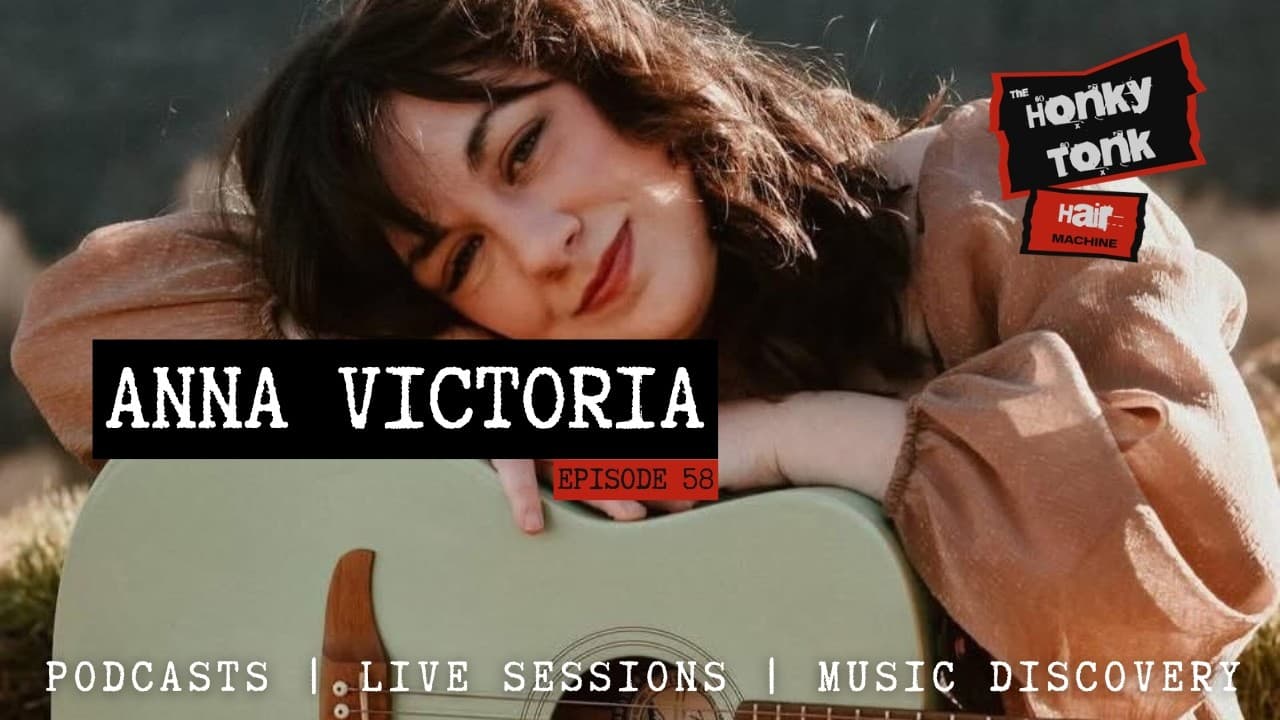
Anna Victoria
Inside North Carolina's Appalachian Music Scene | Anna Victoria
Anna Victoria joins Camden for an honest conversation about growing up in the mountains of North Carolina, discovering her voice as a songwriter and navigating life as an independent Country and Americana artist. We talk about learning to perform live, protecting her voice, finding confidence on stage, the influence of Appalachian music and artists such as Luke Combs, Sierra Ferrell and Dolly Parton, balancing music with motherhood, and the challenge of staying creative in a world driven by social media. It's a thoughtful conversation about music, family, creativity and staying true to yourself while building a career in independent music. Chapters 00:00 – Introductions, Weaverville, childhood. 02:00 – Singing, vocal health and beginning her musical journey. 06:00 – The pandemic, booking gigs and developing as a live performer. 09:00 – Coping with distractions, confidence and performing. 12:00 – Appalachian influences, Luke Combs, Sierra Ferrell, Dolly Parton and mountain songwriting. 15:00 – Family life, being a stay-at-home mum, social media and balancing music with everyday life. #lukecombs #sierraferrell #dollyparton Subscribe to The Rugged Revival. Share it with your friends. Support independent music! Listen to the full podcast on Spotify: https://open.spotify.com/show/6wnHcgA73o1aiiKaz882vH?si=30aabdaa220a4628 Follow The Rugged Revival: Instagram: https://www.instagram.com/theruggedrevival/ TikTok: https://www.tiktok.com/@theruggedrevival Facebook: https://www.facebook.com/profile.php?id=100094507520679 Website: www.theruggedrevival.com Email: ruggedrevival@hotmail.com
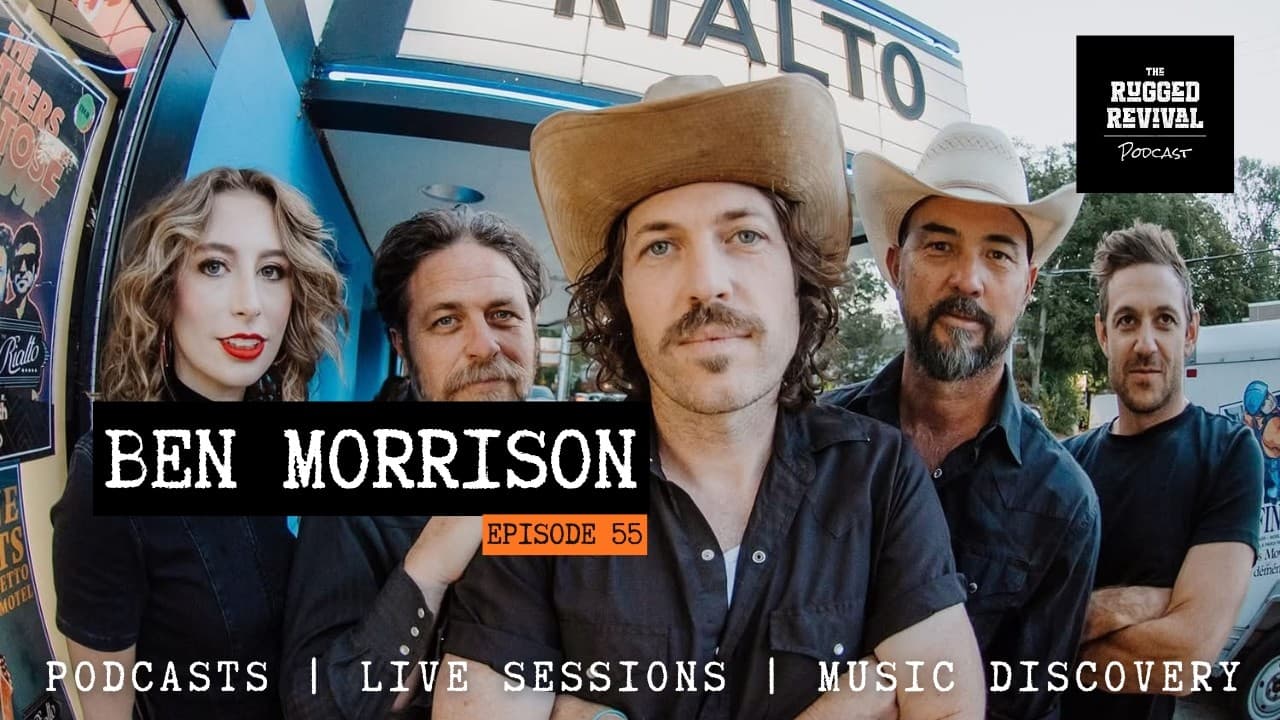
Ben Morrison
The Brothers Comatose: Ben Morrison on 18 Years of Music, Family & Touring
Ben Morrison of The Brothers Comatose joins the Rugged Revival Podcast for an honest conversation about nearly two decades ...
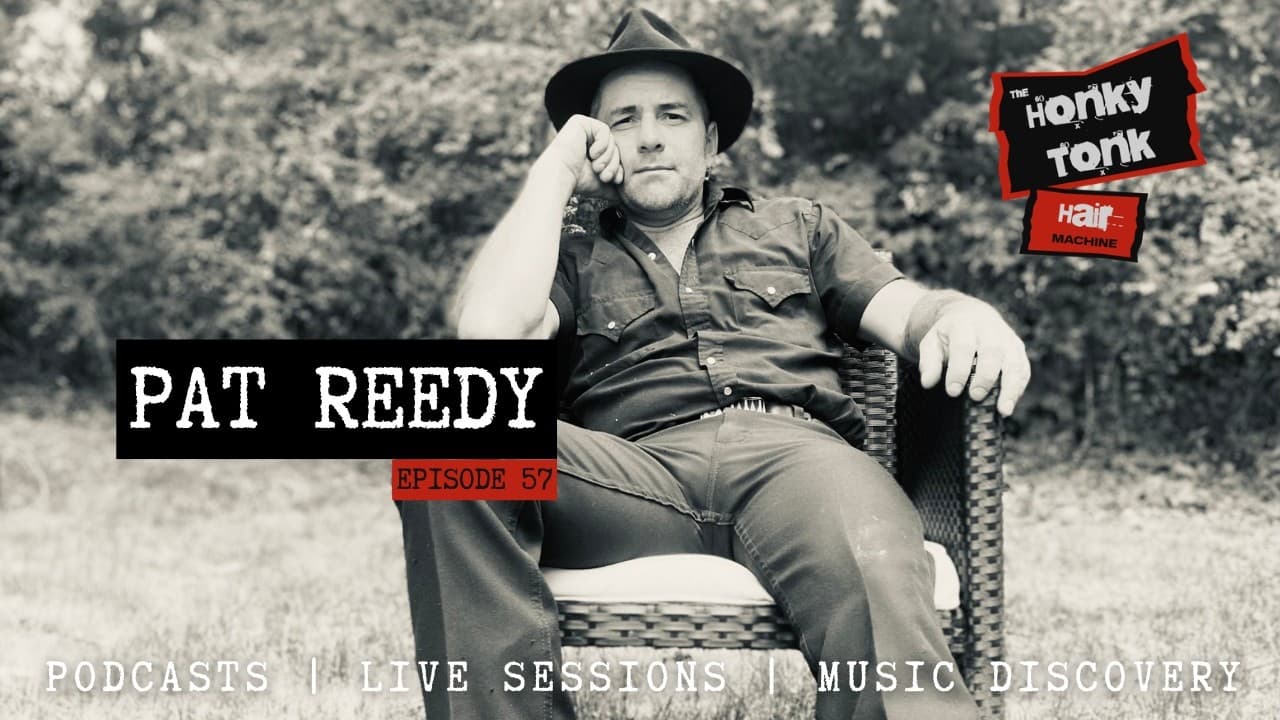
Pat Reedy
Pat Reedy on Busking, Nashville & Building a Country Music Career
Pat Reedy joins Camden to discuss leaving construction behind for country music, busking in New Orleans, life in Nashville, ...
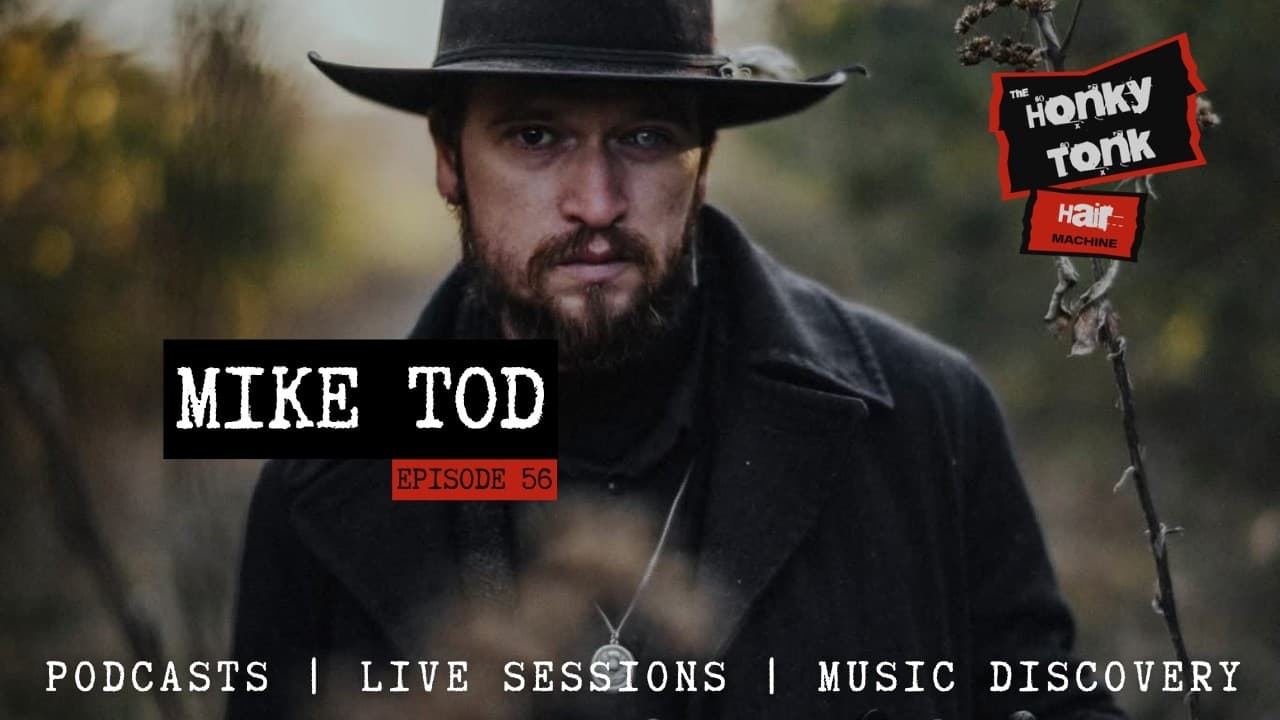
Mike Tod
Keeping Traditional Folk Music Alive in Nashville | Mike Tod Podcast
Mike Tod joins Camden to discuss traditional folk music, Canadian roots, life in Nashville, forgotten songs, unusual instruments and why preserving musical history still matters today.Originally from Canada and now based in Nashville, Mike explores the stories behind traditional songs, the connections between folk music around the world and how old music continues to influence modern artists. We also discuss his unique "Crankenstein" instrument, musical curiosity, collecting songs from the past and the importance of keeping traditions alive for future generations.Chapters00:00 Introduction00:00:30 Growing Up in Canada00:02:20 Discovering Music & The Crankenstein00:04:10 The Story Behind The Crankenstein00:05:20 Drones, Folk Traditions & Ancient Music00:08:10 Learning Guitar & Performing Original Songs00:09:40 Accessing Traditional Music in the Digital Age00:11:20 Researching Music History00:12:10 Playing The Crankenstein Live00:14:00 Creating Atmospheric Sounds & Live Performance00:16:00 Traditional Songs & Musical Origins00:17:50 The Artists Influencing Mike Today00:19:20 Studying Philosophy & Creative Thinking00:22:00 Horror, Heavy Music & Folk Culture00:24:00 Scottish Heritage & Family History00:27:10 Final ThoughtsSubscribe to The Rugged Revival. Share it with your friends. Support independent music!Listen to the full podcast on Spotify: https://open.spotify.com/show/6wnHcgA73o1aiiKaz882vH?si=30aabdaa220a4628Follow The Rugged Revival:Instagram: https://www.instagram.com/theruggedrevival/TikTok: https://www.tiktok.com/@theruggedrevivalFacebook: https://www.facebook.com/profile.php?id=100094507520679Website: www.theruggedrevival.comEmail: ruggedrevival@hotmail.com