
Pat Reedy on Busking, Nashville & Building a Country Music Career
Watch on YouTube
Subscribe for new episodes, Grit Sessions & more
Listen to this episode
In This Episode
Pat Reedy learned how to play guitar the hard way: by necessity. At twenty-one years old, broke and newly arrived in New Orleans, he hitched a ride south with nothing but ambition and a borrowed guitar that didn't work. He fixed it, took it to the streets of Lower Decatur, and discovered something vital—if you don't sing, you don't eat. So he sang. And kept singing until his fingers bled through three songs, then four, then dozens more. That's how a kid from Chicago's working-class apartment blocks became a genuine street musician, and eventually, a fixture in the Nashville country music scene.
There's something almost romantic about the way Reedy tells this story, but it's the gritty honesty beneath it that matters. He didn't romanticise poverty or struggle; he simply faced the immediate reality of survival and let that necessity become his greatest teacher. In a conversation with Camden for The Rugged Revival, Reedy unpacks how those early days busking in New Orleans—before Hurricane Katrina fundamentally changed the city's character—shaped not just his musicianship but his entire philosophy of making music.
If you don't sing you don't eat, and therefore you have to sing a lot and you will learn songs.
— Pat Reedy
Reedy comes from genuine working-class roots, though not the country-song kind. Growing up in Chicago, he spent his childhood in apartment blocks surrounded by other kids at roughly the same economic level, all muddling through together. It's a far cry from the rural imagery that dominates much of country music, yet it's profoundly American in its own way. His path wasn't predetermined. He wasn't destined for Nashville or groomed for the music industry. He was just a kid looking for something more, something different from whatever his immediate future might have been.
The New Orleans chapter of his story is where things get interesting. Those early busking days, playing alongside other street musicians, connected him with genuine community. He mentions an older musician taking him under his wing, teaching him not just songs but the deeper craft of how to actually play for survival. The street became his conservatory. Lower Decatur became his rehearsal room. The people who stopped to listen—tourists and locals alike—became his first audience, and their willingness to stay (or walk away) provided instant feedback on what worked and what didn't.
I hitchhiked down to New Orleans and didn't have anything, and somebody gave me a guitar which needed work.
— Pat Reedy
What emerges from Reedy's recounting is a musician who understands something fundamental about country music that you can't learn in formal settings: it's visceral. It works because it's direct, because it cuts through pretence. He and his friend Stumps the Clown eventually moved from the streets into The Abbey, a bar that still stands on Lower Decatur, and from there into the eclectic Cafe Brazil scene where Reedy helped curate something called Kate and Pad's Variety Hour. This wasn't a slick showcase or a curated lineup; it was a genuine variety show where buskers from the street could get stage time, where the rules bent, where a guy nicknamed Ghost could tell wild stories about being a gutter punk in nineties San Francisco between songs.
This is the kind of scene that builds real musicians, the kind that makes Nashville matter less and the actual community matter more. Yet Reedy eventually did make the move to Nashville, and understanding how he navigated that transition—from street busking to formal venues to Music City itself—offers lessons for anyone trying to build a sustainable career in Americana and country music without compromising what makes their music authentic.
What's most striking about Reedy is his refusal to separate the art from the life. He left construction work to pursue music full-time because he had to, because the alternative wasn't acceptable. That kind of commitment, born from necessity rather than calculated career planning, tends to produce musicians with real steel in their backbone. If you want to understand how independent country music gets made in the real world—without shortcuts, without industry connections, without a trust fund—Pat Reedy's story deserves your attention.
I'll help you. I'll help you start a [music] revolution for this Monday morning love situation. >> Welcome back everybody. This is Cam aka the Honky Tonk Hair Machine for the Rugged Revival. Who am I with today? >> Pat Rey. >> Pat Rey, thank you so much for carving out some time and hanging out. >> Yep. >> I appreciate you. So, uh, I always like to ask this question. It kind of gives us a little peak behind the curtain of, uh, who you are and where you're from. You can answer as detailed or as little as you want, but if you don't mind, tell us where you from originally and what was life like for you as a kid. >> Uh, I'm from Chicago, Illinois. Um, where I am right now actually. Uh Lance was a kid. Uh well, I grew up uh in a lot of apartments, so there was lots and lots of kids, I guess. Uh which is good. Enough of us little little monkeys that we could like, you know, pinch full battles and everything, you know. So, uh everybody was about the same degree of poor, >> you know, in in my neighborhood. And um yeah uh I don't know what to say other than that. >> Yeah, that that reminds me a little bit of you know myself. You know I grew up in a military house and we went from base to base and we were all also a very equal level of poor as well. >> Oh yeah. I mean everybody get the same paycheck there. you know, cuz they're all >> that's a that's a degree of imaginity of of income that I did not have, you know, so there was a little bit ups and downs, but like >> literally the same amount everybody got in their paycheck was assuming that they're roughly the same rank and all. Right. So >> yeah. Yeah. It was it was about across the board all the same. So uh when did you start playing the guitar? Uh >> I kind of banged around on a teenager a little bit. I really I can play some chords. Uh really I learned in New Orleans when I was in my early 20s. I hitchhiked down in New Orleans and um didn't have anything and somebody had gave me a guitar which needed work. So I made some money and then I did the rest of the work to the guitar to get it functional and started busting on the street. >> Mhm. I could play a couple of songs and then I eventually learn more because you know if you don't sing you don't eat and therefore you have to sing a lot and you you will learn songs you'll get tired of the three songs you know and then I learned more chords from other you know other older busters took me under their wing not old guys that now >> remind me how old did you say you think you were about that time >> I guess 21 22 too. >> Okay. All right. >> And I could play like some chords, but I really learned how to play music on on the street in New Orleans on lower decay mostly. >> Royal some of the cross streets. This is before Katrina. I don't know if it's as packed now as if it ever will be the way it was then. It was [ __ ] wild, man. >> Yeah. Yeah. That that's a whole that I remember that when that was happening that was a big uh monumental moment for that that area. So you got your starts on the streets. When did when did you start uh taking your music into the honky tonks into the the nightclubs? That's kind of a gradual kind of shift, you know. Uh me and this friend of mine, Stumps the Clown, used to busk a lot and uh periodically we'd start playing this bar and still there on Lower Decater called The Abbey. >> Uh I mean these shows are ridiculous. um you know it was kind of a freefor all and then it gradually went from there to other I guess hell that would be about uh 200 six or seven >> okay >> I don't know and then you know like just various other projects came up and started a band called Sundown songs with Kiki Gavazos and uh aka AK Cavazos and then Jesse uh Camber and Ross Haring and uh we started playing uh Cafe Brazil in New Orleans. This place owned by Aday his name was I think actually funny enough I don't think he was from Brazil but uh he was someplace in South America. It might have actually been Brazil, but he was a rich kid who was a kind of a nerd dwell where he came from and his family told him that they give him anything he wanted as long as he left and never came back. And he asked for a bar in New Orleans and that's what they gave him. So then K people would call it Kate and Pad's variety hour where we go up there on stage and have various buskers. Usually people who play country music because it doesn't go over well bus game like the subtlety as a genre then it's not like rag time for example yada da it's in your face. So, we'd have people like Jesse Cameron, for example, up there and uh and uh you know, and and have this this show and we'd even have this guy Ghost tell just wild stories of being a gutter punk in San Francisco in the 90s, you [clears throat] know. >> So, that's that's kind of it was like a very New Orleansy ridiculous >> that can be into being a musician that plays indoors. That's um that that could be a whole other episode on it on its own right there. That's pretty wild. That's cool. >> Wild, dude. I lived in New Orleans. >> Yeah, still wild. >> It's also funny, too, you know, when I hear folks mention years, you know, like you said 2006. I'm like, yeah, that was like last year, but then >> Yeah. Well, if you have like a younger crowd listening, they're like, "Wow, these [ __ ] fossils." Yeah. [laughter] >> Yeah. I had I even had a client the other day. He was like, "Oh, well, how long have you been doing hair?" I said, "Well, I started cutting hair in 2006 professionally." And he was like, "Oh, man. I I I was born in 2009." I like, "Yeah, well, that's how time works, right? It just keeps going." >> We are the old people now. >> That's right. We are the old people now. So, uh, you know, as as a live musician, you're singing, you're playing your songs, and you're trying to be entertaining. What are some of the biggest challenges you face playing live and juggling all these multiple roles at one time? >> Well, funny you should mention that. Uh being [ __ ] old now. >> Yeah. >> Get tired, you know. You really do. Um >> Yeah. just like being on the road trying to have a a you know because I'm the band leader you know >> so I most of the talking and uh you know making sure you have a personal without having too much of a personality you know >> you are there to play music but um yeah just man just uh this is a very large country. Yeah, >> lot of driving. Lot of driving. Lot being away from home. Um. >> Yeah. Yeah, it's true, man. Some of these late nights they they hit me kind of hard now. We'll go see somebody play. And they're like, "Yeah, doors open at 9:00." Like, the doors open at 9:00. Times are changing. [clears throat] >> Yeah. But the [ __ ] load's at 600. Like, how am I going to not get drunk for three hours in a bar? >> Yeah. [laughter] Exactly. >> Trick is to like finding finding space to just like >> be uh by yourself, you know, for a minute. >> Yeah. Get get get yourself together a little bit there. >> Oh. >> So, uh you know, I've I've been a big fan of your music for quite some time and you know, your your sound to me is very unique and the way you tell stories, it's just absolutely incredible. Um, who who would you say are some of your biggest in influences across all music? >> Across all music? >> Yeah. >> That's kind of >> um I mean I grew up on a lot of like Sam and Dave and stuff like that, you know. So like R&B music was was an influential thing to me and then got into blues. Uh I like country music when I was a kid too. It was like more like the ' 80s 90s country stuff like Mark Chestnut and I don't know Dwight Yok would be on the radio and all that. A lot of older stuff too cuz there were two country stations from what I recall. There was like an older up the dial one um which had like old country and then there was the current country which is weirdly enough still country music back in those days. You know you can still twostep to what was being played on US9 which is now all you know pop whatever you want to call it. But um uh Woody Guthrie was a big influence on me. Uh hearing that stuff was a teenager. Johnny Cash because you know I grew up on punk. >> Mhm. >> Um I was a little old punk the story of a generation, right? You know all the punks started playing country music or bluegrass or old time or something. >> Yeah. >> But um or jazz. But uh I I think Woody Guthrie was a huge influence. It's funny like I've always loved the Clash too. >> Much later learned that I guess Woody Guthrie was a huge influence on on Joe Strummer. It's like it's funny how much he seems to channel him. It's like there's like a warm fuzzy feeling that I have when I listen to Woody Guthrie that I also get when I listen to Joe Strummer's lyricsing through line. And if I could approximate some sliver of that and pass that through to my audience, I'd be a very very happy man. I feel I' maybe accomplished something other than painting this house in my life. >> I think that's very true. And it's funny because I think um our age group there is a huge punk to uh folk and country I I'll call like roots music pipeline that's been really fun to see uh unfold more and more and even as I talk to more people kind of within this group and I guess that makes sense right like kind of early 90s you know we had a huge punk explosion and now a lot of us are like well I don't know if I can necessarily keep up with the thrash beats of punk rock, but we can kind of strip things down and take it back to the roots. >> There is a big revival in that right now. >> Yeah. >> I I'm not going to lie. Like I I I truly believe the pandemic had something to do with it. >> Mhm. >> And um there's actually studies that have been done. There's two particularly two German studies in PubMed that are available that uh I won't get into why I know this but anyways uh about how the relationship of music and and the listener changed during the pandemic because this whole you know these young people that would have been going out to clubs for example that music music was a social thing it was you know were the members of the opposite or same if that's your persuasion you know sex arc Um but uh that music became more of a personal direct connection. It was a more of a a personal experience and like are you going to listen to club music in your house during lockdown >> is that what kind of it doesn't kind of vibe you're going for there. >> Yeah. You know what I mean? Like people are going to like all right and then they're gonna explore more. Uh so I I I truly believe that had something to do with it. Who could say? Who knows? >> Well, I think on a wave right now. Hopefully, it stays that way cuz I remember years ago I used to just like play with bluegrass bands and stuff. Isn't I couldn't find anybody playing country music unless at least not in a lot of the country. Granted, there always were country bands, especially like down in Texas, but when I was passing through like some part of the Midwest or whatever, Good Luck. Yeah, that's um I remember that's that's kind of what spawned my interest in a lot of roots music was the COVID lockdowns. I mean, that killed the band I was in at the time, you know, and like everybody kind of moved on and did their own thing. And um you know, I would sit down and live stream some, you know, the best I could do on my acoustic, do some, you know, punk rock covers and, you know, classic punk covers and stream it and whatever. >> But, um yeah, I think that uh you know, which is crazy. six years ago now. And that I think that really did breed a whole new era of uh folk bluegrass banjo players and uh and solo country artists too. Um so you've done a lot of touring. You tune up a lot of road. Is there anywhere you would like to tour to that you haven't hit yet? >> Spalbard. [laughter] >> I'm only kidding. You throw a throw a dart and hit a map. >> No. Uh it's u you know I had a when I was a kid I had a a map of the world and uh I used to look at it think about all the places you know and as a musician I've gotten to go some of those places. Um and Spalbard honestly didn't always interest me. It's a you know where it is. >> No I don't know I don't know anything about that. Balbard is an island in the Arctic Circle o owned by Norway. >> Oh, okay. >> Um, it's main uh I think it's uh it's actually where the Swallbard seed bank is. Um where they've dug under the ground to save like massive quantity or varieties of the world's seeds of staple foods and things in case of a disaster presumably. Um, it's also I apparently their main immigrant population is uh Thai people because if you can get a job in Smallbard, you can live in Smallbard. So, it seems like an interesting place. There absolutely are polar bears. Um, I don't know where else I'd like to play. I I haven't ever had a show in Delaware. Um, I've never been to India or China. I'd do it. You know, >> just looked up uh I just looked up Swallbard, a Norway archipelago in the Arctic Ocean. If we uh if we leave now, we can get a plane ticket for $700. [laughter] >> I even I I thought about it uh because I tour in Scandinavia sometimes. Like, >> oh, nice. What if I just what if I just bounced over the Spalbard for one, you know, even I broke even, you know, just for the [ __ ] of it. >> It actually looks It look It looks really nice. I like the uh small town with like the uh multi-coled rows of homes. This is really cool. >> It also kind of reminds me of a town that could be like the backdrop of the thing. >> Yeah. >> Oh, it's the thing territory, brother. Yeah, absolutely. >> It's up there. >> So, uh, you also have like a really cool look, you know, like I like your wide array of hats that you wear and your different jackets and button-ups. What's some of your favorite onstage attire that you like to go for? >> Uh, well, funny you should mention that. I mostly just uh wear what my wife picks out. Um, it hasn't >> Well, no. You know, she's she knows more about fashion than I do. Um, I uh [clears throat] right about when the pan I used to wear just work wear. I'd get new work wear cuz I work construction back then before the pandemic. Um, I would get work wear and then the clean stuff that would be my show clothes and eventually I'd end up underneath the van or [ __ ] it up somehow or and then it would just turn into actual work wear when I do work on things. Um, and I don't know what happened. And I decided, you know what? I'm tired of wearing dirty clothes all my life. Only half the people I'm around never had a manual labor job in their [ __ ] life. They're not wearing this. >> I don't want I don't want I spent the first half of my life dirty all the time. I want to wear suits. So, I just wanted suits for like a year. >> And then uh >> that feels very real. >> Yeah. Well, Jess talked me out of that. She didn't like the way that looks. She uh she uh convinced me that I should wear western wear again to do at least at the shows. >> Um >> you know uh sorry to disappoint you there. I am not I'm not very versed in in fashion. I would probably look like an utter fool if I was not married Jessica if you were uh but the thing is it feels again it's it's it's bluecollar working class music it feels very real when you're up there in boots dickies and your and your work shirt you know I mean that also is a very large parallel to punk rock you know those guys would get up there they leave work they go right to the stage and they play their gig so to me if I saw you like that that would feel uh very honest and and like the real deal. >> Well, I did, man. I was working construction in in Nashville. I climb out of a goddamn excavator >> sometimes and I, you know, wash my hands dawning and run right to some venue, you know, and then I Yeah. >> try not to go to work in the same clothes, but sometimes I did too, you know. >> Yep. trying to avoid the boss because it generally wre um yeah >> that's that's what it was. >> That's that's also a hard thing too, you know, when you're it's almost like two different people. You've got, you know, this personality at work and you've got the personality you hit the stage with and when people find out you're in a band or if you play music, they kind of view you in this funny light for a little bit. They're like, "Oh, you know, there's rock star uh Pat, you know, why don't you sing us a song, Pat?" [laughter] Or it's like Thanksgiving dinner when the family finds out you played some gigs and they're like, "Oh, yeah. Why don't you sing us a song at the dinner table?" >> Yeah. Well, you know, I mean, as far as on the job, if that's what you mean, like it's u Yeah, there's been a lot of I think when my co-workers uh in the construction fields u realized I was a musician, I I probably all made like maybe they liked me a little bit more. They understood why I was so [ __ ] weird. >> Yeah, >> I think it's like, oh, he's a musician. >> Yeah, >> I guess he's all right now. Yeah, he's allowed to be a little weird. He's an artist. >> Yeah, it's like ah okay, you do come across weird, I guess. >> Well, Pat, like I said, I don't like to chew up too much of your time. Um, do you have anything coming up you can shout out? You got some shows or any music coming out? >> Actually, um, I'm not playing a lot this year. Me and my wife just bought a house. He just bought a house. uh which I'm in right now. There's plastic and [ __ ] behind me. I'm trying to paint it before everybody moves in. So this year I'm focused on this like so because we're caretaking for my mother as well. I got to make everything work. >> Um I'm going down to Austin on July 3rd and 4th. Planet Sage Brush on the 3 and uh White Horse Saloon on the 4th of July. She's a awesome. Um the third I had to say the month today. >> Um and then uh I've only really played shows that people have uh hit me up for this year and really want me to play cuz I haven't pursued uh any road dates cuz um cuz I have to focus on house and all that. But also uh I just recorded an album. So that's going to be released next year in 2027. So I'm kind of like getting my things in order now. So because I'm going to be on the road quite a bit in 2027 that album we're shooting for spring. >> Okay. Um >> you can they're mixing it now. I don't even know what the hell it's named honestly. I know the song. >> Um where can we find you on the socials? And uh do you have a website? >> I do have a website. It's uh very findable. patremusic.com. If you type in Patre on Google, I should come up. Um Instagram, I'm pretty sure it's Pat Rey Music as well. >> So, it won't be hard to find in that regard. >> Awesome. Well, all right, brother. Well, look, like I said, I appreciate your time and uh you know, just hang on the line with me for a minute, but we'll end our recording now. So, thank you, brother. Hey, cheers.
Comments
Keep listening
Related Episodes
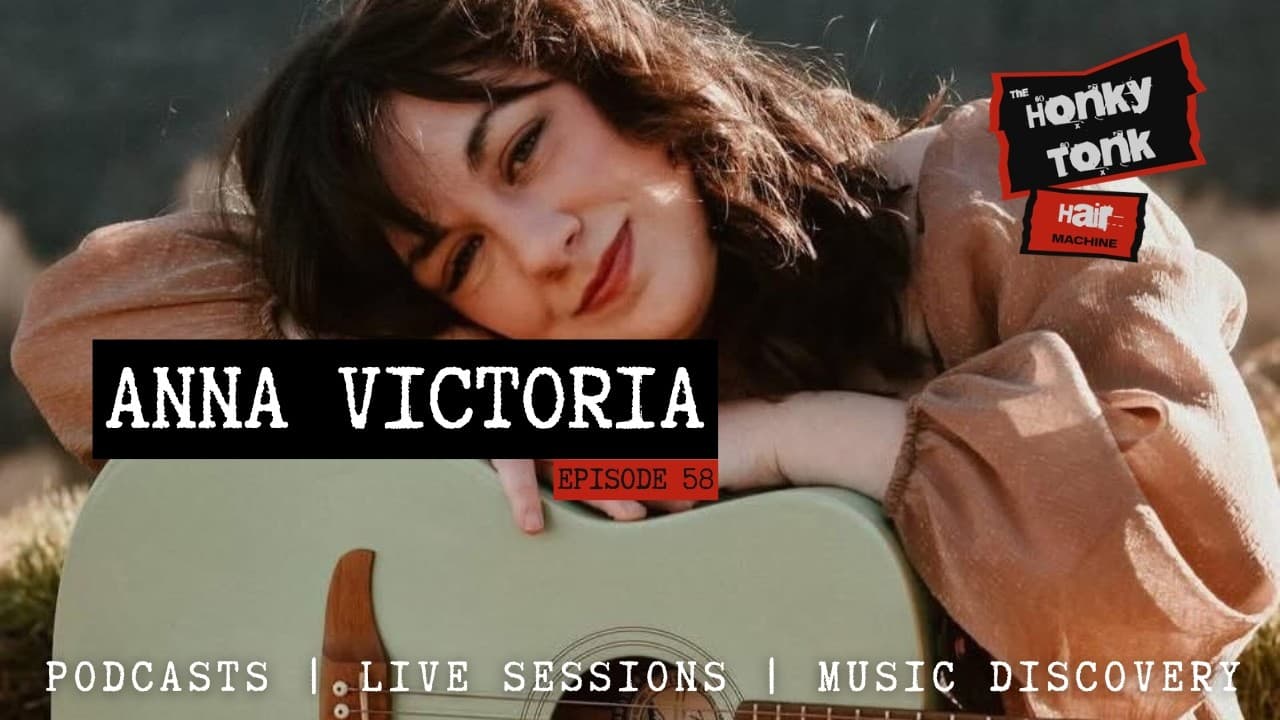
Anna Victoria
Inside North Carolina's Appalachian Music Scene | Anna Victoria
Anna Victoria joins Camden for an honest conversation about growing up in the mountains of North Carolina, discovering her voice as a songwriter and navigating life as an independent Country and Americana artist. We talk about learning to perform live, protecting her voice, finding confidence on stage, the influence of Appalachian music and artists such as Luke Combs, Sierra Ferrell and Dolly Parton, balancing music with motherhood, and the challenge of staying creative in a world driven by social media. It's a thoughtful conversation about music, family, creativity and staying true to yourself while building a career in independent music. Chapters 00:00 – Introductions, Weaverville, childhood. 02:00 – Singing, vocal health and beginning her musical journey. 06:00 – The pandemic, booking gigs and developing as a live performer. 09:00 – Coping with distractions, confidence and performing. 12:00 – Appalachian influences, Luke Combs, Sierra Ferrell, Dolly Parton and mountain songwriting. 15:00 – Family life, being a stay-at-home mum, social media and balancing music with everyday life. #lukecombs #sierraferrell #dollyparton Subscribe to The Rugged Revival. Share it with your friends. Support independent music! Listen to the full podcast on Spotify: https://open.spotify.com/show/6wnHcgA73o1aiiKaz882vH?si=30aabdaa220a4628 Follow The Rugged Revival: Instagram: https://www.instagram.com/theruggedrevival/ TikTok: https://www.tiktok.com/@theruggedrevival Facebook: https://www.facebook.com/profile.php?id=100094507520679 Website: www.theruggedrevival.com Email: ruggedrevival@hotmail.com
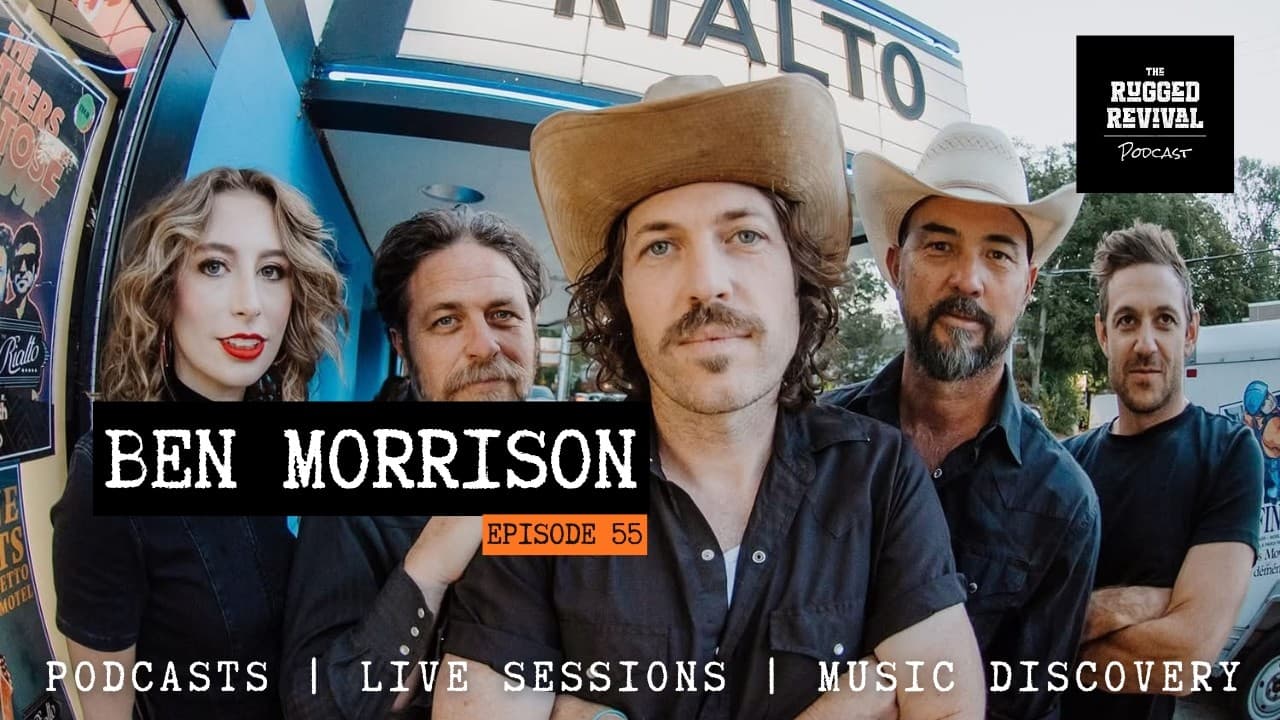
Ben Morrison
The Brothers Comatose: Ben Morrison on 18 Years of Music, Family & Touring
Ben Morrison of The Brothers Comatose joins the Rugged Revival Podcast for an honest conversation about nearly two decades ...
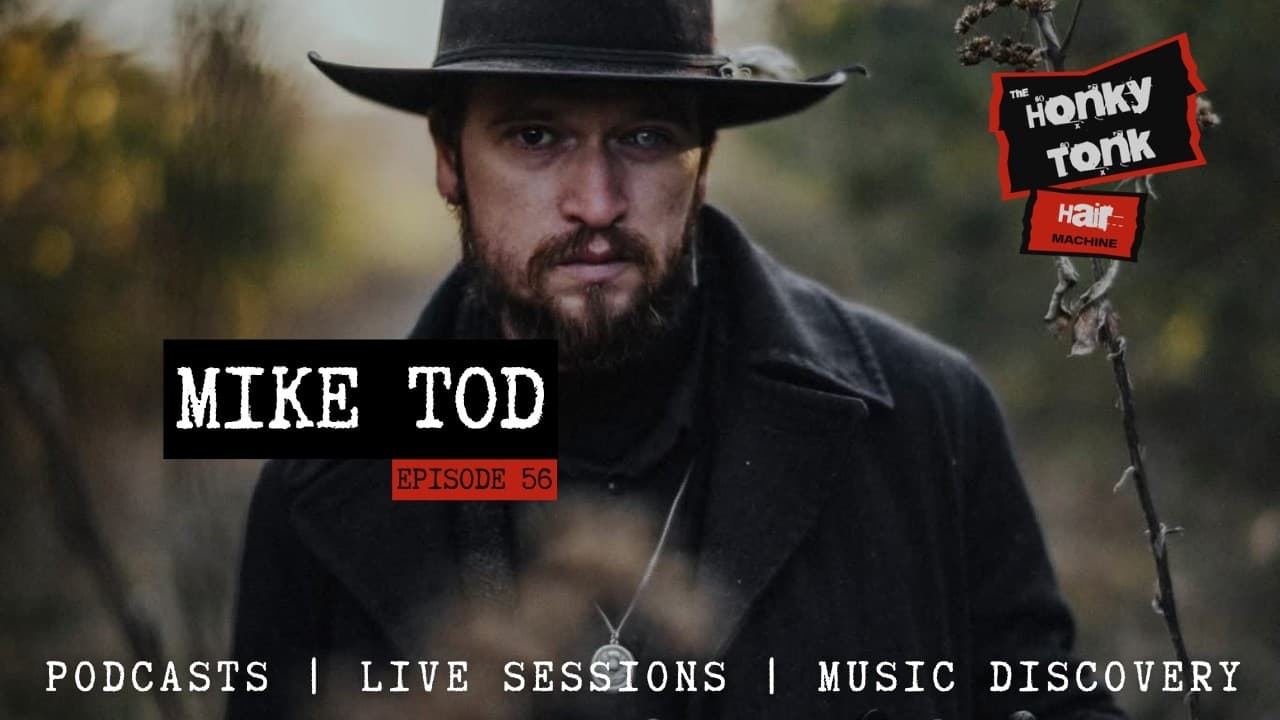
Mike Tod
Keeping Traditional Folk Music Alive in Nashville | Mike Tod Podcast
Mike Tod joins Camden to discuss traditional folk music, Canadian roots, life in Nashville, forgotten songs, unusual instruments and why preserving musical history still matters today.Originally from Canada and now based in Nashville, Mike explores the stories behind traditional songs, the connections between folk music around the world and how old music continues to influence modern artists. We also discuss his unique "Crankenstein" instrument, musical curiosity, collecting songs from the past and the importance of keeping traditions alive for future generations.Chapters00:00 Introduction00:00:30 Growing Up in Canada00:02:20 Discovering Music & The Crankenstein00:04:10 The Story Behind The Crankenstein00:05:20 Drones, Folk Traditions & Ancient Music00:08:10 Learning Guitar & Performing Original Songs00:09:40 Accessing Traditional Music in the Digital Age00:11:20 Researching Music History00:12:10 Playing The Crankenstein Live00:14:00 Creating Atmospheric Sounds & Live Performance00:16:00 Traditional Songs & Musical Origins00:17:50 The Artists Influencing Mike Today00:19:20 Studying Philosophy & Creative Thinking00:22:00 Horror, Heavy Music & Folk Culture00:24:00 Scottish Heritage & Family History00:27:10 Final ThoughtsSubscribe to The Rugged Revival. Share it with your friends. Support independent music!Listen to the full podcast on Spotify: https://open.spotify.com/show/6wnHcgA73o1aiiKaz882vH?si=30aabdaa220a4628Follow The Rugged Revival:Instagram: https://www.instagram.com/theruggedrevival/TikTok: https://www.tiktok.com/@theruggedrevivalFacebook: https://www.facebook.com/profile.php?id=100094507520679Website: www.theruggedrevival.comEmail: ruggedrevival@hotmail.com
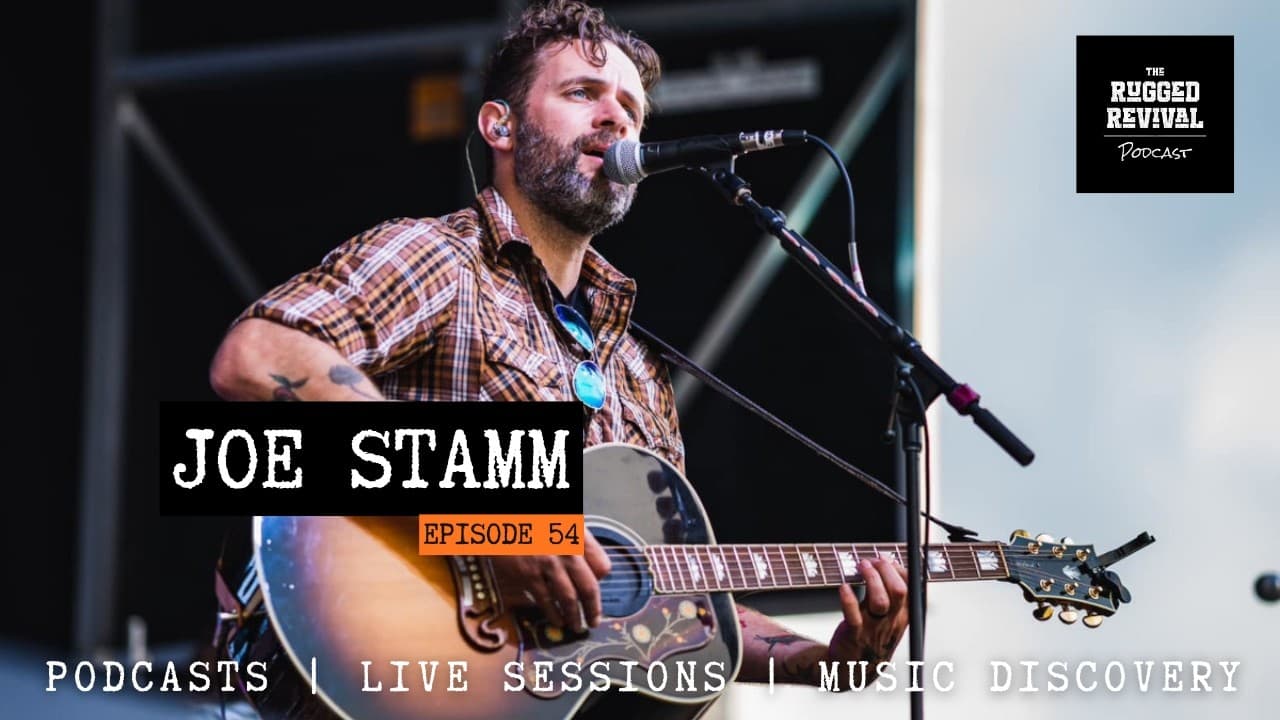
Joe Stamm
"I'd Still Make Music If Nobody Listened" | Joe Stamm on Touring, Songwriting & Country Music
Joe Stamm of the Joe Stamm Band joins the Rugged Revival Podcast for a conversation about songwriting, touring, independent country music, recording albums, and building a loyal fanbase from the ground up.In this episode, Joe discusses life on the road, the realities of being an independent artist, working on multiple recording projects at once, and why songwriting remains the driving force behind everything he does. He also shares insights into his creative process, growing up in Central Illinois, musical influences like Chris Knight, Eric Church, Blackberry Smoke, and Charles Wesley Godwin, and his thoughts on AI-generated music and the future of streaming platforms.Whether you're a fan of Americana, country rock, Red Dirt country, singer-songwriters, or independent artists carving their own path, this conversation offers a genuine look behind the curtain of modern country music.Chapters:00:00 Joe Stamm's Reality: No Sick Days & Why He Keeps Making Music00:42 Introduction to Joe Stamm & The Joe Stam Band01:35 Social Media, Humour & Connecting with Fans02:18 Touring, Illness & Cancelling Shows04:15 Touring Across America05:54 Why Joe Wants to Tour Europe06:43 Working on Three Albums at Once09:30 Recording Music & Finding a Creative Workflow12:20 Funding Records & Building a Fanbase14:50 The "Joe Stamm Man" Merch Idea16:20 Growing Up in Central Illinois18:55 The Midwest Music Scene20:55 Musical Influences & Discovering Country Music23:15 Napster, Streaming & Finding New Artists24:00 AI Music & Spotify's Challenges26:45 Defining the Joe Stam Band Sound30:10 Writing Lyrics That Matter32:55 Quick Fire Round37:20 Joe's Songwriting Process Explained40:25 Where Song Ideas Come From43:30 Perfectionism, Editing & Finishing Songs44:05 Songs Joe Is Most Proud Of47:55 What's Next for Joe Stamm?50:00 Where to Find Joe Online51:50 Final Toast & Closing ThoughtsSubscribe to The Rugged Revival. Share it with your friends. Support independent music!Listen to the full podcast on Spotify: https://open.spotify.com/show/6wnHcgA73o1aiiKaz882vH?si=30aabdaa220a4628Follow The Rugged Revival:Instagram: https://www.instagram.com/theruggedrevival/TikTok: https://www.tiktok.com/@theruggedrevivalFacebook: https://www.facebook.com/profile.php?id=100094507520679Website: www.theruggedrevival.comEmail: ruggedrevival@hotmail.com