
Chicago’s Honky Tonk Revival | Meg and the Wheelers Podcast
Watch on YouTube
Subscribe for new episodes, Grit Sessions & more
Listen to this episode
In This Episode
There's a particular moment in any music conversation when you realise you're talking to people who genuinely care about the craft—not just the mechanics of it, but the human experience of making and sharing music. That moment came early in our chat with Meg from Meg and the Wheelers, the Chicago-based country band whose debut album, Honky Tonk Wisdom, landed on May 1st with the kind of assured precision that suggests a band far more seasoned than their timeline might indicate.
The name itself has an unpretentious origin story that somehow captures everything you need to know about the band's approach: it emerged from a casual conversation at a block party between Meg and guitarist Rob, a moment of spontaneous creativity that simply stuck. There's no grand mythology, no calculated brand strategy—just people who wanted to make music together and happened upon a name that worked. The "Wheelers" nod carries that trucker vernacular, a distinctly American thread that runs through the band's entire aesthetic, but it almost doesn't matter. What matters is what they've built from that humble starting point.
I like to write songs that I want to sing, and play songs that I want to play.
— Meg and the Wheelers
What's immediately striking about Meg and the Wheelers is how they've managed to craft a debut album that feels simultaneously expansive and cohesive—a rare achievement in modern country music, where the temptation to showcase range often results in scattered, thematic patchwork. Honky Tonk Wisdom avoids this trap entirely. The album is tight, purposeful, and deeply rooted in the live honky-tonk experience that clearly defines the band's identity and creative philosophy. When Meg discusses the recording process, you hear the influence of guitarist and steel player Will Failing's production sensibilities, but more importantly, you hear a band that knew exactly what they wanted to sound like before they stepped into the studio.
That clarity of vision came, in part, from road-testing material extensively. The band had previously released a six-song EP called Midwest Best in 2023, which gave them time to discover which songs truly resonated in a live setting. This is where the band's fundamental philosophy becomes apparent: they write songs they want to sing, play music they want to play, and measure success by the visceral reaction of an audience. It's a refreshingly analog approach in an era of algorithmic curation, yet it's also exactly why their music translates so effectively across platforms—including, ironically, the streaming services that Meg acknowledges have their limitations but have also introduced countless listeners to independent artists who would otherwise remain undiscovered.
What I love to see when I play music is people's reaction to it—if people are dancing, if people are singing along, that's what I'm going for.
— Meg and the Wheelers
The production quality on Honky Tonk Wisdom speaks to meticulous attention to detail. While country music can sometimes hide behind its own traditions, this album sounds both respectful of classic honky-tonk conventions and utterly modern in its clarity and precision. It's the kind of record where you can hear every instrument occupying its own space—the classic steel guitar twang that defines the band's sound sits alongside arrangements that feel neither dated nor trendy, but rather timeless. This is country music made by people who understand that authenticity isn't about sounding old; it's about meaning what you're playing.
What emerges from listening to Meg discuss her creative process is a bandleader who thinks deeply about the listener's experience. The goal wasn't to create an intellectual exercise or a statement album, but rather something that moves you to dance, to sing along, to feel something genuine. Whether you're hearing it in a honky-tonk or on your headphones at home, the album is designed to create that communal, celebratory atmosphere that defines great country music at its core.
The Rugged Revival episode with Meg and the Wheelers offers far more than a promotional conversation—it's a genuine discussion with a working band that's thinking seriously about their craft while remaining grounded in why they started making music in the first place. If you haven't yet discovered this Chicago outfit, the full episode is worth your time, and Honky Tonk Wisdom deserves space on your rotation.
Hello everybody, Slim here again. I am here with Megan or Meg from Meg and The Wheelers. How are you doing today? >> I'm doing great. I'm good. >> Great. Thank you for >> cleaning. Cleaning it as much as I could right now as the weather's nice. You can open the windows. >> Absolutely. It's very hot and humid here so but it'll be 65 in a couple days so I'm looking forward to that. Um I appreciate you taking your time out to just spend a couple couple minutes with me and talk about your band and your album. >> Yeah, of course. Thank you for having me. >> Yeah, absolutely. So and again I'm with the Rugged Revival if I didn't mention that in my intro. I'm kind of their classic country honky-tonk correspondent. I'm going to put a fancy name on it. TJ's probably going to laugh at that when he hears that but that's kind of what I have. So before we get started, a question that I did not pose to you before and I was kind of I was listening to the record on my way home again today. How did you get the band name? And what is the Wheelers? Is there Is there a story behind the Wheelers? >> Well, Megan and the Wheelers the name came from So we played at a block party and it was just me and a friend of mine Rob who he had been like I wanted I wanted to have a band called the 18 and the Wheelers and so he's like what if we call it Megan and the Wheelers and then it just stuck. So really that's all it was. It was just like a quick conversation where we didn't know it would kind of keep going from there. Just like a block party. >> It's a cool name. I come from a partial family of some truck drivers so I figured there was a semblance of 18-wheeler attached to that so yeah, that's that's that's really cool. Okay. Well, Megan and the Wheelers debut album came out on May 1st, Honky Tonk Wisdom. Not blowing smoke I cuz I listened to it all the way through I think four times since it came out. Might be the best record I've heard this year yet. It's It's really good. I I actually really enjoy it. So I listen to a lot of music so like my musically trained but not really ears, I can sense like production-wise, engineering, mastering, whatever you want to call it, that I think a lot of hard work went into it. I mean, you could I mean, I'm sure hard work goes into everything, but like you could tell you guys like were really were not phoning it in, and it it sounded like very kind of precise and like it was thought out. So, was there a process either to the song selection or the song writing or some kind of an approach to the to the recording that you set out to do with with the debut LP? >> Yeah, so we Megan and the Wheelers, uh my guitarist and steel player, Will Failing, he like kind of put on the producing and mixing side of this. And so, going into it, I think that we had a lot of meetings of like what are we like as far as sound goes and going from there, right? But then just as songs kind of came together, we had released an EP like a six-song EP in 2023 called Midwest Best. And cuz we've been playing it for a while, we knew what songs we loved to play, what people were kind of reacting to. And then for me personally, I just like to I like to write songs that I want to sing. Also, I like to play songs that I want to play. And then like also in terms of like an audience approach, we're a big live band, like we play a lot. I think our big thing was like what do I love to see when I play music is like people's reaction to it. So, if people are dancing, if people are singing along, that's kind of what I'm going for. So, we wanted this album to sound like that. Like you were at a honky-tonk or if you are listening to it at home, that you're just like, let me dance. Like find yourself grooving. >> It has that feeling. So, I did So, I think I discovered you and the band from your Midwest Best EP, and I think it was from just algorithm hunting on Spotify. You can People say what they want about Spotify, and I know it's not great to artists, I discovered so much music through Spotify that I don't I don't think I ever would have found, maybe through Instagram. But, you know, at the bottom when it gives you all that and that's how I found Midwest Best. And so I've kind of been digging your sound now for a couple of years. Um and I definitely can hear when when you just said between that EP and the debut LP years have passed, it these this group of songs definitely feels cohesive and it has a like it's not a themed album or a concept album, but they just all sound like they belong together on this record. >> It's so nice. I mean, that's that's the goal, right? And so with production and like post-production, that's always the main goal. You wanted You know, there's a lot of different sounds on it, for sure. There's a lot of different songs, but we wanted it to somehow be cohesive. So that was definitely a challenge, but I think we're all really happy with the way it all came together. Yeah. >> Yeah, I mean, is that a Is that a cello that I hear on trouble? >> It's a Mhm. Violin. I don't It's a violin and a mandolin. I have to I have to look. It's It's a really good >> I think I have the the right song. It's a It's a very good song. Um So with the band aspect, I always find this interesting. I've I've interviewed a few other artists that are in the band a band concept, but do all the band members have similar taste in music and influences or um cuz you know, sometimes there might be like a bass player that's wearing a cowboy hat, but like he listens to a lot of jazz or something. Um and if and if not uh or if if so, did you you guys pull from other influences outside of country music? >> For sure. So I would say we all have slightly different musical backgrounds. Like my drummer Matt Siani, he's been with us since like 2018 or something, but he had never been in a country band before. But what I'd found was like everyone has been exposed to, you know, like a Johnny Cash or Willie Nelson. Like everyone knows these people. What we found throughout the years of being like, "Okay, what do we have in common? It's like So, we all had heard Emmylou and they were all like fans of Townes Van Zandt and Neil Young. And then like country adjacent stuff like The Eagles, even like Lynyrd Skynyrd. We have all of these things. So, we, you know, it's like when we're all together, it's like listen to this, it's my favorite Lynyrd Skynyrd song. Like this is what I wanted, you know, whatever. And so, like I feel like there are little like tastes of that throughout. So, like when I bring a song to the band, it's like they flush it out through that. >> Okay. >> You know, knowing what I like that has in common with them and sounds that we're trying to aim towards. >> Awesome. Yeah, I'm I'm a big Neil Young fan. I I took a deep deep dive into his discography like a year or two ago and just like kind of found out that he was like way more grunge. Also, he had a he had a he had a lot of country sounds, but he was like early grunge. So, that was that was kind of cool to like figure that out. Um yeah, I'm I'm a big Neil Young fan. >> bridge the gap is with an artist like Neil Young, where it's like he has all these like really kind of quite country although and then his yeah, more grunge stuff. That's like where you're like meeting in the middle. >> Yeah, and it's a it's a great sound, too. So, um so, I'm I'm always very intrigued and curious. I've been I've been lucky since I've had this platform to interview like Emily Love and the Highliners out of Portland and Ramona and the Holy Smokes and Charlottesville, Virginia close to me and people in the LA scene and like the New York scene and I interviewed Daniel Young who's in like Utah. So, how does the Chicago scene, which I know includes I'm a big Pat Reedy guy. I love Pat Reedy. Um David Quinn, I'm probably leaving out some other ones, but how supportive and how good is that scene and that community there and and what does that meant to you being being I'm I'm assuming you're from the Chicago area? >> I'm actually from Missouri originally. So, I'm a I'm a transplant here in Chicago, but kind of that's what's cool about Chicago is a lot of us are. And I think the sound kind of goes from is that we're all from different places and perhaps had different backgrounds, but have found this like very cool community in Chicago, which is like we call like the honky-tonk scene, but um there's a band called the Hoyle Brothers. They play every Friday night at the Empty Bottle and that's been going on for like 20 to 30 years. I don't know, it's so much, but it's the same band every Friday night and there's this whole dance scene that came around with it. So, there's a lot of like really dedicated fervent dancers and they started maybe in like swing or somewhere else, you know, the school Chicago School of Folk. They have like dance classes and things like that. And so then that's kind of bridged this gap too. So, there's this whole scene where everyone's dancing at our shows and of all of our friends' shows. So, then you're like making music, I think, around that, too. It's like inspiring. And for all of us, we've really since we're so niche and small, I think in Chicago we're often like Chicagoans know what it's like to be an underdog, so you were like really rooting for your friends. I think there was a big, you know, with the COVID era, it's like we all kind of realized how important it would be for us to keep this strong movement going after everything kind of started slowly coming back and we all just were like, "Let's show up to each other's shows." So, I was at a Pat Reedy show last Thursday, like this past Thursday, and David Quinn played with us at our album release. Um but there's a lot of really great Chicago artists here. >> Yeah, and about people wouldn't I think every major city probably has a lot of that that people don't understand, but I will second your opinion on when everyone's dancing at a show in a smaller venue. I mean, personally, I do not like stadium shows or arena shows cuz you don't feel like a part of it at all. Anyways, when you're in a in a in a small tavern bar, honky-tonk, and everyone's dancing. It is such a great feeling. It Like the vibe in the room, it cannot get any higher. And it's like all your problems are you're forgetting about the bills you got to pay tomorrow. And it's like it's it it really is a cool thing to be a part of it. It's something that's like addicting to me, so. >> It It is addicting, and that's why it it continues to grow. It's addicting to have that much like love and support in a room. We have people of all ages and backgrounds, and they're all dancing together, just switching partners and keeping it going all night. It's a party. >> That's awesome. Yeah. So, the album, like I said, it's called Honky Tonk Wisdom. And I was reading something how a friend of yours or a bandmate, I forget who it was, had had mentioned that Meg has a lot of honky-tonk wisdom, and you guys worded it into a song, which is a really cool, unique way. I'm kind of surprised a song hasn't been written before. But, um >> Right. >> What's funny is about that term honky-tonk and how it can be used. I'm I'm just curious on your because I get people that don't know what type of music I listen to or something or or they see something that I'm listening to. I've been asked so many times by by my son, I have a 13-year-old. I think he asked me like a year ago, like, "What does honky-tonk mean?" And to me, it's not just a sound, it's not just a place, it's it's a feeling, it's a it's a lifestyle, it's a it's a it's a scent sometimes, you know. >> Yeah. >> An ashtray an ashtray and a spilled beer or something. So, like, what is What is the overall term? Like, what what would you describe it as if if someone were to ask you that maybe didn't know the scene, didn't know the music, you know? >> Yeah, cuz it's it is hard cuz you got to do get asked a lot. Um I always say it's like honky-tonk. Yeah, I mean, it's like the music itself is like a little bit country, a little bit rock and roll kind of vibe. But, yeah, it is definitely a place. It is a music where it's like it is music at a bar where you can be a little rowdy, and it's a party. Um You know, it's so hard to actually describe it to people who don't know, but you're right. It's It's a space. >> I find I find the same problem. Yeah. I find the same problem. They're like, "Well, so what is it?" Like my son was like, "What is it?" I'm like, "Oh god, you're like you're you're 12. I really can't I really can't describe it to you like I really want to, but it's like it's it's everything. It's a lifestyle. It's the way you walk sometimes. It's just I I don't know. But then it's also a physical place and it's it's a space in a bubble that we all kind of live in when we're together enjoying the music. So it's it's hard to explain, but it just got me thinking of that when I read of the song title honky-tonk wisdom. It's It's a good song title. >> It's a little bit of bar life. It's a little bit of this, but like I grew up where my uncles threw a big like kind of barn raising thing every year where even as a kid I was there. And so the smell like the smell is there, but I'm like there's just like a aura of like the people who are walking in um who are like looking to have a good time and I think that's kind of what it is. It's like let's have a good time and yes, let's let's forget everything else. Absolutely. Hang out. >> Uh short story time. Uh my grandparents were a lot of my followers know this cuz I talk about it a lot, but my grandparents were in a pretty prominent uh bluegrass band here in the DC area. Um actually my grandmother is still alive and kicking. She's 93 and she was just getting I'm going to interview her at some point, but she was just getting interviewed for a book someone's writing about a uh bluegrass pioneer from DC. Anyways, so I spent a lot of time with him and a lot of bluegrass music and one of my fondest memories is as older, you know, being 16, 17 years old taking some of my high school friends out to this little freaking shack on the side of the highway. It was called the the Friendly Inn or yeah, the Friendly Inn. And it was it was just a like like a cafe, but on Saturday nights they did bluegrass music. And I remember one time taking some of my and my friends loved it. I mean, there's like 16 people in the place, right? I mean, it's it's a small place. It's kind of bluegrass. It's This is 2004. You know, it was like me and my high school friends and then old people. But, I remember they were playing like Hold What You Got or like a Jimmy Martin song or something. And what they would do is cuz people wanted to dance, the place was so small, the band would kind of go into like an instrumental break and while everyone got a table and we moved into the side so we could dance. >> Wow. >> And I remember being 17, 18 and just thinking, "I don't care what's going on outside of the world right now, you know, we're we're in Iraq, we're bombing Iraq, whatever. There's people downtown at the Ja Rule concert or I'm just throwing out 2004 stuff, but I feel I feel like I'm the most important person in the world right now in this tiny room with like 13 people just dancing to bluegrass music." It was such a such a cool feeling to be in that little place, which got It got bulldozed and they built a neighborhood there now, but yeah, it's I felt like I was a part of something, so. >> Yeah. Yeah, it's so special when everybody's doing that. I think there is a world too cuz like my aunt and uncle had a bluegrass band and my uncle was like one of I don't even know, a hundred kids and they always were playing. It was like, you know, different instruments, like kind of jug band style and then they'd like bring their own dance floor. You know what it's called? It's like potluck style. They'd be they'd BYO dance floor and people are dancing and like there's just such a very like culture of that. So, I think when you said before it's like it's addicting, um I think that's what it is. I think we're a lot of us are just like trying to chase that that >> It's like a it looks fun. >> Um so, like I was saying before earlier, I'm going to go back to a little concept here. So, your the sound of the LP is very much classic country, honky-tonk, whatever you want to call it. It does have a very modern sound to it and that's a good thing. Uh and that goes back to the production and it felt like it was very professionally done and and a lot of thought went into it. Um so, was that intentional to make it sound modern and not like you're listening cuz like I can't even think of artists right now, but I do know there's current artists out there when you listen to their album. I'm not going to drop names, I can't even it, but sometimes it just sounds fuzzy and maybe that was intentional, but like I'm going to go on a limb and say like some of the songs on your album sounded like they could be on the radio and I I don't listen to country radio, but like they could if you wanted it to. And or they could have been on the radio in like 1990s. I was trying to find a comp for one of your song a couple of your songs some of some of your more like barn burners a little bit of cadence I you sound a little bit like Mary Chapin Carpenter like like that I feel like song I can hear that a little bit, but so I don't know if you set out to make something that was appealing to all listeners. If not, I think you did that. It melds modern and classic very well. >> Thank you. I think for sure yes, because I think if you're making something that you know is rooted in the nostalgia it's rooted in the nostalgia. You still need to make it sound current enough you can't be creating old music. You need to be creating something that like if you were releasing new music, it should sound at least somewhat like something they haven't heard before. So there's a little bit of that like you need to create something a little unique and that was definitely purposeful. But all of those different inspirations I have like Mary Chapin Carpenter I grew up listening to 90s country, but my dad also was like and grandparents were obsessed with Loretta Lynn and Patsy Cline and George Jones was listening to that at their house on vinyl. I was listening to my grandma's radio playing like top 40 and then I still today there's a lot of country artists who are current that I love and how they've morphed and changed too. So I'm like I'm listening to the new Kacey Musgraves album, but like on the other you know, another day I might be like doing a deep dive into George Jones. So all of it kind of goes into the same thing. I actually have been listening to a lot of Mary Chapin Carpenter recently too. So I think that's probably uh not not like not fully accidental like but it she cuz she's awesome. She has so many great tunes. >> Yeah, yeah. I don't know. I can't remember if it was Best Intentions or Country Cool or whatever, but like there was like a chorus that you sang and I'm like, "I'm I'm hearing like the I Feel Lucky Mary Chapin Carpenter uh bug uh the bug on the windshield song." I think it's called The Bug. Yeah. >> Bug on the windshield. >> Because I can you know, I could definitely sense that. So, it was it was it's really solid album. I I encourage everybody to to check check it out. Last little question for you cuz I don't want to keep you too long. What's next for the band in 2026? Are you going to be touring outside the region? Maybe a little bit more East Coast, I hope. I would love to see you guys live. >> Yeah, so we are a little like late on announcing these things, but I do need to. I'm going to be we're going to be in Cleveland at a bar called The Happy Dog June 25th. We're going to be in Brooklyn, New York June 26th. >> Honky-tonk in Queens? >> It's not honky-tonk in Queens. It's just the It's Skinny Dennis. >> Oh, Skinny Dennis. Great, great. That's That's a That's a cool place. Yeah. >> Yeah, we're excited about that. And then uh we're playing a place called The Second Hand Ranch and Philadelphia on June 27th. Yeah. >> Excellent. >> Those are our next like added date shows. We're still like you know, we're booking stuff hopefully in September. We got some stuff that we're trying to plan, so. >> Yeah, well, if you're coming back down 95 South out of Philly, there's definitely some places you were you were talking about dancing for 3 hours. There's I'm I'm sure you probably follow them. But there's an event There's an event It's not a place. It's an event called Baltimore Honky-Tonk. Uh yeah, they do it at a brewery. They also sometimes do it at uh Mount Town Ballroom, which is downtown. I saw JP Harris there last summer. Um and they they really just tell you to just I mean, he kept people dancing for 5 and 1/2 hours or 4 hours, whatever it was. And it's just it's high tempo dancing. Everyone's sweating. They're changing partners. There was not any slow songs. I don't know if they told him that and it was intentional, but it's once thing. It's like a third it's like the first last Thursday of every month I think. But like Wayne Wayne Wayne Hancock is playing next month. That'll be cool. And then jeez, there's another one that I really want to go to that they're playing. A Golden Shoals was just there. Dang, there's I I can't remember now. But yeah, Wayne Wayne the Train Hancock and someone else is playing there this summer and so and there's places in DC, you know, there's a new Desert Five Spot in DC now. April Legendre was just there Friday night. I missed that show, but I wanted to see her, but yeah, I mean I was looking forward to see you guys here. >> Absolutely. I have my bass player Branden Weekly, he wrote Country Cool, by the way. He did He's from Baltimore. So I did something that's on our list that we would like to >> awesome. That's really cool. Yeah, my sister lives there, so yeah. That's awesome. Well, I will encourage everybody to check out the album Honky Tonk Wisdom. Please you guys all my followers all ten of you, you know I you know my motto, go to the shows, buy the merch, buy the vinyl. I do that at every show that I'm at. And I'm I'm assuming you guys are up on Bandcamp where they can they can buy merch stuff. Okay. >> Yeah. >> Great. And follow follow Megan and the Wheelers on all your Instas and socials for tour dates and >> Yeah. >> Again, really good album. I'm not blowing smoke. I've listened to it four or five times all the way through. Defense I think might be my best song my my my favorite song. Yeah. >> Yes. Awesome. Defense was originally I just didn't name it and I we were calling it SportsCenter and I keep saying that is actually the biggest regret of the album for me is that I didn't just keep it named SportsCenter. But no, I love that one as well. Thank you. Thank you so much. That was so nice to hear. Obviously you put so much work into something and you're like wonder if anyone will listen to it or will appreciate it. So it's so nice to hear somebody say they >> Yeah, no, it was it was very well done. I I enjoyed it from start to finish. So thank you again for your time tonight and you and the band be safe out there on the on the road. >> Thank you. >> Okay. Take care. See you. >> See you.
Comments
Keep listening
Related Episodes
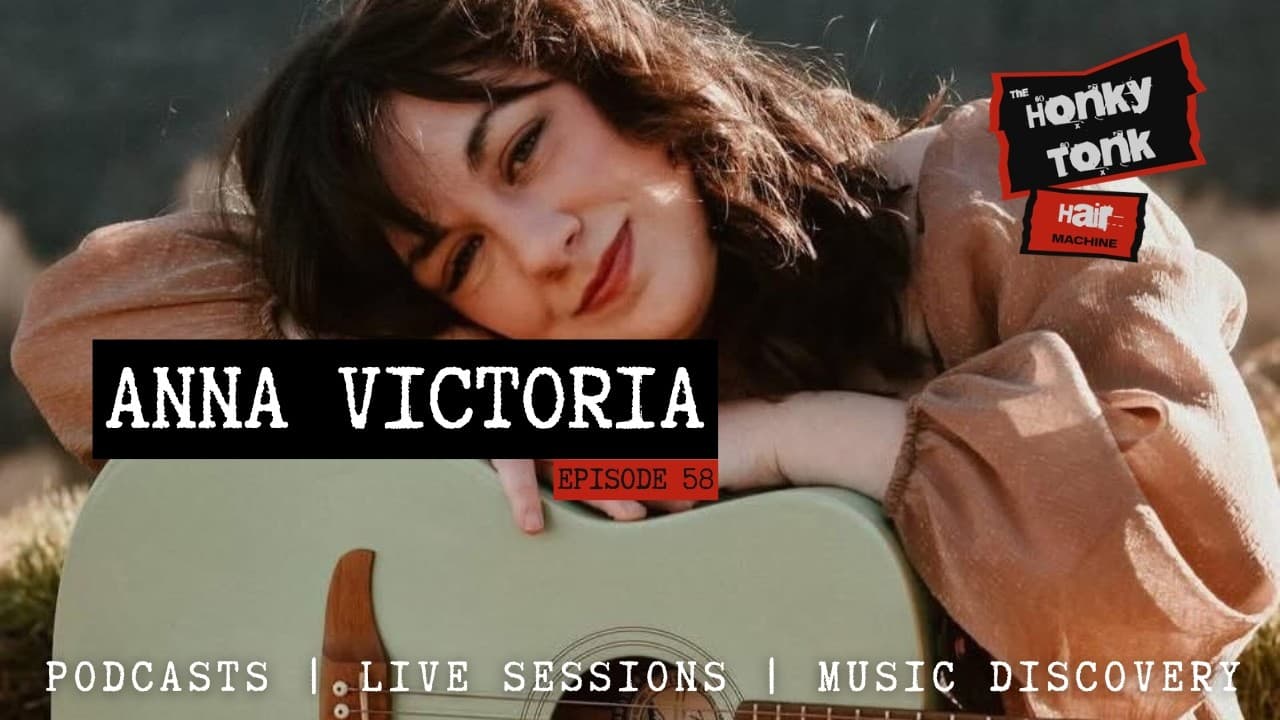
Anna Victoria
Inside North Carolina's Appalachian Music Scene | Anna Victoria
Anna Victoria joins Camden for an honest conversation about growing up in the mountains of North Carolina, discovering her voice as a songwriter and navigating life as an independent Country and Americana artist. We talk about learning to perform live, protecting her voice, finding confidence on stage, the influence of Appalachian music and artists such as Luke Combs, Sierra Ferrell and Dolly Parton, balancing music with motherhood, and the challenge of staying creative in a world driven by social media. It's a thoughtful conversation about music, family, creativity and staying true to yourself while building a career in independent music. Chapters 00:00 – Introductions, Weaverville, childhood. 02:00 – Singing, vocal health and beginning her musical journey. 06:00 – The pandemic, booking gigs and developing as a live performer. 09:00 – Coping with distractions, confidence and performing. 12:00 – Appalachian influences, Luke Combs, Sierra Ferrell, Dolly Parton and mountain songwriting. 15:00 – Family life, being a stay-at-home mum, social media and balancing music with everyday life. #lukecombs #sierraferrell #dollyparton Subscribe to The Rugged Revival. Share it with your friends. Support independent music! Listen to the full podcast on Spotify: https://open.spotify.com/show/6wnHcgA73o1aiiKaz882vH?si=30aabdaa220a4628 Follow The Rugged Revival: Instagram: https://www.instagram.com/theruggedrevival/ TikTok: https://www.tiktok.com/@theruggedrevival Facebook: https://www.facebook.com/profile.php?id=100094507520679 Website: www.theruggedrevival.com Email: ruggedrevival@hotmail.com
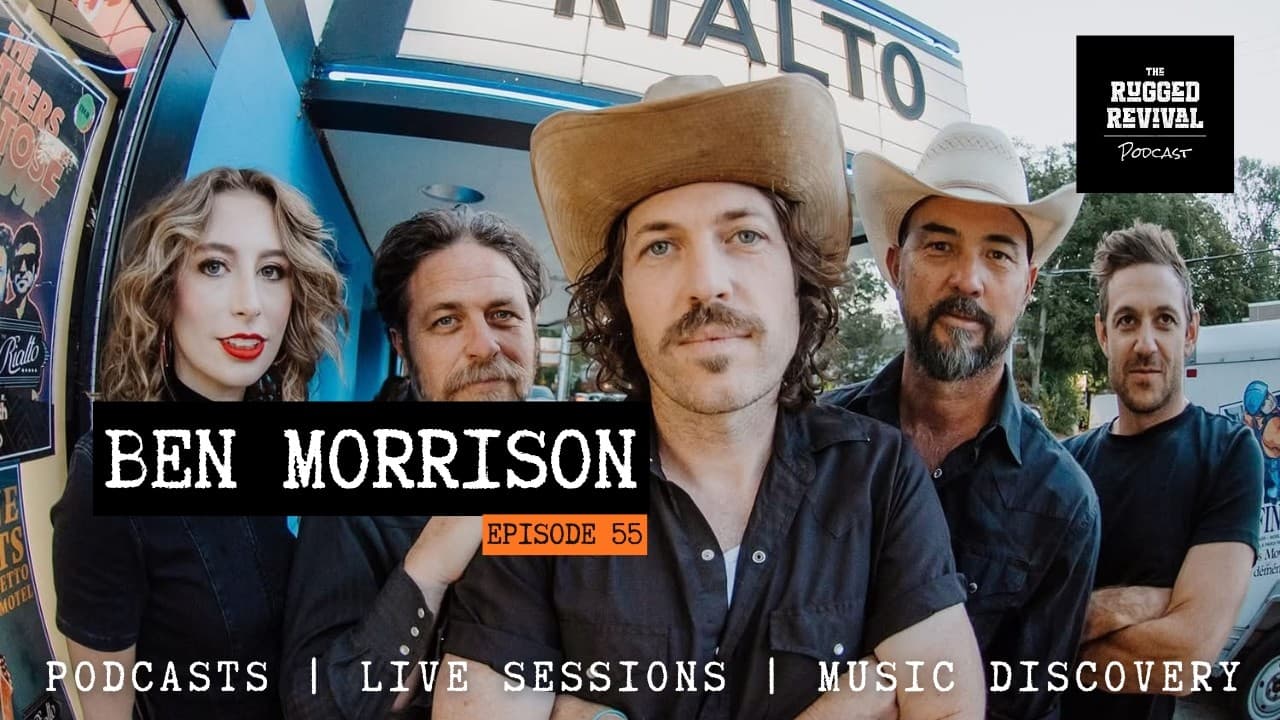
Ben Morrison
The Brothers Comatose: Ben Morrison on 18 Years of Music, Family & Touring
Ben Morrison of The Brothers Comatose joins the Rugged Revival Podcast for an honest conversation about nearly two decades ...
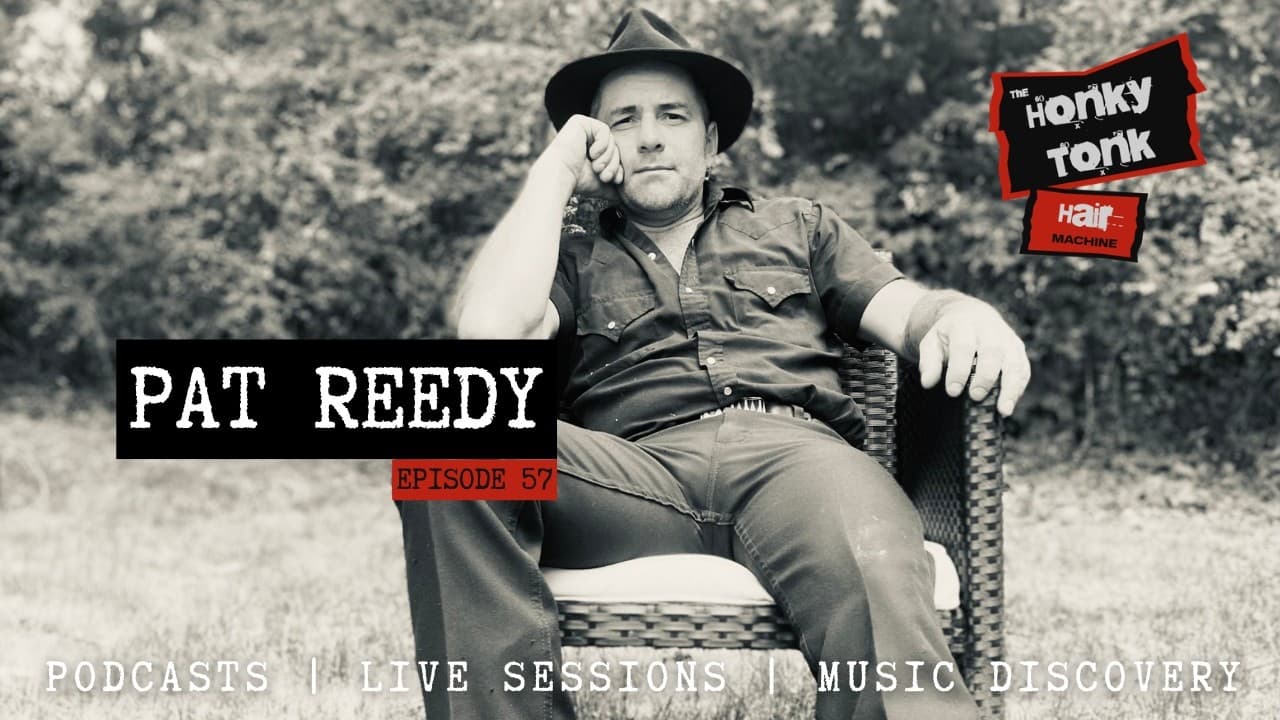
Pat Reedy
Pat Reedy on Busking, Nashville & Building a Country Music Career
Pat Reedy joins Camden to discuss leaving construction behind for country music, busking in New Orleans, life in Nashville, ...
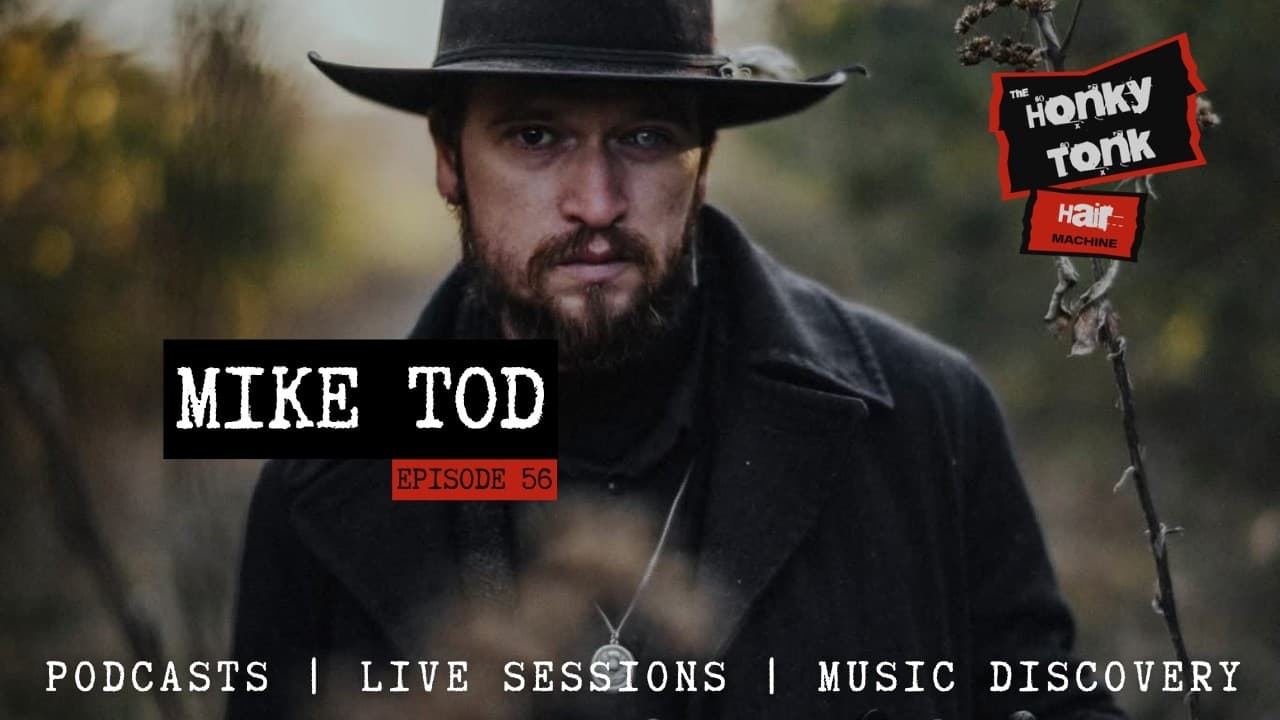
Mike Tod
Keeping Traditional Folk Music Alive in Nashville | Mike Tod Podcast
Mike Tod joins Camden to discuss traditional folk music, Canadian roots, life in Nashville, forgotten songs, unusual instruments and why preserving musical history still matters today.Originally from Canada and now based in Nashville, Mike explores the stories behind traditional songs, the connections between folk music around the world and how old music continues to influence modern artists. We also discuss his unique "Crankenstein" instrument, musical curiosity, collecting songs from the past and the importance of keeping traditions alive for future generations.Chapters00:00 Introduction00:00:30 Growing Up in Canada00:02:20 Discovering Music & The Crankenstein00:04:10 The Story Behind The Crankenstein00:05:20 Drones, Folk Traditions & Ancient Music00:08:10 Learning Guitar & Performing Original Songs00:09:40 Accessing Traditional Music in the Digital Age00:11:20 Researching Music History00:12:10 Playing The Crankenstein Live00:14:00 Creating Atmospheric Sounds & Live Performance00:16:00 Traditional Songs & Musical Origins00:17:50 The Artists Influencing Mike Today00:19:20 Studying Philosophy & Creative Thinking00:22:00 Horror, Heavy Music & Folk Culture00:24:00 Scottish Heritage & Family History00:27:10 Final ThoughtsSubscribe to The Rugged Revival. Share it with your friends. Support independent music!Listen to the full podcast on Spotify: https://open.spotify.com/show/6wnHcgA73o1aiiKaz882vH?si=30aabdaa220a4628Follow The Rugged Revival:Instagram: https://www.instagram.com/theruggedrevival/TikTok: https://www.tiktok.com/@theruggedrevivalFacebook: https://www.facebook.com/profile.php?id=100094507520679Website: www.theruggedrevival.comEmail: ruggedrevival@hotmail.com