
Wyoming Country & Western Revival | Bar Jay Bar Podcast
Watch on YouTube
Subscribe for new episodes, Grit Sessions & more
Listen to this episode
In This Episode
There's something beautifully counterintuitive about discovering authentic country music from a guitarist who grew up in Connecticut, surrounded by casinos and dense New England forests. Yet Joe—known to the roots music world as Bar Jay Bar—embodies exactly the kind of independent spirit that The Rugged Revival celebrates: an artist uninterested in shortcuts, chasing the West with genuine conviction, and building something real on his own terms.
When Bar Jay Bar sat down with Cam for a recent conversation on the podcast, he came across as refreshingly grounded. The musician traces his musical awakening to age nineteen, almost a decade late compared to many industry peers, discovering guitar alongside a crew of friends who treated instruments like treasure hunts. "We'd throw a bunch of instruments in the basement and pick up organs and pianos off the side of the road," he recalls. That spirit of spontaneous creation—finding music in discarded things—speaks volumes about his approach to songwriting and performance. There's no pretense here, just curiosity and commitment.
The West was always calling.
— Bar Jay Bar
Originally from Norwich, Connecticut, Bar Jay Bar speaks fondly of his New England childhood: the proximity to forests and urban culture, the balanced exposure to different worlds. But the West was calling. This isn't metaphorical wandering. Having based himself between Wyoming and the broader American West, he's actively living the landscape that informs his music. That decision matters. Too many Americana artists sing about the frontier without understanding its weight; Bar Jay Bar inhabits it.
What makes this artist particularly compelling is his commitment to independent touring and songwriting outside mainstream industry machinery. During the podcast, he discusses his recent tour run across Texas and beyond, including a stop at a venue in Humble where harmonica player Jay Rad Cooley discovered an old organ behind the stage and plugged in without hesitation. That moment—captured naturally in conversation—illustrates the philosophy binding Bar Jay Bar's work: opportunism married to authenticity, the willingness to let the music happen rather than manufacture it.
Everything looks musical when you first start to play music.
— Bar Jay Bar
His sound sits comfortably in the space between classic Country & Western and modern Americana, informed by folk sensibilities and honest storytelling. These aren't trendy genre markers. Bar Jay Bar is genuinely exploring how contemporary roots music functions when stripped of industry gatekeeping, when an artist simply moves to the heartland and builds something from scratch. His earlier musical forays—including an unfortunately short-lived Guns N' Roses cover band where the drummer cussed out the rhythm guitarist on live college radio—demonstrate his willingness to experiment, fail publicly, and keep moving forward.
The conversation touches on the essentials: cowboy culture, touring ethics, what it means to build credibility through relentless gigging rather than playlist placements or industry connections. Bar Jay Bar represents a growing contingent of musicians who understand that independence requires discipline. You can't simply relocate to Wyoming and expect audiences to appear. You tour constantly. You release music on your own timeline. You build relationships with fellow musicians like Jay Rad Cooley who understand the old-school touring life. You find venues in Texas and Wyoming and Kansas where people still want live music in their bones.
For anyone tracking the contemporary independent country and Americana landscape, Bar Jay Bar deserves serious attention. He's not deconstructing country music or making it ironic. He's not weaponizing authenticity as a marketing angle. Instead, he's doing the unglamorous work of writing good songs, touring relentlessly, and letting his connection to the American West emerge organically through his music. The result is country music that feels genuinely lived-in rather than performed from a distance.
The full episode captures far more nuance than any article can convey. If you care about where authentic roots music comes from in 2024—how it actually gets made without major label interference, how artists sustain themselves, what drives someone from Connecticut to build a serious career in the American heartland—this conversation is essential listening.
I'll help you. I'll help you. Start a revolution. For this Monday morning love situation. >> What's up everybody? This is Cam aka the Honky Tonk Hair Machine with the Rugged Revival. Who am I here with today? >> Cam, this is Joe, also known as Bar J Bar. >> Bar J Bar, thank you so much brother for sitting down with me. I appreciate your time. >> Well, thanks for having me. I'm glad to be here. >> So, I always like to ask this first question that kind of just gives us a little peek about who you are. Um, you can give as simple of an answer as you want or you can go into detail. Totally up to you. But, um, where are you from originally and what was life like for you as a kid? >> Uh, I'm from Eastern Connecticut originally. Uh, it's a town called Norwich. Uh, and usually when I'm out of the state, not a lot of But, I mean, Connecticut's very small state in Southern New England, so uh, if anyone's like kind of familiar with the region, they're familiar with the fact that I grew up next to two giant casinos. So, one of them's called Mohegan Sun and the other one's called Foxwoods, so that's that's the uh probably the most recent element of significance uh from the the land of Connecticut where I was uh born and raised. >> All right. >> yeah, what I like to say about Connecticut life is at least for me personally it's it was a New England was like a great a great place to be a kid. I can grow up and had a lot of uh had a lot of exposure to like the best of everything. It's close to, you know, a lot of lots of uh urban environments, close to uh a lot of forests, a lot of places where I could, you know, just go and uh be out in nature. I don't know, it's it was beautiful in that way. But, you know, the the West was always calling. >> Yeah, that's right. So, you're a you're a fantastic guitar player. When when did you actually start playing the guitar? >> Guitar was uh music in general was I mean that it was kind of like a late start for me. So, I I didn't really play music in any fashion until I was 19 maybe 19 20 years old and uh so, that it was around that time that uh I actually had a bunch of friends uh that I went to high school with and that's about the time I was playing I started picking up a bunch bunch of stuff up at the same time. So, it was like guitar and drums and bass and um we would just throw a bunch of instruments in the basement and pick up organs and pianos off the side of the road and put together drum kits and you know, it was just a bunch of noise back then, but it was it was great. But, that was that was that was when I got got going with it all. >> Yeah, that reminds me a lot of my friends and I we used to just drive I I grew up near an army base called Fort Belvoir and people move in and out of there. So, they're always throwing stuff on the curb and we would do the same thing. Drive around and just pick up I mean if it was broken and rusted, it's almost like we wanted it more, you know? >> 100% 100%. Yeah, and then you know, it's I think about it now and even the the bar we were playing at last night in uh Humble, which is like just kind of north of Houston, Texas and um there was an organ in the back behind the stage where we were playing that uh the Jay Rad Cooley who's the was playing harmonica on this run this tour we just got off of. He's a great piano player, but naturally, you know, he sees the organ back there, he plugs in it, but I just think about that all time of like pulling up some old church organ that somebody was throwing away and it's you know, it was useless to the church and it was probably useless to us too. Like nobody knew how to play it, but everything looks musical when you first start to play music, you know? >> Yep. And well, and there's beauty in the art of it, right? It's like, you know, the the out of tune keys make something beautiful at the end of the day also. >> Yeah, for sure, right? Like in almost to some extent the you're so fresh or when you're so green about it all, it's like just the noise is just pleasing. Yeah. Just noise is pleasing. >> Yep, that's absolutely right. So, so you've been in the game since about 19. When did you start actually taking your music on the road? >> I played so it was maybe two years after I was, you know, we were kind of farting around playing just in uh playing in basement. The first real band I played in, I mean there was a there was a moment that actually the truly the first real band I played in was I was playing bass in a uh Guns N' Roses cover band when I was probably like 21 years old and we never played a show and we played on the radio once at the college I went to and I remember the drummer at the time just cussing out the uh rhythm guitar player like live on air and I thought that was the funniest thing ever. But that that was There was there was no there was no money or anything in that band. It never became anything. But around that same time uh there was a fella at the school I went to who was a professor at the college I went to who taught uh clawhammer banjo. >> Oh, wow. >> So, yeah. So, strangely enough I took him up on learning and then he basically put me string bands were what I played in first. So like string I played in a string band in college. And that band which was in some ways kind of his his brainchild. His name was uh Richard Jones Baman and and he he was just such a lover of old-time music that he just found you know, like students in the school that they found a fiddle player, there was a cello player, that all the people the first people I really played with seriously and put us all together in what was a school ensemble and then eventually became like the first band I played with and gigged with, you know, after you know, in my early 20s. So that was like the the original impetus. I remember the first tour we ever did was back then I didn't know how to book shows and nor did I know how to book a string band, you know, not that it would be any easier now with booking like an old-time string band, but I I used to book like farmers markets. So the first tour we ever did was like a book of farmers markets around New England and that was like uh probably in 2013 or 2014. >> It's pretty cool though, man. That reminds me um I did uh guitar theory through high school. You would not know it, but I did guitar theory for, you know, all through high school and um my core group of friends, maybe like four of us, would find ourselves in like this locker area where they kept like the upright basses and like all the stringed instruments. And uh the guitar teacher was so cool about just letting us figure it out. He's like, "You know what? You guys are in here. I can see the curiosity and it sounds awful, but you're still doing the thing." >> Yeah, but, you know, And know. I'm there's like differing theories or opinions on what the best way to like cultivate certain skills is, but music as a skill is strange in that it's a skill that is also you know, it's uh it needs to be facilitated like in a un What what would be the word? Like in a without too much structure sometimes. >> Yeah, you have to let it breathe. It's like, you know, opening a bottle of red wine. You got to let it just kind of do its thing. >> Yeah, I mean especially I I'm assuming like I said, I'm I'm assuming that maybe that there's some different schools of thoughts on it maybe in terms of like creating and composing versus um I'd like replicating music maybe from like a like a classical background or something like that. But yeah, I think at least from the creative side of things, you have to have those moments of just like just hearing the noise, you know, and just like yeah. I don't know, just being playful, I guess. >> Yeah, that makes sense. And I think um when we're making art, I think we tend to be uh the most critical of art because it it looks like us or it sounds like us. Like, oh, I play this guitar riff. Uh sounds like a Cam riff. It's like, ah, you know, it's not any good. And I think you can um you know, like Iggy Pop and Bowie and even Tom Waits, uh those guys have all put out albums that are kind of like jazzy a little bit and maybe like a little noisy. And I think at that point they were like, you know what, this is I'm done making songs to make them like uh catchy sing-along songs. I'm making like real from the heart music at some point, you know. >> Yeah, for sure. I mean, and two, whether or not you create something that ever you have the intention of it seeing the light of day or whether or not you're creating something, like I think to some extent there's probably and I know this is like kind of a bit of an aside from just like music in general, but as a creative creative uh like the discipline of creativity, >> Mhm. >> you have this whole other room that exists alongside whatever the public creation is. I'm just kind of stuff that you just do without really any intentionality of it being uh like for mon- and not just money making, but just for like public consumption. So, it's purely just I like I always like to think about it as like you do it out of compulsion. It's like a compulsion to create separate of anything else other than the feeling that you just need to, you know? >> Right. Humans Humans are designed to make art, you know? It's like the first we want to do with as kids. You put a couple of kids, you know, two 3-year-old toddlers or whatever in a room. You got clay, you've got percussion, all these things. They want to create. They want to sculpt and make make art, you know? It just comes at comes natural, you know? I think uh hate and anger is not a is not a real thing, you know? We're We're meant to be loving artful creatures if that makes sense. >> It does make sense. I mean, in some ways it it was you know, I I think from uh like growing up where I did, there was like a an idea of just like purely being artistic on its own >> Mhm. >> isn't really a justification for like making a life out of it. >> Yeah. If that makes >> You know what I mean? So, but then in my head I always think 10,000 years ago somebody was getting chased by lions and making a fire in a cave and they had time to paint on a wall. >> Yep. >> it's like it's it's just like you said it's it's completely innate. It's it's just innate whatever reason. You know. >> That's actually really funny. Like even back then they still had time to create even with all the fears and the predators and >> It's wild. Yeah, it is. Yeah. And maybe just >> So And go ahead. Go ahead. >> Well, no, I was I was only saying maybe just a side effect of a big brain, but you know, it's like who knows. It's like you know. >> Yeah. Well, there's like you know, there's something to our core, right? Like maybe we never we knew we know we got to do what we have to do to survive. But if at the end of the day we have this innate need to create. You know, like if you go any stretch of time without touching your guitar, it feels weird. You know, it's like or or a drum or a bass. You're like, I feel like something's wrong with me. So you you have to get in that room and and create again. >> Yeah, definitely. Yeah. Yeah. There's no doubt. >> So, you all have a lot going on on stage. You know, you're a multi-instrumentalist. So, what are what are some of the biggest challenges you face when trying to bring the best show possible to the masses? >> Oh my gosh, I feel like we talk about this quite a bit on the road, but it's uh it the the band so like Bar Jay Bar is the stage name, but then like over the years it's it it's associated with me and like the the brand and the music that I put out, but it's like a banner for like who when we're traveling around as well, you know, like the band as well. Um so it's like doing double duty in that way. Uh but over the years it's been, you know, I've had lots of different lineups and the show has always changed. So, I think uh always from the start of it. Like when it whenever I brought that name out on the road originally, the Bar Jay Bar as the stage name, there was always some amount of stick involved. There was always There's something kind of goofball that we were doing on stage. Um And it's evolved with each group in terms of like whatever what I thought we could do on stage. You know, it used to like a lot of times it used to just be me getting on a bar and throwing my guitar people in the crowd and like and then it would evolve into like me and other bandmates would like like all the towers and like crawling on each other and and jumping on each other's shoulders. But, the instrumentation also changed too because there was never like a consistent vehicle that we were touring in. So, like one of the I think that where it was the most evident was uh the the iteration of the band I was touring with at the point was uh uh Pete Posi was playing pedal steel and Red McAdam was playing upright bass at the time. And they someone took a video of us. Um I think it was Kirsty and Well, whatever the case is. But, it was in I think it was at a a show in Kansas City and Red was sitting on my shoulders and and we put the double bass up with him on my And it just it for whatever reason it was like everybody was like watching that video. And then later on, that band that formation of the band was only together for a winter time. Like I think it like one or two like month-long tours. So, when I would go out again and sometimes we didn't have the double bass, there would be people that would only know the music from that video. >> Right. >> And they're like, "Hey, where's the bass, you know?" Or like, "Do the trick, you know? What's Isn't this Isn't this what you do?" And I think for a little while like I kind of got rubbed about that where I was you know, I was like, "Oh, man." You know, cuz I you know, I'm writing we're writing music, we're performing original music, too. So, it's always that feeling of like I don't want to just be the monkey with cymbals. Like, I want people to sit here and listen, too. But, now it's uh it's evolved. Like, actually it's it's a super pertinent conversation because even last night Jared who I was saying before is that playing harmonica in this formation of the band. He was saying last night, he's like, "You know, there's no reason not to like give the crowd what it wants because you know, you're just as much as like uh I don't know, it's like you're all in it together. It's not adversary There is no adversary relationship there. You're You're spending your time together and and they're there to enjoy themselves and you're there to you know, enjoy yourself and do the job. And if uh if you can't enjoy yourself and do a little stick, I mean, you know, not even get over it. Like, learn to love it. I don't know what to Like, it's it's just part of it. It's part of the performance. So, uh yeah, that that much is definitely evolved throughout the iterations of >> That That makes sense though, right? Like, I think there's a balance with um doing a little bit of fan service, right? Kind of playing the hits, if you will. Like you got to you got to play, you know, Scorpions got to play Rock You Like a Hurricane every night, you know? But then also doing like we are artists at the core. So, how do I get up here and bring you a unique experience night after night, which is also a lot of pressure on you night after night? But then uh, yeah, doing doing the bass trick. And yeah, it's not easy to travel with an upright bass. You know, anybody that's ever done that can tell you that's that's not easy. With just the the space, the storage. >> Yeah, man. It's the it's the lost member of the band. That's what I said, it's like a piece of furniture that you just got to take around with you. So, it's crazy. >> Well, I saw that video and the first thing that came to mind was the resonance through your skull into your teeth. Like I could I could almost feel it cuz it looked like his bass was resting right against your head and he's just like, you know, going at it. I can feel the filling shaking out of my teeth right now. >> It was or even I mean, to some extent too, like the bass trick used to be reversed. So, I used to there was a the original bass player in the band who was playing upright, his name was Benny. And I would sit on Benny's shoulders and I would sit up there with a guitar and he'd be playing upright. And then I I played upright and he played guitar. So, then we would some shows we would switch I'd sit on his shoulders and then somewhere through the show we'd switch and do it the other way. And uh, I think Red was the first time we'd ever tried it with like the bass going up. And there's just something that like looks so lopsided about it. I think people you know, like also there's this like concept of like not that an upright bass isn't it's cumbersome, but it's not necessarily like heavy, you know, so so there's just that look of it's just like, what even is, you know, like how does how does how does work and like but uh, yeah, it was uh, it was it's the cumbersome part of it that you m- more more often than not it worked, but definitely as we were figuring it out there was a couple of shows where I think we were in uh we were probably getting kind of cocky. And I think we made it all the way to Charleston, South Carolina. We were playing a show there and uh we toppled for the first time after being like, this is wild. Like we haven't fall, you know, fall in once during this stretch. And we just totally ate it, you know, hard on stage. >> And it's almost like when you overthink it and like you you bring some like attention to it is when it goes wrong. >> Oh, 100%. >> If you just go through it, muscle memory, it's it's going to be fine every time. >> Definitely. Yeah. But then also it's it's like the danger element is, you know, it's got to be exciting for us, too. Like if it's not kind of risky, what the hell are we doing, you know? >> Yeah. Cuz it's still at the end of the day you're still rock and roll, you know? >> I would say yeah, you got to feel something. >> Absolutely. Um so, you seem like kind of like a tall guy though. Like I you wouldn't work on my shoulders. Like I'm only I'm only 5'10. I think your feet will still touch the ground if you got on my shoulders. >> No, no. I mean there's uh Jordan Wilson who who I play with quite a bit. Uh It was in like different bunch iterations of the band. Wilson's maybe an inch and change like taller than I am. Oh, yeah. I'll send Wilson up sometimes, you know? And I've gotten on Wilson's shoulders before. It'll work. It'll work. >> That's too funny. Yeah. So, you seem like you have a pretty wide array of influences. Who Who I know I know you probably get asked this all the time, but who are some of your favorite country and non-country influences today? >> Country and non-country. Uh as far as country I like to say and I was just before we got on this camera I was just having this conversation with I mean this in earnest. This is how often I talk about this. Like Bob Wills to me even if I don't feel like it comes across in the music I write. Bob Wills and the Texas Playboys offers everything. And a big part of that that's close to my heart is because I played string band music and I played fiddle music. So that my whole entrance into Bob Wills was through the first guitar player I played with in that string band who introduced me to Bob Wills. And it was because like for me I was listening to like a adaptation of fiddle tunes I was learning at the time but just you know filtered through like Texas swing style. You know which so that was cool. And and over the years it's just I don't know. I mean I at the at the risk of uh just saying exactly what what I had already been saying about Bob just moments ago. Uh the band kind of encapsulates this really great snapshot of like American music in all ways. Like it's just incorporating so much. It's like all these elements of American music that you can hear in it. It's like the fiddle tunes are there. The the like it's like uh jazz is in there. And it's a very specific moment of jazz of like this is like swing. It's like it's dance jazz. It's jazz when jazz was like you were still dancing to it. The band was still going and playing so that people were coming out. It's very practical jazz element. And it's uh it's blues. It's everything. It's all these things squashed down into a band that's like a truly a working band. And then it's also too being like um over the like to me like I listen to that music it's like all the you know the ah-has and everything it's like it's almost like an instant caricature of itself but the more I dig into it like I would even listen to it like you could completely overlook like the lyricism of Bob Wills and the Texas Playboys but then you just listen to it and you're like oh this is everything like it's like it's folksy but self-aware without being like you know yeehaw and it's it's cheeky and it's it's like edgy sometimes and I don't know it's just so as far as like closest to the music that I play yeah I would say Bob Wills is like a a good um as good as good as I can get for one one band that really has like all the elements that I would love to incorporate like much as I can in the music that I create you know >> Yeah that makes sense. It's interesting what you said about you know a band getting on stage and the crowd enjoying the music and dancing right? And when I when I picture like going to the honky-tonk that's what I picture the band's playing they're playing the music and the fans want to dance. Somewhere I think somewhere along the line it became more about what's happening on stage is just it's just meant to be on stage you know the theatrics are all happening on stage and the crowd is meant to stand and nod you know and all the action's happening here and they forget like you know a lot of the from what I've seen people might argue with me on this but a lot of the DC crowds you know we want to stand and just nod and >> And and folks forget like, you know, you're allowed to dance. You know, you should dance. You should move move your body, get out there and do that. And um you know, like for me growing up in the DC punk scene, you know, uh it was more about what was happening in the crowd, you know, the band was on their stage doing their thing, but you got the circle pits, the moshing, the stage dives, you know, everybody's coming at you all the time. And um you know, when I kind of like to where I'm at today, you know, my wife and I will dance, we'll have a good time, but we also don't want to be the only ones. >> Yeah, I mean, you know, that's funny cuz I wonder if like almost to some extent, too, there's uh there's a reason why there's like uh a very natural meshing of worlds between punk scenes and uh like country scenes is like later on. And I think a lot of that is because the audiences are participants. Like you're not just an observer, you're a participant. You're I I was lucky enough, this is before I played music, but I had friends when I was in high school who played in hardcore bands, and I was like I never would have gone to a like a pit or been inside a pit, but you know, I was like I like I played contact sports, like I was I was like a young healthy guy. So, when I went to those shows and I finally got to go and like get into a pit, I was like, "Oh, this is incredible." Like it's just cuz just like you said, you're you're somehow suddenly become act like you're an active member of everything that's happening in the room. >> Yes. >> Rather rather than just passively kind of consuming and taking it in. You're contributing in a way. >> Yeah, Joe, I think I think you just connected the dots perfectly. I think we've been trying to figure out this pipeline from like punk and metal to like folk and country and bluegrass. And I think that's absolutely right. You may have just solved the puzzle. And I you know, it's the it's the crowd and the band are one. It's everything you just said. I think that's absolutely right. And that's why like that feeling of community, you know, feels good cuz it feels right at home, you know? >> Yeah, for sure. You know, and there's to some extent, too, and this is this is like a a strange like cyclical product of playing and aging, but I think maybe too others that there's a bit of like a misguided effort originally of thinking that somehow the the personality or the brand of like what you brought to the stage was like the most important element of it, right? This has to be this like fully formed thing. People have to go there and they have to see this like character, right? They're going there to see some sort of character. Like that's what they're there for. It's the music. The music's attached to you, the people in your band, all this stuff they're singing, right? But looping it back in with that idea of like the audience as like a participant, like I even realize this now is like uh like this past January uh we had uh couple week run at the beginning of the month and I book two square dances. Two square dances on that tour, you know? And I'm frequently trying add more square dances into the schedule or like even guys I'll take along that maybe aren't even old-time adjacent. Like they don't play string band music. They don't play fiddle music. I'll start to bring them in the fold because it's always in my mind is this explanation of like this is it's it's like a free day for you as a band where the dancers are coming purely to dance. They don't care about you on stage. Not that they don't care like you're just there you're there to be the you're the beat and then they're interacting with each other and in some ways it's you and the band you're responding to them. You're trying to give them what the tools they need to like get the job done which is you want that you know what you want to see the floor moving. That's what you want. That's your role rather than trying to get across you know uh I hope you understand how she broke my heart and how I'll never get over it again. You know what >> That makes absolute sense man. Like when you look out and you see the crowd having a good time you're doing your job. You're like look man everyone's dancing even the wallflowers they've come off onto the floor. They're dancing. Like I remember you know when I was playing in hardcore bands it it would be the weirdest shows when you you know you're doing all this anthemy you know getting people fired up and you look out and everyone's like It's like come on man. >> Yeah yeah I mean you feel you feel like clipped. You're like what what you know what I mean what if what do I do now you know it's like >> Absolutely. Yeah it feels super weird. So you also have a great look you know look I'm in the fashion industry I've been in it my whole life. The first thing I'm drawn to somebody is their look and you have a great style about you. What's your favorite on stage attire that you go for when you hit the road? >> I'm pretty I'm pretty simple. You know I I if we can the only the Let me let me double back here. So most of the time I I just like a nice fresh pair of Dickies and uh and I'm and now, I don't know, maybe it's cuz I'm in my mid-30s, but I tuck my shirt in and that's and like that's that's I feel like that's the least I can do. Or is like I used to have a friend, Jamie, said it I it's the least I can do and I always do the least I can do. But it is it's the least I can do now. But um there's been times in the past. I mean, there's times on runs where it's like uh I'll I'll try to get everybody to bring a suit along and we'll try to suit up for as long as we can until you know, it's not like everybody in the band has three different suits they can wear. So, you're on a month-long tour and you've been wearing the same suit every night for six days a week of gigs and that suit doesn't seem so appealing on day 20. >> Yeah, gets a little gets a little funky after a while. >> Oh man, it gets it gets washed you fast. So, yeah, I mean, I think uh ideally, I mean, we we're it's a pretty uh small-time and DIY operation most of the time. So, if we could keep the uh if we can keep the suits on hangers and keep them looking halfway decent, we'll always try for try for suits and if not, then you're probably going to see us showing up in uh Dickies with uh somewhat wrinkled shirts, you know. It's a >> You know what it is, Joe? It's that um you know, I think there's a time and a place for athleisure, you know? And like you're in the van, you know, you don't want to wear your suit in the van. You want to wear your your your shorts and your tees. But I think what it is is like athleisure has become so dominant in society that when people see you remotely put yourself together and go out in the world, it turns heads. Like people get like, you know, I work in Arlington just outside of DC and I've usually got a pearl snap tucked into jeans and boots and a hat and to me I'm not really that dressed up. But people stop and stare. They're like, what? You know, where where's he going? Who's getting married? You know? >> Yeah, I mean what what uh Oh my gosh, I'm not as familiar with the uh with the repertoire. Uh um uh guys like an old classic jazz song. I feel What is it? Feel undressed without my cane or something like that. But whatever the case is, you know what I mean? Like you don't For for you, you stepping out in anything less would feel like you just you feel like you didn't have your shirt on if you you know what I mean? If your shirt's not tucked in or whatever. So, yeah, I I know what you mean and I think that um it it's a very easy way and surprisingly accessible way of just like you said, just a bare minimum of separating yourself in terms of um You know, and then the other thing too is like when you're kind of stinky ratty musicians walk around all the time you're you're trying to get any like little bit of respect you can. So, it's like If it means I got If it means I got to tuck my shirt in, you know, and not wear my jean shorts all the time, it's like, okay. Like I can do that. Pull that off. >> Yeah, we can do that. Like you said, the the the bare minimum. >> This is This is the bare >> So Joe, like I said, we keep this short and sweet. Um where can we find you on the socials? >> Uh uh @barjaybar everywhere and that's spelled out b a r j a y b a r and that would be across the board on YouTube uh Instagram, and TikTok. >> Oh, that's fantastic. That sounds great, brother. Well, look, I'm going to let you go. Um I'm going to stop recording, but you can hang on the line with me for just a minute, but I do appreciate your time, and we should do this again. >> Would love to, Camp. Thanks so much. >> Thank you, brother.
Comments
Keep listening
Related Episodes
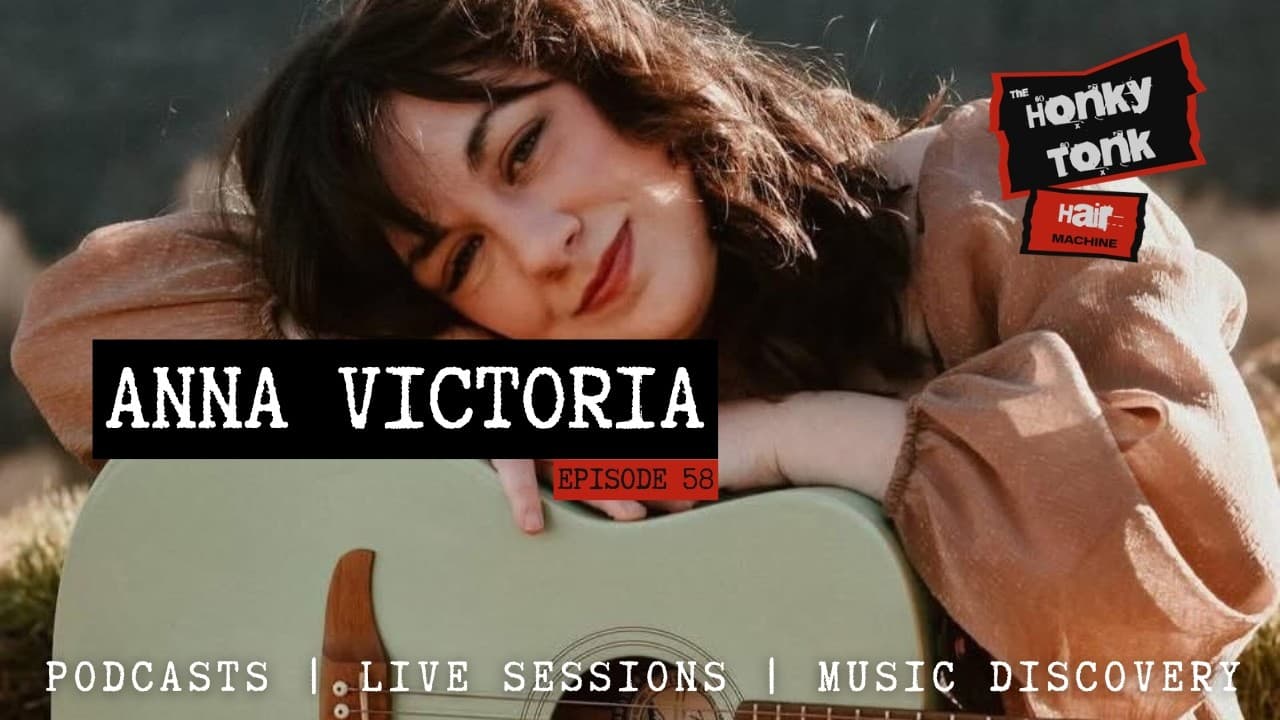
Anna Victoria
Inside North Carolina's Appalachian Music Scene | Anna Victoria
Anna Victoria joins Camden for an honest conversation about growing up in the mountains of North Carolina, discovering her voice as a songwriter and navigating life as an independent Country and Americana artist. We talk about learning to perform live, protecting her voice, finding confidence on stage, the influence of Appalachian music and artists such as Luke Combs, Sierra Ferrell and Dolly Parton, balancing music with motherhood, and the challenge of staying creative in a world driven by social media. It's a thoughtful conversation about music, family, creativity and staying true to yourself while building a career in independent music. Chapters 00:00 – Introductions, Weaverville, childhood. 02:00 – Singing, vocal health and beginning her musical journey. 06:00 – The pandemic, booking gigs and developing as a live performer. 09:00 – Coping with distractions, confidence and performing. 12:00 – Appalachian influences, Luke Combs, Sierra Ferrell, Dolly Parton and mountain songwriting. 15:00 – Family life, being a stay-at-home mum, social media and balancing music with everyday life. #lukecombs #sierraferrell #dollyparton Subscribe to The Rugged Revival. Share it with your friends. Support independent music! Listen to the full podcast on Spotify: https://open.spotify.com/show/6wnHcgA73o1aiiKaz882vH?si=30aabdaa220a4628 Follow The Rugged Revival: Instagram: https://www.instagram.com/theruggedrevival/ TikTok: https://www.tiktok.com/@theruggedrevival Facebook: https://www.facebook.com/profile.php?id=100094507520679 Website: www.theruggedrevival.com Email: ruggedrevival@hotmail.com
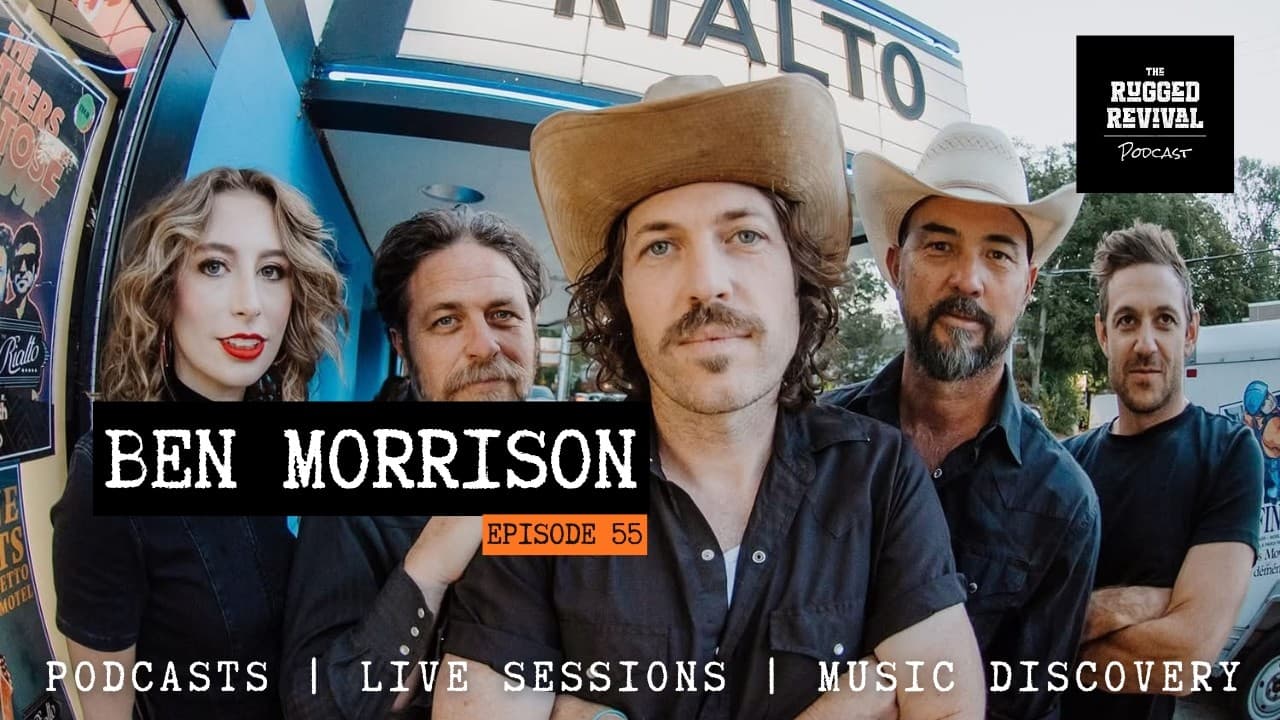
Ben Morrison
The Brothers Comatose: Ben Morrison on 18 Years of Music, Family & Touring
Ben Morrison of The Brothers Comatose joins the Rugged Revival Podcast for an honest conversation about nearly two decades ...
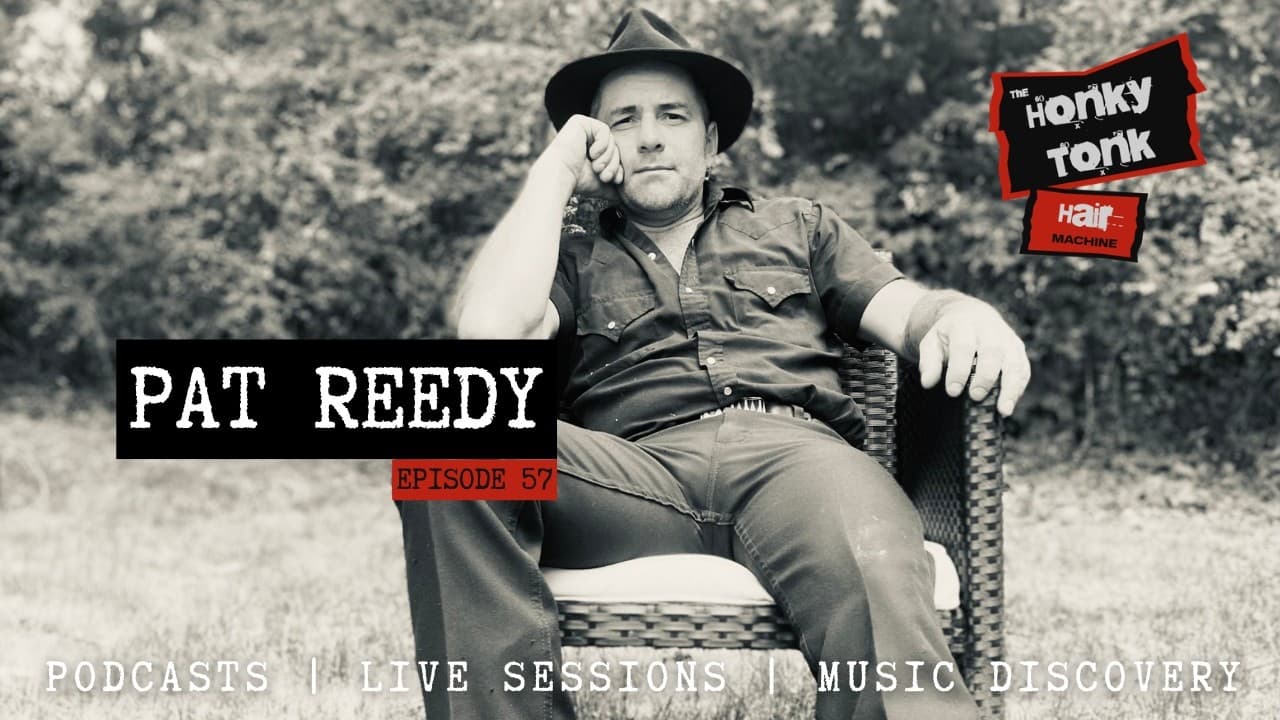
Pat Reedy
Pat Reedy on Busking, Nashville & Building a Country Music Career
Pat Reedy joins Camden to discuss leaving construction behind for country music, busking in New Orleans, life in Nashville, ...
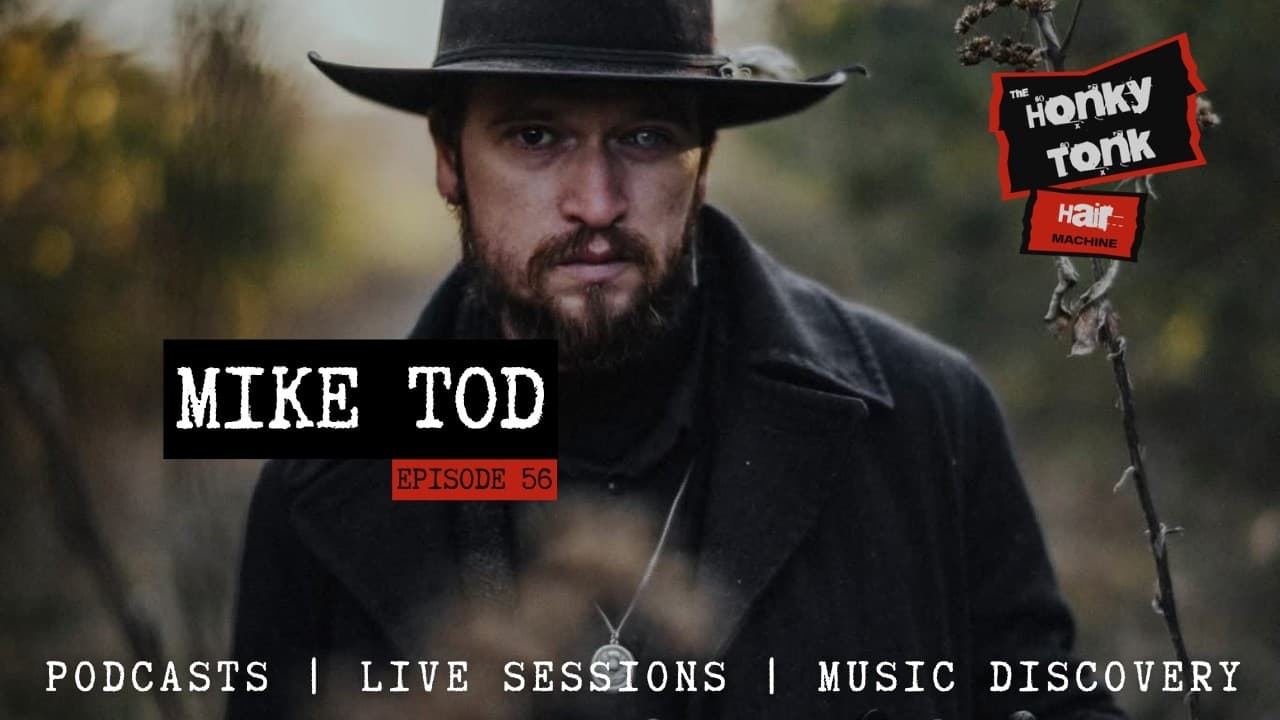
Mike Tod
Keeping Traditional Folk Music Alive in Nashville | Mike Tod Podcast
Mike Tod joins Camden to discuss traditional folk music, Canadian roots, life in Nashville, forgotten songs, unusual instruments and why preserving musical history still matters today.Originally from Canada and now based in Nashville, Mike explores the stories behind traditional songs, the connections between folk music around the world and how old music continues to influence modern artists. We also discuss his unique "Crankenstein" instrument, musical curiosity, collecting songs from the past and the importance of keeping traditions alive for future generations.Chapters00:00 Introduction00:00:30 Growing Up in Canada00:02:20 Discovering Music & The Crankenstein00:04:10 The Story Behind The Crankenstein00:05:20 Drones, Folk Traditions & Ancient Music00:08:10 Learning Guitar & Performing Original Songs00:09:40 Accessing Traditional Music in the Digital Age00:11:20 Researching Music History00:12:10 Playing The Crankenstein Live00:14:00 Creating Atmospheric Sounds & Live Performance00:16:00 Traditional Songs & Musical Origins00:17:50 The Artists Influencing Mike Today00:19:20 Studying Philosophy & Creative Thinking00:22:00 Horror, Heavy Music & Folk Culture00:24:00 Scottish Heritage & Family History00:27:10 Final ThoughtsSubscribe to The Rugged Revival. Share it with your friends. Support independent music!Listen to the full podcast on Spotify: https://open.spotify.com/show/6wnHcgA73o1aiiKaz882vH?si=30aabdaa220a4628Follow The Rugged Revival:Instagram: https://www.instagram.com/theruggedrevival/TikTok: https://www.tiktok.com/@theruggedrevivalFacebook: https://www.facebook.com/profile.php?id=100094507520679Website: www.theruggedrevival.comEmail: ruggedrevival@hotmail.com