
Radio Rodd - Fashionista, Media Personality, and CMA Correspondent From Nashville | Rugged Revival
Watch on YouTube
Subscribe for new episodes, Grit Sessions & more
Listen to this episode
In This Episode
When someone tells you they're "dressing casual," they probably mean jeans and a plain shirt. When Radio Rodd tells you he's dressing casual, he means high-waisted wide-leg pants with a cowboy hat, boots, and a tank top under a perfectly tailored blazer. That distinction—between what people think they're doing and what Radio Rodd actually does—tells you everything you need to know about the Nashville media personality who's quietly revolutionizing how country music gets covered in Music City.
Rodney Smith, better known as Radio Rodd, is a Texas native who's become one of Nashville's most sought-after hosts and media personalities. His résumé reads like a who's who of modern country music infrastructure: Amazon projects, iHeartMedia productions, and virtually every major record label in town has called on his infectious energy and genuine enthusiasm. But what sets him apart isn't just his ability to work a room or command a camera—it's his refusal to accept the boundaries that society has long drawn around authenticity in country music spaces.
I've always wanted to stand out and push boundaries when I started seeing people uncomfortable about the lifestyle that I started to love.
— Radio Rodd
Born in San Antonio and now based in Nashville, Radio Rodd has carved out something increasingly rare in the music industry: genuine individuality wrapped in professional excellence. During a recent conversation for The Rugged Revival, he spoke candidly about fashion, style, and the sometimes uncomfortable process of refusing to blend in. His approach to personal presentation feels deliberate without being performative, rooted in something deeper than mere trend-chasing. "I think I've always had a niche for fashion," he explained. "Every year was some type of evolving in the fashion sense. I've always wanted to look different. I've always wanted to stand out."
What's particularly striking about Radio Rodd's philosophy is how it intersects with his work in country music journalism. In an industry that can feel rigidly bound by tradition and expectation, his willingness to push boundaries mirrors a larger need within music coverage itself—a hunger for hosts and personalities who can challenge conventional narratives without dismissing the traditions that make country music matter. He's not interested in wholesale rejection of western wear or country aesthetic. Rather, he's interested in asking what happens when you take those elements and arrange them in unexpected ways.
Society is afraid to be othered—they want to blend in, but when you're doing something outside of that it raises a lot of eyebrows.
— Radio Rodd
This shows up in his wardrobe choices in revealing ways. The high-waisted pants he's been gravitating toward lately work precisely because they're versatile—they bridge the gap between classical country presentation and something more contemporary and individualistic. Pair them with a turtleneck and boots, you've got something that feels both rooted and progressive. That's not accidental. That's a man thinking deliberately about how he presents himself to the world, particularly in spaces where presentation carries meaning.
For those working in music media, particularly in Nashville, Radio Rodd represents something the industry desperately needs: someone who can command respect and deliver professional excellence while refusing to disappear into the background. He's not asking for permission to be different. He's simply being different, and letting his work speak for itself. The major labels, the streaming platforms, the podcast networks—they've all noticed. They keep calling because he delivers.
But beyond the professional credentials, there's something more compelling here. In a cultural moment when authenticity feels increasingly commodified and performed, Radio Rodd's approach feels refreshingly honest. He's not adopting an alternative aesthetic as a marketing tactic. He's simply dressing according to his own logic and inviting everyone else to catch up if they want. When most people in his position would play it safe, he's out here pairing tank tops with blazers under cowboy hats, and somehow making it work because he actually believes in what he's wearing.
That's the real revolution—not in the outfit itself, but in the quiet insistence that you don't have to choose between belonging to country music and being yourself. That's something worth listening to, and something worth paying attention to as Radio Rodd continues reshaping Nashville's media landscape. The full episode reveals even more about how he's navigating these spaces, and why his presence matters.
I'll help you. I'll help you start a revolution for this Monday morning situation. >> That's it. Anything you say can and will be used against you. >> Well, sir, thank you for taking the time to come hang out with me. Um, it is a real honor to have you on there and you're a busy man, so I appreciate you. Um, I don't know what kind of looking into the podcast that you had time for. Um, the Rugged Revival is based out of the UK. >> Okay. >> And, uh, so I just have like a little segment on there where we talk, uh, fashion and lifestyle. So, uh, I like to keep it short and sweet, so I don't want to take too much of your time. >> Okay. >> Um, but so, uh, let's get into it, man. Um, well, first off, how how would you like me to address you? >> Rod, Rodney, Radio Rod, I mean, whatever you prefer. A lot of people know about a lot of different things, so >> Okay, cool. Up to you. When and where were you born? >> Uh San Antonio, Texas. I am a Texas native living in Nashville, Tennessee right now. >> All right, awesome. Um when did you first fall into fashion? >> I think I've always had a niche for fashion. Um I just think like um every year was some type of evolving in the fashion sense. I've always wanted to look different. I always wanted to stand out um younger when I was younger and stuff like that. Um, so I think fashion kind of came with um the stereotype and the narratives. I don't know. I started I wanted to start pushing boundaries when I started seeing the people uncomfortable about lifestyle that I started to love. >> Yeah. There's something cool about that, right? Like knowing you're standing firm in who and what you are and everyone around you, you know, I think society wants they're they're afraid to be otherred, you know? they want they want to kind of blend in and uh when you're doing something outside of that it raises a lot of eyebrows like I took my I took my oldest daughter to a metal show last night and I had my custom widebrim hat on with my pointiest snip toe boots on and people did not know what to make of me >> and uh but I'm like look man I love this is how I look this is how I dress and you know I love all music so I'm I'm here for it >> um >> what's your favorite outfit to wear on like a date night or like a formal event, you know, when you're kind of dressing up a little bit. >> Yeah, I've started to get into these um high-waisted pants. I'm actually currently wearing them right now for the event that I got to go to after this, but they're high-waisted kind of like not flare pants, but they're just like wideleength high-waisted pants. Um I've been wearing them a lot, but I think they're since they're so versatile. I think that's why I've been wearing them. I've been kind of like trying to clean up my western um fashion aesthetic and you know, everybody always wears like the boots and jeans and stuff like that. But of course, like I said, I like to push boundaries. So, I've been putting boots and a cowboy hat with like these wide u widelegg high-waisted pants that pretty much go with literally everything. Um so, you know, I throw that on with like maybe a turtleneck or a blazer. I've been rocking the um tank top and a blazer here lately. I mean, it's getting kind of cold, but I was rocking the tank top with a blazer cuz I know I've seen a couple people do that before. So, I wanted to try to implement that with the cowboy hat. But, yeah, these high-waisted pants have been like the go-tos for a while now. >> Yeah, that's really cool. I like doing the uh the tank top and like the vest or even like a shirt over it, you know, especially kind of shows off more of the tattoos. >> Yeah. >> But, uh I'm a full-blown like music t-shirt addict. I've got so many shirts. So, it's like when I'm going out in the summer, it's like I can't have, you know, I've got John Denver on today, but you know, I was like, you know, the tank top's cool, but I've also got this like monster pile of t-shirts I want to work through, too. >> I feel like we all pile up a whole bunch of t-shirts that we just don't know what to do with. >> Yeah, it's a full-blown addiction. Um, that sounds awesome. I I would really like to see more of that uh outfit that you're talking about. So, when you're dressing it down and just kind of like your day-to-day, you know, running around, what do you like to wear just kind of more casual? >> I always think that's a funny question because anytime that I think that I'm dressing casual, a lot of other people are always like, "This is not casual at all." >> Yeah. >> Um, my definition of casual is basically like jeans, boots, and a and a t-shirt or like um even like a button-up like a like either like a short sleeve or long sleeve button-up. I always feel like that's kind of casual. Um, I think it depends on the shirt. Depends on the kind of button-up that you're wearing. You know, pearl snap can be different from, you know, a brush popper. Brush popper could be, you know, different from just a button-up regular t-shirt or a denim shirt. You know, I think um it depends on how clean the outfit looks is how you would distinguish if it's like casual or like super dressed up. So, for me, casual, like I said, a t-shirt, button-up, >> jeans, tucked in, boots, cowboy hat, maybe a ball cap, but I'm really I'm really in a ball cap. It's usually a cowboy hat every day. >> Yeah, if I'm in a ball cap, I'm probably doing like uh just kind of kicking around the house with some chores or something. >> Yeah. >> You know what it is, man? I think it's like when people see you in like boots that feels dressy and then you throw on the hat and it's and you know even if you have some Wrangler Ranchers on and you're dressed down with like a shredded old t-shirt, it still looks dressy. >> Yeah, exactly. >> Now, if you tuck that in and you got your belt buckle out too, people are like, "Oh, he's he's doing too much." You know? >> Yeah. >> I feel like I have too like a status at this point. Like anytime I'm dressed down, people think something's wrong and I'm like, "Dang, I can't like one day out of the out of the year." >> Yeah. Like, "Oh, is he sick? What happened?" >> Right. >> So, let me ask you this. This might be a two-parter. Um, one thing you wish would come back into Western fashion and one thing you wish would actually go away. >> I think it cut out. >> Am I with you? >> Yeah, I got you now. >> Got me now. All right. So, I think this question is a two-parter. What's one thing in Western fashion you wish would come back into fashion? And what's one thing you wish would actually go away? >> What I think would go I'm going to start with go away cuz I think that's the easiest. I think skinny jeans got to go. Um, I think they're kind of tough. I You know what? I don't even know if I can say skinny jeans go away. I think if they're worn properly with the right with the right boot, they can look good. You know, being in Nashville, you do see a lot of like more skinny jeans folks um wearing boots and skinny jeans. And I think some of it works like with artists, it works there if it's their aesthetic. So, let's see. One, I would want to come back. Oh, that's a tough one. I don't really know. I don't really know what went away. I liked, you know, I wish they would bring the bell bottoms back. I kind of like the bell bottoms. >> Uh they were very stylish. I think especially at the dance halls, I think they were really cool to see people like, you know, going out there and dance with bell bottoms. Those kind of went away. I don't even know why. And then one that I want to take away. >> Well, we got Laney Wilson we can thank for the bell bottom. She's bringing that back for the ladies. >> Good. Yeah. Keep keep it back. take away. I think taken away. I think I would I would have to go with the skinny jeans. >> Yeah. >> Only thing that makes >> skinny jeans are are hard. >> Yeah. With toes. Skinny skinny jeans with squared toes specifically. That's what I was saying. >> Yeah. They almost make you feel like a Lego man. >> Yeah. Yeah. They're just like squared toes are not for tighter tighter fitted jeans. Like they for looser jeans. Well, and you know, for me, growing up in the DC metal and punk scene, you know, when I think skinny jeans with cowboy boots, I picture Lei from Motorhead. Yeah. >> You know, you've got them tucked in. You kind of I guess like one guy that pulled that look off outside of Lemie was probably Marty Stewart. You know, he could do that really well. >> Um, but I don't know how Dwight Yokum was sliding those skinny jeans over top of those boots. He was choking them down. Like I said, sometimes it works for people, but I think they like mo majority of the time you see skinny jeans working with artists is when they wear like pointed toe boots or like round toe boots, like something narrow in the foot that kind of helps that the whole aesthetic of the bottom half of your leg look proportional. Like that's fine. It's just people that wear the skinny je skinny jeans with square toes when they're wider boots or like round or cutter I mean or cutter toes, it just doesn't fit. or if your jeans like, you know, stack on top of the boot. Like those are those are just I we gota we gota we gota do better about those. >> Yeah, they need a little need a little fashion help. Uh some of these fellas out here. Um all right, so we're kind of coming to the end of the line. Okay, so I just got two more questions for you. I know you got a busy night ahead of you. Um where do you see the future of Western fashion going? >> I think it's I think I just see it continue to evolve. Um, I think as as the western culture gets popular and popular and popular, I think there's going to be more things that pop up and people are going to be intertwined with. Um, I'm also not saying a lot of this as like somebody who was like born into this and like, you know, perfected this and yada yada yada. You know, I think I kind of got fortunate enough to push norms that that worked for me. Um, that I was able to wear a lot of different things that, you know, I can mix and match. Uh, but you know, being from Texas, I I was around a lot of Western culture, but I didn't really like live and breathe it like a lot of other people. So, I think evolution comes with all of us. I mean, I've my fashion has evolved a while. Like, you know, years ago, all my friends would tell you I was wearing skinny jeans with boots, you know, and I I didn't really understand the difference uh with which boots go with which pants, you know, so I was very guilty early on, too. So, I think the evolution of Western fashion is trending in the good direction. Um, I just think the more people will continue to get intelligent and aware of Western culture, the more that you'll see more people trying um to be in it and look and look aesthetically right in it. So, I just see it continue to evolve and only get better and better. Um, and I think it brings a lot of awareness to the culture. I think that's the my favorite thing about being on social media and deemed a content creator and influencer is is being able to learn the culture and actually, you know, go get in it and do it. Yeah, >> a lot of people a lot of people hate influencers and and stuff because, you know, we'll just they'll just wear the stuff and then never, you know, take the time a day to really understand, you know, why this was the way it is or like how, you know, culture, you know, evolved and stuff like that. So, I think my favorite thing is, you know, getting involved with the western culture and and actually learning it and putting towards my respect towards the people that, you know, grew up doing this for for a long time. So, I think again the evolution of Western fashion um I think is is where fashion is headed and I think it's perfect. >> Yeah. I mean, look, if anybody is keeping up with your socials, we all know you're definitely walking the walk. I mean, you had a horse fall on you. >> Yeah. >> So, we know you're paying your dues. >> It comes with it. So, I mean, that that was a cool little experience. And and my parents were freaking out, but I was like, "Mom, this this is this happens, you know." >> Yeah. How are you feeling right now? You look like you were getting around. Okay. >> Yeah, I'm good. I mean, it just happened last week and to the grace of God, I mean, my my uh ankle has gone down a lot last week. It was it was a little unbearable. I rode on it. I rode actually on it that whole day for an hour and a half after I he fell on me. So, I was kind of like pushing through. Not making it any better. But, I've literally just been icing and and staying off of it. Ice and staying off in it and crutches and heat and just doing all the things to get back up because I think a lot of people know me that know that I got a lot going on and I can't really stay I can't really afford to be sitting down for too long. So, I do think this was God's way of telling me like, "Hey, take a breather, you know, slow down because you were going, you know, I was on go mode. Go mode." So, I um weird way to tell me to sit down, but uh uh I think it was pretty much needed because I need I definitely needed to take a break. >> Well, if you've never read uh Matthew McConnA's book, Green Lights, I definitely recommend it. >> And he would call that a yellow light, you know, just kind of take a beat, slow it down a little bit. >> Exactly. you know. Um, all right. So, last thing for you, buddy, before I get you out of here. Um, I know you work with a lot of brands. Um, maybe you have some sponsorships or whatever. Do you have anything you want to shout out? Do you have like an event for you coming up? Do you have, you know, any brands you want to want to shout out real quick? >> I mean, all Western brands are doing everything that they need to do. You know, this is this is new for a lot of Western brands on how fast this um industry is blowing up, you know. So it's really like shout out to all the the western brands that are taking opportunities to work with, you know, micro influencers, bigger people, smaller people, rodeo athletes, regular people, like you know, shout out to them because this was a this was a really quick turnaround. And I I think no matter how big the brand is all the way from Wrangler to somebody um small that's up and coming in a hat a hat shop, you know, like every shout out to everybody that's that's doing it because I mean it's a grind. It's it's a fast-paced business right now. Everybody wants to be a part of it. Everybody wants to be in it. That's why you're seeing so many hat brands pop up. You're seeing so many boot companies pop up. Like now's the time to get in it, you know, and and if you're going to get in it, like you're doing it with some confidence. So, it is really shout out to everybody um in the Western Culture space brand wise and everything. And uh you know, they've done a lot for me. Um it's definitely opened up um a lot of doors for me. I like I said earlier greatly just super super thankful for for the doors that is that it's opened up and you know just shout out to the brands that are taking opportunities on on people like me at the time who you know wasn't really too too known or or um too aware of you know how that culture looked but they put their their trust in in certain people's hands and it and it paid out well. So shout out to all the the western brands that are hustling and stuff like that. Um, as for me, you know, follow the page, keep up with the keep up with everything. You know, life's looking different for me every day. And um I think I I um I think I do a good job at showing people the real of what um life looks like, you know, like despite being in a I guess a popular um industry or um a successful um path, I I still think I show a lot of people the bad and the and the the struggles and stuff like that. So, um I always appreciate when people come onto the page and they they just see the realness. Like nothing's fake, nothing's staged. Um you whatever you go out there and see is is what you'll get out of me and then whenever you talk to me and gets even better, you know? So, just shout out to that. Yeah. Staying blessed, stay grinding and sit down when God tells you to sit down. >> Well, look, man, that was very well said. And uh on that note, I'm gonna let you go. Cheers to you, brother. >> Cheers, brother. and uh a speedy recovery, my friend, and we'll talk again soon. >> Thank you, Bo. Thank you.
Comments
Keep listening
Related Episodes
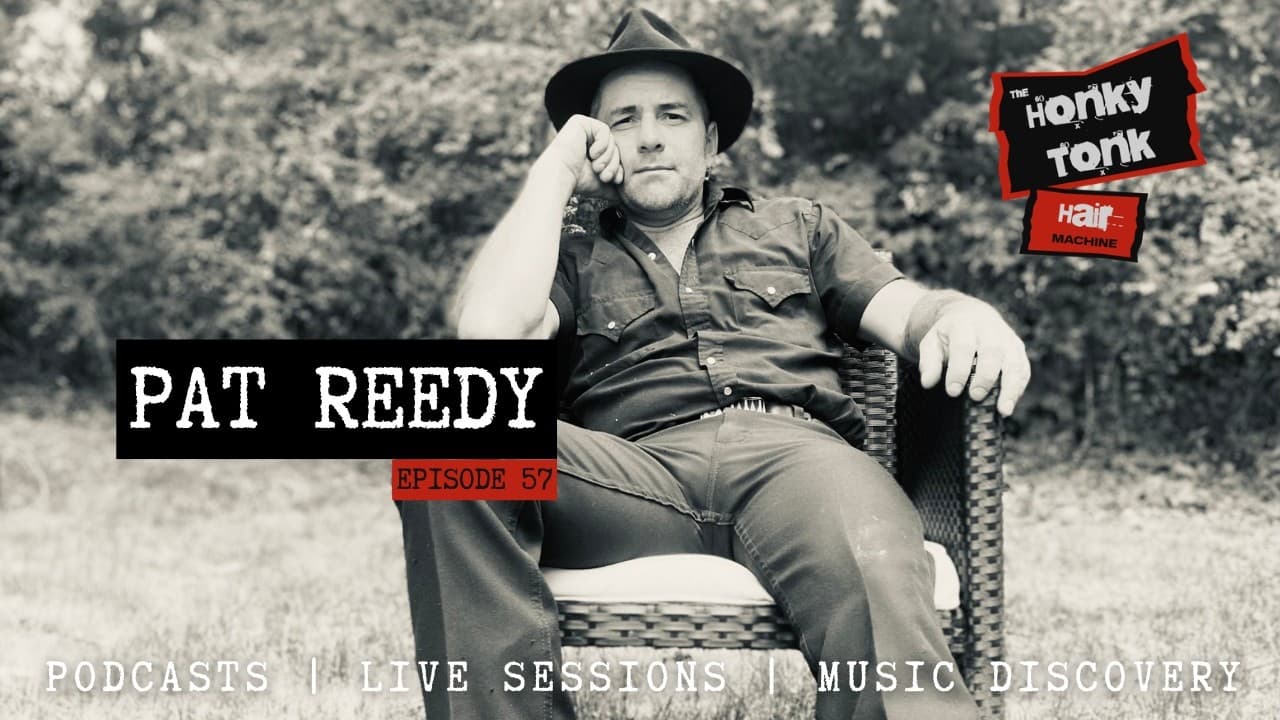
Pat Reedy
Pat Reedy on Busking, Nashville & Building a Country Music Career
Pat Reedy joins Camden to discuss leaving construction behind for country music, busking in New Orleans, life in Nashville, ...
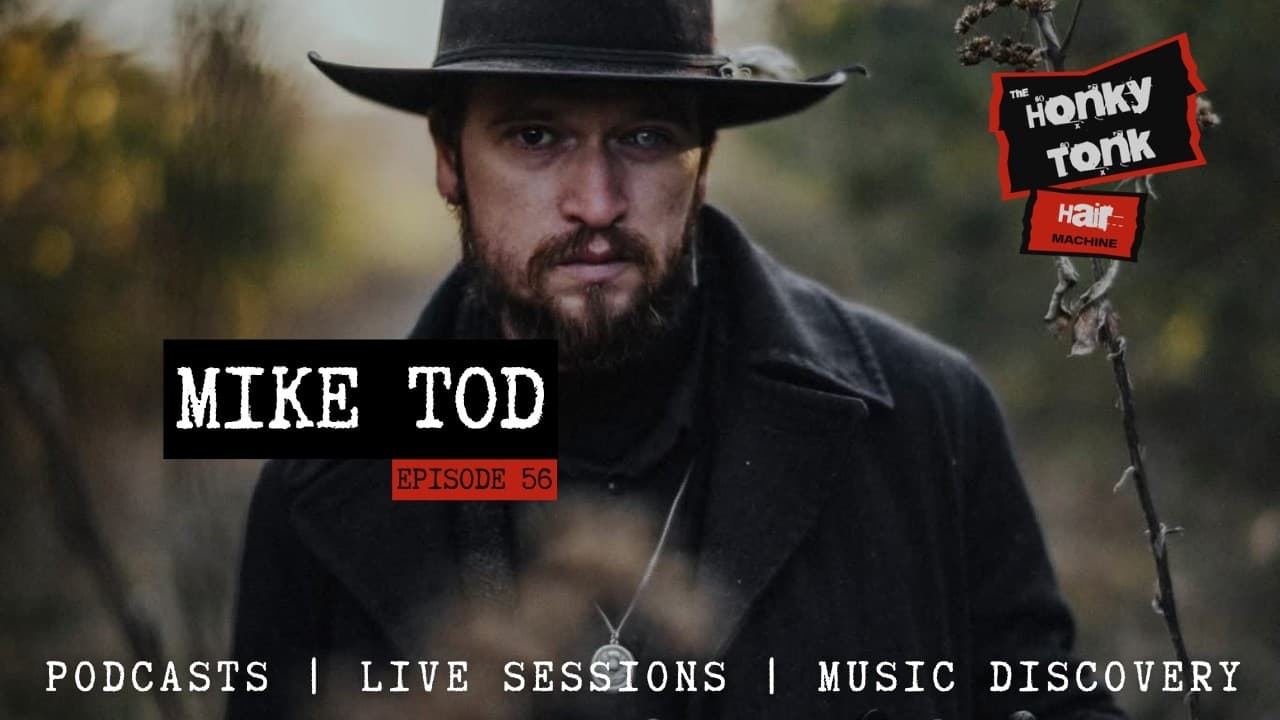
Mike Tod
Keeping Traditional Folk Music Alive in Nashville | Mike Tod Podcast
Mike Tod joins Camden to discuss traditional folk music, Canadian roots, life in Nashville, forgotten songs, unusual instruments and why preserving musical history still matters today.Originally from Canada and now based in Nashville, Mike explores the stories behind traditional songs, the connections between folk music around the world and how old music continues to influence modern artists. We also discuss his unique "Crankenstein" instrument, musical curiosity, collecting songs from the past and the importance of keeping traditions alive for future generations.Chapters00:00 Introduction00:00:30 Growing Up in Canada00:02:20 Discovering Music & The Crankenstein00:04:10 The Story Behind The Crankenstein00:05:20 Drones, Folk Traditions & Ancient Music00:08:10 Learning Guitar & Performing Original Songs00:09:40 Accessing Traditional Music in the Digital Age00:11:20 Researching Music History00:12:10 Playing The Crankenstein Live00:14:00 Creating Atmospheric Sounds & Live Performance00:16:00 Traditional Songs & Musical Origins00:17:50 The Artists Influencing Mike Today00:19:20 Studying Philosophy & Creative Thinking00:22:00 Horror, Heavy Music & Folk Culture00:24:00 Scottish Heritage & Family History00:27:10 Final ThoughtsSubscribe to The Rugged Revival. Share it with your friends. Support independent music!Listen to the full podcast on Spotify: https://open.spotify.com/show/6wnHcgA73o1aiiKaz882vH?si=30aabdaa220a4628Follow The Rugged Revival:Instagram: https://www.instagram.com/theruggedrevival/TikTok: https://www.tiktok.com/@theruggedrevivalFacebook: https://www.facebook.com/profile.php?id=100094507520679Website: www.theruggedrevival.comEmail: ruggedrevival@hotmail.com
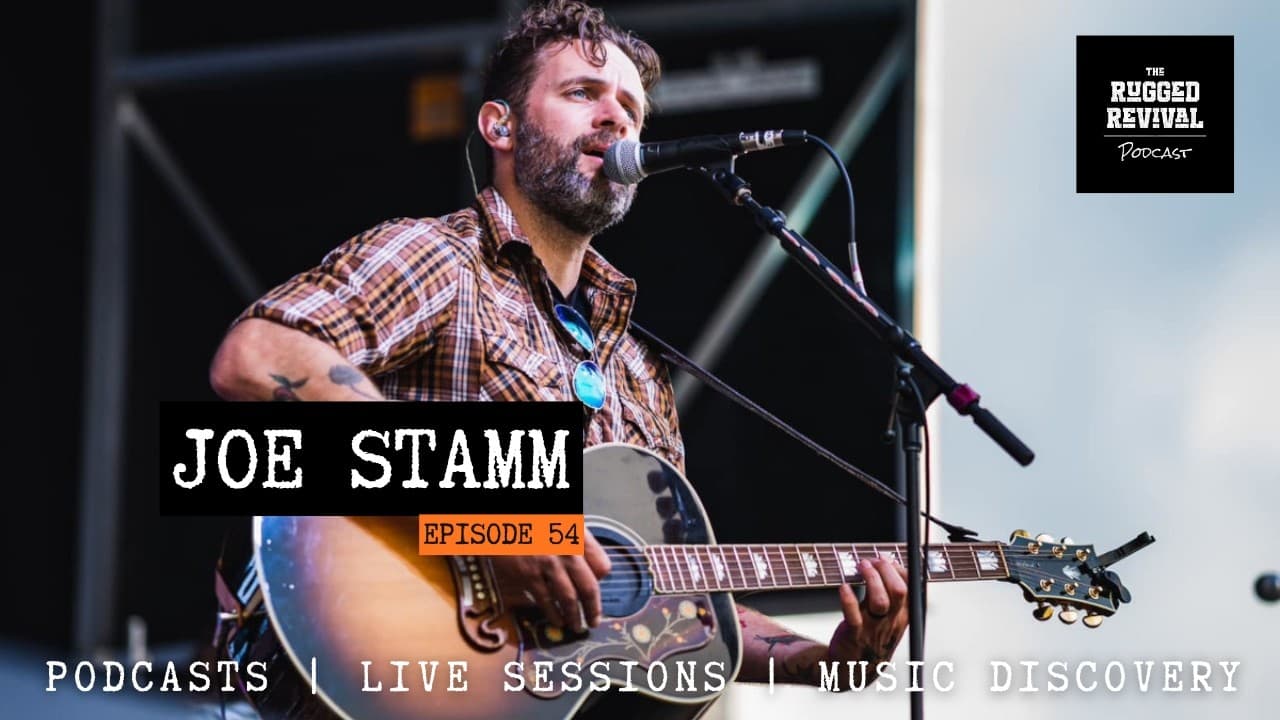
Joe Stamm
"I'd Still Make Music If Nobody Listened" | Joe Stamm on Touring, Songwriting & Country Music
Joe Stamm of the Joe Stamm Band joins the Rugged Revival Podcast for a conversation about songwriting, touring, independent country music, recording albums, and building a loyal fanbase from the ground up.In this episode, Joe discusses life on the road, the realities of being an independent artist, working on multiple recording projects at once, and why songwriting remains the driving force behind everything he does. He also shares insights into his creative process, growing up in Central Illinois, musical influences like Chris Knight, Eric Church, Blackberry Smoke, and Charles Wesley Godwin, and his thoughts on AI-generated music and the future of streaming platforms.Whether you're a fan of Americana, country rock, Red Dirt country, singer-songwriters, or independent artists carving their own path, this conversation offers a genuine look behind the curtain of modern country music.Chapters:00:00 Joe Stamm's Reality: No Sick Days & Why He Keeps Making Music00:42 Introduction to Joe Stamm & The Joe Stam Band01:35 Social Media, Humour & Connecting with Fans02:18 Touring, Illness & Cancelling Shows04:15 Touring Across America05:54 Why Joe Wants to Tour Europe06:43 Working on Three Albums at Once09:30 Recording Music & Finding a Creative Workflow12:20 Funding Records & Building a Fanbase14:50 The "Joe Stamm Man" Merch Idea16:20 Growing Up in Central Illinois18:55 The Midwest Music Scene20:55 Musical Influences & Discovering Country Music23:15 Napster, Streaming & Finding New Artists24:00 AI Music & Spotify's Challenges26:45 Defining the Joe Stam Band Sound30:10 Writing Lyrics That Matter32:55 Quick Fire Round37:20 Joe's Songwriting Process Explained40:25 Where Song Ideas Come From43:30 Perfectionism, Editing & Finishing Songs44:05 Songs Joe Is Most Proud Of47:55 What's Next for Joe Stamm?50:00 Where to Find Joe Online51:50 Final Toast & Closing ThoughtsSubscribe to The Rugged Revival. Share it with your friends. Support independent music!Listen to the full podcast on Spotify: https://open.spotify.com/show/6wnHcgA73o1aiiKaz882vH?si=30aabdaa220a4628Follow The Rugged Revival:Instagram: https://www.instagram.com/theruggedrevival/TikTok: https://www.tiktok.com/@theruggedrevivalFacebook: https://www.facebook.com/profile.php?id=100094507520679Website: www.theruggedrevival.comEmail: ruggedrevival@hotmail.com
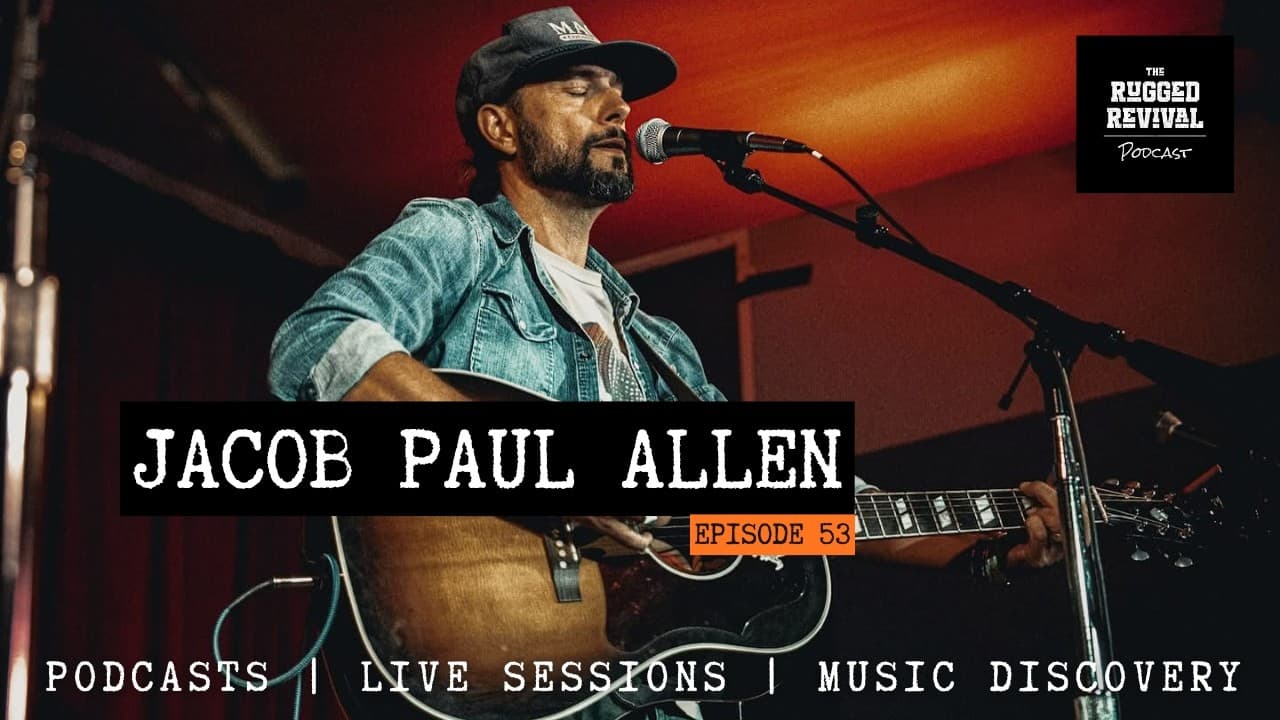
Jacob Paul Allen
Virginia's Appalachian Red Dirt Country Voice | Jacob Paul Allen
Jacob Paul Allen is a Country Music and Appalachian Red Dirt artist from rural Virginia, known for his authentic storytelling and unique sound.Jacob Paul Allen's music is a blend of Country, rock, and Americana, inspired by artists such as Turnpike Troubadours and Randy Rogers. Growing up in a small town in Virginia, Allen's music is deeply rooted in his rural upbringing and personal experiences. In this episode, Allen shares his story of finding his voice as an artist and navigating the music industry as an independent musician. He also discusses the challenges of staying true to his authentic sound in a industry dominated by AI-generated music.Allen's music is a reflection of his genuine and down-to-earth personality, and his passion for storytelling is evident in every song. With a full band and a string of upcoming shows, Allen is an artist on the rise, and this episode is a must-listen for fans of Country and Americana music.Chapters:02:08 Introduction to Jacob Paul Allen12:11 Influences and early music experiences20:12 Navigating the music industry as an independent artist26:59 Staying true to his authentic sound33:41 Upcoming shows and projects41:35 The importance of storytelling in musichttps://jacobpaulallen.com/https://www.facebook.com/jacobpaulallenmusichttps://www.instagram.com/jacobpaulallen/Subscribe to The Rugged Revival. Share it with your friends. Support independent music! Follow The Rugged Revival:Instagram: https://www.instagram.com/theruggedrevival/TikTok: https://www.tiktok.com/@theruggedrevivalFacebook: https://www.facebook.com/profile.php?id=100094507520679Website: www.theruggedrevival.comEmail: ruggedrevival@hotmail.com