
Virginia's Appalachian Red Dirt Country Voice | Jacob Paul Allen
Watch on YouTube
Subscribe for new episodes, Grit Sessions & more
Listen to this episode
In This Episode
There's a moment early in this conversation where Jacob Paul Allen strips away the noise around modern music-making and gets to something fundamental: "I'm just a guy who writes songs and I sing them because no one else is volunteering to sing them right now." It's a line that cuts through the industry chatter and gets at the heart of why certain artists matter in the roots music ecosystem. Allen isn't chasing trends or manufacturing a persona. He's simply doing the work, showing up authentically, and hoping the songs resonate.
That authenticity is everything in Appalachian music, and it's clear within moments of talking to Allen why his voice has resonated with listeners across the Atlantic and beyond. Based in Nelson County, Virginia—tucked on the eastern side of the Blue Ridge Mountains where the Appalachian Trail runs through his own backyard—Allen embodies the rural storytelling tradition that has always been at the core of country and Americana music. His sound blends country, rock, and Americana, drawing inspiration from artists like Turnpike Troubadours and Randy Rogers. But more importantly, his songs are rooted not in imitation but in lived experience.
If you want to take the human out of that creative art, then what are you left with? There's no authenticity to anything.
— Jacob Paul Allen
What's striking about Allen is the way he balances the creative life with the realities of working-class existence. He's not a full-time touring musician living in Nashville or Austin, chasing record deals and playlist placements. Instead, he works part-time in construction with his father-in-law, manages properties on the side, and somehow still carves out time to write, record, and connect with fans online. He's a father to two young children—including a nearly three-year-old—and a husband navigating the daily grind that most working musicians know all too well. There's no romantic mythology here, just the honest truth of trying to keep all the plates spinning: the day job, the family responsibilities, the creative calling.
This grounded perspective shapes everything about his approach to music. When discussing what it means to maintain authenticity as an artist, Allen returns again and again to the human element. "If you want to take the human out of that creative art, then what are you left with?" he asks. "There's no authenticity to anything." It's a pointed observation about a music industry increasingly obsessed with metrics, algorithms, and manufactured relatability. In a world where artists are pressured to become content creators first and musicians second, Allen's insistence on prioritizing genuine storytelling feels almost radical.
I'm just a guy who writes songs and sings them because no one else is volunteering to sing them right now.
— Jacob Paul Allen
His commitment to being "the best version of that I can be as a father, as a husband, and as an artist" isn't just talk either. It's a framework that seems to inform his creative decisions. The songs that emerge from this life—stories born from rural Virginia, shaped by the people and landscape around him—carry weight because they're earned. They're not written by committee or designed to fit a demographic. They're the work of someone with something real to say.
For UK listeners discovering Allen for the first time, there's something particularly valuable here. Appalachian music has deep roots in British folk and Celtic traditions, and the way that heritage flows through contemporary red dirt country artists like Allen creates a natural bridge between continents. His music speaks to the universal language of working-class struggle, family, love, and loss—themes that transcend geography.
The full episode offers much more insight into Allen's creative journey, his approach to songwriting, and the specific culture of rural Virginia that shaped him. If you're seeking music that prioritizes substance over polish, authenticity over algorithm-pleasing, and storytelling over spectacle, it's worth your time. Jacob Paul Allen is the kind of artist that independent Americana thrives on—someone doing it for the right reasons, showing up with integrity, and trusting that real songs sung by real people will eventually find their audience. In a landscape increasingly dominated by manufactured personalities, that matters more than ever.
I'm just I'm a guy who writes [music] songs and I sing them because no one else is volunteering to sing them right now. If you want to [music] take the the human out of that creative art, then what are you left with? You know, there's no there's no authenticity to anything. I'm just going to keep being the best version of that I can be as a father, as a as a husband, and as as an artist. It's all I can do. [music] hearts [music] get broken, tables turn, lose your love. [music] >> This is Maggie Noel and I love Rugged Revival. >> This is the Rugged Revival [music] podcast. We're your home of the UK's country Americana roots music community. Uh make sure you hit the subscribe button and share it with your friends. It really does help, [music] you know, to bring the show uh to more conversations of these types. So, uh, yeah, keep sharing, please. [music] Uh, on today's show, we have a brother from another mother, my online friend, uh, who I've speaking to, funny enough, for the first [music] time. Uh, it's well overdue. Uh, Mr. Jacob Paul Allen. How are we doing, mate? >> Oh, man. We're doing good. We're doing good. And you're right. This feels like it is long overdue. Uh, like the online connection, friendship's been there for a year or better now, you know? I'm trying to connect and liking and following and all that. So, it's good to be face to face in a manner of speaking. >> Exactly, mate. It's uh it's nice to do these things and and get that opportunity. F of thank you so much for carving out some time, you know, for us and uh yeah, to join the podcast. It's been uh you know, it's been great to have you on. So, so what's your week been like so far, mate? What's been going on? >> Week uh has been um getting ready for the weekend. It's just it's working the day job. I still uh work part-time construction uh with my father-in-law and uh got a couple properties that I just do basically property management for and um so bounce around between jobs and juggling two kids and and playing husband and all that. Man, it's just uh it's it's always something. >> The proper grind, mate. Yeah. [laughter] Yeah. I love to hear that type of stuff and to kind of get a peak behind the curtain of what you guys get up to because we we see the online persona and uh kind of the music uh side of things and you know I keep saying on this podcast we're very nosy I think it must be an English thing but uh so yeah what what's your kind of home life but like so you work in construction you say so you got wife and kids kind of what what's the what's dayto-day look like for you? >> Oh man it's it's it's that that if there any parents that might be watching this that are new parents I should say you get it. Um, and maybe older parents, you will remember it. It's uh, you know, it's just that routine. It's the grind. It's it's to get up. The kids are up usually 6:37 in the morning. I got a 3-year-old, almost 3-year-old uh, in in in uh, daycare. So, it's getting him off to school and getting back and getting to work and, you know, trying to get up early to have some me time to do the the working out and so I don't get the dad bot or the dad bot doesn't get worse than it already is, [laughter] you know. So, try to fit all the things that I want into one day. It was just the story as old as time. There's not enough hours in the day it seems like sometimes. But um so yeah, that's the daily life, man. Playing playing plan playing husband and playing father. And I wouldn't my two favorite roles to play. >> Yeah, absolutely. And you've got real little ones still then. Mine are kind of growing up now. So I've got a seven-year-old and 12-year-old, so it it's got easier, but uh >> getting getting into a tricky phase there with a 12-year-old. >> Oh, mate. Yeah, honestly. Yeah, he he's uh already the teenager, the moody teenager. dislikes me a lot. Dislikes everything I do. But tonight he's round a friend's house in a hot tub. Uh so he's got a life, you know. As much as he complains, he's got a sweet life where we are. [laughter] >> Doesn't seem like a bad They seem like seem like a good dad. Seemed like a dude that'd be a good dad. Good fun dad. So >> I I try, mate. But I think everyone thinks at that age that their dad is cringe. And uh I I think I was probably the same with my parents. So uh I don't blame him. It's it's all good, mate. I'll forgive him when he's a bit older. So, I think I messed this up on one of the posts, mate, because I I mistakenly said you were from Kentucky. Um, but you you're actually from Virginia, I believe, aren't you? >> I am. I am from a place called Nelson County, Virginia. Just uh eastern side of the Blue Ridge Mountains. Um, Appalachian Trail runs right through my county. Um, yeah. Uh, a little rural farm logging, you know, kind of town. >> Awesome. So, I I don't know too much about that. That's uh that that way of things. So, what what's the kind of culture like? What's the people like? What what's the lifestyle like in general that way? >> Uh, well, this particular area, it's like I said, it's a lot of um um Irish immigrants and things like that, Appalachian, rural Appalachian, and then, uh, farm life is big definitely. Uh, logging is a big thing um around here. Uh, and then, you know, two big cities on either side of us, one is Charlottesville, one is Lynchburg. So, there's obviously cities, I call them. They're not they're not compared to anything like Nashville or LA like we were talking about earlier. But uh you know there are places you can go to have you know you know your your amenities and things like that but it's pretty rural out here. Um but in the last 10 years now it's um agurism uh is is really big in the area. Breweries, wineries, distilleries, that sort of thing. So half the county is built up of um a lot of affluent folks that have come down from Northern Virginia and um established larger homes and things like that. And um you know that side's where all the wineries and things like that are. I live on the less populated, more spread out rural side of the county, which is still you could call it backwoods, I guess, but there's a lot of good old boys and good old girls on this side of the county. >> That sounds perfect to me, mate. Uh yeah, I think if I could get away from the neighbors, that would be amazing. But uh we don't have too much opportunity in England. We're kind of built up. >> It is nice to be able to walk out on the porch if you want to and do your business. Uh [laughter] especially as a man, it's nice to be able to have that luxury. >> Fair enough. Fair enough, mate. Um but yeah, I mean, what what's the KY sorry Kentucky connection then? So you you spend a lot of time yourself out there. >> So yeah, man. Uh I think um I've always kind of been drawn to that that scene um just based out of the music that's come out of the Kentucky and in the last decade um or more. Uh obviously the rich history uh going further back you know but um you know the the Tyler Childers and the Sturgils and the Chris um uh wow Chris Stapleton and all that you know putting a lot of focus on that that uh that culture and that music. Um, but then the the most recent connection is a mutual friend, Lance Rogers, uh, who he and I were on the same management team for a while and um, uh, had some online meetings within that management team and, uh, really connected. Felt like we were, um, compatible, you know, had a lot of things in common. And so, we met for the first time at um, at an event at Bristol Rhythm and Roots. We were doing an event down there uh, outside of that festival. But uh yeah, just hit it off and then um uh went down to visit and we booked some shows together and ended up going out to the Midwest, booking some shows in Illinois and we we've done that three times now on that run and talked to the guy the other day and he wants us back in November. So I'm sure we'll be making another loop back in the fall, you know. So um just that that's my connection down there right now is is Lance and uh he he's uh I'm just very uh I'm admiring the guy. He's got a lot of hustle, a lot of drive. Uh is as a songwriter, he came late into this scene. It seems like even later than I did in in his life and uh but came in guns ablazing. He's done a tremendous amount of work um uh in the in the time he's been doing it. So, uh it's good to know him and have the connections he has and um you know, it's just that's it's just a it's a friendship I'm enjoying watching it blossom and grow. For sure. >> Yeah. Yeah. Like likewise, mate. I think um Lance and I kind of hit it off uh say when he came over to the UK to begin with and uh since then we've got this kind of connection where I don't think we can sit still for longer than 2 minutes. We have to be creating, doing something, making something, putting something out there and we probably wind each other up in that respect that [laughter] he wants to put something out there. I'll put something out there and he's like why don't we do this, you know, and I I'll do the same. And it's uh it's great cuz you can bounce that creativity off each other and kind of feed that that kind of creative itch that we've all got. So um yeah, it's cool that he he's uh infiltrated you as well. >> I admire [laughter] that. I admire that about him and as you you know >> I'm more the guy that likes when I do have the time to create something like that and and get that itch. I'm I'm the overanalyzer. So I don't have the ability in my my Capricorn brain just can't go click and let it go. I got to like over analyze it and things like that. That's why I don't have as many songs out as I do probably or recordings and videos and things like that. I just I like to just I don't know. I throw away more stuff than I use. For sure. I I think you need a balance, mate, of someone with your personality because you can go the other way and just put absolutely everything out there and and people can see your I suppose your creative process or your improvements or your mistakes in real time almost when it's out in the open. So, you know, I I wish personally that I didn't do that so much and I probably took a Yeah. Le your book, man. But, uh, so what was it like doing the road trips with Lawrence? It really fun, you know. Was it was it um how did you manage to spend so much time in a car with the fell? Was he okay? >> Oh, man. I smell I'm down. [laughter] It's It's just funny, man, cuz you know, like we'll listen to the radio for a little while and then something will come up and we'll start talking and and just, you know, just I don't know, man. I could even tell you some of the conversations just in and out, man. We just it's it's easy conversation uh when he's around for sure. Um you know like I said we could go down and we listen to a song it'll spark a conversation and go this way and we'll see a sign over there and uh you know it's just the sense of humor can um it it can be fun. Yeah. Because uh I think as as artists and as people who are are are um always trying to be the persona we talked about, you know, you're you can you can always kind of some people create a character of themselves and that's the person that they are always trying to be whether they're on camera or not. Um, I could name drop, but I won't name these people, uh, who have created these characters and they're living by them and and they're doing well for themselves and they're successful. But Lance is not that character. He's not a character on camera. He's a real dude. He's a real person. And I I like to think that I'm the same way. I'm not I'm not I'm not trying to create a character and be that person when I'm an artist. I'm just I'm a guy who writes songs and I sing them because no one else is volunteering to sing them right now. If somebody wants to take these songs one day and sing them, hey, more power to them. Uh I think it was uh I just just watched or saw an interview with u Brent Cobb and he's like uh I'm a I'm a songwriter that sings. And I've always kind of like thought of myself that too. I'm a songwriter. I sing them because no one else wants to. >> Yeah. >> I don't I don't like to say I'm a singer songwriter because I've I've never really looked at myself that way. I I've listened to some podcasts with people like that and uh I can't remember who said it um but they said I I'd quite happily give up performing on stage just to focus on songwriting even though they're absolutely incredible um you know at what they do what they write what they perform you know just one of the very best but um I think they just much be you know prefer and be happier to be behind the scenes and uh like you say pass on the songs to others and uh >> let it come out >> unless you can unless She can get to the point in your career where you know or you just something perfect example Chris Knight you know I I don't think that the person he is on stage is a front. He is who he is. I just opened up for him recently. He's he's Chris Knight on stage. He's Chris Knight offstage. He didn't create a character. He just wrote killer songs and he gets to sing them every everywhere he goes, man. and you can be that good and be, you know, he's like the uh he's like the Robert Duval and the um uh the Alpuccinos of acting. Like he just gets to be himself on camera. He just gets to be himself. He didn't have to create a character, [laughter] you know? He got to that level. >> Naturally, the dude, isn't he? Yeah. I love that guy, man. Well, let's dial it back slightly, mate. So, we talked about where you're from, but I'm interested in, you know, people's childhoods as well and and obviously, you know, leading into the music aspect, you know, in terms of what songs were playing at home, by who and and kind of what led you down this path. >> Yeah. Uh, so man, childhood going back, take it all the way back like my grandmother for sure a huge influence on me for music and she was the biggest Elvis fan in the world. So like all his movies, my grandmother had them. I called her Omar because she was Austrian. So she was called Omar. And so uh she helped raise us when we were younger cuz you know my mom had us young and and um she was still busy working trying to make ends meet and things like that. So spent a lot of time with with Omar when we were kids. And yeah, she could if I was having a bad day and needed some to be entertained, she'd put on an Elvis movie and I wouldn't move. I'd be there trying to imitate him and grabbing the broom and getting out and dancing around and things like that. Um, you know, so that was an early influence for sure. And then, um, there were a couple folks around my hometown, my dad's friends that played music, uh, um, distant family members really. Um, and I I get to play with these folks today. Uh, some every now and then they'll show up at a gig and we'll just play guitar together. So, Steve Wilson is a guy I'm thinking of who's a distant cousin of mine. He was he was a huge um influence as a kid. My uncle Joe uh my mom's oldest brother was a musician after Vietnam and um so had some of that going on. As far as like styles of music, you know, I grew up like I said rural small town Virginia and we had one one radio station that was country radio uh that we could pick up clearly. And uh so back then it was in the early 90s and late 80s. So was the Gar Brookses and the Allen Jacksons and the Tracy Lawrenes and the Randy Travis's and all that. Um not a lot of old school country influence at an early age. Uh that that came much later in life, you know, the Johnny Cash and the Willie Nelson and the and the George Jones, that old 70s and 80s. I didn't get into that until later in life until I started playing music really. Um a lot of folks were listening to the Eagles and southern rock. Leonard Skard was a big thing around here. uh you know, Marshall Tucker, Baron, things like that. >> Awesome, mate. And uh do do you have a particular memory that sticks out as a kid or a favorite memory? You know, you talked about your grandma and and Elvis and and things like that, but is is there any anything that sticks out particularly? >> You know, I I make this joke a lot. I I'll go from a kid to like pre-teen, teenager kind of days. Um, when I was growing up, my dad, uh, my brother and I, we called ourselves high-tech rednecks because we had a five disc CD cher in our house and had a nice entertainment system. And my dad picked three CDs of the five and my brother and I got to pick two. So, my pick back in the day was Vanilla Ice and my brothers was MC Hammer. Okay. [laughter] So my my dad's was John Hyatt, Slip of the Tongue, uh um Rod Stewart, Broken Arrow, and uh Van Morrison record. One of those three artists was usually in there. Tracy Chapman every now and then, too. So like I make fun of cuz like I I couldn't stand to listen to Van Morrison or John Hyde or Rod Stewart when I was a kid. I just didn't really dig it, you know, obviously. And then when I go out and play now, I I play several Van Morrison covers these days that shows sometimes, you know, largely influenced by Van Morrison. Whether I was taking that in at the time or not or wanting to, it was all sticking in the brain somewhere cuz I'm definitely not out there covering MC Hammer or Vanilla Ice covers right now. [laughter] >> Maybe you should, mate. Maybe that's an angle that nobody's thought of. >> Yeah, it's it's something that gets Yeah. Well little Well, yeah. Can't touch this. I could see doing, you know, an Americana version of that. Why not? >> Yeah. Yeah. There's been stranger things. It It's uh It's funny, you know, the last couple of guests that we've had on um we we talked about these influences from your parents. Um and it's normally when you've got long journeys, perhaps you're going on vacation somewhere and you're you're at the kind of behest of whatever they're playing on the radio at a time. And at at that point, you probably despise everything that they put on mainly because it's your parents and you know, they're cringe as as we come to know. Um, but you know, like you say that later on in life, it just becomes ingrained in you and you know, you talked about the Van Morrison connection and things like that and uh it's just in interesting how that kind of influences things long term, man. >> All right. Absolutely. Absolutely. And the Eagles the same way. And my dad uh he would say he can't play much more than the radio or sing or anything like that, but I remember him singing along to some old, you know, Duel and Dalton is one that sticks out my head. He would sing along to Duel and Dton whenever it came on. Um, and so now that's become over the years one of my favorite evil songs. You know, it's just it's it's funny how that works. Like you said, >> it comes full circle, doesn't it? Although I can't listen to Meatloaf, you know, that's one that I just could not, you know, get. >> See, that goes back to some some childhood stuff, too. We had at my granny's house with my dad's mom. We had a I know we had a um take to eight track days. We had Hank Williams Tennessee stud and country boy can't survive eight track. And we had a meatloaf eight track. My granny had the old eight track flare and that was a bad out of hell, man. You know, I can't listen to it all the time, but every time I do hear Meatlo song, I'm like, "Oh, I'm I'm seven years old at Granny's house, [laughter] you know. >> Brings back the memories, dude." >> Yeah, >> that's hilarious, man. >> Well, I haven't thought about that in a long time, actually. >> I know. It's just the ones that stick in my mind mainly is Meatloaf and UB4 and and just very obscure, you know, stuff like that. But, uh, >> yeah. So, UB4, let's get into my mom's side. My parents split at at a younger age and uh spent a lot of time at the beach at Virginia Beach and then here in the mountains with my dad when I was a kid. So UB40s uh was a big one. Um you know what was some of the other guys? NXS some of those >> 90s early n late Yeah. early 90s like dance club music. My mom was more into that scene. So I got a lot of that and the beach vibes. >> Yeah. >> I'm a huge Bob Marley fan. If I'm if I'm riding around or out in the yard doing the gardening, if I'm gardening in the summertime, I'm usually listening to Bob Marley. [laughter] >> See, we're dudes of a similar age, so I think we we can connect on on that sort of era, man. But uh no, it's always [snorts] interesting to ask those sort of questions. But but like I said at the beginning, man, it was it was great to connect with you finally. We've been connected online for a long time and to to watch you kind of develop as an artist as well. But I do try and keep uh you know a keen eye on on certain people and and especially when I know I want to invite them on to the podcast. Um so I know I know Renzie went and interviewed you at the I think it was at the Bell last year uh for the >> Appalachian August. Mhm. Yeah. >> Yeah. Time is flying man. So uh so we managed to catch you uh for a short period then uh cuz it was a a busy night um for >> a wild night. It was a blur. Yeah. >> Yeah. I can imagine. >> It was it was a great night. Fun night. I mean, place was packed. What a great event that they put on. For sure. >> Yeah. Yeah. Hopefully, there'll be more of those to to come. So, um you know, Lance needs to that will be his next creative endeavor to uh >> get we'll get in his ear and see if we can get him get him. >> Not like he's not busy enough, but uh [laughter] >> Yeah. Well, he's got got a wedding coming up soon, I think. >> Well, exactly. Yeah. I'm sure he could fit that around it, but uh Yeah. Yeah. >> He's a planner. He'll do it. >> Exactly. But um but you you've connected already on on Falling Forward uh for for Lance's podcast, which is great. You know, he's a he's a far better conversationalist than me. You know, he's he's got this creative mind and just this this ability to take a conversation wherever. So, you know, he's got some fantastic guests. And you you were on his show, is it a couple of months ago, I think. Now, >> see, when was that? Was that uh we were getting ready to go to on another road trip to the Midwest. I think that must have been October, early fall. Uh yes. Yeah, that's right. It was. >> Yeah. Towards the back end of the year, wasn't it? And then uh we we we kind of delayed releasing your grit sessions uh uh a couple of months ago. So that was great. And uh I said to right at the beginning, you know, I appreciate you letting us uh share those uh moments with us and allowing us to put it on the channel. I love seeing them. Every time Lance kind of sends me a link to something, I I get quite excited. I'm like, you know, who's he got next on? And you know, I just love to give it a listen to to put it out there. So, uh I think you recorded one track, wasn't it? So, Heaven was a Back Road. Um >> Yeah, Heaven Was a Back Road, man. Uh um it's one of my favorite songs that uh from my childhood because it it does touch on some pretty personal memories, some fun memories of growing up around these rural back roads and driving around my brother's truck and just just, you know, things that kids might be doing it these days, but probably not. Uh just just because of logistics. Most of the dirt roads are all paved these days around my hometown, which is sad, but you know, 30 years ago now. Wow. Or yeah, about 30 years ago. Yeah. A lot of back roads, a lot of a lot of good old boys in Chevrolets and Fords riding around just kicking up dust and having a good old time, you know, and the leashes were a lot longer back then for kids, you know. Um, >> trouble wasn't as easily found as it is now. uh sad days, but um you know that Yeah, that song takes me back to those those good old days in the truck, man. >> Yeah. Yeah. I I think anyone wants to listen to that, go and check out our our YouTube channel. Uh it'll be out there on the falling forward grit sessions. But I love that one. Uh and I think there was some comments left on it from the shorts that we put out and on the actual video itself. And you know, people were talking about the kind of charisma that you've got when you play and and like you say, just the storytelling aspect of that song. I love it. It's stuck in my head still cuz when I go to edit these into shorts, you know, I'm listening to them over and over and I I just uh that was one of the songs that really got stuck in my mind, man. So, uh you you've got a real uh real knack for that. Um >> I appreciate it. Thank you. Thank you. >> But um so let's talk about your music. So, um, you know, for anyone still kind of discovering, uh, your music and who you are, give us the kind of summary version of, um, what what kind of sound you've gone for and, um, talk us about the early days of, you know, when you started to release songs. >> So, um, I've come to call what I do, uh, Appalachian Red Dirt Country Music. I mean, it's the country is the big umbrella. Uh, it's some sort of Americana, but I I call it Appalachian Red Dirt because I I grew up here, like I said, in the in the eastern side of the Appalachian Mountains, Blue Ridge Mountains. And, uh, obviously the folk and blueg grass and and roots music is pretty common out here. And then, you know, the country roots going back to the Carter family down in Southwest Virginia. No shortage of country roots here in in this part of the world. Um, but then as I got older in life and and went through some different phases, when I started to play and perform music, I was really drawn to the Texas singer songwriter scene and some of those guys out there, Robert Earl Keen, uh, huge influence. So, the Texas Red Dirt scene, you know, Cross Canadian Ragweed, Wade Bowen, guys like that. Randy Rogers band. Um, really fell in uh, got I think I discovered that, especially Randy Rogers. I can almost see right now I was staring out of a U-Haul moving to LA. Smalltown Virginia kid moving to LA in nowhere somewhere west of Amarillo and u uh couldn't get much of a radio station. Randy Rogers came on. I'm like we don't get country sounds like that back in Virginia. Who is this? You know, so dove deep into the red dirt country scene and uh I really love just love that scene ever since. And so that's why that influence I I came up with the Appalachian Red Dirt. >> Yeah, I love that. Um, I I I I can hear that influence in the Texas kind of influence cuz we we went out there last year and we we spent a lot of time with the Texas guys, you know, we were we having friends out there or through the sheer amount of guests that we had on. Yeah. I think the latest Texas guest was uh John Teague from Teague Brothers Band and uh >> Oh yeah, man. Killer band. I'm just now starting to discover them, but haven't heard a bad thing yet. >> Yeah, I just I I'm not hearing any bad music that way. you know, the Fort Worth, Dallas scene, um, with the Branch Radio and what those guys are putting out, it's just it's almost like too much good music. I know it sounds like a ridiculous thing to say, but it's like, >> yeah, I mean, [laughter] it's it's well, one, it's such a big state, there's so much talent out there and, you know, it's just that, man, like a lot of them do. You could tour Texas and you never have to go outside of Texas to make a living, you know. So, it's uh, they got their own thing going and it's it's a great culture. >> Absolutely. >> Down there, for sure. >> I love it. So, what what's the Virginia scene like? Because we've also had Virginiaian artists uh people like Cody Christian and uh I think Brennan Edwards might be uh from >> Yeah, Brennan Edwards. He's he's a bit north uh Winchester area about 2 hours north of here and and Cody Christian I believe he's down other side of Richmond, Virginia, which is the capital. So, he's a couple he's in that area. Um but I I think that there's a a large uh amount of of definitely Americana. um some more on the blueg grass side of the of the scene than you know than others. Um some blues influencing that Americana as well. Um there's a few artists in around the area that are are going down the uh the honky tonk more traditional honky tonk scene, you know, um with some old classic country sounds. folks like Ramon and the Holy Smokes who I think you familiar with and um >> my friend Rebecca Porter who's just got a killer voice and her band's fantastic, the Rhinestone Roses. So, you got some folks like that that are um um doing more of that traditional honky tonk style uh music. Um and then bands like the Low Water Bridge brand, they're they're you know, heavy banjos and good storytelling and good countries, you know, remnants of something like Turnpike Trouidors. Uh, so yeah, that that Americana root scene is definitely heavy. Uh, um, and then you got some just straight up country guys, man. It's just uh, you know, I consider myself on the country side of things. I think I told someone I'm I'm too country for the Americana scene here in Virginia, but I'm not country enough for Nashville as far as Nashville country or something like that. Like I just I'm I'm some somewhere in this weird middle ground. Like I'm not as cool and hip as some of the kids out there doing the the Americana, but I'm not as cool as those guys in Nashville either, you So, it's like I'm just in this weird little bubble right here. [laughter] >> I'm sure you are, dude. But, um, no, I I like I said, I think you have got your own sound and it comes from those different influences of of where you've been to and and what you like and yeah, just keep doing it. Don't don't conform to, you know, the Nashville type of thing or, you know, it's uh I suppose it's easy to fall into that trap for some people, isn't it? that uh you know >> I think it is especially the younger the younger audiences and the people that are looking uh for the higher recognition and the fame and I did I lived in Nashville uh for almost 3 years um 2016 to 2019 thereabouts and uh you could definitely see it down there. I mean, there there are folks that are there just to be famous. And I've watched people come into town and then blow up and they they had a great career. And I I've saw a lot of people, you know, um just get burned out quickly. Uh and also saw the ones that have been there for 20 years and haven't done a thing and they're they're burned out and they're just, you know, they're mad at the city for eating them up, you know, and it's just it's it's a it's a funny little town. It's got its own thing going. It's definitely evolved. Um, I I I wish I'd probably been back there in the '9s, but uh, folks that grew up in the 70s and 80s of country music probably said the same thing about the '9s as folks are saying now about, you know, the music coming out. And and that's the thing with music. It's it evolves. You know, it goes through cycles and um, you know, it's controlled by a lot of different things and we could we could talk for hours on that. Um, whether I agree with it or not, uh, they've got their own thing going for sure. >> Yeah, exactly. And I think I think um you know I've come to to learn a lot. You know I always say on this podcast that I'm just a music fan. I'm not an expert. So sometimes when things come out my mouth um you know it's completely wrong you know which is probably most of the time but uh but it's just an opinion. Um and you know I think I think people are allowed to have an opinion about certain things. But anyway with with Nastra it's funny you know I was seeing online recently the new song from Luke Brian is it? you know, and and the the kind of video reactions to his his new song and convinced that's written by >> brief little video clip of of the one he was going to tease and I haven't listened to the whole song. I'm guilty of not listening to a lot of the especially the the new country radio. Uh just uh well, just doesn't come on my playlist. >> Me neither. No, it's uh but I I am enjoying the kind of parody videos that people are putting out there kind of almost mocking it in a way because it it does sound completely AI generated and I suppose that's part of the huge debate at the minute with you know AI music and particularly with Spotify and places like that. It's uh >> yeah, you know, it's it's definitely a thing to that people I think when it first started to get teased into the scene, the music uh whatever when music people in music and as writers or whatever started to use it, um maybe they just were naive about what it could lead to, but I think it went in in a in a in a direction quickly and and and now maybe some folks trying to rewind and trying to figure out how to correct it, you know, because it's uh my my latest song, kids these days jokes about it. It's it's kind of a parody song about the whole thing. But it it's it's kind of true. You know, if you want to de take the the human out of that creative art, then what are you left with? You know, there's no there's no authenticity to anything. It's all if you're all doing the same thing and using the same AI saying, "Hey, all you people, this collective group of human people all reacted to this and that's create this thing." You know, and I'm not saying they're creating bad things. Like there was that the first country song that went number one that was an AI country song from that rough red dirt road dirt rough whatever I don't know the band name I can't remember but >> it wasn't a terrible song it fit right in with everything that was already on kind of modern radio I hate to [laughter] say you know you know it it's I think that that's why maybe that's why it was kind of easy to to say like all these emotions are getting all these millions of song likes and and follows so let's you know it was easy create that song. Um, but yeah, like you said, how do you h how do you decipher what's been um real created by humans and what hasn't? And what can someone can say that they didn't use AI assist to write a song or >> Yeah. >> You know, it's uh it's a scary thing. It really is. >> It is. And I think it's evoked a lot of emotions online when, you know, we put clips out uh from previous podcast guests giving a kind of giving their take on it. And uh some people are, you know, obviously anti- AI in the music to to to the degree that is being put out. And you know, we we're kind of part of that that side of the argument, but we've had some real strong kind of arguments from from people that are just dead set on it. Funny enough, could because they're running accounts that is purely to put out uh AI country music, >> you know? I mean, if like I say, if that's if there I guess there could be some sort of talent or whatever it is in creating that or what there's there's an art in some weird way to that. Well, then create a whole different genre and a radio station that is say, "Hey, look, these are all AI created songs." Yeah. This is none of this is human, okay? And that's your own radio station. You can always just create all your own AI songs and leave it all over there, but don't intermingle it with these people that are like me and and Lance and Joe Stam, who you're going to have on soon. or bust their butts writing trying to put our emotions into a song just to have it outdone by some madeup person. It doesn't it's not it hate to say it's not fair but it is. It's just not it's >> Yeah, you make a really good point. >> Why we do what we do? >> Yeah, it that that was something I put out the other day on my kind of personal uh Tik Tok account was that I I love to go on Well, I did love to go on Spotify to create, you know, if I'm in a certain mood like country soul, I want to create a playlist. And it used to be really good at just pulling songs together. And and this is where I found certain artists like, you know, Magnolia Boulevard and um Pug Johnson and and Marcus Drummer. We've had these guys on a podcast as a result of me just randomly putting players together. And I did one recently and it it it's changed so significantly that 90 I would say 90% of people on that podcast were AI generated bots. you know, I say people and then like you say, between those tracks were legitimate artists like yourself, Joe, and you know, and that that's what really pissed me off about it was that you're you're kind of mixing up, you know, real art to, you know, a generated uh form of music. And I don't think that's right. But I don't know. I'll get off my high horse and soap box now. [laughter] We could talk for it for hours, man. >> We could. and you know and and people should be talking about it for hours in my opinion because it's it's just it's a scary thing. It really is. >> It is, dude. Right, let's lighten the the mood slightly. So, it wouldn't be a podcast if we didn't have a very quick uh quick fire round. Um so, no more thinking, mate. No need to explain your answers. Whatever you say is correct, dude. So, I've got five to hit you with. Are are you ready? >> Let's go. >> Stretch. All right, let's do this. >> So, number one, favorite musician from your childhood. from my childhood. Wow. Uh man, I tell you what. Um Gar Brooks is a big one. Uh we used to listen to my It was a competition between my brother and my cousins and I. We'd put on all the Gar Brooks records and see who would mess up a lyric first and if you mess up the lyric, you were out cuz we just sing along to them all the time. [laughter] >> Love that. Number two, one independent artist that you think more people should know about. >> Ah, other than Lance Rogers, uh no. Yeah, Lance is a good one. Uh for sure. Um, Joe Stam, I I bring him up a lot these days cuz he's just he's he's got a lot of things. He's doing a lot right and I think that his name needs to be out there in the talks with everybody else. >> Yeah. >> Perfect. Best album or song you've heard from the last five years. >> Best album or song? H man, there's so many good ones. Uh, you know what? I'm going to throw this one out because um a guy who I admire wrote it. It's number one on country radio. At least it was not long ago. and Luke Holmes has had a lot of good number ones and I talked about like not listen to mainstream country radio but the one uh days like this that Brent Cobb wrote I mean that's just yeah man that's just a good song that's the first song I kind of got chills just now I was like that's that's what country needs to be doing like that that's just yeah so that was that one stuck out man >> awesome love it one song that always puts you in a good mood song I was supposed to say could you be love could you be Bob Marley could be what's that? I don't that's the name of the song. That's just what I always say. But how how do you get in a bad mood listen to any Bob Marley song, but yeah. Uh it also because when my son was younger, you could put that song on and he would drop whatever he was doing and instantly fall into this little beat. And so like that song's just got a special place for me. >> If it doesn't make you do that with Bob Marley, then there's something not right with [laughter] >> I'm glad we agree. See, I knew we were friends, man. I knew it. Best live gig you've ever been to? >> Best live gig I've ever been to. Wow. Uh oh, man. Me performing or listening to someone else? >> Listen to someone else. >> Uh wow, man. I tell you what, uh a recent one, uh seeing Chris Knight again for not seen him for 10 years when I opened up for him recently at the Colony in New York, Woodstock, New York. Uh that was a really cool show because I got to open up for him for the first time and share his audience as a singer songwriter and and open up for someone who you admire so much and then get to stand back and watch that same crowd react and sing along to all his hits. Man, that was just a as hard as there was one person in the crowd trying to ruin the night for everybody else that was there. Uh it was a show that I'll remember for a long long time. >> There's always one or two, mate, isn't there? People have had too much to drink or they're singing so loud that you can't hear the freaking, you know, >> combination of all those things. >> Yeah. Yeah. [laughter] Yeah. It's uh it gets harder and harder to go to live live shows for me as I get older. I get more uh cranky these days, but uh >> Yeah. Yeah. Yeah. I like the listening rooms. [laughter] >> There you go. Look, I appreciate that, man. That was uh you know, five of the best from you. So, you know, the Rogan Revival, we always say this is a a platform to discover new music. We love to do it and we certainly love helping independent artists to, you know, gain recognition whether it's uh with the UK audience that we've got over here or vice versa with the UK guests that we have on. Uh so the question to you mate um are there any emerging musicians or bands perhaps we haven't mentioned already uh that you've been kind of personally following and taking a keen interest in that you should um you know recommend our listeners check out too. Oh, wow. Um, you know, uh, there there's as far as writing and and people that can just really tell a good story, uh, going on on my, um, my management team of freight trade management, there's a guy named Woody Woodsworth. Have you heard of Woody yet? >> I have not. No. >> Woody Woodsworth, man, is a is a killer, uh, Virginia writer. Um, um, he's just he's got a lot of great music out there. He's he's a great storyteller. Um he writes he's about my age I guess. Uh but he he he writes beyond his years. I think he's just he's got this historian type of u storytelling. You know it's just he's he pulls a lot of rich roots from his family and from his heritage and from uh the area that we grew up in here in the Appalachia. He's just he's got a kind of a haunting style of of writing and storytelling to it. Um so yeah, definitely check out Woody, man. He's he's a beast. >> Thank you, dude. Yeah, it's it's always nice to hear a name that that we're not familiar with and we will go down the the rabbit hole with that that dude. >> Yeah, for sure. >> Thank you. So, what what's going on for the kind of rest of the year then, mate? Um, you know, it's funny. I asked this to John Teague and he's like, well, if you're not saying either writing music or playing shows and what the [ __ ] are you doing? So, I was like, I'm going to keep this question in just to uh prove him wrong because I'm sure somebody will say something different at one point. >> Yeah. Yeah. I know there's there's definitely more writing and playing shows. Uh I hope to be writing. I don't have anything down on paper that I want to write right now. Uh recording is definitely on there. Got a live record that's currently in the studio being worked on. We got to do some singing on that one. And I got to, you know, go and edit a couple things, but that live album should be coming out before the end of the year, I hope. Um and then I want to do a project where it's just me and a guitar. um uh to um a lot of shows I play are still just solo singer songwriter stuff, you know. So, I feel like sometimes to try to sell them a live record that's a full band um can be kind of weird because it's not what they just heard, you know? So, I would like to give people a record when they come see me as a singer songwriter or songwriting singer, something that they just, you know, it's compatible to what they just heard. So, I'd like to get at least 10 12 songs out on a record like that. And I've been talking with uh Zack McCord up in West Virginia who who Lance has recorded with um and turned me on to him. So hopefully we can get that all lined up back half the summer and and get that worked out as well. >> Superb. So So with these kind of live uh recordings, are these songs that you you haven't released or is it going to be a mixture of stuff that you've already put out there? >> It'll be a mixture because some of the songs I do with my band um are songs that have already been recorded and we don't play them exactly like those studio recordings. U so it' be kind of cool to have a mix and then there's definitely some that are um I think some of you know I don't want to say better songs but um I I think may will maybe get a different audience for me more indicative of what I do um um rather than some of the other ones that that are on Spotify and all the other places right now. Um so it'll be cool to have that that those songs out there for sure. >> Superb. Yeah, I love the aspect of um you know live recorded albums. I think over the years some of my favorites have been you know the live recorded like the Phil Morice stuff that the Orman Brothers put out there and you know you could probably think of a hundred uh you know that that over the years that people have put out. They've just been incredible stuff. >> Oh yeah. You know it's cuz a lot of that you know that's I don't I love being in the studio. It's such a cool thing to do. Um it's it's a challenging whole different beast in itself to be in the studio and and and locked into the headphones. But, you know, if you can capture, we've had so many shows as a band. We're like, gosh, why didn't we record that show? You know, why we should have that on? So, you know, um we did record, we set up to record one night. Um and and and did it and we got some great songs. Um some of the songs we were hoping to get, we didn't get, you know, it just wasn't the right night for that song. And that's how it goes. You don't, you know, it's it's like you can push play and then there's push pause and redo and do the whole thing. And live is live, man. And that's that's the beauty of it. >> Yeah. It's warts and all. I I think that's the beauty of live albums is just that those kind of quirks that you don't get on a a kind of polished recording. But uh yeah, I'm I'm keen to hear that, man. And uh have you got a kind of time scale for for when that might happen? >> You know, I'm going to be I [clears throat] think I'm going in the studio 1st of June to try to wrap up some of that stuff. So, I'd like to put that on vinyl and do a live vinyl record. Um, so that takes a little bit longer, but obviously you can always put this stuff out there on on on the socials and and streaming platforms sooner. So, I would say early fall would be probably a good a good timeline for that. Early fall to have a live record out. >> Awesome. Okay, mate. Well, let us know when it does and uh we'll be sure to kind of share that with you. It's uh >> sweet. So, another kind of light touch uh moment now. So we I did start asking guests, you know, about their Mount Rushmore of musicians and I I think people got confused like are they free? Are they four? Are they, you know, I'm like I'm just going to keep it, you know, top three. >> It's just cleaner, man. Yeah. People that you love, people who inspire you and and perhaps even kind of shaped you into the musician that you are now, mate. >> Uh it would be hard not to put John Prime there top of the list as far as songwriting for sure. um and his storytelling. Uh he's influenced most of the other guys that would fall behind him in in in that category. Uh but he's definitely top of the list for me even though I don't you know generally write a lot of songs like John Prime uh um in particular. My style is a little bit different but the storytelling the way his especially his between song banter like he's just a he was great. He was there was I don't think there was anyone like him in my opinion. Um, for me, man, Tom Petty's is one that I'll throw in there, too. He's just uh as far as rock music, I mean, I I could listen to Tom Petty records all day long. I just I don't I don't think I would ever get tired of listening to Tom Petty. Um, he's up there for me. Uh, and a great songwriter. I mean, I I I loved a lot of his his writing and, you know, those those Mike Campbell guitar licks. It was just a deadly combination. Um, you know, Chris Knight's hard not to put up there. influenced a lot by John Pron as well, but just his his way to make you feel like you know everybody in his story um whether he's writing um you know about you know whatever killing somebody or whatever and all his stories you know he made a joke recently he's like someone's either dying or getting cheated on or something but [laughter] you know I just I feel like coming from a rural background um he have this he has this he had ability to to put that stuff in into words and then into a song into a threeminute story that instantly you feel like you you know everybody in the in that in that story. >> So yeah, that was three for me, man. >> Yeah, I'm going to have to go down the Chris Knight rabbit hole. So many people bring his name up and uh I'm ashamed to say I haven't listened to too many of his songs. I know a good few, but not not, you know, into the depths that you guys kind of, you know, recognize him. >> Yeah. I mean, he's just I think as a as a especially as a songwriter, I mean, like so many people like I know Lance, who you've already talked to and you know, and you're friends with is a huge Chris Knight fan. We talk about him a lot. Um, some folks who you have coming on the podcast are huge Chris Knight fans. Uh, he he's definitely well recognized and respected as as a songwriter in the area. Uh, and and then in in this, you know, independent Americana, country, whatever scene you want to call it. I mean, he's he's definitely he's a guy that a lot of folks look up to and admire. >> Awesome. Awesome, mate. Well, thanks for sharing that, dude. Um, I've got a couple more questions because I know you're a busy dude today. And, uh, >> I'll do it, man. >> You got to get back. >> I got to go to work after this, so you keep keep talking. [laughter] >> I'll talk slower then. >> But, uh, one of the things we do like to ask on the podcast is about mental health. um you know whether it's men's mental health or female you know and I I think for for us you know we're of a similar age we got uh like I say kids we got the day job and we do our extracurricular stuff around it like this >> um but how do you kind of look after yourself you know in terms of mentally physically you know especially when things like social media are bloody exhausting and could be brutal at times especially when you're putting your heart and soul into the music and kind of sharing it with the world and you know you I don't know what what kind of feedback you might get, but um what what do you do to kind of look after yourself? >> Um you know, I'm trying to get back into um a consistent um exercise routine because I mean I most of my life I've been an athlete. You know, I went play college sports and played high school sports and um after after college I was still stayed athletic whether it's working out all the time or playing Wreck League softball. I was always doing something active. Um most of the jobs I've had required me to be, you know, in decent shape. um and and be active. So, but since since kids came along three years ago, my son was born, the routines have been, you know, few and further between as you can imagine um you know, from being a parent, like some of those early days of of parenting, it's schedules are hard to follow. >> Yeah. >> Um because you have to you adjust yourself. So getting back to a normal routine because um I'm just now in the last few weeks starting to get back into an exercise routine and instantly I can feel my mood change. My patience with my children is so much better. My patience with my wife is so much better. Our relationship gets better instantly. You know it's amazing what physical exercise can do to your mental health. Uh it's just whether it's just going out and getting a steady walk. If you're walking a mile a day, just that early in the morning, get up instead of having a cup of coffee instantly, just get up and go for a walk and get those endorphins and get that blood flowing and you know, it instantly creates a better mood for me. Um, that's one thing and and and trying to find more balance with, like you said, the socials because that is exhausting and it's it's exhausting on not just the smaller independent people trying to get known level. as Nate Smith just released something recently who's big kid out of Nashville uh who's done well for himself. Uh but he's just like what do we do? We we we write songs. We put it out there. Oh, it only gets 20,000 views. Well, it's not going to be a hit. We can't we can't record that one, you know? So, just finding a way to shut some of that out and just do it because it's what you want to do and forget the feedback. I mean, I wish they could shut off the numbers on Spotify and shut I mean, I guess you can on your your like count and all that stuff, but you know, just trying to not pay attention to it and try to really put stuff out there, not to get likes, but just to put it out there. >> Yeah. >> With no expectations from anyone. >> It It's difficult, isn't it? Because you do get drawn into that kind of nonsense that it's almost seems fake. Um, you know, that that kind of world around chasing the algorithm, chasing numbers. And I I've been sucked into that many a time, you know, with trying to get a podcast out there and everything. And it's uh yeah, it's so hard. And I have just I think you've got to clear your mind and just think make something that you love, something that you're proud of and put it out there. And I think people will find you eventually. It might be a slow burn. You might not have these viral moments, but um you know, I think I think you'll find your crowd. And you know, I'm I'm happy with it. >> Yeah, I think you you nailed it. you know, it's just that everyone at their own pace and and um you know, what you guys are doing is is is for me from my perspective is gaining momentum and it's doing great. It's serving a a great purpose to for discovery and uh and creating a great community. And um I think that the more people that focus on doing some stuff like that um like suggesting other artists and cross-pollinating uh uh you know from the UK to to to to Texas and into Kentucky like you've already done and doing some of that stuff you know and and trading those artists back and forth and and and turning people on to different stuff and and um and yeah just focusing on those people that are just creating to be to be genuine creating art to create art rather than creating for the numbers. Um, and I'm not saying that people shouldn't do that. There that that's a different beast, though, I think. And um, I I'm at my age. I'm not I can't chase that beast. I I I I realized that instantly when I had my kids. I had to It was going to be a lot of dialing back and focusing more on family and and doing what I can when I can rather than trying to chase it like I've been chasing it. Um, or feel like I've been chasing it. Um, uh, it's just I I'm I'm always going to be a songwriter. I'm always going to try to be on a stage somewhere, playing a listening room. Um, trying to create something. U, but I I'm more about doing it at my own pace. I don't feel like I I I don't feel the pressure like I did before of trying to impress someone or get a record deal, which has never really been the goal. But you know, you obviously as some part of us as as as entertainers and artists and creators want the masses to know what we do, you know, because it can be lucrative and it can can create uh a more financially stable lifestyle if you're successful at it successful at it financially. But, you know, I think that uh if you can put yourself in a situation where the people who are around you support you, um there's no pressure from them to to do it a certain way, which I'm very fortunate to have a wife and family that understands that. Um and and uh it's just yeah, I I feel comfortable with what I'm doing and I don't feel pressured to do anything at any kind of pace right now. >> Good for you, mate. Good for you. It's uh like you say, it's very difficult, but um if it seems like you found a a way to to do it your way. Um so >> yeah, I mean, we'll see. Like I said, whatever financial success may come from it, it is what it is. I obviously would love to make more money doing what I do, but at the end of the day, and would love to have millions of followers at the end of the day, but you know, uh I'm just going to keep being the best version of that I can be as a father, as a as a husband, and as as an artist. It's all I can do. >> I know you will, mate. I know you will. So, where where can people find you, mate? So, I I know you got a website, Jacob Paul Allen.com. >> That's the one-stop shop, jacoballen.com. And then you can go to all the social links inside ways from there. >> So, what what what sort of gigs have you got coming up, mate? Where where uh can people find you? >> Uh, so be um I got a cool gig with a band coming up here in Virginia over in Wesboro, Virginia. They do this. The Waysboro um parks and recreation puts on a free concert on Thursdays in the in the summer and uh it's a couple hours. It's, you know, set up the big sound system. It's free to the public. People can come out, food truck, and it's usually a few hundred people out there if the weather's nice. So, that's going to be a fun event tomorrow with the full band. Uh my full fivepiece band, my A team, all all the guys that are like my my A-list >> first string players are coming to play tomorrow. So, it's going to be a good time. We haven't had the five of us together on stage for a minute. So, it'll be fun. Yeah, that sounds fun, man. So, uh yeah, head over to Jacob's website. Um follow on socials, you know, and you'll you'll find out exactly what he's up to, where he's going, and uh yeah, five piece band sounds awesome, dude. But I appreciate your time, brother. Um it's been a long time in the making, and I don't know if you got a a drink to hand, dude. Um >> Yeah. Yeah. There you go. >> But we always uh raise a toast at the end uh to the grit, the grind, and a revival. Uh thanks everyone for listening and thanks, Jacob. Appreciate it, man. Hey, thanks for what you guys do.
Comments
Keep listening
Related Episodes
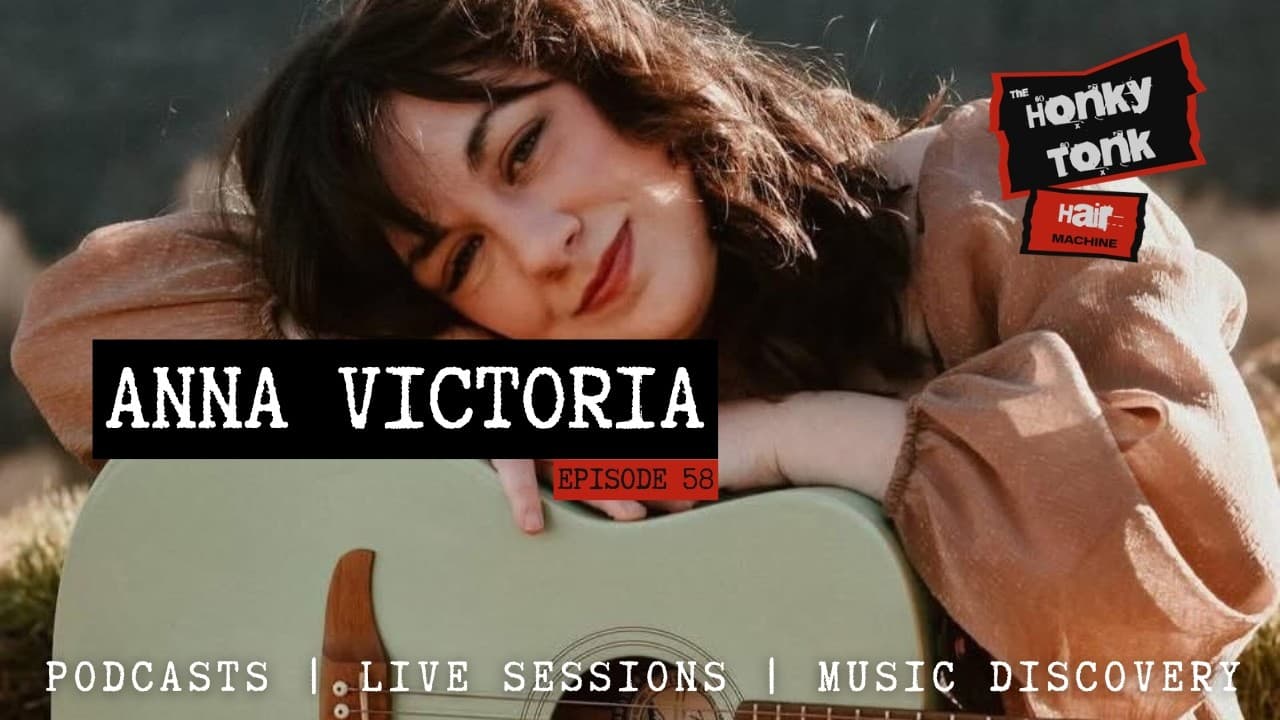
Anna Victoria
Inside North Carolina's Appalachian Music Scene | Anna Victoria
Anna Victoria joins Camden for an honest conversation about growing up in the mountains of North Carolina, discovering her voice as a songwriter and navigating life as an independent Country and Americana artist. We talk about learning to perform live, protecting her voice, finding confidence on stage, the influence of Appalachian music and artists such as Luke Combs, Sierra Ferrell and Dolly Parton, balancing music with motherhood, and the challenge of staying creative in a world driven by social media. It's a thoughtful conversation about music, family, creativity and staying true to yourself while building a career in independent music. Chapters 00:00 – Introductions, Weaverville, childhood. 02:00 – Singing, vocal health and beginning her musical journey. 06:00 – The pandemic, booking gigs and developing as a live performer. 09:00 – Coping with distractions, confidence and performing. 12:00 – Appalachian influences, Luke Combs, Sierra Ferrell, Dolly Parton and mountain songwriting. 15:00 – Family life, being a stay-at-home mum, social media and balancing music with everyday life. #lukecombs #sierraferrell #dollyparton Subscribe to The Rugged Revival. Share it with your friends. Support independent music! Listen to the full podcast on Spotify: https://open.spotify.com/show/6wnHcgA73o1aiiKaz882vH?si=30aabdaa220a4628 Follow The Rugged Revival: Instagram: https://www.instagram.com/theruggedrevival/ TikTok: https://www.tiktok.com/@theruggedrevival Facebook: https://www.facebook.com/profile.php?id=100094507520679 Website: www.theruggedrevival.com Email: ruggedrevival@hotmail.com
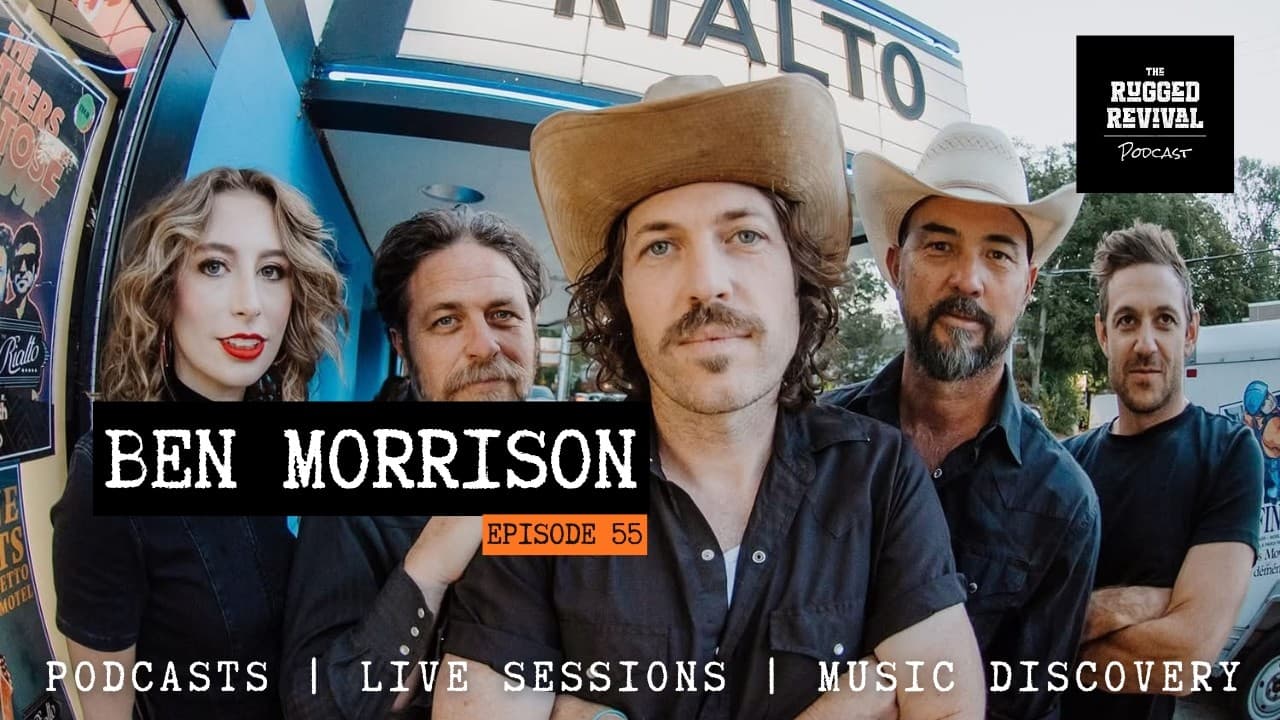
Ben Morrison
The Brothers Comatose: Ben Morrison on 18 Years of Music, Family & Touring
Ben Morrison of The Brothers Comatose joins the Rugged Revival Podcast for an honest conversation about nearly two decades ...
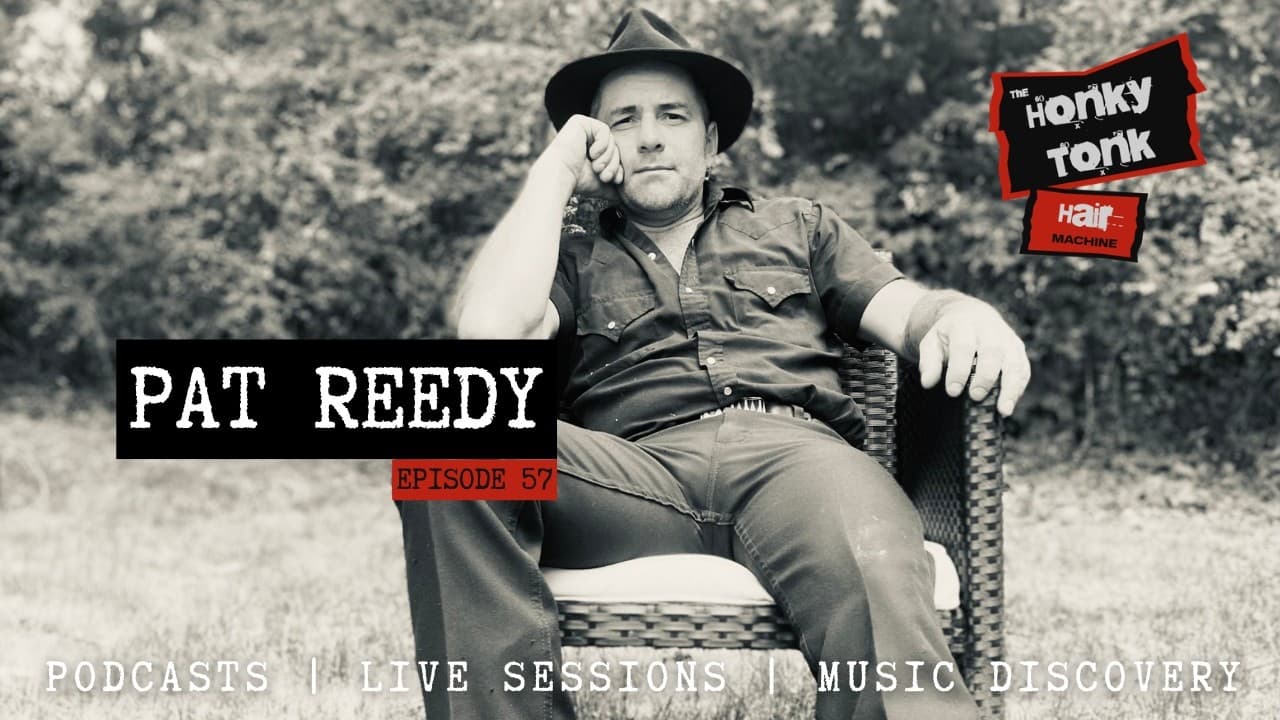
Pat Reedy
Pat Reedy on Busking, Nashville & Building a Country Music Career
Pat Reedy joins Camden to discuss leaving construction behind for country music, busking in New Orleans, life in Nashville, ...
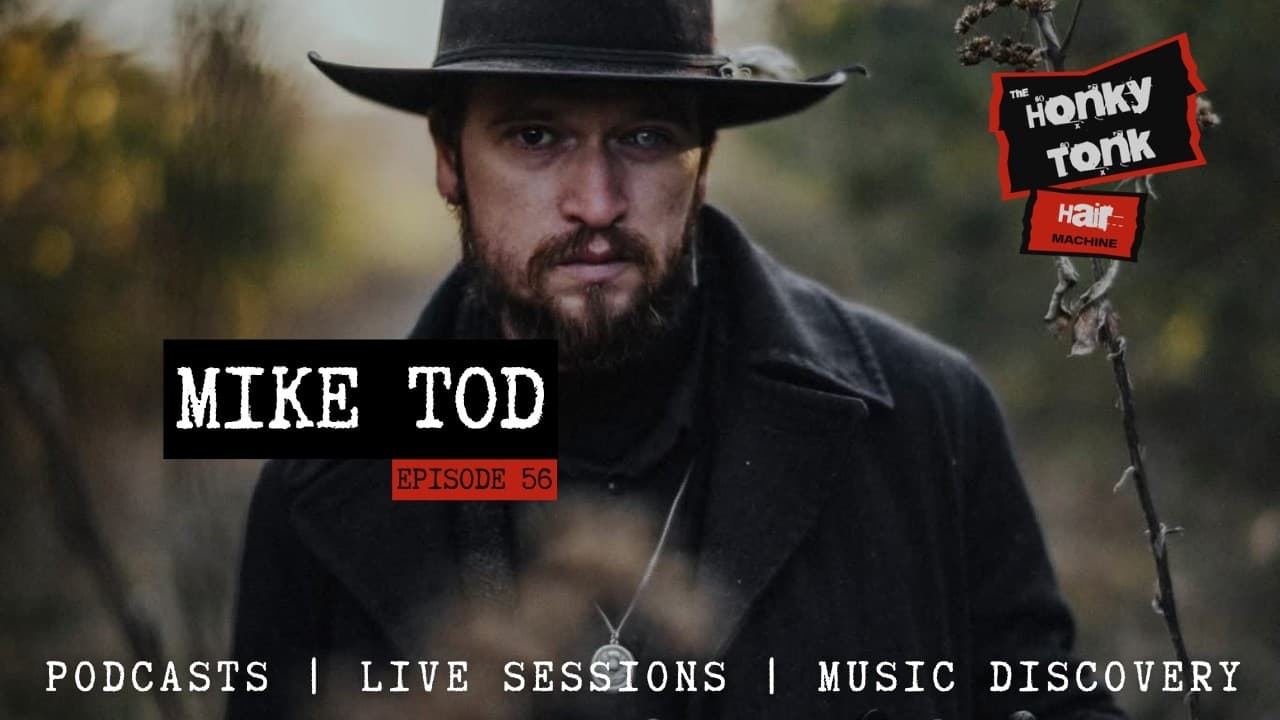
Mike Tod
Keeping Traditional Folk Music Alive in Nashville | Mike Tod Podcast
Mike Tod joins Camden to discuss traditional folk music, Canadian roots, life in Nashville, forgotten songs, unusual instruments and why preserving musical history still matters today.Originally from Canada and now based in Nashville, Mike explores the stories behind traditional songs, the connections between folk music around the world and how old music continues to influence modern artists. We also discuss his unique "Crankenstein" instrument, musical curiosity, collecting songs from the past and the importance of keeping traditions alive for future generations.Chapters00:00 Introduction00:00:30 Growing Up in Canada00:02:20 Discovering Music & The Crankenstein00:04:10 The Story Behind The Crankenstein00:05:20 Drones, Folk Traditions & Ancient Music00:08:10 Learning Guitar & Performing Original Songs00:09:40 Accessing Traditional Music in the Digital Age00:11:20 Researching Music History00:12:10 Playing The Crankenstein Live00:14:00 Creating Atmospheric Sounds & Live Performance00:16:00 Traditional Songs & Musical Origins00:17:50 The Artists Influencing Mike Today00:19:20 Studying Philosophy & Creative Thinking00:22:00 Horror, Heavy Music & Folk Culture00:24:00 Scottish Heritage & Family History00:27:10 Final ThoughtsSubscribe to The Rugged Revival. Share it with your friends. Support independent music!Listen to the full podcast on Spotify: https://open.spotify.com/show/6wnHcgA73o1aiiKaz882vH?si=30aabdaa220a4628Follow The Rugged Revival:Instagram: https://www.instagram.com/theruggedrevival/TikTok: https://www.tiktok.com/@theruggedrevivalFacebook: https://www.facebook.com/profile.php?id=100094507520679Website: www.theruggedrevival.comEmail: ruggedrevival@hotmail.com