
Nicholas Jamerson - Faith, Family, and the Frontier | Rugged Revival
Watch on YouTube
Subscribe for new episodes, Grit Sessions & more
Listen to this episode
In This Episode
When Nicholas Jamerson corrects the hosts about being called "King of Kentucky," insisting instead that there are "no kings," you get a glimpse of the man behind the music. It's a small moment, but it speaks volumes about his character—grounded, humble, and deeply rooted in something larger than personal acclaim. It's precisely this quality that makes his new album *The Narrow Way* resonate with such profound authenticity.
Jamerson is having a moment. The Kentucky-born singer-songwriter has already carved out an impressive presence in the Americana landscape as a founding member of the beloved band Sundy Best and collaborator in Morning Jays, but his solo work—particularly this new full-length produced by the brilliant Rachel Baiman—feels like a natural culmination of everything he's been working toward. It's folk storytelling married to backroads country ramble, rooted deeply in Appalachian traditions but never content to simply recycle them.
I've sort of had two lives in a way—I've had the sports side and music was kind of in the background.
— Nicholas Jamerson
Growing up in Floyd County, Eastern Kentucky, Jamerson was immersed in music from the start, though not always by design. His family had been there for generations—his father a teacher and coach, his grandparents educators, his great-grandparents community fixtures. His earliest memories were of musical gatherings at his grandparents' house, where musicians would lose themselves for four or five hours at a time. "It was nothing to be there and for people to play for four and five hours," he recalls with obvious affection. It was a world built on community, continuity, and the understanding that music wasn't a separate thing from life—it *was* life.
Yet Jamerson's path wasn't straightforward. He was split between two loves: athletics and music. He played American football through college, and it wasn't until his head coach—himself a songwriter—began mentoring him that songwriting clicked into place as something achievable rather than distant. The sports world and the music world seemed to occupy separate spheres, but looking back, Jamerson recognizes they both kept him around people. Always surrounded by community, whether on the field or in a circle of musicians.
It was nothing to be there and for people to play for 4 and 5 hours at a time.
— Nicholas Jamerson
Church was where he learned to sing in front of people, in school choirs and congregations. There's a particular energy in American Protestant church music that British listeners might find foreign—less reserved, more communal, more willing to let emotion spill out. It's a tradition that clearly shaped him, and it informs the spiritual depth running through *The Narrow Way*.
That spiritual current is what separates this record from being merely competent Americana. It's a heartfelt exploration of life's struggles, joys, and the search for purpose. The album features collaborations with some genuinely stellar musicians—Baiman herself, Ketch Secor from Old Crow Medicine Show, Tim O'Brien—but Jamerson's voice remains the through-line, steady and honest, never overselling the material.
What makes Jamerson compelling as an artist is that he embodies the very traditions he's inherited without becoming a museum piece. He understands that roots music isn't about historical reenactment; it's about using inherited language to speak truth to contemporary experience. Growing up in the late '80s and early '90s, before the internet era, he spent time outside, played Nintendo, went to church. It sounds quaint, but it was formative. He's the oldest of four kids, which perhaps explains his sense of responsibility toward his craft—there's something stewardship-oriented about how he approaches songwriting.
*The Narrow Way* is worth your time because it refuses easy answers. It's a record for people who believe in the redemptive power of storytelling and community, who understand that the best country and Americana music has always been about searching, questioning, and trying to find grace in the struggle. Jamerson has spent decades being shaped by his people and his place. Now, with this album, he's giving back—creating art that honors those influences while pushing forward.
Listen to the full podcast episode to hear more about what drives him, what faith means in his work, and how a kid from Eastern Kentucky became a voice worth hearing across an increasingly fractured musical landscape.
So this is the Rugged Revival Podcast, we're your home of UK's country, Americana, and roots music community. I'm here with Ronnie again. I've spent several days with Ronnie last week, so I feel like I've seen you a hell of a lot more than I I'd normally want to. So yeah. You okay? >> mutual. The feeling's mutual, let me tell you. Days with you, my god. It was a struggle. >> But anyway, we we are joined today by a very special guest, someone that we absolutely love, and I think you know, it goes without saying that everyone else loves him as well. If you ask anyone about Kentucky music, I think Nicholas Jamerson is the first person that comes to mind. Fantastic solo artist, member of the band Sundy Best with Chris Bentley, and with the band Morning Jays. It's Mr. Kentucky himself, Nick Jamerson. How are you doing, mate? You okay? >> Yeah, I'm doing okay. How about you? >> Yeah, all good. All good. It's yeah, it's been a busy week. We're getting back into the grind of it after partying with several Kentucky artists last week. We're getting a bit old to party these days, so back to the podcast. But there you go. >> Can we just change that from from Mr. Kentucky to King of Kentucky? >> King of Kentucky. Can we change that? >> No kings. >> Come on. >> And there you go. All right, well Ronnie, do you want to kick things off, mate, in your inimitable style? That was a big word for you. >> I'll say well done. Nick, what an absolute pleasure it is to speak to you. Today, TJ has been so excited. Let me tell you. You know when a child goes on about, "Are we there yet? Are we there yet? Are we there yet?" He was He's that all the time since we were away, knowing that you were coming on. And the message that I got when you said, "Okay, I'll come and join you on the Rugby Revival." cuz he's hounded you so much, um was a a little face on there on the emoji. So, I can imagine he was all that past out. Anyway, um absolute pleasure to meet you uh and pleasure to to speak to you today. So, um as TJ's already mentioned, we we spent a lot of time with Kentuckians um over the last few days and they've shared with us some stories about growing up and what it was like. Um and I always go for the deep personal family stuff uh as we start off to give give people a bit of an insight into you and where you've come from, what you've done. So, if you wouldn't mind sharing with us, what was your family life like? What Where did you grow up? What was it like? Who you surrounded with? >> Um I was I grew up in uh Eastern Kentucky, uh Floyd County. Um my dad I guess we're probably fourth generation Floyd Countians and um so, my dad's um like where he grew up, they had been there 100 years and um So, uh there was a lot of family that lived there. You know, it was like multiple generations that lived on this property and um both of my grandparents on my dad's side were were educators. So, um and then my great-grandparents were um were staples of the community. So, there was just a lot of people that hung out there at their house and they were always having gatherings and musical gatherings. Um and uh you know, it was nothing to be there and for people to play for 4 and 5 hours at a time and >> Amazing. >> Yeah. >> Uh yeah, it was. It was just super warm and just, you know, community and um those were like my earliest memories were at that house. Um but um my dad was also a teacher and a coach. So, I was um I was like split between music and athletics. And um so, I played uh I played football, American football, uh growing up all the way up through college. And um so, I feel like I've sort of had two lives in a way, you know, I've I've I've had the sports side and music was kind of in the back ground and um then about college, uh uh my my head coach at the college I went to was a songwriter. And um that kind of got me into this world. I'd always sang and performed, but songwriting was always kind of this thing that kind of seemed far off. And um so, I'm I'm the oldest of four kids, had a sister, had two two brothers. Um we lived a pretty normal life here, you know, uh growing up in the late '80s, early '90s. It was before the internet and uh just, you know, spent a lot of time outside and uh some Nintendo and uh church, you know, that's where I really learned to sing in front of people was in church. Um choir in school and um yeah, I mean, it was pretty pretty simple, pretty it was all I think in retrospect all about we were always around a bunch of people either through sports um or through music. So, um I feel like that's still kind of how it is now. So, >> So, what was the Can I just jump in? With the like church thing, cuz a A of people have said about like the church thing, you know, and and that's how they got into singing and and kind of playing music. I'm just trying to picture like that scene cuz over in England like the the church singing is very different. I would imagine it's all quiet, you know, I don't know, a bit flat I would say. But um out there is it like gospel or is it, you know, what's it like? >> it's it varies. You know, there are churches that it's very much dead, you know, like it's not or flat, I think is what you said. I mean, there's very much that. There's There's churches where they don't have allow any instruments, so it's all like a cappella. And that's pretty That's pretty wild because uh you know, you could you know, quote-unquote be slain by the spirit and uh people just start singing in the middle of a church service, you know. And then you have to like walk people down or talk them down, but um in in my church it was like a country like a like there was definitely like your your typical like uh piano and um like organ like just your traditional hymn songs that have been sung for 150 years, but then you would have like these um I've seen like called it like mountain gospel. Um you know, like where I live is like you know, there's bluegrass music and there's country music and then there's old time music which are like these the this like music that was just like passed down from generation. Like it's not really recorded anywhere. It's like the only reason people know about it is because it's just like mouth to mouth. So, I feel like my church was like it it was like that. It was this combination of of cuz every Sunday you would have like a special like singer besides the choir. And um it was just a lot of people that were influenced by like country, bluegrass, and and old-time music, and they were I I would say equivalent to like, you know how like Ray Charles, like how he like made like gospel his own sort of thing. It was like would be that version of it. So, there was definitely um spirit in it, you know, and and like I said, more so the individuals and more so like the the the special music, but um yeah, it was and my mom was the choir director or like the children's choir director, and so um she always she had like this uh I mean, she was younger, you know, as far as church hierarchy goes, and she was always like her and my dad both were like really into like contemporary stuff. You know, they grew up in the '70s, and um just just had that sort of frame of reference. So, um they were they were open to like different stuff other than just the traditional stuff. So, I just feel like it gave me a I just a stage to stand on, you know, and get comfortable singing in front of people, and um yeah, it was it wasn't uh you know, it was still church. It was still there was still some uh box boxes that you're in, but back here that's pretty much the only option you have as a you know, as a young person, so >> And and just in your younger years, were you more when you were getting up on that stage, say like a church or whatever it be, was it a a family event or whatever, did that give the inspiration to sort of push it more? To start thinking that you were going you were swaying more to the music way as opposed to to the athletic way and what you were doing? >> Um I think eventually yeah. I mean I think in the moment it was it actually like stressed me more than anything else because I felt like I was like kind of being forced to do it in the in the church space and it was just a different like culturally like sports I think are so much more accessible here. You know, it's just like in terms of school and in your your immediate like social circle, but definitely like the older I got, you know, I felt like those were like seeds that had been just sown in me that you know, about 17 or 18 is when I felt like I'd kind of reached my peak interest in in football and and was just looking for other outlets and yeah, it was it was a it it gave me this foundation for performance and um that that definitely propelled me into you know, just digging deeper in into that, you know, in my early 20s. So >> And I've got to say from I know I'm asking about your family background and where you grew up and everything else, but a lot of your songs are are very family oriented and there's a lot of the lyrics that that sort of uh relate to your family, but there was one quote that I picked up on and now of my sources uh sometimes incorrect, but from the from a quote that was made, it's about your grandmother. Um and a habit about documenting life as early inspiration to turn ordinary moments into something meaningful. And that for me that quote, if that is correct, >> Can you repeat that? I'm sorry. >> Yeah, so um it was a quote that I picked up on around around your grandmother. And he said about the habit of documenting life as early inspiration to turn ordinary moments into something meaningful. >> Yeah. >> That's That's a hard-hitting hard-hitting slogan, if you like. >> Yeah. >> Um could you tell us more about that? How you know, was it Was she a storyteller? Just, you know, going through the younger years and everything else? >> Yeah, I mean, I think everybody around here is is a storyteller and like most people are just I think like family history and but with her in particular, she was more of like she she always had a camera out and um was just like I would you know, I was talking about these gatherings at at at my great-grandmother's house. Like she would just set the camera up and on a tripod and it would just roll for 4 hours. So, I have like films at my house of just just people hanging out and playing music and nobody's like you know, but but I just always took that as like she I mean, she just put so much value in like what's happening right in front of her and um yeah, I just think with songs you know, I I don't like there's there's an element of of creativity where you're adding your own spin. You're kind of glorifying and romanticizing the moment, but for me so much of it is just like what What's happening in front of me right now and um yeah, just I just try to I'm just trying to older I get to just just soak in life as much as as possible. Like what what is right in front of me and not not bypassing that and um and songs for me is also a way of preserving moments, too, which I felt like as I'm going through I've gone through all these home videos, it's just been so awesome to just like reconnect with that and I just feel like songs are that. Like it's a it's a moment in time, you know, through song and uh Yeah, it's just kind of been my way of coping with with aging and and like things changing, you know, because they just change so rapidly and it's uh it's so jolting sometimes that I I just I try to like squeeze the most out of life as I can and um Yeah, I feel like she taught me that. >> You you can really hear that in your songs as well when they And I know I've I've mentioned this before before to an artist where I said same as your your music, your lyrics. I I like to picture the lyrics and you can sort of play that story in your head and you can relate to that as well bringing your own experiences in. So it's it's incredible. So um >> Thank you. Thank you for bringing that to us. >> Uh it's much appreciated. Thank you for sharing that. Um your your your sort of history and your family history with us. Uh it's much appreciated, but um just one last question before I I hand over to TJ cuz he's going to flip if you say if I don't give it to him in a minute cuz he's already interrupted me once. Um when what I'll let you I like you for 5 minutes. Um so at what point in your life did you go music's for me, bang, got it. That's what I've got I've got a calling. That's what I'm going to go and do. Um yeah, so it was you know, it didn't I feel like I was always trending towards that, but um like I said, my when I got to when I got to Parkville, which is where I went to college, um I I was wanting to play music, but it's like what how do you do that, you know, I was playing music, but how do you pursue that, you know, I there's no real at that point in time it's like well you go to Nashville and that's and that's the route you take and that just wasn't something that it wasn't the cards for me and so uh I'm still playing football. I'm I'm feeling really just kind of like lost in life, and um so I meet my football my head football coach at Pac Bowl. He's a songwriter. Um we bond over that, and that that sort of like gave me like, "Okay, I'm in the right spot. I'm in the right spot now." And then he's at at Pac Bowl for a year. And after that year, he left coaching altogether. And he started helping me book shows. Um just regionally. Like he was from Bristol like Johnson City area, which is super rich, and it's like where the Bristol rhythm rhythm and roots festival is, and like Bristol like that's where the first country music you know, recordings took place was there, and uh he he brought me down there for a a festival called the Blue Plum Festival, and uh I met two guys that ended up being like my just songwriting They were like the first like songwriters that were like really gigging and touring like that I'd ever met. And And one was a guy one one's name was Allan Cormier. Who I've I've cut a couple different songs of his, and then a guy named um Roger Alan Wade. And um Roger is like he's Johnny Knoxville's cousin. Um >> Oh, cool. >> And And he wrote that song, "If You're Going to Be Dumb, You Got to Be Tough." >> Yeah. >> Uh >> Yeah. >> And but he's he had he'd written like songs for I know that uh Hank Jr. sang "A Country State of Mind," and that was a that that a Allan or a a Roger song and I just sat in this I sat I hung out with him for like two or three days down there and one night in particular we were in this um Red Roof Inn in in Johnson City and he's just telling all these stories of like hanging out with Johnny Cash and um it was just blowing my mind that I was just I was even hearing this and I was with someone that was like one degree of separation from Johnny Cash and I was like ready to drop out of school and go to Johnson City and and live there and and live that life and that that was the moment for me that I was like there's no there's no turning back like this is this is what I'm supposed to do and you know that they made a profound impact on me but then also like they were like really encouraging to me about this thing that I was doing. I think that was probably it more than anything was like you know I'd I'd been complimented by my friends but I'd I'd just be like well you guys are my friends, you know, like >> Yeah. >> the beer's cheap, you guys are going to show up anyway, you know, so um yeah, that was that was pretty much the moment for me and uh I just really started to like dig into songwriting and um while also trying to get through school and um yeah, it was just and and looking back it was I didn't I'm not using my degree necessarily but it was a time for me to really work on my craft and you know, just have more stage time. So um yeah, that was it for me. >> Well, thank god you did. >> Yeah. Yeah. >> We get to hear you and we get to meet you as well. So even better than that. >> It's surreal. It's it's surreal, you know, just to look back that's been 20 years ago, and uh >> Wow. >> Just to just this this modern-day sort of movement, which I think's obviously a a manifestation of of a large group of people that have similar stories that were kind of starting out when there weren't really the stages and, you know, there wasn't social media. It was just people just following this sort of internal calling and just the things that have happened that are happening for our area, it's it's surreal. >> Yeah. I'd love to I I would love to have sat there on that table with you both listening to their stories cuz I just I'd find it fascinating. Um and and how they used to do it back then um what they used to do is just incredible. So, um yeah, thank you so much uh for that. I'm going to hand over to TJ. >> Oh, thank you very much, mate. Um me and Ronnie need to go and watch a a college football game out in America when we visit because >> Cuz uh >> Yeah. >> I didn't realize how big it was. Um you know, the the crowds you get are like enormous. So, >> Oh, yeah. >> Yeah. So, you're a big sports guy. Do you like English football as we call it here, uh not soccer? >> Uh Um >> No. >> I No, I mean, like that I don't know but I I don't dislike it. I I I I respect it uh from from like an athletic standpoint. Um and it's actually gotten very popular where I live. Um and and you're seeing a lot of club teams that are like building stadiums. Like in Lexington, they just built a big stadium. And uh Louisville, too. So, um Yeah, I can I respect any sport really like that that people put, you know, a grind in and those games look crazy. Like the chanting and I can I can get behind that. I just wasn't around it. So, >> No, that's cool. It's part of our culture, mate. It's uh yeah, it's an interesting culture. I don't think Ronnie's in it, but uh >> I'm not. Yeah, I can't stand it. >> But, this leads me into a a question, I suppose, but being a Mr. Kentucky and and having your roots go back so far. I'm always impressed with like the family history that you guys can trace back and you know, go back some time. And you know, speaking of friends like Lance Rogers, he did the same when he was out here. He found some random family member out in Wales of all places. Uh when he was here, he was like, "I can trace my family back probably to my grandparents." And same for a lot of people. So, it's always cool to kind of hear the stories that you've got and you know, that that kind of lineage. But, my question is, you know, what what what does it mean to be a Kentuckian? Because as an Englishman, you know, there's always stuff like uh synonymous with us like we know, we love a cup of tea, crumpets, moaning about the weather, the all the usual stuff, and going down the pub with your mates on a Sunday to watch the football. Uh so, we're quite patriotic in the in that sense. But, what does it mean uh you know, for for the outsiders looking in to be a a Kentuckian? >> Um I feel like it's in touch with nature, um water and the woods for me. Um music, very much. I just feel like that is just hand in hand with with my upbringing, like I said, and all my siblings sing and play instruments and write songs and um And family, you know, I feel like I think like no matter where I go, uh Kentucky if you're if you're from Kentucky or you have roots in Kentucky, like that is like enough for people to like kind of open a door to you and extend a hand. So, um And Kentucky sports, you know, like Kentucky basketball uh in particular uh is just like we don't have any pro sports here. So, um I know that Louisville is is a you know, it's not really a rivalry, but it's the other big school and um you know, just being a Kentucky fan and um yeah, that's probably about it that I can think of. >> Yeah, no, that sounds good. I think that's probably why me and Ronnie have got on so well with the Kentucky crowd because, you know, since day one, they were the people to reach out like Josh Mitcham, you know, when we first started this, you know, he was one of the first person introduce us to a lot of people and it just felt so welcoming to people that were outsiders to the scene just starting out and um you know, I so I feel like me and Ronnie are honorary Kentuckians now. >> Heck, yeah. >> I I mean, we spent enough time with with everybody from Kentucky over here. So, it's bringing Kentucky to here. You you knocked it out of the park there by saying family and that's pretty much what we talked about the whole time we were in the car for 5 hours one way and you know, it means so much. Everywhere you go, no matter what you do, you know, you you're always with the family, so. >> Yeah. >> And um you know, we were we were talking just before we came on air about how we're expanding as a team. So, we've got people out in Kentucky, Kenzie Trailer. So, she goes out on our behalf because we can't go to a lot of the gigs and you know, we want to kind of bring a lot of that to our platform and online and to to share as much as we can. So, we I said to Kenzie before we came on, I said, you know, it'd be great as a Kentucky person yourself to to ask Nick a a question. So, her question to you is how do you feel about being named quite frequently on Kentucky's Mount Rushmore list. I think this is one of those online trends, isn't it? So, what was your feeling about it? Do you kind of embrace that? Is it a bit a bit strange for you to kind of get that quite a lot? >> Um you know, it feels good to be seen and and to feel like I've made an impact on people's lives in that way and it's a lot of, you know, fellow musicians, so I feel like um part of you know, my mission with all this is just been to inspire others to to do the same and to, you know, music has been so good to me just on a on a personal spiritual level that I just uh that that to me is the most important part of it is just like like I was saying before about dealing with aging, you know, just like sort of it's brought so much joy to my life and all I've ever really do was help people find that joy within themselves, you know, so to just to like have your peers respect, it it means a lot, you know, um it's it's surreal, you know, I I do also think that we kind of become um like prisoners of the moment and I always I'm just like, man, there's so many people that came before like this group of people, you know, that are like out doing it now, but that inspired me to do this, you know, so um I can't conceive it really cuz I just put so many other people above me, but uh I'll appreciate the love, you know, it's uh it's it just means that I'm loved and uh I'm not going to push that away, so uh I appreciate that. >> Good on you, man. No, it's it's fully deserved, mate. And you know, we've been talking to you for this this short amount of time already and it feels like we're in a similar space. I hit 40 in January and you know, listening to the way you're talking about uh you know, family and your kids and and things like that. I was listening to your song earlier on the way to work uh running out of daylight and I thought, man, that is me at the minute, worrying about your kids, growing old older, you know, my my oldest just went to high school uh this week and you know, you see your grandparents getting old and you know, I'm starting to think about that all the time and you know, I said that to Ronnie all the time. So, I feel like I'm getting old. My Physically, I feel old. Mentally, I still feel young, but um Yeah, I I think that inner monologue in your mind is always telling you, you know, to to savor these moments, go on holiday, spend some time with the family. I don't know what it is. Maybe it is reaching the age of 40. I'm guessing you're about the same age as us. >> I just turned 40 in July. >> There you go. Maybe that's what it is. >> Yeah. I had a really big crisis at 30, where I was like, man, I can't believe I'm 30. Like, this is not it, you know? And so, I feel like all of my 30s were like me sort of like deconstructing my whole life of like, who am I? What am I doing with my time? Where am I putting my time? And and now I just want to live it, you know? Like, I don't want to think about it. I just want to like I just want to live uh I want to work about half the time. I want to I and I want to live. And I I'm not I don't want to I just want to worry about things that don't really matter. So. >> Yeah. Absolutely. >> Easier said than done, but >> It is. Yeah, I I think you spend a lot of your life, especially with kids, trying to provide, you know, build an an empire of some sort so that you can hand over, and you forget to kind of live in the moment and to kind of take those opportunities to spend with people. And before you know it, like you say, you hit 40, you think, oh crap, you know, I need to perhaps change my outlook. And exactly what you're doing, you know, work half the time and spend the other half where you can um doing the things you love, cuz why not, man? >> I don't know about you, but I think what makes it even worse, and what what concretes that, is, you know, when you have these notifications on Facebook or social media saying, "Look at this 14 years ago." >> Oh, yeah. Oh, my god. >> And the photos come up, and I think, oh my god, just take me back. Take me back to them times. I want to be where it was simpler. I want to be >> Was it simpler? >> Was it simpler? Was it Was I mean there was less internet, there was less mobile phones, there was less It was the raw times where you spend that time, that quality time with everybody. And you actually have a conversation as opposed to you got a phone stuck in your face all the time. And I know that obviously things have changed for the good for social media sometimes. >> Yeah. >> But you just think, "Ah, take me back." >> Yeah, or or I don't ever want to see that again. Like that's kind of where I have to enjoy cuz oh, delete. Yeah. Yes. I had Facebook like when it first started, like 2005. I've I've been going through this week like friends and I'm like, "I have no idea who you are." Like I have I have no clue. Who you are. And um yeah, it's it's really bizarre. I and I've I've I've felt like on the other side of it of like almost like I'm buried in memories. I'm like, "What am I supposed to do with this with this memory now that I have to relive it again?" It's like Yeah, it was It's it's it's like we have a a live archive uh that that we just dump into all the time and good and bad. >> Well, let's be more positive cuz we've got a lot of life left in us. People are shooting like, "Jesus Christ." >> This has turned into >> Yeah. >> Yeah, we're only 40, you know, that's the least of it. in my opinion. Um but yeah, I think that leads us nicely into like um cuz I I love kind of delving into your stuff and you know, not just the music but like the festivals you're putting on and and sleeping in the woods looks like a really cool thing that you've put out there uh that we'd certainly love to go to one day and it's your your songwriters retreat, I believe. And I was looking about the you know, what it's about and correct me if I'm wrong. So, it's about where you're working with mentoring, developing young artists and um yeah, really really kind of supporting them in that way um as part of that retreat. So, do you want to tell us a bit more about that, mate? >> Yeah, so I mean it it's it's a it it is we we want it to be a retreat for people, you know, it is a a festival that also like anyone can come to, you know, buy tickets and come to, but but um we we just want to provide a space for people that are starting out all the way up to what we would call like our masters who who are you know, are just people like uh Darrell Scott or Jim Lauderdale, um elder an elder, you know, that has just been able to navigate um life as a songwriter and uh as a professional songwriter. Um cuz we didn't really have that growing up. There wasn't a a community of of mu- I mean there was people that played, but there wasn't like a environment for people to kind of help each other and uh uh you know, this has come this has become in the last 20 years a a really um significant part of the economy in Kentucky and uh you know, aside from just performing I I'm trying to just help connect people and and build infrastructure to just make this as sustainable for people as possible and and just wanting wanting people to have a healthy relationship with it cuz I feel like in the pursuit of you know, just in the pursuit of things it's easy to lose yourself, you know, and and your value to just be dictated by things that don't matter, so um yeah, well this will be our uh fourth year, I think, coming up. Um So, we have it out it's a Monticello Kentucky it's down around Lake Cumberland on a campground and sleeping in the woods you know it is what it's you know it's we're in the woods and um you know it's a chance to unplug and just just be super present and kind of we try to like it's it's not like it's it's a it's basically you know three days of acoustic music like we have some bands like my band plays on Saturday night and but um we're just trying to you know give people show people an easy time and um these are these songwriters are pouring their hearts out and uh super chill and we just but we want people to feel like invigorated after they leave there you know I know I've been to festivals and I just you know you're wore out when you leave and we just we're trying the opposite we're trying to just build people up and kind of give some a respite of you know just the rest of the world so >> Sweet and it sounds like a spa retreat slash acoustic uh >> Yeah. >> ensemble that sounds right up our street being being old people like we used to were. >> Yeah exactly. >> So um you know with the type of like people that you're seeing or or you know people that trying to cut their teeth um at that at that particular festival have you ever seen you know a kind of a pattern or a trait that makes somebody a good songwriter you know is it natural talent is it hard work and commitment or is it a bit of both and I'm always intrigued by that. >> I think it's both. Um I think it definitely probably comes more natural to some people depending on their uh just upbringing but um yeah I think there's so much education out there uh with and just philosophy on songwriting, I do feel like anybody can do it. It's just um I think it's just helping people find their process, like the process that works for them, and that's that for me is what I've been kind of focusing on is is I've I've been doing more like songwriter workshop type stuff, so you're you're trying for for my perspective, I'm trying to provide a process to people that they're cuz for me it's I like to write about things that are real, and everybody's got things that have happened to them, and um we all have emotions that we're dealing with, and uh my philosophy is like we'll identify those things that are real to you, and then just talk about them, so um obviously some people are more gifted at um you know, melodically and as singers, and that to me I think is a little bit harder to teach. Um cuz you're you know, some of it's just about anatomy, you know, flat-out with with with singing and playing, but um I think anybody could write songs. I I think that like I said, for me it was just I need to be around people that did it. And I think that's how we all learn is like if we can be around people that do it and see it and and really then dive in and try to do it, then I think that you know, I think that's just the sauce, you know, with with anything is like if you practice, you will get better, and you have to just you know. But but that's hard. I think a lot of people don't want to be bad at something >> Yeah. >> first, so um >> Just to um apologies to put you off your flow, but um >> No. >> I've We're talking about songwriting here, so I'm going to set the mood. >> Yeah. >> We've got songwriting. We've got a bit of mood lighting in the background. TJ's got a bit of mood lighting. You're in It looks like you're in a studio. Then we've got thunder going off in the background. >> I don't know I don't know where that thunder is coming from. >> Oh. >> But it sounds like we're in the mood for writing a song. >> I got something You're in the woods somewhere. >> I mean, the thunder sounds amazing, especially when you're you you know, you're talking in a really Yeah, don't worry about it. Songwriting, who's got it? And I just thought, what more could you ask for? It's made for this moment, isn't it? This is going to be a song moment. >> Oh, that's when you find out I pressed the button just to uh you make it Yeah, I think it's here. We had the thunder earlier in the in the in England, so it could be here. That's cool, man. I mean, it's I mean, I love talking to all the guys from from Kentucky. We we speak to a lot of artists all over, so you know, Texas and other places. And you always find it interesting, but the guys from Kentucky that I spoke to previously, when they've gone to Nashville or gone to to other places, they've found it more difficult. And I think it's because of the almost like a brotherhood that you've got where you are. And that might be lacking in in other areas or or other scenes. I mean, do you You you travel a lot, and I was looking at your kind of tour list for this year. So, you're I think you're going to Texas yourself and to to other states. So, what what's your kind of opinion and in terms of the differences between maybe Texas or Nashville to to Kentucky? >> Mhm. I I think in general the scenes are older and more established, and I think that you know, it's less maybe Nashville's is less organic in some ways. Um Texas is cool. It's you You I grew up really in touch with the red dirt scene. Um you know, culturally it's it's just way different. Texas is its own thing and then you've got, you know, the Southwest uh mix in there and between there and Oklahoma. Um it's it's an older scene. Um the thing about Nashville that I I like it and I don't like it. Um I think that every time I go to Nashville, it feels like you you walk out of there sort of questioning your worth because um you know, the ceiling in Nashville and the people that work there I think is like playing stadiums, you know? And if you're if you're not doing that or playing arenas, then it can feel like you don't have any value. And uh I I just don't believe that, you know? Um and and obviously that's like a hotbed for the the radio commercial country stuff and uh you know, uh I'm not really a fan of that either. I But I do have a lot of friends that are in that world and and it's just like you know, that's what they choose to do, but Kentucky is like you know, we have a rich history, but but our scene is pretty like it's pretty new, you know? And and we're trying to build stages literally like in places that have they've never had them before and for me, I'm like, you know, I go all over the like you said, I go all over the place and it's as simple as having a stage and you come and play it and then people of that place they put value in it and they show up and that's what's happened in Texas and that's what's happened in Nashville and it's shifting here, you know? Uh of people kind of getting behind their own. But um you know, it's still such a It's just a different paradigm of like people a lot of people listen to the radio and that's who they perceive as like the biggest and best and So, we're trying to get the stuff into place like to have radio stations that are playing just local and regional artists and Um so so hopefully we can be a little more self-sustained through through our music, but um It's crazy, you know, it's it's it's like I live where I live is the country music highway. So, like we've always had like I live like near where Loretta Lynn grew up and Chris Stapleton and Dwight Yoakam was born here and we've always had the people, but we've just never had the the scene really to support it. So, um I just feel like we're on the front end of so much stuff. So, and then you know, obviously Tyler Childers is just and him and Sturgill have been you know, I feel like those two have and and Stapleton those three I think are the three that have really broken like kind of thrown a rock through the glass ceiling here and really it's expanded um what people believe is possible about themselves being from here. So, and not going that Nashville kind of commercial route. So, >> it's pretty cool. >> Yeah. We we who did we see the other year, Ronnie? It was uh Tyler Childers when he came to London. And then we were lucky enough to catch tickets to see Sturgill and and what a show. He's he's a showman, that guy. Absolutely fantastic. So, in in terms of your your kicks, Nick, um you know, you've got a diverse sound. So, from what you do with the solo stuff, with the Morning Jays, and with Sunday Best. So, I I put a lot of Sunday Best on earlier, too, and it it's got more of a energy to that. So, if if people were going to your gigs, whether it's one of those three, what what should they expect from it? >> Uh that's funny. I I think I I just it's it's different, you know, every every every one of them is different, and I I really just ask people to just like join me on the ride because it's it is different, and it's not always what you think you're going to get, but I I do it's always me, you know, so um yeah, it's it's like trying to get people to just be open to whatever happens, but it's it's, you know, the songs are for the most part it's all real life stuff, and and I think my stuff in particular is more um like uh what's the word? introspective you know, of just like um just pondering these questions in life, like, you know, of just getting a older and um dealing with loss, and I think every scope of music deals with that, but I think that I've I've dove in, you know, deeper than like I I think that Sunday Best is more of like a you know, when we were like in our heyday, it was like a commercial kind of country route is like kind of where we had been like grouped. And uh so, which is I I don't I it's like that's it's a hard thing to describe because it's like I don't I think that some music is just more accessible to the masses than others, you know, it's just whether it's tempo and a rhythm or it's like subject matter. Um you know, that's why I love Stapleton I feel like he kind of that's kind of my like North Star, I think is because he has like this commercial sort of relatability, but he can write, you know, um he can write just a deeper song if he needs to. It's it's not just about writing singles, you know, it's it's just about writing good songs and so um yeah, I don't know. I've never been asked that before. >> That's right. We we like to uh trip some people up when they're on the show. Well, before I hand back to Ronnie, um yeah, I it must be said I want to embarrass my wife now because uh we we got married When did we get married? You were there, Ronnie. Uh in May, I think it was. Seems like an eternity ago now. Uh so, we got married and I was always pondering about, you know, what the first dance should be and all that stuff and I wanted Hindman, but she vetoed me. So, just just know that, Nick. I wanted Hindman and she she said no. >> Well, I'm honored that you would you would at least throw a vote in for that, so. >> Absolutely. It means a lot to me, you know, the the story to that. Um it's I think it's said one's favorite in particularly in Kentucky. Um it's it's just one of those songs and you know, it was in homage to me then and you know, that that kind of story behind it. I I love it, man. So, yeah, blame my wife for that. We we ended up with John Mayer, so not quite the same. But there you go. But anyway, Ronnie, I feel like I've been talking for ages, mate, and you've just been listening and listening to the thunder mainly in the background. Um well, I've done it again and lost my place. Um so, give give it 2 seconds. Um it's No, I love it. He's he's sort of a little bit off piste and you know, it's not it's not scripted as you can probably tell. There's little hints, but when when TJ was saying what he was saying that you were coming on, he was so nervous. I've never seen him getting so nervous with someone before. It's unbelievable. >> Got to be professional. That's why. >> it's uh But you know, everything we talked about I'm going to ask you as I said to you a lot going into some of the deep questions. I know we've sort of floated around them, but um you mentioned something earlier about emotions and dealing with it and and writing music and writing songs and and and whatever you. Um especially in the retreat that some people have just got it, some people deal with it in a different way or they're melodic and whatever you. But I wanted to know obviously you you talk quite a bit, you're on the road quite a bit. How do you find out with your own mental health dealing with that? Um trying to put because you're away from your family. Is there certain things you do? Is it just songwriting or is there certain coping mechanisms and places you like? You have to answer that. >> Yeah, no. >> You know, I'd like to know. >> Um you know, coming from a sports background, I feel like I really had to get back in touch with my body and and like how like moving it, you know, because I think one of the things of being on the road is like you're kind of like this, you know, for hours not being able to move and that that plays I mean, that is as hard as anything is just being immobile for for hours at a time. Um so like my physical health uh just prioritizing that. Um I quit drinking. Uh this October will be 4 years. And um >> Wow. >> that that was just a I feel like it had been a long time since I'd really had an a problem with it. Just getting too drunk, but uh it it was just like you know, even if I just drank a couple beers a night, you know, I could feel like the fatigue, the alcohol fatigue, like when I would come home. And I And being a parent, you know, that that just kind of like I was like, "I don't I don't I'm gone. I don't want to come back and just be so used up and washed up that I I you know, I can't be a dad." And so, when I kind of put that together, it was like, "Okay, this is a no-brainer. I'm not going to do this." And I think what it's done is that you know, I don't get as high when I'm gone, so therefore I don't get as low when I come back. And that you know, cuz I just always feel like the pendulum swings, you know, if you're if you're way high, then you will you will go the opposite direction, just you know, physics, you know, right? >> Yeah. >> So, um yeah, just being more conscious of what I was putting in my body and I had just physically like being stronger to to to like be more resilient. I think that's what for me like working out does is just like you do things you don't want to do. So, when you're like going through things that you that are hard for you, you're like, you know, you've kind of been training for that. And when when for years I was just drinking through it all, you know, it was like you feel nervous because of crowd, you know, you're just like, "Oh, I'll just drink that away." Or cuz it's it's tough to go into a roomful of strangers, so to speak, and like pour your heart out. And every crowd's different, and they're not always you know, at this point I'm lucky enough that I'm doing a lot of shows that are it's all ticketed, and it's it's like they're there to see me. So, they're they're open to whatever I'm Yeah. there to do, but, you know, still, every everybody's different, so it's tough to do that. It's It's tough to go and like put yourself out there and um and I just I don't know. I I try to just be grateful for for everything. Like I really just try to be be as mindful as I can of of of like where I've come from and and like the things that are happening to me. Uh like these are all these things that I like really Like I said at the beginning, like 20 years ago, I just kind of like was following this inner feeling. And now I'm like reaping the fruit from it, you know? So, I'm like eat the fruit. Don't don't think about the next thing. Like eat the fruit and uh you know? I feel like that that just It's like it it it really like electrifies the experience cuz it's like, yeah, this is like yeah, this is everything you've ever wanted. Um I just just like rest in that, so Like I said, the last 10 years of my life, I feel like I've been like training, you know, to like be able to like handle all this in a really healthy way because uh it's just man, it's crazy out there and and like just the star power that some people have and and I don't think anybody is really prepared for that, you know? You know, like to just be propped up on a pedestal because they sing songs good. So, uh it's like finding myself outside of that and like being grounded in that and not, you know, all this other stuff is like I'm super super grateful for. Um it's just gravy to my, you know, uh to my life, but I say all that and it's it's still a practice, you know, I still get caught up and each release you know, that I put out it's like this test of like you going to get sucked in to this again like just the just the dopamine hits, you know, of like people talking about the record, people talking about the songs, likes, comments, all that crap and and you're just you blink and you're on your phone all day and it's like I need to walk away. >> Yeah. >> Cuz I'm getting sucked in and you know, it's it's a it's like the narrow way was such like a metaphor for just like my whole life in this of like a balancing act of trying to just stay sane and keep your peace in a in a world and in the industry that's just like trying to take it. So >> Yes. >> It's absolute utter madness. >> It is. >> Yeah. >> And the sky's the limit, you know. >> Yeah. And we we talked about this actually over the weekend. So when we went away, we were only on the road for we called it the rugged road. Obviously it's got to have rugged in it. But rugged road and we we were with Pete up the artists and what I found was that I was sitting in the car with these two artists and um and I've got to say that the people from Kentucky wear their hearts on their sleeve. It's a bit like my Irish family are exactly the same. And you end up getting into this conversation. I'm like, what why am I answering the questions? I'm the one that asks the questions, aren't you? Um yeah. And and you just end up in this whole conversation. That's why one of the questions I asked you was around, you know, how do you deal with that when you're out and about. And we found that, you know, TJ and I we we're talking about this. We might have had a few Guinness when we went out on that night and and felt a little bit just one half and then we felt a little bit tired the next day and thought, "How do you do this?" I'm not I mean, 9 days on the trot, 2 weeks, yeah, 3 weeks on the trot. And then you get in this vibe of this is what life is. And I'm like, "This isn't real life. This is not For us, it's not real life. We've got to come back to normal life." So, I I get what you're saying and yeah, I've noted your I've noted your advice. >> Yeah, I mean, uh, I always say that we live the dream and then we come home and we have to wake up. So, uh, And I'm Irish, too. I have That's That's where my family is. So, Jameson is, uh, I think Wales is where Yeah. But, um, >> Cead Mile Failte. There you go. 100,000 welcomes. Um, so, yeah, brothers in arms and all that. Thank you. Yeah, and I I think I've never asked this question before and it's probably going to sound a bizarre question to ask. Um, but why do you play to the crowds? Why Why is it Why Why did you start playing to people? Why did you start standing on that stage? What is the feeling you get? What is Why do you do it? >> I mean, at first, it was just like it was, you know, I think, you know, being in my 20s, it was just a fun time. It was It was, uh, a party and, uh, a way to meet girls and you know, then then you grow up and you're like, "Okay, I'm not doing all these things." Like, what what's the reason? And I think for me, uh, I just want to bring people together. I want to make a positive impact on the world and and kind of pass along I feel like I've been gifted with so much time to like contemplate things about myself that and the world that I think we could we could navigate in a different direction and a lot of people don't have that time, you know, to to think because of jobs and family and just the rat race of things and um I read this book uh around the age of 30. It was called The Mission of Art and it was like basically like this other sort of view of like why people art, you know, and it's it's like to it's like your spiritual it's your inner journey. It's your it's your spiritual journey that you're like expressing through this and um I think that's important in our lives to to stay in touch with what's going on on the inside and uh you know, I don't want to be a preacher. I don't uh but um I want I have something to say and and uh I I just um this feels like the most peaceful way to do that and um yeah, I like I said before I feel like I I meet so many people that they just open their doors to me both physically and metaphorically of just like because they like songs I sing and if I can give them like a soft place to land uh then I feel like I feel like that's what I'm really here to do is is um is to just to do that and and be like offer people I went to a funeral earlier today and one thing they were talking about was like mercy and how we can like give people mercy and um you know, uh I don't know. It's um it's a fine line, you know, because not everybody comes for like self-help, you know what I'm saying? Like I I also like to entertain and just give people a just a break from cuz I'm not I'm not there like on any sort of soapbox. Like I don't I really just come I want to just play with especially like in the band setting like I'm trying to be like super hyper-focused on the moment and and ultimately I feel like that's what I want to give people is like presence, you know, like let's just be here now and enjoy the moment and um cuz I I just think that that's where the medicine truly is in the music is like man if we can just like all be kind of singularly focused together and like feel you know, what everybody feels like together it's it's healed me it's like it's it's it's helped me move through things and um just yeah, just help I feel like music has always been that way for for humans. It's like a way to move through and past things and you know, as you as you were talking TJ just about getting older like just just like to be able to like be around someone that's like kind of going through the same thing it's like yeah, I'm not alone. I this is like a normal thing for me to feel and also it just like I think with the older you get like this sort of this residue kind of builds up of of like you know, all the all the things you've been through, you know, we were we were talking about Facebook but it's kind of like yeah, you're buried in your memories. So it's like well, let's move through that. Let's let's go past that and like let's build new memories. Let's build new memories. We can acknowledge what's kind of maybe messed up or been sad but we don't and we can we can let it have its moment uh but um yeah, there's then I feel like you you make room for new things and I just feel like we we need to consciously make time for that in our lives Otherwise, it just it's not going to happen. So, I I guess I put my kind of foot in the sand of like I'm going to make time and it's turned into a career. So, >> This is awesome. This feels like a cathartic podcast. This has been >> Yeah. >> I appreciate you sharing it so much, man. It's um one thing I always love to Well, I don't I don't think I've ever asked this question. Um but, you know, now we're seeing quite a few artists live in terms of what we're doing particularly in the UK. Always find it interesting how you guys You You mention, you know, the nerves and sometimes it's daunting you're going into you know, sometimes big rooms for the people that whilst they've bought tickets, you don't know them and you're pouring your heart out and always want to know how do you break the ice because I found it absolutely hilarious at the shows over the weekend cuz you've got Joe Clark who's this enormous dude and the most polite guy ever and he was just, you know, working the crowd really politely and nice. And he had Cody Lee Meece coming after. And he's like a whirlwind and he was telling dirty trucker jokes and he's like, "Would you like to hear this one?" I was like, I just find it amazing. So, what what is your icebreaker, Nick? What what do you do, mate? >> Ah, man. I mean, it's different every time. I really just try to sing good. Like ah you know, ah I I I think for me the main thing is I feel like people come for the songs and and and I like to just kind of give it some time, you know, before I will start talking. But, I just I just try to like not think too much about talking. I mean, it just depends on the setting. You know, that's the weird thing is like every night is so different that I you know, I'll tell jokes. Like I I've got jokes and banter, you know, that I've said for years, but um you know, not every it's not going to land every night. So, uh the end of it, I'm just like I just need to sing as good as I can and perform and and that's the main thing and then if there's room for for banter but I I think also just being grateful. That's again, I kind of default back to just like how can I express to you guys how grateful that you showed up. Um and then everything else is kind of up in the air. So. >> I love it. I think sometimes um sometimes you realize that people have had a calling in their life. Um and I'm feeling that at the moment. Anyway. >> I appreciate that. >> So, uh I'm going to uh I don't know why I've never known why I'm asking this question. Um we've got an exclusive playlist um that TJ put together long, long time ago when we very first started this podcast. Um and what we normally say is uh if the listeners haven't heard you before um could you choose two of your songs that would really showcase you and what you do and how you sing? But I believe that most of the listeners, if they haven't heard you, they've been living on the moon for the last 15 years. Um what two songs would you choose anyway? >> Oh, dang. Um shoot. That's tough. Um I'll say Linda James is one. Um Wow. And I'll say um Dang, I'm like split between two. Um >> You can have three, Nick. >> Okay. >> Oh. >> I would just say >> when I say it, I'm not allowed. But when he says it, it's okay. >> I would just say I would say Hardman and and Worried Eyes. Those are just two like uh family songs, so >> Worried Eyes, did you say? >> Yeah. >> Long way to go. >> Yeah, I was going to say yeah. >> Worried Eyes, right? >> I was going to say I was going to suggest it. >> Yeah. >> Fantastic. >> There's one part of that about the um tuning up the banjo with your granddad. >> Yeah. >> Is his name Shorty? Is he >> Shorty, yeah. >> Yeah. >> Yeah. Yeah, Wilbur is his full name, isn't it? Wilbur Shorty Tomlinson. >> Yeah. >> Got to mention him cuz he's uh you know, it's history. He's part of the part of the family history. >> He's part of the lore, yeah. >> He's amazing, yeah. You have to you have to say things like that. Um brilliant. Um Well, I'm not going to bother asking that question. I'm not going to ask that question because we've already gone through we've gone off pace. Um but uh I I know you're already doing it. We we talk about the Rugged Revival community uh because we're trying to make it as one big family. We're not making it, we are one big family. Everybody in the UK TJ's mentioned it before in the introduction when we were off air um about why the Rugged Revival was made and what we try to do is every artist you say if you know anybody, any emerging artist, or anybody that you want to give a shout out to, just to get their foot on a bit of a platform and we can shout it out for you as well. Um would there would be anybody that you suggest? I know you do the retreat um with budding songwriters and and musicians. But is there anybody in particular you'd like to put on here? >> Um How many? How many can I say? >> You can have them however many you want. Seeing as he's giving you three songs, you can have any many >> You want to make me forget that. >> Um my sister, Emily James Anderson. >> Yes. >> Um my friend, Justin Clyde Williams. Um I just produced his record that he's in the process of putting out. Um then I would say Brother Smith, who makes up part of the Morning J's. And uh Jordan Allen, who's my bass player. So, they're they all have their own things too, so. >> Awesome. Brilliant. >> Thank you for asking that. >> It's great. Thank you very much. Well, TJ will do all the necessary. If he gets Um and then one last one for me, really. Um TJ, do you want to play a game or not? >> I don't know. It's up to you. >> Want to move on from that? >> If he's got time, do you want to play a game? >> Yes. If you want to >> If you've got time, should we play a game? >> Yes. >> Let's play a game. Let me just Let me ask you this one last question for Well, hold on a minute. Hold on a minute. You keep going and involving myself. Um and what's your favorite music, Nick? What's something that you're passionate about that people might not expect? >> Uh painting. >> Oh. >> I'm a painter. And >> You should send us some pictures. >> Okay. >> And we can post it on there. That'd be amazing. >> Okay. >> Rugby Revival special. >> Okay. >> That'd be amazing. Thank you very much. Right. Let's play a game if I can find it. Play the music. Buckaroo. Um This is going to be the most random podcast you've ever been on, mate. >> But isn't it fun? >> It is fun. >> The Rugby Revival >> fun. >> Um Right. So, the way I do this is true or false. Is the rug revival true or false? So we called it rugged or false. I'm going to go with true or false to make it easier. >> All right. >> So, I will ask you a question and then I'll get you and TJ to answer true or false. I'll score them at the end. TJ's lost every one of these. >> You didn't have to tell them that. >> Um >> I did. >> Oh, no. >> Uh so, you've already got an advantage because you'll probably win as well. >> Okay. >> Um right. So, a day on Venus is longer than a year on Venus. Is it true or if it's Is it false, TJ? >> It's got to be false. >> It's got to be false. >> Yeah. I'm no rocket scientist, but uh I reckon that's false. >> You are both incorrect. It's true. It rotates slower than it orbits the sun. Would you believe? >> We've got to trust him on that, Nick. So, it could be absolute Listen, it's all written down. >> AI is an amazing thing, you know. >> Yeah. >> Goldfish only have a memory span of 3 seconds. True or false, TJ? >> False. >> True. >> Oh, no. >> It's false. They can remember things for months, apparently. >> Really? >> I can't believe you. >> Finding Nemo was. That's where I was. >> I don't know why I don't have a stupid face. Anyway, um the dot over the letter I is called a tittle. True or false? Nick. >> True. >> TJ. >> False. >> Nick, you are correct. >> Yeah. >> It's one one back. An ostrich's eye is bigger than its brain. True or false, Nick? >> True. >> TJ. >> false. I'm just going to go opposite what Nick says in the hope that I win. >> Nick, you won that again. Well done. The average person swallows eight spiders in a year in their sleep. True or false, Nick? >> I think that's true. >> TJ? >> bloody false, so I'm going to go false. >> Oh, Nick, you gave that to TJ. It's false, total urban legend. A sneeze travels faster than a hurricane. True or false, Nick? >> True. >> TJ? >> False. >> Nick? You're absolutely right. It's true. It travels at around 100 miles an hour. The first recorded recipe ever discovered was for beer. True or false, Nick? >> False. >> I'm going to go true. The monks of Belgium or something random. >> Can't believe it. I hate telling you that you're right. But you're right on that one. >> Only two more questions. Kangaroos can walk backwards. True or false, Nick? >> False. >> TJ? >> False. >> Oh. You're both right. Nick, you're right first. >> TJ, you're saving my life. >> They can't walk backwards, basically. Uh the inventor of Coca-Cola originally marketed marketed it as medicine. True or false, Nick? >> True. >> False. >> TJ? Nick, you're absolutely right. True. And then last last question, question number 10. The fingerprints of koalas are so similar to humans that they can confuse crime scene investigators. True or false, Nick? >> I'm going to say >> False. >> TJ? >> True. >> Sounds very random. Let me just tot the scores up. Nick, you're the winner. Congratulations. >> This is why I lose every game. I'm not having it. >> Play the music, TJ. Play the music. >> All right. >> Nice to nice to see you to see you. nice. No expense spared with this podcast, I tell you. >> Come on, end it properly. Nice to see you, to see you, nice. >> Nice to see you, to see you, nice. >> That was a 1980s, 1970s game show in the UK. It was a fellow called Bruce Forsyth, who used to speak like that. >> All right. Nice to see you, to see you, nice. >> do impressions as well. >> Um, no, we don't. So, uh, that is me, Nick. Thank you for playing. I appreciate it. TJ, over to you. >> I've got a few more questions and then it seems like you want to get back to your day. >> Sorry. >> So, it would be remiss of us not to talk about the Narrow Way, um, the tracks that have been put out already. Absolutely love them. So, I was on my morning commute and on the way back and and just really going through it cuz that's the time I get to myself when no one's around and I can probably listen to stuff. So, it get it gets fully released on the 12th of September. Um, so that's great. So, do you want to talk a little bit about, um, that particular album? >> Uh, yeah. It, uh, this has been about a 3-year process working on it. Um, I guess it was maybe not three, two. Um, I went out on tour with Rachael Baiman a couple springs ago and um, just really loved her record that she had put out and and self-produced and you know, we hit it off and I felt like I was going to really need someone to help me through this last record just, um, the stuff that I was sort of sorting through, uh, I I just had this epiphany kind of and it all kind of sort of came to the head like during my sobriety. Like like like and I just had the longer I had I had been sober just feeling like a lot of stuff that I'd I guess been drinking down was like coming to the surface and just needed someone to help me sort of sort through it all and um yeah, it's it's uh the narrow way I think and it's um it's like acknowledging the shadows of life and uh just trying to also maintain hope you know, through even despite you know, these these painful things that have happened and uh you know, my my I guess my relationship with art now is just uh the the catharsis of it, you know, I I really feel like it's it's like therapy in a way of like being able to just um talk about things and then you you in recovery it's always like well, once you can talk about it it's like that's when you can really move on from it. So um yeah, we we made it we made it in Nashville at the Tractor Shed. I guess the name of it. Tractor Shed. And um so the day that we loaded in to record the songs uh I tested positive with COVID and I was like, "Wow, that is um that just seems like appropriate like just because the nature of some of these songs were just kind of heavy and um feeling like it was like the heaviest thing I probably ever made um just I think that I've always tried to like kind of have a moral or like a positive spin on things and like with this one I was just like no, there's no some of the things there's just no there's no positive spin on it so um but uh yeah, it's like the third installment of this like basically wild frontier trilogy that I've been pretty much working on since 2016 like I said my 30s this is like wrapping up my 30s so um it's uh yeah, I'm just ready for it to be out um it's been a lot of been a lot of work and um yeah, I'm just ready for it to be out. Do you have any questions in particular about it or cuz it's so like broad that I'm just like I don't I don't sometimes I get overwhelmed even talking about it cuz I'm like where do you want me to begin? How much time do you have? >> No, it was um it was just something that I thought it was definitely something to put on people's radars if it's not already. We've pre-saved it. What what's the best way to kind of support new music? Is it through pre-saves and >> Yeah, that helps, you know, I'm a Apple Music person. I think you can always buy it. I'm going to have I have vinyls for sale on my website and um so um I mean I feel like the physical copies are always the best but you know, I don't even make CDs anymore just because vehicles don't even have CD players in them now so uh >> Mine does. >> Well, mine does too but mine's about 10 years old so >> Same same. Mine's 15 years old. >> Yeah, so um you know, but if you if you're streaming I think you know, with Spotify or Apple, I'm not sure if anybody pays any different, but um anybody that will listen to it, I'll I'll take it, no matter what platform it's >> loads of people, mate. It's It's fantastic. The songs I've heard already, so I'm I'm really keen to to get get my hands on the rest. And one last question for me, mate, you'll be pleased to know. Obviously, we we're trying to build a bridge over to the UK at the minute with the fantastic work that the guys at the Philip Fuller Love of a Pallet Show. Wish they chose a different name, cuz it's very hard for us to say that. La la la la la. So, Lance Rogers Cat Deeds are doing a great job. Have you got any aspirations at all to come to the UK any point? Has George Mission Is he Is he sold the dream to you? >> Yeah. Yeah, I mean, I would have come with him the first time. I just couldn't, but yeah, I've I've never been over there and and would love to to see it and experience it in that way of playing music, so. >> Awesome. Well, we'll treat you well if you if you do decide to come over, and certainly come and film a Grid Session with us, because we love doing that. That's another another venture that we love to get involved in. But, yeah, keep your eye out for the You'll get an example of the Grid Sessions when TJ posts the latest ones, and it really shows you know, what we can do, so. >> Cool. >> Have a look. Awesome. So, Ronnie, do you want to do I He doesn't let me call it the final message, cuz it sounds a bit too final. >> Sounds like a bit depressing, yeah. >> The final message. >> Call it something else. So, over to you. >> On my back, on my bed. Um Nicholas Jamerson king of Kentucky. No kings. Not allowed. Mr. Kentucky. Or just Nicholas. Um you're so loved. You've been so humble. You've been very open and honest with us. You've been so transparent, and we appreciate every single minute of it. Now is the point I would normally go through comments that people have made on social media. I'm not going to do that. Everybody knows already what you're like. And it has been an absolute pleasure to be here. We've talked about mood moments with 109 and we've given shout outs to people. You're doing so much for emerging talent, emerging artists and helping people that want to step on one rung of that ladder and we appreciate everything you're doing. So Nicholas Jamerson it's been an absolute pleasure speaking to you tonight. I know that TJ's over the moon with finally speaking to you. So if you've got a can, a water, a cup or something there, I'd like to raise a toast if possible. So there we go. Yeah, love it moonshine. Non-alcoholic moonshine. >> Yeah, right. >> To the grit, to the grind and to the revival. Cheers for everyone for listening and thanks again Nick. >> Cheers. Thank you so much.
Comments
Keep listening
Related Episodes
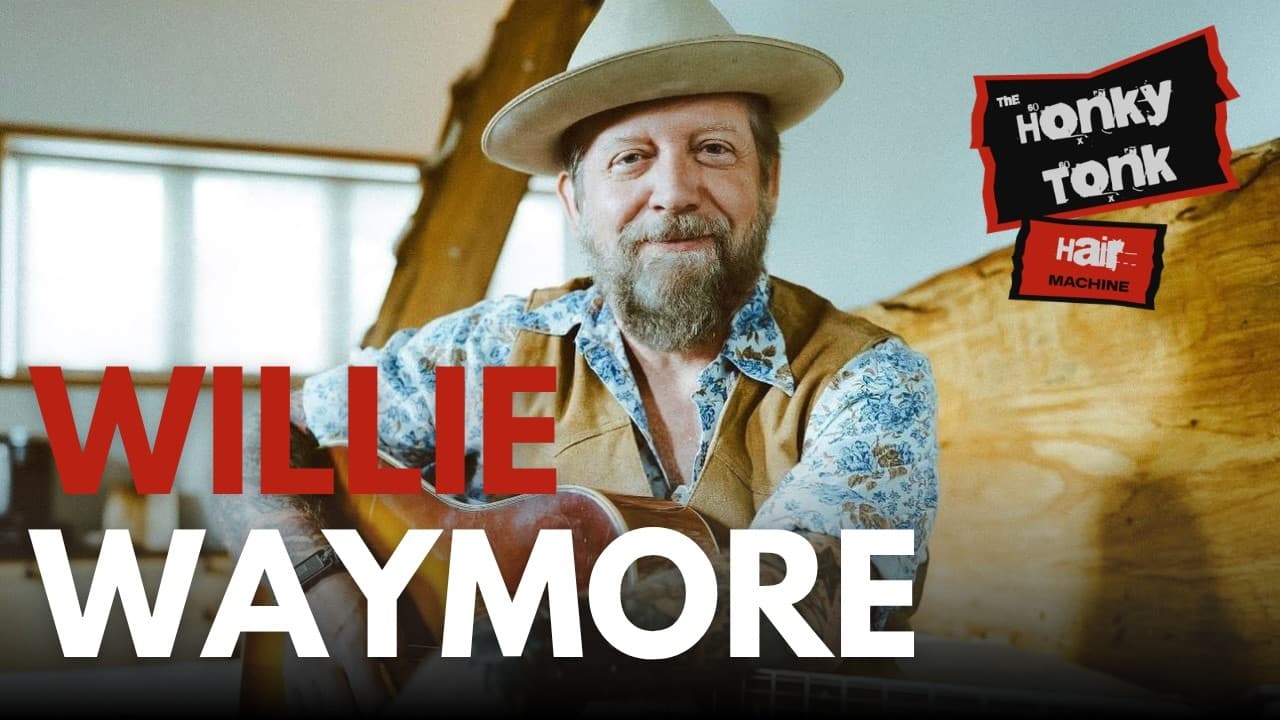
Willie Waymore
Road Worn Honky Tonk & Modern Americana Music | Willie Waymore
The Rugged Revival — independent Country, Americana & Roots music. Live sessions, artist interviews and real music discovery. "Straight out of Atlanta, GA, The Waymores are a honky-tonk duo keeping country music raw, road-worn, and rooted in truth. Fronted by husband-and-wife team Kira Annalise and Willie Heath Neal, they blend unique vocals, honest storytelling, and a wry sense of humor into a sound that’s equal parts classic grit and modern Americana. Since joining forces in 2018, The Waymores have toured across the U.S., U.K., and Europe, sharing stages with Dale Watson, Wayne Hancock, Kelley Willis, Summer Dean, and Scott H. Biram. Their lively shows — full of heartbreak, honky-tonk energy, and banter — have earned them devoted fans on both sides of the Atlantic.Their third studio album, Greener Pastures (2023), produced by legendary hitmaker Shel Talmy (The Kinks, The Who, David Bowie), drew strong acclaim, with singles climbing the Alt-Country Specialty Chart and landing in the Top 10 alongside Tyler Childers, Colter Wall, and Lucinda Williams.Now, with their fourth album The Knot arriving in February 2026, The Waymores continue doing what they do best: singing about love, loss, and the miles between shows. Recorded in Nashville with rising producer Mose Wilson, The Knot brings wit, grit, and the easy chemistry the duo is known for.Whether nodding to tradition or twisting it with a modern grin, The Waymores keep one boot in the past and one on the gas — proving that country music is still about real stories, real songs, and the long road ahead." Subscribe to The Rugged Revival. Share it with your friends. Support independent music! Listen to the full podcast on Spotify: https://open.spotify.com/show/6wnHcgA73o1aiiKaz882vH?si=30aabdaa220a4628 Follow The Rugged Revival:Instagram: https://www.instagram.com/theruggedrevival/ TikTok: https://www.tiktok.com/@theruggedrevival Facebook: https://www.facebook.com/profile.php?id=100094507520679 Website: www.theruggedrevival.com Email: ruggedrevival@hotmail.com
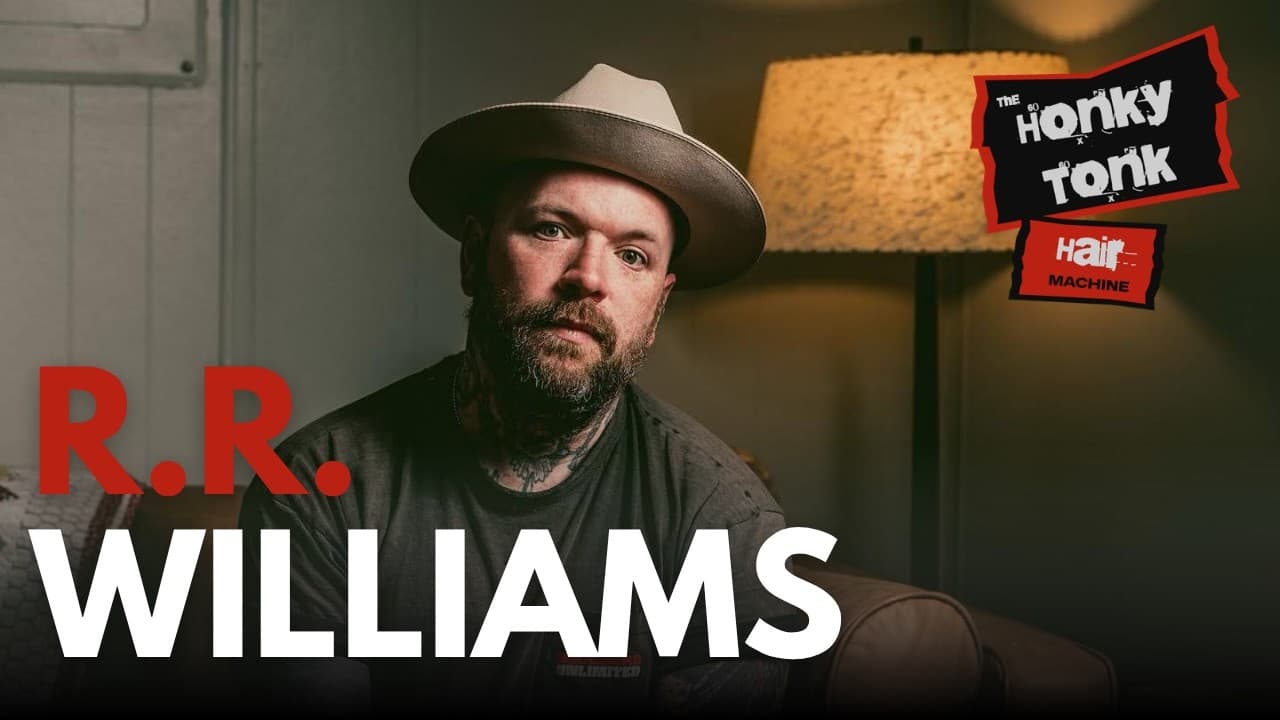
R.R. Williams - Raw Americana Rock & Honest Songwriting
R.R. Williams is a lot of things, and none of them are easily or quickly explained.These are songs about an American life from the honest-to-god user end, but believe you me- they waste not a single second muddling around in minutia. Williams’ writing quickly guides listeners straight into the belly of the beast; the deepest dwellings where the smoke is thick as the darkness; where we dare to ask our most honest questions of the universe. These are urgent matters; Purpose, Fate, Destiny, Redemption.There’s perverse and bizarre nuance to this modern life that doesn’t fit into a genre, a time, or a place necessarily. The fibers of the here don’t always intertwine with the fibers of the now as they once did, and the spaces where those knots have slipped are where these songs pick up the slack.But don’t let all this philosophical mumbo jumbo distract anyone from the fact that these are rock’n’roll songs. The radio may want you to think that thoughtful and expansive lyrics don’t pair well with catchy hooks and rowdy guitar tone, but R.R. Williams certainly doesn’t want you to think that. Not for a second.
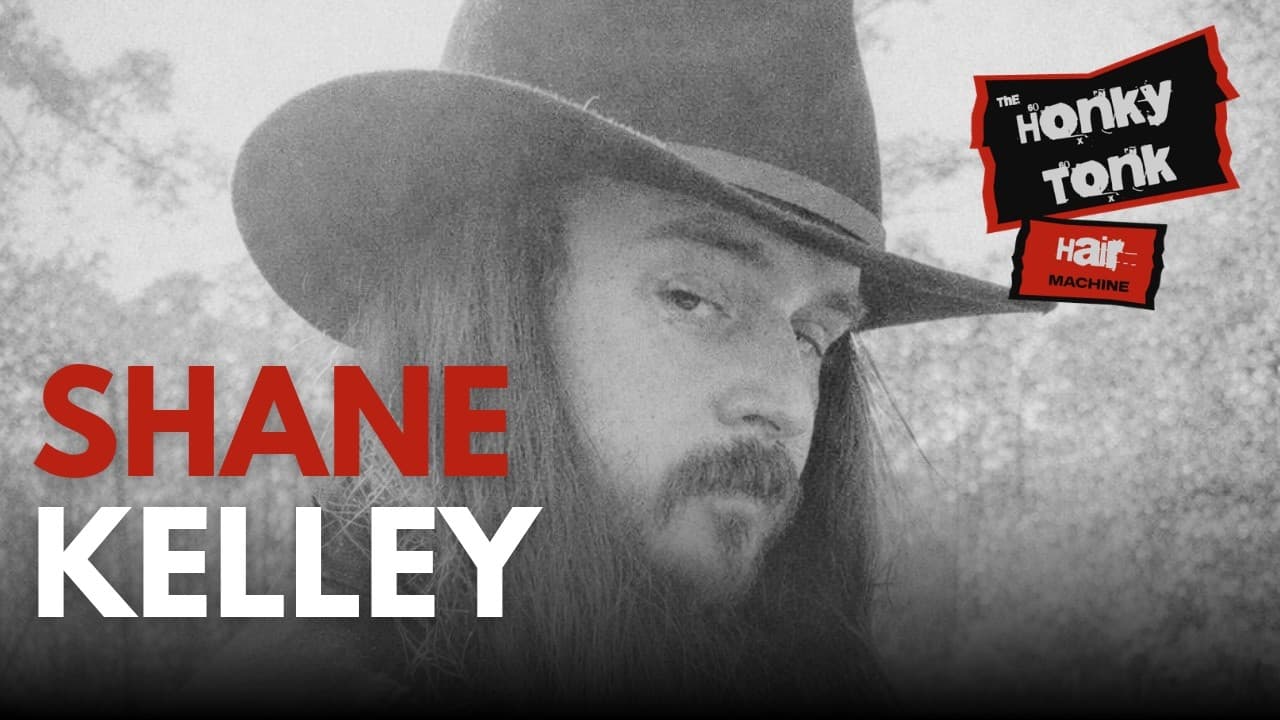
Shane Kelley
Shane Kelley - Powerful Blues Soul Inspired by Gregg Allman & Howlin’ Wolf | Rugged Revival
hane Kelley emerges from a small town just south of the Florida–Georgia line with a voice that carries the grit, soul, and raw power of classic blues. Drawing inspiration from legends like Gregg Allman and Howlin’ Wolf, his sound blends deep-rooted blues with rich storytelling and an unmistakable emotional edge.His debut album, Misery Like A Wheel, is a haunting and heartfelt introduction. The record weaves together traditional southern elements—banjo, mandolin, and fiddle—with dark, soulful melodies that feel both timeless and fresh. Every track reflects a journey shaped by struggle, resilience, and authenticity.Growing up surrounded by the strong musical traditions of the South, Kelley channels real-life experiences into songs that hit hard and stay with you. Misery Like A Wheel isn’t just an album—it’s a statement from an artist unafraid to be vulnerable and honest.If you’re a fan of raw blues, southern soul, and music that tells a story, this is one to turn up and feel.
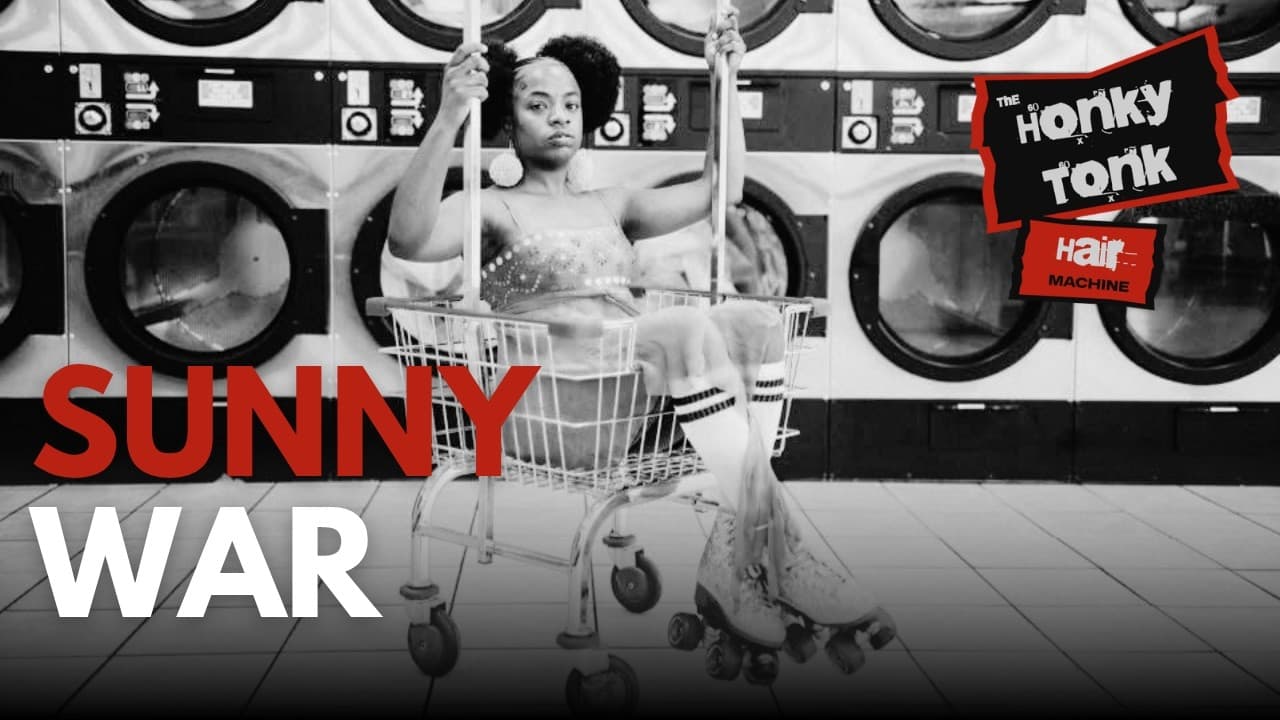
Sunny War
Sunny War - From Hardship to Folk-Blues Star | Rugged Revival
Sunny War enlivens traditional folk and blues by freshening her musical attack and writing lyrics that reflect 21st century concerns. Her first album, "Worthless", arrived in 2014, and she continued to gain attention as she built up a cult following that crested with the release of 2018's "With the Sun".Born Sydney Lyndella Ward to a single mother in Nashville, the singer/songwriter spent her childhood moving around the United States with her parent, spending significant time in both Nashville and the Detroit suburb of Rochester. During this time, she learned to love a wide variety of music, picking up the guitar at the age of 13. After she spent a rough period combating substance abuse and poverty, she gravitated to blues and folk and relocated to California settling in Venice Beach.Adopting the performing name Sunny War, she'd sometimes moonlight with her punk side band Anus Kings, but it was her folk-blues showcased on a self-released album that began to gain notice from local scenesters - including critics at LA Weekly. After a few years, she released her official debut, "Worthless", which appeared in 2014. A second independent record, "Red White and Blue", arrived in 2016.In 2018 Sunny War released, via Hen House Studios, "With the Sun", After that album, she moved from Venice Beach to downtown Los Angeles, quickly delivering her next LP also on Hen House "Shell of a Girl", the following year. Her critically acclaimed EP "Can I Sit With You" premiered in 2020.