
Sunny War - From Hardship to Folk-Blues Star | Rugged Revival
Watch on YouTube
Subscribe for new episodes, Grit Sessions & more
Listen to this episode
In This Episode
There's something beautiful about watching someone build a career from the ground up, brick by brick, without a roadmap or a trust fund to fall back on. Sunny War's journey from busking on Venice Beach to becoming a compelling force in modern folk-blues is one of those stories that reminds you why independent music matters. But what strikes you most when talking with her isn't the triumph—it's the genuine uncertainty laced through every accomplishment, the way she describes herself as someone who doesn't quite know how to play banjo even as seasoned musicians tell her she shreds.
Born Sydney Lyndella Ward in Nashville, Sunny spent her childhood in motion. A mother who was raising her alone meant constant relocation—Nashville until age twelve, interspersed with stretches in Detroit with her grandmother, a period in Denver, and eventually Los Angeles. These weren't the comfortable moves of an upwardly mobile family; they were the necessary migrations of someone doing their best to survive. That unstable foundation could have crushed her musical ambitions before they started, but instead, it became the soil from which her most authentic work would grow.
I don't know where I'm at with the banjo, but people that play banjo tell me that I shred.
— Sunny War
The punk rock scene of Los Angeles became her sanctuary. As a teenager barely into high school, Sunny connected with her best friend Brian over a Black Flag t-shirt—that instant kinship that only band merchandise can create between two misfits. They started a punk band called Anis Kings, playing wherever teenagers were allowed to perform: all-ages venues, cafes willing to take a chance on kids with raw energy and something to prove. This wasn't the folk-blues world she'd eventually become known for, but it was essential. It taught her to perform, to connect with audiences, to believe that her voice mattered.
What's fascinating about Sunny's trajectory is how she didn't abandon this punk ethos when she moved toward folk and blues. Instead, she brought that DIY spirit, that anti-establishment sensibility, and that willingness to be raw and unflinching into genres often burdened by traditionalism. When she eventually picked up a banjo at twenty-three or twenty-four—purchased from a street musician friend named Eore who she'd been busking alongside on the Venice Beach boardwalk—she didn't learn to play "correctly." She learned to play *her way*, which turned out to be exactly what traditional folk music needed: a challenge, a disruption, a fresh attack.
There's a lot of young people making music, but there's not a lot of places for them to play shows.
— Sunny War
The album "Worthless" arrived in 2014 like a revelation. Here was someone taking the blues' legacy of expressing suffering and injustice and updating it for the twenty-first century. Not out of gimmickry, but out of necessity. Her follow-up, "With the Sun," proved this wasn't a one-off; Sunny had something to say, and she was going to keep saying it whether the folk establishment was ready or not. Her cult following grew precisely because she refused to play the game, refused to sand down the rough edges, refused to pretend her pain was quaint or nostalgic.
What emerges from her conversation is a woman still grappling with her own abilities, still learning, still uncertain in the way that authentic artists often are. She can't name the chords she plays but has been slowly working through a book of Beatles songs transcribed for banjo—for seven years. That's not dedication; that's obsession. That's someone who makes art because the alternative is unimaginable.
Sunny War represents what Americana and roots music can be when stripped of pretense: urgent, alive, refusing easy answers. She's not interested in celebrating a mythical American past. She's interested in singing about the present, about the margins, about the lives lived by people like her—people who moved around a lot, who didn't have much, who found community in unexpected places.
If you're looking for music that challenges you, that refuses sentiment without sacrificing emotion, that proves you don't need a formal music education to be genuinely brilliant, Sunny War is your artist. Listen to the full episode and discover why her voice has become impossible to ignore in the roots music world.
I'll help you. I'll help you start a revolution for this Monday morning situation. >> What's up everybody? This is Cam aka the Honky Tonk Hair Machine for the Rugged Revival. And who am I with today? >> Sunny Ward. >> Sunny Ward. Thank you so much for joining me. Hey, so I like to ask this first question because I feel like it kind of gives us like a peak behind the curtain of who you are. So, if you don't mind, tell us where are you from and what was life like for you as a kid? Uh, I was born in Nashville, Tennessee, and I lived there till I was about 12. And then uh my mom married my stepfather and we moved to Los Angeles. Well, also before I was 12, I also spent a lot of time in Detroit, Michigan, living with my grandmother on and off. And then also at some random point, me and my mom lived in Denver, Colorado. >> Right on. Right on. So, I think you put a lot of that into your music. You know, you have very heartfelt music. So, when when did you start picking up the banjo? >> I didn't really start trying to play banjo till I was like I want to say like 23 or 24 or something like that. Like um I had a a busker friend of mine like I used to busk on the Venice Beach boardwalk and then I met this kid Eore from New York that was busking out there and we would jam together and we became friends. And at at some point he sold me his banjo cuz I was always interested in playing banjo but I never had one. So, I think I think I was like 23 or 24 or something when I bought a banjo from my friend. And then I saw like literally like right right like right behind me, that one right there that says, >> that's the one I bought from my friend Eore. And then the other one is like a more recent one I've gotten. I I I wouldn't I wouldn't say that I actually know how to play banjo, but banjo players have told me that I I shred. So like I don't know I don't know where I'm at with the banjo, but people that play banjo tell me that I'm good at banjo, but I also if you tell me to play a chord on the banjo, I can't play it like like I'm still kind of learning about it. I have and I have this really cool book that's like uh it's like Beatles songs transcribed for banjo that I've been going through for like the last like seven years where I have learned some of it and stuff and like I'm like it's like it's hard for me to memorize chords >> because I just only know guitar, you know, but it's like I can't memorize [ __ ] But I I do think I kind of slap on banjo. Like low key like >> Yeah. I've been following you on social media for a while. I' I've seen you tear it up on the banjo before. So So you've gone from like a like a busking type of stage and then you've moved to playing live in venues and on big stages. When did you start playing your original music live? I I started playing original music live with my first band and his kings. Like that was just started by me and my best friend in ninth grade. And like we were like just high school kids that we were playing punk shows, high school kid punk shows. Like so we were playing at like all ages venues in LA. And like the first place we played was uh a cafe called I almost want to say the talking stick. It wasn't the talking stick. That's a different cafe. But um Tribal Cafe, which was in um downtown LA, and it was just a place that like let teenagers like put on events and stuff. And it's like, and then we played also at the smell, which was like a punk club that was an all ages club, but like we just relied heavily on like any venue that allowed teenagers to put. And that's the thing that like people don't really think about. It's like there's a lot of young people making music, but there's not a lot of like places for them to play shows. Like it's like like teenagers cannot put on a show at a bar, you know? Like so like we just played at the places that allowed us to play and we got in touch with like really cool like older folk punk bands. I don't know. But that that was my first band. anis kings like we just put out a couple days ago on all >> like we just put out like our second record because we only had things on Band Camp. So now we just like are slowly releasing everything to all >> I don't know. >> Yeah. All the streaming platforms. >> Yeah. >> Yeah. Right on. But that like but like me and Brian were like 13 when we started first playing and stuff and it's like like I just saw Brian wearing a black flag t-shirt my freshman year in high school and I was like super into bad brains and like he was like a Mexican kid and then like it was like the black and the Mexican punk rockers of of the high school like like automatically like auto just we just became best friends and it was just automatic. >> It's the best thing like with like band shirts, you know, you see somebody in a shirt that you like, you're like you're my people, you're coming over with me. Yeah, I think when you're a teenager, it's like like the bands that somebody likes is like like now like I can appreciate a lot of things about what people listen to for different reasons. And I'm I may not identify with it, but I appreciate it. But I think when you're a kid, it's like black flag, bad brains. It's like it's like >> this is my this is my religion. Like I think when you're a teenager what you listen to is your religion. >> Yeah. You're looking for your tribe, you know, like your identity. >> You're like, "Oh, >> you're going through puberty." Like music is the most important thing to you. Like >> that's right. >> It like >> So with you playing um you know, you do a lot on stage. You're you're singing, you're playing guitar, you're playing banjo, and you're trying to put on like an entertaining show. What are some of the biggest challenges you face when doing all three of those things at the same time? >> Well, I've never played banjo on stage. I would like I would like to do that >> maybe for the first time this year. it. The the reason is is because banjos are so sensitive that I literally am afraid to travel with them. Like and and I've never I've never traveled with two instruments before. So like just me getting my guitar through an airport. I can't even imagine trying to also have a banjo. Like I know like there are thousand dollar guitar cases and banjo cases I can buy to like >> put them to I >> Yeah. Like flight cases and stuff. >> Yeah. >> Yes. It's >> I would like to have those but like I don't and and like I can't like if I if I was playing banjo in my set it would only be a couple songs. So, I can't like bring a banjo and a guitar unless I'm driving. Like, I can't like >> Yeah, there's a singer. >> I would like to try to do that. There's a singer out here, Joanna um Whacker, and she plays banjo and acoustic in her same set. And she's like, "Yeah, I have to schedule these songs in a way where I'm doing like three, four banjo songs and three, four acoustic songs so I'm not constantly going on and off, on and off with it. >> It's It's a lot to juggle. >> So, I think you and I come from like a real similar background growing up punk, getting into folk and country. Who are some of your favorite country artists slashfolk artists and who are some of your non artists that have inspired you the most? I see you got a conflict flag. Is that a gism picture up there? >> Yeah. What do you mean by non artist >> or not non-country or non-folk artist? >> I don't I don't listen to country. I don't I like don't like I feel like the only people that can be considered country that I that I'm really truly inspired by is like Gileian Welch and Dave Rawlings. And then I I love Hank Williams. I will say that I love Hank Williams. I love Johnny Cash, but I don't consider myself like a country fan. Like I I like I like c like I feel like the country that I like is the same [ __ ] that like musicians like. Like I like I can name five jazz artists that I [ __ ] with. I can name the same brandy genre, but I I wouldn't consider myself somebody that's like deeply invested in. But I do, it's like it did really move me the moments that I was into that [ __ ] Like Johnny Cash for sure is like somebody that's in my heart. Like Johnny Cash is like in my heart >> and and I think that's more like for music it's like when I say in my heart I mean the same thing for Public Enemy. It's like it doesn't genre is not >> right. >> I would say Johnny Cash is one of the only country artists that's in my heart. >> Like I've cried to that [ __ ] like >> Yeah. But but for like acoustic music like Elliot Smith but no but Gileian Welch and Dave Rawlings are like they are actually like the foundation of my guitar playing because like I grew up trying to imitate them as two people and I didn't know they were two people. >> Mhm. >> I actually thought they were one person playing guitar. So everything that I play is based on me trying to imitate them, thinking they were one person. >> Okay. Yeah, I get that. So, like I've I've been playing both of their guitar lines at the same time since I was a kid and and I still do. Like I don't I don't like play their covers like in my live set, but like when I was a busker, I played a lot of their songs and I was playing both of their parts, >> which says a lot about you. That's hard. >> I thought it was like normal. But it's like I also love Chad Atkins. I will I will also say I will also say Chad Atkins is in my heart as a guitarist like cuz like the rotating baselines and the playing the lead at the same time like I'm completely obsessed with and like Chad Atkins like not just Chad but like a lot of the old blues guys like Mississippi John and like and even like Elizabeth Cotton and [ __ ] like I was so obsessed with that [ __ ] where it's like I I don't even know if I even like blues and country. I just like the guitar work. I just like >> Mhm. >> the idea of playing a lead and a baseline and like how you have to like you have to trick yourself into playing those lines. Like when I learned Freight Train by Elizabeth Cotton, like I like how it's like a math problem. >> Yeah. >> It's like it doesn't make sense to play these things at the same time. Like I'm obsessed with that [ __ ] That's why I love Chad Atkins cuz I'm like like the first time I heard um him play Mr. Sandman like I was just like how the [ __ ] did he play? Like it's just like I just I love the and it's like a lot of times like when people cuz like when I was like a teenager like I was super like just a hardcore punk rocker like like just hardcore and then like when I started getting really into blues and country and like just like people were like what the [ __ ] is happening and I was like dude like I'm punk but like I'm I'm a guitarist before that [ __ ] Like I I don't understand how the [ __ ] he's playing that and I'm obsessed. >> Yeah. >> Like and I got obsessed. I was like I'm listening to Mississippi John Herd. Like I'm not >> like Yeah, I'm still punk, but like I'm a guitar player, too. And I don't understand how he's playing that. >> Yeah. It's It's crazy. >> And then there there became like a weird divide with me and my friends because like I got bored. I was like, "Bro, like I love punk rock, but like everything's power chords >> and I'm trying to like expand as a guitarist beyond that. Like it's has nothing to do with like I'm not punk. It's like punk is not it's not as like guitar complicated as Chad Atkins." And I and I like Chad Atkins now. >> Right. Yeah. the the the discharge rift that they're not challenging. >> I'm like I want to be like like but I always used I always use guitar as a way to like meditate. So like I didn't think of it as like like to me it was like you're supposed to always be playing something you can't play like trying to [ __ ] expand. >> Yeah. elevate >> like like I'm a shitty guitarist because there's so much more [ __ ] that I want to be able to play like but it really takes just like it's meditational like it's meditational and like there's there's nothing in any of the hardcore music that I listen to that I can't play but there's forever Chad Atkins records I can't play there's forever like Mississippi John her I can't play like It's good. >> I don't know. >> That's how I feel when I listen to someone like Lead Belly when they're playing those baselines and they're walking. >> It's [ __ ] insane. >> Yes, it is >> insane. Like any old blue [ __ ] if you try to play like even if you like get the tuning right. Like the [ __ ] they should be dtuned like it's not drop D. It's like lower than that. Like some of the [ __ ] it's like all over the place. But it's like just [ __ ] try to play. Like if you try to play that [ __ ] you'd be stuck on that for [ __ ] weeks, dude. Like that. Like >> there's no punk [ __ ] that I couldn't play within a day. >> Yeah. Yeah. Absolutely. >> This is what it is. But that's not why I like it. I like it for what they're saying. You know what I mean? I like the punk [ __ ] for what they're saying. >> Absolutely. >> Musically, I'm [ __ ] done with that [ __ ] Yeah. No, that makes sense. That really does. The messaging is there. >> [ __ ] amped though because of what they're saying. >> That's right. >> Well, musically, >> no. I want I want Ched Atkins and Lead Belly. Like, I want >> Um, so you've done a lot of touring. Is there anywhere you haven't toured that where you'd want to go? >> I I don't want to tour nowhere. I don't like touring. I like I like playing not like I'm not against anywhere or anything but it's like it's all just games. It's all like because it's all like inconvenient in a way. You know what I mean? Like >> expensive. >> I don't like being away from home. I don't like sleeping in a hotel. I don't like I'm I'm kind of a gym rat. Like I don't I don't like my [ __ ] routine being interrupted. I also don't like not knowing anyone where I am. Like I don't like being on tour sucks. I don't like being away from my partner. I don't like >> not having a coffee. Yeah, you're right. >> Coffee is really important to me. So, it's like like when I'm on the East Coast and it's like I for real can only go to Dunkin Donuts. Like that's just [ __ ] [ __ ] Dunkin Donuts, dude. >> They [ __ ] >> I don't like Starbucks. I don't like anything. Like I don't like I I want my coffee and I want my routine. >> Yeah, I get that. So, >> shows I like playing shows, but like I don't want to [ __ ] be in another city. Like, I don't like it. >> So, I really like how you've pulled, you know, you've maintained a really cool punk aesthetic with your style into your acoustic show. Tell me about your favorite onstage attire. Do you have like a go-to outfit that you like? My favorite attires probably just shorts and my 14hole Doc Martens and like fishnetss and like my void tank top. >> Yeah, I've seen you rocking your void tank top. That's cool. So, my friend, this brings us to the end of the road. Like I said, I like to keep it short and sweet. Do you have anything you'd like to promote? Any new music, shows? Anything coming out? >> Well, anus Kings just released uh Days of Rain album that was made 10 years ago. >> Mhm. >> And then that's it, I guess. And then I have like two shows in Florida, but I don't know. I think Anis Kings I would say listen to Days of Rain by Anis Kings. >> Absolutely. and we'll we'll do >> two teenagers, little angsty teenagers that was somehow just our friendship was radical actually the more I think about it like especially at that time like in LA it's very radical for a black and Mexican kid to like be best friends and be making music together because at that time like we were for the kids that in LA that lived in the real LA. There was a black and brown war going on at the time. So, it's actually >> like a it was a gang war between black and brown people in LA at the time that me and my best friend were making records. >> Yeah. Uniting the two uh factions there. >> Where can we find you on the socials? Um, Sunny Ward Music or just go to Andis King's Band on Instagram or Band Cam. >> All right, that sounds good. Well, thank you so much for sitting down with me and uh we'll talk again soon. >> All right, peace. All right, now >> bye, my friend. We'll talk later.
Comments
Keep listening
Related Episodes
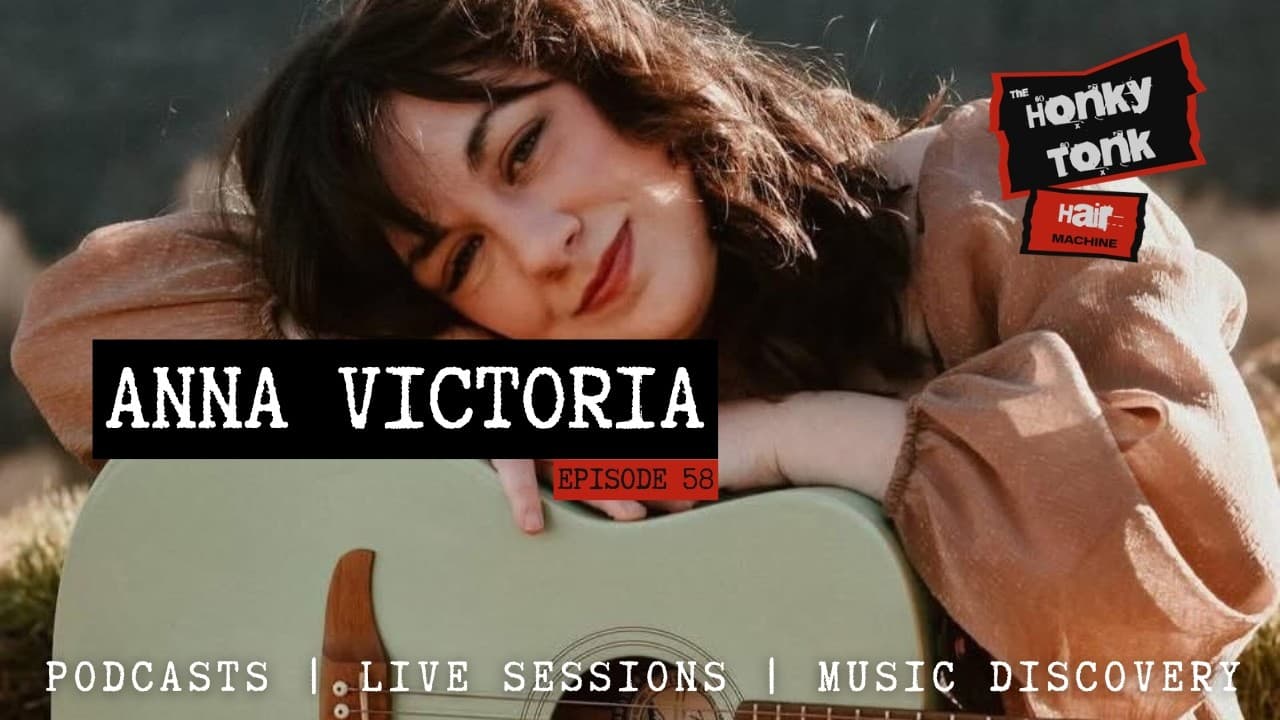
Anna Victoria
Inside North Carolina's Appalachian Music Scene | Anna Victoria
Anna Victoria joins Camden for an honest conversation about growing up in the mountains of North Carolina, discovering her voice as a songwriter and navigating life as an independent Country and Americana artist. We talk about learning to perform live, protecting her voice, finding confidence on stage, the influence of Appalachian music and artists such as Luke Combs, Sierra Ferrell and Dolly Parton, balancing music with motherhood, and the challenge of staying creative in a world driven by social media. It's a thoughtful conversation about music, family, creativity and staying true to yourself while building a career in independent music. Chapters 00:00 – Introductions, Weaverville, childhood. 02:00 – Singing, vocal health and beginning her musical journey. 06:00 – The pandemic, booking gigs and developing as a live performer. 09:00 – Coping with distractions, confidence and performing. 12:00 – Appalachian influences, Luke Combs, Sierra Ferrell, Dolly Parton and mountain songwriting. 15:00 – Family life, being a stay-at-home mum, social media and balancing music with everyday life. #lukecombs #sierraferrell #dollyparton Subscribe to The Rugged Revival. Share it with your friends. Support independent music! Listen to the full podcast on Spotify: https://open.spotify.com/show/6wnHcgA73o1aiiKaz882vH?si=30aabdaa220a4628 Follow The Rugged Revival: Instagram: https://www.instagram.com/theruggedrevival/ TikTok: https://www.tiktok.com/@theruggedrevival Facebook: https://www.facebook.com/profile.php?id=100094507520679 Website: www.theruggedrevival.com Email: ruggedrevival@hotmail.com
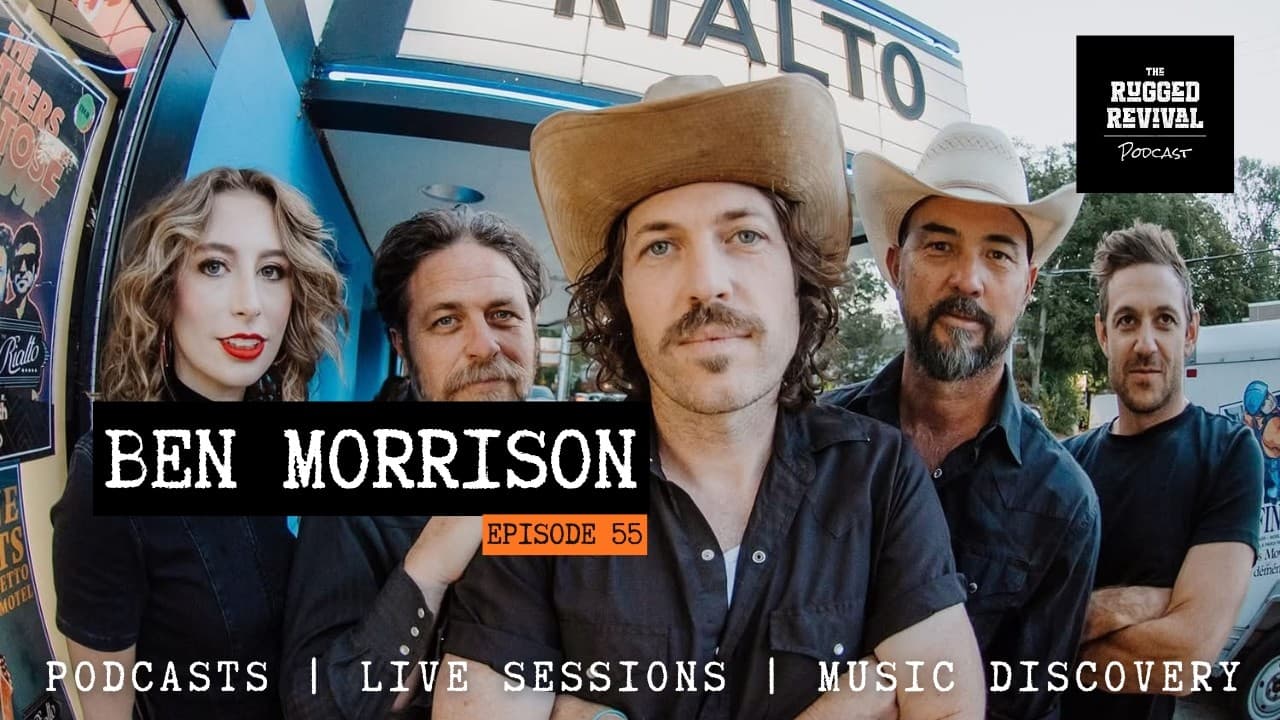
Ben Morrison
The Brothers Comatose: Ben Morrison on 18 Years of Music, Family & Touring
Ben Morrison of The Brothers Comatose joins the Rugged Revival Podcast for an honest conversation about nearly two decades ...
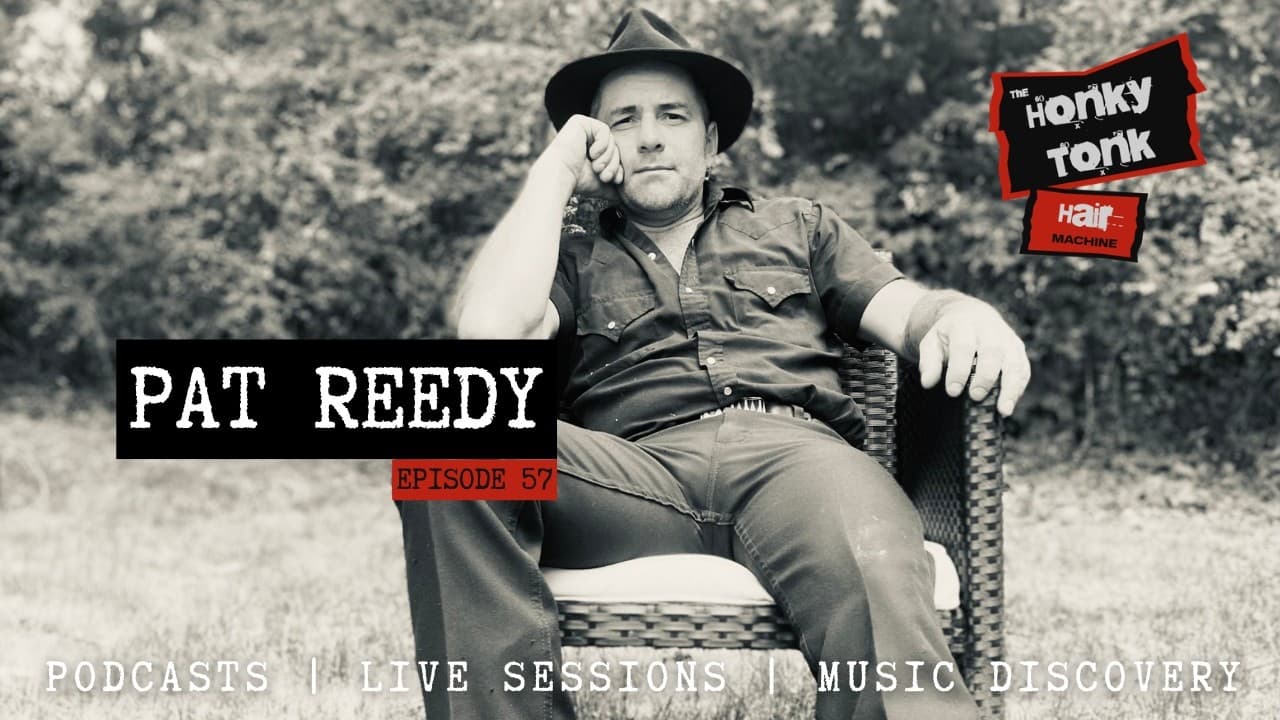
Pat Reedy
Pat Reedy on Busking, Nashville & Building a Country Music Career
Pat Reedy joins Camden to discuss leaving construction behind for country music, busking in New Orleans, life in Nashville, ...
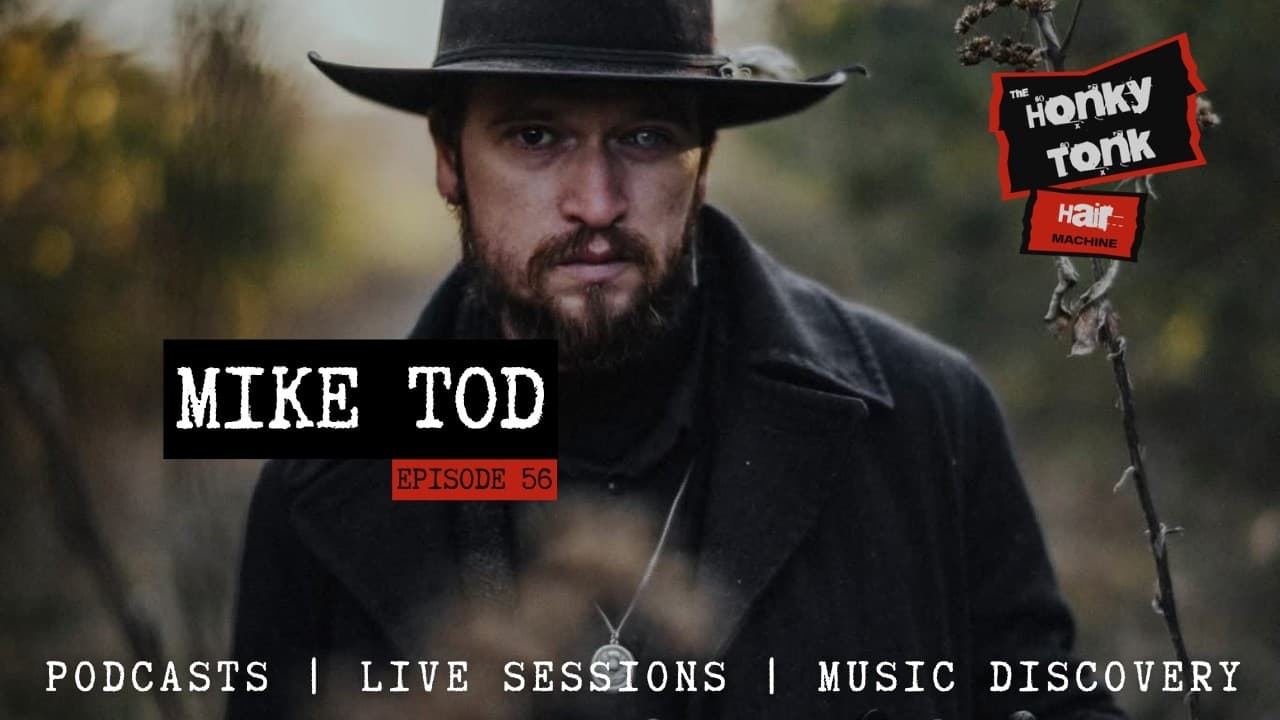
Mike Tod
Keeping Traditional Folk Music Alive in Nashville | Mike Tod Podcast
Mike Tod joins Camden to discuss traditional folk music, Canadian roots, life in Nashville, forgotten songs, unusual instruments and why preserving musical history still matters today.Originally from Canada and now based in Nashville, Mike explores the stories behind traditional songs, the connections between folk music around the world and how old music continues to influence modern artists. We also discuss his unique "Crankenstein" instrument, musical curiosity, collecting songs from the past and the importance of keeping traditions alive for future generations.Chapters00:00 Introduction00:00:30 Growing Up in Canada00:02:20 Discovering Music & The Crankenstein00:04:10 The Story Behind The Crankenstein00:05:20 Drones, Folk Traditions & Ancient Music00:08:10 Learning Guitar & Performing Original Songs00:09:40 Accessing Traditional Music in the Digital Age00:11:20 Researching Music History00:12:10 Playing The Crankenstein Live00:14:00 Creating Atmospheric Sounds & Live Performance00:16:00 Traditional Songs & Musical Origins00:17:50 The Artists Influencing Mike Today00:19:20 Studying Philosophy & Creative Thinking00:22:00 Horror, Heavy Music & Folk Culture00:24:00 Scottish Heritage & Family History00:27:10 Final ThoughtsSubscribe to The Rugged Revival. Share it with your friends. Support independent music!Listen to the full podcast on Spotify: https://open.spotify.com/show/6wnHcgA73o1aiiKaz882vH?si=30aabdaa220a4628Follow The Rugged Revival:Instagram: https://www.instagram.com/theruggedrevival/TikTok: https://www.tiktok.com/@theruggedrevivalFacebook: https://www.facebook.com/profile.php?id=100094507520679Website: www.theruggedrevival.comEmail: ruggedrevival@hotmail.com