
Jared Daws - Country/Americana Artist Residing in Mississippi | Rugged Revival
Watch on YouTube
Subscribe for new episodes, Grit Sessions & more
Listen to this episode
In This Episode
When Jared Daws decided to trade the chaos of city life for a small town in Mississippi, he wasn't running away—he was running toward something quieter, something better. That distinction matters, especially in the Americana landscape where so many artists mine their struggles for lyrical gold. Daws has done the hard work of actually changing his life, and now, five years settled in Prickett, Mississippi, he's finally in a position to make the music he's always wanted to make.
There's something refreshingly honest about talking to an artist who doesn't romanticise their own past. Speaking on the Rugged Revival podcast, Daws recalls his younger days with the kind of clarity that only comes from genuine reflection. He was living fast in a city, hanging around the wrong people, making the kind of mistakes that felt inevitable at the time but inevitable only because he hadn't yet chosen differently. The turning point came when he met his now-wife and realised he wanted to go in a better direction. Rather than spin that narrative into some redemption anthem, Daws simply moved south, slowed down, and got to work.
I came from a city where there was a whole lot going on and that's just not my thing. I wanted to slow down a lot.
— Jared Daws
That journey from New Orleans native to Mississippi Gulf Coast resident mirrors a larger shift happening in American roots music. As cities become increasingly expensive and disconnected, more artists are discovering that the real creative fuel lies in smaller communities. The irony, of course, is that Daws came from a city built on music—New Orleans—yet found what he was looking for in quieter terrain. His musical heritage runs deep. His father's influence pulled him toward performance early, and since 2008 he's been involved in various projects, releasing EPs and singles across multiple genres before going solo in 2023. That eclectic approach isn't accidental. It reflects a city-born Latino raised on country music, someone whose musical DNA doesn't fit neatly into a single box.
What makes Daws particularly interesting is how he's navigated the financial realities of being an independent artist in the modern era. Music is now his full-time occupation, but he's realistic about what that means. It covers his needs—his survival—but not his wants. So he maintains flexibility. The barber skills he picked up remain in his back pocket, a reminder that having options is sometimes more valuable than having a single, all-consuming career. This pragmatism feels distinctly un-romantic compared to the starving artist narrative we're often fed, but it's infinitely more honest. Daws isn't grinding toward some mythical record deal or counting streams obsessively. He's simply making the music he wants to make while maintaining enough financial autonomy to keep doing it on his own terms.
I was kind of living fast in different ways and getting in trouble as a kid, hanging around some bad people. It was just time for a change.
— Jared Daws
Mississippi itself remains a relatively underrepresented region in modern Americana circles, despite its towering musical legacy. Tupelo produced Elvis. The Delta Blues emerged from the state's soil. Yet contemporary artists from the region don't get the same kind of attention that artists from Appalachia or Texas routinely command. Daws is helping change that equation. While Prickett itself might not have produced major musical figures, the surrounding area has—Chapel Heart, the recent America's Got Talent golden buzzer act, comes from nearby Poplarville. There's clearly something in the water here, some combination of tradition and community that sustains musicians.
The most compelling part of Daws' story, though, is how deliberate his choices have been. He didn't stumble into Mississippi by accident or get stuck there by circumstance. He chose it consciously as a place where he could build something stable enough to support his art. That's the kind of grounded thinking that often produces the best music—not the desperate hunger of someone with nothing to lose, but the focused determination of someone who's decided exactly what they want and arranged their life accordingly.
For anyone interested in where independent country and Americana is heading, Daws represents something worth paying attention to. He's neither trying to be the next big thing nor settling for obscurity. He's simply making music on his own terms from a place of genuine transformation. That's a story worth following.
So, we've got Jared Doors on this episode. How are we doing, Jared? You okay, mate? >> Doing good. How are you? >> Uh, superb, mate. Bit tired. Um, but it's only what, Tuesday now, but uh getting back into the swing of it after a heavy weekend, shall we say? Entertaining some boys. >> Is Labor Day a thing over there? Is that an American thing? >> That's an American thing. Yeah. So, I I know it's a Is it a big thing over where you guys are? >> Huge. >> Yeah. >> Huge. >> Yeah. like everybody like I was out camping and so my uh my brother and sister-in-law bought some some land out on the river and so the only way to get to it is by a boat and you're up on a cliff and so that's where we were for the weekend and there was just people on in in their boats all weekend long. >> Oh, that's >> they were doing like concert on the beach and stuff. >> That reminds me of like some old Allan Jackson videos where they're out on the was it the Florida >> lakes and stuff like that. That looks really cool. So, what what is Labor Day? You know, just for us UK folk, >> it's a day off. >> It's a reason to get drunk for most people. >> That sounds good. Well, maybe we should adopt that. I think we've adopted some other things like Thanksgiving just so it's an excuse that we can get drunk, have a day off, and uh yeah, pretend we're we're celebrating with you. But there you go. >> So So where are you currently based, mate? >> I'm based out of Pikin, Mississippi. Real south. >> Oh, sweet. I think you're the first guest that we've ever had on from that region. I was saying just before we come on, a lot of the guests we have on are from the Appalachin region or Texas and place like that. So, it's always nice to have someone from a different region. So, you can kind of educate us about what it's like there and uh what the scene is like um as well. >> So, what what is your hometown currently? What what's it like? Is it a good place to kind of work to raise a family? >> So, it's a it's a super small town. Um it's definitely a place to raise a family for sure. You know, there's a lot of good people here. A lot of good morals and stuff instilled in these um these people here. Um but there I mean there's not really a whole lot going on which is really why I moved here cuz I came from a city where there was a whole lot going on and that's just not my thing. It was just I wanted to slow down a lot. You know, I was kind of living fast in different ways and getting in trouble as a kid. And so, um, hanging around some bad people and, um, not all of them, but, you know, some of them. And it was just, it was just time for a change. And, you know, I ended up meeting my now wife some years back. And so, I just wanted to, uh, to go in a better direction. >> I hear you, man. That's uh, it's kind of what I did in the UK. I'm get as I'm getting older, I'm getting further and further out in the sticks and out in the country, and that that suits me just fine, mate. Absolutely. >> Yeah, cities aren't for me anymore. It's uh Yeah, it's like you say, you get mixed up in the wrong crowd, the wrong people, and uh it goes south pretty quick. But so is there any like um music icons or >> famous people or infamous people that are kind of synonymous with your your town where you are? >> Not my town, but Mississippi for sure. I mean, there's tons of people. Tupelo, Mississippi, you know, the Elvis, bunch of people came out of Mississippi. huge musicians have come out of uh Mississippi. A lot of blues, >> you know, we have like the Delta Blues and things like that. Um >> but no, not specifically my town, but right next door to it, there's a town called Poppplerville and um a new country act that kind of they I think they uh they were one of the people who got like the golden buzzer on America's Got Talent. They were called Chapel Heart. >> Oh, yeah. Yeah. And so they came from Poppplerville, which is literally this like the city over um 30 minutes away. But uh Piku and specifically, not that I know of. Um supposedly Janice Joplain's girlfriend lived here, but I think that might be the most notable thing adjacent to music maybe. But I'm also I just moved here about five years ago, so I'm not originally from here. So, you know, I'm still always learning. >> Yeah. Gotcha, mate. So, uh, is music a full-time occupation for you now? Are you still kind of doing the the day job? >> Uh, so music is full-time for me. Um, I do take jobs as I want to. Uh, cuz I was a barber. Um, so I still cut hair if I want to. Sometimes, like if I'm like, hey, you know, I want I need extra money. We're about to go do this. Um, music would take care of me nowadays, thankfully. Um, but that's all that it would do. It would it would it would take care of what I need but not what I want. And so if there's things that I want, I go and, you know, I'll go schedule myself. But, you know, if I was to quit, I'd be able to survive. >> Legend. It's uh it's nice to have that kind of financial freedom to delve into that. And it's, you know, I love speaking to people about, you know, if they're doing it full-time, if they're not, what what is the occupation they're doing? And some, you know, in my head, massive artists are still grinding out the day job, you know, uh whether it's painting cars, barbering, like you say, um it's just interesting to me. So, that's cool, man. So, let's go straight into the music. So, for for people that might not have heard of you before or your music, how would you go about describing it in your own words? I would say the type of music that I play is just country music that you're not going to hear on the radio. You know, I'm not I'm not playing pop country music. I'm playing songs that, you know, talk about real messages and real life real life issues and, you know, I'm not hating on the pop country stuff. Those dudes are doing their thing. They're making their money. It's just not where my heart and sound is at. And so, >> you know, for me, I'm I'm more adjacent to the singer songwriter side of things that you kind of you kind of feel like true grit and you hear, you know, real stories and things that the everyday person can relate to. >> Love it. Yeah. Like you say, I think pop country is has got a huge following, definitely out in the UK, as I mentioned. Um, and that seems to be where a lot of the money is. And I suppose it's easily to easy to get drawn into that particular if industry folk are contacting you and wanting to kind of promote you and or work with you. >> Is it is it something you've experienced where industry people have reached out trying to to to mold you in a different way perhaps? >> Oh yeah. Oh yeah. Yeah. Dude, there's been people have talked to me and they're like, "Man, you got such a great story. You've got a great voice, but you know, how do you feel about this artist?" And you know, I've told them like, "Hey, you know, that's just not what I'm into." And they get mad sometimes. They get mad. And um I'm just, you know, I can't be bought, bro. It's not It's not worth it to me. I got to get up and love what I do if I didn't. I've never been the type of person who could who could smile in your face and be, you know, upset behind the scenes. That's just not who I am. Like, I just I say it how I see it and say what I feel. And me me in a situation where I'm not doing what I where I'm doing what I don't like, it wouldn't last long. >> Yeah. Yeah. >> You know. Yeah. >> No, I love that about you, mate. It's uh it's very similar to people reaching out to us on a podcast. You know, we started out because of we wanted to speak to people like you, independent artists, and people doing it real authentically. Um >> yeah, >> and some people have been pitched. Um and it's no no nothing against them at all, but I think I I can't fake it. I can't fake interest in music I don't like or >> you know the reason why we did this in the first place. So yeah, I I I would just be faking it. Maybe I'll be in a bigger house. Maybe. >> Yeah, >> my wife might be happier, but um I certainly won't be happy doing that. >> Yeah. >> Cool, man. >> But um so yeah, I really want to kind of spend some time delving into your music. I I spent this week going through your tracks and going through your Facebook because I'm a nosy git anyway. Um, but it's just interesting to to get to know the person and you know I think that forms the basis a lot of my questions and you know you're getting a lot of attention for Road Dog. Uh that was put out not long ago was it and uh so rather than me kind of waffling me your way through it, do you want to talk about Road Dog um you know the the kind of inspiration for that and some of the reception uh which has been really positive >> around that. So yeah. Do you want to talk about that mate? >> Yeah. So, Road Dog has a has an interesting story because when I first wrote that song, I actually wrote it to try and sell it. And so, it was inspired by um by uh an interview that I saw on accident. So, I was on um maybe Instagram or something on reals and I'm always scrolling through trying to, you know, hear what other people are talking about, whatnot. And I saw a video um of Co Wetszel and I know a few Coetsel songs and but he was talking about something that you know I kind of agree with in a sense and it was they were asking him long story short kind of like how he felt about Tik Tok and social media and things like that and he said that he hated it because it's just and in the sense you know the internet tried to kill the touring musician you know it's there's so much of what can be seen online, people feel okay with uh just doing that instead of going out to shows and um great thankfully not everyone, you know, there concerts are still huge, don't get me wrong, but I I would be willing to bet that attendance has dropped since the internet has been able to make things more u you know, more viewable, easier, but uh he said, you know, he didn't he didn't like it. And he asked a question. He said, "What happened to all the road dogs? Where are all the road dogs at?" And I was just like, dude, that's something that I really, really relate to cuz like the internet's great and the internet's been very kind to me. Um, but at the end of the day, you know, I was born to older parents. You know, I'm I'm 31 and my mom is turning 70 this year. So, she didn't have me until later on in life, and I'm I'm one of eight siblings. So, my mom spent her whole life having kids. And, you know, by the time she got to me, they were just older. So they had my mom was born in the 50s. So back then my dad he was talking about when he was a musician the only way to get discovered was to go around and play. There was no internet to to feed your music to somebody. And so I've always really had the the values instilled in me that I need to get up in front of people and show them what I can do. And so I related to that message a lot. And so I wrote that song and um when I got finished with it, I just realized I I just wrote I wrote my own story. And so I had to be the person to sing it. I didn't want to I didn't want to push it off. You know, maybe if later on in life somebody wants to cut it, that's cool. I'd be fine with that. But I think that it was important for me to uh to send that message first. So >> yeah, >> this going to be Canada. I'm so close I can touch the dream that's on the wrong. And this life is taking me through the mud, but is everywhere I want. So I'm following the blood, but I'm a road dog. [Music] >> That's a cool story. I do like Co Wetzel. I think he he does a lot down in the Texas scene and >> he seems an honest dude. Um and he he's um yeah he's doing really well. Um so >> good on him man. And the reception to that and you know it's funny if you go through your Facebook you can see you know you sleeping with the award and uh stuff like that. So do you want to tell us uh about the the after part to that? >> Yeah. So, um, you know, we went to, uh, we went to Atlanta for the International Singer Songwriter Association Awards and they I'm trying to think I was I was nominated for like seven awards and uh, an award would come up and they had uh, bronze, silver, and gold for each one. And so you had three chances each one and award would pass and, you know, I didn't get it. Award would pass and didn't get it. And then they finally got to single of the year. They called the bronze. I was like, "Okay, you know, now I'm at two out of three if I could get this." Call the silver. And I was just like, "It's just not my year." And then I my dad said that he saw the guy look at the paper. And so this this organization's been around for six years now, and this is my first year being involved. Um, but there's a lot of people who've been since 2019, 2020, 21, you know, been in it a few years, enough to for people to know who you are, just as friends. And uh, this is my first year, so I only knew a couple people who I've known through the internet. My dad said that he just had a look on his face like he was like, I'm not sure that I've seen this guy here before. And my dad said in that moment he knew that I won. And then they called my name and I was just in such disbelief. I was just like, wow. you know, first year entry to win the gold was was wild. But then later on in the the show, it was announced that I don't know if you know how the Grammys work, but to to submit something to the Grammys. The Grammys is like a club and you have to be invited. And to be invited, you have to be noted. You have to be a notable, I guess, like a force in the music industry. and the international singer songwriter. I mean, it's brought people together all the way from as far as New Zealand to to us, you know, those people there that have flew from all over the world. And so, they announced that this year they've become a voting member of the Recording Academy for the Grammys. And because of that, anyone who won gold was able to submit uh for a nomination in the Grammys. >> Nice. >> And so, Road Dog has officially been submitted to the Grammys. >> That's superb, mate. Congratulations. And >> thank you. >> When when might you hear back uh about that? >> I think it's November 7th is the date that I saw that they start rolling out the the nomination list. >> So, we'll see. You know, winning winning obviously, I mean, there's just Chris Stapleton's in the Grammys, you know. So, but just to even get nominated, just to make the cut on the list, to be put next to those names would be a huge huge enough win for me. >> Yeah, that that's amazing. And and do you think it's the I say you mentioned they they've been involved in it for six years. Is that the intention of the was it the ISSA um to to kind of put more put forward more independent artists in in that sense to the Grammys? >> For sure. For sure. I mean, even if not just to the Grammys, they're they're all about independent artists. Miss Tammy Dove, the the founder, she's dude, she's an angel. She's done so much for artists like myself. So yeah, she's just that whole organization is really really pro- independent artist. So >> yeah, they've done a lot. >> Yeah, that's fantastic. And it's uh like you say, it's nice to see the recognition going filtering down and you don't have to have millions of followers to to get to that point. So you know, I love those sort of organizations and >> yeah, it's it's really good to see. So in terms of like um pulling Road Dog together and again I'm I'm really interested in the industry how it works you know we we kind of see um what's going on as a fly on the wall. We operate in a different space in the podcast world. So in terms of like the cost or the effort to make a a single um you know I've seen lots of like fees banded around in terms of what that involves. So per perhaps you know for the likes of me or for for people getting into the industry as an artist you know what what efforts do you have to put in what what funding you know is involved as a ballpark. >> So I'll say this the first thing first things first is you could pay anywhere from $500 for a song to $100,000. You know, it really just depends on who you're working with and what you deem worthy of your money. So, with with recording Road Dog, I the first thing that I you know, I did was I reached out to my now friend Pat Lions. And Pat Lions plays for a guy named Coulter Wall. And if you haven't heard Cter Wall, uh I'm envious of you to hear him for the first time. He's just an absolute an incredible musician. for one too, just you know the the Appalachin. He's got like a mix of like the the Appalachin the country singer songwriter folklore type sound and just sounds like he's been eating gravel his whole life. His voice is just it's something that you don't hear often if not ever. And so um so right off the top working with Pat Pat's the producer. So Pat's going to get a producer fee. So that's one of the the fees to remember. two. Um, so from there, I wrote the song, you know, I wrote Road Dog, I wrote the whole thing, sitting down on my couch, uh, me and the acoustic, wrote the song, wrote the lyrics, wrote the melodies. I sent it all to Pat. And then from there, Pat kind of figures, okay, this is what this song needs. These are the musicians I know can do this. And he he sends me different ones, kind of like their accolades, what they've done, who they work with. to Mattie Meyer. Um, and so I was like, I know I need to have I need to have Maddie over there playing. And um, so that's, you know, I have to pay Maddie. That's, you know, another musician fee. Um, we had Gregory Garner. Gregory Garner plays for a guy named Sam Barber and he's also on tour right now with Post Malone and he plays bass and so had to pay him. We had an organ player. Um, trying to think who else. Pat played the electric guitar and the pedal steel. And we took all of this to Nashville. We recorded at a studio called the Owl. So you have to pay for the studio time. Then uh Mitch Fur, he is the uh tracking and mixing engineer. You have to pay him for tracking and mixing. And then uh we sent it off to a guy named Mike Mansour to uh to master the track. And so you have to pay for mastering. So coming into it, you know, immediately depending on if you're traveling or not, you have to pay for traveling and lodge. You pay for a producer, you pay for your studio musicians, you pay for the studio, you pay for your tracking and mixing engineer and your mastering engineer. And in total, that will not be cheap. >> Yeah, man. It's uh I don't think people appreciate the amount of effort, like you say, you guys put into not just making the record. Um it's the marketing, it's the like I say, the production, the costs. Um it just it mounts up. It blows my mind, man. Um, in terms of, you know, the more I learn about the industry and then you got to go and market it and um, you know, >> how to pay for a video, how to pay for ads, how to pay for this and that, you know, >> it's uh, it's it's a minefield for sure, man. And, you know, I love learning about say the industry side of it. Uh, certainly about the social media side of it because some people love it, some people hate it. Um, it's free to use for the most part. It's what the I suppose the big wigs at these social places um take off of you in the end. And you put out an interesting post not long ago about the changes I think in Facebook monetization. Um you know I think that's an interesting topic to to perhaps talk about and you know I suppose a lot of you guys are are relying on on the money coming through from the socials too to help pay for that. So, so what's your experiences of there and what what what kind of impact has it had recently on you? >> So, with the way that Facebook's changing, they're changing right now. Facebook, the way you get paid out from Facebook's called the bonus program. And the bonus program is like an all-encompassing thing. Anything that you post, um, however much traction it generates, you're making money from that. So, they're changing from what I understand to the content monetization program, which is going to be focused more on the real side of things. And so, I know people who make money, including my own sister. I mean, my sister has over 100,000 followers on Facebook. And so, she makes photo post every day. Well, she's seen her her money get drastically cut because it's not reals. And so it seems like most platforms like even YouTube like YouTube shorts, Tik Toks are in the form of you know what Meta calls reals. Instagram and Facebook you know that's meta that's reals. Um all these all these like all these social media platforms are pushing content in the form of that short term like short form video vertical video content. And so with changing that, um, that affects a lot of what I make and that affects everything that my sister makes, uh, being a content creator. And so I I don't really know how that's all going to go. And, you know, I'm going to change gears to try and focus more on content based in that way. But it people's attention spans nowadays are so short that it's easier for them to just see like a funny picture like me me sleeping in the bed with the award as opposed to me making a video leading up to that point. Um but a lot of the people who support me are, you know, they are very supportive. So I feel confident that they will watch that kind of content. But on the surface level of things, it's just you have to have something that's going to catch somebody's attention so quick that a video versus a photo, I mean, a photo's right there, you know, you're not waiting to get to the point. Um, it affects all that kind of stuff. So, that actually changed over just yesterday, maybe. >> Yeah. >> So, we'll see. Today's Today's the first day of it really. >> It's interesting, mate. And um I think it just changes the way you think. Like you say, the way you think, the way you put stuff out and it just becomes for me less natural because you're you're thinking in a way that the algorithm wants you to to kind of put it out and it might not be the way that you talk or the way that you portray yourself. And I'm getting old, man. I'm 40 now. So trying to do all these reels and stuff, it's um >> you know, it's difficult. But we know as a podcast as well, we we're in a similar boat that we we've got to try and catch people's attention and >> it's difficult when you got long form conversations. So, >> you know, I'm not going to do clickbait. I refuse to do that. So, it might impact our our kind of viewership, but you know, >> we'll find a way to to kind of get get around that. But anyway, mate, let's talk more about your music because I was having a good listen earlier uh through Spotify and there's some great stuff on there and it's all all been released um according to Spotify in the last uh couple of years. So, you've been busy recording, putting stuff out there. So, do you want to talk a little bit about the other tracks? >> Yeah. So, I pretty much um >> I started with Runaway Train. That was the first song that I released and that came as a big shock to a lot of people because unbeknownst to people unless you grew up with me, I was raised up on country music. That was really what I was really into. And then later in life, all my friends were playing like rock and roll and heavy metal. So, I was really hard like into that scene. Um, and I love that music and still do. I'm not saying that I don't. But growing up as a kid, you know, kid bands don't want to play country music, you know, they want to play like rock and roll. They want to play stuff that, you know, that they think's cool. And so I was just like, "Yeah, I'm down to play music in any capacity." And so I really took off in that and did that for a long time and still, like I said, still love it. I still listen to heavy metal. Um, and I grew up listening to to R&B and I got into making music like that, you know. I just I love music in general. And so uh when I moved um over to Pikun, I realized it was a good opportunity for me to finally start doing what I've you know I've wanted to do for a long time and what my mom has been asking me to do forever, which was make country music. And you know, like I said, I grew up on it. I was raised on it. And uh I've always had a deep rooted passion for it. And Pikian is a small country town. And so I was finally in the one spot that if I was like if I did what I've always wanted to do, it would be perceived probably the best that it could be. And so when I started putting it out, the attraction grew really quick. Especially from like working in the barber shop, I had I had so many people in and out of the door that I was just like, "Hey, you know, I don't know if you saw this, but blah blah blah blah blah." And you know, they go and listen and they either like it or don't tell somebody. You know, it was just word of mouth that really and with my town being so small, the town that I'm in is so small, you could walk into a place and see the same person every other day. You know, you you kind of everyone's got their routine, so you know where everyone's at. So you can walk in and be like, "Hey, hey, Bill, hey Dave." You know, you know, they're sitting right there because that's what they do. And uh so it kind of became one of those things, you know, I'd go into a place and people were like, "Yeah, I heard your music. You know, it's, you know, it's really good." or if you know maybe they didn't say anything cuz they didn't like it, whatever it may be. And um from there uh the song that really got me my start was Fighter Boy. And so I I recorded Fighter Boy and uh with my friend Jordan and my friend Ben filmed the video for me and my friend Edgar let me shoot the video in his the top of his gym and then my friend David let me shoot the fighting portion of the video in his uh his MMA gym and I put it out on YouTube and it ended up taking off really quick and YouTube the YouTube suggestions on that video alone got it like 38 39,000 views. >> Wow. >> So, it was just I don't know. I hit some kind of good algorithm. >> I don't know how or why, but uh it started pushing it and so I started, you know, I got started getting like thousands of subscribers. Um so that worked out and the song got picked up by the the local radio stations from Louisiana where I'm originally from. It's in Mississippi now. It's on other stations around the country and it's just that song is the one that really showed me, okay, this can work out. And then I was still solo at the time and everyone's like, dude, like this is working out. You need to start getting a band together and all this kind of stuff. And I was like, you know what, you're right. And so I got lucky with the fact that one of my childhood best friends, Dylan, he married this girl, Katie. And Katie is an incredible singer, an incredible piano player. And so I had a direct access to her and uh she joined the band. And then my the dude who was working on all my guitars, John Wolverton, uh his drum, I mean his son was a drummer or is a drummer. And uh so I met him and now he's my drummer. And then through the radio station, they asked me if I needed anything else on the band and I was like, I would really love to have like a fiddle player and they're like, we know guy. And so they introduced me to Parker and uh Parker's in the band now. And so it kind of all just worked out that I guess, you know, YouTube did its thing and showed some people and my hometown liked what I was doing and it all just kind of worked out to to put me in the position that I am now. You know, I'm just I'm so thankful for picking in Mississippi. Man, they changed my life. >> I learned how to fight at a very early age. My brother was a fighter and my uncle all the same. Underneath the old oak tree in the middle of the yard, I shed some blood and tears and I earned my battle scars. >> That's awesome. Like you say, it just kind of all falls into place sometimes and >> it's meant to be and you you haven't stopped them and it's it's it's really cool to see that. And um you know just again being nosy going through Facebook and stuff like that trying to do some kind of semi- research as I do. Um but um it looks like you're selling your worldly possessions. So are you off to to another pasture or is it just uh just moving house? What what's kind of going on in your personal life at the minute? >> Yeah, so we're moving. Um but we're staying in Pikun. We're just moving to the opposite side of Pikian. We're getting right now I'm in a neighborhood that's out in the woods, but this time I'm moving to just like a house that's out in the woods. Um I'm going to go stay there for some time while I work on just getting everything else ready. We're going to build a house and um yeah, I'm just selling off everything cuz I'm downsizing and can't take it with me. And I just uh at this point with everything that's kind of happening and working out, it's it's time for like a a clean slate to just to just get everything that I need moving forward in place and just focus on that. Yeah. >> Cool. I thought I'd ask you cuz I thought, is he packing up and going to Nashville or somewhere? Really? >> Yeah. No, I could move to Nashville tomorrow if I wanted to. My aunt lives there. I have a house. I mean, I have a a room in her house that's, you know, got my stuff in it. >> Yeah. >> Yeah. I could be in Nashville. >> Do you spend any time over in Nashville or other other scenes at all? >> Yeah, I spend Yeah, I spend time in Nashville. I'm in Nashville probably every other month. Um, just working on things and whatever it may be, whatever brings me to Nashville. >> Cool. >> Recording or playing, whatever it may be. But yeah, I'm in Nashville pretty often. >> Awesome, man. Awesome. So, as an independent artist, I always like to say, you know, what what is the best thing because we always talk about, you know, the struggles or the the challenges you come up against, whether it's social media or whatnot, but um there's always going to be amazing stuff. Otherwise, you wouldn't do it. Um >> right. >> So, for your you your opinion, you know, what is the best thing about being independent? >> It's that I can do what I want. you know, there's not somebody telling me to to make this sound like this or to sound more like that or, you know, that at the end of the day, the money that I've made, I owe them like 80% of it. You know, this is which, granted, I have tons of expenses. You know, I have to pay the band, I have to pay for recording, I pay for everything. So, don't get me wrong, I am in some degree forking out 80%. But, uh, it's on my terms and it's it's with my sound. it's with the musicians of my choosing. You know, it's the it's the ability to say that, you know, I picked this. This is this is what I've created. You know, I don't have a label um surrounding me doing all those things. Um now, I'm not bashing labels at all. I'm still open to taking a label. uh it would just have to be under, you know, the right terms, you know, because there's a lot out there that just want to take what you've got going for you and, you know, reap the benefits of it. And which I get, you know, it's a business. You have to make the money, but there's just there's different ways to go about it. And I'm just I'm not going to give up who I am as an artist for that. >> Good on you, man. It's uh I'm seeing more and more kind of artist own labels out there in a minute. Maybe that's the the kind of premise to it is that they want to do things differently, do things the right way, and you know, bring people like you on board who have the same ethos. So, >> yeah, man. I'm I'm for sure there's going to be some good people and good labels out there to to watch out for. Um, >> for sure. >> So, if you can make wave a magic wand almost, you know, if there was just one particular thing that pisses you off to no end as an independent artist, what what would that be? What kind of springs to mind immediately? I think it's the stigma that you get from certain venues. Like they don't even want to talk to you because you're an independent artist. They're like, "Oh, I'm only dealing with these kind of artists and these kind of artists." And it's just like like I hear you cuz they once again it's business. Um but it's the fact that they don't even care about the sound of the music. You could be the worst band on earth and if somehow you could bring several hundred people through the door, they don't mind. You could just go in there and suck ass all night and they're like, "It doesn't matter." You know, these people are here to support these people. Cuz dude, there there's tons of bands that I've heard that in my opinion, I'm just like that's I just even musically, it doesn't even have to be a style of music that I'm into. I'm like, musically, this just doesn't even sonically sound good. And there's people who are just crazy about them because either a they had the budget to market, you know, there's something for everybody. Um, and so there's just I I feel like these venue owners and even just like labels and things like that in general, they don't want to give someone who doesn't have the big numbers time because they're not necessarily concerned about the sound. They're just concerned about the money you can generate. And so that sucks. At the same time, I get it because it's business. you have to make money. But it's just, you know, giving the some of the little guys a chance. I just wish that you'd see things like that more often because there's so many incredible singer songwriters out there and people who are making music that it just goes undiscovered because there's no one who's like willing to put the time and effort into somebody because they're they're just so worried about like Tik Tockers who who blow up and have like a huge following. the labels are pitching to them because the leg work has already been done by the algorithm. >> Yeah. >> So, >> yeah, for sure. And I'm seeing that all of the time. And it's frustrating. You know, I can go scrolling through Spotify and see artists with 100,000 listens a month. And and the people that I listen to primarily uh are nowhere near hitting those numbers, but they should be. >> And I I think a lot of it is down to that. either a viral moment, whether they're pitching to the right playlists. You know, I think a lot of it is to do with marketing and >> it it must be incredibly frustrating to to artists that, >> you know, amazing at the music, but the business side of it if you're on your own, you don't have the budget, you don't have the connections, you kind it must feel really isolating to those guys to >> to try and push on. You know, I've seen a lot of people duck out of the scene as well to say, I've just had enough of it. >> Um, and that's really disappointing to see. Uh but it I'm hoping things will change. Um it's got to change at some point with with new things coming out. >> But um but I suppose you know talking about things being a lonely place and um you know with with the constraints or the stresses put on artists these days, how do you personally kind of go go about maintaining mental clarity and making sure that you're you're doing all right and that you can continue doing what you're doing? That's a good question. You know, some days it's harder than others, for sure. I think I think that's why I lean on posting so much and just letting people know what's going on so that they're involved in ground like the ground zero of things because if I just sat alone with my thoughts and all that, you know, I feel like it would be rough. But I feel like part of me is that part of the reason for all that why I I feel like I stay above water is that I do keep everyone so involved. And so, you know, I have my friends reach out to me and they're like, "Hey, you know, I really feel like you you're doing this right." And um because I know just about as much as anybody else. Like, you know, I I I'm figuring this out as I go. And so that's why I I tend to include people a lot is just because I don't I don't really know what I'm doing. I'm just doing things to the best of my ability and making the smartest decisions that I feel gut-wise are right for me. And so I just keep the community involved and you know, they keep me pushing. They keep my head level. Um, and and I think it's just because I realize that at the end of the day, I'm not anything without my support that I don't sit here and I don't know. It it it's a hard, you know, it's a it's a multi-layered question, but I try to spend time that I'm not creating music, doing things that I enjoy. Um because there is times where there are times, excuse me, that I I definitely get caught up in the the hustle and bustle of everything doing with music and I don't give adequate time to other spots of my life, like things that I enjoy doing that I'm not looking for returns from. You know, I make music, of course, because I love it. But now, I have a band and I have bills. And so, at some point, you know, I have to do things that take shows and things like that that put me in positions to make the money to survive. Of course, I'm never going to make a song that I'm like, "Okay, I'm making this one because this one's a little more geared towards the pop side and maybe it'll make me a little more money." I'm not interested in that. Uh, but I do have to be smart about what I do because I lean so much on what I make from music. Um, so you know, I just try to spend time doing things that I still enjoy. You know, I'll I'll play on my Switch sometimes. I'll watch movies with my wife, you know, things like that. You know, I try and, like I said, keep the community involved and keep in contact with the people who are doing, you know, doing right by me. Um, and it keeps my head grounded and it keeps me out of those dark spots pretty often. Um, you know, I have physical health problems and so that's probably my biggest drawback mentally is just trying not to succumb to those kinds of things. Um, but everyone has it, you know. I feel like I'm not special. So, it's just it kind of keeps me to the point where it's like, you know, I'm going through this, but so is somebody else. And it it keeps me in the head space of I'm either going to let this take over me or I'm going to use it as fuel to be like, hey, I overcame this or I'm, you know, every day I have to overcome this to create music. So, you know, there's no excuse. You know, there's just so many ways my head goes about it. And I don't have a great answer or the right answer. It's just kind of what works for me most of the time. It doesn't work every day. >> Yeah. Um, but you know, it's just that's like the human condition, you know, it's just it's a struggle, but it's just part of it. If I had it all easy, I wouldn't be a storyteller. So, >> use it as fuel for for the next song, mate. >> That's it. It's fuel. >> It's um it's difficult like you say, you mentioned personal uh sorry, like physical um issues you've got and and being on the road constantly. I mean, you know, it opens my eyes these conversations about being on a road, you know, in a day probably 10 hours sometimes just to get to venue and back and, >> you know, you've got to be in in some kind of good physical condition unless you're fortunate enough like Jelly Roll perhaps to have a massive >> uh trailer taking you everywhere. >> You know, it's hard going. So, during the week, I suppose um you know, how often do you travel out? Where do you go to? So some weeks are busier than others. Um during the week if we're playing, you know, we're not traveling more than like we played a couple nights ago and that was 3 hours round trip. So that's not bad. You know, that's easy. Um during the week, it's not too bad. But if we have like a long stretch of things where we have to go to Nashville or like we had to go to Atlanta for 3 days for the the ISSA awards and things like that, you know, those are tougher. Those are, you know, long stretches where you're just sitting in the van and it it does wear and tear on you. You know, it's just you're especially mentally because you you're trying to for me sitting with my thoughts for seven hours is not a great thing, you know? you know, I'm always constantly doing something to uh, >> you know, maybe to escape some of that a little bit. And then the times that I do sit with my thoughts, I'm usually sitting there with a guitar. So that way I have something to to put all of that into. But the van makes that a little harder, you know, cuz not everyone's chatting for seven straight hours. Or sometimes people are sleeping and then it's just you and the sound of the road for a good four hours and I'm like, "Oh god, here here are the thoughts, you know, >> coming back." >> Yeah. Yeah. They creep up on you, man. And they're not always good, you know, because there is there's just so much there's so much gray area and so much question in all of this kind of stuff. Like I I have the struggle of when I write a good song, I never ever think that I'm going to be able to write a song as good or better. So like when Fighter Boy when I came out with Fighter Boy and Fighter Boy started doing good, I was like, I'm never going to be able to write a song this good. And then, you know, Road Dog comes along and I'm like, "Okay, well this is surely the end of my writing abilities. I'll never be able to write something better than this." And then now I have some songs in the works that I'm really stoked about. And you know, it's just it's weird because as much as you're able to recognize it as a cycle, it in the moment it doesn't compute to you that you've already been through this and you're going to get over it. In the moment, it's just like, oh my god, I'm never going to write another song about this. But my mind never seems to remember that I wrote Fighter Boy and then I wrote, you know, Come on Home, which was another really good song, and then I wrote Road Dog. But now, now when I wrote Road Dog, I was like, "Oh god, I'm never going to write a song better than this one." and then you end up writing another song and it's just I don't know man it's it's a vicious cycle you know mental mental health and all that kind of stuff but it's just I feel like that's where the songs come from so if I have to be a tortured artist I guess that's my calling >> definitely mate and um that was actually going to be my next question is like how do you raise the bar but then I suppose that's uh it's an odd question because >> you're not always looking to raise the bar and what defines good to one person someone might have a different >> the amount of people I speak to, let's say that the the the song that has done the best is the one that they didn't even not not care about, but they just didn't think it was a thing. It was just something that they needed to get out. They put it out there as a >> that's how I feel about Fighter Boy. It's written about >> my own, you know, I lost my brother when I was nine and so it's just not everyone's been through something like that and so I felt like it was very personal to me. But, you know, it's kind of like one of those things. You you hear a song you hear a song that doesn't even necessarily have to be about your own experience, but you kind of everyone has lost somebody to some degree. It doesn't have to be your brother. It could have been your friend. It could have been somebody else who lost their friend and you were with them while they were grieving. These songs like I guess you they create those those connections in your brain and you don't even realize that it doesn't necessarily have to be your exact story. It just has to be something that you relate to even in the tiniest bit and it causes those things to kind of like grasp to you. And so I wasn't expecting Fighter Boy to be that song. I was expecting Runaway Train to be more of that song cuz it it's kind of about trying to escape that 9 to5 lifestyle. And I don't know many people who enjoy the 9 toive lifestyle. They, you know, they end up working it most of the time, unfortunately, till they die. But at the same time, it's like you're always like, "Man, I hate this job. I wish I could get away from this blah blah blah blah blah." And that's what Runaway Train was written about was me getting away from the 9 to5 and going towards music and chasing what I wanted. And so it was kind of just like the the blueco collar like work force song. And I was like, you know, everyone will relate to this. And it it did okay. Like everyone still likes the song, but I put out Fighter Boy and everyone was like, dude, that's the song. And I was just like, I wasn't expecting that. It meant a lot to me, but I wasn't expecting it to mean so much to everyone else. >> Yeah, man. It's it's interesting how that how that comes about. And you know, I just love the way people draw inspiration. And I find it funny as well cuz some people go all of my tracks are autobiographical. You know, everything I'm I'm writing about or singing, you know, that that's me. That's what's happened in my life. But then you speak to other people. Um not saying we spoke to Copal at all. Um but I'm sure it was him that said it. It was like, well, how can it be autobiographical? You know, I'm singing about things in the olden times and you know, things that inspired me or things I've read and you know, so not everything has to, you know, relate to your own life. It's um >> it's just interesting how people draw upon that um those different inspirations. So, it's a cool process, man. Is there any >> kind of when you sit in the van or or at home with your guitar, is there a starting point that you always kind of have a have a process for yourself or is it just just come out however you want it to? >> Yeah. So, my process is always music first. I don't really ever have any lyrical concepts necessarily. I start with the music and then from there I kind of start humming out melodies to it and the words just fall in place for that. I pretty much just freestyle the words until I've come across something that I'm like that actually feels right and feels, you know, it's something that's real for me. >> Yeah, it's always me first. >> Awesome. So, in in terms of looking at the future and and how people can even support you, what what's coming up next? Um what are you up to? So, we're going to start um which I haven't I haven't announced this um but I'm fine announcing it here. Um we're going to start in October the process of recording the next album. And so, um, you know, I have like Patreon and all those kinds of things set up to where people who would like to, um, get on board with, you know, it's hard to ask people for their money cuz money has become, I feel like, less and less valuable. Um, or less and less not valuable, but less and less. It doesn't go as far, you know. So to ask people for their money when things are so tough, at least here in America, um um you know, it it's hard to do, but at the same time, the people who support me, uh you know, the day that I launched my Patreon, I had 11 people immediately sign up. And so that, you know, that helped out a lot because that just that keeps that that reoccurring, you know, just knowing, hey, there's some funds coming in that we can put towards marketing or put towards the the studio bill and all that kind of things. But yeah, so October we're going to start recording. Um, it'll for sure at least take a few months to get through the record, I know. And then it'll take some months to get all the marketing and stuff planning out. So, I would say probably looking at like a spring release maybe if I had to guess. Uh, but in that time, you know, I I think I'm going to go to some friends of mine and try and record some covers, things like that. You know, it's just content. You're constantly trying to it's it's like a wood burning stove and you're feeding it content, you know? >> That's a good analogy. >> Keep the fire going. And so, uh, but yeah, for sure we'll be we'll be starting the album. I've already started working on those songs. I'm really stoked about some of them. Um, some people have already heard some of the songs because, uh, I cut that little demo EP, Just Me and the Acoustic that I have released, and a few of those are going to make it to the record. Um, but yeah, that's that's really the big thing that's on the agenda. We have festival seasons coming up here in the United States, so we've got some really really big shows coming up. You know, thousands in attendance, thankfully. So hopefully that'll help kind of push everything out. We'll get some merch sold and maybe get some more people signed up on Patreon and things like that. So we'll see. You know, it's just one thing after the other. >> Awesome. We're we're rooting for you. So um we will definitely keep an eye out for that. And um so what what's your favorite festival when it comes to festival season? Where do you normally head to? >> Festival season? Honestly, it's locals. It's the local stuff. We're we're playing a huge show um in Louisiana uh called the at the Washington Parish Fair. They're having a Rodney Atkins and so Rodney Atkins was one of my favorite 2000s country singers. >> Oh, he's brilliant. >> Ever. And so uh we got asked to play with him and so that's just huge. It's just us and him that night. So that's going to be awesome. >> Wow. >> Um but yeah, it's typically local stuff. I mean I would love to travel for some festivals. uh we're just, you know, trying to create those create those opportunities to get those offers. So, I think this year will be a really good year for us um you know, ending out on these festivals and stuff like that and we'll just see what uh 2026 has. >> That's awesome, man. Have Have you got any plans ever to come to the UK? Has it ever been on your >> Oh, yeah. So, I've been to the UK actually, by the way. Just >> Oh, sweet. >> Yeah. Yeah. I've been to the UK when I was a kid. Um, I was a really, really smart child, which I feel dumb as hell now, so it's really funny to say that, but uh, because I was so smart, I got scouted by this government program called Peopleto People, and they do like they bring kids over there to represent like the the government here, and we go there and we're in Blazers every single day. Uh, you know, I went to the Queen's birthday parade. I went and met like the parliament. Um, we went to England, Ireland, Scotland, and Wales. And, um, it was awesome. But, uh, as far as playing, uh, dude, I I would love I'd love to, you know, I was I was in talks with some people over in the Netherlands about possibly coming there. So, we'll see what happens. >> Yeah, man. >> Over to Europe. >> You could have been a rocket scientist, but instead you are playing in a band, but >> I was a biology major in college. >> Wow. >> Now you're making me feel really stupid. >> No. No. Trust me, I'm the dumb one, dude. I promise you my brain has >> not not taken age well. >> Oh my Since I had kids about 12 years ago, my my brain cells I' I've probably got one left. Um so I'm doing all right. >> Yeah, man. >> Uh look, it's been a it's been awesome to talk to you. What what I do before we close up is um we have a bit of a pass the mic session. So the previous guest I they don't never know who is on the next podcast and I asked them to say well any question you want to ask him. could be rude. It could be anything really music related, not music related. And we had a Susanna Cleger, a UK artist on previous. And she was very kind to you, Jared. So, >> okay. >> Her question to you is, what is your favorite novel if you're a reader? >> I'm not. Um, >> but my uh let me think. I have written some books, but I don't like ever I don't I haven't sat down and read a book front to start in probably I'd give it at least 15 years. >> Me neither. >> Um, so I'm going to go The Hungry Hungry Caterpillar by Eric Carl. >> Oh, that's a classic, man. >> Classic. >> That's about my level, too. >> Yeah. Yeah. Me, too. >> Fantastic. And I I should know who I've got on next, but I just can't remember. But um so any question you want to ask them, I will write it down and I will 100% uh answer next. So what is yours mate? [Music] Have Okay, my question is if you've been on tour, have you ever had any close calls of almost using the bathroom on yourself? Cuz I have. >> Oh, really? You You're gonna have to tell us now. >> Yeah. So, long story short, my uh this is bad, dude. So, I was on tour with a band that I was uh that I was in back in 2015 and dude, I was I was about to pee on myself and I as dudes, it's a lot easier to to get out and go pee. So, I think they were purposefully not letting me get out to mess with me. And so I ended up having to piss in a pickle jar that we had in the van. And I I was very scared that at some point someone was going to take a sip of the brine, you know, cuz pissing in the pickle jar is not going to change the color too much, you know? So I kept telling people like, "Yo, do not do not take any sips of this. I have pissed in this pickle." Like >> Yeah. So that was uh Yeah. the the the pith pickle jar was was something. >> Oh, that's hilarious, mate. I I will certainly ask the next person. It's funny you say that because uh I said we had a couple of touring artists over well over in the UK at the minute for this week. Uh Cody Lee and Joe Clark. So, big up to those guys selling out in the UK um all week. That's awesome. >> But on their first night, they're like, "We want to try something uh UK traditional." And some reason people always pick curry. Um let's go for a curry. Let's go for a spicy curry. And I thought, well, the last thing you want is to to have a vindaloo or something and then go on stage and [ __ ] yourself. So, >> yeah, >> I'm not going to be responsible for that, man. >> I love spicy curry, but I'm not eating it before I perform. No, >> no, it's not worth the risk. >> But look, mate, it's uh it's been awesome having you on. I'm I'm glad to get to know you. And, you know, sometimes we just look at Facebook and it seems a bit of a a strange world we operate in. So, to have these conversations, we do appreciate it. Um, but yeah, guys, go out and follow, go check out Jared, his music, uh, his socials. Um, where's the best place to find you? Is it all over? Anywhere. I'm literally on any social but X. So, I mean, literally whatever you can find me anywhere you listen to music, anywhere you you doom scroll on social media. >> Sweet. >> I'm there. >> We will uh include the links in the uh episode description when this gets uploaded, mate. So, thanks for coming on again, dude. We'll speak again soon. >> Appreciate you.
Comments
Keep listening
Related Episodes
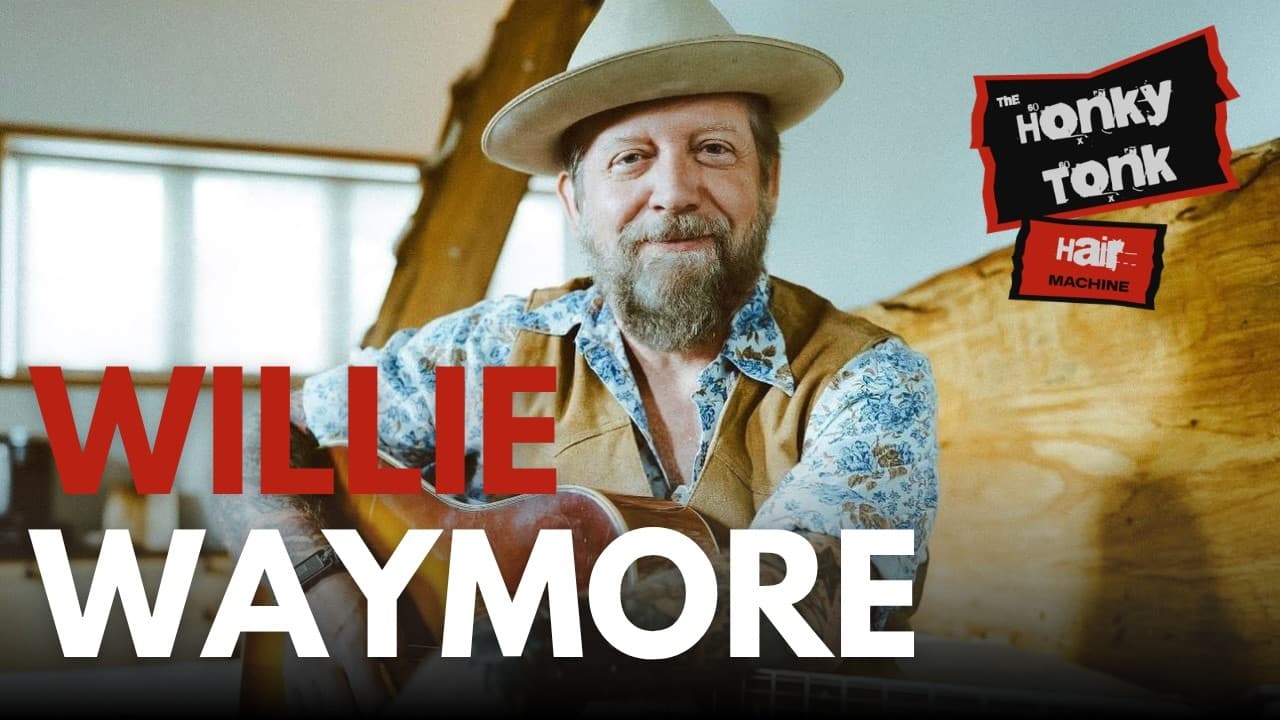
Willie Waymore
Road Worn Honky Tonk & Modern Americana Music | Willie Waymore
The Rugged Revival — independent Country, Americana & Roots music. Live sessions, artist interviews and real music discovery. "Straight out of Atlanta, GA, The Waymores are a honky-tonk duo keeping country music raw, road-worn, and rooted in truth. Fronted by husband-and-wife team Kira Annalise and Willie Heath Neal, they blend unique vocals, honest storytelling, and a wry sense of humor into a sound that’s equal parts classic grit and modern Americana. Since joining forces in 2018, The Waymores have toured across the U.S., U.K., and Europe, sharing stages with Dale Watson, Wayne Hancock, Kelley Willis, Summer Dean, and Scott H. Biram. Their lively shows — full of heartbreak, honky-tonk energy, and banter — have earned them devoted fans on both sides of the Atlantic.Their third studio album, Greener Pastures (2023), produced by legendary hitmaker Shel Talmy (The Kinks, The Who, David Bowie), drew strong acclaim, with singles climbing the Alt-Country Specialty Chart and landing in the Top 10 alongside Tyler Childers, Colter Wall, and Lucinda Williams.Now, with their fourth album The Knot arriving in February 2026, The Waymores continue doing what they do best: singing about love, loss, and the miles between shows. Recorded in Nashville with rising producer Mose Wilson, The Knot brings wit, grit, and the easy chemistry the duo is known for.Whether nodding to tradition or twisting it with a modern grin, The Waymores keep one boot in the past and one on the gas — proving that country music is still about real stories, real songs, and the long road ahead." Subscribe to The Rugged Revival. Share it with your friends. Support independent music! Listen to the full podcast on Spotify: https://open.spotify.com/show/6wnHcgA73o1aiiKaz882vH?si=30aabdaa220a4628 Follow The Rugged Revival:Instagram: https://www.instagram.com/theruggedrevival/ TikTok: https://www.tiktok.com/@theruggedrevival Facebook: https://www.facebook.com/profile.php?id=100094507520679 Website: www.theruggedrevival.com Email: ruggedrevival@hotmail.com
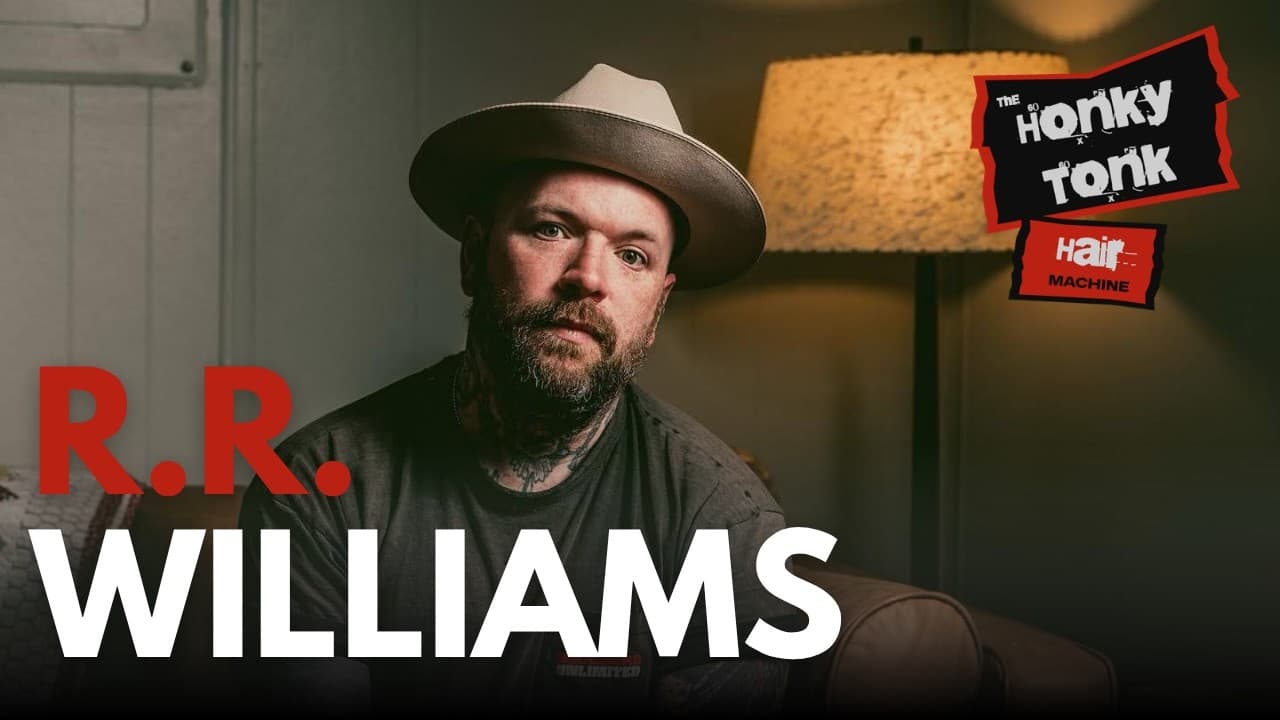
R.R. Williams - Raw Americana Rock & Honest Songwriting
R.R. Williams is a lot of things, and none of them are easily or quickly explained.These are songs about an American life from the honest-to-god user end, but believe you me- they waste not a single second muddling around in minutia. Williams’ writing quickly guides listeners straight into the belly of the beast; the deepest dwellings where the smoke is thick as the darkness; where we dare to ask our most honest questions of the universe. These are urgent matters; Purpose, Fate, Destiny, Redemption.There’s perverse and bizarre nuance to this modern life that doesn’t fit into a genre, a time, or a place necessarily. The fibers of the here don’t always intertwine with the fibers of the now as they once did, and the spaces where those knots have slipped are where these songs pick up the slack.But don’t let all this philosophical mumbo jumbo distract anyone from the fact that these are rock’n’roll songs. The radio may want you to think that thoughtful and expansive lyrics don’t pair well with catchy hooks and rowdy guitar tone, but R.R. Williams certainly doesn’t want you to think that. Not for a second.
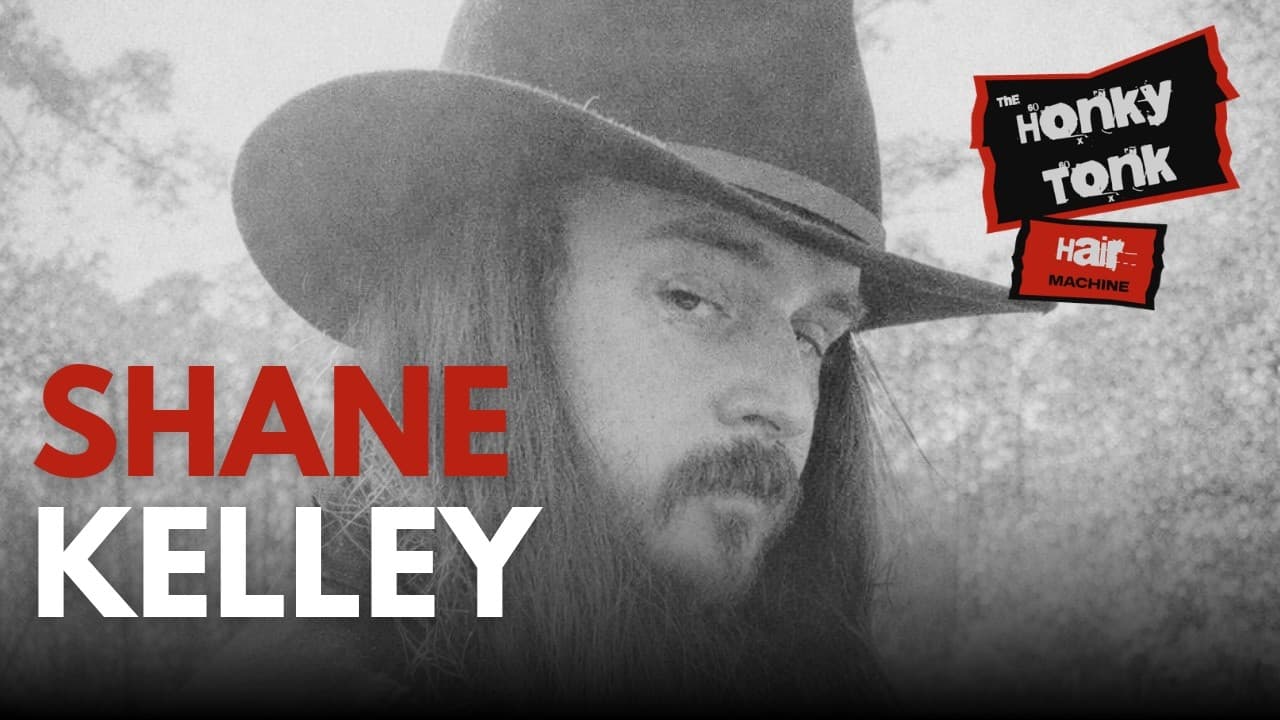
Shane Kelley
Shane Kelley - Powerful Blues Soul Inspired by Gregg Allman & Howlin’ Wolf | Rugged Revival
hane Kelley emerges from a small town just south of the Florida–Georgia line with a voice that carries the grit, soul, and raw power of classic blues. Drawing inspiration from legends like Gregg Allman and Howlin’ Wolf, his sound blends deep-rooted blues with rich storytelling and an unmistakable emotional edge.His debut album, Misery Like A Wheel, is a haunting and heartfelt introduction. The record weaves together traditional southern elements—banjo, mandolin, and fiddle—with dark, soulful melodies that feel both timeless and fresh. Every track reflects a journey shaped by struggle, resilience, and authenticity.Growing up surrounded by the strong musical traditions of the South, Kelley channels real-life experiences into songs that hit hard and stay with you. Misery Like A Wheel isn’t just an album—it’s a statement from an artist unafraid to be vulnerable and honest.If you’re a fan of raw blues, southern soul, and music that tells a story, this is one to turn up and feel.
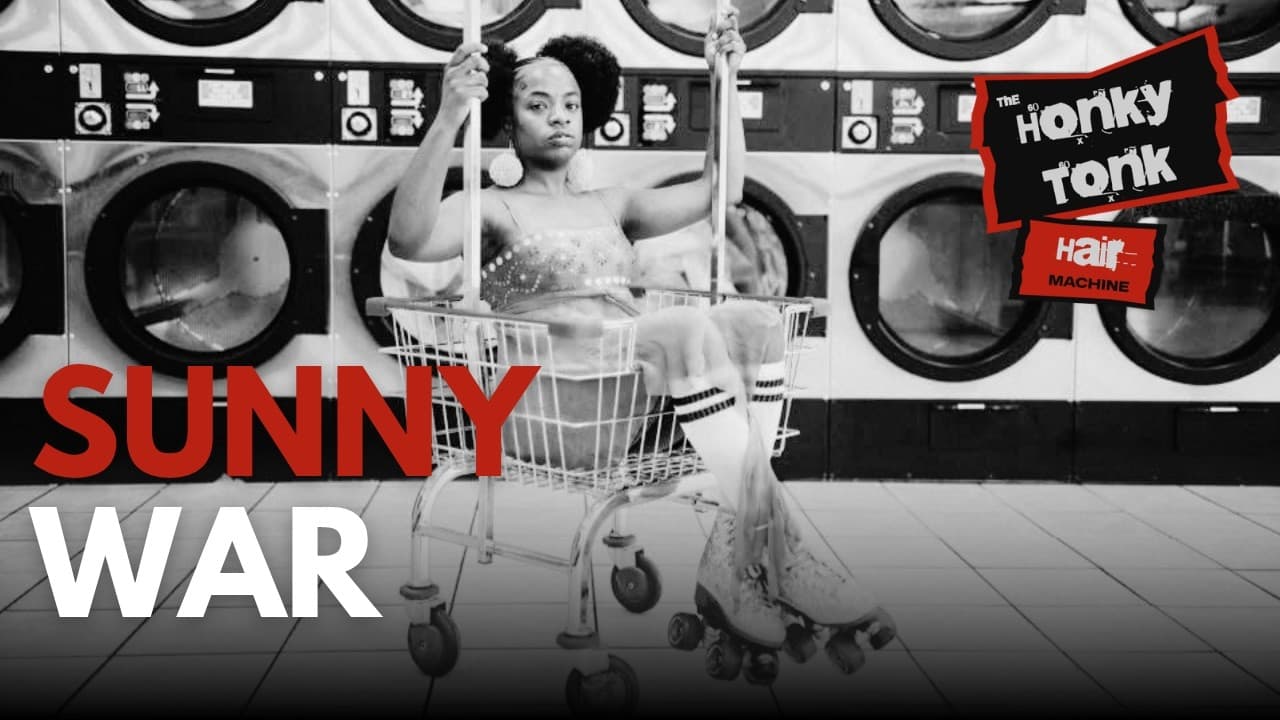
Sunny War
Sunny War - From Hardship to Folk-Blues Star | Rugged Revival
Sunny War enlivens traditional folk and blues by freshening her musical attack and writing lyrics that reflect 21st century concerns. Her first album, "Worthless", arrived in 2014, and she continued to gain attention as she built up a cult following that crested with the release of 2018's "With the Sun".Born Sydney Lyndella Ward to a single mother in Nashville, the singer/songwriter spent her childhood moving around the United States with her parent, spending significant time in both Nashville and the Detroit suburb of Rochester. During this time, she learned to love a wide variety of music, picking up the guitar at the age of 13. After she spent a rough period combating substance abuse and poverty, she gravitated to blues and folk and relocated to California settling in Venice Beach.Adopting the performing name Sunny War, she'd sometimes moonlight with her punk side band Anus Kings, but it was her folk-blues showcased on a self-released album that began to gain notice from local scenesters - including critics at LA Weekly. After a few years, she released her official debut, "Worthless", which appeared in 2014. A second independent record, "Red White and Blue", arrived in 2016.In 2018 Sunny War released, via Hen House Studios, "With the Sun", After that album, she moved from Venice Beach to downtown Los Angeles, quickly delivering her next LP also on Hen House "Shell of a Girl", the following year. Her critically acclaimed EP "Can I Sit With You" premiered in 2020.