
Walker Tex - Alt-Country from Glasgow | Modern Country with a Classic Soul | Rugged Revival
Watch on YouTube
Subscribe for new episodes, Grit Sessions & more
Listen to this episode
In This Episode
There's something quietly radical about a Scottish-born alt-country musician telling you that he grew up surrounded by army checkpoints and bomb sirens, that he originally wanted to play drums but his mum convinced him otherwise, and that he didn't seriously pick up a guitar again until 2019—just before the world went quiet and we all had nowhere to go but inward. Walker Tex isn't your typical country artist, but then again, nobody doing interesting work in this space anymore seems to be.
Hailing from Glasgow but shaped by formative years in 1990s Belfast, Walker carries the weight of lived experience in his voice. Alongside Wilson Lyons, a Northern Irish guitarist he met during those formative years, he's crafted something that feels both deeply rooted and refreshingly contemporary. Their partnership is built on a foundation of shared storytelling and musical chemistry—the kind that only develops when two musicians genuinely understand the weight of where they've come from.
I grew up in Belfast during the '90s with army on the streets, bombs—it was like a civil war zone almost.
— Walker Tex
What makes Walker's journey compelling isn't just the geography or the dramatic circumstances of his upbringing, but how consciously he's processed all of it into his craft. Speaking with refreshing honesty in a recent conversation, he reflected on growing up during the Troubles in Northern Ireland—a reality that shaped not just his worldview but his approach to songwriting. "You focus on your past traumas as an artist," he said matter-of-factly. It's this unflinching willingness to mine difficult terrain that gives his darker material its authenticity.
The musical path itself tells another story. Walker fell in love with grunge and heavy rock during his teenage years—Alice in Chains, Nirvana, Metallica—the sonic architects of his adolescence. There's something telling about how he mentions Jerry Cantrell's work and Alice Chains' ability to bridge metal and roots, to find the softer, more soulful side of heavy music. That same sensibility appears to run through his current work: alt-country that doesn't shy away from melancholy, that respects tradition while refusing to be bound by it.
You always focus on your past traumas as an artist, and that steered me into the darker side of writing.
— Walker Tex
His rediscovery of guitar in 2019, right before the pandemic forced the world to pause, feels almost cosmically timed. Suddenly there was space—literal, temporal, psychological space—to revisit something abandoned years earlier. What emerged from that period wasn't a desperate attempt to recapture lost time, but rather a mature musician finally ready to say something worth hearing. The difference between playing guitar at thirteen and picking it up again at thirty-five is everything: you've accumulated actual stories by then.
Wilson Lyons' intricate guitar work complements Walker's rich vocals in a way that suggests real collaboration, not just partnership of convenience. These are musicians who understand dynamics, who know when to step forward and when to create space. That's something you can't teach; it comes from years of playing together, from mutual respect, from genuinely caring about the songs you're trying to tell.
What Walker Tex and Wilson Lyons are building sits in that fertile space where country music meets modern sensibilities—where classic storytelling intersects with a contemporary edge. There's nostalgia here, sure, but it's the smart kind: the kind that knows where it came from and isn't interested in simple recreation. Instead, there's a hunger to honor the forms and traditions while pushing them somewhere new.
For anyone interested in alt-country that actually has something to say, that carries real lived experience rather than performing it, Walker Tex deserves your attention. This is music made by people who've earned the right to sound world-weary, who understand that the best country songs come from places of genuine reflection. The full episode reveals more about how these two musicians found each other and built something worth listening to—something that proves you don't need to be from Nashville or Austin to make country music that matters.
I'll help you. I'll help you start a revolution [music] for this Monday morning love situation. >> What's up everybody? This is Cam the Honky Tonk Hair Machine for the Rugged Revival. Who am I with today? >> With Walker Tax from Walker Tax and Wilson Lions. >> Hey, thanks for joining me, brother. I appreciate it. >> Thanks for having me. Really appreciate you getting me on here. >> Yeah, I think we've been circling each other on the social media for a little while. So, this is nice to connect. >> Yeah, I think we got a lot of friends in common. We've been seeing each other's stuff all over the place. So, it's nice to finally get to get to chat with you. >> Thanks, man. Well, I always like to open our conversation with this question because I really think it gives our listeners and our viewers a little peak behind the curtain, if you will. You can answer as elaborate or as little as you want. Okay. So, where are you from originally and what was life like for you as a kid? >> First part's easy. So, I'm from Scotland originally. In the second part, man, you're going all the way back. All the way back. So, I'm from Scotland originally and then I moved very early on to Belfast in Northern Ireland. So, I grew up in Belfast during the '9s. What that means when you're a kid is you're growing up with army on the streets, like bombs, like it was like civil war zone almost. It was a pretty pretty weird environment to be in. Um, yeah. So, it was a it was a weird weird time growing up in the 90s in Northern Ireland, but uh it made for some good stories and life experience, I guess. You know, you got to see the positive in these things. >> But, uh, yeah, kind of humble beginnings, you know. Um, I wasn't I wasn't born in the money, otherwise I'd be a lot bigger than I am. [laughter] Well, it's got to make for some good songwriting, right? You can kind of think back to a lot of that stuff. >> Yeah. You focus on like you always focus on your past traumas, I think, as as an artist. >> Absolutely. >> Yeah. So, I think it it did shape, you know, maybe that steered me into that darker side of of life and writing. >> That's right. It gives you gives you a little bit of a little bit of truth behind the stories, you know. >> Yeah. It's it's like life experience before you get old enough to to like kind of put it into practice. I think like a lot of the stuff I learned there, >> like I'm nearly I'm 37 this year. So, a lot of the stuff I learned growing up, you kind of think back now that you've got time and space to breathe and like writing songs about it as well. You kind of reflect on it and almost process a little bit. Not getting too deep for anyone, but >> you know, you kind of process those past traumas. So yeah, you got to have experience to do that as well. So >> So when did you actually uh start playing the guitar? >> So it was probably in my teenage years. Um I started listening to a lot of classic rock. Well, what classic rock was at the time for a guy my age, you know. Um Black Sabbath and like those sort of those sort of bands. But I was when I was a teenager, I really got into grunge music and you know Allison Chains, Nirvana, those those are the ones that really kind of pushed me towards it. I'm a huge Metallica fan as well. So yeah, that was um the teenage years when I discovered like good music, [laughter] I decided to I wanted to get into drums originally. Um but then my mom was like, "No, we'll we'll try you out in a guitar and if you nail it, then we'll get you drums." I was like, >> so we can have a volume knob on the guitar. >> Yeah, I could see through it even at that age, but I was like, you know what, compromise is compromise, I guess. So, >> yeah, I picked up the guitar. I I stopped for quite a while as well. So, I was playing for a good solid maybe five years from the age of 13 up and then I was moving around at the time um towards the later teenage years. So, it kind of took a backseat. I'd still fiddle every now and again, but I only kind of rediscovered it probably around 2019, right before the world stopped and we had all the time to to play around, you know. >> Yeah, it's interesting. You know, I find that a lot of um guys kind of within our age group. So, you know, I'm 40 now, but I remember growing up and listening to a lot of Allison Chains, and they they kind of bridged that world with like the metal and some um uh remind me, what's their uh Jerry Contrell? He's a guitar player. >> Yeah. Yeah. Jerry. >> Yeah, I know. He he comes from like a real roots based background, too. >> And his solo stuff is fantastic. If you haven't heard it, >> I I've dipped into a bit of it. I think it was like early 2000s when he was coming out with with some bits here and there. internals like it's just >> the way way he harmonizes the way his guitar sounds is just awesome. >> And like and James like discovered the kind of the softer side of grunge, you know, when when the they went off and done their mad season stuff, you know, and then all super group started coming out. So >> yeah, that's true. Yeah. You know, labels have a way of kind of wanting to leech on and and kind of get whatever money they can out of something that's getting some some notoriety. >> Yeah, big time. Big time. >> So, so you started playing again in 2019. When did you start playing your original music live? Um, so even even as a teenager, like I would dip into different bands as you do, you know, friends pick up instruments and you all get together and think you can we'll make a go with this and see where it takes us. >> So yeah, I think I've I've played, you know, back then it's like coffee shops and those little battle of the bands at local town halls and stuff. Yeah. >> Um, so kind of played a few young, >> but then yeah, that took a backseat. So it was only maybe in the last like we've been going since 2019. Maybe in the last two years we've started trying to play a lot more shows and like more music venues rather than, you know, little coffee shops and that sort of thing. >> Yeah. Um, so were you always in kind of like a like a roots country style band or were you doing some like grunge stuff early? >> No, like early on in the teenage years, one of the the first bands I got involved in the good friend of mine was into pop punk at the time. >> Okay. Yeah. >> I just I just wanted to be in a band. So he was like really into Blink 182 and I'm rocking all the heavy metal stuff, you know. I was like, you know what? I'll do it just so I get to play guitar with a few folks. >> So there was a lot of play loud and play live. >> Exactly. Yeah. So, there was a lot of that and then he he started getting into heavier stuff. So, like Avenge Sevenfold were just coming out at the time. >> Yeah. >> Can convince this guy to go heavier. We done >> we done a couple of little bits. Um, but yeah, I think I avoided writing for a long long time just because I don't know if it was a confidence thing or I just didn't have the the urge to be writing things down. When I got back into music and rediscovering that from 2019 onwards, that's when I started really sitting down and trying to understand the the process of songwriting. And you know, you look into academically, what does it mean to be a songwriter? And then you figure out nobody knows what they're doing anyway. So just, you know, write what comes out and don't worry about what what people are going to say or that. So >> yeah, we can iron the rest out later. We, you know, >> exactly like, you know, so I kind of brushed off what the rules were and figured I'm just do this because it's natural to me and that's that's the way I wanted to kind of pursue it. Well, and that's like the foundations with anything, right? Like you learn the rules so you know how to break them. >> Yeah. >> Work around that. >> You know, you have your foundational truths and then you you kind of go from there. >> Yeah, that's exactly it. >> So, you've got your hands full as as a performer. >> You're you're you're playing the guitar, you're singing your songs, and you want to be engaging and entertaining, right? Yeah. So, what what do you find to be some of the biggest challenges you face when doing all that stuff live? >> Like the the first biggest challenge is singing and playing guitar. Still, to me, that's the that's the first hurdle. >> It's uh it's kind of tough and that's why like Wilson um just really takes a lot of that pressure off. And we've got two new songs, Whiskey Star and Crossroads, where I don't need to play guitar, so I can just focus on singing. And it's the first time I've been able to do that. So there's there's live footage somewhere of us playing it in Wheelings and it's just classic. I don't know what to do with my hands when there's not guitar hanging off the airplane singing the song. So I think we I definitely I'm I'm fairly engaging with any audience. Like I spent uh a large portion of my life working in a sales job. I'm an introverted person and I like I know it seems cruddy doing a sales job, but I wanted like fast cash and doing sales is the easiest way to kind of do it with minimal skill set, you know? So, I got into that. So, I knew how to mimic like being outgoing and and talking to people and then over time that becomes natural. Um, and if you're kind of vibing with someone as well, like sharing musical experience or any kind of commonalities, it's a lot easier to kind of talk. So, I got really comfortable with like large rooms of people and like pitching things. So, >> using that kind of experience, I find it >> not easy. You still have to think of like how do you be funny? Is it the right time to be funny after a certain song or how do you introduce a certain song? There's a lot that goes in. I'm an over finger as well. So, like on the outside I can appear calm. On the inside I am panicking though. [laughter] >> Well, that's kind of like what they say, right? Like you get on there and you play a role until eventually you're no longer playing a role. Like this this is just it comes naturally and this is who you are, you know? And it's uh I think your first instinct is to I want to put on a good show and be engaging. >> So I better I better break out of this shell and start interacting with people and you know pull them into the stage and see what's going on with the crowd and the stage connection. >> Yeah, that's exactly it. And I love I love connecting with people. Like we done a show in Dublin recently and like I'll always like you know it's small bar rooms. I'll always go around and kind of thank everyone for coming along and get a chat and a sense of what they're kind of into and what's drawn them into the to the music as well. >> So, you kind of feel, you know, when you are up there, you can pick out those little people and be like, "Oh, I know this guy's going to enjoy that bit. It'll kind of look over and get his attention for a sec, you know." >> Yeah. It's almost um kind of in line with being like a good stand-up comedian. >> You got to get your timing right. >> Yeah. I I would definitely agree with that. That's something like I want to work on. You know, some of our songs get pretty serious, but I think it's always nice to come out of that roller coaster and bring a bit of laughter in to show that like it's not all bad. It's just written about one experience. 90% of life is happy and filled with joy. >> So, >> have you ever seen uh BJ Barham live in his solo sets? >> No, I don't think so. If you if you get a chance, go on YouTube and see if you can find some of his solo stuff live. He does a tremendous job of, you know, his songs are sad boy acoustic country Americana >> and then he gets up there and just has this way of shaking you out of the the sad moment of the song and then kind of making a joke of that in of itself. >> It's he's mastered it. It's it's really good. He should do a class on it. Yeah, I need I need to take some inspiration and some classes on that sort of stuff because it's it's definitely I enjoy it when I when I do it, but it's it's again it's like you have so much so much to remember and like I said, I'm an overinker. So when I'm up there like unless it's being recorded, >> there's not much I remember about the moment as well. It's just there's a lot of adrenaline and yeah, you don't want to I don't want to mess this up. And >> yeah, >> and you know, some of that can even be your particular brand. You know, it's like when I go see Walker Text live, I know, you know, the type of personality and character I'm going to be engaging with. >> Yeah. >> Yeah. So, not everybody needs to be like, you know, the funniest guy on stage or the most engaging. You're like, this is this is what we're getting. >> Yeah. I think that's where a lot of social media side of it comes in as well. You know, a lot of people are going to >> look and see like, what are we what are we getting into? what kind of style of music and then you know the more personable reels that might be out there as well. >> So you touched on this bit a little bit um earlier with your grunge influences but as of today who are your biggest country and non-country influences today. >> Biggest biggest country influence right now is Charlie Crockett. >> Oh yeah, >> that's the biggest one for a lot of different reasons. Like I I love his style, his nod to the old school country guys. I think is just perfect. I've been see him live and I think he really he really does what I imagine those shows to have been like way back when >> and I could tell he puts a lot into it, you know. >> Yeah, he did his homework. >> Yeah, exactly. And like I look at footage of him playing like you know the the New York subway and stuff when he's totally different style. Like I love to see that that journey. A lot of people like find it kind of, you know, they'll look back on the the early stages of their career, they might cringe a little. Say always say embrace it because it's part of your history and who you are and it got you to where you need to be. >> Totally agree. Yeah. Yeah. I mean, look, we've all got that, right? I mean, geez, I've got footage of my earlier bands and pictures I'm just like, "Oh, >> yep. You're breathy. you know, you'll still shed it like a little smile or something, you know, when you see >> Absolutely. >> Um, country is >> like it's it's got to be Metallica, I think, of like all time, you know. I can remember them when I was really young and I listen to them all through my teenage years. Still listen to them now up to a certain album. Um, and after that I kind of I'll listen, but I'm not going to go out and buy certain records. But everything up to St. Anger I think is my >> is my Metallica years. >> I think you can still find inspiration in there, right? Like if if you know we all have our our idols that we hold on to and you know like for me you know growing up it was Ramones and Misfits >> and even at this point you know I'm still going to look to that and especially with Motorhead that's where I look and pull that's I mean Mohead for me is what got me into the western shirts and hats and boots anyway. And then and then I saw Whan. I said, "Oh, these are the same guys." [laughter] So you look back at Metallica and yeah, there's those chunk of albums that you're kind of like, "All right, what are we doing?" You know, where where did the Metallica go that I know and love? >> Yeah. >> But I look at them and say, "All right, there's something in there. There's still some some magic in there, >> you know, like Saint Anger sounds like they're they're drumming on recycle bins, but [laughter] and that that's okay, too, you know." Yeah, I'd say they're trying to change. I think for me it was all the like there there was those certain songs that kept coming up every now and again with Metallica where it had that country vibe, you know, and then of course when they covered uh Turn the Page, Bob Seager that was that was just perfect. They've got a bunch of those like outlaw country style songs that just they just get me going. You mentioned you mentioned you're into the the into the Misfits. So, I gotta ask, what's your favorite Misfits record? >> Oh, man. I I I love all things Misfits, but I there's an early era with Static Age that I think is really pure and real artful. >> Sure. >> But then, you know, of course, you get to, you know, later with Earth AD, and I feel like they really fleshed it out, and that's where like the the scary, angry >> Yeah. real version of Misfits came out that we all know today. And then, you know, unfortunately that that era kind of just like fell off. You know, they've got their numbers of reasons, but I know I really love the root part of that and then I like the the what turned into hardcore kind of thing, you know. So, there's and you know, there there's that in between stuff there as well. But >> yeah, >> but I'm assuming you've heard the James Hetfield Country album. Someone else mentioned this and I don't embarrassingly enough I don't think I have. I've seen there was these live clippets that someone had sent me. Um, and he I think he does a bit of that kind of country element, but I still haven't heard this uh this country. Is it on is it on Spotify? I >> think I came across it on um on YouTube or there was like another pirated link at some point, but I think I definitely saw it on YouTube. But he was even a uh he played a cowboy in a western movie a bit back. >> Really? >> I can't believe I missed this. >> Yeah. Um if you haven't read Zack Wild's biography, there's a whole chapter in there with him hanging out with James Heffield. They're shooting guns, riding motorcycles. >> Yeah. So, he's he's definitely a country boy at heart, too. >> Oh, yeah. That's awesome. I got some homework to do. >> Yeah, you do. Yeah. So, I know you've you've done I've seen you online. You've done some like grip of shows here and there. Um, where have you not toured to that you'd want to go to? >> For us, it's the it's the states and like more so like I always had this dream of like I I love California. I go there like just religiously. Um, and I think it's somewhere I' I'd love to do and it's just because of the the experiences I've already had going around certain parts there. There's these little, you know, little spots you're just like this would be this would be a great place to one just sit and do some writing and two play a show. I think that's that's where I would start. I know it's kind of like why wouldn't you go to, you know, a Tennessee or something like that where the where the music is hopping, but I think it's, you know, it's oversaturated down there at the minute as well. And you've got you've got like nine to five songwriters in this day and age and [ __ ] It's just >> Yeah, they're little out there. >> Yeah. I I don't mind competition. However, you go to somewhere that's oversaturated. I think there's an element of you almost got to have an ego and kind of be that attention seeker to get just noticed before you've even lifted your hand to a guitar. You've got to have have that about you. I think I'm too laidback for that, though. I think uh what tends to come with that too is a compromise of the integrity of the art. You know, you find yourself doing silly things and that's why I I struggle with social media with that bit is, you know, you start seeing people do silly stuff and skits and just to get the hey, look at me. >> Yeah. >> Stream my song. I mean, look, man, you're not going to see, you know, Danzig out there dancing in a Walmart parking lot getting streams, you know? I I would find it hard to believe if you saw even Whan Jennings back in the day doing that kind of stuff, you know? It's it feels >> like I I agree with that. That's that's what gets me about social media is again it goes back to that you kind of feel like you're an attention seeker. That's that's the only way I can [clears throat] describe it. And I I post a lot, but I try and not cross that threshold of, you know, cheesy. And if it comes across that way, like I can still put my name on it and be like, well, I know that I'm true to myself. Like I'm being a bit of serious. There's some jokey stuff in there, but there's like I'm not going to jump on the latest Tik Tok trend. I'm not gonna I'm not going to do that sort of stuff. people want to listen without being advertised to, then >> that's what I would love my reels to be. You know, a clip of just music, >> no questions, no thought went into it, just to take a breath, listen to some good tunes, and Yeah. Like it or don't. >> Yeah. Like it or leave it, right? Yeah. Well, yeah. You may you may post a lot, but also you're posting stuff that is true to the brand. You're posting live clips, practice clips, song samples, you know, like I was just looking at your page now and you know, there's nothing on there that I would say, >> oh, this feels like attention seeking. This is >> you're feeding the machine, but it feels real and it feels true. >> Yeah, I think that's that's the balance I I try and maintain. Um, obviously like natural humor can come into it, but I'm not going to jump on any I I don't ever want to jump on any bandwagons fishing for views or likes. I think >> when you're building on an audience or trying to on social media, it's like just stay true to your to yourself. Don't worry about what anyone else thinks. And at the end of the day, no matter what happens with social media, it's still a a tapestry of history that I can look at. >> Yeah. remember when we went and done that? That's cool. And we still have that piece there. So, I don't know. I try and see the positive in a lot of it. >> Yeah, absolutely. So, one one of the many things I like about you as an artist and as a person is that it seems like you keep your style very street level. It's very It's very you. It's very real. Like, do you have a particular outfit that you go to when you hit the stage? I I wouldn't say I have a particular outfit. I just I always like to wear a trucker hat and the cool say like the coolest t-shirt that I maybe have seen that week or something, you know, like I've been like, "Oh, my good t-shirt's washed." Yes, I'm going to go and wear that one. Um, so other than that, and then yeah, just a good pair of boots. I don't I don't have the I don't have the flash of a massive belt buckle or anything like that. I don't have a a really good pair of cowboy boots or maybe maybe that's the next step is just that's as gimmicky as we'll go. We'll get a flashy belt buckle or something. >> Yeah. Are you I can't recall seeing a picture of you in a cowboy hat. Are you a cowboy hat guy? >> I've got cowboy hats. I don't think I've ever wore them on uh on stage. I've worn them in videos, but yeah, it's one of those things I haven't worn on stage yet. >> Mhm. Mhm. >> I definitely like sometimes I'll be doing a video and you know I'll just I'll put the hat on and you know kind of when you're doing like videos or covers of songs certain things you put on like it might be a jacket you just you get that little bit of confidence or something from it and it just >> I don't know it brings something to you. It's like getting a fresh haircut or a good beard trim. You feel >> feel good for a minute, you know? >> Yeah. A little little uh skip in your step that day. >> Yeah. A little bit of extra confidence for you. >> So, are you a a denim jacket guy or do you like a leather jacket? >> I'm I'd be denim all the way. >> Denim. Yeah. >> Yeah. >> Yeah. That's kind picking up with the uh you know, flannels and and like uh you know, heavy denim jacket. >> Yeah. Definitely. Uh definitely denim. Um even like down to denim shirts and stuff. I would uh I would always go that way. A real we had um I was doing a show out in France and I forgot like a a jacket for just I was going to go on a t-shirt, but it was a lot colder that night. So I ended up borrowing Wilson, my guitar, our guitarist jacket. He had this beige denim one. I was like I'd never worn beige denim. And I put it on. I was like, you know what, man? This is I'm going to steal this on you tonight. >> Yeah. Sometimes it's fun to pick out something different and wear that for the night and just own it for a little bit. >> Yeah. Like we're in close quarters. I was like sneaking a peek in his bag and [ __ ] being like, "You're going to wear that t-shirt? That looks pretty cool. I'll take that." [laughter] >> So where where you currently live, do you have a lot of access to kind of like heritage pieces like that? Like you know, raw denim and things like that. There's I think there's a lot of stores going that way. Like it again it depends on like fashion trends. Like country music's huge right now. So you you can still go to some of the mainstream stores and get a bit of western fashion, you know. >> But um in terms of soul like devoted stuff like that, I guess a lot more of it around the UK right now. There's a lot more like, you know, cowboy boots and cowboy hat places in particular, like dime a dozen trucker hat places, you can pick them up. There's a lot more of that over there. I if I'm getting any big pieces like that, I would either already be in the States and go to like Bass Pro and pick up [ __ ] like this. >> Yeah, you got to get you a Bass Pro hat, too. You need one of those. >> Yeah, but stuff like that. of them over there. I generally don't find it here. And it's cheaper in the States, too, when I'm traveling through there. I find >> I can get I can go to Walmart and get Wranglers over here. If I go out and try and get Wranglers, I ain't paying the [ __ ] mortgage if I buy them. >> Yeah, it's a good point, right? Like where we've got the bit of tariff battle going on right now, so shipping and everything is a bit of a mess and um that kind of thing. Have you seen that impact any of like your merch orders or anything? >> So, we recently um we recently like started doing the like Elastic Stage. I don't know if you've heard of them. Um but they do like vinyl and CDs on demand. So, I've dipped into starting to use them and we now have vinyl available. The most heartbreaking thing is um the the shipping cost just seems to be super high, man. And I don't I don't know if it's I don't necessarily think it's just a a US thing like even me to ship to from Ireland into like France or mainland Europe or even to the UK from here. It's pretty pricey right now. So that's the that's heartbreaking as well because you know you're trying to like you're still trying to unfortunately money and bills need paid. So you still got to try and charge something that you're going to make and help put back into a tour or >> do whatever with for the music stuff. Um >> that's right. At the end of the day the rent's still due, man. You can spend money all you want, but >> it's a problem. I'd love to like just do $5 t-shirts and and but $5 t-shirt cost me 10 euro to to like send to anywhere else. >> Yeah, it's it's unfortunate, >> but I think it'll all level out sooner than later. >> A lot of a lot of folks are really understanding about it, though. Um like we put these hats up a couple of weeks back. I just done a trial run of them and they're nearly they're nearly all gone. Um >> Yeah. Yeah, that's a good design. >> Yeah. And anytime we get an order, I'll throw something extra in because I'm like super, you know, oh my god, someone's ordered something from us. This is amazing, you know. >> Yeah. Throw And that's that's good. Um, like fan appreciation. Throw some stickers in there, little flyer, whatever. >> I'll reach I'll if they're on Instagram or something, I'll reach out and say thanks. I really think it's such a it's such a lovely feeling like when someone does even just dropping a message, you know? I love I've grown out of the >> like as as much as I'm an introvert, I love when people do >> come and discuss the music side of things and, you know, have that genuine curiosity. It just it restores faith in humanity, you know. >> Absolutely, dude. Yeah. Yeah. this the the road can feel pretty dark, but there's still a lot of light in the darkness, man. >> Yeah. >> So, um look, this uh this brings us to the end of the road, my friend. You know, like I said, we keep it short and sweet. >> Um >> first question, where can we find you on the socials? And second, do you have anything you want to promote? Do you have some shows or anything coming out? Songs? >> Sure. Um so, Walker Tech Music, Instagram, Tik Tok, YouTube, do a Google search, get all that going. wherever you want to find us. We're on all the usual big bad evil conglomerate music streaming platforms as well. Um, but yeah, check us out and DM us. Let us know what you think of everything. Um, in terms of what we got going on, yeah, like I mentioned, just the the vinyl, the CDs are there now. Um, I believe Elastic Stage do that on demand, so it should be like a global shipping. We got our merch on a band camp. Just reach out to us any social media platform. We'll show you where you can pick it up if you want. Um but yeah, just get in touch. >> Very cool. Well, thanks, man. I really appreciate you sitting down and uh let's stay in touch and maybe we can do this again sometime. >> Yeah, that'd be awesome. Really appreciate you having me on. It's been a it's been a pleasure to finally get to chat with you. >> Thank you, brother. We'll talk again later. Awesome.
Comments
Keep listening
Related Episodes
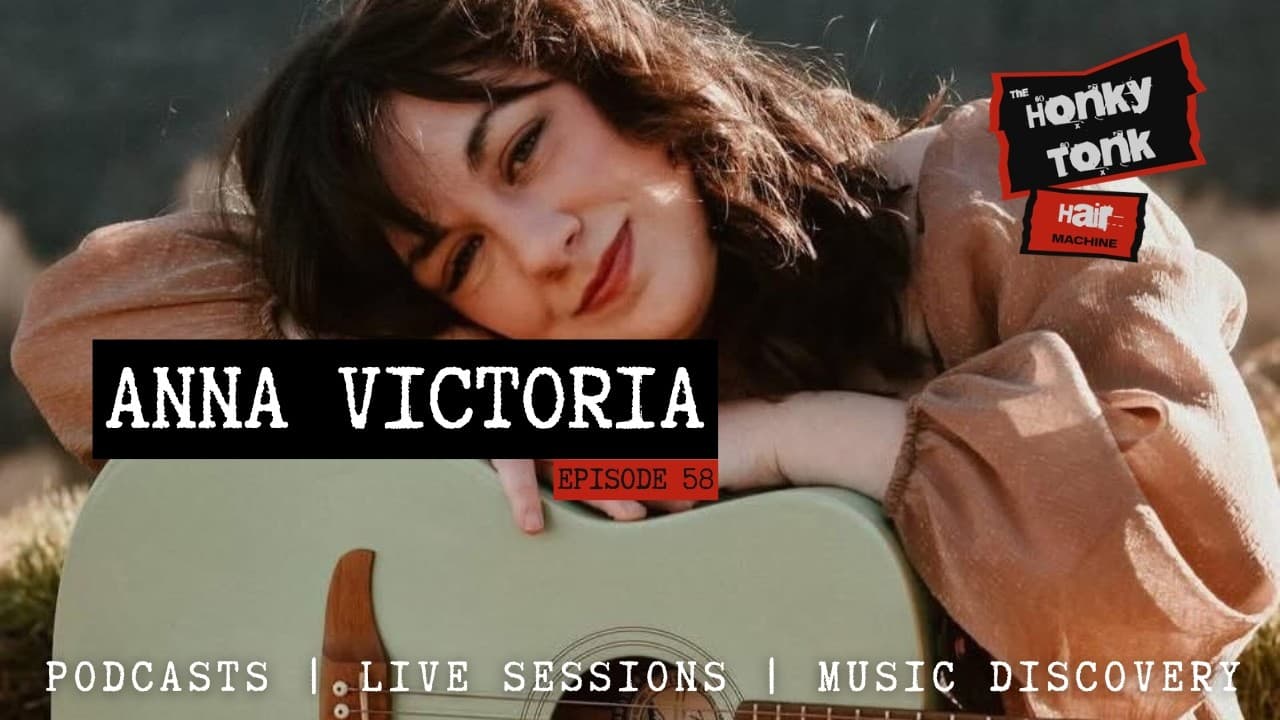
Anna Victoria
Inside North Carolina's Appalachian Music Scene | Anna Victoria
Anna Victoria joins Camden for an honest conversation about growing up in the mountains of North Carolina, discovering her voice as a songwriter and navigating life as an independent Country and Americana artist. We talk about learning to perform live, protecting her voice, finding confidence on stage, the influence of Appalachian music and artists such as Luke Combs, Sierra Ferrell and Dolly Parton, balancing music with motherhood, and the challenge of staying creative in a world driven by social media. It's a thoughtful conversation about music, family, creativity and staying true to yourself while building a career in independent music. Chapters 00:00 – Introductions, Weaverville, childhood. 02:00 – Singing, vocal health and beginning her musical journey. 06:00 – The pandemic, booking gigs and developing as a live performer. 09:00 – Coping with distractions, confidence and performing. 12:00 – Appalachian influences, Luke Combs, Sierra Ferrell, Dolly Parton and mountain songwriting. 15:00 – Family life, being a stay-at-home mum, social media and balancing music with everyday life. #lukecombs #sierraferrell #dollyparton Subscribe to The Rugged Revival. Share it with your friends. Support independent music! Listen to the full podcast on Spotify: https://open.spotify.com/show/6wnHcgA73o1aiiKaz882vH?si=30aabdaa220a4628 Follow The Rugged Revival: Instagram: https://www.instagram.com/theruggedrevival/ TikTok: https://www.tiktok.com/@theruggedrevival Facebook: https://www.facebook.com/profile.php?id=100094507520679 Website: www.theruggedrevival.com Email: ruggedrevival@hotmail.com
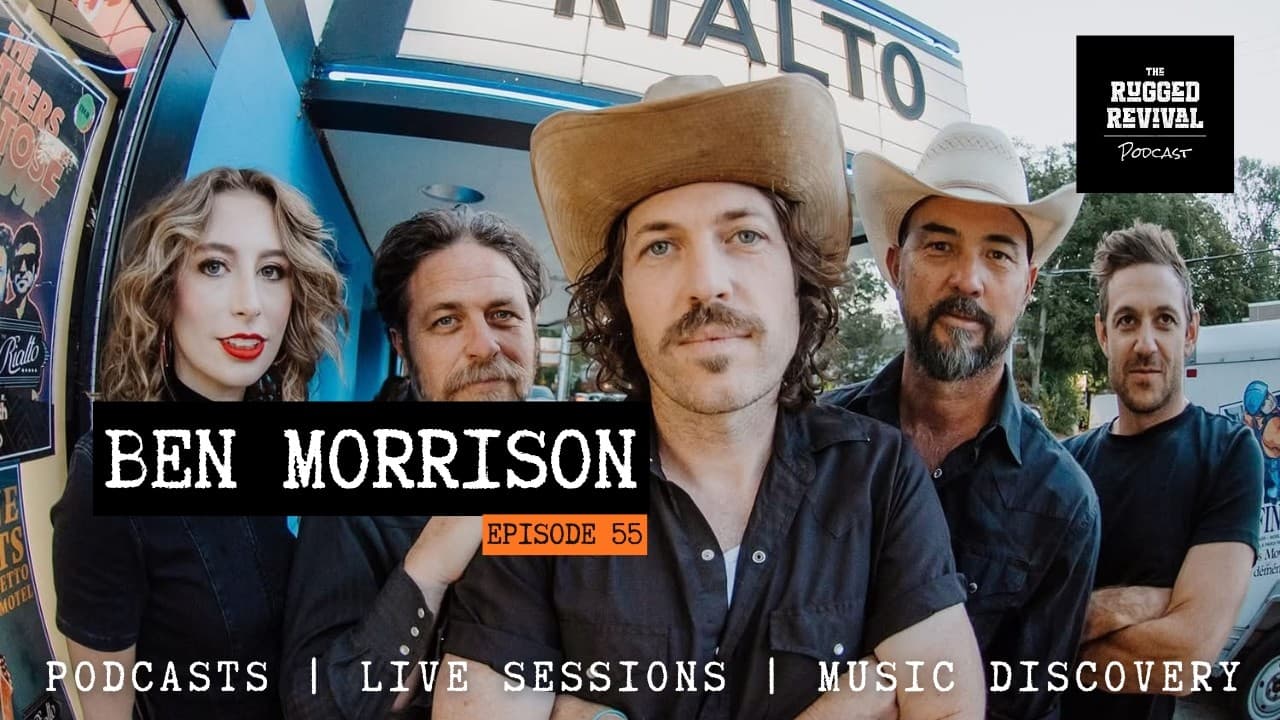
Ben Morrison
The Brothers Comatose: Ben Morrison on 18 Years of Music, Family & Touring
Ben Morrison of The Brothers Comatose joins the Rugged Revival Podcast for an honest conversation about nearly two decades ...
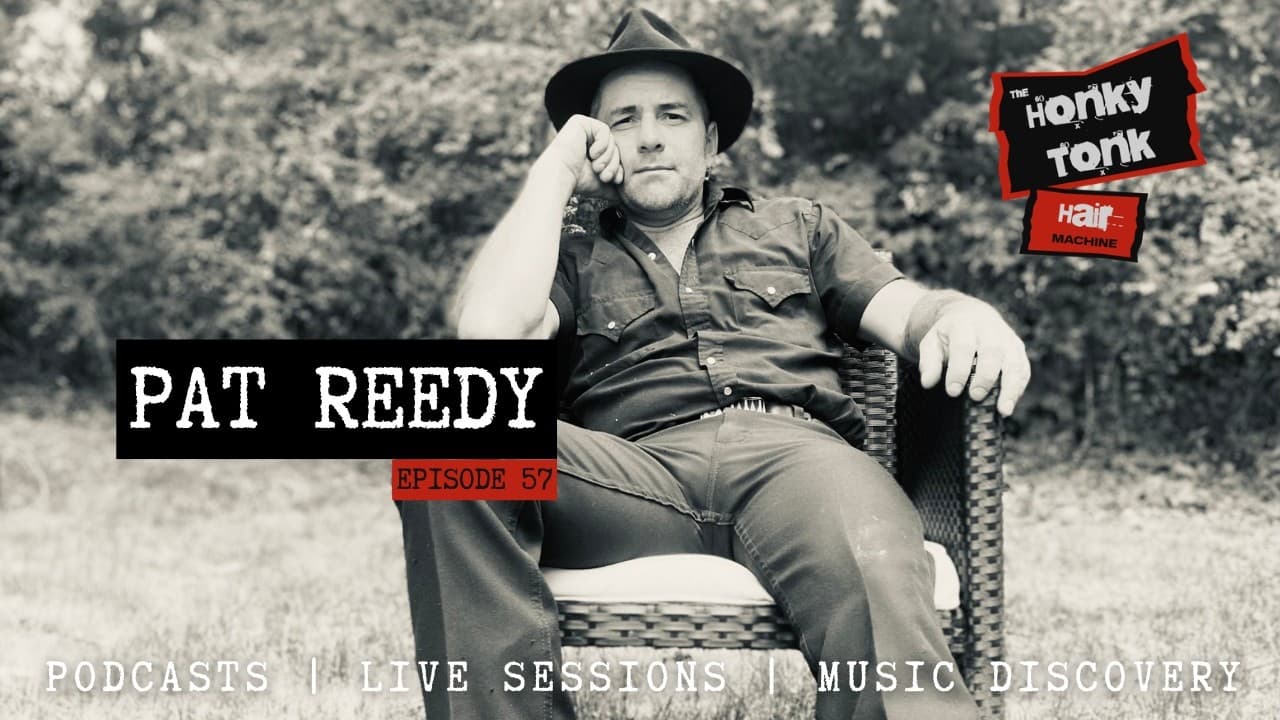
Pat Reedy
Pat Reedy on Busking, Nashville & Building a Country Music Career
Pat Reedy joins Camden to discuss leaving construction behind for country music, busking in New Orleans, life in Nashville, ...
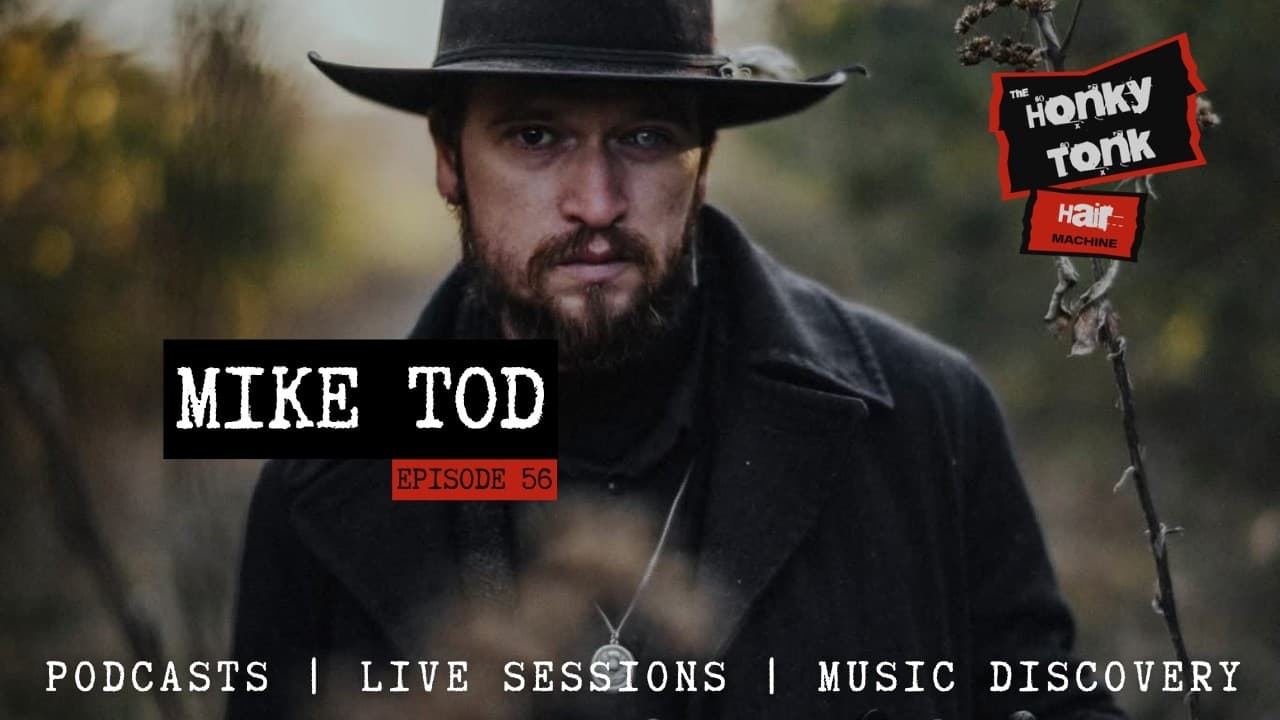
Mike Tod
Keeping Traditional Folk Music Alive in Nashville | Mike Tod Podcast
Mike Tod joins Camden to discuss traditional folk music, Canadian roots, life in Nashville, forgotten songs, unusual instruments and why preserving musical history still matters today.Originally from Canada and now based in Nashville, Mike explores the stories behind traditional songs, the connections between folk music around the world and how old music continues to influence modern artists. We also discuss his unique "Crankenstein" instrument, musical curiosity, collecting songs from the past and the importance of keeping traditions alive for future generations.Chapters00:00 Introduction00:00:30 Growing Up in Canada00:02:20 Discovering Music & The Crankenstein00:04:10 The Story Behind The Crankenstein00:05:20 Drones, Folk Traditions & Ancient Music00:08:10 Learning Guitar & Performing Original Songs00:09:40 Accessing Traditional Music in the Digital Age00:11:20 Researching Music History00:12:10 Playing The Crankenstein Live00:14:00 Creating Atmospheric Sounds & Live Performance00:16:00 Traditional Songs & Musical Origins00:17:50 The Artists Influencing Mike Today00:19:20 Studying Philosophy & Creative Thinking00:22:00 Horror, Heavy Music & Folk Culture00:24:00 Scottish Heritage & Family History00:27:10 Final ThoughtsSubscribe to The Rugged Revival. Share it with your friends. Support independent music!Listen to the full podcast on Spotify: https://open.spotify.com/show/6wnHcgA73o1aiiKaz882vH?si=30aabdaa220a4628Follow The Rugged Revival:Instagram: https://www.instagram.com/theruggedrevival/TikTok: https://www.tiktok.com/@theruggedrevivalFacebook: https://www.facebook.com/profile.php?id=100094507520679Website: www.theruggedrevival.comEmail: ruggedrevival@hotmail.com