
Van Tastik – Western Gothic & Dark Delta Rock | Rugged Revival
Watch on YouTube
Subscribe for new episodes, Grit Sessions & more
Listen to this episode
In This Episode
When Van Tastik talks about kicking a hole through his own guitar case during those early bar nights in Scotland, you get a sense of a musician who isn't precious about his craft—he's committed to it. That beat-up case, transformed from instrument casing into a percussion tool through sheer repetition and enthusiasm, feels like a perfect metaphor for an artist who refuses to be confined by traditional notions of what a one-person performance should sound like. It's the kind of detail that separates genuine roots musicians from those merely performing the aesthetic.
Van Tastik has spent the better part of a decade building something genuinely unusual. Born in the United States to a French father and American mother, he grew up scattered across Virginia, France, and Germany—a geographical restlessness that somehow found its way into his music. Starting on violin at age three through the Suzuki method, he bounced through childhood instruments with the enthusiasm of someone searching for the right vehicle to express something burning inside. Drums came next, African percussion after that, then pop punk-influenced guitar. By the time he settled on his current incarnation as a solo performer, he'd already absorbed years of musical vocabulary from disparate traditions.
I learned fiddle when I was about 3 years old, and very quickly gravitated towards singing because I love acting and stage performance.
— Van Tastik
The result of that accumulated knowledge is something he calls Western Gothic Dark Delta Rock—a deliberately provocative tag that actually undersells what's happening in his live shows. His aesthetic owes as much to revival meeting fervor as it does to blues tradition, combining the storytelling impulse of Americana with the raw physicality of percussion-driven performance. There's no studio backing track, no second guitarist, no drummer tucked safely behind a kit. Just Van Tastik, his guitar, a foot-operated drum setup he's engineered himself, and an almost evangelical commitment to making people feel something.
What's remarkable about Van Tastik's trajectory is his willingness to build his following from the grassroots up, quite literally in European venues where American roots music still commands attention precisely because of its authenticity. After years of playing covers mixed with originals in Scottish bars—classic blues, soul, Motown, funk—he made the leap to full-time original material about three years ago, based now in the Netherlands. It's the kind of move that requires genuine conviction, the sort of decision you only make when you've stopped trying to convince yourself and started trying to convince audiences.
I was stomping on my guitar case so much that I kicked a hole in it within six months of playing bar shows.
— Van Tastik
The practical challenges he faces reveal something about the ambitious scope of his vision. Managing a stereo rig while simultaneously operating a stomp drum kit and delivering vocals isn't merely technically demanding—it's a philosophical statement about refusing to compromise the scope of his musical conception just because he's performing alone. When he mentions the difficulty of convincing audiences, particularly back in the States, that a one-person act can deliver something "banging," it hits on something crucial: there's still a prejudice in music toward traditional band configurations, a skepticism that solo artists are somehow operating at a reduced capacity. Van Tastik's live performances aggressively argue against that assumption.
What emerges from conversation with Van Tastik is an artist working in genuine tradition—not nostalgia, but actual tradition. The combination of darkness, celebration, humor, and hollering that characterizes his shows echoes something real in American roots performance, updated for European stages and informed by a genuinely international perspective. He's the kind of artist who proves that authenticity isn't about location or lineage alone; it's about commitment to a vision and the willingness to earn it every single night.
The full podcast episode with Van Tastik is essential listening for anyone interested in where roots music is actually heading—not backward toward preservation, but forward into new territory that respects what came before while refusing to be bound by it.
I'll help you. I'll help you start a revolution for this Monday morning love situation. >> Hey, what's up everybody? This is Cam aka the Honky Tonk Hair Machine for the Rugged Revival podcast. Who am I with today? >> Fantastic. How y'all? How's it going? >> Thanks for joining up with me, brother. This has been a long time coming. >> Yes. Yes, sir. It has. And uh you're very welcome. I'm glad to be here. Thank you for having me. >> Absolutely. Um, well, I always like to kick off the show with this question because I feel like it gives us a bit of a peak behind the curtain and uh you can you can tell us as much or as little as you want. Okay. >> Yeah. Yeah. Go for it. >> So, where are you from and what was life like for you as a kid? Uh so the story is complex but to like you know make a short short story long or whatever the uh proper way of saying that is um my dad was French my mom's American. Um they decided that we'd live in France but I I was born the US and all of my family lives sort of in the VA area northern Virginia mostly. Um, but then yeah, I kind of grew up between Virginia, uh, France, and Germany at different points in my life. >> Nice. A welltraveled man. I love it. >> Yes, sir. Yes, indeed. >> So, when did you, uh, start playing the guitar? And, was that actually your first instrument? >> Uh, no. My first instrument, uh, something I didn't actually know until I got talking to my mom, uh, the last time we were supposed to see each other, uh, was violin. Um, apparently I learned fiddle when I was about 3 years old. Uh, she put me through this thing called Suzuki method, which is supposed to make you remember like the song as it is without using any kind of site reading or like um, sheet music and uh, then very quickly gravitated towards singing. Um, I love acting. I love uh, stage performance and film film performance. So acting and singing always pair very well together. And then drums happened and percussion especially uh to my parents great joy. So uh yeah I I got I got pretty into sort of like African percussion as there's a lot of that kind of stuff in France. Um and it's cheaper than a drum kit and a little bit less loud. So my parents were down with that. And then eventually I gravitated towards guitar cuz I uh I got into like pop punk and um that kind of stuff. So that's that was my entrance into guitar. And then yeah, so what you see when I play is sort of or in my recordings what you hear is like a mix of all that stuff. >> Yeah. Just years of musicianship pulling it all together. That's very cool. >> Kind of. Yeah. Yeah. Yeah. Yeah. So, when did you start taking the Vantastic Project Live and playing some of this original music out on the road? >> Probably about three years ago. Um, I mean, you'll find recordings as old as about Oh, >> can I curse on here? >> You go ahead. >> Okay. Uh, I was about to say [ __ ] It's not that bad. But, um, I think it'll probably be about 10 yearsish since like the first recordings I ever done put out there. Um, but they were real early stuff. Uh, very just like an acoustic guitar and me stomping on my guitar case, which I eventually kicked a co a hole in within the following six months of playing bar shows. Um, and I I bummed around for a while in Scotland where I was living at the time playing bar shows, uh, which was mostly like old classic blues, soul, Mottown, a little bit of funk and my originals mixed in there. And then eventually when I moved to the Netherlands, uh, which is where I live now, >> uh, I decided I was just going to try and, you know, make a go of it full-time. And that was about three years ago. Yeah. >> Wow. Yeah. That's cool. So, all right. So, your live show, okay, you have a lot going on. You're playing the guitar. You've got your you've got your rig behind you, so you're running kind of like a stereo. Then you've you've got your foot kit, the foot the stomp drum kit. >> Yeah. >> Um, when you're doing all this and you're singing, >> what are some of the biggest challenges you face when trying to put on that kind of show? That's uh there's there's a bunch. >> Uh I'd say like top of the list is my drums slipping away while I'm playing >> because there ain't nobody to fix that [ __ ] that no one's coming up on stage to see. I I'm not yet at a at a, you know, point in my career where I I have like a roadie that I can afford to or a stage tech that I can afford to just summon to the stage when I need uh when I need when I need my drum to be positioned back exactly where I need it to be. >> So, that'll be number of the uh you need a guy to sit in front of the kick drum for you. >> Exact sit on the drum for the whole >> like C16 does. Um, >> right. Exactly. >> Uh, and aside from that, I'd say getting people to actually buy that it's a solid show. >> Um, >> Mhm. >> back home, like as in in the US, uh, it's not as difficult to convince people that a oneperson act is going to be, you know, banging, like that you can, you know, pull in a crowd and get them going. But in Europe, uh, the Europeans seem to have a bit of a like like a they they kind of, you know, they they bug out a little bit. They're like does not compute. Um, when I tell them that it's like a band but one person playing like three parts. >> Uh, so kind of convincing people, you know, like, hey, we can do this. We got this. We're gonna play bigger shows. And it's happening more and more for me. But um I also don't have quite enough material out there, like audio visual material out there to really show people exactly what I sound like now versus what I sound like sounded like back in whatever it was. >> Yeah, that's hard when you have when you have some old material like that and you're trying to reintroduce the new version into the world. That that can be pretty hard. >> It is indeed. It is indeed. Yeah. And um yeah, I mean it comes it comes with uh it's it's fun in a sense like having to you know when you see people's faces when the when the dime drops and they're like >> holy [ __ ] you know, and they're like lost for words for a second and you're like, "Damn right, I told you." Um but it it uh it takes uh it takes people seeing me live often to make them into true Vanarchists, as I like to call it. >> I like that. Vanarchy. That's what we got. That can be your uh if it's not already, that can be your fan club. >> That is actually Yeah, it is. >> Awesome. >> Yeah. >> So, who are who are your biggest blues and who are your biggest non-b bluesfolk uh influences? >> That's it's always a that's always a question that I prepared or not, I never know how I'm going to answer it. Um because you you have a wide array of influences there. >> Yes. Yes, I do indeed. Yeah. >> Mhm. >> I guess like uh as as unreligious as I am nowadays, >> which you may or may not be able to tell by some of the items behind me, um I uh for me like I guess music kind of started in the church. Mhm. >> Like, uh, you're gonna get a bunch of people watching this, including my mother, going, "Praise B." But, um, >> I learned guitar from the guy who was playing, uh, guitar and piano, or the the guitarist and the pianist, actually, two separate guys in the church that we were going to when I was a kid. I learned how to sing from the the choir was in our church in uh whatever one it was close to uh Falls Church in the north of Virginia in Fairfax County. >> And so a lot of the inspiration comes from that. Certainly from a performance perspective like for me like say what you want about you know religion, monotheistic uh beliefs and so on and so forth. uh when you go to a like an American Christian church like especially Baptists which is what we were they know how to party you know uh and and it that service is animated and you are going to get into it whether you like it or not because it's contagious >> um and uh so that's like kind of a big inspiration to me just sort of trying to do replicate that somehow you know box it and give it to people but in a non religious kind of way in a spiritual maybe you could call it spiritual but not like >> you know um religious. >> That's one of the things that drew me to you first was like the >> overdriven blues guitar with the dark himnels the stomp clap stomp clap uh kind of like uh call and answer that you know that styling and that's the first bit of stuff I heard from you and I was like oh this is cool I like this a lot. I appreciate that. Yeah, >> it's a lot of fun. >> Yeah. Well, I also like uh man, that's gonna bug me. There's a guy uh I I'll send you a message about this because uh there's a guy who really inspired me on that. Um [ __ ] I don't even remember where he's from. I want to say I want to say he was from like Michigan somewhere. Uh like up by the Great Lakes. I feel like um a younger dude uh who was doing just he was pre-recording songs that he was looping into a boom box and they were kind of all like dark and himnil sounding and he was just doing a lot of like ac cappella [ __ ] and I was like >> bring this back like this is more enthralling than you know Kings of Leon or u you know I'm I'm I'm going to say it. I'm going to say it. Taylor Swift, you know. Um >> Well, it has a real street level approach, right? It has like almost like a like an early hip hop meets meets the dark himnels. Pull that all together. >> Oh man, it's gonna bug me that I can't remember his name because he's [ __ ] brilliant as the Brits might say. Um but uh I'll I'll come back to you on it. >> Yeah. Yeah, we can circle back on that. But yeah, he was amazing and I was like, I can do [ __ ] like this. Like this also for me, this was like it was so inspiring to see that. So, weirdly, he was kind of a pivotal point. >> If I was going to also put some other people in there, I'd maybe say Rainwolf, who's a Canadian guy from uh Saskatoon. >> Um, and then I mean there's obvious references that sort of, you know, inevitably influenced me like the Black Keys or the White Stripes. And I' I've heard a lot you play like the black keys or you play like the white stripes. >> Yeah. When people hear that blues and like the the the duo in your case, just a single solo artist, you know, they they grab whatever first comes to mind. And and like with Black Keys, you know, I wouldn't I wouldn't be offended by that. You know, that's cool. >> Oh, no. For sure not. No, absolutely not. No way in hell am I saying no to that compliment. I'm taking it and running. Um uh but then like for me actually like in a lot of ways I I'd looked to like kind of the later iterations of blues like Hill Country like uh Model T Ford or uh Junior Kimbra or RL Burnside. Um, and then some of the well a few whoever was still alive of like um, uh, dang it, Bentonia Blues, like Skip James uh, like that haunting freaking high falsetto in uh, songs like Cro Jane or I'm So Glad. Yeah, >> I don't really sing like that very often, but >> it was like, "Oh, wow. This is like eerie and beautiful and I want to listen to it on repeat for days." You know what I mean? >> Yeah, absolutely. And that stuff I feel like gives me goosebumps more than like, you know, even something like u you know, a lot of the black metal bands that are so like like forward with how they're supposed to be scary. And you know, some of that stuff is is, you know, can be scary, >> but when you're hearing something that's like from almost like real people and a real point of view and it comes from a real place, like they've lived through it, it's got that haunting chanting vibe. Yeah. That to me is like, >> you know, that's I like that a lot. >> Word. Abs. Absolutely. Yeah. Yeah. Yeah. >> Yeah. And then I like I grew up my grandma was a musician. and she was a pianist and an accordionist and a singer and did jazz in New York in the ' 40s. Uh, Italian-American lady, you know, very uh very very what you'd expect of an Italian American lady, YOU KNOW, CHRISTOPHER, IT'S TIME FOR DINNER, YOU KNOW, that kind of >> classic grandma Italian grandma style. Um, but, uh, an amazing singer and very much got me into sort of like early big band jazz and stuff like that. So, uh, you know, all of the what's his name? Leon Redbone kind of stuff and Cab Callaway, uh, which is, you know, way earlier, but, you know, and, uh, Dizzy Gillespie or, uh, uh, Ella Fitzgerald, like all of those guys are also huge. I I sometimes do, uh, >> Summertime by George Gershwin when I'm feeling in the mood and people seem responsive at a show. So like I pull out those references and for people to grab on to them and get them when when it's there. >> Well, and the crazy thing is too, you can hear that algamation of all those influences in what you're doing. >> That's awesome. That's >> you know, but it's very much your own thing too, which is really cool. You know, you're not just doing the copy paste like, oh, I'm I'm influenced by the Ramones, so my band just sounds like the Ramones. That kind of thing. Yeah. It's like, you know, that's that's been done, you know, like and that was that generation. And now you're you're bringing something that's pulling all this root stuff. >> Yeah. >> Into a modern era. And I think more people need to get on the train with that. >> Thank you. Thank you very much. >> Yeah. I I'm glad. I think I think also for me uh I kind of can't not do it my way there. >> Exactly. It's it's like, oh, is it is it weird? Is it kind of is it kind of idiosyncratic? Sorry, I I didn't realize. I thought I was Even when I do covers that I'm like intentionally trying to mimic, they're like, "Oh, you really made it your own." I'm like, "Fuck." >> Well, and I think that is a compliment in of itself, too, right? It's like, you know, when you It's hard when you do a cover song because in your head you hear the original >> like like the entire time you're playing it. But when you make it yours and it's it's it's a fantastic song now. >> Now this is no longer just this song. now it's your song and then people can hear it and say, "Oh, oh, why do I recognize this song? I've never seen this artist before." >> But now now there's that connection there. >> Yeah. Yeah. Yeah. Yeah. Very much. >> Right on. All right. So, I know you you've been kind of playing out quite a bit. You've done a lot of um you know, short stints here and there, but have you done a lot of touring? And where would you want to tour? I I I have uh I've done I usually just shy of a hundred shows a year for the past two years. Um I'd say last year was close to like n upper 90s, mid 90s. The year before that was like >> mid 80s and the year before that was between like 50 and 80 or something like 50 and 70 or something like that. >> So it's progressing quite a bit. It is absolutely and I'm like super grateful to see that. Um things that I'd want to do, I would love to do more touring back home. I'm trying to desperately figure out a way to get back home right now. Um had some issues with my social security. Um and without going into detail, it's making me getting back to uh the US difficult. Um uh my basically my parents [ __ ] up. There's a clerical error somewhere in my paper paperwork and because I've lived outside of the country for so long, everyone's like, "Oh my my hands are tied. I can't renew your passport." I'm like, "I just want to see my damn family." >> Yeah. >> So that's a bit of a challenge at the moment. Uh not to say that I'm not going to come home or figure out some way because you know where there's a will, there's a way. So, if you have shows for me in the US, if you're listening, give them to me. Send them over to me. You know, I'm looking for bookings back home. But also, places like Canada, I would love to do Canada more because I also speak French. So, going to like Quebec or something like that would be [ __ ] sick. Like, are hilarious people. And I've met a few on the sort of folk circuit and like root circuit and they're awesome, kind, beautiful souls. Um, and uh, I really want to do Australia. And weirdly enough, this might sound like a total like like left field thing for for like country or Americana or blues. I want to do Japan. I want to find an excuse to travel to Japan. >> I think it would go really well in Japan. You know, they seem to have a real open mind to originality and and people doing their own thing. Yeah, they seem to jump on board with that. >> Yeah. Yeah. Yeah. I know a few guys who are signed with uh the sort of uh notorious uh fringe Voodoo Rhythm Records uh who have toured Japan because they have one artist in particular called uh what was his name? Uh nope. It's I can't think of it. Uh but a a pretty cool sort of Japanese oneman band guy um who uh does a lot. He's kind of like the for me like if I was going to make a comparison the Tom Weights of Japan. Like that's kind of >> Yeah. >> Yeah. Yeah. Cool and very weird all at once. >> Yeah. We had a hard time. I think you and I a bit back were messaging about trying to do a show. >> Yeah. >> And that was right around the time we were losing a lot of our venues in DC. You know, we had four four of my big venues all had to close down and that was kind of like a ripple effect from COVID. They would already they were already hanging on by the seat of their pants anyway. >> Yeah. >> And then everything was kind of collapsing. So, I think we're slowly seeing more venues come back. So, we we do have some more options again. So, hopefully we can get you all sorted out >> uh down the line, get you back out here. >> My my mom went so far as to get the the the senator involved. >> Oh, wow. Yeah. >> Who she knew because she worked with an organization for um war zone uh or genocide refugees uh trying to get people citizenship in the US so that they could you know escape their >> very difficult previous situations or whatever. So people from like Sudan and stuff like that. Um >> maybe we'll have to adopt you. We we can adopt you and have you come over as our as our son. >> That would be perfect. Um, I'm just a little scared of of frozen drinks. Uh, if you understand uh the point that I'm trying to make. >> Correct. Yes. That that actually is a big problem and uh I don't know when that will resolve, but yeah, that can that's definitely an issue. >> I'm because I've I've I've been talking to my mom about it as well and like uh she's just I don't know. I'm I'm also scared for all y'all who are out kind of in the area of DC because I feel like it's the hot spot for >> Yeah. Yeah. >> Yeah. Exactly. Yeah. Yeah. Yeah. Yeah. >> Let's uh let's let's shift gears a little bit, man. I I want to get into your your style here. >> You have a you know, I really like the way you put things together, the way you layer your outfits. You have you're much like myself, you're a man of many hats. >> Yes. >> And um >> give us a rundown of what you're currently wearing. Let's take a look at that hat. >> All right. Okay. So, the hat is uh it's an heirloom. Uh I actually don't remember who gave this to me. Uh if you're watching this and you remember this hat and you gave it to me, please let me know. Um but I believe it was from uh someone's granddad or father and they were like, I ain't going to wear this. So, I was like, well, you know what? I'll I'll help you out there. >> We can do that. Exactly. And it actually fit my head, which is not something that happens often. Um, I have a big old head, so I've got different things. I've got like one of my favorite bolo ties here. Um, >> hey, I liked the way you did that. That's really cool. >> I just kind of strapped it around and then stuck a freaking Where is it here? The the safety pin through it. >> Then I have this little um skull that's cast out of uh where'd he go? There he is. cast out of um I guess it's some kind of resin. >> Yeah, that's a good looking skull, too. Sometimes you look kind of like phony like that. That's cool. >> The a guy in Argentina gave me this. He was wearing a two skulls around his neck and I was like, "Dude, that's super cool." He was like, "You want one?" I was like, "Yes, >> yeah, I'll take that." >> Yeah, exactly. And then uh on this side I have um my friends from the uh Roderdam Bluegrass uh which is a big festival in the Netherlands for mostly bluegrass but also country Americana and other stuff like that. And of course my homies from uh Muddy Roots >> Muddy Muddy Roots. >> Yeah. Who are um lovely people and have u brought me around the world. Last I mean one of the last times I was home was to play the Muddy Roots Festival in Tennessee which >> I can't help but say that in like Sephotura's way like roots bloody roots. You know what I mean? >> Muddy roots. >> Muddy roots. >> Yeah, definitely. Yeah. Yeah. And then like if you want layers of the outfit like I kind of I always try and go for a little bit of a I guess probably pre-50s like like uh early early 1900s uh farmer trying to be fancy kind of vibe going to the city. >> Yeah, I get that. It's date night. >> Exactly. So, I have uh this awesome uh little pin that's a reference to the famous cartoon of um >> The Adventures in Hell or whatever it's called. Um I've got this one here that says uh don't know if you can see that. Uh sorry I'm late, but I didn't want to come. >> Um what else do I have? I have a badge here of friends uh who are a pretty cool sort of um I guess I'd call it like trash garage band. >> Okay. >> Called the Edwoods. Um, this is just sort of like a chore jacket. Very basic black chore jacket. Then I have a waist coat uh which I bought recently which has my favorite is uh this little pocket watch. >> Oh yeah, that's really nice. >> And I've got this bad boy right here. >> Yeah, I like that a lot. >> Which I got in a local antique shop. It's like a windup uh like legit windup from like 1906 or something like that. Um, and on the other side of that chain, there's a little patch of my pals, the Angry Zetas, who are also very cool. Uh, they do sort of, they call it punk grass. Um, >> oh, yeah. All right. >> They're Argentinian as well. Um, they're very, very lovely people and insanely cool musicians. They toured with the Dead South on the West Coast like last year. >> Yeah. Um, and this here is uh a little badge of St. Christopher because my name is Christopher and I travel a whole lot and he's the patron saint of travelers. >> That makes sense. >> And then I wore a little chain for my keys working it old school styles like the bikers. And uh what else do I have? Always have one of these on me somewhere. Where'd it go? Oh, yep. You got to have the drum key. >> Yeah, >> absolutely. >> Yeah. Yeah. Because, uh, when I'm not touring, I sometimes work backline for people or like like tour uh logistics or something like that. Always have a bunch of screwdrivers and a drum key on you and maybe pliers if you can fit them somewhere. >> Gota got to be ready. Yeah. You're I'm I'm like you a little bit like I have to have everything kind of anchored to me. Chains. I do the wallet chains. Got keys on a chain. If I don't, I'm gonna lose them. >> Exactly. I'll just be I'll just walk out of the bar with like my hat still there and my my coat on the other side of the bar and my freaking keys are like probably been eaten by the local dog or whatever by that point. >> No, I think everyone can agree you have an excellent head of hair. >> Oh, thank you very much. >> And I know you've uh I think it's been a while, but I think you had the opportunity to sit down with the bloody butcher and get your hair cut. Is that true? Yes, a few times actually. Rob is I'd actually be so bold as to call Rob a friend now. >> Very cool. >> Um Rob and I got along very quickly. Um because he likes Lego and comic books. >> Yeah. >> And uh same Z's. >> As that's my world over here, too. >> Yeah. And um yeah, he's he's a kmoginly old bastard. Uh don't get me wrong. Um, he the first time I wrote him, I pretended to be my own manager. Um, and I was like, "Hi, I'm Vantastic's manager and I'd really like to uh I'd really like to to come and say get get Vantastic on into your chair." And he was he was like, "As soon as I read that, I immediately wanted to hate you." And then uh I showed I showed up late to the thing because there were train issues um because I live in a country where you know you go most places by train if you if you don't have to transport a lot of stuff. Um and uh and he was like I really wanted to hate you. And he started the whole thing in Dutch and I was like which is Dutch where of course I can speak Dutch. And he was like [ __ ] I like this guy. >> Yeah. It's hard to talk [ __ ] about him if he can understand what I'm saying. >> Exactly. The more we like uh, you know, just shoot shot the [ __ ] in the chair, the the like the the more we like were laughing and like finding commonalities. >> And then >> that's really that's really cool, man. I like that a lot. >> And then he offered me to do like the the thing that you probably saw with the like there's like a tiny bit of it left now somewhere in this head of hair. like the blonde strains that are I think you can see. >> Okay. So I thought I thought that was natural. >> No. So I Well, so I have like like a white line going right through there. >> Uhhuh. >> Um but Rob like fullon gave me sort of a like all of this here. Just this part just dyed all of that like bleach blonde. And I I love that because I'm a big fan of like classic sort of like classic horror films and it gave me sort of Bride of Frankenstein or The Cramps vibes. >> Absolutely. Maybe even a little Sweeney Todd in there. >> Exactly. Yeah. Yeah. Yeah. Yeah. Um and I was like, "Hell yeah, let's do it." He was like, "I want to do like American Gothic meets actual Gothic." And I was like, "Let's go. That's exactly my speed." >> So we did a photo shoot. >> That's dead on. Yeah. >> Yeah. Pretty much. Yeah. Yeah. We did that photo shoot and then I've kind of been touring around barber shops. >> Yeah. >> Weirdly, like I did a there was this other guy who was very sweet in Argentina when I was there 3 months ago, I guess, in uh November for uh like 15 dates roughly. Um no, no, more like 11. Um and the big Muddy Roots Festival that's now also being held in Argentina. and they had a barber there and we did a whole thing and we hung out for the day and he cut my hair and he showed me around and it was a good time. >> I love that. >> Well, Mr. Fantastic, that brings us to the end of the road, my friend. Is there anything you want to uh give a quick shout out? Any music coming up? Any tour dates? >> Um that for the European listeners? Yes. Um I've got uh a lot of dates coming up uh around Europe. I've got a few dates. Uh in Italy in Mar in the end of March, there's a big festival for oneman bands called Festival Festival Monubanda uh which I'm going to be playing at. Um but if you guys are in Europe, you can find all my shows and dates at vantastic.com. Um >> and uh I'm I'm releasing my second album this year. Uh >> Oh, okay. Awesome. We're still a little, you know, hazy on the details, but the hope is to release it at the end of summer or the early weeks of uh fall. So, >> I love it. Well, you know, I'll be first in line to pick that up, man. >> Thank you, sir. >> That's very exciting. Well, I really appreciate your time. Thank you for sitting down with me for a quick chat. >> Thank you for >> uh let's do it again soon. >> Yes, please. And let's actually hang out next time I'm in DC. >> Yes. AB, dude. Absolutely. All right, my friend. We will talk later. Bye.
Comments
Keep listening
Related Episodes
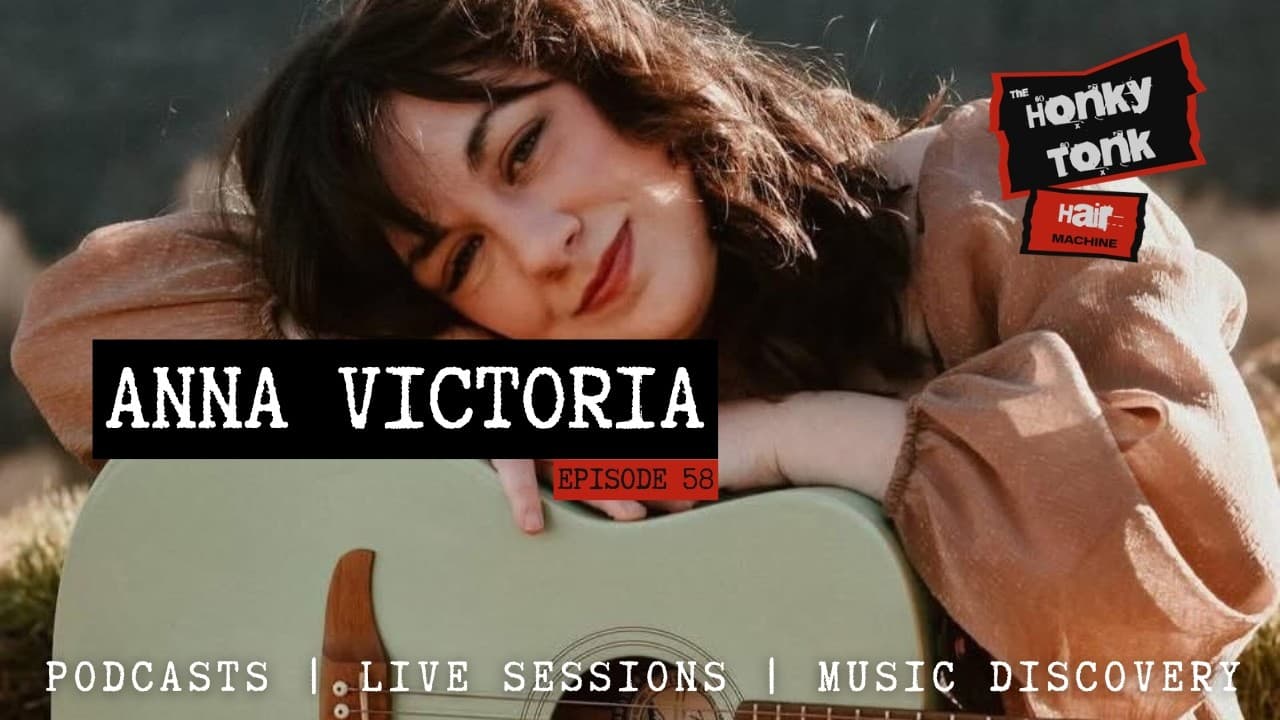
Anna Victoria
Inside North Carolina's Appalachian Music Scene | Anna Victoria
Anna Victoria joins Camden for an honest conversation about growing up in the mountains of North Carolina, discovering her voice as a songwriter and navigating life as an independent Country and Americana artist. We talk about learning to perform live, protecting her voice, finding confidence on stage, the influence of Appalachian music and artists such as Luke Combs, Sierra Ferrell and Dolly Parton, balancing music with motherhood, and the challenge of staying creative in a world driven by social media. It's a thoughtful conversation about music, family, creativity and staying true to yourself while building a career in independent music. Chapters 00:00 – Introductions, Weaverville, childhood. 02:00 – Singing, vocal health and beginning her musical journey. 06:00 – The pandemic, booking gigs and developing as a live performer. 09:00 – Coping with distractions, confidence and performing. 12:00 – Appalachian influences, Luke Combs, Sierra Ferrell, Dolly Parton and mountain songwriting. 15:00 – Family life, being a stay-at-home mum, social media and balancing music with everyday life. #lukecombs #sierraferrell #dollyparton Subscribe to The Rugged Revival. Share it with your friends. Support independent music! Listen to the full podcast on Spotify: https://open.spotify.com/show/6wnHcgA73o1aiiKaz882vH?si=30aabdaa220a4628 Follow The Rugged Revival: Instagram: https://www.instagram.com/theruggedrevival/ TikTok: https://www.tiktok.com/@theruggedrevival Facebook: https://www.facebook.com/profile.php?id=100094507520679 Website: www.theruggedrevival.com Email: ruggedrevival@hotmail.com
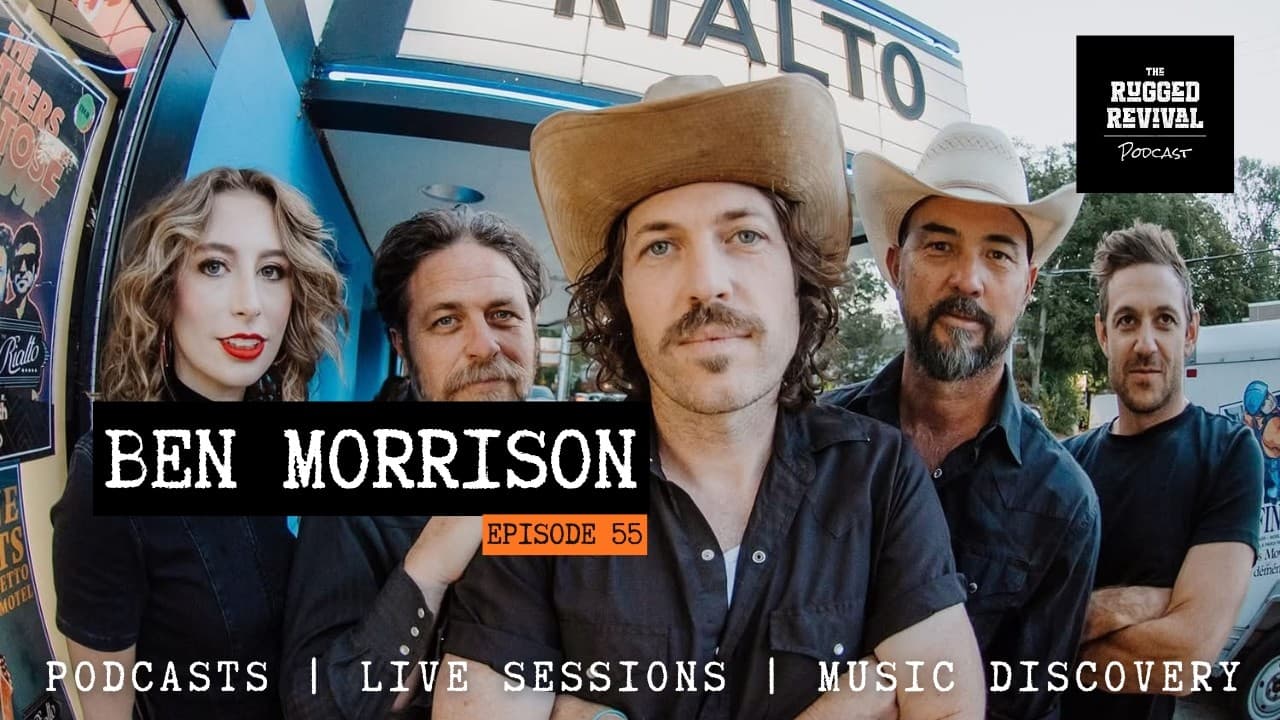
Ben Morrison
The Brothers Comatose: Ben Morrison on 18 Years of Music, Family & Touring
Ben Morrison of The Brothers Comatose joins the Rugged Revival Podcast for an honest conversation about nearly two decades ...
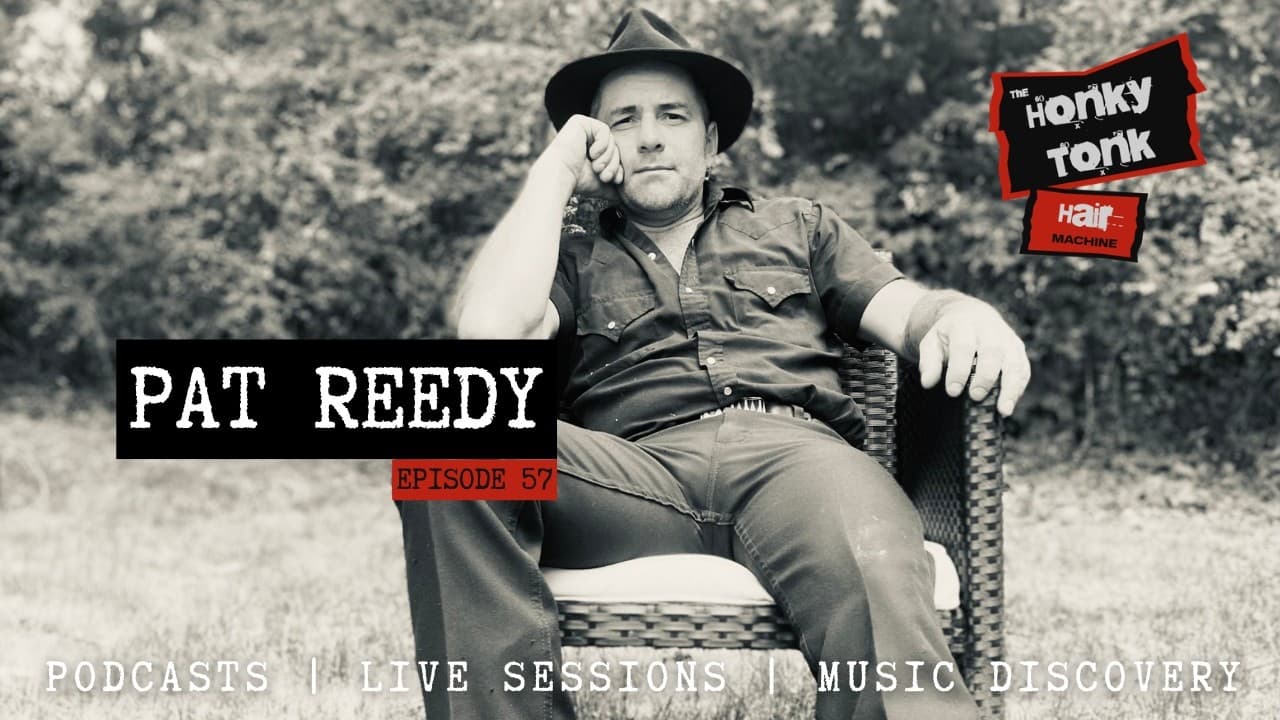
Pat Reedy
Pat Reedy on Busking, Nashville & Building a Country Music Career
Pat Reedy joins Camden to discuss leaving construction behind for country music, busking in New Orleans, life in Nashville, ...
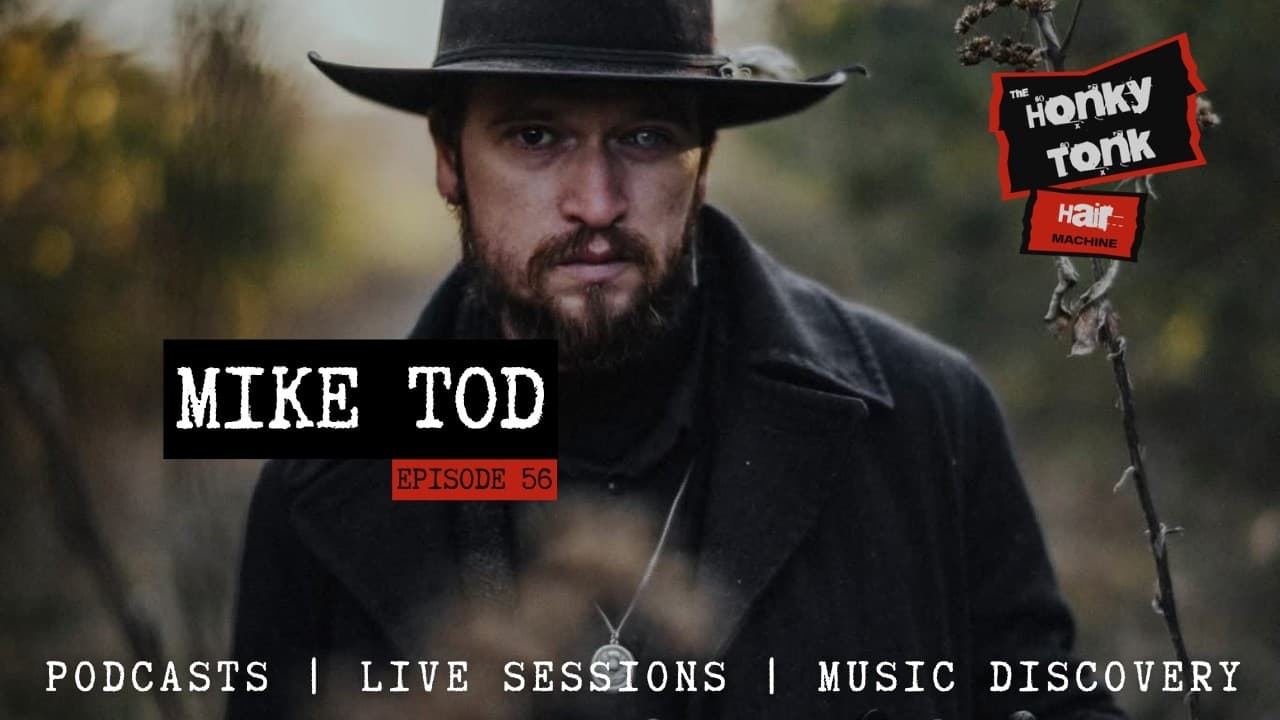
Mike Tod
Keeping Traditional Folk Music Alive in Nashville | Mike Tod Podcast
Mike Tod joins Camden to discuss traditional folk music, Canadian roots, life in Nashville, forgotten songs, unusual instruments and why preserving musical history still matters today.Originally from Canada and now based in Nashville, Mike explores the stories behind traditional songs, the connections between folk music around the world and how old music continues to influence modern artists. We also discuss his unique "Crankenstein" instrument, musical curiosity, collecting songs from the past and the importance of keeping traditions alive for future generations.Chapters00:00 Introduction00:00:30 Growing Up in Canada00:02:20 Discovering Music & The Crankenstein00:04:10 The Story Behind The Crankenstein00:05:20 Drones, Folk Traditions & Ancient Music00:08:10 Learning Guitar & Performing Original Songs00:09:40 Accessing Traditional Music in the Digital Age00:11:20 Researching Music History00:12:10 Playing The Crankenstein Live00:14:00 Creating Atmospheric Sounds & Live Performance00:16:00 Traditional Songs & Musical Origins00:17:50 The Artists Influencing Mike Today00:19:20 Studying Philosophy & Creative Thinking00:22:00 Horror, Heavy Music & Folk Culture00:24:00 Scottish Heritage & Family History00:27:10 Final ThoughtsSubscribe to The Rugged Revival. Share it with your friends. Support independent music!Listen to the full podcast on Spotify: https://open.spotify.com/show/6wnHcgA73o1aiiKaz882vH?si=30aabdaa220a4628Follow The Rugged Revival:Instagram: https://www.instagram.com/theruggedrevival/TikTok: https://www.tiktok.com/@theruggedrevivalFacebook: https://www.facebook.com/profile.php?id=100094507520679Website: www.theruggedrevival.comEmail: ruggedrevival@hotmail.com