
The UK's Dark Country Music Outlaw | Mike West
Watch on YouTube
Subscribe for new episodes, Grit Sessions & more
Listen to this episode
In This Episode
There's something defiant about a man from Wirral, England, channeling the raw intensity of heavy metal through the bones of dark country and American folk. Mike West isn't trying to fit neatly into any category, and that's precisely what makes him worth listening to. In a landscape where UK roots music often plays it safe, West has carved out something genuinely unsettling—a sound that feels equally indebted to Metallica and the murder ballads of the Appalachian tradition.
The conversation between West and Cam reveals an artist shaped by real adversity, the kind that doesn't make for comfortable listening but makes for honest songwriting. Growing up on the Wirral in the '90s meant navigating a deprived area with a distinctive identity—long hair, alternative aesthetics, the whole package that made you a target. West recalls having knives pulled on him for the crime of being different, the sort of formative trauma that either hardens you or teaches you empathy. In West's case, it seems to have done both. His song "Rock Ferry," named after his old school, doesn't sentimentalize his roots. The opening line—"I'm not ashamed of where I'm from but I'm not exactly proud"—contains more emotional truth than a dozen well-intentioned protest songs.
I'm not ashamed of where I'm from but I'm not exactly proud.
— Mike West
What's striking about West's origin story is how it connects to a universal experience of class struggle and cultural displacement. Cam, speaking from his own working-class background near Washington DC, immediately recognizes the landscape. The conversation transcends national borders because the feeling is universal: you come from somewhere that's struggling, you find yourself through music, and you learn that identity can be a dangerous thing in the wrong hands. For West, that musical salvation came at age twelve when his father showed him an Ace Frehley performance on a Kiss live video. One moment of connection, and suddenly the electric guitar became the language through which everything else would be expressed.
What strikes most powerfully about this conversation is how West hasn't abandoned his metal roots to become a country artist—he's synthesized them. Twenty-four years of guitar playing, through Nirvana and Metallica in his youth, haven't been discarded in pursuit of Americana credibility. Instead, they inform everything he does now. Dark country, he seems to suggest, needs teeth. It needs distortion and intensity and the kind of guitar work that comes from someone who learned at the altar of metal innovation. The conversation hints at an artist who understands that authenticity isn't about genre purity; it's about bringing your whole self to the work.
I knew that was the girl I was going to marry when she brought a Satyricon CD to music class.
— Mike West
What makes The Rugged Revival's approach to this interview so refreshing is that it doesn't treat West as a curiosity—some UK artist doing country music as an exotic venture. Instead, it positions him as part of a continuum, a musician finding his own path within a rich tradition of outsider music. The discussion touches on building an independent music scene in the UK, which has always felt like fighting against the current. Country and Americana in Britain don't have the infrastructure or cultural acceptance they deserve, yet artists like West persist, driven by something that transcends commercial viability.
By the end of this excerpt, what emerges is a portrait of an artist still working through his influences, still constructing his identity, and deeply rooted in place even as his musical language draws from elsewhere. The Wirral hasn't been kind to Mike West, but it's made him the kind of artist worth reckoning with—someone whose darkness isn't performed but lived.
The full episode with Mike West deserves your time, particularly if you're interested in how regional British music connects to American traditions, or if you simply want to hear an artist speak honestly about the economics and emotional labor of building an independent career. This is the work of independent music discovery at its best.
I'll help you. I'll help you. Start a revolution. For this Monday morning love situation. >> Hey, what's up everybody? This is Cam aka the Honky Tonk Hair Machine for the Rugged Revival Podcast. Who am I with today? >> Mike West. >> Mike West, thanks for sitting down with me, man. I appreciate it. >> No, it's thanks for making the time, man. >> So, I like to start off our conversation with this first question. I feel like it gives us a little peek behind the curtain of who you are. So, if you don't mind, just give us a quick peek and tell us where are you from and what was life like for you as a kid? >> Yeah, so I'm from Wirral, England, which no one knows or cares about. It's just over the River Mersey from Liverpool, which made famous by a ball piece back in the '60s called Beatles. Um and I have I have a song called Rock Ferry. It's not the Duffy song that went popular in the UK a while back, but it's about I went to a school called Rock Ferry Primary and then I went to Rock Ferry High School. And I was lucky as a kid. Like, you know, my parents worked hard and you know, we didn't really want for anything, but we were still in like a deprived area and the school was deprived. And then growing my hair out and becoming a bit alternative and a mosher really [ __ ] put a target on me. Sorry, sorry. >> Yeah, you'll be all right. >> Cool. Um really put a target on mine and my friends' backs and then it was a really weird kind of time in that area growing up as a kid to kind of forge your own identity and deal with kind of mainstream culture not accepting who you are. We got a lot of knives pulled on us, which was a really weird thing to be in like, you know, a relatively not like a terrible area, not a terrible situation and stuff, but still have that kind of weird thing going on and I put it all into like I was listening to a lot of what he goes through when I wrote my song Rock Ferry and I wanted to try and do that folk-esque relay a picture of where it is and you know, like I the opening line is I'm not ashamed of where I'm from but I'm not exactly proud and I think that's kind of especially at you know, at our age you kind of saw the '90s where it was [ __ ] but it was still on the up and away and now I'm you know, 35 and you see it's kind of gone downhill more somehow and it's kind of like a really weird thing to like grapple with and see the people still struggling with the same issues you did back in the day but you know, I'm thankful for going to that school and those experiences cuz I still have you know, my best friends from high school. I met my wife when we were 12 in music class in Rocky High and she brought a Satyricon CD in you know, I knew that was the girl I was going to marry. >> That's right. >> So you know, it's it's not all bad. >> Yeah. Yeah, I think I would describe that as kind of like here in the states that's pretty standard middle-class, you know. >> Yeah. >> Like we you know, I'm I'm just like you you know, my folks were you know, military so they were you know, middle-class people and I wouldn't say we went without but like you know, we weren't you know, top of the rung and and where I live just outside of Washington DC you have this you know, huge disparity between like people that really have everything and there's people that are as of now still getting by but you know, we're not doing we're not getting paid vacations. We're not getting paid time off and you know, I remember also being that kid with you know, big mohawk and leather jacket and that kind of thing and um it wasn't until we started fighting with other rival punk gangs like out of the Richmond scene here where people would pull knives on each other. Thankfully no handguns. That would have been a real game changer but yeah. >> So uh so you started off you know pretty young getting into the into the music into the scene. When did you start playing the guitar? >> So I started playing the guitar again around like when I was like 12. I'd seen him Ace Frehley. He's like my main influence in a guitar guy and I saw him on a my dad brought him like a Kiss My Ass VHS like a live uh video and it just [ __ ] blew my mind and then you know I immediately picked up an electric guitar and started trying to do that at the same time you know playing like Nirvana and Metallica and all the early like staple metal bands that you kind of grow up with. So yeah, I've been playing guitar for [ __ ] 24 years now. I can't say I've improved greatly but I enjoy doing it. >> Yeah, it's it's too bad that the version of Kiss that kids know today is you know Gene Simmons supporting the MAGA movement and and whatever and you know I don't like to get too political on here but you know when you look back and you hear the Love Gun intro, the dual guitars of Detroit Rock City Cold Gin. I mean I also grew up in elementary school huge Kiss fan especially Ace. I think he was like you know the guy and a terrible loss. That was that was a terrible >> Yeah last year. >> Yeah, it was really sad. >> Yeah yeah that was heavy man cuz I remember before I saw that video I like my parents record collection my dad had Destroyer on record and that's the thing man like it's hard when you realize these real people because you know you see them as kids and they're superheroes and they're flying around the guitars are smoking the drum kits flying and uh yeah we were in band practice and my drummer Brian is a massive Kiss fan. He's in his 60s. He's seen everybody. He saw Kiss on their first UK tour. He's met a bunch of them a bunch of times. I met Ace back in 2009 and as we were wrapping up band practice, we got like Facebook notification that Ace Frehley had been hospitalized. We were like, "Holy shit." And then, you know, it was just crazy, man, to lose Ozzy and Ace in the same year. It's like two of like my biggest kind of metal icons growing up as a kid. It was a wild one, and that's the hard thing, I guess, about growing up and growing old is seeing all your heroes kind of pass. It's hard. And again, like not again, massively get political, but you know, all the people come out and go, "Well, they were this. They were that." It's like, "Well, I was 11 when I first saw the man. He was a superhero. He was a god to me. I didn't know he was going to I didn't know Twitter was going to exist and every celebrity was going to lose their damn mind on it. I didn't know." Those type of things are going to happen. I just really love the music that they put out. >> Absolutely. Yeah, and of course, you know, being a KISS fan, you had the comic books, the action figures. You were You were really immersed in a world that was much bigger than just, you know, the the music itself. >> Yeah, totally. I Yeah, I have just the I know I have the KISS comic. Do you know like the first one that was printed with their blood? >> Oh, yeah. >> I have that magazine. I have it signed by Stanley from when I met him way back when I was I was always hoping to get the rest of the band and Ace to sign it, but obviously that's not going to happen now, but it still sits on my shelf, and yeah, man. I I hope people can discover KISS as they were back in the '70s because with how social media is now, you don't realize how non-dangerous bands are. You have kind of like Sleep Token and stuff like that popping up now, but to have those type of artists back in the day with the mystique they had and the energy they had was just unparalleled, man. It was so [ __ ] cool. >> Well, and I think that's a lot of um you know, in today's world, we're expected to be so super accessible. Yeah. And you know, I think that's And I've actually mentioned this a number of times on this show is I think one of the people that's done the social media the best way where it's just here's my music, here's where we're touring, here's what we're doing is actually Glenn Danzig. I think his his social media, you know, he's in in in old interviews, you know, you can always find old dirt on people, but like, you know, I think he pretty much keeps it hush-hush. He's like, "Look, here's you know, think what you want of them, but, you know, here's what we've got going on, here's my art." >> Yeah. >> And uh I think, you know, for me personally, music is political, art is political, and it is very important, but I think as far as like not um not alienating any one particular group, he's like, "Look, man, you can read between the lines of my lyrics, you can read between the lines." I mean, similar to like George Romero, right? I'm a huge Romero fan. Um all of his movies, especially that first trilogy of zombies movies, it is a a a comment on social commentary, political stuff. He's like, "Look, you you got to you got to ingest this art, read between the lines, take away from it what you can." And that's I think, you know, some of these guys that are able to do that with social media in today's world is actually a huge flex, and it's it's really cool. I think even your page is great. You know, you've got here's what we're doing, here's a little peek behind the curtain with us us in the fam, but other than that, it's like, "Here's my music." You know, you if you want to know where I stand, listen. You know, put on the record. >> Yeah, and that's like the funny thing. Like my friend and country singer Josh Pyke is always talks about like I made half the crowd walk out of a show once they just started ranting about like what government was doing at the time, and I I will. But the thing I need the majority of the facts, I need to be like 98% certain that, you know, I like I'm ready to have an argument about this. I can't go in and say like, "Oh, well, I actually don't actually know all the facts." So, like I like I have a song called Nuke Song, and I, you know, really believe in the Campaign for Nuclear Disarmament, and I follow the CND, and I kind of try and stay on top of that. So I feel when I sing that song and I talk about it on stage. I think that was what I was writing about three years ago and the Prime Minister at the time did something. Jupiter around then and I, you know, went into a bit of a rant about it and like a lot of the guys walked off but that was kind of I don't care if no one listens to my music based off of a belief that I've shared and stuff but I want to be 100% certain that I got my feet planted where I need to be those stances and those arguments. >> Right. Right. Or you can just be like GWAR and just say we're here to eat everyone. >> Yeah. >> We're here to destroy everything and everyone so it doesn't matter what side you're on. So when did you start taking your original music on the road or even playing it live? >> Yeah, so this I've been doing 10 years this September. Which has been interesting. Like I was in a few thrash bands and stuff when I was like in my early late teens, early 20s which was fun. And then they, you know, as bands always do they kind of disintegrate and fall apart so >> Yeah. >> It's been I started playing this, you know, acoustic country stuff in 2016. And it just kind of snowballed from there which has been really fun. And it's crazy to think about like it's been 10 years now and I see kind of my old profile pictures and old photos pop up and I'm like [ __ ] this is it's been a while now man. I've got gray in my beard. It's it's a whole thing. >> And if you still do Facebook, you know, they like to hit you with those Facebook memories too and you're like whoa. >> Yeah. >> Yeah. I go through mine every day and I delete all the last five years of stuff. >> Yeah. Yeah, you have you have to self edit just in case you kick it and then someone can pull up a post from you know, 20 years ago where you said something stupid. >> Yeah. You're like oh never mind you were 16 who cares, right? >> Yeah. >> So so you got a lot going on when it comes to bringing your particular music live really. There's like no wall of distortion to hide behind. It's you and acoustic. Sometimes you've got some bandmates with you. But uh what are the some of the biggest challenges that you face as a solo artist playing live? >> And well, the live album we've just released is called Breaking Strings cuz I snap a [ __ ] string every show. And that's been the most kind of irritating thing. Like I play with quite heavy gauge picks. And I'm not going to change because I don't want to. But I'll like I have to take like two or three guitars with me just to make sure that I can get it to the set. But the biggest challenges has been definitely bringing the band in cuz you know, it's been I was solo from if I started in 2016, when did I meet Rob? I think we me and Rob started playing, Rob's in my fiddle player, in like 2020. So I did like 4 nearly 5 years on my own. Brought Rob in and the good thing with a fiddle player is he kind of dances on top of the guitar and the vocals. So again, you don't need to be super strict on like the timings and playing to a click and knowing what you're doing. But then we brought Rob in and I was like, oh [ __ ] I actually have to pay attention to >> Uh-huh. >> what I'm doing. I can't let a note ring too long. I can't kind of take my time and then rush. And it was very interesting to kind of bring a drummer and a bassist in live. And that's been the biggest challenge. Like I always say before we go on stage, I don't talk to anyone. If there's going to be a mistake live, it's me. Everyone else in the band is, you know, an incredible talent. They've been doing it for decades. I will be the one that [ __ ] up and I'm like, that's what where I'm at with it. But I love The thing I love about playing live is you have to be so present in it. I imagine it's the same thing as like any creative thing or, you know, hairdressing to like to where you have to be in You can't be thinking about what you're going to be having for lunch. You can't be thinking about the haircut, you know, 3 hours ahead. You have to be in the moment of it cuz if you aren't, that's when you kind of [ __ ] up and you make a mistake. And it's like what I do with music is that I can catch myself if I start thinking about down the line or think about what I'm going to do when I get home and the list of [ __ ] I have to do, I can immediately tell I'm about to start making a mistake. So, it's really that thing of staying present is the biggest challenge, but it's the biggest reward because it's what we do it for like live music and getting to play in front of folks is you know, a privilege. And it's just a really cool thing to do. So, the the challenges are trying not to [ __ ] up live and remembering to stay present enough to not [ __ ] up live. >> It's a very real thing though, man. Like, you know, I still play in bands now and in fact I'll add you for my band page later. Um is just especially, you know, we're we're so uh divided, right? Like we've got you've got kids, you've got the job, you've got the the what's happening live and you're trying so hard to stay present. But you can't help we can't control our brain, you know, we have these thoughts that just kind of flow through and you could be in the middle just riffing it out and all of a sudden you're like remember that time I tied my shoe and I kneeled down and I tripped in the third grade and you're like, yeah. Why am I thinking of that right now? I'm I'm in the middle of a gig and this is and then suddenly you forget your own song that you wrote top to bottom the lyrics. It's the it's the craziest thing, man. You really do have to almost be zen about it and just like lock in so hard and honestly like I've even caught myself at the at the behind the barber chair person's talking talking talking and and I'm gone. Or the other way. It'll be dead silent and in my head I'm having a conversation with myself and you're like, oh, you didn't get any of that. And you weren't you weren't in my head. So, you have to like pull it back and and try and be present. So, you mentioned No, go ahead. Sorry. >> Yeah, and that's like the way of thing. Like if you forget a song and you if you try to think about it, you just can't find it and you have to like the rely on the muscle memory to come back and that's how you realize how baked into your personality and like your mind it is that like if you actually do try to concentrate on those things and you know truly analyze what you're doing and you just can't remember so the second you forget a song and then you just have to close your eyes go into that zen state it'll come back to you eventually but yeah you can't kind of stress or think about like 10 other things at the same time. >> Yeah it's like having to be like a master of departmentalization you know you're like look man I'm on this stage for 30 minutes in 30 minutes I can answer whatever phone call text >> Yeah. >> kid thing job thing whatever it may be but for that 30 minutes let me get this done. I remember years ago um when my wife and I first got together we had just moved into a house up the road here and our bulldog got dog napped and I had a a gig that night and I'm on the stage you I couldn't think of anything else like I knew I was way out of tune I wasn't even singing the songs I remember literally just putting down the guitar and running off to go find my my then missing bulldog but it's like you know world life life is still going to do what it does and life is going to life and that's you know at times that's incredibly challenging but yeah you got to be locked in as as the kids say. So you you've mentioned a good number of influences already we got Kiss we got Satyricon um you've got uh Woody Guthrie who would you say today are some of your biggest musical country and non country influences today? >> So I've been really diving back onto like Buck Owens catalog. >> Yeah. >> Yeah. And I think what cuz I've been doing this for 10 years now and even with like the podcast I do and stuff is sometimes you start seeing it as a job and a chore and you forget that there's meant to be like a joy to it, and you forget that you're meant to be, you know, for all intents and purposes, an entertainer. Mhm. And you get super serious and bogged down in kind of the mythos of it all, and what listening to Buck and listening to like the Cocaine and Rhinestones podcast about Buck Owens has kind of reminded me is like, you have to entertain, man. You have to kind of be there for people in what they need you to be. You can't be, you know, you stand up there and do your super serious songs and then expect them to relate in a way that like you need them to. They need to relate in the way that they need to. And that was one of the things that listening to a lot of Buck Owens has been really kind of good about reminding us like, oh [ __ ] this is meant to be fun, man. And it was the same thing after Ace died, like I hadn't played my electric guitar in ages, but after Ace died, I plugged it in, got my electric guitar out, and just ripped through a load of old Kiss songs, and I would text my mate being like, I'm having fun playing guitar for the first time in like 7 years. So, like Buck Owens has been a massive influence, like currently. And a lot of kind of whilst I've been mainly kind of exploring cryptids. I've been reading a lot of like fantasy books. Me and my friend started like a bit of a book club going through like Brandon Sanderson books. So, I was reading those, and I'm writing a book currently, so that's been thing I've been trying to do. And just kind of absorbing influences that aren't music, which has been like an interesting thing. Like I'll I've got a song um inspired by Walt Whitman. >> Uh-huh. >> So, Walt Whitman's poetry's been kind of important to me, and then there's a comedian/poet uh from the UK called Rob Orton. Um and his stuff is really kind of absurd and surrealist, but grounded in a very interesting way. Um you know, one of his really stupid kind of lines was like, "Where does the sky stop?" >> Mhm. >> He's like, "What's I mean, he waves his hand in front of his face and he's like, what's this bit? >> Mhm. >> And just like viewing stuff like that has been really interesting and kind of how to be that as a songwriter and what I don't want to do. Obviously, I have a song called like Mothman. I have a song called like How to Build a Guillotine. So, I try and deal with sometimes absurd and surrealist topics and try and fit them into a country song, which has been an interesting thing to kind of try and reckon with. Well, who I've been listening to Buck Owens has been kind of the biggest one. I've been going back on the Cocaine and Rhinestones podcast cuz I want to kind of get that depth. And Henson Cargill, I don't know if you know >> Okay. >> Um he did Skip a Rope back in the '70s. He never really broke through. But he did a song called Going Backwards and the opening line is talking about like tech billionaires trying to get in space while people are starving. And this was written 50 years ago. >> Yeah. >> So, I've been listening to like a lot of Henson Cargill. I've just picked up his uh they did a repress of one of his uh LPs, so I've picked up that. And then Behemoth. >> Yeah. >> That type of stuff and listen to more of the heavier side of metal. But then also, I really love him. There's a British rapper called Akala, >> Okay. >> like conscious hip-hop and he talks about kind of modern issues and you know, protests in the UK and you know, it's not kind of guns and bling rap. It's like really important educational rap that makes you think about stuff and makes you want to stand for stuff. >> Mhm. >> And that's why I've kind of had Swell and Around a lot and that's why I try and bounce from so I don't get kind of too stuck in my ways of what I'm kind of doing in a roundabout long way. That's what I've been listening to a lot of. >> Yeah, I think you have to have a wide array of things, especially as a songwriter. You have to have a wide array of influences to make to build this puzzle, right? You're building a puzzle. Um like one of my friends uh Mike, he sings for a band called Tombs out of New York. Um if you don't know him, I'll send you a link. >> Mhm. Yeah, definitely. >> He's the one that got me on the Townes Van Zandt a few years ago. I had never even heard of Townes Van Zandt. And he you know, his band is a black metal band from New York, and he's like, "It's dark. It's grim. It's sad. This is what we want for our music." So, they pull that into that. You know, I think it's like you got to have this and then at the end of the day it all connects, man. It's like somehow it bridges together, you know? But you touched on something. You said um is singing these really sad songs and still expecting the crowd to you know, be engaging. There's one artist, I don't know if you're familiar with him, uh BJ Barham from American Aquarium. >> Yeah. >> So, he does a fantastic solo set where he'll tell these he'll sing these incredibly sad songs, but then I mean, it is a roller coaster of emotions. And he'll tell you these stories in between the songs, and all of a sudden you're pulled back in and engaged, and he's making you laugh, but he was just literally making you cry you know, 5 seconds ago. It's it's really cool. If you haven't had a chance to check him out uh live yet, he might have a set on YouTube or something. >> Yeah, man. I've seen American Aquarium a couple of times. We were meant to play a festival together in October before it pulled. But the thing that I like about BJ, and I don't know if you know Amigo the Devil. >> Oh, yeah. >> But seeing Yeah, seeing those guys live if you are trying to push the sad song stuff, you need the stories. You need the kind of the peek behind the veil to push people, and that's why I learned from touring with Amigo the Devil was you can't just do the sad song. You need to kind of set it up. Like I have a song called No Grave, and I kind of preempt that cuz like I say like, you know, I don't believe in cemeteries. And it's like, I know they exist. I'm not like denying that they're there, but I don't see the point in them. And you know, sometimes people laugh and I'm like, you know, I don't want to go to a field and stand over a stone that I have no bearing to that person has no relation to that rock. It's like when I think of when I want to remember my granddad, I remember him teaching me to tie my shoes as I'm tying my shoes. If I want to remember a friend I've lost, I'll put on their favorite film, I'll put on their favorite record. And I say this on stage kind of cuz then people lock in and people connect with that story and they see themselves and they remember the people they've lost and how they remember them. So, there's ways to do sad songs and make it kind of captivating in that way, but the there's a line in um an American Aquarium song um is it one day at a time where it's like the line is to like really you stand on stage and watch another man bleed. And if you want to do the sad songs and you want to do the sad songs that you have to bleed, you can't just do the sad song with no kind of talking in between. If you want people to connect, you are going to have to kind of show some red and I think that's the thing that sometimes people don't expect or remember to. It's like you have to be as honest with those people as you need to for them to be honest with you. And that's the thing that I found from watching kind of B.J. and Danny and Amigo the Devil is, you know, you have to bleed in front of them if you are doing that type of show. >> Yeah. Another another person that's really good at that, and I'm sure you know him, is uh Nate Bargatze. >> Yeah. >> Nate had us all on our hands and knees bawling our eyes out here in D.C. last summer. And it's like an abusive relationship. And then he'll start talking in between songs, and we're all laughing and carrying on. But then he's like, oh, well, hold on, here's another A minor. And you're just like, oh. And but that's I love that. I think that's so great cuz it's reminding you you're at a show, but then also like, hey man, this is this is the type of show you're at, you know? And uh I think you and I could even do a part two of this episode where you just do all things black metal and doom and pull it all together. So maybe down the line we'll we'll do that. But um to kind of to kind of bring it all back um what I really appreciate your style too is that you have you keep it real. You have like a real street level accessible style. You still look like kind of goth country but you're still very metal. You're still very you. You've got your jacket with the studs. You've got your badges on. And but you're going up there and you're playing, you know, what I would describe as kind of like folk country kind of stuff. Do you tend to have like a particular like wardrobe that you like to wear on stage? >> Yes, so that was, you know, the patch jacket I wear now which is like the denim vest. I started wearing that when I put that together I think around COVID because I was thinking about those type of things cuz I remember there's like that Lemmy quote where it's like no one no one wants to watch a guy off the street play. They want to see a thing. And obviously if anyone else other than Lemmy dressed like Lemmy you'd think he was a prick. Yeah. But he just was able to pull it off. So obviously I can't dress like Lemmy. I don't have the legs to dress like Bowie. And like I was just kind of getting up in what I wore to get to the show which is, you know, jeans which I still wear um a t-shirt and then just like a flannel shirt over it and I was like I need to do something that has a bit Obviously I'm a KISS fan. I'm not going to go that extreme. But I needed something and I was like, well, I won't like I obviously I'm still into metal. I still have that kind of culture and that interest and I was like if I can do patch jacket and someone actually cuz I was selling tote bags for my first record and he cut the tote bag and made that as a back patch. >> Oh, that's is >> and he sent me that. I was like, holy [ __ ] that's a really cool idea. So, I just copied him. Thanks, Richard, from the Netherlands. And like I was like, oh [ __ ] that's really cool. So, I could put that on the back. And then I was like, well, what how do I kind of do that? And I was like, I'm going to split it. So, one half is kind of my metal and punk band influences. And then the other half is my country stuff. So, I've got on one side I've got Dead Kennedys, Black Sabbath, Linkin Park, Judas Priest, Clutch. And then on the other side I've got John Prine, Townes Van Zandt, Sturgill Simpson. A Billy Joe Spears patch someone sent me, which was awesome. Johnny Cash. Amigo the Devil gave me a patch. And it was that type of thing. And then I had I have a mushroom belt buckle. Cuz mushrooms are fun. I had a mushroom belt buckle. And you could buy like the collar tips. I was like, oh, well, that's going on. A patch like a jacket as well. But then one of them broke. So, for my birthday last year my wife got me like space ones. And cuz my kids massively into space. So, then it's taken on a different meaning as well. So, I get to take his stuff with me on stage. And it was that thing where you know, that combined with the tattoos and the long hair and the beard just is kind of what it is. And it's one of those things where I don't know how I can take it further. Like I used to wear like I I love Doc Martens boots. But the modern versions now are [ __ ] and fall apart super easy. So, I stopped wearing them. I just wear kind of empty vans. And I try and get different colored ones of them. So, it's got a bit of a pop to something. But I thought I had to think about the style. And I think, you know, I don't have the head to pull off hats. And I wish I did. And I know a lot of people like, you are rocking that hat now. And I know a few different people who wear kind of cowboy hats and cowboy boots. And I I thought for me and my background and where I was coming from it would look insincere. And it would fall into the cosplay category. So, I've stayed away from that as much as I can just because I can't afford a decent-looking hat, so I'll just look like a [ __ ] Hindu stripper if I just buy like a cheap one. >> Well, the difference is you've got a great head of hair. You know, for me we've got you know, we're we're working with what we got here, you know? So, you can have I think you've either got the hair, you know, the thick locks or you've got you know. >> Well, actually I'm going to I'm worried about losing my hair now, so I'm going to be like you know, I'm going to get my head tattooed when it eventually starts going. But I Again with the tattoos, it's a weird thing. I got a review. I opened for him Whitney Rose in Manchester. And um American on UK wrote a review about me and the first kind of paragraph was just describing how I looked. And it's not until you see it written down that you realize how you look. Cuz for me it's just, you know, I look like this every day. But he wrote like, you know, long-haired heavy metal biker covered in tattoos. You know, I'm like 60. So, like I I stand out. >> Yeah, yeah. >> Like I realized kind of, you know, this is a a look, you know, whether intentional or not. So, I've kind of tried to lean into it. I've been getting more of my tattoos done. But that's, you know, not stage where I can't write it off as expenses. But it is like that combined with, you know, and one of the things I do try and do is I try and wear like an independent band t-shirt when I'm playing. So, I try and wear Like I don't want to like wear like a Judas Priest or a double t-shirt although I have done. I try and wear either my friends' bands or an up-and-coming band or an independent band just because I think it's like a nice little nod even if you can't fully see it through the design like the guitar and jacket. But I like to try and wear an independent t-shirt when I'm playing. And I have which I mostly forget to wear now cuz it's hanging up. I have a medallion that I got from Rome at the St. Cecilia Church, which is the patron saint of music. Um so I got that pendant, which was only like two or three euro. And I wear that as much as I can remember to do and try and remember to wear that. So that's as far as I really try and think about how I want to present myself. And I do I do try and think about it, but again, it's like where do you stop? Cuz then is it going to be the corpse paint? Is it going to be the platform boots and you know, I don't want to lose focus of the music and I also don't want to wear anything that inhibits me from like moving around too much. >> Right. >> And I end up just like eating [ __ ] over a cable or something. >> Which I've done plenty of. >> Yeah. >> I've I've fallen off of plenty of stages. But I think what you're touching on is uh authenticity, you know? And when I look at you, you know, I don't think oh, he's cos playing or he just fell and tripped into a hot topic or you know, anything like that. Like it does feel genuine, you know? And um you know, I think uh subculturally, you know, I think a lot of people forget that, you know, this music is still outlaw. And with outlaw, you have like the biker culture, the metal culture. It's It's the freaks and geeks, you know? >> Yeah. >> So yeah, you're going to look like a 6'2 biker with your acoustic guitar, you know? That's just It is what it is. But um so like I said, you we like to keep these things kind of short and sweet, you know? And I know it's later on your side. But um where can we find you on social media? >> Yeah, so you can find me at Mike 333 West on all platforms. I'm on Facebook, Instagram. Uh I'm not really on Twitter {slash} X anymore cuz it's just a garbage platform. Um it's just so much anger all the time. Last time I was on there, cuz they don't have like filters on videos anymore, I saw someone's face get cut in half by an ice skate. And I saw that and I I was like, I'm out, man. I don't need any of this [ __ ] in my [ __ ] life. So, I'm not on Twitter anymore. Uh TikTok uh I'm on Bandcamp, so it's just Mike 333 West. If you go to mike333west.com, I'm there. I'm on Spotify. I'm on all the streaming platforms. So, you know, wherever you are, I'm at. >> Well, uh hopefully you don't come across any more slicing dice videos. But, look, we're we're going to end you here. I appreciate your time. I really do. Um just stay on the line with me for one hot second, but we'll say later, man. >> No, where's my little list to chat?
Comments
Keep listening
Related Episodes
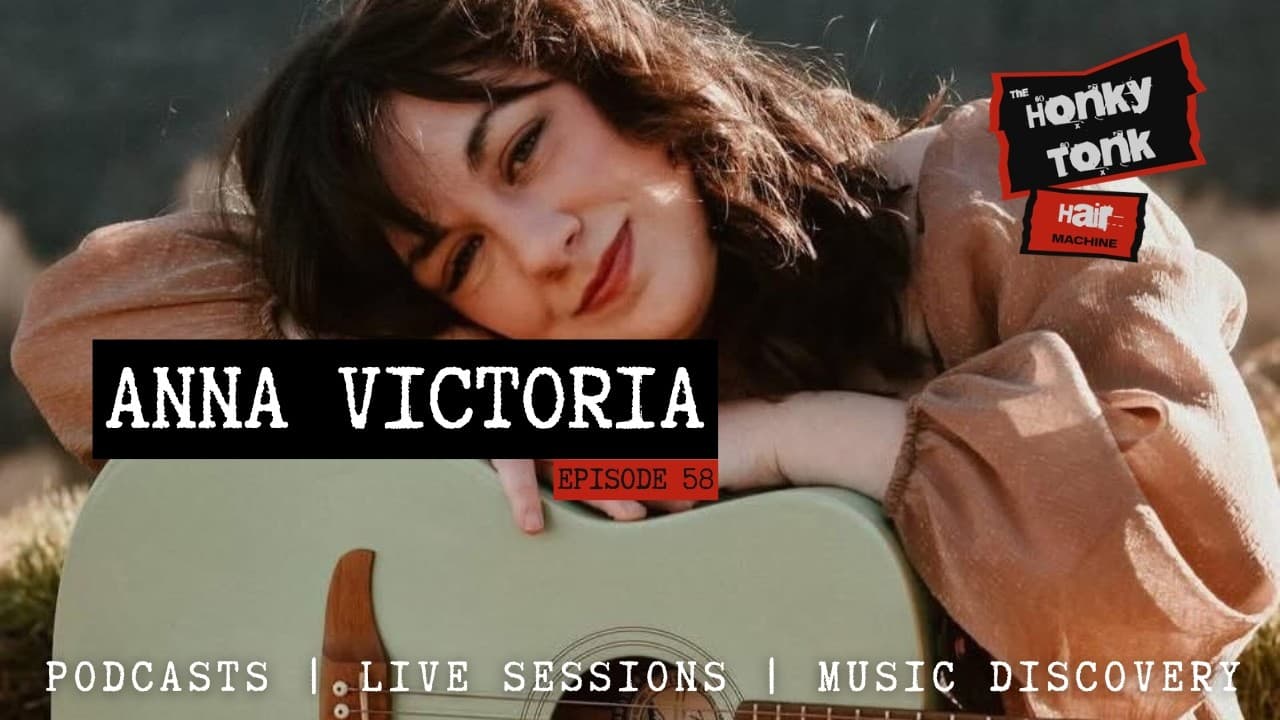
Anna Victoria
Inside North Carolina's Appalachian Music Scene | Anna Victoria
Anna Victoria joins Camden for an honest conversation about growing up in the mountains of North Carolina, discovering her voice as a songwriter and navigating life as an independent Country and Americana artist. We talk about learning to perform live, protecting her voice, finding confidence on stage, the influence of Appalachian music and artists such as Luke Combs, Sierra Ferrell and Dolly Parton, balancing music with motherhood, and the challenge of staying creative in a world driven by social media. It's a thoughtful conversation about music, family, creativity and staying true to yourself while building a career in independent music. Chapters 00:00 – Introductions, Weaverville, childhood. 02:00 – Singing, vocal health and beginning her musical journey. 06:00 – The pandemic, booking gigs and developing as a live performer. 09:00 – Coping with distractions, confidence and performing. 12:00 – Appalachian influences, Luke Combs, Sierra Ferrell, Dolly Parton and mountain songwriting. 15:00 – Family life, being a stay-at-home mum, social media and balancing music with everyday life. #lukecombs #sierraferrell #dollyparton Subscribe to The Rugged Revival. Share it with your friends. Support independent music! Listen to the full podcast on Spotify: https://open.spotify.com/show/6wnHcgA73o1aiiKaz882vH?si=30aabdaa220a4628 Follow The Rugged Revival: Instagram: https://www.instagram.com/theruggedrevival/ TikTok: https://www.tiktok.com/@theruggedrevival Facebook: https://www.facebook.com/profile.php?id=100094507520679 Website: www.theruggedrevival.com Email: ruggedrevival@hotmail.com
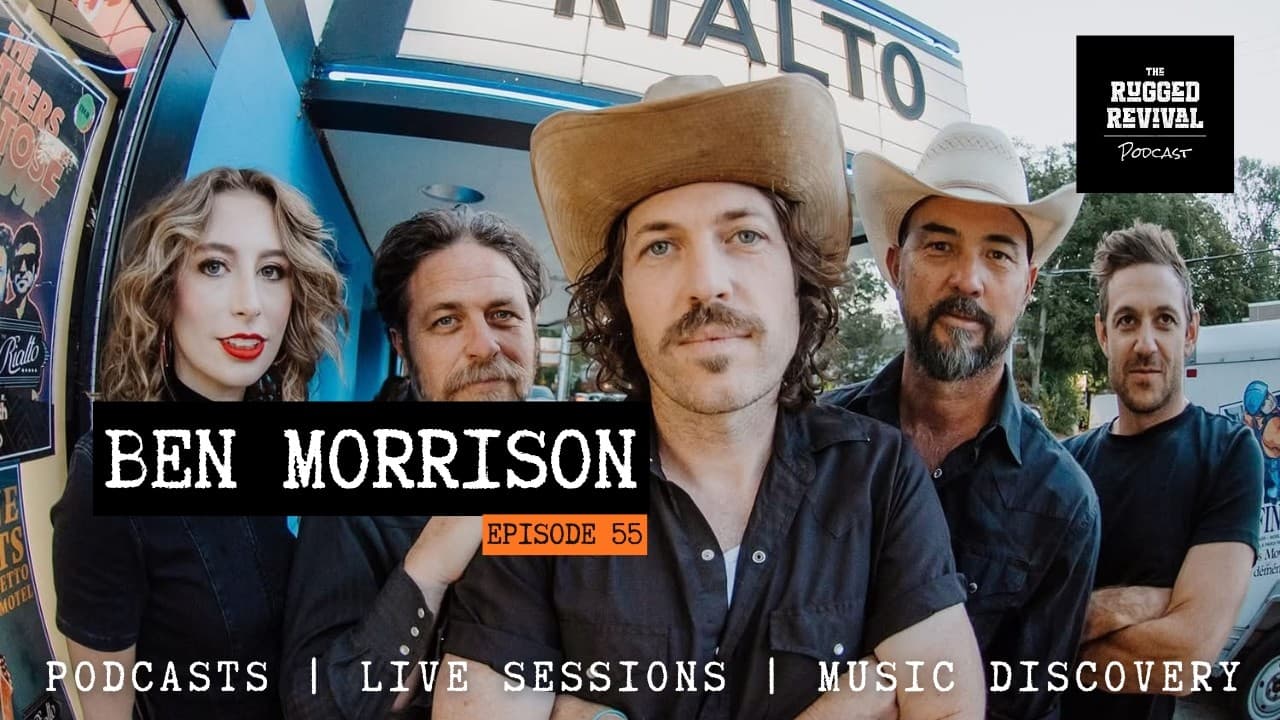
Ben Morrison
The Brothers Comatose: Ben Morrison on 18 Years of Music, Family & Touring
Ben Morrison of The Brothers Comatose joins the Rugged Revival Podcast for an honest conversation about nearly two decades ...
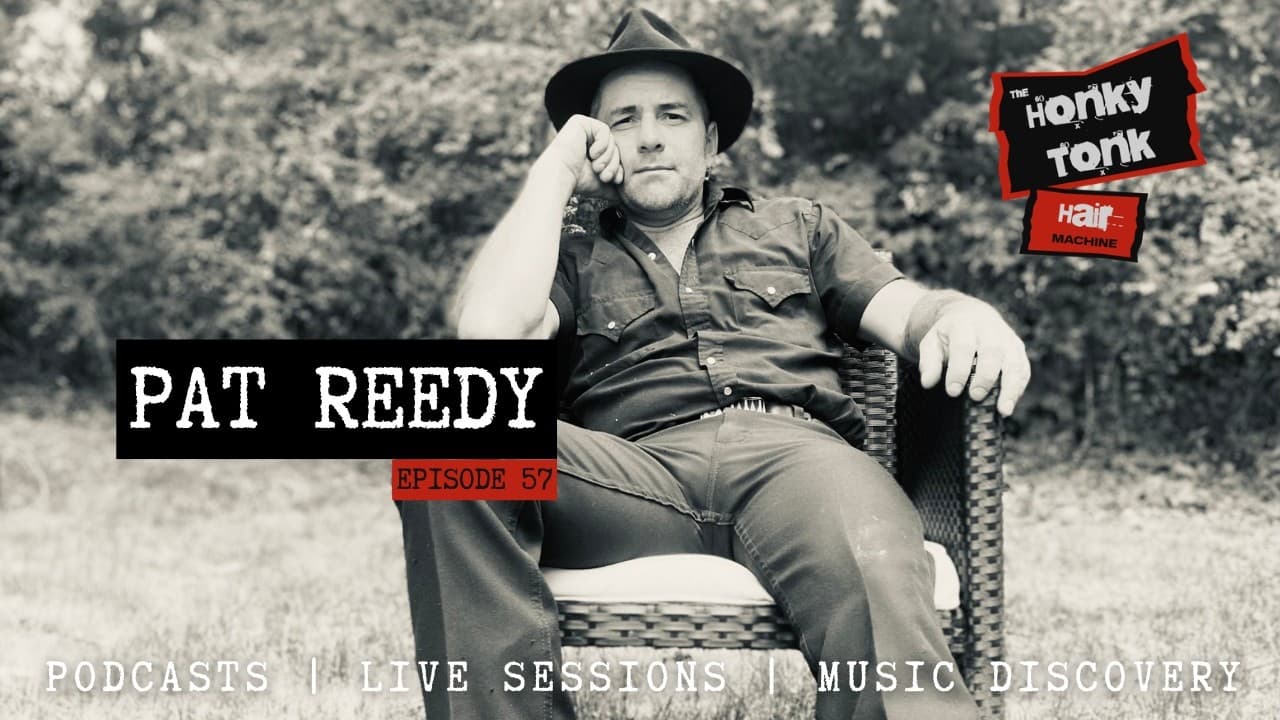
Pat Reedy
Pat Reedy on Busking, Nashville & Building a Country Music Career
Pat Reedy joins Camden to discuss leaving construction behind for country music, busking in New Orleans, life in Nashville, ...
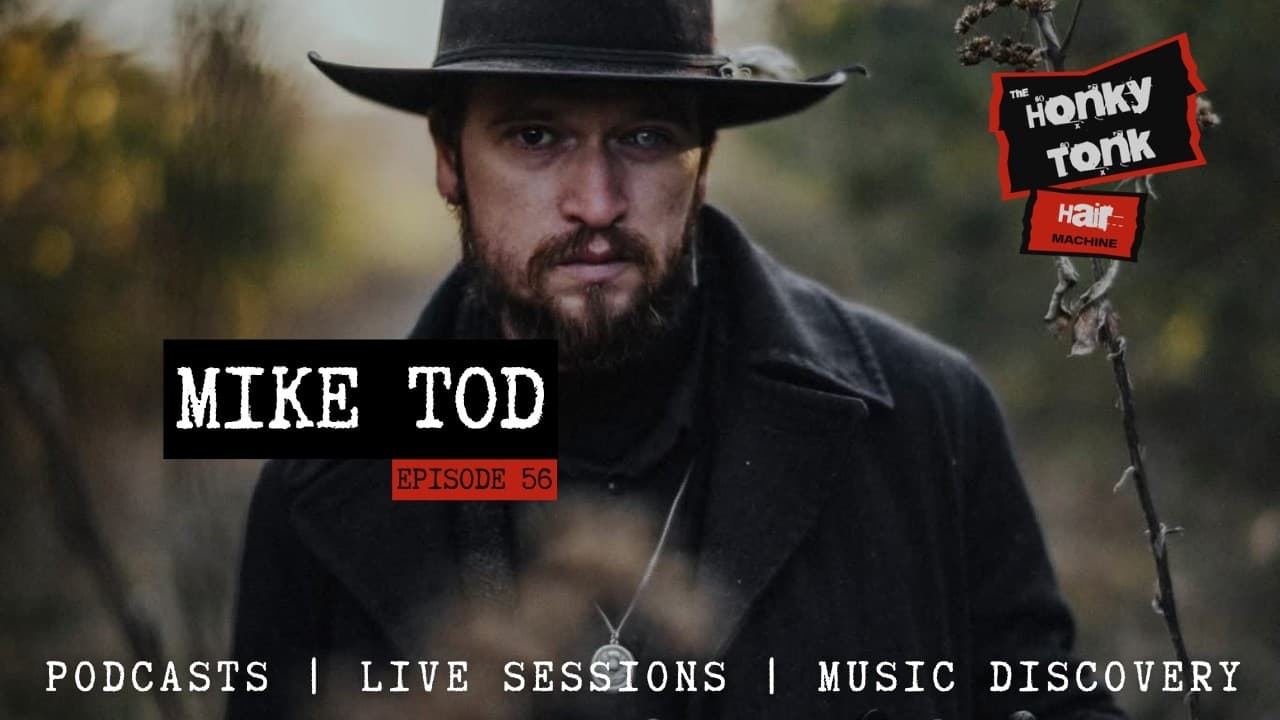
Mike Tod
Keeping Traditional Folk Music Alive in Nashville | Mike Tod Podcast
Mike Tod joins Camden to discuss traditional folk music, Canadian roots, life in Nashville, forgotten songs, unusual instruments and why preserving musical history still matters today.Originally from Canada and now based in Nashville, Mike explores the stories behind traditional songs, the connections between folk music around the world and how old music continues to influence modern artists. We also discuss his unique "Crankenstein" instrument, musical curiosity, collecting songs from the past and the importance of keeping traditions alive for future generations.Chapters00:00 Introduction00:00:30 Growing Up in Canada00:02:20 Discovering Music & The Crankenstein00:04:10 The Story Behind The Crankenstein00:05:20 Drones, Folk Traditions & Ancient Music00:08:10 Learning Guitar & Performing Original Songs00:09:40 Accessing Traditional Music in the Digital Age00:11:20 Researching Music History00:12:10 Playing The Crankenstein Live00:14:00 Creating Atmospheric Sounds & Live Performance00:16:00 Traditional Songs & Musical Origins00:17:50 The Artists Influencing Mike Today00:19:20 Studying Philosophy & Creative Thinking00:22:00 Horror, Heavy Music & Folk Culture00:24:00 Scottish Heritage & Family History00:27:10 Final ThoughtsSubscribe to The Rugged Revival. Share it with your friends. Support independent music!Listen to the full podcast on Spotify: https://open.spotify.com/show/6wnHcgA73o1aiiKaz882vH?si=30aabdaa220a4628Follow The Rugged Revival:Instagram: https://www.instagram.com/theruggedrevival/TikTok: https://www.tiktok.com/@theruggedrevivalFacebook: https://www.facebook.com/profile.php?id=100094507520679Website: www.theruggedrevival.comEmail: ruggedrevival@hotmail.com