
Susannah Clegg - Exploring the UK Country & Americana Scene
Watch on YouTube
Subscribe for new episodes, Grit Sessions & more
Listen to this episode
In This Episode
The Weight of Independence: Susannah Clegg on Building a Country Career in Britain
Susannah Clegg made her leap in April—quite literally on the first day of the UK tax year—when she decided to stop trying to balance a part-time job with the increasingly impossible demands of being a full-time independent artist. It was a practical decision born from something deeper: the realization that creative survival in today's music industry demands you become not just a musician, but an accountant, a videographer, a social media strategist, and a booking agent all rolled into one. The fact that she timed it to coincide with the financial year suggests a dry wit beneath her thoughtful demeanor, but also a very real acknowledgment of what this gamble actually means.
From her base in Lancaster—a small but vibrant city just north of Manchester and nestled near the Lake District—Clegg represents a quiet truth about the UK Americana scene that deserves far more attention than it typically receives. While American country music dominates the conversation at most UK roots venues and festivals, there's a thriving cohort of British artists quietly building something genuine and uncompromising. Clegg's music trades in the storytelling tradition that defines the best country music, that old-fashioned way of turning lived experience into something that resonates across generations and geography.
I like to think of my songs as sort of like storytelling. I think that's the way I come into it.
— Susannah Clegg
What makes her candid discussion about the realities of independent artistry so refreshing is how she refuses to romanticize it. Yes, she's living her dream. Yes, she's enjoying the freedom of pursuing music full-time. But she's also brutally honest about what that freedom actually costs. The social media grind alone—something that can consume fifteen hours a week or more—represents a fundamentally different skill set from songwriting or performance, yet it's become non-negotiable for artists who can't afford publicists or radio pluggers. Video editing, networking, email management, recording logistics: these aren't afterthoughts to the creative process anymore. They are the creative process.
This is where Clegg's observation about needing "seven different jobs" lands with real weight. She's not exaggerating. An independent artist in 2024 must juggle creative output with relentless self-promotion, manage their own technical requirements, navigate streaming platform algorithms, and somehow maintain the mental space necessary to write meaningful songs. It's a setup that feels designed to exhaust creativity rather than nurture it, yet thousands of artists worldwide have chosen this path because the alternative—waiting for permission from record labels or radio gatekeepers—feels equally impossible.
The amount of admin that it requires was something I couldn't really balance with having a job as well because I'm not super organized.
— Susannah Clegg
What emerges from her conversation is both a warning and a manifesto. The warning: don't underestimate what it takes to survive as an independent artist. The manifesto: the UK Americana community is supportive enough, and the hunger for authentic country music is genuine enough, that it's actually worth trying. Clegg made her leap knowing that if it didn't work out, she could always return to conventional employment. But there's something in her tone that suggests she's past the point of wanting to. She's tasted what it feels like to dedicate herself fully to the work, and even with all its administrative headaches and social media demands, it suits her better than compartmentalizing her life.
The broader implication here matters for everyone invested in roots music in Britain. Artists like Clegg are the infrastructure that builds scenes. They play the local venues, they show up at other people's gigs, they network genuinely rather than transactionally, and they create the ecosystem that keeps traditional music alive in places like Lancaster and Manchester. But they can only do that if they're able to actually make a living. The tension between what they need to sustain themselves and what the industry currently offers remains one of the UK scene's most pressing challenges.
For anyone curious about how independent artists actually navigate this landscape—the real, unglamorous nuts and bolts of it—Clegg's episode is essential listening. She's thoughtful, honest, and refreshingly unsentimental about her own situation, which makes her the perfect guide through the complicated terrain of building a music career on your own terms in modern Britain.
[music] We are back and this time we are joined by uh my friend Susanna Kle. How are you? >> I'm good. Thank you for having me. >> Fantastic. We wanted you on the podcast for quite some time. Um I I mentioned just before we came on the show uh that I want some more UK artists involved in what we do and and to kind of broaden our horizons uh on that particular scene. So before we kind of dive into the the kind of deeper questions, let's start in terms of who you are uh and where you're from. So do you want to give a a little introduction before we start? >> Sure. Um so my name is Susanna. Uh I live in Lancaster, which is uh north of Manchester. Um which I guess is like somewhere Americans will know maybe. Um I like the the older traditional kind of country that you guys like as well. So uh um yeah um I like to think of my songs as sort of like storytelling. I think that's the uh the way I come into it. Um yeah. >> Fantastic. [snorts] So so in terms of like educating me from being the south from the south and our American friends. So what what's kind of uh your home hometown like? >> Um so it's technically a city but it's uh it's pretty small. Um, but there's really good music scene. Uh, it's not there's there's a few country Americana people, but uh there's a there's a big mix. Um, different kinds of music. Um, so there's a lot of that going on. Uh, but it's it's pretty rural. Um, it's quite near the Lake District, so uh, >> lots of countryside. >> It's lovely up there. I've been a few times just on me holidays, but uh now I'm always interested in finding out about different scenes and you know predominantly we have US-based artists here but um you know some UK artists have been on before like Jack Browning. So we've got to know a little bit about you know his perception of the UK scene which we'll go into with you as well. But uh is there any kind of music icons or anyone kind of famous music-wise from Lancaster? I'm not familiar. I think I think that was someone from the 80s, but I'm not [laughter] I'm not sure what the song was. >> 80s pop icon. >> Yeah. >> No one from the kind of country or Americana world that that we know about. >> Not that I know of, but maybe I'm wrong. [laughter] >> Fair enough. So, I think you you mentioned before that you have jumped straight into music as being a full-time occupation. Is that right? >> Yes. which uh >> So, how long's that been going on for? >> Um I think probably about April is uh is when I decided it was the new tax year. So, it's like [laughter] >> it makes sense for you. >> Um yeah, I don't know how wise a move it has been, but I'm enjoying it. So, >> good on you. Good on you. So, what was the tipping point then? So, you've been doing this for from what I can see for a number of years now. And was that that was on a part-time basis with with work presumably and you made the choice to jump straight into it this year. >> Yeah. Um I just felt the amount of admin that I think it requires um was sort of something that I couldn't really balance with having a job as well um because I'm not super organized. Um, so that was part of the reason, but like this is what I want to do. So it sort of made sense to just try and go for it. Um, and see what happened. So far it's been going pretty well. So um, it was Yeah, it was kind of just like a see what happens kind of thing and then if it doesn't work out then I could get a job again, I guess. >> Re re-evaluate your situation. Yeah. So, so I always find it interesting because we're on the other side of the fence, you know, kind of looking inwards at you artists and and seeing how we can support you in different ways. And, you know, I suppose for anyone not in your your world per se, what kind of admin or what kind of constraints are there as an independent artist for you? >> Um, I think a lot of people don't realize that it's not just like playing music or even writing music. Um, it's like seven different jobs because you got to do all the the networking and the emails and all that kind of stuff, but the social media as well, which takes longer than like I'm sure you know, but it takes longer than you would think. Um, and is a job in itself. And then the writing obviously takes time. And um, I guess like when you're recording as well, that's there's a lot there's a lot going on there. Um, I think it's it's quite hard as a job now because it's it's not just like the music. You have to learn loads of different skills like video editing, whatever. Um, >> yeah, >> it's just like you say, it's a lot of different hats and I always find it interesting how how you guys kind of balance your time and yeah, something's got to give at some point and yeah, it it's so difficult and like you say with the social media aspect, I'm always interested in hearing kind of uh people's views on that because it can be a double-edged sword. Um, I like to say, you know, it's it's great in one respect in terms of, you know, you don't have to go through uh or trying to open various doors. You've kind of got the the network there in front of you as such. You've just got to tap into it and trying to crack the algorithm, you know, I think you'll you'll lose your mind, you know, trying to trying to work with that. But, uh, then on the flip side, like you say, you're not just an artist now. You're meant to be a social media influencer. And there's a lot of people I speak to that just hate that side of it. You know, it's uh it's not them. It's not what they kind of went into music for, but you know, this in this day and age, it's kind of what you're up against, isn't it? If you want to to be heard. So, >> is that your experience, too? >> Yeah. I think even the people that seems like they like it don't really like it. [laughter] Um cuz I think like maybe it's not the case, but um like I don't think anyone really wants to share every second of their life with people that they'll never meet and like probably quite often have something nasty to say about it. Um and I think it sort of takes away from the mystique as well. I think like a lot of musicians that I like like I know bits about them but I think if I ever met them like I don't know if I get on that well with them like historical artists um like I don't I don't know how well I get on with like Towns and you know [laughter] >> but the mystique and the the mythos the mythos around him is like that's part of what makes him cool as well and I think social media is really taken away from that as well. >> Yeah. Yeah. you get a full peak behind the curtain, don't you? And it's I'm I'm of the same opinion, you know, of of older artists that I've admired. And when you discover more about them, their personality or their lives, you think, "Oh, that's kind of taken taken that image that I had of them away." And it's uh it's left me with something I'm not quite happy with. But uh yeah, that's interesting. It's um so in terms of like your own music, let's let's talk about that. Let's go into that a little bit more. um you know, for people that haven't heard it before, uh rather than me kind of reading your Spotify bio. And thanks for adding us in there, by the way. I [laughter] I didn't realize you did, D. And I didn't realize anyone >> I didn't realize anyone took our our our comments that seriously. So, >> but you know, we we we we stand by it. You know, you are um you know, a standout voice in UK country. I think that's something that we we said previously and you know, we we completely stand by that. Hence why you're on the podcast and we're speaking to you and you know we we'd love to know more about you but yeah talk about you know tell us a kind of a synopsis about your music and your style. >> Um so none of it's really about me. I I find it impossible to write about myself in a specific way. So like it's it's not really music that's like here's an event that happened to me or something that you know has affected me but um it's it's more about trying to get across a story but which may be like infused with my personal feelings or my views or whatever. Um, but nothing is particular. Well, actually, Colorado, um, which is kind of the song that I think most people have listened to, um, is was sort of so the the line is, "If I get back to Colorado, um, which was kind of just like I'd just been to Colorado and I wanted to go back. If I get back [music] to Colorado [singing] is an unrelent flow. Broken memories all have fun. But if I get back to Colorado, that rocky mountain [singing] grab me peace of mind. >> [music] >> But um other than that it's it's more about stories. So like I have a song called Tess which is based on um a Victorian novel Test of the Derivos by Thomas Hardy. Um, and I'm just sort of like interested in how we can sort of take some of the more English or British um, kind of folk or like pastoral stories and put a sort of American twist on them as well. >> Um, but yeah, and I think like the sound is quite um, more on the old school side. Uh, the stuff I'm writing now is more like kind of 50s country, I guess. >> Um, >> yeah. >> Yeah. >> Yeah. That No, no, you've got that right. I think that that was my kind of impression after listening to your music is more kind of the oldtimey um country. Um, some bluegrass in there because I I believe you're in a bluegrass band as well. >> Yeah, I dabble. [laughter] I I can't I can't pick. Like uh some people can, but [laughter] I I like the music a lot. And uh I'm in a band with um my boyfriend and his sister and her boyfriend. Um so whenever we get together, we have like a family band kind of thing called The Long Nights. >> Awesome. It's uh I went to see a blueg grass gig um I lose track of time. I think it was like last year to see Colby T Helms. Um, and I think Dom Glenn was there too. And some of the picking that they were doing is just ridiculous. Finger picking style. I think uh Colby Flapics and you know, it's just it looks incredibly difficult for somebody that can play guitar badly like me uh to be able to learn anything like that. So, uh, yeah, good on you. So, you you've you've got you're in the band. Uh, you were doing you're doing your solo stuff. Um, so how's the solo career going so far? >> Pretty good. Um, better than I expected to be honest. Um, I've got a few like really good opportunities this year that I wasn't really expecting to get so early. Um like I played at Robin Roots Review um back in April and that was my first festival and it's obviously like a really cool like specified Americana festival. So like it was just a room full of people who actually wanted to hear the music and it was really great. Um and yeah just like this year has been a lot of fun really. Um, I feel like maybe people are starting to take notice a little bit. Um, and I've met a lot of, like you say, like the UK scene has has welcome me quite nicely. Um, good. So, it's it's cool to meet everyone as well. >> Fantastic. And, uh, are you supporting some gigs with Fer Love of Appalachia as well? >> Yes, that's next this weekend. This weekend? Yes. Um, [laughter] >> I'm uh, it's in Barnsley. Um, so it's like a day festival. Um, which I'm really excited about. I was really I really wanted to work with uh cat. So I'm glad to have made that connection um through you I think maybe. Um and yeah, so my friend Paul Lama is also on that and he's an amazing uh flat picker and singer as well and so I'm looking forward to playing with him as well. Um, and uh, just meeting everyone else, which is uh, very exciting. >> Yeah, it will be an experience. So, you're you're supporting Joe Clark and Cody Lee me, some of the best uh, artists in Kentucky at the minute. Um, so yeah, it's uh, it's great that you're on that, Bill. Um, I'm sorry I I won't be at the Barnsley gig. Um, I'll be going to the Bar gig in Wales. Uh, hopefully to do a grit sessions with the guys as well. But, uh, but yeah, the Barnsley one sounds fantastic. So, I think if anyone is in the area, uh, is that on the Monday, Tuesday, what date is that? >> Um, I believe it's Saturday. >> Completely wrong. >> I'll [laughter] just check to make sure. >> I should know all this. >> Yeah, the 30th. Saturday. >> There you go. So, if you're in the Barnsley area on the 30th, go and see Joe, Cody, and Susanna. Uh, because it will be a fantastic uh fantastic day of music. So, there you go. So, let let's talk about the UK scene because we we've kind of skirted around it somewhat. You said it's very welcoming. Um, I should know a lot more about the UK scene than I do. Um, but for some reason, I've been kind of sucked into the Kentucky world and the Texas world and a lot, you know, of the US kind of states and and their scene. So, I've somewhat neglected the UK scene. U, that's my fault and it's something I'm going to fix uh going forwards. But, you know, in your opinion, um, when you first started out, you know, what did that look like, uh, in the UK? Because we've got, I would say, an emerging scene, um, in my opinion, from what I can see. Um, you know, we we we don't have a lot of singer, songwriters, and original artists. Not as many as as the States does. You know, we don't have that as much of that culture. Um, which I'm hoping that will improve. And I'm I'm seeing some improvements in the short kind of space of time that I've been observing. Um but also we we've got stuck in a bit of a rut where a there's a lot of um tribute artists um that that are on some massive bills as well and and good on them. You know, I've got nothing against tribute artists, but you know, for for what we do um I like I would like to see more original artists with original songs that are yours uh that we can go listen to. So, so rather than me kind of waffling on about it, [laughter] what is your opinion of the UK scene and you know, what's it been like for you? >> Um, it's been it's been really great. Um, I do agree with the the tribute artist thing. I do think I think it's good that they have opportunities, but I would like opportunities for original music as well, even if it's the same people. cuz I know a lot of people who got into the the tribute thing also write their own stuff. Um but yeah, the people uh like you said, Dom Glenn, he's great. He's just released his album which is amazing. Um and I think Savannah Gardner is also from London and she's a really really good singer songwriter and she's got like amazing stage presence as well. A big fan of her. Um I'd say there's probably more down in London just from what I've seen. Um, but I think that's a problem just with the UK in general is like there's a lot of stuff going on in London and not a huge amount anywhere else really. Um, but there are actually uh three of us in Lancaster though. So uh um there's like there is definitely um I'm not I'm not making a huge amount of sense at the moment. [laughter] I keep starting sentences. But so there's like there is a a good broad spectrum uh in the UK of like the more pop stuff as well as the like traditional like acousticy singer songwriter uh songs about death and stuff which is maybe more what I do. Um but like this girl called Amy Joe. She's a really great sort of pop country singer. Um, and she's also from Lancaster, which is what I mentioned before. Um, just trying to think of people's names to be honest. >> I know I I go blank all the time when I'm doing these, but um, yeah, I I mean, like you say, I think it's very London centric, the scene. Um, albeit there's some great festivals. Um, the one that's just gone uh this weekend, A Long Road, I think is one of the best festivals outside of like the bigger ones, country to country. and you know the fact that they're bringing in uh a lot of UK artists that I've seen online uh that were attending some of the kind of areas there and some friends from Kentucky Josh Mitchum was playing over the weekend. Um so it seems like um you know not everything's in London. Um >> no, >> but more more could be outside of London. I I completely agree with that. I do think it's sort of starting to happen a bit as well cuz I think sometimes people just don't realize that like some people don't like move away to London cuz a lot of people obviously come from around the country to London so it's sort of the scene is there but I think actually going back to the social media stuff like you don't really have to do that as much anymore so I think with people being able to day where they live uh including up north or like other places. Um like it sort of forces the scene to grow elsewhere as well a bit. >> Um but yeah, I was actually at Long Road for not a very long time, just like half a day I think. Um cuz I managed to get a busking spot there. Um but yeah, that seemed like a really great place and that's in the Midlands, >> Leicester. Yeah. So, not far from me. Um yeah, some great places in in and around. So So in terms of you know, we we we talk about the good, bad, and the ugly in terms of the UK scene. What What do you think that we're doing well at here? You know, what the good things that we're doing? I think there's not a lot of sort of competition or um like everyone's very supportive of each other I think and they want you to do well because it's such a small and growing scene that there's not really um no one's really fighting each other for the same sort of stuff. So, everyone kind of like wants new people to start writing and supports them and welcomes them in and like is willing to give you a support slot or like share your social media stuff or any of that. Um, so I think that's a really good thing. Um, >> yeah. And what do you think might be missing? So, if you could wave a magic wand right now and and say, "Right, the UK scene needs this. Let's let's kind of pull it in place. >> I think sort of more like top down support if that makes sense." Um, >> is that from from bigger artists or through industry connections? I don't really know because like I myself am not really um a big enough name yet to like I don't know what it's like for people who are sort of trying to take it to the next level from where they're at. Um, so I don't like I don't know for sure what the industry is actually like, you know. Um, but I think sort of like financial investment um, but I think this is like again a problem with the UK is that the arts are not really being supported um, by the government or like it's not really valued as much at the moment. Um, so I think that's I don't know how that would happen, but [laughter] I that would help, I think. >> So, money, investment, and yeah, support. So, if anyone's out there, um, [laughter] truckload of money our way and we'll we'll make things better. But uh yeah, like like I keep saying, I I think it's a great opportunity for anyone who is looking to invest or to get involved in the scene um particularly in the UK because it is I think at a point where things can happen and things can happen very quickly. Uh I keep harping on about them, but our friends at for the love of Appalachia have kind of found that um pocket within the market that was missing. you know, that kind of cross-cultural um bridge that's been created by the likes of Cat Deeds and Lance Rogers particularly um to not just bring Kentucky artists over um to for us to, you know, enjoy and and watch them play, but to use that as a kind of platform for for independent UK artists like yourself to, you know, get involved in that and to to kind of share that limelight and that that kind of exposure. So, I think that that that is working very well um so far. It's interesting to see what's going to happen this year, next year, and you know, going into it. But, uh yeah, so it's great. It's great that you're supporting the Barnesley gig and yeah, anyone that is there, like we keep saying, make sure you get a ticket and go and go and support the guys. >> So, being back to an independent artist, what what is kind of your favorite thing um within that? um that I can sort of just do whatever interests me. Um I don't have to sort of cater towards anything. Um or even like do the same thing again that has been successful last time. Like I can sort of explore what I want to do. Um, so like my first EP, um, The Road is Only Miles, which is my only EP at the moment, but um, that was sort of more American I think. And then I think this next one that I've written quite a lot for is sort of more country. And obviously that's the same sort of broad genre, but like I have the freedom to sort of approach songwriting from any angle that interests me in that moment without sort of having to like get anyone's approval or anything like that. >> And I can just like yeah, I can just gig wherever I want as well. like I tend to say yes to basically everything because I it's like what I enjoy doing. So people have been like, "Oh, you gig so much." And it's like, "Yeah, but that's like what I want to do." So that's obviously it's uh not very financially smart, but there's a lot of traveling involved. Um but um I can just sort of go wherever I want if they'll have me and then >> like meet everyone, play for everyone. It's just a lot of fun. >> So we see artistic kind of freedom uh that that comes with that. So on the flip side, what what for you personally is the most annoying or or kind of challenging part of being independent? >> Just having to do everything, [laughter] I think. you have to do all the marketing, all the like I I enjoy some of it cuz I I do enjoy some admin. Um but it can get a bit overwhelming. Uh especially when you're trying to balance it with traveling or with uh anything else like personal life, you know, it's uh you you sort of have to work all the time. like um everyone who owns a small business probably feels the same. Um but you kind of have to like if you get a text or an email or something like you if you can't ignore it even if you're at like a family event or something like you still have to sort of be on and working. Yeah. >> Um >> which can be frustrating. [laughter] No, it's uh like you say, you wear many hats and um yeah, there's going to be some parts that frustrate you, but it's the life you've chosen, uh Susanna, and you know, [laughter] it's it's what you got to do uh to to kind of keep it flow, but um yeah, I want to keep up with uh our friend Camden, the honky tonk hair machine. So, if you've seen our new kind of segment with Camden, he's meeting a lot of artists, talking about styling and things like I'm not as stylish as Camden, as you can tell. Um, [laughter] but for you personally, kind of what what what style do you go for when you hit the stage? What's your kind of favorite outfit? What what what do you go for? Um, I always wear a hat because um, partly because it looks cool and partly because I think it helps people remember you because it's not really a thing people wear here. Um, so if you saw the girl with the cowboy hat thing, then you can remember hopefully. >> Uh, I like a shirt most of the time rather than a t-shirt. Um, a waist coat I really like to wear. I think it looks cool. and then like jeans and some sort of boot, but I actually don't own own any cowboy boots. So, >> we got to fix that. Get yourself some is it the Ariats or the >> Yeah, I don't know. So, like the hat, my boyfriend sort of found it in some like really small store in Texas on like the last day that they were he was there. Um, >> cool. >> And it was like a fated hat. So, I'm kind of waiting my fated boots. I [laughter] don't I don't want to just buy some. >> Oh, fantastic. [snorts] I've seen some uh recent videos where you're in an antique shop as well, and I think kind of the if you think about the aesthetics of the clothing and the the antique store, that goes really well. And I think it was is it Prospect Street um you were singing uh with within that store. So, talk talk to us a little bit about Prospect Street because that's uh it's a newer song, isn't it? And it's something I I know Jack Brown put me on to and you know he's he's been supporting you with that particular one. >> Yes. Yes, he has. Um yes. So it's actually a road in Lancaster. Um and the first time I heard it I was heard the name I was like um that sounds like a really good song. Uh because it's sort of like if you're on Prospect Street then maybe things are looking up for you. But what happens like if you're not on Prospect Street anymore? Um, so it's a kind of old school like Lost Love kind of song. Um, it it actually came about because I was trying to write some sort of fun songs. Um, so my parents are very supportive. Uh, but they prefer like fun music rather than sad music. [laughter] So, I was trying to write some sort of more upbeat uh fun songs. Um, and I the one that I came up with was a a breakup song about uh your boyfriend marrying someone else. I guess is the story. I walk down this road a hund [singing] [music] times or more. If these stones could speak a word, then they just [singing and music] we now stand [singing] where once there [music] was a home. Now there's nothing to be found [music and singing] on Prospect Street. >> [music] >> So there's a compromise in there somewhere. >> Yeah. [laughter] >> Fantastic. So outside of kind of music, I suppose you don't have a right lot of time in between gigging, writing music, and playing out. Um, is there any kind of passions that you have um outside of it? >> Yeah. So like I I love being outside, so I like hiking. Uh especially with my dog. He's called Towns. Um, [snorts] and I like I love just storytelling. Like I love to read and I love films and I love like TV and stuff. So like it kind of all inevitably feeds back into the songwriting, but um I like to see how other people tell stories and like get inspiration from that and stuff like that. Um yeah. No, that's great. So, in terms of uh what's coming up next for you, Susanna, so we we talked about um the full of love of Apple. Actually, I wish they chose a shorter name than that. I always >> We need to acronym it. >> I know we do. We really do. [laughter] So, you've got that going on uh over the weekend as we've mentioned a few times. What was kind of coming up for the the rest of the year after that for you? >> Um I've got some cool support slots coming up. I'm supporting Karen Jonas uh in London. Um I've supported her before actually with the band and she's a lot of fun. I really like her music. So it's it's going to be fun to do that again. Uh that's in September. Um actually I think it's next week cuz it's nearly September now. [laughter] I >> know struck a time. >> And I'm supporting uh Peter Bruntal as well. Um which I think is in Lesterish, Great Eastern, Midlandsy. [laughter] Sorry, the Midlands is kind of like a blank space to me, except all [laughter] my friends know that. Um, and then, uh, I'll be down in London in November again, um, playing at the the Dukes of Highgate. Um, which should be a really fun one cuz that's like the coolest bar in the UK, I think. >> Um, [snorts] but yeah, I always I always put my shows on my website and social media and all of that stuff. So, uh, >> that's a good segue. So, where can people find you mainly? Where are you most kind of active? >> Um, I'm active on Facebook and Instagram the most, I would say. Uh, so that's Susanna Kle Music for both. Um, I do technically have a Tik Tok, but I don't really like it. [laughter] So, >> I think even us, you know, we don't know what to do with Tik Tok sometimes. It's there. It's a space to connect with people and to go live. And we've attempted to go live a few times badly, uh, may I add. Um, so yeah, I I I get the Tik Tok thing, but uh, cool. So that that's great. We've got a few few places people can look out for you. I think you got a YouTube channel as well with some of your music on. I I always love the asthics of of watching a video that you've put together as well. >> So, you know, head over there. Is it under the same name as well? >> Yes. Cuz music again. We tried to make everything the same [laughter] so it was easy. >> Luckily, no one stole the uh the same name. That's great. >> Fantastic. So, uh, we'll end, um, in in a second, um, before I I play my my silly game as I normally do. So, at the end, I I like to do something called Pastor Mike. Um, and this is where, um, I I get someone like you on who will ask the next person any question you like. Uh, so that could be music related or not music related. So, we kicked things off last week with Hunter Bllelock. Um, an amazing Georgia artist. Love the guy. He's fantastic. Um, so his question to you, uh, is, do you think the Georgia Bulldogs are going to go all the way this year? >> I don't even know what sport that is, but yes. >> I didn't either, to be fair. I [laughter] think it's American football. Um, so just say yes. I think that will keep him happy. There you go. >> It's your chance to get someone back now. So, you can ask uh I don't even know who's on next to be honest with you. [laughter] I've forgotten completely. I'll have to look at the the calendar. But, uh, yeah. What what question would you ask on our next guest, Susanna? >> I should have prepared for this. >> It could be random as you want. It doesn't matter. >> What's your favorite novel? That'll be nice. >> There you go. That's a nice question. >> Yeah. The only thing that's in front of me is books. [laughter] >> Well, that goes nicely. Look, I I really appreciate you joining me today. Like I said, I' I've wanted to talk to you for quite some time and I think it's uh there's been some good insights into the UK music scene and you know, if if you're out and about uh as a fan, make sure you go and see Susanna, go and support her and as well as our other UK artists out there. And um yeah, thanks for coming on. Appreciate it. Thank you.
Comments
Keep listening
Related Episodes
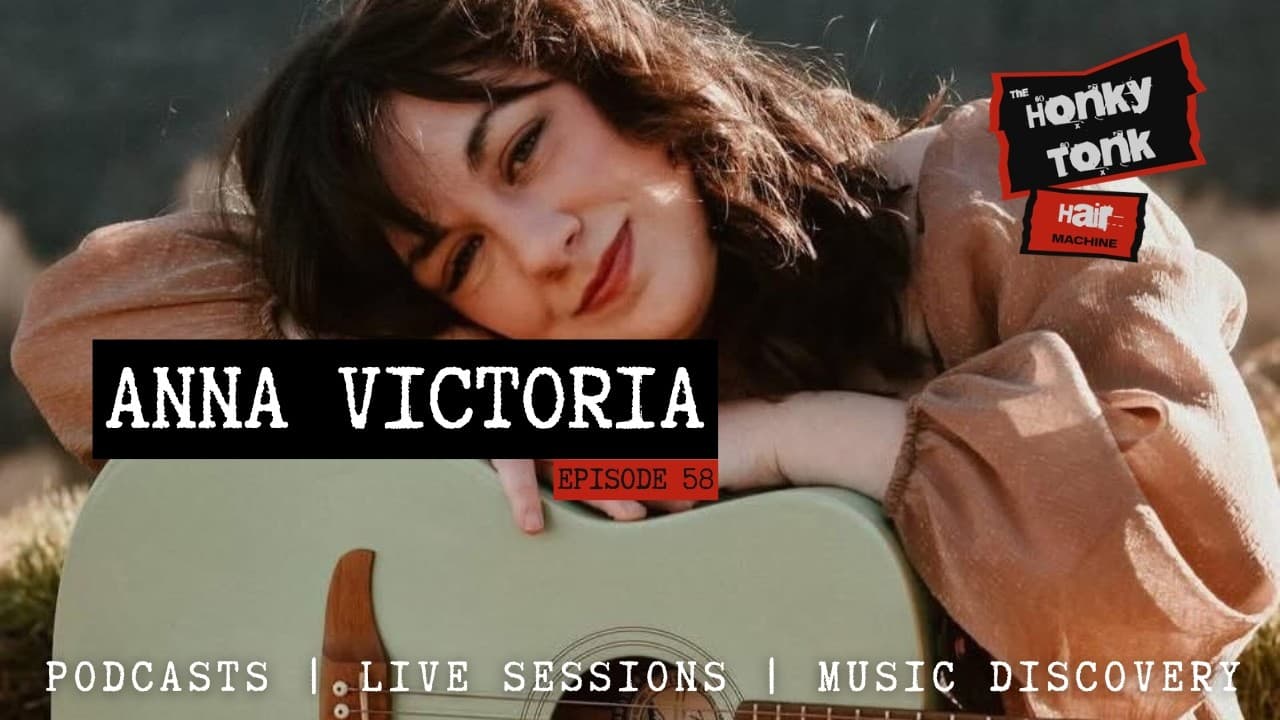
Anna Victoria
Inside North Carolina's Appalachian Music Scene | Anna Victoria
Anna Victoria joins Camden for an honest conversation about growing up in the mountains of North Carolina, discovering her voice as a songwriter and navigating life as an independent Country and Americana artist. We talk about learning to perform live, protecting her voice, finding confidence on stage, the influence of Appalachian music and artists such as Luke Combs, Sierra Ferrell and Dolly Parton, balancing music with motherhood, and the challenge of staying creative in a world driven by social media. It's a thoughtful conversation about music, family, creativity and staying true to yourself while building a career in independent music. Chapters 00:00 – Introductions, Weaverville, childhood. 02:00 – Singing, vocal health and beginning her musical journey. 06:00 – The pandemic, booking gigs and developing as a live performer. 09:00 – Coping with distractions, confidence and performing. 12:00 – Appalachian influences, Luke Combs, Sierra Ferrell, Dolly Parton and mountain songwriting. 15:00 – Family life, being a stay-at-home mum, social media and balancing music with everyday life. #lukecombs #sierraferrell #dollyparton Subscribe to The Rugged Revival. Share it with your friends. Support independent music! Listen to the full podcast on Spotify: https://open.spotify.com/show/6wnHcgA73o1aiiKaz882vH?si=30aabdaa220a4628 Follow The Rugged Revival: Instagram: https://www.instagram.com/theruggedrevival/ TikTok: https://www.tiktok.com/@theruggedrevival Facebook: https://www.facebook.com/profile.php?id=100094507520679 Website: www.theruggedrevival.com Email: ruggedrevival@hotmail.com
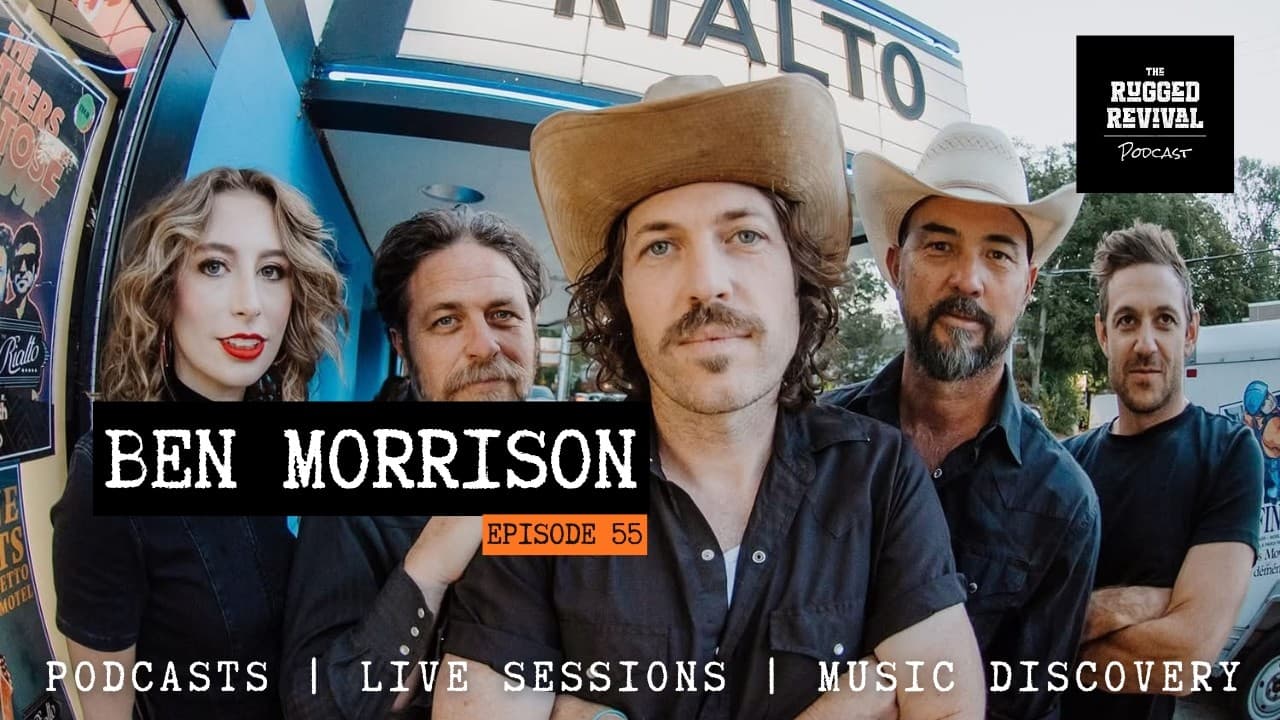
Ben Morrison
The Brothers Comatose: Ben Morrison on 18 Years of Music, Family & Touring
Ben Morrison of The Brothers Comatose joins the Rugged Revival Podcast for an honest conversation about nearly two decades ...
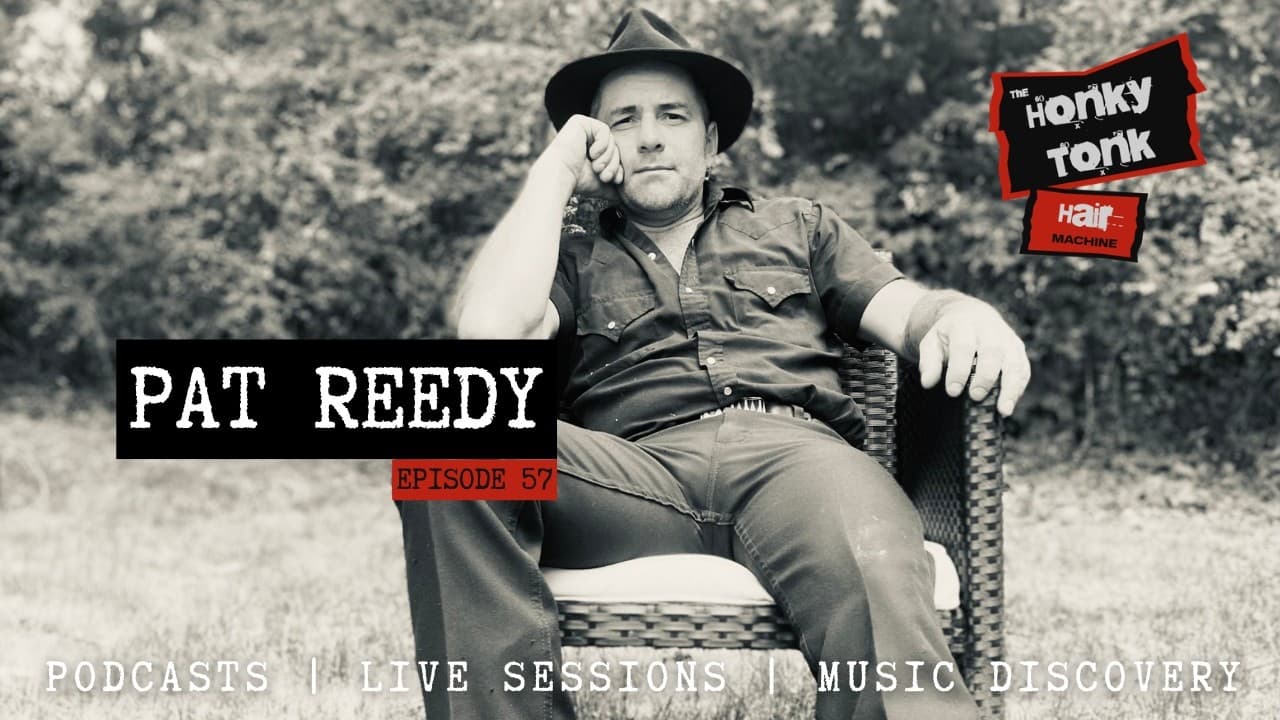
Pat Reedy
Pat Reedy on Busking, Nashville & Building a Country Music Career
Pat Reedy joins Camden to discuss leaving construction behind for country music, busking in New Orleans, life in Nashville, ...
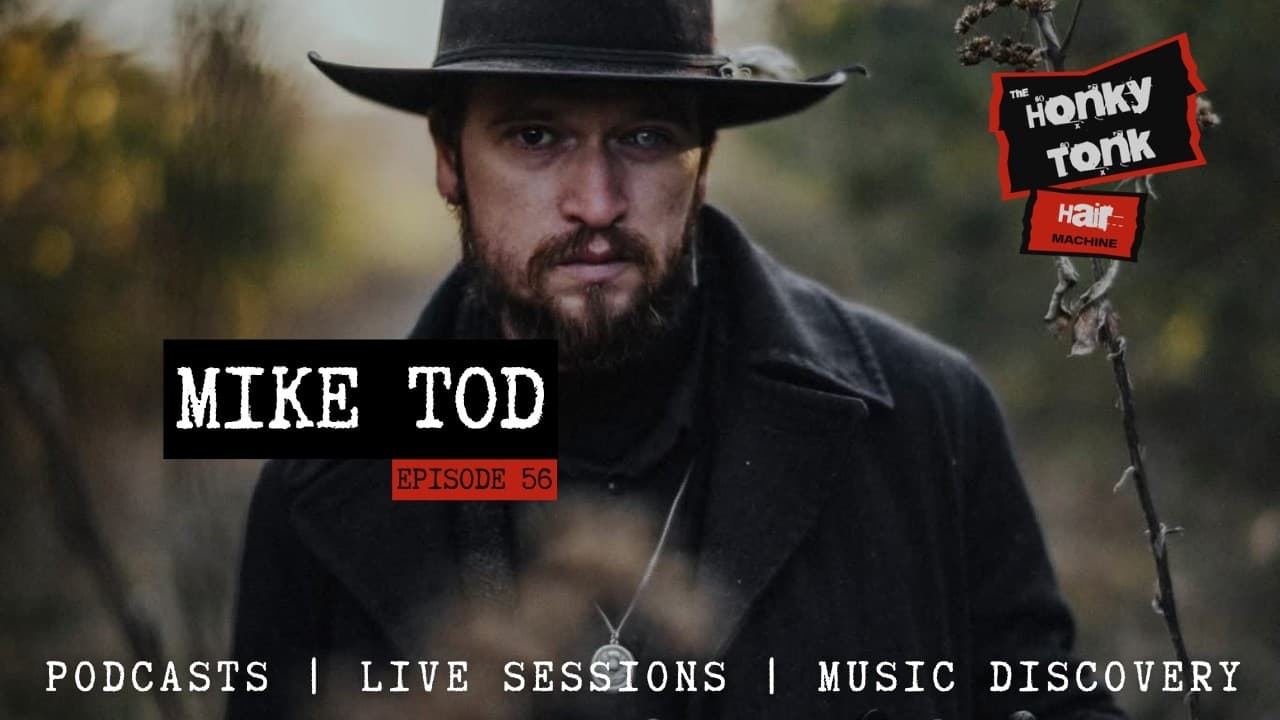
Mike Tod
Keeping Traditional Folk Music Alive in Nashville | Mike Tod Podcast
Mike Tod joins Camden to discuss traditional folk music, Canadian roots, life in Nashville, forgotten songs, unusual instruments and why preserving musical history still matters today.Originally from Canada and now based in Nashville, Mike explores the stories behind traditional songs, the connections between folk music around the world and how old music continues to influence modern artists. We also discuss his unique "Crankenstein" instrument, musical curiosity, collecting songs from the past and the importance of keeping traditions alive for future generations.Chapters00:00 Introduction00:00:30 Growing Up in Canada00:02:20 Discovering Music & The Crankenstein00:04:10 The Story Behind The Crankenstein00:05:20 Drones, Folk Traditions & Ancient Music00:08:10 Learning Guitar & Performing Original Songs00:09:40 Accessing Traditional Music in the Digital Age00:11:20 Researching Music History00:12:10 Playing The Crankenstein Live00:14:00 Creating Atmospheric Sounds & Live Performance00:16:00 Traditional Songs & Musical Origins00:17:50 The Artists Influencing Mike Today00:19:20 Studying Philosophy & Creative Thinking00:22:00 Horror, Heavy Music & Folk Culture00:24:00 Scottish Heritage & Family History00:27:10 Final ThoughtsSubscribe to The Rugged Revival. Share it with your friends. Support independent music!Listen to the full podcast on Spotify: https://open.spotify.com/show/6wnHcgA73o1aiiKaz882vH?si=30aabdaa220a4628Follow The Rugged Revival:Instagram: https://www.instagram.com/theruggedrevival/TikTok: https://www.tiktok.com/@theruggedrevivalFacebook: https://www.facebook.com/profile.php?id=100094507520679Website: www.theruggedrevival.comEmail: ruggedrevival@hotmail.com