
Sherman Potatoe - Alternative Country & Americana Music From East Germany | Rugged Revival
Watch on YouTube
Subscribe for new episodes, Grit Sessions & more
Listen to this episode
In This Episode
When Sherman Potatoe picks up his banjo, something shifts. He describes it as a "wakeup moment"—the instrument that finally revealed where he belonged as a musician. That's a meaningful thing to hear from any artist, but it lands differently when it comes from someone raised in post-Wall East Germany, playing American roots music in a place where such influences remain genuinely uncommon.
Aaron—Sherman's civilian name—carries the weight of his origins not as a burden, but as part of his authentic voice. Born in 1995, just six years after the Berlin Wall fell, he grew up in a region still processing profound historical trauma. That generational bitterness he describes, the lingering political division, the cultural insularity—these aren't abstract concepts for Sherman. They shaped his early years and, inevitably, his music.
The banjo brought me a whole new world like completely. I fell into this deep deep rabbit hole.
— Sherman Potatoe
His journey to Americana and alternative country wasn't a straight line. He started with guitar at ten, abandoned it, returned at twelve, and eventually found his footing as a singer-songwriter performing in German. There was a political edge to it then, masked performances with anarchist undertones, the raw energy of punk and protest music. But something was missing. The form didn't match the feeling.
Enter the banjo during lockdown—one of those pandemic silver linings when people had time to fall into "deep, deep rabbit holes," as Sherman puts it. The instrument opened a door to something bigger than what he'd been doing. It connected him to a musical lineage rooted in heartbreak, resilience, and stories that somehow made sense of his own emotional landscape. The transition wasn't about abandoning his convictions; it was about finding a more authentic vehicle for them.
I'm one of a few in my generation actually playing this kind of music.
— Sherman Potatoe
What makes Sherman's music compelling isn't the novelty of a German artist playing banjo-driven Americana. It's that he approaches the genre with genuine understanding rather than pastiche. When he talks about lyrics "full of broken-hearted and misery thoughts but with a glance to better times," he's not romanticizing Appalachian suffering from a distance. He's drawing from his own lived experience of a divided country, a bitter generation, and the personal struggle of finding your voice in a place where your chosen musical language feels like a foreign tongue.
There's something distinctly powerful about an artist who sounds like he's "yelling over an Appalachian Holler," as the show notes describe, except that holler is coming from East Germany. It's a collision of geographies and histories that shouldn't work but does, precisely because Sherman isn't trying to erase where he's from. He's translating it. The longing for "better days back in time and ahead" resonates across borders because it's not really about geography at all—it's about the universal human need to make sense of loss and imagine something better.
In a landscape where country and Americana often get packaged as distinctly American products, Sherman Potatoe's emergence from Germany reminds us what these traditions are really about: the raw, honest articulation of struggle and hope that happens to sound good with a banjo. He's one of a few in his generation playing this kind of music in Germany, which tells you something. It tells you he had to want it badly enough to stand alone.
This is exactly the kind of artist The Rugged Revival exists for—someone working at the margins of the genre's geography, bringing real conviction and lived complexity to music that could otherwise feel like aesthetic tourism. If you've ever wondered what country and Americana music sounds like when filtered through an entirely different cultural experience, Sherman Potatoe is worth your attention.
I'll help you. I'll help you start a revolution for this Monday morning love situation. >> Hey, what's up everybody? This is Cam aka the Honky Tonk Hair Machine for the Rugged Revival. Who am I with today? >> My name is Sherman Potato aka Aaron. That's my like citizen name. Um I'm from Germany and I'm playing country alternative country for Yeah. Especially and um folk. Yeah. >> All right, brother. Thanks for joining me. So I like to ask everybody this first question because it kind of gives us a little peak behind the curtain of who you are. So my first question for you is where are you from and what was life like for you as a kid? >> It's a tough question. I'm from Germany first. um East Germany to be clear because like it's it's it's different and uh that also brings me to the next question like what was life as a child you you you still were able to see like what the old like GDR all all these and the wall like it had it had an huge impact on on what is living in East Germany today still it's um I don't know we didn't have much still like I was born in 1995 and it was just 6 years after the wall fell. So um you you were still able to feel that especially uh with the older folks. >> They were always like a bit bitter I think also because like of all this uh politics stuff and kind of the generation now the Gen X the the generation Y and Z uh they're still like um a bit bitter. It's like this generational conflict kind of and you can see that also in in music like the people um like we're not so international. We have like German folk stuff a lot and um singer songwriters and but but not this that much of of like this international influence and uh you can see that in the music taste of many in my age actually. So I'm one of a few in my generation actually playing this kind of music. Yeah. >> Very cool. Yeah. That's this you come from a really interesting spot. So I know you play uh a few different instruments. You play banjo and you also play guitar. Is that correct? >> So when did you start playing banjo and when did you start playing the guitar? >> Uh started playing the um I also play the mandolin. I also play the doulamer like in the back. kind of I don't know if you can see it. Yeah. And um >> I'm on to learn the fiddle, but it that's a hard it's a tough business, man. Um >> I started playing guitar when I was 10, but I I I got bored like really quick because like there was not much progress and I didn't didn't really uh have a teacher. So, uh had to learn it by myself and it was it was kind of frustrating. And then I put it aside for like one and a half or two years and I picked it up again at 12. And then yeah, it it it kind of made me who I am as a musician now. this instrument. I I learned like the basics, the chords and started as a singer songwriter in German language actually and um made like this political stuff, this leftist stuff. And um I was always wearing a mask on stage and uh um and later on like I think co was like the the starter to for me to learn the banjo. I I think for many people that was the starting point for learning a new instrument, you know, like the time was there. >> Yeah. And um the banjo was like this wakeup moment for me. Like I found my instrument. Like the guitar was it was fine. It was good. It was good to to support me on stage and stuff, but it wasn't the thing, you know, like but the banjo brought it to me like a whole new world like completely. I fell into this deep deep rabbit hole. Yeah. >> Yeah. It's nice when you find uh kind of where you belong, right? You're like, I feel like a piece of the puzzle >> is put together. >> Yeah. That's fantastic. So, all right. So, you mentioned you played in um kind of like was it like a like a punk or anarchco type of band early on? >> It wasn't a band actually. I I played in a couple bands. Uh the last punk band I played in was also like a mask wearing wearing thing. I don't know where that comes comes from but um >> um no I start actually I started like solo like busking and um yeah playing alone on stage just me and my guitar that's how it started and especially like the first busking things started when I was 15 >> actually. Yeah. >> So when you were busking were you playing uh covers or were you doing originals? uh both >> like most of the people were starting with with uh covers but it w it got pretty fast. It got to the point where I said okay I want to do my own stuff. I want to do I want to put my own words and own feelings into the songs. And that that started actually way before I started playing an instrument. It started with like the old rock classics like Kiss and AC/DC and stuff and I wanted to to write songs like them, but it didn't really work out. And then I got to this political stuff and then I had like this this big topic and uh these like a lot of emotions to put in and then I had the thing to write about. >> Yeah. >> Yeah. >> Yeah. I agree. and and it seems like kind of when that's that seems to be your niche, it's it's really hard to get away from it. You know, I'm the same way with my bands, >> you know. It's all it always has an air of, you know, feels like there's like a punk element to it. Very political and uh human rights driven all the time. >> Yeah. >> So, you're you're a man of many talents. Do you also play a uh like a foot a foot kit, like a foot drum? >> Yeah. Yeah. I got my stump box like before I had this this big um accordion case actually to to use it as a kick drum >> and um these like percussion things on the other foot. So I have my my kick drum and my snare. Uh so I'm not I don't have to rely on on a bandi which would be nice to be honest but um yeah touring it's way easier to go alone. >> Oh yeah. >> Yeah. And I play the harmonica as well to it. So sometimes I play like when you split these two like the kick drum and and and uh the other like uh tambourine foot tambourine thing uh into two then it's two, three, four instruments at once sometimes. Yeah, >> that's super impressive. What would you say some of the biggest challenges you have playing live when you're trying to maintain the percussion and your banjo and singing all at the same time? >> Well, I think sometimes I try to play melodies with the instrument and also like play the same melody with my with my harmonica and then giving the beat to it. It could can be really really tricky and then and then deal with all the environmental stuff, you know, like uh it's it's hot on on the on the stage. It's the people are talking or like glasses are like I don't know making noises and then yeah, you get distracted. That's I think the hardest point, not getting distracted. But mostly I'm really in the zone and I cannot really like being distracted by anything. So >> yeah, I think that that probably takes practice because if I'm hearing people talk and clink their glasses and cheers and huzzah, I would be pulled in over here and ask, you know, oh, what's going on? And forget my own lyrics. >> So, um, have have you done a lot of touring? And where would you want to tour? >> Um, I've done a lot of touring. like the last two years I I've been to England, I've been to France, I've been to um Ireland with my band, the other project, the weekend chicken supervisor. um went to Gway and played a couple in in Kilkenny in Cork and um last year in October I went to to UK and we play I played in um London in Canterbury and then back to London. Um, yeah. And in in in Austria, but I really want to play like I I got a couple offers to to to play in the States or play in Canada, Vancouver Island. >> Oh, nice. >> But, um, yeah, the the cost for for traveling, it's it's a lot. And I think I really have to to do a lot of planning, a lot of uh money saving for this. So, yeah. >> Yeah, that's hard right now, especially. It just seems like in this era um and it trying to get international axe over seems to be really difficult unless you've got >> a huge financial backing in some fashion, you know, it's tough. >> Yeah. But well, the other way around like you see you see people coming from the States to Europe even more since like it got got harder, you know, like people are touring here more. It it feels like at least. Yeah. >> Yeah. So, you have a really cool look. I like I like the way you layer all your pieces together. You have your vest and your sweater and a lot of the accutraone. Can you tell me a little bit about like your favorite onstage attire? Like what are your favorite pieces? >> My favorite pieces are boots actually. I I got some uh bull leather um some bull blood just in boots. I got them >> from from the UK. brought them like last year and I think they're my favorite all time. Like I the color is just it's it's a dark deep red, >> blood red >> and um with like really nice uh sewing on the >> um on the top and it's it's they're really nice and comfy like what's really important on stage. And uh this vest actually it's like my working vest. It's my It's my show vest. It's It's my >> everyday's vest, you know. >> Yeah. >> Yeah. And my hat. I got um I got a a custommade hat actually from a from a local hatmaker. And uh this is one of my favorites. And my Stson Kettleman. It's It's a cheap one, but it's a it's a good one. I I like the look. I like I I got it in gray. And uh it's really nice because it's it's decent. It's not too much. It's it's and it's classic like you know you don't have like fancy stuff on it. What what I like actually because I always attach things to it. But um the hat itself it's it's like easygoing. It's it's not too much but it's not too less, you know. Yeah. >> Very cool. Can you tell me a little bit about this necklace you have on right there >> this year? Yeah. What is that? Uh this is a wooden um bird skull actually from a friend to my birthday last year, my 30th birthday. And I really I wear it every day as well as the >> I also got a necklace with a with a tooth from a from a wild boar. >> Oh wow. >> Kind of kind of a trinket. >> And um got my my earrings made out of pumpkin. I don't know if you can see it. Yeah. >> Yeah. >> Oh, very cool. >> Yeah. Love it. >> Nice, man. That's really good stuff. So, I know you were recently making some new merch. Can you tell me what goes into making your your new t-shirts? >> My new t-shirts? Uh, I started uh doing lo print. >> Uh, I think it was last year. I started with patches and then and some like uh just just prints, art prints. But then I thought, hey, in instead of screen printing, which is really expensive to to get all the stuff together for it, I I thought about like why not doing liner print shirts. And um yeah, this is the the artwork from my friend Mu, my best friend. Uh he made this for the cover of uh the song the like I think mini EP um New Dong. And um I just did it as a liner print and I love it. And there's even more color coming. There's some red coming to it. I don't know. I can show you closer. >> This is the one. >> Yeah, this is fantastic. >> I love it. Yeah. >> Yeah. I was watching you do some of this on Instagram and um it kind of reminds me of a little bit of like woodblock printing. Have you ever seen that? >> Yeah. I have a friend here. >> I have a tattoo artist friend here who does woodblock stuff. Just send you her profile. She's mastered this woodblock style tattooing and it looks so cool. I would love to get one done. It's it's really neat. >> I know one uh someone too actually. He's living in Berlin, but he's originally from Brazil. He's also tattooing artists and he's doing this liner cut stuff. His name is uh Mao Montuma. He's >> Yeah, he's he's the the husband of Mary Lee. I don't know if you know Mary Lee and the family band. >> No, I have to check them out. >> Amazing. >> Yeah, you should. >> Okay. Yeah, I'll definitely check them out. >> Well, look, my friend, uh, this brings us to the end of the road. So, like I said, I appreciate your time. We keep it short and sweet. Um, do you have anything you'd like to promote? Do you have any new music or shows coming out? >> Oh, yeah. A lot of shows, actually. Um, I got uh the next show, well it's in the area. It's uh in Frankfurt on the 15th, so on Sunday, I play with Kenan Fenery, who's an amazing singer, songwriter from um from Ireland, and he's also part of the Muddy Roots family. Then in um in May, no, no, no, no. Yeah, end of May I'm going to play in Degrass in Limborg in in the Netherlands and then on the 5th of June I'm going to play with Joe's truck stop in my hometown. It's like most of the gigs this year are in the area actually so far. Um, but I'm on to produce a new album this year, more bluegrass grounded, more Appalachian folk influences, and um, I'm going to try to put it together till winter, I hope. Um, finding a band and good fiddlers in Germany, it's it's a tough business, but yeah, that's my plan. I'm always open to to play shows. Um, and still looking for the second half of the year for for more shows also like all over Europe and hopefully I can I can make something happen in in Canada and and the States soon. Yeah. >> Very cool. Very cool. Well, all right, brother. Well, like I said, thank you again and uh let's talk again soon. >> Thank you.
Comments
Keep listening
Related Episodes
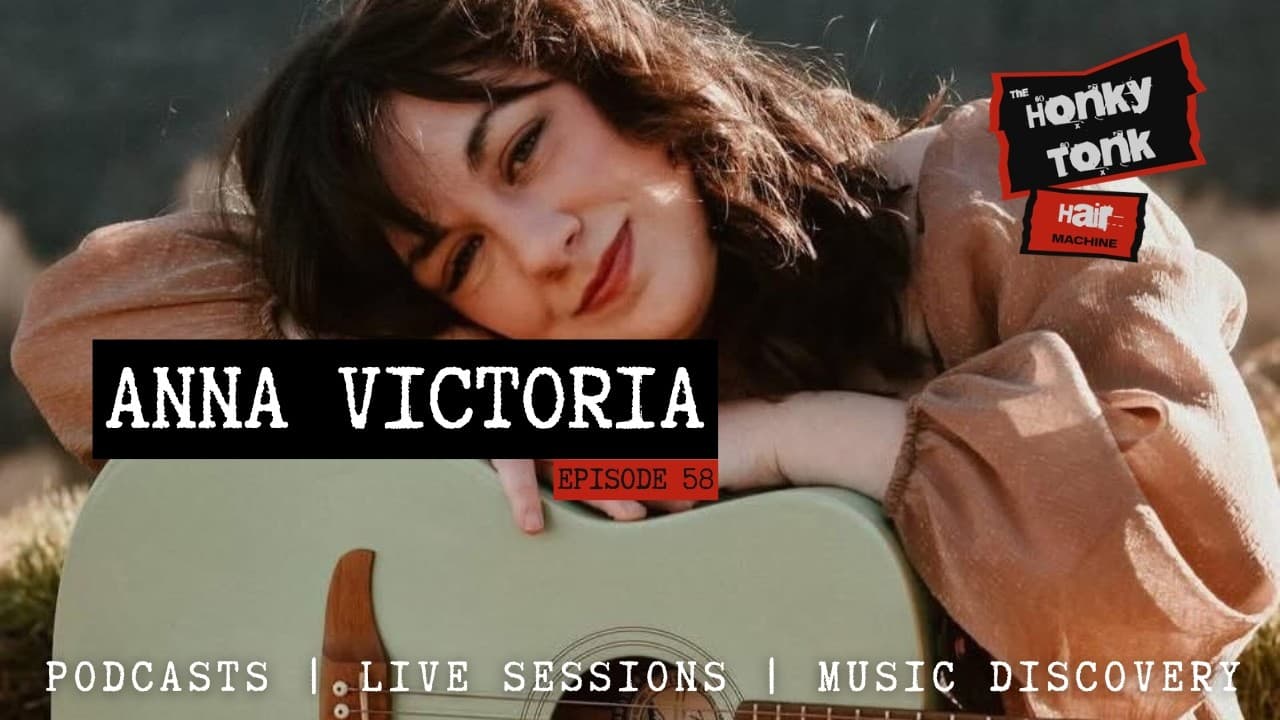
Anna Victoria
Inside North Carolina's Appalachian Music Scene | Anna Victoria
Anna Victoria joins Camden for an honest conversation about growing up in the mountains of North Carolina, discovering her voice as a songwriter and navigating life as an independent Country and Americana artist. We talk about learning to perform live, protecting her voice, finding confidence on stage, the influence of Appalachian music and artists such as Luke Combs, Sierra Ferrell and Dolly Parton, balancing music with motherhood, and the challenge of staying creative in a world driven by social media. It's a thoughtful conversation about music, family, creativity and staying true to yourself while building a career in independent music. Chapters 00:00 – Introductions, Weaverville, childhood. 02:00 – Singing, vocal health and beginning her musical journey. 06:00 – The pandemic, booking gigs and developing as a live performer. 09:00 – Coping with distractions, confidence and performing. 12:00 – Appalachian influences, Luke Combs, Sierra Ferrell, Dolly Parton and mountain songwriting. 15:00 – Family life, being a stay-at-home mum, social media and balancing music with everyday life. #lukecombs #sierraferrell #dollyparton Subscribe to The Rugged Revival. Share it with your friends. Support independent music! Listen to the full podcast on Spotify: https://open.spotify.com/show/6wnHcgA73o1aiiKaz882vH?si=30aabdaa220a4628 Follow The Rugged Revival: Instagram: https://www.instagram.com/theruggedrevival/ TikTok: https://www.tiktok.com/@theruggedrevival Facebook: https://www.facebook.com/profile.php?id=100094507520679 Website: www.theruggedrevival.com Email: ruggedrevival@hotmail.com
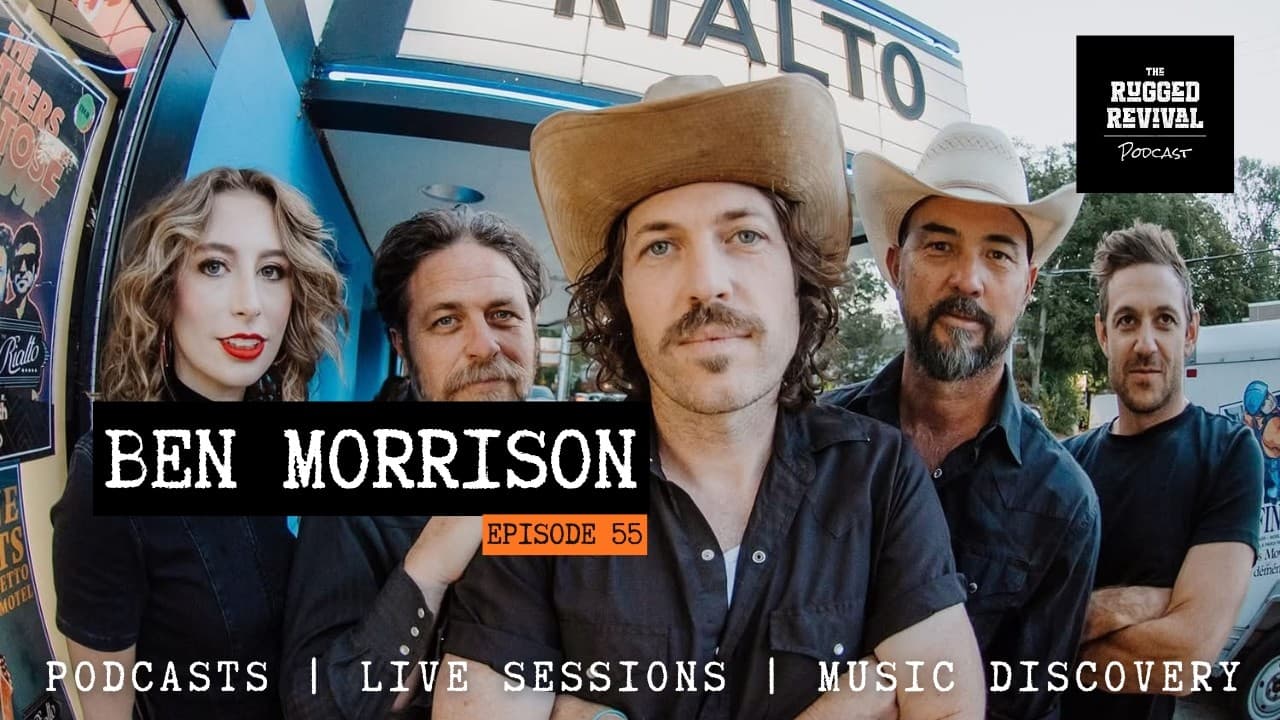
Ben Morrison
The Brothers Comatose: Ben Morrison on 18 Years of Music, Family & Touring
Ben Morrison of The Brothers Comatose joins the Rugged Revival Podcast for an honest conversation about nearly two decades ...
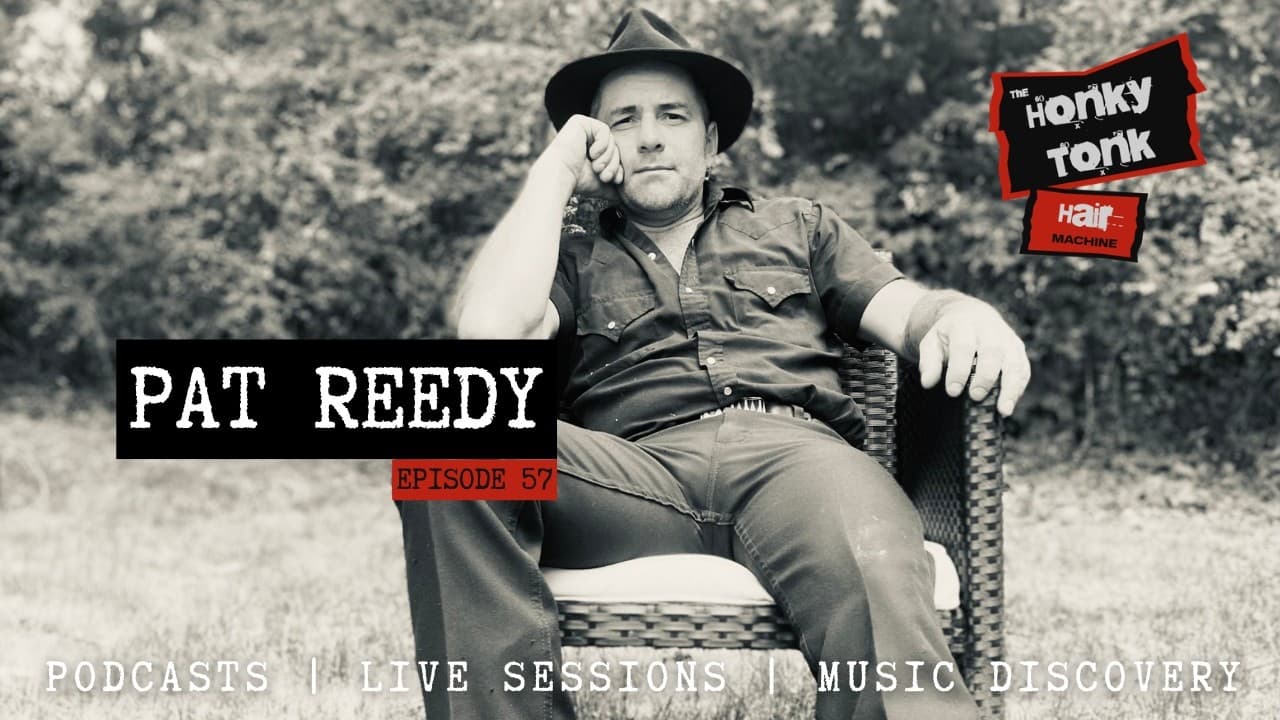
Pat Reedy
Pat Reedy on Busking, Nashville & Building a Country Music Career
Pat Reedy joins Camden to discuss leaving construction behind for country music, busking in New Orleans, life in Nashville, ...
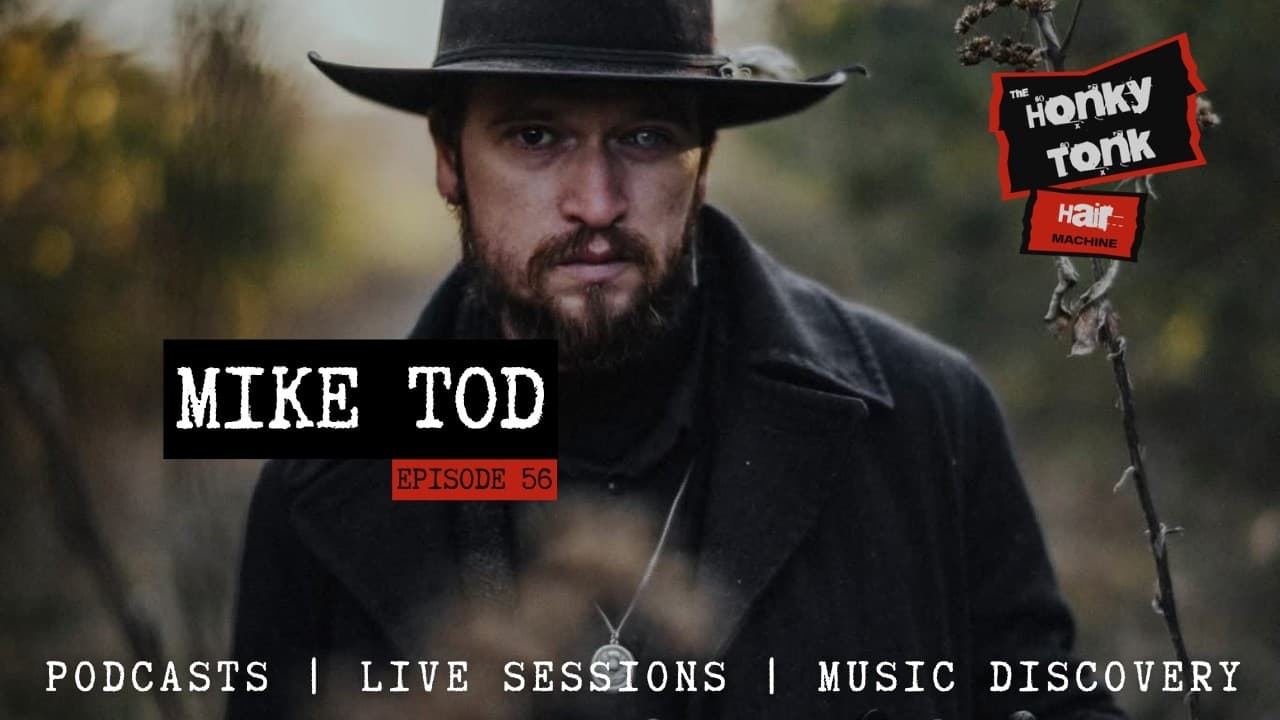
Mike Tod
Keeping Traditional Folk Music Alive in Nashville | Mike Tod Podcast
Mike Tod joins Camden to discuss traditional folk music, Canadian roots, life in Nashville, forgotten songs, unusual instruments and why preserving musical history still matters today.Originally from Canada and now based in Nashville, Mike explores the stories behind traditional songs, the connections between folk music around the world and how old music continues to influence modern artists. We also discuss his unique "Crankenstein" instrument, musical curiosity, collecting songs from the past and the importance of keeping traditions alive for future generations.Chapters00:00 Introduction00:00:30 Growing Up in Canada00:02:20 Discovering Music & The Crankenstein00:04:10 The Story Behind The Crankenstein00:05:20 Drones, Folk Traditions & Ancient Music00:08:10 Learning Guitar & Performing Original Songs00:09:40 Accessing Traditional Music in the Digital Age00:11:20 Researching Music History00:12:10 Playing The Crankenstein Live00:14:00 Creating Atmospheric Sounds & Live Performance00:16:00 Traditional Songs & Musical Origins00:17:50 The Artists Influencing Mike Today00:19:20 Studying Philosophy & Creative Thinking00:22:00 Horror, Heavy Music & Folk Culture00:24:00 Scottish Heritage & Family History00:27:10 Final ThoughtsSubscribe to The Rugged Revival. Share it with your friends. Support independent music!Listen to the full podcast on Spotify: https://open.spotify.com/show/6wnHcgA73o1aiiKaz882vH?si=30aabdaa220a4628Follow The Rugged Revival:Instagram: https://www.instagram.com/theruggedrevival/TikTok: https://www.tiktok.com/@theruggedrevivalFacebook: https://www.facebook.com/profile.php?id=100094507520679Website: www.theruggedrevival.comEmail: ruggedrevival@hotmail.com