
Sam Phillips - "Live Forever Die Whenever" Outlaw Apparel CEO | Instagram LIVE | Rugged Revival
Watch on YouTube
Subscribe for new episodes, Grit Sessions & more
Listen to this episode
In This Episode
When Sam Phillips made t-shirts to amuse himself during a chemically-enhanced San Francisco chapter of his life, he couldn't have known he was planting the seeds of what would become one of the most compelling independent apparel brands in modern Americana culture. But that's the thing about genuine creative impulses—they rarely announce themselves with fanfare. They whisper. And if you're paying attention, you listen.
The founder of Live Forever Die Whenever—a Cincinnati-based outlaw apparel company that has quietly become essential among the country, biker, and Grateful Dead communities—didn't set out to build an empire. He set out to make shirts he thought were funny and that he liked. The brand's name itself emerged from a moment of clarity in Joshua Tree, that desert landscape where so many Americans have confronted themselves. Drawing on Terence McKenna's philosophy about psychedelic insights ("when you get the message, hang up the phone"), Phillips had his realization, and unlike many inspired ideas that evaporate under scrutiny, this one stuck.
I should have a t-shirt company and it should be called live forever, die whenever. And I haven't done mushrooms since because when you get the message, hang up the phone.
— Sam Phillips
What makes Phillips' story resonate beyond the typical entrepreneur narrative is his honesty about not knowing what he was doing. For two years after founding the company in 2019, he fumbled through basic design—big block text on shirts—and had no real grasp of social media strategy. This wasn't a strategic positioning; it was genuine incompetence masquerading as a learning curve. Yet something about that authenticity connected. By October 2022, when Phillips got married and hit 10,000 Instagram followers, he'd begun to understand what people actually wanted.
The early Live Forever Die Whenever was built partly on bootleg country imagery—unlicensed designs pulling from classic country artists and that outlaw aesthetic that defines the brand's DNA. It's a move that eventually caught the attention of Johnny Paycheck's son, who issued a friendly but firm cease-and-desist that simultaneously opened a door. Rather than retreating, Phillips pivoted toward legitimate licensing with artists like George Jones. But here's where the interview reveals his deepest artistic conviction: he didn't want to stay in that lane. He didn't want people buying his shirts because they liked Johnny Paycheck; he wanted them buying because they liked what Live Forever Die Whenever was actually doing.
We never use slaves to make our stuff. Our stuff gets printed 10 minutes from my house by guys that I know.
— Sam Phillips
That distinction matters profoundly. It separates merchandise from meaning. It transforms Phillips from a guy making bootleg band shirts into someone genuinely invested in building a brand with its own voice, rooted in outlaw country, biker culture, and the countercultural threads that weave through Grateful Dead fandom. These aren't random influences—they're the cultural signifiers of people who've always existed outside the normal lines of society, the ones who built their own world rather than conforming to someone else's.
Today, with a flagship retail location now open in Covington, Kentucky, and eyes on national alternative retail partnerships, Live Forever Die Whenever occupies an interesting position. The company could have taken the easy route of becoming a licensing factory, cranking out Merle Haggard merchandise and band tees. Instead, Phillips chose the harder path: building something that mattered on its own terms, something that reflected his actual sensibilities rather than capitalizing on nostalgia.
The conversation captured in this Instagram Live session is worth experiencing in full not just because it offers insights into independent brand building, but because Phillips embodies something increasingly rare in commercial culture—an entrepreneur who's still wrestling with what his company actually means, who hasn't calcified into a polished founder persona, who still sounds like the guy making shirts for himself in San Francisco. That's the real outlaw spirit, and it's far more valuable than any bootlegged band graphic could ever be.
I'll help you. I'll help you start a revolution for this Monday morning situation. >> Howdy. Howdy. >> Hey, dude. How's it going? >> Hey, man. Nice to see you. >> Yeah, you too. I've never done an Instagram live. >> Welcome aboard. >> [ __ ] weird. >> I was trying to think um when did we uh meet up for lunch? Has that been a year? Almost. Yeah, >> man. That's crazy. Time time has gone by real fast. >> Yeah, dude. It's uh it's October and we have a bike rally we're going to and the last one we were at, we kept saying like, "Oh, it's coming up real soon in October." And that was June and we were joking, but like it was October was really quick. Um, so you know what we do here is, uh, I post these videos, you know, we do them live and then I post Instagram has you post them like automatically and then, uh, the Rugged Revival podcast will take that audio and they'll put it on all their streaming services. So, uh, then they'll put like the video on their YouTube and their socials, too. So, >> yeah. So, you know, hopefully get you a little a little attention from, uh, across the pond. Um, first question though, I didn't even think about this though. Do you guys ship worldwide, right? >> Yeah. >> And have you had to like change any of your shipping just with like any of the tariffs or shipping costs? >> No, we're going out, not coming in. So, >> okay. >> It doesn't really matter. Um, we have basically had no negative effects from the tariffs because we never use slaves to make our [ __ ] So, it didn't matter. like our stuff gets printed 10 minutes from my house. >> Okay. >> You know, uh it gets printed by like guys that I know. Um and basically going out, we haven't run into anything. The only thing that can be annoying is customs in countries that are less developed, right? So like sending to England isn't really a problem, right? Or Australia. But if we go to like a place like Bulgaria or Latvia or Brazil, it can be questionable. >> Gotcha. Okay. All right. Well, let's get into it, man. Um, so what was the inspiration for Live Forever Die Whenever? >> Yeah. I was doing um I was living in San Francisco and I uh was was doing a lot of drugs. I couldn't think of another term for that. Um, and about every two weeks, uh, I was doing mushrooms and there was a variety of other things involved and I started making myself shirts that I thought were funny and that I liked. Um, and then when I moved back from San Francisco, I stopped in Joshua Tree with my buddy and uh, we did what you do in Joshua Tree and I had a realization uh, where I was like, I should have a t-shirt company and it should be called live forever, die whenever. And I haven't done mushrooms since because Terrence McKenna says when you get the message, hang up the phone. >> Oh, I love that. >> Self out. Uh, I always live by that. I could pull myself in and out of stuff. Like that's a really good quote. not for not for acid because you can't really control that but for mushrooms it is >> um and yeah I mean that was that was it and then it took two years to uh really figure out what I was doing. Uh I didn't know how to design anything aside from like big block text on a shirt. Um >> and I didn't know how to run social media really or I don't know how to do anything you know. Um, and then right around the time that I got married, which was October of 2022, which is nuts. That was like 3 years ago. Um, we hit 10,000 followers on Instagram. Um, and that was really the time when I was like, "Oh, I kind of get what people want and how to do this." and we pivoted from there uh from what we originally started with a little bit where we were doing a lot of bootleg like uh old country shirts >> and then I mean we got like too big to bootleg anything anymore, right? So like I started getting like I I got an email from John Paycheck, Johnny Paycheck's son um and it was basically like hey you got to stop this or we can do licensing and I was like well that's better. And then, you know, we have uh George Jones licensing. Um, but I got to the point where I was like, I don't want people buying this [ __ ] because they like someone else. I want them buying it like they like what we're doing. I also don't want to 15% off the top to someone. >> Yeah, I I was um really curious about that because I've been on board since pretty much the beginning and I've bought like a ton of your shirts. Um, in fact, Jackie took a bunch of them and she's making them into a quilt for me. >> Oh, really? I'm gonna do that when you're done. >> Yeah. So, so you moved away from the bands and that's cool. So, how do you decide now what to put on a shirt? >> I mean, well, we will do like a band stuff if it's with the artist directly. >> Okay. >> Especially if they're newer, you know, like we did the Ben Todd shirt and >> Yeah, that's a good one. for his new record. Well, I mean, it's not new anymore, but it was a year ago. Um, so, you know, like that's a way that we'll do something. But other than that, I mean, we're doing a lot of like biker [ __ ] and most biker shirts come from like either a phrase that sounds cool or a concept that's been around for 60 years, right? So, you know, like I was talking to a designer about uh doing a shirt and they were like, "Yeah, we can do like a like a pan head and a girl and a and a pile of flame or a pile of skulls and then some flames." And then I sent them a picture of a shirt that we have like in the pipe and I was like like exactly like this one. >> Yeah. >> This exact shirt we already had designed. Uh because most biker shirts, I mean, everyone's done everything. Um, you know, how many times how many different ways can you put a motor on a t-shirt? Uh, but a lot of what like I I do is I think of like a phrase and then try and design a shirt around that phrase. >> So like right now I have like loosen up in my head and I don't know what it's going to be yet, but there will probably be a shirt that says loosen up. Uh or like ass or ass because my tank's full and I'm already high, you know, and that was just a picture that went along with that. >> Yeah. >> It a lot of it comes down to something I think's funny or something I think just looks really cool, >> you know. >> Yeah. Now, you you're representing like a new era of people, too, you know? It's like, you know, like myself when I go thrifting around here, I can't find old Harley shirts, you know? I like that old school with like the wolf and then like a a chopper, you know, how you that kind of thing. You can't really find a whole lot of that out here in uh you know, the suburbs of DC. >> Well, if you do find them, they're also going to be $80, >> right? Yeah, that too. >> Um like there's more of it around here than there is probably around DC because like I grew up in DC and I don't think I ever saw a [ __ ] Harley-Davidson inside the limits aside from Rolling Thunder. Um, but around Cincinnati and Northern Kentucky, there's thousands of old bikers. Um, so you can come across a lot of stuff that is like the first in the line of sales for for a vented shirt. So it's not like been marked up six times, >> right? I mean, there's a there's a number of brands that I can think of right now that do similar stuff to what we do in terms of, you know, putting biker concepts on the shirts. I think we all try and update them. Uh there's been a big >> mix between like old school biker shirts and like >> super like heavy metal shirts, you know? So, like it'll be it'll be the motor. It'll be like the metal font that says something in that very flamy or hard to read font. Um, you know, but I think there's a lot of people like the whole cowboy thing took off really hard like what five or six years ago. Um, and I generally believe that everything in fashion goes in cycles. So if you look at the cycles of when there's been cowboy peaks in fashion, they are almost always followed by biker peaks for some reason, right? So if you go to the 50s, there was a big cowboy thing and then the wild one came out and then it was big biker thing. If you go to like the late60s and stuff, everyone was like, "Oh, LA cowboy, it's a cowboy look." And then it was like, "Wait a second, what about like Easy Rider and Hell's Angels on Wheels and it'll always follow the cowboy." Um because it is like I mean historically it's also the next evolution of what a cowboy is. There's a lot of similarities bikers and cowboys outlaw on a horse uh or a motorcycle. But we're in a point right now where a lot of people who don't ride do want like biker things. And also there's a much bigger market for it because women in motorcycleycling uh like actually who ride has more than doubled in the past 10 years. So it went from like 9% in 2011 to I think it was 18% by 2020 and so it's higher than that now. So the market's like exploding. >> Yeah, I've seen that too. Uh one of my friends rides with um I believe it's called Babes Ride Out. >> I think I think they're based out of New York if I if I'm remembering correctly. >> Yeah, that's cool. So uh I've seen the styling of your shirts change quite a bit and even like the material that you've used. I think you might have been the first shirt that I purchased that used um comfy colors. What are some of your favorite blanks to work with? >> So, I mean, at first I the styling, the designs changed because I got better at it. I just want to um and then if I I got to the point where if I also don't know how to do something, I know someone that can pull that off, you know, and then they will. >> But I mean, in terms of blanks, we've been through Comfort Colors and LA apparel. Um I had some samples printed on Shaka Wear and I hated it. Uh and I I don't love LA apparel. I like that they're all made in America and I like general concept, but they run about a size too big and that's a massive pain in the ass if >> you're constantly getting people that are like, "This is a size too big. I ordered a medium and it fits like a large or an XL and you got to [ __ ] alternative." I mean, comfort colors are good. Um, a lot of the the basic like shirt printing stuff I learned from people who print uh for like dead and co tours and things like that. >> And for like a while there, Comfort Colors was the gold standard of it. Um, now we don't print on Comfort Colors anymore. Um, we print on something else. Uh, basically Comfort Colors is a great shirt, but it's absurd to spend $9 on a blank. >> Um, so, and it's funny cuz like Hannes and Gilden got a lot of [ __ ] because they were considered to be bad shirts and the baseline of those that you find in like Hobby Lobby and Michaels are bad shirts. Uh, but they have like a lot of different shirts, you know, just those >> one model each. Um, so we've been printing on a I don't remember the exact name, but it's it's a Gilden because we have our own tags in them, so I can't even go look. >> Um, but it's a Gilden, not a base model, and it's basically a comfort color shirt. Uh, that's like cheaper. >> Do you have you also changed the actual like um inks and such that you use to to print on the shirts, too? I mean, that's dependent from print shop to print shop. Um, some print shops are better than others, you know, and they do stuff. I'm not going to pretend that I understand the intricacies of screen printing because I don't. >> Okay. >> Um, I've had like this print shop explained everything to me and I was just kind of staring at the dude like that sounds great. >> I can see your shirts. I can see that they're good. >> Printed some really complicated [ __ ] for us. But I mean I I believe that like water-based is better than not waterbased. Um but at this point I just I trust this print shop to do what they do and I don't really ask questions. >> Yeah. Just let them do their thing. Um what out of your personal collection, what is your favorite shirt that you've ever owned? >> Um I do really like this deep purple shirt, but it's not my favorite. Uh, I have a Chris and Rita shirt like Chris Christophs and Rita Coolage. Uh, and on the front that's all it says and the back says uh, Cuba 79 and it's from the Havana Jam when them and a bunch of other people went down to Havana, Cuba in like the height of [ __ ] communism and played and I found that shirt. Uh, and I've like worn it like three times maybe. Uh, but I really love it. Um, I have a dead Egypt 79 uh or like tour shirt when they pyramids. >> Um, I have a Filmore East shirt that I love, an Usher shirt. >> Like those are I bought that for 300 bucks and I looked up how much they go for and I almost [ __ ] myself. Um, dude, they're like thousands of dollars. Um, and uh I picked up a really cool David Allen Co uh 1990 Bike Week shirt recently that I'm a big fan of. >> Oh, I think you posted that. Yeah, that's cool. That's a good find. >> That one's for sale. So is the Egypt one. Um the Chris one isn't. And the the Filmore East one, if if that ever goes up for sale, you'll know that we're having money problems. >> Well, let's hope that I never see it for sale then. Um, yeah. I don't know, man. Like that shirt is the Filmore East was only open for like a year and a half, right? And it was incredibly important. And this is like like an Usher shirt. So there's like a super finite amount that were ever made. >> So it's more of a historical document than it is like, hey, that's a cool t-shirt. >> Yeah, that's true, too. That's, you know, as as a fan of band shirts and like even just my whole life collecting that kind of stuff, you know, it for me it sits more of like like you just said, it's a documentary in time. It's it's bookmarking that moment and uh that moment will never happen again. What's um what what's your dream shirt to make? Like do you like if you could work with anybody or anything, what would you want to do down the line? >> I mean um all of the answer. I mean, it would be cool like it'd be cool as as a person to do this, but a lot of it comes down to monetary [ __ ] right? Like if Serg Simpson was like, "Hey," or his not him, but his [ __ ] people, >> right? You wanna >> you want to do a shirt for our next tour? That would be great because it would be a lot of money, you know? Or Davidson was like, >> "You want to do a like a Harley LFDW collab?" that would be great because it would be a lot of money and there's a big machine behind it. >> Um, so like I, you know, it's it's more that I would like to expand with designs than >> like I can do whatever I want to do now, you know? So, like if I have a dream of a shirt to make, I'll just [ __ ] make it. >> Yeah. >> It's more about like a partnership that could happen that would be exciting than the actual shirt itself. Yeah. Yeah. I agree with that. That's cool. That's like uh when I dropped my beard oil line, it was really cool to partner with Hardcore Grooming who works with like, you know, I Hate God and, you know, all these doom metal bands. It was like really sick to see my stuff sitting next to their stuff. It's just like mind-blowing. >> Yeah. If you wanted to make like a different scent, you could just do it. You don't have to dream >> That's right. So, at the top of this, you you you started to mention you have some things coming up. So, we're at we're at the end of our uh convers. >> Oh, cool. He froze and now I'm just here. >> How do I kill time? Oh, >> I'm back. >> Am I back? >> Yeah. I was trying to figure out how to kill time. >> Um, do you guys have anything coming up like a show or anything you want to um promote? >> Uh, yeah. When's this coming out? Do you know? >> Um, I can tell them to put it out as soon as possible. >> Uh, it's fine. Um, this weekend we're going to be in Germantown, Kentucky at the Germantown Held Down, which is a bike rally. It's the first one tried by a guy that I know. Um, at the end of October, we have we're doing our calendar shoot. Um, if you're anywhere around Northern Kentucky, it's at Southgate House in Newport. Uh, we're it's an old church and we're bringing bikes into the main room and we have a number of models and photographers. We're going to swap all the [ __ ] bikes around and take pictures and some of them end up in the calendar, some of it'll be in the magazine, some of it'll be on social media, but if you bring a bike and it goes inside, you'll definitely get pictures. The only thing with the bikes is like we're not shooting the 2019 Road King, so that's not getting inside. It has to be custom or vintage. So, like 2004 is pretty much the cut off. Um, if it's stock, it's before 2004 by like a long shot. If it's stock, it better be from like before the Evo came out. Um, >> but you know, like that's going to be fun. Um, and then we'll have more stuff coming up in the spring that is not announced yet. Uh, but you know, we're just doing trying to >> trying to put out cool good stuff. And we're gonna have another bike giveaway coming up. So follow us for that because the tickets are the last one we did tickets were $27 and a guy bought one. He won a whole motorcycle and I gave him $500 on top of it. So >> that's so wild. >> Yes. He was actually from Richmond, Virginia, too, which is fun. >> But stay tuned for that because the bike giveaways are good and this bike's better than the last bike. >> That's awesome. Well, look, man. You know, I'm a big fan of what you're doing and I appreciate you carving out some time to chat with me. So, we keep these short and sweet. So, I'm going to let you go and uh until we talk next time. Thanks, man. >> I appreciate it. Thank you. All right. >> We'll talk soon. Bye.
Comments
Keep listening
Related Episodes
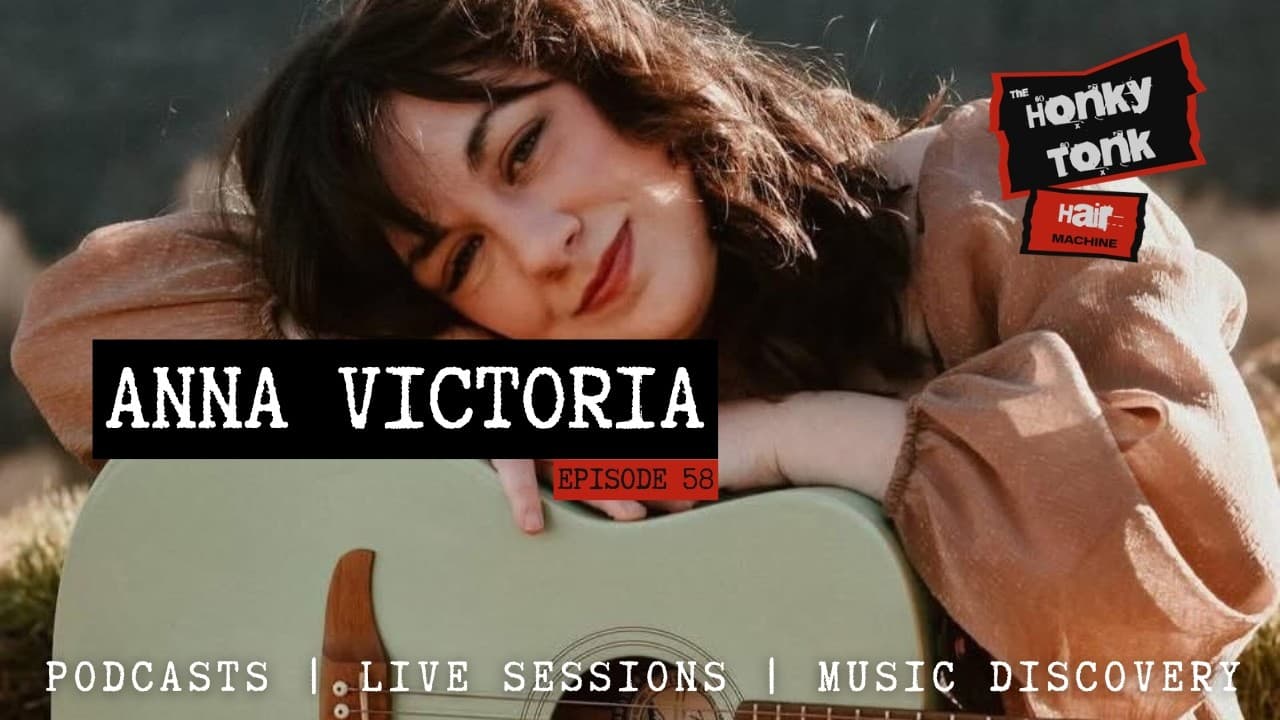
Anna Victoria
Inside North Carolina's Appalachian Music Scene | Anna Victoria
Anna Victoria joins Camden for an honest conversation about growing up in the mountains of North Carolina, discovering her voice as a songwriter and navigating life as an independent Country and Americana artist. We talk about learning to perform live, protecting her voice, finding confidence on stage, the influence of Appalachian music and artists such as Luke Combs, Sierra Ferrell and Dolly Parton, balancing music with motherhood, and the challenge of staying creative in a world driven by social media. It's a thoughtful conversation about music, family, creativity and staying true to yourself while building a career in independent music. Chapters 00:00 – Introductions, Weaverville, childhood. 02:00 – Singing, vocal health and beginning her musical journey. 06:00 – The pandemic, booking gigs and developing as a live performer. 09:00 – Coping with distractions, confidence and performing. 12:00 – Appalachian influences, Luke Combs, Sierra Ferrell, Dolly Parton and mountain songwriting. 15:00 – Family life, being a stay-at-home mum, social media and balancing music with everyday life. #lukecombs #sierraferrell #dollyparton Subscribe to The Rugged Revival. Share it with your friends. Support independent music! Listen to the full podcast on Spotify: https://open.spotify.com/show/6wnHcgA73o1aiiKaz882vH?si=30aabdaa220a4628 Follow The Rugged Revival: Instagram: https://www.instagram.com/theruggedrevival/ TikTok: https://www.tiktok.com/@theruggedrevival Facebook: https://www.facebook.com/profile.php?id=100094507520679 Website: www.theruggedrevival.com Email: ruggedrevival@hotmail.com
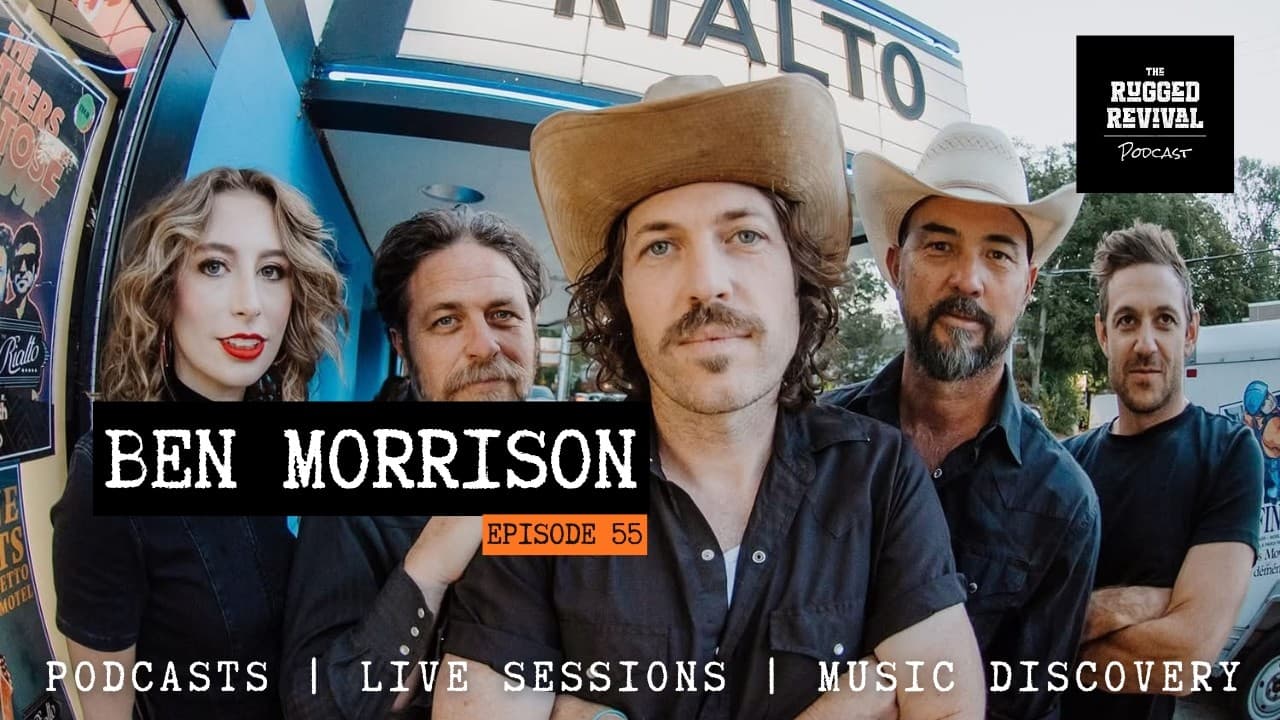
Ben Morrison
The Brothers Comatose: Ben Morrison on 18 Years of Music, Family & Touring
Ben Morrison of The Brothers Comatose joins the Rugged Revival Podcast for an honest conversation about nearly two decades ...
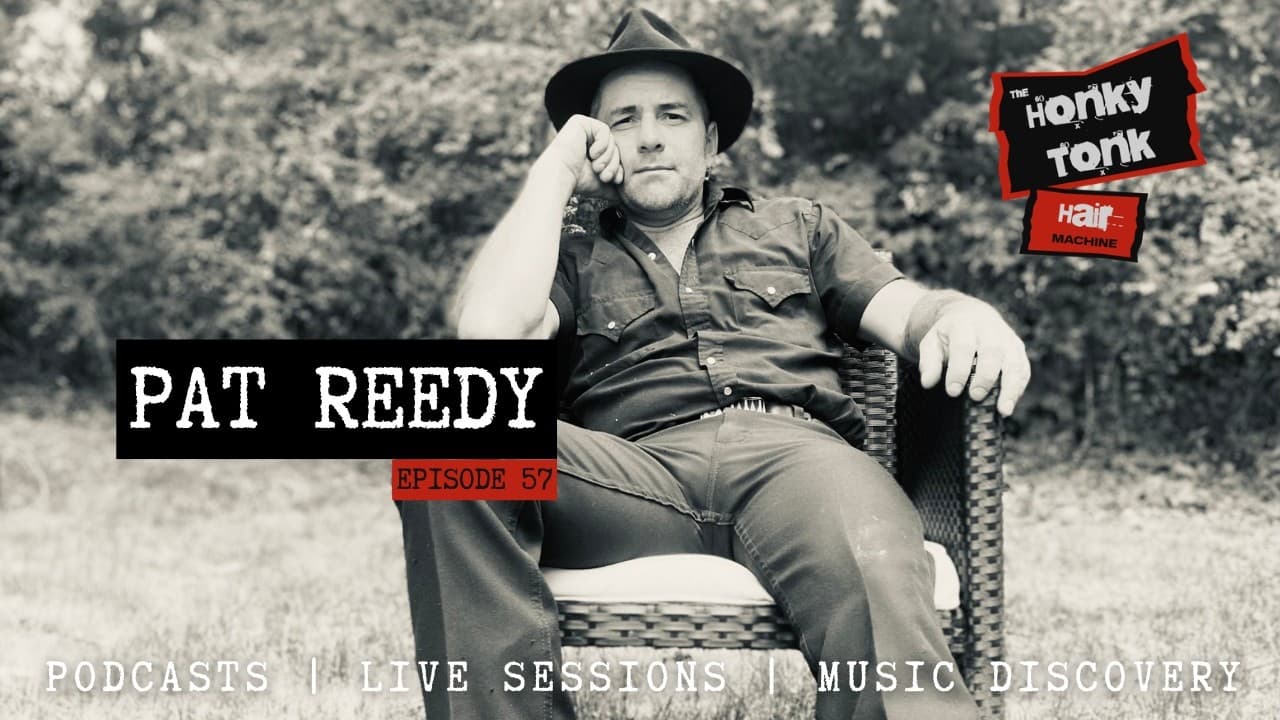
Pat Reedy
Pat Reedy on Busking, Nashville & Building a Country Music Career
Pat Reedy joins Camden to discuss leaving construction behind for country music, busking in New Orleans, life in Nashville, ...
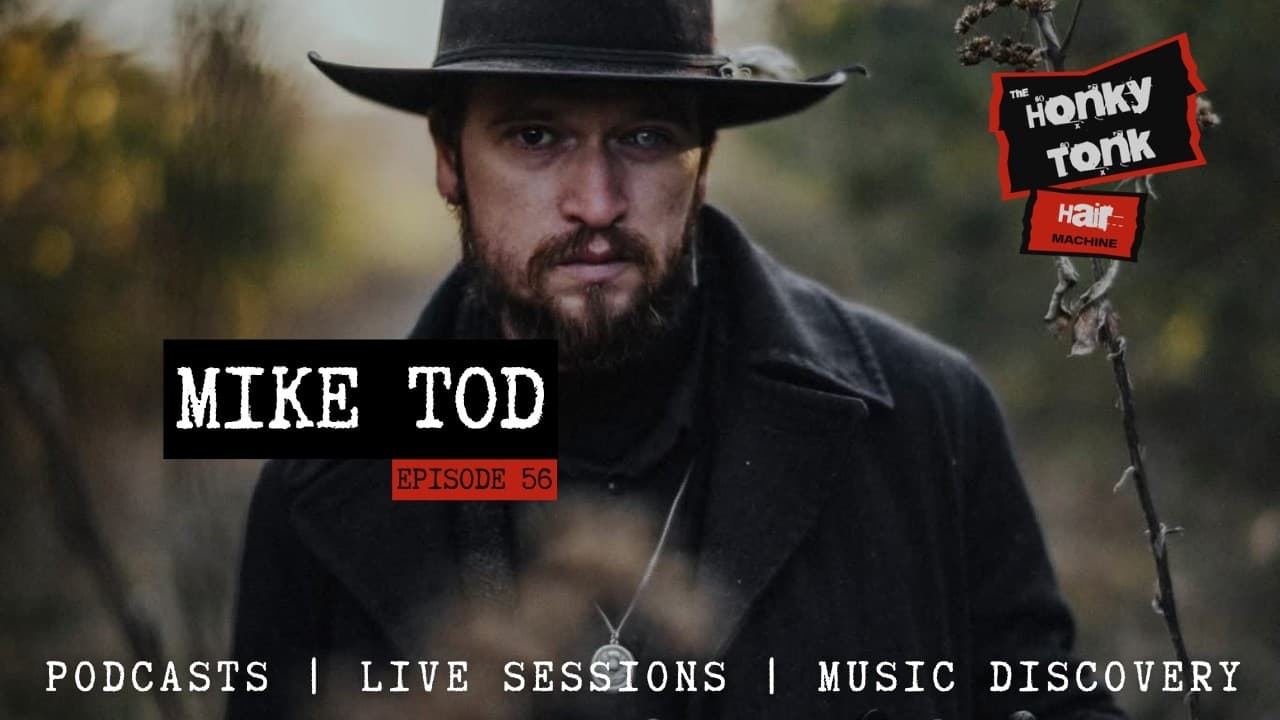
Mike Tod
Keeping Traditional Folk Music Alive in Nashville | Mike Tod Podcast
Mike Tod joins Camden to discuss traditional folk music, Canadian roots, life in Nashville, forgotten songs, unusual instruments and why preserving musical history still matters today.Originally from Canada and now based in Nashville, Mike explores the stories behind traditional songs, the connections between folk music around the world and how old music continues to influence modern artists. We also discuss his unique "Crankenstein" instrument, musical curiosity, collecting songs from the past and the importance of keeping traditions alive for future generations.Chapters00:00 Introduction00:00:30 Growing Up in Canada00:02:20 Discovering Music & The Crankenstein00:04:10 The Story Behind The Crankenstein00:05:20 Drones, Folk Traditions & Ancient Music00:08:10 Learning Guitar & Performing Original Songs00:09:40 Accessing Traditional Music in the Digital Age00:11:20 Researching Music History00:12:10 Playing The Crankenstein Live00:14:00 Creating Atmospheric Sounds & Live Performance00:16:00 Traditional Songs & Musical Origins00:17:50 The Artists Influencing Mike Today00:19:20 Studying Philosophy & Creative Thinking00:22:00 Horror, Heavy Music & Folk Culture00:24:00 Scottish Heritage & Family History00:27:10 Final ThoughtsSubscribe to The Rugged Revival. Share it with your friends. Support independent music!Listen to the full podcast on Spotify: https://open.spotify.com/show/6wnHcgA73o1aiiKaz882vH?si=30aabdaa220a4628Follow The Rugged Revival:Instagram: https://www.instagram.com/theruggedrevival/TikTok: https://www.tiktok.com/@theruggedrevivalFacebook: https://www.facebook.com/profile.php?id=100094507520679Website: www.theruggedrevival.comEmail: ruggedrevival@hotmail.com