
Rebecca Porter - From Guam to Rising Appalachian Honky Tonk Star | Rugged Revival
Watch on YouTube
Subscribe for new episodes, Grit Sessions & more
Listen to this episode
In This Episode
There's a moment that defines Rebecca Porter's journey as an artist—sitting in a car during lockdown, her son Ripley in the backseat, listening to the first episode of Rissi Palmer's Color Me Country podcast. She wept. Not from sadness, but from recognition. For the first time, she heard voices that carried the same weight of questions she'd been wrestling with her entire life: Where do I belong? Why doesn't my face match my voice? How do I turn these differences into strength?
That moment, shared candidly in the green room at Winchester's Brightbox Theater, captures the essence of who Rebecca Porter is becoming—a rising Appalachian honky tonk artist who refuses to be boxed in by expectations, geography, or identity.
I was raised in Virginia, but I don't look like people that are here in Virginia. I wasn't raised in Guam, but I look like people from Guam.
— Rebecca Porter
Born in Guam and raised in Virginia's Shenandoah Valley, Porter carries a uniquely American story. She's Chamorro with roots in the Pacific, but she grew up speaking with a rural Virginia accent and soaking in the sounds of country music. That collision of worlds—the Pacific heritage she inherited but didn't grow up surrounded by, the Appalachian culture that shaped her but doesn't quite see itself reflected back in her face—has become the fuel for her artistry. It's the uncomfortable space where her best songs live.
Her 2023 EP "Queen of the Local" announced her arrival with a soulful intensity and lyrical fearlessness that caught national attention, leading to recognition in Rissi Palmer's Color Me Country Class of 2024, features on Ed Helms' Good Country, and a debut on NPR's Mountain Stage. But it's her new album "Roll with the Punches," released in August, that shows an artist not just finding her voice but deliberately constructing a complete artistic vision.
People come up and say, 'Oh, you don't look like you sound'—and that's just not what you want to hear when you're playing your art.
— Rebecca Porter
What's striking about Porter's recent work is its visual and sonic cohesion. Walking into "Roll with the Punches" feels like stepping into a western noir film—all shadow and intrigue, honey-smooth vocals wrapped around stories with real grit. The imagery alone signals intention: concept album aesthetics applied to contemporary Appalachian honky tonk. This wasn't accidental. Working with graphic designer Brett McCormack, Porter crafted a visual language that matched the sonic one. It's the kind of attention to detail you don't often encounter in independent country music, where the focus typically narrows to the song and the voice.
But Porter's approach reflects something deeper: a refusal to let the listener get comfortable. Just as her existence challenges narrow ideas about what country music looks like, her artistic choices push the form forward. The western noir vibe announced in early singles like "Laundry Pile" wasn't a departure from "Queen of the Local"—it was an evolution of the same unflinching self-examination, just with sharper production and bolder visual storytelling.
What makes Porter's story resonate beyond the novelty of her background is her commitment to the work itself. She's a mother, an independent artist navigating the brutal realities of the music industry, and a woman of color in a genre still wrestling with its own contradictions. Yet in every performance, in every deliberately crafted detail of her records, there's no anger at these circumstances—only a steely determination to make her art matter.
During our conversation, Porter spoke about learning to see her differences as "superpowers"—not just identity markers to overcome, but creative advantages that allow her to write songs that hit differently, that carry the weight of lived experience. When people tell her "you don't look like you sound," she's learned to hear it not as an insult but as proof that music transcends the categories we try to impose on it.
That's the thread worth following with Rebecca Porter. She's not just paving a way for other women who share her specific identity—though she absolutely is. She's demonstrating what it looks like when an artist refuses to sanitize herself for easy consumption. Her son will grow up watching his mother claim space in an industry that didn't quite know what to do with her. And audiences will keep discovering that the honey-smooth voice, the searing lyrics, and the deliberate artistic vision all belong to someone who never really had a choice but to make it work on her own terms.
Listen to the full episode to hear more of this conversation, and grab "Roll with the Punches" when you get the chance. This is what the future of roots music sounds like.
[music] Hello y'all. I am the Slim Chance Cowboy with Rugged Revival and I'm here with the ultra talented Rebecca Porter. >> Hello. Thanks for coming out to the show first of all. >> Yes, we are here in the uh dimly lit green room at the Brightbox Theater in Winchester. She had an awesome set tonight uh with Ramona and the Holy Smokes. Abby Hamilton is on now and the local honey's coming up. So, uh, thanks for taking your time, by the way, cuz this you should be up there selling merch, but you're down here talking to me. So, >> um, so I wanted to ask you a couple questions and, uh, I wanted to ask, >> what does it mean to you to be a minority woman also as an independent country artist kind of paving your way? >> And what does that mean to you to be, you know, there's not very many of of women out there that have have that and and you're kind of paving your way and you're doing it on your own. What does that what does that mean to you? Yeah, I am. So, I am Jamorro. My uh ancestry is from Guam and I was raised in Virginia. Um it means a lot of different things. So, when I first started in adulthood, like really looking at my identity and who I am as a person uh that looks like I am and has ancestry that I have, but like grew up in rural Virginia. Um somewhat of an identity crisis of like where do I belong? I I was raised in Virginia, but I don't look like people that are here in Virginia. Um I wasn't raised in Guam, but I look like people from Guam. Um my grandparents passed away when I was younger. And so going through these things of questioning, am I a good representation of my ancestors um on both sides of my family. And so I just think that it holds a lot of weight. Um there isn't necessarily a roadmap for what I'm doing, for what women are doing in general in music. Um there are certainly some amazing women who have paved the way in music for other women and open the door. Um but not necessarily many who share that exact same identity that I do. And so just trying to like stand on the shoulders of those guideposts that I do have and also people who have become friends and part of my community with similar stories, maybe not necessarily the exact same ones. I remember um in 2020 when Reissi Palmer started Color Me Country and the first episode of that that I listened to, I was driving in the car. Ripley, my son, was in the back seat in his car seat >> and we would just go for drives to get out of the house cuz the shutdown was happening. >> And um I just remember listening to the first episode of that and just like weeping in the car because I was like, >> "Oh, wow. People have also experienced things that I've experienced and have like played shows and people come up to them and say like, "Oh, you don't look like you sound." And you know, all of these things that are just not what you want to hear when you're playing your art and playing your music and you want people to hear the songs and the stories and not focus on all of your differences. Um, but then also trying to step into those differences, embrace them and see them as, you know, superpowers and how do they enable me to write songs that really hit home for people because they're really personal for me. >> Yeah, absolutely. And you're a mom, so you're also you're also showing your son kind of you're giving him kind of a road map, too, of of how you're able to to navigate that. So, it's it's very admirable. So, >> thank you. >> Yeah, no problem. Um, so Rebecca's new album, uh, Roll with the Punches, came out back in August. I highly recommend checking it out, getting the vinyl, buying the merch. Uh, it had upon I have since read an interview, uh, last week where you talked about it. But upon my first listen, I was like, "Oh, wow. This has a after I got well, the imagery of your first couple singles and some of the videos you had, the promo was really good, by the way." >> Thank you. >> Um, had a distinct like western noir vibe to it that I was not expecting. Obviously, I was because I would I listened to Queen of the Local and some stuff pretty much straightforward. And also with Laundry Pile, the first single was was >> a little bit outside of that. So, um, was that intentional? And can you describe kind of like the what that creative process was that maybe brought you to that point? >> Yeah, it was very intentional. And even before I started doing interviews about the record and really putting out there, you know, the intentionality behind it and what went into making the record and the visuals and all that and creating this cohesive concept record. Um, I just I could feel and was getting feedback of people enjoying the images and enjoying what they were seeing and saying like, "Oh, this single cover reminds me of an old film poster." which was like, yes, if you if you went to the Pinterest page that I shared with the graphic designer, Brett McCormack, who is amazing. He's in Rich uh based in Strawburg and Richmond, Virginia. [clears throat] >> Um that's like what the imagery, those were so many of the inspirations were like old western, spaghetti western Yes. >> posters, movie posters. and he did such an amazing job of taking all the inspiration, including those posters that I sent him, but then breathing this new life into it that felt very much in line with me and my songs and creating something new that also felt old and familiar. >> Yeah. >> Um, some of the songs that were on the record I had written for a long time and I wasn't playing out at all. Um, and then I wrote a couple of songs that felt like it was a story that went with the other group of songs that I had that I wasn't really playing. And you know, it it is a story. It's my life story. [laughter] >> Um, but it feels very vulnerable to I don't know just like say this is my life story. And so as part of that creative process, I grew up watching Spaghetti Westerns. Um, again going back to identity, I never saw myself or saw characters like me in those movies. >> Um, and so turning my story and being super vulnerable into kind of taking on this cinematic spaghetti westernish lens. Um, just felt really cool in a way to kind of enter new territory. Um, I wanted to make sure I was very intentional about saying like I am not a spaghetti western or western culture expert. This is like through my interpretive lens of um, spaghetti westerns. And when we were recording the record or before we recorded the record, I created these mood boards that had all of these images for each of the songs that I hoped would describe the songs and the feelings that I wanted the instrumentalists and the musicians to really put into those songs and what those songs meant to me and the stories behind them. We I also had I had play it's pretty ridiculous, but I also had like a playlist for every song. So, every song had at least like a three song playlist that had examples of tones or sounds or certain drums or an effect on a guitar that I really liked um that I wanted to bring into those songs. and Danny Gibney, the producer on the record engineer or co-producer on the record with me, um, engineer, he was just very open arms to hearing my thoughts and my ideas and like what I had planned for the record and was a great guide for that and letting me spread my wings and do what I wanted to do. Um, and not just like shut down ideas that he didn't have or might have sounded kind of out of left field to him. So, >> yeah, >> that's [clears throat] awesome. Yeah, the the whole imagery just came out of left field and I I really loved it. Uh I loved all the songs on it. Uh Memories is probably my favorite, one of the favorites on the record. >> It's so funny because that's like other than the singles, that's the most streamed song and I almost didn't put that on the record. [laughter] >> It's the way it happens. It's the way it happens. >> Um so speaking of that, uh you are very much so a powerhouse. >> Thank you. >> vocalist with tons of range. We saw it there tonight. you went way up and when when did you I'm just curious like when did you realize that you had that kind of god-given you know talent to be a vocalist? Were you always singing as a kid or was this something you like when you just became like a teenager just kind of blurted out or >> Yeah. Well, thank you very much. I really appreciate that. >> Um I've sang my entire life. So my mom and my grandparents um sang in a trio in church and I always heard she had a big voice. Um, you could, it was like a 3 to 400 congregation church and you could be on the opposite side of the church and everyone would be singing and you could hear her and know her voice. Um, so I had that as an early on inspiration for singing and music and she listened to big voices at home. Um, Dolly, we listened to mostly gospel or bluegrass music when I was growing up. Um, but Dolly Park was an exception. [laughter] >> I know you're you're a big Dolly fan. I know that. >> I am. I'm a big Dolly fan. Um, and like some of my earliest memories are just like my mom's getting ready for church and the the White Limousine record, the last song on the record is He's Alive and just like hearing my mom belt that out like not even Easter just, you know, she'll sing it whenever. But um >> that's great. >> Yeah. So, I've sang my whole life and I didn't participate. Like elementary school, I was in chorus, but like as I got older. Uh, I had younger siblings. I had a lot of responsibility at home. So, I wasn't able to do like chorus or be in a band or anything like that. When I got to college, I was paying my own way. I started doing pageantss for scholarship money and they had talent. So, I got to sing and like win money for school through scholarship pageantss. And that's when I was like, "Oh, I really love the way that I'm connecting with people and like being able to sing and be involved in music and be in a room and perform. Um, through a lot of trials and tribulations and cover bands, uh, >> it happens." >> Yeah. [laughter] >> Um, Yeah. Yeah. Yeah. I was I was in like a couple little just like general cover bands just like Yeah. Yeah. Yeah, just like play Winery Breweries. They'll play whatever song you ask. >> Yeah. Yep. There you go. >> Um I sang Bagup for a long time. And uh so probably like 2017, 2018, I was singing in a band that already existed. I started singing with them. I was feeling like it wasn't really working out. They were all a lot older than I was and not really sure like what I wanted to do or how I wanted to do it. But um I realized that I really wanted to better utilize my voice because my mom lost her singing voice and I didn't want that to happen. I really wanted to learn how to use my instrument and take care of it and nurture it. Absolutely. >> Um and so I actually started taking voice lessons with my friend Aaron Lensford. She's an amazing vocalist out of Richmond, Virginia. >> Um >> and I did that with her. I still do lessons with her. Um, just checking in on vocal health and taking care of my voice and work. I'm always working on my range. I'm always aspiring for my range to be wider. >> Okay, [laughter] it's it's pretty good now. >> I'm I'm an admitted um self-critic. But uh yeah, so I would say probably like 2017 2018 is when I started getting serious about like, okay, if you want to do this, you have to take care of your voice. Yeah. >> Which was before I even started doing solo stuff. So >> Oh, okay. Very well. Um, little fun game I want to do or fun question I always like to ask people this. Uh, if there was three artists that you could take their full back catalog discoraphy and go away on a secluded island and you had no access to any other music, what three artists would be? >> John Prine. >> Okay, good one. >> Tom Ty Hall. >> Okay. >> And >> Tom Hall was not expecting that. I love Tom Fox on the run. Tom Hall. Boxing the Run is one of my favorite all time songs. But yeah. >> Um, and probably Eda James. And I only pick EDA James over I love Eda James and Artha Franklin. Um, and the only reason why I pick Ed James is because I feel like she has this like a little bit at times this like grittier runchy side to her that like >> Sure. Definitely. I mean, Artha certainly gave like gritty and ratchy, but I just feel like Eder James is like if I was going to be in a ring and wanted someone that was going to like fight >> Eda James would could probably [laughter] move. >> She's a little more scrappy, I guess. >> Yeah, I I would do that. Okay, that's a good John Prime. Tom Hall. Edit James. >> Yeah. Oh, yeah. >> Was not expecting Tom. >> Yeah, Tom Hall. I fell in love with Tom T. Hall probably um I was already a fan, but I really fell in love with him after listening to Cocaine and Rhinestones um the Magnificent Music Machine. Um that record is just so good. And then I just like kept diving deeper and actually I have um some friends Nothing Fancy who are a great um Virginia bluegrass or Virginia originally from Virginia bluegrass group. Um, my granddaddy actually worked with Mike Andes, the lead singer at Marilat for years, um, when I was growing up and like that was before they even started the band. And, uh, like my granddaddy would tell us about Mike playing shows and stuff. Um, but anyways, they worked with Tom and his wife Dixie um, for a number of years. And I as I started doing music as an adult, I really had this like bucket list of things I wanted to do. And meeting Tom Hall was like one of those things which I never got to do, but >> like when he passed, I just like >> And then sad when you heard how he passed. Yeah. >> Like a couple days later was just tragic. So >> um All right. Well, that's very awesome. Uh the last thing I got for you, so thankful for for your time today. Uh what do you and the rhinestone roses have going on in 2026? I think I saw some West Coast stuff happen on your on your page there. >> Yeah. So, I actually Wednesday. >> Yeah. Wednesday I fly out to Seattle. >> That's awesome. >> Um I'm going to be gone I'm going out by myself, but my friend Mike Frasier, who's actually from Winchester, um he has a group of friends that are going to be playing behind me, so I'm excited to do that. >> Awesome. >> Uh doing a short run out there. And we've got some festivals that haven't been announced yet. So, we got a couple really cool out of state festivals that we're playing. Um, more touring and you may see new music. >> Excellent. >> Always on the lookout for it. Well, thank you so much for your time. >> Yeah, thanks >> everybody. This was Rebecca Porter. The album Roll with the Punches came out. It is out. I urge you to go to Band Camp, go to the website, get the vinyl, buy the merch. She's fantastic. You're going to love the music. Thank you. Thanks so much.
Comments
Keep listening
Related Episodes
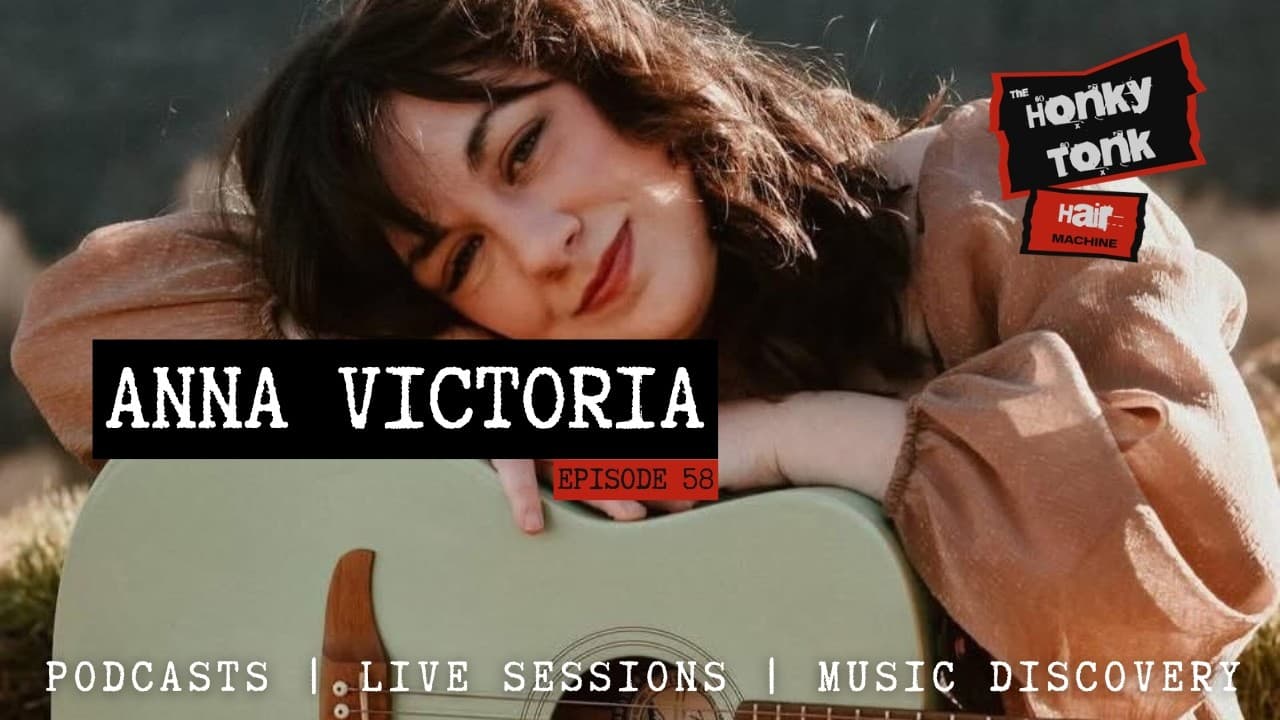
Anna Victoria
Inside North Carolina's Appalachian Music Scene | Anna Victoria
Anna Victoria joins Camden for an honest conversation about growing up in the mountains of North Carolina, discovering her voice as a songwriter and navigating life as an independent Country and Americana artist. We talk about learning to perform live, protecting her voice, finding confidence on stage, the influence of Appalachian music and artists such as Luke Combs, Sierra Ferrell and Dolly Parton, balancing music with motherhood, and the challenge of staying creative in a world driven by social media. It's a thoughtful conversation about music, family, creativity and staying true to yourself while building a career in independent music. Chapters 00:00 – Introductions, Weaverville, childhood. 02:00 – Singing, vocal health and beginning her musical journey. 06:00 – The pandemic, booking gigs and developing as a live performer. 09:00 – Coping with distractions, confidence and performing. 12:00 – Appalachian influences, Luke Combs, Sierra Ferrell, Dolly Parton and mountain songwriting. 15:00 – Family life, being a stay-at-home mum, social media and balancing music with everyday life. #lukecombs #sierraferrell #dollyparton Subscribe to The Rugged Revival. Share it with your friends. Support independent music! Listen to the full podcast on Spotify: https://open.spotify.com/show/6wnHcgA73o1aiiKaz882vH?si=30aabdaa220a4628 Follow The Rugged Revival: Instagram: https://www.instagram.com/theruggedrevival/ TikTok: https://www.tiktok.com/@theruggedrevival Facebook: https://www.facebook.com/profile.php?id=100094507520679 Website: www.theruggedrevival.com Email: ruggedrevival@hotmail.com
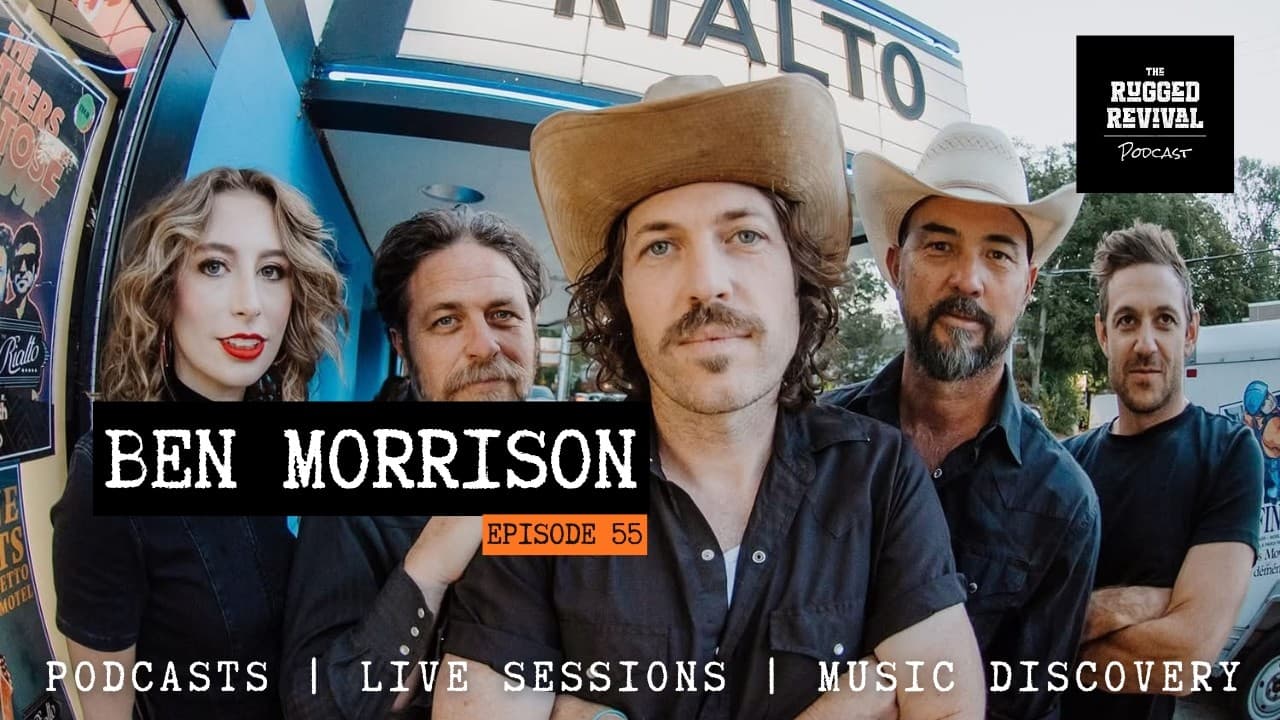
Ben Morrison
The Brothers Comatose: Ben Morrison on 18 Years of Music, Family & Touring
Ben Morrison of The Brothers Comatose joins the Rugged Revival Podcast for an honest conversation about nearly two decades ...
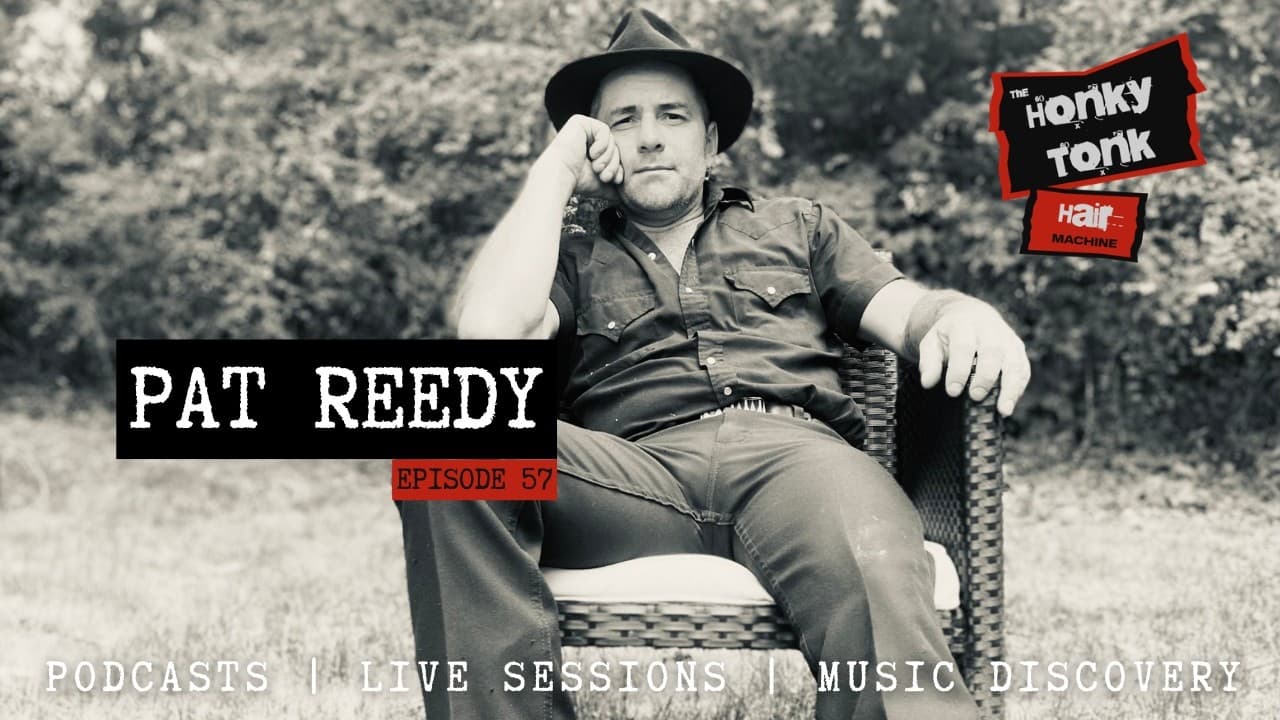
Pat Reedy
Pat Reedy on Busking, Nashville & Building a Country Music Career
Pat Reedy joins Camden to discuss leaving construction behind for country music, busking in New Orleans, life in Nashville, ...
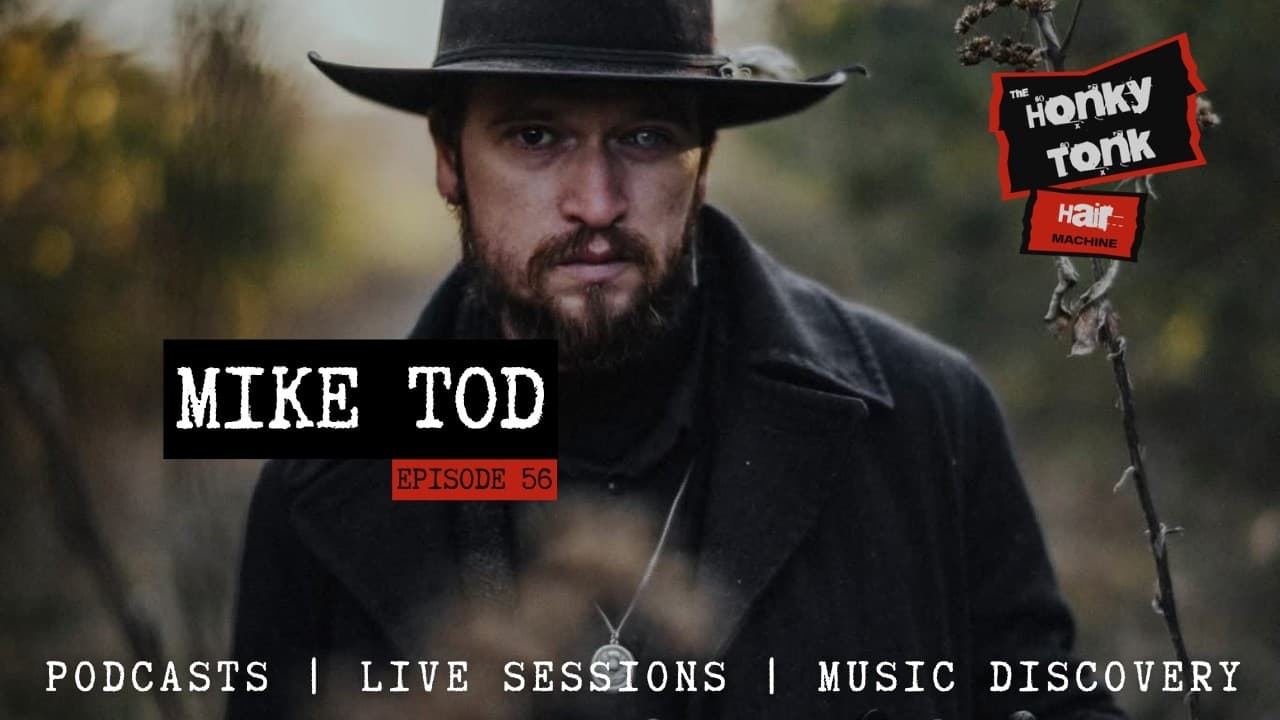
Mike Tod
Keeping Traditional Folk Music Alive in Nashville | Mike Tod Podcast
Mike Tod joins Camden to discuss traditional folk music, Canadian roots, life in Nashville, forgotten songs, unusual instruments and why preserving musical history still matters today.Originally from Canada and now based in Nashville, Mike explores the stories behind traditional songs, the connections between folk music around the world and how old music continues to influence modern artists. We also discuss his unique "Crankenstein" instrument, musical curiosity, collecting songs from the past and the importance of keeping traditions alive for future generations.Chapters00:00 Introduction00:00:30 Growing Up in Canada00:02:20 Discovering Music & The Crankenstein00:04:10 The Story Behind The Crankenstein00:05:20 Drones, Folk Traditions & Ancient Music00:08:10 Learning Guitar & Performing Original Songs00:09:40 Accessing Traditional Music in the Digital Age00:11:20 Researching Music History00:12:10 Playing The Crankenstein Live00:14:00 Creating Atmospheric Sounds & Live Performance00:16:00 Traditional Songs & Musical Origins00:17:50 The Artists Influencing Mike Today00:19:20 Studying Philosophy & Creative Thinking00:22:00 Horror, Heavy Music & Folk Culture00:24:00 Scottish Heritage & Family History00:27:10 Final ThoughtsSubscribe to The Rugged Revival. Share it with your friends. Support independent music!Listen to the full podcast on Spotify: https://open.spotify.com/show/6wnHcgA73o1aiiKaz882vH?si=30aabdaa220a4628Follow The Rugged Revival:Instagram: https://www.instagram.com/theruggedrevival/TikTok: https://www.tiktok.com/@theruggedrevivalFacebook: https://www.facebook.com/profile.php?id=100094507520679Website: www.theruggedrevival.comEmail: ruggedrevival@hotmail.com