
Mitchell Palmer-Gage - Brass Tacks Provisions | American Made Western & Work Wear | Rugged Revival
Watch on YouTube
Subscribe for new episodes, Grit Sessions & more
Listen to this episode
In This Episode
There's a particular kind of courage required to walk away from a conventional path and build something entirely your own. It takes even more to do it twice. Mitchell Palmer-Gage, owner of Brass Tacks Provisions in Oklahoma City, knows this intimately. In conversation with Cam from the Rugged Revival, he speaks with the measured calm of someone who has learned hard truths about resilience, purpose, and what it means to create something worth creating.
On the surface, Brass Tacks Provisions is a heritage workwear and western clothing store dedicated exclusively to American-made goods. Dig deeper, and it becomes something more significant: a quiet rebellion against the disposable culture that has come to dominate modern retail. In an era when fast fashion moves at the speed of algorithms and trends, Mitchell has built a business around pieces designed to last a lifetime—items that improve with age and wear, that carry the weight of real craftsmanship.
I looked around and there was nothing really for guys in the city—just lots of women's boutiques.
— Mitchell Palmer-Gage
The genesis of Brass Tacks came during Mitchell's final year pursuing a master's degree in opera performance at Oklahoma City University. It was an unconventional path to retail, but perhaps that explains his perspective. While completing his studies, he was working in the retail sector and noticed something glaring: the city had plenty of women's boutiques carrying heritage wear, but nothing equivalent for men. The gap was obvious. The opportunity was there. So, as one does when struck by genuine inspiration, he decided to fill it.
What's remarkable about Mitchell's approach is how deliberately he's thought through every decision. When asked about the biggest challenges facing a high-end clothing store, he doesn't complain about inventory or foot traffic—he addresses education. The prices at Brass Tacks reflect genuine value, he explains, but that value isn't always immediately visible to customers accustomed to the artificial affordability of mass production. When you're comparing a $300 pair of jeans to a $30 alternative, the difference isn't just aesthetic. It's in the fabric sourcing, the manufacturing process (all done in America), the design choices made by craftspeople who understand longevity. It's in the fact that these pieces will outlast trends, wear patterns, and seasons.
These are items that are meant to last you for quite a while, versus the fast fashion mentality of consume, consume, consume.
— Mitchell Palmer-Gage
The sustainability argument is particularly compelling coming from Mitchell. In a moment when thrifting has become fashionable and secondhand shopping has gained cultural cachet, he positions heritage workwear differently: you're not buying something to eventually discard into the secondhand market. You're buying something you'll likely pass down. The environmental logic is elegant—consume less by consuming better. Skip the synthetic blends, the chemical-laden fast fashion. Choose 100 percent cotton, 100 percent wool. Choose once, wear forever.
Much of Mitchell's sensibility comes from his rural upbringing, surrounded by blue-collar workers and hunters, by people who understood that your clothes needed to work as hard as you did. There's nothing affected about heritage workwear in his hands—it's not a costume or a lifestyle brand marketing authenticity. It's simply clothing designed for actual use, informed by actual need.
The irony, of course, is that this entire conversation exists against the backdrop of a personal challenge that nearly derailed everything. In 2022, just three weeks before opening Brass Tacks, Mitchell suffered a hemorrhagic stroke that resulted in Holmes tremors, a neurological condition that could have easily ended his dreams before they started. That he persevered, that he rebuilt, speaks volumes about his character. It's the kind of story that belongs in this particular corner of American culture—the stubborn, undeniable insistence on creating something meaningful despite the odds.
For anyone interested in understanding the countermovement against disposable culture, the real craftsmanship still thriving in America, or simply what happens when someone with conviction decides to swim upstream, Mitchell's conversation with Cam is essential listening. This is retail as philosophy, as small act of resistance, as celebration of what endures.
I'll help you. I'll help you start a revolution [music] for this Monday morning love situation. >> Hey, what's up everybody? This is Cam aka the Honky Tonk Hair Machine for the Rugged Revival. And who am I with today? >> I'm Mitchell Palmer, Gage, owner of Brass Tax Provisions in Oklahoma City. >> Well, thanks for taking the time to sit down with me, brother. I appreciate you. >> Mhm. >> Uh, brass tax provisions is pretty cool, man. So, I I'm really excited to talk to you for a little bit here today. So, let's get right down into it. What inspired the birth of brass tax provisions? Um, really? So, I came up with the concept probably um around in my last year of grad school. I was doing a graduate program in uh getting my master's in opera performance from Oklahoma City University. Go Stars. Um other than that, yeah, it really I was doing a retail work at the time. Um, and I just kind of looked around and there were nothing really for guys in the city. I would say lots of women's boutiques and the ones they had um were really very good in my opinion in terms of heritage wear and things like that. So Mhm. Yeah. So, you saw that that gap in that field and said, "You know what? Here's my chance. I'm going to take it." >> Yeah. >> That's awesome. Let me ask you this. What What's the biggest challenge you face running a high-end clothing store? >> I would say the biggest problem that we have typically has been um pricing and education. I feel like um it's very easy to look at the prices of any of our items really and kind of take them at face value. Whereas um there are lots of different factors that go into the prices at our store. um particularly like um manufacturing and cost of fabric and such. Uh that mostly take place here which is wild. Um, since everything is Americanmade, um, really overall too, I feel like lots of the different styles and designs or choices that go into these sorts of items from the brands themselves. um are kind of not really understood by um individuals that really don't know what a lot of these items are. Um really and the other thing is it's really easy to look at the quality of the items and go that's a great piece but this is such an expensive item to own. Um but again not taking into account the different details overall that go into the items. Um another great aspect about them that I don't think others really understand is the sustainability aspect of the items. Um, these are items that are meant to last you for quite a while, um, depending on how you wear them. and um that with the rise of like thrifting and um secondhand shopping for example. Um, this is another great way that people can participate in it while um not actually having recycled or reused clothing. So, um yeah. >> Yeah. I think you touched on something that I've noticed too with um clothing especially is that it seems like um folks are really obsessed with the idea of uh quantity over quality. So instead of people, you know, it's the fast fashion mentality. We're so used to buying so many things, you know, like if I want to buy some Japanese raw denim that's going to last me the rest of my life, or I can go to Target and Walmart and get stretchy spandex jeans that I'll wear for a season and then have to go buy new. And uh so it's like this this consume consume consume culture versus you're purchasing legacy pieces that are going to last you the rest of your life. And something that really goes um piggybacks off that is um the uh fabric involved can uh sometimes uh carry a lot of different um sustainability aspects. um with all the chemicals used um in certain clothing like you said like um picking out something from Target. Usually it's mixed with something whereas ours typically tend to be 100% cotton or 100% wool. Um, I really try to stay away from synthetic fabrics. >> Yeah. Yeah, I think that makes sense. So, when it comes to heritage fashion, right, I think some people might have a different idea of what that means. Where do you draw inspiration for the pieces that you carry? >> Um, kind of. I would say I so I grew up in a very rural area. Um, lots of my family is still a part of blue collar jobs in particular like auto mechanics. Um, lots of them participate in hunting and fishing and other outdoor activities. And while um I didn't necessarily mean for these items to uh reflect that, they do, I would say. So, lots of it typically comes from where I grew up. A little bit um a little more of that utilitarian look, I would say. Um, and these are items really anyone could be wearing at um, any time rather than like you're not going to wear a threepiece suit all the time. Exactly. And things like that. >> Yeah, that makes sense. So, these these heritage pieces, these blue collar uh pieces that are, you know, built tough, built to last, and they're timeless, you know, has it hit a book end? Where do you see the rustic fashion going in the future? >> Sure. I would say I kind of see it as it's something that never really goes away. um it's not really affected by trends or anything. It's something that's always there. Um I would also say um there are different aspects we can look forward to seeing. Um, one huge thing that my creative director and I have talked about recently is um the transition back to analog form sub um having something more physical and tangible overall um that you own. And I think that is kind of something we will see um heritage goods kind of expand into or go back to. Um for example, one of my brands um Simpleton Guts, which is a local brand. Um, I've had Stockton from day one really and we just tend to really get a really great response from his work. Whereas I brought in another brand with very similar products um from Arizona and they have not done really well in our area at all. Um we get people that know who they are but that's about it. Um uh so I would say kind of the shift going back to again local makers and um continuing to support them. Um we have a Christmas market for example that they do every year here now. um made only above small businesses and vendors and uh they hit for the first time um they do four weekends out of the year um and they hit a million dollar for the first time um this year. So, I think we can expect to see, yes, we've had a really big march towards uh big box stores and stuff, but I think that'll start turning around the more that people are kind of introduced to um what else is out there for them. Mhm. >> I agree, man. Absolutely 100%. I think you know there's like a whole societal awakening in so many different aspects you know with our diets with our clothing um everything from you know politics and whatnot. Um well my friend this brings us to the end of the road and I really do appreciate you talking with me. In fact I find it quite inspiring even for my my own shopping and this is really cool. Um do you have anything you'd like to promote? Do you have anything going on at the store? >> Sure. Um, in a few in a couple weeks we are having our 2year anniversary, which is great. Um, so we are going to be doing 20% off everything online and in store. um that day. We will also have a few different giveaways in store that day and other vendors as well. So that's really awesome. And um otherwise I just ask everyone to really, you know, take a look at their online store. We could always use the support. Um, we run a first purchase um is 15% off on their code um if you subscribe to our emails. Other than that, we don't really have anything else hugely major coming up. [clears throat] >> I think that all sounds pretty major to me, dude. That's pretty cool. So, >> Mr. Mitchell, I'm going to let you go. And uh like I said, thank you again for your time. Keep up the good work and I hope to get my hands on some of your goods here soon. >> Thank you for having me. >> All right, brother. You have a great one. We'll talk later. >> Sounds good. >> Bye.
Comments
Keep listening
Related Episodes
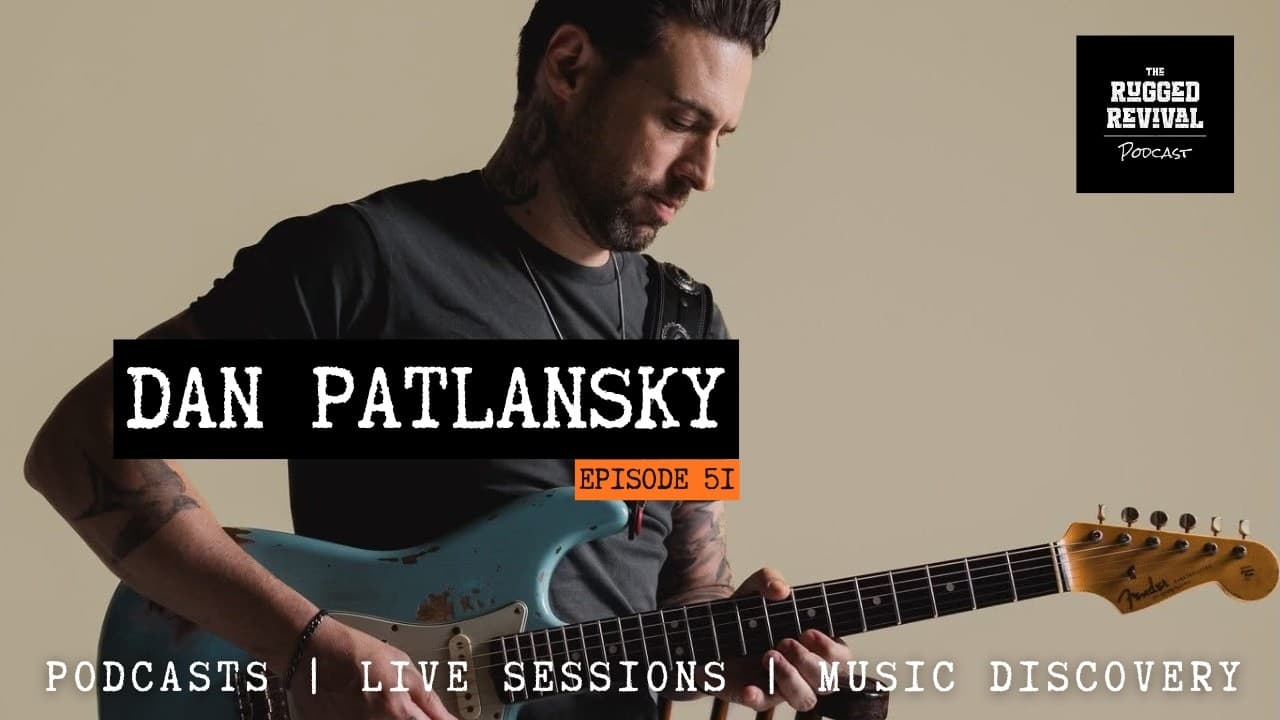
Dan Patlansky
Bruce Springsteen Handpicked This Guitarist to Open for 85,000 Fans | Dan Patlansky
Bruce Springsteen handpicked Dan Patlansky to open for 85,000 fans in Johannesburg. We sat down with one of the world's top blues guitarists to find out what that moment felt like, what it's really like playing blues in South Africa, and why his latest album Movin' On is the most honest music he's ever made. Dan opens up about the nerves of playing to a sea of 85,000 people, then glancing over to see Springsteen and Tom Morello watching from the wings. He talks about touring with Joe Satriani across Europe, growing up in apartheid-era South Africa with Hendrix blasting through his dad's stereo, mental health on the road, and the one piece of advice every aspiring guitarist needs to hear. Dan's UK tour kicks off November 2026. Tickets and info at danpatlansky.com Follow The Rugged Revival on Instagram, TikTok, and YouTube at @theruggedrevival
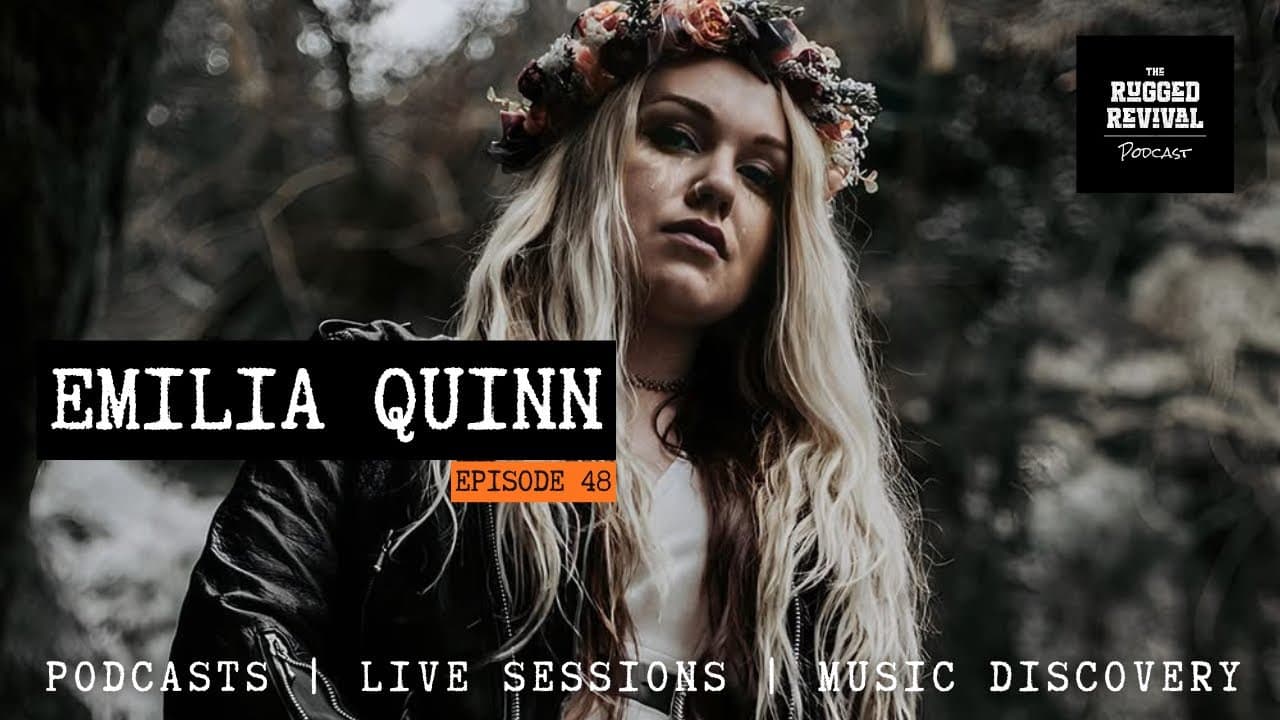
Emilia Quinn
A UK Voice in Americana, Folk Rock & Blues | Emilia Quinn
Emilia Quinn is a UK-based artist blending Americana, folk rock and blues with a raw, soulful voice and deeply honest songwriting.In this Rugged Revival podcast, Emilia talks about her music, influences and journey, from festival stages to her latest album Dented Halos.This conversation explores storytelling, resilience and the human experience through music.Discover more country, Americana and roots artists on The Rugged Revival.
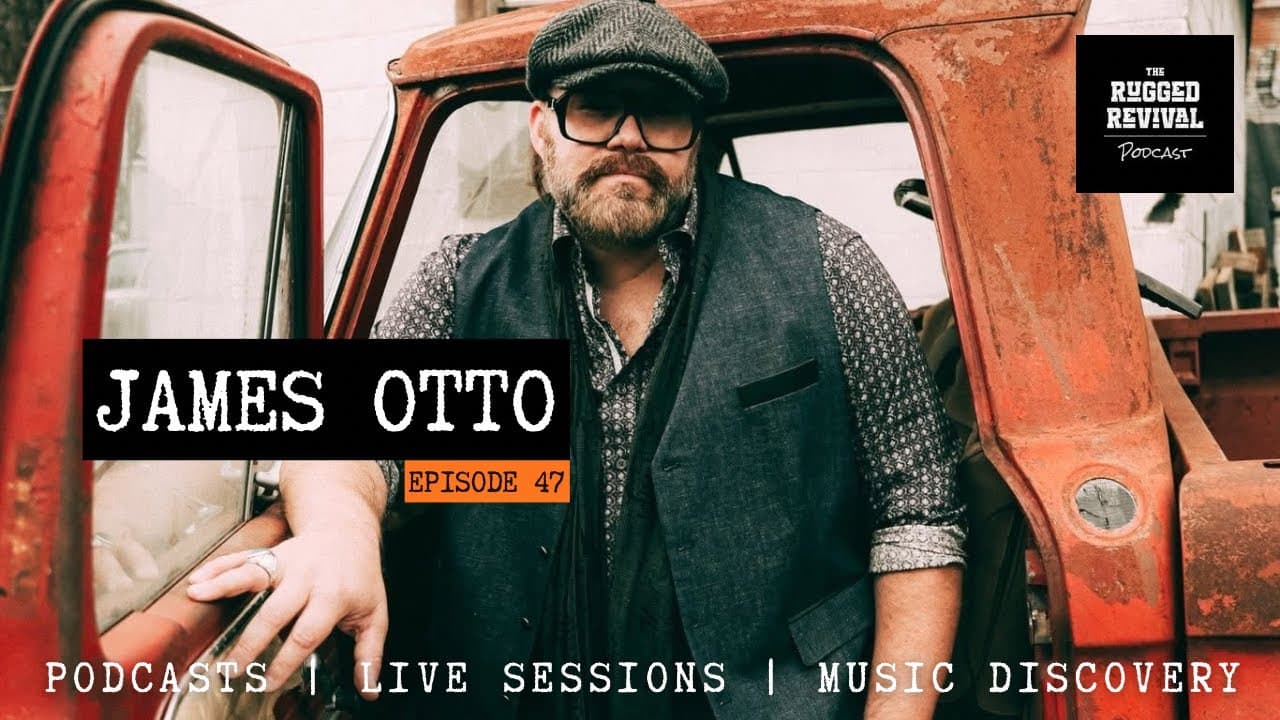
James Otto
#1 Hits, Grammy Nominations & Going Solo | James Otto
James Otto has been called The Biggest Voice in Country Music & that might just be true. Standing a broad-shouldered 6 foot 5 inches tall, Otto has a powerhouse voice to match.His textured, sometimes raspy vocals are delivered with passion and plenty of soul.Otto blends that soulful voice with great storytelling and a smooth, funky groove to create his signature Country Soul sound.Otto rose to prominence when he signed with Warner Bros. and released the album Sunset Man. His breakthrough hit, "Just Got Started Lovin' You," went to the top of the charts as a 2-week #1 song and became the "most played country song of the year." Otto also received a Grammy Nomination for "Best Male Country Vocal Performance" of the song. The hit's popularity has endured, as it’s on the list of Billboard's 100 Greatest Country Songs, confirming it as one of the most played songs in the history of country radio.A founding member of MuzikMafia, Otto has also earned a reputation as one of Nashville’s most compelling songwriters. He co-wrote Jamey Johnson’s career-defining hit, “In Color," and for that song, Otto again received a Grammy nod, but this time as a songwriter for "Best Country Song." “In Color” brought further recognition, as he took home awards for both the Academy of Country Music and the Country Music Academy’s “Song of the Year.” Later, Otto co-penned "Somethin' 'Bout a Boat" for Jimmy Buffett, which uniquely made its way to Broadway as part of the musical Escape to Margaritaville. He also co-wrote “No Hurry” which soared to the top of the charts for the Zac Brown Band. Additionally, Otto has collaborated on songs for artists: Randy Houser, Chris Janson, Darius Rucker, Trace Adkins, Josh Kiser, John Rich, John Anderson, Randy Owen, the supergroup Alabama and many more.
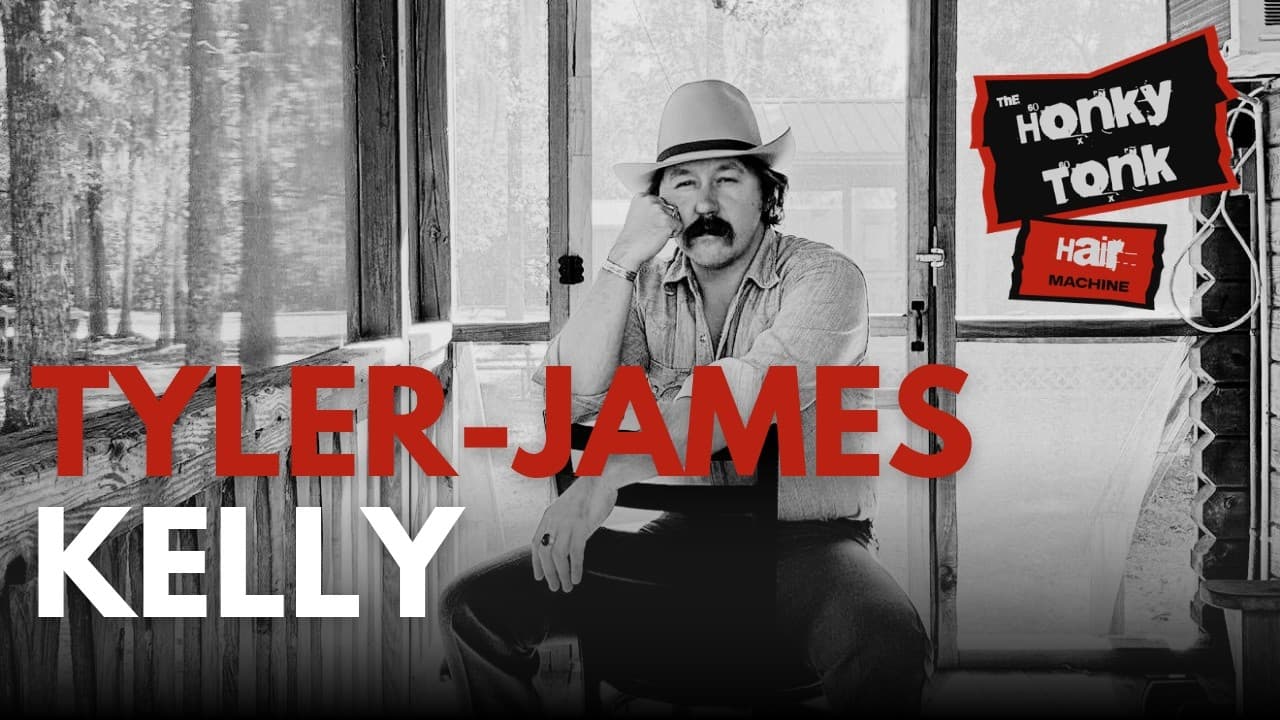
Tyler-James Kelly
Tyler-James Kelly - Real Country Music Is Back | Rugged Revival
Tyler-James Kelly joins Camden to talk about real country music, 1970s influences, and his latest music.Blending vintage tones with modern songwriting, Tyler-James Kelly is part of a new wave of artists bringing authenticity back to country, Americana, and roots music. Inspired by legends like Hank Williams, Kris Kristofferson, Merle Haggard, and Guy Clark, his sound feels timeless while still carving out its own space today.If you’re a fan of authentic country, Americana, and roots music, this is a conversation you don’t want to miss.Subscribe to The Rugged Revival for more conversations with independent and emerging artists.