
Bruce Springsteen Handpicked This Guitarist to Open for 85,000 Fans | Dan Patlansky
Watch on YouTube
Subscribe for new episodes, Grit Sessions & more
Listen to this episode
In This Episode
There's a particular kind of nerve that comes with standing on a stage in front of eighty-five thousand people, knowing that one of your greatest heroes is watching from the wings. For Dan Patlansky, that moment came when Bruce Springsteen handpicked the South African blues guitarist to open for him in Johannesburg—a gig that represented both the pinnacle of validation and the most terrifying challenge of his career. It's the kind of story that cuts to the heart of what it means to be a working musician in the roots music world: the grinding years of dedication, the unlikely breaks, and the surreal collision between your dreams and reality.
Patlansky sits comfortably within the lineage of serious blues players—the kind of artist who doesn't rely on flash or novelty, but rather lets his fingers do the talking. His hero has always been Stevie Ray Vaughan, and that influence runs deep through his playing, but what emerges is distinctly his own. Supporting Springsteen and later touring with Joe Satriani speaks to a musician who's earned respect not through hype but through uncompromising musicianship. Yet what's perhaps most striking about Patlansky is how grounded he remains, how genuinely humble he sounds when discussing these massive moments. That's partly a function of where he comes from.
Supporting Bruce Springsteen for 85,000 people as a blues artist was insanity.
— Dan Patlansky
South Africa's music industry is a peculiar beast—vibrant and loyal, but undeniably small. Patlansky operates in an even more niche corner: blues, a genre that commands a fiercely dedicated but limited audience in a country better known for wildlife than its music scene. Most of his touring happens internationally, which speaks volumes about the challenges facing musicians in emerging markets. Venues shuttered during the pandemic just as they did everywhere else, leaving scars that are still healing. But here's where the character of blues fandom reveals itself: the fans are evergreen, loyal in ways that transcend commercial cycles. They discover you young, they grow old with your music, and they bring their children to your shows. It's a contract that feels almost sacred in an industry increasingly obsessed with viral moments and streaming metrics.
This loyalty likely fed into what Patlansky describes as his current state of creative honesty. His latest album, Movin' On, apparently represents the most authentic work he's made to date—a statement that carries weight coming from someone who's already released respected work into the world. The album arrived as Patlansky has been touring with a live band, documenting everything in real-time for a live release planned for later in the year. It's an old-school approach in a digital age, capturing the spontaneity and raw energy that studios can sometimes sanitise away.
You're literally getting on stage every night in front of a whole bunch of people that have come to the show and basically saying, 'Please like me.'
— Dan Patlansky
What comes through in Patlansky's conversation is a musician who's learned to navigate the peculiar pressures of his position. Every night on stage, opening for crowds who didn't come to see you, requires a particular kind of bravery. You're essentially asking strangers to like you, to interrupt their evening and pay attention to someone they've never heard of. Most artists would buckle under that pressure. Patlansky seems to have transmuted it into fuel—approaching each show as an opportunity to earn respect rather than demand attention. That's the blues way, really. It's about the work, the playing, the honest expression. Everything else follows.
For those interested in how real musicians navigate an increasingly fractured industry, how artists maintain integrity whilst chasing larger stages, and what genuine musical lineage looks like in the modern era, Patlansky's full conversation is essential listening. He's not a story of overnight success or manufactured moments—he's a testament to the power of sustained commitment to craft.
One of the standout ones for me was supporting Bruce Springsteen. Uh, for a a blues artist playing for, you know, 85,000 people, it was it was insanity. My biggest guitar hero my entire life has been Stevie Ray Vaughan. It's a weird job because you're literally getting on the stage every night in front of a whole bunch of people that have come to the show and and basically saying, "Please like me." >> This is Maggie Rose and I love Rugged Revival. >> This is the Rugged Revival podcast, where you're home of the UK's country, Americana, and roots music community. Uh, first of all, if you haven't subscribed to the channel, uh, you know, hit that button. Uh, share it with your mates and uh, you know, give us the opportunity to have more conversations like these with your favorite artists. Uh, on today's show, we've got critically acclaimed South African blues guitarist Dan Patlansky. How we doing, Dan? >> I'm excellent and even better to be on your podcast. >> Thank you, sir. Thank you. It's uh, that was a bit of a tongue twister, that one. I wish I kind of shortened the introduction. But, uh, how things going, mate? I I can see you're you're so busy online and I think you're in a a bit of a a gap period after doing some live album recording. Is that right? >> Yeah, so yeah, it is it is fortunately busy. You know, you can never complain in this industry about being busy. You're getting gigs, you you're kind of doing your thing. Yeah, but you're right, we've been doing this live recording tour, where we're recording all the shows. Um, for a hopeful release second half of the year. And we've got two more shows left next week, but otherwise this week is an off week and man, fantastic to be back home and in my own studio, sleeping in my own bed. It's It's wonderful. >> Yeah, that sounds awesome. And what was What's the the home reception been like? What's the feeling? Is it Is it been a a positive one, obviously? >> Yeah, it has. I mean, I don't tour with the band that often in South Africa, maybe once or twice a year max because of I suppose the size of the industry and how expensive it actually is putting tours on. So, it's always great to be back on the road with the full band, especially on special nights like this, right? Like kind of you know, we try and tell people come down to the shows and and you know, be part of this this live recording, you know, maybe you'll hear your your voice on the live recording. You know, like silly things like that. And it's gone down a storm, man. It's It's It's really been a fantastic tour thus far. Um and I think we've I mean, we've really got some good stuff already down on tape. >> Superb, mate. Superb. And some of the best albums I've listened to over the years have have been, you know, the live recordings. So, so that's really cool. And you know, I you know, I'll be completely honest. I don't know anything about the South African scene. So, it'd be interesting going to get your your take on it, you know, what what's it like? >> Yeah, so I mean, you know, it's obviously South Africa, we're not known for music necessarily. More for the big five and you know, wildlife and all that kind of thing. So, the the industry There is an industry here. There's great loyal fans here in all genres. But as you can imagine, the industry is a lot smaller than you know, the UK, the States, Europe. It's It's a much smaller industry and especially doing the blues, it's tiny, right? It's super niche, super tiny. But saying that, it's tough at the moment. A lot of venues closed down during the COVID period. I suppose it's the same in the UK. The whole industry kind of took a took a bit of a hiding. Um and so it's it's tough out here at the moment. But, it's a an industry that music industry that you for me at least I can turn maybe two to three times a year max. Um, otherwise, I think it's a bit small and it's tough to get people back and back and back to shows cuz there's there's a very limited amount of places that you can play. But, you know, it all sounds, you know, gloomy and stuff. The the fans really make up for it because they're very very loyal and I think, you know, being a blues artist anywhere in the world, that's one of the the upsides is is the fans tend to be very very loyal and look out for when you're going to be in town. And, you know, just always buy tickets, which is which I think is a blessing being in a more rootsy kind of genre. >> Yeah. Yeah. And I suppose with that genre as well, the the fans are evergreen as well. So, it's not like you have a sell-by date. You know, you will have your your existing fans and when when, you know, somebody the new ones get older, um, you know, they they discover you too. So, is that how you've kind of got your fan base? >> Yeah, big time. I mean, I think I started at a quite a lucky time. I started like, you know, gigging and trying to get my my name out there in in the '90s. And at that point, there wasn't a lot of blues happening in South Africa. I mean, there still isn't a lot of blues happening in South Africa, but there was almost next to nothing. I think there was a handful of artists actually doing it. And in the city I grew up in, Johannesburg, um, there was hardly anybody. So, it was almost a novelty thing when I when I played a gig. It was like everyone my parents' age would come to this gig because, you know, those were the guys that grew up with blues as pop music, you know, in in the '60s and '70s. So, I had this audience that was almost instantaneous just because I was doing blues. And it was it was awesome. It really really was. And yeah, from there, you know, kind of got those guys as fans, and then you know, made a conscious effort many years ago to start trying to play younger venues to try and convert, you know, the younger kind of generation, or at least our generation, right? Into a bit of more roots music, a bit more into the blues. And yeah, it's it's you're right, it's it is a genre that goes through ups and downs. Um you know, of popularity, but it never, ever seems to fade. You know what I mean? There might be times where it's where the fan base is a little bit slim, but it's always there, and it always goes it's always that up and down type of scenario. So, in that sense, it's got longevity, and um that fills me with joy. At least that, you know what I mean? >> Yeah, absolutely, mate. Absolutely. It's I do worry about what the kids are listening to. I'm sounding, you know, old now, but you know, my my boys are 7 and 12, and you know, some of the stuff that they listen to is is is horrendous, and they probably feel the same my parents probably feel the same as me growing up, but but yeah, so I'm trying to convert them the same into roots music and things like that. It's going to be a a slow process, I think, mate, but >> Yes. >> Yeah. But I'm I'm really interested in any guest that comes on we're nosy for a start, but we just love to see, you know, people's origins, and and yours is a particularly interesting being our first South African guest. So, if you wouldn't mind, mate, you know, give us a flavor in terms of what it was like growing up for you, and and you know, what what what was it like? Yeah. >> Yeah, so I mean you know, keeping in mind South Africa is an ex-British colony, right? So, my upbringing was pretty close to probably yours, right? Our schooling system is based off yours. It's you know, it's it's a it's very, very similar. Um you know, I grew up in an interesting time in South Africa because when I was born apartheid was still a thing, right? You know, obviously as as a kid you're not even aware of stuff like that because you're a kid. But you know, I also lived through, you know, apartheid ending, you know, in in in the early '90s and you know, this whole new South Africa thing. So that was really interesting. I was probably about 11 years old or something, 10 11 when that when that was going down. So it was interesting, man, like growing up in that sense. As I mentioned earlier, music, you know, there's there's musicians here and people love music here, but because of the much smaller scene, um it was tough to get into music and only way I got into music was through my I suppose my parents' extensive and and very varied, you know, record collection, right? You know, and when I say varied varied, not not very varied. There wasn't like pop stuff and you know, it was good stuff, man. It was like, you know, the classic rock stuff. There was the the soul stuff, the jazz stuff, the blues stuff. You know, a lot more of the rootsy kind of stuff and I kind of grew up listening to that and I suppose that's what got me interested in the blues and interested in playing the guitar and and, you know, music in general. And it was all through them and I just feel that if it wasn't for them, I would have never I wouldn't wouldn't been exposed to that kind of stuff early enough on, right? To to for it to make to have made the impact that it that it did, right? So, you know, that that's a question I get asked all the time is like blues and you come from South Africa like that's it's not synonymous with the blues, but it's it's all been that, you know what I mean? It's it's been that constant listening, you know, when you're in the car going down, you know, to the coast on holiday. It's just roots music playing the whole time in the car, you know, and as a kid you fight that, you know, you fight the the urge to enjoy the music that your parents enjoy, right? >> Yeah. >> You know, and and I fought it hard and eventually you just got to give in because you know, you you listen to it so much it's like it's ingrained in you and in your blood and it's just like, well, if I pick up a guitar, this this feels like the most natural thing to play on the guitar opposed to whatever the other kids were listening to at my age. >> Yeah. Yeah, that's hilarious. You know, I think everyone has those those sort of memories of what your parents are playing and for me it was like Eric Clapton, Dire Straits, Phil Collins and stuff like that and you know, I think that's how I I got into it, you know, it's just that natural progression. But like you say, you do fight it a lot. There's some some people I can't listen to just because it gives me memories of, you know, 3 hours in the in a in a car on the way to the coast like you say and I just didn't want to listen to. I won't name those artists because of respect but uh >> Sure, sure, big time. >> I just won't play them but uh that's really cool, man. But so what was your favorite memory from your childhood? Do you have one? >> Oh, man. Probably playing pretending to play a tennis racket as a guitar right before I owned one. Like, you know, there was like this this like storage unit in the corner of the room with a bunch of like very old tennis rackets in and my father playing Hendrix through his like old school stereo, right? Like, you know, like in old days where you still had giant stereo speakers and like preamps and all that kind of stuff. >> Good old stuff. >> And I remember him playing I can't remember which album it was but it was Hendrix and like him trying to like sta- like, "Listen to this guy play, you know, listen to this music. It's so good." And it really took me that music. It it was cool and I remember I must have been like 5 years old like kind of jamming on this tennis racket like miming what I was kind of hearing coming out of things. So, that's probably one of my my fondest childhood memories. >> Yep. Yep. Maybe there's some photos kicking around of that as well, mate. There were. >> Yeah, maybe. Maybe. I'm going to actually speak to the speak to them and see if the old photo albums are still flying about. >> Awesome. And just to be even more nosy, you know, what was life like now? Um so, you wife, kids, you know, what what what's going on in in the world now for you? >> Yeah, so I'm I've been married for the last Jeez. Oof, I don't want to make a mistake now. I've been married for the last >> I've been married for the last 13 years. And I've got two kids, very similar age to your kids. My my daughter is 11 turning 12 and my son is eight turning nine. And as you know very very well how life-changing that that is. I mean, in a good way. I mean, it's obviously a massive shock to to the old system and your life changes forever, but it's it's incredible. It's just incredible having you know, kids and you know, and and and and like look, you know, living living through them in a way like and and reliving your childhood through them. It's it's it's just incredible. It's it's obviously puts um made a lot of change to the way I tour because I can't be on the road for, you know, two, three months in a go anymore. >> Yeah. >> Um so, you know, you limit to to a a more reasonable time. So, there's a lot more flights and a lot more traveling because of that. But it's worth every cent. I you know, it's just it's it's it's it's just just incredible. And you know, I'm still in South Africa. Um you know, we've got issues like, you know, a lot of countries in the world, but it's still just a a really incredible country to live in even with our political and, you know, corrupt government and all that. >> Yeah. Yeah. >> It's it's It's great. It It's one of the for me one of the best countries best um Yeah, best ways to live your life is in this country. Well, at least for me it is, yeah. >> Yeah, I love to hear that, mate. You know, because like you say all the political kind of bullshits online and you only see the negative stuff because that's the way the media wants it, but uh yeah, it's it's nice to kind of hear from your take and it it sounds like you say very much like a home away from home. So, maybe one day I can venture out that way, man, but uh >> Yes, sir. You must. >> Awesome, dude. But uh you know, thank thanks for sharing the family stuff. Um as I say we are very nosy on this show and it's uh it's just nice to get to to know the you know, the guests that we have on, but uh but yeah, and so we touched on you know, how you kind of got into the blues and and and kind of the stuff you were listening to growing up, but I I'm always interested in your own sound and um how does your own sound typically sit within it because with blues, you know, you've got so many variations of it, you know, classic to to the modern stuff and you know, how how do you kind of define your sound? >> Oh, man, you know, so I think you you get your sound from your influences, you know, and the people that you are heavily influenced by and what you kind of grew up listening to and my biggest guitar hero my entire life not the only one, but the biggest has been Stevie Ray Vaughan. So, you know, that whole Texas blues kind of sound and feel and way of of playing has been you know, probably one of the biggest driving things in in the sound. But obviously you always run the risk of, you know, being a copycat or you know what I mean, like a a tribute artist or or something like that. So, I've always tried my best to draw from other influences and other genres that I love. Um so, I feel like blues and Texas blues is the DNA, but you know, I love jazz, I love country, I love bluegrass, I love soul, and you know, I've always tried to cross-pollinate as much as I can between that without trying to be too pretentious. Just to say like I like what's happening on that in that vibe of that song. How do I get that same kind of thing into what I'm doing? And you know, sometimes it works great and sometimes it it doesn't work at all. It's it's it's a flop, but I I absolutely love that experimentation of trying to get you know, new channels within what I do from other genres. So, to answer your question, it's a tough thing. It's like it's I would say, oh man, it's it's for me it's almost impossible to to, you know, it's blues for sure. Blues with a Texas kind of edge to it. Um heavily focused on songwriting and drawing a lot from country. Probably my biggest inspiration would be country um to in the songwriting sense. >> Yeah. Yeah, I I can hear that, mate, cuz I I was giving your your your music a good listen in the lead-up to to this conversation as as I do with anyone that comes on and yeah, you can absolutely hear the the SRV kind of influences on on Back Bite and stuff like that. That really reminds me of, you know, that that Texas kind of heavy blues and awesome riffs and stuff like that. But like you say, you know, you've got such a diverse range of, you know, um of your music and I suppose one question would be so if if somebody's still discovering you as an artist, what's uh three songs would you kind of recommend a listener of yours to give them a full kind of range of of perhaps what you do? So, for me, I'm a little bit biased because the last album I released called Moving On is kind of the album I've wanted to make for for for many years, right? You know, not that I'm unhappy with the older albums, but you know, there's always been external influence um kind of pushing you in I suppose directions you you don't really want to go in, you know, like where you're like, "Yeah, I I kind of know that's probably a good idea to go there, but it doesn't really sit right with me." Um so, I kind of felt in a way tainted parts of all of all the albums where I felt on Moving On, and that's would be the album I would recommend to new listeners is is the new one, Moving On, just because that's for me the most honest um kind of album I've ever released on on who I am, who I want to be, and um you know, the that those musical influences coming through from my youth, from you know, from you know, from just being a musician for all these years. So, I would probably say of that album uh Red Velvet Suit, which is the opening track, would be a a good one. Um One With Fire off that same album, and Baby's Packing Heat. I would say It's weird. All three songs come off the same album, but just because of the way it was recorded, the way it was produced, and it was just that honest honest um offering, you know, to to my fans. >> Yeah, and that's a great answer, mate, and uh it gives us something to to dive into a bit deeper. And you mentioned kind of your your recordings. Um what is your recording style, and and has that How has that kind of developed over the years from when you you started doing it to to now, you know, what Has there been some consistency to that? >> Yeah, not really. I mean, I remember the first uh the first time I ever recorded, we recorded in this giant recording studio, like one of those old-school 70s It was like the size of a rugby field, right? That's how big the studio was. And we recorded live for the most part and only overdubbed like vocals. And you know, that's kind of cool, but it's cool for certain tracks and not cool for other tracks. And then I've done a whole bunch of albums where it's been done in the modern way where everything is completely multi-tracked separately, nothing's played together. Which once again, I feel is great for some tracks and not great for others. Um so, on the last album, I decided that we're going to do some of the songs live. I think most of the album is live for the most part. Not vocals, we've always we've always will kind of go overdub vocals, but guitars, drums, and bass um the core is is is just recorded live in a room. Just until you get a good take. Because um you know, it's a back to the roots album, a little bit more bluesy, and that kind of recording style really sounds good when you're getting bleed happening. You know, like a bit of the drum sound coming into the guitar mics and vice versa. For me, that's where the magic lies in recordings. You know, it really, really does. But then on certain tracks, you don't want that. You almost want to you know, build the song up in a studio and see what parts work, what parts don't, and kind of experiment a little bit more. So, that happened a lot less on the on the new album. Um and I think the main reason for that is is for the first time ever, before we recorded these new songs, we actually took them on the road for a year and kind of refined them live all over the you know, all over the world. And you know, obviously the songs kind of morph and change, you know, you know, over the months. And then they they get to that point where they're well played in and you know, you you you know where the songs needs to be. You know what parts need to be where. And then it's easy to go into the studio cuz you played the song. The song's arranged itself, you know, on the road. And then it's pretty easy. So, that's why we were able to do that on the on the last record. And you know, to be honest, I think that's the only way I'm going to I'm going to do it in the future is is really get those songs on their feet way before you go into studio. Because, you know, obviously, the modern way of doing it is kicking the songs back and no one's heard them, record them, release the album, and then go to a the album. And I always find you're never comfortable with the songs when you hit that album release tour. You're still kind of finding your feet vocally. It's like it's it's not your greatest hour, you know, as a musician on stage. But, on this album, it was great. The launch was brilliant. We just felt so comfortable with the songs. And then, when people buy the album and they listen to it, they're like, "Yeah, that's pretty much what we heard on on the stage, right?" It's it's as close as damn as what what what it is. It's not this different world when you when you get into get home, pop on your headphones, and you're like, "Yeah, I can hear it's the same song, but it it's it's it's a different world." And I wanted to avoid that. Yeah, feels different. It's overproduced. There's 75 more instruments on the tracks compared to being the trio live, all that kind of thing. So, that's the kind of place I wanted to go with this album, yeah. >> Yeah, superb, man. It's it's a great insight because I'm always interested in, you know, how people put the records together. And I always wonder if, you know, do you do you have that in mind when you're performing live? Because, like you say, it can just feel completely different, you know, to to what you've actually recorded on the the album, you know, to performing, man. But, with with, you know, the way that music is these days and, you know, it's so fast. Everyone's kind of releasing things every every single week, you know. I've never known so much new music in my life, you know. I I don't know if it's just because it's better presented now on the internet or whether that was always the way. I don't know. But, but it seems like everyone's putting out single by single by single, you know, and rarely releasing an actual album, you know, in one go. Is is it's is that kind of changed the way that you thought about doing things or >> Nah, you know, I've thought about it. I see I you know, I can see all these as you say all these artists releasing singles you know, once a month or once every 6 months or whatever the case is. I just feel in the blues and I suppose in any roots genre music I think an album is still a relevant thing. I really really do. It's like for me an album and it's because I mean we are similar age, you know, an album was a big deal when we were kids. It was a thing. It was like you know, if you got your CD or your your cassette tape or whatever it was you know what I mean? Especially on the cassettes, you couldn't just skip to the next song. You listen to the album from track one to track 12 or how many tracks were on the album, right? >> Yeah. >> And that for me was the experience and I still listen to albums like that, right? Like I will pop something on in my car for an album that I haven't heard and I'll and I'll listen to it from beginning to start. And yes, you'll you'll establish favorite tracks and maybe tracks that you're not that keen on or fun fond of. But the thing is it's that experience and I've always felt that in this genre people are still interested in albums, you know what I mean? I think they've still got that album mentality. And you know, that they maybe realize that there it which are not a lot which a lot of people don't realize is there's an art to putting not just writing each song but to you know uh put the song order of a of an album, right? So you so the listener goes on a little bit of a journey um you know, with with all the different times of the songs and and tempos and keys and >> Yeah. >> and and feelings of the songs and for me that's just a big part of it and it's sad that in I suppose the the world of commercial music that's no longer a thing. You know what I mean? It's a very very sad thing and you know, holding thumbs that one day that will come back, you know, maybe with this new generation they're going to be sick of just hearing singles and they want to hear a hear a full album, you know? And then you know, then on on the other hand, there's like a lot of country artists coming out now that are releasing albums with like 37 tracks on them. You know, it's like there's there's a Steven Wilson Jr. who's I who I'm a massive fan of. And he's he's he's released um he's he's last album the deluxe version's got like 30-something songs on it. I mean, they're all bangers. It's it's it's great, but it's like that's like the opposite end of of the scale. It's like, "I'm going to release the longest album ever." Just to stick >> two fingers up at everyone else and go, "Yeah, this is this is how I'm doing it, man." It's But like you say, I I see albums, you know, especially older ones as as like a movie, like you say, with with this story being told from start to finish. And, you know, I can't imagine like Pink Floyd and Dark Side of the Moon and what you know, releasing single by single. It just wouldn't make any sense for a start. I do find this disposable kind of era a bit strange and a bit odd, but hopefully we'll get back to some normality at some point, man. Um really interesting in your career, man. And you know, it's you've had a long very career already, and and may long that continue, man. Um but I just wondered from your perspective, what have been like the top three moments that that kind of stand out for you in what you've done so far? Oh, man. I mean, she she's been so many great moments. Um you know, there's like these milestone moments. They weren't necessarily the best shows I've ever played, you know, musically, but career-wise, um I think one of the standout ones for me was supporting Bruce Springsteen um back when was it 2014? Somewhere around there. Uh when he came to South Africa. I mean, that was obviously epic for a a blues artist playing for, you know, 85,000 people. It was it was insanity, man. It really was and was an incredible experience. And it was great to hang out with Bruce for a bit, and Tom Morello was on the show cuz he was touring with Bruce at the time. And so that was that was a incredible just experience and this milestone thing, and you know, I'm fully aware that I will probably never ever in my career again play for an audience even close to that big. But I'm cool with that, it's fine, it's fine, you know what I mean? It's just like I've I've picked my lane and it's it's it's it's all good. I'm I've peace with that. So that would that would definitely be a a big one. I would say in 2015, um, the year after that, um, touring with Satriani as a support for Satriani across Europe and the UK. That was also uh, it was a big a big kind of tour for me just because even though I play a very different style of music to to Joe, um, you know, he was an influence growing up. I mean, it was quite tough as a a young guitar player to ignore Joe Satriani, right? It was >> Yeah. >> this thing. He was this guy, and you know, I grew up listening to Joe's music and loving his music and learned a lot from his playing. And, uh, you know, getting to you know, hang out with him for like 38 shows across Europe and the UK for 2 months, basically, it was it was just a wild incredible ride, and learned a lot on that tour. And, um, third one. Man, those are the two big kind of milestones that stand out. Um, uh, jeez, the third one is I don't know. >> for some reason. I should always say just top moments, you know, that would make, uh, you guys' life much easier. But no, I Let us leave it as that cuz I think that's, uh, that that's incredible. And, um, I'm always interested, you know, when you guys go on a stage and play to crowds like 85,000. I just can't get that in my head for a start, but what what is that feeling like? And and how do you kind of compose yourself in that circumstance? >> Well, the I mean, you only really freak out before you go on. It's weird because now you standing on the wings of the stage and there's just this sea of people and you're Well, this is my experience at least. So, you kind of chomping at the bit, but you're also kind of you nervous, right? And for me, it's just getting through that first tune, right? I'm just like just settling in. And you know, we got a fantastic feedback after the first tune. And then, you know, after that, it's pretty easy because it's it's a weird experience because I almost find it a little bit more uh intimidating playing for an audience of 50 people. You know, a close 50 people because you can >> Yeah. >> see people's expressions. You can see them grimace or smile or you know what I mean? Or roll their eyes or or whatever the case is. And I find that quite off-putting sometimes. Where when you're playing in front of 85,000 people, it almost feels like you're in a simulation. It's this weird feeling. It's like you you It feels like you're playing to nobody. It's weird because it you you don't your brain doesn't recognize all those as individual people. It's just a sea of people. >> Yeah. >> of people and you're just like, "What?" So, in that sense, it was pretty cool. And you know, on that particular show, we settled in quite nicely. And then, I made the mistake of glancing over to the right-hand side of the stage and there was Bruce Springsteen and Tom Morello watching the show. And then, obviously, your your your your anxiety levels spike again. So, that was it was it was awesome. Yeah. >> What a cool experience. Do you do you kind of still keep in touch with those those type of people and you know, what what sort of doors might have like opened for you? >> I mean, it it opened a lot of doors here in South Africa cuz it exposed me to a far bigger audience that would have never discovered me, I suppose. Um so, yeah, my audience grew substantially in this country after that. Um and keeping in touch with Bruce and Tom Morello, those guys are I think are in a completely different pay grade, you know, or clearance level to me. I mean, you know, you know, I didn't When I said I got to hang out with them, I got to hang out with them for like maybe a few minutes, right, after the show. They they watched the show. They were like, "Hey, cool show. Thanks for joining us." And chatted for like 3 minutes about South African stuff and then, you know, we were kind of ushered ushered away from the stage cuz it was time. So, yeah, I'm not I'm not still connected with with guys like that, unfortunately. >> No, they're some cool moments though, mate. And like you say, moments that many people would never never never get close to. So, no, congratulations, dude. That's awesome. >> Oh, thank you. >> It wouldn't be a podcast without a a quick fire round, mate. So, if if if you're game, uh you know, there's minimal thinking involved with this. And whatever you say is correct. So, I'm going to fire five questions at you and just give it your best shot, okay? So, number one, favorite musician from your childhood. >> Stevie Ray Vaughan. >> One independent artist more people should know about. >> Guy Buttery. >> Ooh, that's a new name. We'll come back to that one. Um best album or song you've heard from the last 5 years. >> Steven Wilson Jr. Um can't remember the album's name. Father Son. I think it's called Father Son. >> Awesome. One song that always puts you in a good mood. >> Um Scuttle Buttin' by Stevie Ray Vaughan. >> And best gig you've ever been to. >> Best live gig? >> Yeah. >> King King. >> Good answer, man. Yeah, I was checking King King out the other day and like he looks amazing. >> What a live show. I promise you one of the I had the opportunity of supporting them for a few tours in the UK and in Europe. And one of still one of the best live shows I've ever seen in my life. >> Superb. >> Is he Scottish? Is is that correct? >> Yeah. >> It is. >> they're Glaswegian chaps. Yeah. >> Yeah, there we go. Well, it gives more people a chance to check these guys out. Now, thank you for entertaining me on that. I I do like to kind of put people on the spot and to just to see what comes out of it. But, um yeah, let's talk about the the UK scene because you are uh back. I mean, you've you've been here a number of times already. Uh you're back uh in November. So, yeah, tell us a little bit about, you know, your venture back over these shores. >> Man, always it's always a a great honor for me to come back to the UK. I love performing in the UK. Um I think you guys have a great scene there. Really, really great audiences. So, it's always exciting for me to come back. Last year's tour of the UK, I was a support for this awesome Canadian soul band called Bywater Call. So, I did a solo performance on my last UK kind of outing. Um so, it's been almost 2 years since I've been in the UK with the band. So, it's great to be back with the trio, right? The the band. And we're obviously going to be hopefully promoting this live album that we are currently recording. Um and releasing and promoting on that tour. But, it should be a an interesting tour because not only are we going to be playing all the songs that that are going to be on this this live recording. But, as I mentioned earlier, we're going to be sneaking in a few, you know, new songs that will potentially be on the next studio album. So, it should be a very, very cool show with, you know, old meets new, you know, the established meets still kind of feeling it out. And you know, I love that. I love I love those two worlds colliding. So, yeah, we're going to be all over the UK. Um and she's can't wait. >> Yeah, and uh when when do tickets go on sale? Where where can people kind of check that out? >> Yes, the tickets are on sale currently. You can probably the easiest place to go is my website danpatlansky.com. Um there you know, all all the ticket links will be there so people can book. And yeah, so please want if you if your if your listeners and viewers are you know, around in the UK, we'd love to see them at at one of the shows. >> Absolutely. I'm we're definitely going to try and get some tickets and come and see you, man. That would be that would be awesome. What what can people expect you know, at a Dan Patlansky live show? What's what what's the vibe like? >> Um well, for me, I mean I don't know. We don't necessarily try and put the vibe up at the vibe that normally goes out as we you know, try and leave nothing behind, right? Like when we go on the stage, right? Doesn't matter if we tired, if our voices are gone, you know, if you got the flu, COVID, I don't know whatever it is. We try and get on stage every night and play that show like it's our very very last. And you know, even if it's an audience of three or 10,000 people, you know, just really give it everything. And that's that for me, I know it's a bit of a cop out or a vague answer on that, but I suppose it gives that your your listeners a a sense it's it's full of soul, full of passion, and you know, that's what we kind of aim to do every night. >> Awesome. That sounds right up our street, man. And yeah, so get get over to Dan's website, get yourself some tickets, and yeah, they might even see us there. So, double double whammy. Yeah. I mean, you you you fully ingrained yourself hopefully by now in in UK culture and and what we do. And I was checking you out online before just doing some research and you know you popped up on Anderton's channel as well with the captain you know the absolute legend. I love that guy. I love the channel. I spend way too much money on their online shop. You know I have to hide that from the wife a lot of the time so uh How did that come about? Do you do you know where the guys over at Anderton's? >> So I mean I it's it's it's my second time this last one. I was there in November. It was my second interview with them. So I did an interview with them the captain meets she's 2016 maybe 2017 somewhere around there. And it had been many many years. So we decided end of 2025 to you know reconnect with with Lee and the guys there and they were yeah more than happy to have me back on on the show and it's always a pleasure being there. What a a great bunch of guys. It's you know you the one thing I can say is it always looks like they're having a good time when you watch the the YouTube videos. And you always wonder is that actually are they actually having a good time or is it all put on for the camera and it's certainly not all put on for the camera. It's they're really just it it it really is as fun as it looks being being in their studios. >> Good good. Yeah. Well I see I'm glad I've parted ways with my money on many occasions with those guys. But I promised myself when you came on that I'm not going to go down a a tech route because I'm I'm a fan not an expert. So I don't want to embarrass myself by asking those those sort of questions but I do want to ask some questions from a I suppose a different angle and you know for someone like yourself who has just mastered the guitar are there still aspects of like playing or playing live that makes you nervous? Um you know what what might that be? >> Ah that's that's a good point. I mean I I get I don't really get nervous to play if I haven't played for a while. Just because I feel that doesn't matter how much practice and playing I do and conditioning I do on the guitar at home in my studio. You know, I feel like a different set of muscles come into play when you're in front of a live audience and those muscles don't get worked in all time at all. Doesn't matter how much you play at home. So, I always feel the first show or two of a tour I'm a little bit more apprehensive and nervous before the show just because it's there's a lot more work that then kind of needs to go in. You tire out a lot quicker. You're phrasing might not come across as natural. Your playing's not as natural but you know, you know, we're doing this for years. You know, I know in the back of my head it's just going to take a show or two and then boom, you're back in the you know, in in the money zone again and then then then I look forward like you know, there's there's not too much nerves there. Um, sometimes when a hero of mine might be sitting in the audience that that is a little bit hair-raising sometimes. I've you know, one of my favorite guitar players alive guitar players is a guy called Josh Smith. Um, and he plays with uh currently playing the guitar with Joe Bonamassa but you know, I've known him for years as a player and got to know him, you know, as a as a dude also and I remember the the last time we were in the UK, we're playing in Newcastle and they just Bonamassa just finished the tour of the UK and Josh messaged me saying, "Hey, I see you playing in Newcastle tonight." Um, and I was like, "Yeah, we're playing in Newcastle." and he's like, "Put me on the guest list." And he's never been to one of my live shows before and that was that was that was heavy man playing in front of him. You know what I mean? It was like it was a very intimidating. You know, he's a he's a great guy. You know, he's a a lovely human being but he is a monster of a guitar player and one of my personal heroes and it's just always in the back of your head that somewhere in this room Josh is watching me and in my brain he's got his his notepad out kind of you know, critiquing you. >> Oh, that's so cool and interesting, man. It's Yeah, just like you say, having peers in the room, it's it can be off-putting, but did you I I guess you smashed it that night with with him there. >> I don't know. I can't really remember much of it. You know, to be honest, it was such like a a whirlwind night. I think it was okay. I think I think it was one of those okay nights, yeah. >> Awesome. And you've probably been asked this before, but we always try and kind of support the young artists that are coming through in terms of their playing and just getting better. Instead of like the, you know, a lot of people say just keep at it, keep doing it, which is which is great. It's a bit generic. I want to know, you know, from your perspective, um what what should I be focusing on? Cuz I think for me, you know, times are different, you know, we're about the same age. Back then, we didn't have the internet and and all of this kind of theory and all this kind of noise perhaps that that younger artists have now, rather than just picking up listening to your favorite songs, and just trying to play along. And you see if you can get better that way. You know, they're they're just probably overwhelmed with with information. So, from your perspective, what what things should they focus on to to hone their craft? >> Ah, I mean for me, it's about having clarity on who you want to be as a musician. And I think that's what a lot of people lack because a lot of people I teach a bit too on a Patreon page, and a lot of the students, the one thing that lack is that clarity on who they want to be as a guitar player or a singer or a musician or whatever the case is. And what I mean by that is people be very vague and say, "I want to be a blues guitar player." Or I want to be a country artist, right? And I find when your your goal is so broad, it's very very difficult to make any you know, steps of significance towards anything because, you know, if you just take the blues, it's like, "Well, what type of blues you want to play?" You know, there's there's there's millions of types. You know, what do you want to cross-pollinate it with? You know, so I feel that if you really have a good sense of and a clear sense of who you want to be as a musician, you will you will know what you need to work on. That's the hardest part. It's like, there's a million people telling you this is what you should work on. This is what you should work on. But, you know, for the most part, you should only really be working on the stuff that's going to benefit you and serve you in the path that you want to go that you want to go on, right? So, for me, that's one thing. And then, I think making it as a musician, probably the most important thing and one of the most difficult thing, is standing out from that noise that you speak of. And for me, that's just about having something that makes you stand out. And what that is, I don't know. I mean, it's it's it's tough. It really is a tough thing. But, you know, just something that catches people's ears, that cuts through the noise, and people kind of pay attention to. And if that's cross-pollinating weird genres, if it's the the tonality of your voice, the way you phrase on a guitar, whatever it might be, but I feel there has to be something that definitely stands out, that gets people's attention. >> Yeah, that's that's great advice, man. And yeah, I think I think people taking more risks like that would would benefit, you know, rather than just trying to emulate or sound like, you know, or chase a certain tone and spend a ton of money in the process in doing that. >> Exactly. >> You know, it's probably done to death, but that's awesome. And for for you, mate, so you know, if there was a situation, I know this is a weird situation to kind of explain, but you know, if you could only ever play music again using four items, you know, what would that be? And and what what type of items? So, obviously, we're talking about guitar and pedal, whatever it might be. If you can only use four for the rest of your life, uh what four pieces of equipment Yeah, so if we're talking about a guitar, what what what specific guitar if we're talking about it amp, you know, what what would you choose if you could only use four things? Right, so for me, it's quite simple and it, you know, I'm fortunate enough to actually say that I own all these things right now and have been honing it in for so many years that I can confidently say I'll be happy with just these four things. So, um the black strat I play, uh that was built for me by Larry Green in in Arizona. That That's one of the best strats I've ever played. Love it. It's feels like a extension of the body, you know, I've played it for so for so long, it just feels so good. I would play my Honey Bee amp, which is made in made for me in Budapest by Honey Bee amps, which is just an amp that I I spent years searching for and eventually played it through and went, "Yep, that's that's the sound in my head that I've been after all these years." And here we have it. And um pedal, there's a pedal, uh a Matthews Audio Tech from France. He makes a pedal called an OD Texas Tone and I leave this pedal on all the time. It's It's It's a pedal that doesn't go off and on. It's a super super low low gain drive that just makes your amp sounds like it sound like it's on 10, even though it's on one. It just gives you that vibe and that feel and it does it better than anything else on the planet for me, for for my ears. And to be honest, that would be my three things. I don't know if I'd even add a fourth. Those are my my Those are my three go-to, you know, the guitar, the amp, and the pedal. Man, I I could get on quite happily for the rest of my life with that. >> That's awesome. Yeah, like you say, it's interesting to kind of ask people if you really stripped it back, you know, what what makes you happy and what what is your sound? And that's interesting. It gives people a chance to look these things up as well. So, thanks for sharing that, man. That's that's great. >> Anytime. >> Um you know, we we talked to touched a little bit about, you know, stage nerves and and and things like that, but you know, men of a certain age like us, mate, I don't want to make us sound old, um but we're kind of getting there. But but we've got life experience as well. And um I think, you know, it's helpful to to kind of impart some wisdom or or, you know, ways that we find a great to cope in in dealing with mental health issues. That's one of the things on the show that we like to support people with or point them in the right direction. And I think artists have a unique kind of stressor, you know, with the fact that you guys are touring, you're away from family, you have the highs from uh performing live in these huge crowds, and then perhaps these periods of quietness. So, it it's interesting to me how you guys, you know, manage, you know, keeping on on on track of your mental health. What what do you do, mate? >> Man, it's it's tough. It's It's such a good question, man. It's actually the first time I've ever been asked this question, man. It's a It's one of the most um I suppose important questions that should be asked. You're right, it's it's uh it's a strange I wouldn't say it's the hardest industry to be in the world, but it's got its challenges, but it's the strangest industry to be in the world. For those reasons you mentioned, being away from home, missing your family, the highs and the lows of being on stage and off off stage, battling to sleep, not sleeping enough, you know, all that kind of thing. And the the hardest thing for me would be It's a weird job because you're literally getting on the stage every night in front of a whole bunch of people that have come to the show and and basically saying, "Please like me." You know, "Please like what I do. Please like" And what we're doing, especially in in a rootsy music, is you're really putting your soul out there and your feelings out there and that honesty out there. And I suppose when a show doesn't go down as well as it hurts a little bit more because you really feel like you're putting yourself out there. It's not just singing the song and playing performing the song. You're really putting yourself out there, but especially with the improvising. You know, that's that's a obviously a form of expression. So, it does take a lot out of you. Even a good show takes a lot out of you cuz you give so much during the performance. Um Yeah, for me it's like you know, I've battled with all depressions and all that like like most musicians do. Um For me, it's just having something to be able to grab to ground yourself with, you know, mine's my family. I feel like a bit of life you know, I speak to my wife and kids every day, you know, while on tour. And just that either you know, WhatsApp call WhatsApp video kind of thing it it I feel like levels. Just after that like I've got that connection to I suppose it's reality really. You know, it's like your life and reality. And for me, that's a a big grounding thing. I do sometimes indulge in a little bit too much wine. And you know, you know, I I think that's also a bit of a coping mechanism. Um you know, so that's a dangerous obviously a dangerous path to >> like you guys have the best wine in the world I hear in South Africa. So, uh >> Oh, we we like to think so. Yeah. Yeah, I mean we definitely wine people down here. But yeah, it's it's it's you know, like it's uh I think everyone uses something else different things to cope. And I suppose it's really about finding I suppose healthier things to help you cope. Um you know, cuz there's many things that help you cope and many things that can kill you. You know, like you know, in the process of coping. So, for me it's just really about finding that thing that kind of grounds and balances you out on the road and just, you know, makes you go like, "Cool. Cool, I'm ready. I'm ready for another day. Ready for another day of this, you know?" And for me, that's that's my family, yeah. >> Yeah. No, that's great, mate. I appreciate you sharing that because sometimes it could be a little personal to ask these things, but if we can help just one person, you know, I think that's you know, it's it's a nice thing to do that. So, yeah, cheers, Dan. I appreciate that, brother. >> Sure. >> So, I mean, we we talked about, you know, the your live album recording tour, where you are now, coming to the UK, you know, what does the rest of the future going to hold? Do you have any specific bucket list items you want to achieve and is there any certain dates you want to achieve that by? >> Um No, not really. I mean, for me, I know it sounds very boring. Like, nah, not not at all. Nothing. What it is is is it's a a slow-burning thing for me. I I I feel in the way the music industry is and the way the world is at the moment, I think being able to be a full-time musician is a blessing just to start with, that you can actually make a living out of this, you know? Yes, we're not retiring and buying yachts and private jets, but, you know, I get to do this every single day of my life and I feel that's a that's a blessing, you know? So, for me, going forward, I just want opportunities. That's all I want. I want opportunities to play in um new cities, new countries, uh build, you know, gain new fans, um you know, um play, maybe move up in in venue size in in in particular cities, you know, as we we slowly build. You know, and I know that's probably not a very romantic way of putting it, but that's I suppose in my mid-40s now I'm just more like well that's that'll do me. That'll that'll do me. Yeah. >> No, that's great and I'm I'm certain you'll you'll achieve all of that man. It's you know, I I've seen online the amount of love that you you get and you know, it's it's it's attributable to to what you're doing. So you know, that's that's awesome to see. Look man, I don't know if you've got anything else that you want to plug. I've tried to cover as much as I can, but please correct me if there's something I've missed or something you want to get out there dude. >> Yeah, well maybe as I mentioned earlier I do teach. I've got a Patreon page. It's on my website danpatlansky.com and I put I post two lessons a week every single week of the year covering all sorts of playing, licks, all that kind of stuff and also do you know, one-on-one lessons in particular tiers. So yeah, if guitar players are interested in joining my little community, it'll be great. >> Awesome. I might have to dust off the old guitar behind me and join it myself. So there you go. But I appreciate your time Dan. You know, I know you're a busy guy and for for being so candid with me throughout the show. So thanks again man. But yeah, I don't know if you've got a drink handy. If you don't, don't worry, but we always end the show with a bit of a toast to say to the the grind and to the revival. Thanks everyone for listening and Dan, thanks for coming on the show dude. >> Appreciate it. Thank you and thanks for having me. Great chatting.
Comments
Keep listening
Related Episodes
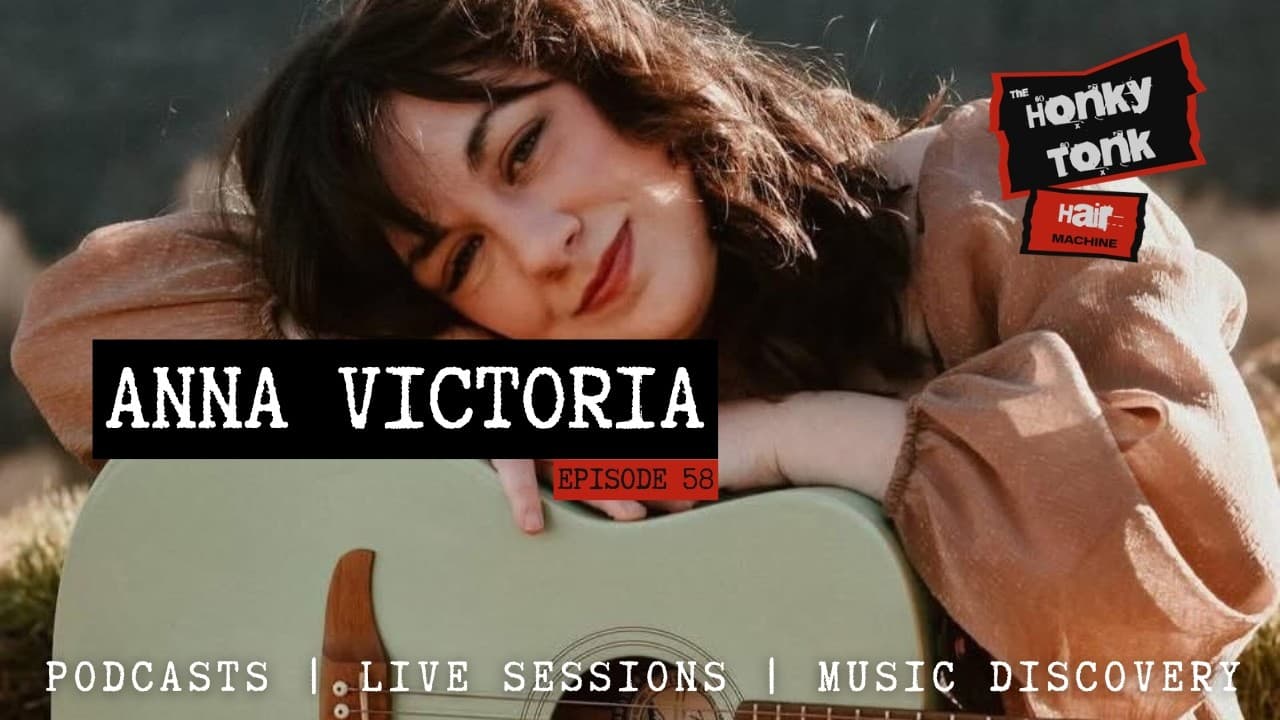
Anna Victoria
Inside North Carolina's Appalachian Music Scene | Anna Victoria
Anna Victoria joins Camden for an honest conversation about growing up in the mountains of North Carolina, discovering her voice as a songwriter and navigating life as an independent Country and Americana artist. We talk about learning to perform live, protecting her voice, finding confidence on stage, the influence of Appalachian music and artists such as Luke Combs, Sierra Ferrell and Dolly Parton, balancing music with motherhood, and the challenge of staying creative in a world driven by social media. It's a thoughtful conversation about music, family, creativity and staying true to yourself while building a career in independent music. Chapters 00:00 – Introductions, Weaverville, childhood. 02:00 – Singing, vocal health and beginning her musical journey. 06:00 – The pandemic, booking gigs and developing as a live performer. 09:00 – Coping with distractions, confidence and performing. 12:00 – Appalachian influences, Luke Combs, Sierra Ferrell, Dolly Parton and mountain songwriting. 15:00 – Family life, being a stay-at-home mum, social media and balancing music with everyday life. #lukecombs #sierraferrell #dollyparton Subscribe to The Rugged Revival. Share it with your friends. Support independent music! Listen to the full podcast on Spotify: https://open.spotify.com/show/6wnHcgA73o1aiiKaz882vH?si=30aabdaa220a4628 Follow The Rugged Revival: Instagram: https://www.instagram.com/theruggedrevival/ TikTok: https://www.tiktok.com/@theruggedrevival Facebook: https://www.facebook.com/profile.php?id=100094507520679 Website: www.theruggedrevival.com Email: ruggedrevival@hotmail.com
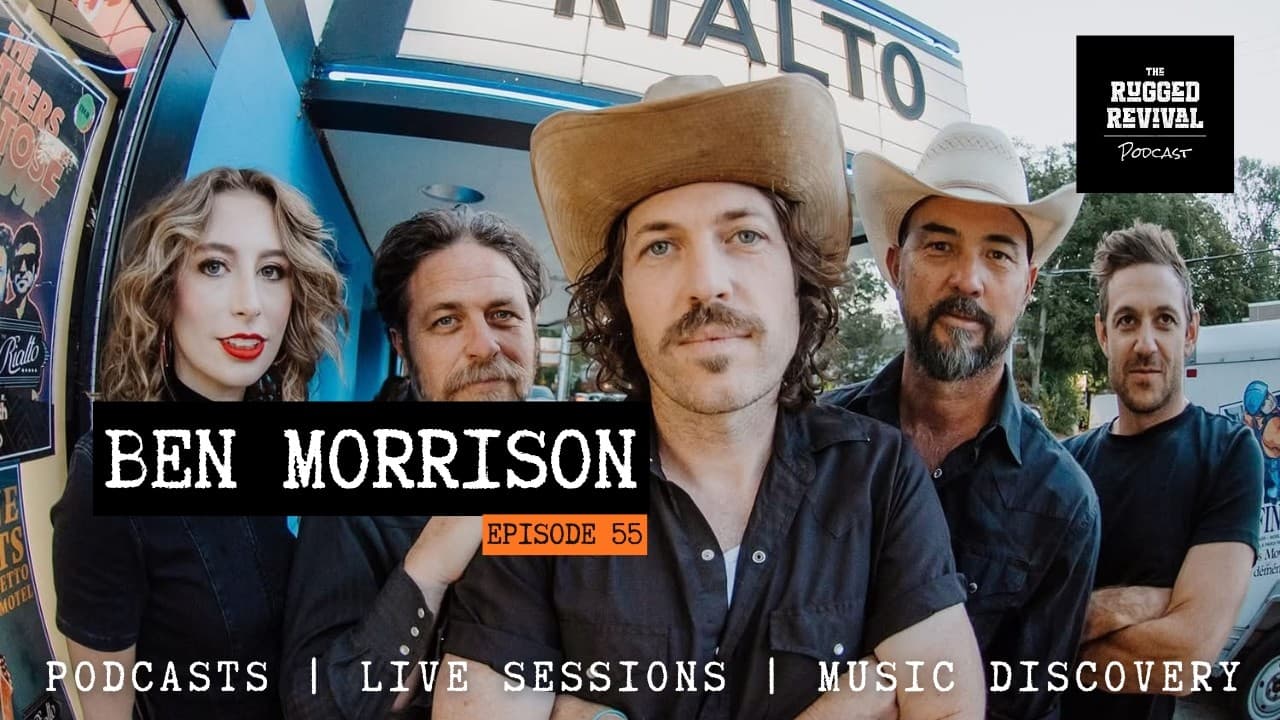
Ben Morrison
The Brothers Comatose: Ben Morrison on 18 Years of Music, Family & Touring
Ben Morrison of The Brothers Comatose joins the Rugged Revival Podcast for an honest conversation about nearly two decades ...
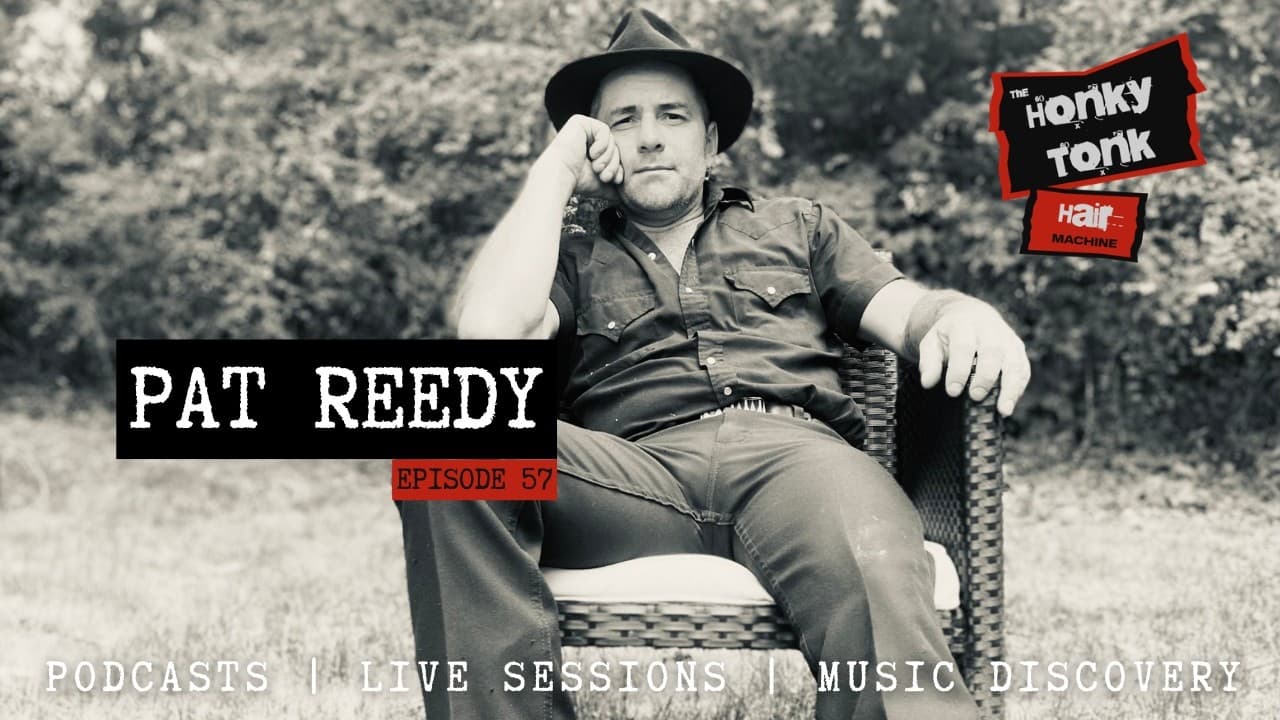
Pat Reedy
Pat Reedy on Busking, Nashville & Building a Country Music Career
Pat Reedy joins Camden to discuss leaving construction behind for country music, busking in New Orleans, life in Nashville, ...
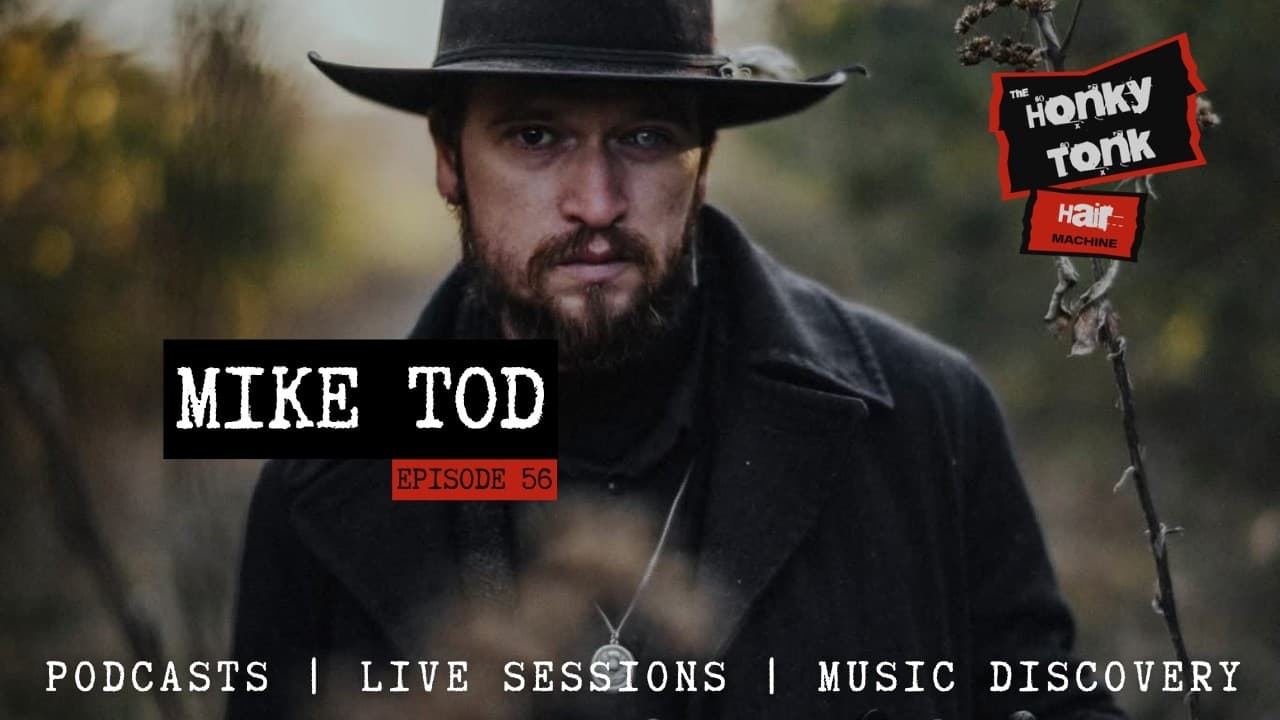
Mike Tod
Keeping Traditional Folk Music Alive in Nashville | Mike Tod Podcast
Mike Tod joins Camden to discuss traditional folk music, Canadian roots, life in Nashville, forgotten songs, unusual instruments and why preserving musical history still matters today.Originally from Canada and now based in Nashville, Mike explores the stories behind traditional songs, the connections between folk music around the world and how old music continues to influence modern artists. We also discuss his unique "Crankenstein" instrument, musical curiosity, collecting songs from the past and the importance of keeping traditions alive for future generations.Chapters00:00 Introduction00:00:30 Growing Up in Canada00:02:20 Discovering Music & The Crankenstein00:04:10 The Story Behind The Crankenstein00:05:20 Drones, Folk Traditions & Ancient Music00:08:10 Learning Guitar & Performing Original Songs00:09:40 Accessing Traditional Music in the Digital Age00:11:20 Researching Music History00:12:10 Playing The Crankenstein Live00:14:00 Creating Atmospheric Sounds & Live Performance00:16:00 Traditional Songs & Musical Origins00:17:50 The Artists Influencing Mike Today00:19:20 Studying Philosophy & Creative Thinking00:22:00 Horror, Heavy Music & Folk Culture00:24:00 Scottish Heritage & Family History00:27:10 Final ThoughtsSubscribe to The Rugged Revival. Share it with your friends. Support independent music!Listen to the full podcast on Spotify: https://open.spotify.com/show/6wnHcgA73o1aiiKaz882vH?si=30aabdaa220a4628Follow The Rugged Revival:Instagram: https://www.instagram.com/theruggedrevival/TikTok: https://www.tiktok.com/@theruggedrevivalFacebook: https://www.facebook.com/profile.php?id=100094507520679Website: www.theruggedrevival.comEmail: ruggedrevival@hotmail.com