
#1 Hits, Grammy Nominations & Going Solo | James Otto
Watch on YouTube
Subscribe for new episodes, Grit Sessions & more
Listen to this episode
In This Episode
James Otto's voice precedes him—literally. At six foot five inches tall with shoulders to match, the man cuts an impressive figure. But it's that textured, raspy baritone that stops people in their tracks. It's the kind of voice that sounds like it's been aged in oak and mellowed by experience, a voice that tells you James Otto has something worth saying.
What's perhaps more compelling than the voice itself is what Otto is doing right now, at this particular moment in his career. He's returned to independence. After years navigating the labyrinthine world of major labels, publishing deals, and industry machinery, he's quietly reclaimed creative sovereignty. It's a full-circle moment that speaks volumes about artistic integrity in modern country music.
Songwriters are the power behind the throne of country music.
— James Otto
Otto rose to prominence when Warner Bros. came calling. His breakthrough was substantial—chart success, critical acclaim, the kind of trajectory that every musician dreams about. His signature "Country Soul" sound, that hybrid of soulful storytelling, smooth grooves, and raw vocal power, found its audience. But somewhere between the major label machinery and the Grammy nominations, something shifted. Now, having just completed recording at the legendary Fame Studios in Muscle Shoals, Otto is navigating the independent release of his new album on his own terms.
"I've been sitting on this record for a couple of years," he explains, describing the frustrating limbo of searching for a label home that felt right. "I never found a situation that I was really excited about." Rather than compromise, he chose the harder path. Independent release means mastering skills he's never needed before—marketing, distribution, the business of music itself. It's a skill set he's actively building, learning as he goes, with none of the safety net that major label backing provides.
Some of my best friends are people that I've met because of these shows—we've just gotten really tight.
— James Otto
This path says something important about where Otto stands as an artist. He's not chasing radio hits or chart positions. He's not contorting himself to fit someone else's vision of what "country" should sound like. Instead, he's building something authentic, something that reflects who he actually is as a musician and storyteller.
The irony isn't lost on him. He started his career independently before the industry swooped in with contracts and promises. He's seen the publishing side, the creative side, the business side. He's earned his stripes the hard way. Now, having completed that full circle, he's making a conscious choice to own his work, to take on the responsibility and the reward that comes with genuine independence.
What's particularly refreshing about Otto's approach is his enthusiasm for community building. He's currently performing at "Songwriters in Paradise," a weekend series at various wineries in Napa Valley where writers and musicians gather not just to play shows, but to genuinely connect. These aren't quick handshake moments between gigs. They're extended stretches where real friendships form, where the songwriter community actually functions as a community. Otto speaks about these connections with genuine warmth—these aren't networking opportunities, they're the relationships that sustain a career and nourish an artist's soul.
For anyone who's watched the country music industry gradually strip-mine its own heritage in pursuit of mainstream appeal, James Otto represents something increasingly rare: an artist willing to bet on himself. He's got the credentials—the hits, the nominations, the voice that commands respect. But he's choosing the messier, harder path because it's his path.
That's the real story here. Not the accolades or the impressive vocal range, though both are genuine. The story is an artist reclaiming agency, building something real, and doing it surrounded by genuine community rather than industry machinery. In an era when independence in country music is increasingly the path of artistic conviction rather than commercial viability, that's something worth paying attention to.
This is Maggie Noel and I love Rugged Revival. >> This is the Rugged Revival Podcast, your home to UK's country, Americana, and roots music community. Today we are joined by the one and only James Auto. James, how are you doing, mate? You okay? >> I'm doing very well, my friend. How about yourself? >> Uh it's been a it's been a good week so far. We were just talking off off camera a minute ago. You're enjoying the weather in California. I'm in Birmingham. It's been raining nonstop pretty much for a month now. So >> I think we got to be here. It's a little overcast like for California, but it's still the weather's perfect. It's going to be like 70° today and not too shabby. >> Well, there you go. So you can still wear sunglasses, shorts maybe, and uh >> Yeah. >> Yeah, man. I just stuck the central heating on. So you know, that gives you a bit of a >> Oh, no. I'm not trying to do all that. Winter's over, I'm hoping. I I live in the south. I'm not a fan of winter. >> No. I don't blame you, dude. So so what are you doing over in California right now? >> I'm doing a thing called Songwriters in Paradise, which I do a bunch of these shows. It's essentially if you're a fan of songwriters, which of course if you're a fan of country music you are because songwriters are the power behind the throne of country music. Um it's a it's basically a week-long well, it's a weekend. It's three, four days of shows at different wineries in Napa Valley. This week and that's where Sit Napa is, but there's Sit that happened in a whole bunch of different places. Cabo, Mexico. And so you have a bunch of great artists that get together, great songwriters that get together, and then people come out to the shows every night. So we're playing shows every night at a different winery, having great wine, enjoying the weather out here, and um it's what I love most about this thing is it's a great time for us writers to hang out together. You know what I mean? Like when we're in town writing songs in Nashville, you know, we'll see each other for a couple of hours, but we don't generally get together in large groups of songwriters and then just hang and and do that thing. So, it's it's really kind of a social week for us, but also a chance to play our songs and do our thing. >> Good for you, mate. That That sounds like a terrible existence that you have. >> It's rough, man. It's terrible. >> I don't know how you do it, but yeah, drinking wine and and spending time in California. No, that's awesome, mate. I A lot of people say that, in fact, you know, like yourself, bumping into other songwriters or or other bands, you know, it's it's typically a flying visit, you know, it's a quick hello. You might be playing a gig together, but you don't get the time to hang out, which is a shame, really. >> with these kind of things, friendships get formed, you know what I mean? More than just hanging out and writing a song in a room with somebody, which is great, and you learn a lot about people that way, but this is a a chance to, you know, be together for for four or five days together and hang out and talk and and really figure out who they are, and it really sharpens connections, and and um I mean, some of my best friends are are Howard now people that I travel with because of these shows. They become my best friends. My buddy Channing Wilson, who's in the studio cutting a record with Dave Cobb this week, he's become one of my best friends because of events like this. You know, we've just gotten really tight. We write a lot of songs together, but um it's it's that opportunity to really I don't know, just make better friends. >> Sweet. No, that sounds superb, mate. What What else you been up to then, James? >> Man, I've been uh finally putting out this record that I made several years ago. I went down to Muscle Shoals and cut a record at Fame, and I have uh um sat on that record for a couple of years trying to figure out the business end of having another record label put it out or do something else along those lines and never found a situation that I was really excited about and and felt like I was going to be in a great spot. And so I now I'm independently releasing this album and figuring out how to market music and do all that good stuff. And man, there's a lot to that. So it's a whole different skill set that I'm not sure I possess yet, but I'm I'm working on building those chops. >> No, you know what James, this is partly the reason I wanted to get you on this as well because I I I thought your whole situation right now is fascinating because you've kind of gone full circle, you know, and and I did my research as best as I could without just kind of plagiarizing Wikipedia, but you know, you you obviously started out independent in the beginning. I believe you went into publishing. So you've seen that side of things and then went into to the record label and now like you say you're back out doing the independent thing. So rather than me just kind of reel out, you know, your whole Wikipedia history, do you want to give it a potted kind of overview of that? >> Sure. Yeah, you know, I moved to town a long time ago. It was like '97 I want to say I moved from my home state of Washington down to Nashville. Uh and was there in town for a couple years and then eventually you know, playing songwriters clubs every night and then from there I got my first publishing deal and I've had, you know, I've have written songs professionally ever since um and writing for other people, but the whole idea was when I moved to town I I didn't know that there were artists that didn't write their songs. That's not something that I really knew. I figured every artist wrote their songs. I thought George Strait wrote all those number ones. Turns out he did not. Um but um so I really, you know, dug into the songwriting side and learned to write songs in Nashville. It's the best possible university you can put yourself in if you want to be a musician or a writer or um you know, an artist. It it you are amongst the best that there are. so you get a chance to get that uh uh that lesson those lessons um from the greats. And so I spent years playing clubs um songwriters clubs and doing that thing and and learning to write from some of the best in the world and uh from there I I was on Mercury Records. I got signed to Mercury Records and was there for a couple years with, you know, a couple of top 40 hits, but nothing big um and then end up parting ways with them and going to Warner Brothers. And uh was there for several years and had just got started loving you, which was, you know, my big hit, obviously. Um and put out another couple of songs uh couple top 20s um and but I also had uh a bunch of cuts along the way with other artists and and um I guess my the biggest ones would be like In Color that I wrote with Jamey Johnson, uh which won song of the year at the ACMs and the CMAs and brought us out to the Grammy Awards and um and also uh Zac Brown song was a number two, but, you know, a whole bunch of smaller things here and there, too. A bunch of top 40 stuff that I've written with other folks, but it's for me songwriting is just it it's become a part of who I am. I I spend just about a couple of hours every day at least working on some part of the songwriting craft. It's either so like playing guitar and thinking of melodies or thinking of ideas and it's just um it's been such a a fantastic uh way to I don't know, to to really figure out the craft, you know, to study it. You got to treat it like a job. >> Do you Do you feel most happy at there rather than performing and and and recording your own stuff is is the songwriting side? >> So for, you know, I love both I love both of them. Um I love performing. I love the uh I love songwriting. I'll tell you what what I like the most is the songwriting lifestyle is what I prefer to the artist lifestyle. The artist lifestyle is is spent mostly on the road and and as a a dad and and a married guy, it makes life a lot easier for me to be home most of the time. But I'm able to kind of be a weekend warrior as an artist, go out and play shows on the weekends. Um, you know, I do 50, 60 gigs a year, which is plenty for me. Um and so that kind of scratches that itch, but making a new record. I stayed home for a lot of years and didn't really um pursue the artist thing as hard as I would because I did have a writer's career cuz I was able to to have success with other artists cutting my material. But at this point, I'm at a place where I just feel like I want to I want to do that thing again. I want to do more of the artist thing than I have in the past because my daughter's getting to an age where, you know, I can be gone a little bit more. My wife is like, you know, get out of the house and go do something. You're in my hair. You know, so it helps. And it so it I'm lucky lucky that I have that opportunity at this point, you know, to be able to still go do those things. >> Yeah, good for you, James. Funny you say that your wife saying you can't get in her hair. My My wife said the same and that's why I started the podcast. You know, we do these hobbies. >> We all have to get out of their hair somehow, don't we? >> And now she's moaning that I don't spend enough time with us. You'll never win that game, mate. >> You can't win, man. You cannot. >> But no, I'm really interested in the the songwriting stuff. We I was out in Texas last year. I got to hang out with some some artist friends and to actually go to see some co-writes that they were doing and how it kind of goes about. And you know, I'm just a fan. I'm not an expert in anything. So it was just cool to kind of witness that go on. And I was interested, you know, particularly from your perspective, writing with the likes of Jamey Johnson. So when you're writing these songs, do you have a particular person in mind or does it does that come later, you know, in terms of what you're writing and then see what it comes out like? >> Tell you what, I have not not had a lot of success writing songs with an artist in mind. You know what I mean? Um like I I if I was to say I want to write a song for Lainey Wilson today, uh the chances of me writing a song first off that's better than something she would write for herself, um in the voice that she wants to write in from the place that she wants to write it. And then also getting through all of the from her A&R staff to her producer to her, the likelihood of that happening is very very low. I mean, uh it the chances of a song getting cut and being hit anyways are always low. It's you're never have like a high batting average for those things unless you're like, you know, one of the uh like Ashley Gorley, you know, who's had 100 number ones or whatever it is. There There's very few of those guys. Um and for me, um it's always I've always had much better luck writing with the artist, writing with the people. And then and that's one of the things about being in town and being in the scene, you know, I I I'm able to uh dig into what's going on in their lives a little bit better and into their heads because I'm sitting with them. We're sitting we're talking about what's going on in their own lives. And so, you get that opportunity to to um um songwriting's like therapy, essentially. You know, you sit in a room for a couple of hours and talk about what's going on in your life. And from there, um we're able to turn that into something that that is meaningful to them. You know? Um and so, that's always my favorite way to write a song is is to write them with the artist. It's to sit down and and talk about the things they're going through. >> Yeah. Yeah, that that makes complete sense, mate. And um you You touched upon kind of being in the the Nashville scene and and a little bit about, you know, how things might go on and you know, for us kind of looking on a peripheral, uh, you know, on the sidelines, what what what's kind of been beneath the veneer of of Nashville? Is Is it Is it that difficult to crack? Cuz so many people want to go there. They want to write. They want to perform. They want to make it. Um, what's what's kind of the reality of that? You know, you you kind of mentioned a few things already. >> It's not easy. I mean, for sure. It's a It's a difficult way to make a living. Um, and I think one of the the biggest parts of that is uh, you have to be okay with rejection cuz you're going to get a lot of it, right? You're going to hear no more often than you're going to hear yes. And if you're the kind of personality that always needs, uh, reassurance or um, you're not a self-starter, then this is not for you. This is one of those things where you have to dig in, you have to be ready to be in for the long haul. I've been in town for 29 years this year, which is crazy to me. Um, and what I see is the people that win are the people that don't quit. You know, that's the ones that win. The ones that stick around and are are willing to take on the hardship of this life cuz it man, there are so many really talented people that just aren't built for the realities of the situation. >> Yeah. >> So, there's an immense talent, tremendous amount of people trying to make it and only so many spots that are really available. Um, but I always tell people if you can see yourself doing something else and being happy doing it, then you should do that. Because this is a thing that requires a life dedication. This is not "Hey, I'm going to go give it 5 years and see if it works." Well, man, some of the most talented people I know have have been in town for 10 years and and not not really gotten to where they feel like they should be. Do you know what I mean? And so it's it's something you do cuz you're called to do it and you love it and you're willing to take the slings and arrows of the life as a writer or an artist to make it happen. I mean, I don't I don't recommend it for everyone, but it is for people who feel called to do it. >> Yeah. Yeah, that that kind of rings true of a lot of people I've spoken to across different scenes particularly in Texas where they've gone given it 5 years and like you say they've gone back because it it weren't for them, man. It it's very different to to the scene that they're in and I suppose the level of control or the level of I suppose what you have to give up as an artist. >> Well, and and man, you know, there's a lot easier ways to make money. If that's what you're interested in is making money, this is not the job. This is not the thing to do, man. You're in this for for the wrong reasons. You got to be in this because you love it first off, you have the talent for it and the dedication and the will to make it work year after year cuz there's going to be years where you feel like quitting. There's no question about it. >> Absolutely. Yeah, and that become a podcaster even if you're looking to be a millionaire. It's it's >> No, no. No, you're doing this obviously out of the love of of of talking about music because you're a fan of music and you know what? God love that, man. That is That is the thing. So, uh and if money comes, awesome. You know what I mean? So, but you're not in it for that reason. And and that that says a lot about you and and your motivation. >> Thank you, sir. Yeah, it's it's just it's just a real pleasure to speak to artists like yourself, James and you know, like yourself and your side, you know, we've made so many cool friends with other podcasters and artists and you know, we we were treated to a a tour last year, you know, I won't make any bones about that. That was a a friend of ours in the podcast scene that that whisked us away out there and it was like Disneyland for us. So, uh >> That's awesome, dude. >> So, that that's the benefits you do get. You you make connections. >> country music Disneyland. Oh, yeah. Like you get out there, you can go to like a different place every night and see like there's a band in every down bar. It seems like every honky-tonk across Texas. You can you could make a good living playing nowhere but Texas uh night after night. You can play 7 days a week and and play a different place every night. And it's pretty incredible to have that kind of scene. >> Yeah. Yeah, we we absolutely would um kill for that sort of scene in the UK. >> Oh, yeah. >> It's uh it's incredible, you know, and if dressing up country is your thing, I mean, I didn't suit it. I looked like a plonker, man, you know. Cowboy hat and, you know, cowboy So, I'll stick to the the trucker hats and and kind of >> Nothing wrong with that. >> But, it it's great, man, and um yeah, I mean, I I I was drawn to your music. Um you know, I've been following you online for some time and, you know, lately I've been going down a real country soul blues uh kick. So, the the artists we've had on recently have have been along those lines. So, you you fit perfectly and loving you. >> that, man. >> No, you were you good, man. It's um I mean, I love your new song. That has been stuck in my head um for for since it's come out now a few weeks. So, >> That Thank you. Overthinking or these hands? >> Overthinking. Yeah. >> Yeah. Yeah, Overthinking's the new one. Um I love that song. It's It's been uh I you know, I probably wrote that 10 years ago or so. And it's just one of those ones that I've like, you know, I want to do something with that. And we really feel like we we nailed it in the studio. And And one of those you know, there's one thing with the right a song and to have uh a demo of it and there's something else, but it can really come alive with the right with the right people in the room when you record it. And that one really did. >> Yeah. That's brilliant. I mean, anyone that comes on the show I like to try and listen through the the back catalog, you know, as best as I can. So, just to see where you started and kind of where how you sound evolves and it's been a cool journey and and I think you've always seemed to have that that kind of soulful element about the music you've created and released and you know, how does that kind of fit in the the scene that you've been in all that time? Do you Is it been at odds with that all? >> You know, the the funny thing is there's always been a country soul uh thread through country music. There's there's a soul thread through country music. You know, you think about like uh people like Ronnie Milsap or um there I mean there's there's quite a few of them. Look at Stapleton these days. Stapleton's killing it and uh but it wasn't like a super popular thing. It wasn't something that like everybody was trying to do. It was um it was the minority kind of of of what of artists. People always like that kind of music and always kind of talk about it but there wasn't a lot of those guys till Stapleton came along and and then broke through and now there's a lot more of that starting to happen and I I think it's a beautiful thing. You got Drake White that's now out there doing his thing. Drake's killer. Um uh and and you know, Adam Hood, another guy. He's soulful. He's got that southern soul in his music that you can't escape and I think that uh um I like seeing more and more of that. It makes me feel like, "Okay, I'm not just I'm not a complete outsider." >> A good >> Yeah. >> Yeah, there's some fantastic artists at um at the minute within that particular scene. But but it's cross country as a whole, you know, we we spend a lot of time in Kentucky as well with with online, might might add, with >> Oh, yeah. >> friends and artists out there and like I said, with Stapleton, Sturgill, and you know, that that kind of scene that's come through over the last 10 15 years. It's been It's been incredible. Um so, all over there just seems to be this real resurgence of country music, whatever the genre, you know. >> I think you could put Marcus King in that in that, too. I mean, he's he's soulful. He's He's Yes, he's a rocker and a blues guy, but he There's a lot of country in what he does, too. >> Yeah, I I suppose that's a question for you, Alan and James. So, in in terms of, you know, recent artists, um who excites you the most in terms of what they're writing and what they're they're playing? >> Marcus is one of those guys. Marcus is one of those guys that I love to listen to. Um uh he's an amazing guitar player. Uh the songs are things that aren't the norm, you know, of country music. He's He's uh um not writing the same old tropes that you hear in pop country music. He's doing something really different. Stapleton's always one of those guys. Uh you know, we used to write um back in the day and and he's a buddy of mine. I love seeing him, you know, become who he's become because he was always that good. He was always an amazing writer and always an amazing talent that like everybody in Nashville admired and loved, but outside of Nashville, nobody really knew him. Um and now he's like, you know, one of the biggest artists in the world and deservedly so. Uh I I love seeing those kind of stories, guys that that are the the true real talents uh getting what they deserve. >> Absolutely. They They remind me of the old-school artists. You know, if we're looking at like the Allman Brothers Band, you know, that that's kind of what I almost grew up on, Selena Skynyrd, that southern kind of rock and soul. So, uh that's why I love, you know, your stuff, Marcus, and and all of those guys. Uh I think it's that That seems to be coming back. It seems to be coming back in favor. >> it is. Well, I think Hank Jr. was another one of those guys that always always brought blues and and boogie-woogie and those kind of things into his country music. And so, you know, it ebbs and flows. That thing kind of moves moves its way through country music. Um and right now, I think we're in a good period for that. >> Awesome. Yeah. So, what what what what kind of music did you grow up on then, James? >> Man, everything, you know, um top 40 radio was played in every car that I was ever in as a kid, you know, everybody listened to that. You know, I'm I'm was born in '73, so I got some of that AM gold, too, some of the classic rock and uh my dad was like really into bands like Chicago and uh Neil Diamond and John Denver. And so, all of those things I got when I was a kid, but the things that like in high school well, junior high, I was super into uh Haggard Jr. was one of my favorite artists. Um I was into Charlie Daniels. I was into uh I lived in Alabama for a couple years and and I think that was what really uh cemented that stuff for me cuz prior to that, country music as far as I knew was what my grandparents listened to. And it was it was more um uh would Old timey isn't necessarily the word, but it was it wasn't cool. >> I don't know what you mean. >> as a kid, you know, as a as a as a junior high kid. Uh and then in high school, I listened to all the same stuff that all my friends were listening to. I was listening to hair metal and I loved Guns N' Roses, like a huge Guns N' Roses fan and loved all of that era and then became a big fan of uh the grunge scene and was super into Alice in Chains and and uh Chris Cornell and all of that stuff. So, man, it's so such a wide palette of things that I listen to, it's hard to narrow it down to one thing, but but always country music was in my playlist. Always, that's what I was drawn to uh for my own music. Um I would that's the kind of music I wanted to make. It's the kind of music that, you know, I I I could see myself in, you know? So, um that's where that's how I uh kind of I don't know, made my way into that. >> Yeah, that's cool. It's Yeah, it's funny you mention it. I I was born in the '80s, grew up in the '90s, so very similar kind of music and >> Yeah. >> I will sound like an old bastard when I say this, but um I feel like music more was more diverse back then, you know, as opposed to what you hear >> was. Yeah, there's no question. I think, you know, it's homogenized quite a bit um and not necessarily like for the better all the time, but there is anything and everything that you could possibly be into these days. You just have to dig for it. Um there's more music being put out now than ever. And so, if there's a certain thing that you're into that moves you, you can go find it. You can go you're and and on the other end as an artist and as a writer um it it means that there's probably an audience for whatever it is that you're trying to do, whatever kind of niche thing that you're trying to do. It may be a smaller audience than the mainstream like pop country thing, but um there's opportunity out there for you to go figure it out and for for people to find you. And and again, like we were talking about uh before we started rolling, you know, artists have to now be uh marketers. If you're going to be an independent artist, you're going to have to figure out how to market yourself and do all those things and um but it's it's all part of the game these days. >> Yeah, absolutely, but it's um you know, I I I see the whole social media thing as a a massive positive because otherwise I I wouldn't have this platform myself. And for for the artists um you know, it must be endless possibilities, but like you say, the the saturation of how many artists are out there fighting the algorithm. I mean, you with you jumping back into the doing that yourself, I mean, what what has there been any eye-openers in that time already? >> Oh god, yeah. Yeah, I mean, you know, I have uh over a million listeners uh a month on Spotify for my music, but like trying to tap into the to the million people a month that listen to uh just got started loving you cuz that's the one that drives most of that traffic to try to reach those people with new music, because I think they'd they'd love the new music as well. It's just it's hard to reach them. It's hard for them to find you. The algorithm isn't going to give you any love just because you've had success in the past. So, you've got to find ways to break through and figure it out. Man, I'm still trying to figure it out. It's one of those things that that we all fight. I hear artists talk about it every day. So, you know, we invest our time, we invest our money, and and um hopefully people find us. And I think one of the best ways for people to find guys like me these days are guys like you. You know, people out there that are digging through music and love music and and are really in it for the right reasons and and um are real fans of what's going on. Um you're out there, you know, help helping spread the word about people. >> We we're zooming up as Mike, and yeah, like you say, we we fight the algorithm every day. >> Of course. >> I'm I'm I'm getting too old to to to care too much, you know. I I put out stuff that we like doing, we like talking about. I'm not in it to to make clickbait stuff. I just find it tedious. Um >> Don't we all? >> I'm not changing. I'm too long in the tooth, mate. Um >> Brother, me too. Me too. >> That's why part of the reason I'm wearing this hat as well, mate, is to hide the gray hairs and the the wrinkles, you know. >> Ain't no hiding this. It's all up in there. >> Yeah, at least you're honest. >> just for a man to get rid of it. >> Uh yeah, I'm with you, brother. I'm with you. Um but yeah, interesting, you know, I I was looking I love to look at Spotify uh numbers and stuff. To me, it it's it's just background noise. Um it obviously means a lot to to the people posting it. You know, we've got our own kind of great sessions that we put on there, and you know, it is frustrating that some we're not getting as many hits or listens, but it is what it is. Like I said, I'm I'm I'm too lazy and old to to fight that algorithm, but >> That's really it, man. It's just tough. You just got to It is what it is. You You to keep just believing and and keep putting it out and keep fighting it every day. >> Yeah, man. Yeah, man. So, I suppose an interesting question for somebody that that's had a number one single. You've probably been asked this a million times, but what is it What What is it like to, you know, hit that kind of achievement? Because a lot of artists that I speak to and we say, you know, what's your kind of bucket list, you know, three things that you want to achieve in your career and having a number one single is, you know, always within that. >> Oh, sure. >> So, did it How much of your life did that change, you know, having that single? >> Changed everything. I mean, it it literally was the culmination of years of hard work and effort and determination and leaving my family back home back home in Washington state and and chasing a dream. You know, I gave up I gave up all of the things that most people hold dear, uh, which is, you know, family and and the place that you grew up and all of those things to go chase that dream. And so, um, after living in Nashville for as many years as it was, I don't even remember how many years it was until, uh, it was within 10 years things that that thing happened. Um, but it was the culmination of everything that I'd worked for and and and, uh, you know, hey, it it tells me you did the right thing. All of that effort was worth something, you know, and it and it exposed my music and, uh, me to a group of people that would never have known my name otherwise. And so, that's given me a career for years and years. It's, uh, allowed me to continue making music, which is really ultimately the goal for me is to, um, to never have to have a real job, uh, real job because this there's plenty of work involved in what we do already. But a But a real job where I have to do something other than music, you know, for Now, for almost 30 years I've I've been a professional writer and artist. Um, and that's my that's my ultimate goal is to keep doing that until I die. And so, at whatever level that is, um, I'm going to keep going. >> Uh, that's interesting to know. And like I said, so many people say that that is their their ambition. Is there any any drawbacks to it as well on the on the complete side? >> of course. Yeah, I mean, there's plenty of drawbacks to it. Again, there's uh if you're married, which I am, um, it's hard on your spouse cuz you're gone, you know, a a lot. Um, it's hard on children. Um, luckily, again, I've been blessed to not have to be on the road hundreds of days a year, but I know lots of people that are. You know, a lot of people in this industry spend 150 200 days a year on the road. Um, and I don't have to do that. I because of just got started loving you and in color and other things, um, there's some mailbox money that helps supplement all of that stuff, you know, it it helps keep the lights on and and keeps me on the road less than I have than I would be. Um, so it's that gives us a level of comfort where you will yeah. We got a certain amount of money that we're know good is going to come in on a regular basis, but still, um, you know, if you're not out there hunting it down and out there trying to make more, you're going to be on the streets. So, uh, it's there's there's lots and lots of drawbacks to it. And that's why I I was saying earlier is that it's not something that I recommend for everybody. It's something that you feel called to do. So, um, I'm a lifer. This is what I'm always going to do no matter what. Um, and so you just put in that that work and that effort and make it happen. >> Yeah. Now, that's interesting. I say I think for nosey people like me to to understand what it is like, you know, to to be in that situation and that, you know, it's not always glitz and glamour. And like you say, we you are family man. Yeah. It is tough, man. >> That's why yeah, everybody everybody's like, "Oh, it must be awesome. And you get to go to like you award shows and all those things." I've done some of that. I've First off, I I don't go to those things any longer. Those are the only things where you go, "Well, that's uh um the fancy part of it. That is the the glitzy side of it, but that's so such a small percentage of what the job actually is. Most of the job is, you know, being in a uh dressing room that's the size of a uh a small bathroom. You know, half the time you're hanging out waiting to go on stage or you're in a hotel room by yourself or you're driving for hundreds of miles from gig to gig. I mean, there's so much of it that goes unseen uh that I wouldn't call a job glamorous at all. There is rewards to it, of course. Um doing what you love for a living is is a blessing all in itself. And for me to be able to make my living with a guitar in my hand writing songs is a tremendous blessing, but you certainly pay for it other ways. Miles on your body, uh uh a lot of sleepless nights, a lot of of uh uh a lot of things that go into it. But, man, I I can't see living life any other way. >> Yeah, that's uh it it's interesting to know that, mate. And uh did you did you turn into a diva at any point, you know? That's that's the real question, mate. What >> I'm sure I did, dude. I'm sure I did. I guess the learning curve is what I would say it was. Like, I uh um you start getting full of your If you ever start believing your own hype, your your own success, I think you're in trouble. You always have to have people around that remind you, "Hey, you're you're lucky to be doing this. You're lucky for your success. Even as good as you are at whatever you're good at, uh a lot of luck comes into play. So, I think um you know, may maybe I did when Just Got Started Loving You came out and In Color came out right after that and then No Hurry. I'm sure I did get a full of myself at some point, um but uh uh I have been humbled plenty of times over with uh with the realities of life in this business. >> No, you can have some fun with it. I think I would have turned it to Mariah Carey in some parts, mate, but um just just for a laugh, I think. >> Well, you know, she's been able to maintain that. I think she's not had to have a lot of humbling situations so far, but you know, you never know. >> Yeah, we we we probably got more friends around us telling us to stop being a knob, you know, it's uh >> Oh, dude, no, my friends are going to All my friends are going to give me [ __ ] no matter what, and that's what I love. I keep the real ones around. Those are Those are the ones that are going to be the most valuable. Those guys that will tell you the truth, no matter what, that won't treat you any different, um that talk [ __ ] to you, you know, those are my best friends. >> Yeah. Yeah, long may that continue, mate, absolutely. Um going back to like um you know, the modern scene and the modern day artists and and kind of the things that you're you're into uh back into now, it's you know, do you think the the new artists coming out are chasing the same thing that you were back then? >> You know, I'm I think the heart of what they're chasing is probably the same. I don't The game is not the same at all, and you know, I think too many people chase virality because, you know, they want that moment to that they think is going to blow up their whole career and do all those things. I guess virality of a of a video these days uh is kind of like, you know, having a hit song, um but but if you don't have the things to back that up, if you don't have not built a business and built uh relationships, when that moment happens, you either you can't capitalize on it or you can't sustain it. It's all about whatever the next thing is, and so um I I worry that if you're not building your back end business, if you're not like, you know, building email lists and making real fans and and making real connections with people, um having a a big video blow up on social media isn't really going to help you. You know, you really need to to build a catalog of songs. You need to make sure that you tend to your relationships, um build real friendships, build good business contacts, and be teachable, and be, you know, ready to to uh dig in and work, man. Um there's a a viral video, yes, can change your life for 30 seconds. Uh but uh once that's over, you you got to figure out how you're going to move on from there. I It's a strange time. My daughter wants to do this as well. You know, my daughter's 15. She's an amazing singer. She's uh learning to play guitar. She's learning to write songs and do all of this. And I I obviously any parent worries about what their child's going to do with their life, but um it's such a hard business to make a real living at and to have steady income and do all those things. And I wonder with AI and all of the other things that are on the horizon now with the music business, how all that stuff's going to play into it. And so, you know, you just got to kind of have faith that humans still want to listen to other humans play music, you know, make art, and will support that. And I so I try to teach her the back end of the business, and I try to teach her all of those parts of of of what makes a um a 30-year career in the business. >> That's that's incredibly useful to for her to have you in that that respect. Um Yeah, having >> to me. >> I was going to say, does she listen? Because my boys are a bit younger, and they won't listen at all, man. So uh >> Oh god, I'm so glad to hear that I'm not the only one. I think that's an age-old problem, though. Nobody wants to listen to their parents, right? >> Yeah, I know. Yeah. >> Sometimes you got to learn things the hard way. >> It's it's it that makes me feel really old now, cuz it like you say, we we no no one wanted to listen to their parents, and I'm still in my mind that age still. Um >> Yep. >> But to be told I'm old and boring, and I shouldn't be listened to by, you know, a 10-year-old, uh sorry, a 13-year-old and a 7-year-old. >> So frustrating. >> But we are where we are. >> Eventually, they'll be like, "Yeah, right. You were right, Dad. I should have listened." >> I'll I'll record that moment. But so what what what has has there been any kind of top tips that you've given her at this stage? What what's been the main ones? >> Um the the top tips, I think, you know, the the main thing is I'm trying to teach her work ethic, you know, like yes, God gave you a natural gift as a vocalist. You you have a natural ability to sing. And she's really she's put work into that. She's put effort into honing that. And she's as good a singer as as most artists I know. She she can sing as good or better than most artists I know. And now from here, I like, "Well, hey, God gave you the one thing, but now you have you got to learn to play guitar so you don't need to hire somebody to play for you. You can deliver your own stuff. So that's That's something that there are no shortcuts in. You know, you have to put the effort in. You have to put the hours and the time in to become good at. So I'm I'm pushing her there. The other thing is like with songwriting, I'm like uh I'm going to introduce you to art to to songwriters. Um we don't write together really. Her and I we've written a couple songs early on together. But now I want to you know, she's not going to tell her most sensitive things to me. She needs to find people that she can be real with and and talk about the things going on in her life with. And so I've introduced her to some writers. And I said, "Once I make those introductions and you do those things, from here on out, those relationships are up to you to maintain and to build and to grow. And I'm not going to do it after that. You have to go in and make sure that you're invested in those people and that they become invested in you because those people are going to be the ones that teach you. And and it's like, you know, enrolling her in a university. With with songwriting, it's the same thing. If you have that opportunity to sit with an amazing professor who has had success at that thing that you want to do, then it's on you to put yourself in their presence if they'll allow it. So, make yourself uh avail yourself of their time and and respect it. And that's one of the things that I'm really trying to help her with right at this moment is to help her learn to build proper relationships. >> Yeah, it it is difficult with the kids these days with the technology. I I suppose, you know, the benefits of that, but then it's a drawback. I think communication and the way that they converse with other people has changed, you know, for for the worst in some ways. I've noticed with my kids, you know. >> Yeah, I mean, you know, if all of your relationships are through a screen, you know, it's going to be pretty hard to have real relationships. You're going to your attention span's going to be low. Uh we all get addicted to these dang phones that we have. But, um you know, put it to use if you are going to do that like with like the relationships that I'm having her build. Like, "Hey, reach out to people. Talk to them. Like, tell them what's going on with you. Try to to set up appointments. Try to go hang out." It it's with this business specifically, um you know, there's the negative connotation of it's who you know, not not what you know. That always seems to be, you know, people look at it and go, "Oh, well, you cuz you knew knew somebody got you in." Well, I think that's with just about anything in any business. And and if you But, if you don't treat those relationships properly, if you don't grow those relationships, you don't get the benefits of those relationships. So, um being in this town is in Nashville is the best way to become who you want to be as a writer as an artist because you first off are with the best in the world and you get a chance to sharpen your skills with those people. You have to constantly uh you know, be around those people. Be on stage with those people and it forces you to become better. It forces you to work harder. It forces you to really hone in and and make your skills what they need to be. Um it's It's like, you know, if I never left my hometown and my only competition were the guys that were playing the bar in my hometown, I'd never really grown. I'd have never really become the writer or artist that I am today. I'd have been a just another guy playing in a bar. But, um being in Nashville gives you the chance to Yeah, you're going to go down and you're going to play in the bar, but you're going to be playing with uh the peop- the people that that are the best in the world. They came from all around the world to be here and to show their skills. And so, that's going to make you better or it's going to prove to you that you don't have what it takes, one of the two. So, it really uh separates the wheat from the chaff that way. >> Yeah, you're completely right and it's funny when I speak to people that have have gone to Nashville and and not experienced that before. And like you say, you come from a small town or, you know, from the UK and it's an eye-opener, man. Um you know, they go into a random bar and think, yeah, this person is miles ahead of what I'm doing and it's just a backstreet bar. >> Yeah, man. Any bar in Nashville, you're going to you're going to run into people that can play guitar better than you, that can sing better than you, that can do all of these things, but you know, it takes more than just even that to to become successful. It It It really is your your intellect and your emotional uh state. All of those things play into who becomes successful, who can take the grind the longest, who can put up with rejection the most, like to finally make it, who keeps putting themselves out there over and over and over again. Those things all really are super important to the game. It builds you in ways that you don't really realize until you look back later. >> Absolutely. Absolutely. So in terms of you your your position now and what you want to do next, I mean have you got a a kind of whole plan mapped out for for the next move? >> I mean whole plan mapped out? I don't know about that. You know what I have is I'm going to have this whole album right now currently that I'm going to be releasing songs off of for the next year. And so you know that's going to be every four to six weeks we're going to drop singles off of that and we're going to be making videos and doing all that and and promoting that record. But more than that I'm writing with a lot of other artists and working on their projects with them. I'm you know trying to get on those records and and write songs that are meaningful to those artists so we can further their careers as well. I want to help my daughter you know move ahead and start releasing music as well because she's pretty much ready to go. There's uh I've got some things that are on the horizon here that will be announced in the next couple weeks that I can't talk about yet that are going to take up a considerable amount of my time in the next year that I'm super excited about and this is an amazing opportunity. Um but hopefully we'll come back on your podcast and talk about it next time. >> Hell yeah. >> So there's a there's a whole bunch of stuff on the horizon there going on that I'm excited about. Um but right now my main priority is releasing this music and and you know it that this record has sat on the shelf for the last three years because of inaction and you know thinking somebody else was going to do it for me and help me put it out and do all those. And so um uh the reality is now I got to figure out what independent artists how they do it how they make it happen. And so I'm learning from all of my friends and leaning into my buddies like Adam Hood and guys like that and go hey man as you've been doing this for a long time what can you tell me? How how can you fit help me figure out how to market properly? How can you tell me, you know, figure this thing out as an independent artist. It's that's really where I'm at right at the moment. I love making music. I love writing songs, and so I just want to be able to spread that around as much as possible. >> That's cool. Do you do you find it's moving ahead in the way that you want it to much much faster these days? >> I mean, to some degree. I think, you know, we always want it to be bigger than it is or to, you know, have more success than you have. And I think for me, a lot of it is when when I've had this big of successes as I have had, it's being patient and learning to go, "Oh, well, you don't have the big machine behind you at the moment to help you do all the things." So, it's not going to be maybe as big of successes as you had in the past, but when you own when you own it, when it's yours, when you're doing it on your own terms, those are wins as well. Those are um redefining what success is is an important part of being an independent artist. Um continuing to be able to grow even at uh um on a smaller scale is important. You know, it's making those connections with your fans, making those uh little pieces of of those big those wins that you get every once in a while, holding onto those and and growing those. And so, you know, there's there's a lot to it, but it's it's been fun so far. >> Awesome, mate. It it does sound fun to to kind of get back and and and do those things. You know, in terms of say being around the scene and and going to all of these bars, have you come across any independent artists that you think, "Wow, they're amazing. People should go and listen to their stuff or they should have a bigger platform." It's >> Oh, so many. So many. Like uh um I went to uh song not a songwriter's retreat. It was a my buddy Django Walker. Have you met Django? He's Jerry Jeff's son, Jerry Jeff Walker's son and Django's a great artist. He's been a good friend of mine. We've been writing for years and and hanging out, but I went and played his festival down in Belize and it was me and Pat Green and and Jack Ingram, but there was some young artists there Shelby Stone who is fantastic. She's a Texas artist. I really kind of fell in love with her thing that she's doing up kind of like a punk element to it that's really cool and attitude that you don't see you know from a young girl. She's got a really cool unique perspective. I met a guy named Eric Middleton down there who's got a midnight choir is I think is the name of the band that I really liked. So I'm constantly meeting unique folks. My buddy Seth Walker, I don't know if you've heard of Seth. Seth is a an incredible artist as well that I highly recommend you going to check out. He's a a soulful bluesy kind of guy singer-songwriter and writing great songs playing amazing guitar and just has a unique take on things. There's so many and I think one of the what we talked about with social media is I'm exposed to more artists than I've ever been exposed to which is a plus for people being exposed, but there is so much that it becomes saturated and hard to be able to you know stand out of the pack. So it's it's an interesting time. There's more opportunity to be seen than ever and also hard to break through the noise. >> It is it's it's it's funny you say that and you know some of the guests I've had on recently and and and found new music has just been going on Spotify and typing country soul. It comes up with a bunch of recommendations and because I listen to a lot of independent music mainly it it independent artists which I thought was cool. So you know Pug Johnson, you know people like that. >> Pug Johnson? >> Yeah, Pug Johnson a lot of Texas okay. >> A lot of those Texas guys, in fact. Probably cuz I hang around there too much. >> Sure. No, it's It's a good place to be hanging out. >> They're probably sick of the sight of me and my co-host, but yeah, it's it is an awesome place. And like you say, Shelby Stone, I know I found a lot of these people through the Old School Ranch Radio, you know. Um >> That's awesome. >> Yeah, we we we found them online. >> still important, man. If you if you have relationships in radio and you're able to get on radio and and break through that way, it's still a very important platform and in a way that a lot of people still discover music. I think more people probably listen to radio than do streaming at this point still. So, it's just in every car. It's it's, you know, all the way a lot of people consume music. Um I was going to ask you a question. When you're talking about all these artists that you listen to, um soul country soul artists, I found the that I was went on and I was listening and doing that thing on Spotify and I put on my new song and I was curious what would come on afterwards and what would happen. And what I found was is that several times when I did that, um and it would be an artist that came on and it sounded like it had a country soul thing or it sounded like it would be similar to something that I did. And I would like go look into the artist and figure out try to wonder who the artist is. And it's an AI artist. >> Yeah, yeah. >> Are you seeing a lot of that? >> Massive. You know, I did that today with your your song, your new song. Exactly that cuz I love doing that and it and that's where I find some new I can I can normally tell. Um >> Oh, right away cuz you If you if you listen if you know you know what to listen to, you hear it. >> Yeah, you you hear it. Some of them are really good though. And it and it takes a little bit. The artwork is typically a a big giveaway. If you If I don't see an artist on there or if the artist looks clearly AI cuz that hasn't been perfected, then But yeah, that that is a problem, mate. I think with Spotify particularly it it's starting to really annoy me a little bit. >> Me too, and I I think it's disgusting, honestly. I think it takes away opportunity from real artists. It takes spots away from people that, you know, that are trying to earn a living doing this. And so you have they're they're out there literally listening to like my music or somebody else's music and making music that is similar to it and taking those positions away from real people. And and I it's really insidious and and frightening. I I worry cuz man, they got like backstories they've written for these these artists and they've they've created like profiles on social media for them. And like it's like they're real people. And it's just the wildest thing to me. Um and I hope that people can hear and discern the difference. Um I hope that people will decide that that's not what they want. Um uh to get behind. But man, I I worry that some people don't care. >> I think you're right, mate. And I I I I think exactly the same. What what does the scene think? You know, what does Nashville think of this this new >> I think most of them feel the same way as me. I mean, some people feel like it's inevitable that you're not going to be able to fight it. A lot of a lot of people including myself have used Suno to create demos of songs, you know, it's it's a um it it's hard to not engage with it when, you know, it it costs a thousand dollars to to cut a real demo, to hire people and go do that. Then and if you don't ever see that money back when you're writing songs. I like I said, I write a hundred songs a year. I can't spend a hundred thousand dollars a year cutting demos for things. I can't. Just there's no financial viable way that that's possible. So, you know, you get done writing a song and you go, "Oh, I can stick it in Suno and have 20 different versions of it in uh 10 minutes." Um and pick the best one and then I can pitch it around to people. It makes a lot of sense for that. But you're also um you know, the more that you think about it, you're feeding the machine that's going to kill you. It's going to take away your living. The you're teaching it how to be you to to be better you. And that is not good. So, I I I don't know. I I I fear AI on on so many levels. But in you know, if AI was going to make my life easier and and uh you know, maybe wash the dishes or uh do some of the things I didn't want to do, then great. But I don't want it to um taking art away from humans. What's the point of that? I don't I don't understand that. >> Yeah. I I I think that's very different when it comes to art and that that you know, the way that makes people feel. I think I don't think AI can ever I hope it doesn't ever replicate that or or take that away. But um like >> It's replicating it. It's replicating it already. So, now now it's up to us of whether we accept that or we don't accept that, you know. >> How do we How do we fight it? What what's the >> Yeah. It's it's a It's a conversation that is happening every day in Nashville in every writer's room in every boardroom at the record labels. Everybody's talking about it on a daily basis. And so, it's um I don't know what the answer is yet. Uh but I do know that it is um it it's the biggest danger to what we do for a living. >> Absolutely. I mean, I don't know if it's happening on on other platforms, but because I predominantly use Spotify and it and it is just saturated on there. Um >> Saturated. It's everywhere. I mean, you know, there It's Um yeah, and again, I don't think people are going to be able to tell the difference, a lot of people. If they're not listening closely. Uh I mean, some of that music's really good. Some of some of it is is well done. Some of it, I mean, the vocals are are sometimes better than humans can do. Uh, it's just um it's it's not human. That's the main thing. It's not human art. It's machine-created art and it's uh copies of what uh what humans have made and they're spinning it back out at us. >> Yep. Yep. Yeah, I don't know what the solution is, mate, but hopefully someone finds it and stops these bastards. >> Me too. Yeah, from your lips to God's ears, my friend. >> So, in terms of you say you're traveling around the US a lot and um you know, always ask artists I I love and respect like yourself. When are you coming to the UK? We would love to see you here, mate. >> Man, I am looking for the opportunity to come. If I can book some gigs over there and get a chance to to come and first off just be a tourist and see the country. Uh, I I've been once and I got to go for uh for um a day and hang out with my wife in London. That is not near enough. There's so many things that I want to go over and do uh and see um and have have thought about my whole life, you know? Um, so it's just looking for the opportunity to come over. If I can book gigs and play music over there, man, I'll do it in a heartbeat. >> Happy days, mate. We'd love to see you here and um yeah, I mean, we we've we've we've supported um independent artists in the past with with gigs and and doing like mini tours of the UK. It's been It's been a fun experience and I would love to go back out to the States. So, perhaps you you come here, I'll go to >> Dude. >> Oh, my bucket list is Alabama, funny enough. Um, that is >> Hey, man, Alabama, you need to go to Muscle Shoals if you're since you're a big fan of music and you love music, you need to go see the Shoals and and uh um see what uh Lynyrd Skynyrd was talking about with the Swampers and um some of the best music in the world was made right there in Muscle Shoals, Alabama. There's um it's a tiny little place. It's not what I would call picturesque like it you wouldn't think uh so much greatness would come from such a small place, but man, incredible talent down there. So many great writers. Isbell was from down there. Uh Jason Isbell wrote for Fame for a long time. Uh cut records down there and there's just tremendous history down there. Um definitely go check it out. >> Yeah, absolutely. I mean I I was turned on to Alabama's state particularly. There was a I'm I'm a nerd. So in the evenings when the kids are going to bed and I'm left alone for like this brief period of time, I'll stick on YouTube and there's a there's a guy from Newcastle, England Jack Ainsley and he went to Alabama into not not not the usual parts, but you know, Birmingham, Tuscaloosa and I think Florabama, you know, on the >> Oh, yeah. >> Oh, man. >> Oh, so many people have played the Florabama. >> Oh, that looks so cool. >> included. >> It's uh I didn't know there was a beach uh down that way. So I thought that's >> Yeah, it's more than just a bar. >> Yeah, absolutely. Yeah, so So there you go. That that's uh that's my reason for wanting to come over. But um look, man, I I appreciate you sharing so much on this podcast. It's it's really interesting to talk to guys like yourself and uh >> Oh, man, I appreciate you having me. >> You're generous with your time, buddy. But uh is there anything I I I haven't covered? Anything that you you you're doing that people should know or point them in the right direction? I mean, what where can people find you typically, James? >> Man, just follow me on social media. It's James Auto and that's O T T O. Follow me on socials. Um I run all my own accounts, so uh send me a message. I'd love to hear from you. >> Yeah, that's what we love best, mate. You know, when I reach out and bug people, it's great to hear from the person directly and and not a team. Uh so, yeah, good on you for replying to all of your messages, mate. >> Oh, man, I really appreciate it. Again, um if I didn't these kind of opportunities wouldn't happen. So I really uh I love being on your podcast and and getting the a to talk about what I love. >> Yeah, man. And hopefully uh the next time we'll be in person when you come to the UK. So, that will be >> Oh, man. Definitely. When you hey, if I'm coming over there or you're coming to Nashville, we'll hit each other up, for sure. >> Absolutely. Well, I don't know if you've got a drink to hand. If not, mate, um we'll sign off. But, um this is where we say to the great the grind and to the revival. Appreciate you coming on, James, and thanks everyone for listening. >> Cheers, my friend.
Comments
Keep listening
Related Episodes
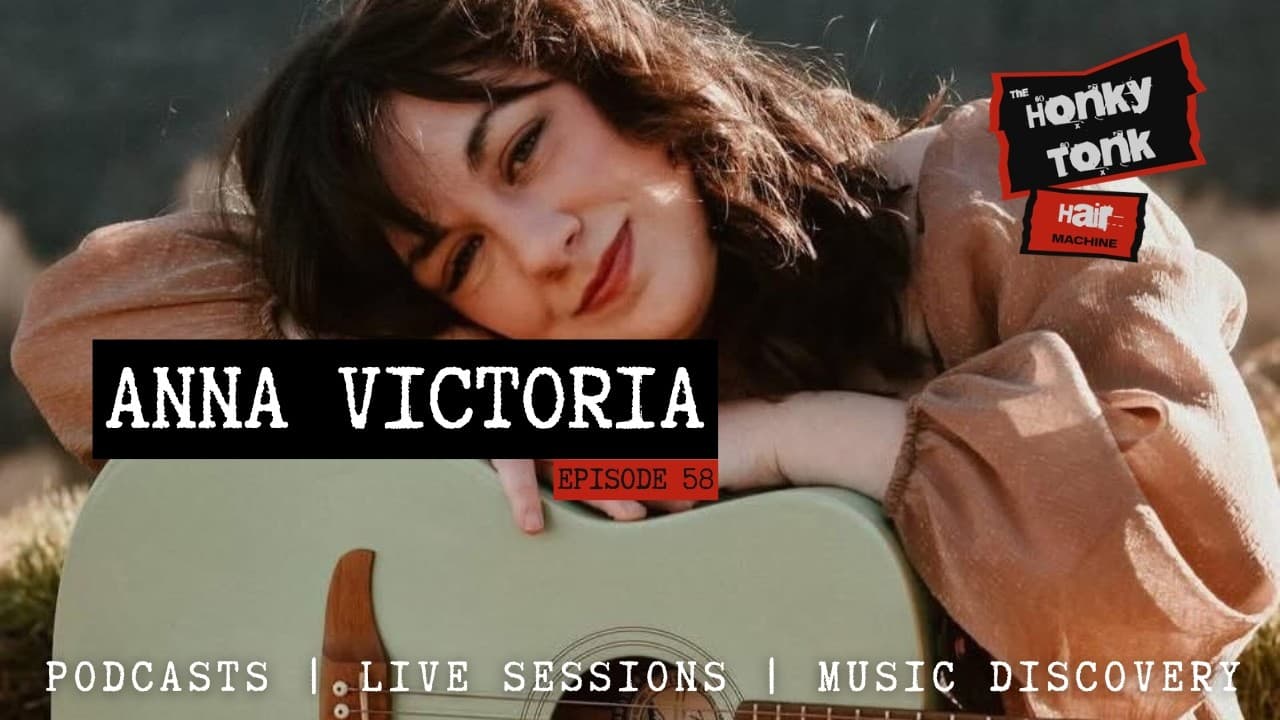
Anna Victoria
Inside North Carolina's Appalachian Music Scene | Anna Victoria
Anna Victoria joins Camden for an honest conversation about growing up in the mountains of North Carolina, discovering her voice as a songwriter and navigating life as an independent Country and Americana artist. We talk about learning to perform live, protecting her voice, finding confidence on stage, the influence of Appalachian music and artists such as Luke Combs, Sierra Ferrell and Dolly Parton, balancing music with motherhood, and the challenge of staying creative in a world driven by social media. It's a thoughtful conversation about music, family, creativity and staying true to yourself while building a career in independent music. Chapters 00:00 – Introductions, Weaverville, childhood. 02:00 – Singing, vocal health and beginning her musical journey. 06:00 – The pandemic, booking gigs and developing as a live performer. 09:00 – Coping with distractions, confidence and performing. 12:00 – Appalachian influences, Luke Combs, Sierra Ferrell, Dolly Parton and mountain songwriting. 15:00 – Family life, being a stay-at-home mum, social media and balancing music with everyday life. #lukecombs #sierraferrell #dollyparton Subscribe to The Rugged Revival. Share it with your friends. Support independent music! Listen to the full podcast on Spotify: https://open.spotify.com/show/6wnHcgA73o1aiiKaz882vH?si=30aabdaa220a4628 Follow The Rugged Revival: Instagram: https://www.instagram.com/theruggedrevival/ TikTok: https://www.tiktok.com/@theruggedrevival Facebook: https://www.facebook.com/profile.php?id=100094507520679 Website: www.theruggedrevival.com Email: ruggedrevival@hotmail.com
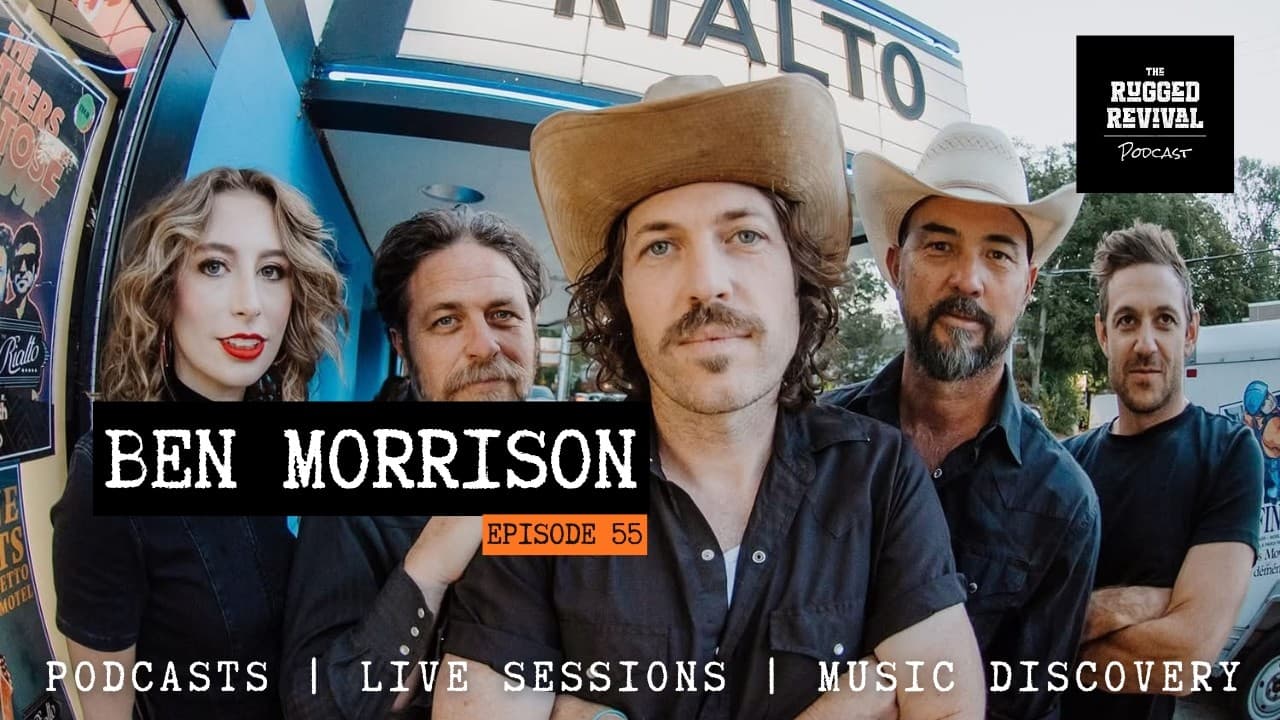
Ben Morrison
The Brothers Comatose: Ben Morrison on 18 Years of Music, Family & Touring
Ben Morrison of The Brothers Comatose joins the Rugged Revival Podcast for an honest conversation about nearly two decades ...
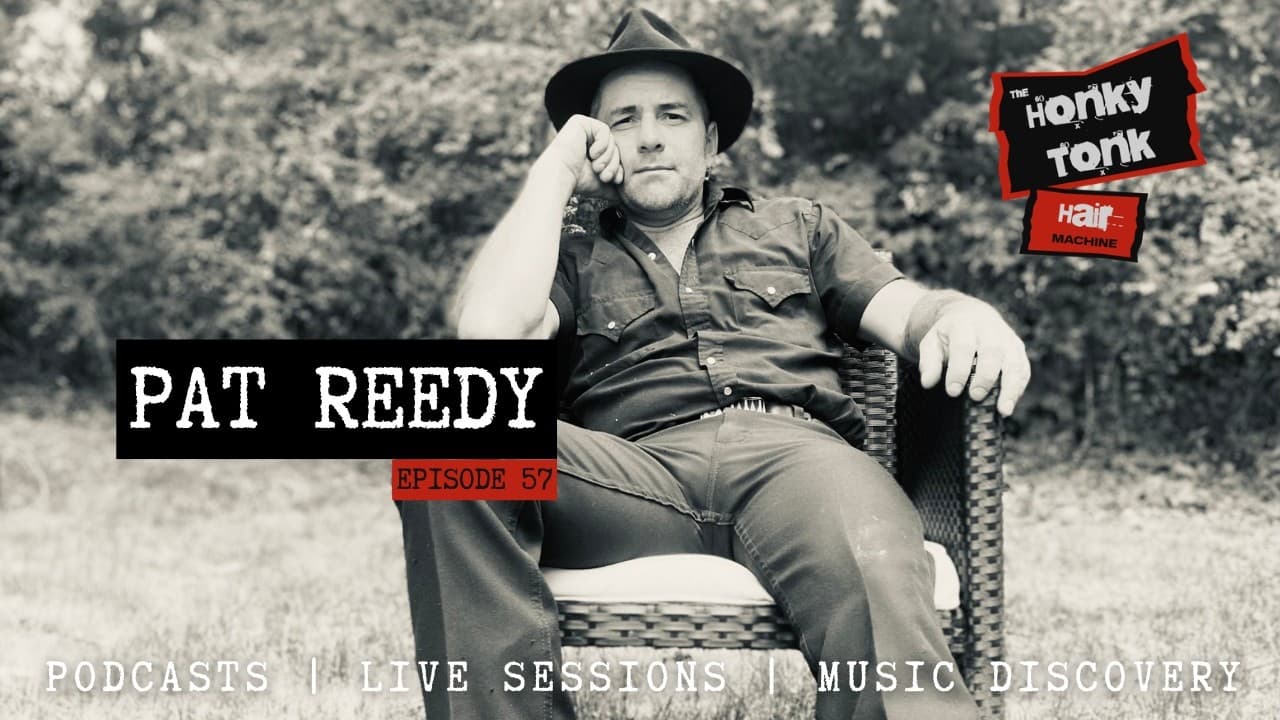
Pat Reedy
Pat Reedy on Busking, Nashville & Building a Country Music Career
Pat Reedy joins Camden to discuss leaving construction behind for country music, busking in New Orleans, life in Nashville, ...
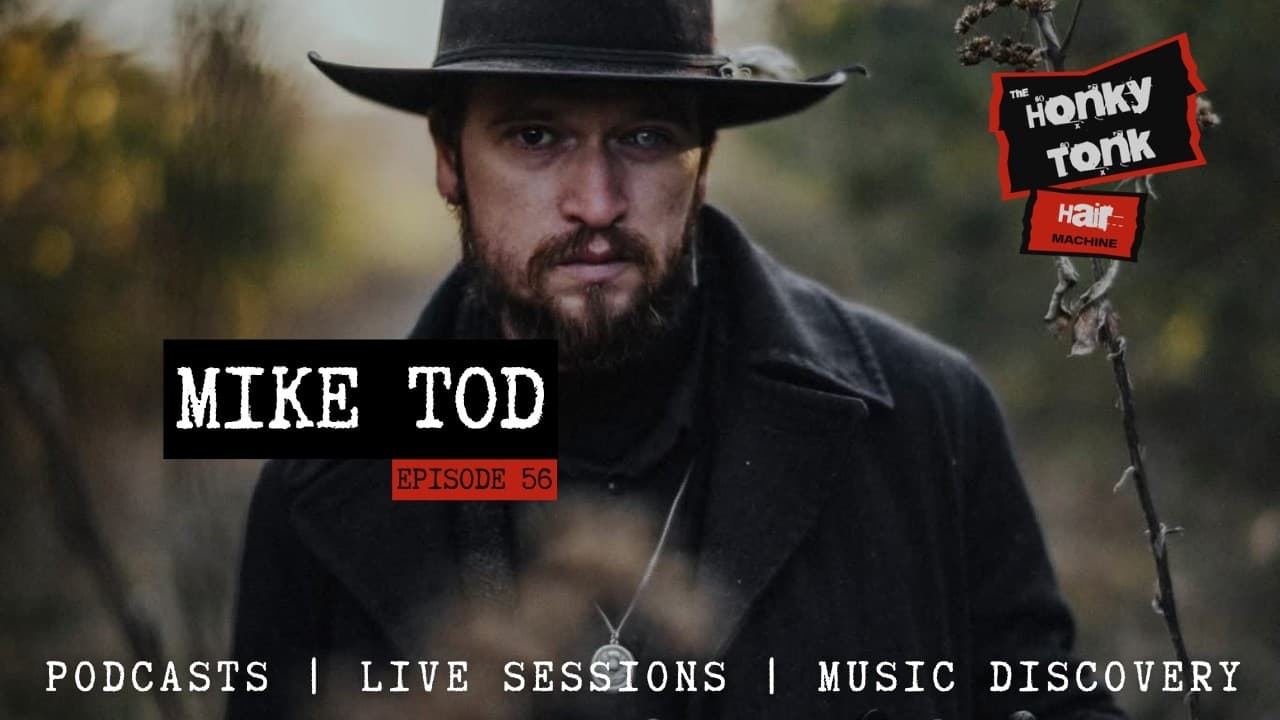
Mike Tod
Keeping Traditional Folk Music Alive in Nashville | Mike Tod Podcast
Mike Tod joins Camden to discuss traditional folk music, Canadian roots, life in Nashville, forgotten songs, unusual instruments and why preserving musical history still matters today.Originally from Canada and now based in Nashville, Mike explores the stories behind traditional songs, the connections between folk music around the world and how old music continues to influence modern artists. We also discuss his unique "Crankenstein" instrument, musical curiosity, collecting songs from the past and the importance of keeping traditions alive for future generations.Chapters00:00 Introduction00:00:30 Growing Up in Canada00:02:20 Discovering Music & The Crankenstein00:04:10 The Story Behind The Crankenstein00:05:20 Drones, Folk Traditions & Ancient Music00:08:10 Learning Guitar & Performing Original Songs00:09:40 Accessing Traditional Music in the Digital Age00:11:20 Researching Music History00:12:10 Playing The Crankenstein Live00:14:00 Creating Atmospheric Sounds & Live Performance00:16:00 Traditional Songs & Musical Origins00:17:50 The Artists Influencing Mike Today00:19:20 Studying Philosophy & Creative Thinking00:22:00 Horror, Heavy Music & Folk Culture00:24:00 Scottish Heritage & Family History00:27:10 Final ThoughtsSubscribe to The Rugged Revival. Share it with your friends. Support independent music!Listen to the full podcast on Spotify: https://open.spotify.com/show/6wnHcgA73o1aiiKaz882vH?si=30aabdaa220a4628Follow The Rugged Revival:Instagram: https://www.instagram.com/theruggedrevival/TikTok: https://www.tiktok.com/@theruggedrevivalFacebook: https://www.facebook.com/profile.php?id=100094507520679Website: www.theruggedrevival.comEmail: ruggedrevival@hotmail.com