
Miller Carter - Travelling Texas Barber | Western Style, Faith & Culture | Rugged Revival
Watch on YouTube
Subscribe for new episodes, Grit Sessions & more
Listen to this episode
In This Episode
There's something deeply rooted in the American soul about a man with a straight razor and a clear sense of purpose. Miller Carter, a barber working out of San Angelo, Texas, embodies that spirit—though his journey into the craft wasn't born from some grand master plan. It emerged, like the best things often do, from necessity, observation, and an almost accidental discovery that barbering could be far more than just cutting hair.
When we first hear Miller talk about his entry into the barbering world, it's refreshingly honest. Back in 2010, when everyone in West Texas was sporting long bangs and skinny jeans, Miller couldn't find anyone capable of executing a proper razor haircut. So he grabbed a five-blade and taught himself, inspired by what he saw in films and music videos—that particular aesthetic that defined a moment in time. What started as a practical solution evolved into genuine passion, though not without a moment of introspection. Initially drawn toward cosmetology, Miller eventually realized that barbering was the calling that truly spoke to him. That decision would shape everything that followed.
I couldn't find anybody out in West Texas that could do a razor haircut, so I just started using a five blade and taught myself.
— Miller Carter
The timing of his discovery proved crucial. Miller came of age as a barber during the golden age of Instagram barbering, back when the platform had mere millions of users instead of billions. He was following Shane Nesbit and Andrew Does Hair—pioneers who understood that modern barbering didn't have to choose between clipper work and razor finesse, between fashion-forward trends and timeless technique. These weren't gatekeepers; they were innovators showing that the craft could evolve while maintaining its integrity. By 2012 and 2013, the cultural conversation was shifting too. Peaky Blinders had captured the collective imagination, and suddenly young men were ditching the mullets in favor of undercuts and slicked-back styles that harked back to a more structured, intentional era of masculine grooming.
What makes Miller's story particularly compelling is how he's grounded his craft in something larger than trends. Working at AR Beauty Bar in West Texas—a salon he helped launch in 2019 alongside Amy—Miller treats barbering as a spiritual practice. He's explicit about this: his approach to the work, the way he treats people, the standards he maintains, all of it flows from a commitment to honoring the Lord through integrity and craftsmanship. That's not the kind of thing you hear much in contemporary barbering discourse, where the conversation often centers on technique, speed, or the latest Instagram-worthy fade.
Barbering would be cooler than cosmetology, and then I discovered Shane Nesbitt and that just full sent me into it.
— Miller Carter
Yet it's precisely this philosophy that connects Miller's work to something genuinely American and rooted. The men he serves—musicians, bikers, working-class guys who value authenticity—aren't coming to him because he's following a formula. They're coming because they recognize something real in what he does. In an industry that can sometimes feel obsessed with novelty, Miller represents a different approach: one where craft and character are inseparable, where a haircut is an act of service rendered with genuine care.
The fact that he's also willing to work on the road, meeting clients where they are, speaks to his philosophy as much as his technique. Barbering, in Miller's hands, becomes a form of cultural stewardship—a small but meaningful way of honoring tradition while remaining fully present in the modern world.
For anyone interested in the intersection of craft, faith, and authentic work in contemporary America, Miller Carter's story deserves your attention. Listen to the full episode to hear more about how a West Texas barber is quietly preserving something real in an increasingly complicated world.
I'll help you. I'll help you start a [music] revolution for this Monday morning situation. >> All right, Mr. Miller, thanks for taking the time to sit down with me. I know you worked a really long day and now you're staying even later to uh talk with me. So, I appreciate you and your time. >> I appreciate you having me on. >> So, you know what we do is I keep these segments like pretty short and sweet. Um the podcast guys will go through and they'll stick it on all their streaming and the YouTube channel and uh kind of clean up our audio a little bit if needed. So um let's just get down to it, man. >> Cool. >> So uh who or what inspired you to get into barbar, >> dude? Uh so probably well my grandmother cut hair, but I didn't really know her very well. So I guess it's always kind of been like a a thing. And then as you know back in 2010 whenever everybody still had the long the long bangs and straight hair and skinny jeans um I really wanted to become a cosmetologist because I couldn't find anybody out in West Texas that could do like a razor haircut. So I just started using a five blade after one of my friends had shown me how to do that. They were like you know just lightly go over your hair and then till it kind of gets nice and wispy and then you look like Johnny Depp in the movie Blow. Oh wow. >> Yeah. And um then from there it was more like we had a big fire outside of town and uh my dad's old so I was raised on old doo-op music in in 40s and 50s country and uh I really kind of just had a few days to sit down and watch old movies and um I just really appreciated the style the aesthetic of like the 50s like a lot of James Dean and stuff and Um, Elvis grew up on Johnny Cash. We'll talk about that later. But, um, really it I kind of just shaved the sides of my head and started slicking it back. And I was like, cosmetology would be cool, but barbering would be cooler. And then I think like most folks that got into it in those earlier days before the big boom happened, um about 10 10 15 years ago, uh I saw the rusal video of the skin fade pompador and then there shortly after I discovered Uppercut Deluxe and Shane Nesbbit and Shane Nesbbit just full sent me into it. Like I'm I'm the biggest Shane Stan there is in the barbering industry. Like dude is was always like my my hero in barbering. >> Yeah, I remember that era too. And um really discovering um like you can blend those worlds of barbering and cosmetology quite a bit. What What year would you say that was? >> [clears throat] >> Um probably I started like messing around with hair in 2010. >> Um and then probably 2013 12 whenever Instagram whenever Instagram still only had like I think half a million user interface to like a million before Instagram even blew up and became what everybody knows it is now. Um, there's a guy out of California, too, and I can't his his Instagram handle for the longest time, still probably is, is uh Andrew does Hair. >> Oh, yeah. >> So, he was one of the earlier guys aside from Shane that I'd followed. um because he was into like the photography and the fashion style side of everything. And >> then like all the >> he was kind of like the pioneer in my opinion of what we see barbering as now where he was doing the the meshing of cosmetology and barbering. Like he wanted to incorporate clippers but also was never afraid to do uh women's style or razor haircuts and stuff like that. So, probably like the 2012 2013 era. >> Yeah, that sounds about right. I kind of remember um right around that time. It was kind of like when Peaky Blinders really took off and a lot of folks Yeah. the guys were moving away from um like ra like like a lot of highmaintenance razor the first round of fashion mullets and then went and got into Peaky Blinders and we're cutting the mullets off and we're doing the undercuts and the slick backs and uh yeah, I remember that. That's that's really funny because that brings me back to such a a different time and you know edgier trends tend to hit DC a little bit late. You know we're >> we're the hub of like you know of course politics and it's you know can be fairly conservative dress and fashion wise. You know they've got their own thing going on. So I think by the time folks were kind of switching gears um that might even been a little bit on the later end. So let me ask you this. Are you um you know and there's no right or wrong answer. Are you self-employed or do you do you work for a shop? >> So, I work for a salon out in West Texas called AR Beauty Bar. >> Um, I've had I'm actually in the middle of renewing my license at the moment because it goes out in a few days because everybody always waits last second, but >> I've been doing hair for almost a decade and uh Amy here has been really good to me. We had uh started this salon back in 2019. Um amid kind of the salon that we had worked at previously. just everybody kind of wanted to to kind of find a new aesthetic, a new vibe, a new place where workplace cohesion was uh the space was a lot more I don't want to say intimate, but there was a lot more compatibility for for uh the stylist. So, we had uh we had opened this shop back in 2019 and then I had worked for uh my cousin um for a little bit helping her open her shop in 22 and then moved back over here in 24. And then whenever I'd first initially gotten into doing hair, I had worked at a different shop previously. But yeah. Yeah. So, I've been I've been working at AR on and off for about six years now. >> Okay. Um, I'm going to kind of rephrase my my next question a little bit because you kind of answered it already. What do you What do you think um is some like the biggest struggles working for a shop versus trying to venture out on your on your own? >> I you know I think it really depends because there's so many different structures now for shops. I don't know how it works in DC, but I know in Texas we have that mixed variation of um [clears throat] commission shops and then booth rent. >> Yeah. >> Um I I would like to say so like our shop here is aesthetically neutral. um white walls, there's botney, so we got plants, but there's also like an industrial feel with our And as we're talking, we're I'm sitting in the salon, so I'm like kind of looking around. I don't really know that this I've been fortunate enough to work in a space where individuality is actually really encouraged. Um, I know most places would say like there's a shop aesthetic, but like I'm I'm in a salon filled with women and uh two other men, but you know, I have blacked out arms and face tattoos and everybody else here really doesn't. So I think a lot of people would run into the desire to express themselves more in their nature of of excuse me of um they just look for more expenditure so they can express themselves. But everybody stationed in here is pretty unique to them. Um versus going out on your own. I think it'd be the other way around. Like I've gone back and forth personally between wanting to open my own shop or just being content being here. >> Um, and the reason why that is is because I'm the kind of person who wants to know who the the person that I'm working next to is rather than how well they do hair. And I think for the long term we've established good relationships amongst the stylists. Um, so I think the other way around is is more like I find it harder to work on your own because not necessarily you're responsible for who you bring into the shop, but it makes it a lot more difficult to screen people as the boss. You know what I mean? because everybody wants to put on like the the face that, you know, I'm going to be good. I'm going to be a good fit in here. I'm going to be uh I'm going to fit the aesthetic. And I feel like sometimes whenever you're not fortunate to be able to work in work in a place that really uh encourages individuality, uh people don't really express their authentic views and like the way that they carry themselves, the way that they dress when they're at the shop and so on. Um and that even comes down to like the style. like some folks are just I think when you work at certain places they encourage uh falling in line to a specific trend uh whether that's the decor or the hairstyles that are coming out of the shop. The unique thing about where I work is that you're going to get the the balayages, the long 22 inch extensions, but you're also going to get burst fades and mullets, and you're going to get the pink hair and like the really rad hairstyles or the designs. Um, we have a really good con mix of uh contemporary contemporary styling mixed with like the punk styling and everything in between. So, uh, I don't really know if that answered your question, but that's kind of where I just stand, I guess. >> Yeah. Yeah, I'm following you. It that that ideology kind of reminds me of where I first started. So, I started my career back in ' 05 at Bang Salon, >> and it was a really cool room. So like you know the US street corridor was still very uh industrial looking and kind of very um up and coming. So at my shop, you had, you know, this array of, you know, the really modelesque slim kind of balayage, big barrelcurled, you know, high heeled wearing girls. And then you had the guys like us that had the mohawks and tattoos. And um then you also had what I would describe as kind of like the preppy preppy guys or even like the preppy gays and they had their crowd. But you walk you walk in that room and you're like, "Wow, this is a mly crew looking bunch." Yeah. >> But but they're all getting together. They all get along. >> Yeah. >> And like, you know, we were all like a real tight-knit family for a good number of years. And, you know, if you couldn't get in to see me, you could also sit down in uh Britney's chair, who, you know, we looked like polar opposites, but you knew you were going to have a good cut, you were going to have a good time. So, kind of like finding that perfect flow uh can be difficult. And uh that's actually when I ran a shop in Dupont Circle in DC, that wasn't one of the hardest things for me to try and like create was that like team effort, but everyone is very uniquely themselves. And then it kind of, you know, I I got burned out on it and uh that's how I opened my studio. But the studios can be kind of isolating, which is why I started working at my friend Dustin's Barber Shop at night. So, I'm at my shop in the morning and I'm at his shop at night. I'm in my room and that caters to my DC clients that I've seen for almost 20 years. And then I go over to his shop and there's multiple chairs, high energy, lots going on. I'm meeting new clients. So, in the in the suites kind of thing. >> Yeah. you know, you you very much are on your own and that can be very stressful at times because it can be feast or famine >> and in a big shop you're kind of depending on like uh the brand of the shop to bring in people. >> Well, I think too so that's kind of again one of the unique things about where I work at >> because like uh I'm sure you're familiar whenever you're in whenever you're in the the busy shop. Mhm. >> Um, so kind of takes us back to the the booth rent versus commission. I've noticed that tattoo shops whenever they're ran on commission, you're scheduled, right? So you're you have specific artists that are there from time of day from shop open till a few hours after lunch or whatever and they trade off shifts. Um, versus us. So, I operate almost the exact same way, but just in a in one singular spot because I'll get here at 8:00 in the morning. My day doesn't start until 9 and I don't leave until 7. So, the beginning of my day, I'm normally the only one here. >> Because the girls don't take their appointments until about 10, 10:30. Mhm. >> So, I'll have two hours out of the beginning of the day to just kind of like really ease into it. And I've been fortunate in in that sense because folks will come in and they'll be like, "Oh, is nobody else working today?" And it's just like, "No, I just start my day a little bit sooner and I finish a little bit later because the bulk of the day is most of the girls are here in the morning because they have families and then they have kids. So they'll go pick up their kids around, you know, 1 or two or get ready to leave for the day because, you know, as you know, colors, bleach, and stuff like that will take >> you can have one client start at 10:00 in the morning. You don't finish until noon or 100 p.m. >> And then some of the girls will work mid afternoon to evenings. And then the days kind of vary, but we all we have an online booking service through Vagaro. And so we can all kind of check each other's schedules, but normally by the end of the day, we'll ask one another like, "Hey, will we see you tomorrow?" Um, so everybody kind of comes and goes on their own accord, but most of the time, like today, most people don't work Mondays here. Um, just traditionally because hair salons, barber shops, tattoo shops generally are closed on Mondays. It's, you know, the tradesmen one day out of the week where we can go deal with federal stuff. Um, so I'm I've been here basically all day by myself. Um, and it's really nice because I don't think I had music playing almost all day, but it's just nice casual conversation and then tomorrow I don't have to I I don't have anybody booked until the afternoon. So the girls will be here, but then I'll come in and I'll work till 7 and then normally the last two hours of my day I'm normally the only person here. So I'll get that w that same wind down time. So, like how it is with you, it's the fluctuation of energy because you can get socially drained when you're preparing to come in for a full day. >> Y >> and it's people, people, people, and then there's other people around you. But it's also like I start my day by myself up here. >> Kind of get the the energy flowing, whether it's like cleaning the shop or like listening to music, whatever the case may be. And uh get my first one or two clients in, kind of get the get the mojo running for the day. everybody else starts showing up, people start flowing, there's energy, there's people talking, and then there's some days throughout the week whenever it's just me here all day. And um so we we do booth rent here. And so as long as your booth rent's paid, it doesn't really matter. So I could be working by myself all day or I could be working in a salon filled with, you know, there's 11 of us here. So there's it can be 10 other people and their clients and then by the end of the day, it's just like me again. And I'm normally the last one to hit the lights on the way out, take out the trash, and it's I can't complain about it, honestly. It's >> Yeah. >> Yeah. It's always doing. >> I always thank my first client for helping me wake up and put on my salon face. >> Like, you know, I'm, you know, I drop the kids off and I'm in my studio by 8:30 >> and I'm, you know, they open the door and I'm like, you know, claws out and like, you know, thanks for helping me wake up. Thanks for helping me get my my people face on, you know. So they and they see that transformation happen in the first 15 minutes. I'm like, "All right, I gotta get in gear." So you said you you grew up on country music. >> Um, when did you start rocking the hats and the boots and the pearl snaps? >> Man, there's probably some pictures I could send you of back in the day. Uh, my dad is in his 80s now. And, uh, growing up in West Texas, that's kind of all there was. Um, >> even from an early age, I remember sitting in in Spanish class. I have a weird particular memory of being conscious for a very, very long time, very aware. But I remember taking my Levi 527s and kind of tightening them around my boot being like, I need a slimmer pant. Right. So, like kind of the freedom of adults is like we get to take our adult money and go spend it on whatever we want to. >> Yeah. >> Usually dumb stuff. >> Yeah. Normally. And at this point now it's with sobriety it's like just clothes and that's becoming a a whole thing in and of itself. But >> I grew up wearing pearl snaps hats. Uh my dad saved every little pair of boots that I had. Um >> that's awesome. >> Same thing with like my siblings and whatnot. Like it was just kind of instilled into us, you know, growing up on I would like to say, you know, George Strait as that's more the era. And I did listen to George whenever I was growing up, but it was again probably more Hank Williams and and George Jones. Uh but then there was like a lot of uh Chuck Barry and Bode did Italy and Fats Dominoes and all this different mix and influence of like you can still be cool and the the diversion of music that I grew up on really kind of instilled this individuality in me where it was like [laughter] boots and pearl snaps, hats and hats and everything else like this. I don't know how it is in DC, but here, you know, we we grew up on the if your jeans can't stand up on their own, then they're not any good. >> Um, >> nice and starched, >> dude. So, that's what wore me out is like, uh, what wore me out of it really was my dad being an older cat, right? And so, like traditionalism. Um, I grew up wearing the the the the in jeans now, the uh original blue, indigo, uh, 13 MWZ's. But you can imagine me now, I'm cool with, you know, popping on a pair of starch jeans if they're in the closet. But little Miller, who was 7 years old, who just wanted to be comfortable while he sat in school all day and had no business wearing stuff like that, definitely was over the the heavy Star Trek one point in time. And so I uh I grew up in it, but I definitely like earliest recollection was wranglers and uh maybe more or less kind of always had to ask my dad for pearl snaps cuz he he always was the the button down kind of guy, but >> I grew up in in Wranglers and Justin's and uh Stson hats, so that was kind of >> that was always a thing. >> Now you're you're really good at finding some pretty cool stuff on on on Instagram. You've been sending me some pretty cool stuff. You guys are all really good at uh the flip game. Um what tell me about your favorite boots and and your favorite hat right now. Uh man, that's where that's where it gets hard just cuz it's like deriving inspiration from all the musicians I'm around all the time. Uh seeing cool stuff. So, I can't really say if if it's in my rotation, it's it's it's a favorite. Like, I have staple colors that I like to wear. Um, I was wearing a pair of python boots that I had had that I bought from Cavenders uh five, six years ago, and I took those to a local boot shop here and had them put gold tips on >> and I got rid of those earlier this year. But, uh, I'm trying to be a little bit more selective as time goes on because I'm more aware of the quality and who the money's going to, the companies that are pushing out. So, I like to shop local. Um, even if that doesn't necessarily mean in St. Angelo directly, uh, because I've made friends with a lot of the folks that I wear now. Um, >> so like I really like my Finolios, um, which most of the time I get out of Wilkinson's Fine Goods out of Denton. Finolio is made in Nakona, Texas. Uh, there's a the Python boots that everybody tends to love are sniptoes that I got those. Uh, I messaged my buddy Braxton Braxton Keith >> and asked where he'd gotten those and that's ran. Those are out from a company called Texas Country out of Houston. Um, and I also got a pair of white alligators from them. Uh, and then aside from that, man, I kind of started getting really back into rocking uh, the eBay boots because I don't know what happened in uh, I guess maybe the early 2000s, maybe it was just here, but like everything got broad and square. Oh yeah, >> the [ __ ] kickers were cool for a while, especially in those earlier days of the Texas country scene whenever I started getting more familiarized with it. And um that's when everybody was still wearing the the the widelegg, lowrise denim jeans with the white square toe leather and everything like that. Um but I like I like having that that era feel to them. So, right now I just got in those um those J Chisum boots, those red boots that I have on my Instagram page with the the they're the red with buck stitch. And then I also got in uh gosh, what were they? Um they're Oh, cow towns. They're a pair of 80s cow towns that got shipped from Jofflin, Missouri that are the white with the black alligator toe that I haven't got to wear quite yet cuz I'm still trying to figure that out. And then uh my buddy's consignment shop in Waco called Central Goods. I walked in whenever I was going to cut for Braxton at a show about a month ago now. And uh they're a pair of old Then Miller Customs and they're the ones that are black with the the red uh eagle or the bird on the on the vamp of the booth. >> Man, you can't step out of the house without somebody being like, "Boy, them is some slick kickers." So, >> as far as the boots go, man, that's that's what's in my rotation right now. And then I've worn everything from wide brim with a telescope crown, which you're familiar with >> um to uh to like an open road stson and everything in between. So, out here, you know, we have really really great uh hat shapers. We have Herbs hats down in San Antonio and Blanco. Um, there's a guy named Daniel down there in Cheyenne that are incredible at shaving hats. Um, so you can I have a rodeo king. I have some Americans. I've had Saratelli Stson's. Um, I'd like to get my hands on there's a doubleR hat company uh or hat house in gosh, it's going to drive me insane that I don't know where that's at. It's outside of San Antonio and the name escapes me, but uh they have a Merllo hat and I've been wanting a red hat, but Bailey's makes theirs a little bit too red and with all the tariff stuff um that's a little bit harder to get my hands on right now. But um so I don't really know that I have a favorite hat cuz I normally just wear ball caps and I'm working on growing my hair back out. Um, but if I had one, I just flattened out my black hat. >> Mhm. >> Cuz it took some inspiration from you. >> Yeah. It's a good looking hat. >> Yeah. Flat flat brim with black. A little bit of I've also been listening to a ton of Stevie Ray recently. >> Yes, sir. >> In blues. So, >> uh, anything with, uh, a little bit more flare to it is probably going to be my rocking go-to for the next few months. Um, and then aside from that, probably my 100X Rodeo King that I like to wear for weddings and special events and stuff just cuz the high quality hats you can't beat. Like, they fit great, they they're comfortable, they look great, and they just kind of like they make you just stand with your chest up a little bit. You know, you know, I know they say always take your hat off when you walk indoors around here, but you know, that's I want to leave it on. [clears throat] >> Yeah, man. That um that anything with like that gunslinger uh flare, Stevie Rayvon and like uh Gary Clark a lot of like I I love that, you know, just as much as I like my um >> just as much as I as I like my uh cattle-shaped hats, I like my wide rim. Yeah. Um, so we got a few minutes left here. Um, you mentioned, uh, Braxton. Um, have you worked with any other country artists? >> Most most of the guys in the scene that people are familiar with, I think I've either met or done their hair or had the opportunity, which I'm like eternally grateful for. Um, that's a whole story in and of itself how I wind up falling into that. Um, but by all means, like I think God has me where he wants me. Um, so Braxton Keith, as of this year, I've worked with, um, Hudson Westbrook, another huge guy coming up. Um, Ty Delk who I just like him and his band I just adore. They're they're great dudes. They're wonderful musicians. Um, I formerly worked with Treaty Oak Revival. Nice. >> Um, I've worked in Coetel's camp before, Mike Ryan, Dylan Wheeler, Tyler Halverson. Um, just kind of cutting around with a bunch of different folks. Chandler Pearson out of love, Texas. Um, from small names to big names, man. I've I've worked with so many different folks. I've had that opportunity to be able to do that at this point for five fiveish years now and it's it never fails to amaze me just how not only incredible the musicians themselves are being able to hang out with them as you know but also just how humble of guys they are you know I think that's the >> the mantra once whenever I started it this whole thing was we have this incredible opportunity to see people daily. Um, and when they sit in our chairs, we take the responsibility to make them feel like rock stars. But the one thing about cutting the rock stars hair is that they are just normal guys and they just want some time to like lay back and relax and >> y >> uh, you know, just have some time to be able to be normal dudes. something's kind of taken away from him uh by the public and Braxton has been a client of mine for five years now and he's an outstanding person. Um, I've thanked him for every single opportunity that I've had and I've got to work with him so much and and see him grow as an artist and as a man that it's just it's it's it's really you start seeing the segways of like people will ask, "Well, what are they like?" >> Yeah. >> And they're just like, "They're normal dudes just like you and me." And then, you know, that's all it is really at the end of the day. It's it loses its shimmer in the sense that I get to see them as often as I do, >> but also I get to see the behind the stage kind of thing where it's they're guys that just like hanging out and and the opportunity is all the same. It's just about really how much you want to apply yourself because similar to the musicians that I've cut, I got the opportunity to cut for weddings and and people that are, you know, starting their life, cut hair for graduations, get to cut hair for all of these opportunities that are just as important as somebody walking out on stage, but maybe just not as revered as much. And so taking that same the same thought process that put me in those rooms with those guys are the same reason why I have the clients that I do now >> in this in the salon at home because I want to make sure every single person that's here feels the exact same way that the dude that's walking out on stage at night feels. >> That's right. >> Fresh 100%. Like they're going to leave and they're going to be like, "Damn, I can take on the world." You know what I mean? >> That's right. Yep. Yeah, I get that completely. I had a musician tell me one time, you know, and he didn't even really want a whole lot done. He was like, "Dude, sometimes it's nice to just sit here and just have someone else pet you for a minute." You know, that's all I want to do is just just do a little grooming and that's all I need. >> Yeah. >> Um, so, uh, tell me about some of your favorite hair products. What do you like to take with you when you're working with bands? What do you use in the shop? >> Um, I almost exclusively use uppercut Deluxe Pomade. Um, >> yep. I've been a fan of theirs and their campaign, their marketing, just everything that they do. I've always just enjoyed um I've got to shoot it a little bit with Steve in the past and uh all my all my reps that I've had over the years, whether they leave the company or they uh they move on to different positions in the company, >> uh have always been like just so good to me. And the product quality is always 100%. Like I've never had an issue with any, you know, any faulty products, anything that's really been bad. Um, so most of my guys out on the road, they are always supplied if they need it. And then same thing here, like I'm always alternating between different matte pomades, keep obviously the deluxe because that's the OG. Um, I've dabbled with different products in the past and it's not that I dislike them. I just have like this innate loyalty to Uppercut. Um whether that's just because it's being able to talk to the barbers, right? So I think not to get off on like a little tangent, I guess, but there's a handful of the guys that have been ambassadors for Uppercut that I've got to actually just message back and forth, you know, trade tips, tricks here and there. uh originally learned how to make a a taper cleaner just from talking to Shane. >> Um a couple of the guys that that are currently ambassadors with Uppercut um I got to shoot it with and it's just one of those things where it's not about the image necessarily. It's more about like just barbering being barbers. It's not this rockstar glam lifestyle where every single and by all means like great on the success for those people, but the uh the products that have gone above and beyond specifically for the image, right? So like you have your barbers that are endorsed by specific companies that have 100,000, 200,000, half a million, million followers, whatever the case may be. They're successful in their own right. And I won't knock it because I mean that's obviously incredible and that speaks to their to their talent, but I think that it's the culture that's been cultivated by the brand and the way that they have the tenacity and the vigilance to know who they're endorsing. Like knowing the person um that keeps that culture alive. And >> at at the end of the day, we're guys that take a pair of Clippers, whether you're an Auster or Andis or Wall or JRL or or you know, TP OB or whatever the case may be. um where guys that pick up a pair of clippers, put it to someone's head or in that in certain specific cases like I've been really into razor cuts and stuff like that recently and doing long haircuts >> were people that take hair and put it on the ground. >> There's nothing glamorous about the lifestyle except >> we get to make our own schedules and we get to look and dress how we want to whenever we're at work. And uh I think that uppercut embodies that that whole essence very well. It's never it never gets carried away with with this crazy we're chasing an aesthetic. It's more of a we are who we are and if you don't like it like there's plenty of other options out there. >> That's right. Keep rolling. >> Yeah. >> Well, look man, I want to I want to thank you for uh sitting down with me. Um, I want to thank our team at the Rugged Revival. I want to thank my sponsor, Hardcore Grooming Products. And I want to thank my tech support, Jackie, who I think is actually chasing our bulldog away from the door. Um, but yeah, Miller, we could we could talk for a very long time. Like I said, I like to keep them short and sweet, but um, we'll do this again sometime. We'll do a part two. >> Oh, absolutely. Thank you so much. >> All right. Thank you, sir.
Comments
Keep listening
Related Episodes
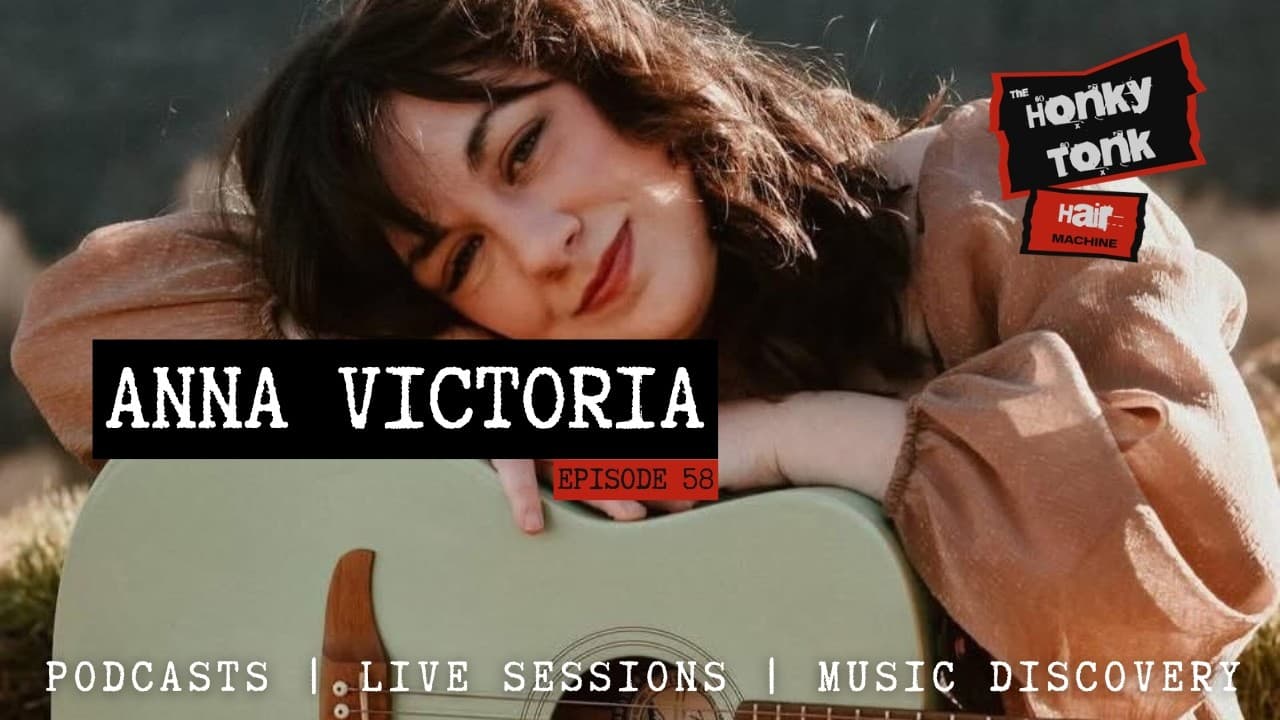
Anna Victoria
Inside North Carolina's Appalachian Music Scene | Anna Victoria
Anna Victoria joins Camden for an honest conversation about growing up in the mountains of North Carolina, discovering her voice as a songwriter and navigating life as an independent Country and Americana artist. We talk about learning to perform live, protecting her voice, finding confidence on stage, the influence of Appalachian music and artists such as Luke Combs, Sierra Ferrell and Dolly Parton, balancing music with motherhood, and the challenge of staying creative in a world driven by social media. It's a thoughtful conversation about music, family, creativity and staying true to yourself while building a career in independent music. Chapters 00:00 – Introductions, Weaverville, childhood. 02:00 – Singing, vocal health and beginning her musical journey. 06:00 – The pandemic, booking gigs and developing as a live performer. 09:00 – Coping with distractions, confidence and performing. 12:00 – Appalachian influences, Luke Combs, Sierra Ferrell, Dolly Parton and mountain songwriting. 15:00 – Family life, being a stay-at-home mum, social media and balancing music with everyday life. #lukecombs #sierraferrell #dollyparton Subscribe to The Rugged Revival. Share it with your friends. Support independent music! Listen to the full podcast on Spotify: https://open.spotify.com/show/6wnHcgA73o1aiiKaz882vH?si=30aabdaa220a4628 Follow The Rugged Revival: Instagram: https://www.instagram.com/theruggedrevival/ TikTok: https://www.tiktok.com/@theruggedrevival Facebook: https://www.facebook.com/profile.php?id=100094507520679 Website: www.theruggedrevival.com Email: ruggedrevival@hotmail.com
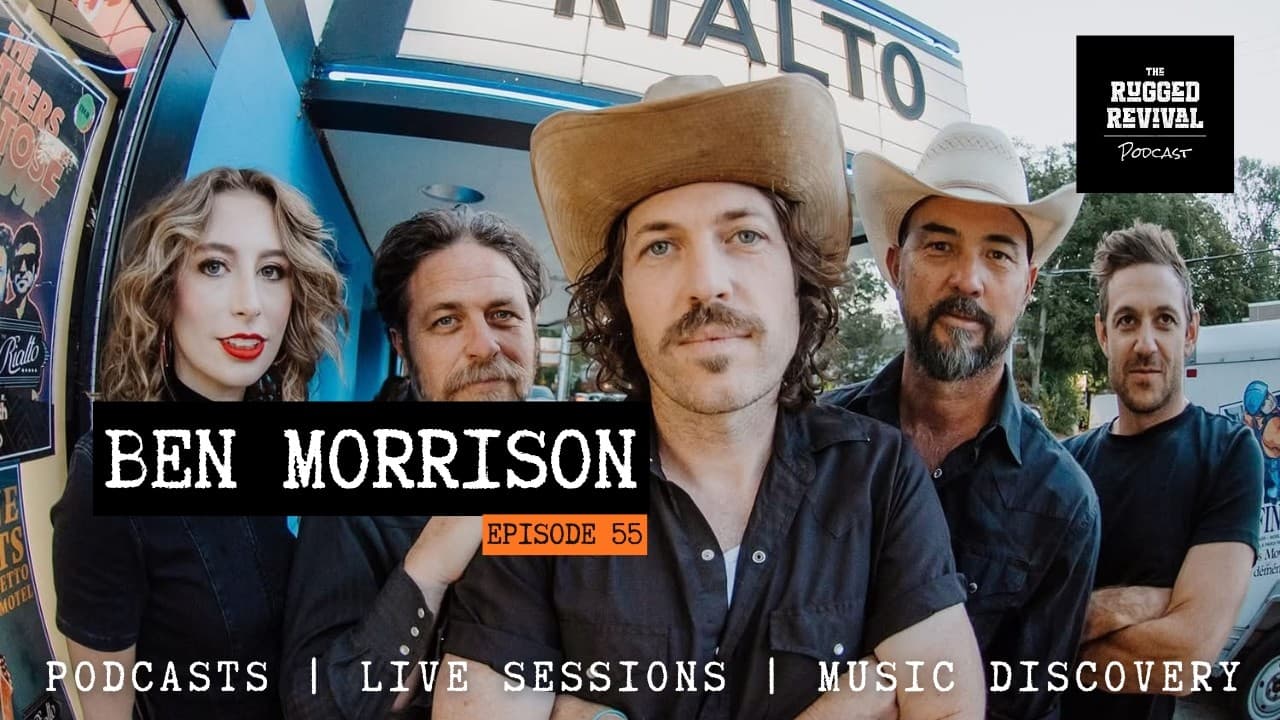
Ben Morrison
The Brothers Comatose: Ben Morrison on 18 Years of Music, Family & Touring
Ben Morrison of The Brothers Comatose joins the Rugged Revival Podcast for an honest conversation about nearly two decades ...
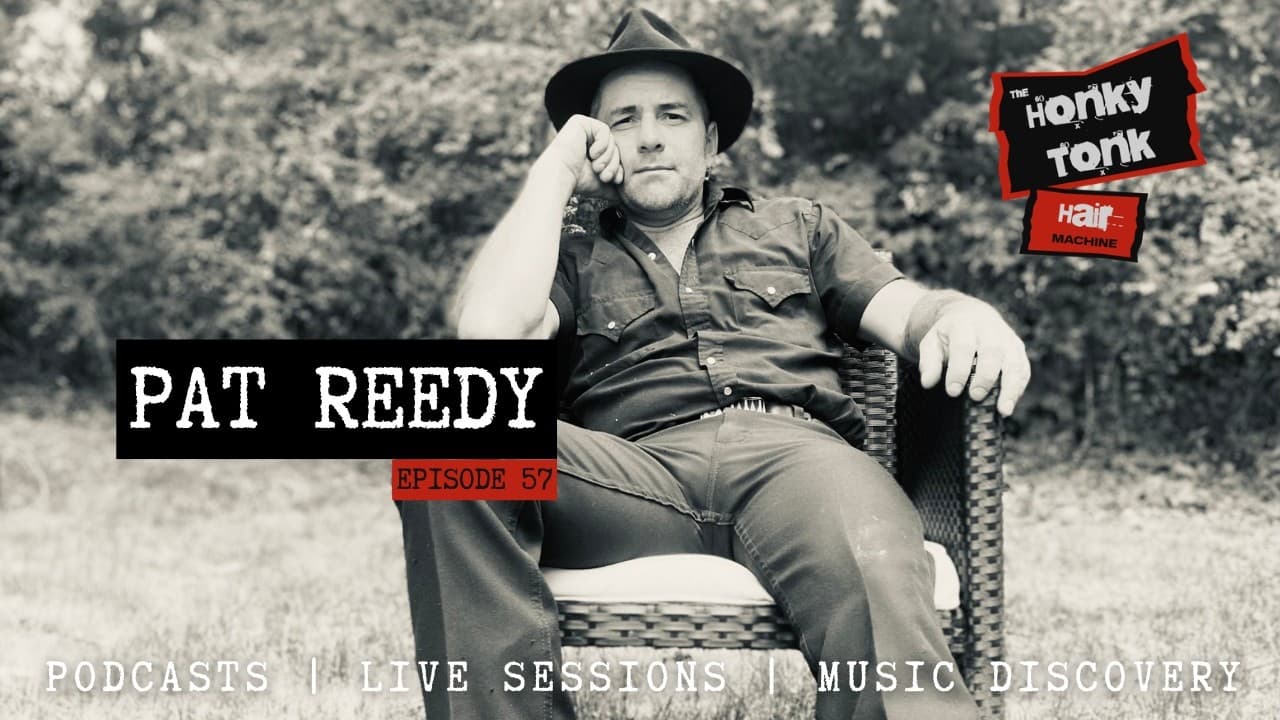
Pat Reedy
Pat Reedy on Busking, Nashville & Building a Country Music Career
Pat Reedy joins Camden to discuss leaving construction behind for country music, busking in New Orleans, life in Nashville, ...
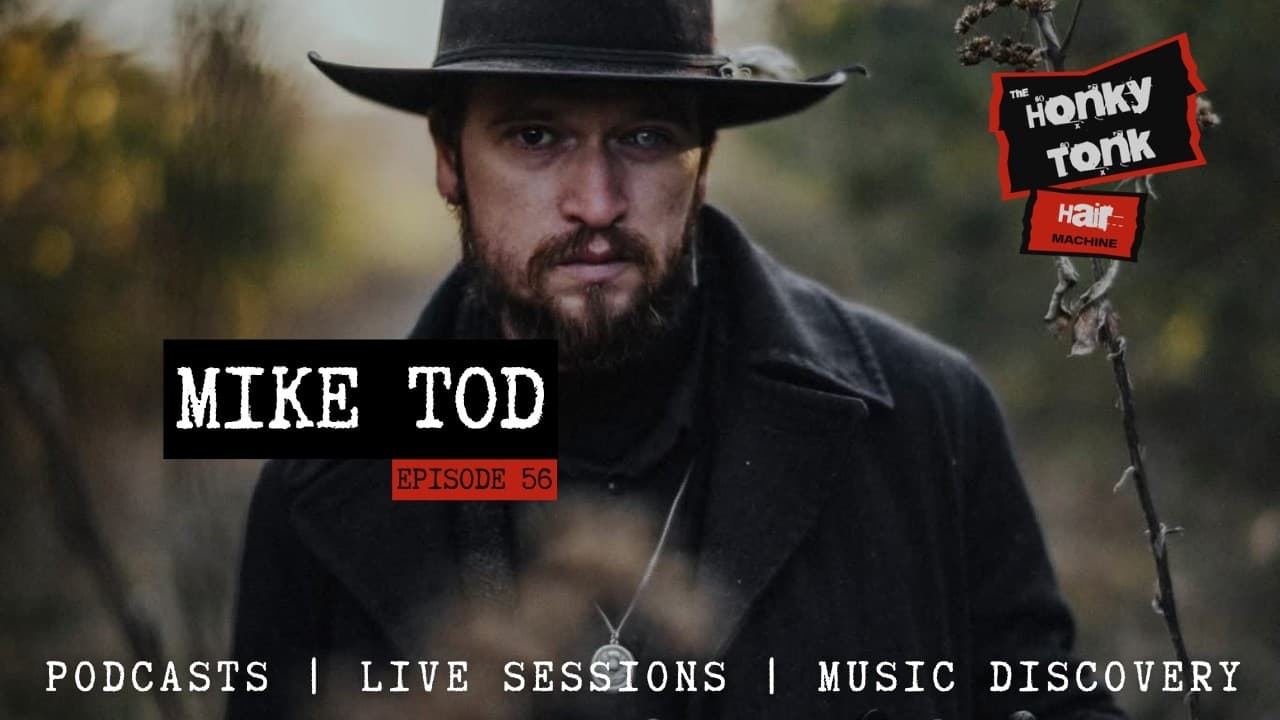
Mike Tod
Keeping Traditional Folk Music Alive in Nashville | Mike Tod Podcast
Mike Tod joins Camden to discuss traditional folk music, Canadian roots, life in Nashville, forgotten songs, unusual instruments and why preserving musical history still matters today.Originally from Canada and now based in Nashville, Mike explores the stories behind traditional songs, the connections between folk music around the world and how old music continues to influence modern artists. We also discuss his unique "Crankenstein" instrument, musical curiosity, collecting songs from the past and the importance of keeping traditions alive for future generations.Chapters00:00 Introduction00:00:30 Growing Up in Canada00:02:20 Discovering Music & The Crankenstein00:04:10 The Story Behind The Crankenstein00:05:20 Drones, Folk Traditions & Ancient Music00:08:10 Learning Guitar & Performing Original Songs00:09:40 Accessing Traditional Music in the Digital Age00:11:20 Researching Music History00:12:10 Playing The Crankenstein Live00:14:00 Creating Atmospheric Sounds & Live Performance00:16:00 Traditional Songs & Musical Origins00:17:50 The Artists Influencing Mike Today00:19:20 Studying Philosophy & Creative Thinking00:22:00 Horror, Heavy Music & Folk Culture00:24:00 Scottish Heritage & Family History00:27:10 Final ThoughtsSubscribe to The Rugged Revival. Share it with your friends. Support independent music!Listen to the full podcast on Spotify: https://open.spotify.com/show/6wnHcgA73o1aiiKaz882vH?si=30aabdaa220a4628Follow The Rugged Revival:Instagram: https://www.instagram.com/theruggedrevival/TikTok: https://www.tiktok.com/@theruggedrevivalFacebook: https://www.facebook.com/profile.php?id=100094507520679Website: www.theruggedrevival.comEmail: ruggedrevival@hotmail.com