
Marcus Trummer - Modern Soul with 60s/70s Influences, Blues Guitar & Timeless Songwriting | Rugged Revival
Watch on YouTube
Subscribe for new episodes, Grit Sessions & more
Listen to this episode
In This Episode
There's something unsettling about encountering a 13-year-old kid who genuinely understands the blues. Not the sanitised, heritage-board version of it, but the real thing—the emotional architecture underneath. Marcus Trummer didn't arrive at this understanding through dusty textbooks or dutiful parental instruction. Instead, he stumbled into it backwards, through the distorted guitar fuzz of The White Stripes and The Black Keys, chasing cool sounds on a borrowed guitar until one day he realised those very sounds had their bloodline running straight back to Wes Montgomery and BB King.
This is the peculiar gift that defines Trummer's artistry: a young musician who somehow managed to absorb the wisdom of traditional blues and soul while remaining entirely of his own generation. Speaking from the road in Austin, Texas, fresh off touring dates and a recent trip back home to Calgary, the Canadian artist radiates the ease of someone who has found his lane early and is simply following where it leads.
I was raised to appreciate music and different styles from an early age—jazz concerts, classical, rock, the whole spectrum.
— Marcus Trummer
Growing up in Calgary on the prairies where the Rocky Mountains begin, Trummer was raised in what he describes as a house where music existed everywhere. Both his parents played instruments as enthusiasts rather than professionals, and the household was a democratic space where jazz rubbed shoulders with classical, where rock coexisted with R&B. It's the kind of upbringing that might have produced a scatterbrained generalist, but instead it seems to have given Trummer a sophisticated toolkit. He played trombone in school bands, sang in choirs, appeared in musical productions—the standard pathway for musically engaged kids. But something crystallised when he picked up a guitar at 13, though his learning curve had nothing to do with scales or instructional discipline.
What's remarkable about Trummer's origin story isn't just that he found his way to blues music; it's that the blues found him through the very contemporary rock acts he was obsessed with as a teenager. When he and his younger brother Silius—who remains his drummer today—performed at their middle school talent show with a mashup of Michael Jackson's "Billie Jean" and Nirvana's "Smells Like Teen Spirit," they were unknowingly performing a master class in musical lineage. Soul, rock, R&B, blues: they're all there in that performance, not as disparate genres but as one continuous conversation across decades.
My dad sat me down once with a book to teach me scales, but I definitely didn't have the patience for that at the time.
— Marcus Trummer
Fast-forward to 2023, and Trummer won the Telluride Blues Challenge, subsequently making his US festival debut at Telluride Blues & Brews the following year. The Calgary Herald has already pegged him accurately: "a precocious guitarist whose vocals possess a wise-beyond-his-years weariness." This is the phrase that lingers. That weariness isn't affected. It comes from someone who has genuinely reckoned with the emotional vocabulary of blues and soul music, who understands that these genres exist because real people have felt real things and needed to express them through sound.
What separates Trummer from the countless young blues revivalists currently working is his refusal to be reverent about tradition. He doesn't traffic in museum pieces. Instead, he's built something altogether more intriguing: a modern sensibility—informed by contemporary production, songwriting approaches, and a generation's worth of musical DNA—married to the emotional authenticity that made the blues matter in the first place. His 60s and 70s influences aren't nostalgic callbacks but living, breathing parts of his present-day artistry.
There's real excitement in watching an artist this young navigate these waters with such apparent clarity of purpose. Trummer isn't trying to prove anything to anyone. He's simply making music that honours where he's come from, both geographically and artistically, while pushing toward something that sounds distinctly his own. The full conversation reveals a thoughtful musician who understands his own education and where he fits within it. That's worth listening to.
Lo, hearts get broke, tables turning. This is the Rugged Revival podcast. We're the home of the UK's country Americana and Roots Music Community. Uh today I am joined by a really exciting young blues talent uh and somebody that I literally have not stopped listening to uh since the back end of last year. It's Marcus Drummer. So welcome to the Rugged Revival. Uh Marcus, how are you mate? >> Hello. Yeah, doing great here. Just hanging out and uh it's good to uh good to be on. >> Uh and you're back home now, aren't you? uh sort of, you know, actually um uh we're we're on coming to you from the the road actually right now um in Texas. Um but uh yeah, I was just back home in Calgary. Um or in Alberta, Canada, where I'm from. Um Cal Calgary is my hometown. Um and uh we were I had a a last minute show up there, but uh then the band and I have kind of been on the road in the States the past few weeks. So yeah, actually just coming coming to the tail end of that. So uh yeah, we're here in Austin, Texas right now. >> Awesome. And well, I like I said before we jumped on, I've been stalking you across socials and you've been to some really cool places. Um so I'll have some questions around that and uh it'd be good to share, you know, what you've been doing, mate. But um but yeah, definitely welcome to the show. Um I've been really keen to talk to you uh about it and you are our third Canadian artist. Um can you believe it? over the year or so that we've been uh running the podcast. So, we've had uh Steel Saddle on who uh coincidentally another kind of soulful bluesy band, but they're from Montreal and randomly Ricky Forbes, Tornado Chaser, um when I first started doing the podcast. He he's an awesome dude. So, uh yeah, welcome my Canadian friend. Um what we do uh on a regular revival, we like to start off um quite light and and trying to get a bit of uh about your personality and background, Marcus. So I think to kick things off, let's go way back. Um so where ex exactly did you grow up and what sort of childhood um did you have, mate? >> Yeah, the um you know, the story starts in Calgary, Canada. Um Western Canada. We're right on the prairies. I know some people might uh might have heard of B. Uh we're only a couple hours from BA. So right by the mountains and you know where the mountains and the and the great plains begin, right? So uh yeah it's beautiful place to grow up and yeah I u was was always you know surrounded by music just my parents definitely had an influence on me in that regard. My both my parents are musicians just as a hobby and uh definitely I was I was raised you know to appreciate music and different styles too. Um, I know I was going to jazz concerts and classical and rock, kind of the the whole spectrum from an early age. And uh, yeah, just grew up, you know, playing uh, playing um, instruments in the in the school band. Uh I played the trombone for a number of years and was in the choirs and kind of like the uh the the musical productions all throughout my school years, but uh didn't really get into like music specifically like uh you know songwriting and gigging until a little bit later. I I was maybe 13 uh when I started playing guitar. Uh my dad plays guitar and so we always had a guitar hanging around the house and uh he he was mostly into jazz stuff and a bit of blues too. So West Montgomery, BB King, um stuff like that. Um and I yeah it was it was you know kind of develop an interest in trying to mess around with the guitar. Um it was never really pushed on me. I think uh my dad maybe sat me down once with like a book and tried to do like a couple scales or something at one point and I definitely didn't have the patience for that at that age and I kind of had to come to it myself. So started messing around with like sounds and got into like the black keys and um the white stripes and music like that which was like more edgy which as like a young teenager I thought was cool. But then, you know, little did I know the blues was actually at the source of all that stuff. And so, you know, over time started messing around with guitar pedals and, you know, making like fuzz sounds and just started playing. Yeah. Like um my first my first real real gig I played or real performance um with guitar, I did uh a talent show at my middle school. My younger brother played drums. He still plays drums for me today. Um, Silus drummer. Um, but we uh, yeah, we entered the talent show and did like this mashup of uh, Michael Jackson, Billy Jean, and uh, Smells Like Teen Spirit uh, by Nirvana. So, it was like kind of rock and but also had a bit of that kind of R&B soul edge to it. Um, so it's interesting how like the blues and rock and soul was present there. Um, even early on I didn't really know about the history of it all, right? Uh but somehow I was um yeah pulled in that direction I guess just growing up with being exposed to jazz and and blues and um I guess it just kind of seeped in there cuz that's the one thing coming from where I come from in you know western Canada blues and soul music is very um very foreign in a way like obviously ly might sound weird to you guys cuz like you're used to that but um you know we're in North America at least pretty close to uh the US but you know the southern states where all this music comes from it feels like a world away. Um now it's funny that we uh we do the drive down here like like it's nothing now you know hop in the van and drive all the way down here. >> That's a long journey man. >> Oh yeah. No doubt. Yeah, it's uh yeah, a good three three or four days of driving. >> Wow. I can't even fathom that. >> And there's not much in between, right? Like um there's only like a couple major cities really between Calgary and like like here we are in Texas, right? Like the only real major city on the way is like Denver, Colorado. And other than that, it's just wide open space, which is it's amazing, but also Yeah. It's tough when you're when you're coming from there and um doing the type of music I make sometimes. I've definitely felt like a bit I don't know out of place, right? Um, but it's just I connect so much with it and and um have dug deeper and deeper into the history and just have respect for the whole um path of how blues developed and and kind of just yeah deep deep respect for that. Uh, that's kind of why I don't really even call myself necessarily a blues artist, just because I feel like I I'm I'm influenced by blues and and the history of rhythm and blues music. Um, but I don't claim to be like necessarily uh a blues man or like someone who experienced all that. I think we all experience the blues to an extent. you know, human, it's part of the human condition, but I I definitely, you know, understand that my life for the most part has been pretty easy. So, I I just try to write from my perspective and and do my thing. And I guess, yeah, that's a that's a whole uh a whole ramble on about kind of where I'm at now. But that's sort of how I got to where I'm where I'm at now. >> No, that's that's so interesting, right? And I'm I'm glad you kind of touched upon the um kind of blues or or soul kind of music within where you are because um I did wonder that and I thought well where's that come from? And you mentioned you know the influences from your dad and kind of perhaps going for his records and you know him teaching you guitar in that way but uh I know you know Canada has some jazz festivals and you know things like that but I just wondered how prevalent you know that type of music was. So, and like I said at the start, it was interesting, you know, when we had Still Satalon, who were, like you say, coincidentally making that sort of old style ' 60s '7s kind of soulful bluesy type music. And as you say, it's very hard to kind of pigeon hole this type of music because there's lots of different influences kind of going on within it. But, uh, yeah, thanks for sharing that, man. That's so interesting. And you know, I'm a bit of an armchair geek as well because being in England, we don't tend to go to too many places. And you know, it's a small island where we are. And you know, I mentioned uh we went to Texas last year and uh that was an eye openener. That was like going to Disneyland for us. You know, it was so big, so many things to do, so interesting. And you know, I like to hear about where you're from, you know, in Canada. And you know, I I tried to research and I thought, well, what's what's Calgary sort of famous for? And yeah, the Calgary Stampede came up as the first thing, you know, the greatest show on earth. And uh, you know, it looks amazing. I've heard of it before, but I never kind of dug too deep into it. But 10day annual Western Festival, one of the world's biggest rodeo events. I mean, that sounds incredible. Was that anything like, you know, you were into um that that sort of thing? >> Yeah. No, definitely. I mean, it's a it's a big part of the city. There's definitely that kind of western influence and um a little bit of that country music kind of scene that that I naturally was a little bit uh I guess associated with. Um, I definitely did some songwriting uh with country artists as I was first writing songs and that definitely showed me a lot about um writing songs. And then actually even going back, you know, it's funny you mentioned Stampede. Uh that was a a big piece of my uh development I guess as like a singer and a performer. Uh the stampede actually has like a a youth performers program because every year they put on a big show there. And so basically they they give you a year of kind of training and you learn performance, singing, bit of dancing, that kind of stuff. And uh they put on this big spectacle every stampede. So they got kind of the the you the young kids kind of back up the main acts and they bring in like circus performers and sometimes musical artists and various different things. It's kind of like a variety show they put on and the big firework display and all that. So I was actually part of that. It's it's called the Young Canadians um school of performing arts. I guess I was a part of that program for a number of years in Calgary uh growing up and uh that definitely gave me a lot of experience too on stage. I mean, I've yet to perform for that many people like uh since, you know, like I got uh I think in in front of the crowd like you do 10 shows every uh every stampede they they say uh every stampede we do 10 shows and I think it's somewhere around like 15,000 people uh a night are watching these shows. So, it's it's a lot of people. And I uh I had the opportunity as a as a vocalist to um sing like the lead vocals uh a few times on some of these songs. So, you know, here I was singing live in front of 10 to 15,000 people every night. Uh which is definitely a crazy experience. you know, now sometimes I'm playing to like 10 people a night, you know, if it's a bad night. >> That's incredible. And uh what what age were you uh then did you say? >> I think I first started that program like when I was maybe 12 years old and and I stayed in it till 16 or so, 16 or 17. And uh got to do some of that uh like the lead vocal type stuff later on in it. Um but it was a really cool experience. I mean, I worked with some like world class kind of uh uh producers in in terms of the live kind of entertainment sphere like guy people that had worked on like cirle type events and like uh even I think the the Olympics world c like the opening ceremonies for the world Olympics uh those type of people. So, it's definitely a different world than what I'm into now as a as an artist, as a musician, but uh it's, you know, being able to sing and and get that experience um performing in front of so many people definitely helps me now cuz I'm not really ever nervous to >> I was going to say I bet that's killed any stage fright that you might have had. Yeah, it gave me a lot of opportunities to just get comfortable being on stage. And you know, I even had like I think one time where I messed up like in front of all these thousands of people like um I I remember like singing like drawing a blank on the words for some reason one night and I was like probably 15 years old and uh just devastated after that like cuz I they had like the backing track with um background vocals recorded and so I'm up there singing the wrong lyrics and like people could probably tell. Um, and so, you know, having done stuff like that in the past, now it's like can't be too bad playing in front of a couple hundred people, you know, and I'd play a wrong note, who cares, right? >> Well, for noobs like us, we probably wouldn't notice, but perfectionists like you guys, you know, you you kind of Yeah, see and hear it. But, uh, no, that's cool, man. That's that's that's a great story. I'm glad I I kind of brought that part up. And yeah, I was just kind of joking around earlier with like, you know, what what's Calgary famous for? And, you know, I could see it's near the Rocky Mountains and stunning landscape. I think that's that's kind of Canada for for the most part. And then I was looking at, you know, who's who's famous from there. And Brett the Hitman Heart uh came up as the >> the famous dude. So, uh yeah, that's pretty cool, man. But for you, I I always ask this question to to kind of people that come on and whether they're from Texas or another state or even a different country, but you know, to to be a Canadian, what what does that mean to you? Um, you know, what what kind of makes Canada or or your particular state special? >> Yeah. Yeah. I don't know. I mean, it's uh it's something I always was challenged with because I'm obsessed with American music and so I I didn't like fully identify with Canadian, but you know, as especially now, I I I feel more and more proud to be from Canada. I think um you know, we're we're very fortunate with what we have. It's it's definitely a very special country and there's a certain um yeah just like I guess kindness um to the uh to to the culture and I'm definitely proud of that aspect. I think uh yeah I mean Canada and and the US I feel I I like both. I I feel at home in both and not everyone has that opinion necessarily, but I think there's good people everywhere and, you know, I haven't had the chance to play um overseas just yet, but I'm sure it's it's the same thing once I get over to the UK and Europe. It's it's you know, there's great people everywhere. And I think uh music transcends politics and transcends borders and all that. So that's the beautiful thing about it. So yeah, it's I I don't think too much about like, you know, country pride that much or anything like that. You know, they say Alberta where I'm from is the Texas of Canada, if that means anything. So now being down here in Texas, like it's kind of like um I I don't know. It sometimes feels like uh the same in a way, just a lot hotter and uh a lot better Mexican food. That's for sure. >> Oh yeah, the Mexican food is amazing. And the barbecue, I'm I'm missing that so badly. We we don't have particularly good barbecue in the UK. We're not built for that type of thing. But uh yeah, what a great place that was. And yeah, you say it's the the uh yeah, the Texas of Canada. At least you guys are tough enough to brave the cold unlike uh our friends down south. >> But that's cool, man. >> So, you know, in terms of um taking your kind of music career seriously, um and you know, not not just kind of playing part-time or or whatever, but you know, making it your your career in life, you know, when at what point did that kind of click with you that that that is what you're going to be doing? Well, about in high school, I I started playing at uh the local the blues bar in in Calgary. Um it's kind of the spot. It's called the Blues Can. And uh I started playing gigs there. I hosted a jam night there once a month. Um, and it was definitely that was the beginning of things kind of taking um taking off for me, I guess, in terms of a career. I never really thought about what I'm going to do for a living. It's just I I knew I was meant to be on stage and then over time I got more and more into songwriting. So, um, around that that time, like I said, I was in high school. We were going down to the Blues can after high school on Monday nights and hosting this jam and packing the place with our our our friends and we all had to be out by 900 p.m. or else we'd get in trouble, you know. Can't be can't be in the bar um too late when you're just uh 16, 17, right? But uh we um yeah, we we we were we started picking up gigs um you know with with my band and um I just that that passion just really took over for me and from then on it was just music was what I wanted to do. I enjoyed every piece of it, the songwriting, the being in the studio and performing. And uh I never really thought, you know, I'm going to be famous or I want to be super successful or whatever. I just I knew that I wanted to do this. It was what I was meant to do. And kind of I just kept going um out of high school full-time. Uh started playing more and we started getting out on the road and uh touring around Western Canada. And uh yeah, I made a a record uh my debut album. Took a little while to get it all together, but we finally put it out uh just in at the end of 2024. And since then, I've gotten to play some pretty good festivals. And uh we're starting to play in the States. And we'll be coming over to Europe finally for the first time uh in May here. We've got a a festival date over there, Mulan Blues. So, I'm excited for that. >> Where where's that exactly? >> Uh, it's in uh the Netherlands, uh, Oill, I believe, the Mulan Blues Festival. Yeah, it's uh that'll be my first um endeavor over in in those parts. And I'm really looking forward to that um for sure. And hoping, you know, to play more in the States as well. Um but uh yeah, just uh yeah, one thing's led to the next and here we are. Um already working on the second album. >> That's amazing. Um before we get to that, mate, um yeah, you you mentioned your your kind of debut w in 2024. It's interesting. I I love the fact, you know, how how these podcasts come about for me, you know, and you know, I love the fact that we're talking now because I I discovered your music um late last year. Um, so I was a little bit late to the party, but what I enjoy about, you know, some people don't like Spotify and some of these other platforms, but what I find that they do really well is that if you're looking for a particular kind of sound, I mean, I love independent music and finding new music. You know, we've all heard the old classics and I'm like, I get a bit bored of that. I want to find new artists. And Spotify is great for that. So the AI kind of pumps into playlist for me to say, well, I like this particular song, you know, and it was a modern soul song by, funny enough, a country artist that that I enjoy and it made me a playlist and and a couple of your tracks came into that and that's how you know um I I I came to kind of find your music and yeah, that was really cool. um you know it's um there's certain songs and artists that come up on the playlist and I have to kind of stop what I'm doing have a look and see who's who is that you know I'll start following and kind of going down the rabbit hole and um so glad I did uh for you Marcus and I think the song I'm sure the song was holding out for you so that was your kind of most played on Spotify but would you mind if I play just a little bit of that just so people can um kind of get an understanding of of your sound. Is that okay mate? Oh yeah, totally. Yeah. >> Awesome. Right, let me uh let's hope the play button works. Let's go for it. >> I keep holding you. Shift your point of view. I thought we knew there so much more. don't look now for you. >> Thanks, man. What a what a song that is. And it's you can hear so many kind of influences from the old bands, even a bit of Mottown with within your your songs, but there's something really fresh about it and that's what I love. Um I think there's there's some kind of youthful enthusiasm and you know, I think it's great to find um you know, the the kind of youth kind of keeping that that sound alive. How old are you, if you don't mind me asking, Marcus? >> Yeah. No, thank you. Yeah, for sure. I'm I'm 24 uh now and yeah, I I we recorded that like a while back. So even now I I I feel like my voice and stuff sounds a little bit more mature now cuz I I would have been 21 when we went in the studio recording that stuff. I didn't get released for a little while after that. So um it's uh >> yeah, it's it's it's cool. It's definitely Yeah, that that soul thing that I'm I'm going for. And I think you're right. But I do have kind of a a fresh take on things. I'm not necessarily just trying to be a, you know, a a tribute act or something to the past. Even though, you know, I'm obsessed with, you know, 70 Soul, you know, Bill Withers and Stevie Wonder and Curtis Mayfield and all that stuff and, uh, of course blues music and funk and kind of all that stuff mixed together. But yeah, it's uh I've been trying to find my own lane and and I guess not limit myself to one sound either, which is uh sometimes sometimes tough to get, you know, the word out there cuz I like all different types of stuff, all different types of Americana music. Um I guess why I'm on this podcast, right? I I I listen to, you know, roots and folk and and bit of bit of like southern rock and even, you know, country leading stuff. And I think all that sometimes seeps into my music. Uh because there is different types like with blues, there's gospel blues and country blues, right? The Delta, Mississippi, and the Chicago electric blues. And um there's there's different types of even within one genre. And so um yeah, I'm just I guess because I came from a place so kind of outside, I'm able to draw from it all because I'm I'm looking back on the history of it and also I'm not limited by uh geography. you know, one of the uh benefits of the internet, right, is >> yeah, >> you can just jump around to any, you know, time, any era. And uh but yeah, it's cool too how you say like um my music is getting out there through uh these platforms like Spotify, which yeah, they're definitely um is problems with, but also the fact that I'm you know, able to get my music heard by the right people um hopefully uh is really cool. And it's it's Yeah, it's crazy how that happens. And uh >> Yeah. >> Yeah. >> Yeah. It's awesome, man. And um that that's why I love the podcast. You know we we find kind of hidden gems sometime and we like you know more people need to listen to this. It's uh it's great. We got a you know people that listen in the UK obviously and and across America. So, you know, our our part of this is trying to platform independent, unsigned, or emerging artists. And, you know, just just show people, you know, sometimes there's more than just the old classics, which is great, like I say, but um I don't think people realize how much new good music is out there. So, not to be kind of rude to people, but I'm trying to spoon feed and say, "Look, that it is out there." Because I've heard it so many times. People go, "Uh, well, you know, I listen to the old stuff because no one's making it anymore." And I think they are you just >> it's very difficult you know with social media and and sometimes with Spotify and the algorithm you're constantly fighting against it you know I think that's the consensus I get from independent artists unless you've got a big marketing team or perhaps you have a lucky viral moment it's competing you know with quite a big market and trying to get your sound out there. So do you have any kind of like tactics or anything that works for you to to get your music out? Yeah, I mean it's tough. It definitely feels like sometimes you're just throwing stuff into the abyss, right? Um because there's just so much going on, right? And now, you know, with um there's AI generated music that's even, you know, coming to cloud things, you know, I personally think I can tell the difference and usually I'm right when I hear it. I'm like, something about this something right about it. Yeah. >> Yeah. Like at first it's like, oh, this is kind of cool. and then you know it just it doesn't connect the same. Um but but it is true that it's um even that is starting to kind of cloud things. So I I yeah I don't know what to say. I think I think nothing beats the in-person human connection. Uh, and that's kind of why we're out here doing these crazy, you know, three-day drives, getting out on the road to play little shows down in Texas and Louisiana, because um that that real face to face interaction at a live show is something that can't be replicated. And I think for me too, it's all about uh relationships and connecting with people. Um, I'm not doing this to be like, uh, admired like as some sort of uh, you know, prophet or godlike figure or whatever. I think it's it's I have a gift that um, I hope some people value and I hope that I can help, you know, bring some positivity or whatever to to your, you know, night. And um and that that's really it for me is is sharing that with people and connecting and so yo I I hope like with some of these means like social media and Spotify it um you know I really just I have to cross my fingers that I get in front of the right people um because there are people out there like you say that are looking for you know what what's current but still classic or or what's what's happening now but is still good and and cool and rooted in um the tradition of just just real music. And so yeah, that's that's kind of where where I'm at. I'm I'm just trying to get out there and get on the road. And I think that's that's the way really to do it. And if uh if the algorithms can help me out a bit on the way, that'd be great, of course. But uh we're just going to keep building it one one person at a time kind of and and just um not take for granted those those real connections. So um yeah, that's that's that's what we're doing. Getting out there, putting those miles on the on the old van, >> I'm sure, mate. But no, that's that's really cool to hear. And um you mentioned in you know your your live shows getting out there and bringing some positivity to the night and man you know I I was on YouTube the other night. I kicked back with a couple of whisies and I thought I know Marcus is on this week. I want to go and have a look at your videos on there and you've got some awesome you know live shows and I'm trying to remember what the name of that particular one I was watching uh was. It was something like village hall or >> the probably festival hall. First of all, that was it, mate. Um, what a what a wellrecorded video and man, you've got such a cool band. Um, it's cool that you've got your brother on drums and to hear that full sound. I think you have to have that, you know, with your type of you music that you do to have the full band there. And I'm sure there was one particular song, you even had a saxophone list, you know, up on stage. >> Yeah. For >> for this last record, there was a lot of horns on the record. Uh, so and um that particular show that we had some videos out from was the hometown album release concert. So had to go all out for that. Had the two-piece horn section and a a two-piece uh backing vocals um you know gospel uh female singers. So you know I'd like to bring that with me on the road more. It's tough uh to tour with that many. But um yeah, and then we'll also see where we go kind of with the next record too. Um, but uh definitely yeah, the first record I was I was influenced a lot by like Stax Records and kind of that Memphis sound, a bit of Mtown, too. And um but definitely it was a a little bit more uh Memphis style which has a lot of horns and kind of is a little bit more raw sounding, not super polished, but uh um definitely got to have the saxophone for sure. So, yep. Uh it's it's been fun. We we've had the horns for a number of the festivals we did um following this record and yeah definitely it's the the more people you can involve really in your band I think the better just to me that's the point of music right is is that sharing and connection and so you know I never really like doing the solo gigs um I do them from time to time of course if if the opportunity makes sense but uh I always want to bring a band with me even if it's just a a trio or something. >> Yeah. Yeah. Like you say, maybe you need a bigger tour van sometimes to take the the everyone with you. But uh yeah, I I direct people to your YouTube to go and have a look at that because it's it's just incredible uh to to see that. And you're going to be very lucky to see Marcus live. Um but I was also looking at the dates as well. So I think you mentioned so um from the start was released um late 2024 but when I was going through some of your videos the songs from that um are quite a bit earlier aren't they? So when did you start kind of writing and recording those songs originally? >> Uh well we were in the studio back in 2023. Uh, so kind of December 2023, the the the very end of that year was when we recorded. Um, I got hooked up with some folks in Toronto, Canada, and uh, recorded out there. So I flew out there with my brother. Um, and then we assembled a band uh, in Toronto of few other kind of studio players. And uh so my brother on drums, me guitar vocals of course and uh I had most of the songs written and kind of um in the bank for for a while. I think I think most of the the songs on this first record were written around 2020 2021, you know, during post, you know, COVID lockdown during the that whole craziness and and it gave me a lot of time to just be alone and and write and um also just I guess think about life cuz I was 20 years old at that time just you know fresh out of high school, starting to play gigs and not really, you know, sure of how my future was going to look. Not really um know like I didn't know a lot about living real life even, right? Like obviously just been in school and and growing up at home. So I hadn't seen a lot. And then going through, you know, the pandemic times and the struggle of that. I definitely had a lot of uh kind of mental, you know, mental health kind of type of challenges as we all kind of do and and did at that time, you know, just depression and and stuff like that and a lot of uncertainty and anxiety. And so a lot of these songs were me working through that and kind of also, you know, coming into my adulthood and and figuring that out and kind of So it's it's it's a mix of that time and all the uncertainty and and and the um uh also the just the the new um the new kind of uh experiences I was having as a as a young as a young man. And so yeah, I'm definitely really really proud to look back on that album and and some of the songs uh like Ready to Go, for example, you know, came from like a pretty uh pretty hard season in and um a lot of a lot of dark kind of emotions that I was facing and confronting at that time. And uh so to be able to have that on record I think is kind of cool because it'll always be a a reminder of going through that and and now um you know where I am now you know which is you know things are happening getting out playing more and and um you know there's a lot more I guess to be hopeful about in a way. I mean, who knows? The world's still a crazy place and, you know, there's lots of lots of things to be worried about for sure, but um definitely uh in a in a I would say a better place overall. And so, yeah, that's kind of that project. Uh it took a little while till we got it released uh fully, but we did a bunch of singles and stuff along the way. So, it was uh by the time it fully came out um was uh end of 2024. Uh so, yeah. And now we're we're working on the next record here. Uh we've we've already got a bunch of the songs recorded, so excited for the future. >> Fantastic, mate. And um you mentioned Ready to Go. Funny enough, I had that queued up because that is uh probably one of my favorites off the album. Would you mind if you play a little little bit of that as well, mate? >> Yeah, sure. Yeah, let's take a listen. >> So, I'm ready to go. Oh, I'm ready to go. superb. It's um you still got that kind of soulful sound. I'm a John Mayer geek and that that kind of gives me John Mayer vibes as well. And >> you know I I just think it's such a it's an excellent album. Very, >> you know, a mature album for someone that wrote it, you know, so young as well. So it's um it's really cool, man, uh to to hear that. And uh we'll go into kind of what you're doing next, mate. um with your your new music and your you know that that particular sound. But uh before we get there, I I'm just looking at some of the kind of accolades and some of the achievements as well cuz I think it's you know that's not good to overlook that stuff. But um so in 2023 uh I read that you won the I'm going to pronounce this really badly. Tellide Blues Challenge. >> There you go. Yeah. Yeah. >> Almost there. >> So yeah, tell us about So I went on the website. I was like this looks pretty cool, man. And uh I I'd sort of line up for it's like a festival, isn't it? You got Marcus King, Samantha Fish, you know, all of these amazing kind of modern blues artists. So yeah, what what what kind of was that for you, mate? >> Yeah, that was a pretty cool experience for me. Uh I Yeah, I'd heard about this festival. Um, again, they always present like great lineups and uh I I'd seen seen the festival and, you know, didn't have much going on. Was thinking about actually just taking a road trip uh down to Colorado uh to check this out. And uh then I found out they have this blues challenge thing that's a part of the festival every year, too. and you can enter and you know if you're a finalist you get to perform and then they have uh musician judges and the winner gets uh I guess announced on the main stage of this festival and you get to like play a little in between set and then actually the following year uh you get to come back and bring your band and be on the actual lineup. So I thought that was pretty cool. Um, I originally was just going to go down and check out the festival and so my um, you know, why not throw my name in, right, is what I thought. So I threw in threw in the application and uh, you know, sent in my songs and yeah, sure enough get asked to be a finalist. Uh, so I'm going down, uh, driving down in my van, sleeping in the van, and, uh, brought my guitar along with me, of course, and, uh, yeah, ended up winning the, uh, blues challenge there, and that was, uh, yeah, massive. It was, uh, just super cool community for sure around blues. And and I think the the great thing about this festival, too, is they they seem to really know, I guess, who the the hot kind of blues artists are, but that that aren't like purely blues necessarily. They they they're open to different things. So, I'd go there and, you know, they have Anders Osborne and like some jammy kind of rock and roll going on and they have um all different types of stuff like some more traditional stuff. Robert Cray played it when I was there and uh yeah, it's just like the perfect festival uh in my opinion. And you're also like up in the mountains of Colorado like Telleluride is um I'm sure some of the Americans have heard of it. It's a beautiful beautiful place. Kind of a little bit like our our BA but uh uh different. It's it's definitely uh yeah special. So being up there in the mountains and doing that was was great. And I think um you know being able to come back the following year and bring my band uh that was my first official uh show in the US uh was getting to be on the Telluride Blues and Bruise lineup. Uh you know we we were on the same poster as Gary Clark Jr. who's one of my you know biggest um heroes and it's like super cool. Uh and definitely that was a very much an inspiring um experience and just yeah very very encouraging part of of my career, you know, and and yeah, I've always been the type of guy to do those things, not just sit around at home and kind of wait for something to happen. Um, you know, as a Canadian artist, one of the biggest challenges is crossing that border because it's it's so close, but uh feels like a world away, especially with all the visas and all the challenges there unless you're signed to, you know, a major label or something. Um, it's hard to get your your initial um foot in the door and and start touring um in the States. So just to go down and be a part of a a competition like this was like the perfect thing for me cuz it's it's a real real music competition, something that I actually could respect, not like going on a TV show or something, right? So um and uh yeah, and then that would kind of kick things off for me in the States. So now I've had the opportunity to come down and play some more shows. Uh we've played in Chicago. I've done some some opening slots in California. Uh nothing too crazy, but just, you know, starting to get get out there. And uh and then of course now we're down Texas, Louisiana, and uh yeah, it's it's it's just really cool how how one thing kind of leads to the next, right? I wasn't even planning to planning to be a part of this um blues challenge. I was just I didn't even know about it till after I'd already bought a ticket to go to the festival. Um, right. So, it's it's just following that and it's it's cool to see how just the road kind of lays out in front of you and sometimes it's a it's a it's a journey. It's uh definitely um an uncertain path, but you got to just be be open to it. and and for me it's always been about experiencing new things and and just really trying to squeeze the juice out of life. And so, yeah, it's it's been a been a blessing for sure to to win that and and come down here. >> I love that, mate. It's uh you know, you casually throw your hat into the ring and um the outcome is special. But I I think a lot of people can draw inspiration from that attitude. you know, you got to be in it to win it. Put yourself out there and you know, it can be daunting. Um, you know, perhaps if you're more of an introvert, um, >> yeah, >> you know, it it is difficult, but um, you know, look look at the kind of fruits from your labor from doing that. And, you know, to meet and to play and to be on the same kind of bill as as these types of people, it's um, yeah, it's commendable, man. And, uh, yeah, we're excited to see what what you kind of get up to next. before I kind of waffle on about other stuff, but um so we we kind of almost touched upon your new music and what you're kind of getting up to next. So I'm I'm really intrigued about that because you've got that sort of certain sound with the first album. Tell us about the new stuff. Does it kind of deviate much and Yeah. I I'll kind of let you explain it, mate. >> Yeah. Yeah. Yeah. We got into the studio again uh towards the end of last year and uh yeah, I've definitely been like I kind of touched on earlier trying to find my lane and where I fit. Um you mentioned John Mayer as someone who um you know I could be compared to maybe uh certain songs but not all the songs that I write. Um, and you know, I I find John Mayer to be a a cool artist cuz he Yeah, he grew up playing blues and stuff and uh listening to Albert King and all these cool things, but that he also found his own kind of path and, you know, he he maybe went a little far in the pop direction for my liking personally at times, not not not all the time though. And I definitely appreciate a lot of his music too and and his playing is great. And um and so I guess I'm trying to kind of find my, you know, whatever John Mayer, my Marcus Trummer kind of artist lane. Um but there's other artists too, like I mentioned, Gary Clark Jr. Um and he and Marcus King too, who they they kind of have like a mix of different type of genres. cuz you can't just pin them down and and even you know at a show there'll be some people there for you know Gary Gary for example there for his you know rocking guitar playing and those crazy solos but then he also has those soft soulful kind of R&B ballads and they might not like that stuff but then other people do. Um, and then there's the type of music fans that I am where I I like all that stuff, right? Cuz I'm I'm know anything that came from a soulful place, I'm into. Uh and uh and so that's like I think the cool part about those artists is different people can be drawn by different things but then also uh the people who are into it all and can understand the uh kind of the complexity of those types of artists uh really connect with it and um you know I can see beyond the just the one-dimensional nature. I I like all the different elements. You know, I like going to a Marcus King show and hearing a a little bit of country kind of stuff, even though, you know, I think he's better at the blues stuff, but the country is kind of cool, too, at at times, right? I don't mind it at all. Um, so yeah, it's it's been a bit of a challenge, of course, and it's always going to be a challenge, too, trying to market yourself as a um as a someone who's kind of a cross genre type of artist. Um, I've definitely found like my voice and stuff in like a soul kind of style fits the best probably. And um you know, guitar guitar-wise, I'll always be influenced by by the blues and and by the great electric blues players. Um so, you know, you're going to kind of get a mix of that at all times. Um but songwriting, you know, I I I try not to limit myself and I just kind of write from wherever, you know, allow the source to just kind of flow through me in a way, right? So, um, I'm not necessarily going for one sound on this next record. I think it's definitely going to evolve a little bit from the last, and it does feel a little bit more like I'm getting towards my unique sound, if that makes sense. Previously, I had um a little bit more uncertainty and maybe not as much confidence. And so I I I went in just with some songs and you know with the help of a producer we kind of pushed them in a different like we had some like uh the only thing that's more of a straightup blues type of feel and then the ready to go which is kind of like an R&B um a little bit John Mary kind of uh uh vi you know vibe and and and so yeah this next project um I actually stepped into the producer uh role and so I'm producing it myself and so it's a little bit scary but also I feel much more confident in myself. I had more years and more playing to develop and uh yeah I think the result of that is is going to be uh a little bit more true to me and maybe a little bit less like oh one song could be compared to this guy and one could be this. It's It's kind of more just all me, but uh it's definitely still going to be pulling from a wide range of of influences. That's that's for sure. >> That's awesome. It's uh No, I'm super interested now you're saying about uh producing it yourself. That that that is, you know, a lot of confidence there and I have no doubt you'll you'll smash it. Um so I I can't wait to listen to to what comes next. But uh so yeah, I mean when you're writing um and I always find this interesting, you know, how people write um their songs and you know, whether it's something like I want to write a song that sounds a bit like, I don't know, Orman Brothers or you know, that sort of style. Do do you do you think about it in that way? I mean, how do you start with a blank page? You know, what what is your typical approach? Yeah, I I tried to not put any um like real thought into it and and more focus on the feeling. So I generally get inspired like out of the blue. Um, usually it's just sitting with nothing to do and I just pick up my guitar and start messing around and next thing you know like a melody will pop into my head and I'll start humming along and you know then I'll just try to write whatever kind of phrase comes to mind first and yeah, I never really try to approach it with like the intention of trying to make a certain type of song like oh we need a a single or we need a pallet or um we're going to write a jam tune for uh festivals or something. It's it's more just uh whatever the moment um kind of calls and um yeah, I find that usually works the best for me. It's uh sometimes tough to find the time to just chill and especially when you're traveling and on the road, but when when I'm at home, it's usually Yeah. just sitting around with the guitar and just got to make sure to keep your phone in in a different room and >> easier said than done sometimes. >> Yes. And don't don't open up that email or anything like that cuz it'll just kill your flow. And uh and yeah, I guess that's why like the shower sometimes too, I get like a good a good idea. Usually it's a melody or or a even like a baseline or like a groove. Um usually the lyrics come after, but uh yeah, just whenever I whenever I get that I got to make the time and space and uh sometimes you get like a verse or a chorus or sometimes you get the whole song um in that first first go of it. But uh yeah, I mean after the fact, you know, like for example, we've been in the studio now and we've recorded like a bunch of songs. I kind of have an idea of like maybe I I need like this kind of song to like add to the album. And um uh I think subconsciously that will have an effect, but I don't like go out intending to like, oh, I need to write this single now for the the record. Um uh so yeah, that's been my approach. I I definitely think a lot of songwriters have that approach, but I've also tried a couple um couple different approaches too over the years. Uh I've had some experiences doing co-writing uh where you like plan a time and sit down and it's like what do you what do you want to write about today? And you know they do a lot of that like in Nashville and stuff. >> Yeah. >> Right. and and Calgary. We're kind of the Nashville of Canada a little bit in the music world, I would say. there's a lot of like um yeah like country singer songwriter types that'll want to do this and and I definitely think it's not really my thing but at the same time it is kind of um good to try and and maybe um you exercise a little bit of that muscle of writing and I guess the the biggest piece I took from that is having the discipline to sit down and actually try to finish a song. Um, so now I try to only write when I am in like that creative space. Um, don't I don't try to force it, but once I get going, I have to make sure that I, like I said, I'm not going to Instagram or something or um, give myself that um, space to try and finish the song. And if it's not working, I don't I don't force it ever, but uh at least give me a good shot at it, right before I go scrolling or something, you know. Yeah. Stay away from the social media when you're doing that. It's uh we we we got to witness some uh yeah some co-writing uh sessions where we were in Texas because it it was more of a kind of business trip with the podcast and you know we we were so lucky to kind of experience you know some of that with the artists that we were we're friends with and you know go and see them operate in that space and like like you say it's not always people's kind of cup of tea uh that that kind of environment but it's interesting they're kind of pushed into perhaps uncomfortable not uncomfortable but different spaces where they're not used to perhaps you know working as a team or or co-writing in that sense and something different comes out of it. So you know it's it was just interesting to kind of watch that um that that happen and play out. So >> that's cool that you're doing it as well dude. Um >> awesome man. Um so moving on slightly. So we we have a podcast uh well have a podcast talking rubbish now. We have a Spotify playlist, shall I say? Um, and it's exclusive to the podcast. So, basically, we anyone that comes on uh the show, we ask them to to pick one of your songs, your own songs that we can add to this playlist. So, people can kind of go to that playlist and find out what you're all about. So, if you were to pick one song, what would you pick, mate? >> Um, yeah. I think uh probably the song that uh sums up what I do the most and and I think would also be cool uh for some of your uh followers to check out. It's it's called Hard Time. And uh yeah, it's definitely it's a little bit more rootsy leaning, but it's kind of got like a gospel influence uh to the to the progression. And um I think yeah it's it's really a song about what I stand for too. It's um you know the chorus is talking about it's a hard time for living but anytime is a good time for loving and and that's kind of my my thing is like you know we just got to focus on um you know focus on loving on one another you know loving your neighbor and and and uh you know despite what's going on in the world or politically or whatever just trying to bridge that and uh it's kind of what I what I stand for with music and and let that let the music be the connection point and yeah, so I definitely recommend people check that song out. Um it's it's kind of a nice intro to to what I'm all about. It's got a bit of the blues in there, a bit of the soul and kind of gospy thing, but then there's a little bit of that rootsiness too. Um, I think uh kind of gives you a nice overview um of where I've been and uh and then people have to follow along with where I'm going. That's awesome. Well, I'll I'll definitely get that added, but you're in great company. You know, we've got some fantastic kind of blues and soul artists that we've had on the podcast. So, we've had likes of Jesse Williams, Zack Wilkerson, Eddie Smith on the UK, Still Saddle, Alex Rogers, you know. Um when when I sat down I said actually we've had quite a lot of um that type of music and the playlist is growing. I I originally said two songs but it was getting like ridiculously long. So um but yeah well we're definitely at hard time mate. Um so I I like to ask these sort of questions as well um just to kind of get an idea of what you're listening to uh lately as well. So, if you had to pick a a best album or even just a single uh that you've listened to in the last 5 years, you know, what what is your favorite and kind of what makes it stand out for you? >> Yeah, that's a Yeah, that's a tough Are we talking like new new releases, do you think? >> I would say so. Yeah, I think because there's been so much really good music in the last >> Yeah, no doubt. Yeah, man. So, um Yeah. Yeah. Just interested what you're listening to. >> Yeah, for sure. Yeah. Yeah. In terms of new releases, I'm trying to think. I mean, um there is some there's there's some really cool stuff actually a band um a band actually I think a UK band called Salt. >> S A S S A U L T. Um, and they've been they've put out a number of good albums in the past few years. Um, it's very much like very much soulful stuff, but they have like a a kind of a broad a broad kind of pallet of of of sounds. And it's a little bit more self-produced sounding stuff, but it it always has a some great depth to it. And um, yeah, I've been really digging into that stuff lately. Um, and then yeah, I guess that's the one. I guess I made my choice. There's so many more I could mention actually now now that I think about it. >> Well, we'll circle back to that, mate. Cuz I've got a kind of similar question around it. But no, it's cool. I I'll definitely check them out. I've not heard of Salt and being a UK band. That's uh it's pretty bad on me really, but um I'll I'll go and check him out. But um yeah, I mean with the Rugged Revival, we we kind of started life as a a community. Uh the main thing we wanted to do was platform independent artists and you know get get that recognition try and help you discover new audiences particularly in the UK because I think the UK is a little bit kind of insular uh in what we listen to or what we do. We haven't got quite the live scene that you guys have out in Canada or even like the US particularly. They've got a an incredible live music scene particularly on the independent kind of circuit. We don't really have that uh to that extent here. So the podcast was kind of, you know, almost a cultural exter change to say, you know, these are the artists we're listening to over here, you listen and and we'll do a bit bit of a swap as well, you know, UK artists we think are fantastic, like Eddie Smith and kind of sharing that with our our US audiences and it's it's worked really well. But, you know, but the fact that you're you're touring so much and um you know, you're you're kind of perhaps witnessing the independent scene as you go. Have you seen any uh emerging artists or or perhaps bands or uh just solo acts who are kind of operating under the radar that you've heard and thought, "Wow, the these guys are fantastic and they should probably get more listeners." >> Oh, yeah, for sure. Yeah. I mean, I can speak a little bit to the Canadian scene. Um, yeah, there's a there's a guy out of Montreal, his name's Justin Saladino, and he's got a a couple records out under the name Justin Saladino Band, and he makes really good music. He's a great guitar player, and it's very much um yeah, blues rock um blues rock oriented stuff. Uh but uh he's got he's got some some depth to what he does and uh yeah, big fan of what he's doing and he's definitely um under the radar. There's a soul and R&B artist as well out of Canada, Tena Charles. Uh so if people are into like the the more soul oriented stuff, definitely check out Tena Charles. Um she makes fantastic music. She's put out a number of really good albums. Uh, so those are some of the the Canadian artists that I would definitely um definitely tell people to to look into. Um, and uh, yeah, they've definitely been uh, inspired what I'm doing now. Um, and and you know, I I know them as well. They're they're cool people for sure. >> Good. No, I think it's a great opportunity to kind of share that. And two new names for me as well. So that's that's awesome. I will definitely be going down the rabbit hole and and giving that a spin as well, dude. But uh totally. >> But yeah, in terms of like um you know, stuff for I said the rest of this year, it's still pretty early on, but uh you know, you you mentioned in May you're going over to the Netherlands to play um in Europe, which is fantastic. Bit jealous that they get to see you first before the UK, but um I'll let you off, dude. Um but um and then you talked about the new music, but is there anything kind of in between or afterwards? you know, any any exclusives, you know, in terms of what you're doing, what you're up to, somewhere that you're playing, you know, what's going on, dude? >> Yeah. I mean, I'm not sure how soon this podcast will come out, but in just a couple weeks, we're touring uh Western Canada. Uh so that'll be kind of the next thing as soon as we get back home. Uh and uh we're we're going all all throughout Western Canada uh with another artist, Samantha Martin and Delta Sugar. She makes great music, too. kind of rootsy rootsy bluesy soul stuff. Another artist people should check out for sure. And uh and then after that, yeah, we'll probably get be getting back into the studio a little bit um just to put the fin final touches on the on the next record. And then, yeah, this summer, yeah, we're going to do some few few Canadian festivals and uh yeah, definitely getting our our first uh our first trip out to uh Europe out the way there in in May. And um looking forward to that very much. And then, yeah, really just excited to start putting out singles and stuff and get the next record going. And then after that, you know, I think uh we'll stay even busier on the road. That's the plan anyway. >> Awesome, mate. That's fantastic. And um I mean, do you have a way of kind of looking forward, you know, how far forward do you tend to look? Do you just take each year as it comes? Do you have a a master plan over the next, you know, 3 to 5 years? I mean, how do you kind of operate? Yeah, I have I've generally up until this point kind of seen where the next opportunity kind of takes me, right? So, it's like with the Telluride Blues Challenge, like one thing kind of leads to the next, it seems. Uh, so that opened up the door to come to the States and start playing a little bit down here. Well, now we've got our our foot in the door with the this European festival. So maybe we'll see what leads to there. Um, at the same time, I'm definitely thinking about the trajectory of my uh recording career a bit more and planning that out and thinking like, okay, I want to get another album out, you know, about two years after the first and kind of keep up that momentum, right? And and so I think a little a little bit about the record. Uh, but at the same time, I don't want to force it either, right? And I I I'm still a young guy and have lots of living to do, right? I think if you're going to be a songwriter and and try to be the type of songwriter that I'm trying to be, which is someone whose u perspective people uh respect and they go to it uh maybe to learn something or just have their own uh perspective changed. I think uh if you're going to try and write from that kind of deeper place and not just write, you know, la songs or whatever party songs, you have to live a bit. And so I'm I'm not not trying to rush the uh release and and recording and that whole process because I want to make sure that I'm actually writing about things that matter and and leaving kind of a a legacy uh with my albums. And so uh yeah, but at the same time I don't want to like over obsess and and like you know I realize it's also part of my journey too, right? and and not uh every record is is not going to be it's not going to be the big one or whatever. Like I think no one actually really knows. Um it's more uh you know after the fact you put out a record and oh I had no idea this was going to be such a big thing. Um uh so I also try not to be too precious with the the songs either and and realize that it's it's all part of my journey too and I I can share kind of where I'm at on on the way too. But uh I think that there's a balance to that and so that's that's kind of what I think about. But uh yeah, not you know I don't have everything totally planned out or like a a massive vision. Uh, I just know I want to want to be able to um tour and and and find the right people, the the it doesn't have to be um tens of thousands of people necessarily, but just like the right uh the right people for for for me and and that, you know, my music can help. And uh you know, I think we're slowly getting there and just keep doing my thing and getting out there more and more. >> Yeah, you you continue doing your thing, Marcus, because um yeah, I have no doubt you'll be successful in in everything that you're going to be doing. Um I'm interested to know, you know, what what type of people come to your your gigs? What is the average kind of Marcus Tummer fan? Is it is it a mixture of ages and and genders? You know, what what what uh what's it like? >> Yeah. Yeah, definitely the demographics. I think they've started out more on the older end. Um, just because I kind of got, you know, seen as this blues revival kid. And I think it happens to a lot of blues, you know, guitar players, young young guys. And and so I got like booked for a lot of like smaller blues festivals and like these um these blues societies, which are great. I think it's it's it's great to have um people who want to, you know, promote blues and keep the history of it alive. Uh but I'm definitely also trying to connect with a broader audience and not just be in that little blues bubble. So, um over time, I think I've started to get more younger fans coming out and and um yeah, just making connections with uh younger people. Uh, so I I would say my shows now are it's a little bit more all over the place. Um, definitely still skews older, which is okay, but uh, we're starting to tap into uh, the younger market, even if it's just like younger uh, guitar players and stuff that are like, oh, he plays guitar. He's, you know, they come out for that. Uh but then they might bring their friend along and their friends kind of like not there for the guitar playing but they kind of like my songwriting or something and they're like oh kind of like you like uh like you were saying like oh it's kind of like John Mayer but you know it's kind of got this old school thing too and oh I I think like soul music in particular uh is very uh accessible um blues as well but especially soul music because it's it's driven by melody and um and generally good songwriting. there there can be some kind of surface level soul songs but for the most part I mean if you think of any Stevie Wonder or Bill Withers or something like that uh you know that move music gets used in movies time and time again and people know a lot of these songs you know lovely day like everyone's heard that or um superstitious like everyone's heard that stuff ain't no sunshine you know like all that stuff is is so accessible and I think people just don't really know as much about it. Uh but once they they hear it, um even young young folks who might not necessarily listen to this stuff all the time are like, "Oh, yeah, that's cool." So, uh yeah, we're we're getting out there expanding, you know. Um but I'm happy to have old older folks at my shows, too. >> Are we not dissing on the older folks? It's a >> absolutely not. people when they buy CDs still too, right? >> Oh, yeah. Yeah. I mean, I've been trying to buy vinyl and uh >> Yeah. >> Yeah. It's uh >> Yeah. A lot of a lot of younger kind of um people are getting into vinyl more, so we sell quite a bit of vinyl, too, at shows, which is cool. >> Awesome. Yeah. I mean, um we we picked up a bunch of vinyl. We were gifted some, you know, the ones behind us from some friends. And >> um I made the mistake of getting it shipped back from Texas. Um and it cost like 300 or $400. >> Wow. >> This is like the most valuable thing in my house. >> Um but yeah, for sure. I've noticed that, you know, there's CDs, there's vinyl. Um, yeah, I think is is that a great way to support you at the live shows to buy buy the merch, kind of support you in that way? >> Yeah, absolutely. I mean, you know, if you buy a CD or a vinyl, you'd have to listen to a song on Spotify probably tens of thousands, if not hundred of thousands of times over to get that same amount of money. Um, and so it's a great way to keep the gas in the tank for us and and you know, keep us coming back if if we play your city and and you liked us and uh yeah, I think that's the best way um folks can support uh independent artists, I would say, these days that and just like um sharing about them, you know, like uh telling your friends and and um even I'll I appreciate if people um like my music and they share a link to it um to their social media or something like that's always great too, you know, like a Spotify, Apple Music link on your um social media, that's a great first uh first impression. Um you know, if you share that with your friends. So, even little things like that, you don't even have to spend money. Um it can help get the word out for artists and kind of like what you're doing with the podcast. this is amazing and uh you know super cool of you to to want to help out you know upand cominging artists and help us especially spread the word you know elsewhere you know over in over in the UK mainly I guess is your uh primary uh demographic watching this which is um amazing. So, um, yeah, really, really cool to get get the world, uh, get the the word out around the world and, you know, I just hope we can get to all these places and actually tour um, you know, we definitely will, but it's uh, yeah, you know, expensive to tour, right? So, we we uh, yeah, it is, mate. But Holland's a good, you know, uh, place to start. You know, they've got a great scene out there. um some of the artists that we've had on previously um tour Holland quite a bit. So, I'm excited for you. I think that'll be, you know, an awesome trip uh for you to go out there, man. >> Um >> Oh, yeah. >> But is there anything else um that perhaps I haven't covered or anything else that you you want to share? And I mean, where's the main place that people can find you online? Where are you most active? >> Uh you know, sort of everywhere. I mean, if you just look up my name, Marcus Trummer, um I think I'm the only one making music and uh there's not that many of us. And uh yeah, I got my my website's marcus drummerusic.com. And if you go there, you can uh sign up to my uh email list, which is uh probably the best way to really stay in touch. Um you know, if you follow me on Instagram or Facebook or something, you might not see my stuff that much. Uh, so, um, go to my website, uh, put in your email address and then, uh, I'll, um, I'll, I send out stuff like every few months, not that often, but, uh, when I have like a tour or something, you'll definitely know about it, which, uh, which is, you know, if you're into what I do, that's the best way to stay in touch for sure. Don't rely on the algorithms. >> Yeah, don't trust the algorithm. But, yeah, absolutely. go to your website, get get signed up, and um yeah, just support Marcus in general cuz you're absolutely worth it and yeah, we're excited to see what you're doing. But yeah, just a couple of like last comments from me, but I honestly think you're one of the brightest stars on the scene. I'm trying to avoid saying the blues scene because like you say, you're more than just a blues artist. Uh you transcend genres. Um you're one of my new favorite artists. So um yeah, really keen to to see what you're going to do. um so thankful for you to to come on and talk to me uh for so long as well. But the Rugged Revival will be rooting for you uh no matter what you do. Um but finally, if if you got a I don't know if you got a drink to hand, mate. Um but we sign off normally um on the revival uh by raising a toast to the grit, the grind, and to the revival. And thanks everyone for this. >> Love that. >> Cheers. >> That's amazing. Thank you so much for having me on and all the kind words too. I appreciate that. No, you you're super welcome, man. >> An Austin, Texas. H sparkling water here.
Comments
Keep listening
Related Episodes
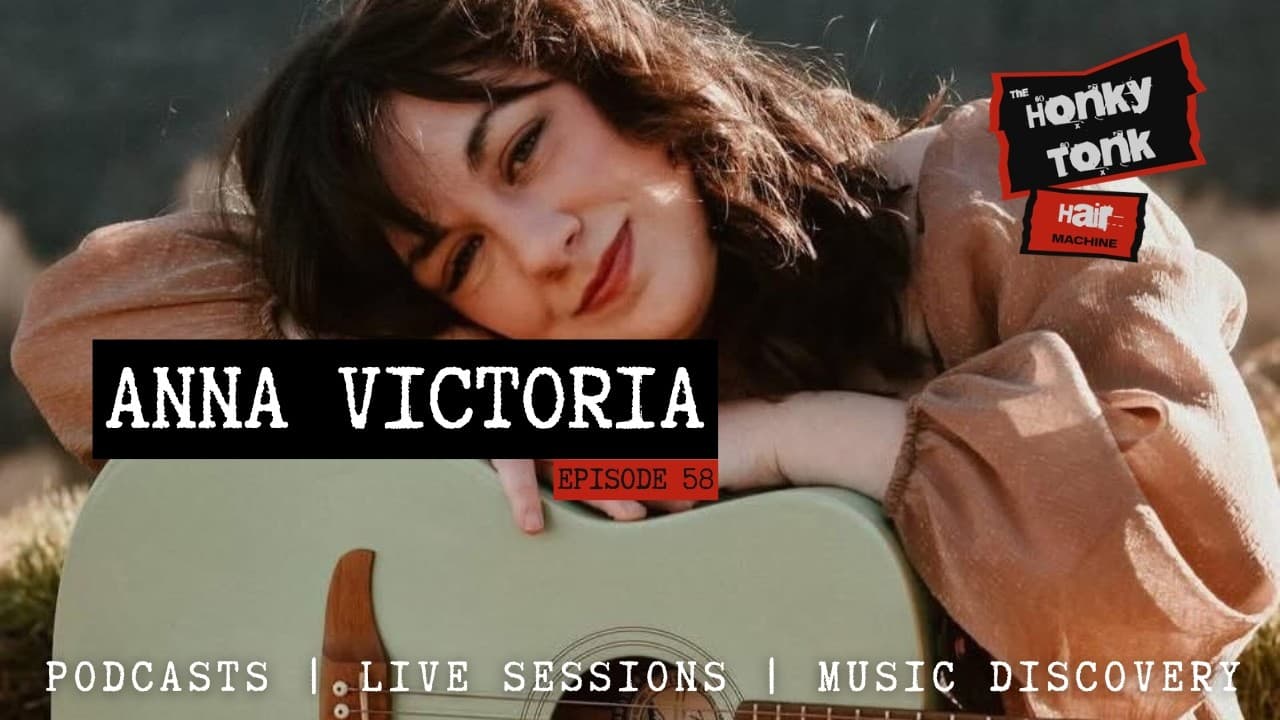
Anna Victoria
Inside North Carolina's Appalachian Music Scene | Anna Victoria
Anna Victoria joins Camden for an honest conversation about growing up in the mountains of North Carolina, discovering her voice as a songwriter and navigating life as an independent Country and Americana artist. We talk about learning to perform live, protecting her voice, finding confidence on stage, the influence of Appalachian music and artists such as Luke Combs, Sierra Ferrell and Dolly Parton, balancing music with motherhood, and the challenge of staying creative in a world driven by social media. It's a thoughtful conversation about music, family, creativity and staying true to yourself while building a career in independent music. Chapters 00:00 – Introductions, Weaverville, childhood. 02:00 – Singing, vocal health and beginning her musical journey. 06:00 – The pandemic, booking gigs and developing as a live performer. 09:00 – Coping with distractions, confidence and performing. 12:00 – Appalachian influences, Luke Combs, Sierra Ferrell, Dolly Parton and mountain songwriting. 15:00 – Family life, being a stay-at-home mum, social media and balancing music with everyday life. #lukecombs #sierraferrell #dollyparton Subscribe to The Rugged Revival. Share it with your friends. Support independent music! Listen to the full podcast on Spotify: https://open.spotify.com/show/6wnHcgA73o1aiiKaz882vH?si=30aabdaa220a4628 Follow The Rugged Revival: Instagram: https://www.instagram.com/theruggedrevival/ TikTok: https://www.tiktok.com/@theruggedrevival Facebook: https://www.facebook.com/profile.php?id=100094507520679 Website: www.theruggedrevival.com Email: ruggedrevival@hotmail.com
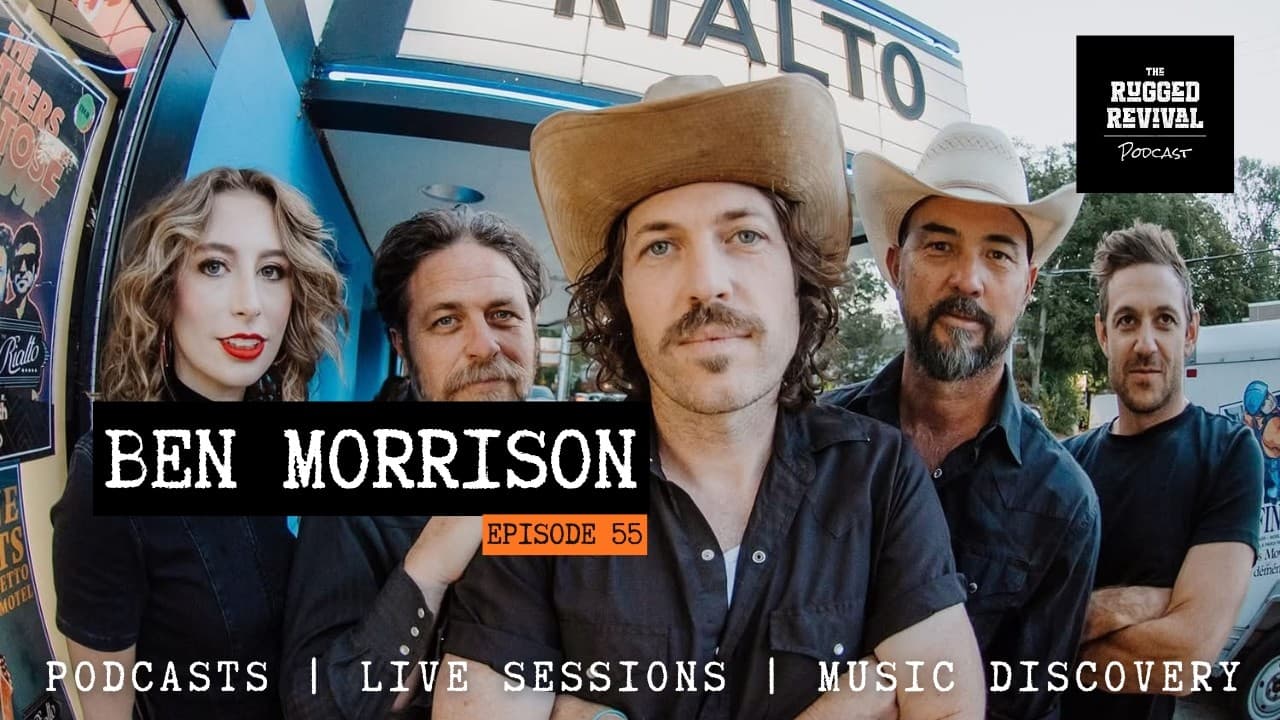
Ben Morrison
The Brothers Comatose: Ben Morrison on 18 Years of Music, Family & Touring
Ben Morrison of The Brothers Comatose joins the Rugged Revival Podcast for an honest conversation about nearly two decades ...
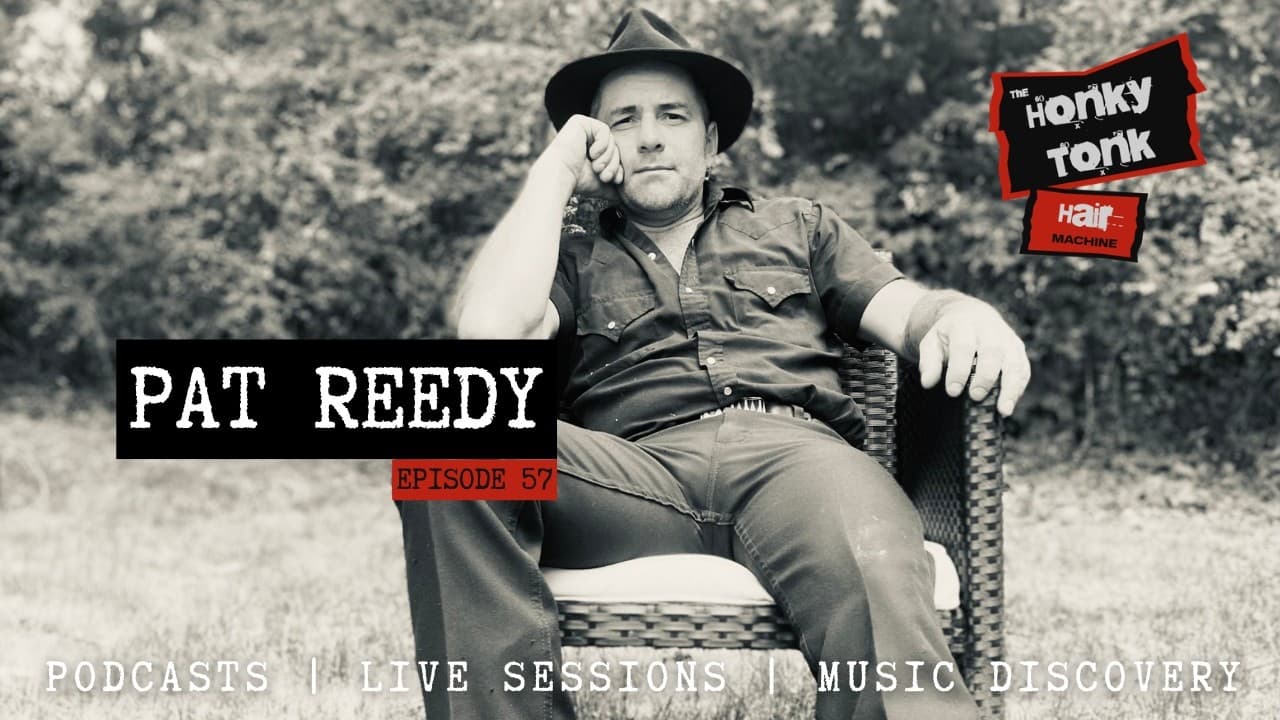
Pat Reedy
Pat Reedy on Busking, Nashville & Building a Country Music Career
Pat Reedy joins Camden to discuss leaving construction behind for country music, busking in New Orleans, life in Nashville, ...
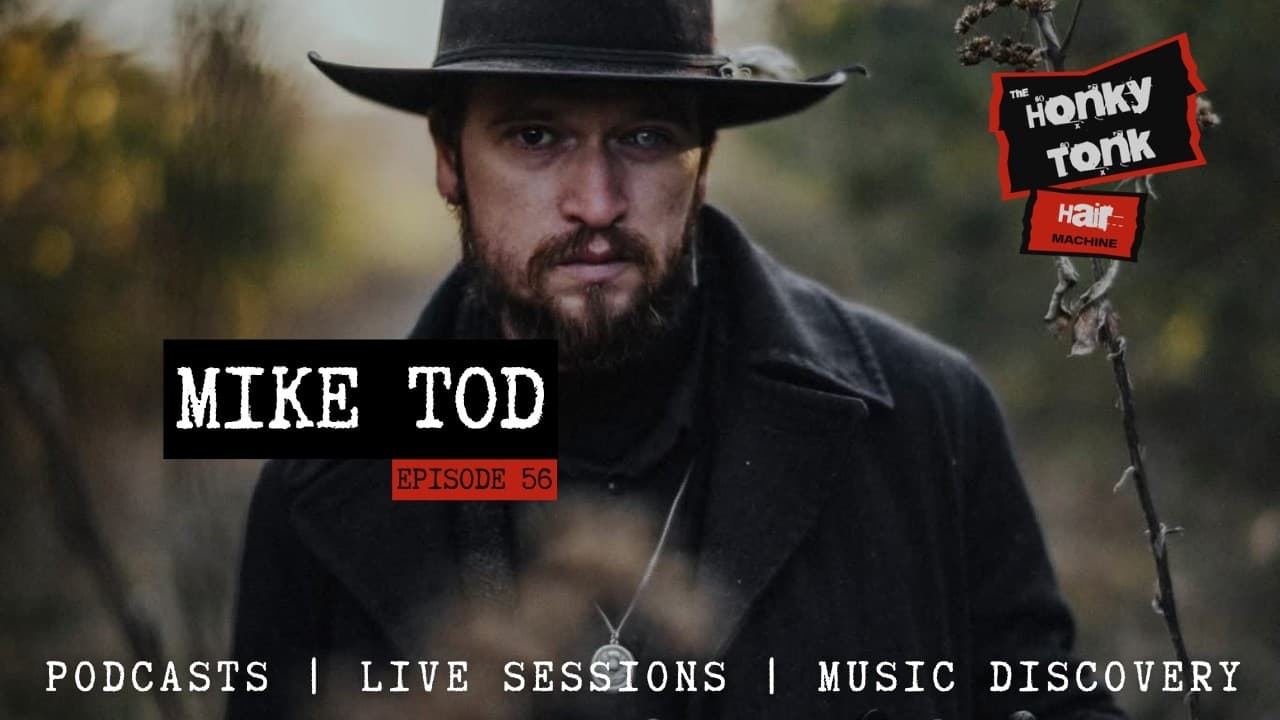
Mike Tod
Keeping Traditional Folk Music Alive in Nashville | Mike Tod Podcast
Mike Tod joins Camden to discuss traditional folk music, Canadian roots, life in Nashville, forgotten songs, unusual instruments and why preserving musical history still matters today.Originally from Canada and now based in Nashville, Mike explores the stories behind traditional songs, the connections between folk music around the world and how old music continues to influence modern artists. We also discuss his unique "Crankenstein" instrument, musical curiosity, collecting songs from the past and the importance of keeping traditions alive for future generations.Chapters00:00 Introduction00:00:30 Growing Up in Canada00:02:20 Discovering Music & The Crankenstein00:04:10 The Story Behind The Crankenstein00:05:20 Drones, Folk Traditions & Ancient Music00:08:10 Learning Guitar & Performing Original Songs00:09:40 Accessing Traditional Music in the Digital Age00:11:20 Researching Music History00:12:10 Playing The Crankenstein Live00:14:00 Creating Atmospheric Sounds & Live Performance00:16:00 Traditional Songs & Musical Origins00:17:50 The Artists Influencing Mike Today00:19:20 Studying Philosophy & Creative Thinking00:22:00 Horror, Heavy Music & Folk Culture00:24:00 Scottish Heritage & Family History00:27:10 Final ThoughtsSubscribe to The Rugged Revival. Share it with your friends. Support independent music!Listen to the full podcast on Spotify: https://open.spotify.com/show/6wnHcgA73o1aiiKaz882vH?si=30aabdaa220a4628Follow The Rugged Revival:Instagram: https://www.instagram.com/theruggedrevival/TikTok: https://www.tiktok.com/@theruggedrevivalFacebook: https://www.facebook.com/profile.php?id=100094507520679Website: www.theruggedrevival.comEmail: ruggedrevival@hotmail.com