
Los Angeles Artist Paying Homage to Old Time Country & American Roots | Rosy Nolan
Watch on YouTube
Subscribe for new episodes, Grit Sessions & more
Listen to this episode
In This Episode
There's a peculiar lineage connecting the safety-pin aesthetics of '90s East Bay riot grrrl to the twang of honky tonk, and Rosy Nolan has walked that unlikely path with the kind of natural grace that makes you wonder why more artists haven't followed in her boots. Sitting down with the Rugged Revival's Cam, she traces a journey that begins in the creative chaos of San Francisco—where her poet mother and activist father raised her surrounded by artists and circus performers—before eventually landing in Los Angeles, where she's crafted an album that sounds like it could have been recorded in Nashville during the country music's most turbulent, honest era.
Main Attraction, Nolan's latest LP, is a love letter to American roots music from the 1920s through the 1940s, a period when country music was genuinely dangerous—when singers weren't afraid to rail against authority or sing about heartbreak with the kind of raw vulnerability that made polite society uncomfortable. It's western swing and honky tonk and old-time country, yes, but filtered through the sensibility of someone who cut her teeth in punk rock, who learned early that the point of music was never perfection or fitting inside predetermined boundaries.
If I had to perfect something or be as good as other people around me, I don't know that I would have ever landed in music.
— Rosy Nolan
Nolan started on drums in a riot grrrl band—literally because her brother's drum kit happened to be in the house. She moved to guitar around sixteen, but the DIY ethos of punk rock's anti-establishment spirit never really left her DNA. What's remarkable is how clearly this philosophy animates her approach to songwriting and performance. In punk rock, you weren't expected to know what you were doing; you were encouraged to get on stage and figure it out as you went. There's a democratic chaos to that approach, a refusal to gatekeep expression behind technical mastery. Nolan credits this environment with giving her the courage to become a musician at all—if she'd been expected to compete with technical virtuosos before stepping into the spotlight, she might never have started.
The album itself takes listeners on a deliberate emotional arc. It opens with toe-tapping tracks designed for dancing, built for two-stepping and communal joy, then gradually descends into haunting ballads that sit with heartache and longing. These aren't new themes for Nolan; they've defined her songwriting throughout her career. But on Main Attraction, they feel particularly acute, like someone sifting through the ashes of the American Dream and finding something worth grieving, worth preserving.
They're saying the same thing—punk rock and country are both about community activism and uprising.
— Rosy Nolan
What comes through most powerfully in her conversation with Cam is the tension between preparation and presence. Nolan has developed a pre-show ritual, a mental checklist that ensures everything's in place before she steps on stage. But the real work happens when she consciously lets that structure fall away and moves from her head into her body, from self-consciousness into service. "I perform from a place of being of service," she explains, rather than anxiously wondering whether people like her. It's a subtle reorientation that fundamentally changes the energy of a performance.
There's also something genuinely subversive about how Nolan positions herself within country music's historical continuum. She's not interested in the sanitized, corporate version of country that dominates mainstream radio. Instead, she's looking backward to a time when the genre was fundamentally tied to working-class experience, to uprising, to stories that didn't fit neatly into acceptable narratives. When Cam mentions the rebellious DNA in early country music—the songs about police and systemic injustice that most people never dig deep enough to find—Nolan nods in recognition. The punk rock and country music connection suddenly feels less like an unusual detour and more like a natural homecoming.
Main Attraction arrives as a needed reminder that Americana roots music doesn't require slick production or modern sensibilities to feel urgent and alive. Rosy Nolan has brought the fearlessness of punk rock's ethos into the emotionally capacious world of roots country, creating something that honors the past while refusing to be trapped by it. Listen to the full episode to hear her discuss the making of the album and what drives an artist to keep excavating these old, damaged, beautiful stories that keep America's roots music alive.
I'll help you. I'll help you. Start a revolution for this Monday morning love situation. Hey, what's up everybody? This is Cam, aka the Honky Tonk Hair Machine for the Rugged Revival. And who am I with today? I'm Rosie Nolan. Rosie Nolan, thanks for sitting with us. I appreciate it. My pleasure. I'm happy to be here. So, I like to ask everybody this first question just to kind of give us a peek behind the curtain and a little insight of who you are. So, you can answer as big or as little as you want. So, where are you from and what was life like for you as a kid? Um I'm from San Francisco, California. Uh Uh life was chaotic. We had a pretty turbulent childhood, but also very colorful and lively. And um my mom was a poet. My Both my parents were community activists and organizers. My dad co-founded a circus. There was like a lot of creativity and expression. Um so I was surrounded by a lot of artists growing up. It's awesome. I love that. So, when did you start playing the guitar? Uh probably I would say 15 or 16. Yeah, I started playing drums first. Um I started in punk rock and I was in a um riot grrrl bands cuz that was the time that that was happening, '90s East Bay. Yeah. Um my brother had a drum set, so obviously I was the drummer of the band. So, it was kind of like whatever was at the house was what you played. And um I started out playing drums and then moved on to guitar maybe not that much longer later. So, 16 or so, I'd say. I really like that. That's my same story, pretty much. Like, I love this like punk rock to country pipeline. Yeah. I love it so much. I think it's so great. And really, they're kind of the same thing. They're just say They're saying the same thing. Oh, yeah. They may not be the same thing so much now when it comes to popular music, but I think the origins are all about kind of like community activism. Like, you look at Listen to old time tunes and they're singing about the police and shooting cops and stuff and you're like, "Dang!" Like, there's a there's a lot of uprising in early country music, I I find. If you dig deep enough, you know. Absolutely. I don't even think you need to dig that deep, but yeah. Sure, sure. So, all right. So, you got your roots. When did you start playing your original music live? Right away. And that's what I love about punk rock and specifically uh riot grrrl music is you were not expected to know what you were doing and you were asked to get up on stage as you figured it out. And that for me, like, if I had to perfect something or be as good as other people around me, I don't know that I would have ever landed in in music. Um because it was encouraged to not know what you were doing and to play things wrong and to be like, anti-establishment and anti- um you know, anti-drawing within the lines. Um we were really as like young girls really encouraged to just get up there. Um so, we would get up we would go to shows and whoever was playing we'd go up to them and be like, "Hey, can we get up on stage and play a song?" and we were so cute and obnoxious, and inevitably they would say, "Yes, come on up." And it was more about expression, performance, rather than, you know, delivering a final product or anything. Yeah, you didn't need to be a virtuoso, you know? Like, we're telling a story, we're telling our tale, and it's rebel- it's rebellion, and uh here we are. For sure. So, you have a lot going on as an artist and taking this thing to the stage. You're singing your songs, so you got to have your vocal delivery, remembering words, you're playing guitar, and you're trying to put on the best performance that you can. What are some of the biggest challenges you face making sure all that comes together? Um remembering to like forget everything when I get on stage. You know, like ooh. I have a checklist, I kind of a pre-show ritual I do, and I'm all it's pretty mental, you know? It's like I got to do this and this and this, and I have to remember to like leave that, you know, leave that outside when I actually get up on stage. Uh get out of my head, get into my body. Um and also, you know, remember why I'm there. I'm there I perform from a place of where I'm being of service, rather than do people like me? That can make or break a show, you know? Um and trying to take myself less seriously, you know? As long as I've done all the prep work to get me there, um that usually that usually makes a show turn out better if I can That makes sense. Being present and kind of like offloading the stressors of the day and just being there in the moment. That makes absolute sense, and I think that's what a lot of folks struggle with because like you can be playing your song you've played a million times, and suddenly for have to ad-lib your your own lyrics or like you're playing the wrong chord for whatever and I just think folks tend to slip away and a lot of that I think that's an interesting take. I think that's very real. Be be present. Be present and connect with your audience like they're they're there to connect. I'm there to connect. The whole reason I started doing music was like, "Oh, this is a really cool way of communicating with people." And that's what hit me the hardest and quickest is like, "Wow, I can convey all these emotions and thoughts without actually having to say exactly, you know, what I wrote in my journal last night or whatever." So, it's Right. You know, if you can do that, I think it doesn't matter if you're messing up, forgetting your lyrics, screwing up the solo. Like people respond way more to your spirit than perfectionism. Yeah, there's something to be said about even like playing from a point of authenticity. Like people are always drawn to authenticity first, you know, like they're hearing a song like, "Yeah, that that I can connect with that. That makes sense." Totally. So, who are your biggest country and non-country influences today? Uh Lucinda Williams is a really big one. She she's kind of my gateway drug into country music. Um I discovered her early aughts and was like heard her voice. My friend had gotten um whatever her record was that came out and I'm going to space on it. Um I'm spacing on it. Okay, we'll get back to that. Whatever record came out at the time and the I just was like, "Who is this?" Like that rawness, it was it was kind of the rawness of of punk um but with this totally different sound that I I think I'd been talking about country music for a long time up until that point. You know, um and I heard that and I was like, "What is this?" And I freaking fell in love with it and then it just took me down the rabbit hole, you know, and I kept thinking That's fantastic. Actually, a lot of um lady singers for what take that for what you will. They uh say Lucinda Williams as one of their biggest influences. Yeah. Yeah, that's cool. What about What about uh What about non-country? Oh, non-country. Oh, so I was also going to say Hazel Dickens as a country, but also as like an activist. Um and then big fan of Bikini Kill. They got me. They're the ones that got me going. Um and Nina Simone. Y- Yes. I mean, she could sing anything and it'd be brilliant. Yeah. Uh does L7 fall in there anywhere? I never got I was like a little So, it was like if you were signed, you were a sellout. So, I was like, you had to have you had to be a local band that was like I had all these rules before I had to make a living, you know? Um L7, I respected them, but I was always into like the really underground stuff. So, I was I mean, I probably couldn't even name all the bands I was into. Well, there's a band that jumps to mind, the Lunachicks. I don't know if you're familiar with I remember the Lunachicks. Yeah. Yeah, they were pretty badass. Yeah, I was I really love Sleater-Kinney as well and a bunch of local bands that were coming out of the Bay Area at the time. There's a band called Dead and Gone. Um I'm going to space on all the other names. Um but I >> of music. A lot of music, yeah. So, I know you guys have done some short from what I've seen. You've done some short stints here and there. Um where what are some places you would like to tour to? Uh right now like the idea of touring out of the country, especially with what's going on in this country, seems super appealing. Um I would love I I mean I love tours travel. It's it's such a great way to to travel, you know, um I also like within the US, I I've never been to Montana or Wyoming and I would love to to do that run. And um now that I'm in Nashville, I moved here 4 months ago. Um you know, I'm starting to explore like what are little runs I can do and start to build that. Um start to build that out, you know? And it's exciting. I mean, being in California for so long, man, it's hard to touring and actually get out of California. It takes a long time. Yeah. Drive through California. So, it's exciting to be able like, you know, you drive an hour north and I'm in Kentucky. It's so easy. So >> You know, it's funny when you see a band announce a tour and it's 12 dates in California or it's like 12 dates in Texas. Right, right. But it makes sense. Like it's like, well, how much time can you go out? Most people are going 2 weeks tops if that, you know? And what can you actually do in 2 weeks? Um I mean, I've done a few a few West Coast runs now and it's like it doesn't really make sense to go much further out, you know? So it's exciting to be it's kind of like being in Europe over here. Everything's so damn close. Yeah. Well, yeah, and then it's like if you get to the East Coast, you can do several different states in a in a week. Yeah. You hit like all of them. So, you have a great look. I love what's going on with your hair, especially today. Your hair looks great. I like the shirt you have and the perfect switchblade eyeliner. So, tell me about your favorite on stage attire cuz I know you like to do it up quite a bit. I love dressing up and it's more about um it's almost less about what I'm actually wearing and more about getting into character, you know, and having fun and since the time I was a little girl, it was about dressing up and how to express myself with color and makeup and you know, who do I want to like who do I want to be tonight? And there's a you know, it's kind of like Superman going into the phone booth. There is a change that happens. Makes sense. And it's it's for me it's necessary. I I went through a period of time where I was just like jeans and a t-shirt and I don't know that I had access to the same kind of magic that I feel like I can tap into now when I like really have like performance as, you know, presentation. Um but a favorite outfit of mine, I would say and it's on the cover of my record, my record that came out in October and it's an H bar C hot pink skirt set, fringe and rhinestones and that's that's really fun to wear. Yeah, I hear what you're saying. That makes sense. There's something to be said about like even just getting yourself in a mindset and switching gears. I mean usually like even when I come home, you know, I'm at work all day, take the pearl snap off, pop a t-shirt on, take the rancher Wranglers off and put on sweatpants, throw the hat down. You're shifting gears from one thing to the next and it helps having a bit of a I'm not going to say uniform, but just like a switch of gears a little bit. >> Yeah, I mean a little bit it is a uniform. It's like yeah, it reminds you kind of who you are and why you're there and what you're doing and um it helps me yeah, it helps me get into character. I don't yeah, that seems the best way to describe it. Talk to recently um India Ramey uh Iris Marlowe and I have not talked to Jenny Don't, but I've seen her making I've seen all three of them making a lot of their own stuff. Have you ever made any of your own stage clothes? I have thought about it. And I went on like uh I went on like uh a quest for like how do I find one of those embroidery machines and all that and I just I think it's better that I I leave that to other people. It seems like such a commitment and there's so many talented people doing it here and all over that I'd rather pay them for it. Yeah, I get it. I mean it's it takes a lot of practice and the things they're doing especially Iris Marlowe is is really cool if you haven't seen it. You should check it out. >> yeah, no. But India Ramey's always I mean she always looks excellent. Yeah. Yeah, she might have been the first one I saw uh doing that. Yeah, that's super cool. Um well, like I said, we keep it short and sweet and this brings us to the end of the world. Is there Yeah, it was quick, right? So, is there anything you would like to promote? You got some shows or new stuff? >> Um I don't have my album came out in October, so I don't have anything new, but I would I would love for you to go to my website rosienolan.com and pick up the record in vinyl or CD. Um I also have some really great t-shirts um and yeah, I'm just I'm starting to book shows out here. I've already played a few. My next show is going to be at Bobby's Idol. Um in gosh, I think it's April 16th. So, if you're in town, come check us out. So, all right. So, you got the website. Where can we find you on the socials? Socials is uh Ro- Rosie Nolan Music. Um yeah, that's Instagram and Facebook. Mhm. All right. Well, awesome. Well, look, we'll end it here. Um you just stay on the line with me for 1 hot second after we hang up, but I appreciate your time and I'm glad we finally made it happen. Thank you so much, Camden, for having me. Let's do it again sometime. Okay.
Comments
Keep listening
Related Episodes
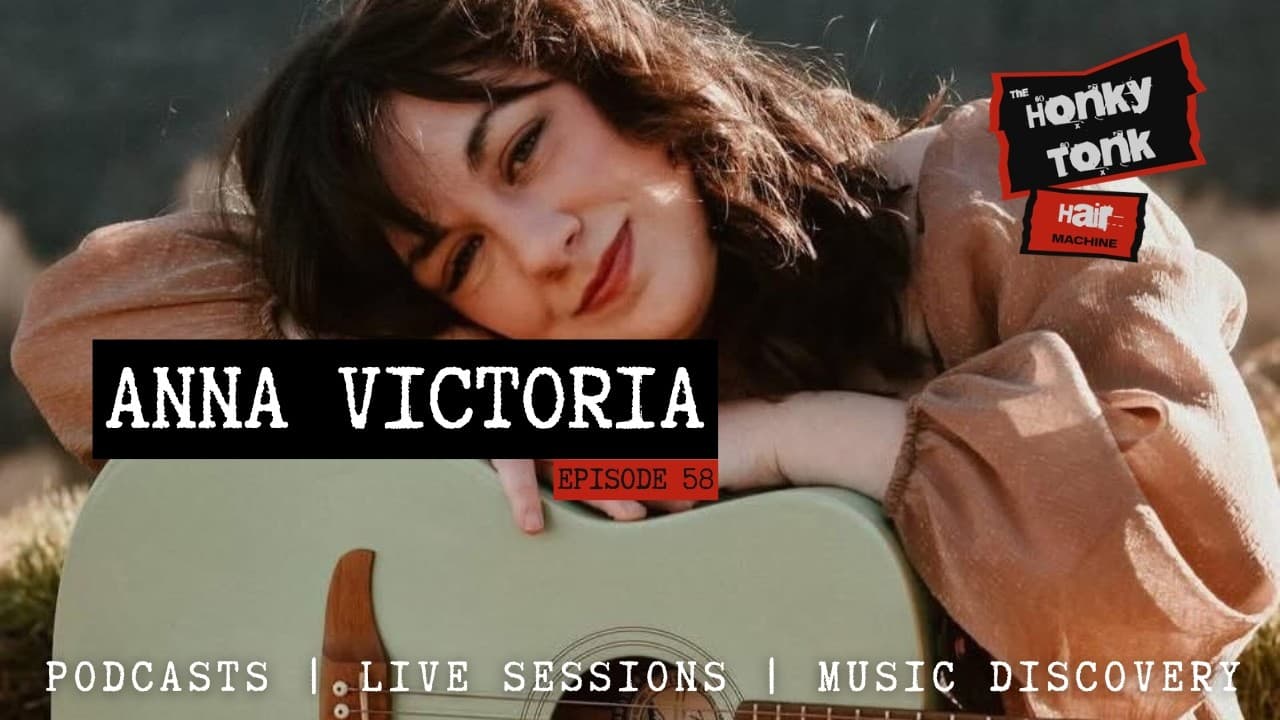
Anna Victoria
Inside North Carolina's Appalachian Music Scene | Anna Victoria
Anna Victoria joins Camden for an honest conversation about growing up in the mountains of North Carolina, discovering her voice as a songwriter and navigating life as an independent Country and Americana artist. We talk about learning to perform live, protecting her voice, finding confidence on stage, the influence of Appalachian music and artists such as Luke Combs, Sierra Ferrell and Dolly Parton, balancing music with motherhood, and the challenge of staying creative in a world driven by social media. It's a thoughtful conversation about music, family, creativity and staying true to yourself while building a career in independent music. Chapters 00:00 – Introductions, Weaverville, childhood. 02:00 – Singing, vocal health and beginning her musical journey. 06:00 – The pandemic, booking gigs and developing as a live performer. 09:00 – Coping with distractions, confidence and performing. 12:00 – Appalachian influences, Luke Combs, Sierra Ferrell, Dolly Parton and mountain songwriting. 15:00 – Family life, being a stay-at-home mum, social media and balancing music with everyday life. #lukecombs #sierraferrell #dollyparton Subscribe to The Rugged Revival. Share it with your friends. Support independent music! Listen to the full podcast on Spotify: https://open.spotify.com/show/6wnHcgA73o1aiiKaz882vH?si=30aabdaa220a4628 Follow The Rugged Revival: Instagram: https://www.instagram.com/theruggedrevival/ TikTok: https://www.tiktok.com/@theruggedrevival Facebook: https://www.facebook.com/profile.php?id=100094507520679 Website: www.theruggedrevival.com Email: ruggedrevival@hotmail.com
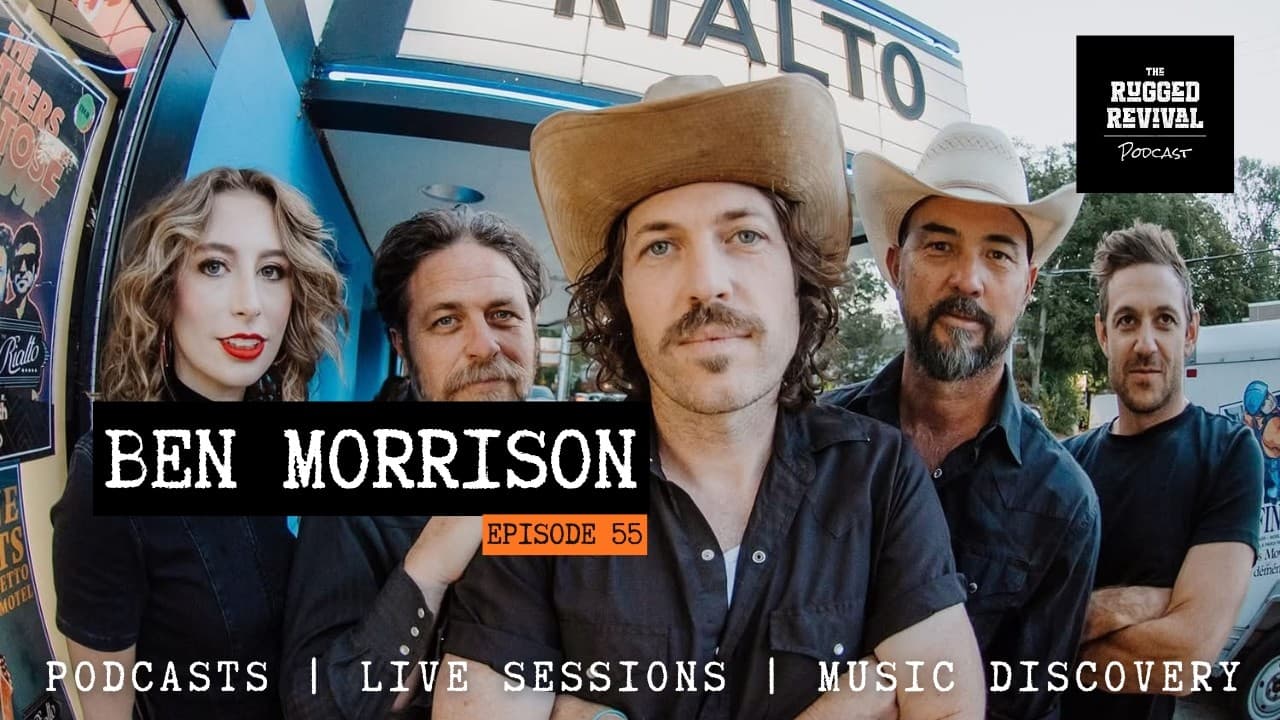
Ben Morrison
The Brothers Comatose: Ben Morrison on 18 Years of Music, Family & Touring
Ben Morrison of The Brothers Comatose joins the Rugged Revival Podcast for an honest conversation about nearly two decades ...
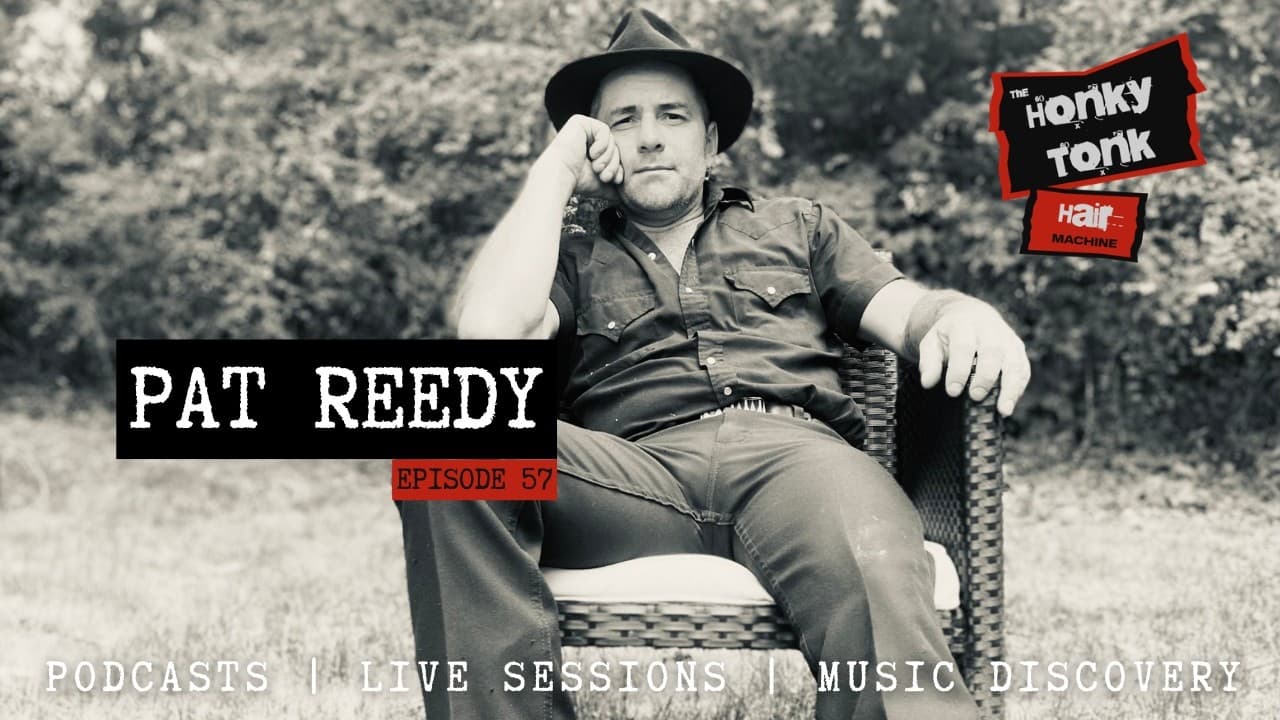
Pat Reedy
Pat Reedy on Busking, Nashville & Building a Country Music Career
Pat Reedy joins Camden to discuss leaving construction behind for country music, busking in New Orleans, life in Nashville, ...
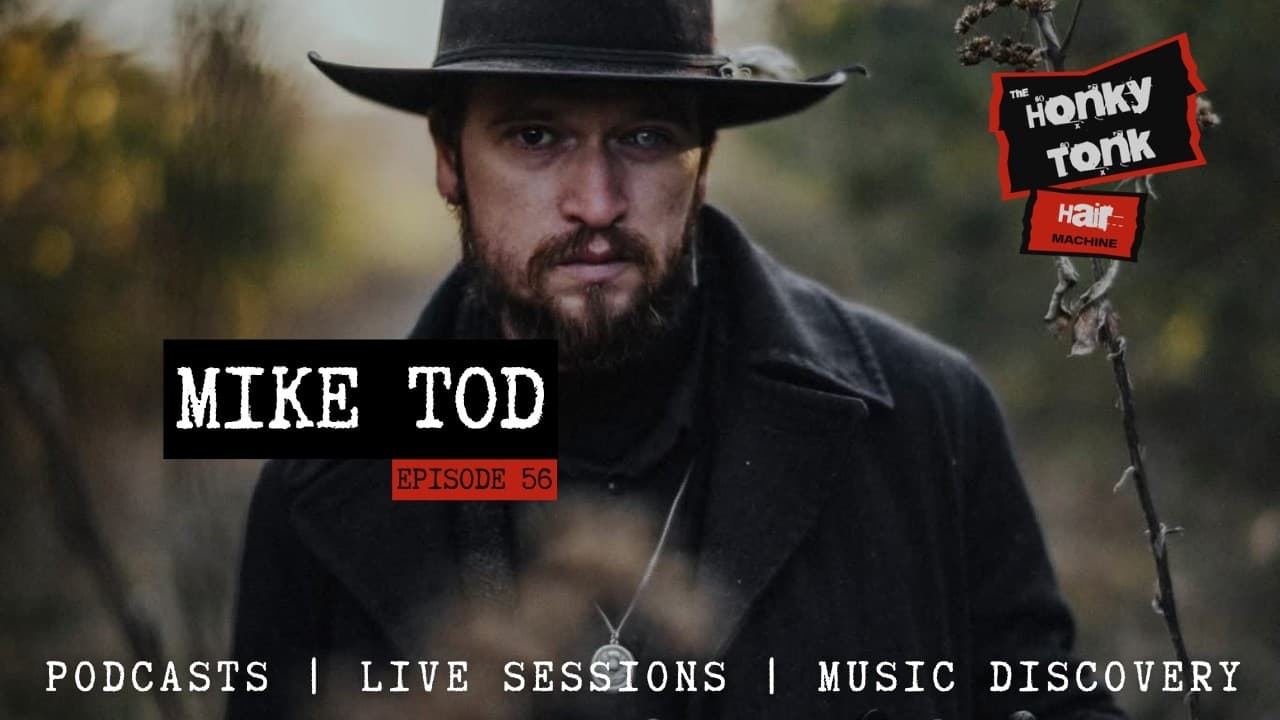
Mike Tod
Keeping Traditional Folk Music Alive in Nashville | Mike Tod Podcast
Mike Tod joins Camden to discuss traditional folk music, Canadian roots, life in Nashville, forgotten songs, unusual instruments and why preserving musical history still matters today.Originally from Canada and now based in Nashville, Mike explores the stories behind traditional songs, the connections between folk music around the world and how old music continues to influence modern artists. We also discuss his unique "Crankenstein" instrument, musical curiosity, collecting songs from the past and the importance of keeping traditions alive for future generations.Chapters00:00 Introduction00:00:30 Growing Up in Canada00:02:20 Discovering Music & The Crankenstein00:04:10 The Story Behind The Crankenstein00:05:20 Drones, Folk Traditions & Ancient Music00:08:10 Learning Guitar & Performing Original Songs00:09:40 Accessing Traditional Music in the Digital Age00:11:20 Researching Music History00:12:10 Playing The Crankenstein Live00:14:00 Creating Atmospheric Sounds & Live Performance00:16:00 Traditional Songs & Musical Origins00:17:50 The Artists Influencing Mike Today00:19:20 Studying Philosophy & Creative Thinking00:22:00 Horror, Heavy Music & Folk Culture00:24:00 Scottish Heritage & Family History00:27:10 Final ThoughtsSubscribe to The Rugged Revival. Share it with your friends. Support independent music!Listen to the full podcast on Spotify: https://open.spotify.com/show/6wnHcgA73o1aiiKaz882vH?si=30aabdaa220a4628Follow The Rugged Revival:Instagram: https://www.instagram.com/theruggedrevival/TikTok: https://www.tiktok.com/@theruggedrevivalFacebook: https://www.facebook.com/profile.php?id=100094507520679Website: www.theruggedrevival.comEmail: ruggedrevival@hotmail.com