
Logan Moore - Low Water Bridge Band | Americana, Bluegrass & Country Music | Rugged Revival
Watch on YouTube
Subscribe for new episodes, Grit Sessions & more
Listen to this episode
In This Episode
There's something about a man who grew up fishing mountain streams and stalking deer through Virginia hollers that naturally understands roots music. Logan Moore embodies that intersection of outdoor tradition and artistic authenticity — the kind of artist who doesn't traffic in sentiment because he's lived the actual substance beneath the poetry. When he talks about learning guitar without formal lessons, dabbling for years until he figured out he could sing, there's no manufactured humility in it. It's just the reality of how genuine musicians are sometimes made: through patient, unglamorous trial and error.
Moore is the frontman of Low Water Bridge Band, a group forged in the fire of Virginia's Shenandoah Valley and founded in 2020 with the kind of unvarnished purpose that defines the best contemporary Americana acts. The band's sound is exactly what you'd expect from musicians raised on the region's musical heritage — stomping, country-grass Americana that trades polish for passion, every note earned rather than performed. In a recent episode of the Rugged Revival podcast, Moore sat down to discuss the band's origin story, his hunting life, and the peculiar journey from college drummer to accomplished vocalist and guitarist.
I started taking it serious when I figured out I could sing, so I figured, you might as well learn how to play guitar and sing.
— Logan Moore
What emerges from the conversation is a portrait of an artist unbothered by industry expectations. Moore grew up in Front Royal, a small town that shaped his relationship with the outdoors before any of it became an aesthetic choice. His childhood wasn't curated for Instagram; it was simply a mountain kid who fished, swam, and spent time in the woods because that's what kids did before the internet offered easier entertainment. He'd later serve in the military before returning to Virginia and picking up the threads of a hunting life that never really left his blood. Today, he's as comfortable discussing turkey season as he is talking about his beloved Telecaster — a Squier he found at a local Winchester pawn shop, drawn to its black accents and the way it cut through with both looks and sound.
The music came later, almost accidentally. College at Radford University is where things shifted. Moore bought a drum set from Riley, who would eventually become the band's drummer, and started thrashing in a garage band with friends who actually knew how to play their instruments. He wasn't thinking about songwriting or vocals then. He was just making noise with people who understood that making noise together was enough. It wasn't until years later, somewhere around 2010, that Moore realized he could sing and that his voice paired naturally with the stories he wanted to tell.
I grew up on a mountain with our own lake, so all us neighborhood kids would hang out together—fishing, swimming, doing all that stuff.
— Logan Moore
What's remarkable about Moore's trajectory isn't its meteoric quality — it's its organic character. He didn't attend a prestigious music school or come up through Nashville's songwriting machine. He came up through the actual landscape that built American roots music, hunting and fishing alongside neighbors, learning guitar by feel, discovering his voice through simple repetition and self-belief. When Low Water Bridge Band takes the stage, they're not performing a genre. They're living it.
The band's barnstorming journey through the Shenandoah Valley since their 2020 founding speaks to a hunger for something real and unadorned in contemporary roots music. In an era of carefully cultivated authenticity and heritage-brand country, a band that simply plays the music they know, the way they know to play it, feels like a small rebellion. Moore's hunting photographs on social media aren't marketing strategy — they're just what he does between gigs. His conversation about gear is genuine enthusiasm, not product placement. He forgets to update his personal Instagram because he's busy actually living the life instead of performing it online.
This is why Low Water Bridge Band matters. They represent a current of American music that hasn't been thoroughly commercialized, that exists primarily to satisfy the musicians' own need to create and perform rather than to satisfy algorithmic demands or streaming metrics. Logan Moore and his band are the sound of what happens when talented musicians from a real place make music for their own reasons, inviting the rest of us along for the ride. That's worth your attention.
I'll help you. I'll help you start a revolution for this Monday morning love situation. >> Hey, what's up everybody? This is Cam aka the Honky Tonk Hair Machine. And who am I with >> from Low Water Bridge? >> Welcome, brother. Thanks for joining us. >> Hey man, thanks for having me on. >> So, uh, let's let's get into it, man. Where are you from and what was life like for you as a kid? I am from Front Royal, Virginia. Uh it's a little small town along the Shannondoa. Um growing up as a kid, I had a great time. I grew up on a mountain. We had our own lake. So, you know, all us neighborhood or mountain kids would always hang out together and uh you know, play around, go swimming, fishing, doing all that stuff. So, I had a pretty pretty fun outdoorsy childhood. >> Yeah, that's fantastic, man. I I think um a lot of kids need that in their life and um maybe we'd even be a little more less reliant on our technology to entertain us if we had more of that going. >> Well, to be fair, >> to be fair, it was before like the internet. >> I was a kid in the woods before the internet or before any of that stuff. So, >> it was kind of easy to do that. >> So, maybe maybe if we were, you know, 13 years old, we'd be staring at the phones anyway. >> Oh, yeah. I would be probably. So, you mentioned fishing. When did you get into hunting? >> Um, man, I mean, I can I remember being a a little kid and my dad taking me out into the woods and um would take me out all the time, you know, as as young as I can remember, honestly. Um, I did take a little break there when I joined the military and was gone for a while, but you know, picked it back up when when I came back into Virginia and then kind of, you know, went around hunting all over the place. Did uh hunted North Carolina, South Carolina, um, Georgia, Tennessee, you name it, I'll hunt it. Now, >> are you um are you mainly turkey? I I I try to pay attention to your Instagram, but I've I've seen you with turkey, but I haven't seen anything else. Yeah, you know, I have a hard time keeping up with um I I do our social media, so I do our Facebook and our Instagram. I forget so much that I have my own personal uh Instagram and stuff. I I always forget to post. Uh yeah, I shoot deer and turkey >> pretty much. Uh that that's what I like to eat. That's what I shoot. >> Okay, right on. Um yeah. When did you start playing the guitar? >> Uh so I kind of grew up with a guitar laying around. I never really had any uh uh lessons or anything. So, I kind of like, you know, dabbled around on the guitar for years and years and years. But, I started taking it serious when uh I figured out I could sing, so I figured, you know, might as well learn how to play guitar and and sing. >> Yeah, you have a great voice, too, man. It's good that it's good that you treated us uh all to that talent as well. So, >> I can't recall um >> you know, I've seen you live once. I can't recall. What's your go-to guitar? Like the Strat? >> No, I've got the uh I have a Telecaster player Telecaster. Um >> Okay. >> But we've been kind of mixing stuff up and I'm doing some songs acoustic now with the acoustic guitar, >> which you know, it's a little different when it's with an acoustic versus with it's with the Telecaster. So, >> it's changing. But I love my Telly. >> Yeah. And it's fun to get up there and pretend like you're winging a little bit and swing the Teleer around. Yeah. Yeah, that one hanging behind you is beautiful. That's a great one. >> Yeah, thanks. I I got that one. Um there's a pawn shop here in Winchester called Bears Trading Post and uh my buddy Bill Quail does all the guitar work there and I go in there, pop in every once in a while to see what they got, see if they have any pedals or anything. And I saw this and uh it's a contemporary uh Telecaster. It's a Squire, but man, it sounds great. I love that thing. It looks cool and it sounds cool. >> Yeah. Yeah. That's a deadly combo. If you could find both in a guitar, that's pretty sweet. >> Yeah, >> I'm a sucker for like black accents. So, that has like all black accents came from Fender that way. So, yeah, I saw it and I was like, man, I got to have that thing. >> Yeah, it's cool. So, you grew up hunting, fishing now. Um, I can't recall. Did you say you grew up in a music family as well? >> No, not really. Um, I just kind of found my own way when it came to the music thing. uh really kind of blossomed in music when I got to college at Radford University. Um met some some buddies that played instruments and I just bought my first drum set off of Riley, our drummer now, years and years and years ago. And uh we started a band in college and that's kind of where it all started. But I didn't I didn't even know I could sing at that point. So I was just thrashing on some drums. >> That's awesome. When did you start playing your original music live? Um, I would say back in probably like 2010 maybe. Um, it was when I kind of first figured out I could sing a little bit and had always been writing not necessarily music but just you know writing lyrics or writing uh poetry or or you know stories whatever. Um figured I kind of try to blend them together. So, um I think I played my first original tune live like 2010, 2011. >> Okay. >> Back in the day. Yeah. Long time ago. >> Is that also when Low Water started? >> No, this was uh this was back when I was in the military. I was uh fresh into the military and um we're just kind of figuring out what to do with music. I kind of had it in my in my brain and in my my blood for, you know, all those years and kind of just figuring it out then was a good stepping stone to where I'm at now with the band. We've been together for since 2020. So, >> okay, >> cool. >> So, yeah. >> So, uh this is always an interesting question for singers that also play guitar and you know for myself I also sing and play guitar and I find it quite challenging at times. So, three things. You're trying to sing, you're trying to play guitar, and you're also trying to put on a really good show. >> So, what what challenges do you face when singing, playing, and trying to put on a good live show? >> Um, honestly, my own self, I I challenge myself cuz thinking of lyrics and playing the guitar, that's a whole monster itself. But then like when uh when the band starts to sound really good and everybody's nailing everything, I'm thinking in my head while I'm singing, man, we're sounding pretty good up here and then I'm like, "Oh I'm singing. I'm supposed to be singing right now." Um, so I'm all over the place. It depends on the show. If it's a huge show, >> um, I'm watching everybody, looking at everybody, scanning the room and singing. Now it's kind of like a a it's kind of like breathing almost when it comes to our our lyrics and how we play. We played them so many times those songs so many times and uh >> just like we know them now. So it's kind of like autopilot. Yeah. >> But I catch myself like thinking of other things in the middle of shows and >> kind of bring myself back in. >> Yeah. It's crazy how the mind can work. Like you can be singing, strumming, looking at somebody and then in your head having these whole other thoughts, you know, whatever it may be. >> Yeah, it's pretty wild. >> And that's where you get that's where you can get messed up when uh you mess up. You get stuck in your head about messing up something >> and it's a whole string of mess ups after that. So yeah, so it's a you gota be careful with that for sure. >> So it sounds like uh practice, practice, practice, get those songs down. >> Yeah, pretty much. >> Cool. So, as with anything in life, you know. >> Uhhuh. So, I know you guys have done a bit of touring, but have you have you done like a full US tour? Where would you want to tour? >> We have not. We pretty much just hit the East Coast and the Midwest. Um, we've been out to Texas once and we had a blast. >> Honestly, we'd like to get a little further out. Um, we're branching up north and down south. And I think as far west as we've gone, other than Texas is, uh, Indianapolis. Trying to think in my my my my brain map where I think Indianapolis or maybe Green Bay is the furthest we've gone. >> But we'd like to get like I want to go to Colorado and play. Yeah. Denver >> and California. I really want to get out that way and play. >> Yeah. Are you familiar with the uh Keystone Artist Connect folks? >> I think, you know, I've heard of that. I've heard of their name. >> Yeah. I don't know if Danielle Mashuda is still affiliated with them. >> Yep. Yep. Danielle. Yeah. >> Yeah. So, they could probably, you know, help you out. I don't know. Not to put their business out there, but >> um so, you know, I know when you're when you're at home, you know, you're in your casual gear and when you're on stage, you like to step it up a notch. What's your favorite go-to onstage attire? >> Uh, right now I like denim. I'm I'm a I'm a matching color denim guy with uh I like these these uh two color hats. These are pretty cool, especially if there's a rope. I like the rope hats. >> Uh couple rings, you know, some good cowboy boots, some comfortable cowboy boots. >> Uh it kind of changes. It depends on if if we're on tour and we're sometimes I might wear the same thing over and over again. >> Yeah, >> it works out that way. But yeah, kind of depends on the season, too. Um outdoor, indoor, for outside. I like to wear a good flannel like a nice one of my favorite flannels. You've probably seen a couple pictures of me wearing this. >> Yeah. Is that a What is that? Is that a Dixon? >> Yeah. Yep. >> Nice. >> Yeah, these uh I do like my flannels. I like to to keep it a little um backwoods country boy comfortable feeling, you know? I like to be comfortable on stage. >> Yeah, it you have a good look. Like you look comfortable, but you still look like you're dressed up for the show. >> Cool. >> Yeah, that's kind of hopefully what I'm going for. >> Yeah, it doesn't look like you just rolled out of bed and you're like, "Yeah, here we are." You know, >> look like some dirt bag like normal. Um, well, the last question for you, you know, and I can't recall what you're doing with your haircut these days. Do you have any like uh must-have hair and skin care products or even some like beard care stuff? >> I do have some good beard stuff that I got at um our last show. >> Oh yeah, look at that. That is some good stuff. >> Yeah. Yeah, this stuff's great, man. It smells great. It's I've been using it the past maybe month pretty regularly. >> I love it. But I also do uh and I think I gave you some of my um my beeswax beard balm that was great. >> My honey bees. >> Uh so yeah, I've been mixing the your oil with my beeswax and it's been been pretty good. >> That's a killer combo. >> Yeah, >> I think the one that I had um maybe one of them had a bit of like a like a mint after kick. One of the balms had it maybe. >> Yeah, >> there was probably the Was it the turkey one or the deer one? I had two flavors. Yeah, there was a you gave me one of each. There was a turkey and then I think there was one with a a buck on it. >> Um Yeah, that might be the the THC oil that I used. >> Okay, cool. >> Yeah. >> Yeah. Yeah, I was really proud of that uh beard oil. That that was a long time coming. It took us quite a while to really formulate what we wanted that to look like and and feel like too, you know, like I wanted it lightweight and not, you know, not to bog you down. >> Yeah. The worst thing about these these, not this one, but the the ones you can get anywhere else is it's it smells good, but it smells too much. You know, like you're putting it right here. It's going to be under your nose. You're gonna be smelling it all day. >> You can put it in there and it's very very subtle. I like that. >> Thanks, man. >> On like your website or anything? >> So, you can get those from Hardcore Grooming Products. Yep. >> And and I usually keep a I usually keep a grip of them with me when I go work for bands and stuff. So, >> yeah. Yeah, I'm glad I'm glad you still have yours. That's awesome. >> Yeah. >> So, that brings us to the end of the road, man. >> I think I'm about halfway done with it. So, >> that brings us to the end of the road, man. Uh, like I said, we keep it short and sweet. Do you have anything you want to um shout out? You got, you know, you got a tour, new record? >> Sure. Yeah, we have, we're uh getting ready to go on tour. We're going down to Key West to play Mile Zero Fest and we're playing our way down and way back on our way back we're doing a called Cosmic Shores Tour. We're playing Winchester, Virginia, where I believe I'm gonna see you there. >> Um, >> possibly. Yep. Yep. >> And then we're going to be Dun, North Carolina, Charleston, South Carolina, Atlanta, Georgia, Key West for two nights, then Melbourne, Florida, and then uh Orlando, and then we're going to haul back home. So, >> I think we might have some uh >> hang out with us. >> You have some mutual homies on that one. I think Taylor Honeyut has played that mile zero before. >> Oh, yeah. Yeah, we played with them there last year. We love Taylor and them. >> Yeah, it's a great crew. And um >> I don't know if Rob Linus is playing that one or not, but he's usually down that way. >> You know, I haven't I can't remember if I saw his name. It's a big It's a big lineup. >> Yeah, >> we went last year. Man, we had a blast. It was so much fun. >> Nice. So, yeah, we'll have uh I'll have um my gang expedite this episode and help hustle that uh that tour. >> So, uh what I'll do is we'll hang up here and then uh stay on the line with me for just a hot minute. >> Yeah, man. Cool. Thanks. Bye.
Comments
Keep listening
Related Episodes
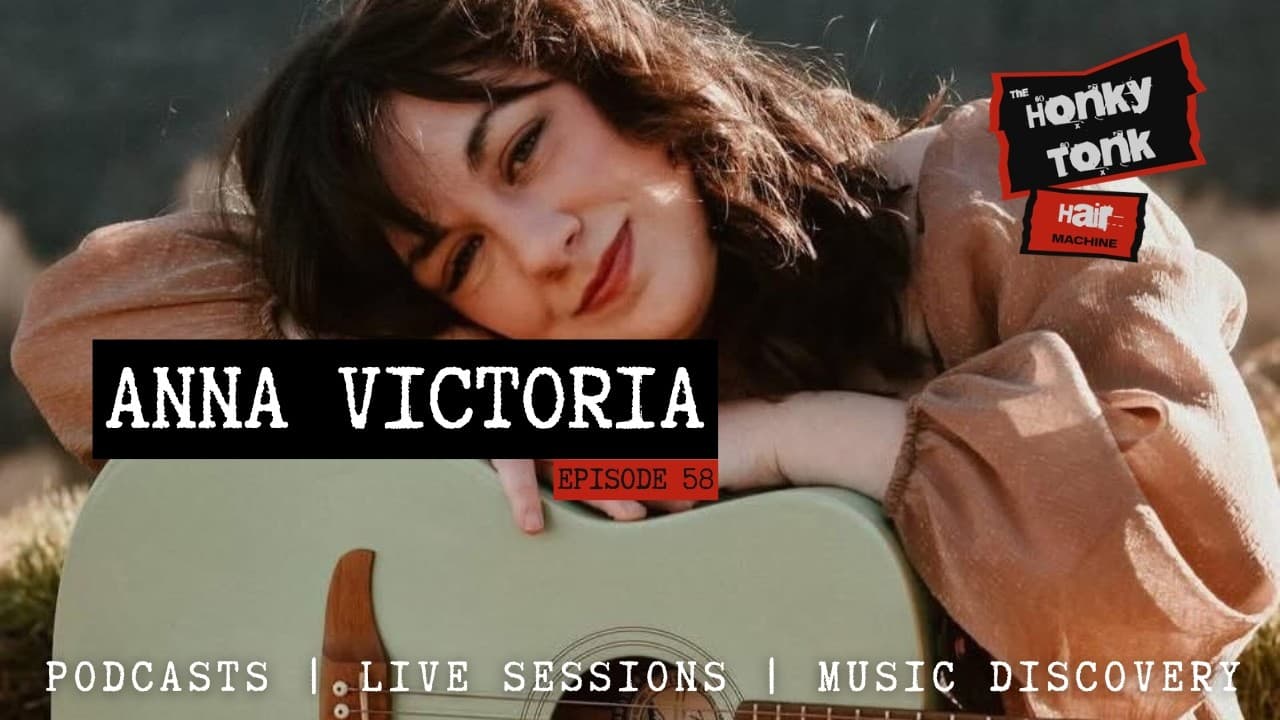
Anna Victoria
Inside North Carolina's Appalachian Music Scene | Anna Victoria
Anna Victoria joins Camden for an honest conversation about growing up in the mountains of North Carolina, discovering her voice as a songwriter and navigating life as an independent Country and Americana artist. We talk about learning to perform live, protecting her voice, finding confidence on stage, the influence of Appalachian music and artists such as Luke Combs, Sierra Ferrell and Dolly Parton, balancing music with motherhood, and the challenge of staying creative in a world driven by social media. It's a thoughtful conversation about music, family, creativity and staying true to yourself while building a career in independent music. Chapters 00:00 – Introductions, Weaverville, childhood. 02:00 – Singing, vocal health and beginning her musical journey. 06:00 – The pandemic, booking gigs and developing as a live performer. 09:00 – Coping with distractions, confidence and performing. 12:00 – Appalachian influences, Luke Combs, Sierra Ferrell, Dolly Parton and mountain songwriting. 15:00 – Family life, being a stay-at-home mum, social media and balancing music with everyday life. #lukecombs #sierraferrell #dollyparton Subscribe to The Rugged Revival. Share it with your friends. Support independent music! Listen to the full podcast on Spotify: https://open.spotify.com/show/6wnHcgA73o1aiiKaz882vH?si=30aabdaa220a4628 Follow The Rugged Revival: Instagram: https://www.instagram.com/theruggedrevival/ TikTok: https://www.tiktok.com/@theruggedrevival Facebook: https://www.facebook.com/profile.php?id=100094507520679 Website: www.theruggedrevival.com Email: ruggedrevival@hotmail.com
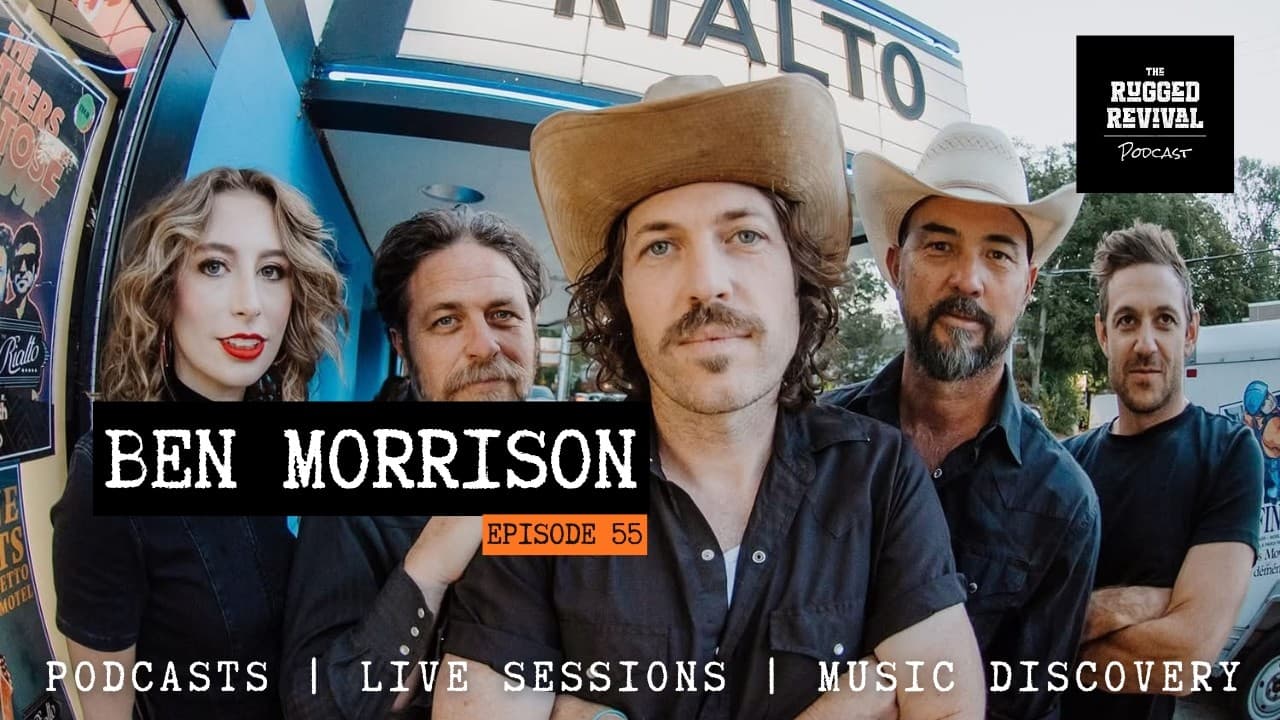
Ben Morrison
The Brothers Comatose: Ben Morrison on 18 Years of Music, Family & Touring
Ben Morrison of The Brothers Comatose joins the Rugged Revival Podcast for an honest conversation about nearly two decades ...
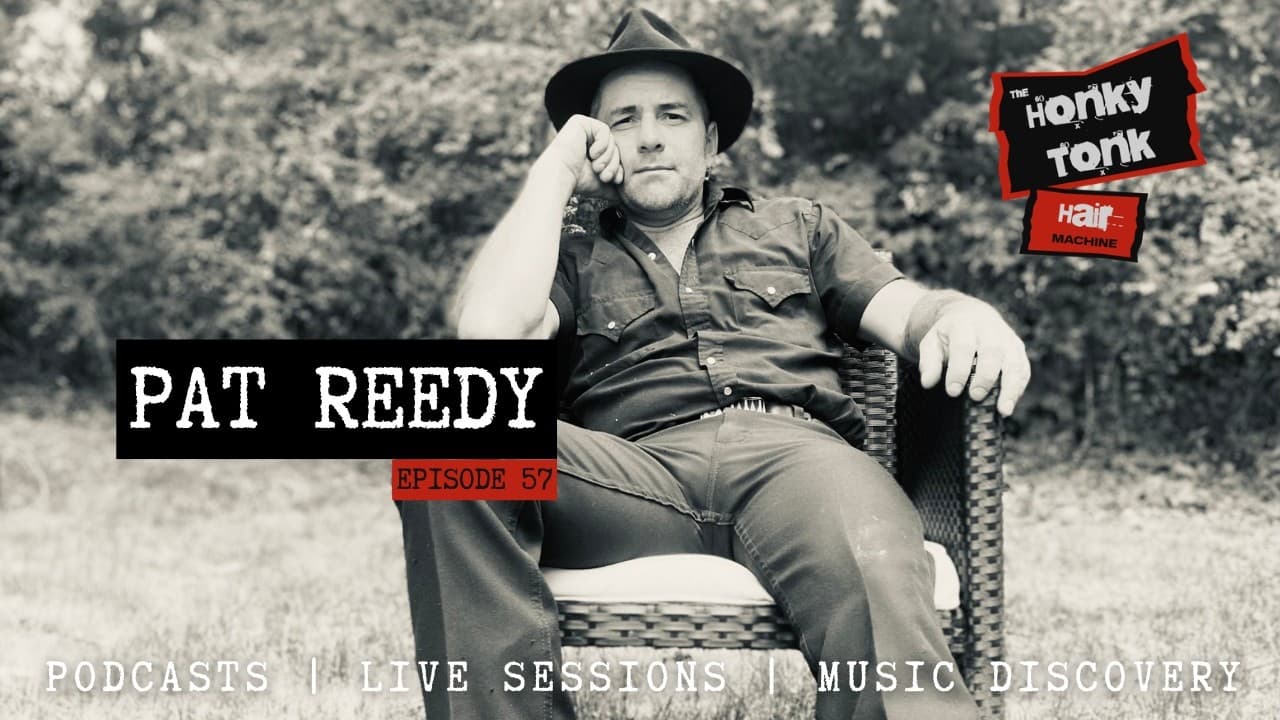
Pat Reedy
Pat Reedy on Busking, Nashville & Building a Country Music Career
Pat Reedy joins Camden to discuss leaving construction behind for country music, busking in New Orleans, life in Nashville, ...
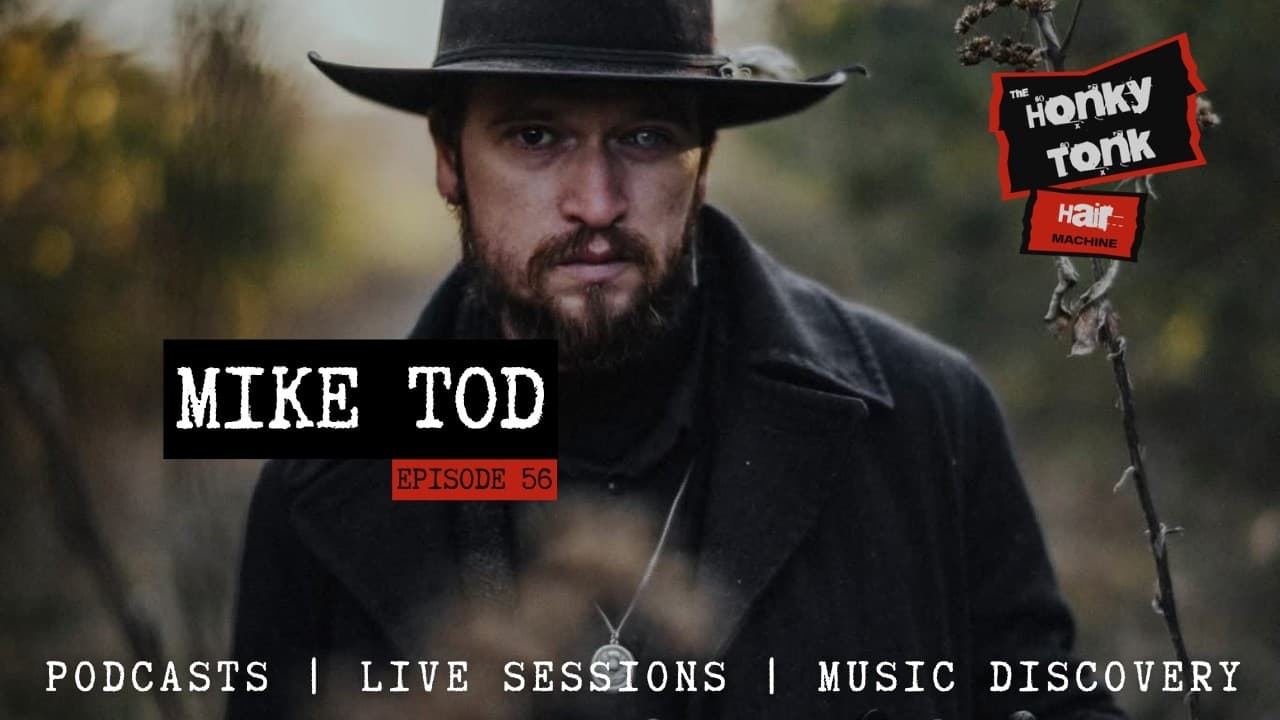
Mike Tod
Keeping Traditional Folk Music Alive in Nashville | Mike Tod Podcast
Mike Tod joins Camden to discuss traditional folk music, Canadian roots, life in Nashville, forgotten songs, unusual instruments and why preserving musical history still matters today.Originally from Canada and now based in Nashville, Mike explores the stories behind traditional songs, the connections between folk music around the world and how old music continues to influence modern artists. We also discuss his unique "Crankenstein" instrument, musical curiosity, collecting songs from the past and the importance of keeping traditions alive for future generations.Chapters00:00 Introduction00:00:30 Growing Up in Canada00:02:20 Discovering Music & The Crankenstein00:04:10 The Story Behind The Crankenstein00:05:20 Drones, Folk Traditions & Ancient Music00:08:10 Learning Guitar & Performing Original Songs00:09:40 Accessing Traditional Music in the Digital Age00:11:20 Researching Music History00:12:10 Playing The Crankenstein Live00:14:00 Creating Atmospheric Sounds & Live Performance00:16:00 Traditional Songs & Musical Origins00:17:50 The Artists Influencing Mike Today00:19:20 Studying Philosophy & Creative Thinking00:22:00 Horror, Heavy Music & Folk Culture00:24:00 Scottish Heritage & Family History00:27:10 Final ThoughtsSubscribe to The Rugged Revival. Share it with your friends. Support independent music!Listen to the full podcast on Spotify: https://open.spotify.com/show/6wnHcgA73o1aiiKaz882vH?si=30aabdaa220a4628Follow The Rugged Revival:Instagram: https://www.instagram.com/theruggedrevival/TikTok: https://www.tiktok.com/@theruggedrevivalFacebook: https://www.facebook.com/profile.php?id=100094507520679Website: www.theruggedrevival.comEmail: ruggedrevival@hotmail.com