
Kenny Feidler – Gritty Western Rock from the Rodeo Circuit
Watch on YouTube
Subscribe for new episodes, Grit Sessions & more
Listen to this episode
In This Episode
There's something about a man who's been thrown from bulls, eaten dirt on rodeo circuits across America, and still wakes up to write honest songs about it all that commands your attention. Kenny Feidler isn't performing authenticity—he's lived it, weathered it, and transformed it into dark, gritty western rock that feels less like entertainment and more like testimony. Speaking to The Rugged Revival from somewhere between Arizona and his home on the plains of Western South Dakota, Feidler embodies a particular American archetype that's harder to find with each passing year: the real thing.
What strikes you immediately about Feidler's story is how organic his path to music feels, how it emerged not from ambition but from immersion. Growing up suburban in Maryland—his mother was a teacher, his father worked for Southwest Airlines—he was the kind of restless kid who didn't quite fit the script laid out before him. High school felt suffocating, so he gravitated toward the music of Chris LeDoux, the former bareback rider who sang about rodeo life with the kind of authenticity that only comes from knowing the inside of that world. Those songs didn't just entertain him; they called to him, whispering that there was somewhere else to be, someone else to become.
When you lose your love, crashing hearts get broke, tables turn, you lose, you learn.
— Kenny Feidler
The trajectory from there reads almost like a country song itself: move to Oklahoma for college, join the rodeo circuit, meet your wife Blaine—a ranching family woman from South Dakota—and never really leave the West again. What's remarkable is that Feidler committed seriously to rodeo life, riding bareback broncs and bulls from high school through his thirties, accumulating not just scars and stories but a deep, embodied understanding of that world. He wasn't visiting rodeo culture; he was living inside it, learning its rhythms and codes the way only people who bleed for their chosen life can.
The music came naturally then, emerging from the same wellspring as the rodeo itself. For years, Feidler was the DIY archetype we romanticize but rarely encounter: writing songs, teaching himself guitar, recording in his house, selling his music from the trunk of an old Cadillac. There's poetry in that image—the artist truly independent, beholden to no one, building an audience one person at a time. It wasn't until 2020 that he made the leap to doing music full-time, and even then, the transition required something of him. The shift from solo acoustic performances to developing a full live band, crafting something he and his band could be genuinely proud of—that's not a small thing. It requires learning a different kind of discipline, one that builds on the toughness he'd already developed but demands new skills.
I rodeoed from high school until I was 30, and over that time I just soaked it all in and wrote about it.
— Kenny Feidler
What makes Feidler's music distinctive is precisely this foundation. His sound is dark and gritty in ways that feel earned rather than performed. There's no affectation here, no cowboy costume masking suburban dreams. When he sings about loss and broken hearts, about tables turning and lessons learned, those aren't lyrical flourishes—they're observations drawn from a life lived at the margins and in the dust. The album artwork might feature Stetsons and leather, but the songs contain actual substance, actual thought.
Now, five years into his life as a full-time musician, Feidler is doing what he was always meant to do: racking up miles with his band, traveling between gigs, living a life that owes as much to the touring musician's grind as it does to the rodeo circuit's endless travel. He's tired—catching up on sleep between Arizona and New Mexico runs—but there's a rightness to his exhaustion. This is a man who's found his calling, even if that calling requires him to keep moving.
For those of us in the UK who've pretended at cowboy authenticity while knowing we're playing dress-up, Feidler represents something genuinely humbling: the real deal, the genuine article. His music deserves your attention not because it's fashionable or because it fits some aesthetic, but because it's the honest work of someone who's earned the right to tell these stories. Listen to the full episode to hear more of his journey and what drives a man to keep creating, keep traveling, keep believing in the power of gritty, thoughtful western rock.
When you lose your [Applause] love, crashing hearts get broke, tables turn, you lose, you learn. This is the Rugged Revival podcast. We are the home of the UK's country, Americana, and Bruce music community. On today's show, we have Kenny Fiddler. Uh, many people proclaim to be a real cowboy. Um, in the UK we have a lot of fake cowboys who like to play dress up. Uh, me included to be fair. But, uh, Kenny's the real deal. Uh, he's a rodeo cowboy and a awesome musician. So, we're hoping to learn what that is like and to hear some cool stories along the way. So, welcome to the Rugged Revival, Kenny. How are we doing, mate? Doing great. Thanks for having me on. Awesome. So, what have you been up to this week so far? Uh, kind of just catching up on some sleep. We were just down in uh uh Arizona, New Mexico last week. So uh um we we kind of tend to travel uh stay up for a day or two at a time and uh kind of shorten up the travel time and the away from home time. So uh kind of sneaks up on you pretty quick uh on Mondays, you know, hardcore. You need a Red Bull like me, mate. That's what uh I know. I got a little coffee right here. Need something. But uh I think it'd be nice if I hand over to you just to introduce yourself properly and to tell listeners part particularly in the UK who might not uh know your music so well um how you who you are and how you describe your music. Sure. Um you know I'm from uh Baltimore Maryland originally which is east coast. Um I got into rodeoing and uh riding bearback horses and uh that was kind of what kicked off uh the whole music thing for me. um rodeoed for um from high school up until I was 30 and then uh you know over the course of that time I just kind of soaked it all in and um I wrote about it and um you know coming from town and um trying to move into that that kind of a lifestyle just really appreciated it and um you know I was just uh so thankful I got to do stuff like that that uh you know most people um from that part of the country don't don't don't get a chance to do. So, uh so yeah, it was a big part of my songwriting there for a while. And um for a long time I was just doing um just writing songs, learning how to play the guitar and um just doing some real uh DIY record or recordings at my house. And then um and they kind of uh caught on a little bit and uh and then um in 2020 uh started doing this full-time uh for for a living. And um and uh you know it's quite a bit different going from doing the little acoustic thing and just writing songs and messing around to um developing your live show and um really putting all the effort into it and uh making our live show something that we're proud of. So uh yeah, I've been doing that for uh five years now with a band and um and uh really uh really lucky. That's awesome. You you got such an interesting background. Perhaps if we we dial it back slightly just in terms of younger years. So you you mentioned growing up in in Maryland, did you say? Yes. So what was that like? You know, what what what kind of um led you more up to that that point? So growing up in Maryland, you know, what what was your family life like? Uh, you know, I'm very blessed to have like great great parents that uh really uh I mean we're fairly uh suburban living, you know. Um my mom was a teacher and um my dad uh worked for uh Southwest Airlines and um yeah, they've always supported us. um my brother and I and and uh stuff that we were doing. And um you know, in high school, I just kind of got I just never really felt like I was uh um wasn't like a fitting in kind of thing. I just never really felt uh quite uh settled uh there. And uh I got into listen to uh uh Chris Leoo. Um and uh he was a um former bearback rider um rodeo cowboy and um and those songs kind of just took me took me out of uh I don't know they maybe made me kind of long to to live somewhere somewhere else and um and then I ended up moving to Oklahoma to go to school go to college and uh college rodeoed in uh Oklahoma and then uh met my wife there uh Blaine and Um she's from South Dakota from a ranching family and um and we've lived up here ever since. Wow. That's uh that's some journey, mate. So you did all of that and then entered the world of uh rodeo. So in England we we don't really know what that's like. Um we're far less cool as you can probably tell. Uh people here they ride horses but they put fancy hats on and posh clothes and we call it equestrian rather than rodeo. Um, so for what you're doing, you know, bear back on a Bronx and just utter chaos, man, that takes some balls to go into. So, what was it like, you know, going into that world initially? Uh, a lot of uh just getting thrown off. A lot of eating [ __ ] Um, but you know, when you're when you're younger, um, it kind of takes a while. like got it I I got started in rodeo um riding bulls because um bull riding is like kind of like the the gateway for most most folks into into rough stock um just because it's cheap and you can you can get get on without with you know no uh no uh prior knowledge and get thrown off of one of those. But um when it comes to brass to bearback horses um the it's a little bit more uh um intensive gearwise and uh yeah you just um there's people they have high school rodeo over here so it's kind of like a little uh a good entry way for for kids to to have some mentorship and um and get into it. So yeah, it was uh I'm sure I feel bad for my parents because uh I mean I have two boys now and mine are five and seven and um and if they want to rodeo that's that's great. I I sure help them. But uh if they don't that's okay too. You want to encourage them? Yeah. You know, uh it's a it's a different uh different spot when they're when they're your kids and you're watching them put themselves in danger like that. You know, when you're when you're the one doing it, you don't think anything of it. But uh but you know, I see the other side of it. So, uh God bless my parents for uh letting me let me have a rip of it. Uh good on them. And you you look like you you're still intact and in one piece. So, how many bones have you broken doing this? Not that many. I you know, um I uh I had a lot of concussions. Um but that was the main thing. Um and I think just wear kind of just wear and tear. Had a um maybe a broken wrist. So, like I I got by pretty uh pretty well unscathed. Um besides some of the head injuries. Um and they they were getting a little bad there for a while. Didn't didn't seem like it took a whole lot to to once you get a concussion, they they kind of come a lot easier. And um and uh so yeah, and then once I got, you know, older, I I didn't rodeo as much. Um you know, through my 20s, I pro rodeoed for a while. And um then towards the end it was just kind of a in between here and there going when I wasn't working or something like that. And um yeah and once I had kids it was just kind of a I don't know it's it's very much a young man's game and um and it wasn't going to go anywhere big for me. Um I I loved it and it was uh life-changing of people I met and um and just the um the things I got to experience. But um not really a not really a career, you know, as as much for me, but um but it was a lot of fun. Awesome, mate. It's uh I mean, we we have visions of of what it must be like at those uh events and shows, and you must see a lot of cool, crazy things on the rodeo circuit. Have you got any any stories or any things that you witnessed kind of stick in your mind? Uh you know, not so much. Nothing too crazy. Um, you know those, uh, some of those college rodeos, they would have like a wild ride and they'd get it's just for fun, you know, just an additional thing and have some of your buddies will go get on a um ride ride a a bucking horse double or something like that and uh and it get pretty pretty crazy, but no, nothing too much. Um, uh, just I don't know. It's a it's a wild wild sport. It's cool that it's uh and especially up here, you know, we're I'm in South Dakota now. Um it's uh it's very much a a part of uh I mean, my in-laws are ranchers and um have a lot of friends that are ranchers and you know, rodeo is kind of just like the the little getaway, you know, fun activity. Um, and I'm sure a lot of guys that grow up horseback around here, it's not such a big deal, but um, uh, yeah, it was it was special for me. So So most, uh, dudes I speak to like to do fishing in their spare time. You like to be, uh, thrown off a horse. So, not anymore. I So, I mentioned just before we came on, Summer Dean was on yesterday. um such a a nice lady and it was great to speak to her and she told me to ask you um because obviously we're we're outsiders to the scene what the differences between a rodeo cowboy and a a ranching cowboy particularly in the in the music sense. I think what she was trying to say to me was that you're a real cowboy but you don't make traditional cowboy music. Uh if that's right of me to say. So I thought I'd ask you the question. I wouldn't even call myself a real cowboy either. Um because you know I I got to to do some of like the ranchy side of things and you know I just rodeo cowboys and ranching cowboys are are different you know it's it's very much a sport and uh you know a few uh out I mean it's a lifestyle for a long time but um you know um ranching cowboys they live that every day and um so yeah I don't um I wouldn't call myself a cowboy really. I mean, I rodeoed. Um, and it's one of those things that uh you you know, you respect um that lifestyle and and guys that that cowboy for a living. Um but uh so yeah, there is a difference. Some guys do both, you know. Um got to have a little bit of both worlds. Um now I'm just a musician. I don't feel like I really do do much of anything. But um but yeah, there is a difference. And um and uh you know, as far as uh cowboy music, I'd say it's uh there's there's a very traditional cowboy m music scene, and that's not really what I do. I mean, I I kind of play rock and roll, and you know, I have I have songs about, I guess, cowboy stories that kind of uh kind of intertwine there. So So my thing's um kind of different. And then um but there's people like uh my friend Kellen Smith that uh he lives two hours west of me. He's a full-time rancher. Um he doesn't really play uh traditional cowboy music, but he I you know, it's a weird uh it's a weird label and it's really hard to pin it down. Um there are there are uh and and most people that claim to be this or that it's uh you know it's I don't know I just never really sought to to to be anything like that you know um yeah yeah it's hard with the labels isn't it in terms of so many genres and you know um you know it's great when I speak to people and and they get asked you know what you play and I play well I play what whatever the [ __ ] I like and what I feel feeling at the time and I think good on you. It's um you know it's it's it's is what comes from the heart and what comes out on record. Um and and I respect that man. Um but um I mean that's really where from from what I read I went down the Kenny Fibler kind of rabbit hole uh this week um in preparation and reading a lot about what you've been up to and you know I had this great image of you selling CDs out the back of a Cadillac at the rodeos on the early days. So, is that where you kind of cut cut your teeth with with the music and and where things really started? Yeah, I'd say um like uh around um when I was still in college and um I just started it was at a weird like segue for how music's consumed because uh there was a it it really wasn't quite full on uh streaming at the time. It was just kind of starting. Um, so there was still like Limewire and all the bootlegging ways of you could get, you know, you could steal, you could steal music, but it really wasn't like streamable as much. And then iTunes and Spotify were like on the way. Um, so it was very much a Yeah, I was uh I would record these these songs, these little albums and stuff at home and um and I'd pretty much uh burn the CDs and and um cut out the labels and put the stuff the labels in uh into the into the CD case and uh and then just kind of pedal them and uh so that's kind of the start of it for me. Um, and it was weird because uh, you know, I just made those songs for myself for the most part and then um, and when you're kind of a kid, you just play them at parties and things like that and and then you start spreading them around a little bit. So, every once in a while, someone will come up to me and be like, I have one of those old CDs you made. And it feels really cool because it is something tangible and it's uh the quality is terrible, but uh it was something I made all myself, you know, it was kind of kind of neat and um and uh so yeah, that's that's that was kind of the start of I guess feeling like someone else wanted to hear it, you know. Um, and then uh and then once uh iTunes and Spotify and stuff were kind of coming around um I found I was able to distribute myself and um and then put them out there on those those platforms and then the CD thing kind of went away and um not so much. We make vinyl now and uh yeah, it's pretty much vinyl and it and it goes to stream it or streaming now. But uh yeah, that was kind of the I guess the the first start of uh feeling like maybe maybe someone wanted to hear it. But yeah, I I really never took it uh really never pursued it seriously though till probably six maybe six years ago or seven years ago. So it was a long time. It was just kind of a hobby and something I you know I was proud of being writing songs and stuff like that but not u not something I thought there was anything more more to it than than just a hobby. Yeah, I I've heard so many similar stories and it's just incredible how you've gone from that sort of background and and fairly recent too to absolutely killing it on the scene, you know, with with the numbers that you're you're racking up on the streaming um platforms and, you know, you give me some real nostalgia there, mates, with the the old burning of the CDs and Lime Wire. I I don't think my old PC forgives me for installing Lime Wire and downloading dodgy record. He's he's still in uh he's still in hospital now. But um but no, that's awesome. I mean, in terms of the rodeo community then, would you say that was a a good way to to kind of start that that music career for you perhaps in a way that a traditional industry route maybe couldn't or would been done in a in a different way? you know, I think it's a it's a very uh um small niche that for like those rodeo songs and that and um and they don't um so yeah, I think it it was to my benefit because there wasn't um I I know like when I was a a kid kind of getting into this into like rodeoing and stuff like that, I was just trying to grab whatever I could any kind of semblance of cowboy culture uh through music and um and and it was very hard hard to I mean the um I think kids today have a lot of a lot more access to to every you know you can find anything any kind of music you want um and we were kind of stuck with retailers and and destroying our parents' computers but um the yeah that I think that it helped a lot and another thing too and This was never like part of like a grand scheme or anything, but you know, with like those rodeo songs, um there's a new batch of kids that come out every year that are searching that for that same thing, you know, and that so it doesn't really go away. Um, I'm sure like popularity of stuff kind of es and flows, but um um for kids kind of looking for that for that kind of kind of music or um particularly to to rodeo songs. Um yeah, there's a new new crop of kids every year looking for that. So, it does kind of help and that's a little bit of uh security in that. Um, I feel like uh I feel like yeah, it just it kind of cut cut me a little special path into it that um that maybe if I was just trying to just write something a little more generic um and um it might not have got through the noise. Yeah, absolutely. It it definitely speaks to people and I'm I'm a massive fan of what you're doing, mate. Um, yeah, I love the Texas music scene and and this is why, you know, mutual friends like Talbo always hook us up with with artists and and suggestions and recommendations and we we kind of share the the love in that sense. And you know, speaking to the Texas-based artists, um, they all say it's one of the best, if not the best scene in that you can exclusively tour Texas, make a good living just in the state, build an incredible fan base, and you never have to leave. So, it's uh, a lot of people don't. Is is that your experience of things? Well, um, so I'm in South Dakota. Um, but we've been fortunate enough to like be able I mean Texas is kind of our big biggest listenership and most people think I'm from Texas, you know, a Texas band. Um, which is to our benefit um that we can kind of hang out in both scenes, but um I think there's a lot of folks that stay in Texas and don't ever get out um because they don't have to and and that's really great um if that's what you you're looking to do. Um so um so so we're out of South Dakota. Um and um but we've been fortunate enough to to get to go and kind of most folks think that we're you know think that we're a Texas band or um you know and a large part of our listenership is in Texas but um so um there's a lot of I have a lot of friends that are Texas musicians and and they uh and and they stick pretty much to the state. Um u we're in a little bit of a different boat. We we go and do little passes through Texas. Um go down several times a year, but um because we're up here, um we try to just hit the whole country. Um and uh and I found that that's just uh worked better for us. Um I think that uh there's Texas by far has like the most uh the biggest music scene for what we're kind of into. Um, but there's a lot of lot of lot of areas in the rest of the country that are kind of dying to have live music and um and they really appreciate it um when people come to town. Um, so I'm a big fan of of going all over the place and uh and not just uh you know there was a time where I thought I I needed to move to Texas. you know, I lived in Oklahoma for uh six years um through college and after um but um yeah, once I moved up here, it kind of seemed like maybe that was necessary to move to Texas and because there is a certain thing that comes with being being a Texas band. Um it has that um very loyal uh fan base to that to that kind of music and Texas music is very diverse too, you know. It's it's not one-sided. Um, so it it's it's merely just geography really. I mean, there there are certain things you can tell like that's Texas music or this and that, but um you never want to get boxed in because I mean if you're getting boxed in then maybe you're a little late to the game, I guess. Um, so, uh, so we, uh, my band personally, we we, uh, we go to Texas a few times a year and, um, and for the most part try to try to just run all over the country. And, um, we have one book, our booking agent, Ted, um, that, um, he has a small roster. We're not on a big, uh, booking roster. Um and uh we talk, you know, every few days and develop these routes that we're going to take to, you know, be efficient and um and keep trying to build markets and and yeah, it's we kind of chip away at it um a little bit at a time. um we don't have a we don't have anything um you know we're at this weird middle ground where you know we're making a living but um it's not like it's just flash in the pan right now um it's kind of just down to grinding for us and um and I feel like the one thing that we do have that's that's kind of tangible and and in our hands um as a band is m making sure our live show is killer. And um so that's something that put a lot of work into and because I've always cared about the songs and and took put a lot of love into the songwriting and um and then it seemed like the next step was just making sure that the live show was um was unique and intense and um and different. so we have something to continue to make a living on because it's a weird industry where you don't really I mean just because you work hard doesn't mean that you're gonna get paid and that you're going to continue to make a living. Um people's tastes change and the way they consume music changes. Um I think even like with the streaming stuff now the streaming thing has been huge for um someone like me to um you know be without it there wouldn't have been a chance to make a living um playing music. Um, but now it's uh it's it's it's ever changing and it seems like um can't really uh get a a solid read on it on what's going to be the um the way to you know release music and and um what's the best way to uh get that get those songs to to the people that want to hear them. But um feel like the live show is the one thing that we do have um the most control of. you know, we can make sure that thing's as good as we can make it and um treat the people that come to our shows um you know, really respect and their time and and make sure that uh we're getting them their money's worth whenever they take the time to come see us. So, uh so that's where we're at right now where we just uh we do a do a long live show and uh and we try to we try to make sure it's uh it's great for them. Yeah. And I I think that's a good point to kind of raise now because you've got the 2025 um album. Is it live at Bucks? Uh Oh, yeah. That that that gives you a real good kind of taste of the live show if you can't make it for someone like me to listen to you play live. It's just it's incredible. Like you say, it's a long live show. Oh, yeah. It's it's absolutely worth listening to. So, if anyone out there Yeah. just go and go and listen to that uh for a start and you'll get a taste of of Kenny's live shows. It's awesome. Um but yeah, I mean you mentioned the streaming. I mean it's a double-edged sword I think with social media the streaming platforms and it's always a a topic that we speak to about a lot of people and it works for a lot of people and some people have real kind of difficulties in kind of dealing with it and having to kind of use social media and be the marketing expert at the same time. But um I was looking at some of your statistics earlier and I think on your website you said you've got over 180 million streams worldwide and you know some of the places you're reaching as far as uh Australia. You seem to have a really good following over there. So that that's quite interesting. Is that quite surprising for you? Um, I I think it comes from, you know, like the like the rodeo stuff and and um and you do have like such a blue collar uh community over there. I I've never been. So, um at least from people that reach out from Australia, that's what I uh that's the word that I get that they kind of dig some of those those rodeo songs. And um so I feel like that's a um maybe that's how we we kind of broke in over there without ever really, you know, setting foot there. Um and uh yeah, it's uh I feel like there's always there's there's always going to be things that people can complain about and um maybe things that are don't really feel like it's quite fair or maybe it's a it's a weird scene. But on the other hand, I I'm just thankful that like we are in a lucky spot for independent musicians to to as much as you might be at the um at the mercy of you know big machines um it's always been like that with music and um so maybe uh it's not always great but it's uh it's still a fortunate spot to be where we're at right now. Yeah. for a large part. It's a free tool as well. So, it's just how you how you think about it and how you use it. It's the the important part. And um yeah, even looking at you streaming on Spotify earlier as well. And looking at Barrel Racer Land, I mean, that's 21 million listens on on there. That's incredible. And it's a it's a real strict back acoustic record. One one of your early ones. That's crazy because it's like the it's probably like the least uh um like that was like a little homemade recording just a joke um thing. I mean, if you if you if folks have listened to any of my other stuff, uh most of most of the stuff I write about is fairly serious and um that one's very different, but you can't really pick what what takes off, but uh that one did. And um I used to complain about a little bit because, you know, it's it's very very different from what I what I do on the regular. Um but um lucky to have like a good uh it it might put some of my other music that uh I really care about in front of people and um yeah it's you can't complain about that. That's pretty pretty pretty lucky is when people want to listen to anything you make. So it it's it's awesome and it's funny when I speak to a lot of other people and know like you know the one record I made that I thought would be the one to hit that many streams really wasn't. And like you say, it's either a jokey type type record that we made or uh just something that we we had on a B-side of of something and sure, you know, it's so surprising, but it's quite quite funny to hear those stories. So, so you started off with, you know, the homemade kind of raw recordings and it's really progressed um since then. And, you know, I was listening to a lot of the the newer albums that you've made and uh one particular track I liked and I put it on the promo uh today was Blue Light Special. That that is my my kind of sound, mate. It's loud. Uh just like me and it's how I kind of picture sometimes the Texas sound, you know, the the the face melting solos, the real kind of heavy heavier sound is what I say. Um but that's awesome. And then you we we talk about the Cowboy Killers as well. I mean, what a what a cool name for a start. Uh why is it called the Cowboy Killers? And talk to us about the band, man. So, I um I just um I wrote that that song. It was just kind of like a um a loose little tribute thing to like my wife's family like homesteading over here. Um and uh and the to sum up the song, it's it's called the Cowboy Killers. And you know these guys whether it's you know um the horses or the drinking or the lifestyle or from old days to till to to now. Um, in the end it's um you kind the line is all these cowboy killers, but the cowboys always beat them to the chase. You pretty much end up doing yourself in before any of these environmental things get to you. Um, so that's kind of the the the roundabout on that one. Um, but uh and and then I just thought the name was cool. And so I I for a while there I was kind of building my band as Kenny Fiddler and the Cowboy Killers because I'm not a real spot big spotlight guy. Um, and it feels weird to just have your name when it's very much a group effort um from a band perspective. um for it to just have my name on it and on the t-shirts and on on the um on the um all the marketing stuff. Um, and then, you know, kind of put the put the the humbleness aside there and um realize like, hey, it's a lot easier just to have um your, you know, two words on on a on a festival bill or or or or for some venue that's maybe not too uh too great on their marketing practices, it just give them a less uh uh a little smaller margin to to deal with. So, uh, it, uh, comes across the same and and the music's always been under my name anyway. But, um, so I did Bill Bill for a while as like a full band name and and now I just use just my name just just for, um, to make it easy. But uh yeah, but all the all the all the guys have uh um all the the bandmates like and some of our listeners too got these cowboy killer tattoos or um I don't think I have anything here but um there's like a little logo that people kind of uh kind of kind of put with that and um people have been getting tattoos of it and it's a cowboy. Yeah, it's really neat. Yeah. Get it branded on you, couldn't you? Like a bit Yellowstone type stuff. Yeah. That's fantastic, mate. So, like like I said, I was listening to the latest live uh album today and I love it. Uh I think it's great. What What have you got in store for the rest of the year? Are you cutting any more uh records? Are you Seems like you're touring extensively looking at your your schedule up into around October, I think. Yeah. Um we uh we're we're almost done. Um we're just kind of finishing up on a studio album. Um and uh hoping to put that out late summer, maybe early fall. Um it's not a very big not a very long album. I I have all of our songs seem to be very long in comparison to a lot of things, but um I uh I think I have like an eight song um album I'm going to put out. Um and we'll probably probably wait to press vinyl um press vinyl first and then maybe release as soon as all that's done. Um, seems like every up until now it's always been such a rush trying to get trying to stay active and continually put music out. Um, like last year, uh, I was kind of, uh, jockeying to to put out a couple singles and then get have an album done. And um and we just had um just um just life happens and um and so things get kind of put put aside and um so we put some singles out last year and um and anyway so going to put a studio album out and um really proud of the songs. I really really like the songs and um we'll do that and um and we're always touring. It's not really a, you know, we uh I talk about this all the time, but you know, a lot of folks go out for these, you know, month-long runs or something like that. Um, we kind of just go out uh week to week and then go straight home. So, if we play somewhere Thursday, like we played in New Mexico last Thursday. Um, so we left my house 9:00 at night on Wednesday night, just drive straight there, get there in time for for load in, and then um we played in near Phoenix on Saturday and loaded up at 1:00 and just drove straight home and got home Sunday night at uh 10 11 o'clock at night. was 20 hour drive. But um so yeah, we're we're always touring. Um it's never like a we don't make a big to-do about it. We just kind of, you know, have our shows and um and right now I have I've got a whole bunch of shows that we haven't even announced yet for the fall. So it might look like the the tour ends in October, but uh it very much uh goes year round. Yeah. Yeah, I did notice that. And it said new dates to be announced. So uh Oh, yeah. Yeah. we we assume that you'd be doing doing more stuff. But uh it's funny, you know, every time I speak to to you guys in the US that how how simple or how how simple you view driving, you know, 20 hours or or something ridiculous. And we we're so lazy in the UK, you know, a half an hour drive or an hour's drive is way too much for us. So, uh, no, I I I sympathize because, uh, you know, growing up on the East Coast, um, so many people we knew and even, um, just own personal perspective, like until you do that, um, where you where you're kind of always in in the city in some form or another. Um, you know, I know a lot of people that they would never leave go like going over two or three hours was a was a trip, you know, and out here out west, you you know, it's uh there's a lot of space in between and um and you kind of just uh don't thinking think anything of it. Like two or three hour drive isn't isn't anything. And then um the way we travel now um anything under 10 hours is kind of nice but uh but we're covering a lot of ground and that's kind of what we have to do because um you know within uh anything in the six hour kind of radius is is pretty close to home for us. I mean, uh, you barely get out of the state, you know, two or three state region and, um, there's not a whole lot of venues to play in in that area. So, uh, so we kind of just expect to have, you know, at least an eight hour jump off point into the weekend and then and then it's nice if, you know, it's it's a three or four hour drive, you know, dayto day. That's kind of nice. But uh it's that's kind of what we get for we living in South Dakota and trying to tour all over. But it beats a real job though. Absolutely, mate. Yeah. Yeah. Remember that. It does take a real job. I I try try to, you know, whenever uh try to really make sure I'm always stay appreciative of I mean I I'm very thankful for what we have and what we're able to do. And um even when things feel like they're not like going great or or um maybe things are passing by or something like that, I I try to keep that perspective that and I've I've had a lot of um manual labor jobs and um real hard work and um and going and playing music with my friends is uh is pretty nice. So, u I I don't mind the drive and uh we'll keep doing it. Good on you, mate. Good on you. It's um So, what what are your goals? And and this is one my co-host who who can be here today likes to ask. And it's about where where do you see things going? And it doesn't have to be within the next year. It could be five years or even 10 years down the road. Have you ever sat down and kind of put together a plan or thought about where things are heading for you? um you know my main you know we we're always looking to um keep growing markets and and this is seems like very small scale and it might be um very light dreaming but you know our goal is to to to sustainability and um and to keep growing um those markets. It would be great to have these have something happen where bam, we're just you're playing you're selling everything out all the time and you're you're moving up venue sizes or something like that. Um, but I make weird music. I I mean like I I'm uh I'm at peace with with what I do and and and I I really like what I do, the music that uh we make and um so I'm okay with uh it never being anything huge. Um if we can uh the main goals are are to always grow you know listenership and and crowds um in different different markets and then um more so just uh for everyone in my band to make a good living. Um I feel like I I make a good living um and I try to spread that around pretty good and make sure it uh passes along to my band. We kind of operate a little differently than a lot of bands. We uh we we split everything um evenly. Um you know, I have I have old recordings, you know, like the barrel racial land thing and some of that old stuff I made on my own that um that kind of um helps make a living for my family. But um you know since I got the band involved uh we split royalties and we split um we split the paycheck um and we split all the merch profits and uh and and that's not how a lot of people operate and I understand why why not but um like my bandmates are my best friends. I mean, next to my wife, I mean, I spend a lot of time with those guys and um and I feel like it's the only only right way to go about it in my in my situation. Um so, so that goal is just to, you know, continuously uh um maybe everyone could live a little cushier and not have to worry about bills and and stuff like that. So, so yeah, that that's like the I guess the short term goal is uh is just to continue to to grow and to a point where everyone's um living living pretty good and um and and we're we're we're just about there. I mean, it's a everyone can always have a little more money or in anything you do, but um but uh it's a full-time gig and um so that's that's pretty pretty lucky to have that. And then um and long-term um not really not really uh searching to go uh when it comes to venues and anything like that. if uh if we could just get to maybe a theater like theater size on the regular, you know, selling out theaters on the regular or something like that, that's I think it's very attainable and um and very realistic and um and it would kind of work with those short-term goals as well. And then and then longterm just continue to make music that um that I that I'm proud of and that my band's proud of and and um and uh I feel like we've we've stayed pretty true to that. You know, we don't really we don't really keep I mean we want people to listen to our music, but we don't really have anybody in mind when we're making something. And maybe we'd be maybe we'd be a little more popular if we if we did that. But uh I I don't really really think of the end result. Like I I I want to be moved by what what we're making and I want the songs to mean something to me or to people around me. And um and other than that, I don't really ever put a whole lot of thought into uh into um I care about the audience and I care about people to come to our shows, but make the music for ourselves first and and um and I feel like that keeps it look pretty honest and and true. And um and whether it it um nips us in the butt later, you know, as far as uh popularity wise, that's okay. Um, I'm I'm kind of at peace with with what we do and I think uh I'm really proud of it. So I can um Yeah, just to to always stay on that path is is really important to me long term. Absolutely. Good on you, mates. It's uh and it's funny you mentioned that because I I come mentioned it on one of our previous shows, but they said make music for for you essentially and the audience will will will come to like it. You'll find your people. And you know they they mention something like don't write a song because you think it will sound good at Red Rocks or a particular venue or to particular people because you'll have to end up playing that song forever almost and you know you might grow to hate it because of those reasons. So yeah I I completely get where you're coming from and um I think they those are sound goals mate. I think they are yeah they're really good. Um so just moving on slightly. So on the rugged revival, we have a playlist on Spotify and we we we like pulling this one together because it's exclusive to people that come on the podcast or the artists that we meet out on the road when we do our our live interviews or live sessions and things like that. And I think it's a good way to to to ask people like yourself, what two songs of yours should we add to the playlist so when people come to go check it out, they'll get a real good kind of flavor of of who you are and and what your band represents. Uh right now, I'd say um this is one of the more recent ones. I put a a song out called Choking on the Wire. It's uh it was like inspired by uh a Cormarmac McCarthy book. Um and I think that that's a good uh that's a good uh good representation of what we do. It's it's it's heavier. Um it's uh it's darker, you know, that that kind of thing. And then uh and then maybe uh um so I put this song out last year also, not to give you just new stuff, but um uh song called In the Blood. Um uh it's probably the most important song I've wrote to me and my family um here lately. my my father-in-law passed away last year um in a horse wreck and uh and I wrote it for his funeral and um it never you know it didn't make it very I mean it's not super popular or anything but um it's it's about my family and um it's about him and um yeah just really felt like the we play it play it every night and a lot of times I'll close up some of our shows with it but um always been really uh proud of um of putting my family first when it comes to this thing. Um and uh so yeah, may maybe in the blood would be the other one. That's awesome. Thank you for sharing that too, mate. It's uh you bet. It's interesting to to kind of hear that. Um, so also I like to ask as well uh away from your own music and I I like to either put a five or 10 year cap on it because there's so much good music within the last decade particularly. Um, what is the best album or even just a single that you've listened to in that time period? Uh, and why does that stand out for for you particularly um of other people's music? Yeah. Yeah. And I'm have to I'm g have to cheat real quick and look um look at your sponsor. Yeah. Yeah. Um trying to think of what I've been listening to here lately in the in the past five or 10 years. Yeah. about. I think it's just um because everyone has their alltime favorites and things like that and sometimes I think it's interesting to to look at stuff that's newer um what what people are listening to. Yeah, definitely. Um I mean I'm a huge Lucero fan. I don't know if you've ever um check them out at all. Um but uh they put out an album called Among the Ghosts and I thought it was just a a great album. um for and that's a band that's been around for a long time um that um has had a lot of es and flows and um and just uh for for for music that I like I thought that was great. Um, and then, um, maybe for something that I'm not just that I've just really appreciated, um, from not just being a fan, but from just listening, um, would be, uh, uh, Ian No, I think he's incredible, um, songwriter. And um let's see if I can see what album this was that um yeah, River Falls and Mountain Saints. Cool. That that was a 2022 album, but man, that is a killer album. He's doing really well at the moment. Yeah, I know. He thought he's headlining a lot of places. So, um, yeah, I think I'll have to go down the rabbit hole of you know, at some point. And to give you one more, I always, uh, I always, uh, champion my friends, um, a lot. Kellen Smith. Um, he just put out a recent album, but, um, probably as far as music that I listen to the most, I probably listen to Kell's. Uh, he's got a a white album called Rancher Blues. Um and um I've listened to that a ton and all this new stuff. But I'm it's it's really really cool um to have you your friends be some of the people that you're you know you dig their music the most above anybody else. So definitely mate. Yeah, you're a good dude for for doing that. It's um I mean we we started life as the Rugged Revival being a a community and mainly as a way to kind of help support independent artists gain some recognition or even discover new audiences. So especially in the UK here where we we don't get exposed to a lot of um places like the Texas music scene, the Kentucky, you know, it's uh very much mainstream commercial guff over here, shall we say? Oh, no. I I get you. We have a lot of that, too. Yeah. Yeah. So I hear I I thought it was very different, but apparently you you guys suffer from the same issues that we do in the UK, but you know, with saying that it's been fun to set up the podcast to to speak to, you know, these emerging artists and people that we think are absolutely incredible and deserve, you know, just being put out there a bit more. So I know you mentioned Kellen. I I I we'll definitely check him out. But is there any other kind of emerging musicians or bands that you personally listen to or that you've met on the road that you think actually that they're they more people should know about them? Yeah. Um I have some friends, they're actually out of Texas. Uh love, Texas. Uh Irani and the Redwoods. They're um we've we've played a lot of shows together and we've been friends for years. Um they're like a phenomenal live band and it just you know they're grinding out. They're doing just like we we do. They travel all over the country and um and just an incredible band and um feel like they have really uh Ronnie has great songs and um and they're really making a go of it and I know it's like tough but I hope that um you know they're one of those bands that I think it's going to pan out you know just by grinding they're going to do it because I I I think the songs are that great and the musicianship's that So fantastic. I I think what we're going to do is set up a second playlist for all of the suggestions that people give us because that'd be quite a cool cool thing to check out at the same time. So I'll be I'll be up for that. But um no, thank you for that. That's um it's great. I I think a lot of these bands and artists really deserve that that kind of uh platform. And like you say, they're putting out so many incredible records and more people should should listen to it, not be a slave to the algorithm, which uh some of them are, you know, um bound by sometimes, but it's very difficult. Um so in terms of of upcoming stuff, so you mentioned you obviously got all these tours going on. I noticed one, uh the Kane's Ballroom with Josh Malloy, and that looks uh Oh, yeah. super cool gig to do with Jo. Josh is uh quite well known these days. and Kane's Ballroom is uh seems to be a phenomenal place to to visit. It's somewhere I'd love to go. So, uh is that one you're you're certainly looking forward to? Definitely. Um yeah, actually, so Josh and I do um well, Josh has has us on for quite a few um support spots on on his shows and um friends with those guys and um he's got a huge platform. So really appreciate getting to go on his shows and and just get to go out there and play for 40 minutes to an hour and just not have to worry about selling tickets. I mean, it's just it's just a little more it's a different thing. Um it's a little less business for us, you know, when we get to go do support things and um and um so we really appreciate getting to do those. And I we were um we're supposed to do so that can't We were supposed to play Canes with him last year and it was it ended up being um the weekend that that my father-in-law's funeral fell on. So that was just kind of one of those things where we just you just you got to duck out of it and and so um so yeah, we were looking forward to it then and um it it's great that we appreciate them having us on for it and um we've got to play a lot of cool venues with those guys and um they're doing big things and we uh it's always always fun to go and play for a big crowd like that. Absolutely, man. That sounds incredible. Like I said, it's on our bucket list. So me me and Ronnie who's not on today um I don't know how we've managed to wangle it but we've got a hall pass from our wives to go to the US next year hopefully um for a couple of weeks. So one thing we're asking guys like yourself is if we went to Texas uh or a place um elsewhere South Dakota or anywhere really. I mean I think we're going to focus on Texas to start with. two weeks isn't particularly long. Um, no, but in that time, is there anywhere you'd recommend that we should certainly go to? Green Hall is amazing. I mean, I go, if you're going to just go do Texas, I would go I would go do Green Hall, do Lukebach. Um, I've never been to floors. Um but uh you know go go hit those hit the Hill Country and um I think there's so much music happening all the time down there and um and then maybe sprinkle in some of the some of the other town, you know, outside of the Hill Country, but um I think Green Hall is is such a a cool historic venue and um it's not huge, but um has all the feels that I think would just blow your mind, you Um, yeah. I Yeah, as far as Texas, I' I'd say I'd say green and um can't really think of a I like just going down to to that area just to hang out. So, uh there's there's plenty of stuff to go go do. Oh, thank you. We will check that out, mate. I I don't know how we've managed to wangle two weeks. I think we need more, but uh I don't want to push it just yet. So, uh, so maybe I'll do it. Keep keep us posted. We'll, uh, we'll throw you in the van and give you the give you the express tour around the country, mate. That'll be awesome. Yeah, we could share share a beer or two and see how much trouble we can get into in two weeks time. But uh so on the flip side of things mate, have you I know we talked about kind of future things and you know giving your your fan base in Australia and um you know places like the UK even, have you had any aspirations to do anything abroad? Yes. Uh definitely. Um, as far as UK goes, we if um I'm not sure if if uh you know, even if we just tag along on maybe maybe on a support for somebody else or something like that. Um that might be the best way for us to dip our toes over there. Um that'd be really cool. Um and uh we were talking about doing an Australia thing. Um couldn't really make it work out financially. Um there was serious talks but um it just uh we kind of have to there's times where we take uh we do things that are are definitely exposure and for um you know longevity and growth and then but I still I can't always like trade off like the time you know it's different if it's like a a week it's like ah not a big deal but if it gets to you Australia is a long trip and if it gets to be in three weeks or a month, that's a that's a big chunk of of time for my guys to, you know, where they're we're making money on the road. So, uh I feel like the UK actually might be a little bit more easier for us to hit. Um and whether it's profitable or not, you know, I'd still do it. Um but, uh but you know, on a shorter time period. Definitely, mate. And uh we we'll give you the guided tour, maybe show you all the uh the pubs, do a bit of a pub crawl while you're here. Oh yeah, you'll be up for it. I think it would would be great. And whatever opportunities come along to do do that or even to go to Australia, we'll uh we'll do our best to to make it work. Legend. Appreciate that, man. So, I think I've asked you so many questions. I've taken up so much of your time and I really appreciate you coming on, Kenny. It's uh Oh, no. I let Let me say too, and I tell other guys that do podcasts and stuff like that, um it's very much a labor of your of love for you guys and and um and I know there's not a whole lot of uh you know, you're not making money doing the things like we appreciate it so much. Um it's it's it means a lot to us and especially other bands in similar situations to us where um uh I I just can't thank you enough for doing it. So I I always try to take as much time as possible to do these things and um and um and my band and myself, we we just appreciate you guys um doing it. Thank you, mate. Yeah, like you say, it's a labor of love, but it really is. you know, we we didn't go into this to to make money. Eventually, it'd be nice, you know, to pay some bills, but, you know, the fact is it's a fun hobby. We get to speak to awesome people like yourself and um it's great. So, I appreciate your your comments, man. It's uh it's fantastic. What we like to do, so to close off the show, I don't know if you've got a a drink handy, mates, a cup of tea, a coffee. There you go. You got your coffee. Um, so we always raise a toast at the end to the grit, the grind, and to the revival. And thanks everyone for listening. Cheers. Cheers. Thank you so much.
Comments
Keep listening
Related Episodes
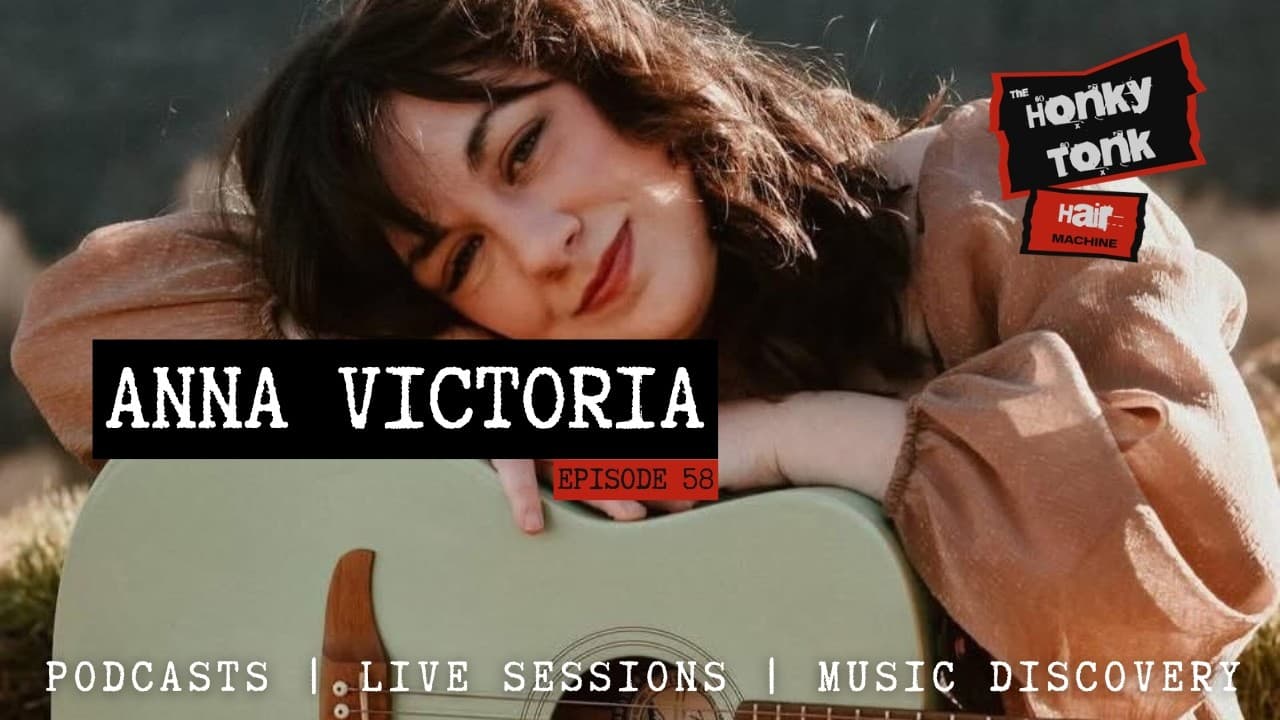
Anna Victoria
Inside North Carolina's Appalachian Music Scene | Anna Victoria
Anna Victoria joins Camden for an honest conversation about growing up in the mountains of North Carolina, discovering her voice as a songwriter and navigating life as an independent Country and Americana artist. We talk about learning to perform live, protecting her voice, finding confidence on stage, the influence of Appalachian music and artists such as Luke Combs, Sierra Ferrell and Dolly Parton, balancing music with motherhood, and the challenge of staying creative in a world driven by social media. It's a thoughtful conversation about music, family, creativity and staying true to yourself while building a career in independent music. Chapters 00:00 – Introductions, Weaverville, childhood. 02:00 – Singing, vocal health and beginning her musical journey. 06:00 – The pandemic, booking gigs and developing as a live performer. 09:00 – Coping with distractions, confidence and performing. 12:00 – Appalachian influences, Luke Combs, Sierra Ferrell, Dolly Parton and mountain songwriting. 15:00 – Family life, being a stay-at-home mum, social media and balancing music with everyday life. #lukecombs #sierraferrell #dollyparton Subscribe to The Rugged Revival. Share it with your friends. Support independent music! Listen to the full podcast on Spotify: https://open.spotify.com/show/6wnHcgA73o1aiiKaz882vH?si=30aabdaa220a4628 Follow The Rugged Revival: Instagram: https://www.instagram.com/theruggedrevival/ TikTok: https://www.tiktok.com/@theruggedrevival Facebook: https://www.facebook.com/profile.php?id=100094507520679 Website: www.theruggedrevival.com Email: ruggedrevival@hotmail.com
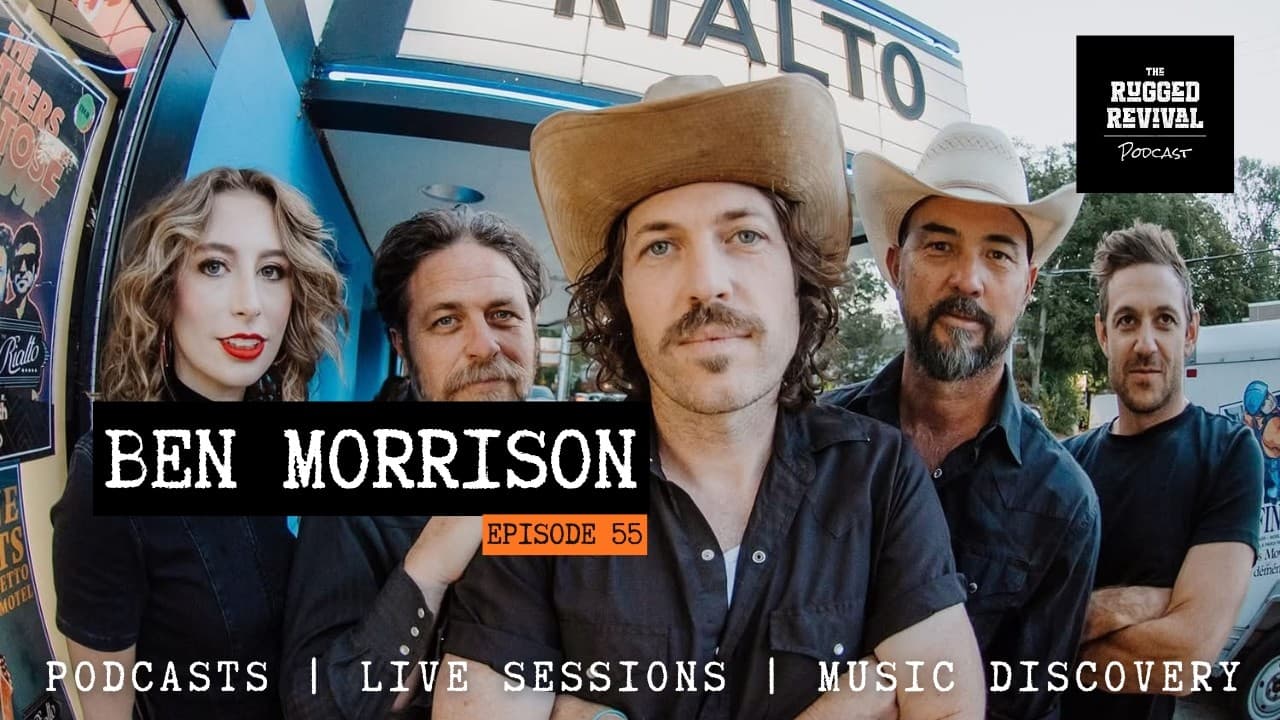
Ben Morrison
The Brothers Comatose: Ben Morrison on 18 Years of Music, Family & Touring
Ben Morrison of The Brothers Comatose joins the Rugged Revival Podcast for an honest conversation about nearly two decades ...
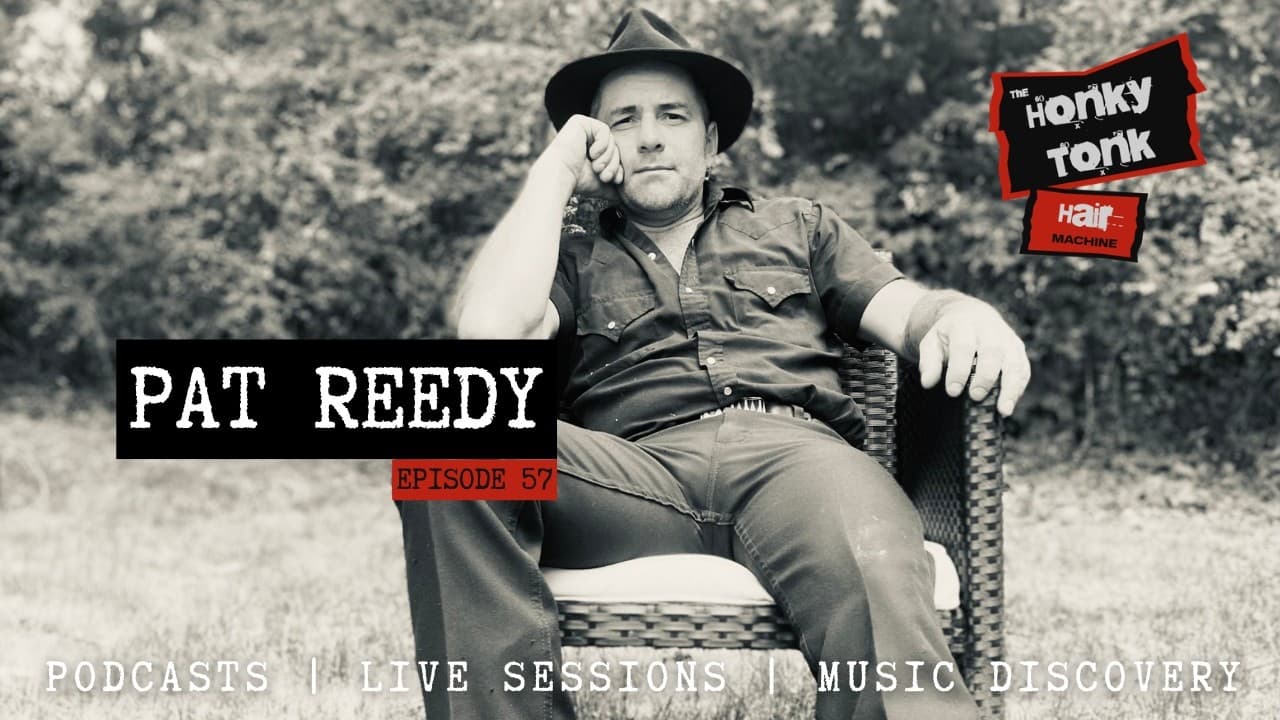
Pat Reedy
Pat Reedy on Busking, Nashville & Building a Country Music Career
Pat Reedy joins Camden to discuss leaving construction behind for country music, busking in New Orleans, life in Nashville, ...
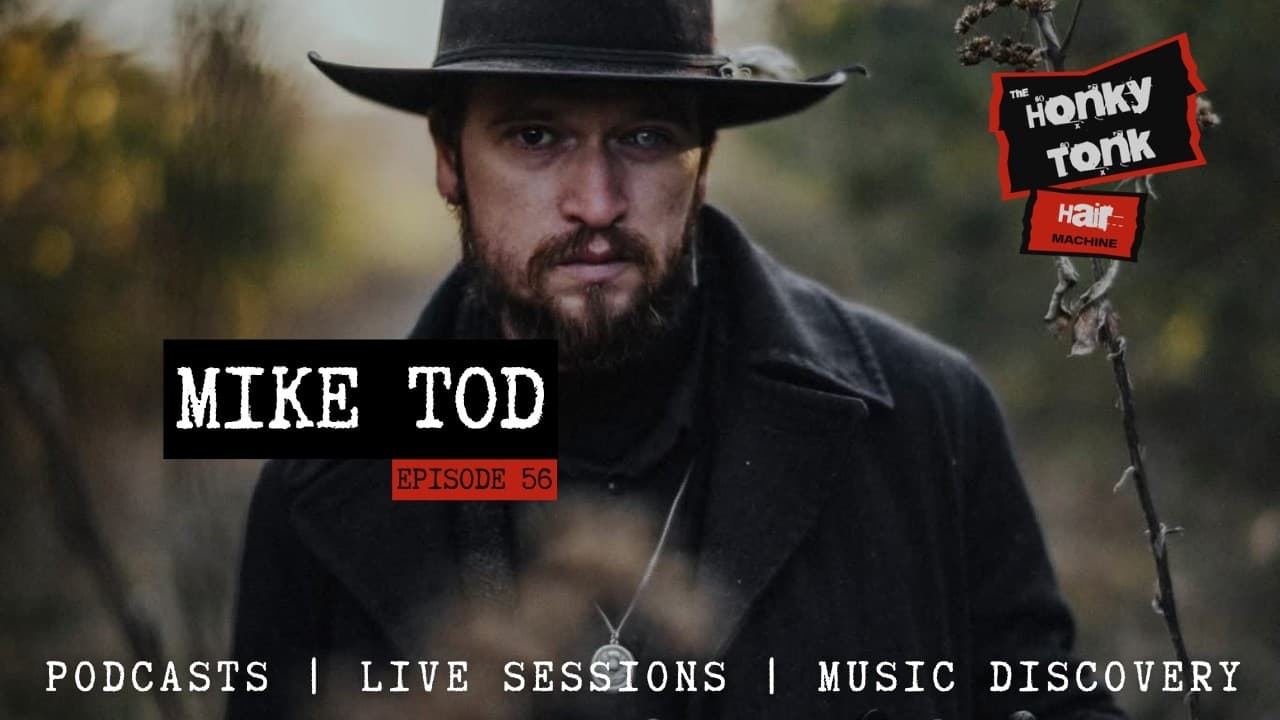
Mike Tod
Keeping Traditional Folk Music Alive in Nashville | Mike Tod Podcast
Mike Tod joins Camden to discuss traditional folk music, Canadian roots, life in Nashville, forgotten songs, unusual instruments and why preserving musical history still matters today.Originally from Canada and now based in Nashville, Mike explores the stories behind traditional songs, the connections between folk music around the world and how old music continues to influence modern artists. We also discuss his unique "Crankenstein" instrument, musical curiosity, collecting songs from the past and the importance of keeping traditions alive for future generations.Chapters00:00 Introduction00:00:30 Growing Up in Canada00:02:20 Discovering Music & The Crankenstein00:04:10 The Story Behind The Crankenstein00:05:20 Drones, Folk Traditions & Ancient Music00:08:10 Learning Guitar & Performing Original Songs00:09:40 Accessing Traditional Music in the Digital Age00:11:20 Researching Music History00:12:10 Playing The Crankenstein Live00:14:00 Creating Atmospheric Sounds & Live Performance00:16:00 Traditional Songs & Musical Origins00:17:50 The Artists Influencing Mike Today00:19:20 Studying Philosophy & Creative Thinking00:22:00 Horror, Heavy Music & Folk Culture00:24:00 Scottish Heritage & Family History00:27:10 Final ThoughtsSubscribe to The Rugged Revival. Share it with your friends. Support independent music!Listen to the full podcast on Spotify: https://open.spotify.com/show/6wnHcgA73o1aiiKaz882vH?si=30aabdaa220a4628Follow The Rugged Revival:Instagram: https://www.instagram.com/theruggedrevival/TikTok: https://www.tiktok.com/@theruggedrevivalFacebook: https://www.facebook.com/profile.php?id=100094507520679Website: www.theruggedrevival.comEmail: ruggedrevival@hotmail.com