
Joshua Michael - California Country Artist | Dead Magnolia Sounds Recording Studio | Rugged Revival
Watch on YouTube
Subscribe for new episodes, Grit Sessions & more
Listen to this episode
In This Episode
There's a particular kind of resilience that comes from learning to play guitar in detention. Joshua Michael discovered his calling in one of the least likely places—a high school holding cell where a sympathetic teacher happened to be spinning Pink Floyd. That moment, when David Gilmour's solo on "Time" hit him like a revelation, became the spark that would eventually shape an entire musical identity. Nearly two decades later, the Clovis, California native is proving that the most authentic artists often stumble into their craft through the messiest, most unconventional routes.
Joshua Michael Quinon represents a particular breed of independent musician increasingly rare in the modern landscape: the working artist who refuses to wait for permission. Based in California's Central Valley, he's built a relentless touring schedule while simultaneously launching Dead Magnolia Sounds, a recording studio that serves both his own prolific output and the broader regional music community. It's the kind of dual ambition that requires either madness or conviction—perhaps both.
I started writing songs before I even knew how to really play guitar.
— Joshua Michael
Growing up in Clovis, a small town outside Fresno surrounded by rodeo culture and rural sensibilities, Michael was initially drawn to escapism. Fantasy worlds, Indiana Jones adventures, and video games occupied his childhood imagination. Music came later, arriving almost accidentally through classic rock and the Beatles. But that Pink Floyd moment in detention crystallized something. He didn't just want to listen to guitars; he wanted to wield them.
The story gets better. At fifteen, facing the consequences of hanging out with the wrong crowd and heading toward serious trouble, Michael and his friends made a pragmatic decision: they'd learn to play music rather than become "complete degenerates," as he puts it. It's refreshingly honest. They bought guitars, formed a surf-rock and psychedelic band, and started playing shows. Michael taught himself to write original songs before he'd even mastered the fundamentals of guitar playing. There's something beautifully DIY about that approach—the punk ethic of learning by doing, of figuring it out as you go.
A guitar solo hit me in a way where I was like, I want to do that. Exactly that.
— Joshua Michael
This foundation explains much about Michael's current approach. He doesn't overthink things. When asked about the challenges of simultaneously singing and playing intricate guitar work in a live setting, his answer was disarmingly practical: broken straps are his real enemy. Nerves? Those evaporated long ago, burned away by years of shows where the audience made their opinions known and he simply didn't take it personally. There's freedom in that kind of acceptance.
His music itself reflects this journey. Drawing heavily from blues-influenced country, Michael crafts the kind of material that demands live performance—songs with space for guitar solos that breathe and evolve, vocals layered over rhythm work that locks in tight. He's developed the skill set of someone who genuinely loves the craft of songwriting and performance rather than someone chasing streaming numbers or industry validation.
The launch of Dead Magnolia Sounds adds another dimension to his work. Running a recording studio while maintaining a heavy touring schedule and releasing music regularly reveals something crucial about Michael's character: he's not interested in waiting for industry gatekeepers to validate his vision. He's building infrastructure. He's creating space for other artists who might be as independent-minded as he is, who believe in the value of real recordings made with intention rather than processed through algorithmic filters.
This is where genuine Americana and country music lives these days—not in Nashville board rooms but in California's Central Valley, in recording studios above bars, in the hands of artists willing to tour relentlessly and create constantly. Joshua Michael represents that spirit perfectly: someone rooted in place, connected to community, playing the music that actually moves people rather than what algorithms recommend.
Listen to the full episode to hear more about his path from detention-room revelation to studio owner and working musician. This is the kind of conversation that reminds you why independent music matters.
I'll help you. I'll help you start a [music] revolution for this Monday morning love situation. >> Hey, what's up everybody? This is Cam with the Rugged Revival aka the Honky Tonk Hair Machine. And who am I with? >> Uh, I'm Joshua Michael Quinon out of Clovis, California. >> Thanks for meeting me, brother. It's nice to see you in person. >> Oh, it's an honor, a feather in my hat to be on this podcast. >> Well, that means a lot. Happy to have you. So look, man, let's just get into it. So tell me, where are you from? And I know you just said it, but where where are you from? And what was life like for you as a kid in that area? >> So Clovis, uh it's a small town outside of Fresno in the Central Valley. As a kid, I was really into like fantasy, Lord of the Rings, Indiana Jones. I was just playing out in the front lawn a lot, you know, love playing video games. Didn't really get into music until a little bit later. Um, >> yeah, that that was pretty much it. Went to a school. My our school mascot was a Mickey Cox Cowboys, so a lot of rural area around. Um, we have one of the in Clovis, we have one of the bigger uh rodeos on the West Coast. So, >> that's awesome. Love it. Do you get to do you go out to the rodeo? >> Oh, yeah. Oh, yeah. Um, I haven't gotten the opportunity to play at the Clovis rodeo, but I played the bars after. So, I was like the after party of the rodeo, which to me is a little bit cooler. >> Yeah, that's the real party. That's where everybody is really exaggerating. >> Yeah. Throwing down. So, uh, you said you started playing music a little bit later. Ruby wants to ask a question. >> Um, when did you actually start playing the guitar? Uh, I started playing guitar around 14, 15 years old. Um, I actually [clears throat] my biggest inspiration I was in detention in high school, probably sophomore year I would say, and I had the coolest teacher in detention. He was playing uh Pink Floyd, classic rock radio, but Pink Floyd came on and Time, the guitar, the guitar solo for Time hit and I'd never heard anything like it. I've been a Beatles fan my whole life just because I kind of grew up on it. Um, but hearing that guitar solo on time from uh I believe Dark Side of the Moon is the album that it's on it. >> So you you would get put in detention and then you would have a uh a basically like a hangout guitar sesh >> pretty much. I mean, I didn't start playing, but I that was where I first heard a guitar solo that that moved me in a way where I was like, I want to do that. Exactly. That. >> Yeah. Yeah. It's funny how life works, right? Send you down different paths to meet different people at different times. >> Yeah. >> That that's pretty cool. Um, so when did you start playing your original music out live? >> So, not soon after that. Um me and my friends, we were kind of getting into some not good stuff and we got kicked out of school. Uh just to keep it PG. Um and I was like, if we're going to be getting kicked out of school, ditching class, like we got to do we got to learn how to do something to make, you know, to so we're not just complete degenerates. So I bought a guitar. One of my friends was in jazz band. Uh one of my friends bought a guitar. We were about 15 at the time. Start formed our first like surf rock if you psychedelic rock band. >> And uh yeah, that was that was when we first started playing shows. We didn't know what we were I didn't even know how to cover a song. I started writing songs before I even learned how to really play guitar. >> Yeah, man. That's uh you know, I I mentioned this sometimes on the show, but you know, I grew up in the DC punk scene and it was kind of like the same thing. you know, you you you just grab it, you know, grip it and rip it, you know, you learn how to play a couple power chords and >> just go for it. >> People are astounded by it and they're like you're like, "Dude, I don't even know what I'm doing, honestly." >> Yeah. >> Yeah. And then later later you start to connect the dots and put the puzzle together. >> Yep. Exactly. >> That's awesome, dude. Um, so let me ask you this. You know, you play guitar and you sing, >> right? >> You know, and you know, I was doing the same thing for a long time. Um, what challenges do you face when singing and playing guitar and trying to put on a good show? >> For me, the biggest challenge uh is when my straps break. >> Oh, yeah. Yeah. [laughter] >> Because I don't know how to recover from that. Um, I'm actually fair I'm fairly comfortable singing and playing rhythm lead guitar like like kind of ripping solos in between like vocals solos because a lot of it's like bluesy that we do bluesy kind of country stuff. >> Um, I'd say that's my biggest challenge. I don't get nervous anymore. Mostly because at this point it's like I I started so young that those nerves kind of just I know it's coming. If someone doesn't like it, they're going to, you know, they're going to make it known. I'm not going to take it personal. So >> Oh, dude. And like with like guitar straps breaking and strings, I mean, look, I've seen some of the biggest names in music fall off of monitors, fall off of stages. I saw Bruce Dickinson from Iron Maiden fell off of a a monitor. That stuff's just gonna happen, man. >> Yeah, >> my kids laugh. I tell them stories about when I was hopping around on stages and blew out the crotch and pants and stuff, you know? [laughter] >> That's just the way it goes, man. That's that's that's putting on a show. So, um, have you done a lot of touring? And where would you like to tour? >> So, I've toured I've done a full tour of California. uh started in Fresno, which is where I kind of where I'm based out of. Clovis is right next to Fresno. >> We went Fresno, Bakersfield, LA, um back up to San Francisco, I believe, and then ended in Fresno. >> Okay. Yeah, that's a hall. >> Yeah, it was a hall. And we were 17, 18 at the time, playing we were playing in our surf, rock, punky band. >> Yeah. Um, so where would you eventually want to tour? Like do you want to get off the West Coast? >> Absolutely. Um, I California ain't for me, man. >> But it it I will say I want to take, you know, baby steps, Joshua Tree, Barstow down south in that area would probably towards Arizona, you know, that would be my that's kind of like my direction that I want to head in. I don't want to go head first like flying out anywhere or doing I don't even have the budget for that, you know. >> Yeah, maybe at some point. I mean, it'd be nice to get you connected with some of the folks I know. Um, you know, pull you out closer to Nashville. Um, we've got a lot of connections like Eaststone Artist Connects, those those people in their lineup. Um, so yeah, man. That that'd be cool to see you hitting the road a little more. Um, so tell me about your favorite stage attire. Like I actually really like what you got going on right now. It's like that barbwire necklace. Yep. Yep. Uh >> I like the old school. Here, let me grab it. This is uh this is one of my favorite stage shirts. And as well as this one right here. I like the uh you know >> Oh yeah. >> I see you in these. >> I see. This one's one of my staples. I just got this one too. I I just love the rhinestone kind of old western Conway twitty type of look, you know. >> Dude, those are great. I love those. Yeah, you know, I'm a sucker for anything with fringe on it. That That's super cool. >> 100%. 100%. >> Who makes those? Are those the same brand? Both of them, >> dude. That first one I got off Amazon for like 30 bucks. >> Yeah, it's a good find. >> Yeah, this the uh burgundy one I believe is Rodeo brand. >> Uhhuh. >> Yeah. >> Right on. Yeah, those are both great. And then do you pair those with like uh dress denim or what do you usually wear on on the bottom half? >> Oh, usually I'm rancher, regular ranchers all day. >> Yep. Same, dude. The problem I have with um the ranchers though is like I'll get the same size across the board and they'll all fit differently. >> Yep. Yep. >> It's it's I have to like measure them out. Yeah. [laughter] Um, what are some of your uh must-have hair and skin care products? >> That's my favorite question because I I am I love all that. So, I I brought a little uh just to show >> Here we go. Yeah. >> So, I got to bring the Sarah, you know, for the for the I don't know if you can see for the lighting, but >> Yeah. Yeah. Yeah, we can see it. That's a good um fail safe. That's a good one. >> Oh, absolutely. because I I don't break out, but when I do, I get one big one that won't go away and it'll fight for its life. I have uh it's a 10 for my hair. >> Okay, nice. >> Cuz I like to keep, you know, I like to keep the curls and the waves. >> Yeah, you have great hair. I like the way like the you have kind of like a choppier layer on the side there. That's cool. >> And then uh my after shave, Eternity by uh Calvin Klein. Yeah, good lineup. >> It's a good smell. And then this is the cologne that I carry with me anytime if I'm gonna play a show. Nashville blue. >> Nashville blue. Okay. Right on. >> This is sold at Boot Barn where I work. So that's kind of why I'm promoting it. >> Yeah, it's We're excited because we just had uh two local Boot Barns open up near us. One about an hour away and one about an hour and a half away. So it makes it um a little bit easier because out here we don't we don't have um readily available kind of western wear shops. >> Right. Right. Right. Right. >> So now we've got these uh these two locations we can run into. Tell me about tell me about your hat. You've got I can see some accessories there, but I can't really tell what's going on. >> So this is my this is my Stson uh Skyline. I got a ace card in there and then just a little >> That's really cool. Um, does does your store do like hat reshaping? >> I do it. >> You do it? Oh, man. >> Yeah. Get you out here. >> Yeah, man. I just need some love. >> I I haven't really like I've It was my first time at work doing it and I I mean, I know how a hat's supposed to look, you know? So, >> they threw me out. They threw me to the wolves and every customer since has been >> pretty pleased with my hat shaving. So, >> I think it's one of those things where it's like if you want to do a good job, you're going to do a good job. >> Exactly. My manager said if you don't send it, it's not going to work. You got to just send it, you know? >> Yep. Just take your time and get it done. So, I noticed when you uh when you took your hat off, you got a little cut on your forehead. What happened there? >> Oh, man. This is a story for Okay, so long story short, me and one of my buddies, uh, we are launching this grassroot independent record label. I I my first record I self recorded, mix, mastered everything myself in my parents' living room and then did the garages or did the drum in a garage of one of my friends. So the whole process was done by myself and I I personally think it came out sounding more authentic than a lot of the people putting out like you know neo country now. Um, I use Logic and just one interface >> and >> this is the one that's on Spotify. >> Yeah. Yeah. Yeah. >> It sounds great. I love it. >> So, I figured there's a lot of people and and in in my town, uh, Clovis, it's a small little thoroughare, you know, old old cowboy looking. If you saw the pictures from when it was first built, it looks like a, you know, you'd see the sheriff riding through on a on a horse. >> That's awesome. So, a lot of these guys that have been playing at these bars and restaurants, they're older and I would say they're grandfathered in. You know, when when I first started playing, I'd only been playing for a year and a half now. You know, this country, this country, I took a year off or two years off >> after COVID because my my band broke up. We were doing doom metal. Uh we were about to get a whole different, you know, whole different thing. Um but we Follow the Doom metal, the Doom band on Instagram. What were they called? >> So we So we started a new one called Witch Plow. >> Okay, that's the one. Yeah. >> And that's Yeah, that's like a baby. That's like a little baby fetus that's still, you know, just blooming and honestly blooming a lot faster than I thought. But uh where was I going with this? That that kind of got me off track. Sorry. >> Oh, sorry. Yeah, I'm pretty good at doing that. Um You were you were recording the album? >> Yeah, recording the album. Uh the these old guys either in the studios in town, they either charge too much, they play three, four times a month at these these venues that aren't for first of all really aren't paying us much, but not letting these new kids that are I mean I'm 26 and >> these kids are talent. There's a lot of young talent, you know, but I feel like it's being gatekept by these like grandfathered in guys that they can play as loud as they want, but when we go and play, the bars telling us to turn it down because they can't handle it. >> And I don't know if it's because of our energy or if because we're just we are playing too loud, but I've been in a few of their shows. Um, and it to me the I had I had the bartender have like with this little sound meter, same thing. We got in trouble for playing at the exact same volume and I could tell it was just because they had been playing longer. They're more familiar with these older guys, which don't let me take their flowers. I mean, they they they earned it. you know, they've been playing a long time, >> but at a certain point, those guys phase out and there's not going to be anybody to >> right >> to fill in those those boots, you know. >> So, I decided I wanted to kind of make a collective, get some young kids together that I know in Clovis that are really talented and help work with them. Uh, me and my me and my best friend since I was I'm 26. best friend since I was 11 years old. We have been doing music forever since we met each other. Decided it we wanted to start our own grassroots label. Uh Dead Magnolia Sounds is the name of it. [clears throat] So, we threw we threw a little celebration party. We had bottle service. We I'm sober. He's sober, but the people around us weren't. We kind of just wanted to like, you know, flex it out like we're we're starting this thing and let's have some fun. >> Yeah. It deserves to be celebrated. You're you're starting something from grassroots. It's great. >> And the girls came out, you know, with like the dead dead magnolia sounds on it. Everybody thought we were cool and maybe we were gloating a little bit too much, right? >> But uh some some kind of sketchy dude came up that we didn't know and I told him like, "Hey, we paid some money for this. We don't know you. You're kind of creeping out the girls. We're going to have I had I had paid the security guard in front of us. Make sure if anybody's creeping anybody out, get him out. I threw an extra 20. >> So they threw him out. Dude waited outside with about seven guys. Two, this was around 12:00. 2:00 last call, me and my friend are leaving, heading back to where our cars are. It's just us two. Everybody kind of disperses. Um, they found us on the street. my buddy, my the the co-owner of my label is kind of face to face with somebody. I could tell it was getting a little bit tense. So, I stepped up to try and break it up. Next thing I know, I wake up in an ambulance, gash on my forehead. Uh they're asking if I want to press charges. I'm like, I don't even know what I'm what I'm pressing charges on, >> you know? >> Yeah. >> So, come to find they hit me with a blunt object. We end up in the hospital. They're offering me a tetanis shot. Um my but my buddy had to take on seven dudes. His face looks beat, but I you know he's a warrior for that one. >> Yeah, it's awful. >> Yeah. No, it was it was no good. But uh honestly, I do think that it's a good it's a good warning for people who are trying to start things that jealousy can can go a long, you know, like jealousy can go a long way. for those guys. I wasn't trying to, you know, make them feel any I didn't want to make them feel below me. It's just we paid for this. We don't know you and you guys are acting kind of sketchy. That's really all it was. >> Sure. I think uh I think anybody throwing a private party would agree with you 100%. And it doesn't justify you getting put in the hospital because they weren't invited to the party. And uh that's that's awful that that happened to you. But we're we're glad you're here to tell the tale. And I would keep doing what you're doing and keep fighting. Hopefully it doesn't knock the wind out of your sales. >> No, if anything, man, this is just this is just showing me that I'm on the right path because like I said, if if I weren't doing anything right, no one would want to be around us, you know, >> and that was really what it was. We were having the we had the best time in the club, we had all the girls around us, which I'm sure was for him something that was extremely enticing and embarrassing when he got sent away. made him made him jealous and that's you know that's unfortunate that people got to take it to that level. Well, that's a pretty wild story, man. But with that, that brings us to the end of our road here and >> why don't you remind everybody what So, what do you have coming up? Do you have a Do you have a show? Do you have a new album? Remind us where we can find you. >> So, Joshua Michael on Spotify. My album name is Beware of Poker Players and Loose Women. 10 songs, all self recorded, mixed by yours truly. Uh, I have another uh album coming out in February called Nashville Wedding. That's nine ten songs depending on how well one of them gets cut. And uh on New Year's I'm playing at China Peak which is uh up in the Sierra Neadas about an hour drive from from where I'm at. Uh ski resort that's for New Year's Eve. That's going to be a big show. And then 2026, just work on trying to get people in this in my I'm trying to build a studio in my in my parents' house and keep going. Just stay on the path and not let stuff like that, you know, knock the wind out of me. >> Well, I'm glad your folks are super supportive and uh I think that's fantastic and uh that's a rare treat. So, that's really cool to hear that they're uh helping you out there. Well, look, man. I appreciate your time and I hope you heal up fast and well and uh hopefully we can get you out here to the DC area sometime sooner than later. >> Absolutely, man. And if you ever want to have me on again, I'd love to talk more. >> Absolutely. You can bank on it. >> Yes, sir. >> All right, brother. Bye. >> Bye.
Comments
Keep listening
Related Episodes
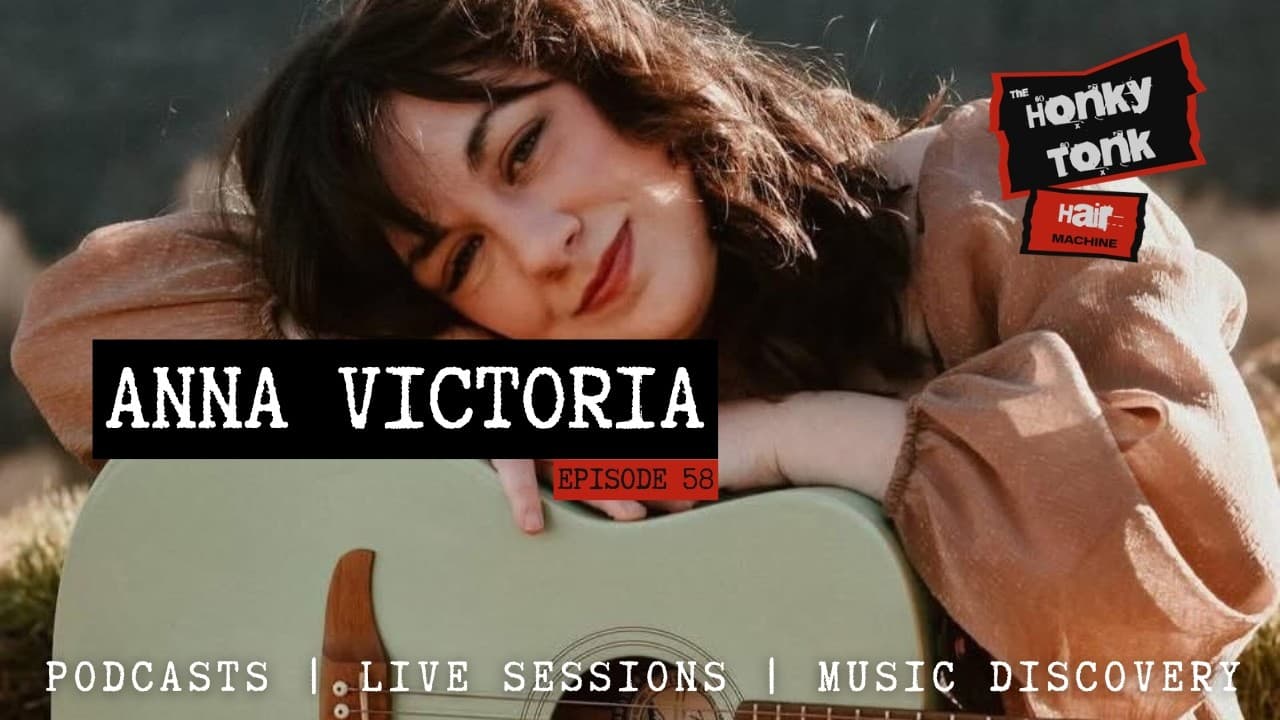
Anna Victoria
Inside North Carolina's Appalachian Music Scene | Anna Victoria
Anna Victoria joins Camden for an honest conversation about growing up in the mountains of North Carolina, discovering her voice as a songwriter and navigating life as an independent Country and Americana artist. We talk about learning to perform live, protecting her voice, finding confidence on stage, the influence of Appalachian music and artists such as Luke Combs, Sierra Ferrell and Dolly Parton, balancing music with motherhood, and the challenge of staying creative in a world driven by social media. It's a thoughtful conversation about music, family, creativity and staying true to yourself while building a career in independent music. Chapters 00:00 – Introductions, Weaverville, childhood. 02:00 – Singing, vocal health and beginning her musical journey. 06:00 – The pandemic, booking gigs and developing as a live performer. 09:00 – Coping with distractions, confidence and performing. 12:00 – Appalachian influences, Luke Combs, Sierra Ferrell, Dolly Parton and mountain songwriting. 15:00 – Family life, being a stay-at-home mum, social media and balancing music with everyday life. #lukecombs #sierraferrell #dollyparton Subscribe to The Rugged Revival. Share it with your friends. Support independent music! Listen to the full podcast on Spotify: https://open.spotify.com/show/6wnHcgA73o1aiiKaz882vH?si=30aabdaa220a4628 Follow The Rugged Revival: Instagram: https://www.instagram.com/theruggedrevival/ TikTok: https://www.tiktok.com/@theruggedrevival Facebook: https://www.facebook.com/profile.php?id=100094507520679 Website: www.theruggedrevival.com Email: ruggedrevival@hotmail.com
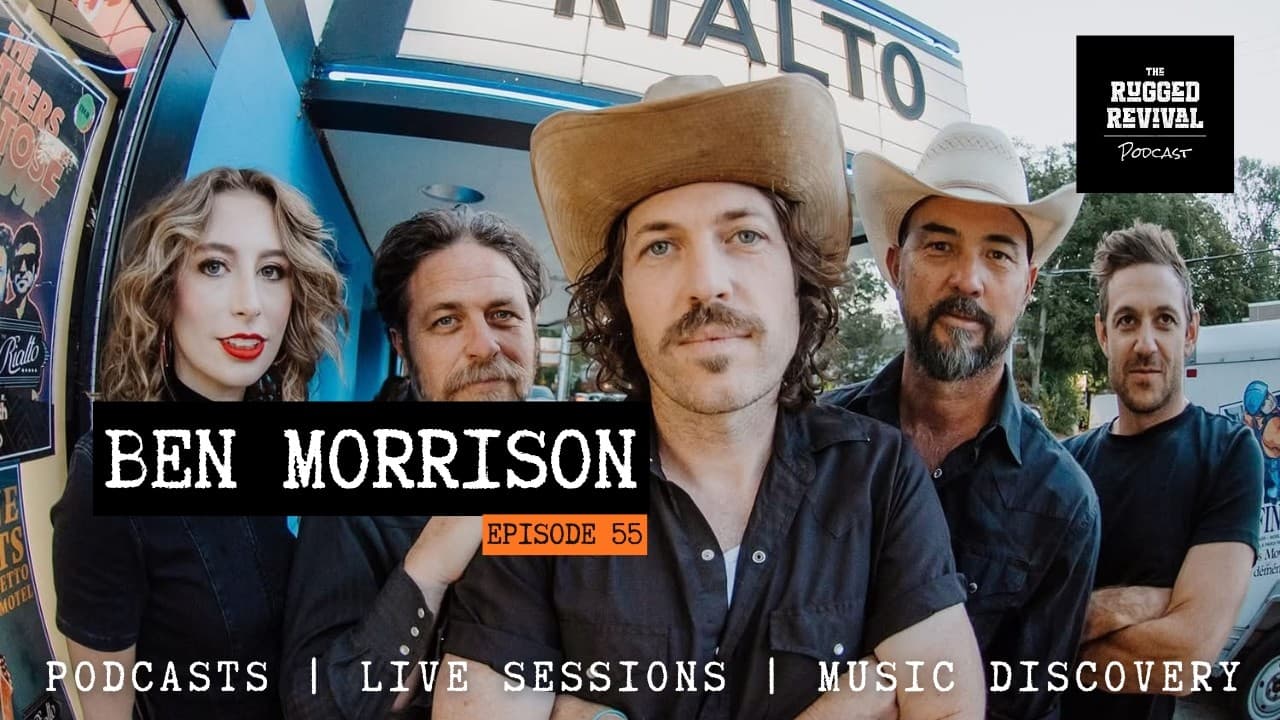
Ben Morrison
The Brothers Comatose: Ben Morrison on 18 Years of Music, Family & Touring
Ben Morrison of The Brothers Comatose joins the Rugged Revival Podcast for an honest conversation about nearly two decades ...
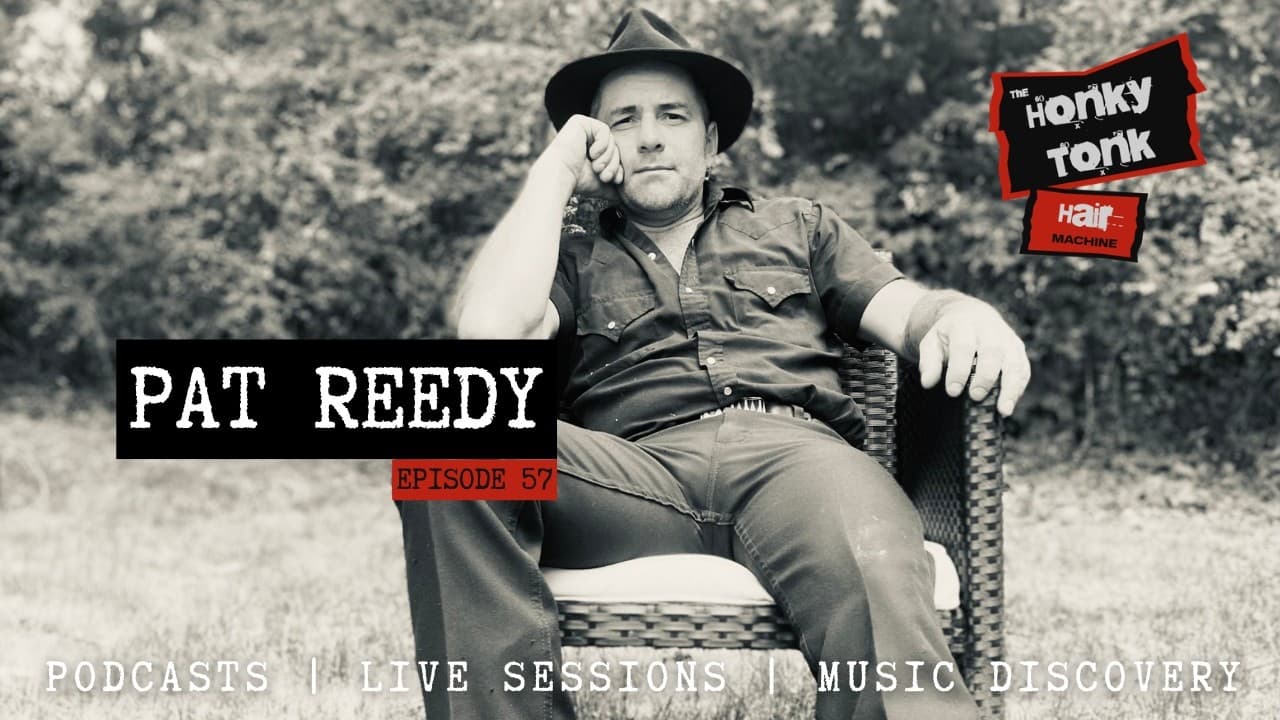
Pat Reedy
Pat Reedy on Busking, Nashville & Building a Country Music Career
Pat Reedy joins Camden to discuss leaving construction behind for country music, busking in New Orleans, life in Nashville, ...
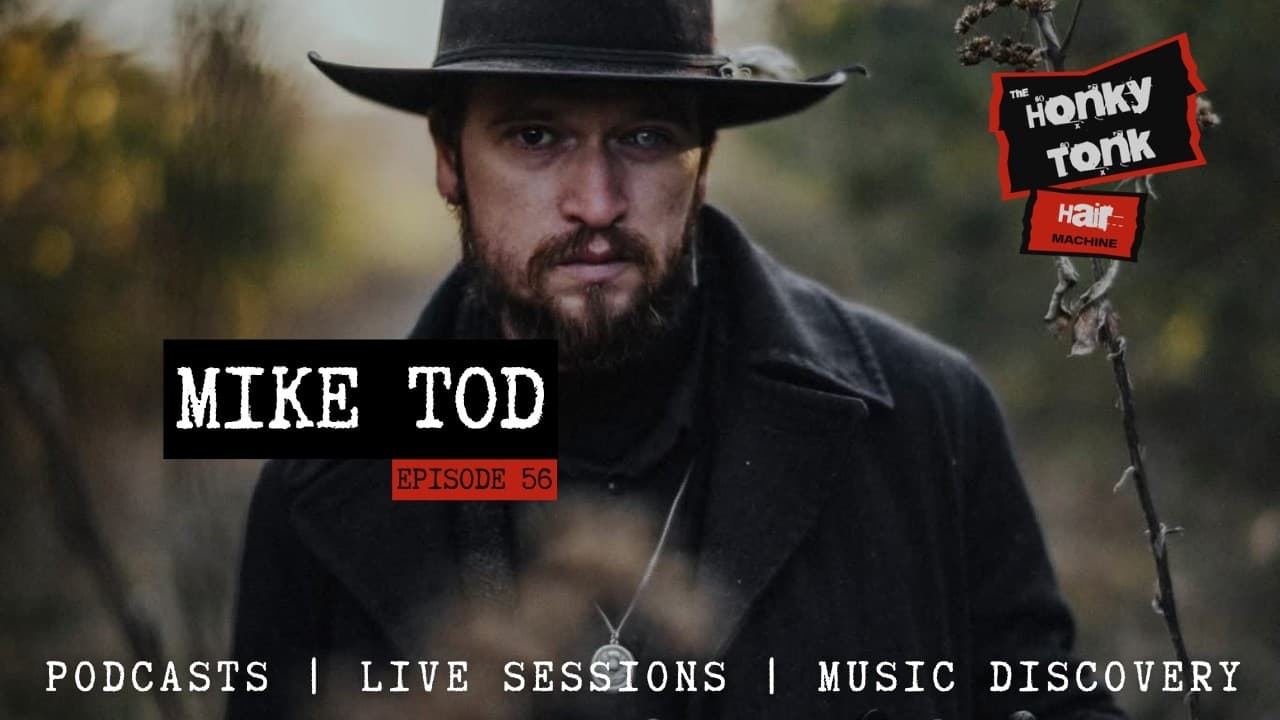
Mike Tod
Keeping Traditional Folk Music Alive in Nashville | Mike Tod Podcast
Mike Tod joins Camden to discuss traditional folk music, Canadian roots, life in Nashville, forgotten songs, unusual instruments and why preserving musical history still matters today.Originally from Canada and now based in Nashville, Mike explores the stories behind traditional songs, the connections between folk music around the world and how old music continues to influence modern artists. We also discuss his unique "Crankenstein" instrument, musical curiosity, collecting songs from the past and the importance of keeping traditions alive for future generations.Chapters00:00 Introduction00:00:30 Growing Up in Canada00:02:20 Discovering Music & The Crankenstein00:04:10 The Story Behind The Crankenstein00:05:20 Drones, Folk Traditions & Ancient Music00:08:10 Learning Guitar & Performing Original Songs00:09:40 Accessing Traditional Music in the Digital Age00:11:20 Researching Music History00:12:10 Playing The Crankenstein Live00:14:00 Creating Atmospheric Sounds & Live Performance00:16:00 Traditional Songs & Musical Origins00:17:50 The Artists Influencing Mike Today00:19:20 Studying Philosophy & Creative Thinking00:22:00 Horror, Heavy Music & Folk Culture00:24:00 Scottish Heritage & Family History00:27:10 Final ThoughtsSubscribe to The Rugged Revival. Share it with your friends. Support independent music!Listen to the full podcast on Spotify: https://open.spotify.com/show/6wnHcgA73o1aiiKaz882vH?si=30aabdaa220a4628Follow The Rugged Revival:Instagram: https://www.instagram.com/theruggedrevival/TikTok: https://www.tiktok.com/@theruggedrevivalFacebook: https://www.facebook.com/profile.php?id=100094507520679Website: www.theruggedrevival.comEmail: ruggedrevival@hotmail.com