
Johanna Wacker & Acelia - Appalachian & Alternative Folk, from NYC to Richmond VA | Rugged Revival
Watch on YouTube
Subscribe for new episodes, Grit Sessions & more
Listen to this episode
In This Episode
There's something beautifully subversive about a kid from Queens commuting across the subway with a banjo strapped to her back in the early 2000s. It wasn't a guitar—strangers would stop and ask what on earth that unusual instrument was. Those everyday encounters sparked something unexpected: community without seeking it, conversations that don't typically happen in New York, and the beginning of a creative journey that would eventually lead Johanna Wacker from the folk clubs of Brooklyn to the heart of Appalachian roots music.
When Johanna Wacker and Acelia sat down with Camden for the Rugged Revival podcast, they brought the kind of authenticity that feels increasingly rare in modern folk music—a genuine grappling with identity, heritage, and what it means to authentically connect with traditions that run deeper than Instagram aesthetics. Johanna's story of straddling two worlds isn't metaphorical fluff; it's the lived experience that informs every note she plays.
I grew up in Queens, New York with Appalachian folk as my musical foundation, which shocks a lot of people.
— Johanna Wacker & Acelia
Growing up with an Italian mother from New York and an Appalachian father from Virginia meant summers spent in rural Virginia while the rest of the year unfolded on subway cars and in Manhattan classrooms. "I knew a lot about the Italian side," Johanna explains. "Didn't know really anything about my Appalachian folks." That gap—that hunger to understand her heritage—manifested itself when she was fifteen, the age when teenagers typically discover the music that will define them. For Johanna, that discovery took the form of the five-string banjo.
What emerges from listening to Johanna tell her story is how profoundly place and inheritance shape artistic identity. She wasn't raised in a musical family, but rather a "musically appreciative" one. Her mother was a devoted music fan who exposed her to everything across the spectrum. But songwriting was the real first love—something she pursued first on piano, then guitar, before the banjo became her instrument of technical mastery and emotional expression. By the time she was in high school at a performing arts institution, she was already gigging at venues like the Bitter End and Jalapi Theater, the X's marked on her underage hands a badge of the youngest person in every room.
I found community without even really having to look for it, just by bringing my banjo on the subway every day.
— Johanna Wacker & Acelia
Her collaborator, Acelia, came from a different corner of the South. Growing up in Charlottesville, Virginia, with parents from Boston and Arizona, she describes herself without the "interesting background" of Johanna's bicultural roots—yet there's a parallel. She, too, discovered songwriting at fifteen. She, too, used music as a lifeline, particularly when the pandemic arrived. "Songwriting definitely saved me during that time," Acelia says simply. There's no melodrama in the statement, just the matter-of-fact recognition that for certain people, music isn't a hobby or a career path—it's the thing that keeps you tethered to yourself.
What makes this conversation with Camden resonate is the absence of self-mythology. These aren't artists constructing a narrative about "going back to roots" or discovering folk music through some romantic lens. Johanna's connection to Appalachian folk is genetic and intentional. Acelia's is geographical and emotional. Together, they're making music that honors these traditions without genuflecting to them, that draws from country, folk, and alternative influences without feeling like a museum piece.
The technical mastery is there—Johanna's primary focus on banjo shows in her instrumental work—but it never overshadows the songwriting, which remains the through-line of both artists' creative lives. This is folk music for people who actually have something to say, not just something to preserve.
For anyone exhausted by the performative nature of so much contemporary roots music, the full episode is essential listening. Johanna Wacker and Acelia remind us that the best artists are the ones who can't help but make music—because they're trying to understand something fundamental about themselves and the world they come from.
I'll help you. I'll help you start a revolution [music] for this Monday morning situation. >> Hey, what's up everybody? This is Cam aka the Honky Tonk Hair Machine for the Rugged Revival. And who am I with today? >> Johanna Wacker. I'm Ailia. >> All right. Thank you so much for joining me. Um, so yeah, like I said, you know, we keep it short and sweet, so let's just dive into it. So Joanna, where where are you from and what was life like for you as a kid? >> Oh, okay. Yeah. So, I grew up in Queens, New York, which a lot of people are shocked to hear given that my primary focus is Appalachin folk as far as like not for songwriting, but that is my musical foundation. Um, yeah, grew up in Queens, New York. My mom's side, they're all New Yorkers. They're Italian. Um, and my dad's side are Appalachin from Virginia. So, it was a cool little polarity I had growing up, mostly spending time in the city. And I took the subway to school every day. Like, I had a very urban public school experience. And then high school, I went to a performing arts high school, so that was really cool. Commuted all the way to Manhattan from Queens. Um, yeah. I guess summers though, they were spent in rural Virginia. I spent a lot of time with my family and it was around when I was 15 that I was like itching to connect with my roots, especially my Appalachin heritage cuz I knew a lot about the Italian side. Didn't know really anything about my Appalachin folks. So that was when I started playing the banjo. And it was cool because yeah, I was bringing my banjo to high school every single day on the subway and people were constantly like, "What is that? That's not a guitar. That looks like different. And it just opened up all these cool conversations with strangers, which is rare in New York, too. >> But it was really cool. Like, I found community without even really having to look for it because anytime there were other like oldtime musicians or bluegrass musicians, they instantly knew it was a banjo. So, I got immersed into the New York folk scene around time I was like 15, 16. And I was already playing venues in the village and in Brooklyn, Jalapi Theater, Bitter End. So there was lots of music. I grew up not in a musical family but in a very musically appreciative family. My mom's a huge music fan. Introduced me to a whole wide whole wide range of different genres. Um yeah, I started in choir. Then I started piano, which I don't really play much anymore, but it was songwriting that really, you know, that was my first love in terms of music. I started writing on piano and then guitar and the rest was history. Yeah. >> Abby, what about yourself? So, where are you from? And then, uh, what instruments do you play? >> Yeah, I grew up in Charlottesville, Virginia. >> Um, yeah, I don't have the same interesting background as Johanna, but my parents are from like Boston, Arizona, so they're kind of surprised that they raised such a southerner. Um, but I got into music, specifically guitar, when I was 15 because it was co I also started writing songs. So, I loved writing little diddies in my notes app, but I didn't really have a way to like express them. So, I picked up guitar a little bit before CO started, but then I kind of had a crisis as soon as CO began >> and yeah, songwriting definitely saved me during that time and just never stopped doing it. >> It's fantastic. Um, Joanna, when did you start performing your original pieces live? >> Probably around Okay. The first songwriter like contest I was ever in, I was 12 and I did make it to the semifinals. It was um the Walt Histori songwriting contest. I don't really I don't remember the exact name, but they don't have it anymore. It used to be an annual thing. Um, but it was I was super nervous for it. It ended up going great just because I almost assumed this like different persona the second I stepped on stage. That was the first time I felt really in my element on stage. I was just like, "Oh, I felt like I was outside myself in a really nice way." >> But yeah, then I started gigging around in high school. I was playing, you know, some actual venues, but then also like just doing like bar gigs, breweries, open mics. Um, constantly had the X's on my hands because I was usually one of the youngest performers. Um, yeah, lots of stuff. >> I remember that. >> Starting off playing in like hardcore bands and it's hard to look tough when you, you know, you're just a kid with the, you know, >> the X's [laughter] on your hands like, oh well, you know, I mean, the straightedge kids were doing it already, so that was that was cool. >> Um, Joanna, you play primarily banjo. Is that correct? Yeah, banjo I would say is my primary um banjo and guitar. Um guitar I write more [clears throat] on than banjo, but as far as instrumentals and like technical skills, banjo has been my primary focus. >> No, I've seen I've seen you play live, which is fantastic. Um did you have two different types of banjos with you? >> I did. Yeah. So, it's interesting because in the old time like clawhammer community, which is the style I primarily play, most people play open back banjos. I am a huge proponent of playing clawhammer on a resonator banjo, which usually that's more of like the bluegrass designation, like three finger style players play on a resonator. Just lends to a more bright twangy sound, which is in keeping with that classic bluegrass feel. But I actually like kind of the mix of it. Like you get that twang, but you're also getting the the clawhammer rhythm and like the brush feel because it's very driving like rhythmic strum that we do in Clawhammer. So I like to mix it up. I have a lot of different bananjos. Fretless, resonator, open back. >> This girl has like 12 bananas. >> Yeah, it's Yeah, exactly 12. Yep. [laughter] >> It's a hell of a collection. So, Abby, I've seen some I've seen some of your teamwork on Instagram. You guys have been writing some songs together, playing together. Um, Abby, what do you think is some of the biggest challenges you face while trying to sing, play guitar, and also make sure you're putting on a entertaining performance all at the same time? >> Honestly, that's the easy part. I think for a lot of musicians, the Well, some people don't like performing. I love performing, but you kind of just can't think about it. It's like driving stick shift. Like you you just know how to do it. It's it's really not challenging for me. I love it. The harder part is like mentally being a musician and trying to commit to it and keep going. >> Yeah, that part that part's easy. I have no no issues with with the playing at the same time. >> Nice. Uh Joanna, would you say it's difficult to switch in a live set from guitar to banjo and vice versa? >> It used to be. Not so much anymore. I kind of just view it as like switching between languages. Like I kind of prep my brain when I know I'm going to switch. What I do for sets now is I kind of like lump tunes together based on instrumentation. It makes it more efficient so I'm not like switching back and forth a lot, switching tunings, but also just helps my brain. So I'm like in banjo mode for three songs, then in guitar mode for three songs. Like >> it helps a lot. >> Yeah. >> Yeah. It's funny you said the language thing because that's kind of like the first thing that came to my mind is like, oh, it's like she's speaking multiple languages and it's so impressive to watch people that can not only speak multiple languages but play multiple instruments and it just it blows my mind every time. I think that's super cool. >> Yeah. >> Um, so for both of you, um, have either of you done like a ton of touring? J, I know you've played around quite a bit. Abby, I'm new to your music, but have either of you done a ton of touring? And if not, where would you want to tour? I haven't gone on tour. I'm actually still in college, so that's kind of holding me back. I plan to go on tour as soon as I graduate. Um, >> but where would I want to go on tour? Honestly, since we're both in like the folk scene, I think along the East Coast would be the first the first thing I would do. Um, and then kind of expand to the rest of the United States. >> You agree with that? I'm an East Coaster myself, too, so I appreciate that. Joanna, what about you? What do you What do you say about that? >> Yeah, very similar deal. I feel like I've done many tours, like many runs, especially the one I just did um with our Taran Bula, our our duo, Spirit 47. That was really fun. We did primarily New England and also a couple New York shows. Um yeah, I would love to branch out more cuz I feel like I'm super immersed in the New York scene. I played a lot of venues there. I played a lot in New England, but honestly, the southern venues are ones that I want to get into more. I'm pretty new on the scene here since I just moved to Virginia a few months ago. Um, but yeah, probably Nashville, Virginia, places in North Carolina I've scouted out. That would be cool. And then just make the way down the coast all the way to the Keys. There's some awesome places in the Keys. >> True. >> Um, out west, too. That would be awesome. I know they have a great roots music, Americana, folk scene. So that would be cool. Like do like Colorado, Nevada, California. >> Yeah. >> All those places. >> Everywhere. [laughter] >> Every state. Yeah. >> All of it. >> Right on. So, let's switch gears a little bit. Um, let's talk a little bit of uh hair, fashion, and makeup if you don't mind. >> Yes. >> Tell me about Okay, so we'll start with Joanna. Joanna, tell me about your favorite onstage attire. Your boots, your go-to boots, your go-to hats. What What do you like? >> Yeah, I'm very passionate about western wear. Um, I love a good bolo. I have a collection of bolos. And you contributed an awesome bolo to my collection, so thank you. And a buck. >> Yeah, I'm huge into like western belts, bolo ties. Um, I love a good Stson. I love cowboy hats. Um, my personal favorite for like jeans, boot cut jeans or like bell bottoms or flares and then good pair of cowboy boots. I have a lot of cowboy boots. Um, and I kind of just mix and match. I I get a show outfit the day of just kind of whatever I'm feeling that I feel like will be empowering on stage. >> Yeah. >> Yeah. It's just like all energy. It's a vibe. I'm like, "Yeah, that vest, that belt. Boom. There we go. that hat. [laughter] >> I did get that. Abby, what what's your go-to when you're stepping out? What do you What do you like to put on? >> I just like to look good. Honestly, I've been figuring out more of my style. Before, like right before I met Johanna, like in the last year, I started wearing cowboy boots all the time, growing my cowboy boot collection, and that's around the same time that I like decided that I'm a folk or like accepted that I'm a folk artist. So, I'm kind of leaning into that. Um, over the years it's just been like a mix of things, but I have the intention of like creating more of a look for myself. But honestly, my hair like is my look. Just like red hair and bangs. It's never going to change. So that kind of carries the outfits. >> Mhm. >> Say that exact same thing. You have amazing hair. What uh what goes into maintaining such a great hairstyle for you? >> Um, nothing. I actually need a haircut really bad. Um, yeah. I don't do much for my hair. I got like a really fancy haircut like 8 months ago. I got like a shag. It was like $130 haircut and it changed my life. That's why I'm like resisting going to the haircut cuttery right now and waiting for my next like fancy haircut. Um, but it's always been the same look, just not as not as nicely cut. The bangs have had some difficult phases for sure. >> You did go up your bangs. >> I do. I I cut my own bangs and I feel like >> they're okay. But yeah, the shag is my my haircut of choice now. >> Might know a guy. Joanna might know a guy if you need a haircut. >> I do know a guy. >> I' I've been told >> great one these >> Yeah. No, I like >> I would love that >> taper here. It's still like >> Look at it. It blends in perfect. >> Can you color your hair? >> I did. I dyed it back to my natural. Yeah, cuz we had a lot of look alike allegations, which isn't even true. It was just because look alike. >> Yeah, it was just cuz we both like I don't know. I had like an auburn thing going from henna >> and >> I also dyed my hair with henna like a little bit darker red. So yeah, we did have the same hair for a bit. >> Yeah. And everyone's like, "Y'all look alike." That was the first thing my dad said when my dad our dads were like, "Y'all look alike." And I'm like, "Oh gosh." what every lesbian wants to do. >> Yeah, literally. >> Well, you guys did a really fun um Whan and Jesse little photo shoot, didn't you? >> We did. >> Yeah. No, it was awesome. We really want to recreate it with like in a professional studio cuz that was just like on the floor with an iPhone. >> Yeah, it looked cool. >> Yeah, recreating like old country straight people photo shoots as as lesbians, I think, is really iconic and needs to be done more. So >> yeah, there are many people. >> We're going to do that. We're prepared to be those people. >> Yeah. >> Lead the charge. Yeah. Joanna, when I saw the photos, like, oh, how many gallons of hair color did you have to use for this look of hair? It >> took forever. It took me doing it for like two hours. >> Yeah, Abby did it for me. >> I'm surprised it was only two boxes. Like I would have thought almost four. >> Well, usually it's supposed to be half a box. >> That's what they recommend for like normal people. Yeah, the pairing normal. It took a It Yeah, she was working at it for Yeah. over an hour. It was It was an intense process, but we had Uber Eats on the way to us, so it was like incentivizing the whole thing. >> It was good. >> So, you use So, you're using a a henna hair color. >> Um, what's your go-to shampoo, conditioner, and maybe even styling product? It it changes a lot. Um I always am a huge advocate for all natural hair care. I love argan oil. Um yeah, anything with argan oil that's like super like hydrating for my ends. That's usually what I use for a leave-in. I used to use pure argan oil. Now I've been using the one that you gave me. Um was it hardcore hair or something? Or like a beard oil. It's super good. >> Yeah, it's a little secret. It's basically just argan oil. >> Yeah, it smells so good, too. It's >> I'm glad you like it. >> It's amazing. I use it pretty much every day. >> Um, yeah, that. And then I've been using, what was the shampoo brand? I think it was Mondays or something. I use them. They're good. They're like all natural for the most part. Um, and yeah, sometimes I use just like Castile soap. That always works really nice. Um, yeah, all natural. >> Are either of you um makeup or nails people? >> We can't really be nails people because we play instruments. I kind of I like to have them. >> Oh, I love that color. That's a nice color. Good job. >> I Yeah, I do my own nails. I try to make them look salon. >> Mine hurt so chic. >> Yeah, that's that's a banjo player's nails right there. >> Yeah, but yeah, we can't do acrylics or anything. Yeah. >> Um, >> makeup, you know, >> simple makeup. >> Nothing crazy. I think we're both just kind of want to look natural. >> Sweet. I dig it. So, folks, this brings us to the end of the road. Like I said, we keep it short and sweet. And I really do appreciate both of you sitting with me. Joanna, where can we find you on the socials? >> Yeah, so Johanna Whacker on Instagram, Johanna Wacker Music on Tik Tok. Um, if you search my name, Johanna Wacker, on any of the streaming platforms, I'll be up there. Also, Band Camp. >> Mhm. >> Yeah. And I have a website. >> Um, what about yourself, Abby? Where can we find you? >> So, I'm Acilia on all platforms. And then my Instagram is Aelia official A. Um, Aelia on Tik Tok, Aelia on Band Camp. Yeah. >> Very cool. >> Do you guys have anything you want to promote? like you have any shows or music coming out? >> Oh yeah. Um well, we have a show coming up this Saturday in Colonial Beach. Um Colonial Beach Brewing 6:00 p.m. Um and then what was the other one? Well, then you have >> and then wait Clarend Dons. >> Yes, Clarendon Dons we have on the 21st. >> Yeah, I saw three shows get announced. When was that? So, uh, looks like you have Colonial Beach February 7th and then Clarendon Dons on the 21st. >> And and then there's a New York date. When is that? >> Yeah. So, Cafe W March 20th. Um, it's Trey Wellington and myself. And I'm going to have Acilia um featured for harmony, some guitar. Yeah, I'll be doing some EP stuff and album stuff. Um, and yeah. Do you want to plug your Broadberry tape? >> Yeah, I'm playing the Broadberry in Richmond, which is a pretty cool venue, um, with Kendall Street Company February 20th. >> So, that should be fun. I'm playing the Meridian on Friday, but that's in Williamsburg. So, um, then I have an EP coming out. I don't know exactly when, TBD. Um, but yeah, all the info will be on our Instagrams all the time. >> Fantastic. Well, like I said, thanks for joining me. I'm going to um end the call now, but stay on the line with me for just a hot second. Okay. >> Yeah. Thanks for having us. >> You're very welcome.
Comments
Keep listening
Related Episodes
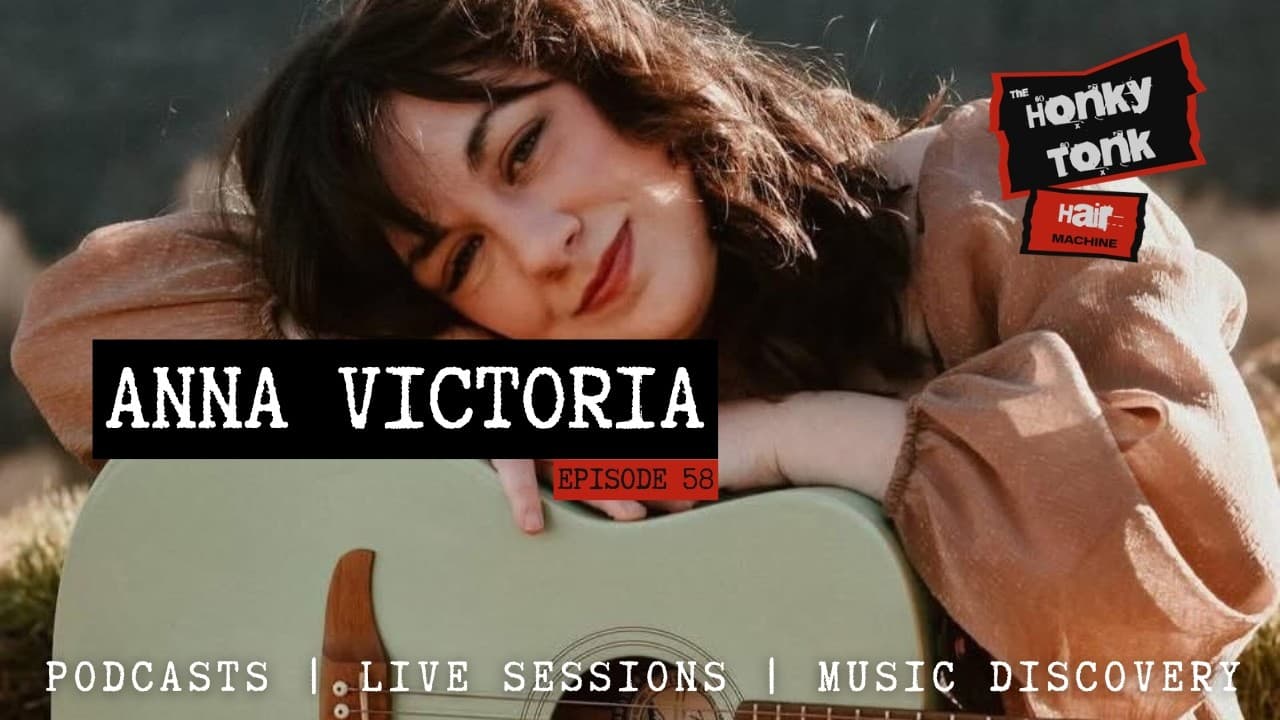
Anna Victoria
Inside North Carolina's Appalachian Music Scene | Anna Victoria
Anna Victoria joins Camden for an honest conversation about growing up in the mountains of North Carolina, discovering her voice as a songwriter and navigating life as an independent Country and Americana artist. We talk about learning to perform live, protecting her voice, finding confidence on stage, the influence of Appalachian music and artists such as Luke Combs, Sierra Ferrell and Dolly Parton, balancing music with motherhood, and the challenge of staying creative in a world driven by social media. It's a thoughtful conversation about music, family, creativity and staying true to yourself while building a career in independent music. Chapters 00:00 – Introductions, Weaverville, childhood. 02:00 – Singing, vocal health and beginning her musical journey. 06:00 – The pandemic, booking gigs and developing as a live performer. 09:00 – Coping with distractions, confidence and performing. 12:00 – Appalachian influences, Luke Combs, Sierra Ferrell, Dolly Parton and mountain songwriting. 15:00 – Family life, being a stay-at-home mum, social media and balancing music with everyday life. #lukecombs #sierraferrell #dollyparton Subscribe to The Rugged Revival. Share it with your friends. Support independent music! Listen to the full podcast on Spotify: https://open.spotify.com/show/6wnHcgA73o1aiiKaz882vH?si=30aabdaa220a4628 Follow The Rugged Revival: Instagram: https://www.instagram.com/theruggedrevival/ TikTok: https://www.tiktok.com/@theruggedrevival Facebook: https://www.facebook.com/profile.php?id=100094507520679 Website: www.theruggedrevival.com Email: ruggedrevival@hotmail.com
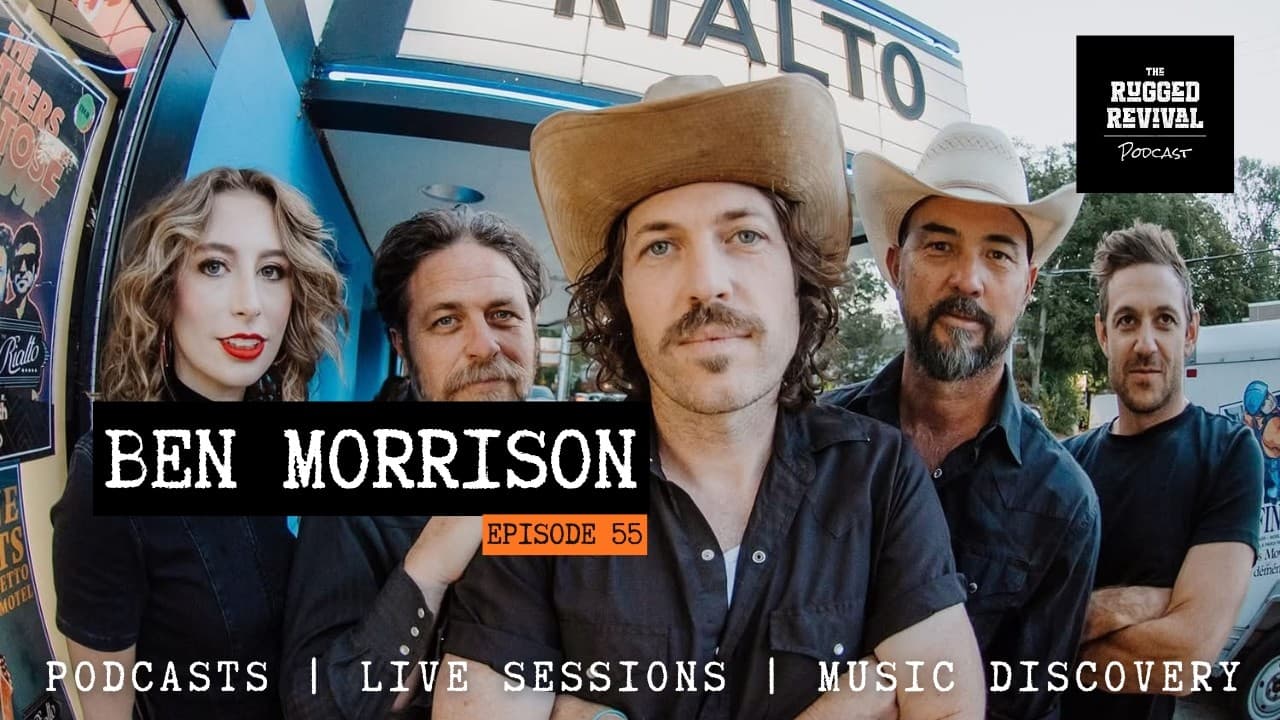
Ben Morrison
The Brothers Comatose: Ben Morrison on 18 Years of Music, Family & Touring
Ben Morrison of The Brothers Comatose joins the Rugged Revival Podcast for an honest conversation about nearly two decades ...
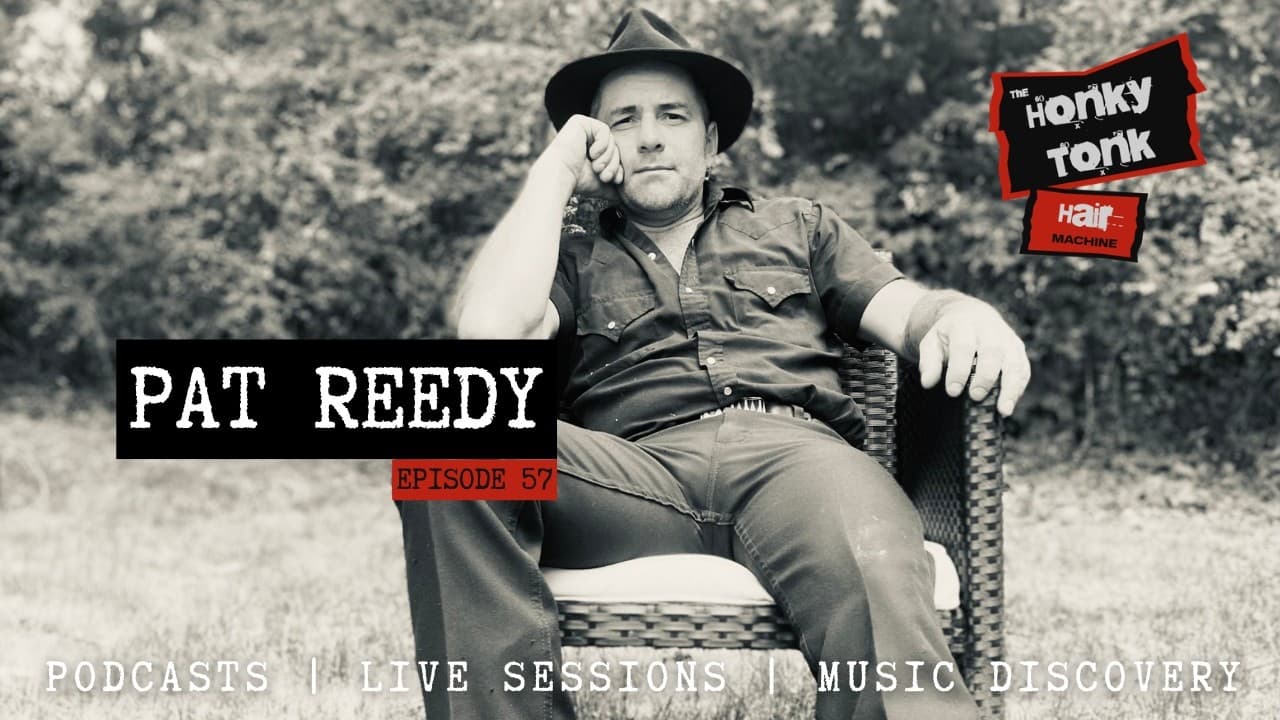
Pat Reedy
Pat Reedy on Busking, Nashville & Building a Country Music Career
Pat Reedy joins Camden to discuss leaving construction behind for country music, busking in New Orleans, life in Nashville, ...
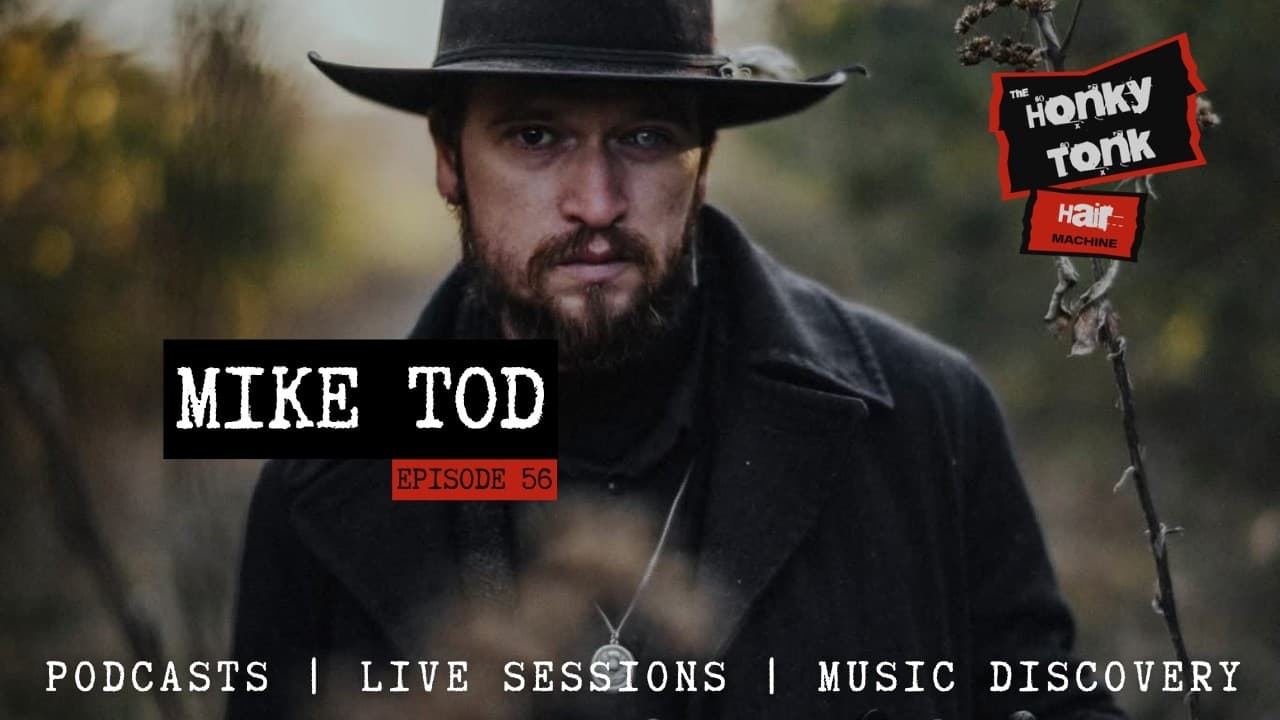
Mike Tod
Keeping Traditional Folk Music Alive in Nashville | Mike Tod Podcast
Mike Tod joins Camden to discuss traditional folk music, Canadian roots, life in Nashville, forgotten songs, unusual instruments and why preserving musical history still matters today.Originally from Canada and now based in Nashville, Mike explores the stories behind traditional songs, the connections between folk music around the world and how old music continues to influence modern artists. We also discuss his unique "Crankenstein" instrument, musical curiosity, collecting songs from the past and the importance of keeping traditions alive for future generations.Chapters00:00 Introduction00:00:30 Growing Up in Canada00:02:20 Discovering Music & The Crankenstein00:04:10 The Story Behind The Crankenstein00:05:20 Drones, Folk Traditions & Ancient Music00:08:10 Learning Guitar & Performing Original Songs00:09:40 Accessing Traditional Music in the Digital Age00:11:20 Researching Music History00:12:10 Playing The Crankenstein Live00:14:00 Creating Atmospheric Sounds & Live Performance00:16:00 Traditional Songs & Musical Origins00:17:50 The Artists Influencing Mike Today00:19:20 Studying Philosophy & Creative Thinking00:22:00 Horror, Heavy Music & Folk Culture00:24:00 Scottish Heritage & Family History00:27:10 Final ThoughtsSubscribe to The Rugged Revival. Share it with your friends. Support independent music!Listen to the full podcast on Spotify: https://open.spotify.com/show/6wnHcgA73o1aiiKaz882vH?si=30aabdaa220a4628Follow The Rugged Revival:Instagram: https://www.instagram.com/theruggedrevival/TikTok: https://www.tiktok.com/@theruggedrevivalFacebook: https://www.facebook.com/profile.php?id=100094507520679Website: www.theruggedrevival.comEmail: ruggedrevival@hotmail.com