
Jet Black Roses - Southern Rock Revival With Country Soul | Rugged Revival
Watch on YouTube
Subscribe for new episodes, Grit Sessions & more
Listen to this episode
In This Episode
There's a particular magic that happens when three musicians discover they're meant to play together. For Jet Black Roses, that spark arrived like lightning—instantaneous, undeniable, and potent enough to shake up the modern Southern rock landscape. When the Bentley brothers connected with guitarist Tyler, something shifted. The chemistry was immediate, and what emerged from that fortuitous meeting is a high-octane blend of rock and roll grit infused with country soul that feels both urgent and timeless.
Sitting down with Trey, Tyler, and Andrew, you get the sense that Jet Black Roses isn't a band trying to fit into any existing box. Rather, they're opening the door to a room that's been waiting to be filled. Each member brings something distinct—Trey's multifaceted approach to lead vocals and rhythm guitar, Tyler's scorching lead work and harmonic depth, and Andrew's solid bass foundation anchoring those soaring high harmonies. But what's most striking is how they talk about their craft. There's no ego, no false modesty, just a genuine appreciation for what each person brings to the table. They're all lead singers in their own way, they explain, which speaks to a democratic creative approach that often gets lost in the modern music industry's obsession with singular personalities.
We're all in our own way or in form and fashion lead singers in the band.
— Jet Black Roses
The band's roots run deep into the American South, that geographical sweet spot between Nashville and Atlanta that breeds musicians like kudzu breeds vines. Trey and Andrew grew up in Calhoun, Georgia, steeped in their parents' rock and roll lifestyle—their mother and father were in bands themselves, cutting their teeth on everything from Emmy Lou Harris to Gram Parsons to the Burrito Brothers. This wasn't a household where music was something you listened to; it was something you lived. When Andrew was just eight years old, he and Trey were already helping with the family business, collecting door money from their parents' shows. That kind of early exposure doesn't just teach you about music; it teaches you about the road, about commitment, about the culture itself.
Tyler's trajectory came from a different angle, arriving in Atlanta eighteen years ago from North Carolina, but his path converged with the brothers' through a shared language—the language of instruments passed down, of discipline learned young, and of a fundamental respect for the craft. The fact that all three musicians still keep their first guitars speaks volumes. Tyler's 1962 reissue Strat with its custom paint job, Andrew's Squire bass with its flat wounds, the guitars weathered and loved and still standing. These aren't museum pieces; these are working instruments that have survived precisely because they've been used, trusted, and maintained by people who understand their value.
We're like in this perfect median, you know, to get to both places because we do a lot of work in both cities.
— Jet Black Roses
What makes Jet Black Roses genuinely interesting isn't just the technical proficiency on display—though there's clearly plenty of that—but rather their refusal to choose between worlds. They're Southern rock revivalists, sure, but with country soul running through their veins. Their high-energy performances and evident work ethic set them apart in an era when too many bands rely on shortcuts and polish over passion. Their vocal harmonies hit different because they're not manufactured; they're earned through hours of practice and that ineffable chemistry that can't be forced.
The band has already been astounding audiences nationwide, and it's easy to understand why once you hear them talk about what they do. There's a revolution happening here, quiet but relentless, driven by three musicians who grew up understanding that rock and roll is something you bleed into the ground. In a landscape crowded with polished products and algorithmic recommendations, Jet Black Roses feels like a genuine discovery—the kind of band that reminds you why you fell in love with live music in the first place. Their story is just beginning, but the foundation is solid, and the future looks gloriously loud.
I'll help you. I'll help you start a revolution [music] for this Monday morning love situation. >> Hey, what's up everybody? This is Cam aka the Honky Tonk Hair Machine from Rugged Revival, and I'm here with Trey, Tyler, and Andrew from the Jet Black Roses. How y'all doing? >> How's it going? >> What's up? >> Doing awesome. Doing awesome, man. >> This is this is our first group effort, and I appreciate you all coordinating and coming to hang out for a little bit. Absolutely. Thank you so much for having us, brother. >> So, all right. So, Trey, what what do you do for the band? >> I am the uh well, people say lead singer, but we're all in in our own for way or in form and fashion lead singers in the band, but I would say formally, you know, lead singer, rhythm guitar, and then I write, you know, one of the [clears throat] songwriters. >> Okay. And Tyler, what are you bringing to the band? uh quote unquote lead guitar and quote unquote background vocals. Um I'm usually the guy singing below Trey. I'm the bottom of the sandwich. Bottom buns, >> the caboose. >> So that leaves uh Andrew. Andrew, where do you come in? Well, I play bass uh and I sing high harmony and uh yeah, we uh we all write and uh that's kind of our places. >> All right. Well, let's let's go right down the line. So, Trey, where are you originally from? >> Uh place called Redbud, Georgia. >> Uh we just got a uh Calhoun for the big city folk. Uh we just got a Bies. >> So, >> Oh, there you go. We're and and I'm drinking out of this leopard print B cup. >> That's pretty sick though. It's his mom's. >> It's my mom. [laughter] >> And we still But we still reside in and Calhoun and uh you know, born and raised here and just love calling it at home. It's in between Atlanta and Nashville, you know, Chattanooga area. So we're I feel like we're like in this perfect median, you know, to to get to both places because we do a lot of work in both cities. So >> Okay. And you guys are are you all three of you from the same area? >> Uh I'm from North Carolina. >> Okay. >> But I but I've lived in Atlanta for 18 years maybe. >> Oh wow. >> Since 2008. Yeah. >> So Tyler, when did you um start playing guitar? Uh, I started in middle school. I got a guitar when I was 11. Uh, my dad always had a guitar around the house growing up and I like took an interest in it and so he got me a Strat when I was in sixth grade. >> Nice. Yeah. A lot of folks I talked to it's like their first guitars were some kind of Stratacaster, you know, variation. I I think we're we're probably all roughly, if I have to guess, roughly around the same ages. So, like, you know, a lot of us were getting those Squire Strats with the amp and the gig bag package >> that came out. >> Well, my dad knew. My dad knew what he was shopping for. Um, so he went to a pawn shop. I got a he got me like a 62 reissue Japanese Strat >> with a custom paint job. Hang on. I got it right here. >> Check this out. >> Yes, I still got mine, too, man. I got my first uh guitar was also a Strat at 10 years old. >> Are we pulling out our first instruments? I'm going to go get mine. Well, no. This was just I just happen to have it. Uh I replaced the pick, but it's got this cool custom paint job, so it's always inspired me. >> Yeah. >> And then my first >> Okay. >> I got a I got a My dad went uh to a few music stores in Atlanta and played tons of guitars and he fell in love uh with this Techmex Strat that they were making at the time. was like an anniversary and that was that was my first Santa Claus guitar. >> What what you got there? >> I think this is the the music master base that came with the gig bag like you were talking about. >> Yeah, that's a Squire joint. Yeah, >> the Squire joint, you know. So, that was my very first base, you know, short scale. I got the flat wounds on it now. >> And they're all all your instruments were still in in like remarkably good shape. That's that's quite impressive. surprising because we beat the hell out of them too, you know. >> Well, I mean, you know, when you got 20 that could, you know, they all make it through the rotation. They don't get as much wear and tear. >> That's true. >> Exactly. [laughter] >> Andrew, Andrew, how old did you say you were when you started playing bass? >> I was eight years old. Um, you know, I I was always around music. Me and Trey are brothers. Uh, so you know, we we grew up with musical parents and uh, they would play in rock bands and kind of like western like Americana like Emmy Lou Harris, Blind Burrito Brothers, Grand Parsons type stuff. Trey and I were just around bands. We used to actually when I was like seven, eight years old, uh Trey and I would like uh for for their bands, we would take the door money and so we were just always around kind of the rock and roll lifestyle and uh fell in love with it. >> That is fantastic. So So your are you saying your parents were in a band back then? >> Yeah. Yeah, they were in a band. Uh my mom actually uh ended up playing some shows with like Merl Haggard and um Brad Paisley when he first got started. Uh so we were kind of always around that. Uh and then she made a record with Dennis Crouch who played bass with Robert Plant on the T-Bone Bernett joint that they did and um and Dennis produced her record and >> with Mark Thornton. >> Yeah. Mark Thornton who was Jerry Reed's guitar player. And so Trey and I were like playing with toys in the studio uh like Spider-Man toys and my and you know all these legends uh coming in and out of the studio like Johnny Dumplings on Pedal Steel and like all these like Opry guys that were like yeah they just got done playing the Opry and now they're like coming in and like late night sessions me and Trey were like on the floor in our PJs, you know, like had no clue, you know, but just always loved that lifestyle. So >> yeah, that's how you know you're that's how you know you're dealing with like a legend is when they're named after a southern food item. >> Yeah. John, >> Tim Collards. [laughter] >> So it sounds like Trey and Andrew, you know, were kind of born and bred into the lifestyle. Rock and rock and roll runs through their veins. Tyler, um, what was life like for you as a kid? Uh, I was always surrounded by music. Uh, you know, I was really interested in my dad's vinyl collection when I was growing up. So, I would like take his records and dub them on to like, you know, recordable cassette tapes and make my own tapes. And then, uh, I got my guitar in middle school and then I got I had a karaoke machine with two tape decks. And so I figured out how to like multitrack by like bouncing um in between tape decks and recording with them and got a four track and got into you know um playing guitar like Led Zeppelin and Jimmyi Hendris and all that kind of stuff and got a pension for getting into trouble because I'd be like staying up playing guitar all night and not doing my school work and >> Uhhuh. But I made it into college and studied jazz guitar and recording and production there and um then ended up in Atlanta where I've done a lot of session work and stuff over the years >> and then in a band not doing any jazz >> and then yeah [laughter] well you know the key to being successful in the music business is to be versatile. >> Yeah, absolutely. >> So be musically versatile and then you realize, oh [ __ ] nobody really knows how to make money in this industry. So you have to do like a lot of different things in order to like, you know, connect all those dots. So versatility all around is key. >> Amen. >> I think that's a lost art, too, man. I remember in some of my high school bands, we would go and get the multi adapter, plug that into the microphone, and then get a splitter from Circuit City, and then suddenly your four track turns into an eight track, and you can stick microphones all over your bedroom and, you know, record that way. I love that, man. That that takes me back. I love I used to love doing that. I've still got my Task Cam four track here. I still use it in the studio. We'll bounce stems on the tape and stuff with it. >> Man, that's incredible. I I man, I didn't hold on to anything from back in the day. I moved around a little bit and did some house hopping, so I you know, I lost all that early stuff. >> But um so uh who uh who originally put together the Jet Black Roses? Whose brainchild is this? Well, well, you know, we we actually Trey and I were in a duo our whole life and uh we toured with like, you know, country people like Lee Greenwood and John Michael McGomery and Joe Diffy, you know, we were we were playing shows with people like that and um you know, cutting our teeth. We were signed at EMI uh as songwriters very early. Like I was literally taking meetings when I was still in high school. Um, and so we just kind of like built our career as a duo. Never really thought of like being anything else. And then like it's funny how the Lord takes you on a journey, man, because we needed a guitar player and a band for uh this showcase we had in Nashville at a place called The Analog. And um we didn't really have a budget. So, we had our keyboard player reach out to uh this guitar player Virtuosa that he knew, which is Tyler, and said, "Hey, man. Um, got this show in Nashville with these brothers or in a duo, but they don't have a budget, but they can pay you in weed cartridges." Uh, and so, uh, we Tyler's didn't say no to the interesting opportunity. Uh, and the rest is history. The first night we were together, guys, we had we write like start two songs that like that first night we met. >> And so there was like undeniable chemistry very early. Um, and so Trey and I have never been ones to shy away from like that rock and roll lifestyle, which is like you jump in with both feet. You don't, you know, uh, you got to chase the feeling and you got to chase like the spirit where it's leading you. And even though we had built the duo in a lifetime, it just was kind of undeniable to us that like Tyler was meant to be part of this. So >> it was it was like the missing piece, you know, uh we spent some time out in in LA and I remember this songwriter we were riding with, he said, uh, you guys are crazy. He said, "You need a guitar player that can hear all the insane things in your head and not think you're nuts." >> A and Tyler was that guy. I I could, you know, because I always have these like I start a lot of the, you know, the lyrical ideas and I'll sometimes have like a crazy musical thing and I can just I've gotten to the point now where I don't even have to send Tyler my musical ideas. >> I'll just like say, "Hey, this is what I'm thinking." And Tyler's like, "I got you, man." and and and sometimes and and this is the weird part is I we will be working on a song >> and Tyler and I will send each other lyrics that we're working on and they're exactly the same >> and that's happened like multiple >> multiple times and it's and it's like I I I just don't think you can you know you can't manufacture a band in a laboratory you know AI can't replicate hate that. >> Yeah. >> And that and that's kind of what I I feel with these guys. And you know, Andrew is my blood brother, but honest Tyler could, you know, blood couldn't make us any closer. It's it truly is a a brotherhood and we love each other. And it's, you know, we killed the ego day one, you know, and just came in and and said we want to we want to be a light on the hill, you know, for everybody. I I want everybody on, you know, this side and this side and everybody in between to to feel like, hey, this is a this is a place I can come and this is my music. These are my people. And and that's what we all all want, you know, in this band. And, you know, thankfully I got it with guys that, you know, love good clothes, love good music, love good food, you know, love good wine, and love good, you know, that's that's so important and it's hard to find nowadays. Tyler, that's that's some high praise for you, brother. I can't tell. Are you blushing from over here? You don't you don't look a little red. >> I mean, maybe a little bit. [laughter] >> No, that's cool, man. >> I love my bro bros. >> Yeah, it does take that uh that chemistry for sure. And that's >> that's really hard to uh replicate and I think but you can, >> you know, like you said, push your ego out of the way and everybody's open to the ideas. And sometimes, you know, my idea is not the best idea, but in my head, I think it is. You need to bounce that off of these other guys. >> That's what you got to do. >> Yeah. That's one thing that our producer Greg stresses when we're all in the room writing and recording. He's like, "We're going to listen to every idea and the best idea wins." That's like the, >> you know, the rule number one of the creative process with us. >> So, all right. So, all three of you guys are singing various harmony parts in the songs, correct? >> Yes. >> Right. >> Okay. So, you got a couple challenges here, right? You're you're trying to sing within the harmony key. You're trying to put on a good show and you're trying to uh engage with the audience. Um, we can go down the line, but what do y'all think are some of the the biggest challenges with making sure you're juggling all of those components when you're playing live and bringing the best show possible? >> Well, I'll uh I'll start if that's if you guys are good with that. I I think number one is is practicing your craft >> before you step on the stage. >> And and that's something we all do. I think daily it's very important. You know, it's important to do it together, but also if you're not honing your craft on a daily, weekly, then you're not when you step on that stage, it's not going to be right. I I think you have to have a reverence and respect for the stage. I feel like it's a it's like holy ground to me, you know, that that's that's a musician's church when they're on the road. And I I think respecting that and and not looking at yourself as higher than anyone else in that room. You're going out there to just play your craft and share your talent with people that you hope will just connect with it. And I think that's the the key. and and you know, as far as running into challenges, you know, there are all kinds of things you can hit and all kinds of roadblocks you can hit in this industry. But but as far as like when when you have a band, I feel like that that all connect. It's easier to step on that stage and that stuff becomes second nature. And it is that way with and and that's not me being a big-headed guy or anything. And well, I you know, nothing nothing bothers me. You know, I I still get anxious before I go on stage. >> Oh, >> you know that I I think but I think that's healthy, you know, because you're sitting there going like I you know, you've not gotten used to it. >> I I think it's, you know, that may sound crazy, but it's good to like not let yourself get used to it. >> You know, every time treat every night differently that it's a because it is it's a different night. But with this band, we don't really run into a lot of roadblocks, you know, we just try to get up there and we want it to be organic like our songwriting is, like our playing is. And that's what our live shows are is whatever happens. And sometimes they're unhinged, >> you know, sometimes the banter is just like us cutting up and, you know, and it's just un unhinged banter getting the audience laughing. But I think the key is is what we've kind of narrowed into where we don't run into problems is just practicing the craft. You know, being connected on a soul level, having that chemistry and surrounding yourselves with band members, you know, people that you bring on that you that you know, some would call hired guns. Uh, you know, bring phenomenal musicians. You know, my dad always said, "Surround yourself with people who are better than you >> because that's what will drive you to be better and people that will not tell you, oh, you're great. You know, everything's good. You don't need to change anything." But people that you can look at and say, "Man, I got to up my game because these guys are incredible." >> And that's kind of what, you know, so so as far as running into, and I love this question, by the way. It's one of my favorites. Uh but but there's not a lot in this band that I feel like we run into, you know, trouble-wise, you know, we run into more problems when they don't give Andrew a sparkling water backstage. >> Damn it. [laughter] >> No, you know, go ahead, >> Andrew. What's I want I want to kind of like change the question just a little bit for you. What's um you know I find like may maybe for myself you know when I'm playing in bands I've got a little bit of ADHD and even when we're playing live and in the moment I can I can wander my mind will just wander. Andrew do you have a moment when you found yourself maybe kind of drifting for a second and what do what do you do in that moment to pull yourself back in? >> That is a great question. Um you know >> is definitely the mental drifter of the group. >> Yes. >> Yeah. Right. Uh Tyler likes to think he's not, but uh but uh you know, one of the things that um I've noticed is um playing bass, which is the low register, and singing high harmony >> that it it's like a contradictory thing. >> Yeah. >> So, it's something that I do have to be intentional. Like when I'm on stage, I am like very in tune with like starting pitches of like every single, you know, verse, every single like, you know, chorus. The pitch starts here and I need to nail it. You know, I I like to start my my uh singing with like a very straight like no just so it like sits with whatever Trey and Tyler are doing like just in the mix and then I save my VBR for like later. Like I I am very like like hyperfocused on those types of things. Uh even down to like watching Trey and Tyler like how are their lips like saying this word like I want to like know every little detail so it sounds like one voice. >> Um >> he loves looking at our lips during the show. >> Well, >> you heard him here first, folks. >> I do. I do. You got the beautiful lips. Anyway, uh but no uh you know I I have found myself on to get to your question uh with all of that happening in my mind. Um I have found that there are moments where uh I become part of the song like and I am not like thinking these things. I I'm just like in the moment almost like like being at church or something. Uh we have this song called when the whiskey don't work. Uh, and sometimes I get like lost in that like just I almost feel like I'm watching the show. >> Well, it's like um it's like um when you're performing the right way and you're and you hit what you're trying to achieve. It's really like a meditation, you know? It's a flow state. >> Why? >> Because you can't think of anything else. you you've blocked all that out and you're just in the moment like like Andrew said, but you're you're a witness and you're also like, "Holy [ __ ] this is happening and coming out of me and like we're you know there's like an energy with all these people." You know, >> I have had those moments and I I tell you one I can give you actually an instance uh where we were playing at the Effingham Bank Arena. we opened up for uh Sticks uh iconic band, but um we did that song I was talking about when the whiskey don't work and I kind of felt myself in that kind of frame of mind you're describing like where I was drifting uh and kind of in between too like the flow state that Tyler was describing. I was just in it. I was creating it and I was just kind of like in this ethereal plane if you will. And what brought me back was when I locked eyes. I always try to lock eyes with at least like one person or or a few people uh every show, but this one lady, man, she was like balling her eyes out just like crying. Uh I get, you know, the music was like moving her >> and it brought me back, dude, to reality of like you you you bring this >> to because she needs this. And and when we hit that hook, uh I was I was like watching her, I was intentional about how I was singing, but I the I got emotional to the point where I I couldn't help it. I was like singing. I don't know how I got through it, but I was crying, man. I was like tears just rolling down my face. >> Yeah. Yeah. You you connected. You connected with her. >> Yeah. It was crazy. >> It was a connection. Yeah. >> I mean, I'd say the moments where I where I I'd say the moments where I get lost in performance like and maybe flub a part or like miss an entrance are like when I'm having the most fun. >> Like if I'm just out on the front of the stage being a total rock star like goofing or like >> me and Trey or Andrew like cracking up about something on stage and it's like when we're having the best time that's when I might like miss something, you know? >> Yeah. Yeah. You got to get back in that flow state. But you know also though you know I I am a big Cray mentioned AI something that AI can't replicate is like perfect imperfections and [clears throat] I think that sometimes those little moments like it's more about how we were connecting in that moment on stage versus like if you missed a note or if like something happened that what wasn't technically perfect it was perfect for that show and for that moment. >> Right. >> Yep. Well, let's shift gears a little bit, man. It sounds like you guys have the uh the live show locked in. So, you know, I know when you're when you're off stage, you know, we kind of dress it down a little bit, but why don't why don't you guys tell me when you when you hit the stage, what's your favorite go-to outfit? Jackets, boots, you got hats. What do you like? >> Yeah, we uh you know, personally, we we've all got like pretty pretty similar taste in the brands that we like, you know, >> leather. We're leather daddy. We're all leather daddies, you know, leather daddies. Uh, no, we love, you know, Master Supply. Like right now I'm wearing this is like a John Barbados like suede uh jacket. I love I love John Barbados stuff. >> Love Fix Master Supply. >> Uh, I love Straight to Hell. Those are some of my go-tos, you know. I'm a I'm a hair guy, >> even though I don't have the long hair. I'm like hair product and I like, you know, reusal, those kind of brands and and Jack Black facial stuff. I use a lot of their brand. um huge huge fan of that stuff, you know, like while we're out and we actually don't, you know, when we go out, we sometimes go out and you know, incognito, but uh but for the most part, we all dress, you know, I go to Kroger sometimes just full garb, >> you know, boots, bell bottoms, you know, jacket, sunglasses, >> you know, I'm I'm really into the flare jeans and stuff like, you know, I I've always kind of love like because I wear boots, I wear uh like vintage boots. I wear um I love vintage stuff. Like I just actually was in Kennesaw at a vintage shop today and got this V. It's 1983 The Outlaws. >> Oh, that's cool. >> And it said, "Why walts when you can rock and roll?" And it's from their 1983 tour. Um and it and and on the back it's got this big thing. And uh so I love vintage clothes. Uh it was 40 bucks and I was like, "You know what? That's that's a steal for an Outlaw shirt. You don't see these like that. >> That's pretty badass. >> But, you know, I I got that and uh I I love vintage shopping. Uh I love things that like uh are oneoffs. Like I'm really into uh like I got these flare jeans right now. >> Oh, those are cool. >> You know, like uh just just things that, you know, I find that I'm like, "Yeah, it's not a name brand, but I dig that." Uh and then Nerdy Jewelry, you know, he he makes all of the jewelry we wear. Yeah, Dark and Dirty. Yeah, >> he he actually made this one out of uh from our single King of Fools. He's done a few uh rings from our singles like we got a song that's not released called Devil's Right Hand. Um I mean he he is a artist and just incredible. And then an Atlanta guy, uh Southern Oak, um and he made us these rings with turquoise and we got the jet black roses rings of course. And this is actually from uh this is a nativeowned uh shop called Turtle Island Trading in Atlanta, Little Five Points. And uh when we did our music video on Little Five Points uh for King of Fools, they actually uh let us go in there and shop uh privately and they they believe that their pieces are like they they draw the people to them. Uh and they're each made handmade like for the for the spirit of the person. Um, this one's called the white buffalo because I it drew me in. But, u >> I love that story. That That's amazing. >> Yeah. So, you know, we we love to to buy native um whenever possible. >> Absolutely. >> And I I think that's important, you know, u true artisans that, you know, have honed their craft generation after generation and, you know, are still doing it today is beautiful. Uh and plus >> and our great great great grandmother was uh Creek Indian. So that you know that's another thing you know special to our heart. Our our great greatgrandfather was Irish and married a fullblooded Creek Indian and then she changed her name to Parthnia. >> I don't know why she chose the you know I notic that a lot they chose like Greek and and Roman names a lot of the times and she chose Parthnia. So, uh, but you know, kind of we're all kind of similar on that. We we're always looking for for cool clothing brands and sunglasses. >> Uh, we love to shop small business, you know. >> Um, can can you guys still hear me? >> Yeah, I can hear you. >> So, uh, Trey, I totally agree with you. I love like all those brands and uh you know I've got a bunch of the Master Supplies stuff too. Um Tyler, what what's your uh go-to onstage attire? >> Uh I got a cool hat. I got like my, you know, SRV slash kind of hat I like to wear. >> Yeah, you do give me some Stevie Rayvon vibes for sure. >> Oh, thank you, brother. Um >> that's pretty cool. >> Yeah, I like a lot of Fix. Uh they have cool like velvet shirts and their pants are great and so a lot of fix and straight to hell and >> um let's see vintage frames or sunglasses. I got a couple pairs of those I really like. >> Nice. >> So yeah, usually cool leather trippy shirt. >> Yeah, clocks and colors. Another great brand. >> Yeah. Right on. Um have you guys uh seen that company Outlaws Amsterdam? >> Oh, love that. Love that brand, man. Yeah, we've ordered a bunch of stuff from them, too. >> Yeah, I love that brand. All you know what I love about them is I love to find companies like that that they're not crazy overpriced, but they're making incredible stuff. >> Absolutely. >> Here's some of my vintage Stson. >> They're not skimping on quality. >> I love Stson, man. I I think they make a great hat. And uh I've got a guy that's uh my tattoo artist actually and he he actually does hats for me >> and we'll design them together and um his name's Mark Green, but he's a badass and me and Tyler are kind of the hat guys. >> Yeah, dude. I would love to get into that like learn how to reshape and you know, maybe get some blanks and just figure it out. And >> yeah, I'm a big Stson guy, too. When I find a brand that works for my weird body shape, you know, I'm I tend to be all in. Eli Cattleman Wrangler, you know, things like that. >> Yeah, man. >> Um, >> well, look guys, I think we could talk for a long time. Maybe. >> Yeah, we probably could. >> Yeah, we could do a part two sometime. Um, do you have anything you want to shout out? You got a tour coming up, a new single or album? >> Uh, we, you know, we just dropped our debut album, self-titled. Uh, you can listen to it everywhere. Please do. Uh, I will say that Seal just gave us his seal of approval and shared Kiss, our version of Kiss from a Rose, which was a big thing for us. Uh, we got a we're working on a tour right now. We're playing Saturday night with Hannah Dasher and, uh, Decar and, uh, you know, it's 2026 is the year of Jet Black Roses. I will tell I'll say that much. Right on. Right on. >> Thank you so much for having us, too. Where >> where can we find you on the socials? jetblackroses.com uh you know will take you everywhere you know we're on social we're on every social media platform uh so just jetblackroses.com the follow the links we have all of our music all of our videos there >> merch there t-shirt >> yeah all right cool well right on guys well look I appreciate y'all taking the time to come to hang out I'm going to end the recording now but just stick on the line with me for just a hot Absolutely. Thank you. >> All right. Thank you, brother.
Comments
Keep listening
Related Episodes
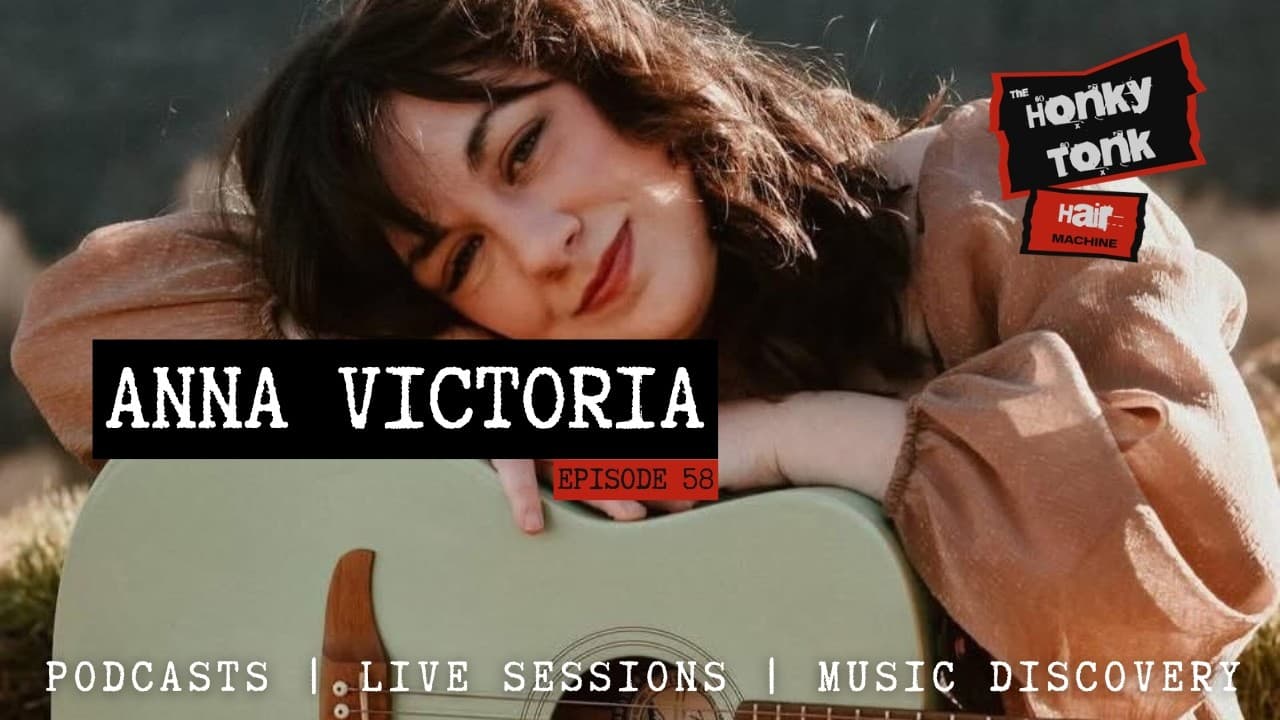
Anna Victoria
Inside North Carolina's Appalachian Music Scene | Anna Victoria
Anna Victoria joins Camden for an honest conversation about growing up in the mountains of North Carolina, discovering her voice as a songwriter and navigating life as an independent Country and Americana artist. We talk about learning to perform live, protecting her voice, finding confidence on stage, the influence of Appalachian music and artists such as Luke Combs, Sierra Ferrell and Dolly Parton, balancing music with motherhood, and the challenge of staying creative in a world driven by social media. It's a thoughtful conversation about music, family, creativity and staying true to yourself while building a career in independent music. Chapters 00:00 – Introductions, Weaverville, childhood. 02:00 – Singing, vocal health and beginning her musical journey. 06:00 – The pandemic, booking gigs and developing as a live performer. 09:00 – Coping with distractions, confidence and performing. 12:00 – Appalachian influences, Luke Combs, Sierra Ferrell, Dolly Parton and mountain songwriting. 15:00 – Family life, being a stay-at-home mum, social media and balancing music with everyday life. #lukecombs #sierraferrell #dollyparton Subscribe to The Rugged Revival. Share it with your friends. Support independent music! Listen to the full podcast on Spotify: https://open.spotify.com/show/6wnHcgA73o1aiiKaz882vH?si=30aabdaa220a4628 Follow The Rugged Revival: Instagram: https://www.instagram.com/theruggedrevival/ TikTok: https://www.tiktok.com/@theruggedrevival Facebook: https://www.facebook.com/profile.php?id=100094507520679 Website: www.theruggedrevival.com Email: ruggedrevival@hotmail.com
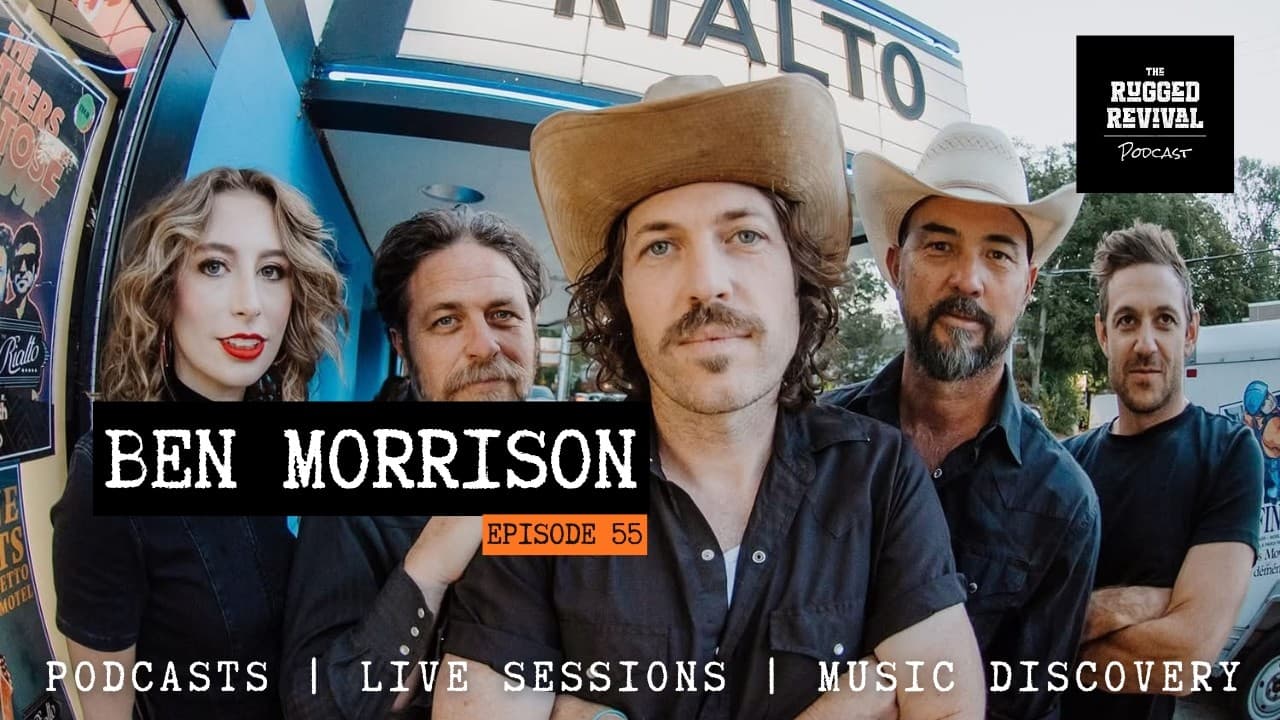
Ben Morrison
The Brothers Comatose: Ben Morrison on 18 Years of Music, Family & Touring
Ben Morrison of The Brothers Comatose joins the Rugged Revival Podcast for an honest conversation about nearly two decades ...
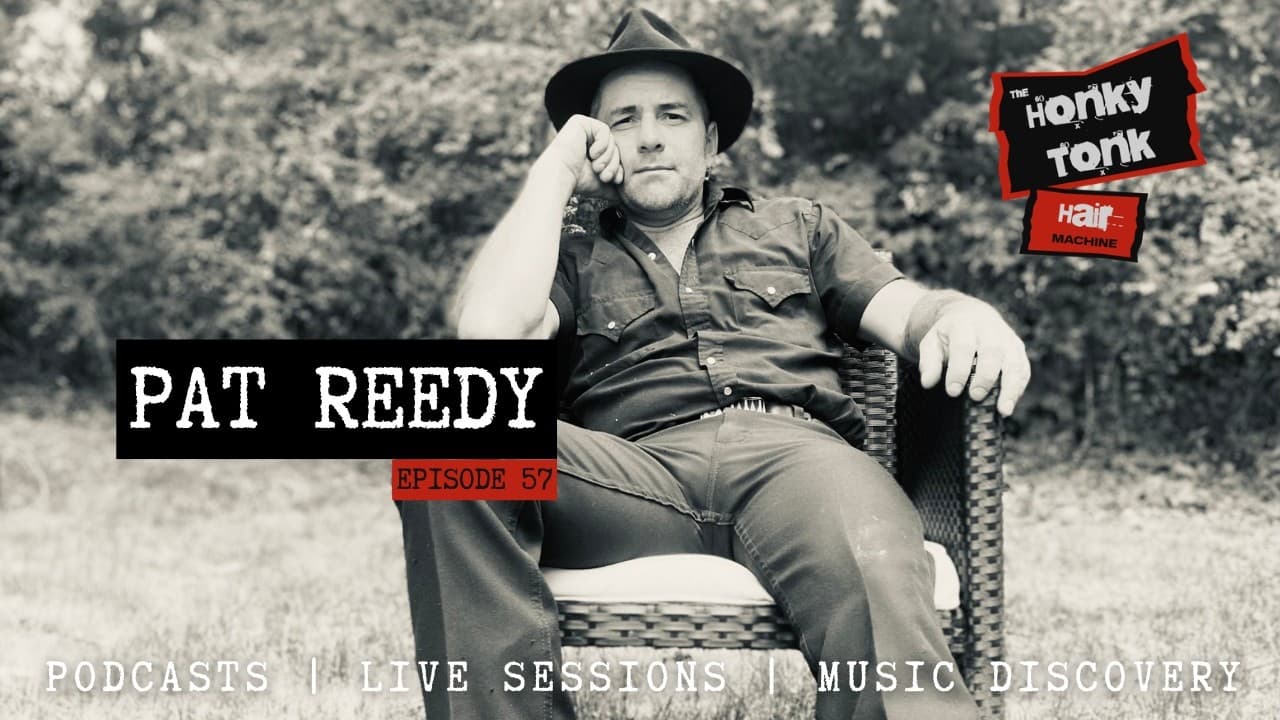
Pat Reedy
Pat Reedy on Busking, Nashville & Building a Country Music Career
Pat Reedy joins Camden to discuss leaving construction behind for country music, busking in New Orleans, life in Nashville, ...
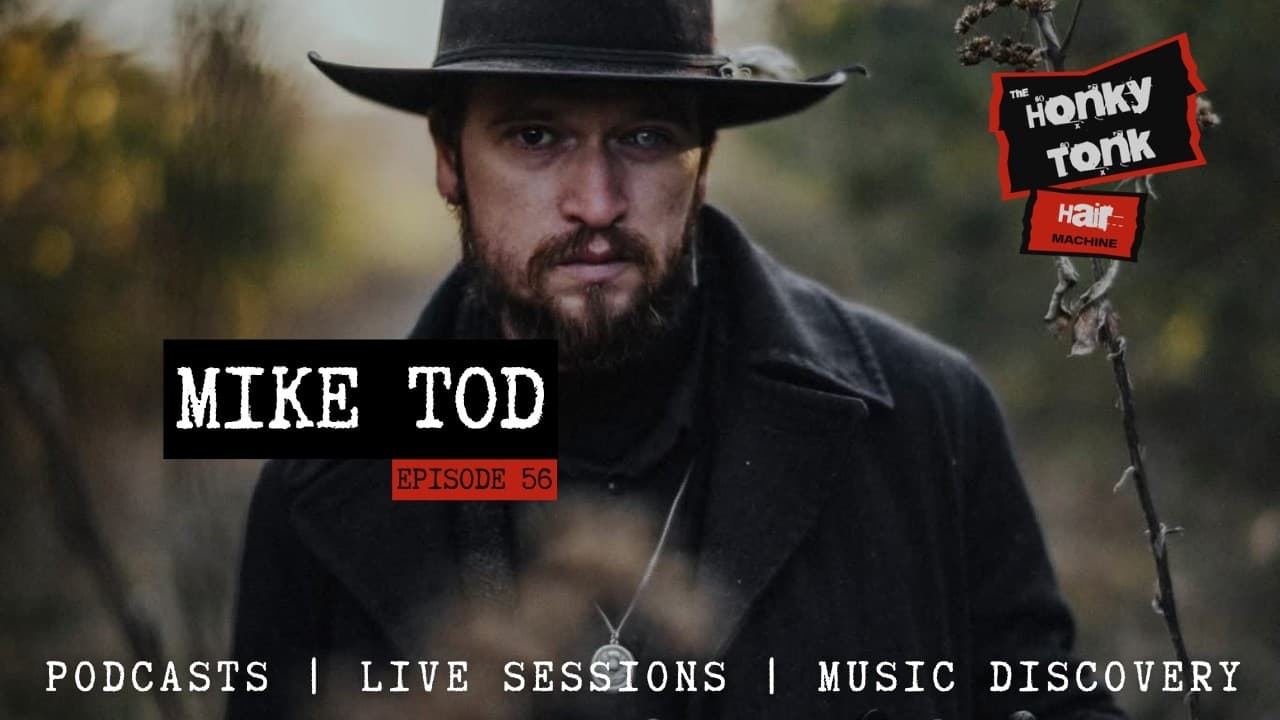
Mike Tod
Keeping Traditional Folk Music Alive in Nashville | Mike Tod Podcast
Mike Tod joins Camden to discuss traditional folk music, Canadian roots, life in Nashville, forgotten songs, unusual instruments and why preserving musical history still matters today.Originally from Canada and now based in Nashville, Mike explores the stories behind traditional songs, the connections between folk music around the world and how old music continues to influence modern artists. We also discuss his unique "Crankenstein" instrument, musical curiosity, collecting songs from the past and the importance of keeping traditions alive for future generations.Chapters00:00 Introduction00:00:30 Growing Up in Canada00:02:20 Discovering Music & The Crankenstein00:04:10 The Story Behind The Crankenstein00:05:20 Drones, Folk Traditions & Ancient Music00:08:10 Learning Guitar & Performing Original Songs00:09:40 Accessing Traditional Music in the Digital Age00:11:20 Researching Music History00:12:10 Playing The Crankenstein Live00:14:00 Creating Atmospheric Sounds & Live Performance00:16:00 Traditional Songs & Musical Origins00:17:50 The Artists Influencing Mike Today00:19:20 Studying Philosophy & Creative Thinking00:22:00 Horror, Heavy Music & Folk Culture00:24:00 Scottish Heritage & Family History00:27:10 Final ThoughtsSubscribe to The Rugged Revival. Share it with your friends. Support independent music!Listen to the full podcast on Spotify: https://open.spotify.com/show/6wnHcgA73o1aiiKaz882vH?si=30aabdaa220a4628Follow The Rugged Revival:Instagram: https://www.instagram.com/theruggedrevival/TikTok: https://www.tiktok.com/@theruggedrevivalFacebook: https://www.facebook.com/profile.php?id=100094507520679Website: www.theruggedrevival.comEmail: ruggedrevival@hotmail.com