
Jacob Ryan Marshall – Young Texas Honky-Tonk Voice
Watch on YouTube
Subscribe for new episodes, Grit Sessions & more
Listen to this episode
In This Episode
When Jacob Ryan Marshall was three years old, he crawled under his grandmother's bed and found a guitar—an instrument that would change everything. Most three-year-olds might have ignored it, pushed it aside, or forgotten about it within the hour. But Jacob knew, with the kind of certainty that defies explanation, that he'd found his life's calling. That moment, reaching for an old Gibson in the dark under a bed, set the Texas musician on a path that's led him from the coastal plains of Southeast Texas to the stage of Nashville's legendary Bluebird Café by age fifteen.
It's a story that feels almost too perfectly country—the found guitar, the discovery, the inevitable pull toward music—but what makes Jacob Ryan Marshall interesting isn't the mythology of his beginning. It's what he's done with it, and crucially, what he's chosen not to do.
When I found that guitar, I was like I don't know what it was, but it just clicked—this is what I wanted to do.
— Jacob Ryan Marshall
In conversation with The Rugged Revival podcast, Marshall comes across as someone remarkably grounded for a young artist generating serious momentum in traditional honky-tonk circles. There's no starry-eyed delusion, no desperate hunger for fame. Instead, there's someone who seems to understand, perhaps from years of watching the music industry from Texas A&M where he majored in animal science, that the real work of being a musician is the music itself.
Marshall's sonic DNA is worth paying attention to. He describes his work with refreshing simplicity: "old school country and western honky-tonk music." No qualifiers, no apologies, no attempts to rebrand tradition as something edgier or more contemporary. That commitment to authenticity feels increasingly rare in modern country music, where the temptation to add pop gloss or trap beats has become nearly irresistible. But Marshall's influences tell the story of someone steeped in the real thing—George Jones, Merle Haggard, George Strait, Alan Jackson. He grew up with his mother's classic country education alongside his father's grunge obsession (yes, multiple Creed concerts), but when the choice came, he moved toward the honky-tonk.
I play old school country and western honky tonk music.
— Jacob Ryan Marshall
The turning point seems to have come in his early teens, playing outside a bar in Galveston—underage and literally barred from the interior, so forced to play on the street like a busker. It's the kind of detail that separates serious musicians from casual hobbyists. Most kids would have quit. Marshall picked up his guitar and played anyway, and it was there that a stranger suggested he explore country music. The suggestion stuck.
What's particularly compelling about Marshall's approach is his refusal to take shortcuts. He recorded his first single in a freshman apartment at Texas A&M, and when it charted on Texas country streaming platforms, he didn't see it as a ticket to Los Angeles or Nashville deals. Instead, he kept writing, kept playing, kept building the craft. That's not to say he's unambitious—everything in his bearing suggests genuine artistic drive—but it's an ambition rooted in the music rather than the machinery around it.
The honky-tonk tradition has always been about specificity: the particular ache of a lost love, the exact geography of heartbreak, the texture of a Saturday night that turns into a Sunday morning regret. Marshall's commitment to staying within that tradition suggests someone who understands that there's no need to reinvent what already works. The stories have already been written by Haggard and Jones. What matters is bringing your own truth to the form, adding your own voice to the chorus.
At an age when many artists are still figuring out who they want to become, Jacob Ryan Marshall seems to have already decided who he is: a honky-tonk traditionalist from the Texas coast with the chops and the temperament to mean it. Whether that path leads to the Grand Ole Opry or keeps him a regional favorite forever, it's built on something solid—a found guitar, a grandmother's ghost, and a genuine love for a genre that refuses to die.
Listen to the full episode to hear how Marshall talks about those early influences, his time at Texas A&M, and where he's headed next. It's a conversation that reminds you why traditional country music still matters.
[Music] [Applause] [Music] Lo get broke, tables turn you learn. This is the Rugged Revival podcast and we are the home of the UK's country Americana and roots music community. Uh on the show today we've got Texas bass singer songwriter Jacob Ryan Marshall. Um welcome to the show Jacob. How are you mate? I'm all right. Thank you for having me. Awesome. Uh unfortunately Ronnie can't make it again. Uh stuck at workly. Usual excuse but uh yeah we wish him well for the next show. Um but I think we'll just hand over to you Jacob to start with mate. Um what we tend to do is just get you guys to to introduce yourself in around about one sentence. Tell folk how you describe your music. All right. Uh, I'm Jacob Ryan Marshall. I'm from Southeast Texas down on the coast and uh, I play old school country and western honky tonk music. Fantastic. So, where we tend to like to start is going through your your your background really. So, your your your family, your upbringing and things like that. So, where did you grow up and and what was that like for you? Yeah, I grew up about uh an hour southeast of Houston and uh man, I had a a good upbringing. Uh it was chill. Uh you know, a lot of fishing, hanging out, playing music, all that good stuff. I went to Texas A&M University, majored in animal science, uh spent some time working cattle and stuff like that. And uh now I'm doing music full-time. So completely different kind of career path, uh for music on that side of things. Oh, yeah. right now at least. Is that your backup plan almost? Is it pretty much? Yeah. Yeah. Hope I don't need No, definitely not, mate. So, how did you get into music then? So, I I read somewhere that you discovered music from a young age and that was through discovering your your grandma's Gibson under the bed. So, that that sounds like an interesting story, man, to start with. Yeah. When I was about three or four, I found my grandma's guitar under the bed. And uh she passed when my mom was young. And so no one else in the family played guitar or anything. And I found that guitar and I just I was like, "Okay, this is what I want to do. I want to play guitar." And uh it was it was hard to find someone to teach, you know, a four or five year old to play guitar. So it took a while and got into lessons finally and uh started playing music. And I didn't even start playing country music. I was playing reggaang music and 90s rock music and stuff and uh and then it just gradually uh you know progressed into playing country music. Yeah. Yeah. So, so you knew already from the age of three that that was your your thing and that's what you were going to do. Yeah. Yeah. When I found that guitar, I was like I don't know what what it was, but it would just clicked is what I wanted to do. I wish it would click with my kids as well, mate. But uh getting them off the VR and computers is uh tough enough as it is. But uh so was your was your grandma a musician then? She she played some guitar and sang a little bit but uh nothing you know major no shows or anything like that just for fun. Yeah. Yeah. So it's funny you know we have a lot of artists on this show and you know they they tell us how they discover music. A lot of them is like it's getting younger and younger uh the people that we speak to. So we've had three. We had Jesse Williams on a couple of shows back and you know she was joking around that she was feeling the music in her mother's womb. So we go all the way back to that stage and then we've had some you know find it later in life. So I find it always interesting to see you know what stage of life that um you know you discover it yourself and you know we've had a lot of child prodigies on. Um so that that's always good to know. So what kind of stuff you kind of touched upon some of the stuff that you were listening to growing up. What kind of artists were they? Well, so my dad listened to a lot of 90s rock, uh, 90s alternative, and, uh, you know, was a huge Creed fan. I'm not still a Creed fan, but we saw Creed probably 10 times before I was, you know, 11 or 12 when they quit touring. Uh, and it was music like that, a lot of, uh, grunge stuff. I mean, I loved Stone Temple Pilots and Allison Chains and all that stuff. And uh but my mom was a uh she listened to country music and uh you know all the classic country music you know Haggard, George Jones, George Strait, Alan Jackson, all that good stuff. But she also she loved the Dixie Chicks, grew up on the Dixie Chicks and and all that. So, I guess uh you know, I was getting older and uh playing all these rock songs and stuff and I was actually uh I was playing down in Galveastston on the island uh outside of a bar when I was 13, 14. And uh it was one of my first actual shows and I wasn't allowed to play inside the bar. I had to play right outside of the bar and a guy came by and uh he goes, "You know, you should play some CrossCanadian ragw week because you know, you're kind of mixing the whole rock and country thing." And I didn't know who they were, so I had to go look them up. And uh and then from then on it just spiraled. You know, you were hooked from that point. Yeah. Oh, yeah. It's uh it's interesting talking to you guys from the Texas scene because I'm finding, you know, there's a lot of punk, there's a lot of grunge involved and um it's more prevalent in what I'm hearing with you guys putting out your your own music and that's in, you know, with the influence of country music. So, I think you've got a unique kind of sound. So, I I can almost tell if it's a Texas-based artist or, you know, someone from Nashville or Kentucky. You've got your own kind of vibe and your own your own sound almost. That that's what I'm hearing anyway. So, it's interesting to kind of hear the kind of people that you're you're growing up listening to. Um, so are you currently independent still? Yeah. Yeah. Yeah. I mean, I work 301 out of Dallas and that's an independent label. You know, Ethan runs that. And yeah, besides that, it's it's me and and my mom manages stuff and all that. That's great. So, your mom's a real supportive fan of of what you're doing? Oh, yeah. Very supportive. Uh very she's the uh the one that keeps me in check. She's always, you know, you need to finish this song, you need to cut this song, you need to do this, you need to do that. Keeps you going. Still giving you homework at this age then? Yeah. Oh yeah. Oh yeah. Yeah. Is she helping you run your uh your social media accounts and things like that, too? Yeah, she does uh she does my Facebook because I'm not don't really get on Facebook and uh never really figured it out and uh she's always on me about posting. You got to post on Instagram, you got to post this, you got to post that because I'm just I'm not a big poster. I'm not good at uh replying to stuff and getting on there and posting all the time, but I'm trying to get better at it. It's so difficult. Some some artists really take to it and they love that side of things and there's a lot of guys and and and girls that I talk to and they absolutely hate that side of it because it it uh it's almost like you got to be the social media star as well as, you know, writing music and, you know, touring and gigging. It's got to be it's got to be real difficult and finding the time to do it as well. Oh yeah, that's what stinks because I mean I'll play shows every night of the week. I mean, you know, I'm playing shows four or five nights a week and uh I love it. I want to go play music as much as possible. I go see shows. I go, you know, hang out with musicians and we write and we play. But then there's a whole other side of it that it doesn't matter how much you play like it used to. You know, you think about, you know, Willie and Whan and all these guys. I mean, Wayan was Roger Miller's bass player and Buddy Holly's bass player and all this stuff and then, you know, he was just playing and meeting people and getting to play his own shows after that. And instead nowadays, then you can play all the time. And if if you know, you're not getting likes and follows and all that stuff on social media, then then it's uh, you know, it's not that big of a deal. Yeah. Yeah. It's um, you know, I always have this kind of conversation with people when they come on because I'm interested to see how how you feel about that. And you know some describe it's a necessary evil and some describe it actually it's it's more attainable these days that where I suppose back in the day where social media wasn't around it was more difficult to kind of market your music market you put that stuff out but now you know at a click of a button on your phone you can you know essentially do that yourself without the help of a record label. It's obviously helpful to have people in the background pushing that. Is that your doggies? Oh my god. delivery person at the door or something. Trapper. Sorry. No, it's all good, mate. We have all sorts. Children running in, dogs going. It's uh it's this type of show, but you're fine, mate. So, I I think I suppose that's a good way to to start with in in terms of, you know, what what's the easiest way for people to get hold of you? So, if they want to kind of book a show, um know more about your music, just generally talk to you. Where's the best place to find you? Yeah. Well, Instagram, Facebook, I get the messages, all that. Uh, my website, jacobrianmarsharshall.com. Uh, you can message me through there and and anything like that. Uh, I'm pretty easily accessible. You search up jacobrishall on Google and I'll pop up all over the place. You'll be there. Yeah. Well, I was trolling through all of your Facebook today and you you you're prolific, mate. Like you say, you're playing so many shows each year. It's it must be hard to keep it. So, what does a typical week look like for you? Well, uh, Mondays and Tuesdays are usually the the the chillst days. I get to, uh, try and get my stuff together, do some writing, you know, clean the house and stuff because usually, you know, Wednesday through Sunday, I'm running the roads, you know, out of town somewhere, playing a show, and trying to keep everything in check. Uh, yeah, I'm always I'm always traveling on the weekends. I mean, uh, I play all over Texas and, you know, sometimes I'm always play a lot up in Dallas and Fort Worth, which, uh, you know, I'm in southeast Texas. That's northeast Texas. It's still a, you know, five, six hour drive for me to get up there to, you know, we'll go play a show up there one night, maybe two nights in a row, and then have to get back and play a show in Houston the next night. So, it's a lot of that and, uh, try and get out wherever I can, you know. Yeah. So you lead a bit of a a nomadic lifestyle with uh all of the journeys that you take and so what is your kind of view on the Texas scene because it's um it's a huge scene and there is so many artists and it was interesting talking to your buddy Zach on the last show about actually how many artists there are to kind of compete against and and to try and get some spots and and play. But um you know a lot of people saying that they'd never leave Texas because the music scene is that great um and there's so many opportunities. So, what what was your personal feeling on that? Oh, yeah. I mean, I love it. I love uh I always say my favorite thing to do besides playing music is going to see live music. And that's that's what I do on my nights off. Uh you know, I have so many musician friends. I mean, just just down here around me, we have a scene of probably uh 20 of us that are good buddies that uh we all go to each other's shows. We fill in, you know, in band spots, play guitar for each other. We help each other book shows. And uh anytime we get a night off, we all get together and write and all that stuff. And I mean that's just you know within a 20 30 minute area around me. But uh I mean all over the place and there's so many different scenes. I mean you could separate it out into you know a million different scenes around here. I mean you got the folks who play Fort Worth every weekend. You got the the folks who play Dallas. You know there's a line of bars that book a lot of the same musicians. I mean, down here there's 10 or 12 bars that are within 30 minutes of me that that me and all my musician friends, we we all play, you know, we rotate out pretty much all of us just just there. Yeah. No, it's great that you've got a a little community going on. So, who who are you kind of best buddies, would you say, and and people that you spend the most time with? Oh, down here, uh, there's a guy named Daniel Lynn. He's he's great singer songwriter. Uh Blake Brown and Mud Creek Revival is a great band. Some of my good buddies. Uh man, there's a lot of them down here. Micah Cheetum. Uh there's a lot of uh country and western singers down here. Fantastic. And uh I suppose dialing it back slightly because I I was trying to find out as much information about you before you came on and and trying to find some interesting talking points and you know, like you say, you started young. you started playing lots of gigs at a young age from like 15. And there was one piece that I found about you playing the Bluebird Cafe in uh Nashville. So I found that really interesting because I I recently watched a documentary about the Bluebird because I didn't know right lot about it being from the UK. Uh but I knew it was seems to be like the the place to kind of start out and it started a lot of careers and it you know in terms of like Taylor Swift, G Brooks and you know some of those country artists and uh so interestingly you know how how did that kind of come about for you? So uh me and my family went on vacation in Nashville. Uh I guess I was 16 or so. I think I was probably 16. And uh and I had just kind of first started writing some of my my songs and uh they aren't anything like I sing now or anything. And uh it's hard to get a spot in there. You got to you got to call as soon as they open that day and try and get your name down on a list. And I finally got my name down on a list. And uh and I got to go in there and play a song. And now I think back to that song. Man, I wish I could go play a song I wrote now. I wish I could go play it now. But uh yeah, that was a that was a cool thing. I think it was a cool experience to do and get to uh go play at the Bluebird, you know, such a legendary place. But uh I mean I was I was playing and back then I think the song I played it was called a train I think is what I played and I was I was listening to a lot of uh Bob Dylan and Woody Guthrie and I it was kind of a folk song and I was playing a lot more folkish stuff back then. That was cool though. Nashville's place. It really is. Yeah. And I suppose like you say, the application process is is so vast um for getting in there. So that's amazing for for someone of that age to to get in and to play your own original song. So what what was it like off the back of that? Did you did you get a lot of traction or where did things go from there? Honestly, I don't know if uh I got anything from from that besides the experience of getting to play at the Bluebird, but uh you know, no phone calls or nothing from that that time in in Nashville. Uh but I mean, it was a cool experience. So, who who you playing to? So, I've seen obviously the documentary and it's a smallish cafe, isn't it? So, it you just think it's a a huge place, huge venue, but I think it's from from what I saw, it's a tiny little spot, but it's a small little room. me up out of the way, isn't it? Yeah, it's cool. I mean, there's a lot of other songwriters in there, you know? I mean, Nashville is overrun with singer songwriters. Uh, and uh it's a lot of people who didn't get in there that day to to play and people go in there to hear other music and hear new music and people who, you know, haven't been discovered yet. Uh there was there was one you know there's always famous people in that place and there was uh one one famous gal an actress she was in Sex in the City. I've never seen the show but uh I don't know which one she was but they they said oh you know she's in here. Yeah. I was hoping for you know Guard Brooks or someone in there. Yeah. not not quite the person that you wanted, but um like you say, it's a fantastic opportunity and you know, I'm sure that will stick in your memory forever, man. But uh so let's dive forward, mate. Um I was listening to your music today. I always like to kind of spend a day as much as I can, you know, going through all of your releases and you know, you had a a busy, was it 22, 23 releasing singles. I think you had about seven singles in that in that time. So talk us through your kind of early releases. So, uh, lots of the I always say lots of the stuff that gets put out has been recorded, you know, a year or two before or even more and written even before that. Uh so lots of the stuff with singles that you know we had cut and had on hold for a while and uh we did put out the fulllength album Music Man last March and uh that was my first fulllength album and it was really we had rolled out four or five of those as singles already and then we had uh you know five or so more that we wanted to get out there and so we put that out as a whole album. But thing is that rolling out singles right now gets you so much more traction than than uh putting out one full length album that people don't listen to all the way through. You know, when you put out a single, people listen to that and then you can put out another one, you know, in a month or two. And that's that's what, you know, the big thing is right now. Yeah, I noticed that particularly on Spotify where you know some of the artists are just kind of drip feeding you single by single and I think that's actually an interesting way to do it because like you say if you stick out a full album will people listen to it in the same way that we used to and you know maybe that's down to attention span with with social media these days. It's quite quite sad, isn't it? Oh yeah. But yeah, especially as a smaller artist, like I mean, you know, like when Flatland puts out a full album, people are going to go listen to the full album, you know, even though they put out two or three singles or, you know, Turnpike and stuff like that. But when smaller artists that aren't really known, I mean, someone could go to the album and click on one song and think, "Oh, well, this ain't really my cup of tea." Not listen to the rest of it. But when you roll out singles, you know, people will listen to that song until, you know, you put out the next one. Yeah. So, so with the singles that you put out so far, what would you say has been kind of the most wellreceived one? Well, Good Girls Go to Heaven, Bad Girls Go Backstage. That one that one it ain't it ain't my favorite. I mean, I love the way I love the way we cut it. I love the way it sounds. It's just as a songwriting aspect. It's not, you know, it's it's a party song. But that one, that one is real fun. People love to hear that one. And uh we close with that at live shows. Uh you know, it's fun way to end. We get real loud and rock out for a little bit. Uh that one did pretty well. Coming down. Uh that was a really good one. Uh people request that song at shows. And uh but this last one we put out, uh Too Low Down to Measure, that was our first song we pushed to radio, Texas Country Radio. And uh that one's done that one's done real well, too. That's more of the the sound of a lot of my my newer stuff that I've been writing recently. It's as close to, you know, what you're going to get at a live show. Yeah. I I really like that one that you've just put out. And um has that been out on the ranch radio and and places like that so far? Oh, yeah. Oh, yeah. Uh the ranch in Fort Worth, uh the Maverick and College Station. Uh yeah, there's a bunch and there's a bunch of, you know, smaller Texas country radio stations in in towns all over the place. I've uh I've done a little bit of a radio tour where going to different radio stations and doing little interviews and talking about my songs and them spinning my songs in towns that I didn't even know had a radio station. It'll be small town in the middle of nowhere and uh go out there and do an interview and that song is, you know, getting played out there. That's awesome, man. It's uh it's always interesting to go out to different places to find out, well, you know, what what kind of audiences that you you've got going on. And, you know, interestingly, when people post out there, you know, streaming um statistics and stuff like that, you've got um people listening as far as like Brazil and random places and have you experienced anything like that with with what you're seeing? Oh, yeah. uh the first radio station that well so the ranch in Fort Worth Shane Hollinger is a buddy of mine and he is awesome and uh he he played one of my songs a couple years back when we first put it out uh Creek don't rise and that was the first time I was ever on the radio but shortly after that uh a radio station in Italy I believe uh was spinning my song and that was one of the top places I was played in in Italy, which I thought was crazy. It's mad, isn't it? I want to go. That's the beauty, I think, of having these internet radio stations. And and to be honest, this is where I found a lot of uh the Texas country music um scene was through the ranch radio, which I talk about pretty much every bloody uh episode we have. But it is that good. And and Shane Hollinger is one of my favorite DJs over there. Um so yeah, it's great that that you're good buddies with him. But uh yeah, it's always interesting to ask those type of uh questions. But um so yeah, let's I mean talk about your your your latest album. So Music Man, is that part of a kind of wider project or an ongoing thing that you you have going on? That was probably the uh the conclusion of that kind of uh that era of my music I'd say because it was a lot of the stuff we had done half bit at Crystal Clear Studios in Dallas and half bit uh at Ethan's place in Dallas and uh it was a lot of stuff that we had had saved up songs we never thought we didn't know if we were going to release uh like Puzzle Pieces we didn't know if that one was ever going to come out. Uh we cut the demo for it and just left it there for 2 or 3 years. And uh we were talking about how we were going to put out uh songs like The Outside that we did at Crystal Clear uh and a couple of these other ones that we didn't know. We didn't want to roll them out of singles because we had already put out so many singles and my music was changing and sounded different now. We had had these for so long that we decided how about we put them all on this one project and uh that's kind of the conclusion of that, you know, era of my songs cuz lots I mean I wrote the outside when I was 16 17. I wrote uh shoot I'm trying to think I started Good Girls when I was 18 and uh Coming Down, all that stuff. So, those had been those had been in the vault for a while and I I wanted to get them out there because I I love some of them songs. It's just not what I'm doing now. You know, it always is progressing and keeps going changing. Times change, man, as we get older and uh our tastes and our style changes as we as we go along. But it I mean it's interesting obviously with you started at the uh the Bluebird Cafe and that was quite a mature song for that age and you know and going through to to what you're doing now in terms of um 301 Productions then. So what what what is kind of the style over there in terms of how you guys set up how you record? It was funny listening to to kind of Zach talking about the early days when it was quite uh you know in terms of production and and the equipment that you had was quite um small but now going into full band and uh that kind of mode it's taken off. Oh yeah, it was really cool. So, uh, I got introduced to Ethan, uh, through a mutual friends of ours, uh, guy named Jordan Canales. And, uh, got introduced to him at the TAP, a bar in College Station where there's a lot of live music and stuff. And, uh, he was selling merch for I think he was selling merch for Parker Ryan at the time. And, uh, Jordan was like, "You got to meet my buddy. He produces music, you know, he's got this independent label." And uh and so I met him there and we started talking. He was like, you know, let's let's talk. Let's hear some songs. Let's, you know, see if we can't cut something. And he we were both living in College Station at the time. He went to&M also. Uh and uh so yeah, we we we got to talking, we became good buddies, and uh we decided we were going to cut a song. So I went over to his apartment. He had this really cool apartment that uh it was it was had like a loft. It's a cool place. We don't have much places like that in College Station especially. And uh I went over there and cut just downstairs right by his computer uh right it's right behind the bar district in that college town. And that's really cool because that's you know place we all used to go play and hang out and everything and his part's right there. And we cut Creek Don't Rise was the first song we cut there. And yeah, I was just standing. There was no booth. There was no nothing. I put on the headphones and stood in front of the microphone right next to his computer and uh and we cut uh Creek Dump Rise. And then we had Wes Barlo come out and play fiddle on that. He was living in College Station at the time. Also, that was really cool cuz Wes had played on some, you know, records I love and is this kind of Texas fiddle legend and uh he came out and put fiddle on that song and that was my first release with 301. And then since then, we both graduated. Ethan moved back to Dallas. I moved back down here and uh you know, I became friends, good good buddies with everyone on the label, everyone who has something to do with it and hangs out. And uh yeah, we still I'm always, you know, I go up in Dallas and play shows and stay with Ethan and uh we still cut demos at his place in uh Dallas and even some acoustic stuff because he's built a whole studio in there and uh if we're going to do full band stuff, we normally go to Crystal Clear in Dallas. Yeah, that's awesome, man. And it's it's great that you're you're working with kind of legends on the scene as well. It's um it's really interesting to see who guys are kind of playing with and is there anyone else that's um I mean I was going through your Facebook earlier today and I suppose going slightly off but uh seeing the guys that you you're working with at venues as well and I saw one cool picture of you and Coulter Wman. So that was uh that must have been a good good time. Yeah, we played the uh the Westgate in Vegas during the NFR. And uh we played Friday night, I think, and then Saturday night, I'm sitting there gambling, uh losing all my money, and it's about 3:00 a.m. And I look over, I go, "Holy that is Culture Wall right there." And I I got so nervous. That's one of my heroes. And I'm like, "All right, I got to go talk to Culture Wall at the bar." And I go over there and, you know, I say what's up and I get a picture and tell him I'm a big fan, whatever. And we walk off and uh uh this gal that kind of put the whole thing together, she goes, "You know, he was uh here for like half your set last night." And I was like, "No, I had no clue. I didn't see him out there, but that is crazy cool." And I met so many cool people out in Vegas. I mean, you know, during the NFR, that's, you know, rodeo stars, uh, country music stars, all kinds of people out there. And I hung out with, uh, Kenny Feedler, who I've listened to forever. And, uh, a bunch of just really great musicians. And it was that was a really cool thing. That's amazing that he was at your show. And, uh, he everyone I speak to says he's just the the soundest dude going. Uh, so to be just out there chilling, watching watching shows like that, it's uh, it's amazing. Um, so is there anyone else like you've kind of met on your travels or played with that you kind of have fanboy moments over? Oh, uh, I'm trying to think. I mean, Charlie Crockett I've hung out with a few times. He's an awesome guy. Uh, I mean there's really a lot of them. The thing about the the country music scene, especially the Texas country music scene, is that everyone like, you know, you think these guys as huge stars, you know, or, you know, oh, I love this guy's music, have listened to him for so long, and they are, but then, you know, they'll be at the bar hanging out, listening to music the same as you are. Especially in Texas. I mean, when you're in a place like uh like Fort Worth, you know, where there's all these legendary bars and people are playing Billy Bobs and they'll come over to the stockyards and hang out in those bars or even College Station. I mean, uh any of these places, you know, you'll just see anyone. It's it's it's really cool how how it is down here. Yeah. Billy Bobs is on my bucket list, mate, to to come over and and just watch some shows that I'd love that completely, man. So hopefully next year. Fantastic. So let's move on, mate. Um we started a playlist on the Rugged Revival uh recently because we we've had quite a lot of uh artists on now and I thought it'd be good to do an exclusive playlist um for people that have been on the podcast, the guys and girls that we go meet live at some of the shows. And what we've done is we we give you two songs that uh I'm I'm starting to kind of get you guys to pick them rather than me picking my favorites to say, "Well, what what should your two songs be that kind of show people who you are?" Oh, that's a hard one. Uh, I love Music Man acoustic, but I don't know if that's the best representation of uh everything we do. I'm thinking probably Too Low Down to Measure, my newest single and Coming Down cuz people people seem to really like Coming Down. Good choices, man. We'll get that added for you. Yeah, it's something that we like to do and I think it's like I said, I could have my favorites, but um I think it's good to have have what you think is a good reflection of of what you're putting out. Um in terms of um stuff that you listen to personally, L and I suppose a lot of questions are typically, you know, what's your favorite ever album or band and all that stuff, but I like to look at the last 10 years because we've had so much good music in that time period. And I would say, you know, to you, what what is the best album or the best single even that you've listened to in the last 10 years? And why is that? So, I'll tell you, I know we've been talking about Culture Wall a lot, but uh Western song, Western Swinging Waltes and other punchy songs, his record he put out in 2020 is one of my favorite albums of all time. uh you know the way he he incorporates the the western and the uh the uh you know agriculturebased country music I love that I love that and I love little songs his newest album also but the western swings and waltses is is probably my favorite album that he's done man that's a hard question I'm trying to I listen to a lot of old old music too so you know lots of my stuff it's all you know Haggard and Johnny Paycheck and all that, but that's that's probably my favorite in the past 10 years. It's that's one of my favorite albums. Uh that's good. MJ Linderman is another another guy I've been obsessed with recently. And uh it's kind of more he I mean he has steel guitar and stuff on his records, but it's more like indie kind of music and and that guy's really killing it right now. Fantastic. Zack Top. I mean, I'm sure you get that every every show, but Zack Top, I'm going to see him tomorrow at Houston Rodeo, and it'll be my first time getting to see him because I haven't got got to go see him yet. And uh I mean, that that album he put out this past year is just amazing. And that guy is just killer. I mean, I love to to watch his acoustic videos and everything. Those are just, you know, you don't see talent like that too often anymore. Yeah, it's uh he's really blown up over the last couple of years, hasn't he, Zach? And no, it's great. You know, you've given some different answers because a lot of people are saying obviously um people like Sturgill uh the last 10 years and so it's interesting to get some different names on on the list that we should be checking out and and some of these albums, man. So, thanks for that. Um, in terms of I mean this platform primarily is about emerging musicians, um, independent artists and and people kind of on that trae got to get my words out trajectory. Um, so for you, who would you say that we should be checking out from that kind of scene? Sorry, this is I got to think about this one. Uh Jake Worthington. He's great artist. I think he he just signed with Big and Loud, but uh but he's he's been running the roads playing country and western music forever. He's from town next to mine, and uh he's opening shows for Zack Top on on uh this tour he's doing. Uh he's a killer. Uh, I'm trying to think. I mean, Kenny Feedler, like I mentioned earlier, uh, he's he's been doing this for a long time and and I love some of his stuff and, uh, I feel like he doesn't get the recognition he deserves. Uh, Tyler Halverson. Now, I wish I need to go look at my playlist. I was going to say, who who are the last people on your playlist? That's always a telling point. Oh, Summer Dean right now. Summer Dean. Summer Dean. Uh Ellis Bullard. I opened a couple shows for Ellis uh in the past couple months and that guy's awesome. Uh there's a really good honky tonk scene that I think is is kind of different than uh you know like a Texas country or whatever you want to call it scene. It's more uh old school honky tonk music. Ellis is out of uh out of Austin and uh and there's some great musicians here in Houston, too. I mean, uh Christopher Seymour and the Western Cosplays, those are some of my best buddies. I was just with them on on Thursday, and they're they're awesome Honky Tonk band out of Houston. That's amazing. It's funny because Ellis got a a really cool shout out not long ago from the Joe Rogan show. I think Joe Rogan was randomly in some honky tong place and Ellis was just playing. So, I think it was just the the stars aligned that night. I think he I think he was at the White Horse, which is my favorite bar in Austin, and I'm not a I'm not a a big fan of Austin anymore with the way it's changed and everything, but there's a couple good good old school honky tonks around there that put on some great music like uh the White Horse, uh Longhorn Saloon, uh Pooties. There's some good bars out there that bring out some great musicians. And that's the thing. Anytime anytime I mean I here in Houston and around Houston too, I'm always going to see live music, but going to other towns and going to their bars that put on good live music is my favorite thing to do. Every time I'm in Austin, I go to the White Horse. They have music seven days a week. And uh they have three bands a night, seven days a week. So it's really cool to go in there and you know it'll be someone you've never heard of and it'll be one of the best shows you ever seen in your life. Uh, Croy and the Boys is another great band from Austin that I really like and they play up there pretty often. You guys are spoiled, mate, to have so many bands during the week. You know, we typically have to wait till the weekend in in the UK. So, uh, that's it's a big reason why a lot of us want to go out and experience some of the different scenes. So, as an outsider, you mean you touched upon Austin changing that that sounds interesting. So, what what's your kind of view on that? Well, I always think about I live about three and a half, four hours from Austin and uh when I was young that was like anytime, you know, we had a long weekend or something. You know, we're going to the Hill Country on a little mini vacation. And uh I remember when I was young, we used to walk up and down Sixth Street, which is the big bar district in Austin. And uh there was bands in every place and they'd have the doors open. and you could hear these bands. And when I was little, we used to we used to walk by there. I wasn't allowed to go in the bars. My parents would take me down there and we'd stand outside and listen to these bands. And it was like like in Nashville, there's, you know, there's music at every bar seven nights a week. And you'll hear some of the best music you've ever heard just from someone who nobody knows about playing in a little dive bar in Nashville. And that's how Austin used to be. And now Sixth Street has turned into more of like a club. You know, there's DJs and and it's, you know, packed and crazy and everything, but there's still a couple good spots for for uh live music, especially live country music. Uh so so it's losing a bit of that old old magic that it used to have. Yeah. Yeah. That's a shame, man. That's a shame. But um so outside of music, what what kind of things do you get up to? What is there something that you're kind of passionate about that people might not expect of you? Oh man, I love to fish. Uh shoot, what I do? I mainly fish and play music. So, uh I love to fish. I like to read. Uh I'm always with my if I'm not at a bar playing music or listening to music, I'm hanging out with my family. Me and my my my nephew and niece are real close and and I they live just up the road. So, I get to see them every day. Uh, man, I guess I need to get more hobbies. Yeah, it's interesting because, you know, I suppose if you're touring that much and playing gigs, it's uh trying to find time for hobbies is difficult, but uh you know, we've had some we've had some nerds on on the show before where it's all Dungeons and Dragons and that type of thing and other people like yourself that like to fish. Leon Mson was one of those guys that, you know, the first chance he gets, he's out fishing and that sounds perfect to me, just to kind of unwind and relax and away from music and bars and and that scene. So, that sounds pretty relaxing to me, mate. Oh, yeah. I live right here on the coast, so I'm I'm, you know, in the hot spot for fishing. I fish pretty much every day that I can. And we got a creek right here on the property that holds some little bass. So, I get to go out there and toss a line whenever I want. So, that's real nice. You're living a dream, mate. That's uh that's awesome. So, let's look into the future and and kind of what what's next in your your world? Um what kind of projects have you got coming up? Are you are you looking into any collaborations of any kind of I don't know about collaborations. Uh, I mean, I'd like to I got a duet I've written that I I want to get cut, but it's it's kind of, you know, hard finding the right voice for that and the everything. But, uh, I just couple months ago went and cut some songs up at Rosewood Studios up in Tyler, Texas, out in East Texas. And, uh, Too Low Down Measure was the first song we did there. That was our first one to get out. But we got a couple more that uh we're going to be rolling out in the next couple months. Uh some of my favorite songs I've ever written, some of my favorite songs I've ever cut. I had some worldclass musicians on there and I had before, but uh these are guys that I've never never cut with until this record that I'm really excited to have out. Uh Adam Goodell on Steel is one of the best steel players I've ever seen. Pro actually the best steel player I've ever seen in person. And uh to get to, you know, have him on a record is just a dream. And that whole band that that cut with me up there is just killer. Yeah. Awesome. And uh you you say you're looking at that single where you might have another singer with you. Would that be a female kind of artist that you'll be looking for? Yes, sir. Yes, sir. Yeah. It's a I wrote this duet two or three years ago. Uh it's called Kansas. Uh, I got cousins up in Kansas and every summer I go spend some time up there and uh, yeah, I wrote this duet a couple years ago in Kansas and uh, been trying to, you know, uh, shape it up and get it ready and then and then find someone to come sing it with me. Yeah. And what's your usual process for that to to find somebody? Is that through people that you know or is that kind of reaching out to wider networks? Well, this is my first time I've ever done it, so uh I've thought about people. I know I know some great some great female singer songwriters and stuff, but uh but I might be reaching out to people. I might just, you know, see who who likes a song, who, you know, could relate to a song more and, you know, would want to do it. You know what I mean? Yeah, definitely. Well, it'll be interesting to keep kind of tabs on it and and and see what you do with it. But, um, so you you're obviously touring all around Texas constantly. Are you looking to kind of expand uh on that in terms of different scenes or even uh abroad places like the UK even? Oh, always anywhere that that wants me to come play music. I I want to do it. And uh I love to travel. I mean, it's my favorite thing. I love to go go places I've never been before. And uh I played Kansas last summer. Uh couple different spots in Kansas. And you know, we played Vegas in December and I'd love to get, you know, even a small Oklahoma, Kansas, you know, Arkansas, something like that. Uh, yeah, I've been talking about doing something like that, booking a a run up through there. It's just it's hard to get uh get guys who are my band is is Texas based and my, you know, my drummer and guitar player. They're a little bit older and they got families and stuff. They don't want to be gone on the road for for that long. That's why it's it's it's easy. Not I wouldn't say it's easy to do Texas, but it's easier because I mean they live two hours north of me and they're, you know, two hours closer to Dallas or Fort Worth. So when we get to go up there, go elsewhere, you know, it's not that bad for them. They can go stay a night or two and get back home. But when we're when we're gone for, you know, a week, two weeks at a time, you know, they're like, "Oh, I'm, you know, I want to be at home with my wife and kids." Well, it's tough going, mate, isn't it? Like you say, it's logistics of it. It's personal family lives and Yeah. So, I I don't blame you. It's uh it's a tricky one. But I suppose at some point you're going to have to go to Italy, seeing as you got a new uh fan base over there, man. So, that seems like a good excuse to take a take a trip that way. And Italy is lovely. A dream of mine to go go to Europe and stuff. I've I went to uh Mexico on a cruise uh in December of 2023 and you know we're off the boat for eight hours. I didn't even need a passport or nothing, you know, because it's, you know, we're just in a little tourist town. But that's the first time I've ever been out of the country and I I really want to uh want to get to go to all these places, especially if I get to go play music there. That's a dream of mine. Awesome, mate. Well, I hope it happens for you. Um, so in terms of kind of supporting you and you know beyond, I suppose streaming your music, what can fans do? What what can we do to kind of help and and kind of progress what you you need? Oh man, I got merch for sale. Uh, you know, come out to a show anywhere I play. I mean, obviously in Texas is where I am most of the time, but uh, yeah, I I can sell merch online. I can ship whatever. Uh the streams help. Uh calling your radio stations, asking them to play my music helps. Uh giving me likes, follows on all that good stuff. I mean, that helps the venues, you know, the more followers you have, the the the better venues like to book you. Yeah, it's it could be a pain in the ass sometimes playing the numbers game, but like you say, it's a it's a necessary evil, mate. But um if we can all do that and uh the people listening, yeah, give give uh yeah, give him a follow, man. It's uh it's all helpful. But is there anything else that you want to plug, dude? Not really. Keep listening to good country and western music, supporting small artist. That's the the best thing you can do. Awesome. Look, I I really appreciate you coming on. It's been fun speaking to you, man. And um yeah, I encourage everyone to to give you a follow, go listen to your music because it's awesome. And I can't wait to to see what kind of stuff you're bringing out next because it all sounds good. But uh we always sign off with a little toast. So I don't know if you got a a drink or anything, mate. If you haven't, just give us a thumbs up. But uh we normally say we raise a toast to the the grit, the grind, and to the revival. Thanks everyone for listening.
Comments
Keep listening
Related Episodes
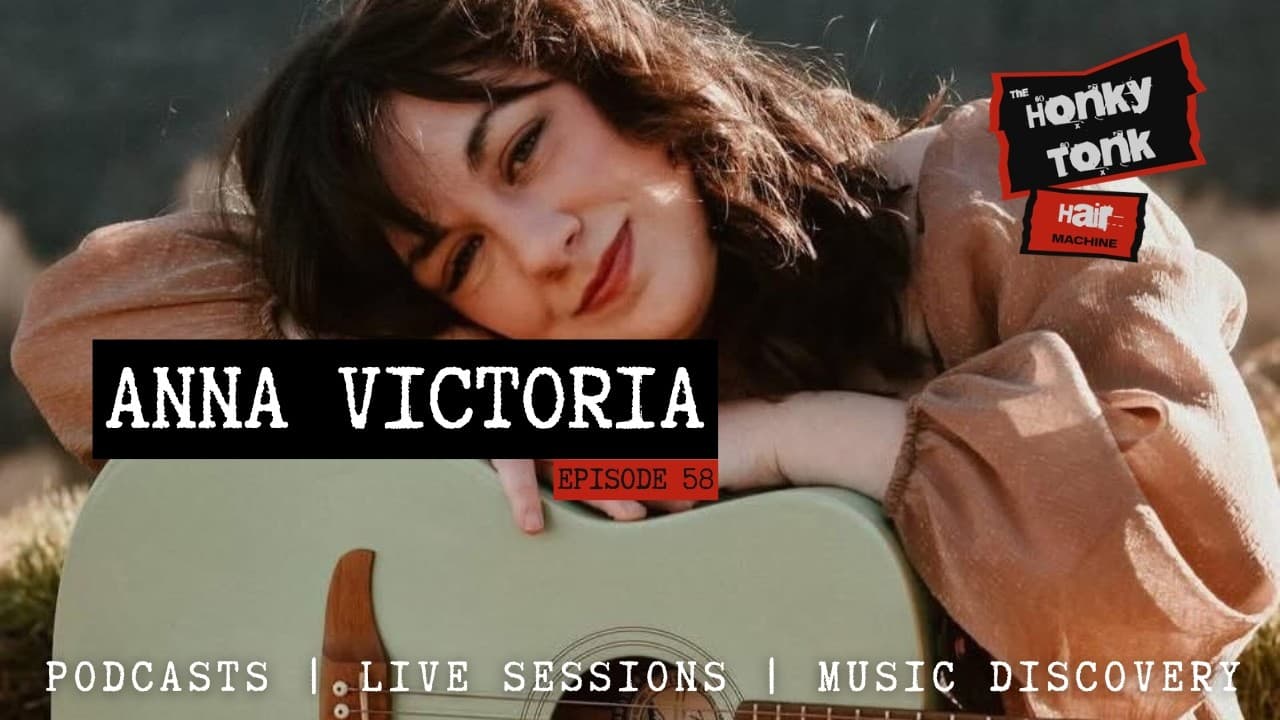
Anna Victoria
Inside North Carolina's Appalachian Music Scene | Anna Victoria
Anna Victoria joins Camden for an honest conversation about growing up in the mountains of North Carolina, discovering her voice as a songwriter and navigating life as an independent Country and Americana artist. We talk about learning to perform live, protecting her voice, finding confidence on stage, the influence of Appalachian music and artists such as Luke Combs, Sierra Ferrell and Dolly Parton, balancing music with motherhood, and the challenge of staying creative in a world driven by social media. It's a thoughtful conversation about music, family, creativity and staying true to yourself while building a career in independent music. Chapters 00:00 – Introductions, Weaverville, childhood. 02:00 – Singing, vocal health and beginning her musical journey. 06:00 – The pandemic, booking gigs and developing as a live performer. 09:00 – Coping with distractions, confidence and performing. 12:00 – Appalachian influences, Luke Combs, Sierra Ferrell, Dolly Parton and mountain songwriting. 15:00 – Family life, being a stay-at-home mum, social media and balancing music with everyday life. #lukecombs #sierraferrell #dollyparton Subscribe to The Rugged Revival. Share it with your friends. Support independent music! Listen to the full podcast on Spotify: https://open.spotify.com/show/6wnHcgA73o1aiiKaz882vH?si=30aabdaa220a4628 Follow The Rugged Revival: Instagram: https://www.instagram.com/theruggedrevival/ TikTok: https://www.tiktok.com/@theruggedrevival Facebook: https://www.facebook.com/profile.php?id=100094507520679 Website: www.theruggedrevival.com Email: ruggedrevival@hotmail.com
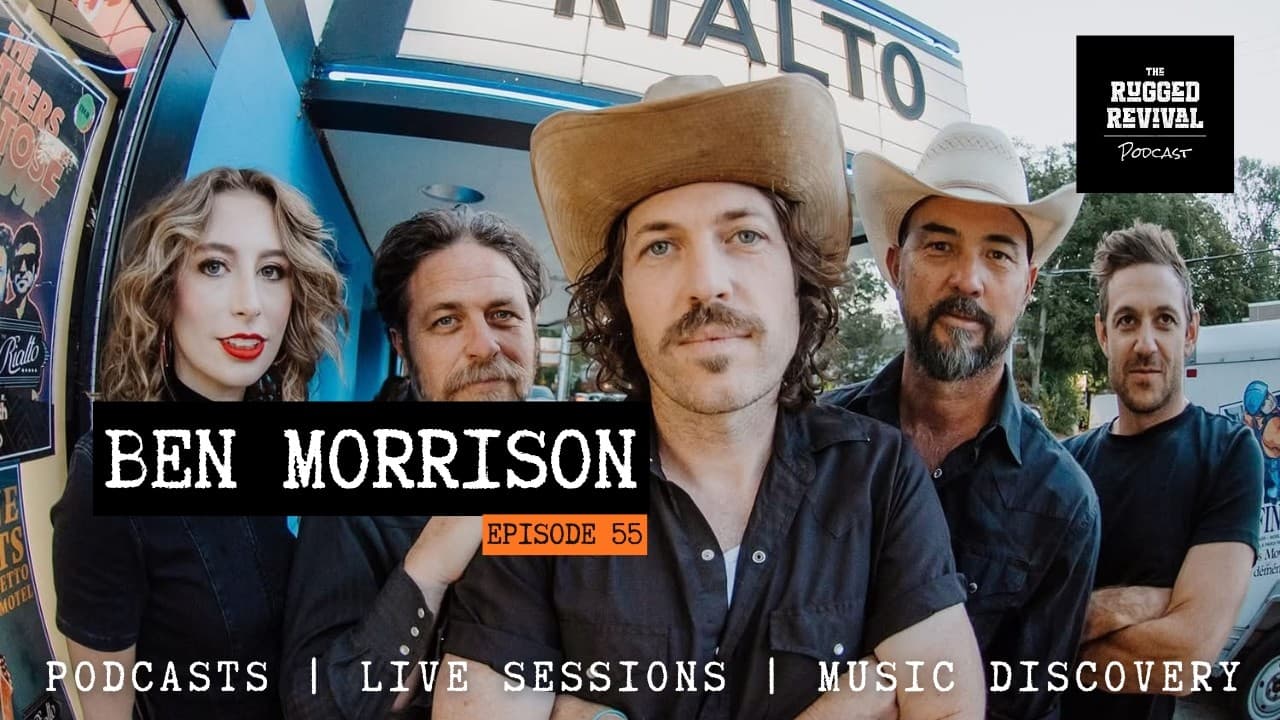
Ben Morrison
The Brothers Comatose: Ben Morrison on 18 Years of Music, Family & Touring
Ben Morrison of The Brothers Comatose joins the Rugged Revival Podcast for an honest conversation about nearly two decades ...
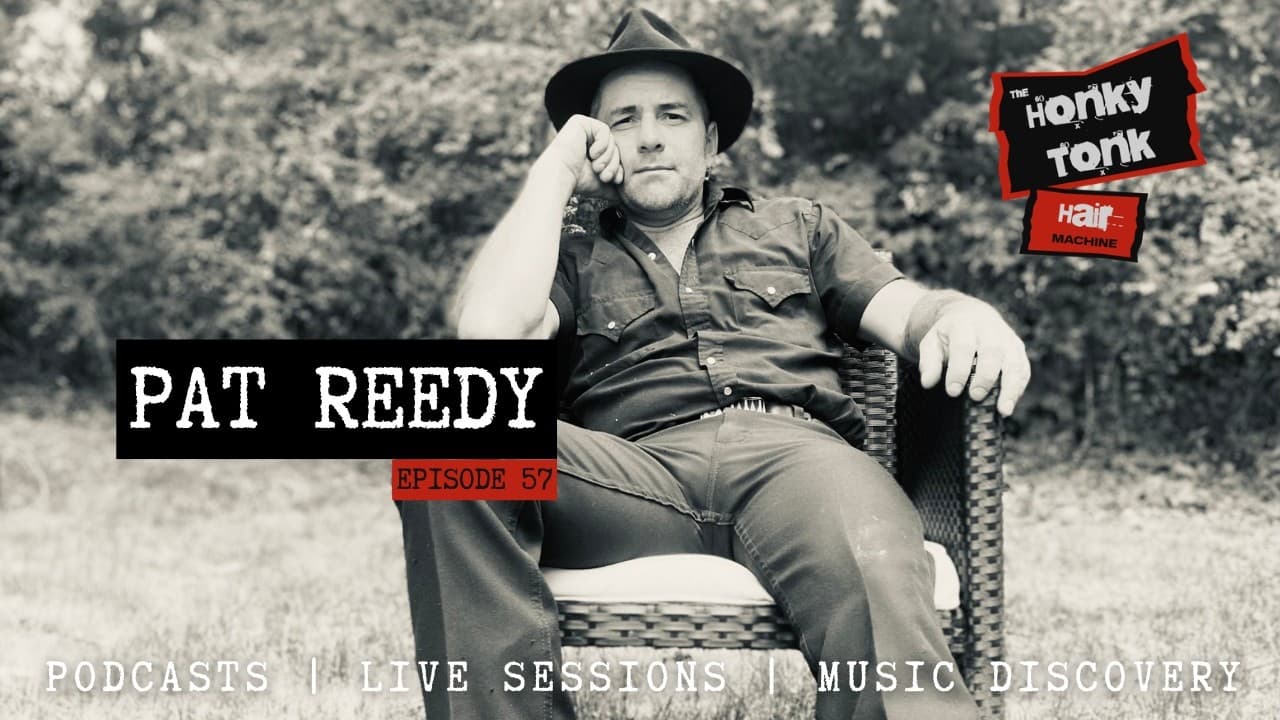
Pat Reedy
Pat Reedy on Busking, Nashville & Building a Country Music Career
Pat Reedy joins Camden to discuss leaving construction behind for country music, busking in New Orleans, life in Nashville, ...
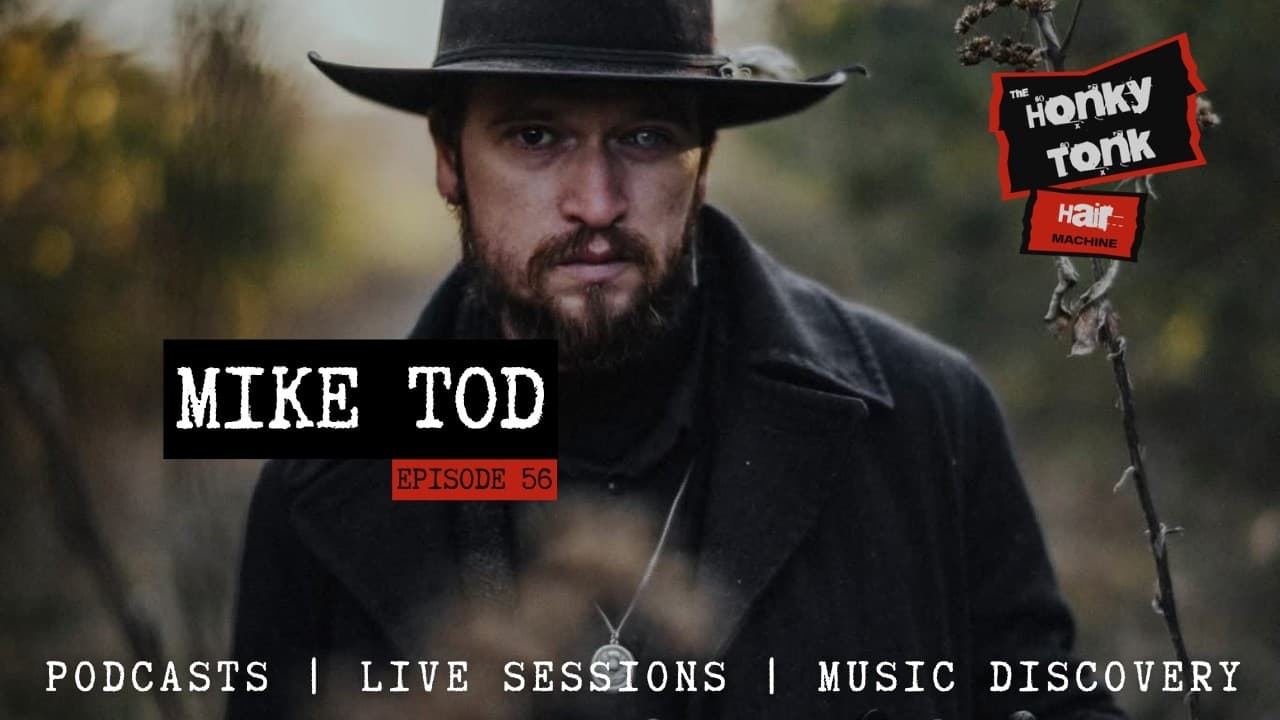
Mike Tod
Keeping Traditional Folk Music Alive in Nashville | Mike Tod Podcast
Mike Tod joins Camden to discuss traditional folk music, Canadian roots, life in Nashville, forgotten songs, unusual instruments and why preserving musical history still matters today.Originally from Canada and now based in Nashville, Mike explores the stories behind traditional songs, the connections between folk music around the world and how old music continues to influence modern artists. We also discuss his unique "Crankenstein" instrument, musical curiosity, collecting songs from the past and the importance of keeping traditions alive for future generations.Chapters00:00 Introduction00:00:30 Growing Up in Canada00:02:20 Discovering Music & The Crankenstein00:04:10 The Story Behind The Crankenstein00:05:20 Drones, Folk Traditions & Ancient Music00:08:10 Learning Guitar & Performing Original Songs00:09:40 Accessing Traditional Music in the Digital Age00:11:20 Researching Music History00:12:10 Playing The Crankenstein Live00:14:00 Creating Atmospheric Sounds & Live Performance00:16:00 Traditional Songs & Musical Origins00:17:50 The Artists Influencing Mike Today00:19:20 Studying Philosophy & Creative Thinking00:22:00 Horror, Heavy Music & Folk Culture00:24:00 Scottish Heritage & Family History00:27:10 Final ThoughtsSubscribe to The Rugged Revival. Share it with your friends. Support independent music!Listen to the full podcast on Spotify: https://open.spotify.com/show/6wnHcgA73o1aiiKaz882vH?si=30aabdaa220a4628Follow The Rugged Revival:Instagram: https://www.instagram.com/theruggedrevival/TikTok: https://www.tiktok.com/@theruggedrevivalFacebook: https://www.facebook.com/profile.php?id=100094507520679Website: www.theruggedrevival.comEmail: ruggedrevival@hotmail.com