
From Farm Life To "The Voice USA" | Ryan Coleman Interview
Watch on YouTube
Subscribe for new episodes, Grit Sessions & more
Listen to this episode
In This Episode
There's something genuinely refreshing about an artist who still rolls out of bed before dawn to hay fields, who spends his days wrestling with the realities of agricultural life, and then channels that honest labour into songs rooted in the same soil. Ryan Coleman isn't performing country music from some distant, romanticised ideal of rural life—he's living it, every single day, in southeastern Pennsylvania.
When Coleman sits down to talk about his craft, you can hear the authenticity bleeding through. This is a man raised on a working farm outside Philadelphia, shaped by the rhythms of livestock and seasons, who picked up a guitar because his parents insisted each of their three sons choose an instrument. Unlike his brothers, Coleman stuck with it. Through college, through a corporate detour in Florida, through the grind of playing five or six nights a week in bars and clubs. That persistence matters. It's the kind of commitment that separates genuine country artists from those merely playing dress-up.
You got to wake up in the morning and just be glad that you woke up and appreciate every day.
— Ryan Coleman
What makes Coleman's journey particularly compelling is how he's managed to straddle two vastly different worlds without letting either consume him. By day, he's managing 500 acres of hay production and 30 to 40 head of cattle alongside his brother's operation. He's living the kind of early-morning, physically demanding existence that most modern listeners only imagine. By night—and increasingly, by national television appearances—he's a country music artist who understands authenticity because he hasn't had the luxury of faking it.
His appearance on Season 25 of NBC's The Voice was a turning point, validation that his music resonates beyond local Pennsylvania venues. But here's what's telling: Coleman doesn't speak about that achievement with the kind of breathless celebrity awe you'd expect from someone's first major television break. Instead, he frames it practically. Having that accolade attached to his name has helped, he acknowledges. It's opened doors. But it hasn't changed the fundamental truth of who he is or what drives his music.
I've always wanted to be a cowboy since I was a kid. I used to wear these really tiny cowboy boots to preschool.
— Ryan Coleman
There's something deeply honest in how Coleman talks about his relationship with country music. His childhood love for the genre wasn't cultivated through carefully curated playlists or critical discovery—it came from sitting in tractors, baling hay, listening to George Strait and Tim McGraw on the radio. Those artists weren't cool references; they were companions during long, hot days of physical work. That's not manufactured nostalgia. That's memory carved into muscle memory.
The 4-H background he mentions casually—an organization teaching young people how animals are actually raised, how food reaches the table, the reality behind agricultural life—that's crucial context for understanding why his music carries such weight. Coleman was never going to be a country artist singing about pickup trucks he'd never owned or heartbreak divorced from genuine experience. He was raised to understand where things come from, how systems work, what commitment actually means.
What strikes you during this first-ever podcast appearance is Coleman's grounded perspective on his own success. "You got to wake up in the morning and just be glad that you woke up and appreciate every day," he says, and it's not Instagram philosophy—it's the genuine gratitude of someone whose labour is real, whose stakes are tangible. He's not performing humility; he's expressing the worldview of someone for whom hard work isn't a marketing angle but a daily requirement.
As Coleman talks about upcoming music and tour dates, all whilst managing the relentless demands of spring on the farm, you get a sense of an artist who refuses to choose between the life that made him and the career that calls him. That's rare. Most people pursuing music at a national level eventually have to pick a lane. Coleman seems determined to prove you can exist authentically in both.
If you want to hear what real country music sounds like—not the polished Nashville version, but the genuine article shaped by actual farming life, faith, and the kind of storytelling that comes from lived experience—The Rugged Revival episode with Ryan Coleman is essential listening. He's breaking his podcast virginity on the right platform, speaking with people who understand that country music means something specific: the unvarnished truth about how people actually live.
You know, you got to wake up in the morning and just be glad that you woke up and appreciate every day. So, that's that's what we've been doing. I've always wanted to be a cowboy since I was a kid. I used to wear these really tiny cowboy boots to preschool. Having that kind of accolade attached to my name has has definitely helped. This is Maggie Noelle and I love Rugged Revival. This is the Rugged Revival podcast. We're your home of the UK's country, Americana, and roots music community. On today's show, I'm really pleased to uh to welcome Ryan Coleman. Um been keen to have him on for the last week to get this arranged. So, welcome to the Rugged Revival, Ryan. How are you? I'm great, man. Thanks so much for having me. I appreciate it. Looking forward to my first podcast ever, actually. Breaking the ice here. So, glad to be doing it with you guys. I know. Can you believe you trust me with your first podcast? So, good for you. And we'll we'll treat you kindly, mate. Well, I appreciate that. And even if you don't, I'll still I get along with anybody. So, we'll be we'll be just fine. That's good to know. So, what have you been up to this week so far? Uh so, I I grew up on a farm with my family outside of Philadelphia. So, we're gearing up for for hay season, growing hay, and we raise cattle. So, we you know, the the springtime is is there's a lot of work to be done getting gearing up for the the summer months. But, so while all that's going on, you know, getting ready for for some new music coming out. We're booking some more tour dates for later this year. And man, just living life. Just glad to be alive. Some You know, you got to wake up in the morning and just be glad that you woke up and appreciate every day. So, that's that's what we've been doing. Awesome, buddy. It it like you're leading a double life there with the farming and and the music side of things. It It's really interesting. We've got some good questions to kind of go through with that. But, I like to dial it back a little bit at the beginning just to kind of find out where you're from originally, where you grew up, and then just a little bit about your childhood. So, would you mind kind of going into that, please, Ryan? Yeah, of course. I I grew up in a small town called Schwenksville, Pennsylvania. And we're about 45-ish minutes north of Philadelphia. Um I think it's like 4 or 5,000 people in the town. It's It's a suburban area, but um my parents always wanted to live on a farm growing up. And they grew up kind of closer to the city, um moved out out here, um I think back in '94, something like that. And that's kind of where we we started the whole farm thing. Um we grew up on a gentleman's farm, had horses, sheep, chickens, that kind of thing. And eventually it grew into working for the farmer down the street, milking cows. Um and that it blossomed into my brother's own the business, and we we do about 500 acres of hay and straw, about 30, 40 head of cattle. Um still have the horses, still the sheep, all that kind of stuff. But, that really kind of shaped me into you know, the country music scene. I grew up in 4-H. I don't know if you guys are familiar with what 4-H is um over in England. No. Okay. Um so, it's really just a community club along those lines um where we teach kids how to properly raise animals from, you know, birth to market. Um it teaches them how the process process works, how to care for animals, where their food comes from, cuz that's a big thing. A lot of people think their food just comes from the the supermarket these days, you know what I mean? And uh a lot of us know that's not the case. So, um but long story short, that's kind of where I my love for country music grew up, you know, sitting in the tractor, baling hay, listening to George Strait on the radio, Tim McGraw, those those good guys. Um so, when I was a kid, my parents made I have two older brothers. They made us each pick up an instrument, um which I'm very grateful they did. And I was the only one who stuck with it. Uh I picked up the guitar and stuck with it through college and uh after college, I actually moved to uh Florida for another job, corporate job. And I was playing gigs like five, six nights a week down there. And actually eventually moved back to Pennsylvania, and that's kind of when I got caught up in the whole um singing television competition world. And uh ended up going to LA to be on one of those shows. Um and that kind of kick-started, you know, the real grind of trying to become an artist uh in the country music scene. So. No, that's that's that's a cool story, man. And farming for start must be incredibly difficult. Um early mornings, late, you know, ends. And you know, what what's a typical day look for you? Uh like for you at the minute? Yeah, it's a great question. I mean, depends what kind of farming you do, right? If you're a dairy farmer, you're getting up super early, milking cows two or three times a day. We used to do that. Um and then it became I think it was the early 2000s, there just wasn't a ton of money in it because these mega farms, you know, they're milking hundreds, if not thousands of cows. And uh for a little, you know, little farm on the countryside of Philadelphia, I think we were milking 60, maybe 80 cows at the peak. Um it just didn't make sense. So, we kind of moved to beef. So, when you when you're raising beef cows, you don't really have to get up too early, uh which is nice. Um and they're grass-fed, so we feed them gra- a little bit of grain, but mostly hay. And there's not a ton of work that goes on there, but when it when we're farming during the season, you know, we we start cutting hay usually middle of May um till about October. And uh those are some usually some really late nights. You know, we'll be there until midnight, 1:00, 2:00 a.m. So, it's a lot of work. It's definitely a lifestyle, but honestly, I wouldn't trade it for anything. My brothers and I have gotten super, super close through it. My my parents, all of our significant others have got kind of been coerced into it because it's not a 9:00 to 5:00, right? You It's a 24/7 kind of thing. So, So, it's a whole lifestyle, isn't it? Absolutely, mate. And yeah, it's it's interesting. I think you're the first artist that we've had on from Pennsylvania. And you'll have to forgive my kind of knowledge of of some of the states, but I did have to go on Google, I'm embarrassed to say, to you know, to find out where Pennsylvania actually was. Recognize Philadelphia, obviously. And But I'm always interested to kind of learn about different states, different regions. I love America. I wish I traveled more as a when I was younger. It's a bit more difficult now when when you're married with kids, but yeah, it was great. I got to go out to Texas last year to see some friends and hoping to go to Kentucky next year, perhaps. But but yeah, I mean, in terms of the you know, just different states in general, like to know what's going on. So, in Pennsylvania particularly, what what's the culture like? What the people like in in general? Well, if you know anything about Philadelphia, the sports culture is it's pretty rugged. It's pretty rough. I'm an Eagles fan, you know, a Phillies fan, Flyers fan. Um I don't necessarily partake a lot in the the crazy antics of it all, but I do do appreciate the sports. So, when you when you're close to cities like Philadelphia or Pittsburgh, those are the two main cities in the state, but complete opposite ends. It's about 5 and 1/2, maybe 6 hours between the two. Um you get a lot of that kind of great city culture and and sports and really good food, really good people that'll give you the the shirt off their back. Um kind of where we are in the suburbia region of it where you're starting to get into like Lancaster, which is the you know, everybody knows is is the Amish country. Has some of the richest soil in the world. Um and that's why farming is so big in Pennsylvania cuz the soil is so great. Um in the northern PA, we have um Sorry. Everybody in Pennsylvania calls Pennsylvania PA. Uh I don't I don't know what I don't know why we do that. We do that and we say water instead of water, but uh it's an accent thing, I guess. Um But yeah, so northern Pennsylvania is a a lot of uh mountains and uh wooded areas. A lot of timber going on up there. But we kind of get a a really good mix of geography and the Jersey Shore, which is the the uh the beach that most people around the Philadelphia area go to is only about an hour and a half, maybe 2 hours. So, it's kind of a great place to be. We're only 2 hours from New York City. And uh you know, the drive to Boston or Florida isn't terrible. Um but I know our sense of driving time is a little bit different than everybody else's in the world. So, for us to do a 16-hour drive is nothing. You know what I mean? I I just found it incredible. Yeah, we only spent a week in Texas and I don't think I've ever spent so much time in a car in me life. It was uh Yeah. It was crazy. You drive 5, 6 hours over there. Like you say, it's nothing to you guys. We run out of country if we drive that far. You know, it's uh Oh man. That's why it's unfathomable. So, you mentioned you're a big sports guy and I was reading up on on some things and they get getting some information about you and something about a American amateur rodeo circuit came up, um you know, that you were involved in. Yeah, talk to me about that, mate, cuz that that sounded super interesting. >> Yeah, definitely. Um you know, growing up in in the states, a lot of people put their kids into soccer or you know, football, um baseball, um tennis, whatever it may be. In the the farming world, 4-H, that club I was telling you about where we raise livestock animals, is kind of its own little sport, raising livestock and showing it. There's a whole circuit for showing animals, whether it's, you know, sheep or horses or pigs, cows, whatever it may be. They even show rabbits, which is is kind of crazy, but and then rodeo is kind of like that main sport that a lot of the the farm farming western you know, culture gets into. So, I've always wanted to be a cowboy since I was a kid. I used to wear these really tiny cowboy boots to um preschool, like the first grade that you go into. Um And it just always fascinated me. So, when I was old enough, I got into roping. So, we I was on a team roping team in the Pennsylvania High School Rodeo Association. And uh so, we were roping cows. Wasn't too dangerous. And then in college, I started riding bulls, and that was behind my parents' back. They didn't know I was doing it. So, uh needless to say, when my mom found out that I was riding bulls, uh she put a put an end to that pretty quick. Um and for good reason, you know, it was starting to beat me up pretty good, but I met some amazing people through it. I've also seen some pretty pretty rough wrecks, but um again, it's a lifestyle thing, and that's an adrenaline high you won't find anywhere else. I can promise you that. So, if you ever want to get on a bull, you come to Pennsylvania, and we'll put you on one. Uh yeah, I think I'll probably skip that, mate. I'm I'm far too old to uh be getting on bulls and uh yeah, stuff like that. But yeah, that's That that sounds like fun, though. You know, definitely sounds like fun. I'd I'd love to go to a show like that. And uh do they have a good music scene at these these shows as well? I can, you know, I spoke to a few people um who were in in the rodeo circuit, like Kenny Fiddler, and you know, a lot of them kind of cut their chops at at some of these rodeo events. So, is that a thing as well? Yeah, it's a great question. I mean, in the eastern part of the states, not so much. I know a lot of rodeos in Texas, Oklahoma, Wyoming, they have a a thing called Bulls and Barrels, which is a big rodeo concert kind of thing. Even like the Houston Rodeo, which is huge out there in Texas. Um but for the stuff I was doing, you might get a local bands at the end of the rodeo once in a while if you were doing like a national circuit or even a state circuit. Um again, they might bring in uh a smaller time artist for the for the entertainment piece of it, but um I think we only we only get my band and I only got to play at maybe two or three of them over the last couple years, which they are great cuz, you know, uh rodeo people do love country music. Um but it's just a it's a really cool environment and a really cool community to be in. Um and I'm I'm thinking about going back at some point. So, uh we'll have to see how I what that shapes out to be, but we'll see. Back to riding bulls or uh is that still a no-no? I don't I will get on another one at some point. I just don't know when it's going to be. I should probably do it in my younger years here now that I I'm a little bit more flexible, you know. Yeah, man. Just don't tell your mom, but uh Exactly. >> It's uh I I appreciate you sharing that, mate. I always like to kind of dial it back to to kind of see where you come from and uh you know, I'm just interested I'm particularly nosey as well. That's uh you know, one of the traits of English people that we just like to know where where where you come from and what you've been up to. Um so, I appreciate you sharing that, dude. But in in terms of you being on a podcast, um you know, we were talking off air earlier. Um you know, this was a quite a quick turnaround. Um you know, one of the great things about doing uh podcasts like this is you just never know who you're going to run into or contact you. Um you know, and um I I had a message from your your manager, Reid Perry, uh from The Band Perry. Uh must admit um you know, I apologize to Reid. I didn't know who he was, but uh I really liked his email. It was an honest way in which he reached out. Wanted to talk about your new single that's coming out which we'll go into and to kind of put it on our playlist which we've got on Spotify. So, we've got a playlist called New Country Americana and Roots releases. It's a bit of a mouthful, but um so as an independent platform, we try as much as possible to to kind of put new releases obviously from independent artists on there. And that's why Reed reached out and give me a bit of about your background, your bio. And I was really interested and the more I kind of dug into what you were doing, I thought I'd love to speak to you. So, thanks to Reed and thanks for for you Ryan to to come on. You know, you guys seem to have a really good passion around you know, the independent scene and I just I'm just keen to know what you guys are up to, what you're cooking and how are you and Reed got to to kind of work together as well? Would you mind you know, sharing that please, mate? Yeah, of course. It's It's kind of an interesting uh situation that we found ourselves in. When I was in let me back up a little bit here. When I was telling about 4-H, I know we I keep bringing that up, but it it was such a big integral part of my life growing up. Um you know, we get in that club when we're 6, 7, 8 years old and we we take it all the way to 18. So, you meet a lot of friends, family, people you get really close with especially in the farming you know, country world. I ended up um growing up with who Reed's now wife. Rae. So, that's kind of where the connection came from. And when I was out in LA filming a a show that I was on, they live out there and she had reached out to me and said, "Hey, you know, I ended up marrying Reed Perry from the band." He's one of the founding members of The Band Perry which is a a very big country band in the states and they're national. They've been on the road for years. But I was kind of dumbfounded. I I didn't know what to say. I was like, "Oh my gosh, that's incredible." Uh, and she offered, you know, if I wanted to hop on a Zoom with him and just kind of pick his brain about the industry, his experience. You know, you always hear all these horror stories about what's going on and um, if I can kind of save myself from that by networking and asking questions and kind of doing my due diligence to learn as much as I can, I'm going to do it, right? So, Reed was gracious enough to hop on a Zoom. We actually got along really, really well. Um, and then we kept getting on Zooms, you know, every every month or so and uh, just led to this awesome friendship where eventually, he kind of knew what I was doing and I think he was finding a a new path in his life uh, aside from the artist lifestyle. So, he had um, he and I talked about management and ended up uh, you know, he built a management company and they took me on as their first artist, uh, which I'm super grateful for. So, I'm still not sure. I It's I'm so grateful for to him for all the work he does for me um, and with me and the friend that he is and I'm not quite sure um, why he believes in me so much, but I am so grateful for it and I I believe in myself a lot, but he is just He's the reason I've I've gotten the We've made some serious moves in the last couple years. So, um, my my hat goes off to him. That's awesome. I say it's it's it's a great backstory to that and um, yeah, I I just sense you know, the the amount of passion that you both have to to do what you're doing and um, it's great that you found each other. So, have have you kind of sat down and have you got a a vision and a and a pathway over the next year or next few years? Is there any any real plan around that? Definitely, yeah. Right now, we're focusing on just writing really good music. Um, I've been writing by myself for for years and never really understood that artists didn't write their own songs. You know, it it wasn't that long where I I found that out. Um, you know, that songwriting was a whole thing in LA and Nashville and all all around the world um that you could do that for a for a job. Sorry, I can't talk. Uh for a job, which is really really cool. Um so, he he's got me into some rooms with some great songwriters who are really focused on just writing really good, meaningful, relatable songs that we can put out this year. Uh we're touring a little bit later this year, July, August, September. Um we have some some shows around the country, but um kind of the plan going forward is to really focus on the music, get that out um and then start touring off that music within the next year or two and just uh hit the ground running, hit the road running, if you will. And uh just play for as many people as we can cuz for me, I've I've always loved music. The goal was always just to do it as a full-time job. It didn't didn't matter how much money we were making. I just want people to you know, relate to the music. I make music for me because that's the way it should be as an artist. Um and I I truly believe in that and Reed he's so good about that vision of uh just staying true to who I am and and my values and and where we want to take the songs and the music. Um so, that's kind of of where we're headed. We got a lot of music coming out and then we're going to hit the road and uh try to connect with as many people out there as we can and play some music. Yeah, it's uh I'm I'm keen to kind of see where your journey goes because it's uh it sounds really exciting and I wish you all the best with that, man. It's uh I think you've got the right people behind you by the sounds of it. Um Thank you. So, in terms of um anyone that's kind of discovering your music now, so I I I gave you all of your stuff a a really good listen over the weekend and and I loved it straight away. Um appealed to me because it's the kind of traditional country and in in some parts, but also kind of some apple action grit, dare I say, you know, in Simple Soul and um you know, songs like that. Um but rather than me kind of explain it badly on your behalf, do you want to kind of tell people, you know, the type of music you make, you know, what what you enjoy making? Yeah, definitely. It's and thanks for listening to it. I I appreciate that. Um, the Appalachia grid is a really good term. I might actually steal that from you if you don't mind. I'll trademark it. There we go. There we go. We'll get you a percentage cut. Um, but I've always loved kind of the old traditional country. You know, a lot of people call it 90s country now, but you know, George Strait, all the classics, Jamie Johnson, Tim McGraw, Alan Jackson. And growing up always loved that kind of stuff. That's a lot of the stuff that I sang, kind of playing these little shows and cover shows and um, and then recently I've gotten really into the Americana side, folk, you know, side of things. So, that's kind of where I am. I like to take everything that I listen to and kind of boil it down into my own melting pot and make make my own version of it. Still kind of treading in the country realm, if that makes any sense. But um, it's it's hard to put like a name on it, but I would say kind of in that Americana old school country place is where we're trying to go. And um, it just feels good to me, you know. Yeah, it it's hard to kind of pigeonhole yourself and you know, there's there's so many terms these days. I think I just get lost in it to be quite honest, but yeah, I I think the easiest thing for people to do is just go over to your Spotify page, give it a really good listen. There's some fantastic songs on there. Um, so you've been releasing songs for professionally for about four or five years now. Going from your Spotify, I always start at the very beginning and I work my way forward cuz I like to hear where the sound kind of develops as well and and kind of where you're heading. Um, so yeah, do you want to talk about, you know, your early releases and and you know, the releases that you've you you've you've you've had recently and what you've got coming up? Yeah, to your point, I started releasing I think the first single came out in 2020. Uh I was living in Florida at the time and we recorded that song. It's called That's What I Do. Um in the garage of a friend of a friend of a friend in Palm Beach, Florida. Uh And it's it's funny just how the people you meet along the way and then like you said how the how the sound develops based on the people that you work with. As as you get better at songwriting, a better musician, um it really does kind of blossom into a big flower. Um so that first song, That's What I Do, that you've probably heard uh is the first song on there. Uh I love that song. It was it was one of the first one we obviously released, but if I had to go back, I'd I'd maybe mix it a little bit different and uh change some of the the melodies in it. Um but I'm super proud of it, you know, still and and where how it came together and where it came from. It's a really cool story. Um and then yeah, along the way we're just for a while there if you don't know in the music I'm sure you do in the music industry, but it's not the cheapest thing to do things independently. Uh you know, by the time you hire a producer and you go in, whether you're playing on the session or yet you hire session players to play on the song or multiple songs and then you got to market it, mix it, master it, all that. Um it's not a cheap endeavor. So it it was a couple years I got a few songs out and then uh I decided to go full in and um that's kind of where we are right now. We're trying to We recently uh released a song late last year called A Time or Two that got uh hit top 60 on the MusicRow radio charts, which was huge for us. As an independent artist, if you can get on radio, I mean that's that was really, really cool. Um and then we had another song earlier this year called Western Queen, which is more of that kind of uh train beat western style, which I I really like playing that kind of stuff. Uh and then this new one, Four Door Ford, is coming out. Um so after Four Door Ford, I think we have we'll have a a couple more songs throughout this year and then the goal is to to release an EP at the end of this year with a couple new songs on it for everybody. That's awesome. It's I mean it sounds incredible, you know, like I said, the hearing the sound develop from where the his early songs to to what you're doing now. It's interesting when we speak to people some people just want to get the music out and you know, and even just record on things like audio go mics and you know, just play acoustic just to kind of get the music out because like you say, it's incredibly expensive and can be difficult to find the right people to produce the tracks and some other people do it the other way around and they they refuse to release anything until it's up to that that kind of production standard. So I suppose sometimes it's finding a middle ground and it's yeah, it's it's just interesting to hear your particular journey around that. But yeah, it's fantastic that you got radio play so early on. Did that open any any doors at that point? Did that kind of change anything in your your career at that point? It's always a great thing to have on the resume. We were trying to get there at some point. Um there's in the industry there's kind of two levels. There's the independent side of radio and then there's the the major label side of radio. Um we did try our best to try to push the song towards bigger stations to get a further reach, but you know, it's tough when you're not on a label. Um so it definitely opened doors in terms of you know, one putting it on the resume, but two uh broadening the audience that we were you know, having people listening to it all over the country. I mean, I think we got on 20 some stations. I think it was 22 or 23 different stations across the country and um you know, that's from just a small town kid in Pennsylvania, you know, it's it's kind of hard to believe that. Um but it's really cool. I think Ford or Ford it's one of my favorite songs we've ever done so far. I think I I hope people relate to it. I I think it'll it's going to do really well. Um So, I think we're going to try to push that one to radio as well because it's it's just such a good song. Sometimes you write one and you you just know. And then other times you write one, you put it out and you're like, "Ah, I don't know so much." But then it it just does really well cuz people love it. So, it's kind of a it's kind of a guessing game a little bit, but um the radio thing is really really cool. To to be able to listen to it in my truck with my girlfriend, Natalie, um for the first time ever hearing my song myself on the radio was just a a bucket list moment for sure. It must be really surreal. And uh no, congratulations, mate. >> Thanks. With um with your new your new track, Four Door Ford, um so what what what's the kind of story to that? What's the the backdrop? It's uh the song's really nostalgic. It kind of hits you in the heartstrings a little bit um when you're not even looking. It's kind of the way that I put it, but it's about that first truck you got or that first car you got as a kid. Uh if you don't mind me asking, what was your first vehicle? It's not going to be as cool as whatever you had, mate. It was a a Vauxhall Nova. It's a a tiny little car that uh most teenagers had in the UK. Not not not a great car. And definitely not a truck, mate. >> Oh, good. All good. Was it stick at least? It was, yeah. It was. And uh when it got really cold, had one of these choke things that you had to pull out. Otherwise, it would just stall at a roundabout, you know. So, that's embarrassing. No, that's great. So, so mine was a a truck. It was a a four-door Ford, essentially. That's why it's the song's called that. Um but it was a 1997 Ford F-350 diesel. Um and it's it was a truck I've always wanted my entire life. We had a a gentleman not too far down the road from us that um that had it. And my brothers and I had been looking at it for years. And then finally, out of all three brothers, I was the one to be able to to buy it off of him. Uh which is pretty good bragging rights, you know, down the road. But, uh the song itself is a is about that journey of getting that first truck. Um in the song we talk about kind of a hand-me-down from your grandpop cuz I did write it with uh two other people and that was kind of an experience that they had. Um I wish I got it from my grandfather, but uh and the the nostalgia that comes with it and then all the memories made in it. You don't realize that a vehicle can be such a piece of your life when you look back on it, you know what I mean? All the the friends and the places you went in it, the friends you made, the stories you can tell with it. Uh you know, in Pennsylvania there's a lot of people that like mudding is what we call it, but you just take the truck through a big puddle of mud and um that was a thing we used to do like bonfires, you know, in a random corn field, that kind of thing. So, it really just encapsu- encapsulates that whole experience into a song that I I think we did a really good job of of kind of telling the story um both lyrically and musically. I'm super proud of it. That's brilliant. Yeah, and and when's that out? So, that comes out uh May 8th. May 8th. Okay, so uh mark that in your diaries, people. But, um yeah, it it's great. Uh it sounds a great song already. I've heard bits and uh parts of that already. Um so, yeah, keen to give it a a full listen, but uh it's funny you say that, you know, I think we're so envious of you guys having these Ford trucks over in America and you know, we say it would be it wouldn't be the same if we wrote a song about a Vauxhall Nova, put it that way. Can you guys get them? >> Nowhere near as cool. Can you import uh trucks over there? We we can, but it's super expensive. Uh fuel over here is expensive. And the roads just aren't designed for, you know, we we've got tiny little roads. Um so, yeah, it would be cool to drive one around, you know, don't get me wrong, but uh yeah, I don't think they'd fit on the road most of the time. Fair enough. Not really England. But, um so, these podcasts can be quite heavy, you know, intense with the questions that I I I kind of run through. So, I try and break him up a little bit with some quick fire uh questions and I think it requires minimal thinking, mate. You know, minimal explaining. Whatever you say essentially, Ryan, is correct. So, I'm going to just lump some questions your way and just whatever comes to your mind first, just say it and we'll run from there. So, let's give it a go. I'm ready. Okay. So, number one, favorite musician from your childhood. John Mayer. Good answer. One independent artist more people should know about. >> Oof, that's a good one, man. I know this is rapid fire, but I got to I got to take a second if that's okay. Of course. I I was on the a show we haven't talked about it yet, but um uh TV show with a he's going to kill me for this, but Donnie Van Slee um out of Nashville. Man, he's he's independent and uh he's a country guy just like I am and more on the Americana side and he's unbelievable. So, if you're out there and you're listening, go check out Donnie Van Slee. Yeah, he's a good dude. We we've um we've listened to a few of Donnie's songs. I think we connected on Instagram, as well. So, absolutely, that's a that's a great answer, mate. Um best album or song you've heard from the last 5 years. I will have to say Joshua Sloan. The album he just put out is in my opinion, top notch. Absolutely incredible. And then Noah Kahan just released his his album I think last week called The Great Divide, which is unbelievable as well. So, I know you asked for one, but I had to give you two. I'm not strict, mate. You're right. It's all good. >> Appreciate it. Um one song that always puts you in a good mood. >> Man, these are good. Um I would I would say Half a Song by Cody Johnson. That's an absolute banger. That is a banger, mate. I I give you that. And here's one. What's your guilty pleasure song or artist? I mean, with with the way that Coachella just went, I'd have to say probably Justin Bieber. I mean, we all grew up on it. And I don't know if that's a cop out answer or not, but man, he's got this song that I I learned how to play. I think it was like freshman year of college called Home to Mama and he does an incredible acoustic version of it. And I got to say that's I'm not sure if it's guilty. You know what? I'll I'll take that one to the grave. I'm proud of that one. Yeah. Good for you. You you going to be proud of these things. I I I put this one in because I was listening to Dixie Chicks the other day. And I don't know if that's cool or not. I don't think it is cool to be honest. >> and they're they're awesome. There you go then. I'll I'll that's my guilty kind of pleasure artist at the minute. So So yeah, I thought I'd I'd take everyone down with me by asking these questions and seeing what you've got mate. But good answers mate. I like the John Mayer reference as well. He's he's one of my all-time favorite you know artist as well. He's awesome. He's really the the main reason that I I picked up the guitar. I mean, he's If you play guitar, you obviously know who John Mayer is, but I'm I'm not sure John Mayer knows how influential how influential he is just in general from that like two that early 2000s um group of of people that grew up in that that era, you know. He's incredible. Yeah. Yeah, I was introduced to John Mayer in was it 2000 2001 when it was Room for Squares and I I had some friends over from Florida around that time and they said, you know, here's a CD go and listen to this guy cuz you know, he was unknown in the UK at that time and I give it a listen. It wasn't my thing funny enough. And I think everyone probably says the exact same thing now is that, you know, you you listen to a few songs and it's a little bit girly in places, but then you hit Neon. I think Neon's on that and Why Georgia and and then you you start looking at it differently and then obviously the the albums after that. Anyway, listen to John Mayer's fan club. It's a It could be. I'd be fine with that, you know. Thanks for sharing that, mate. And I know we've been itching to talk about The Voice. I thought I'd make you wait for that one. Um but it'd be remiss not to ask questions about that. You know, it's one of the biggest TV music TV shows, particularly in America, for the last, you know, good few years now. And how did that come about? You know, how how on earth did you find yourself on The Voice? Man, what a surreal experience. That's really the only way to explain it as a whole. Um what I've learned over the past, and um I shouldn't get in trouble for this cuz my NDA is up. Uh a lot of people end up getting reached out to, you know, especially with this age and how social media is um if you have a decent following online, they'll reach out to you and say, "Hey, do you want to audition for this show?" Whether it's The Voice or Idol or, you know, all these different ones. Um very rarely do you actually get through the process as an actual audition or you know, just from off the street kind of thing. Um and in that point in time, they were doing virtual auditions. This was post-COVID, but um I guess they just found it it made more sense that way. So I auditioned virtually just on a whim uh in my kitchen I was sitting on my kitchen island. Yeah, I think it was a Wednesday night. And uh again, my girlfriend Natalie filmed me, and it was a Tyler Childers song, one of the best songs I think he's ever written. And I just you take a 30-second clip, you send it in via email or whatever. I think it was like a Dropbox or whatever. And um yeah, I said, "Well, you know, we tried. If nothing comes of it, it is what it is." And I think it was like 11:30 that same night I got a callback. And they send you an email, and it's, you know, you know, "We'd like to see you for another audition. Can you schedule a time? Like, oh, wow, that's actually pretty cool. Um so, that's really how it started. I just got an email that The Voice was hosting virtual auditions, and I said, screw it. Let's do it, you know? What's the worst that could happen? I get on the show, you know? And, uh lo and behold, >> Absolutely. it actually happened. So, that's kind of how it started. There's a whole process you go through, and and the filming takes place way before you see it on on TV. Um but it is filmed in in LA, so I got to go out to LA with with 60 people, and um Donny was one of those guys that that I met on the show, uh along with some other amazing people that I still keep in touch with that are like family to me, and man, yeah, it's just such a surreal If you've never been on TV or part of a production like that, it's kind of a whirlwind, uh in a good way. It's It's It's great experience, not only for like interviews, um but also in performance. I mean, there's millions of people watching you through 26 cameras in that room. Uh so, it's a little daunting, but I My parents got to be there on my first audition day, which was huge. The first live audition day that you see on TV when they're, you know, pressing the buttons to turn around. So, yeah, I I don't know if that was too much, but it a crazy crazy experience. No, that's not enough. My I I've probably got a million questions around it cuz like like you say, most people like me will just see it through, you know, the TV. Um so, you know, we we we see the glamorous side of things, but we don't see kind of the inner workings. So, I suppose it's, you know, getting that peek behind the curtain of you know, how it how it truly works. So, So, what what Tyler Childers song was it to start with that you you you submitted? I sang uh Shake the Frost, which is one of my favorites by him. Yeah. And, uh Good choice. >> it worked cuz then I had to do a couple other video submissions, kind of like actors have to tape and then send in tapes. We had to do a couple of those and then you you get a call one day and says, "Hey, you're going to LA. We got you a plane ticket and uh you can take this many bags and a guitar and we'll see in Burbank." Uh which is pretty cool. And I I will tell you a quick funny story. Uh one of the first days filming um some of the B-roll, you know, interview back behind the scenes kind of stuff. Um they don't tell you, but as a as a guy you have to you still have to go into hair and makeup. Everybody does. And I'm I was in theater a few times as a kid, but I never wore makeup like this. And uh it was because of the shine, right? Like our skin is is shiny on camera. So, you got to take the shine off with, you know, powder or whatever it is. So, I think it was there's seven or eight guys. We were all together, you know, we we're still trying to get to know each other, but we all go into makeup at the same time and we all come out. And uh we start looking at each other and we're like, "Man, you look pretty good. I I get why they make Like girls wear makeup now, man. This is This is pretty cool." And uh I'll never forget that. That was so funny. But uh Was it the whole lipstick and uh yeah, the the the kind of makeup shebang that's uh Not quite. Thankfully, they didn't put uh eyeliner on us or anything, but it was mostly like blush and uh you know, powder to take the shine off kind of thing, but it was funny. I'm sure you all look beautiful. Um so, that that's that's interesting, man. So, So, what were what were the next steps then? So, you you've you've gone through the audition, you've submitted your song, uh you've gone to LA, you know, and then and then the live show starts. So, so how does that work on the day, you know, what what actually kind of goes on? Yeah, it's it's a great kind of I know everybody's kind of wondering, you know, what is it actually like going through this process and on the day that we do that first audition that you see on TV again where they turn the chairs around. Everybody kind of has a different time slot that you have to get ready for and you you film at a certain point during the day. There's a an audience there. It's like 100 or 150 people of You can actually right now if you wanted to go to a a voice taping or an audition you can actually sign up online and you get tickets and then you can actually go so It was nice. My parents flew in from from Philly and they were there you can see them on the audition if you look at it on YouTube or whatever. My dad's singing along and I always say I don't get my dance moves from him cuz he needs to have a few glasses of red wine before he starts loosen it up but So yeah, you we're sitting backstage forever and I I'd set anticipation of getting ready for it and then they pull you out and you stand before those doors kind of off to the side and they say Here goes nothing. Good luck. And then you go out on the stage you do your thing and It's really tough I will say this it's really really tough to sing with your with other people's back to you. I didn't realize how hard that was going to be because the the only thing you're thinking about that whole performance is turn like turn around I need you to turn around kind of thing. And especially when it's people that you've looked up to your entire life or you know people that have some serious pull in the industry. Man it's just it's just crazy. So when Dan and Shay turn hit their button and they turned around it's like this 2000 lb weight comes off your shoulders and then you then I felt like I could actually perform. Like I I felt like I was holding back a little bit I don't know why until that happened and then once that happens you just let loose and and go. Yeah, that's that's so interesting. It's like I suppose that to some degree we always think it's fairly scripted that you you know what's going to happen, you know, when you're doing it on the stage and what what. So, so to to kind of get that peak that it's all it's all there and then from what you're saying, you know, in terms of finding out that Dan and Shay will turn around, they'll they'll choose you and you know, that's that's incredible. But yeah, I didn't think about that, you know, playing to people with their backs to you and I don't know, in some way I thought that might be easier, but um but the premise of the show obviously is to make them turn around and you know, to to to bring you into their their group. So, yeah, that that that takes some balls, Ryan, and it's it's great that Dan and Shay kind of turn around. And so, what what happened next then? So, what what what are some next rounds involved with that? Some knockout stuff? Yeah, once they turn around, they each coach has like a gift that they give to you. So, they printed my name on the back of this baseball style jersey. Everybody on team Dan and Shay got one and it's kind of it's it's something really cool to to bring home cuz I I have it in my studio actually. Um But yeah, then you you go off, you get off set and and you kind of go home back to where we're staying and couple days go by and and we actually get vocal lessons like while we're going through this process, which I also thought was pretty interesting. Um I did not expect that at all. And it was it was really good for me cuz I've I've never really had vocal lessons. I never really warmed up properly. I just kind of when I play a show, the first four, five, six songs are my warm up and then I, you know, halfway through I start getting yelled. Um But yeah, then we go to the next round, which is uh the battle round. So, they pair you up with somebody who's kind of in the same zone, same genre kind of thing. Um and they paired me up with uh Dekoy Talmash, who's another dear friend of mine. He and I got really close over the course of uh the experience. And we're both kind of country guys. He's from Alabama, I'm from Pennsylvania. We both He's got like a real real southern grit to his voice, which um they loved, and that's all to me he deserved to win that battle, so and which which he did. Um and I ended up going home after that, but uh it's it's a bunch of kind of preparation, you know, you do a lot of lot of hours of practicing the song that you're going to sing, um especially when it's a duet, you know, figuring out who's going to sing what parts, the harmonies, that's a whole 'nother thing, um and then the vocal lessons, and it really is a production, man. It's it's not just kind of like, "Hey, here's a song. You're going to sing it in 2 days or tomorrow" kind of thing, you know. Um And I understand why, you know, it's a business at the end of the day. You want it to sell good and be entertaining. Uh but yeah, it's just it's just kind of a crazy thing. Yeah, it's um for for normal people like me, it's just hard to kind of wrap your head around what what goes on and and what you guys go through as well. And you say you got to to that moment where you you found out you're going home. What what actually happens at that point then? So, how how does you know, the the show I suppose end on your part? What what goes on? Yeah, at that point um so, I'll back up a little bit. They say that the people that audition in the beginning, if you're doing a virtual audition and you don't get asked to be on the show, I mean, there could be hundreds of thousands of people that audition, right? And the the percentage of people that actually make it from a real audition is less than 1%. Um so, just to be to just to get to LA through that process, through like the normal audition process, is very very humbling. So, no matter where you go from there, it's okay, you know, you made it that far. That should be Yeah, exactly. You won, yep. So, that's kind of what my mindset was going through it. I mean, just to be able to get that far. And then I got teamed with Dan + Shay, and I was like, I okay, maybe I am a okay singer, you know, cuz before that I was always pretty hesitant about my singing. Even though people told me I was, you know, pretty good. I you know, you get in your own head kind of thing. But then I we get paired up for the battles, you go through that whole thing, they say that they picked the other contestant and you're going home. You know, it it obviously hurts. Everybody has a small ego, no matter who you are. Super humble and I I wanted to to go to Dakota win anyways cuz she killed that song. And I was singing more on the harmony side cuz I have a little bit of a higher pitch tone where he's more kind of lower and and has more growl to him. But he's an incredible performer and artist. And so I So to back to going home. When they say you're going home, you you literally get off set, you get in a van and you you go get your bags kind of thing. I mean, it's it's quick. They get you out of there because >> I thought it'd be a whole process around kind of off-boarding you, so to speak, you know, and easing you gently out of the show. Let's It's not quite like that, no? Yeah, I thought the same, too. I thought we were going to have a, you know, maybe a day before we go home, but no, it's you're out the same day. It's quick. Yeah. >> Wow, that's that's fast, man. So, I mean, like you say at the beginning, just to get through the hundreds of thousands of people, you're you're you're winner already and you meet meeting some fantastic people and, you know, people on the show as well. And you know, how how has it impacted your career, you know, from that point and and kind of going in into the next stages? >> It's It's honestly been probably one of the best moves I could have made having that opportunity to to go do the show. Cuz you can say no, you know, once they they say you're going to LA, do you do you really want to go do this thing? Cuz you do have to sign this very lengthy, scary contract. Um So, you can't say no when you get to that point. But, I decided it was going to be a good move, no matter how far I made it, and and I was right. I I trusted my gut on that one. No matter how far you go as an artist, these days it's really, really tough to make it, right? Like, every There's It's very saturated. Everybody's trying to find their niche, and now with social media, it's even 10 times harder. Having that kind of accolade attached to my name has has definitely helped in terms of booking shows, just for an example. When you have that accolade that you were on The Voice, the people already know that you you have a certain, um you know, skill of singing to be on a show like that. And that that was a kind of an eye-opening to me, um cuz I again, I never really thought much of my my voice until I was on there, and uh they really made me see the value of it. But, it's been great for booking. It gives you just kind of that extra lift when you're going to play festivals, or um you're talking to booking agents, or we haven't gotten to the label situation yet, but um I'm hoping that's coming soon. Um So, yeah, it's it's it was a great great career move, and uh no matter where you where you ended up kind of going home or not. Um yeah, it was a good decision. Yeah, good for you. It's um it's something you absolutely should leverage, and why not, you know? You've You've put yourself through that, and uh let's say put yourself through it, and it's not a bad thing. It's uh it's incredible. It's an incredible opportunity that hardly anyone get gets to the chance to do. So, uh yeah, it's so interesting uh that that you kind of shared those parts, but you know, we've independent music and independent artists, like you you touched upon social media, um so difficult, you know, like I say, it's a saturated market, and wherever you go, uh UK, US, wherever you might be, um how do you navigate that? Do you do all your own social media stuff? Do Do any help at all? Yeah, it's it Like you said, it's such a tough thing to do. Uh Um there's so much pressure, I think, but there's also a ton of there's not pressure I don't really know how to explain it. As an artist, it feels like there's a lot of pressure, but there really isn't, you know what I mean? You can be yourself. But you as an artist, you want to get your music out there. You want to go quote-unquote viral or whatever just to, you know, that's honestly the way that you kind of have to do it these days. Luckily, I but I bumped into a old friend of mine from high school who's a director now. And he's in the film industry. He's he does incredible work with documentaries and he films a lot of boxing matches for MMA and all that kind of stuff. He does a lot of my media when it comes to making the the short-form content, filming videos. We do acoustic videos of every song that's on my YouTube. So, all that kind of stuff. So, I do have help on the the making of it, the filming side. Um when it comes to the actual marketing piece, it's kind of a one-man band thing. Um we do ads once in a while for songs that drop, but again, who knows where that money's actually going. Um but it it is just tough. My biggest problem is it's not making the content, but it's being diligent enough to to do it every day. And I heard a quote the other day, it's uh I didn't sign up to be a musician to be an influencer. You know, I'm a musician. I I want to be a musician, not a a social personality. And I I could relate to that. Yeah, so many people say the same thing. And you know, some people love it. You know, they absolutely thrive on the fact that, you know, posting content every day and but some people get really um frustrated. And like you say, it's the the these weird viral moments that that can catch and and do wonders for people's careers. Some people kind of veer off as well, I've seen, you know, on on TikTok and that they're making stuff that has absolutely nothing to do with their music at all, but it's catching well. And it it's kind of a funnelling those views into the music in a way. So, like you say, they they didn't sign up to be an influencer, but um I suppose that that that's part and parcel of of things these days, isn't it? Part of the game where we sign up I just want to do Yeah, man. I just want to do podcasts and play music, but um you know, it's uh we're all stuck in this kind of cycle of um posting and but I I suppose it's um try to post quality stuff as well, isn't it? Rather than just posting every day and um you know, I got I went on your your YouTube today and loved the acoustic videos that you've put out. Uh really well filmed cinematography of of where you've done it as well in in the in in the fields. Is that on your farm uh where you've recorded it? Yeah, it is. Yeah, and I appreciate you saying that. Thank you for for looking at them. Um Yeah, we we have a a field that has about 10 or 12 Texas longhorns in them. And we we just love they're pets for us, but it makes a really cool backdrop when we're these videos videos and we've we've a lot of locations on the farm, thankfully, that are very aesthetic or, you know, very camera-worthy shots. So, we're I'm very blessed in that sense to just have a location. You know, our main farm's under 100 acres, but um we just have all these different little nooks and crannies of the place that we can use to film. Um and it it it it's a blessing. It's perfect. Yeah, it just looks beautiful. Might So, anyone who gets a chance to go over to Ryan's uh YouTube channel, make sure you subscribe for a start, but uh yeah, go and watch those videos. I love the comments as well. I'm I just like reading comments, you know, cuz it's always positive stuff normally. Um sometimes we get some strange comments on our videos. Um we had one today but I won't bore you with that. But um yeah, seeing seeing the ones on yours, you've got people from Czechs Czechs or Slovakia or Hungary or you know, it's it's great to see where people are watching from uh all around the world and and seeing your music and seeing your videos, it's it's just a it's just a cool thing I I I think. Yeah, I appreciate that. Thank you. >> um It's fun making them, too. You know, we just get to go out there as couple of bodies making a video and we'll have a couple beers, try to film it, and we make like a little make a little thing out of it, you know what I mean? Yeah, it should be fun. Absolutely. We we we do it. I mean, la- last time Ronnie, my co-host, and I did some filming out in Wales with some Kentucky boys that came over. Yeah, we we'd had a few beers the night before, so the camera was a little bit shaky. Um so, I've learned my lesson in in preparation for those sort of things there in future. But, there you go. Um but, anyway, so you Ronnie, to start, you mentioned you're a a sports guy. Um do you know anything about UK soccer at all? You might You might No, I did Well, I watched Ted Lasso, so I don't I don't know if if that's a good depiction of what's going on now, but um I will say I'm Yeah, I'm I'm a sports guy. I would say I'm a massive sports guy. I know I have some buddies who are just really, really into it. Um but, a big Philly sports fan, and I do love watching football or soccer. Um and it's much more interesting than I think people realize. It's kind of like watching golf. I don't know if you watch golf or not, but I absolutely love watching golf. It's it's thrilling kind of in its own way, you know, and I think football's that way as well. Yeah, it's I'm getting to the age where I need to stop playing golf with with friends. It seems like a way to get away from the wife and kids for a start, but yeah, I I don't know if we have the weather for it over here. It would be nice. But, the reason I brought brought soccer up is that over in the UK, my favorite team, Man United, we have the holy trinity. Uh, you guys, you know, you have Mount Rushmore and things like that, and you know, we're always trying to equate, you know, people's ideal kind of Mount Rushmore of artists, but I'm going to do a UK twist on it. So, the holy trinity, who is your holy trinity of artists that you know inspire you, perhaps shaped you into the artist that you are today, that you you just generally love, you know, three artists. That's an incredible question. Um and probably one that I haven't really thought about before, but I will have to reiterate that John Mayer will he he's probably the first one on there. Um like I said, growing up he's the reason I I picked up a guitar and um just such a pivotal kind of figure in my life. So, he's definitely going to be on that Mount Rushmore. Um I would say that Chris Stapleton is a is a another good face to put on there. Just the soul and the musicianship. I mean, he he really he grinded it out in Nashville as a songwriter for much longer than I think people realize. He wrote some of the the most number ones, you know, ever. Um And then he became an artist on the back end, you know, even after he was a part of the I think is probably one of the best bands ever when it comes to bluegrass. Um so, Stapleton's got to be on there as well. Um I would say man, this is this is a tough question cuz I don't there's so many options and so many influences, but I don't want to exclude, you know, people that shouldn't be on it, but um I would say probably more so on the country side, Cody Johnson is another one. I know he's newer, but another big influence in my life, especially with the rodeo stuff. Um he's been a huge huge piece of that. Um And then four, right? We're we're doing four here for Rushmore. Are we doing three? >> You could have an extra one. It's a holy trinity, but you can have an extra one. I'll I'll treat you, mate. I apologize. You you did say three. Um maybe an honor honorable mention, if you will. There we go. Perfect. Um Oh, man. Just too many to choose from. I'm going to have to put uh probably George Strait on there. Classic. Yeah, or I'll do two. I'll do two for you. George Strait, David Allan Coe. He's He's a legend as well. So. Yeah, the These ones are so hard to do, aren't they? Because like you say, you can reel off a list of 20 or 30 people straight away. And to get it down to three, yeah, it's a horrible question. That's why I like to answer. It's a great question, but it's it's also horrible at the same time. But there you go. Thanks for sharing that, mate. Yeah, I mean as I say, we you've been generous in sharing your your kind of backstory and and where you you've been and where you're heading. And you know, I I like to ask this question because you know, being a musician and and also having a full-time job and and perhaps as as intense as what you've got with farming, you know, you've got to look after your mental health. And on a Rugged Revival, we're big big advocates of of people looking after themselves and supporting others as well. But you know, how how do you look after your own mental welfare? And is there any any things that you do, anything that you step away to do something different from music and farming? You know, what what's your kind of techniques? I have to say it's it's becoming a a bigger and bigger issue. And I think it should be cuz I think guys in general, men in general, don't you know, talk about it as much as they should. And unfortunately, it it leads to the downfall of a lot of us. So, I appreciate that question. And I appreciate you guys wanting to talk about that. I I have to say that hunting is is probably my biggest therapeutic you know, kind of activity that I do to to stay mentally stable. And some might think that's a bit of an oxymoron. But it's more so the it's not the actual, you know, harvesting of the animal. It's It's being in the environment, you know, sitting in a tree in the middle of the woods for hours on end. No phone, no music. You can't even hear the cars go by. You know, you're literally just sitting in in God's creation, which is there's just something so therapeutic about that. And I will say songwriting is a big piece of that as well. It's you can get your ideas and kind of what everything that's going on in this these crazy minds of ours down on a piece of paper. And if even if one person relates to it somewhere in the world, um that's a win to me. So, I would say the songwriting is is probably the first one. Hunting is a huge one for me as well. Um and then really just time with the family. My family is is really really close. Like I said, I have two older brothers, um my parents obviously, and then all of our significant others. We have Sunday dinner every night at my parents' house, and we've done that for as long as I can remember. And uh we have our first niece now, which she's absolutely spoiled. But now that the family's growing, it just makes me realize how important family is, how lucky we are to have, you know, those people in our lives. And do honestly, when I'm with them, it's it's not about music, it's not about farming for them, it's not about work, it's not about anything. It's just just about spending time together. So, Good for you, mate. It's uh it's finding that escape is important, like you say. And if it's family, if it's hunting, and you know, whatever it is, I think like you say, dudes don't uh tend to to talk too much about it. We just kind of get on with it. We grind away. And um yeah, I don't think it should be that way. So, yeah, appreciate you sharing that, mate. That's uh that's that's that's cool. I appreciate that. I'd like to ask you, if you don't mind, what what are your kind of uh getaways in that in that respect? My getaways, uh doing this podcast for a start. That's great. >> So, um you know, it's uh I I in my in my normal life, I have several businesses that's I manage in the daytime. And then, you know, I have a wife and two kids, so so it finding something completely different and just to take my mind off of it. And music has always been a passion of mine. So to to get to talk to cool people like you, Ryan, you know, to to kind of delve into music and and just to do something completely different. It's um Like you say, it's an escapism. Just just to take your mind off it and um do something fun. Easier said than done to to find a hobby that you like, but yeah, anyway, that's probably a long answer for a for for what you've asked, but that's what I like doing, mate. That's great. I appreciate you sharing. Thanks, man. So, in terms of the even the near or perhaps the the distant future, have you got anything kind of mapped out in your head? You know, have you got a I know you mentioned Roll the Start, you and Reed have kind of put some some plans together already, but do you have anything definitive or you know, you've got some new releases coming up very soon, but what about the rest of the year? Yeah, so 404, newest single's coming out May 8th. Really really excited about that one. We're going to be following up with a couple more songs throughout this year. Probably one every 10 maybe weeks or so. That's kind of what the schedule we're looking at right now. And then an an EP in October or November, some sometime around then. So again, focusing on the the music this year, putting it out. We're going to be playing some tour dates. We're in Tennessee, we're in Minnesota, we're in Nebraska, we're back in Texas, you know, we're kind of in Jersey, all over the place, which is great for us. For me, it's always been about, like I said earlier, making it a full-time gig and just traveling with my buddies playing music. That's that's the dream. Doesn't get much better than that. And then next year, I think towards the end of this year, we're going to start building a real tour, possibly with another group, another band for next year. So, we'd like to be on the road the majority of next year if possible and seeing everybody's beautiful faces out in the crowd and at the merch table. I mean, that's that's my favorite part besides playing on stage. I love the songwriting process. I love the studio process, even though there can be some really long days. Um, but there's nothing quite like performing live for people and then hearing them sing the words back to you. That's one of the coolest things in the world and then getting to see them after and talking to them at the merch booth, signing, you know, whatever they I had a sorry to change the subject, but I had a girl come up to me at a show a couple months ago and I signed her forearm and she told me she was getting a tattooed. I You're that's nuts, but okay, you do whatever you want to do. Go for it. And then she later direct messaged me on Instagram saying her boyfriend didn't like that idea. So, she had ended up not getting a tattoo. I said, I could have called that one. That would have been amazing if she did. Exactly. Yeah, exactly. But, now a lot of great stuff coming up. I mean, the music's we're really, really proud of, really excited for that's coming out and then playing these shows you know, throughout the rest of this year and then getting on the road next year as well. Superb, man. Have you got any kind of favorite states that you like playing, any any favorite venues? Yeah, I will say um this year we might we might be playing it again. There's a place close to home here called the Sellersville Theater. They've been really good to us. So, I think we're going to be playing there again this later this year. That's a great great venue for us. I am partial to Florida cuz I did cut my teeth on a lot of venues in Florida. Got to play Blake Shelton's Old Red. He's got that honky-tonk down there. That was a big deal for me back couple years ago when I got to play that for the first time. Um There's kind of venues honestly there there's so many it's kind of hard to list them but each one is has its own character, has the people are different which I love. The the staff staffing is usually very very nice and accommodating. Um and there's just there's nothing like playing live, you know. Even for me as a as a musician, I'm sure for yourself as well. Going to see somebody else play live is almost as exciting as doing it yourself, you know, on stage. Um So yeah, I just love it as a there's no other way to put it. Good for you, mate. Good for you. And um when can we expect you in the UK as well? That would be uh that'd be nice. I would love to come over there as soon as as soon as it makes sense to to make our way over there, we definitely will. Hopefully in the next uh I would say 1 to 2 years at some point. Um I have to go to Ireland uh later this year. I know that's not UK but uh next door neighbors. Um But I would I >> Yeah. Yeah. Uh UK is definitely on my list and uh London especially and and may maybe a couple other stops around the country. That'd be great. Super. And um you know, this has been a a kind of theme throughout the the podcast um you know, asking you horrible questions and putting you on the spot. So I'm going to do one last time just for for good measure but uh if someone came up to you and asked, you know, three things that immediately come to mind when you think about the UK, you know, what might they be? I'll be honest with you, Manchester United comes to my is one of the the first ones. Um are you I I I don't know if you're a fan of them or not but um I am, yes. Great. Great. So that was a good answer. London in general, I always I always think of like uh the bridge or uh Big Ben um or the the royal family is probably a big one as well. Um And then I'll be honest with you I I love the the old time cars over there. Um we don't get a lot we get some of those over here in the States. Um, but like the old uh British cars, I'm a big car guy and I just love the way that they were engineered and and made. Um, I I'd like to get one of those one day, but that's I'm a big fan of those. Yeah, absolutely. It's uh I I like to answer these sort of questions because it's like, you know, what what perception do people have of the UK from from different parts of the world and Yeah, you were very kind and very nice to us there, so uh appreciate that, mate. Could have been worse. But that's awesome. Look, uh man, I I really grateful for your time. Um, you know, I think it's been awesome getting to know you, uh your background and and everything in between, you know, I appreciate we've we've gone through so much and um yeah, man. It's What Where can people find you the most? Where are you most active online? You know, I'll first to say thank you so much for having me. I really appreciate it. Again, it's my first podcast. Um, you're super easy to talk to. It's been a pleasure to get to know you over the the course of the this podcast and really just thank you guys for having me on. So, so I appreciate that. >> Thank you, mate. Yeah, of course. The listeners, if you guys are listening, go check us out on Ryan Colemanmusic.com is my website. Um, you can find us anywhere on social media @ryancoleman with two N's on Ryan and two N's on Coleman. Um, that's Instagram, TikTok, Facebook, the whole nine, YouTube. And then um any streaming service that you guys use to listen to music, we're on, so uh Spotify, Apple Music, Amazon, Deezer, whatever it may be. Um, go take a look, check us out. We'd love to connect with you guys. Don't ever hesitate to shoot us shoot me a message if if you're in the area or looking for a show and uh just hope you guys can can enjoy the music that we're putting out and making and uh can't wait to hopefully get over to the UK sometime soon and play a couple shows for you guys. Super, man. And uh yeah, absolutely go go on to your your Instagram and and your your um socials. Subscribe, you know, I think it it it really helps and pre-saving the links, you know, when that comes out that you know, helps the algorithm. So, yeah, thanks for sharing that Ryan. And again, thank you for so much for coming on. I don't know if you have a drink to hand, mate. If you don't, don't worry. But, the reason is we like to finish the show off by raising a toast to the grit, the grind, and to the revival. Thanks Ryan for coming on and thanks everyone for listening. Appreciate it. Cheers. Thank you, guys.
Comments
Keep listening
Related Episodes
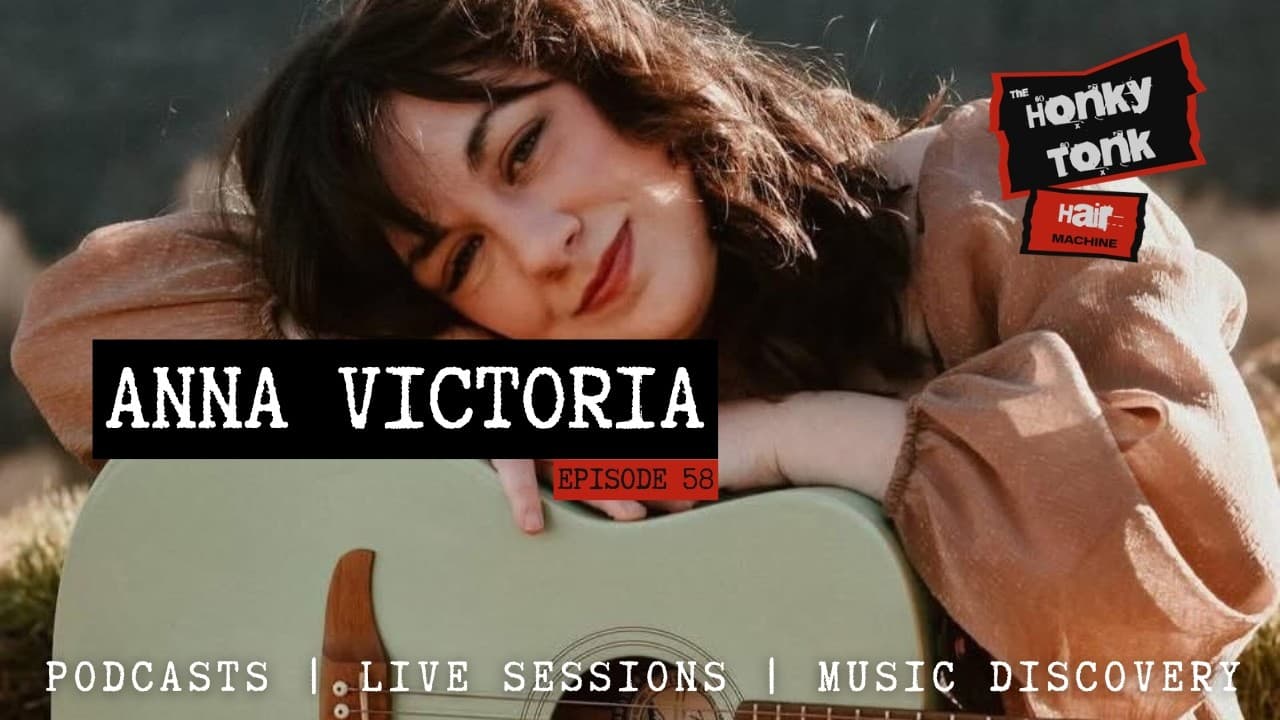
Anna Victoria
Inside North Carolina's Appalachian Music Scene | Anna Victoria
Anna Victoria joins Camden for an honest conversation about growing up in the mountains of North Carolina, discovering her voice as a songwriter and navigating life as an independent Country and Americana artist. We talk about learning to perform live, protecting her voice, finding confidence on stage, the influence of Appalachian music and artists such as Luke Combs, Sierra Ferrell and Dolly Parton, balancing music with motherhood, and the challenge of staying creative in a world driven by social media. It's a thoughtful conversation about music, family, creativity and staying true to yourself while building a career in independent music. Chapters 00:00 – Introductions, Weaverville, childhood. 02:00 – Singing, vocal health and beginning her musical journey. 06:00 – The pandemic, booking gigs and developing as a live performer. 09:00 – Coping with distractions, confidence and performing. 12:00 – Appalachian influences, Luke Combs, Sierra Ferrell, Dolly Parton and mountain songwriting. 15:00 – Family life, being a stay-at-home mum, social media and balancing music with everyday life. #lukecombs #sierraferrell #dollyparton Subscribe to The Rugged Revival. Share it with your friends. Support independent music! Listen to the full podcast on Spotify: https://open.spotify.com/show/6wnHcgA73o1aiiKaz882vH?si=30aabdaa220a4628 Follow The Rugged Revival: Instagram: https://www.instagram.com/theruggedrevival/ TikTok: https://www.tiktok.com/@theruggedrevival Facebook: https://www.facebook.com/profile.php?id=100094507520679 Website: www.theruggedrevival.com Email: ruggedrevival@hotmail.com
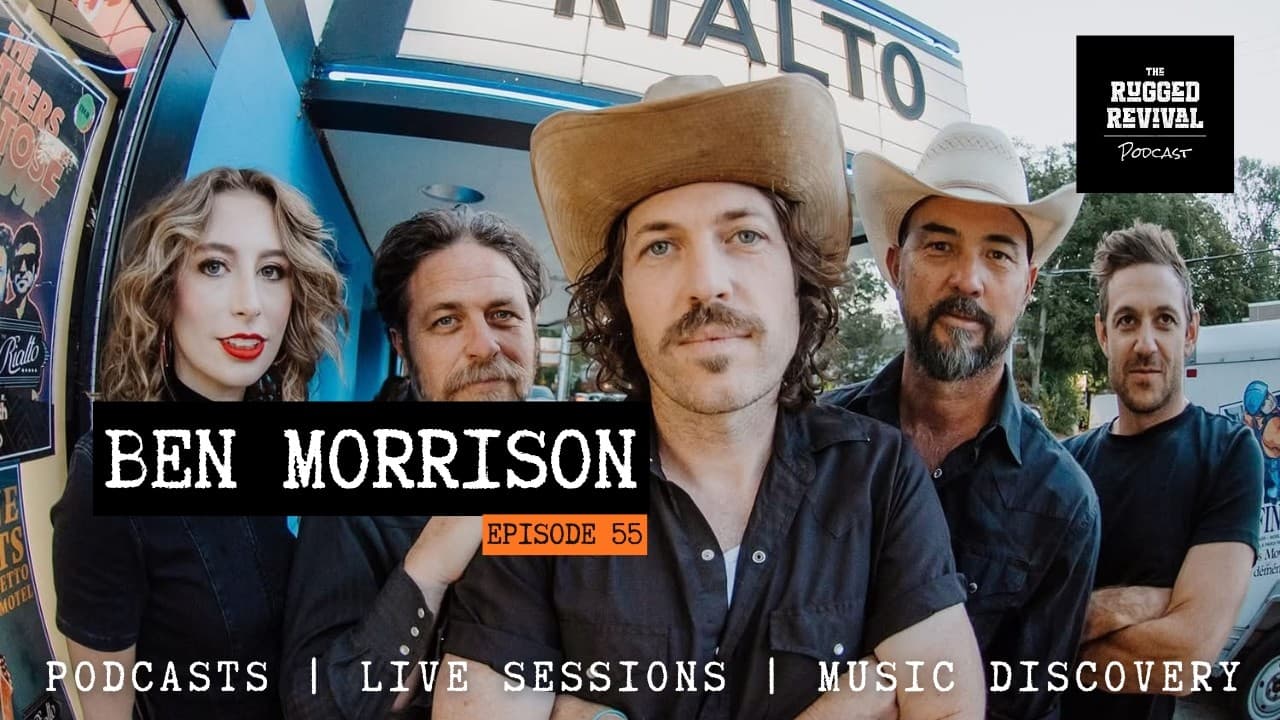
Ben Morrison
The Brothers Comatose: Ben Morrison on 18 Years of Music, Family & Touring
Ben Morrison of The Brothers Comatose joins the Rugged Revival Podcast for an honest conversation about nearly two decades ...
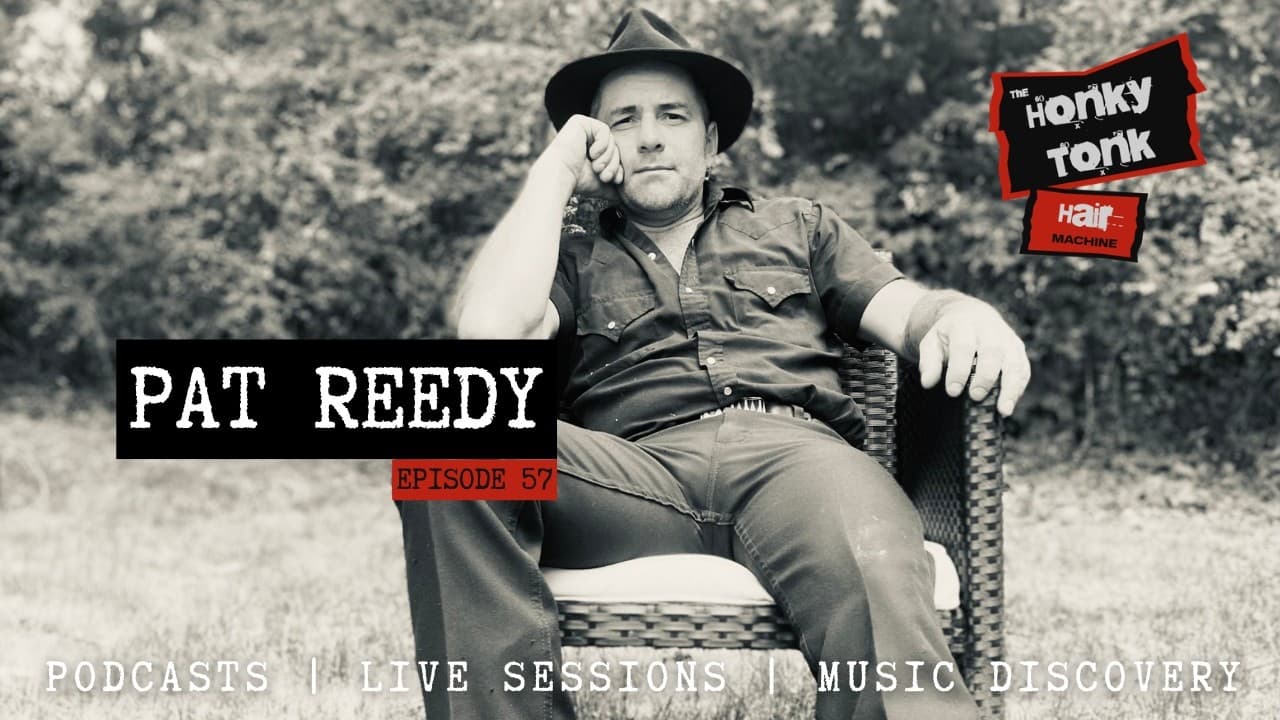
Pat Reedy
Pat Reedy on Busking, Nashville & Building a Country Music Career
Pat Reedy joins Camden to discuss leaving construction behind for country music, busking in New Orleans, life in Nashville, ...
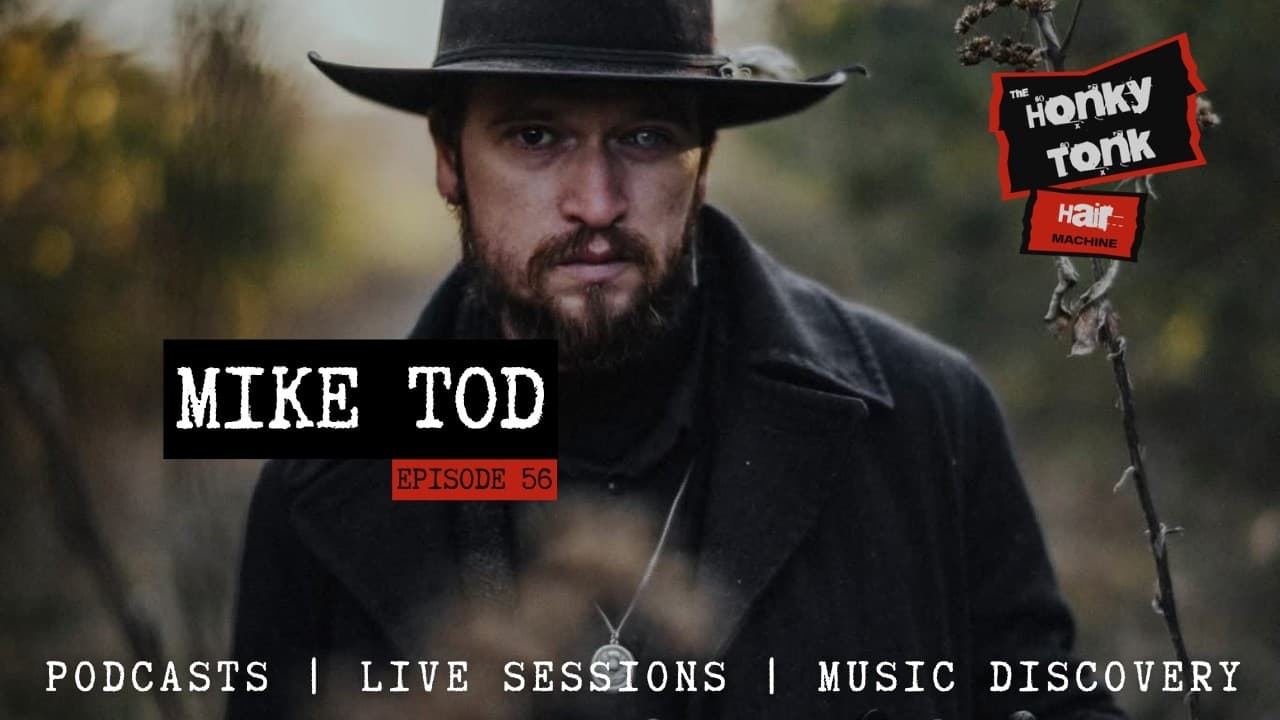
Mike Tod
Keeping Traditional Folk Music Alive in Nashville | Mike Tod Podcast
Mike Tod joins Camden to discuss traditional folk music, Canadian roots, life in Nashville, forgotten songs, unusual instruments and why preserving musical history still matters today.Originally from Canada and now based in Nashville, Mike explores the stories behind traditional songs, the connections between folk music around the world and how old music continues to influence modern artists. We also discuss his unique "Crankenstein" instrument, musical curiosity, collecting songs from the past and the importance of keeping traditions alive for future generations.Chapters00:00 Introduction00:00:30 Growing Up in Canada00:02:20 Discovering Music & The Crankenstein00:04:10 The Story Behind The Crankenstein00:05:20 Drones, Folk Traditions & Ancient Music00:08:10 Learning Guitar & Performing Original Songs00:09:40 Accessing Traditional Music in the Digital Age00:11:20 Researching Music History00:12:10 Playing The Crankenstein Live00:14:00 Creating Atmospheric Sounds & Live Performance00:16:00 Traditional Songs & Musical Origins00:17:50 The Artists Influencing Mike Today00:19:20 Studying Philosophy & Creative Thinking00:22:00 Horror, Heavy Music & Folk Culture00:24:00 Scottish Heritage & Family History00:27:10 Final ThoughtsSubscribe to The Rugged Revival. Share it with your friends. Support independent music!Listen to the full podcast on Spotify: https://open.spotify.com/show/6wnHcgA73o1aiiKaz882vH?si=30aabdaa220a4628Follow The Rugged Revival:Instagram: https://www.instagram.com/theruggedrevival/TikTok: https://www.tiktok.com/@theruggedrevivalFacebook: https://www.facebook.com/profile.php?id=100094507520679Website: www.theruggedrevival.comEmail: ruggedrevival@hotmail.com