
Evan Golden Hopper - From Bluegrass Roots to Punk Rebellion | Rugged Revival
Watch on YouTube
Subscribe for new episodes, Grit Sessions & more
Listen to this episode
In This Episode
There's a particular kind of magic that happens when a musician refuses to choose—when they let the contradictions within themselves become the cornerstone of their art rather than something to be resolved. Evan Golden Hopper embodies this philosophy entirely. In a recent conversation with Camden, he traced a path from bluegrass porches to punk basements that shouldn't logically cohere, yet somehow does. That tension between traditions, between the old and the rebellious, might just be exactly what contemporary roots music needs.
Golden Hopper's origin story reads like a musical memoir waiting to be written. His grandparents were bluegrass musicians, the kind who played old-time music with the authenticity of people who grew up in that world. At eight years old, when his fingers were finally strong enough to hold down guitar strings, his grandfather handed him an Alvarez acoustic and introduced him to Carl Smith, Bill Monroe, and the deep catalogue of traditional bluegrass. It's the kind of beginning most country music journalists would frame as inevitable—roots running deep, tradition passed down like heirloom silver.
I started learning bluegrass from my grandparents, then lost interest because I was getting into punk and rock and roll instead.
— Evan Golden Hopper
Except Evan had other ideas. The pull of punk and rock and roll proved stronger than the siren call of bluegrass purism, and at thirteen, when he told his grandfather he wanted to play electric, something remarkable happened. Rather than lamenting the loss of tradition, his grandfather bought him a seven-string Squire. That moment—one that speaks volumes about a family's relationship with music itself—set the stage for everything that followed.
By fourteen, he'd met Tom, a lifelong collaborator, and together they launched into a two-piece grindcore punk metal venture that would eventually expand into a proper band. At fifteen, pooling their money for a Yamaha analog recorder with eight physical and eight digital tracks, they became the kind of DIY operation that defines the underground—burning CDs, writing on them with Sharpies, handing them out at shows like samizdat literature. There's a particularly brilliant moment in the conversation where Evan describes how their amateurish approach to recording led to them accidentally picking up signals from a nearby radio station. Rather than a technical failure, it became a feature, adding ghost-like voices and mysterious elements to their recordings. It's the sort of accident that separates genuine artists from merely competent ones—the ability to recognize possibility in mistakes.
When I told my grandpa I wanted to play electric guitar, he actually bought me my first electric guitar—a seven string Squire.
— Evan Golden Hopper
What's striking about Evan's musical education is how it mirrors the broader evolution of American roots music over the past two decades. His earliest influences outside traditional bluegrass came through his father: Jimi Hendrix, Stevie Ray Vaughan, Alice in Chains, Soundgarden. The first cassette he ever bought with his own money was Nirvana. This is the DNA of someone born in the 1990s, someone for whom grunge wasn't a genre but a cultural framework for understanding rebellion and authenticity.
Yet here's where it gets interesting. Rather than moving away from his bluegrass foundation as he matured, Evan seems to have found ways to integrate it. He speaks of contemporary influences like Townes Van Zandt and Sierra Ferrell—artists who've similarly bridged the gap between country music's deep traditions and its contemporary evolution. These aren't influences that contradict his punk roots; they're artists who've shown that authenticity and experimentation aren't mutually exclusive.
The conversation hints at new work coming through his project Quell, and there's palpable excitement in the air about what's next. After years of navigating between bluegrass and punk, between his grandfather's legacy and his own instincts, Evan Golden Hopper seems to have found something more valuable than choosing a lane—he's found his voice. It's a voice that honours tradition without being imprisoned by it, that embraces rebellion without dismissing the old songs. That's not a contradiction. That's an artist coming into his own.
The full episode offers deeper dives into his creative process, his songwriting philosophy, and what he's building with Quell. For anyone interested in where contemporary roots music is heading—particularly the artists willing to get their hands dirty and blur the lines—it's essential listening.
I'll help you. I'll help you start a revolution for this Monday morning situation. >> There she is. Well, thanks for helping me solve our uh technical difficulties though, >> right? Yeah. Yeah. I guess we'll see. >> All right. So, we're rolling now. So, let's let's get into it, man. I like to keep these short and sweet. Okay. >> Okay. >> All right. So, first off, let's let's go ahead and introduce yourself for those that don't know who you are. >> Uh, hey, how's it going? Uh, my name is Evan Golden Hopper. Um, I am a friend of Cam, musician, um, self-proclaimed artist, I suppose. Yeah, >> I like that. Uh, friend of Cam ranks above artist above artist for quell. I mean, in in my in my opinion, I think that's something more worth bragging about, but yeah, I mean, >> that's that's very thoughtful. I love that. All right, so let's get into it, man. Um, when did you first start playing music and when did you start um releasing music? >> Uh, well, music started for me when I was young. Um my a lot of people don't know this but my grandparents were um bluegrass musicians and uh so like when I was around 8 n years old um you know when I could finally like start like holding down the guitar strings my grandfather got me an acoustic guitar. I actually still have that guitar too. It was a an old Alvarez guitar and um I started learning bluegrass or what what my grandparents call oldtimey music. Um, so it was like uh like real traditional bluegrass stuff. So, um, like I Overlooked an Orchid by Carl Smith or um, Blue Moon of Kentucky by Bill Monroe, Under the Double Eagle. Um, like real real old stuff. And um and so I did that um with them for I don't know probably you know a couple years then lost a little bit of interest cuz yeah it was like oldtimey music and I was more you know kind of getting into punk and rock and roll and stuff so I wasn't really interested in doing that country stuff and uh I started getting into like you know playing heavier things. Um and my granddad was still very like uh instrumental in that. So, like when I told him I wanted to like play electric guitar, he actually bought me my first electric guitar, which was a seven string Squire. Um, and uh it was about about then I I think he got me that guitar when I was 13. And when I was 14, I met um one of my lifelong friends, uh this guy Tom, and we started our first band together. It was a at the time it was just a two-piece sort of grind core punk metal thing. And then we got another buddy of ours uh to play bass. And so about 15, I think, is when we did our very first um we we chipped in some money and we bought this analog recorder. Uh it was this Yamaha a AG AWG16. I think that was what it was called. It was like a analog recorder with eight like physical tracks and like eight digital tracks and we we just like put our heads together and tried to figure out this thing and we just like made these like burn CDs that then we just like wrote on with Sharpie and we would hang out hand out at shows and stuff like that. So that was the first time we so uh ever released anything. >> Oh, that's awesome. I love that. That's exactly how we used to do it. Sit at home with the four We had a four track. >> Okay. >> And try and figure that out and then Yeah. sitting up drinking raspberry stolley and burndrs and handing them out every everywhere you went. These things were just flying everywhere. >> Oh, it was it was a it was a nightmare. But it was also kind of funny too cuz like there is like some recordings that like we would get we didn't understand we didn't understand anything like we didn't understand how to like layer stuff. We didn't understand the you know having gain too loud. So there was like one track we the the the band room was like close to this um >> this uh radio station that was like right across the road like uh just down the hill from from our band room and we were like picking up radio singles uh signals on like our guitars and we didn't even realize it until we'd play a song back and there'd be like some voice in the background. We're like what the hell is that voice? >> But it turned out it was >> tapped into something. >> Yeah. Yeah, it was pretty cool though. It was like Ghost in the Ghost in the Machine or something like that, you know. >> So, uh, who outside of country music, who were some of your earliest musical inspirations early on and who was your biggest influence today? >> So, early on, I mean, a lot of it was like with like listening to stuff that my dad was listening to. So, my dad was a big um, you know, kind of like 60s7s rock guy. So Jimmyi Hendris was really big. Um Stevie Rayvon, my dad loves Stevie Rayvon a whole lot. And then my dad liked, you know, more like the contemporary stuff of that time. So like Allison Chains and Sound Garden. And um the first first cassette I ever bought with my own money was a Nirvana cassette tape. >> Um and so I was really into like the you know I'm I'm a child of the '9s, so um so like grunge music was really really big. And then some of like the more accessible punk rock stuff like my dad was a big dead Kennedy's fan. So I listened to like um uh Fresh Fruit for Rotten Vegetables and stuff like that back in the day. >> Um so those are like my earlier influences that kind of really like set me on the path of like like wanting to be a quote unquote rock star. Um, and then like as I got older, um, you know, I eventually got into like the Norwegian black metal scene and, um, so bands like Bersam and Immortal and, uh, Dark Throne became like more of my influences. And, and it's it's kind of hard to pinpoint an exact influence, but anything that's sort of in that vein is is like what I would say still influences me today. um uh a band. Well, there's an artist, Swedish guy, his name's Anders, uh Anders Nestrom. Uh he goes by the monker Blackheim. He's in uh he's he's famous for being in the band Catatonia, but he has a solo project that he did called Diabolical Masquerade. And that was the first time I'd ever heard a band that was just like one guy doing like all the stuff. And so that that was kind of at I didn't realize it was going to be such an influence, but like when I started doing the Quell stuff and uh being like the the main guy behind all the writing became a real big uh inspiration to me because I saw that he was able to do it and and I've always been a fan of his his music as a result of that. >> Nice. That's really cool, man. So, all right. So, um, where who were your favorite early western folk, bluegrass artists, and who are who are some of your favorite modern folk and bluegrass and western artists? >> H uh, well, I really modern nowadays, like I'm really into um I love Sierra Fel. Um, I love Benjamin Todd and the Lost Dog Street band. Mhm. >> Um and um there was a a guy for a while, he's pass he's since passed away, but a guy named Malcolm Hulcom. Uh he was like kind of a a busker homeless dude that like he didn't really even get real popular until like towards the end of his life, but I I stumbled across his music early on and um and I I got the chance to meet him once when I was in California and um you know, really good stuff there, too. As far as the old stuff, um I I'm I'm a real I'm a real big like Hank Williams senior uh fan. Um Doc Watson, I love Doc Watson. Uh John Anderson, I love a lot of John Anderson stuff. And then I don't know necessarily considers like it's not really considered bluegrass per se, but um Towns Vanzant. Uh I'm a huge Towns Vanzant fan. >> Um yeah, I think that all that all makes sense. and knowing you that you know that that all tracks. Um, so you do, to my eye, you do have a very unique look. You know, you have like this, you know, it's long hair, but it's like a mohawk under there with like almost like the Lei Chops in a way. >> Sure. >> Where where do you draw influence for your look and your style? I think I really like that old like 1970s look, you know, like the those guys like you know like um Three Dog Knight or like uh like the James Gang and like you know just even like Tom Petty and the Heartbreakers or like Mud Crutch uh like the way those guys look minus the bell bottoms you know like I just kind of like that that easy rider kind of like style that like you know existed during that time like sort of like the it's like the rebel rebel yell kind of look you know mixed mixed between like, you know, like the the biker the biker look and like the like the, you know, the psychedelia, you know, like freak the freak look, you know. >> Yeah. >> Um, and uh I I've always I, you know, with Cyburns were like the first thing that ever grew in on me, too. So, like I was I was styling them before I ever had a full beard. And then the mohawk thing, you know, I mean, I've always I've always kind of rocked the mohawk, you know, through the years of playing around with like, you know, I used to dye my hair all kinds of crazy colors and shave my head and, you know, I I've I've [ __ ] around with pretty much any kind of sort of, you know, punk look that you could imagine like when I was, you know, growing up, just, you know, you get bored and have fun. And then I guess over time I just started letting the mohawk grow and and it just turned into long hair. And long hair was something that I actually never had growing up cuz I'd always get really impatient and then I'd cut it off or like so I made I made kind of like a a deal with myself that I was just going to like let the hair grow and it just kept growing and I just never cut it. And and I like having the the the reason I like having the mohawk or at least the undercut is cuz I have really thick hair. So if I was to have like all of my hair, I would look like Robert Plant. Like I would have like the the hair that's like long but sits like up to your shoulders and stuff. >> Yeah. >> Um so like I having the undercut really like helps with that. And it also I mean it just feels like cooler, you know, to have it like not not look cooler but like literally temperature- wise like feels cooler to have it that way. So >> So yeah. But I've always Yeah. I've always been a big a big fan of like the like the the n like the early early '7s like uh look of like you know those that easy rider biker kind of look you know the Peter Fonda you know like that that whole >> that whole era of time. I I think that whole era of time just had some really cool style. >> Yeah. Yeah. Looking at you now like from front on since I saw you this afternoon you almost have like a bit of like a a Almond Brothers look to you. >> Yeah. Yeah, dude. Right. And like I mean the Almond brothers were like hard as nails, dude. Like you know people don't realize that but like I mean uh Greg Almond had like you know knuckle tats like back in the 70s dude. Like no one had knuckle tats back then dude. Like you know like the almonds. Yeah. And they were all swordsmen too, you know, like th those guys were just wild, you know. You know, booze drinking, motorcycle riding, gun shooting, like, you know, like true true outlaw men, you know, like something that like, you know, nowadays you don't see too much of, you know, which I mean it's kind of, you know, par for the course with like the times that we live in too. But I love I just love that era. Like it's I kind of romanticize that era of time. Um, how would you say your influences with like uh Towns Vanzant and um even like C Rayon, how would you say those guys have impacted your uh your music that you make today? >> I think just like it keeps me it keeps me honest, you know, like um there's there's no dishonesty with like people like Towns Vanzant or Stevie Rayvon. like you know those guys when they show up like they're they're there to play and they're pouring their heart out when they play and you can really feel that. And so like whenever I'm writing music, you know, um before it ever even gets to like the recording part, like I always sort of just I don't know that I don't know that I do it like I do like consciously, but like subconsciously like I'm always like trying to capture whatever riff it is that I feel represents the the mood that I'm trying to portray the best and just kind of try to stay honest in that regard, you know? And then yeah, I I just think yeah, keeping keeping me honest and not selling myself short or selling out by any means, you know, like >> um I mean, if you listen to Towns Vanzant, you know, I mean, he's an acquired taste for some, you know, like um others, you know, others of us understand like, you know, like that he's, you know, a poetic genius and stuff, but I I can I could show it to some people and they don't quite get it, you know, but I think, you know, that never mattered to him, you know, like he was just writing what came to him like what felt right to you know for him to to put out there and he never compromised. I mean, the guy's obviously capable of he could have just, you know, done like the, you know, the top of the charts song if he wanted to. Um, but, you know, that wasn't who he was, you know, and you could see that even in his interviews and stuff like that, too. like he was unabashully like himself, you know, like joking around about, you know, doing illicit substances on airplanes and like, you know, and just and and and writing about failed relationships and like, you know, just, you know, just being very humble and honest with himself. And I think that's important um you know, for all all musicians and artists, but like for myself included. >> Yeah, I agree with that. And I think that's that's a very good way of looking at it. So, with all that being said, man, that brings us to the end of the line. Do you have anything you want to plug or shout out? You have an album or shows coming up? >> Uh, no shows, but um I am in the final stages of completing the um new Quell EP and um I am excited to say that there is a single that is ready to go that I will be releasing uh around Thanksgiving time. So, um, anybody that wants to check that out, um, they'll be able to find that, um, at, uh, quell.bandamp.com or any of the streaming services that, you know, people use, Spotify, Apple Music, what have you. Um, and then my, um, my Instagram account where I'm where I'm I'm pretty much active the most on um, is just Quell Q L the band, all one word, um, on Instagram. So, um, in the following, well, you know, next next week towards Thanksgiving, um, I will, uh, be announcing that single and people can go check that out. And I hope they dig it and I hope everyone's, um, you know, uh, you know, I hope I hope that they like it and it goes well and then and then everyone will enjoy the EP when uh, whenever it finally releases. I'm I'm shooting for um, the end of this year, beginning like uh, like January. Um, that's uh, that's the hope. um the it's just in the the hands of the mixing and mastering um at the moment. So, as soon as that process is done, we'll get it we'll get it out to everybody. I'm really excited about it. >> Yeah, that sounds great, man. Well, listen, I appreciate your time and thanks for sitting down and talking with me. >> Absolutely. Thank you, man.
Comments
Keep listening
Related Episodes
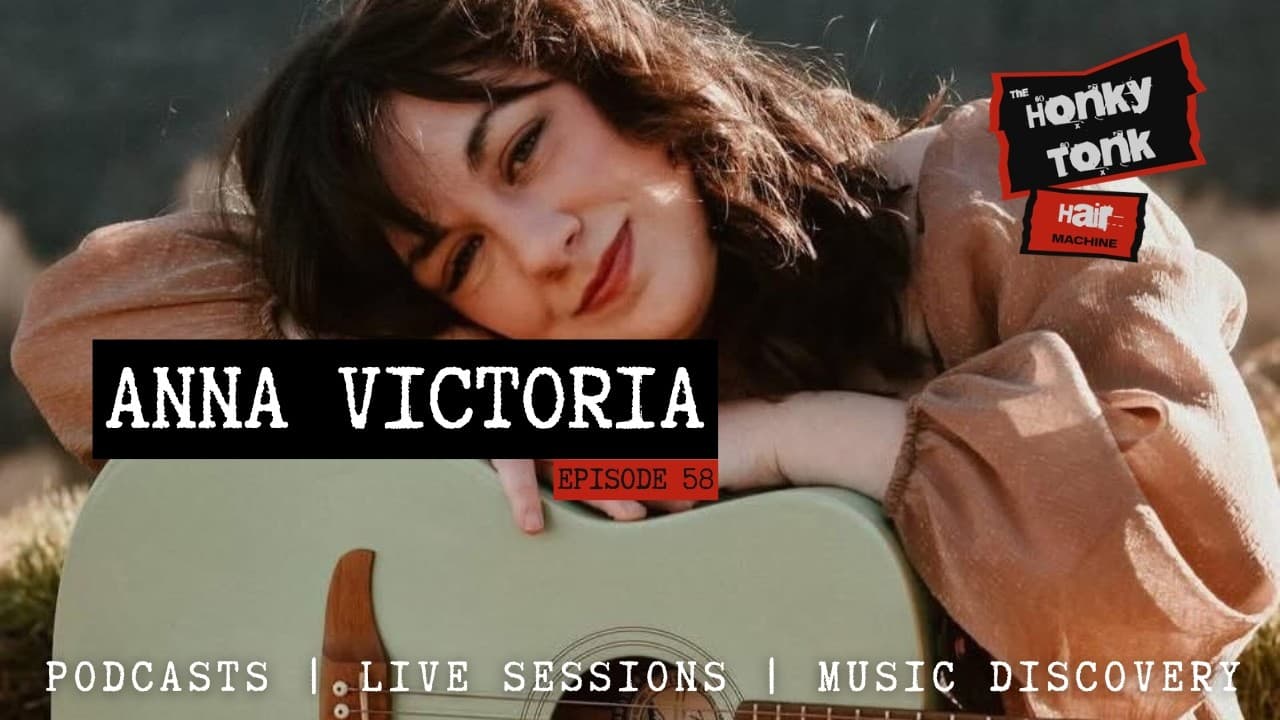
Anna Victoria
Inside North Carolina's Appalachian Music Scene | Anna Victoria
Anna Victoria joins Camden for an honest conversation about growing up in the mountains of North Carolina, discovering her voice as a songwriter and navigating life as an independent Country and Americana artist. We talk about learning to perform live, protecting her voice, finding confidence on stage, the influence of Appalachian music and artists such as Luke Combs, Sierra Ferrell and Dolly Parton, balancing music with motherhood, and the challenge of staying creative in a world driven by social media. It's a thoughtful conversation about music, family, creativity and staying true to yourself while building a career in independent music. Chapters 00:00 – Introductions, Weaverville, childhood. 02:00 – Singing, vocal health and beginning her musical journey. 06:00 – The pandemic, booking gigs and developing as a live performer. 09:00 – Coping with distractions, confidence and performing. 12:00 – Appalachian influences, Luke Combs, Sierra Ferrell, Dolly Parton and mountain songwriting. 15:00 – Family life, being a stay-at-home mum, social media and balancing music with everyday life. #lukecombs #sierraferrell #dollyparton Subscribe to The Rugged Revival. Share it with your friends. Support independent music! Listen to the full podcast on Spotify: https://open.spotify.com/show/6wnHcgA73o1aiiKaz882vH?si=30aabdaa220a4628 Follow The Rugged Revival: Instagram: https://www.instagram.com/theruggedrevival/ TikTok: https://www.tiktok.com/@theruggedrevival Facebook: https://www.facebook.com/profile.php?id=100094507520679 Website: www.theruggedrevival.com Email: ruggedrevival@hotmail.com
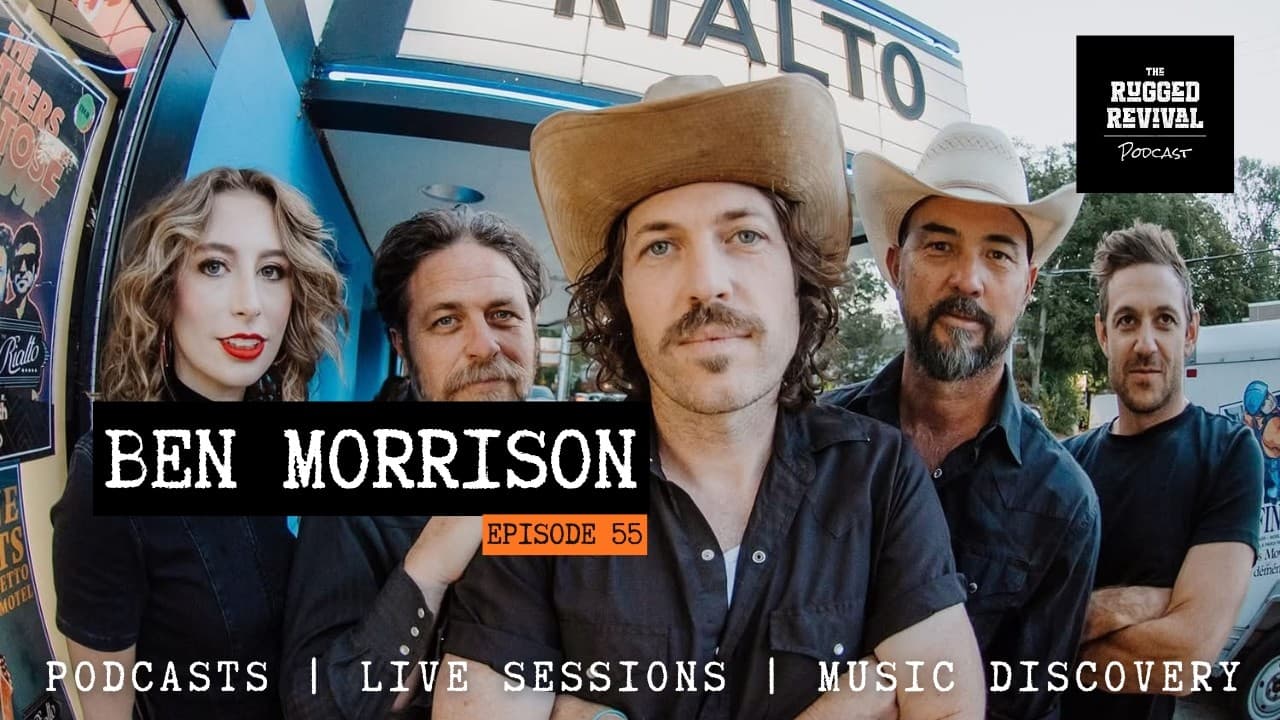
Ben Morrison
The Brothers Comatose: Ben Morrison on 18 Years of Music, Family & Touring
Ben Morrison of The Brothers Comatose joins the Rugged Revival Podcast for an honest conversation about nearly two decades ...
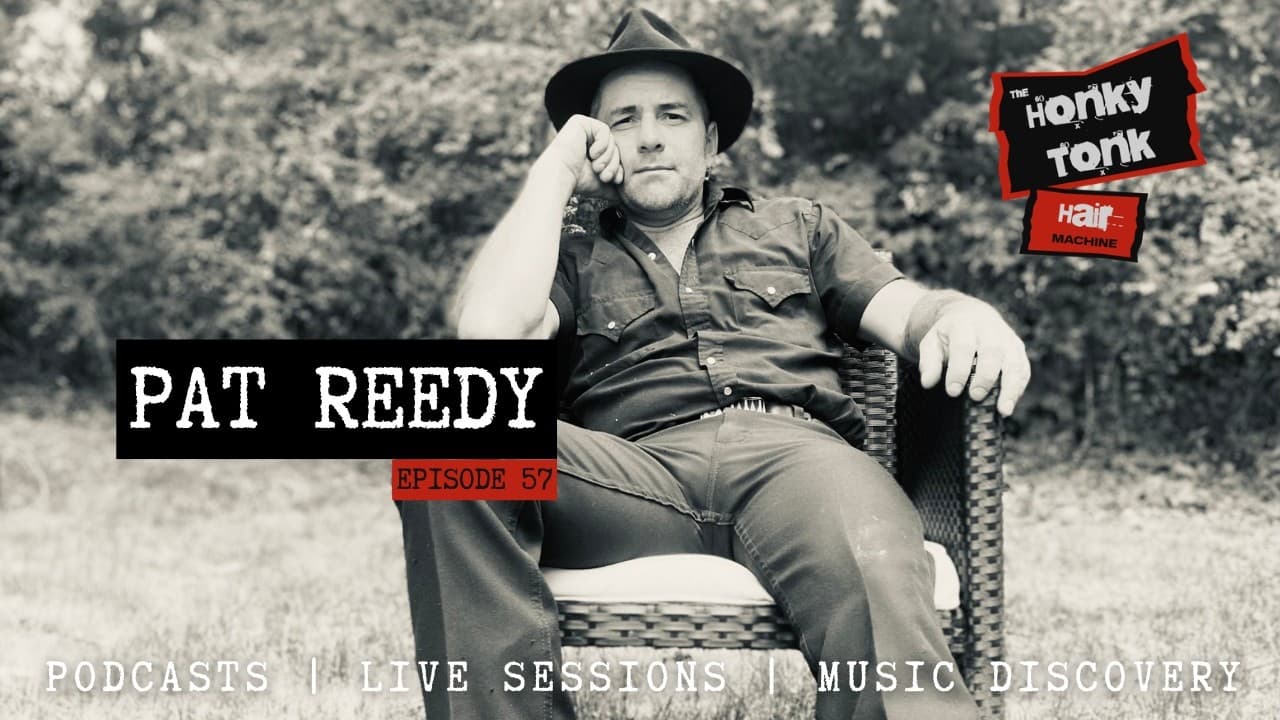
Pat Reedy
Pat Reedy on Busking, Nashville & Building a Country Music Career
Pat Reedy joins Camden to discuss leaving construction behind for country music, busking in New Orleans, life in Nashville, ...
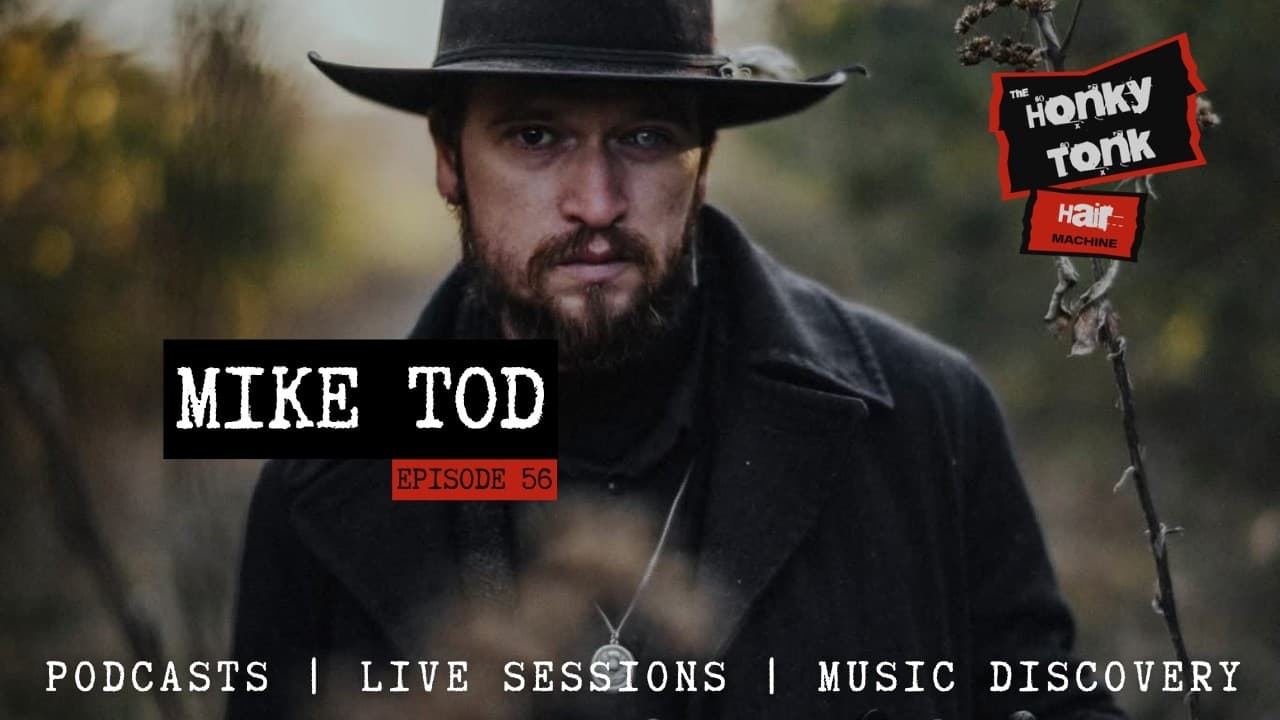
Mike Tod
Keeping Traditional Folk Music Alive in Nashville | Mike Tod Podcast
Mike Tod joins Camden to discuss traditional folk music, Canadian roots, life in Nashville, forgotten songs, unusual instruments and why preserving musical history still matters today.Originally from Canada and now based in Nashville, Mike explores the stories behind traditional songs, the connections between folk music around the world and how old music continues to influence modern artists. We also discuss his unique "Crankenstein" instrument, musical curiosity, collecting songs from the past and the importance of keeping traditions alive for future generations.Chapters00:00 Introduction00:00:30 Growing Up in Canada00:02:20 Discovering Music & The Crankenstein00:04:10 The Story Behind The Crankenstein00:05:20 Drones, Folk Traditions & Ancient Music00:08:10 Learning Guitar & Performing Original Songs00:09:40 Accessing Traditional Music in the Digital Age00:11:20 Researching Music History00:12:10 Playing The Crankenstein Live00:14:00 Creating Atmospheric Sounds & Live Performance00:16:00 Traditional Songs & Musical Origins00:17:50 The Artists Influencing Mike Today00:19:20 Studying Philosophy & Creative Thinking00:22:00 Horror, Heavy Music & Folk Culture00:24:00 Scottish Heritage & Family History00:27:10 Final ThoughtsSubscribe to The Rugged Revival. Share it with your friends. Support independent music!Listen to the full podcast on Spotify: https://open.spotify.com/show/6wnHcgA73o1aiiKaz882vH?si=30aabdaa220a4628Follow The Rugged Revival:Instagram: https://www.instagram.com/theruggedrevival/TikTok: https://www.tiktok.com/@theruggedrevivalFacebook: https://www.facebook.com/profile.php?id=100094507520679Website: www.theruggedrevival.comEmail: ruggedrevival@hotmail.com