
Eric Grate - The Notorious Adams Boys | True Story of a 1960s Touring Band | Rugged Revival
Watch on YouTube
Subscribe for new episodes, Grit Sessions & more
Listen to this episode
In This Episode
There's something quietly remarkable about a man who waits until his mid-fifties to start writing, and then spends years crafting stories nobody asked him to tell. Eric Grate, a Greenfield, Ohio native who spent decades working through the automotive industry and entrepreneurship, didn't become an author because he dreamed of literary fame. He did it because some stories—the real ones, the hardscrabble ones—deserve to be preserved before they're lost entirely.
His latest book, The Notorious Adams Boys, tells the untold story of two brothers who spent their lives on the road as touring musicians during the 1960s and 1970s, backing some of country music's biggest names. George Jones, Johnny Paycheck, and countless others relied on the Adams brothers' musicianship and road-tested grit to build their legacies. Yet the brothers themselves remain largely invisible in country music history—the kind of essential figures that nobody writes biographies about, the sidemen who made the machine work.
I do not, cannot ever have read fiction books. I'm a non-fiction guy.
— Eric Grate
What makes Grate's book different, and what makes his entry into this world of country music storytelling so genuine, is that he's not a casual observer writing about people he read about. He grew up in the same hometown as both Johnny Paycheck and the Adams brothers. They were neighbors. They played music together. They inhabited the same small-town American landscape in the 1930s, 1940s, and 1950s before heading to Nashville or hitting the touring circuit. When Grate was a teenager dating the daughter of Don Adams, he'd walk through the living room to pick her up and catch Don eyeballing him silently from his chair—the classic protective-father treatment that somehow humanizes these larger-than-life musicians.
That lived connection matters. It's the difference between writing a history book and preserving a piece of actual community memory. Grate isn't interested in polishing these stories or turning them into something more palatable for mainstream consumption. He's committed to what he calls "hardscrabble" storytelling—the raw, unglamorous truth of what it meant to be a working touring musician in that era. The long drives, the bar gigs, the modest pay, the relationships forged and fractured on the road.
They are pretty much gelled into the fabric of country music for two or three decades.
— Eric Grate
It took Grate years to learn how to write. His first book, published after a painstaking period of figuring out the craft, was only the beginning. He didn't know what he was doing at first, and he's honest about that. But somewhere in his fifties, he decided that the knowledge he'd accumulated simply by living through decades of American life—the Marine Corps, the business world, the small-town stories, the music—was worth putting down on paper.
What's interesting about Grate's approach is his refusal to write fiction. He's a non-fiction man through and through, the kind of reader who spends twenty years hunting obscure books about country musicians on eBay, accumulating Buck Owens, Waylon Jennings, and Johnny Cash biographies. He understands that real stories, properly told, are infinitely more compelling than invented drama. The Adams brothers' actual lives—the touring circuit, the music, the struggles—don't need embellishment.
The Notorious Adams Boys fills a gap that shouldn't exist but does. These were musicians who shaped the sound of country music for multiple decades, who played alongside legends, who understood the craft from the ground up. Yet they've been nearly erased from the narrative. Grate's book is an act of recovery, a small but determined gesture toward historical justice for the people who made the music work.
For anyone serious about country music history, about understanding the actual mechanisms of how the industry functioned during its most fertile period, this book represents something essential. It's a perspective we rarely get—not from the star at the center of the story, but from the talented musicians who made that star possible, night after night, town after town.
The full episode offers far more context about the Adams brothers' lives, their relationship with Johnny Paycheck, and Grate's unlikely journey to becoming a chronicler of forgotten Americana. It's worth your time.
All right. All right. Welcome everybody. Slim Chance Cowboy here with the Rugged Revival. I am very pleased to announce my my interview guest for today's interview is Mr. Eric Great who is a author based out of Kentucky and Eric is uh very kind to give us his time today to plug a new book that we will be talking about. Um thanks for taking the time out to meet with me today, Eric. Hey, thanks for having me, Brett. I I'm uh looking forward to talking to you. Absolutely. So, for everybody that may or may not follow me, I'm uh well, a little bit of tidbit about it. I um I do not uh cannot ever have read uh fiction books. I'm a non-fiction guy. I like reading biographies. I like reading books about real events. Um yeah, just personally, I have a hard time reading dialogue and following it in my head and remembering all the characters. So, going back about 20 years now, I have read just about every book that's been put out of old country musicians. You know, I've I've read Buck Owens' book and couple books on Waylon and 10 books on Johnny Cash, you name it. Roger Miller, even some of the more obscure. Um I used to hound eBay for some obscure books that came out like in the '80s. So, I was very pleased to see and I forget how I saw this, Eric, but Eric is authoring a book about excuse me, the Adams brothers who were famously as a part of the Jones boys, George Jones' band, Johnny Paycheck's band, countless others. And so, when I saw this, I'm like, this is something I love. This is not a uh you know, a household name. However, they are pretty much gelled into the the the fabric of country music for you know, two or three decades. So, I thought this would be a great time to talk to Eric and get ready for the book. So, um I guess first, Eric, in short, I wanted to without By the way, don't go into too much detail. I want people to read the book, but um tell us just a little bit a little bit about how you got to know the Adams brothers, and of course you grew up I think with them and and Paycheck also in Ohio. Why don't you just give us Why don't you just give us a little bit of tidbit on on on on how you uh met them? Sure. Yeah. Well, I'm from a little town in southern Ohio, Greenfield, Ohio, and that just happens to be the hometown of Johnny Paycheck. Okay? And it's also the hometown of the Adams brothers. Um Paycheck and the Adams brothers, they uh actually grew up uh literally in the same neighborhood uh in Greenfield uh back in the uh you know, the '30s and '40s uh the '50s. They They were neighbors. They They hung out together. They played music together. You know, the whole nine yards. And um growing up in Greenfield, of course, you know, I I was immersed with uh you know, Paycheck stories, you know, from the very beginning, you know, both the both the good and the bad, I guess. And you know, and as you well know, uh there there's a little of both about Paycheck. And uh and Beg your pardon? Yeah. Yeah, definitely. Of course, he was He was known as I think he was known as Donald Lytle back then, right? Yeah, he was born Donald Lytle, and uh of course, when he he went to Nashville, he changed his name to Donny Young Yeah. uh for a little while. And actually, he he he made some really good music as Donny Young, but it just never caught on, unfortunately. Nobody bought the records. Yeah. Uh and then later he became Johnny Paycheck, but but uh the Adams brothers, of course, uh you know, we we I grew up hearing about them as well, and uh ended up uh going to school with uh one of Don Adams' daughters. So, we actually dated for a while in high school. And uh the first time I really met Don was uh was, you know, going over to the house to see her. And you know, I would knock on the door and walk through the living room, and Don Adams would be sitting in the living room in his chair or something like this, and he just kind of eyeball me as I as I came across the living room, and he never really said anything to me, you know, and I'm like, "Oh, wow. This this isn't going over too great." But uh you know, I I found out he he treated all the all the boys that came to the house that way, I guess, so. Yeah, as as can be expected, yeah. Yeah, give it the dad treatment. So so yeah, that that's that's how I became familiar with both Paycheck and the Adams brothers, just growing up in the same hometown and just hearing all the stories and listening to all the music. Yeah, that's that's a that's that's a great little story. So this much I do admire about you. You started writing later in life. I think this is only I think this is only going to be your second published book, is that correct? It's my third, actually. It's my third book, but yeah, I I didn't really start writing until uh you know, my mid-50s. I I just turned 60 years old in October. And I was in my mid-50s, about 54, I guess, when I started dabbling in it a little bit. And it took me forever to write my first book. I just I didn't know what I was doing, and you know, and uh you know, I started writing fiction. I've written uh two books of short stories, and they're both uh pretty much set in Greenfield. Okay. You know, so that's that's kind of been, you know, my focus of my writing, I guess, is just writing about what I know, and that's you know, that's Greenfield, Ohio, I guess. Yeah, so did was there a proposition of of sorts or to write this book? I mean, correct me if I'm wrong, did kind of the inspiration come from Don Adams himself just by just by swapping stories or or had you considered when you started your your writing career had you considered them as a subject? Never crossed my mind. Never crossed my mind. Back in February, I think it was February 17th maybe of last year 2025, I got a message from Don. And we were we were Facebook friends, right? And we hadn't actually spoken to each other in many many years. And I just got a message from Don Adams one day my wife and I were in the car driving up to Lexington and it said Eric call me at this number. I'm like wow, that's a little weird. I'm trying to think man, what I do to Don Adams? That's that's a kind of the wrong guys to you know, get the wrong side of. Right. So I I ended up giving him a call and I recognized the voice immediately. It was Don. And he answered the phone with and this is how he answered it. He he said Eric, we need to write a book. He didn't say hello. He didn't say it. Eric, we need to write a book. Straight to the point. Yeah, and I'm like yeah, how you doing Don? He said he said we need to write a book. He doubled down and you know, I'm like what what do we need to write a book about Don? I couldn't And and he says the notorious Adams boys and I want to tell it all. And I said wow, okay. I said Don, I write fiction. I've never written anything like this before. And he said you can do it because you're from Greenfield. And I guess being from Greenfield, Ohio was enough. You know, for Don anyway. Well, you got you got the stamp of approval from the from the subject matter. So yeah. I guess so. Yeah, so you know, I kind of decided almost right away I was going to do it, but I thought maybe I shouldn't commit that quickly. So I I asked him to give me a day to think about it and then I called him the next day. I said hey, let's do it. I mean you know. Yeah. I'll be honest with you. I I definitely I definitely knew the the Jones boys. I mean, I'm I'm a George Jones, so I think and you me and you talked a little bit before this interview, you know, Jones and Paycheck are probably in my top three or four of just just overall artists. So, I'm a huge George Jones guy, so I know the Jones boys. However, I will say the first time I was exposed to them by name was the Tales from the Tour Bus series that Mike Judge did and I'm I'm a child of the '90s, so Mike Judge for me, you know, Beavis and Butt-Head, King of the Hill. Um when I saw this was coming out and it was you know, season 1 was country music and it was George Jones and Paycheck and Jerry Lee and Waylon. I was like, this is fantastic and I watched it and that was my first time getting to know the Adams brothers um by by name and it seemed like you know, and all all three of them, of course, they were in caricature form, but they were sitting around just telling these stories and of course, I never thought there'd be a book about it, but um did how did that come to light with them and Mike Judge and um did you think the brothers enjoyed that and do do you think that they knew that they were maybe getting some I don't want to call it fame, but some recognition uh from that from that series? Yeah, um you know, it it kind of came out of nowhere though that whole Tales of the Tour Bus thing did and there's a there's a man in Greenfield by the name of Jeff Cropper and uh Jeff uh he's he's dabbled in music some, you know, he's sang a little bit and he he was real active on YouTube. He still is actually and a big Johnny Paycheck fan has always promoted uh the country music scene in Greenfield through his YouTube and social media and that type of thing. It was actually his idea. Right. And I think you know, Jeff had the idea, but he just didn't really know what to do with it. You know, if that makes sense. He's like, man, I have this great idea, but I don't know I don't know what to do with it. So, uh he mentioned it to a couple other folks in town, uh gentleman by the name of Lanny Bryant, and he had some contacts somehow, and I don't really know what they were, but he had some contacts that put them in touch with Mike Judge. Wow. >> And then and then, you know, I I guess Mike Judge just picked right up on it and took off with it, and uh the Adams brothers were aware that that Jeff Cropper had had this idea and was pushing it around, and you know, when it took off, uh you know, the Adams brothers, they they never shied away from publicity, you know, at all. So, they they they were quite pleased, you know, they they enjoyed being in the limelight. They they really did. And so, they were they were quite pleased with it. Uh you know, and Don, uh I should probably mention this, Arnie and Gary had already passed by the time I really started working with Don on this book. And uh you know, uh Gary and Arnie, I think maybe more than Don, really got into the uh you know, having the having the attention pointing pointing at them. They they really took off with it, and and Don kind of went along with it. Um Don could be a little bit uh I don't know. Uh he could be a little crotchety sometimes if he wanted to be. Yeah, okay. And there were things about the the series that I I think maybe didn't set real well with them, not not the way the series came out, but just you know, him having to uh you know, get on a plane and go out to California to to film it, and Yeah. you know, uh you know, I I don't m- money wasn't a huge deal to them, but they didn't make a whole lot of money off of it, you know, they did make some. And uh so, you know, Don, he he uh he he complained a little bit about just the actions he had to go through to make it, but not not the series itself. Okay. Well, I mean I love I mean look, they could have made This is no this is no I'm not breaking news here, but they could have made an entire season of 10 or 12 episodes on Jones. Oh yeah. I I do like I do like one of the stories one of the Adams brothers it might have been Don said that they always they always knew when George was drunk because of his of his hair. And that if he was if he was good, his hair you know, he used about a can of hairspray to lock when that on his hair, but if his hair was messed up, they knew he was on a bender. I thought I thought that was a pretty a pretty funny story. Yeah. Yeah. Yeah, they they could really what once they got started on on George especially once they got started on him just even on the show and just in conversation, they they Don rather he could really just take off and it would just it was so funny to hear him talk and the way he talked about it. What a what a what a treat that must have been. So thinking about the Adams boys and their and their musical kind of tapestry, how do you think maybe collectively individually that they would compare to some of the their contemporaries of of the time, you know, people like Buddy Emmons, Don Rich, Darrell McCall because there's there's a lot of people that are household names, you know, Don Rich for one, you know, Don Rich was Buck Owens' left-hand man, but you know, like I didn't know the Adams boys by name until that series even though I knew I knew the Jones boys as a backing band. So What do you how do you think that they match up and and and maybe maybe Don told you writing this book on what he thought about some of his peers and and their their their their stance in country music history? Well, I'll tell you let's start with Gary Adams, you know, first Don of course you know, fronted the band and you know, he was vocalist and and what attention they got. I I'd say Don got the lion's share of it by name. Yeah. But Gary Gary Adams was an incredible incredible guitar player. And um you know, some of the people that I've interviewed for this book, uh I'm talking guys like Doug Jernigan, you know, uh Brent Mason, Okay, yeah. >> Um yeah, uh Steve Wariner who was drummer for George Jones and and and Johnny Paycheck, uh Ralph Emery, Ohio Country Music Hall of Fame, Uh-huh. you know, vocalist. Just We're talking guys that that that are in the know and they they all agree that Gary Adams was without peer as far as as guitar players go. Uh a court According to them, Gary was the the best guitar player in Nashville from the 1960s up through probably the late 1980s and everyone knew him. Now, the reason Gary, in my estimation, didn't become a household name outside of Nashville like you know, maybe like Don Rich for example, did or uh you know, Buddy Emmons or anyone like that was Gary liked to be on stage, you know. >> Okay. These other guys the the they they were getting into the recording studio, you know. And uh you know, the there's a lot more video of them out there, but Gary >> about playing honky-tonks, man. He was what he wanted to do, Yeah. So, it kind of uh I guess stunted his growth a little bit that way in the you know, the public perception. And Don Don was an incredible vocalist. I mean, he had he had five songs um you know, in in the top uh 60, I think in the in the in the Billboard charts. Um he didn't not make it as a as a superstar in his own right because he lacked the talent. Okay? What hurt Don was Don didn't want to leave Greenville, Ohio. You know, Don did not want to live in Nashville. Okay? You know, it's it's it's hard to make it in Nashville if you're not living there. Yeah, right. Exactly. Yeah. Yeah, you can make it and move away later, but you can't get get really get your foot in the door. Especially back then. I mean, only only guys like only guys like George Strait really made that, you know, like Strait never lived in Nashville. Toby Keith never lived in Nashville. Guys guys like that. But back in back in those days, you're you're absolutely right. You you had to be in Nashville. Yeah. Yeah. Yeah, but but they they held their own. I mean, they were Buddy Emmons, Gary Adams, you know, Don Adams, Johnny Paycheck, Darrell McCall. They're they were right there. I mean, they they they were in the same group as these guys and a lot of folks will tell you that they were at the top of the the pile. Yeah. Well, one of my follow-up questions to that that I didn't share with you prior was, did the Adams boys Adams brothers do a lot of studio cuts um unless they were not with George or Johnny or was it all just were they were they just really touring guys? They were mainly touring guys and in the 19 um 64, I think, is when uh George uh recorded uh The Race Is On. Yep, 64. Yeah, you're right. 64, yeah. Uh Gary Adams had actually went to George and uh you know, said, "Hey." He said, "We we go out on the road with you and we play 300 shows a year, but when you come back to Nashville, you get these, you know, studio guys to to go in and uh you know, cut records with you." And Gary told him, he said, "That really doesn't sit right with me." Okay. Gary would tell you, right? And uh and Gary said, "I got a suggestion for you." He said, "Next time you go on the road," he said, "why don't you get some of these studio guys if they'll go on the road with you?" Yeah. And and George said, "Hey, you know, let's go into the studio and record." So, they did not not every song on the Races Are On, but they did the majority of the the cuts on the Races Are On. And then after that, they were in the the studio periodically with Paycheck. With Paycheck, Gary was in the studio a lot with him. Co-wrote several Paycheck songs. Don Don did background vocals on Mr. Lovemaker. Okay. And he did he did parts on on a few other songs. But yeah, Gary probably spent actually more time in the studio than than any of them after that. But that kind of goes against what I said before. Gary spent more time in the studio with than any other Adams boys, but in the whole scope of thing, it was about that much as compared to you know, guys like you know, Buddy Emmons and you know, Don Rich, people like that. It was very little that they did. Okay. Well, is there any is there again, without divulging any of your secret weapons from your book, any funny or interesting stories on your interviews, whether it be from the Adams brothers themselves, Paycheck Jones, that maybe would surprise some folks or you know, cuz we all know, you know, everyone drank, everyone had you know, you know, had a fun time back then. But is there a similar story or a specific story that may have stood out to you? Again, without divulging too much about the the book. Yeah. Well, I'll tell you what, there there's so many stories that I could tell one or two and and and not scratch the surface, honestly. So Yeah, so um Would you rather hear one about the Adams brothers or would you rather hear one about uh maybe about George? Uh give me one about the Adams brothers. That's the subject matter of the of the book, yeah. Okay. All right. Well, in 1960 uh 67 or 68 and I know in the book but I just can't remember off the top of my head. It's 67 or 68. Uh Gary Adams and Doug Jernigan were uh playing uh with Little Jimmy Dickens. They were they were traveling all over the country with Little Jimmy Dickens and they were uh one evening they were in a uh hotel room and and Doug told me uh he thought it was maybe somewhere in Colorado but he couldn't remember exactly. Well, they were in a hotel room and said it must have been about 1:00 in the morning and and uh Doug and uh and Gary were sharing a room and they they were carrying on pretty good and next door uh Jimmy was staying in his own room next door and I guess about 1:00 in the morning they hear a uh you know, on the door and Doug goes to the door and opens it up and it's Jimmy Dickens in his underwear, T-shirt and his Stetson. Right? You know, Jimmy was Jimmy was 4'11. Yeah, right. He's standing there in his uh underwear, T-shirt and Stetson and I I guess uh Doug turns around, looks at Gary and says says Gary said we we we have company. So, Gary comes over and Jimmy has his hands on his hips. That's the way Doug describes it. Had his hands on his hips and said said, "Listen, pal." He said, "You're going to have to hold it down around here cuz he said I need to get some sleep." So, Gary just stares at Jimmy for maybe 10 or 15 seconds, you know, what seemed like an eternity, then reaches out and takes Jimmy's Stetson off of his head, looks at Jimmy, sinks his teeth into the brim and takes a and a bite out of his hat, puts it back on Jimmy's head. So, Jimmy just didn't say a word. He just turned around and stomped back off to his into his room. And there was never a word said about it until paychecks came out later in the week and Gary had a rather large deduction out of his paycheck for a a new Stetson for little Jimmy Dickens, but >> I can imagine. I wonder I wonder if I wonder if Jimmy wore that on stage the next show. I don't He had a backup in Maybe he put it up on a shelf somewhere or something, but you know, I'll tell you one more about uh little Jimmy and and his Stetson. The Adams boys were rough on his Stetson uh because in 1965, the Adams brothers did a television tour with Jimmy Dickens. They They were on the the late or Johnny Carson, they were on Jimmy Dean, they were on Hullabaloo. They were on several the shows with him and they they were doing a taping in in Los Angeles for that. One of the dance shows, maybe Night Street West or something like that. And uh Jimmy and Arnie Adams, the drummer, they had a little disagreement you know, about uh one thing or the other and and Arnie lifted Jimmy's Stetson off of his head in the parking lot and jumped about 3 ft in the air and came down on it with both feet and just stomped it into the ground. So, they had this thing about Jimmy Dickens and his and his Stetson, you know, they they they were pretty >> The hat The hat The hat was about as big as Jimmy was. And it was. It was. Yeah, Jimmy could hide in it like a turtle or something. Yeah. But yeah, but they they were just easy target. What's that? It was an easy target. Oh, yeah. Yeah, they were they were rough rough on it. But there's a lot in the book about Jimmy Dickens even though they're not as as nearly as associated with Dickens as they are Paycheck and Jones and even more they played with Gary played with Marty Robbins later, too. But yeah, yeah, in the '80s he played with Marty Robbins, but even even though they're not as associated with Jimmy Dickens, the time they spent with him was just it it was so much came out of that just story-wise, you know, that it takes uh probably uh more of the book than what you would anticipate it might take with Jimmy Dickens. Oh, that's great. I can't I can't wait to read it. So, that's a perfect segue and I appreciate your time you've been so gracious. Um so, why don't you tell us tell the people that we're watching this uh when the book comes out, where where they can get it and um what's next what's next for you? Okay, well, the book comes out on or I'm sorry, on April 20th. So, just uh just a couple more, you know, weeks away. It comes out on April 20th. Of course, it'll be available on Amazon, it'll be available at select bookstores uh across the country, hopefully. Um I am going on a pretty extensive tour right now or getting ready to go, I should say, with book signings and I'll be doing a lot of radio and uh TV segments uh to try to promote the book. And uh so you know, folks, if if they'll follow me on my Facebook page or on my website, they'll be able to keep up with that. Um I'm pretty optimistic, honestly, about about the book. I think it'll it'll uh it'll resonate with with country music fans, for sure. Um even if you're not a country music fan, if you just like a good story and some of just funny funny stories. Yeah. You'll like the book, I think. Um, as far as what's next for me, I was about 80% of the way through with uh, another book when Don uh, lassoed me into this. And so I'm going to go back and finish that book. And then after that, I I honestly don't know, you know, what will be next for me. I kind of like this non-fiction thing a little bit. You know, uh Maybe see if you could, uh, cuz I don't think there are I haven't checked, I don't think there is one. Maybe you could, uh, I don't know, get some Greenfield people together and and try to write one on Paycheck. Well, I'm going to tell you I I'm glad you brought that up. And I I'm going to say this. I don't I don't want to take up too much time here, but >> Oh, no, no, it's the time is yours. I want to say this. Uh, Paycheck is he's he's a bit of a pariah in, you know, in in Nashville. And I don't know why there's Well, I do know why, I guess. There's never been a book written about Johnny Paycheck. You know, and it doesn't make a lot of sense to me because and I've I've said this before. When it if it was the mid-1970s and you wanted to talk about the outlaw movement or outlaw country, you would talk about Waylon Jennings and Willie Nelson. Yeah, right. Kris Kristofferson, uh, Billy Joe Shaver, um, you know, a a couple others. Johnny Paycheck would honestly have been an afterthought then. He really was. In hindsight, people really look at Johnny Paycheck as being almost a founding member of outlaw music. And he really wasn't. He he came along as as the outlaw movement was starting to Yeah. you know take off. It had peaked by the time Paycheck got in there. But if you ask folks today about outlaw country music it's Johnny Paycheck and I I would dare say a lot of people would mention Paycheck before they would Waylon Jennings or Willie Nelson. Yeah, a lot of folks would. He has a almost a cult following out there now. I Yeah, I I mean look, he should be in the Hall of Fame and and if someone were to I mean this this comes up to me all the time, you know, cuz people find out whether it be work colleagues or acquaintances, you know, what what kind of music you're into and I tell them, you know, it it's an odd question cuz I'm I'm a music man and it's like, well, I guess to make a long story short, I just tell them country but, you know, cuz but I could go on and on and on about what type and and I'll say, you know, old country or something and almost always people go like, oh, Garth Brooks and I'm like, no, no, not not not Garth Brooks. So, but like if someone that knew nothing about country music said, well, give me a couple of artists that I should listen to. I mean, I would start with with Paycheck Jones and then I'd probably have to stop and think about maybe someone else they should listen to. So, it's it kind of yeah, I mean I'm totally right there with you. It's a he was definitely the music just um well, that and you know, he he played a lot with you know, Lloyd Green played steel on a lot of those Little Darlin' records and those are I mean I got a copy of Jukebox Charlie's sitting right there on the shelf. It's um it's just a sound that was kind of new to the time and Yeah. he had a um I I don't know. He just had a way of of of singing and the songs that made him sound big, bad, and tough but he really wasn't. No. I guess and uh he was I I believe he was a pretty small guy actually to begin with. He was 5'5". Yeah. Yeah, so um just had he had a way of of singing and I've I've been a Paycheck fan for a very long time. Yeah, and and he his shelf life has been just unbelievable. Johnny Paycheck has and yet no one's written a book about him, but I think a lot of it is because you know, I'm not saying Waylon and Willie weren't outlaws. I mean, they they wore big hats and you know, cowboy boots and jeans and all that. But let's face it, Johnny Paycheck was uh was shooting guys in bars. Okay? He He was going to prison. Okay? Uh he was running with the Hells Angels. Uh he was he was he was using cocaine like, you know, he thought they were going to run out. He needed to use all he could. You know, the time he was living an outlaw lifestyle. And I think that just kind of turned maybe a lot of people in Nashville off and kind of made him untouchable in a way. It's what's keeping him out of the Hall of Fame. You know, that that behavior. And but to answer your question, writing a book about him, I don't know if it would be possible because I'm not sure I whoever wrote that book would be able to get uh the blessing of uh the Lytle family, the Lytle Paycheck family. Yeah. I honestly would question that. So, it would be tough to write it. But that being said, there's a lot of Johnny Paycheck in my book. And I even took the liberty to write a special section in the book about the December 19th, 1985 shooting in the North High Lounge in Hillsboro, Ohio. Yeah. Uh that's the town Over over turtle soup, maybe? Yes and no. Okay. Yes and no. That's all I'm going to say about that one. >> Yeah. Um there's more to it than that. Yeah, right. >> And I'm going to write I have written I have written uh the most thorough account of that story that has ever been written. I've interviewed people that have never been interviewed, including uh Lloyd Bowers, who was feet away when Paycheck shot Larry Wise and uh, man by the name of Greg Smith who was standing there when they arrested Johnny Paycheck. Neither one of them have ever been interviewed until I interviewed them. Well, you got me absolutely perched for that then cuz I'm going to uh, >> Well, that's yeah. It is it's that's a bonus because the Adams boys are bit players in that but I couldn't resist it. Yeah. >> once I started diving into it just a little bit I like wow >> there's a lot of an untold story here that folks do not know about and there's a lot of myth and a lot of things that just absolutely did not happen that have been associated with the story as well. And there's some things that you've never heard that that are just as crazy. Sure. Well, Eric, I appreciate your time. I'm running out of time. I guess I Zoom just told me I have to upgrade to pro to get more than 40 minutes. Oh, no. No. >> I know. So, I appreciate your time. I will be plugging this hard. I'll be plugging your book. I will be buying I actually tried to pre-order on the website but I'm going to I'm going to be I already have a I already have a marker set in my calendar on April 20th to order the book. So, >> it. I will be plugging it for all my for all of my followers out there. Author is Eric Gray. The book is The Notorious Adams Brothers. It is out on April 20th. Check all your bookstores. Check Amazon. Check anywhere and yeah, long live long live country music and the Adams brothers. Absolutely. Hey, thanks thanks for having me on today. It's been been great talking to you. I appreciate it. Likewise. Thank you, Eric. Thank you. Take care. You too. Thanks. Bye.
Comments
Keep listening
Related Episodes

Anna Victoria
Inside North Carolina's Appalachian Music Scene | Anna Victoria
Anna Victoria joins Camden for an honest conversation about growing up in the mountains of North Carolina, discovering her voice as a songwriter and navigating life as an independent Country and Americana artist. We talk about learning to perform live, protecting her voice, finding confidence on stage, the influence of Appalachian music and artists such as Luke Combs, Sierra Ferrell and Dolly Parton, balancing music with motherhood, and the challenge of staying creative in a world driven by social media. It's a thoughtful conversation about music, family, creativity and staying true to yourself while building a career in independent music. Chapters 00:00 – Introductions, Weaverville, childhood. 02:00 – Singing, vocal health and beginning her musical journey. 06:00 – The pandemic, booking gigs and developing as a live performer. 09:00 – Coping with distractions, confidence and performing. 12:00 – Appalachian influences, Luke Combs, Sierra Ferrell, Dolly Parton and mountain songwriting. 15:00 – Family life, being a stay-at-home mum, social media and balancing music with everyday life. #lukecombs #sierraferrell #dollyparton Subscribe to The Rugged Revival. Share it with your friends. Support independent music! Listen to the full podcast on Spotify: https://open.spotify.com/show/6wnHcgA73o1aiiKaz882vH?si=30aabdaa220a4628 Follow The Rugged Revival: Instagram: https://www.instagram.com/theruggedrevival/ TikTok: https://www.tiktok.com/@theruggedrevival Facebook: https://www.facebook.com/profile.php?id=100094507520679 Website: www.theruggedrevival.com Email: ruggedrevival@hotmail.com
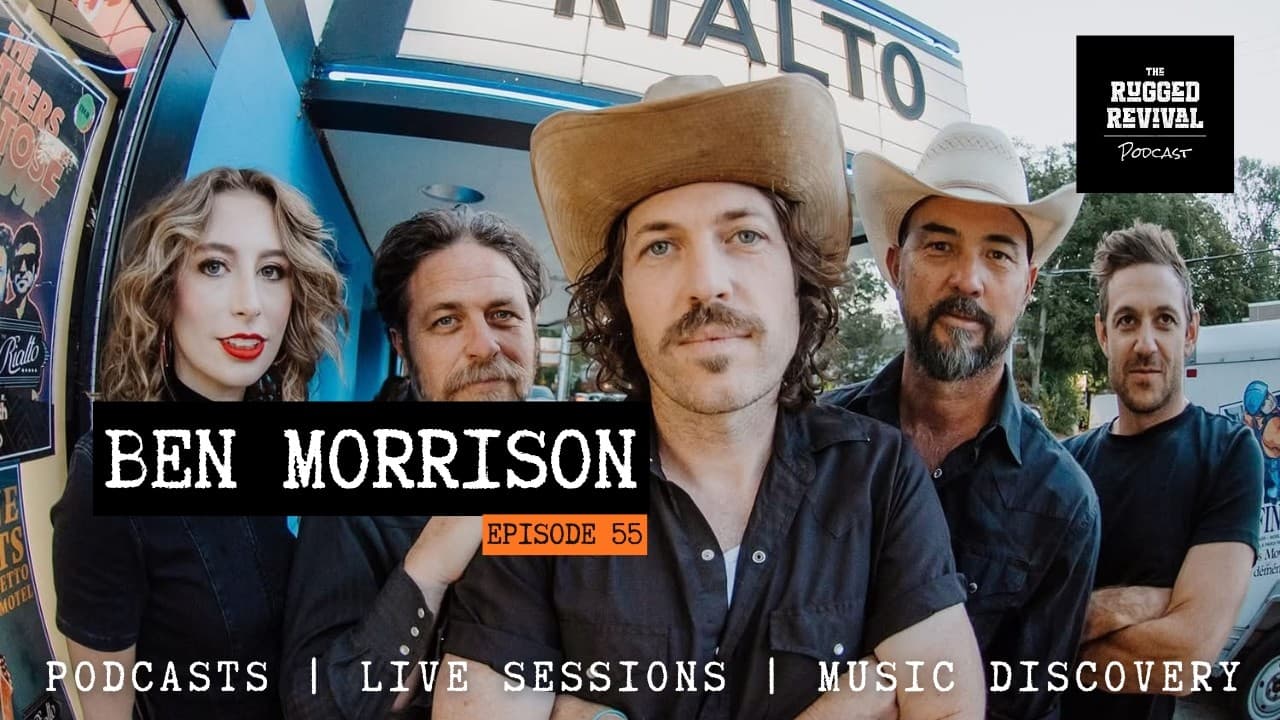
Ben Morrison
The Brothers Comatose: Ben Morrison on 18 Years of Music, Family & Touring
Ben Morrison of The Brothers Comatose joins the Rugged Revival Podcast for an honest conversation about nearly two decades ...
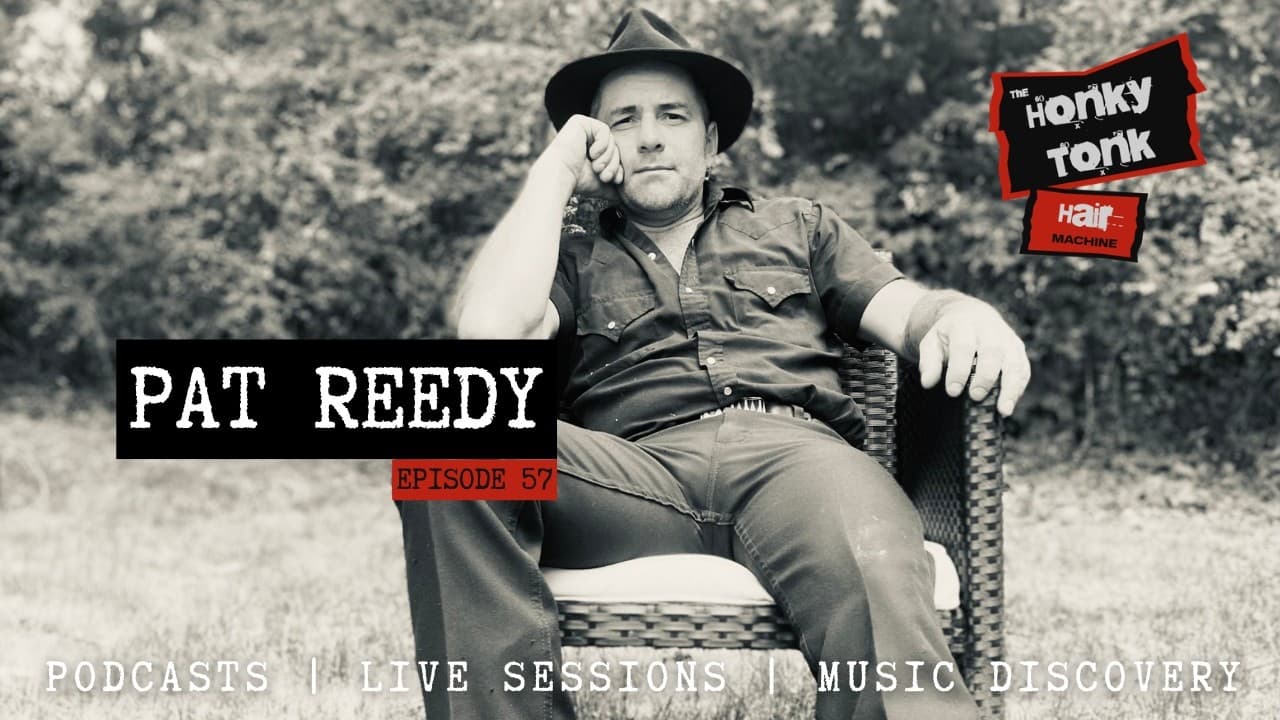
Pat Reedy
Pat Reedy on Busking, Nashville & Building a Country Music Career
Pat Reedy joins Camden to discuss leaving construction behind for country music, busking in New Orleans, life in Nashville, ...
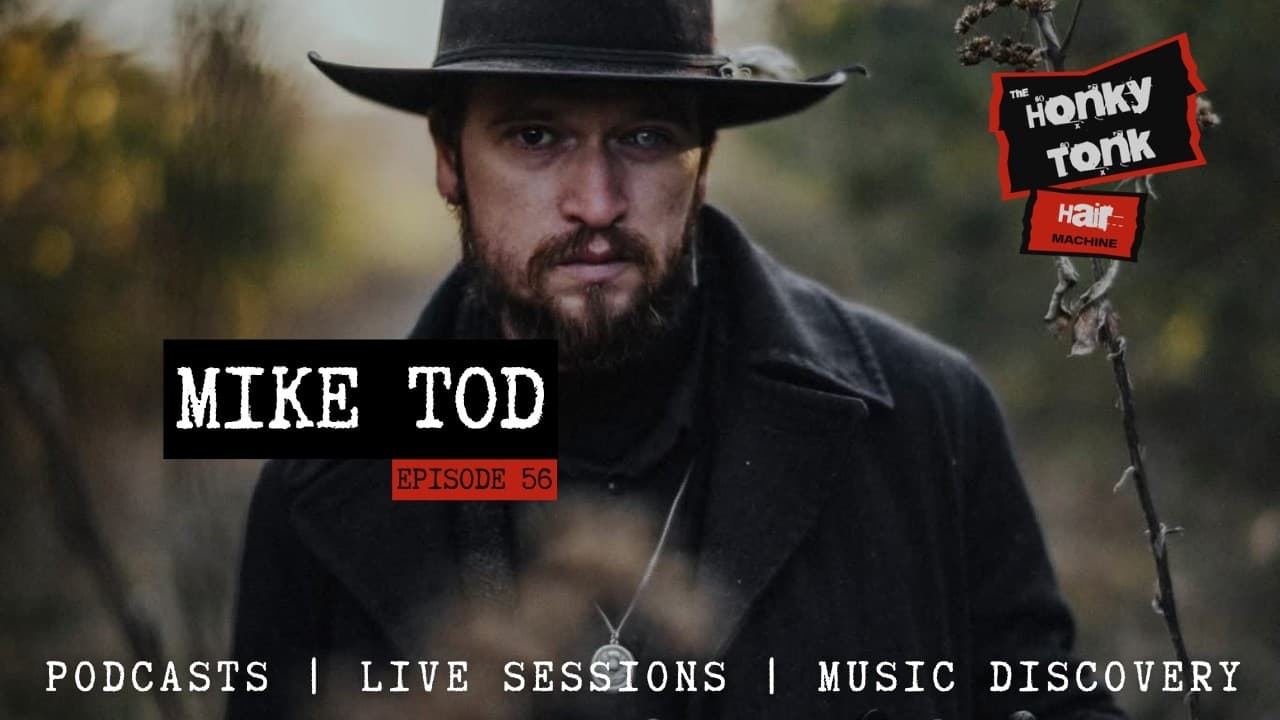
Mike Tod
Keeping Traditional Folk Music Alive in Nashville | Mike Tod Podcast
Mike Tod joins Camden to discuss traditional folk music, Canadian roots, life in Nashville, forgotten songs, unusual instruments and why preserving musical history still matters today.Originally from Canada and now based in Nashville, Mike explores the stories behind traditional songs, the connections between folk music around the world and how old music continues to influence modern artists. We also discuss his unique "Crankenstein" instrument, musical curiosity, collecting songs from the past and the importance of keeping traditions alive for future generations.Chapters00:00 Introduction00:00:30 Growing Up in Canada00:02:20 Discovering Music & The Crankenstein00:04:10 The Story Behind The Crankenstein00:05:20 Drones, Folk Traditions & Ancient Music00:08:10 Learning Guitar & Performing Original Songs00:09:40 Accessing Traditional Music in the Digital Age00:11:20 Researching Music History00:12:10 Playing The Crankenstein Live00:14:00 Creating Atmospheric Sounds & Live Performance00:16:00 Traditional Songs & Musical Origins00:17:50 The Artists Influencing Mike Today00:19:20 Studying Philosophy & Creative Thinking00:22:00 Horror, Heavy Music & Folk Culture00:24:00 Scottish Heritage & Family History00:27:10 Final ThoughtsSubscribe to The Rugged Revival. Share it with your friends. Support independent music!Listen to the full podcast on Spotify: https://open.spotify.com/show/6wnHcgA73o1aiiKaz882vH?si=30aabdaa220a4628Follow The Rugged Revival:Instagram: https://www.instagram.com/theruggedrevival/TikTok: https://www.tiktok.com/@theruggedrevivalFacebook: https://www.facebook.com/profile.php?id=100094507520679Website: www.theruggedrevival.comEmail: ruggedrevival@hotmail.com