
Eli Howard & The Greater Good - High-Energy Folk Rock from Oregon | Rugged Revival
Watch on YouTube
Subscribe for new episodes, Grit Sessions & more
Listen to this episode
In This Episode
Eli Howard & The Greater Good: How a Folk Singer Found His Electric Voice
There's a moment in every musician's origin story when the pieces click into place. For Eli Howard, it happened in his living room watching Marty McFly shred through "Johnny B. Goode" in Back to the Future, followed immediately by a chance discovery of Jimmy Hendrix melting faces at Woodstock. He was twelve years old, didn't own a guitar, and had just made a mental note: that looks fun. That Christmas, a scratched-up no-name Strat arrived under the tree—barely playable by any reasonable standard, but perfect in every way that mattered.
Twenty-odd years later, Howard has transformed from that isolated Oregon kid into the driving force behind Eli Howard & The Greater Good, a four-piece from Molalla that's cracking the code on something increasingly rare in modern Americana: infectious, energetic folk-rock that actually moves people's bodies while moving their hearts. With bassist Nick Lambert, drummer Mason Judson, and guitarist Nik Elliot, Howard has built something that feels simultaneously rooted in tradition and refreshingly alive.
I almost had to fight it until I got a decent guitar, and then you're so grateful that you have a decent guitar. It makes you want to play more.
— Eli Howard
In a recent conversation on the Rugged Revival podcast, Howard opened up about the unlikely path that brought him here. Growing up forty-five minutes south of Portland in a rural pocket so isolated that neighboring towns had never heard of it, music wasn't exactly a family tradition. His father, he laughs, actually hates music. His childhood was defined by absence—no neighbors his age, no television, no cell service (still true today). The isolation that could've crippled a kid's social development instead became a gift, a forced self-sufficiency that would later inform his songwriting and stage presence.
What's striking about Howard is how honestly he reckons with those formative experiences. He doesn't romanticize poverty or rural hardship—he simply acknowledges it as his baseline. And when he talks about guitars, you hear a musician who never takes an upgrade for granted. That terrible first Strat forced him to earn every chord, every technique, every moment of genuine progress. When he finally got his hands on something half-decent, the gratitude was transformative. "I almost had to fight it until I got a decent guitar," he recalls, "and then you're so grateful that you have one."
We didn't really have much. We were pretty poor and we just kind of grew up where there was no neighbors, at least none my age.
— Eli Howard
That gratitude—that earned appreciation—bleeds into everything The Greater Good does. Their music doesn't coast on nostalgia or genre conventions. Instead, Howard and company have woven country, rock, and Americana into something with actual momentum, the kind of hooks that burrow into your brain and harmonies lush enough to make you believe again in the democratic power of a good song. There's introspection here, storytelling that connects with listeners on a cellular level, but it never sacrifices energy for authenticity. These aren't sad-sack ballads or earnest coffee shop exercises. These are songs built to move a room.
What's perhaps most revealing in Howard's conversation is his genuine, almost obsessive love for the instrument itself. He keeps guitars scattered throughout his home—one in the living room, an elaborate setup with a tweed amp and studio pedalboard tucked away in a studio corner, and he's perpetually eyeballing vintage Gibsons on YouTube. This isn't the calculating passion of a career musician optimizing his brand. This is the unfiltered passion of someone who simply loves playing guitar, full stop. He'd be doing this whether anyone was listening or not.
That authenticity is what separates The Greater Good from the endless scroll of competent regional acts. Eli Howard didn't end up with an electric guitar because it was commercially viable or because anyone told him it was the path forward. He picked one up because it looked like fun, because two moments in pop culture promised something transcendent, and because the guitar itself—even a terrible one—offered a conversation with something larger than his isolated rural childhood. Decades later, he's built a band that honors that same principle: music that connects, challenges, and most importantly, feels genuinely alive.
If you haven't caught them yet, the full conversation deserves your time. It's a reminder that the best music almost always comes from artists who are playing because they simply cannot imagine not playing.
I'll help you. I'll help you start a revolution [music] for this Monday morning situation. >> What's up everybody? This is Cam aka the Honky Tonk Hair Machine. And who am I with today? >> You're with Eli Howard, lead singer, guitar player, and songwriter for Eli and the Greater Good. >> Oh, nice. You ready for your own band? Very good. >> Yeah. [laughter] And sometimes for other people. >> Thanks for joining me, man. I know you're in between gigs right now, so I do appreciate your time. >> Oh, man. It's uh it's better than sitting wandering around wondering what I'm supposed to be doing with my days off. I'd rather be doing stuff like this. >> Well, let's get into it, brother. So, where are you from and what was life like for you as a kid? >> I'm from this little town uh about 45 minutes south of Portland, Oregon called Malala. No one I mean, people from the neighboring town have never even heard of it. It's uh and life for me as a kid was great. I mean, we didn't really have much. We were pretty poor and we just kind of grew up where there was no neighbors, at least none my age. So like me and my family just kind of had each other. Like we didn't really even have TV. There was no there's still no cell service out there to this day. My parents still live there. And uh we just kind of like had each other. And uh yeah, and which was like kind of a culture shock. Like when I got into like middle school and high school, like I didn't really like know how to act around kids my age or anything like that cuz we just like like that's all we had. And like my parents worked a lot all the time. And so like at the last day of school, we would like the bus would drop us off and we'd be out of town and we like really unless our parents took us into town, we really didn't go back into town until the first day of school the next year. >> Well, for what it's worth, man, I still don't know how to act around people my age. So >> I don't either. >> Did you get a hold of that? >> Did you grow up with uh folks playing music in the family? >> No, not at all. Actually, my dad actually hates music. >> Um, when did you start playing the guitar? >> I was 12 years old. I got my first guitar for Christmas. >> Oh, nice. >> Yeah, it was uh I don't know like I got I always say like there was a couple like watershed moments for me and one was uh I I love the movie Back to the Future and when Marty McFly played Johnny be good and he like saved the day like the you know like the people started coming back into the picture and stuff like that. like it's like he just like he became a hero because he did all that hot guitar work and then uh I saw somehow I stumbled across the video of Jimmy Hendendrick playing the national anthem at Woodstock and like those two things like I I got to do that like that that looks that looks like a lot of fun. >> What was that uh what kind of guitar did you get for that Christmas? >> It was a Fender Strat or like something that looked like a Fender Strat. It didn't have any markings on the headstock and it had like a serial number stamped into the neck plate >> and it was by all rights kind of a piece of [ __ ] But like I think most people that I see that start out on something even halfway decent, they never like move to the next level. So like I'm really glad like I almost had to like fight it until I got a decent guitar and then you're so grateful that you have a decent guitar. Like it makes you want to play more. So I'm I I wouldn't had it any other way. >> I think it uh it kind of forces the creativity. I remember my first was a uh cherry red uh Strata um Squire Stratacastaster. >> Mine is too. >> Yeah. And it came in like one of those kits with like the amp and like the gig bag and everything. >> Dude, those things were I was so envious of the kids. My first guitar was so poor. Like I was the envious of the kids that had that. [laughter] >> Well, I I look I've heard you play and I've seen you play. So, uh you you've come a long way, brother. I I really like I genuinely just love playing guitar. I try to put my hands on one every day. I have, you know, like I have one in my living room. I have a I have a way more elaborate setup in my living room than I tour with, honestly. Like I got a tweed basement that just sits there ready to be played with a my studio pedal board. And I really truly just like I I love guitar. I I find myself even as much time as I spend with a guitar in my hand, like if you were to look up like my YouTube or Instagram algorithm, it's like pedal demos, old Gibson SG Juniors, like Les Paul's. Like I just I just cannot get over I my love for guitar. >> You're eyeballing a Gibson SG right now, aren't you? >> Yeah. If anyone wants me for like a private corporate event, there's this like Root Beer Brown SG Jr. that is calling me out by my full name >> at the Guitar Center in Denver. >> Yeah, that's a nice looking guitar. >> It is beautiful. And I The thing is like I already have an SG Jr. in red >> and I texted my girlfriend a picture of it and before I could even explain myself, she said, "Don't buy that." So, so if someone could give me a really good excuse to buy it where I can justify it, I would absolutely love you. >> So, you you mentioned, if I remember correctly, you said you were about 12 years old and you got your first guitar. >> Yeah. When did you start playing your original music out live? >> Man, I didn't I've I've only been fronting a band for like four years. I was always a lead guitar player. Like I was a hired guitar player for a guy and then I was the lead guitar player in a band, you know, where we were kind of all equal shares. But like I didn't really write my first song till my mid20s and I didn't start fronting a band till I was in my 30s. >> So like I didn't take songwriting seriously until I was like 30 years old. >> Okay. Yeah. Well, look, at least you're here and we're happy to have you. >> I I'm still like that was the thing for me is like I wanted to be the best guitar player in the world and like quickly be you like I'm not even the best guitar player in my band. >> But I do have a good understanding of the English language. >> Yeah. >> And like I I I always tell people like I'm on a constant quest to prove my fourth grade uh language arts teacher wrong. She told my parents at parent teacher conferences my storytelling lacked imagination. >> So like I'm on a 20 year pilgrimage now on telling her like you were wrong. >> That's right. >> The teacher teacher's going down. >> Yeah. >> So uh so so you got a lot going on when you're on stage. You're playing guitar. You're singing >> and and you're trying to provide a a great live show, great live experience. >> Yeah. Yeah. What challenges do you face when singing, playing guitar, and trying to put on a good live show? >> Well, the singing and play guitar thing like I guess is the fact it's like we're threepiece. So like I do all the lead work too. >> So like I have to be methodical about like where I pick my spots and how I play lead. Like you almost have to play like rhythm and lead at the same time so you can kind of navigate the chord progression. And the thing with like the I guess like the show side of it is like I consider myself a referee between the band and the crowd and I tell a lot of stories and interludes in between and stuff like that. So like making sure my band is aware of when I'm going to drop out or like when I'm going to be sparse so they can kind of pick up the you know do some of the heavy lifting for me. >> And that just comes in like rehearsal and getting our reps in. You know like we >> Yeah. >> There was a time where we were doing 200 shows a year. >> Yeah. And I kind of took it a little easier in 2025, but a lot of that is just like getting to know each other and knowing what each other cuz I don't want the I don't want the show to be the same every night. So, it's like I I try to leave a lot of uh leeway and room for my guys to, you know, reel it in and then be able to screw off when they want to. So, a lot of that is just getting to know each other's tendencies. >> Yeah, man. You can't beat that like uh repetition getting out there and chewing up the road, getting those live shows and playing different kinds of venues, right? Playing the the dive honky tonks, playing the theater stages. >> And I remember um was it maybe a year or two ago, uh a lot of folks were getting picked up from like Tik Tok. >> So, you know, you have these kids that, you know, will pick up these record deals or whatever and they go out and do these big US tours and they've never >> Yeah. Yeah. and never played outside their bedroom. So, they're like, you know, canceling the tours and they're freaking out, which, you know, as an artist, you know, I think that sucks for them. But, you know, there's something be to be said about, you know, just more or less like an old school mentality really, >> right? Yeah. That's I guess that's the climate we're in now, though. You know, I can complain about it all I want, but I don't think, you know, I'm pretty small potatoes. I don't think I'm going to change it. You know, that's that's the way they want to do things is pick people up off TikTok. And I'm not saying some of them aren't talented. I mean, like Zack Top is a phenomenal guitar player. He's a great singer and he's got good songs. And if I'm not mistaken, like something I always do, like when I listen to people on Spotify is I always look up the songwriter credits. I'm pretty sure he either wrote or co-wrote a very good amount of those songs. So, I respect it. >> He's a guy that comes from a um a like a music family, though. Like he had a family band. I believe they were a bluegrass band when he was a kid. >> He's like five hours from where I'm from. He's from Washington. >> Yeah. So, they're at least getting the reps in. >> Yeah. He's a great I mean, yeah, it's he he can hold his own on the guitar. >> So, have you guys done a lot of touring? Where would you like to tour? >> God, I there isn't really I think I've been to 42 of the 50 states. >> Oh, wow. >> So, I mean, I've toured a lot and I've I I still haven't I'm playing in I've never I've been to New York, but I've never played there. I'm playing there. I'm doing a solo show there in October. Uh, I've never been to North Dakota and I've never been to like some of the upper east end. Like I've never stepped foot in Massachusetts or Maine, >> but I've never been to Hawaii. I've never been to Alaska, but I mean I'd like to play all 50. I love I love Blacktop. I love driving. >> Yeah. >> I I mean, we're in Colorado right now and we drove here from Oregon and so far I've driven every single mile. >> Damn. Do you have any aspirations of like hitting Europe? >> I would love to. >> Mhm. I mean, yeah, I would never rule it out. I I think they are great supporters of the arts and I Yeah. I mean, I just got so much to do in the United States, but if it called for it, if if it was there and everything was right, if I could justify the means. Absolutely. >> Yeah. Yeah. Well, let's shift gears a little bit, man. We'll we'll get into uh some some uh some style here. I know like, you know, when when you're driving, you're probably dressed down a little bit, you know, probably in like, you know, some sweats and chucks or something, but when you get on stage, you want to you want to step it up a little bit. What's your favorite uh go-to stage attire? >> I don't really step it up, you know? Like I I'm not trying to impress anyone. And like I I went on my first tour with this band and all my my van got stolen and they were covering my van, but they stole I had a bunch of rings and all that [ __ ] and like cowboy boots and I still I bring a pair of cowboy boots with me. But like after I got all my my accutrants stolen, I was just like, why am I even putting these on? So like yeah, if I don't if I don't wear it to the grocery store, you probably won't catch me on stage any different. So yeah, I just like a pair of Wranglers or a pair of Levis's 501s and I usually wear a denim jacket because I don't like fishing the cord for my in ears under my shirt and so I just put a jacket on over it unless it's just unbelievably hot. But like most of like after I got all my stuff stolen on my cowboy boots, I was just like I was like I'm not even going to wear shoes on stage. Like I just started going barefoot >> and I just >> like I do music for me. Like if you like what I'm doing, that's great. But like number one, like I'm not trying to impress anyone, including myself. So like I'm not trying to be anything I'm not. And I just like I'm not that popular either. And like I remember I put on all that [ __ ] one time, vest, and like I play for like 10 people. Like why am I putting all this uncomfortable [ __ ] on? >> Mhm. >> You know, like these cowboy boots are hurting my feet. So, like a lot of times you'll just see me in a pair of Vans and a pair of Levis's 501s and you know, as long as I have a decent Gibson guitar that sounds fat and stays in tune decent, like I'm good. >> Yeah. Yeah. More about focusing on the music and focusing on the live show. >> Yeah. It's like it's about music for me. Like I'm I'm not here to put on a fashion show. I'm not pretty enough to do that. Like leave that to the people that are good-looking. Like I'm not, you know, I haven't shaved in over a decade. I just like and I'm not trying to dog on the people that do. Like I think it's really cool that people like I also don't have enough money for that [ __ ] Like turquoise is expensive. >> Yeah, it is. >> Now you said you're not that good-looking, but you have a great head of hair and a great beard. Do you have um do you have a hair care and beard care routine? Man, I I saw this question on like the the prelims and I was I was thinking about this like I one goal I have and I'm going to try to do it on this like this next round of tours is I've never finished a bottle of shampoo on tour. I always end up leaving them somewhere. So like I keep telling myself like I I go and get a thing of Head and Shoulders like every time I get home and stuff it in my suitcase. I was like and I like I held it up and showed my girlfriend like this is the one like this is gonna go the distance. >> That's right. And so like really like I bring I bring a bottle of Head and Shoulders with me and a bottle of Dr. Squatch body wash. >> Yeah, they're great. >> Yeah. And uh and then a lot of times if I lose that, I'm just at the mercy of whatever's at the hotel. That's >> right. As long as we're getting clean, that's what matters. >> Yeah. Exactly. >> Well, uh look, man, this brings us to the end of the line and uh once we wrap up here, just just hang on the line with me for a minute after. But um do you have anything you'd like to plug a tour and out um record or a single? >> I mean I'm constantly on tour. Like I I've not so much in the last like in 2025, but in 2026 I'm going to be getting out there more. Like I took a little time off just cuz I went a little crazy out there and I needed to get myself in order. And then we hit a deer with my van. And then right after that my motor blew up so I had to pull that out and work it over. >> Mhm. >> But I'm I'm going to be on the road most of the year. I I want to get out there and do this. Like, I'm I'm lucky that I have a great band that believes in my songs. And, you know, God gave me the gift to be able to access this side of my brain where I can write songs and tell them to strangers. And so, I I want to share that. I want to go I want to go out and do it. I'm at my happiest when I go out and do it. So, >> and then I have I have a record that I'm done and sitting on and then May we're going to go in I have enough songs stacked up for another record. So, in May we're going to I have my studio time booked. We're going to be in Shreport, Louisiana about the middle of May and we're going to record another record. So hopefully like if I can if I can get my finances right, I'd like to be putting out at least one of those two records this year. >> Yeah. Yeah. You are busy. That's a lot going on, >> man. I just I like writing songs. Like uh my mentor told me like you got your you got your whole life to write your first record and then after that it's like then you're under the gun. So I I've that's another reason like I go out and do stuff that like involves the right side of my brain. Like I go and take motors apart or just do things that have nothing to do really with playing music and it like it keeps me from writing songs that are only about hitting the road which I felt like I was kind of hitting a bit of a stalemate with that. So I go out and I call it collecting. Like I got to go out and like collect these life experiences >> and as long as I just like keep my antennas out and you know pay attention to what's going on I can >> it motivates me to write songs. >> Absolutely. >> Yep. You got you got to live it to write it. >> Yeah. >> So where where can we find you on the socials? >> Uh Eli Howard and the Greater Good on Facebook and Spotify or Apple Music. Wherever you stream music I have it. And then uh Instagram is Eli Howard Music and I believe same with Tik Tok. I don't do a lot on Tik Tok. I only follow one person. It's my girlfriend. And she doesn't post anything. >> That's the important one. As long as you're doing that, you're safe. >> Exactly. I was saving that one follow. >> That's right. >> And then I got my girlfriend. It was It was a tie before Before I was with her, it was going to be Martha Stewart, but uh I decided I decided I would give that one follow to my girlfriend. >> Awesome. What's your uh what's your Instagram handle? >> Eli Howard Music. >> Okay, cool. >> Yeah. And then and then it'll show up as Eli Howard in the greater good. >> Sweet. Well, look, man. I appreciate your time. Like I said, just hang on the line with me for a minute, but we'll uh we'll end recording now. And um >> are you are you guys playing tonight? >> Not tonight. We spent all day rehearsing at the place we played Saturday night. We're still in Pueblo, Colorado. We played there Saturday and the venue owner is just a super guy >> and uh he lets us eat and hang out here and his sound guy came out and just we just I got a new bass player >> and so we were just kind of just working over the set trying to get things tight. You know, we I take a lot of pride in our live show and if it's not right, I want to find what makes it right. >> Right on. Well, well, thank you very much, Eli. We'll talk again soon. >> Thank you, man. I'd love to do this again. >> All right. B.
Comments
Keep listening
Related Episodes
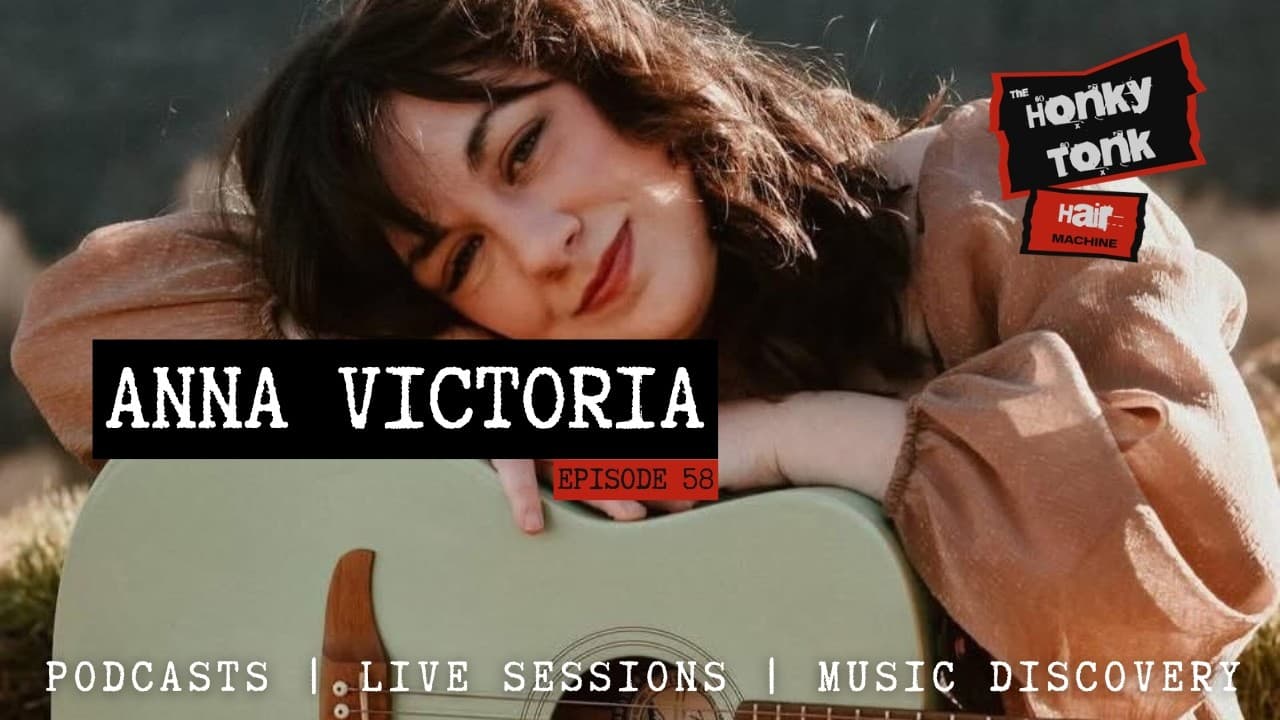
Anna Victoria
Inside North Carolina's Appalachian Music Scene | Anna Victoria
Anna Victoria joins Camden for an honest conversation about growing up in the mountains of North Carolina, discovering her voice as a songwriter and navigating life as an independent Country and Americana artist. We talk about learning to perform live, protecting her voice, finding confidence on stage, the influence of Appalachian music and artists such as Luke Combs, Sierra Ferrell and Dolly Parton, balancing music with motherhood, and the challenge of staying creative in a world driven by social media. It's a thoughtful conversation about music, family, creativity and staying true to yourself while building a career in independent music. Chapters 00:00 – Introductions, Weaverville, childhood. 02:00 – Singing, vocal health and beginning her musical journey. 06:00 – The pandemic, booking gigs and developing as a live performer. 09:00 – Coping with distractions, confidence and performing. 12:00 – Appalachian influences, Luke Combs, Sierra Ferrell, Dolly Parton and mountain songwriting. 15:00 – Family life, being a stay-at-home mum, social media and balancing music with everyday life. #lukecombs #sierraferrell #dollyparton Subscribe to The Rugged Revival. Share it with your friends. Support independent music! Listen to the full podcast on Spotify: https://open.spotify.com/show/6wnHcgA73o1aiiKaz882vH?si=30aabdaa220a4628 Follow The Rugged Revival: Instagram: https://www.instagram.com/theruggedrevival/ TikTok: https://www.tiktok.com/@theruggedrevival Facebook: https://www.facebook.com/profile.php?id=100094507520679 Website: www.theruggedrevival.com Email: ruggedrevival@hotmail.com
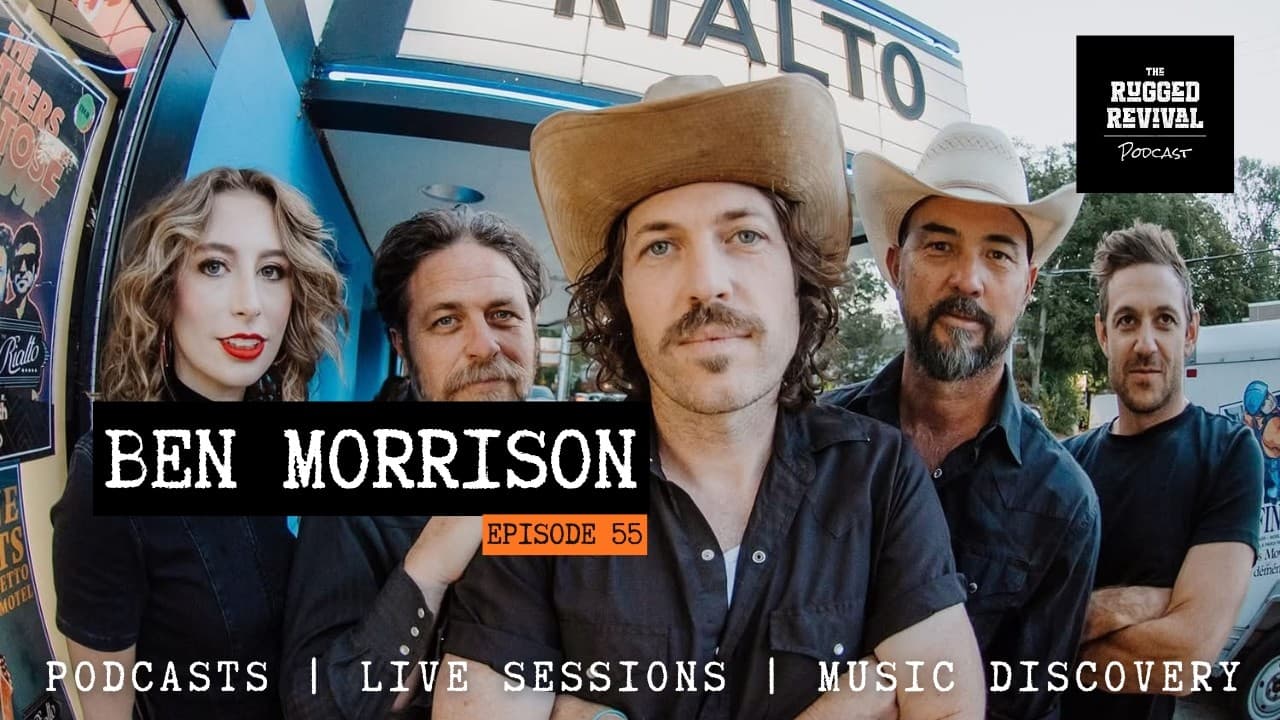
Ben Morrison
The Brothers Comatose: Ben Morrison on 18 Years of Music, Family & Touring
Ben Morrison of The Brothers Comatose joins the Rugged Revival Podcast for an honest conversation about nearly two decades ...
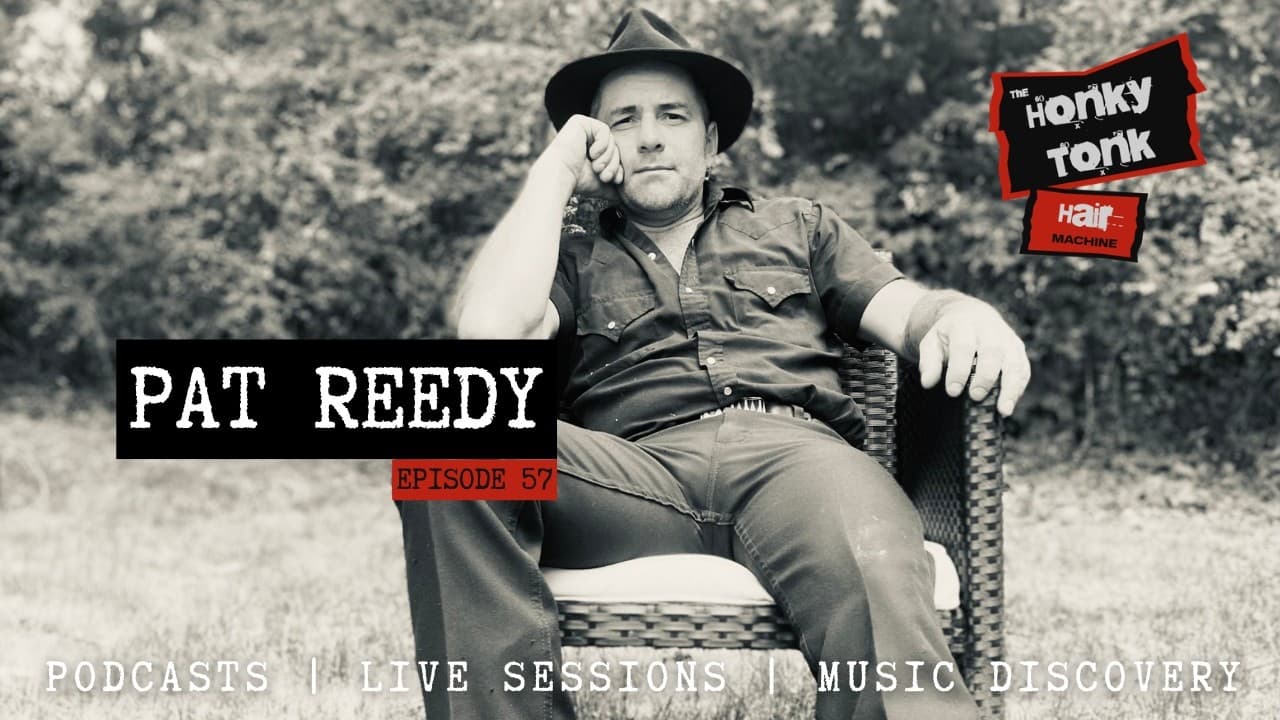
Pat Reedy
Pat Reedy on Busking, Nashville & Building a Country Music Career
Pat Reedy joins Camden to discuss leaving construction behind for country music, busking in New Orleans, life in Nashville, ...
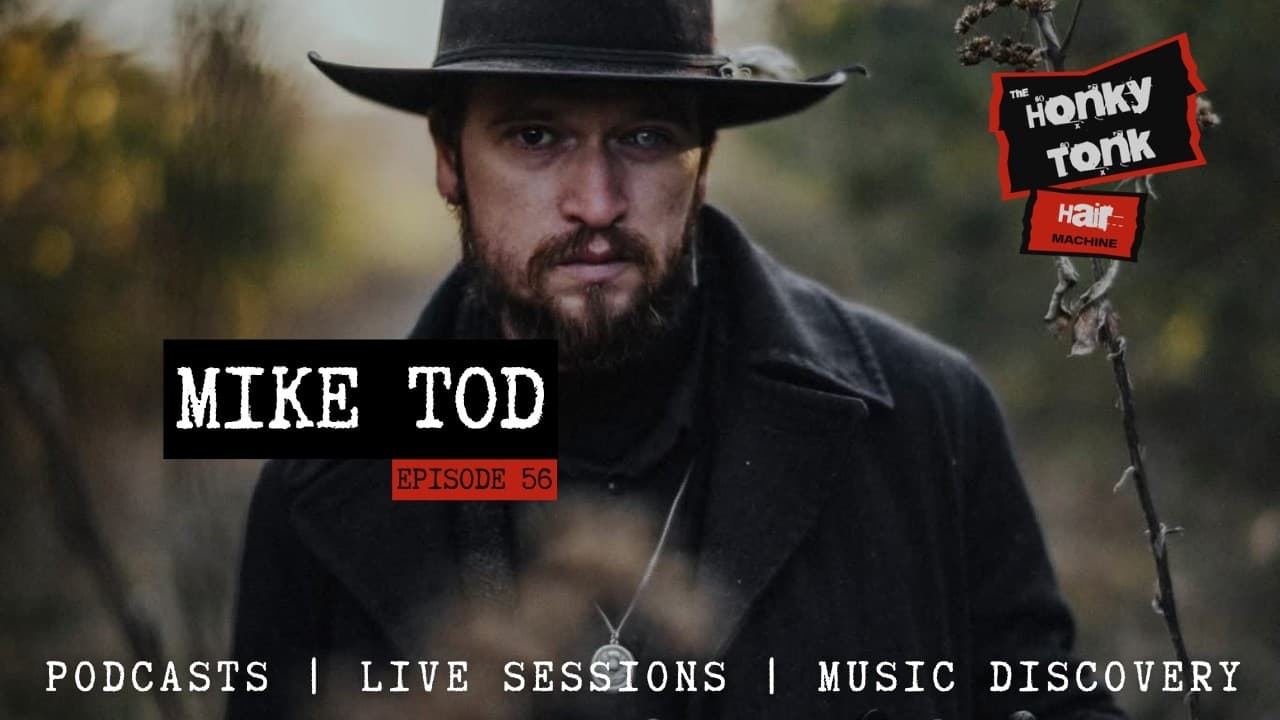
Mike Tod
Keeping Traditional Folk Music Alive in Nashville | Mike Tod Podcast
Mike Tod joins Camden to discuss traditional folk music, Canadian roots, life in Nashville, forgotten songs, unusual instruments and why preserving musical history still matters today.Originally from Canada and now based in Nashville, Mike explores the stories behind traditional songs, the connections between folk music around the world and how old music continues to influence modern artists. We also discuss his unique "Crankenstein" instrument, musical curiosity, collecting songs from the past and the importance of keeping traditions alive for future generations.Chapters00:00 Introduction00:00:30 Growing Up in Canada00:02:20 Discovering Music & The Crankenstein00:04:10 The Story Behind The Crankenstein00:05:20 Drones, Folk Traditions & Ancient Music00:08:10 Learning Guitar & Performing Original Songs00:09:40 Accessing Traditional Music in the Digital Age00:11:20 Researching Music History00:12:10 Playing The Crankenstein Live00:14:00 Creating Atmospheric Sounds & Live Performance00:16:00 Traditional Songs & Musical Origins00:17:50 The Artists Influencing Mike Today00:19:20 Studying Philosophy & Creative Thinking00:22:00 Horror, Heavy Music & Folk Culture00:24:00 Scottish Heritage & Family History00:27:10 Final ThoughtsSubscribe to The Rugged Revival. Share it with your friends. Support independent music!Listen to the full podcast on Spotify: https://open.spotify.com/show/6wnHcgA73o1aiiKaz882vH?si=30aabdaa220a4628Follow The Rugged Revival:Instagram: https://www.instagram.com/theruggedrevival/TikTok: https://www.tiktok.com/@theruggedrevivalFacebook: https://www.facebook.com/profile.php?id=100094507520679Website: www.theruggedrevival.comEmail: ruggedrevival@hotmail.com