
Doy Gardner - Nashville Musician, Touring Drummer, Tattoo Artist | Instagram LIVE | Rugged Revival
Watch on YouTube
Subscribe for new episodes, Grit Sessions & more
Listen to this episode
In This Episode
There's a particular kind of honesty that comes when you sit down with a musician who's spent years figuring out exactly what they're supposed to be doing behind the kit. Doy Gardner carries that kind of hard-won clarity. He's the drummer for Bones Owens, a tattoo artist, and the sort of multi-hyphenate creative that seems increasingly common in Nashville's independent music circles—someone who refuses to be confined to a single discipline. But what makes Gardner interesting isn't just the breadth of what he does; it's the deliberate path he took to get there.
When Camden asked Gardner about his first drumming influences, the answer traced a familiar arc for a kid born in 1980: church band percussion in fourth grade, a vague awareness of country drummers he couldn't quite name, and then—like so many of us—the seismic moment when grunge hit. For Gardner, that meant Dave Grohl. Not Grohl the superstar frontman he'd eventually become, but Grohl the Nirvana drummer, the guy hitting his kit with such devastating economy and power that you understood immediately why simplicity could be louder than virtuosity. Gardner did what countless young drummers have done: he sat down with Nirvana records and taught himself to play. He even bought Grohl's gear. The endorsement effect is real, and Gardner wasn't above its pull.
I feel like just sitting down and learning to play Nirvana records was a huge influence for me—I was just infatuated with that band.
— Doy Gardner
What's striking about Gardner's story isn't that he worshipped Grohl—plenty of drummers did—but that he recognized when it was time to stop. Moving to Nashville at eighteen to study at Belmont University forced that reckoning. Suddenly, he was in a different world entirely, one centered on jazz and Latin percussion. It wasn't what he'd signed up to play, but it was exactly what he needed. Music school, for all its frustrations, taught Gardner the foundational independence that separates competent drummers from versatile ones. Four-way limb independence. The ability to play anything. The discipline to strip away ego and serve the song.
That shift—from copying Grohl to becoming Gardner—is crucial to understanding not just his development as a drummer but his whole approach to being a musician. He left Belmont to tour, which means he chose the road and the work over credentials. That decision speaks to someone who understands that real musical education happens in vans, in dingy venues, in the lived experience of playing night after night with people who are trying to build something real.
A big lesson for a drummer is not overplaying and remembering your core duty: to be the backbone and keep everything together.
— Doy Gardner
What Gardner brings to the conversation is refreshing precisely because he doesn't seem interested in the mythology of the tortured artist or the genius drummer. He's practical about influences. He's honest about the Japanese approach to mastery—small improvements, constant refinement, no shortcuts. He's also someone who's found multiple ways to express creativity, which suggests he sees music not as the only outlet but as part of a larger creative life. The tattoo work, the drumming, presumably the other things he hasn't even gotten to yet—they're all part of the same commitment to making something with your hands and your vision.
In the current landscape of Nashville music, where so many young musicians are chasing streaming metrics and algorithmic validation, there's something grounding about sitting with someone like Gardner. He's pursuing music because he loves it, because he's found bandmates like Bones Owens that he wants to work with, because the craft itself is the thing. He's not waiting for permission to be a drummer. He's not waiting for a record deal to validate his work. He's simply showing up, doing the work, and letting his reputation build on the strength of his playing and his character.
This is the kind of conversation that reminds you why independent music matters—why the people doing the work in their own communities, often invisible to the major media apparatus, are frequently the ones pushing things forward. Gardner's story is a small one, but it's also completely accurate to how most serious musicians actually develop. It's worth listening to in full, not because he's got all the answers, but because he's asked himself the right questions.
I'll help you. I'll help you start a revolution [music] for this Monday morning love situation. >> So, I normally focus on, you know, uh hair and fashion. That's my little segment as you know. You know, I've cut your hair before. It's kind of my thing. >> And uh but I, you know, you're you're a man of many hats, you know, as we both are. So, I wanted to sprinkle in some other things in there, too, you know. >> Yeah. Yeah. So, let's get let's get into it, man. I like to keep it short and sweet. I don't want to take up too much of your time. Yeah. So, let's let's dive right in, dude. So, uh, who was the first drummer to inspire you, man? So, I started being super interested in drums really early on. Uh, you know, I think I was lucky enough to go to a school system that had a beginner band. I want to say in like fourth or fifth grade. So, you started out with just kind of percussion and just overall drums in that setting. Uh, and so I was listening to like, funny enough, a lot of old kind of 80s, 90s country as a kid and don't know that I had a standout drummer early on other than knowing that I had an interest in it. And then, uh, getting into middle school, man. Uh, you know, getting into grunge and Nirvana blowing up and being such a big thing cuz I was born in 80. Um, Dave Girl was probably my guy. And that was, you know, probably a lot of time just sitting down trying to learn Nirvana records. Uh, kind of self-taught approach. um later on in life took some lessons but yeah I feel like just sitting down and just learning to play group of honor records um you know was a huge influence for me uh I feel like I went as far as you know just how endorsements work right where it's like oh he plays to drums I need to drums he has zil symbols I need zil symbols right so the power of endorsements um the dude just infatuated with that band uh once I kind of got in seventh eighth grade uh and yeah that was pretty much my biggest influence at that time I just learned to play with playing along with Dave Gro Yeah, and that's a hard drummer to follow, too, man. He hits he hits really hard. Hits with that dry rock. Um I actually wish I still had a lot of it, but growing up in the DC area and playing in punk bands. I used to have uh his old bass amp and I had some of his old drum parts, too. >> Yeah. >> Yeah. We had like a lot of his stuff and it like had his name carved into it and >> um you know, everything was spilled with beer on it and stuff. [laughter] and man to see him now move on and in front a band like he does and be an incredible musician all the way around uh and even as a guitar player man nothing's lacking right so from a drumming ability granted all the Nirvana stuff was was pretty straightforward and simple but you like you said man he approached it with such a power and dynamic uh that was pretty wild and it was exactly what that music needed right like nothing more nothing less which is >> big a big lesson for a drummer to take right is not overplaying and trying to find remembering your core core duty which is to be kind of the backbone uh of everything and then keep everything together. Um but man what a what a great approach uh you know at at with Nirvana and those records and and then yeah man seeing any kind of live videos again of just how powerful he was and uh yeah just completely laying into it was super cool to watch as a kid. >> Yeah. So you know when you get into any kind of like instrument or sports even you have your favorites that we kind of emulate. Like when I started playing guitar, I wanted to stand and look like Johnny Ramon, you know, everything was and then it was the Misfits. >> So, you know, when you kind of when you got your inspiration, you finally got behind the kit. When do you feel like you finally became Doy the drummer versus Doy copying Dave Gro? >> Yeah, for sure, man. So, you know, you you play and get through high school still trying to just play. I I think what's most fun for you to kind of follow? Uh, and then I moved to Nashville um at 18 and went to to college at uh at Belmont University and I wanted to study music. So when you kind of enter that world and that dynamic and you're a music major, you kind of throw out what you love to do and you kind of approach it from a different perspective, which at Belmont was centered around jazz and Latin. Um, which is a really interesting approach, man. And as a kid that just tried to grow up listening to the pop music and play rock or pop music, it's a completely different direction. Um, but the core of that teaching is to try to develop develop for a drummer, for instance, four-way independence where like each limb can do something separate really well. And the idea is just to build this insane foundation that you can pull from, play any style of music, be as versatile and as broad as you can. But I feel like after after Belmont, I I actually ended up quitting to to tour uh and came out of Belmont and and did a lot of female fronted pop music, which was really cool. But that is definitely an area where you kind of have to learn your spot to fit in, right? Like it's more minimalistic. It's about the front person, the singer, not overstepping boundaries, not trying to shine too much, not trying to do too much, which as a young kid, especially going to Belmont, you know, you kind of have this chip on your shoulder. I have something to prove. So, if I can throw in this crazy fill or some kind of little chop oriented thing, uh, then I'll stand out, right? And so I still feel like I kind of battled through my identity as a musician in my early 20s, maybe kind of hitting what I truly wanted to be and what I felt like I was good and and strong at in my mid20s. Uh I started playing for some rock artists based in Nashville. And that's where I just kind of found where it's like, look, man, I've got all these other things under my belt. I've tried to be as versatile as I can, but this is where I feel really comfortable and feel like where I can kind of shine as a drummer. And like I said, now, you know, from my mid20s to almost my mid-40s now, um, I just have a really solid idea of my place in music and my role, right? Um, again, Playing with Bones, another artist based thing. Um, it's not about it's not about me, it's about him. So, how do you just lock this thing in, make the best foundation you can create, uh, and then, yeah, have some fluidity live and be able to move and and flow with him. Um, but all within kind of staying in this rhythm of just a simple solid backbeat and being dynamic where you can, you know, uh, but also being willing to push and play in almost kind of like a Dave girl Nirvana perspective and just beat the [ __ ] out of things. Uh, but um, but yeah, all while kind of keeping the foundation locked and and just keeping everything super solid and feeling, you know. Yeah, it's interesting you say that, you know, because the few times I've seen you with Bones now, um, yes, it is, you know, the Bones project, you know, and and his music, but, you know, >> you Yes, you're locked in and you you're not overplaying and and you're doing what the music needs. >> Um, >> you very much bring a special element, too, you know. >> Yeah. like you're you're an incredible drummer and it feels, you know, I think when you're watching you, you think it's, you know, simple, but I'm watching you work and I'm doing I'm watching you do things with like the floor toms and the symbols and there's in between intonation that you do and little like um >> because usually, you know, from the times I've seen you, it's just been the two of you. I think last time you may have had a pedal steel, I believe. >> Yeah, pedal steel bass and Yeah. >> Yeah. But I remember the first time I saw you just the two of you and you you help fill in certain spots in the music that need a little accent. >> Yeah. >> And with the two of you, I mean, it's incredible. It's a wall of sound. And and that's that's kind of the trick there, right? Where you come into a gig, you know, as a drummer, you want a bass player, right? That's your dude. That's your right hand. That's the guy you're going to lock into. Uh and the two of you are going to build something. And with him, it's interesting because he's covering the part. So, from a audience perspective, it's the tightest thing it can possibly be because it sounds like at least three dudes on stage and it's super tight, but it's because he's also producing that low-end bass sound. So, he's splitting the guitar signal into a guitar cab, bass cab, which then just locks it in on a whole another level, and it sounds great. But, it does kind of present a different opportunity uh for me where it's like, all right, coming into a gig like this, how do I how do I sound as big as I can, right? So, for me, playing a little bit larger drums, uh, taking things and tuning them down and just fat and as open as possible. Same with the snare, just trying to open it up as much, you know, getting bigger ride symbol, crash symbols, things that are going to watch and then just fill as much space as possible. So, there's a little bit of a, you know, an interesting approach to it where it's just like not only thinking about how you play, but all the way down to your equipment of just like how can I kind of match what he's putting out? And then like you said as a two-piece, how do you create this wall of sound to even, you know, sit on stage with that that wall of amps that he has? Um, and then, you know, kind of build on that, figure out where how it feels in the long run. And then now we've this last run we just did, uh, we've got a bass player locked in with us now. And so it's cool, man. It kind of lets me think a little bit differently. Um, but at the same time staying pretty true to just this what he wants, which is to be a loud rock man. So approaching my gear and equipment that way and then trying to play that way too, but not getting lost in this just like beat the hell out of everything approach. Being able to find that dynamic level a little bit, which I I find myself still having to check myself on sometimes in my 40s after putting in so much time playing just like uh just reminding myself to be dynamic, right? Like it doesn't you can have a huge impact and and play softer, let's say, through a verse and then you give that lift of power into the chorus. So you create dynamics within the song. So still trying to find how you can be this loud, you know, rock band, but then still create this dynamic level, which then makes you louder and bigger throughout the entire thing, right? If you have those levels of dynamics. So >> yeah, well said, man. That's that's quite insightful and that's really cool. Um, so let's shift gears a little bit and uh this part will probably go a little quicker. So all right, so musically, drumming, you early on inspired by Dave Roll. Yeah, I think that's great. So, who inspired your fashion early on? >> Sure. Uh, so man, I was a skater kid or want to be skater kid growing up. So, early on, man, like I was just in influenced just by kind of skateboard fashion. Uh, you know, back in those days, it was insanely oversized everything, right? Like, >> yeah, >> this was in the go jean era, but uh but not I don't feel like skaters were wearing a ton of those, but man, just baggy clothes, big big baggy t-shirts. Everything was skate oriented from my Etnes to DC shoes. uh to whatever I could convince my parents to, you know, mail order for me because in South Alabama, you know, we didn't have a ton of skate shops. So, I think on man, it was just this simple idea of kind of having this like kind of ratty skater look with everything that's still too big. And I think within the last 10 years, I've even been home to visit mom and and uh you know, find some old clothes in the closet and the shit's still too big for me, which is funny. >> And yeah, it's kind of embarrassing going back on it, but yeah, I mean it was it was funny. I just feel like I was just inspired probably more by that skateboard fashion than any kind of musician, you know, an inspiration, which to be honest, you know, look at those early Nirvana uh years. And I mean, that's that's kind of that that skateboard fashion kind of fell in line with that grunge, you know, oversized >> y, you know, flannel on on top of a big t-shirt and big ass jeans. And um so yeah, probably found some inspiration in that when I was younger. >> What was the um what was the skate shoe that you like back then? Listen, I know Osiris is real big up here in DC for a while. >> Yeah, I had Airwalks. I think I had some Airwalks as a kid. Uh I think I had some Etnney and some DC's which was funny cuz you know I'm a smaller dude so wearing all this oversized stuff and then the shoes like they fit but they were just so bulky. >> Yeah. >> In my mind you needed that, right? It's just like I needed that Dave girl, you know, Tama drum set to sound like Dave girl. I needed that that that gear to to be able to skate which I was not a good skater. No, me neither, bro. I I was not good. >> Yeah, I loved it, man. And I definitely couldn't go back to it now. I don't have the balls to to get on and hurt myself, especially being a musician. But uh it was fun when I was doing it. And been going through the house here recently and cleaning up and finding some of these old photos or skate videos or uh you know, that kind of stuff. It was just it's funny to kind of have a blast or a look back to the to the past and see where were at that time and the things you were into and what you were doing. Well, you know, I mean, look, when you're a kid, you know, you're looking for that inspiration. I see old photos of me and I'm like, whoa. I mean, I'm sure I'll look back at this point and be like, what's what was with the beard, you know? Like, who knows? >> Yeah. Um, so who who inspires you or what inspires your fashion today, >> man? So, when I I'm in a weird place right now fashion wise, but I think when my when I got in my 20s and started playing for a living, I think that's there was a guy I played with uh in a band. His name is Brian Lac. great guitar player. But dude, I I joined that band in my mid20s and he just had this vibe. So the complete opposite of the skateboard thing, everything's tight, you know, girl jeans, stretch pants, you know, tight tea with a a scarf or bandana or something. This dude just in my mind looks really cool, cool hair, like the dude that I wanted to be. So I think that kind of pushed me into the fashion that's I kind of still have today where it's a little bit more of a a slim fit. Um, >> and then I find myself uh questionable now in a month I'll be 45 where I'm just like, man, am I dressing my age? Am I dressing too young? Like, I haven't really changed [ __ ] in so long. Do I need to? So, fashion's kind of an interesting spot for me right now. But outside of the physical way that I dress, which is whatever, I still find a lot of uh inspiration in like men's wear like suits. Uh especially dudes like us that are heavily tattooed. Man, I love seeing guys just dressed in really sharp suits. And uh after I opened the tattoo shop in 2008, we were in a big commercial building and I kind of had this era of wearing suits for about 2 years. Uh and that was really inspired by the people in that building, big commercial building where you would never expect a tattoo shop. So, lots of dudes rolling around in nice suits. Uh and I wouldn't mind getting back to that point um at some at some at some stage in life. And I made him joke with Bones about like, dude, I kind of want to start dressing up, you know, and just like away from just kind of like the typical looking rock thing and how which is for me is the way I dress on stage is pretty much the way I I dress in in everyday life because again, there's nothing special about it. But um but yeah, man, there's a lot of inspiration just uh you know, in just seeing dudes in in sharp suits from vests to suspenders to bow ties to ties in general, the tie clips, cuff links, like there's just a cool element of that. So, I hope at some point I can kind of push myself back that direction. >> Yeah, man. I like that look, too, man. And I think that's uh what I like more about uh you know like I'm in t-shirt and jeans today, but you know I like that dress denim with the bolo and maybe even like the blazer leather you know hats and whatever. But yeah, I'm with you. Like I was I was even telling my wife I'm like it would be cool to be like >> heavily tattooed and rocking like really crisp style, you know, really crisp fashion. >> It's interesting how people perceive you. Like I never took myself as someone that was like uh felt like I was talked down to or judged by my appearance. Um but dude, you throw a suit on and and look the way we do, right? And show show some tattoos. Uh it's really interesting how people perceive you and then running a tattoo shop, people would come in and be insanely surprised to see a dude wearing a suit behind the counter talking to them about ideas. And there was almost this little bit of like uh you know, you can you can say anything you want. People are just like, "Yeah, yeah." Granted, I'm never trying to take advantage of anybody, but it's it's like again, like you could say anything and people are just like, "Fuck yeah, man. That's that's great. Yeah, let's do it." Or whatever. Uh so again, just having that appearance when you do naturally look heavily tattooed in a certain way. Uh it's just really cool to see how people perceive it. But two, I think it also presents you to carry yourself in a certain way, too, right? You kind of get that dapper kind of vibe and it's fun. And granted, it's a lot of work to get into it every morning, which is ultimately why I stopped doing it, where it's like, I have to take a, you know, do I have to take a shower and style my hair today? Like, I just want to get up and put some clothes on and go to work. >> That's right. >> By the time you press the suit and, you know, get all cleaned up to look good. It's it's it's some work involved. But it's also really fascinating and and it's interesting, man. That's what we came from, right? Like you look at anything, you know, 20s, 30s, 40s, like the old days, like people wore suits all the time. like you had this level of presentation regardless of your occupation or what you were doing, which is just just really interesting. >> That's right. All right, so let's uh switch gears again. >> Yeah. >> What's uh So, you own a tattoo shop. Remind me of the name of your tattoo shop. >> It's called Black 13 Tattoo and we're in Nashville, Tennessee. >> Black 13 in Nashville. Cool. >> Um you know, this doesn't need to be like a [ __ ] on it session, but >> for sure. What's one thing you dislike about modern tattooing? But what's one thing you do like about modern tattooing? >> Sure. So, I've had a shop for 17 years now, and I think the the the most interesting thing, which we see in a lot of uh uh you know, uh trade and labor is uh this kind of self-taught aspect. I I think the toughest thing for me to accept about tattooing right now is just the influx of new artists, new shops, private studios. uh and you kind of start to question how these people where they're coming from or their background or the experience. And I think with the growth of the internet, you know, things like tattoo schools have popped up or, you know, let's let's learn from YouTube. Uh when you're in uh a skill set like this, man, there's so much I think that comes from having an actual legit apprenticeship from an actual legit artist in a legit ranch shop. And I think a lot of people are kind of missing out on that, which I understand they're hard to come by. You know, not every tattooer wants to take on an apprentice. And that's where the apprentice needs to understand it's it's a big commitment on both sides, right? From a shop perspective, from the apprentice perspective, there's a lot that goes into it. And um a lot of the older tattooers, you know, carry this huge sense of pride in their craft and think there's a way to go about it to get in it. Um, and like and again with a lot of people trying to just be self-taught, maybe not going through the correct avenues. I think there's a lot of people out there that need to get more experience before they just jump in uh to tattooing clients. Uh, and then trying to charge rates that, you know, guys are charging that have been doing this for 15 to 25 years, right? >> There's something to be said about the experience and there's there's something to be said about an approach to get in to learn the right way. if not you find yourself with an artist if you can get in and then trying to break a lot of bad habits. So I think that's kind of been the most frustrating thing is just it just feels oversaturated at this point. Uh again there's nothing against that unless the oversaturation a lot of it comes from this idea of these self-taught tattooers having experienced a ton of time in the shop or maybe having to consider things like crosscontamination, bloodborne pathogens, right? there's a big part of it other than just learning how to physically hold and operate a machine. Um there's so much more that comes into it. So I think that that tends to be frustrating and I think a lot of my artists, we have 11 artists at the shop, uh start to feel that as well. Uh and then man, on the flip side of that, the the thing that I get still to this day uh encouraged, inspired by and excited about, it's just where the where the art form has gone, right? Like it's it's been such a cool folk art and to see it now grow. Uh and this is you know over my almost 20 years of experience just to see what's capable now. Um, so from the sense of realism, right, like I know you and I both have a lot of traditional uh that bold, you know, very simple approach, but then when you see including some of our artists, what they're doing from the sense of realism, man, and just capturing this level of detail, not only not only well enough to understand it, how to apply it, but to also understand how to let a client live in it, let it age, and still look really good, right? So creating contrast between dark and light tones. Uh, and a lot of this typically is black and gray on the realism side. Um, so it's just really cool, man, to see what people are are capable of doing, uh, and how the the the craft has grown in a way to to be able to capture a lot of different styles of art, not just something that is more bold, American traditional, which which is great. And that old saying, bold behold, is very true. Um, but again, just seeing what some of these artists are able to create uh, on scan, man, is just it's just mind-blowing sometimes. >> Yeah, some of this stuff is wild, dude. Like I don't I don't personally want on myself some of the realism stuff. Yeah. >> Like it's great. You know, I'm I'm I'm an old head. I want those old school. >> But all right. So, uh let's switch gears one last time. >> Um tell me about your first motorcycle, >> man. So, my dad was a mechanic, uh diesel mechanic and truck driver. And when I was a little kid, he had a repair shop in South Alabama. This dude rolled through in an old pickup truck, had just a bunch of [ __ ] in the back and trying to get gas money to make it into Florida. He had an old Honda 185 dirt bike and I want to say it was uh maybe early 80s model. And dude, I was so little that I couldn't touch the ground on this thing. But dad bought it. I don't know, probably gave the dude 100 bucks, got it off the back of the truck. It ran, had no exhaust on it, was the loudest thing ever to to physically ride the bike. I had I grew up on 10 acres, so I push the bike out of the shop, get a center block, flip it up, get up on the center block, kickstart it, roll around the property, but I always had to come back to that center block to be able to touch the ground. So, I think after that, kind of doing that a little bit, my mom probably being a nervous wreck. My dad uh yeah, seeing that I was into bikes, bought me a little Yamaha MX80. So, that kind of gives you the size comparison of where I should have been on an 80 and where my dad had me on a 185. Um, I mean, [clears throat] that's what started it off. I got into dirt bikes. I was lucky to have the 10 acres to be able to roll around there. And then uh got a ended up getting a Honda 250 Rebel at 14. Got my motorcycle license at 14 and could cruise around my little tiny ass town. And even rode to school some in eighth grade, which was wild. Of course, you think you're the coolest kid in the [ __ ] world. >> Oh yeah. >> Rolling in eighth grade with a motorcycle. But um so yeah, man. My intro to bikes was was dirt bikes and then kind of pushed into some enduro and street bikes. uh had some some sport bikes at one time in my in my you know late teens, early 20s and then realized that was a [ __ ] death wish and uh too fast for me. Um but yeah, man, having those dirt bikes was cool to kind of learn on that and I'd love to kind of get back to some some capacity of being able to have a dirt bike and somewhere to ride. So >> yeah. Yeah, that um when I met y'all in North Carolina, that bike that Bones had seemed almost like kind of dirt bike leaning, >> dude. Yeah. So funny enough, that's where we just were. We were back in Dun where I saw you last time at the birth >> and uh he's got that bike back out again. So yeah, that's a Rusty Butcher build. It is a uh Sportster that's got the suspension. It's got a different tank uh and Na'vi tires on it. So dude, it's and it's a mind [ __ ] to ride that bike because it's definitely not weighted or or geared uh or torqued like a like a dirt bike, you know? So you it's got it's a it's a sporting uh that's been rebuilt and dude the just the the weight on it and the way it rides and the amount of power it has like it's it's it's an interesting thing to wrap your head around especially for me that's been on you know cruisers and street bikes for so long now. Uh it's a it's a weird thing. You think you're getting on a dirt bike but again just the weight and the setup of it is completely different. Um but yeah he's got that out right now and he's he's he's out with whitey Morgan. He's pulling that thing around again. Uh the highlight recently with bikes on the road was we, you know, we did a a run out west uh for about a month and it was just him and I we actually got a trailer and trailered uh his soft tail and his electric glide and that that was a big highlight for us on the road, man. To be out that long and be able to pull bikes off in Colorado, Montana, Wyoming, like just some of the most beautiful places in America to get out on bikes. Uh that was probably the most recent highlight on a bike and being on tour at the same time. Um, yeah, something about that was really cool, for sure. >> Yeah, that's amazing. I would love to do that. Um, all right, so let's let's start closing things out here. Um, if you could have one motorcycle now, what what's your dream bike today? >> Man, that's interesting. Uh, the old the old panthe heads are cool, man. Like if I could have like an early 60s or something. I think they maybe stopped around 65, but like early 60s like pan head maybe just to have to like bop around town would be super cool. And then after all that last run I told you about, you know, I have Caleb's electric guy. I think that would be kind of the scenario is have this old man bagger that I could get out and cut loose on, but then maybe have like an old pan head or something. Uh just bar hop around the city a little bit. Kind of have best of both worlds. >> That's awesome. All right. Well, look, dude, I you know, one last question and I really appreciate you sitting on me. I know we kind of ran a little bit long, >> right? Yeah. >> Um >> Yeah. Yeah. And sorry for my delay in getting on, so yeah. >> No, it's okay. Um, I know, you know, with music and stuff, you can't really talk about things too far in advance, but do you have anything you want to plug? New album, tour, anything going on at the shop? >> Yeah, man. Uh, so Bones just put out a new record a couple of weeks ago. It's called Best Western. Super great record. We're starting to play some songs live on that, which has been a lot of fun to get some new material in there. I think we're doing about six songs off the new record right now. Uh, unfortunately, we only have one more full band show coming up. It's in Marville uh at the shed which is one of the best venues in the states. Uh we're doing a Halloween show within Dirty Roses. So that'll be something cool that's coming up. Uh he's out on acoustic tour right now with Whitey Morgan if for folks that haven't seen Whitey. Super cool dude to check out kind of more outlaw country. Uh we got the pleasure to do some um or we had the pleasure to do some full band shows earlier in the year and the acoustic thing is pretty cool with him and Bones right now. Uh and then uh here in town, man, the shop, one of our artists is doing a big uh art show uh on October 25th here in town in a local gallery. It's the year of the snake. So, he did 20 uh 25 snake designs to match 2025. So, the art show will be all of his clients that have gotten the tattoos on them and then all the paintings that the art originated from all built around the the year of the snake. So, that'll be really fun. U and other than that, man, yeah, just kind of cranking things out in Nashville at the shop. So yeah, if anybody's in this area is interested in getting tattoos, it's Black 13 Tattoo here in Nashville. >> Well, Doy, you know, I love you and I appreciate your time. >> Appreciate you. >> Um, and I I think are you going to be on the road in December with Bones? >> Oh, he's back acoustic. So, the whiskey dates are acoustic. So, he'll be on his own then. And like I said, right now, last full band date is Halloween on the 31st at the shed in Marville, Tennessee. And we'll see. There's some talks about maybe trying to get a another show or two added before the year's out. So, we'll see. But yeah, the Whiting run right now and the Whiskey Myers run will be acoustic, so it'll just be him. >> All right, brother. Well, listen, when our paths cross again, I look forward to it. >> Look forward to it, man. Take care of yourself, friends.
Comments
Keep listening
Related Episodes
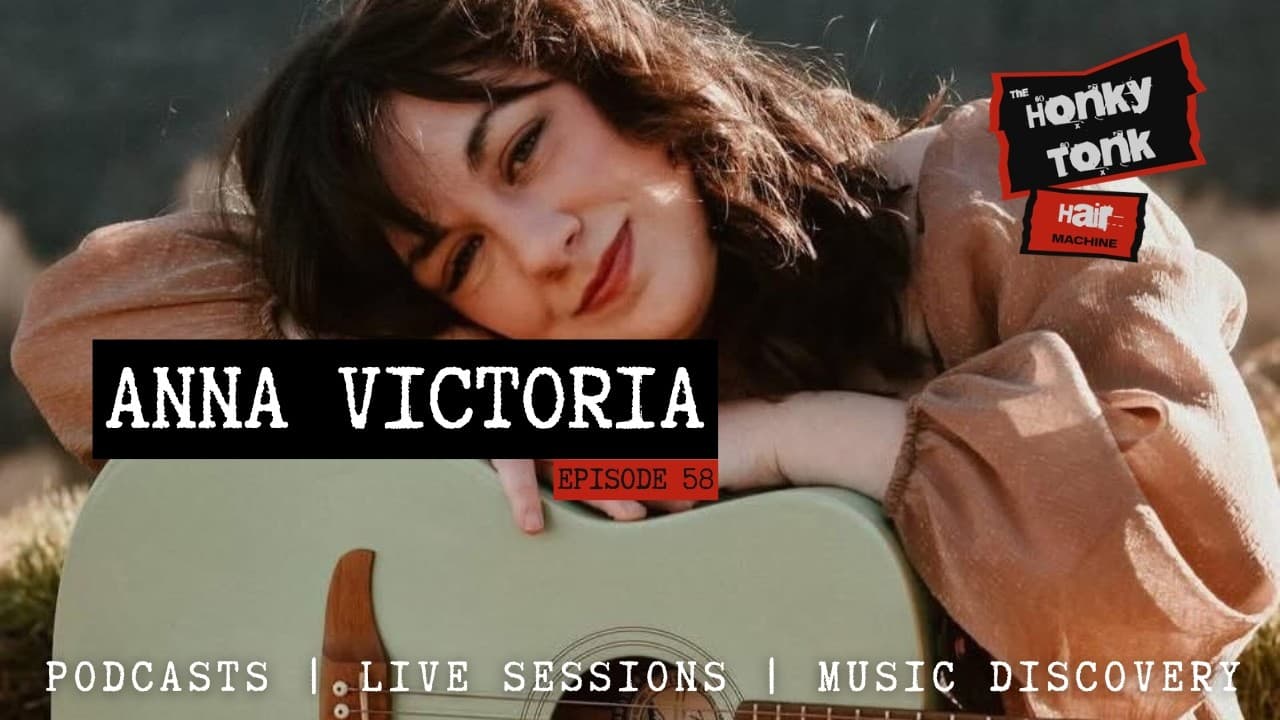
Anna Victoria
Inside North Carolina's Appalachian Music Scene | Anna Victoria
Anna Victoria joins Camden for an honest conversation about growing up in the mountains of North Carolina, discovering her voice as a songwriter and navigating life as an independent Country and Americana artist. We talk about learning to perform live, protecting her voice, finding confidence on stage, the influence of Appalachian music and artists such as Luke Combs, Sierra Ferrell and Dolly Parton, balancing music with motherhood, and the challenge of staying creative in a world driven by social media. It's a thoughtful conversation about music, family, creativity and staying true to yourself while building a career in independent music. Chapters 00:00 – Introductions, Weaverville, childhood. 02:00 – Singing, vocal health and beginning her musical journey. 06:00 – The pandemic, booking gigs and developing as a live performer. 09:00 – Coping with distractions, confidence and performing. 12:00 – Appalachian influences, Luke Combs, Sierra Ferrell, Dolly Parton and mountain songwriting. 15:00 – Family life, being a stay-at-home mum, social media and balancing music with everyday life. #lukecombs #sierraferrell #dollyparton Subscribe to The Rugged Revival. Share it with your friends. Support independent music! Listen to the full podcast on Spotify: https://open.spotify.com/show/6wnHcgA73o1aiiKaz882vH?si=30aabdaa220a4628 Follow The Rugged Revival: Instagram: https://www.instagram.com/theruggedrevival/ TikTok: https://www.tiktok.com/@theruggedrevival Facebook: https://www.facebook.com/profile.php?id=100094507520679 Website: www.theruggedrevival.com Email: ruggedrevival@hotmail.com
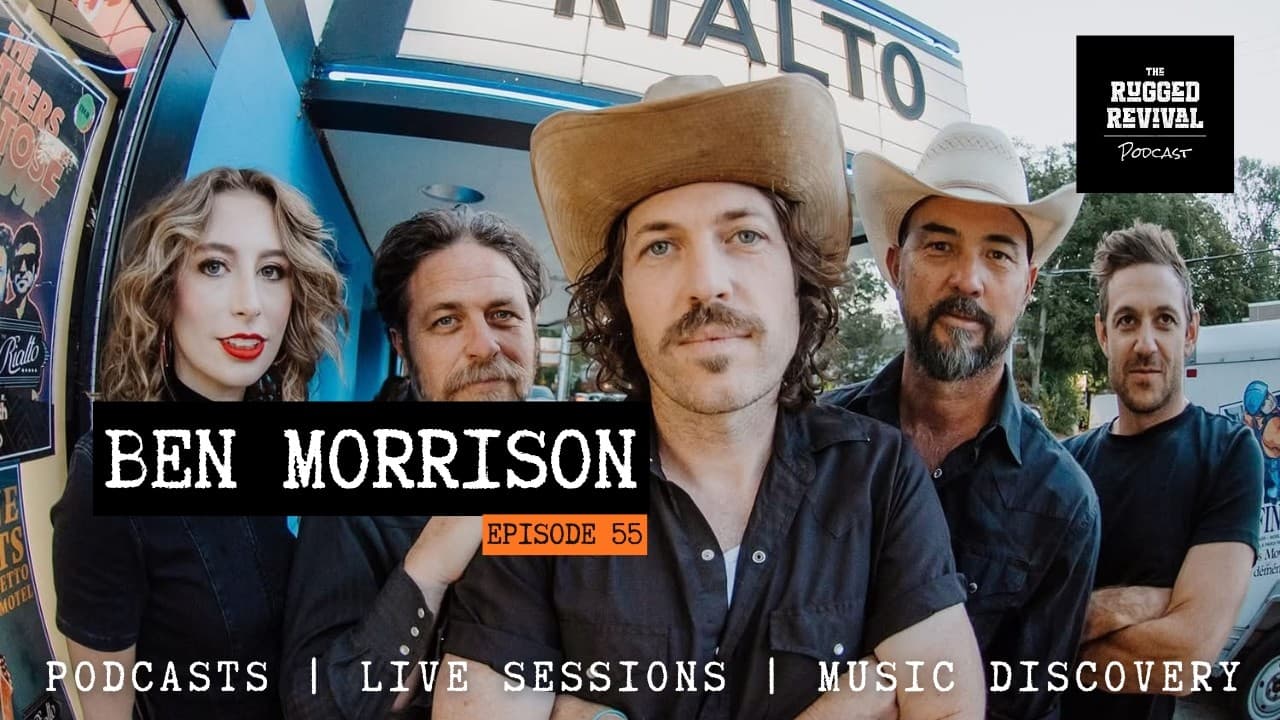
Ben Morrison
The Brothers Comatose: Ben Morrison on 18 Years of Music, Family & Touring
Ben Morrison of The Brothers Comatose joins the Rugged Revival Podcast for an honest conversation about nearly two decades ...
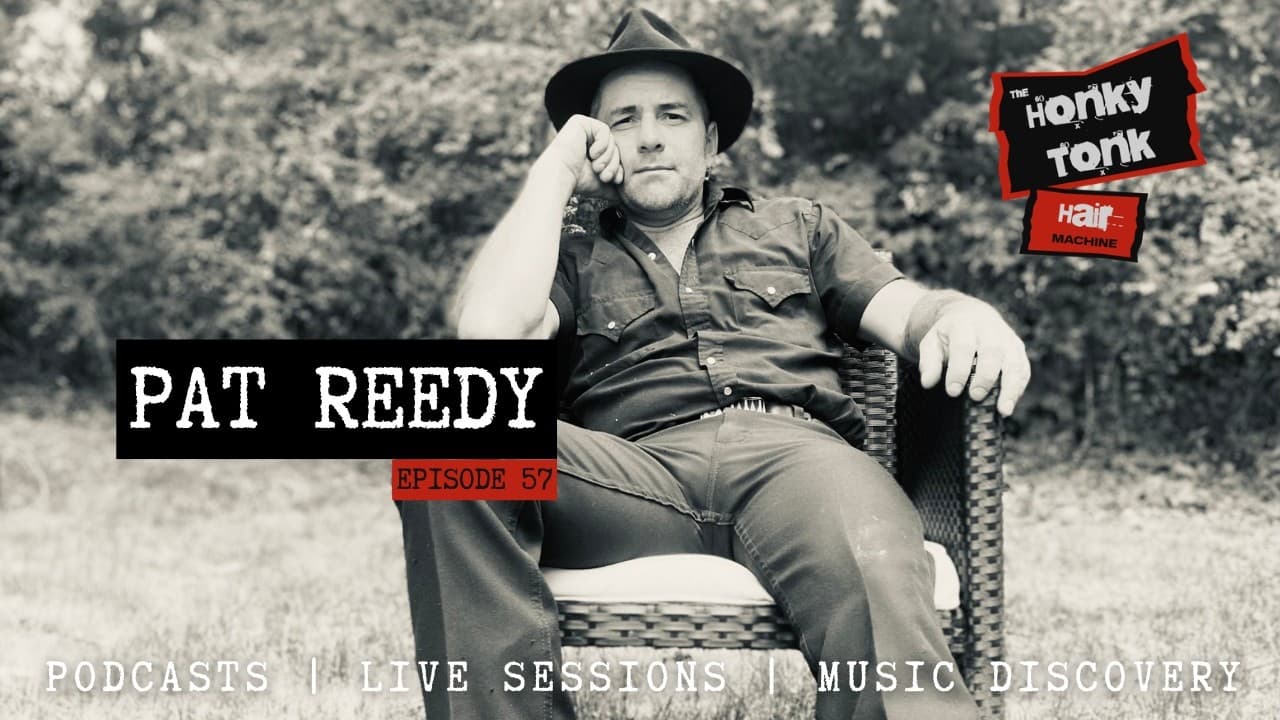
Pat Reedy
Pat Reedy on Busking, Nashville & Building a Country Music Career
Pat Reedy joins Camden to discuss leaving construction behind for country music, busking in New Orleans, life in Nashville, ...
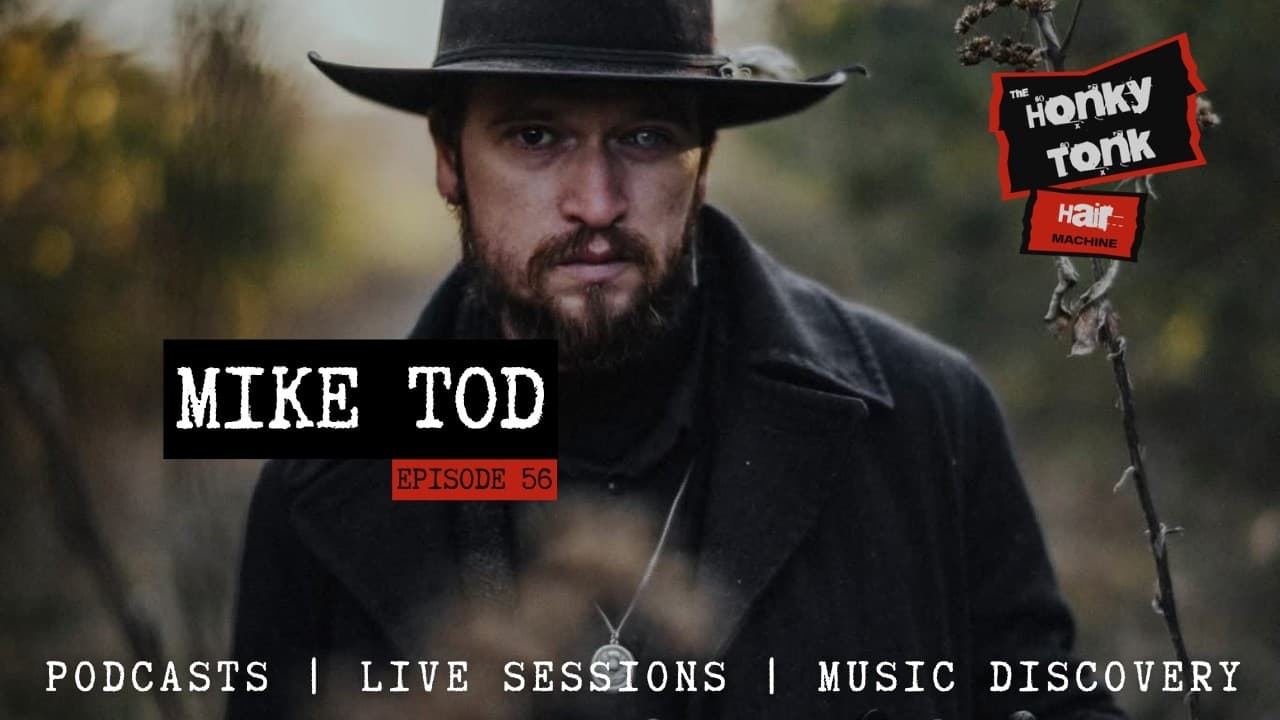
Mike Tod
Keeping Traditional Folk Music Alive in Nashville | Mike Tod Podcast
Mike Tod joins Camden to discuss traditional folk music, Canadian roots, life in Nashville, forgotten songs, unusual instruments and why preserving musical history still matters today.Originally from Canada and now based in Nashville, Mike explores the stories behind traditional songs, the connections between folk music around the world and how old music continues to influence modern artists. We also discuss his unique "Crankenstein" instrument, musical curiosity, collecting songs from the past and the importance of keeping traditions alive for future generations.Chapters00:00 Introduction00:00:30 Growing Up in Canada00:02:20 Discovering Music & The Crankenstein00:04:10 The Story Behind The Crankenstein00:05:20 Drones, Folk Traditions & Ancient Music00:08:10 Learning Guitar & Performing Original Songs00:09:40 Accessing Traditional Music in the Digital Age00:11:20 Researching Music History00:12:10 Playing The Crankenstein Live00:14:00 Creating Atmospheric Sounds & Live Performance00:16:00 Traditional Songs & Musical Origins00:17:50 The Artists Influencing Mike Today00:19:20 Studying Philosophy & Creative Thinking00:22:00 Horror, Heavy Music & Folk Culture00:24:00 Scottish Heritage & Family History00:27:10 Final ThoughtsSubscribe to The Rugged Revival. Share it with your friends. Support independent music!Listen to the full podcast on Spotify: https://open.spotify.com/show/6wnHcgA73o1aiiKaz882vH?si=30aabdaa220a4628Follow The Rugged Revival:Instagram: https://www.instagram.com/theruggedrevival/TikTok: https://www.tiktok.com/@theruggedrevivalFacebook: https://www.facebook.com/profile.php?id=100094507520679Website: www.theruggedrevival.comEmail: ruggedrevival@hotmail.com