
Dolly Parton Meets The Cure | Bonnie & The Mere Mortals
Watch on YouTube
Subscribe for new episodes, Grit Sessions & more
Listen to this episode
In This Episode
There's something quietly radical about a woman who grew up listening to Garth Brooks and Johnny Cash, then decided those traditions weren't nearly dark enough. Bonnie Ramone of Bonnie & the Mere Mortals didn't just split the difference between country and goth—she found the common ground most of us never knew existed, and it sounds like Dolly Parton decided to collaborate with The Cure in the dead of night.
On Camden's 50th episode of The Rugged Revival Podcast, Bonnie walks us through the unlikely collision of influences that shaped both her life and her band's distinctly Southern Gothic sound. Growing up on a 103-acre cattle farm in the West Virginia Panhandle, she was immersed in the Appalachian roots that would later infuse her work: Hank Williams, Johnny Cash, the narrative depth of country music's greatest storytellers. But there was another Bonnie underneath the farm girl exterior, one who wanted nothing to do with that world. She was reading Edgar Allan Poe in trees, listening to The Cure, dreaming in black.
I was in an interesting position that my dad could easily hand me anything, but he made sure we wanted for a lot.
— Bonnie & the Mere Mortals
"I was already definitely a goth," she recalls with no small amount of self-awareness. That tension—between the rural, working-class country tradition embedded in her DNA and the dark, introspective pull of post-punk and new wave—never really resolved itself. It just evolved. And that's where Bonnie & the Mere Mortals comes in.
The band represents something increasingly rare in independent music: a genuine artistic vision rather than a trend-chasing exercise. Bonnie spent years conceptualizing what it might sound like to weave Appalachian Americana together with synthwave and shoegaze, creating what she describes as "country and Americana music with new wave and goth music, some shoegaze thrown in there." It's a concept that shouldn't work on paper. In practice, it's utterly magnetic—the kind of sound that draws everyone from cowboys to goth rockers, from Nashville insiders to the kids who still think The Cure invented emotion.
I declared that Nirvana was the best band in the world, then I heard that Kurt wasn't around anymore and I wept as if it had just happened.
— Bonnie & the Mere Mortals
What strikes you most in this interview is Bonnie's methodical approach to realizing her vision. She didn't rush into gigging with half-formed ideas. Instead, she spent years writing and conceptualizing, maxing out a credit card to buy recording equipment, teaching herself production through YouTube tutorials. Her first show under the Bonnie & the Mere Mortals banner came in 2019, years after she'd already mapped out the sonic territory she wanted to explore. That kind of deliberate craftsmanship feels almost countercultural in a streaming era that rewards speed and novelty above all else.
The through-line of her story is worth examining, though. Her father was a doctor and gentleman farmer who taught her that having everything handed to you builds nothing—hard work matters. He made sure she "wanted for a lot," as she puts it, instilling a work ethic that's evident in how she approaches her music and her parallel career as a tattoo artist. That ethos runs deep in Appalachian culture, and it's exactly what allows someone to spend years developing an avant-garde sound without needing immediate validation or commercial success.
There's also something quietly subversive about an artist who refuses the false binary between "country" and "alternative." Bonnie grew up in a region where both traditions live in close proximity, where the coal towns and hollers sit alongside the same industrial rust belt that birthed grunge and post-punk. She's simply making music that reflects the actual complexity of where she comes from, rather than carving herself into one marketable lane.
The Rugged Revival has always been about discovering artists working at the intersection of genres, building audiences through authenticity rather than algorithm optimization. Bonnie & the Mere Mortals embodies that mission completely. They're the kind of band that makes you reconsider what "country" music even means, and whether the boundaries we've drawn around it have ever been anything more than marketing convenience.
Catch the full episode to hear more about how a goth kid from Appalachia became the architect of one of the most compelling sounds emerging from the independent music underground. And if you hear echoes of Dolly Parton meeting The Cure, you'll know exactly what Bonnie was after all along.
I'll help you. I'll help you. Start [music] a revolution for this Monday morning love situation. Hey, what's up everybody? This is Cam, aka the Honky Tonk Hair Machine for the Rugged Revival Podcast. Who am I with today? Hey there. I am Bonnie Ramone of Bonnie and the Mere Mortals. We're a Southern Gothic band, and I'm also a tattoo artist. Awesome. Thank you so much for sitting down with me today, Bonnie. I appreciate you. Absolutely. So, I always like to kick things off with this question because I feel like it kind of gives us a little peek behind the curtain about who you are. You can answer as in-depth or as little as you want. No pressure at all. Just a little taste. So, where are you from and what was life like for you as a kid? So, um I grew up on the border of the West Virginian Panhandle, uh close to Weirton for those in the know, on a 103-acre cattle farm. Um so, deep in the Rust Belt, deep in Appalachia. Um and I had sort of a uh strange upbringing in that um my family was pretty well-off. My dad's a doctor. He's a like a gentleman farmer. Um so, I was in an interesting position that uh he was a hard worker and uh we never needed anything, but he made sure we wanted for a lot, you know. We grew up doing a lot of farm work. Um I went to a little country school, and in the 10th grade I transferred to uh an arts charter school, you know, like Fame. Um and my world just kind of opened up from there. Um and uh um started meeting new people, started being able to try new things, getting exposed uh to all sorts of stuff. But, in my early childhood, it was like a lot of Shania Twain and Garth Brooks and Johnny Cash and Hank Williams and and hanging out on the farm. Yeah, this sounds awesome. I like that though, you know, it's like, you know, dad could easily hand me anything, but also taught you like hard work will pay off. I think that's fantastic. That's super cool. Thank you. I was also already definitely uh a goth, so it's kind of a little goth Anne of Green Gables running around. I didn't want to listen to any of that country music. I you know, wanted to get into The Cure and sit a tree and read Edgar Allan Poe, you know. Absolutely. I mean, I guess you could like parallel those two worlds, right? Like Siouxsie Sioux and like Shania Twain, somewhere they parallel. Somewhere along >> Oh, we can get into that as as much as much as or as little as you like, but um I have very strong feelings on the parallels between that. Absolutely. So, I know you're a multi-instrumentalist, but focusing on your guitar playing, when did you actually start playing the guitar? I started playing guitar in 2002 when I was 10 years old. Um my brother introduced me to Nirvana and also Metallica and loved that. I had taken some piano lessons before that um and I think some saxophone as well, but then I became obsessed with um with wanting to learn the guitar and wanting to learn everything that Nirvana ever made and um again, we were out in the sticks, so I didn't actually know that he was gone. I found out 6 months later after I had declared that Nirvana was the best band in the world and then I heard that Kurt wasn't around anymore and I wept as if it had just happened. Um Oh, no. >> that's what got me got me started, just learning every Nirvana song possible. Yeah, that's that's man, that's tough. Whenever I get into like what I think is something new and I'm like, oh, this is from like 1972. All right, okay, cool. Well, it's an interesting time for Nirvana, right? I mean, gosh, they've got uh this resurgence thing happening, you know, I feel like you can't go anywhere without bumping into a Nirvana T these days for what it's worth, good or bad, you know. Everything comes back around, you know. Yeah. I remember that for myself in the early 2000s, I think suddenly we saw like Ramones and CBGB's t-shirts everywhere. Oh. >> We're like, "Oh, what is this?" And it was the poser stuff, you know. I mean So, you know, so now you've got the band. When did you start taking your live music on the road? Um my first band that I ever had, we toured when I was like 16, 17. Um and this project, I started writing songs for it and conceptualizing it in 2016. And I think by the time I I got in the band together, we got enough songs, kind of felt like I knew what I was doing. I think our first gig was in 2019. So, you would recommend starting a band and playing live once you know what you're doing. Okay, so I did that the wrong way. >> [laughter] >> Well, um I wanted to put this together conceptually. I had an idea of wanting to put together country and Americana music with new wave and goth music, some shoegaze thrown in there. And to me, that just made sense. Um but I needed to be able to show other people what was going on in my brain. So, I think I maxed out a little credit card that I had to buy my first Scarlett um interface and start to learn how to use recording software. I went to YouTube University, so had to kind of learn how to record things and then put together a demo EP. And then felt like I had that, I had the the logo, I had the look, I had everything kind of conceptually figured out before I decided to bring anyone else into it. So, I took a lot of time in that phase to make sure that like this was exactly what I wanted to do. I'm a huge Bowie fan and um my big three are like Bowie, Dolly Parton, and The Cure. And uh to me the it's not just the music. There's, you know, if your music is your greatest gift that you have to give to the the world, why would you put it in a paper bag, you know, unless that's your thing. But, I think everything should be thought about on how you're presenting yourself um and and all the senses should be enveloped in in what you're doing. So, um I wanted to take the time to do that. I think that makes absolute sense and I really like the way you said that, too. That um I think a lot of bands could, you know, borrow from that advice a little bit and then um it's cool when you see a band that obviously has that fleshed out. And while you were talking, the name that popped in my head was Bowie. Cuz I remember what we went My wife's a huge Bowie fan. We went and saw his movie and he was doing something similar where he he rented a theater and they were rehearsing step-by-step the live show. This is what we're doing. And, you know, some people can say, "Oh, it's it's choreographed. It's not real." But, you know, you're going to a show. I want to see the show, you know, you you bought your ticket and here's the entertainer. So, there's a lot of theater to that and um no, I think I think that actually makes sense. Even to back it up, the Ramones similarly did the same thing. They practiced in Arturo Vega's uh art studio the way they would do it live. And that's I think it's brilliant where If the visuals didn't matter, people wouldn't try to sit in the front row, you know, um and choreographing things, okay, you know, like you're adding to the performance. We're performers, you know. Absolutely. Whether you make choices or don't make choices, whatever you whatever you're doing, that's that's the choice. If If make the the choice to get up on stage with what you would normally wear, then that's a choice you've made. Um and maybe that's what you want, but why leave anything to to not think about if it's something that's important to you, you know? Why should anyone else You should be your biggest fan. If you're not putting the most effort in, why why would anyone else want to listen to you, you know? That's right. And I've even been in the green rooms for a lot of bands, and I won't mention any names at all, where there was even a little pushback, you know? Some folks were like, "Oh, I got to ask the singer if I can wear this on stage." Or they went and asked for permission for They said, "Look, man, if we're selling a brand at the end of the day, even you know, as punk rock or outlaw country as it may be, we're still selling a packaged item. And it still needs to look if I'm putting my name on it, I want it to look a certain way. I want it to sound a certain way. And if I'm going to put my stamp on it, I got to stand by it. I mean, folks might feel that in a way that's commodifying yourself, but the second you step on that stage, you're commodifying yourself. So, be, you know, do that the best way that you can and and in a way that is out there in the way that you want, you know? Um So, I I like to be um I like to really dive into those things. And Bowie, yeah, I mean, he's one of my all-time favorite artists. Would he sound just as good without the whole getup and and the whole spectacle? Y- Yeah, but it Is that the Like, it's it's hard to It's hard to divorce it, you know? Um it's all one It's all one big package. He is art from the visual to the movement to the music to the presentation to the acting. Um So, and I I really admire that. Yeah, and I I would parallel that with when you're listening to a record, the things that you're picturing in your head are what's happening on the record. You're picturing Ziggy Stardust. You're picturing um even Zakk Wylde from you know, Ozzy Osbourne's band. You're picturing him standing on his monitors and whipping his hair around and you know there are certain visuals that stick with you. You know, especially like your upbringing, you know, I will always picture you know, Joey Ramone standing there punching into the air where you know, singing along to the songs. There's something to be said about that. And you know, a much bigger conversation we can get into later um in another time is even like with AI music is kind of like if you didn't know, actually ask my kids this all the time. If you didn't know what those sounds were being created by, like what do you think a guitar solo is? Like what do you think is happening there? But your mind pictures a guy a guy playing a guitar solo, but if you didn't know what a guitar was, you'd be like, what is this weird ass noise happening here? Well, um you know, AI music can't perform live. You know, it can't go on tour, it can't sell tickets. For now. We'll see, we'll see what happens. >> [laughter] >> So, I do I do want to detour a little bit cuz you've actually already answered a lot of the influences questions. Can we ask about your tattoo work for a hot minute? Yeah, absolutely. So, I co-own the Kindred Spirit Tattoo Company in Pittsburgh, Pennsylvania with my partner Kristen Hawk, my business partner. Um I've been tattooing since 2010 and been able to be invited all over to to do tattoos. Goes really well with music in that way. Been invited everywhere from LA to Bologna to to do work and um it's very important to me, you know. Absolutely. I think that's fantastic and I think maybe even down the line you and I could probably partner up on something. We can we can talk about that down the road, but yeah, if you're in Pittsburgh, are you familiar with the um Keystone Artist Connect folks? Mhm, yeah, absolutely. They're good pals. Okay, cool. >> we're doing a show with them. I should have all the dates listed, but I have I have a show coming up with them that's a women of country. Awesome. And I think there's another protest songs one that they just rescheduled, but yeah, good good folks. Yeah, yeah, very cool. I I just talked to Danielle yesterday. Please remind me the name of the club that they have. The club cafe. Club cafe, okay. >> Actually our live and unplugged record was recorded there. So if you go on YouTube and you watch our live and unplugged record, that's that's the club cafe. Fantastic, love it. I love that connection. That was a really cool full circle moment. So you also, you know, you you wear your influences on your sleeves. I've being someone that's been in like fashion industry adjacent work my entire life, you know, I've started my journey in '05. So this I've been at it for a long time. Um, I'm drawn to someone's look first, you know, when I'm scrolling through and I see bands as you know, some people might think it's shallow, but like I grew up a Kiss fan. >> first, yeah. >> Yeah, I'm drawn into that stuff. So you know, you're talking about like the total package when you step outside, you are representing who you are. Um do you have a particular on stage wardrobe and look that you go for when you guys hit the stage? Oh, yeah, yeah. Um I have trouble making decisions and I have horrible anxiety and so I figured instead of spending hours agonizing, what am I going to wear to this show? What do I have for this? What show clothes do I need to buy? I figured I would make an an outfit. So that's my Ziggy Stardust for now. I think I'll I'm starting to think of some new ones and and work on some new ones, but it's sort of a spooky grand Ole Opry nudie suit. So, >> cool. I have a jumpsuit that Jukebox Mama from Nashville, she makes these beautiful embroidered patches on a 1920 Singer. So, I commissioned all sorts of patches on that. I made the jumpsuit myself and then I have a a jacket for that with fringe and all sorts of stuff and about eight shoulder pads. And Um but yeah, I have I have a whole a whole thing. I like having a character. I like embodying a a thing and I also just really love I spent probably 200 hours making this outfit, but now I don't I don't you know, there's no what am I going to wear? Yeah, it's ready to go. >> choice out of the equation. Now, I know with like a lot of the Western Goth folks, they can either go in either direction with their boots. Do you find yourself being like a cowboy boot or do you like a Doc Marten? What do you go for? Um I like both, but on stage, um you know, again, parallels between Goth and country, we both love a pointy boot. And there are a lot of cowboy boots that look a hell of a lot like winklepickers. So, yeah, I have I have a pair of Tony Lamas and I have these other um Mexican made boots that have a toe cap and a heel cap and bunch of accoutrements on it that I love. But yeah, I'm I'm boots. And also as a shoegazer, it's it's almost impossible for me to get pedals on and off of the Doc Marten. Like a pointy boot is there for precision. It's like, you know, an organist has their shoes. I am not going to be able to I I have four reverbs on my board and I'd probably, yeah, it'd just be a feedback loop, I think, if I were wearing Doc Martens trying to trying to shoegaze and dance my way around. I don't know how folks do it. You know, I still have a lot of friends in the street punk scene and I'll go see them play and they're stomping on their pedals with like, you know, combat boots and stuff. And I purposely stopped using pedals back in my combat boot days cuz I was doing what you're talking about, looping everything by accident. Well, I can actually My pedal board's sitting right here. I can I can show you. For those of you just listening, you'll have to pull it up. But I still do use an amp modeler, but I am insistent on on still having a bunch of boutique, you know, um baubles. Um and I think it comes down to like, yeah, you can emulate certain things, but the way we all decide to play is what brings us joy. You can have the best guitar in the world. If you play it and it doesn't inspire you, then it's not the best guitar in the world. So, um if I have some $15 chorus pedal that I bought at a uh garage sale that I love, then then that's the best pedal. The one. Yeah, I'm with you, man. I stopped worrying about the name on the headstock a long time ago. Yeah. >> Like if if it's if it's doing what I needed it to do and serves the job, then that's that's the guitar for me. So, let's also take another segue here. Your your makeup palette is fantastic. What's the makeup brand that you go for? Oh, um the all over. I use a bunch of drugstore garbage and everything everything in between. Um just whatever whatever works. Similar, right? If it does the job, then let's do it. Yeah. >> That makes sense. Very cool. Who would you say is the biggest influence for your current hairstyle? When I first decided to cut my hair like this, um I had a picture of Jareth from um the Labyrinth, of Elvira, and of Joan Jett. And I said, "I want to put these into one thing. Um and I've been doing that for years and then um I realized that as I sweat on stage that it gets bigger, kind of like um like a Studio Ghibli, like Hayao Miyazaki, and it would get uh horrible and hot. So, then I started shaving out the sides, so that's um There you go. stayed a little bit cooler and kept its shape better. Some venting, yeah. Yeah, um that's just been my signature look um for a while. I also on stage will do a um a beehive. So, um sometimes that's nice just cuz you don't get hair anywhere. Um it's just set. Don't need to worry about it. I will say though, uh stage fans are my enemy. It makes it look like I'm wearing a toupee and it's being picked up. So, >> [laughter] >> can't do that. We'll write that down. We'll tell Club Cafe Club Cafe, no stage fans. It's funny cuz in I think '05, '06, '07, somewhere in there, um we were getting the first kind of wave of like the fashion mullet from Barcelona. And believe it or not, I had your hairstyle a long, long time ago. But I thought it was a mullet too. >> [laughter] >> I got to find them, you know, cuz I was like, you know, I had hair at some point. And um yeah, we thought I was in Mötley Crüe for a long time. That's a whole other adventure. Um so, like I said, I like to keep it kind of short and sweet and you know, you and I could talk for a long time. We have a lot of similarities here. Um do you have anything you want to promote for either your solo stuff or your full band stuff coming up? Um solo, full band, same thing, you know. Um sometimes Bunny and the Merry Mortals is just me, sometimes it's seven folks, sometimes it's two. Um and we have a lot of different arrangements that we use for different situations. We try to fit the bill well. Um but uh we have a a number of things coming up. We're playing the Festival of Friends um out in the Oregon in July. We got some West Coast duo dates coming in and around that, maybe possibly Denver, too. We'll be in Denver in September and then we're off to Americana Fest and in between that we got a number of Pittsburgh dates sprinkled in and amongst that. And also the most consistent thing is our live stream show. It's called By the Bonfire available on YouTube and usually it's every other Monday. So you come home from work, you don't have to leave your couch, you can just sit and hang out with a couple of songwriters and hear some tunes. Sounds great. Where can we find you on the social media platforms? Everything's Bonnie and the Mere Mortals. If folks are still using TikTok, that's Bonnie and the Mere TikTok. Um and we're Bonnie and the Mere Mortals on everything else. We're up on Spotify. Our album Take Me to the Moon came out about Oh, I don't know what time is anymore. Less than a year ago. So that's up on Spotify. Appreciate any any listens there. And we're pretty much up on every every social media. So if you're looking for us, you'll find us. Very cool. Well, hang on the line with me for just a hot second, but we'll end our conversation here. Thank you, Bonnie. Thank you so much.
Comments
Keep listening
Related Episodes
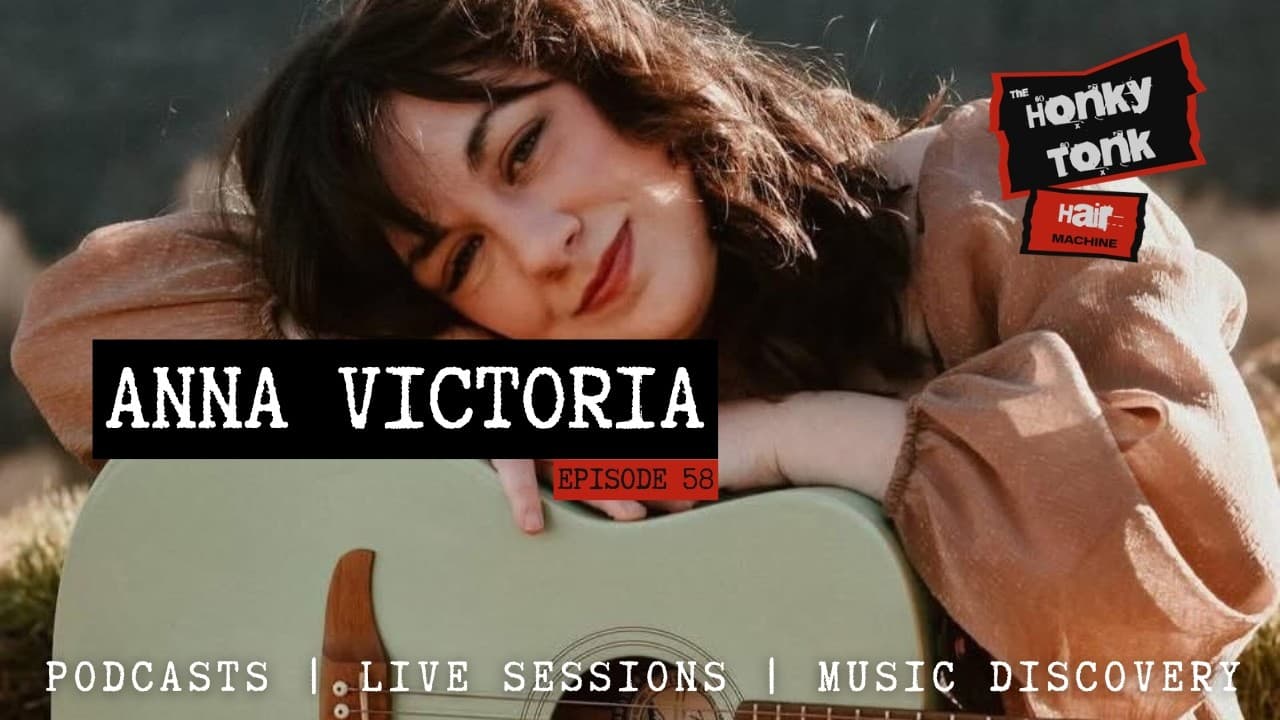
Anna Victoria
Inside North Carolina's Appalachian Music Scene | Anna Victoria
Anna Victoria joins Camden for an honest conversation about growing up in the mountains of North Carolina, discovering her voice as a songwriter and navigating life as an independent Country and Americana artist. We talk about learning to perform live, protecting her voice, finding confidence on stage, the influence of Appalachian music and artists such as Luke Combs, Sierra Ferrell and Dolly Parton, balancing music with motherhood, and the challenge of staying creative in a world driven by social media. It's a thoughtful conversation about music, family, creativity and staying true to yourself while building a career in independent music. Chapters 00:00 – Introductions, Weaverville, childhood. 02:00 – Singing, vocal health and beginning her musical journey. 06:00 – The pandemic, booking gigs and developing as a live performer. 09:00 – Coping with distractions, confidence and performing. 12:00 – Appalachian influences, Luke Combs, Sierra Ferrell, Dolly Parton and mountain songwriting. 15:00 – Family life, being a stay-at-home mum, social media and balancing music with everyday life. #lukecombs #sierraferrell #dollyparton Subscribe to The Rugged Revival. Share it with your friends. Support independent music! Listen to the full podcast on Spotify: https://open.spotify.com/show/6wnHcgA73o1aiiKaz882vH?si=30aabdaa220a4628 Follow The Rugged Revival: Instagram: https://www.instagram.com/theruggedrevival/ TikTok: https://www.tiktok.com/@theruggedrevival Facebook: https://www.facebook.com/profile.php?id=100094507520679 Website: www.theruggedrevival.com Email: ruggedrevival@hotmail.com
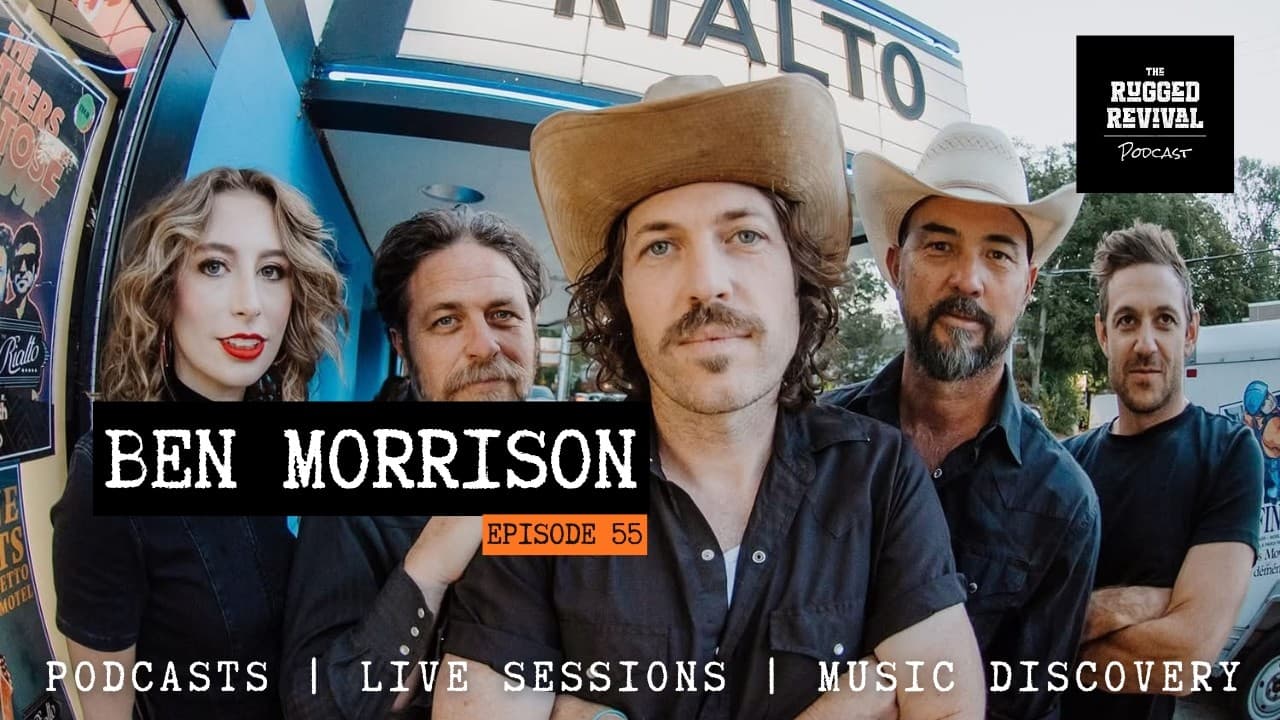
Ben Morrison
The Brothers Comatose: Ben Morrison on 18 Years of Music, Family & Touring
Ben Morrison of The Brothers Comatose joins the Rugged Revival Podcast for an honest conversation about nearly two decades ...
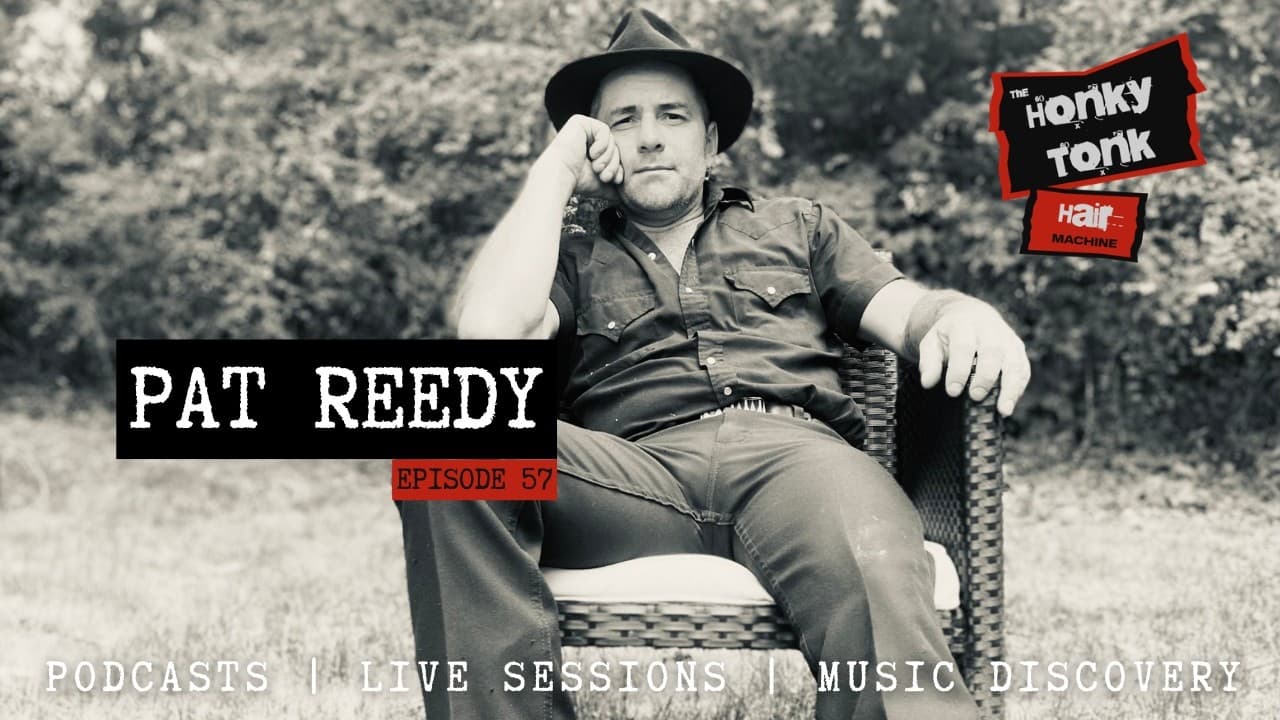
Pat Reedy
Pat Reedy on Busking, Nashville & Building a Country Music Career
Pat Reedy joins Camden to discuss leaving construction behind for country music, busking in New Orleans, life in Nashville, ...
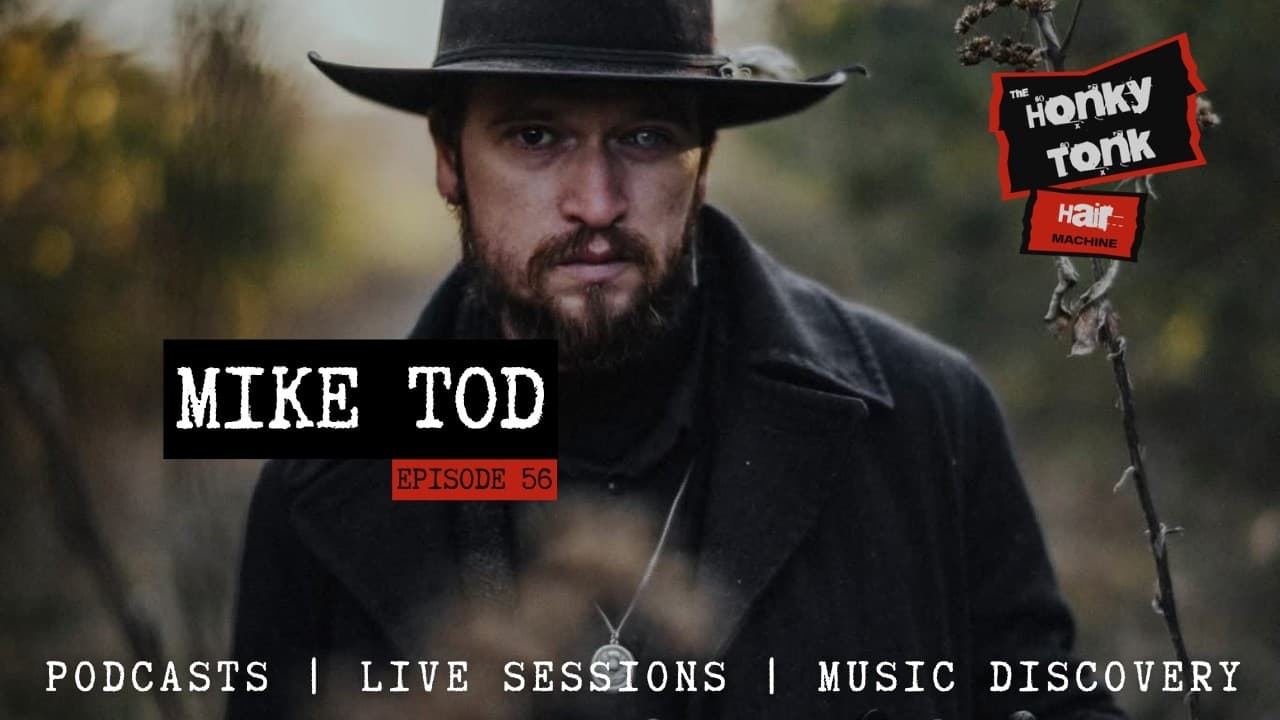
Mike Tod
Keeping Traditional Folk Music Alive in Nashville | Mike Tod Podcast
Mike Tod joins Camden to discuss traditional folk music, Canadian roots, life in Nashville, forgotten songs, unusual instruments and why preserving musical history still matters today.Originally from Canada and now based in Nashville, Mike explores the stories behind traditional songs, the connections between folk music around the world and how old music continues to influence modern artists. We also discuss his unique "Crankenstein" instrument, musical curiosity, collecting songs from the past and the importance of keeping traditions alive for future generations.Chapters00:00 Introduction00:00:30 Growing Up in Canada00:02:20 Discovering Music & The Crankenstein00:04:10 The Story Behind The Crankenstein00:05:20 Drones, Folk Traditions & Ancient Music00:08:10 Learning Guitar & Performing Original Songs00:09:40 Accessing Traditional Music in the Digital Age00:11:20 Researching Music History00:12:10 Playing The Crankenstein Live00:14:00 Creating Atmospheric Sounds & Live Performance00:16:00 Traditional Songs & Musical Origins00:17:50 The Artists Influencing Mike Today00:19:20 Studying Philosophy & Creative Thinking00:22:00 Horror, Heavy Music & Folk Culture00:24:00 Scottish Heritage & Family History00:27:10 Final ThoughtsSubscribe to The Rugged Revival. Share it with your friends. Support independent music!Listen to the full podcast on Spotify: https://open.spotify.com/show/6wnHcgA73o1aiiKaz882vH?si=30aabdaa220a4628Follow The Rugged Revival:Instagram: https://www.instagram.com/theruggedrevival/TikTok: https://www.tiktok.com/@theruggedrevivalFacebook: https://www.facebook.com/profile.php?id=100094507520679Website: www.theruggedrevival.comEmail: ruggedrevival@hotmail.com