
Cuttin' Cowboy - Stylist, Barber, Cosmetologist, and Sustainable Clothing Advocate | Rugged Revival
Watch on YouTube
Subscribe for new episodes, Grit Sessions & more
Listen to this episode
In This Episode
There's something beautifully honest about a man who'll tell you his entire career path started because he was tired of his dad giving him identical buzz cuts. Adam Cole Hubbard—better known as the Cuttin' Cowboy—isn't the type to dress up his origin story in false mystique. When his father challenged him to learn barbering if he wanted better haircuts, the teenage homeschooled kid didn't hesitate. YouTube tutorials, YouTube mistakes, and eventually a legitimate career trajectory followed. But what makes this story worth revisiting isn't just the haircuts; it's what Hubbard has built around them—a multi-faceted creative practice that bridges barbering, styling, sustainable fashion, and a refreshing kind of grind-culture authenticity that feels increasingly rare.
Pull back the layers and you'll find someone operating at the intersection of several creative worlds simultaneously. Hubbard works split shifts across two barbershops—Public Square Barbers in Gallatin, Tennessee, just north of Nashville, and a chair rent at Mia Bella Studios in White House. He's a licensed cosmetologist, a skilled wardrobe stylist, and the owner of The Denim Desperado, a vintage and sustainable clothing venture that reflects his values about consumption and craft. This isn't side-hustle territory. This is someone who's genuinely integrated different aspects of a creative life into one coherent practice.
If you want to go to a barber shop and get whatever you want, you got to learn how to cut all your siblings.
— Cuttin' Cowboy
What's particularly striking in his conversation with host Camden on the Rugged Revival podcast is how unforced it all sounds. Hubbard didn't wake up one day with some grand vision to revolutionize men's grooming culture. He learned on YouTube from legendary barbers like 360 Jeezy and the Showtime crew from Germany—guys who've genuinely influenced the contemporary barbering renaissance. He gave his brothers terrible haircuts before he gave them good ones. His fiancée (now wife) suggested he formalize his skills with a cosmetology license. He went to school, got licensed right around the COVID shutdown period, and kept moving forward.
The timing matters here. Hubbard entered the professional barbering world just as the pandemic was upending everything. While his educational path got complicated by lockdowns and school shutdowns, he emerged on the other side with credentials and momentum heading into 2021. Public Square Barbers itself had its fifth anniversary this past July, suggesting real staying power in an industry that chews through casual practitioners quickly.
I gave my brothers a lot of really bad haircuts and then eventually started to figure it out.
— Cuttin' Cowboy
But there's something deeper driving Hubbard beyond the technical mastery of fades and line work. His involvement with The Denim Desperado signals someone thinking seriously about consumption, sustainability, and what it means to encourage people toward mindful choices about the clothes they wear. In an industry often associated with fast fashion and throwaway mentality, a barber-turned-stylist advocating for vintage and sustainable pieces feels countercultural. It's the kind of integrated thinking you see in the best creative practitioners—someone who understands that how you cut someone's hair, how you style them, and what clothes they wear aren't separate conversations. They're all part of how people present themselves to the world.
The grind culture Hubbard and host Camden bond over isn't performative exhaustion. It's the genuine rhythm of someone working two locations, maintaining quality relationships with clients at each, and apparently doing it all alongside a wife who shares one of his workspaces. These are the unglamorous logistics of actually building something sustainable in the creative economy.
What the Rugged Revival does exceptionally well is let guests like Hubbard simply exist in their complexity. He's not a "barber with a side project." He's a craftsman operating across multiple mediums—hair, clothes, personal image—who arrived at each practice naturally rather than through some calculated brand strategy. There's authenticity in that messiness, and it's worth your time to hear the full conversation. The Cuttin' Cowboy represents something important: a working artist who's maintained integrity while building multiple income streams, all rooted in genuine skill and community connection.
I'll help you. I'll help you start a revolution [music] for this Monday morning situation. >> All right, man. This is Cam aka the Honky Tonk Hair Machine. Who am I with? >> Cutting cowboy. >> All right, brother. Thanks for taking the time to come hang out. >> Absolutely, bro. Thanks for having me. >> And you just worked a full day. What What shift did you work today? >> Uh, so I've got a split shift today. Uh, I work at two shops. uh mainly one um probably about 30 minutes from my house, one about 15. Uh the one that's closer to my house, me and my wife share, she does here also, so it's pretty nice to be able to share that space with her sometimes. Um and then >> so yeah, it's it's a split schedule. Um I work probably 35 40 hours at my main spot and then I'm probably here 20 25 hours the rest of the time. >> Um today was split so today was a half day at each. Yeah. Yeah, man. You do exactly what I do. I'm at my own studio in the morning and at my homies shop uh in the evening. So, yeah. Grind culture. I love it. That's why we connect. >> Exactly. >> So, let's get into it. Brother, when when did you start cutting hair and what are the names of the shops and where are they located? >> So, I'm at Public Square Barbers in Gallatin, Tennessee. It's about 30 minutes north of True Downtown Nashville. Um, right down Gallatin Pike. Gallatin Pike will run you from Gallatin where I'm at, all the way to downtown Nashville. Um, and then my other shop is in White House, which is also 30 minutes north, just in a little bit different of a direction um of Nashville also. And that one's called Mia Bella Studios. It's just a chair rent situation. >> And um do you know how old those shops are? >> Uh I believe the studios have been around five, six, seven years somewhere in there. Um, and then the shop that I work at in Gallatin has been around for I want to say I think we had our fifth anniversary this this July. So, >> All right. Congratulations. That's awesome, >> man. It's been great. >> So, who or what inspired you to get into barbery? >> Um, so it all started when uh I was growing up. You know, I was homeschooled and I have a lot of siblings. I have three brothers and so at the time, you know, we were I mean, we did okay as a family, but it was just a lot of money to like take all four kids to the barber shop for four kids cuts, you know? So, and I can't imagine doing it nowadays with the way things are. But, um, but yeah, so my dad I kind of was always bugging my dad like, "Hey, I love you, dad, but like I don't want you to cut my hair anymore. I'm tired of getting buzz cuts." We all got the same buzz cut. It was a two all over. So, I was like, "Ah, like I how can I get out of this?" and he hit me with one day he was like, "You know what, man? If you want to go to a barber shop and get whatever you want, you got to learn how to cut all your siblings here." And I was like, "All right, say less." So, I just kind of started on YouTube figuring it out. I was watching, you know, 360 Jeezy and like all the classic stuff or whatever. But, uh, a lot of slick hair, some of the guys over in the in the UK. Um, and there's another one too, I think it's called, you could correct me, it's is it Shorum that's over in in Germany? Yeah, the show the Showtime guys, >> bro. Incredible. To this day, I still watch them because I think what they do is just absolutely incredible. But I um so I watched a lot of that and gave my brothers a lot of really bad haircuts and then eventually eventually started to figure it out and um then their friends started wanting haircuts and then my friends kind of caught on to it and it was kind of a casual thing for a while, man. I never really took it that seriously um cuz I was just doing other stuff. And then after I dropped out of college, I went to a community college for like 2 years and I dropped out of that and was just kind of not sure what I wanted to do. And I had met my fiance which is now my wife or my fiance at the time and uh she did she had been doing hair and she was like why don't you why don't you just get your license since you you know like that's something that you enjoy doing. Um, and I was like, you know, why not? So, I went and did the thing. Um, went I got was really fortunate to go to a school that was small and I didn't pay very much money to get my license. So, I did that. Um, and then I've just kind of been rocking ever since. It's been since about 2020 or 2021, so right around co. >> Okay. >> Wow. Um, let's go off script a hot minute because that's actually a really interesting point. How did uh like the COVID lockdowns, COVID waves, how did that impact your your education? >> Yeah, man. It was really interesting. So, I before basically how it happened is before I got enrolled in the school that I finished at, I was enrolled at another school in Nashville that had a barber program. It was mainly a Cosmo school. Um, but it had a barber program and I was enrolled there. And I don't know what the pricing is like for you guys, but I mean up here standard for a Cosmo school is probably going to run you anywhere from like 20 to $40,000 for your full license. >> Um, so >> it was heavy and I was my dad was like, "You better be sure this is what you want to do." And I was like I was like, "We're going to get it done." So that happened and then along the lines of me getting close to starting that um I met the owner of Public Square Barbers in Gallatin and he kind of took me under his wing and he was like where are you going to school and I told him and he was like you don't want to go there you want to go here and I was like okay. So I told my dad and we got some stuff figured out and got our money back from the other place and ended up enrolling me and it was called Global Beauty Institute at the time and I'm super grateful for them. They're no longer open. uh because of some technical stuff, but um I was able to get my license for 2,000 bucks and pay it off in my first paycheck. So, >> that's fantastic. >> Yeah, it was sick. >> Um that's, you know, we have some parallels there, you know. Um now, I went to school in ' 05 to06 and it was about back then it was about $20,000. >> Yeah. >> And uh I went to the Graham Webb Hair Academy, which is, you know, a hair school based out of the UK. But, uh, you know, they're unfortunately not around anymore. And I think the owner has since passed away. But, um, yeah, I think you have, uh, a little bit of that technical training from like a stylist point. >> Yeah. >> And then when you put that into the barbering world, it can really it you have to blend those two worlds, but it can be really helpful. >> Absolutely. Absolutely. >> So, uh, what So, now that you've been in the game for a hot minute, >> Yeah. What what are some what are some of your favorite tools? Your clipper sets, your scissors. What do you like? >> So, I I get a lot of my clipper recommendations from a a local barber down here. He's at a shop called Artifact Collective um in Hendersonville, Tennessee, which is a little bit closer to Nashville than I am. Um his name is Daniel Winter. He's a stud. He used to cut out in LA at a shop called Grey Matter. Um he worked with guys like Vince the Barber, Julius Caesar, um some of those guys. Um, but I got a lot of my Clipper Rex from him because me and him are really good friends. Um, so when I first started, I ran Bab just the classic Babalis FX. Um, and as I've kind of progressed, I've become really heavy into like being a wall guy. I'm running currently uh wall gold magic clips. Um, and then the vapors that just came out. I really like those. >> Okay. Um, and then as far as like debulking, I'll usually run uh just the regular ghost uh JRLs cuz those just remove hair like insane. It's just like butter, dude. I love those. Um, and then liners. I'm pretty picky when it comes to liners cuz I expect a lot out of it. I want something that hits really hard, but I also want something that can debulk and not pull the hair. So, the best thing for me has been uh just the FX Babas. Uh not the ones that have the the charger that pops into it, just the old school one. Um and then I recently got a pair of Andes uh GTX EXOs. >> Okay. >> And I really like those a lot. Um and then other than that, man, I just um I lean really heavy on I do some shaving. I don't do a ton of shaving, but a lot of my guys um are more towards my age, and if they're not, they're not the type to care too much about the shaving. So, I usually just run foils. Um and I think that Stylecraft has hands down the best foil shavers in the game. Um love those. >> You have to check those out, man. I'm really I'm also very picky with my outliners. I I also expect a lot. That's like a go-to tool for me. >> Yeah. >> Um >> Yeah. shavers, too. I I have the Andes Fivear at one shop or I'm sorry, just the Andes foil at one shop and then I've had the Five Stars and they're decent. >> I most recently got the um Babilis UV shavers. >> Okay. Is it the one with the handle on it? >> No, you pop the lid on it and it actually has like a UV light in it that sanitizes the inside. >> Super cool. >> I I Dude, I love them. I I think they're great. Um I can send you a picture of those. >> Yeah, I saw one recently. Uh, not to cut you off, but I saw one recently that was uh, one of my co-workers had one. It was a I want to say it was an Andis or a Style Craft, but it had a double foil on the top and then in the middle it had a part that like cut longer hair, so you wouldn't necessarily have to get it down to trimmer length. Like you could literally just >> Oh, it was nuts. I was like, that's sick. So, I don't know how long it lasts, but I was like, that's super cool. Sometimes I worry about um gimmicky stuff, if you will. >> Yeah. >> You know, I'm kind of just old school. Um you know, since I travel out a lot, I like all the cordless stuff. >> Yeah. >> The problem is you get about maybe nine months out of like the true power of it and then I feel like they kind of fall out. But >> absolutely. >> Are you a scissors guy, too? Like what kind of scissors do you like? >> So, I'm that's something that I've kind of been getting more into within the last year. Um, I definitely lean really heavy on my clipper work. Uh, I'm a big clipper over comb guy and a big guard guy. Um, I kind of mix both of those. Uh, just because when I was growing up and when I ended up picking what shop I wanted to get my haircut at, it was an old school shop with, you know, the Oster vacuums hanging off the wall um, and whatever. And all those guys would just, you know, clip over comb the whole top of your head without touching scissors. And so >> I kind of picked up from that um and some of the other guys I learned from when I first started out. Um but I've recently found a love for creating shapes with with with shears. Um I've had a couple expensive ones. I'm not really a big component of spending, you know, $1,000, $2,000 on some shears. I think you can get really good ones for 600 to 800 bucks and they'll treat you just fine as long as you treat them fine. Um, so there's a guy local to Ash Nashville, um, named Jeff Beckman, and he sells, but he's also got his own brand, and he works with some other brands. The ones I have right now are called Above. It's just a Japanese steel uh, shear, and that's that's pretty much all I run. >> Yeah, man. I'm with you. I I don't necessar And people will argue with us on this all day, man, but I personally don't feel the need to spend a ton of money on gear. I was like this with band gear, too. Like, you know, you don't need expensive stuff to put out good work. It's all about how you use it, what you do with it. >> Um, you know, I'll do a full haircut with clippers, but I'm also a huge razor guy. I I use razors on absolutely everything. Every haircut gets razors. I buy the razors in bulk. >> You know, do a clipper overh comb and pick back at it with the razor. >> Um, I've been using um I think it's Olivia Arden. Olivia Garden. >> Okay. just six six inch scissors, thinners, you know. >> What's your preferred What's your preferred length >> as your >> I have a five and a half and a six. Um some sometimes I feel like I I get more precision out of the five and a half. >> Okay. So, I run a in the above. I run a 65 and my regular shear and then my texturizer is a six. I'm about to buy a 55 or a five because I borrowed somebody's the other day at work and I was like, "Bro, these are amazing for like doing stuff near the forehead, bangs, little pieces, stuff like that." I'm like, "That's way easier than bringing around like a ruler to [laughter] >> to do that." So, >> um, so let me ask you this. Have you worked with any artists? And if you have, who? And if not, who would you want to work with? Okay. So, I do work with quite a few being in Nashville. It's Music City, so you're going to get some of that. Um, you definitely have your like wannabe artists and you definitely have your like stamped people. Um, some of it's clothing related and some of it's not. So, um, clothing wise, I've worked with, um, another stylist named Anastasia and a couple other people um, with Shabuzzi. Uh, not super directly, but kind of like third party. Um, I've also worked with um a guy Matt Madro. He plays with a band called From Ashes to New. >> Probably one of the sweetest dudes I've ever met in my life. He's a great guy. >> Um, recently my one of my really good buddies, Dalton Davis, is on the come up right now. I'm g put his name out there. He's he's killing it. He just got signed to MCA and he's doing his thing. Um, but we've worked together a couple times. And then after that, uh, right now I got another client named Payton Smith. He's on the come up. He's doing really well. Um, very, very, very good guy. Um, and then I'll say through doing some clothing work for Warren Zers and his band, I got connected to a guy named Josh Barker. And out of all the people in the list, Josh Barker is probably my favorite human like in Nashville. He's the sweetest dude ever. He's kind of branched off. He's doing his own thing now, but he's he's a great guy. >> That's awesome, man. That's what I love about this work, dude. You can take that and you take it anywhere, man. Um, like we were talking to the owner. Are you familiar with that band, Spirit World? I think I sent you a video. >> Not super, but it looked sick. >> Yeah. Cowboy Metal Guys, man. You know, I walked up and talking to the merch guy. He was like, "Look, we come back around, man. We'll we'll talk." I just love that, you know, and it's like I just want to connect people and, you know, help each other out. >> Absolutely. That's what I lay down with all of those guys, too, or try to at least I'm like, "Hey, man, like I would love to have you back in my chair and I and I'm glad that you're happy, whatever, but but I'm also like, dude, like if if you're looking for this, even if it's not hair related, like if you're looking for this, this, this, or this, like, let me connect you to the right people cuz I'm here for you. Like, I'm not trying to get anything from you. Like, I just want to help you out." Dude, the barber chair. We're like the most connected people ever. >> Oh yeah. >> Like all you >> electricians, car shops, dentists, like everything. >> Yeah. You let me know. Like I collect I collect people's cards. I'm like look, you know, put your card up on the board. Y >> you know, people will write it down. Whatever you need, we got you. Um so, all right, we'll we'll switch gears a little bit. Uh tell me about your favorite work outfit. Um, so I probably will get a lot of flack from this from guys who are like, "You're going to destroy your back by age 35, but I literally only wear cowboy boots." Um, unless I'm at home, I have cowboy boots on, and I probably will pay for it later, but that's just kind of how I've been for the past six years. I haven't worn anything else. >> Um, I don't know. Every day it's pretty much a variation of the same thing. I think my undefeated combo is just Canadian tux, man. I just >> Yeah. >> Blue blue 13 MWZ's and a blue Wrangler shirt and I'm I'm feeling good. Like I'm ready to roll. >> Yes, sir. I'm right there with you, man. Uh do you also do you wear a um or do you work with like the like the fatigue pad behind the chair? >> Uh no, here uh so I say here at the shop that I'm at with my wife, we do um at the other shop we don't. It's a really That shop, the other shop that I'm at is sick. It's uh like preivil war oldtime town square. Um and we've got like a old shop with all the original inside and everything. Um >> Oh, wow. >> Very sick. But yeah, that's old old wood floors. >> That's awesome. Yeah, you have to send me do like a little walk through with a video or something. Send that to me. >> Um I go back and forth on the fatigue mats, man. I I honestly like like in my studio I've got one and I feel like it almost hurts me more versus just standing on the floor. >> I I feel like so just because it's not it it might be beneficial long term, but I feel like for for standing posture, I feel like it's unnatural because you're like walking on like a like walking on something. You know what I mean? >> Squishy. >> Yeah. >> Yeah. Yeah. I keep um I mean, look, man, I'm I'm 40 years old. I've I've had inserts in my boots for years. >> Yeah. Yeah, >> you know, I was a runner for a long, long time. I'd get up and run anywhere 6 to9 miles and not even think about it. Go to work and wear my boots >> and you know, that's easy to do when you're 20s and early 30s. But now, >> you know, I need those pillows, baby. I got I got to have something in there. >> But I'm with you, man. I'm going to be in my boots, my pants, variation of my my pearl snap, and my hat every time. And it's got it's gotten to the point now with me where it's like I'll have somebody come in if if somebody catches me on an off day where I've got, you know, some hocas on or something. They'll be like, "Dude, what are you doing? Like, did you sleep in or like what's going on?" So, >> yeah, >> it's classic now. >> Yeah. Like, uh, I'll pop into the shop, you know, after hours, which is, you know, a weird window of time, and, uh, you know, do my wife's hair or something, and we're dressed in sweatpants and hocas and a ball cap, and I got to close the windows, close the door, make sure, you know, >> right? You know, I got I got an image to keep here. >> Um, let's [clears throat] talk about your uh So, you you have another side hustle. >> Yep. >> Your your vintage store. >> Yes, sir. >> When When did that start? >> Um, so probably around the age of like 15, 14, 15. Um, my mom used to take us to the thrift store just to get, you know, odds and ends and random stuff. Um, and at the time I was playing a lot of travel basketball. I played a lot of AEU and, uh, school ball. I was pretty much playing year round. Um, and so I would find cool stuff there that I'd rock to practice or to or to workouts or whatever. And so I'd always have the homies being like, "Yo, like where'd you get that? Like whatever." And I would just be like, you know, Goodwill, man. Like sorry. And uh they'd be like, "Well, eventually like they were like, you know, can you give me something like that?" And I was like, "Yeah, bro. Of course." So that kind of turned into a thing where I was just, you know, giving finding them stuff and then letting them just pay me what I paid for it or whatever. And then I was like, "Well, hold on. Like I could probably make a little money off this." And so that gra gradually grew um into like sneakers and stuff like that. And so, you know, 2016 19 range um sneakers were huge. So, it was uh it it was it was a good time to be buying and reselling shoes. So, I did that for a while. Um and then the shoe market kind of went down and I got kind of burned out. Um and so it just kind of gradually went over to close. Um and I did like '9s 2000 stuff for a while, like whatever was trendy. um until I really settled down into what I like as my personal style and then I was like, you know, man, I think I just want to sell like what's true to me. Um regardless of if it's, you know, extremely profitable, like it's going to come off as more genuine. Um and I'm going to enjoy it way more. So, um now I kind of primarily focus on on western um stuff, denim, military, Americana, biker, that that sort of stuff. >> Yeah. Yeah. You would like it out out here where I'm at. I sit just outside of DC and it's all military stuff and biker stuff. You get some really cool stuff. Um, remind me what's the name of the store? >> So, it's it's changed several times. I'm set now. I'm not going to change it again, but it's Denim Desperado. >> Denim Desperado. And that's the Instagram handle, too. >> Yes, sir. >> Okay. Um All right. That sounds awesome, dude. So, we're we're coming to the end of the line. I've only got a few more questions for you. >> Yeah. >> Um, let's talk about clients a little bit. What should clients be looking for when they're looking for a new barber shop or a new barber? >> Um, I think it's hard nowadays, man, because it's like [snorts] I don't even know how to say this. Uh, with with the way that Tik Tok is and with the way that advertising is, a lot of people have really high expectations um when it comes to getting a haircut somewhere new. Um, I've I've noticed at least around here that, you know, 99% of the kids under the age of like 25 are coming in and they're showing you a Tik Tok video. That's pretty much what what it mostly is. And so their expectations are really high. And so having having conversations with them that are like, hey, like this is enhancements or hey, like your hair texture is this and this hair texture is this. I think those conversations are really important. And I think at the end of the day, man, you know, being really, really, even if it comes off as brutally honest sometimes, I think being honest with your clients about um what's possible and what's not possible is something that they'll appreciate in the long run and they'll come back to you. That's worked for me um as far as, you know, just kind of setting them straight sometimes cuz sometimes people just don't know what they want either. They they just see something that they like the idea of and we we can explain that better. So, um >> will you ask that question one more time so I can finish it? >> So, well, this might be this might be kind of like along the same lines. Yeah. >> Um >> you know, so like what advice would you give to new barbers on client retention? >> Um rebook rebook is the biggest thing for me. I think that um I don't even know why I hesitated. That's been pounded into me forever. It's it's super important to rebook your clients. Um getting clients is one thing, but when somebody sits in your chair and they have a good experience, the worst thing that you could possibly do is let them walk out the door without having a conversation about hey man, like if you don't know your schedule, what's an approximate like time that we can look to see you back here or when when can I get to see you again? Or um how about we put you something on the books and if you need to reschedule that then you can just call me up and we'll reschedule it. But at least you have something there. That's my selling point is like, hey, not everybody knows their schedule. A lot of people are really busy, but I'm like, let's throw you something down. That way, we can change it later if need be, but at least you're not high and dry um if things get busy. >> What's your uh what's your turnaround that you're seeing? Is it like three weeks? >> Um so I've got some awesome awesome dudes that are like week and a halfers and I absolutely love that stuff. Um, obviously it's like skin paids and stuff, but um, >> but yeah, I've got some week and a halfers and then everybody else is probably three to three to five. >> Okay. Yeah. Yeah. And you know, things come up, right? Like we don't necessarily know what's going to happen in five weeks, you know, and uh, I have a pretty loose schedule or a loose um, cancellation policy for myself, you know, like I get it. I've got two kids and two shops and blah blah blah things come up. >> Yeah, we were talking about talking about this with the cancellation stuff. is interesting and there's there's a lot of perspectives on it. I think that that a lot of people um char a lot of people charge and a lot of people don't want to charge and I think both of their reasons are valid. I think you just got to figure out what works for you. >> Yeah. Yeah. I don't think there's a right or wrong answer to be honest. Um yeah, it's uh like for me a lot like at my private studio a lot of those people have been coming to me since day one and I've watched them uh dating, get married, get divorced, married. It would be super hard to be like, "Hey, bro, you know, showed me like charge." You know what I mean? So, >> yeah. Thanks a lot, brother. >> Um, all right. So, uh, this kind of brings us to the end of the road. Um, do you have anything coming up? You got a trade show? Are you working for anybody at a band or anything you want to shout out real quick? >> Uh, nothing really. I mean, I've got a small popup in Germantown. It's a Christmas party. Um, it's right a little bit outside of downtown Nashville. That's on December 11th. Um, it's a ticketed event, so you'll have to have to buy tickets to get in. Um, but other than that, nothing much, man. I just wanted to I mean, continually thankful for all the homies, thankful for you, thankful for Miller, and thankful for all the guys that we've gotten together in the last couple weeks. That's been super cool. Um, and if this gets out to him, uh, super thankful for Josh Barker. Uh, he's he's the homie. And Peyton Smith and Dalton Davis. I mean, it's, uh, there's some good dudes. >> Yeah, man. We've had a really good time uh in that little group chat. That's been fun. >> It has been. It has been. >> Hey, give me give me the uh the time, date, and location of that popup one more time. >> It is December 11th at Mother's Ruin in Germantown. Uh like Nashville area. Um and I believe it's 8 8 or 9 p.m. I'm not 100% sure. It's one of the two. >> Okay. >> It'll be posted um on my Denim Desperado page on Instagram. >> Okay. Okay. So, you're going to you're going to have a pop up there with Denim Desperado. >> Yeah. >> Okay. Sweet, man. And uh we can buy tickets through that Instagram. >> You should be able to get them through Mother's Ruins Instagram. It should be Mother's Ruin Nashville on Instagram. >> Cool. Cool. That sounds good. Um I'm going to end this, but stay on the line with me for just a little bit longer. >> Yeah. Yeah. >> Sir, I appreciate your time. Thank you for coming to Hangout, and we can do a round two some other time, >> dude. I would love to. Absolutely. All right, my friend. Thank you.
Comments
Keep listening
Related Episodes
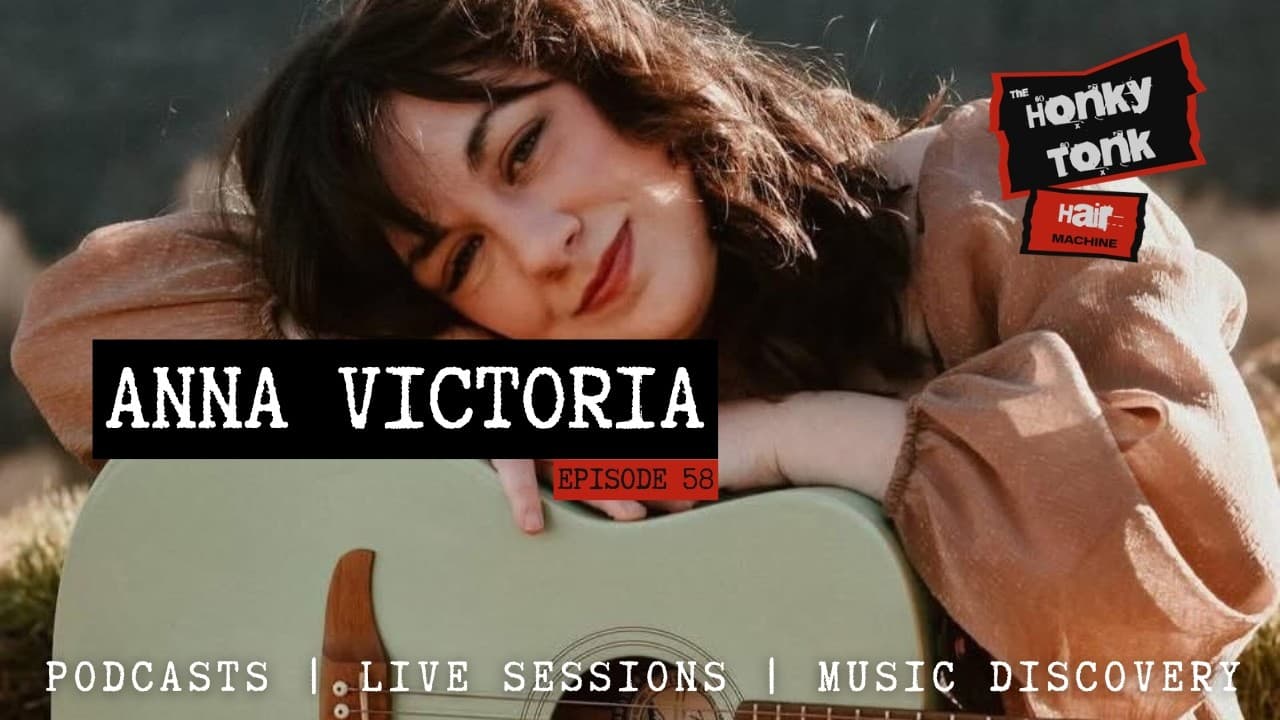
Anna Victoria
Inside North Carolina's Appalachian Music Scene | Anna Victoria
Anna Victoria joins Camden for an honest conversation about growing up in the mountains of North Carolina, discovering her voice as a songwriter and navigating life as an independent Country and Americana artist. We talk about learning to perform live, protecting her voice, finding confidence on stage, the influence of Appalachian music and artists such as Luke Combs, Sierra Ferrell and Dolly Parton, balancing music with motherhood, and the challenge of staying creative in a world driven by social media. It's a thoughtful conversation about music, family, creativity and staying true to yourself while building a career in independent music. Chapters 00:00 – Introductions, Weaverville, childhood. 02:00 – Singing, vocal health and beginning her musical journey. 06:00 – The pandemic, booking gigs and developing as a live performer. 09:00 – Coping with distractions, confidence and performing. 12:00 – Appalachian influences, Luke Combs, Sierra Ferrell, Dolly Parton and mountain songwriting. 15:00 – Family life, being a stay-at-home mum, social media and balancing music with everyday life. #lukecombs #sierraferrell #dollyparton Subscribe to The Rugged Revival. Share it with your friends. Support independent music! Listen to the full podcast on Spotify: https://open.spotify.com/show/6wnHcgA73o1aiiKaz882vH?si=30aabdaa220a4628 Follow The Rugged Revival: Instagram: https://www.instagram.com/theruggedrevival/ TikTok: https://www.tiktok.com/@theruggedrevival Facebook: https://www.facebook.com/profile.php?id=100094507520679 Website: www.theruggedrevival.com Email: ruggedrevival@hotmail.com
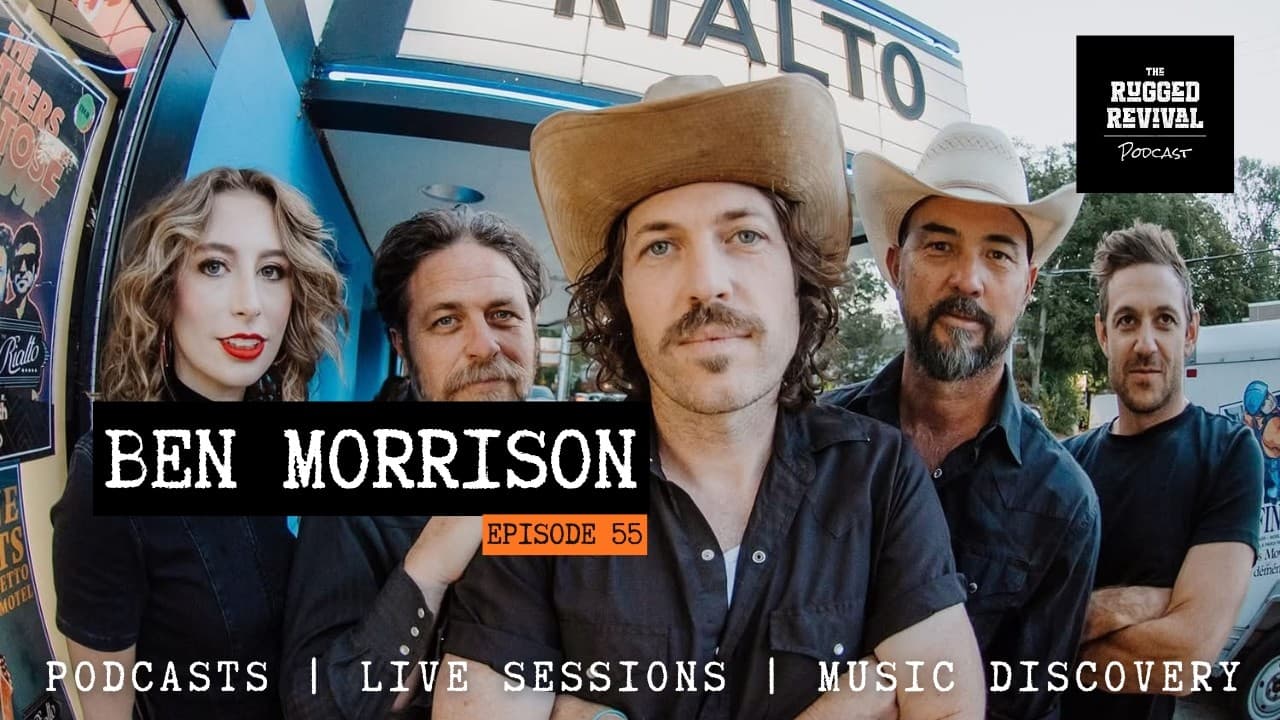
Ben Morrison
The Brothers Comatose: Ben Morrison on 18 Years of Music, Family & Touring
Ben Morrison of The Brothers Comatose joins the Rugged Revival Podcast for an honest conversation about nearly two decades ...
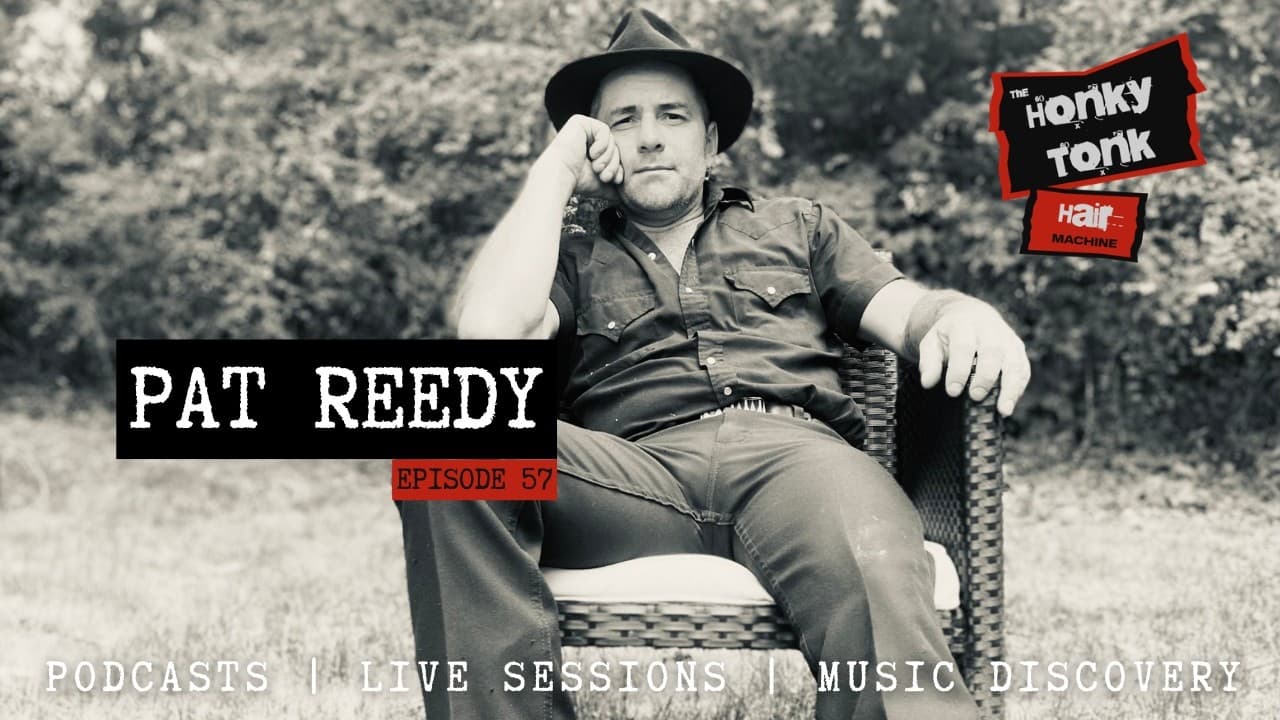
Pat Reedy
Pat Reedy on Busking, Nashville & Building a Country Music Career
Pat Reedy joins Camden to discuss leaving construction behind for country music, busking in New Orleans, life in Nashville, ...
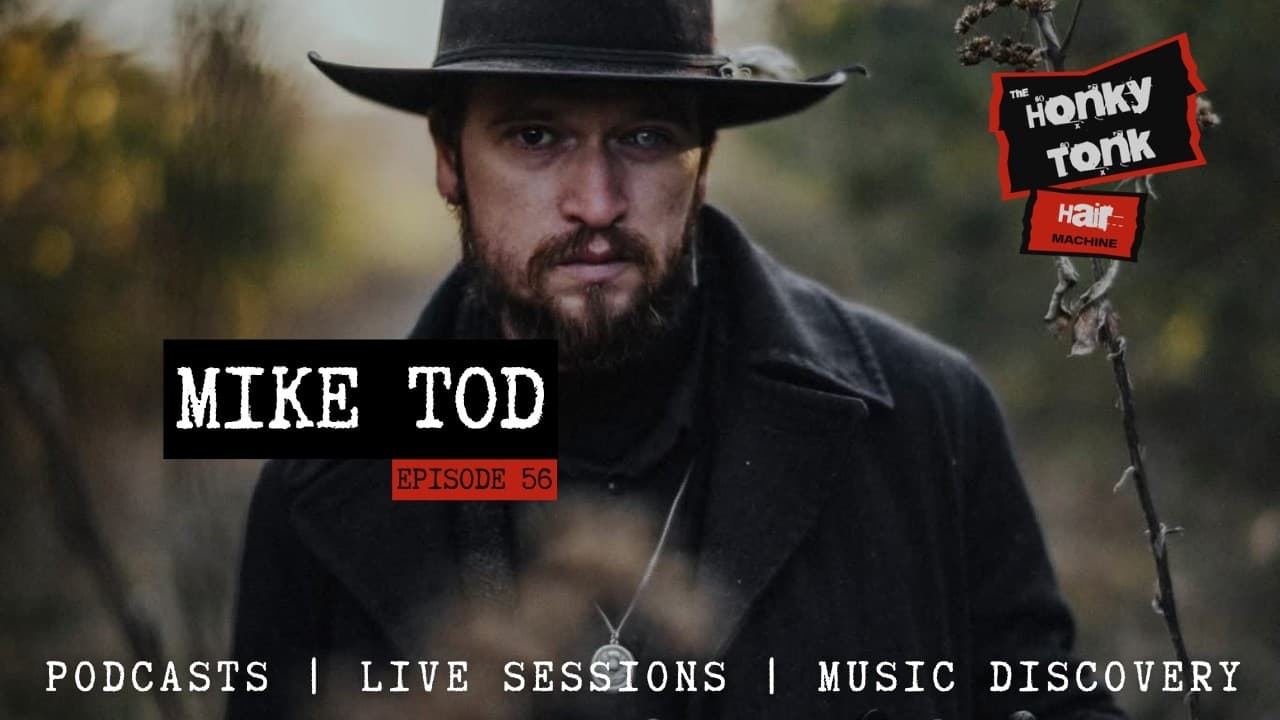
Mike Tod
Keeping Traditional Folk Music Alive in Nashville | Mike Tod Podcast
Mike Tod joins Camden to discuss traditional folk music, Canadian roots, life in Nashville, forgotten songs, unusual instruments and why preserving musical history still matters today.Originally from Canada and now based in Nashville, Mike explores the stories behind traditional songs, the connections between folk music around the world and how old music continues to influence modern artists. We also discuss his unique "Crankenstein" instrument, musical curiosity, collecting songs from the past and the importance of keeping traditions alive for future generations.Chapters00:00 Introduction00:00:30 Growing Up in Canada00:02:20 Discovering Music & The Crankenstein00:04:10 The Story Behind The Crankenstein00:05:20 Drones, Folk Traditions & Ancient Music00:08:10 Learning Guitar & Performing Original Songs00:09:40 Accessing Traditional Music in the Digital Age00:11:20 Researching Music History00:12:10 Playing The Crankenstein Live00:14:00 Creating Atmospheric Sounds & Live Performance00:16:00 Traditional Songs & Musical Origins00:17:50 The Artists Influencing Mike Today00:19:20 Studying Philosophy & Creative Thinking00:22:00 Horror, Heavy Music & Folk Culture00:24:00 Scottish Heritage & Family History00:27:10 Final ThoughtsSubscribe to The Rugged Revival. Share it with your friends. Support independent music!Listen to the full podcast on Spotify: https://open.spotify.com/show/6wnHcgA73o1aiiKaz882vH?si=30aabdaa220a4628Follow The Rugged Revival:Instagram: https://www.instagram.com/theruggedrevival/TikTok: https://www.tiktok.com/@theruggedrevivalFacebook: https://www.facebook.com/profile.php?id=100094507520679Website: www.theruggedrevival.comEmail: ruggedrevival@hotmail.com