
Country & Americana Music From The Shenandoah Valley | Dogwood Brothers Band | Braden Dahmer
Watch on YouTube
Subscribe for new episodes, Grit Sessions & more
Listen to this episode
In This Episode
There's a peculiar thread that runs through American music—one that connects the bluegrass ballads sung in family living rooms to the raw urgency of DC hardcore punk. It's not a contradiction, really. It's a continuum of honest expression, of people refusing to look away from what matters. Braden Dahmer of the Dogwood Brothers understands this lineage intimately, and it's become the beating heart of what the band creates today.
The Shenandoah Valley holds a particular kind of magic for American roots music. It's where generations of fiddles and guitars have shaped the landscape as much as the mountains themselves have. For Braden, growing up in that region meant being raised in the shadow of both his grandparents' devotion to classic country and bluegrass, and the DC punk scene's defiant energy emanating from just a few hours away in Northern Virginia. Both influences run deep—so deep that when he finally found his footing as a musician, he'd carry both with him, whether he knew it or not.
We all kind of come together and do the music stuff here. It's a transplant city way, but it works.
— Dogwood Brothers Band
Dogwood Brothers officially formed in 2019, but the real story began much earlier, layered into Braden's childhood with his brother Dean Lee and the friendships that would eventually pull together when the timing felt right. After years of playing in various bands—including the hardcore circuits—the brothers and their collaborators decided to channel their shared musical vocabulary into something rooted in classic country. Their debut came in May 2021 on CPA-TV's Blue Ridge Barn Dance, a fitting homecoming of sorts, performing covers that honored the tradition they'd grown up hearing. But covers were never going to be the whole picture. Braden brought something else to the table: original songs that felt as essential and unfiltered as the punk records that had shaped him.
What emerges from this collision of influences is something authentic and uncompromising. The band's 2022 EP "Here for the Time" strips away the excess, leaning into bluegrass sensibilities while maintaining the directness that drew Braden to punk in the first place. There's no pretense here, no attempt to fit neatly into one box or another. These are songs written by someone who understands that music is simply music—that a good melody and honest lyrics transcend genre, and that the best roots music has always been about saying something true.
I started playing guitar about age 11. I could barely really play that thing—it weighed more than a Les Paul.
— Dogwood Brothers Band
What makes Braden's story resonate is how unself-conscious it all feels. He's not trying to bridge a gap between punk and country because he doesn't see one. He grew up listening to both. His grandparents played one, his older brother introduced him to the other, and somewhere in between, he learned that vulnerability and conviction matter more than stylistic purity. That's the kind of artistic instinct that can't be manufactured or taught. It either lives in you or it doesn't.
The Dogwood Brothers represent something worth paying attention to in the current landscape of Americana and roots music—a band that's genuinely emerged from its community rather than parachuting into an aesthetic. They're from the Shenandoah Valley. They moved to Richmond. They play original songs that reflect who they actually are, not who they think they should be. In an era when authenticity is endlessly commodified and performed, that restraint itself becomes radical.
If you've been looking for country and Americana music that doesn't feel like it's been passed through a filter, the full conversation with Braden Dahmer is worth your time. Listen to hear how a punk kid from the foothills became a songwriter carrying the weight of generations while refusing to be bound by any of them.
I'll help you. I'll help you start a revolution for this Monday morning love situation. >> Hey, what's up everybody? This is Cam aka the Honky Tonk Hair Machine for the Rugged Revival podcast. Mr. Braden, thanks for joining us, man. Um, all right. So, I always like to open with this question because I feel like it kind of gives us a peak behind the curtain of who you are and you can answer as in-depth or as little as you want, but uh where are you from originally and what was life like for you as a kid? >> Well, I grew up in Noville, Virginia, right outside of Manasses, Virginia, if you're familiar with NOVA at all. Um, grew up with my brother Dean Lee, who is also in the Dogwood Brothers with me. And, uh, lived up there till I was about eight or nine years old. and then eventually moved out to the Shannidoa Valley where my grandparents lived and stuff and spent about how the rest of my life out there until I moved to Richmond in 2013. >> Nice. Right on. I have to say your hair is a lot longer than when I saw you the first time. >> It's getting pretty long, especially with the weather breaking finally am. I'm gonna >> hit you up sometime. I don't know. >> Yeah, you look awesome, man. So, when did you start playing guitar? >> Uh, I started playing guitar about age 11. I think I bought a PVT60 electric guitar off a guy across the street from me. And I don't know if you know guitars. That thing's just like a huge piece of wood. Weighs like more than a Les Paul. So, I could barely really play that. I think I got a like an epohone lees Paul like later at Christmas time or something and then I really started figuring out chords and stuff but again my my brother is a few years older than me so he was already playing in punk bands and stuff when he was a teenager and you know really opening my eyes to music and wanting to play music. >> Nice. That's awesome dude. So, when did you guys uh eventually join up in the same band or like when did the Dogwood Brothers come about? >> We started Dogwood Brothers uh going on like six years ago now. Um >> he had like a country punk band up in Nova in like the late 90s, early 2000s called Dean Lee and the Trash Town Menace. and they they played around and and some of the guys that actually played with him in that band later rejoined and reformed the Dogwood Brothers with me and some other guys that I knew. Um so we've all like played different styles of music for you know 20 plus years kind of on and off together. And um he was already living in Richmond. and I lived in Harrisonenberg for I don't know while I was in college and stuff and he was playing in bands down here and I was kind of doing my own stuff up there but eventually I moved down here and was like we need to start a band you know of this kind of stuff. So we played in hardcore bands together before this and you know stuff like that. So >> I love that about a lot of the uh the Nova scene and kind of Richmond area scene. There's there's this like punk hardcore to folk and country pipeline that I just I love it so much. I think it's so cool. >> Yeah, it it's just really kind of what we were exposed to growing up, you know, like our grandparents were definitely listening to, you know, all the 50s and 60s country and bluegrass music and y >> gospel music and all that kind of stuff. And then, you know, growing up in Manasses and, you know, on the outskirts of DC, you have all the DC hardcore legends of, you know, Minor Threat and later we have Fugazi and, you know, Bad Brains and and all all that kind of straightedge hardcore stuff that was around, you know, that we kind of take it all in. And >> yeah, >> a lot of people from Richmond. I don't know that many people that are from Richmond. and everybody's from, you know, Maryland or Virginia, you know, northern Virginia or out in the west part of Virginia where we're from and it's kind of like a transplant >> city way, but we all kind of come together and do the music stuff here. It's pretty DIY at times, but >> it's a >> So, have you uh have you always played your like original music or did you start off on covers? Dogwood Brothers originally started off we were going to throw together like this classic country set because we were going to play the Blue Ridge Barn Dance with our friend who's got a band called Brandon Wayne and the Lonesome Drifters. He's playing around a lot now. Um but at the time he was in Charlottesville kind of hosting this show and my brother was playing with him a little bit and was like hey we should throw together something and do this show. So that was our first thing we ever did. If you can find it online, it's the the Blue Ridge Barn Dance >> featuring Brothers. It's we do a bunch of classic country covers stuff, but we still actually, you know, throw in a lot of those covers here or there when we're playing now, but after that initial thing, we really started writing original music. And I kind of come from a more like folk singer songwriter background. I would kind of write some of the songs and bring them to the guys and we build the songs around, you know, the words and simple chord structures that I have. And now it's kind of evolved into this very uh organic original thing. >> Yeah, you guys are great. I've only had the opportunity to catch you live that one time uh when you open for Summer Dean. I thought you'd seen us a couple time. Yeah, that was a great time. That was one of our favorite uh experiences. Getting to open for Summer Dean is obviously, you know, a real pleasure for us and we hope she comes back sometime soon. That'd be cool. >> Yeah, me too. I was poking at her in the Instagram today. I said, "Hey, you know, >> yeah, >> we're due. We're due for our annual summer Dean visit." >> Yeah. >> So, you know, you guys are great live and you have like a real like you're locked in, man. It's really cool. And there's so many people in the band and you know it's really impressive to have that many people lock in like that. It's cool. So you have you have your hands full though. You're singing, you're playing guitar and you're and you're trying to be, you know, entertaining. >> So what are some of the biggest challenges you face when you're trying to juggle all three of those? >> Yeah. The the banter side of being on the microphone is never something you can really like prepare for. It's just like what's the crowd gonna give you, you know, kind of. But sometimes I feel like I do better than others with that. But there's seven of us, so like you said, getting us all crammed on the stage and our sounds leveled out and like that's that's always a challenge. Like everybody kind of knows their parts these days, but when we were first starting out, it was very much like we're all just playing along and we get to a solo part and it's like, "Okay, who am I going to turn and yell at?" And uh sometimes I'd be thinking about, okay, well the piano solo is coming up next. And then I'm like, oh crap, there I'm singing the second verse over again and mess up some words, but pretty much now we keep it rolling. Everybody knows what to do and I just have to remember the words and >> yeah, >> the chords. >> Well, and even then, uh that's actually a pretty common thing that a lot of folks say. And I think part of being uh the singer front person, if you will, is uh you know, knowing the timing of the music. And as long as you're saying words that kind of fit with the timing, you know, not many people are going to know you might be not saying the right words. >> Yeah. >> Um who are your current biggest both country and non-country influences these days? >> Current country influences. I mean, we got to give a shout to Charlie Crockett. I mean, >> oh yeah, >> loved the guy. I've seen him a couple times. He he puts on a great live performance. Um if you never get to see him, go see him. U we just talked about Summer Dean and we've had the privilege of opening for her. Um Sierra Farel I think is, you know, very awesome. Got to see her at Brown's Island, you know, for like 10 bucks a couple years ago. And everybody it's like, who is this girl? like this girl's going to be huge like you guys don't even know and she is now so that's cool but um you know there's people like that and country moving further back you know Dwight Yokum and Emily Lou Harris and and that kind of stuff we we always kind of like look at having a very you know upbeat live fun high energy performance so you know we look at some of those things. But, you know, as far as country music, we go all the way back to the Paty Klene and, you know, >> Yeah. >> Williams and Ernest Tub and all all the standard stuff. >> Yeah. Who what would you say is like maybe some of your non-country influences? >> Well, I can kind of touched on before like we we listen to like everything in this band from, you know, punk to >> and stuff. So, you know, I listen to a lot of like Jimmy Martin style bluegrass with his with that kind of attitude. We definitely try and pull like from that when we're doing some of our more string band stuff. Um, but you know, we like to do Steve Earl covers and, you know, stuff like that and do a little more rocking like Hillbilly Highway kind of stuff. Um, but yeah, I mean, I grew up listening to Rancid and, you know, the Clash and the Misfits and the Ramones and, you know, all these punk bands and stuff that that's really where I learned how to play chords and they were all fours. They're just faster. So, like >> it all kind of opened the door to like, oh, well, where where did this music kind of come from? You know, if you follow it all back, you get to the same place. So, >> it's true, man. You follow the trail back and it goes right on back. And it's funny, too, because um you know, I wasn't exposed to the Almond Brothers very much early on, but I knew Thin Lizzy. >> So, when I hear when I hear a lot of the dual guitars do like those like double up leads like that, I always hear Thin Lizzy. And then, um I was talking to the guitar player from Taylor Honeyut. And he was like, "Well, actually, if you go even further back, you know, I'm looking at the Almond Brothers." I was like, "Oh, it like was totally eye opening for me." It's like it all it all kind of comes on right back down to uh you know the basics >> all Muscle Scholes and I we you know we listen to a lot of the band you know we kind of have a very Americana all over the place influence at times we can rock we can you know really honky tonk and twostep and >> so it's kind of like whatever mood we're in >> we can so I know you guys do a lot of stuff kind of like east coast. Um, where would you guys want to tour to if given the opportunity? Um, we're not really trying to tour anywhere, but uh, I don't know, maybe one day, but we're we're all older guys and the whole the whole point of doing something with Dogwood Brothers was to try and help establish our scene here in Richmond and and get to like open up for awesome acts that, you know, for a couple years it seemed like a lot of touring bands are just kind of skipping right over us from North going up to DC or Baltimore and uh, or going west, you know, out towards Harrisonenburgg and Winchester, going to West Virginia. And it's like we we like to there's a lot of great bands here in town and a lot of great venues that are, you know, helping support the local music scene. And you know, we've been pretty fortunate to get to help establish that more and have opportunities to open for, you know, Wayne Hancock and Summer Dean and, you know, these JP Harris came through last summer. That guy was awesome. Um, >> yeah, I could see you fitting really well with all those bands. That's that's a good list. >> We've, you know, we got to open for Town Mountain. I mean, you know, really big bands and so like that's that's the fun part for us is getting to, you know, be a part of that and help establish, you know, what we have here. And um but we we do like to move around a little bit. We get out to Harrisonburg and Charlottesville and we're trying to get up to Winchester and up to DC. We've got some people in Northern Virginia and stuff still, so we're trying to do more stuff like that. in in North Carolina is not too far for us. In Richmond, we can easily go down to the Raleigh Chapel Hill area. It's only a couple. >> So, we're we're a regional kind of situation, but you know, with everything being online now, it's kind of like just put it out to the world and, you know, we don't have to go all over the country to like let people see our music if we do it the right way, hopefully. it. >> It's a pretty good list, though. And it's funny what you said about um you know, you think the bands skip over Richmond. I think if you live in DC, we always say the same thing. Oh, they go to Baltimore or Richmond. They never hit DC. >> Yeah. >> And then, you know, you talk to folks in Baltimore, they say the same thing. It's so funny. And I think what it is, we're just there's so much music and there's we have like, you know, a lot that comes through that, you know, the one or two shows you can't necessarily make, we get super bummed out about, but we forget there's going to be a hundred other shows, you know. >> Yeah, we're lucky. Yeah, I'd like to see you guys get up here at Desert Five Spot. You know, I've gotten in pretty close with those guys and, you know, I'll send you some contacts after this. >> Yeah, that'd be cool. >> Get you up here. That'd be cool. So, uh, I like that you guys have like a real downtoearth vibe. real like, you know, approachable and accessible element to y'all. What's some of your like favorite go-to stage attire, if you have that at all? >> Um, you know, if it's like a big show and we're, you know, playing the broadberry or something like that, we kind of dress up a little more maybe, but we don't have like, you know, uniform outfits that we wear. I never say like, "Oh, make sure you're wearing black tonight, guys, or whatever." you're like, um, you know, I've got some Stson hats and, you know, I'll throw on a nice one if it's a cool show or we're just feeling that vibe. >> You know, I can wear western shirts and boots and like >> no no shorts and sandals on stage if you can help it. That's that's a vibe killer. >> Yeah, dude. I totally agree, man. I really like um when you go in and they're like the band does have a uniform look like Jenny D and the Spurs sometimes they do like a uniform look and for some reason it works and it's really cool. >> But some people it's great. I mean I I great I like looking at it. I just don't doing it like >> absolutely a lot of coordinating man. We're talking about seven dudes that are getting off of work and trying to play a gig. >> Yeah. A lot of time it's like I'm gonna be there late but I'm just going to show up and you know like whatever I'm wearing, you know. I like that too. I It brings the real working class element to it where it's like, "Hey, man. I'm I this I'm here and we're going to, you know, rock your socks off and this is what it is." >> Yeah. >> Yeah. I like I like both things. I like all that. So, um you know, oddly enough, man, like I said, we keep this short and sweet. So, this kind of brings us to the end of the road. Do you have anything you'd like to promote? You got some songs or shows coming up? >> Um, we got a couple things we're stringing along. I'm in the middle of like buying a house right now. So like everything's about to take a little pause through April while we get mov if you could see the rest of this room. It's just like boxes everywhere and stuff. It's kind of crazy. But uh we've got some stuff coming up in May at Stone Brewery >> in June. I think we're playing North Side Grill, but some stuff will probably pop up between now and then, I'm sure. Uh, we just put out a new EP at the end of the summer um called the Valley Songs EP. It's about all about songs inspired about the Shannidoa Valley where me and my brother and couple of the other Dogwood brothers kind of spent a lot of time growing up and >> an excellent EP if I can say so myself. I love it. >> Thank you so much. Yeah, we just put that out and we did a music video for one of the songs on that album called Kennedy's Peak, which is a kind of fun little like horse riding song. We got to go over to my aunt's horse ranch over in Fort Valley and my cousin's like a, you know, great horse showman and stuff. So, she was out there doing a bunch of horse riding and we're playing and stuff. >> That's on YouTube. That's a lot of fun. Check that out. >> Okay. And then uh where can we find you on social media? >> Uh we're on Instagram and Facebook, Dogwood Brothers. That's about all we mess with the whole lot. We have a website, dogwoodbros.com. That's going to be the best place to go if you're really trying to figure out where we're playing next or look at what we've done before or just a good link to our music from there. And it's also got a link to our EPK if you're trying to book us and contact us and all that kind of stuff. >> Perfect. Yeah, man. I think the websites, hitting the websites, jumping on email lists, I think that's super important. I think like, you know, I actually have to like seek certain bands out and I had to keep hunting down the Dogger Brothers. Like the algorithm just eats up >> Yeah. >> all this stuff. >> Yeah. We don't do the social media thing as well as others. I would say we're we're pretty lax about some of that stuff, but >> slowly but surely, I think the word's getting out there that, you know, there's this cool band in Richmond and if you see them, they're they're going to put on a good live show and so we're we're steadily creeping along here in our own way. >> Love it. Well, look, man, I appreciate your time. I know you're a busy guy and, you know, we've been trying to line this up. So, look, man, I'm gonna let you go and uh we'll talk later. >> Yeah. Yeah, good to see you, Camden. >> All right, brother.
Comments
Keep listening
Related Episodes
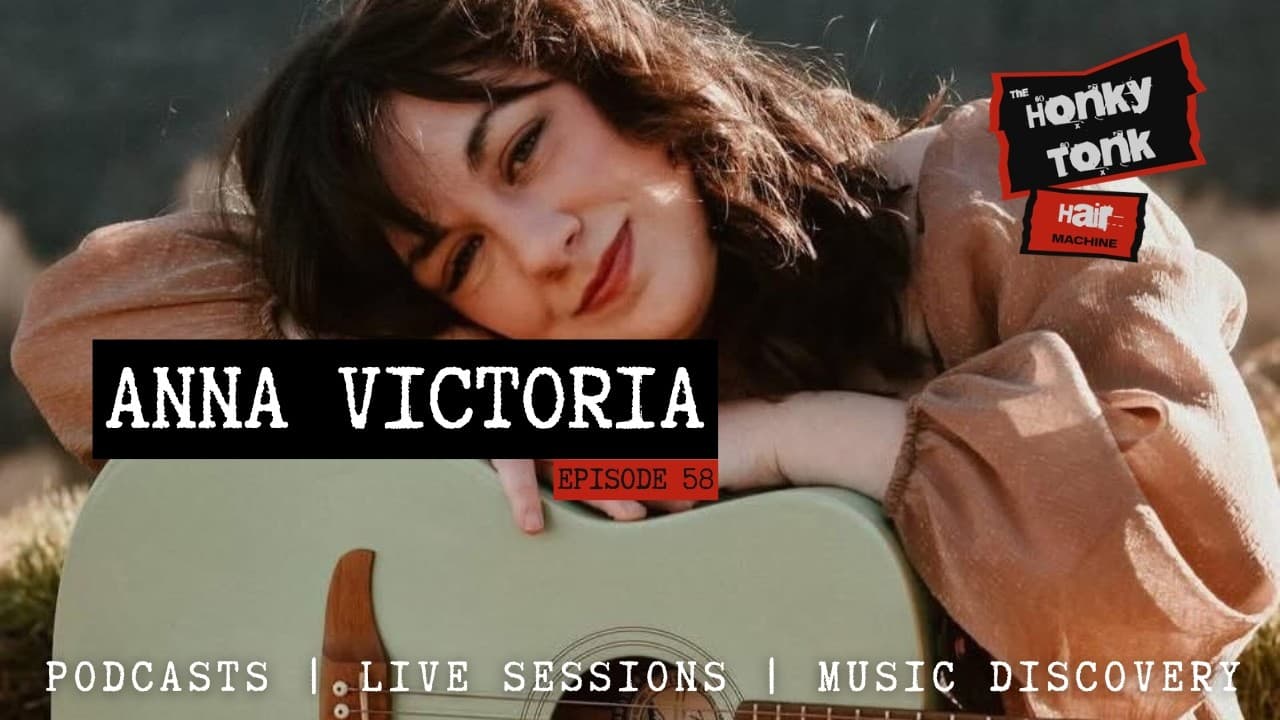
Anna Victoria
Inside North Carolina's Appalachian Music Scene | Anna Victoria
Anna Victoria joins Camden for an honest conversation about growing up in the mountains of North Carolina, discovering her voice as a songwriter and navigating life as an independent Country and Americana artist. We talk about learning to perform live, protecting her voice, finding confidence on stage, the influence of Appalachian music and artists such as Luke Combs, Sierra Ferrell and Dolly Parton, balancing music with motherhood, and the challenge of staying creative in a world driven by social media. It's a thoughtful conversation about music, family, creativity and staying true to yourself while building a career in independent music. Chapters 00:00 – Introductions, Weaverville, childhood. 02:00 – Singing, vocal health and beginning her musical journey. 06:00 – The pandemic, booking gigs and developing as a live performer. 09:00 – Coping with distractions, confidence and performing. 12:00 – Appalachian influences, Luke Combs, Sierra Ferrell, Dolly Parton and mountain songwriting. 15:00 – Family life, being a stay-at-home mum, social media and balancing music with everyday life. #lukecombs #sierraferrell #dollyparton Subscribe to The Rugged Revival. Share it with your friends. Support independent music! Listen to the full podcast on Spotify: https://open.spotify.com/show/6wnHcgA73o1aiiKaz882vH?si=30aabdaa220a4628 Follow The Rugged Revival: Instagram: https://www.instagram.com/theruggedrevival/ TikTok: https://www.tiktok.com/@theruggedrevival Facebook: https://www.facebook.com/profile.php?id=100094507520679 Website: www.theruggedrevival.com Email: ruggedrevival@hotmail.com
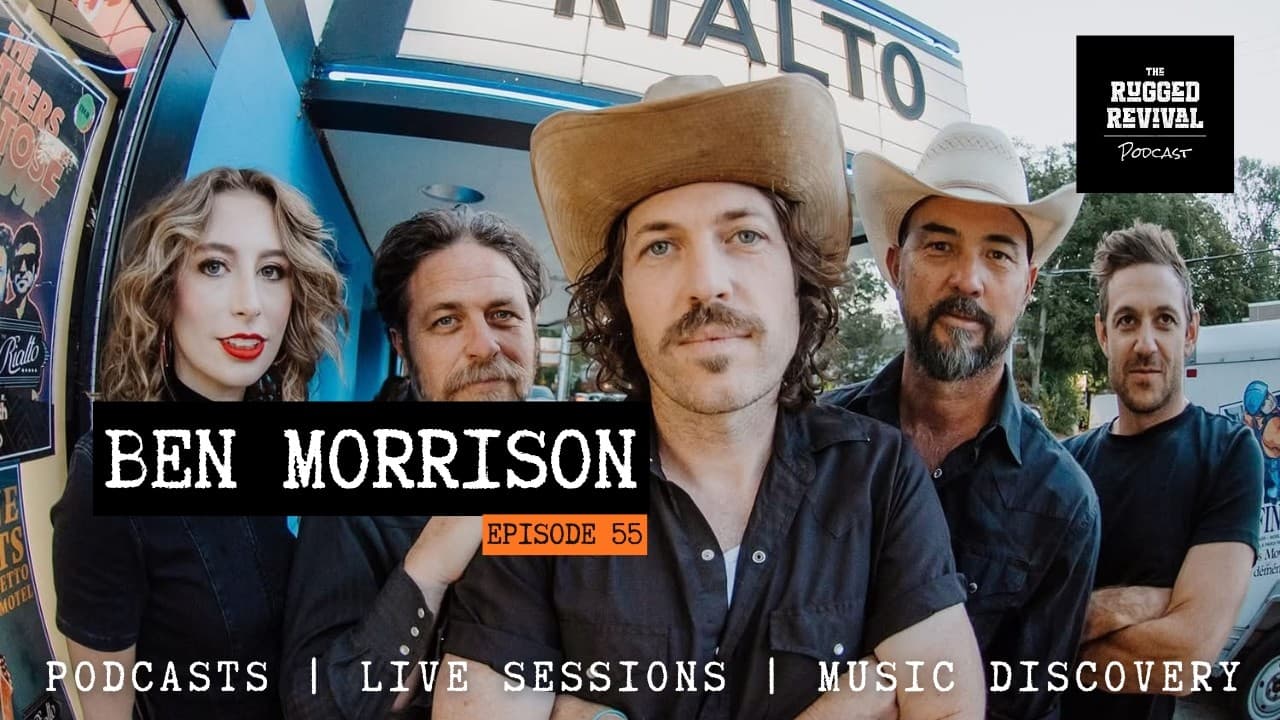
Ben Morrison
The Brothers Comatose: Ben Morrison on 18 Years of Music, Family & Touring
Ben Morrison of The Brothers Comatose joins the Rugged Revival Podcast for an honest conversation about nearly two decades ...
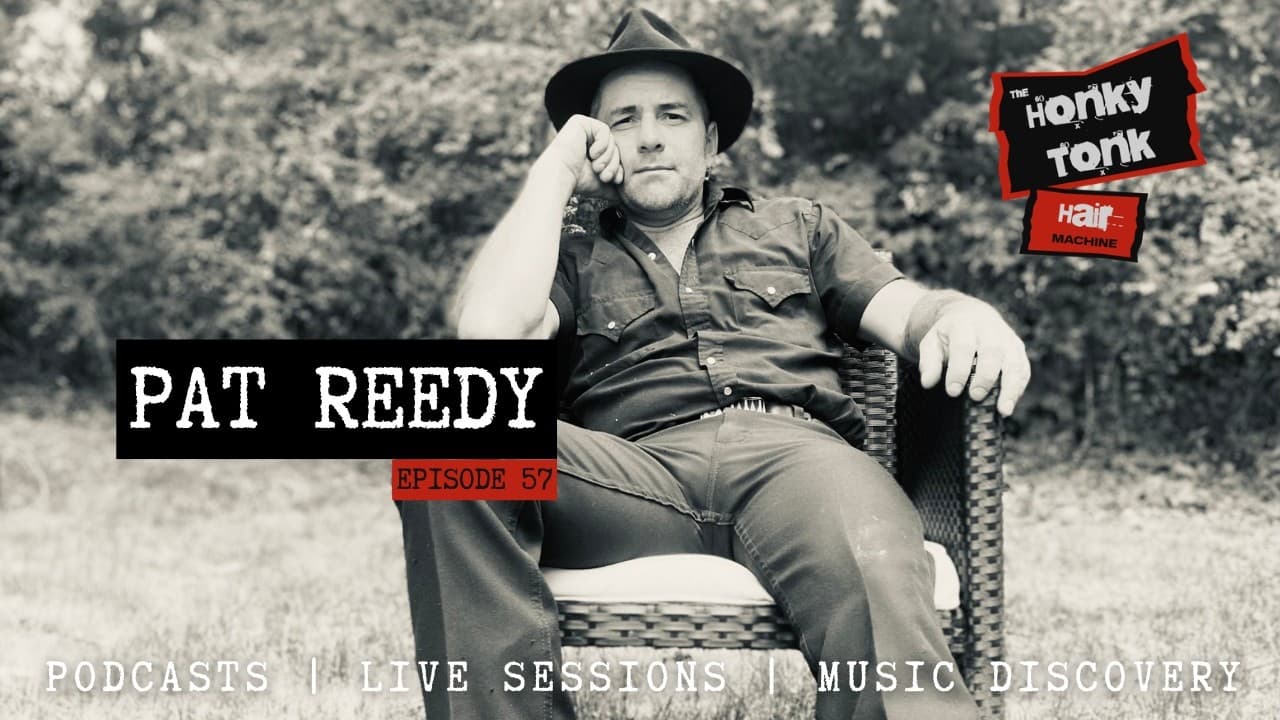
Pat Reedy
Pat Reedy on Busking, Nashville & Building a Country Music Career
Pat Reedy joins Camden to discuss leaving construction behind for country music, busking in New Orleans, life in Nashville, ...
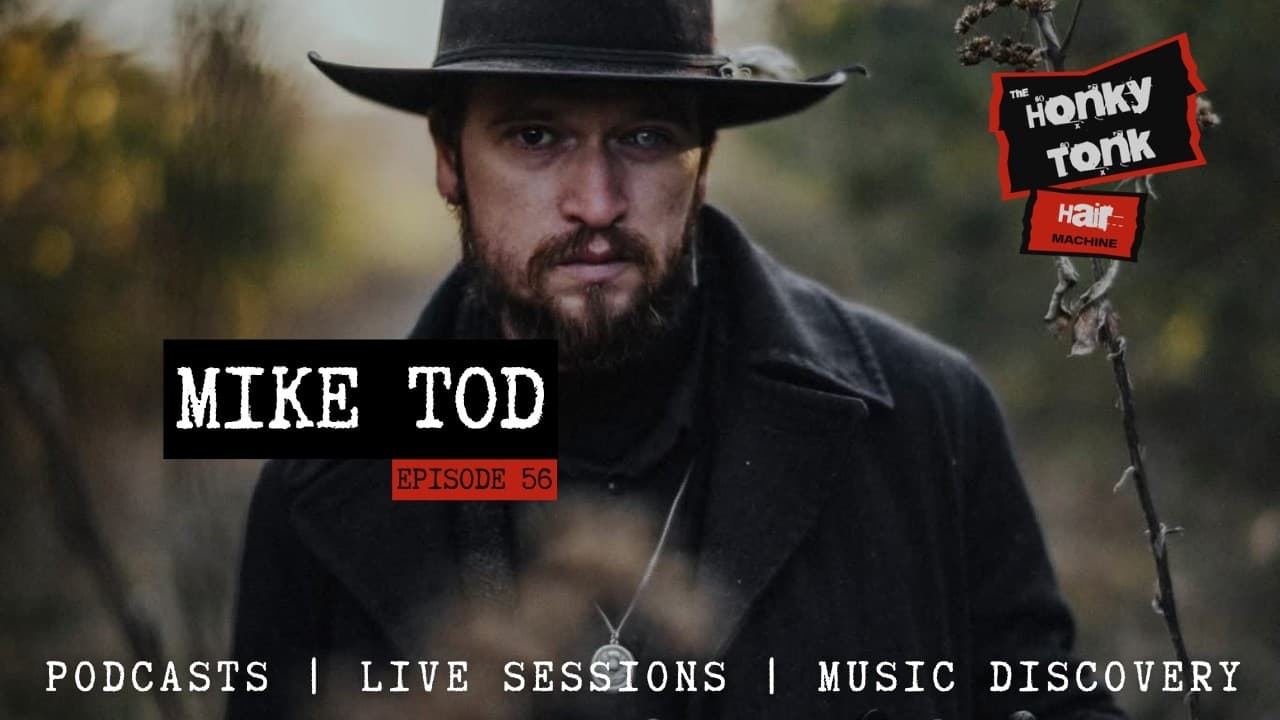
Mike Tod
Keeping Traditional Folk Music Alive in Nashville | Mike Tod Podcast
Mike Tod joins Camden to discuss traditional folk music, Canadian roots, life in Nashville, forgotten songs, unusual instruments and why preserving musical history still matters today.Originally from Canada and now based in Nashville, Mike explores the stories behind traditional songs, the connections between folk music around the world and how old music continues to influence modern artists. We also discuss his unique "Crankenstein" instrument, musical curiosity, collecting songs from the past and the importance of keeping traditions alive for future generations.Chapters00:00 Introduction00:00:30 Growing Up in Canada00:02:20 Discovering Music & The Crankenstein00:04:10 The Story Behind The Crankenstein00:05:20 Drones, Folk Traditions & Ancient Music00:08:10 Learning Guitar & Performing Original Songs00:09:40 Accessing Traditional Music in the Digital Age00:11:20 Researching Music History00:12:10 Playing The Crankenstein Live00:14:00 Creating Atmospheric Sounds & Live Performance00:16:00 Traditional Songs & Musical Origins00:17:50 The Artists Influencing Mike Today00:19:20 Studying Philosophy & Creative Thinking00:22:00 Horror, Heavy Music & Folk Culture00:24:00 Scottish Heritage & Family History00:27:10 Final ThoughtsSubscribe to The Rugged Revival. Share it with your friends. Support independent music!Listen to the full podcast on Spotify: https://open.spotify.com/show/6wnHcgA73o1aiiKaz882vH?si=30aabdaa220a4628Follow The Rugged Revival:Instagram: https://www.instagram.com/theruggedrevival/TikTok: https://www.tiktok.com/@theruggedrevivalFacebook: https://www.facebook.com/profile.php?id=100094507520679Website: www.theruggedrevival.comEmail: ruggedrevival@hotmail.com