
Coltt Winter Lepley - Appalachian Artist, Poet, Author, and Former Racecar Driver | Rugged Revival
Watch on YouTube
Subscribe for new episodes, Grit Sessions & more
Listen to this episode
In This Episode
When Coltt Winter Lepley showed up for his first live performance during undergrad, he was dressed like a Finance Bro trying to attend his first indie night—slicked-back hair, dress shirt, white neck tie, the whole uncomfortable package. It's the kind of detail that tells you something important about the Appalachian folksinger: he's self-aware enough to laugh at his own journey, and he's evolved considerably from that version of himself.
Today, Lepley presents as something altogether more compelling—a carefully curated mashup of his lived experiences. There's goth kid energy layered with rust belt workwear, biker aesthetics mixed with New England professorial touches, all somehow cohering into something that feels utterly authentic. When you've lived as much as Coltt Winter Lepley has, the way you present yourself to the world isn't a costume; it's a chronicle.
I'm a culmination of all the experiences I've had—emo, Appalachian, goth kid, vintage work wear, race car driver, biker aesthetic, maritime professorial look.
— Coltt Winter Lepley
Born and raised in Bedford, Pennsylvania, Lepley is the kind of artist that defies easy categorization, which is precisely why he matters right now. He's simultaneously a published poet, an author, a folklorist, and—perhaps most intriguingly—a former racecar driver. These aren't hobbies squeezed around a music career; they're all threads in the same tapestry of storytelling. Whether you're reading his words on a page, hearing them sung over fingerpicked guitar, or catching one of his increasingly frequent tour dates, you're encountering someone who understands that the most compelling American narratives come from people who've actually lived them.
His debut recording—a self-titled EP simply called "Coltt Winter Lepley"—arrives after years of anticipation, recorded at Music Garden Studios north of Pittsburgh with producer Al Torrence. It's the kind of project that only comes together when an artist has accumulated enough stories, survived enough experiences, and refined their artistic voice to the point where silence becomes impossible. Lepley's voice carries the weathered quality of someone who's spent time in the Appalachian hills not as a tourist but as a resident, a participant, a witness.
You don't have to spend a bunch of money to look good.
— Coltt Winter Lepley
What makes Lepley's emergence particularly significant for the wider Americana landscape is his refusal to play the greatest-hits version of Appalachian authenticity. Yes, he's a folksinger from Pennsylvania. Yes, he carries that region's stories in his bones. But he's also lived in New England, raced cars, written academic papers, worn leather jackets, and thought deeply about masculinity, fashion, and personal identity. These experiences don't dilute his sound; they enrich it. They make his music the opposite of performative—he's not playing a role he researched; he's processing a life he's actually inhabited.
During his conversation with Rugged Revival, there's a moment where Lepley discusses finding authentic style without breaking the bank, talking about Sam's Club work pants and vintage pieces as seriously as someone might discuss high-end tailoring. It's a small exchange, but it's revealing: he refuses to gatekeep authenticity behind expensive markers. His approach to life—whether it's fashion, music, or storytelling—is fundamentally democratic. Good art doesn't require pretension. Clothes that fit your body and reflect your actual life matter more than following someone else's rules.
As his debut EP prepares to enter the world, Lepley stands at a threshold. He's paid his dues in relative obscurity, accumulating the kind of depth that makes for genuinely moving music. He's not emerging as a polished product shaped by industry logic; he's arriving as something rarer—an artist who sounds like he's been waiting to tell you something important for years, and he's finally ready.
This is the moment to pay attention. The full episode is worth your time, but even better: seek out his music when it lands, and catch him live if you get the chance. Coltt Winter Lepley is building something real, and Appalachia—and American music more broadly—needs more voices like his.
I'll help you. I'll help you start a [music] revolution for this Monday morning situation. >> Thanks for taking the time to come hang out for a little bit. >> No, thanks for having me. I really appreciate it. >> So, um, you know, just to remind you, what we'll do is we'll take this video, of course, Instagram post it right away, but we'll take the video, send it over to the podcast, they'll put it on their channels. um they'll take the audio and they'll kind of clean it up a little bit and uh put it on the actual um streaming services. >> So, uh whatever you say now is locked in history. Just remember that. >> A lot of pressure. Okay. I'll clean it up. >> All right. Um so, yeah, man. I like to keep it short and sweet, so let's get right into it. >> All right. >> All right. So, when did you first start playing live? >> So, I first started playing live uh in undergrad um when I was in college. And for my first show, uh, I had on a dress up shirt, uh, a white neck tie, and I had my hair sllicked back, um, real flat. It was kind of like, uh, you know, like Finance Bro Light. Um, so I'm really glad I graduated from that. >> It almost sounds like maybe a um, uh, almost like a rockabilly style. >> I I wish it was that cool. It was not, unfortunately. Uh, but >> I'm I'm sure you looked great. As much as I prefer your look now, I'm I'm sure you look great. >> Thank you. >> Which actually leads me to my next question. So, you do have a unique style. Where do you pull inspiration for your personal fashion from? >> Uh Edg No, I'm just kidding. Did you see the Netflix special? I mean, he we dress similar. I don't think I'm as uh into leather as he is, but um no, I uh I'm I'm a culmination of all the you know, the experiences I've had. Um, I'm in, uh, we kind of have like emo, appalachin, you know, I was a goth kid, you know, uh, a lot of vintage work wear, uh, rust belt work wear. I was a race car driver. Um, so kind of have like the a lot of black clothing, like biker aesthetic. Um, and then I lived in New England for a while and kind of leaned into like the maritime like professorial look of New England. Um, and I think I took the the cool parts of all of those things and took the things that fit my personality best. Yeah, it's nice when you get to a point and you feel like you've really kind of like refined the look and pulled it all in and all your inspirations are like like the good parts of them are pulled in there. Um >> yeah, >> can you tell me about the hat you're wearing real quick? That looks pretty cool. >> So, this is um let me see here. This is a Howler Brothers hat. Uh you know, I I I'm I'm very lucky. Um you know, one of my dad's good friends um passed away a number of years ago. recently got his hat collection, all vintage hats. Um, another good friend of mine gave me her grandfather's hat collection. So, I, you know, I try to just like anybody, you know, be sustainable, find cool vintage pieces. Um, this is, this is a newer hat. I wear it a lot. Um, you know, as as you would know, I have black pants on. You can't see those, but I try to match the bring it all together, you know. But, uh, yeah, the alien stuff is neat. >> Yeah, hallelu stuff is really cool. That that's a good find. And when you find some like uh thrifted pieces that look cool and fit well, man, that is that's worth more than gold. I love that. >> Thanks. >> So, I think uh you and I actually have similar builds and I have a hard time finding clothes that fit me properly and look good. >> So, do you have a hard time finding brands that fit you properly? And what brands do you think work best for you? Well, I think, you know, I I I I think a lot of guys um you would like to dress better. Uh and I think a lot I think the question of like masculinity comes up when you try to dress better. And I think a lot of guys avoid it just because they have a hard time finding clothes that fit their body style. Um and you don't have to spend a bunch of money to look good. You know, you got to find the things that fit best. So, um you know, for me, yeah, I'm I'm a smaller guy. I'm short. I got like a short torso. Um, and I and I try to find things that make my legs appear longer, you know, make the silhouette longer. And you got to think about that kind of stuff. Um, >> you know, for me, I I think a lot of vintage pieces fit better because people were like generally smaller back in the day. A lot of uh, you know, heritage brands that are new, like a lot of Filson pieces fit me well. Um, this is an old Woolrich built thing, so it fits really well. Um, but like honestly a lot of times like um some of my favorite pairs of pants are Sam's Club work pants. 17 bucks a pop. They fit perfect. You know, you don't have to go spend $100 on a pair of jeans. You just got to find the thing that fits you. You got to know what kind of body style you got. Go from there. >> We had we had the conversation about the Wrangler Ranchers, >> right? Yeah. >> You know, >> Yeah. >> I have um and it's crazy too how like even within a brand you can get different cuts. I mean, I have I think five pairs of just black Wrangler Ranchers. They look nice. Wear them with everything. A a t-shirt or a a pearl snap and uh you know, they're all the same size and three of them feel like I'm squeezing into Munchkin clothes or something. It's the weirdest thing. But uh you know, we can offload those on good old eBay. >> Well, that's what I'm going to do, folks. If you're listening out there, I got a number of pants I'm going to be posting soon. Uh but yeah, it it can be frustrating. You know, thank God. um you know, I'm a man on we don't have to deal with like women's sizing and the problems with that. But it happens with us too. Uh you know, not near as bad or as um you know, kind of the way that's laid out to be. But yeah, I mean I I wear like a 3030 in some pants and then like the Wrangler Ranchers I just got to get like 3630s, you know, just to just to get where I'm at. So yeah, sizing is frustrating I I imagine for everybody, but yeah. Yeah, especially for >> super weird one. So, when it comes to your uh your your favorite stage attire, tell me about your favorite boots, jacket, your favorite shirt, and your favorite hat that you like to wear on on stage. >> Well, I see in the chat uh we got a question about the bolo. Um real quick, this is about uh this is from Liz Boyd in Pittsburgh. This is a white tail deer vertebrae bolo. Um so, that's that's cool. But, uh yeah, my favorite stuff. Um, you know, I think my my stage look is pretty much born out of my my daily driver stuff, if that makes sense. >> Yep. >> Um, you know, this is a cool coat. I just got this, but I in the winter I like the winter cuz I get to lay it up. I get to wear cool coats. >> Yep. Totally agree. >> Yeah. Like Filson Wool Rich. Uh, this is a 1940s made by Woolri um coat from Bethlehem Steel. Uh, which is pretty cool. You know, they made this as like a work over shirt. got this in Johntown where they had a Bethlehem steel, you know, producing place. So, that's cool. Um, I like to wear red wings. Um, you know, my dad was a Redwing guy growing up. I got a bunch of different styles of those. Um, I'll tell you recently, um, I just thrifted some vintage LLBAN cowboy boots, which first you're like, what the that's strange, you know? >> Uh, but they they've very quickly become my like daily driver cowboy boot. That just goes back to like you don't have to seek out an expensive brand or brand name. Um, a lot of stuff I end up wearing like I think I like Schmidt work shirts which was Tractor Supplies uh kind of offbrand stuff they sold. You can get that stuff dirt cheap and it holds up so well. Like I think a lot of guys try and go spend a bunch of money on like a vintage piece of work wear that's a brand and you don't have to. those guys that wear that stuff regularly are buying the Schmidt work shirts and working in them and that's why they look authentic because they are you know like >> so that's I think that's kind of my my onstage stuff you know >> some nights I lean more western um you know I usually wear like some turquoise like I got my I wear this every day but um it you know depends on venue the crowd what you're doing but it's I'm kind of like I said like I kind of I think most of my inspo comes from those like romanticized Americana jobs like the cowboy, the sailor, the professor, the laborer. Like, and that's that stuff's accessible here in thrift stores, you know, a lot of work wear. >> Yeah, we have that problem, too. You know, I think depending on where you live and what the culture is, you can get some really cool thrifted stuff. You know, I sit outside just outside of DC in the suburbs. So, you know, thrift stores, you're really lucky if you find some cool stuff like like what you're talking about, but it's a lot of like, you know, uh throwaway fashion stuff that people are just kind of, you know, working their way through. Can you remind me what what was the name of that uh bolo maker? >> Uh so, Liz Boyd, um she her Instagram is Wool Gather Pittsburgh, I believe. >> Okay. Yeah, we'll check it out. >> Yeah. Uh they do a lot of cool stuff. >> Cool. All right. So, switching gears a little bit. >> Yep. >> Um, you have great hair. I know you're a hat guy, but under that hat, I know you've got awesome hair because I've seen it. >> Um, it kind of reminds me of early Bob Dylan. >> Sure. >> What kind of products do you like for your hair? Like styling products, shampoo, conditioners. >> So, uh, the only the only things I've ever really consciously used, uh, you know, were, uh, Brier Valley Well Water. That was my secret for a long time. Um, you know, as I've you know, I lived in Boston. Um, now I live in town, so you have to deal with this chlorinated mess. But, uh, you know, I I I never put a product in it. Um, it's just kind of the way I don't comb it that often. Um, you know, PA is humid, so you kind of walk out, it's just kind of like a puff ball sometimes. But, um, I I do try to use um, you know, I don't use like 8 in1 shampoo. I think that's a crime against humanity. I I just recently started using some kind of salon uh you know professional grade stuff to try and retain the hairline for as long as possible. You know, knock on wood. But uh you know, it's it's it's all I try to do all the things. You know, I've tried like the cold water curl stuff and >> it always just ends up looking the same for me, which I think is good. But >> yeah. Well, look, man, if you ever find yourself out this way, you know, I'd be happy to have you in the barber chair and show you a few things and we can really put that together. >> I'd love to. >> Yeah, man. And uh you're you're actually not far from me. You know, you're only a couple hour drive, so I'm I'm sure our paths will cross soon. >> Absolutely. I used to play in DC a lot, so we'll have to >> we have to do that. >> And you're uh I don't know if she's your manager, but I know Miss Danielle Mashuda is some We have a mutual there somehow. Absolutely. Yeah, Danny's great. Uh Keystone's my management. Um Okay. >> They just, you know, they have Club Cafe now. And we uh we're on a refrigerator together. I noticed uh your sticker on the the green room >> refrigerator. >> That's awesome. I love that. So, yeah, I want to get up there real bad. We just got to find that perfect window to get up there. >> Um well, you know, look, man, I think you and I could talk for a long time, but this does bring us to the end of the road, >> and I really do appreciate your time. Um, do you have anything you'd like to plug? Do you have any new songs or a tour coming out? >> Well, we uh, you know, usually the winners slow. I mean, I have shows every weekend. I'll have shows probably every weekend until I'm dead. But, uh, as far as like real tour stuff, um, we're doing some, you know, hopefully some bigger stuff here in in 26, but uh, you know, working on new stuff always. Would love to have another album out next year. So, just kind of finding the time to fit it all in, you know. >> Yep. That's right. Um, side note, I know your f your first pressing sold out. I did try to snatch one. Them boys were gone, which is great. That's great. >> Um, is there any word we can uh expect a second pressing anytime soon? Uh, I on real good authority that I uh just Yeah, I mean I just picked some I picked Next Order up on Friday. I I was in Pittsburgh. They're sitting right next to me in a box. Um I promised everybody they'd be up for Halloween. So >> All right. Well, we'll everyone keep our uh our ears and eyes open for that. >> So that's very exciting. Cool, man. Well, brother, we will talk again soon again. Appreciate the time. Thank you so much. Thank you. I appreciate it. >> I see you down the way. Bye. Take it easy.
Comments
Keep listening
Related Episodes
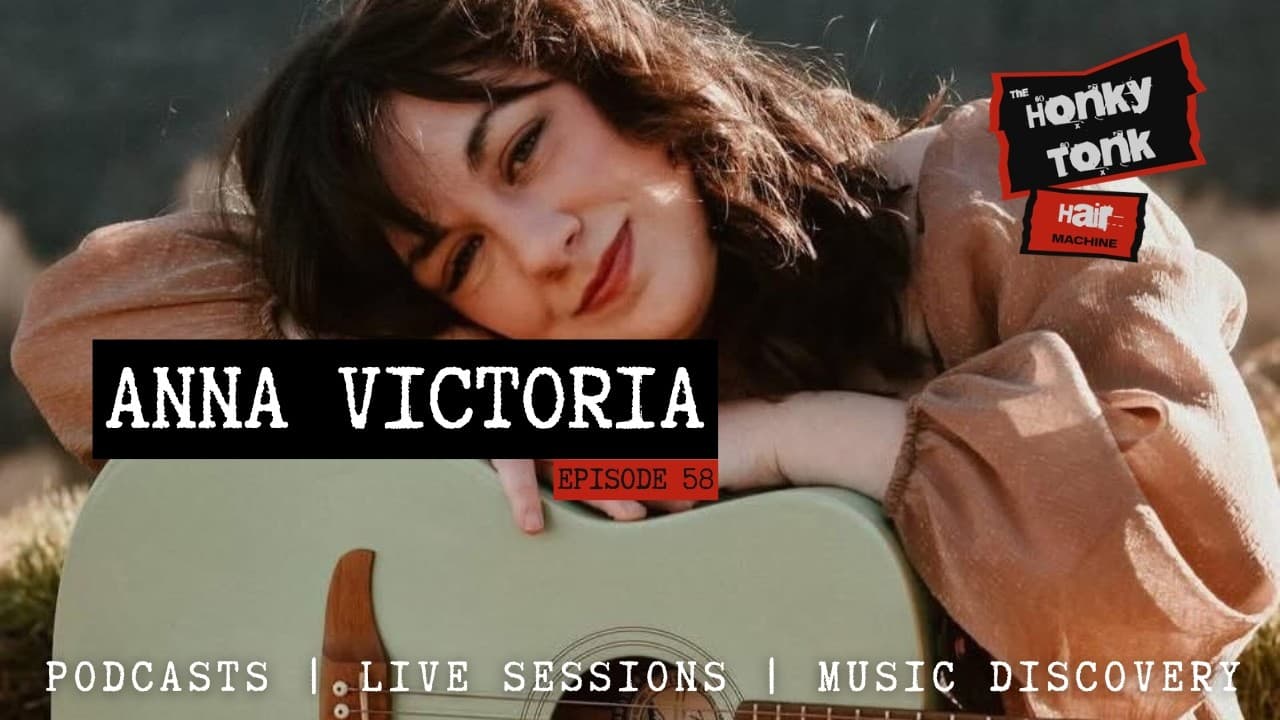
Anna Victoria
Inside North Carolina's Appalachian Music Scene | Anna Victoria
Anna Victoria joins Camden for an honest conversation about growing up in the mountains of North Carolina, discovering her voice as a songwriter and navigating life as an independent Country and Americana artist. We talk about learning to perform live, protecting her voice, finding confidence on stage, the influence of Appalachian music and artists such as Luke Combs, Sierra Ferrell and Dolly Parton, balancing music with motherhood, and the challenge of staying creative in a world driven by social media. It's a thoughtful conversation about music, family, creativity and staying true to yourself while building a career in independent music. Chapters 00:00 – Introductions, Weaverville, childhood. 02:00 – Singing, vocal health and beginning her musical journey. 06:00 – The pandemic, booking gigs and developing as a live performer. 09:00 – Coping with distractions, confidence and performing. 12:00 – Appalachian influences, Luke Combs, Sierra Ferrell, Dolly Parton and mountain songwriting. 15:00 – Family life, being a stay-at-home mum, social media and balancing music with everyday life. #lukecombs #sierraferrell #dollyparton Subscribe to The Rugged Revival. Share it with your friends. Support independent music! Listen to the full podcast on Spotify: https://open.spotify.com/show/6wnHcgA73o1aiiKaz882vH?si=30aabdaa220a4628 Follow The Rugged Revival: Instagram: https://www.instagram.com/theruggedrevival/ TikTok: https://www.tiktok.com/@theruggedrevival Facebook: https://www.facebook.com/profile.php?id=100094507520679 Website: www.theruggedrevival.com Email: ruggedrevival@hotmail.com
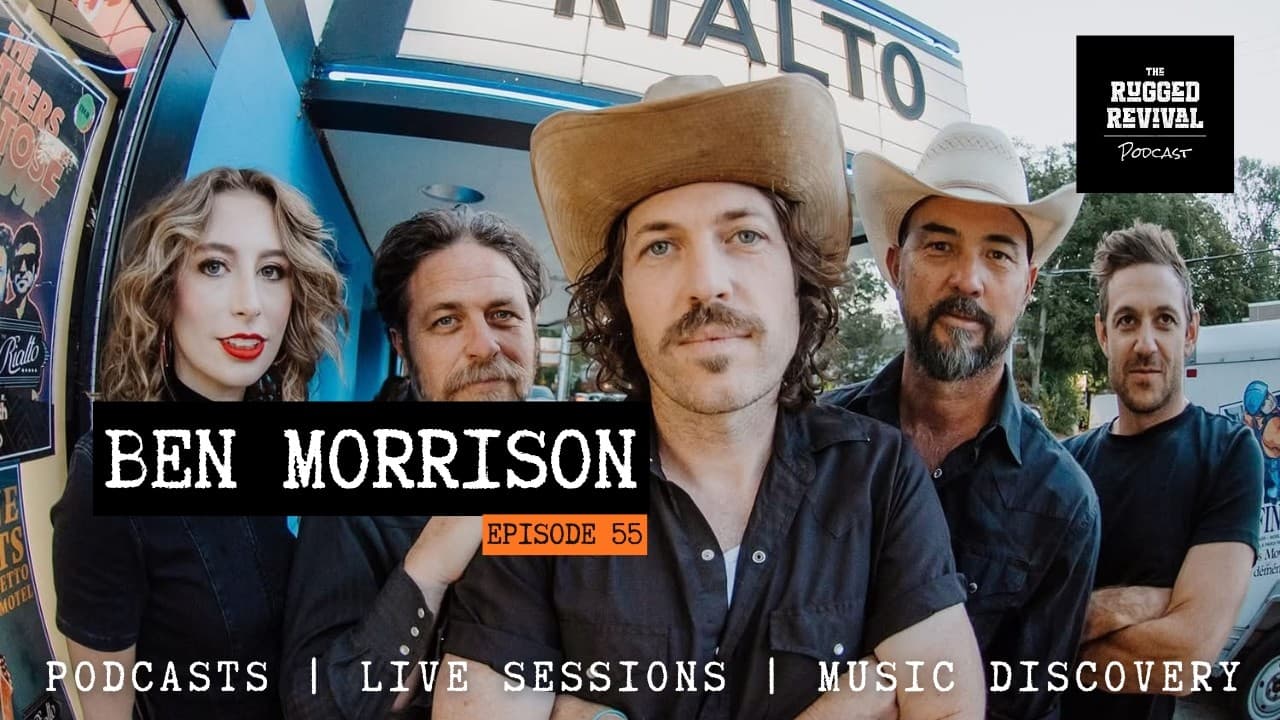
Ben Morrison
The Brothers Comatose: Ben Morrison on 18 Years of Music, Family & Touring
Ben Morrison of The Brothers Comatose joins the Rugged Revival Podcast for an honest conversation about nearly two decades ...
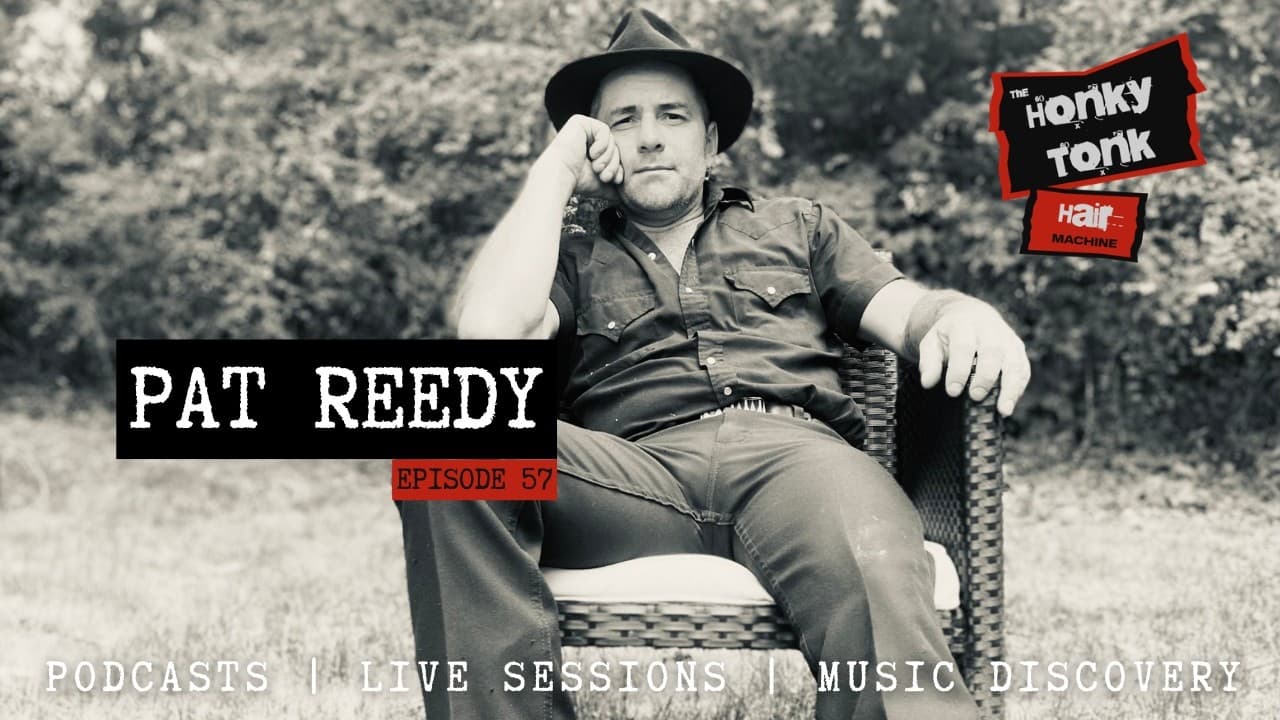
Pat Reedy
Pat Reedy on Busking, Nashville & Building a Country Music Career
Pat Reedy joins Camden to discuss leaving construction behind for country music, busking in New Orleans, life in Nashville, ...
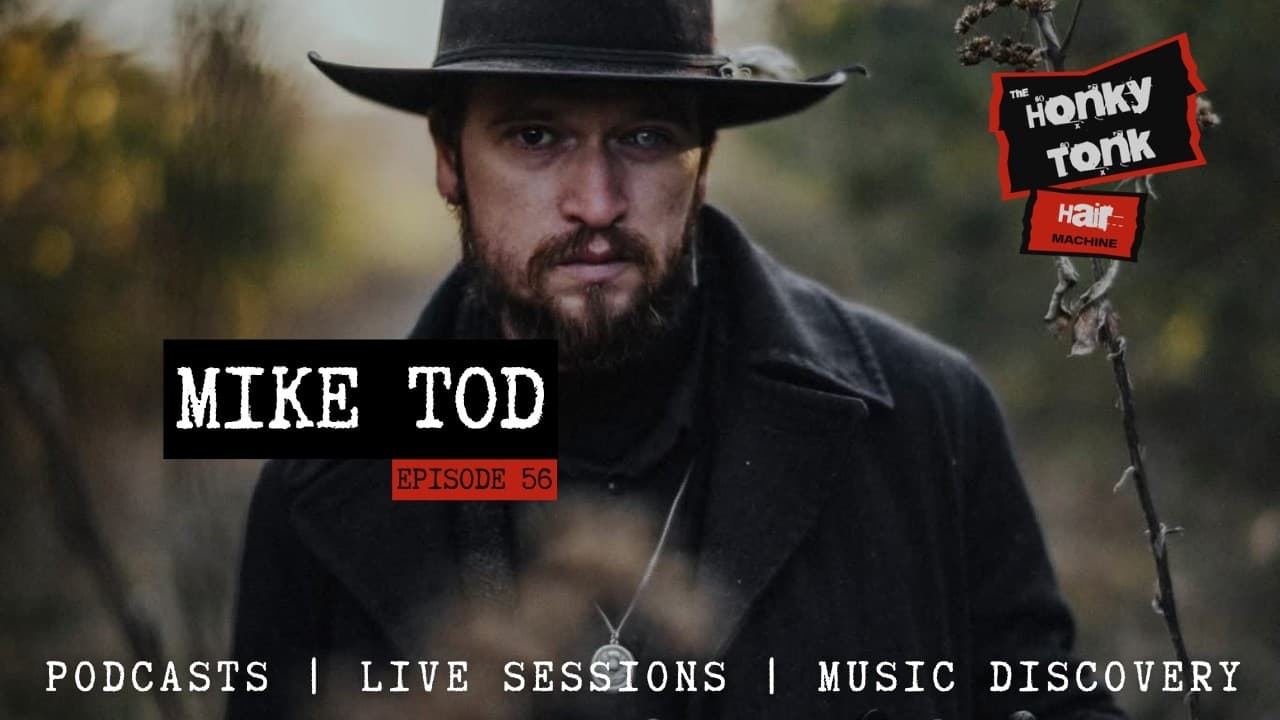
Mike Tod
Keeping Traditional Folk Music Alive in Nashville | Mike Tod Podcast
Mike Tod joins Camden to discuss traditional folk music, Canadian roots, life in Nashville, forgotten songs, unusual instruments and why preserving musical history still matters today.Originally from Canada and now based in Nashville, Mike explores the stories behind traditional songs, the connections between folk music around the world and how old music continues to influence modern artists. We also discuss his unique "Crankenstein" instrument, musical curiosity, collecting songs from the past and the importance of keeping traditions alive for future generations.Chapters00:00 Introduction00:00:30 Growing Up in Canada00:02:20 Discovering Music & The Crankenstein00:04:10 The Story Behind The Crankenstein00:05:20 Drones, Folk Traditions & Ancient Music00:08:10 Learning Guitar & Performing Original Songs00:09:40 Accessing Traditional Music in the Digital Age00:11:20 Researching Music History00:12:10 Playing The Crankenstein Live00:14:00 Creating Atmospheric Sounds & Live Performance00:16:00 Traditional Songs & Musical Origins00:17:50 The Artists Influencing Mike Today00:19:20 Studying Philosophy & Creative Thinking00:22:00 Horror, Heavy Music & Folk Culture00:24:00 Scottish Heritage & Family History00:27:10 Final ThoughtsSubscribe to The Rugged Revival. Share it with your friends. Support independent music!Listen to the full podcast on Spotify: https://open.spotify.com/show/6wnHcgA73o1aiiKaz882vH?si=30aabdaa220a4628Follow The Rugged Revival:Instagram: https://www.instagram.com/theruggedrevival/TikTok: https://www.tiktok.com/@theruggedrevivalFacebook: https://www.facebook.com/profile.php?id=100094507520679Website: www.theruggedrevival.comEmail: ruggedrevival@hotmail.com