
Cody Riddle - Outlaw, Red Dirt, and 90's Country Music Band | Rugged revival
Watch on YouTube
Subscribe for new episodes, Grit Sessions & more
Listen to this episode
In This Episode
There's something to be said for a man who walks into a hospital carrying a venomous snake in a cooler, ready to help the doctors identify what just bit his uncle's hand. Cody Riddle—note the spelling; country's got enough Corys—did exactly that, and lived to tell the story with a laugh during a recent conversation on Rugged Revival. It's precisely this kind of no-nonsense, roll-with-it attitude that defines not just his character, but his entire approach to music and life in rural Mississippi.
Riddle hails from Pallet, Mississippi, about thirty miles east of Tupelo—Elvis country, as he's quick to note—and he carries the kind of roots that run deep into the American South. But unlike many artists who mine their heritage for lyrical fodder, Riddle's background is lived, earned, and occasionally dangerous. Born an only child to supportive parents who remain his closest collaborators and most devoted fans, Cody's journey began not with a guitar in his bedroom but at eight years old, sitting behind a drum kit in a family southern gospel band. That's right: a full touring operation, complete with a 1978 Silver Eagle tour bus.
I don't know if I'm ever going to be able to repay this guy. He sent me shirts and hats and stickers.
— Cory Riddle
That bus, incidentally, caught fire in Tuscaloosa when Cody was still a kid. Rather than call it quits, his father—wrapped in a blanket and operating on sheer determination—drove that burning bus three and a half hours back home. The family rebuilt it from scratch, sheet metal fabrication and all, because that's what you do when music is non-negotiable. From drums, Cody moved to bass, then mandolin, eventually settling on guitar. That multivalent approach to instrumentation would later inform his band's eclectic sound: a deliberate blend of outlaw country, red dirt grit, and 90s country swagger.
Today, at his grandfather's place outside Pallet, Riddle lives a life most urban musicians fantasize about. Between shows, he works the land—literally. He's been trapping beavers, wrestling with wasp nests, and relocating snakes across fence lines. It's not performance art; it's just Tuesday. Yet there's something inherently authentic about an artist whose calendar includes both sold-out shows and working his family's acreage. This isn't the carefully curated "country aesthetic" of social media; this is a man who actually lives country.
We had a tour bus catch on fire in Tuscaloosa with 12 of us on it, and my dad just cranked it back up and drove it three and a half hours home to rebuild it.
— Cory Riddle
But Cody's story isn't without its shadows. He quit playing music for a stretch, fell down some rough roads, survived three divorces before finding steadier footing. It took meeting his current wife to reignite his musical fire, and when an opportunity to do a fundraiser show emerged, something clicked back into place. His parents and his wife have become his North Star—the people who believe in him when he doesn't quite believe in himself. That kind of support, earned through hard times rather than assumed through good ones, carries weight you can hear in music.
What makes Cody Riddle worth your attention is this: he's not reinventing country music or chasing TikTok trends. He's playing the kind of music that matters to people who still work the land, still ride trucks, still understand that a handshake means something. His blend of outlaw attitude, red dirt authenticity, and 90s country sensibilities feels neither nostalgic nor retro—it feels inevitable, like the natural culmination of where country music came from and where it's headed.
The full conversation with Cody on Rugged Revival is worth your time, whether you're looking for straight-shooting country music talk or just need reminding that there are still people out there living close to the bone, making art that matters. In a landscape increasingly dominated by polished algorithms and manufactured personas, Cody Riddle remains refreshingly, unapologetically real.
I'll help you. I'll help you start a revolution [music] for this Monday morning love situation. >> What's up everybody? This is Cam aka the Honky Tonk Hair Machine for Rugged Revival. Who am I with? >> This is Cody Riddle guys from Polit, Mississippi. >> Cody Riddle, thank you so much for for joining me today. And also, I got to say you you completely outdid yourself on this merch basket you sent me. Man, I want people to know that I'm not just a bot that's commenting on stuff, you know? I'm a real person. >> Yeah. I I was like, I don't know if I'm ever going to be able to repay this guy. He sent me shirts and hats and stickers. I was like, man, this is great. I love it. And I've worn every I've worn every bit of it, too. So, >> that's awesome, man. Anytime we can get our name and brand out there, that's what I'm trying to push. >> Well, I appreciate it. And thank you so much, my man. So, let's get into it, dude. So, I know you already mentioned it, but where are you from and what was life like for you as a kid? >> I'm from Pallet, Mississippi. So, I was born about 30 mi east of here in a town called Tupelo. I'm sure everybody's kind of familiar with that where Elvis was born. And, uh, man, you know, um, it was really good. I'm an only child. Uh, parents are great. They are still avid supporters. My dad goes to about every show that I play. Helps pack up, unpack, hook my cables up. And we started I guess going down the list of questions here I could jump into one. I started on this journey about 8 years old. We actually was in had a southern gospel band as a family and we had a tour bus 78 silver eagle and u started playing the drums went from drums to bass to mandolin then to guitar and uh bus burning too in Tuscaloosa and uh all there was 12 of us on there. We all got out, got instruments off, and uh dad wrapped up in a blanket, cranked the bus up, built up air pressure, and drove it all the way back to Pontto about three and a half hours away. And we they rebuilt the whole bus. We come from a furniture background, and uh they sheet metal the sides and and made a tour bus out of it and re-upholstered it and we got it back going. >> Wild. That is a wild story. Well, glad glad glad you made it through and happy to have you here with us today. >> That's that's wild. So, so I've seen you handle uh massive wasp nests, snakes, and now you've been at war with these beavers. What What can you tell us about the property you live on on and what's going on with these beavers? >> So, here around my house, it's my grandfather's place. He uh he passed last August, but over where my parents live is about 13 miles from here, and that's also family land. And uh you know for years and years and years I've just known it as a big beaver down back there. Big beaver slew. I would go back there swimming and catching snapping turtles and this that and the other. My great-grandfather used to plant it in corn. And after he passed, my granddad moved the garden up closer to the house and it just kind of got forgotten about. And uh Teddy's want to work the land again and basically just make one big food plot out of the whole thing. So I went back there and got to trapping. I've done a little trapping in the past and man, the hornets nest, they just they're just kind of icing on the cake. They're just kind of really cool nostalgia type stuff. As far as the snakes go, you know, uh I was I would handle these snakes a good bit and my uncle actually got bit by a cotton mouth that I had kept in a cooler. >> This has been this has been uh 14 15 years ago and uh he was out his yard. I was going to stop and show it to him and uh he stuck his hand in there and it bit him. It bit him. >> Oh, damn. >> Yeah. He uh he liked to lost three of his fingers because of that deal. >> Oh no. >> It was a bad deal. So, cotton mouse, man. Copperheads, chicken snakes. I mean, most time I just carry them over across the fence and turn them back to leaves. >> Well, hopefully everybody has uh forgiven and moved on for the uh >> I think so. I think so. You know, it was a it was a weird ordeal, man. >> Oh, I'm sure. That sounds like it could have been super stressful and kind of scary. >> The ambulance took him to the hospital and uh they said, "Well, you know, we can't give him antivenenom until we know what kind of snake it is." So, and I walked in the hospital with the snake and they wasn't too happy. >> Like, I got him right here. >> Yeah. They said, "We know what county it is now. You can leave." I said, "Okay, somebody get him out of here." So, uh, who inspired you the most to take your music to the stage in your adult life? >> In my adult life, my dad, mom, mainly my wife. Uh, I quit playing music for a while. that that could be a part two session. You know, I went down some pretty rough roads before I met her and uh kind of got lost in myself a good bit >> after coming out of a third divorce. And uh I'd done one fundraiser show for a guy and he said, "You know, you should really think about doing this again." And I had quit playing, you know, for a few years completely just to kind of get myself together before I met her or when when I met her, I'm sorry. But in my adult life, man, probably my mom and dad and her u influences would be grandmothers and grandfathers. I come from music background on both sides. My great great uncle is actually in the Rockadelli Hall of Fame in Germany. Uh for a song that he wrote, I don't some people on here may remember it. There used to be a trucking company that had a camel on the side of the trailer and it said humping to please. And uh he wrote a song just like the camel on the side of your truck. I'm humping to please. [laughter] Check that out. I love it. >> That was James Mask and the Impalas. >> All right. All right. I'll have to look that up. That's really cool. Well, look, man. The best thing that you can do for yourself is, you know, your past is your past, man. And what we have is today. >> All you have is today. And you know what? Your uh daily uh motivational videos from the truck, those are fantastic. I love them. >> You know, I just I just I had a thought one morning. I said, I'm just going to post this. and this people got to commenting on it and kind of want me to start doing it every day. So, I mean it takes a little bit more time now, you know, because I don't want to say the same thing over again. I'm sure you're familiar with that. We're doing podcasts and stuff, you know. So, but man, you know, my thing is if I can help one person, then I feel like I've done what I've come out to do. >> I tell people all the time in my shows, if you can come out here and forget about your electric bill or your problems at home and your problems at work and your problems in your marriage and just have a good time for a little while, then I've done my job. >> That's right. Even if you're uh you know some of those messages get repeated, they're worth they they're they're worth repeating. >> Sure. Sure. And I see that that's like I tell the guys in my band. I said, "Look, you know, we may play the same venue. We play a place a local place here in Tupelo. We try to play it about every six weeks just the people that get to that don't get to see us get a chance to come out and see us." And I tell them all the time, I said, "You know, this may be our 500th show here." I said, "But for somebody, it's their first show." >> That's right. >> You know, so we want to bring 110% every time we do something. I we're set up like a little mini co-wetszel show. We've got pyro technics and CO2 cannons and we own all this. We don't have a production company or nothing like that. We set it all up, play the show, and tear it all back down. >> That's awesome. Yeah, man. That's that's the thing. And that's the real deal. You know, you're putting literal blood, sweat, and tears into it. a lot of >> you know and and uh you know I talk with a with a lot of musicians and they all have varying degrees of what they think is success but I think if you're uh you know if you are helping a couple people just kind of put their worries aside for an hour hour a half whatever it is you've done that is successful >> absolutely you know and that people tell us all the time how much they enjoy our show and you know I really wouldn't consider us a a a party type band you know we're more we're just as kind weird, you know, we've got a because we've got such a broad spectrum, you know, I play stuff, you know, Chris Knight, um, American Aquarium, I play some of their stuff. Um, uh, Billy Joe Shaver, you know, a lot of a lot of Ryan Bingham, you know, stuff that people's never heard of. They're like, "Did you write that?" I was like, "Well, I kind of wish I did, you know, but I didn't." >> Yeah, I know. I Yeah. When I was playing in bands, too, I used to think that, you know, we would do a cover and same thing, no response. you're like, "Yeah, you know, I wish I could say I wrote any of these Misfit songs we covered, but that's that's not it." >> And you still got to throw some modern stuff in there, too, cuz to keep people familiarized with it, you know, to to let them know, hey, that's they know more than just Texas Country or or Delta Blues or anything. And we put our own twist on things like we do Earnest Tub of 16 Tons and it's a straight rock and roll song, you know? It's not nothing like it originally come out. So, but it's it's a good time, man. People like how we kind of put our own twist on stuff and uh we even throw in some Black Street. We throw in no diggity in in the middle of u come together and we do Smack's version of Come Together, you know, as >> that's a good time. That sounds fun. Well, let's uh let's switch gears a little bit and uh let's let's talk tattoos a little bit. You're also a very heavily tattooed uh tattoo collector, I see. When did you start getting tattooed? 18 years old, I got my very first tattoo. I started with the cross in the middle of my back. And to me, I thought, you know, I think everybody's got one of these, so I'm going to make it my own. >> So, I wound up with, of course, none of the videos have shown it, but I've wound up with an entire full back piece. Uh there's a big vampire skull, the cowboy hat on, and a bullet hole through it right in the middle of the back. And my favorite one is probably man, it's it's completely simple, but it's the uh the Elvis Presley, the taking care of business lightning bolt. I don't know if you can see it. >> Yeah, >> I got this one because my wife's got it in the same spot, but hers hers isn't colored in >> and it's just so I don't know. It's It's super simple. I mean, of course, there's this one here that's, you know, that's the hand holding the telly neck and >> Oh, yeah. >> It's all all kind of stuff, man. A guy got the candle burning at both ends. A good friend of mine, Chad Harlo, he's got a pale horse tattoos here in our hometown and he usually does every bit of my work. So, call him up and say, "Hey, man. I need a little ink therapy." I'm going to make it happen. So, it's good time. It's it's it's good therapy. >> It's I I don't know about you, but the older I get, the more it hurts, you know. >> Dude, look, I've got two rib pieces. I've got Native American tribal on each rib cage that I got when I was probably 19. If I had to go back and do it again, >> would not do the ribs. [laughter] >> I wouldn't go back and redo it. But now I catch myself. I'm like, I wish I could just erase some of these and just start over with something different. >> Yep. Yep. you know, with a different idea or a different theme, but I just catch myself adding on to it. >> You know, you stack them on. I've got a bunch of stuff that's just kind of piled on. >> Yeah. >> Just throw them all together, and it kind of builds your story, you know. That's >> one of my guitar players, he actually is working on a half half suit, so he Oh, wow. >> He's getting pretty close. He's got a lot done. Of course, the feathers on the forearm. Uh me and a few buddies of mine all went at one time and got the feathers and um I just kept adding to mine and adding to it and piecing together and of course that's that's the latest one is the headdress on the hand. >> Fantastic. >> And uh but yeah, that's all threehanded, man. Chad does he does extremely good work. Good people, too. Super good people. >> That's fantast Yeah, that's all great stuff. Um so we'll shift gears one more time. What's your uh what's your favorite onstage attire? You know, I just picked up a sponsor, another sponsor from a shoe and boot outlet there in Tupelo. Uh that's going to that's going to give me uh some new kicks. But typically, I've been wearing higher boots because they've got the tall underlong heel. A lot of rodeo guys wear the higher company. Uh poncho shirts. I'm a sucker for poncho shirts. >> Yep. >> And man, Levis's heavy starched. Heavy starched increased 517 boot cut Levis's. >> There you go. Tell me about this hat. I really like the the shape of it. What do you what do you call the shape of this? >> Man, this hat is from a actually another sponsor we picked up about three months ago from Buckaroo Hatters out of Covington, Tennessee. And uh they told me they would put me in a hat to advertise their brand. I said, "Absolutely." And of course, friend of mine gave me the red tail feather. He passed on last year, so it's kind of sentimental there. And of course, you've got the pecker in the back from the that that I caught. the song. The Indians say it's a sign of fertility and a good omen. I said, "Yeah, for everybody except the can." [laughter] But, uh, that's Buckaroo Hatters. This has kind of been my shape for a little while now. I like a short crown, but I like a open crown. Couple of cutter bumps in the side, you know, just a wide shovel brim. But this is a 100x uh beaver fair hat. So, >> that's an awesome hat. I I haven't seen that uh that shape and styling in quite a while. It's really cool. I've got a couple of Gies and they do the same thing that Gley does. They actually take a mold of your head. They've got an old machine that does this. They set it down, take a mold of your head and uh so when you get your hat, it's broke in to your head shape. And I didn't realize my head was so out of shape until until I seen the mold. I was like, gosh, this is awful. >> And someone took a couple hammers to it. >> Yeah. Yeah. Of course, dirt bikes and horses and just being an idiot. Hope all of that comes into play later on in life. >> That's right. Well, look, man, this brings us to the end of the road. I think we could talk for a very long time, but like I said, we keep these short and sweet. Do you have anything to promote for the band? You got a new song? >> I do. Uh, I've got two new singles coming out after the first of the year. One of them is Last of My Kind and the other one is Lonear. Um, typically I write all my own stuff and these songs were sent to me and they just kind of struck a nerve with me. I really, really liked them and so I cut them. I'm excited. really excited about yet. Uh we will be opening up for Aaron Tipping uh in April here at Caranth, which is about 45 miles from from where I'm at. Uh got some bigger shows coming up this year. My college stuff kicked back off in the spring. Uh last year we was at LSU in Baton Rouge and we went to Georgia Tech in Atlanta and we do a lot from Mississippi State, you know, and uh it's just it's it's a highway radio, man. And it's just a it's a good time. It's a fun it's a camaraderie is what it is, >> you know. My wife handles my wife and a couple of other members wives. They handle all the band merch and promos and she's working on a website. Like I said, if it wasn't for her holding me together, >> I'd be a mess. So, >> that's fantastic, man. Well, listen, I appreciate your time and like I said, we could talk for hours and hours. You're a good dude. I'm glad we connected >> and uh yeah, man. We'll chat later. >> Absolutely. Thank you, brother. I'll be looking for some more beard oil here pretty soon. I love that stuff. >> Hey, you let me know when you're out. I got you. >> All right, brother. I appreciate it. Y'all have a good one.
Comments
Keep listening
Related Episodes
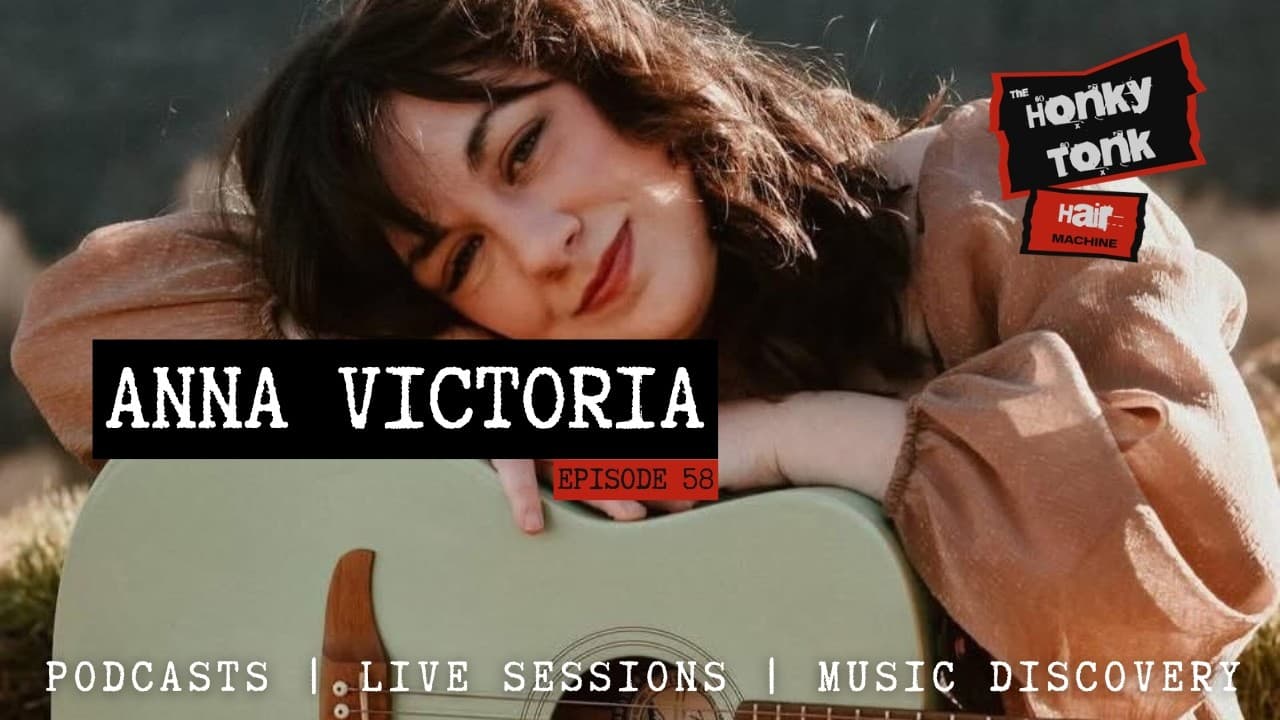
Anna Victoria
Inside North Carolina's Appalachian Music Scene | Anna Victoria
Anna Victoria joins Camden for an honest conversation about growing up in the mountains of North Carolina, discovering her voice as a songwriter and navigating life as an independent Country and Americana artist. We talk about learning to perform live, protecting her voice, finding confidence on stage, the influence of Appalachian music and artists such as Luke Combs, Sierra Ferrell and Dolly Parton, balancing music with motherhood, and the challenge of staying creative in a world driven by social media. It's a thoughtful conversation about music, family, creativity and staying true to yourself while building a career in independent music. Chapters 00:00 – Introductions, Weaverville, childhood. 02:00 – Singing, vocal health and beginning her musical journey. 06:00 – The pandemic, booking gigs and developing as a live performer. 09:00 – Coping with distractions, confidence and performing. 12:00 – Appalachian influences, Luke Combs, Sierra Ferrell, Dolly Parton and mountain songwriting. 15:00 – Family life, being a stay-at-home mum, social media and balancing music with everyday life. #lukecombs #sierraferrell #dollyparton Subscribe to The Rugged Revival. Share it with your friends. Support independent music! Listen to the full podcast on Spotify: https://open.spotify.com/show/6wnHcgA73o1aiiKaz882vH?si=30aabdaa220a4628 Follow The Rugged Revival: Instagram: https://www.instagram.com/theruggedrevival/ TikTok: https://www.tiktok.com/@theruggedrevival Facebook: https://www.facebook.com/profile.php?id=100094507520679 Website: www.theruggedrevival.com Email: ruggedrevival@hotmail.com
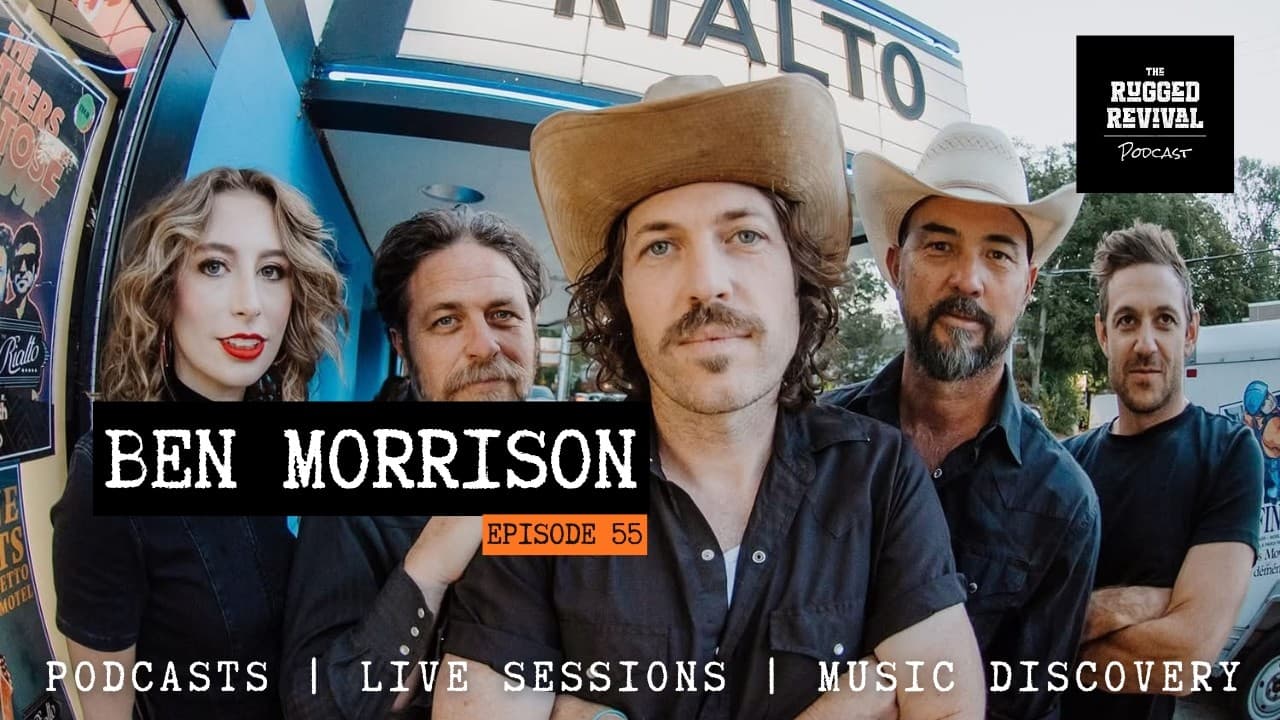
Ben Morrison
The Brothers Comatose: Ben Morrison on 18 Years of Music, Family & Touring
Ben Morrison of The Brothers Comatose joins the Rugged Revival Podcast for an honest conversation about nearly two decades ...
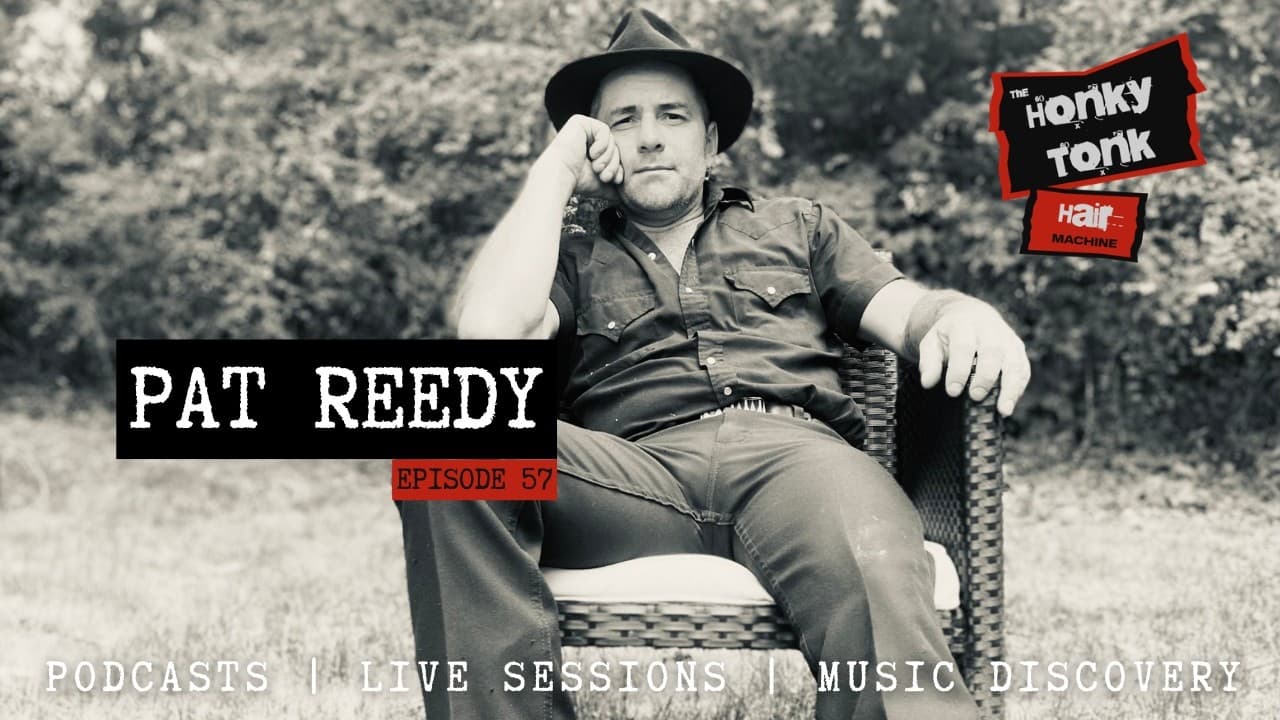
Pat Reedy
Pat Reedy on Busking, Nashville & Building a Country Music Career
Pat Reedy joins Camden to discuss leaving construction behind for country music, busking in New Orleans, life in Nashville, ...
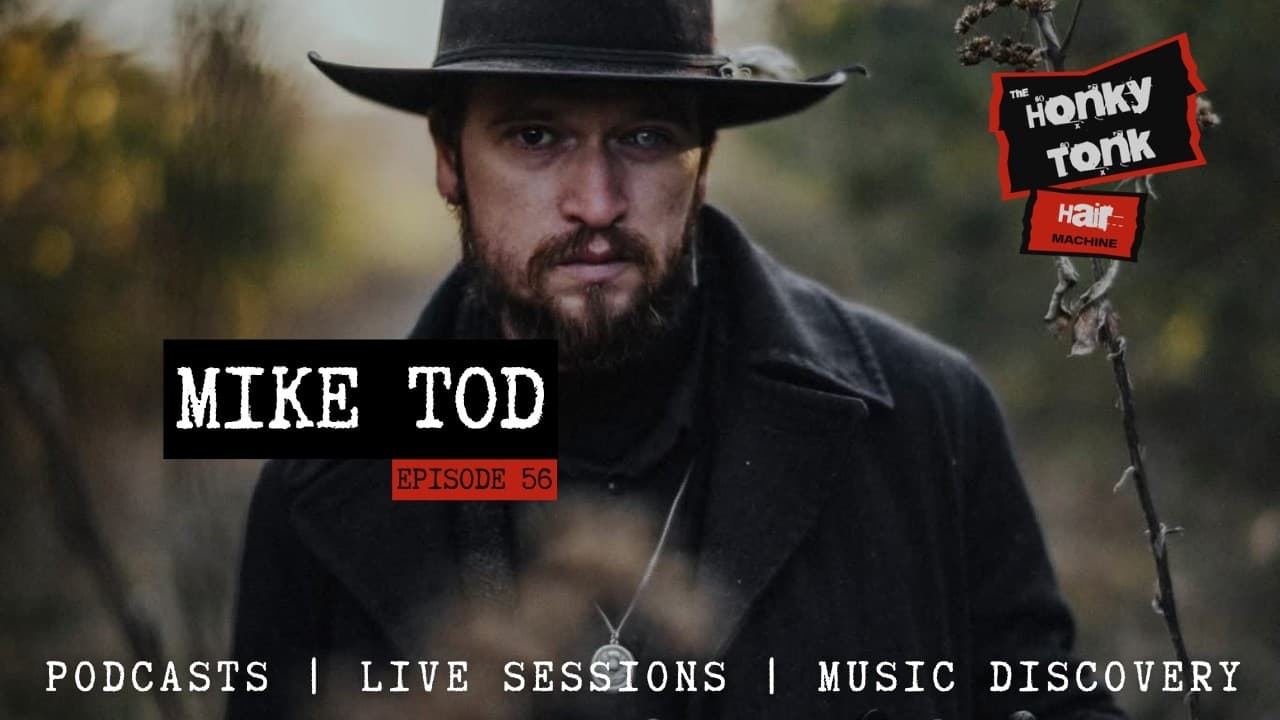
Mike Tod
Keeping Traditional Folk Music Alive in Nashville | Mike Tod Podcast
Mike Tod joins Camden to discuss traditional folk music, Canadian roots, life in Nashville, forgotten songs, unusual instruments and why preserving musical history still matters today.Originally from Canada and now based in Nashville, Mike explores the stories behind traditional songs, the connections between folk music around the world and how old music continues to influence modern artists. We also discuss his unique "Crankenstein" instrument, musical curiosity, collecting songs from the past and the importance of keeping traditions alive for future generations.Chapters00:00 Introduction00:00:30 Growing Up in Canada00:02:20 Discovering Music & The Crankenstein00:04:10 The Story Behind The Crankenstein00:05:20 Drones, Folk Traditions & Ancient Music00:08:10 Learning Guitar & Performing Original Songs00:09:40 Accessing Traditional Music in the Digital Age00:11:20 Researching Music History00:12:10 Playing The Crankenstein Live00:14:00 Creating Atmospheric Sounds & Live Performance00:16:00 Traditional Songs & Musical Origins00:17:50 The Artists Influencing Mike Today00:19:20 Studying Philosophy & Creative Thinking00:22:00 Horror, Heavy Music & Folk Culture00:24:00 Scottish Heritage & Family History00:27:10 Final ThoughtsSubscribe to The Rugged Revival. Share it with your friends. Support independent music!Listen to the full podcast on Spotify: https://open.spotify.com/show/6wnHcgA73o1aiiKaz882vH?si=30aabdaa220a4628Follow The Rugged Revival:Instagram: https://www.instagram.com/theruggedrevival/TikTok: https://www.tiktok.com/@theruggedrevivalFacebook: https://www.facebook.com/profile.php?id=100094507520679Website: www.theruggedrevival.comEmail: ruggedrevival@hotmail.com