
Capt'n Scum - Frankfurt-based Country, Folk, and Western Musician | Rugged Revival
Watch on YouTube
Subscribe for new episodes, Grit Sessions & more
Listen to this episode
In This Episode
There's something beautifully defiant about a German punk rocker trading his distortion pedal for a twelve-string acoustic and renaming himself Captain Scum. It's the kind of artistic pivot that shouldn't work on paper but somehow feels exactly right when you hear it explained—especially when the man behind it is articulate, unpretentious, and refreshingly honest about his journey into country and folk music.
Captain Scum is a Frankfurt-based musician who, by his own admission, only formalized his country project about a year ago. Yet when Cam from the Rugged Revival sat down with him recently, what emerged was a portrait of an artist who's spent the better part of a decade genuinely learning his craft, absorbing influences, and figuring out who he wanted to be as a musician. That's not a gimmick. That's commitment.
I really learned the guitar maybe five or six years ago, and now I'm playing country music professionally.
— Capt'n Scum
Growing up in the suburbs and semi-rural areas around Frankfurt, Scum picked up a guitar at age ten, though he's the first to admit those early years were fragmented. A six-year stint playing hardcore punk from age sixteen didn't exactly build classical guitar technique—power chords and three-minute thrashers will do that to you. But somewhere around five or six years ago, he decided to approach the instrument differently. He learned to actually play. Not just survive on stage, but genuinely learn the mechanics, the feel, the language of the guitar.
What strikes you immediately when listening to his conversation with Cam is his humility about the language barrier. English isn't his mother tongue—German is—yet here he is, writing and performing country songs in English, worrying constantly whether his lyrics are grammatically correct. It's the kind of self-consciousness that could paralyze an artist, but Scum seems to have channeled it into something productive. When Cam compliments his English and his vocal delivery, you can feel the genuine relief in his response. He's not cocky; he's careful. He cares.
The biggest challenge is remembering the lyrics of all the songs. I have major trouble with it, especially since English isn't my mother language.
— Capt'n Scum
His influences tell you everything you need to know about where his musical heart actually lies. Waylon Jennings. Johnny Cash. Hank Williams. The classics. But more importantly, he's plugged into the contemporary country and folk scene that's been building steam since the 2010s—the network of artists doing genuinely gutsy, authentic work outside the mainstream. He namedrops Nick Holders, Sierra Ferrell, and the Desolandes with the enthusiasm of someone who's actually sat with these records, understood them, felt them. He talks about the whole "Jams on VHS and western as f***" aesthetic with real conviction.
It's worth noting that Scum has zero albums released yet, just two demos on streaming platforms, and a full-length currently in production with his band. He's never done a proper tour. He's still playing regional gigs and building momentum within Germany and potentially across the EU. By industry standards, he's barely launched. But that's almost beside the point. What matters is that he's serious about the work, serious about getting better, and serious about this music because something in it genuinely speaks to him—not because it's trendy or because he's chasing streams.
There's a beautiful modesty to Captain Scum, but there's also steel underneath it. A man who spent six years playing punk rock doesn't accidentally end up making thoughtful country music. That's a choice. That's a search for something deeper, something with more room for nuance and storytelling. Frankfurt to the Americana underground might seem like an unlikely journey, but it's becoming increasingly clear that the best country music right now is being made by people for whom it genuinely matters—not people for whom it's a default setting.
If you want to understand where independent country music is heading, you need to pay attention to artists like this. Not because he's German, not because his origin story is unusual, but because he represents something essential: an outsider's genuine love for the form, combined with the work ethic to actually learn it properly. That's the real thing. Listen to the full episode and hear why.
I'll help you. I'll help you start a revolution for this Monday morning love situation. >> Hey, what's up everybody? This is Cam aka the Honky Tonk Hair Machine for the Rugged Revival. And who am I with today? >> Captain Scum from Frankfurt, Germany. >> All right, Captain Scum. Thanks for joining me, brother. >> Thank you. So, you you mentioned where you currently live now, but I always like to ask people this question because it gives us a little peak behind the curtain. >> Where are you from originally and what was life like for you as a kid? >> Uh, I was growing up like pretty close to Frankfurt. Like Frankfurt is major city in Germany. I grew up more on the not really countryside, but it was like suburbs maybe that I like a mixture of suburbs and countryside. Um, but yeah, kind of Frankfurt all my life. >> Okay, awesome. That sounds great. >> Um, so when did you start playing the banjo? >> Banjo? I have no idea. I mainly play the guitar. >> Mainly guitar guy. Okay. When did you start playing the guitar? >> Um, hard to say, I guess, because there were many gaps between. I think I started at the age of 10. >> Okay. >> Um, but then I started again with 16 playing in a hardcore punk band for six years or so. >> Um, as you may might can imagine, I didn't really learn to play the guitar there. >> Um, power. >> Yes. Yes. I think I really learned the guitar maybe five or six years ago. >> Okay, awesome. >> Well, you're doing a you're doing a smashing job with that guitar for someone who just started six years ago. That's pretty impressive. >> Thank you. >> So, I know you mentioned you played in hardcore bands. When did you uh start the Captain Scum solo project? I >> think it was only like one year ago. Oh, >> wow. Okay. I think it was like the winter like December 2024 maybe something like that. Maybe a little bit longer than a year. >> Oh, okay. Cool. >> Mhm. >> Do you have the one album or how many albums do you have out? >> Uh, zero. I just released two demos on >> on the streaming platforms. Uh, but it's just like I have a band and we're working on recording an album, but it's not out yet. >> Gotcha. Okay. Yeah. On Spotify, it might have looked like just with the songs listed, maybe you had a little bit more than that. >> So, tell me, when you're playing live, you know, the pressure is on when you're playing live, right? You're singing, you got to remember your words, >> you got to play the guitar, you got to remember the chords, and you have to be entertaining. >> What are some of the challenges you face? Yeah. when when you're playing live, what are some of your biggest challenges? >> I think the biggest challenge is remember the lyrics of all the song. >> I have major trouble with it. Um also because it's uh like um I don't really speak like English isn't my mother language. I only I spoke German for the most >> years of my life. like I started learning English in stu in school but not really. Um so I had to figure it out myself and I always hope that the English lyrics in my songs are correct. Um but I never know. I'll never know. >> Some people doing a great job so far. >> I think you sound pretty pretty good so far, man. I think you're doing all right. >> Thank you. >> So you you've mentioned you've come from, you know, other forms of music. Who are some of your biggest uh countryfolk and non-country folk influences? >> Uh I think nowadays I mostly listen to country and folk >> maybe bluegrass or old jazz music. >> Mhm. >> Um I think the biggest influences were in the early days Wellan Jennings and Johnny Cash. >> Yeah. >> Hank of course. Um, now like I really like the newer country scene that came up like maybe in 2010ers >> like Nick Holders, Sierra Fel. >> Oh yeah, >> Deson or however you pronounce the name. >> Yeah, the Desolandes. >> Desol. >> Um, like the whole stuff from that started on jams on VHS and western as [ __ ] I really like this kind of music. I agree with you. I'm right there in that same bucket. Um, do you know an artist named uh Sherman Potato? >> Yeah, sure. Just met him last weekend. >> Oh, awesome. Yeah, I had him on here last week. >> Oh, that's cool. >> Yeah. Yeah. I thought you guys would be a really cool uh duo. Um, have you done a lot of touring? Where would you like to tour? >> A tour? >> Mhm. >> Never done a tour. Uh, I've done some gigs and I have some gigs for this for this year. Maybe they're getting enough gigs in to do a tour, but it's not planned yet. >> Okay, cool. Cool. Are you trying to just focus in Europe and through Germany, or do you want to go somewhere else? >> Would love to go somewhere else, but I think it's not realistic for now. >> Like, uh, I stay in Germany, I guess. Maybe I'll play a show some countries inside the uh the EU, maybe Ireland, maybe Czech Republic, but I think mostly I stay in Germany for this year. >> Yeah. Yeah. It's too bad. It's We have so many artists that I'd love to see in my town. I'm in DC and we're spoiled. We do get a lot of art artists that come through, but I'd like to see more guys like you. >> You know, that'd be really cool. >> Not sure about that. So, I really like your look. You have an awesome style. Uh, can you tell me a little bit more about the necklace you have on around your neck? What is that? >> Oh, yeah. I made it myself from scrap. >> Yeah, this is really cool. >> Pieces of leather, some metal pieces. I have it for years. It's a little bit disgusting because of all the stuff between it. Maybe I should clean it some sometime soon, but I love it. I have it for three years, I guess. >> Still going. Yeah. Did you also make your uh bracelets? >> Uh, no. I just bought them. >> Can you hold those up? Those are really neat. >> Yeah. Super cool. >> The bracelets, I guess. >> Yeah. But the way you put things together is a really unique look. Like this shirt with the snake skin. I like that a lot. That's cool. What is the hat that you have? >> It's a Kubra. It's an Australian one, I guess. And there I didn't know at first because I bought it for like €7 which is like I guess eight or $9 >> and I got to know that these hats are sold usually way for a way higher price like one to200. >> Yeah. Yeah. That's a nice Did you shape that yourself? >> Yes. Yes. Yes. Yes. Like I bought was uh the the seller said it laid around in a basement for years, so I just cleaned it and put it back in shape. Put a new headband on it. >> That's really impressive. I need to do that with this thing. This thing needs some love. >> Um can you tell me about some of your favorite tattoos? You have a lot of work that looks really cool. >> Mhm. Uh I really like these. Um I have to check which side it's on. Um, these ranches. >> I don't know if you can better like that with a skull on top. >> Very cool. >> Really like this one. I like my Whan tattoo. >> Oh yeah, you got to get Whan in there. >> That's awesome. >> What else? I like my P. >> Do you are what do you do? Uh, are you by trade a mechanic or do you work with some kind of like engines or tools like that? Uh, I used to be a mechanic for motorcycles for I think 10 years. >> Oh, wow. >> But recently I got fired. >> Oh no. >> So now I fix wheelchairs. >> Oh, no way. That's that's a bit of a That's a change of gears. >> Yeah. A little bit more easy. Not that um complex, but it's okay. It's fun. And they pay better. >> Really? Wow. That's actually surprising. Do you still ride? >> Uh, actually no. I sold my motorcycle I think three months ago because I live in the center of the city and I really don't use it much. Like it's still around the last years mostly all of the time. I think I used it three times. So I think it's time to let go >> even though. >> Yeah. I I have so many friends that still ride. I I would love to get on the motorcycles, but around here people drive. It's so crazy. There's accidents all the time and people get hurt. My friends get hurt. They wreck their bikes. So, you know, but with me having two young daughters makes me nervous, you know. >> Yeah, understandable. >> For me, it's mostly like it's easier to move by public transportation. >> Yeah. Yeah. Absolutely. Especially if you're already in the city. Super easy. >> Um, do you have So, this kind of brings us to the end of the road. Do you have anything you'd like to promote like a show or a new song coming out soon? >> Uh there's a little movie coming out soon with me in a main as a main actor. >> Oh no. >> Um kind of about music with a little funny story. Um I think it will come out maybe in April. >> Oh, okay. >> So if you interested in seeing this movie, I have no idea what will happen. A friend of mine uh does it like as a hobby. He already did two movies. They're kind of okay, but funny, I would say. So, I'm uh pretty curious what will be the outcome of the movie. So, if you're interested, just follow my Instagram. You will stay tuned. >> What is your uh where can we find you on the social media? What's your Instagram handle? >> Captain Scum Everywhere. >> Captain Scum Everywhere. All right. I love it. >> Everywhere. >> Well, sir, I appreciate you taking time out of your day. I know it's later for you over there. And um hopefully we can do this again soon. >> Would be nice. >> All right, buddy.
Comments
Keep listening
Related Episodes
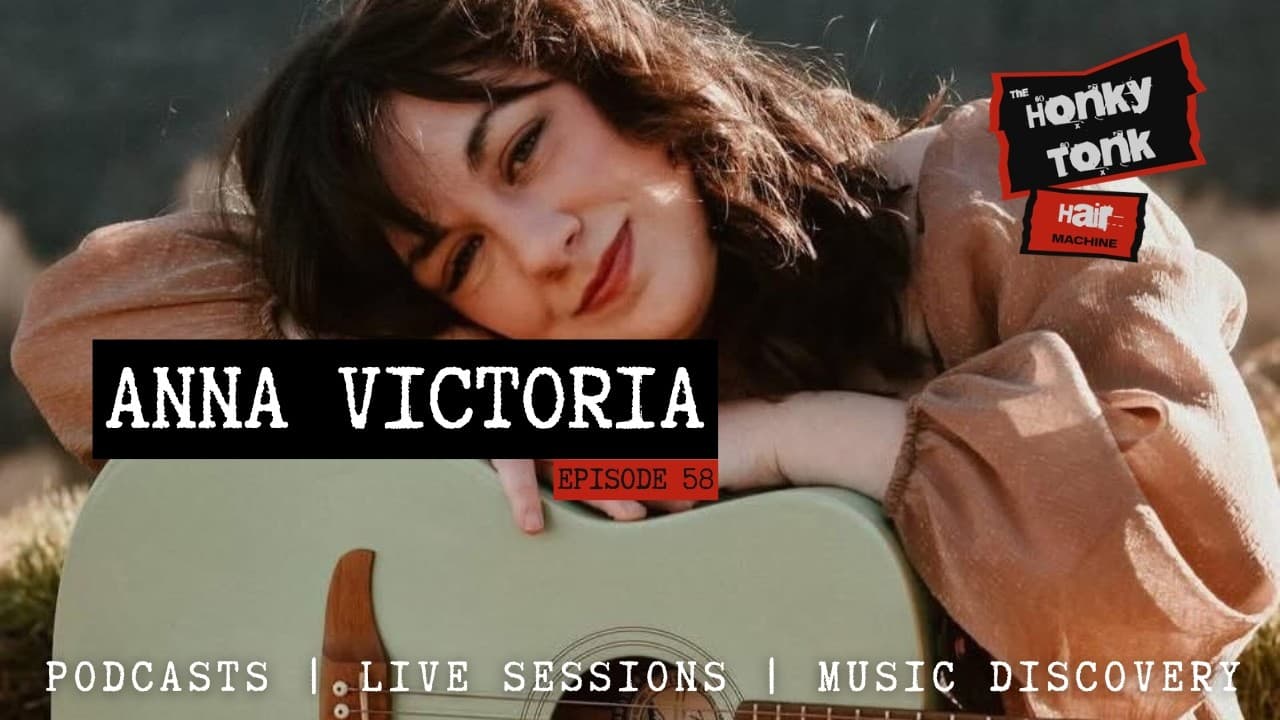
Anna Victoria
Inside North Carolina's Appalachian Music Scene | Anna Victoria
Anna Victoria joins Camden for an honest conversation about growing up in the mountains of North Carolina, discovering her voice as a songwriter and navigating life as an independent Country and Americana artist. We talk about learning to perform live, protecting her voice, finding confidence on stage, the influence of Appalachian music and artists such as Luke Combs, Sierra Ferrell and Dolly Parton, balancing music with motherhood, and the challenge of staying creative in a world driven by social media. It's a thoughtful conversation about music, family, creativity and staying true to yourself while building a career in independent music. Chapters 00:00 – Introductions, Weaverville, childhood. 02:00 – Singing, vocal health and beginning her musical journey. 06:00 – The pandemic, booking gigs and developing as a live performer. 09:00 – Coping with distractions, confidence and performing. 12:00 – Appalachian influences, Luke Combs, Sierra Ferrell, Dolly Parton and mountain songwriting. 15:00 – Family life, being a stay-at-home mum, social media and balancing music with everyday life. #lukecombs #sierraferrell #dollyparton Subscribe to The Rugged Revival. Share it with your friends. Support independent music! Listen to the full podcast on Spotify: https://open.spotify.com/show/6wnHcgA73o1aiiKaz882vH?si=30aabdaa220a4628 Follow The Rugged Revival: Instagram: https://www.instagram.com/theruggedrevival/ TikTok: https://www.tiktok.com/@theruggedrevival Facebook: https://www.facebook.com/profile.php?id=100094507520679 Website: www.theruggedrevival.com Email: ruggedrevival@hotmail.com
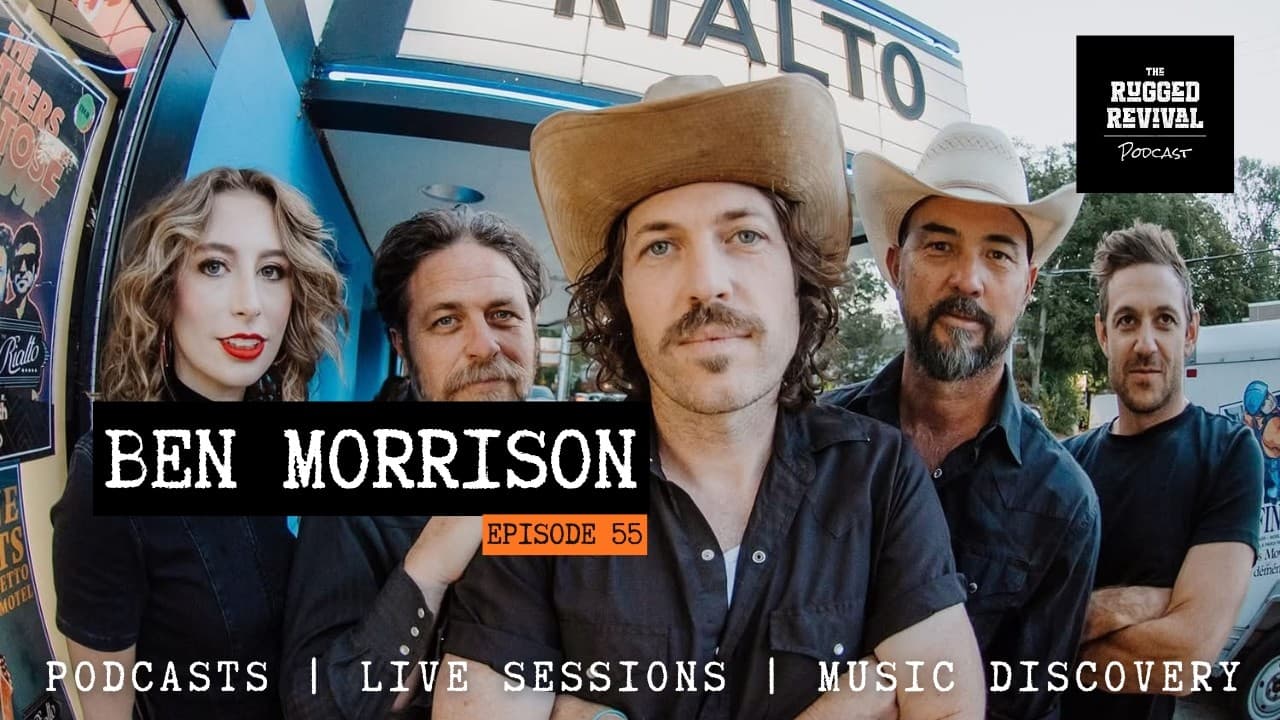
Ben Morrison
The Brothers Comatose: Ben Morrison on 18 Years of Music, Family & Touring
Ben Morrison of The Brothers Comatose joins the Rugged Revival Podcast for an honest conversation about nearly two decades ...
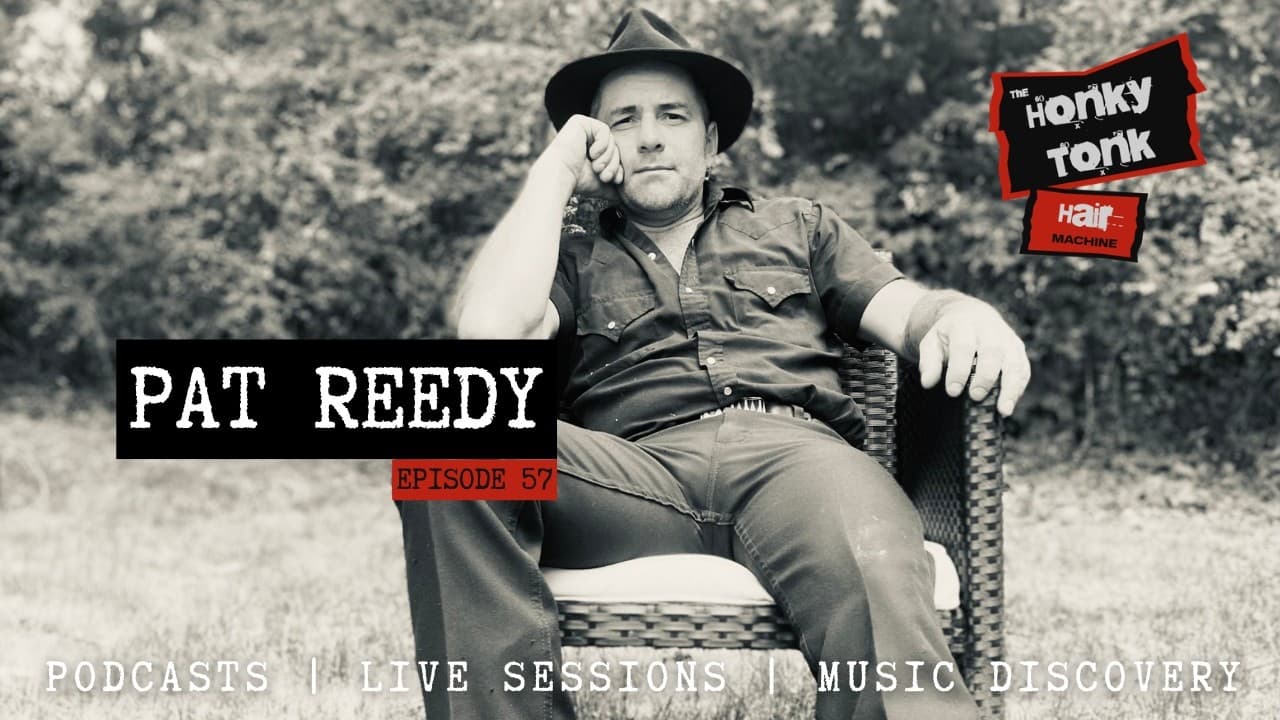
Pat Reedy
Pat Reedy on Busking, Nashville & Building a Country Music Career
Pat Reedy joins Camden to discuss leaving construction behind for country music, busking in New Orleans, life in Nashville, ...
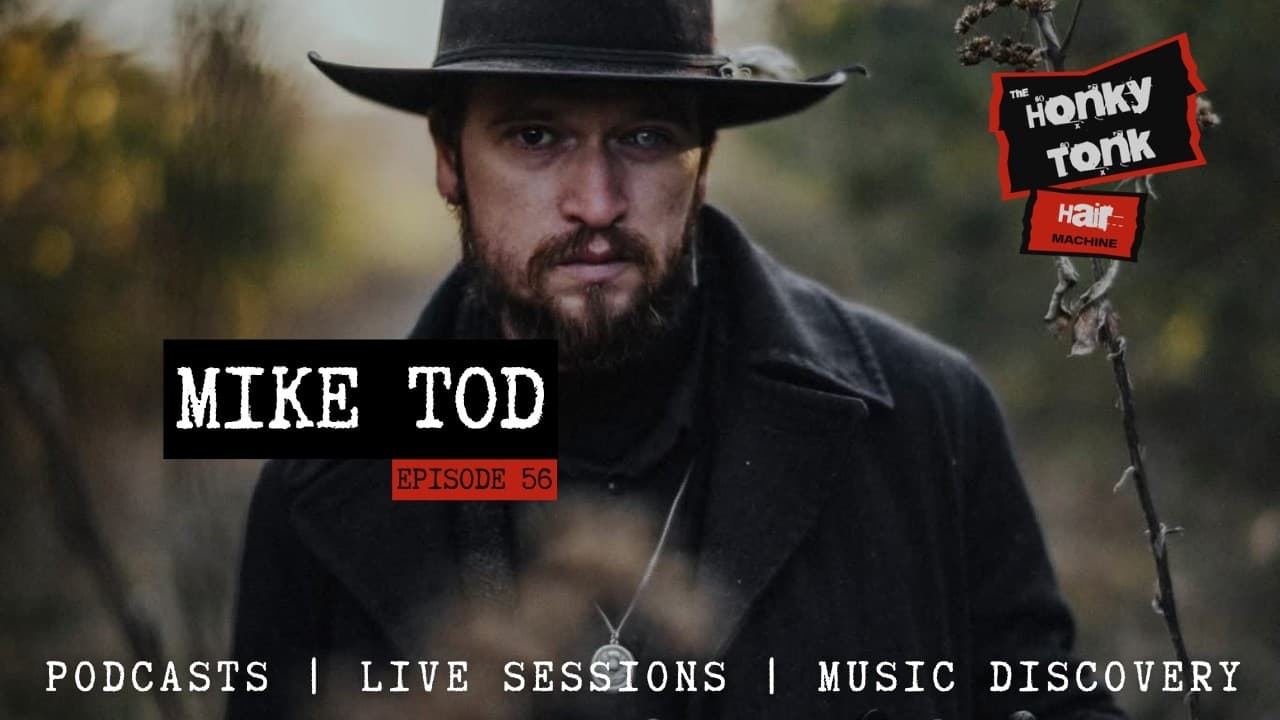
Mike Tod
Keeping Traditional Folk Music Alive in Nashville | Mike Tod Podcast
Mike Tod joins Camden to discuss traditional folk music, Canadian roots, life in Nashville, forgotten songs, unusual instruments and why preserving musical history still matters today.Originally from Canada and now based in Nashville, Mike explores the stories behind traditional songs, the connections between folk music around the world and how old music continues to influence modern artists. We also discuss his unique "Crankenstein" instrument, musical curiosity, collecting songs from the past and the importance of keeping traditions alive for future generations.Chapters00:00 Introduction00:00:30 Growing Up in Canada00:02:20 Discovering Music & The Crankenstein00:04:10 The Story Behind The Crankenstein00:05:20 Drones, Folk Traditions & Ancient Music00:08:10 Learning Guitar & Performing Original Songs00:09:40 Accessing Traditional Music in the Digital Age00:11:20 Researching Music History00:12:10 Playing The Crankenstein Live00:14:00 Creating Atmospheric Sounds & Live Performance00:16:00 Traditional Songs & Musical Origins00:17:50 The Artists Influencing Mike Today00:19:20 Studying Philosophy & Creative Thinking00:22:00 Horror, Heavy Music & Folk Culture00:24:00 Scottish Heritage & Family History00:27:10 Final ThoughtsSubscribe to The Rugged Revival. Share it with your friends. Support independent music!Listen to the full podcast on Spotify: https://open.spotify.com/show/6wnHcgA73o1aiiKaz882vH?si=30aabdaa220a4628Follow The Rugged Revival:Instagram: https://www.instagram.com/theruggedrevival/TikTok: https://www.tiktok.com/@theruggedrevivalFacebook: https://www.facebook.com/profile.php?id=100094507520679Website: www.theruggedrevival.comEmail: ruggedrevival@hotmail.com