
Canción Franklin - Singer-Songwriter from Tuscon, Arizona | Rugged Revival
Watch on YouTube
Subscribe for new episodes, Grit Sessions & more
Listen to this episode
In This Episode
The Unfinished Road: Canción Franklin's Journey from Tucson's Adobe Houses to Americana's Heart
There's something about a man who grew up with train tracks shaking the pictures off his bedside table that makes you understand why his music feels so grounded. Canción Franklin, a Tucson-born singer-songwriter and guitarist, carries the dust of his childhood in every note he plays—that particular kind of rootedness that comes from rising out of real hardship, real simplicity, and a refusal to let the modern world smooth away his edges.
In a recent conversation with Camden on the Rugged Revival podcast, Franklin opened up about his upbringing in Baronita, a working-class neighbourhood in Tucson sandwiched between the Union Pacific Rail and Interstate 10. His childhood home was an adobe structure built in the late 1800s, literally crumbling around him, with no air conditioning for the brutal desert summers and a fireplace for the freezing winters. The house was so close to the railroad that the vibrations from passing trains would rearrange his bedroom décor throughout the day. It's the kind of origin story that sounds almost too perfectly Americana to be true, yet there's an unmistakable authenticity in how Franklin speaks about it—no nostalgia, no romanticising, just fact. This was his life.
I had a flip phone till like 2017. I really wanted no part of it.
— Canción Franklin
What strikes you most in talking with Franklin is how deeply his childhood shaped not just his worldview, but his fundamental relationship with technology and meaning itself. He resisted the modern world with remarkable stubbornness, clinging to a flip phone until 2017, wrestling with an almost mournful longing for an era he never lived through. As he told Camden, it took until he was about twenty-five years old before he finally admitted defeat to the digital age. "The war is over and you lost," he recalls telling himself. Yet there's something liberating in that acceptance, and something tragic too—a man built for a different time, trying to make sense of living in this one.
This tension between past and present, between old-school values and modern existence, pulses through Franklin's music. His sound draws from deep wells of Americana, country, blues, soul, and rock and roll. It's the kind of music that doesn't apologise for its influences or try to sound contemporary. Instead, it wears its heritage like a well-broken-in pair of boots.
I told myself, 'The war is over and you lost' when I finally accepted being born into the social media era.
— Canción Franklin
Interestingly, Franklin's path to music was far from straightforward. His early brushes with formal music training came through his school's mariachi band, where he played trumpet but spent more time being punished—relegated to sweeping floors and tuning guitars—than actually learning to play. By his own admission, he was an out-of-control kid who resisted every music teacher he encountered. It's a telling detail. The institutions couldn't contain him, the rules didn't fit, and the conventional path wasn't designed for someone like Canción Franklin.
Yet somehow, against the odds and perhaps partly because of them, he found his way to the guitar and eventually to the kind of authenticity that can't be taught in a classroom anyway. The honesty in his lyrics, the raw conviction in his guitar work, the commitment to emotional truth over commercial polish—these are things you learn by living, by struggling, by refusing to compromise your vision even when the world makes it difficult.
What emerges from Franklin's story is a portrait of an artist fundamentally at odds with his time yet determined to make music that matters. His performances, whether solo or with a band, are defined by vulnerability and grit. He's the kind of musician who seems to belong in dim-lit bars and small venues, the kind of artist who builds a following one honest conversation at a time.
For anyone interested in roots music that actually has roots—that comes from somewhere real and speaks from genuine conviction—Canción Franklin is essential listening. His music is a reminder that some of the most important voices in contemporary Americana belong to people who were born in the wrong era and are doing their best to make something beautiful out of that displacement.
Listen to the full episode to hear more about how Franklin discovered the blues as a teenager, how he's honed his craft through countless nights on the road, and what keeps him going in a music industry that often rewards compromise over conviction.
I'll help you. I'll help you start a [music] revolution for this Monday morning love situation. >> Hey, what's up everybody? This is Cam aka the Honky Tonk Hair Machine for the Rugged Revival podcast. And who am I with today? >> My name is Conion Franklin, uh, guitar player, singer, songwriter. >> Hey, thanks so much for taking the time to come hang out with us, buddy. I know you're a busy man. >> Well, yeah. It depends on the day. [laughter] >> That's indeed true. >> I'm happy to be here, man. Thanks so much for having me. I've been excited about this. >> Well, that's uh high praise coming from you because I really look up to you and your work. So, uh look, let's get into it, man. We keep it short and sweet, so let's dive in. >> All right. >> Where are you from and what was life like for you as a kid? I am from a little neighborhood called Baronita, which is uh it's in Tucson, Arizona, sandwiched right between the Union Pacific Rail and I 10. Little little uh little neighborhood, you know. Um and yeah, I I grew up in a in an old adobe house. Um, it's built around like late 1800s, completely falling apart. Uh, you know, somebody had plastered over the adobe, but it was showing there certain places where there was a hole in that plaster. >> My my dad hired a couple guys to uh plaster over the walls and and they got drunk while they were doing it and they signed it in like five different places. Um, and yeah, it was about, you know, literally a stones throw from the railroad track, you know. So, this old rickety house, uh, if you put like a picture on your bedside table, it would have turned all the way around by the end of the day because of how much the house shook from the rail. >> Oh, wow. >> And, uh, yeah, man. That's that that that's where I grew up. Um, very old-fashioned, you know. We had a fireplace for the winter, no AC in the summer. Uh my dad is an artist, he's a painter, stone carver, and uh yeah, it was really like a slice of life from uh from a bygone era. >> Yeah. Um, yeah, right in the middle of town, you know, but but but Tucson is kind of funky that way where there's a lot of old school stuff happening in different pockets, you know, and uh yeah, that's uh that's that's where I was raised, man. >> That's fascinating. I mean, that is like really true bluecollar, hardworking from grassroots up. Um, that's fascinating. It kind of makes me yearn for a simpler time as well. you know, we're so inundated with so many different things right now technology-wise that um you know, I I grew up on military bases. You know, >> they were, you know, pretty pretty basic homes and stuff, but look, we had heat, we had AC, I didn't have the uh train shaking my uh bedroom uh pictures off the wall or anything, but it just remind that listening to you talk takes me back to a simpler time. And uh I think that's fantastic. >> Yeah, man. I was just talking about this with a friend, but growing up in that way, I really was, it took me a long time to accept that I was born into the social media era. >> Like I remember until I was about maybe 25 when I finally kind of just uh told myself, "All right, the war is over and you lost." Uh, I I resisted all of that forever. I had a flip phone till like 2017. I mean, I just I really wanted no part of it. And I and I just I I remember just growing up with an intense longing that I had that I could have been born in a different era, you know? >> Yeah. So, it's almost like if all that went away today, you I think guys like you and I would be totally fine. >> Yeah. I think a lot of people would be fine. I mean, I I >> I have a suspicion that that most people have like a secret hope that it would all just be gone someday. I think that's why like zombie movies and apocalypse movies are so popular is cuz like for many reasons, but but one of them is just people kind of like all of a sudden have just like one purpose of surviving. And it's like you can get some meaning out of life by just staying alive and not becoming a zombie or something. I think that's >> just scripts it down. It's simple. >> At least to me. Yeah. It's the appeal of that kind of fantasy for sure. >> So, um when when did you actually start playing the guitar? Well, so I I had had different brushes with music growing up like um I guess some schools have a jazz band or or they have like some kind of classical music going on and and my school growing up had a mariachi band which um you know my parents kind of >> pushed me into doing that and I played trumpet but I was I was an out of control kid you know so I would always end up just being sweeping up in the music class as punishment. All the kids were learning music. I was sweeping or they'd have me tune the guitars or whatever. They they they would like put me to work as a punishment. And I wasn't really I resisted it. Every music teacher I ever had, you know, was really uh I was really a disruptive person. So, it's not on them, but I just kind of resisted all that. But, but then for some reason uh for my 14th birthday, I really wanted a guitar. Mhm. >> So, my dad uh my my dad never really pushed me into music, but when I asked for the guitar, he he got me a $100 nylon string from like the pawn shop or something. And >> and that's when I first picked it up, >> but I I wouldn't say I really, you know, I had like different obsessions with music up until that point. Like I I had a big Beatles phase. There was a time when I I knew every lyric to every Beatles song. I had every single thing internalized. Like I was a huge fan. But um I uh I heard blues music. Uh I think you know pretty shortly after getting my first guitar. I heard blues music. I heard Howland Wolf and I heard those first few notes of uh Hubert Sumlin, his guitar player playing on Spoonful. And and those bends were just something that really kind of like It it got to places within me that that that I I couldn't access any other way. >> Yeah. >> And so I I was real stubborn. So I would just sit out in the desert and I would play two chords. I knew a minor and I knew E major. >> And there was that one to five kind of thing. And man, it would be years before I could even play a 12 bar blues, >> you know? I But I was so stubborn. And I was like, if I take a single lesson from anybody, then it's going to ruin my purity, you know. So, I didn't know nothing for a long time, you know, but I would sit there and play and there was something about that that tension in those chords that I just couldn't get enough of and and things came real slow. >> I think it's like um when when you're meant to do a certain thing, you keep getting drawn back to it, you know? You might you might find yourself want uh for example um you're like I want to listen to hip-hop, right? And you're like, "Okay, I keep I keep trying to find new hip-hop artists or or whatever it may be, heavy metal, whatever." But you keep getting pulled back, right, to those >> lead Belly Howland Wolf, you know, those early era guys. And when you pick up that guitar, it's in your blood. It's just what comes out. I think it's just what comes out, you know? >> I think it is. And I I also knew really early on um and that there was such a fine line between what those guys did and then maybe like a dad band at a barbecue festival. Like to me like blues was was a really sacred thing to me and I didn't I knew that I couldn't just play blues. >> Yeah. you know, I couldn't just take this chord progression or, you know, there's a couple blue notes in a scale and and and when you go to learn blues music, they're like, "Okay, this is the blues." >> But that early stuff is wild and it doesn't follow a simple, it doesn't follow an exact formula. those came later. But like that early stuff is it's got weird rhythms and chords in weird places and and it's very personalized to these guys. So, I kind of without knowing that I noticed it, I noticed it immediately and I was like, man, I got to be careful not to uh just go into one of those um one in one of those really welltraveled places and kind of stay there. Like, I have to I can't just copy this >> exactly because it won't sound the way that I want it to. I have to figure out a way to make it my own. So, yeah, I definitely took the long way around. I think >> um everything I learned in the first five years of playing probably could have been shown to me by a music teacher in about 10 minutes. >> Yeah. Yeah. Well, it's like uh I I I liken everything to punk because that's kind of what I grew up knowing, right? And I think you can still have those well uh traversed roads, but at the same time it's it's what are you doing with it? You know, like blues and punk and even uh outlaw country, it's a working man's music, >> and it comes from struggle and it comes from >> hardship and uh you know, there's always a little bit of a formula. You know, you you know blues when you hear it, you know punk when you hear it, >> and it depends on how authentic and real is the messenger. you know, if you're coming to me with a song, people can tell. It's like, "Oh, he's just trying to be, you know, it's it's another one of these guys, you know, thinking they're Stevie Rayvon or whatever." And uh but, you know, with your music, you know, I've listened to it all. Um you're very much doing your own thing. So, so with that being said, you you learn, you got you got your foundations, you quickly fell into blues. When did you start writing and playing your original music? I think the writing is something that kind of came pretty fast. I I mean, I didn't write a lot of songs, but I think I wrote a I think I wrote my first original maybe a couple months after getting my first guitar. >> Mhm. Um and uh yeah, I kept uh writing has been kind of the thing that I did from the first from from the first. I mean, I I also, you know, the first record. I have three older sisters and and and my sister gave me Bob Dylan Desire um one of his 70s records as as a kid. and she had it on tape, you know, and she gave me that and that that really resonated with me as well. So, I I I wanted to like that there was something about that just made me feel [snorts] and I think a lot of people feel this way about Dylan is is just there was something about that that made me feel like I could do it, >> like I could write some songs. >> Yeah. you know, so that that's something that I just I I kind of started doing it immediately just um out of out of the blue. Yeah. >> Yeah. That's how I feel when I hear, you know, some of my favorite uh rockabilly or Psycho Billy, of course, punk rock bands, Ramones and Misfits and that kind of thing or even like Reverend Horton Heat. I'm like, "Oh, okay. It's it's tapping into something uh primal in myself and this is pulling me in and wants me to be part of it." So, you you have uh a lot of challenges on your hands when you play live, right? You've got to play the guitar, you got to sing, and you got to be entertaining. How like, how do you make sure that all three of those components are falling into place when you play live? >> Yeah, man. I mean, that's such a good good question. I think I think a big part of it is is is showing up and and trying my best to stay out of the results because if I'm worried about the results of it and I think it's impossible not to but to kind of have that feeling be rightsized is a big goal of mine where it's like if I'm in it and I'm really enjoying myself then I think that translates >> where if I'm like trying to think of how to make everything go well. Um I feel like I'm a little dead in the water from the jump. >> Yeah. >> But yeah, I mean things are also going to come off the rails and it's a live show. >> So then it's like what do we do with that? Cuz sometimes the work is just like and I think a lot of cool live albums have an element of that tension of things are like about to fall apart and then they don't. Um, so yeah, it's like hiring the right band members is huge, I think. Especially as a singer, songwriter. Um, I'm always hiring guys. Like I like my drummer to not be a drummer. >> I like my bass player to be like a guy who plays bass on the side. >> And so I try to hire guys that are >> just trying to survive. >> Yeah. And that I think that helps the sound a lot because a guy who is um and it's not always true, right? But usually these dudes are like on tour with big acts. But like a uh you know a drummer who's just does a dr does drumming for a living is going to try to show that they are the best drummer. >> Yeah. Flashy. Whereas, right? Whereas a guy who plays drums on the side is just going to take the simplest path often to um making the song happen and to kind of serving that. >> So, I always try to hire guys that, >> you know, just by the nature of their relationship with the instrument, >> they're not trying to prove anything. >> Yeah. Yeah. >> Yeah. There there's uh there's beauty in the imperfections, right? It's like you know, if I break a string, we got to know that's not a showstopper and we got to we got to push through. Or uh in some cases, if I trip over a monitor and I and I face plant into the drum set, but I pop right back up, we got to know how to kind of keep trucking along here. >> Absolutely. I mean, I think that the only the only serious rule is like don't stop. >> [laughter] >> Yeah. >> You know, if if a mistake happens, just like roll right over it. >> And uh you know, once a once a band starts playing together for a while, those mistakes can be really uh those can be really like fun moments >> or they can be moments that drive things in another >> another direction that that wasn't expected. So, I try to like just take some of the I I try to relinquish some of the control, >> I guess, and and not try to control everything and just kind of try to find that good blend uh between God and science. >> Yeah. >> Um >> well, and like as a as a musician too, right? like you might notice something so minor during the song and nobody's nobody in the crowd is going to know what that mistake was, but you know, you can shoot a look over at your drummer or your singer, your bass player, and they're like, you know, oh no. But it was such a blip in the song that no one would know, you know? It's uh that's that's some of the beauty in the art in live art. >> Oh yeah, absolutely, man. Absolutely. It's supposed to be fun. >> Yeah. You know, it's easy to forget with all the different elements. And >> yeah, if I want perfection, dude, I'll listen to the album, but I want to I want a live show. >> Yeah. >> I want to be up there doing your thing. >> Um, have you done a lot of touring? And if if if you have, where would you like to go that you haven't been before? >> Oh, yeah. I mean, I've done, you know, I did about 150 dates last year. >> Wow. >> Um, and uh I would like to tour Europe. I've never done that. I I've always heard that that's that's the thing to do. >> So, we'll see what's in the cards there. >> But, yeah. No, I I've definitely um both for my own stuff and uh working for other guys, you know, >> I uh did quite a few dates last year, which was, you know, such a blessing. And it seems to be increasing year after year, like how much I'm doing. So, I'm happy. You know, I like to I like to have wheels beneath me. >> Yeah. >> Yeah. >> Yeah. you're you uh you do seem like quite the road dog. I mean, look, you know, that's what's really cool about this podcast. You know, these guys are based in the UK and they've got so many connections and that's what it's all about like is just connecting dots, connecting people with people and uh see, you know, what we can make happen in that arena. So, all right. So, you're on the road a lot. Um what what are your like favorite stage like what's your favorite stage attire? Your boots, pants, hats, etc. Like, do you have a go-to look when you're on the stage? >> Um, yeah. I think it's it I think it's important. Um, I think it's important for a person to wear what's comfortable for them, >> but at the same time, it's show business. So, kind of trying to find that balance. I tend to like uh I like Wrangler stuff. I think it's durable and it looks good and it's affordable. Um, my sister has a has a shop out in Arizona. It's called the Little Little Little Shop. >> And, uh, she's got a lot of vintage stuff that she's always setting me up with. And, uh, that's cool. Like, I wear uh, you know, uh, Navajo jewelry that's, you know, all around my hometown. And I like, uh, I like a buckle. I like, uh, I like a pair of boots for sure. But I just also kind of try to let that that stuff come to me. Um like somebody gave me this hat. I was like, "All right, it's time to it's time to wear that." You know, I I kind of >> Yeah. Looking at the >> light. Is this the same hat that I've seen you in? It looks almost chocolate brown in this light. >> Oh, yeah. No, this is the same one. Yeah. This is the one. >> Yeah. And I've owned uh I've owned Stsons and stuff over the years and >> and just uh things tend to like come in and then go out just with like a natural flow. So >> yeah, >> I I've been kind of stepping up that part of my life to tell you the truth where I'm like, "All right, I need to kind of try to look a little more like an entertainer than I used to, you know?" And uh >> I think I think you're right though. It's it's trying to find that balance where you're comfortable. It looks natural, but you also, you know, you're here to rock. You know, you're here to do the thing. >> You know, we're not going to see you in Crocs and sweatpants and an oversized t-shirt anytime soon. You know, that that's pajama gear. >> Oh, absolutely. I have a lot of respect for things. So, I I you know, just like [clears throat] with blues music, you know, with the with the cowboy stuff, like I've I've fallen off and been thrown off enough horses to know that I'm not a cowboy. >> Yeah. >> You know, but I also have spent time in in in that lifestyle and I have uh has seen it firsthand and grew up around it. And uh so I try to like just find the right amount that makes me feel comfortable and makes me feel like I'm respecting what that is, right? Which is like, you know, there's guys out there that uh you know, from the time I've spent in the horse world, it's like there's guys that know that their day is coming. When it comes to the horse thing, it's not a matter of if, it's a matter of when. And I am not that person, right? Like I'm not cowboy like that. So I try to find the right amount of it to do that makes me feel like I'm paying respect to it. But I also, you know, I play good I play country music for a living. So it's like I also have some of the territory, but I just try to pay attention to that, I guess. >> Well, I think that's Yeah, I've I've said almost something similar to other people where it's like, you know, some of your favorite country artists aren't also cowboys. you know, Merl Haggard wasn't out there, you know, roping and riding. >> Um, but also, you know, if you're going to wear the cowboy hat, what are you doing that is maybe adding to the country scene, the country music scene, what are you doing to contribute? Are you carrying yourself with integrity, honesty, living by a code? >> You know, oh yeah, >> you know, are you just running around and acting like a complete jackass or you are you actually >> trying to be something real with it? like you know you know me really well. I stand behind the chair at two different shops. I uh try to contribute the country music with the you know haircuts for bands and that kind of thing and helping book shows and whatever. So I think like to your point though you know you're actually out there adding to the library the history of country music. You're in there night after night at Desert Five spot, you know. So I think uh someone would be hardressed to call you uh a poser for you know rocking the hat. [laughter] Oh, I appreciate that, man. And yeah, I think that's really well said. And what you know, I guess like the thesis statement after hearing you speak that I would make about it is, you know, at the end of the day as somebody born in this country and as or or even not, you know, it's like is the appreciation there? >> Yes. Because, you know, you put on the cowboy hat, you put on the denim or whatever the thing, and like who's really to say that you're legit or not? You know, at the end of the day, it's it's it's public domain, >> right? >> And uh I just always try to make sure that my appreciation for it and my my respect for it is intact, but I'm definitely not wanting to be the arbiter of whether like another guy wears a cowboy hat. Uh you you know if you're rocking a cowboy hat and flip flops or whatever the thing is that you're doing. Um full respect. I'm just trying to find like what makes me feel comfortable embodying that. I guess. >> Yeah. If you if you want to do a Kenny Chesny look, hey, that's on you. [laughter] If you want to do more of like a traditional Merl Haggard Dwight Yokum look, I that's more my realm. I'd rather go there. But um yeah, dude. I think that's true. So this kind this brings us to the end of the road. And uh like I said, I really appreciate your time. Um just one last question for you. >> Do you have anything you want to shout out? Do you have new music, shows, tours? You want to mention your sister's shop one more time? >> Oh, yeah. That's the uh Little Little Shop there in Tucson, Arizona. >> Okay. >> Um what do I got going on? I mean, I'm pretty new to uh to this uh this neck of the woods. You know, I'm down here in DC, so you know, looking for more work. I'm about to do some uh extra work with Jackson Perkins there, >> who's a great country artist. >> And then um you know, I've got a I got a record that came out a couple months ago called Live at Last Hope. >> I did that down in New Orleans. Every song is just one take, me and an acoustic, and I'm I'm digging that. But yeah, I would just say uh stay tuned. You know, I'm I'm sitting on a lot of recording music and uh going to put a lot of it out this year. So yeah, be super happy to be in touch with anybody about it. Yeah. >> Well, uh, before I let you go, I just want to say, um, we'll hang up, but stay on the line with me for just a hot minute. >> And, uh, >> Oh, absolutely, man. >> Hion, you know, I've been listening to that new album. Um, I love everything you do. You know, I'm a huge fan and, you know, I like, you know, we're we're we're friends, but, you know, I'm also a big fan as well. >> Um, and I know a lot of people like myself are looking forward to anything and everything you put out. So, like I said, thanks for your time, brother. And uh maybe we can do a part two sometime. >> I would love to, man. And yeah, just filled with gratitude to to to be talking to you today, man. And I have the utmost respect for uh the way that you're doing everything, man. And you've been, you know, of such a service to so many musicians, dude. So, yeah. Really thank you, man. >> I appreciate you, brother. We'll see you next time. All right.
Comments
Keep listening
Related Episodes
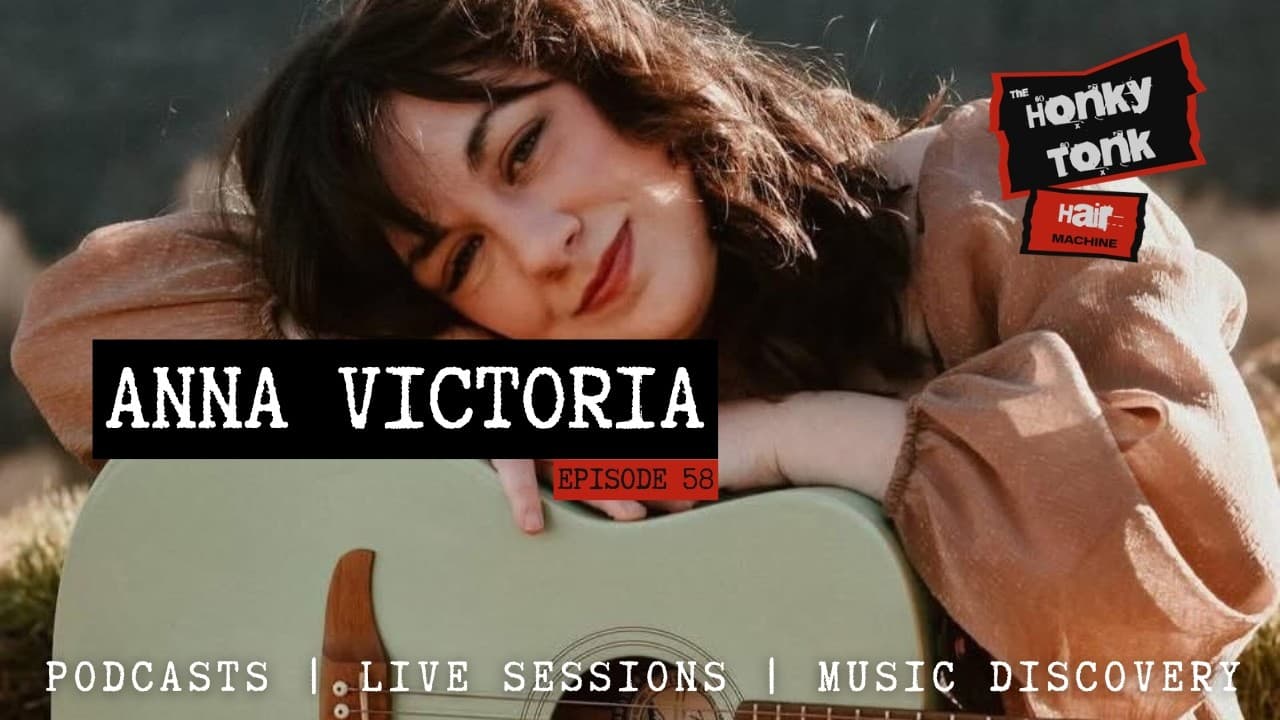
Anna Victoria
Inside North Carolina's Appalachian Music Scene | Anna Victoria
Anna Victoria joins Camden for an honest conversation about growing up in the mountains of North Carolina, discovering her voice as a songwriter and navigating life as an independent Country and Americana artist. We talk about learning to perform live, protecting her voice, finding confidence on stage, the influence of Appalachian music and artists such as Luke Combs, Sierra Ferrell and Dolly Parton, balancing music with motherhood, and the challenge of staying creative in a world driven by social media. It's a thoughtful conversation about music, family, creativity and staying true to yourself while building a career in independent music. Chapters 00:00 – Introductions, Weaverville, childhood. 02:00 – Singing, vocal health and beginning her musical journey. 06:00 – The pandemic, booking gigs and developing as a live performer. 09:00 – Coping with distractions, confidence and performing. 12:00 – Appalachian influences, Luke Combs, Sierra Ferrell, Dolly Parton and mountain songwriting. 15:00 – Family life, being a stay-at-home mum, social media and balancing music with everyday life. #lukecombs #sierraferrell #dollyparton Subscribe to The Rugged Revival. Share it with your friends. Support independent music! Listen to the full podcast on Spotify: https://open.spotify.com/show/6wnHcgA73o1aiiKaz882vH?si=30aabdaa220a4628 Follow The Rugged Revival: Instagram: https://www.instagram.com/theruggedrevival/ TikTok: https://www.tiktok.com/@theruggedrevival Facebook: https://www.facebook.com/profile.php?id=100094507520679 Website: www.theruggedrevival.com Email: ruggedrevival@hotmail.com
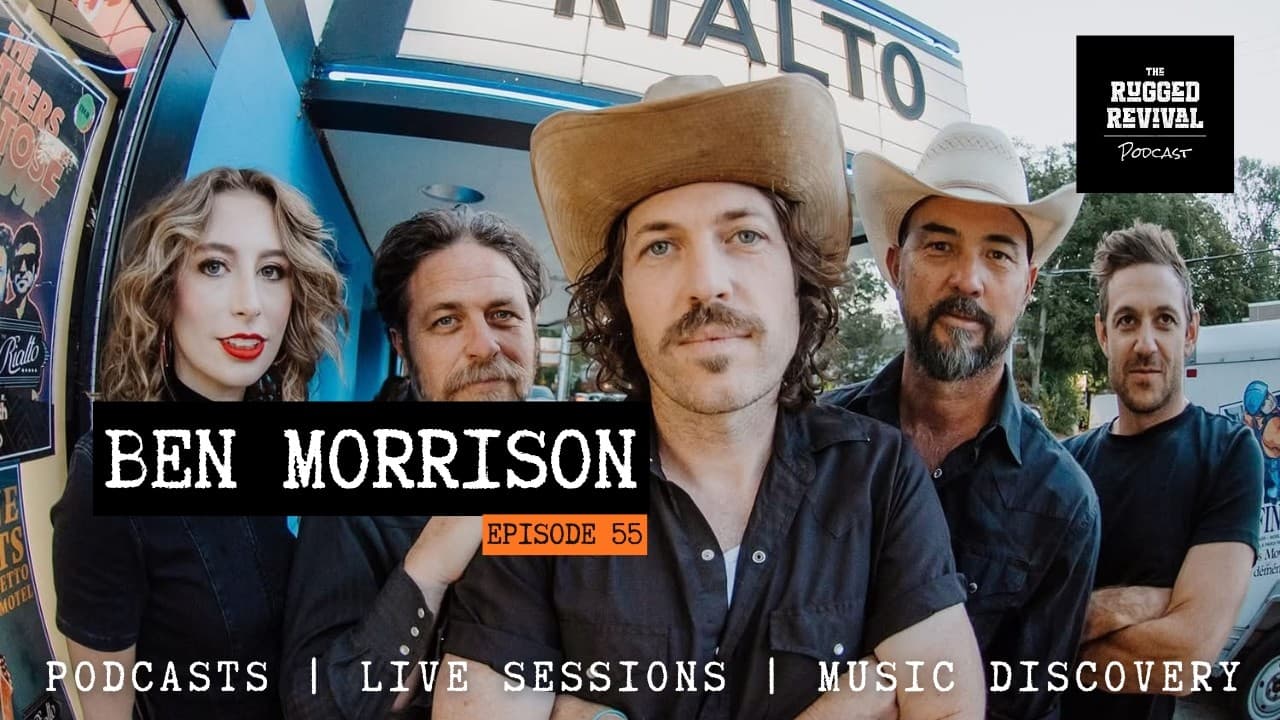
Ben Morrison
The Brothers Comatose: Ben Morrison on 18 Years of Music, Family & Touring
Ben Morrison of The Brothers Comatose joins the Rugged Revival Podcast for an honest conversation about nearly two decades ...
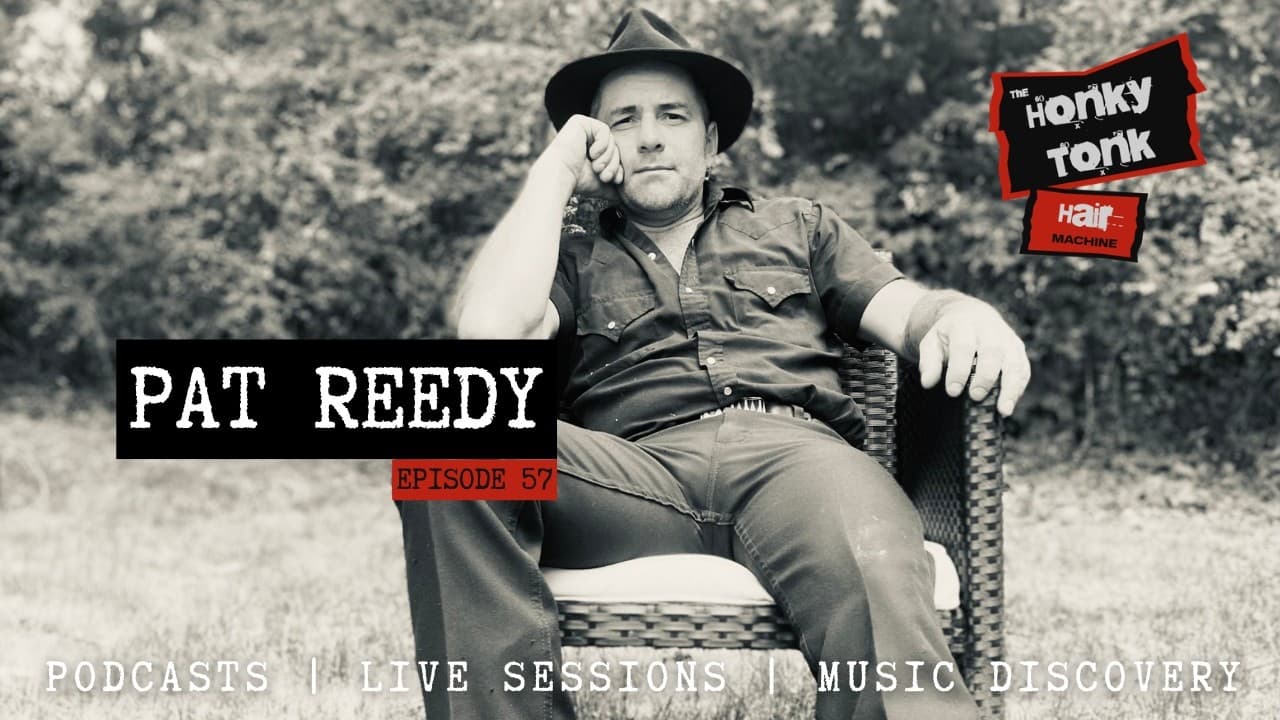
Pat Reedy
Pat Reedy on Busking, Nashville & Building a Country Music Career
Pat Reedy joins Camden to discuss leaving construction behind for country music, busking in New Orleans, life in Nashville, ...
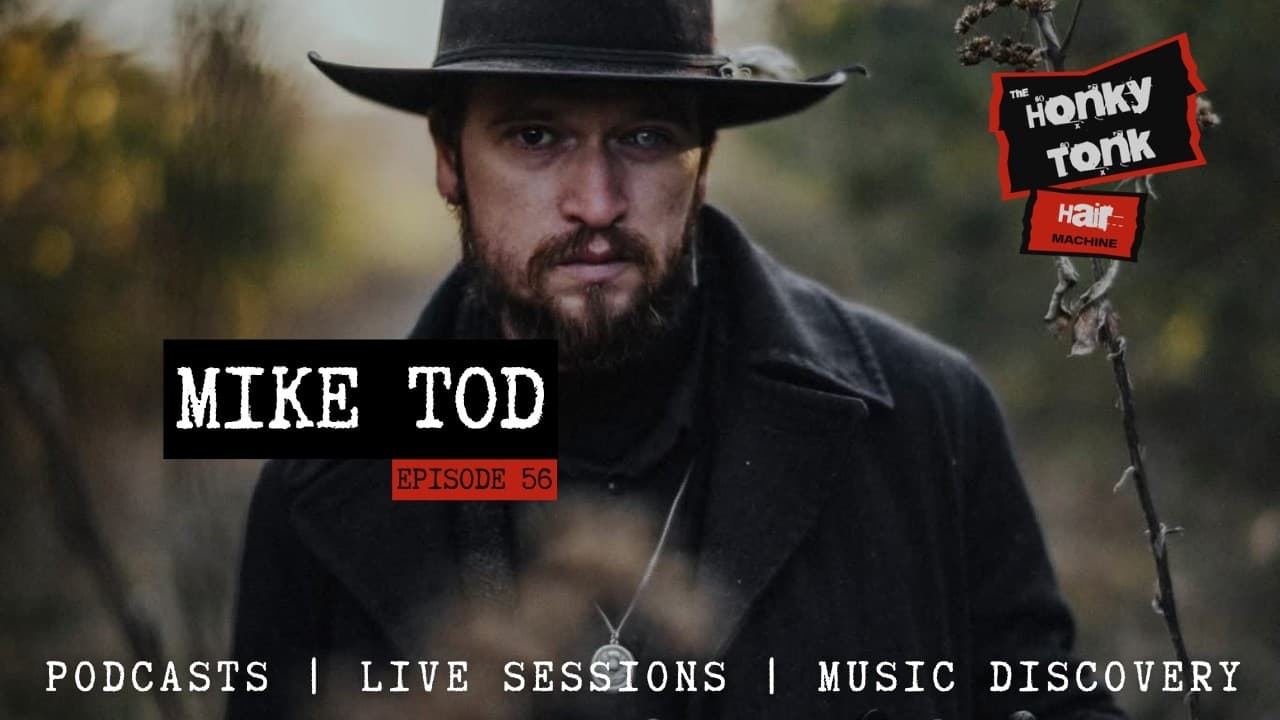
Mike Tod
Keeping Traditional Folk Music Alive in Nashville | Mike Tod Podcast
Mike Tod joins Camden to discuss traditional folk music, Canadian roots, life in Nashville, forgotten songs, unusual instruments and why preserving musical history still matters today.Originally from Canada and now based in Nashville, Mike explores the stories behind traditional songs, the connections between folk music around the world and how old music continues to influence modern artists. We also discuss his unique "Crankenstein" instrument, musical curiosity, collecting songs from the past and the importance of keeping traditions alive for future generations.Chapters00:00 Introduction00:00:30 Growing Up in Canada00:02:20 Discovering Music & The Crankenstein00:04:10 The Story Behind The Crankenstein00:05:20 Drones, Folk Traditions & Ancient Music00:08:10 Learning Guitar & Performing Original Songs00:09:40 Accessing Traditional Music in the Digital Age00:11:20 Researching Music History00:12:10 Playing The Crankenstein Live00:14:00 Creating Atmospheric Sounds & Live Performance00:16:00 Traditional Songs & Musical Origins00:17:50 The Artists Influencing Mike Today00:19:20 Studying Philosophy & Creative Thinking00:22:00 Horror, Heavy Music & Folk Culture00:24:00 Scottish Heritage & Family History00:27:10 Final ThoughtsSubscribe to The Rugged Revival. Share it with your friends. Support independent music!Listen to the full podcast on Spotify: https://open.spotify.com/show/6wnHcgA73o1aiiKaz882vH?si=30aabdaa220a4628Follow The Rugged Revival:Instagram: https://www.instagram.com/theruggedrevival/TikTok: https://www.tiktok.com/@theruggedrevivalFacebook: https://www.facebook.com/profile.php?id=100094507520679Website: www.theruggedrevival.comEmail: ruggedrevival@hotmail.com