
Brad Deerhake - The Blasphemous Voice of Blackened Thrash Metal | Demiser | Rugged Revival
Watch on YouTube
Subscribe for new episodes, Grit Sessions & more
Listen to this episode
In This Episode
Brad Deerhake's voice nearly gave out at Heart of Winterfest in Richmond a few weeks back, but not because of his time behind the microphone with Demiser. Instead, he'd spent the previous nights doing what comes naturally to any genuine metal lifer—working the merch table, catching up with old friends, and talking shop with fellow musicians while bands blazed through their sets. By Sunday, when it came time for Demiser to perform, his instrument was already worn thin. It's a small detail, but it tells you everything about how Brad approaches the underground metal scene: with genuine community spirit and unguarded enthusiasm, even when it means sabotaging his own performance.
This is the paradox at the heart of Brad Deerhake's story. As the frontman of blackened thrash metal outfit Demiser—where he performs under the deliberately blasphemous moniker "Demiser the Demiser"—he commands a stage with theatrical intensity and vocal ferocity that demands respect from anyone who's witnessed it. Yet offstage, he's the guy working the merch table, asking people about their lives, genuinely invested in the underground metal community that birthed his artistic voice. It's this contradiction, this refusal to adopt a rockstar distance from the people who support him, that makes Brad compelling beyond the confines of his genre.
I think my biggest challenge is just shutting the fuck up before the gigs and before the show.
— Brad Deerhake
Born and raised in Columbus, Ohio, Brad spent his first 29 years in the Midwest before transplanting to South Carolina. His childhood was unremarkable in the best possible way—middle-class neighborhoods, kids running through the streets after dark on Halloween, local parks serving as congregation points for controlled chaos. Nothing in those early years screamed "future metal vocalist," yet the seeds were clearly planted. He picked up piano at age ten, logging a decade of disciplined classical training through recitals and lessons. By middle school, though, the gravitational pull had shifted toward something louder, rawer, and far less concerned with proper technique.
The real education came through Lusta, a Columbus-based death metal band Brad helped form in his early twenties. For a decade, Lusta operated exactly as the underground metal scene demands: DIY shows in punk houses, self-booked tours, no infrastructure beyond raw determination and shared vision. This wasn't a career move; it was a calling. That kind of apprenticeship either kills your passion or forges it into something unbreakable. For Brad, it clearly did the latter.
I started playing music when I was 12, 13 years old, and that kind of really kicked it off for me.
— Brad Deerhake
When he transitioned to Demiser, he stripped his role back to pure vocals—abandoning the multi-instrumental approach many extreme metal musicians maintain. It's a decision that demonstrates confidence and focus. Your voice becomes the instrument, and everything else falls away. But it also means living with the physical demands of extreme metal vocals night after night. Brad's honest about the challenges: the strain of delivering venom and precision while your body's still warming up, the way months without consistent gigging atrophy the instrument like any other muscle. There's no mystique here, no pretense that screaming at crowds is effortless. It requires discipline, practice, and the kind of body awareness usually reserved for professional athletes.
What stands out most from Brad's perspective isn't technical prowess or genre gatekeeping. It's his unaffected commitment to the community that sustains metal in the underground. He's not interested in rockstar mythology. He talks over bands at festivals because those conversations matter more to him than preserving his voice for a set. He works the merch table because that's how you connect with listeners. He got into metal for the same reasons most people do—it offered an outlet for intensity that mainstream culture wouldn't accommodate, a tribe of people who understood something primal about the music.
Demiser represents blackened thrash metal in its most unapologetically theatrical form—music designed to provoke, entertain, and challenge simultaneously. But Brad Deerhake is something rarer: a metal frontman who understands that the scene survives because of genuine human connection, not because of how many decibels he can push through a PA system. That's worth listening to.
I'll help you. I'll help you start a revolution for this Monday morning love situation. >> Hey, what's up guys? This is Cam aka the honky tonk hair machine for the rugged revival. Who am I with today? >> Uh I'm Brad Dearhake or demiser the demiser of demiser. >> Welcome. Thanks for having us brother. >> Yeah man, thank you. >> So look man, let's get right down into it. I like to ask this first question because I feel like it kind of gives us a little bit of a sense of uh a peak behind the curtain, right? Like who you are and where you're from. So, where are you from and what was life like for you as a kid? >> I'm from originally I was born and raised in Columbus, Ohio. Um, and I lived there for probably 29 years maybe before I roughly 29 years uh before I moved down to South Carolina. Uh, I mean, I grew up in a middle- class neighborhood, you know, lots of kids and stuff, you know, uh, you know, you play like, you know, I can't remember what it was called, you know, graveyard shift or whatever with all the all the neighborhood kids and stuff like that. I mean, it was it was great, you know. It h the Halloween was something different back then um than it is these days, you know, with all the trunker treats and all that kind of stuff, you know, but >> that's true. I remember those days. >> Yeah, it was great, man. Uh there was a park down the street from the house and you know all the kids would meet up at the park and just get in the mischief and all that. But yeah, no I had a good childhood. >> So I'm going to kind of shift this next question just a little bit because you know I'm I'm a fan of your band Demiser but I don't know if you've been part of any other projects but when did you start playing your music live and have you been a part of any other bands? >> Yeah. Um I I started playing well I guess like live music I guess to an extent when you know throughout like middle school uh and stuff like that you know 12 13 years old um pretty much just you know I played drums I played piano for 10 years and did recital and all that kind of stuff. Um but as far as you know writing and playing music you know that kind of started in middle school and through high school. um my first real band that you know we did like you know DIY shows and you know stuff like that. Played punk houses and you know did our own you know uh booked our own tours and stuff like that. You know that was a a band I we were formed and and played for probably 10 years was a death metal band out of Columbus called Lusta. Um, and uh, yeah, I mean, but that was probably, you know, that was the band that, you know, really kind of kicked it off for me. Um, I was 22, 23, maybe when we we got that one formed. >> Yes. >> Right on. So, uh, when, so in your current band, Demiser, you're strictly on vocals. Is that right? >> Yeah, that's correct. So, what challenges do you face when you're trying to sing and make sure you're, you know, you're delivering what you need to deliver with the power in the vocals and getting the words right and all at the same time putting on a great show? What do you find to be the biggest challenge as a frontman? H banter and and and honestly like uh because I do I a lot of the times I I at the merch table. >> Um so I'm talking over bands a lot of the time, you know, talking to people. Um l that's how I lose my voice. >> Yeah. >> So I mean we just played u Heart of Winterfest up in Richmond a couple weekends ago. >> Okay. And you know, we played on the last day. Um, and it was just homie fest, you know, it's lots of old friends, people you don't see often. And so I was talking to a lot of people, hanging out, you know, the first two nights and talking to people while the bands were playing. >> Then by Sunday, my voice was almost shot just from doing that. So, I think my biggest challenge is just shutting the [ __ ] up >> before before the gigs and before the show. Um, you know, not talking too much cuz, you know, then by the end of the set, by those last two songs, sometimes it's I'm straining. Um, >> just cooked. >> Yeah. And that really only happens when we're not playing backtoback shows like, you know, my voice gets used to it. >> But when we're but when we have these, you know, several months where we're not playing any shows or anything or maybe we're not meeting as much for practice or something along those lines, you know, um then when we do play or, you know, it is time to do a couple shows, my voice hasn't warmed up to it. I should probably practice more on my on my own, but you know, the car is really the only good place to do that. >> Yeah. Well, I mean, it's like uh you know, if you miss like a month going to the gym and then you go through and you start throwing the the heavy weights on it, your body is going to totally shut down. >> If you're doing that, you know, night after night, it's a muscle, you know, that's that's your instrument. >> Yeah. >> Yeah, that makes sense, dude. >> So, with that though, I know you guys have done like some some small tours here and there. Have you guys actually done like a lot of touring or like global touring or where would you want to tour? >> I mean, yeah, I think we we we're planning on trying to set something up for Europe in the next year or two. >> Uh we're kind of going through some lineup changes right now. So, the whole touring thing at the moment is on hold. >> Um we may do a couple shows uh up the East Coast later on this year. >> Okay, cool. Um, we're just, you know, we're talking to some people right now, um, kind of, you know, finding the the the fillins or or even the permanent standins. Um, that that's going to take place. Uh, you know, but as far as touring goes, we've pretty much only, you know, toured the US, but we've we've we've done East Coast, we've done West Coast, um, we've gone into Canada a couple times. the you know we haven't been to South America, we haven't been to Mexico, we haven't been to Europe, but you know those are all on our list of things to do. You know >> um it's just you know we we have a couple things that we got to take care of before we can start reaching out to to people about that. But >> um >> uh the the guys that had a hard time making touring more possible are no longer with the band. So, uh, not we're going to, you know, once we kind of, you know, fill that back in and and get everybody back, you know, or get get the whole band back, you know, to where we need to be to be able to start touring again. That's something that we're we want to do is kind of hit it full force. >> Right on. Right on. So, shifting gears a little bit. Um, you know, when I talk to a lot of artists on here and I ask them about stage attire, we're talking, you know, Stson's and uh HBRC shirts and uh cowboy boots. I know you're also a cowboy boot fan, but you have a very different look from a lot of the folks I talked to. When you hit the stage, what's what's your go-to attire when you're on the stage? uh gauntlets, um upper arm bracers, uh bullet belt, you know, I wear two bullet belts around my waist, um bullets around the boots, uh and yeah, sunglasses and just, you know, hair down, you know. >> There you go. >> But I mean that Yeah, that I mean that's pretty much it. I think that's kind of what we all do. [ __ ] you know, studs, spikes, and bullets, you know. Um, and then as soon, >> now I hate, I'm not going to say I hate wearing that [ __ ] I like wearing it. It It It's the perfect aesthetic for the type of nasty [ __ ] that we like to do. >> It is, you know, it is it is uncomfortable, especially after you're done playing. I'm like, get this [ __ ] [ __ ] off of me. Yeah. >> So, as soon as we're done, I'm I'm back in the in the, you know, green room >> ripping everything off so I can just get comfortable again. I'm 41 years old now. You know, uh I used to walk around the rest of the night like that. I just can't do it anymore. >> Dude, I hear you. That's, you know, when we were doing the bullet belts and, you know, the heavy heavy armored biker jackets and stuff. It's, you know, you rock that stuff after a certain amount of time and you're sweating through it and the leather's rubbing against your skin and that's a, you know, that's a young man's game, dude. I can't do that anymore. Do you make a lot of that stuff yourself? Who who does that for you? >> No. No. Um, there's a guy named Digger in Florida. Um, and he's done he's done stuff for, you know, goat horror. He's done stuff for Abath. He's done stuff for uh Dark Funeral and a lot ton of other bands. Um but but he's he's done my my Braer and my, you know, my Gauntlets and all that kind of stuff. >> That's fantastic, man. I love that. So, all right. I know you're you know, you orbit the heavy metal world. I grew up in that world as well. And I think you and I parallel a lot because we fell in love with Outlaw Country. >> Who are some of your biggest country influences? And who are some of your biggest metal influences? Well, country, I mean, man, I'm, you know, the old the old outlaw stuff is is really where I where I kind of sit in, you know. >> Um, you know, Whan's number one. >> That's right. >> Yeah, you got him on your hat there. >> Yeah, that's probably my third Whan hat. Um, >> got a Whan flag hanging in front of the house, too. >> I saw you posted that. I was I got a little jealous. >> Yeah. Yeah. Hey, man. You can find them online. It was 20 bucks, man. Can't >> Yeah, that's pretty rad. I like that. >> Can't beat it. Um, yeah. No, Whan's number one. Um, uh, Whan, uh, you know, Willie, David Allen, Co., um, uh, George Jones is definitely up there, top three at least. You know, Paycheck, uh, I all the all those, you know, old the dudes that said [ __ ] Nashville. I mean, that's kind of where >> that's where I fall in line, you know, because, you know, that's that's the thing that I guess uh that I'm drawn to is just the people that decided to do their own thing >> because that's that's really what I want to do, you know, that's the footsteps I want to follow. Um, and as far as heavy metal goes, uh, I I'm again with the classics, you know, it's like Venom, Motorhead, uh, you know, Iron Maiden, Judas Priest, like that's th those are my big bands that, you know, those are bands I listen to every day. Um, and you know, it's kind of where I sit and where I start when especially when we're when it comes to writing. You know, we just kind of take that and go, you know, to to a more extreme level with it. >> But I think anybody that listens to the music can hear all of that. You know, I think a lot of people are like, you know, I've had guys come up to me after we play like, "Man, I know you guys are like Black Thrash, but you just sound a lot like Motorhead to me." Or, >> you know, something like that. Or I heard some I heard a lot of new wave British heavy metal in there. >> Um, you know, and, you know, because I mean, that's where that's that's the root, you know, that's kind of what we start with and we just speed it up from there, make it a little bit nastier. >> Yeah. I think that's, you know, I think that's true. A lot of the stuff that excites you when you were a kid and getting into certain things, it's still going to excite you today, you know. >> Yeah. It's the I mean, one, it's like the nostalgia of it, you know, that never goes away. >> Um, it's the same thing like, you know, >> I'd rather watch a VHS tape movie, you know. >> Yeah. >> Or, you know, put Jurassic Park on, >> you know, or Home Alone if it's Christmas time. >> Yeah. Yeah, man. you and I are are are right about the same age and that's um I'm right there with you. We're kind of in that sweet spot where you could still go to, you know, one of my first jobs is Blockbuster. You can go to Blockbuster, get a VHS tape and a DVD. So, you know, we're we're part of that kind of >> turning of the tides there. So, you have quite an array of influences, right? And uh so you mentioned that you kind of take some of those core foundations of those bands and you kind of speed that up a little bit. When you first write a song, does it sound the same as when it's finally recorded? >> No. Uh very rarely does that does that actually happen? Usually, I mean, we when we come up with the parts for songs and we sit down, we start going through them. Um, by the time we're actually in the studio, a lot of things change in the studio, too. >> Yeah. >> Um, uh, just with the help of the engineer or like suggestions from the engineer or something like that, you know, maybe we'll try something and be like, "Oh, [ __ ] Yeah, that does >> sound better or that does work a lot better." >> Um, you know, it ain't just us. Um, a lot of these guys have ears that we don't necessarily have and they can hear things that we don't necessarily hear. Um, so you know, suggestions and stuff like that from them sometimes can can change up an entire song. Um, and end up working out for the better. >> Uh, and nominate Baffomet was one of those uh, for the last album. >> So, you're also a bluecollar guy. You work you work hard Monday through Friday and I know sometimes on the weekends, too. When you're when you're done touring in the band, working the day job, >> what do you like to do to blow off some steam? >> Man, uh going to the gym is a big one. >> Uh if I don't do that, I feel like I something went wrong during the day >> or, you know, I'm missing out on a on something. I doesn't I don't feel completed. You know, the day doesn't feel completed. >> Uh and you know, when it comes to just letting go and getting some peace of mind, I I fish a lot. Um, I'm the area that I live in of South Carolina and the upstate here. You know, I'm in a small house in a small town and I've got an array of amazing rivers. Uh, you know, I've got just lots of amazing rivers, lakes, um, and waterfalls and places that I can just we can just go cast out. uh you be out there for a few hours and just you know maybe see five or six people, you know, if if that. Um but yeah, Table Rock Lakes up the road. I'm going to go there on Tuesday, I think. Uh and fish for a few hours. I don't have anything lined up right now for Tuesday, so that's my plan for the day. >> Um did you say you're doing some fly fishing? >> No. Uh I I would love to fly fish. Um I I look at fly rods, you know, every single day on marketplace. >> Um but no, I I'll typically, you know, I've just I've got uh a spinner and I'll just go out um and I'll use like a single hook rooster tail. Um and but I'll catch trout that way. So I'm still I'm still >> catching trout, but I'm not doing it with a fly rod. >> Now, are you doing um I don't know what the rules are there. Are you doing a catch and release or you are you catching and keeping? >> You can keep five trout a day. Uh >> okay. >> Uh up here, but uh typically, you know, it's it's been spawning season, so I haven't been keeping them. >> Now that's I think that's over now. I think that ended probably two weeks ago, three weeks ago. Um, but during that time, you know, I'm like, oh yeah, let I'll let you get your I'll let you get your nut on, you know. >> Yeah. >> I don't want to I don't want to interrupt that whole process. >> Let us repopulate these waters for you, brother. >> Yeah. Yeah. So, I'm during those times, I'm definitely a catch and releaseleas guy. >> So, I remember when you guys we, you know, you got hit with all those storms and the flooding and I remember seeing pictures of you going out with your chainsaw. You were just like, "Dude, someone's got to do it and it's going to be me." You got out there in your truck and your chainsaw and you're removing trees from the roads. Are you guys still kind of recovering from all that flooding out there? >> Well, there's still a lot of down trees kind of through the mountains. If you're going um if you're going from like I live in Pickkins County, >> uh but if you if you're going from here to uh to North Carolina, because I mean we're we're just pretty much on the other side of the border. I mean, you you you cross into the Blue Ridge Mountains and you when you get up, you know, to that first top of the beginning part of the range, it's you cross into North Carolina. >> Yeah. Um, and going up through there, like driving from here to Brevard, I mean, sometimes you you you hit a switch back on the on the on the road, driving through the mountains, and it's just especially right now because there's no, you know, the leaves are on the trees or anything and you can see way back into the woods or way down into the valleys and it's just >> it's still it looks like a tornado went through there. >> Yeah, >> it's insane. Um, as far as flooding goes, you know, a lot of, uh, western North Carolina is still in heavy recovery from that. There are some towns that'll probably never be the ex be the same again. You know, half the town got washed away and all that kind of stuff. It brutal, brutal time. >> Um, but but yeah, I mean, as far as, you know, people uh people's properties and stuff like that, I think, you know, most of that's pretty cleared up, you know, by this point. >> Nice. >> Yeah. Yeah. Some of those pictures are pretty wild, man. Like entire warehouses just like totally collapsed in, houses washed away. It's unreal. And just like the >> death is crazy, too. And a lot of it's not even been reported. Um, you know, they don't typically report unless they can report it to Next of Ken. So, they don't But when whole families get washed away, there's no next of [ __ ] Ken. A lot of those numbers don't even get [ __ ] posted. >> Oh, that's crazy, man. Do you guys get hit a lot with with that ice storm? Like up here we're still I mean we're buried under the ice still up here. >> Oh wow. Oh yeah. No, it wasn't that bad here. I think we didn't even lose power or anything. It flickered a little bit during the ice storm a couple weekends ago. Um it was a few days that I couldn't walk down my front steps, but uh and then it snowed last weekend. Uh but that's all that's all gone now as well. >> Okay, good. Yeah. >> Yeah. No, we we got nothing at this point. I mean, it it was 60 degrees yesterday. >> Yeah, dude. We're still in like 25 to 35 degree weather and it's just like the all the ice is concrete out here. You came to step on it without nearly breaking your leg. >> It was like that in the driveway for about five days. Um and that was that was rough. I have holding on to my truck when I was walking up to to even get in get in it. Otherwise, I slip and fall. >> Um I know you're a motorcycle guy. Are you still riding? Yeah, not right now. Little too cold, but uh I don't know. I might take it out on, you know, Monday or Tuesday. Uh or tomorrow or Tuesday, it's supposed to get nicer. But yeah, no. Uh I mean, it's been a few or maybe two or three months, I think, since I've had it out, >> uh it's just been too cold. And the older I get, you know, when I was younger and I first started riding, and if it was above freezing, I'd still be on the bike. this day and age, I'm like, you know, my truck's got heated seats. I, you know, heated steering wheel. I'd rather just be in there and just be comfortable. >> I'm telling you, man, 40 hits and [ __ ] you know, it changes a lot, man. >> Oh, man. Yeah. No kidding. And then and down here, too. I mean, we'll have 100 degree days in the summer and I'm like, I don't want to ride then either. It's just it's too damn [ __ ] hot to be on that [ __ ] road. >> So, yeah. And I again, this something I wouldn't have cared about, you know, when I first started riding, but >> That's right. And you probably probably still be rocking the gauntlets, too. >> Yeah. Yeah. [ __ ] it. But yeah, no, at this day and age, I'm just like, "Oh, hell no. I just want to be comfortable." So, >> kind of a Would you say you have an Indian? What are you What are you riding these days? >> No, it's it's it's a Harley. It's uh right now I I just sold I had a I had a 95 Wide that I just let go of. So, the one that's left is a uh chopper that me and my buddy Ethan and my buddy Nick uh they really helped me put that together. Um they're down in Charleston, South Carolina. >> Nice. Right on. >> But yeah, no. Uh that was one that we we we put together uh we put together together and um that's one I I'll never get rid of that bike just because of you know um it was it was my first chopper and then that you know my buddies helped me build it too. So, it was just kind of like a a cool group effort and you know, that's not something I want to get rid of. I'll hold on to that one. >> Yeah. Yeah, that's a good one. So, uh, look, man, like I said, we'd like to keep it short and sweet and I really do appreciate you finding some time to sit down with me. Um, this brings us to the end of the road. Do you have anything you want to promote? You guys got any shows or recording coming up? >> [ __ ] Um, well, we're working on writing album three right now. Um, so, uh, that'll be on Metal Blade, uh, and Blacklight. >> Oh, nice. >> I imagine we'll probably be ready for the studio. I'm I'm hoping, uh, by, uh, August. >> Okay. >> Um, maybe September. Uh, so that'll probably be out, I would imagine, uh, early to mid next year. >> Um, but we're we're planning on doing some heavy touring around that. But as far as a real date goes for anything like that, you know, I I don't got anything to really talk about at the moment. Um, but yeah, uh, >> you know, keep your ears to the ground. I mean, we're going to we're going to be uh probably announcing some shows up the East Coast uh here in the next couple months, I would imagine. >> Awesome, dude. Yeah, we'll definitely keep our eyes out for it. Well, thanks a lot, Brad, and uh we'll talk again soon. >> All right, Cam. Good to see you. >> Thanks, brother. Bye.
Comments
Keep listening
Related Episodes
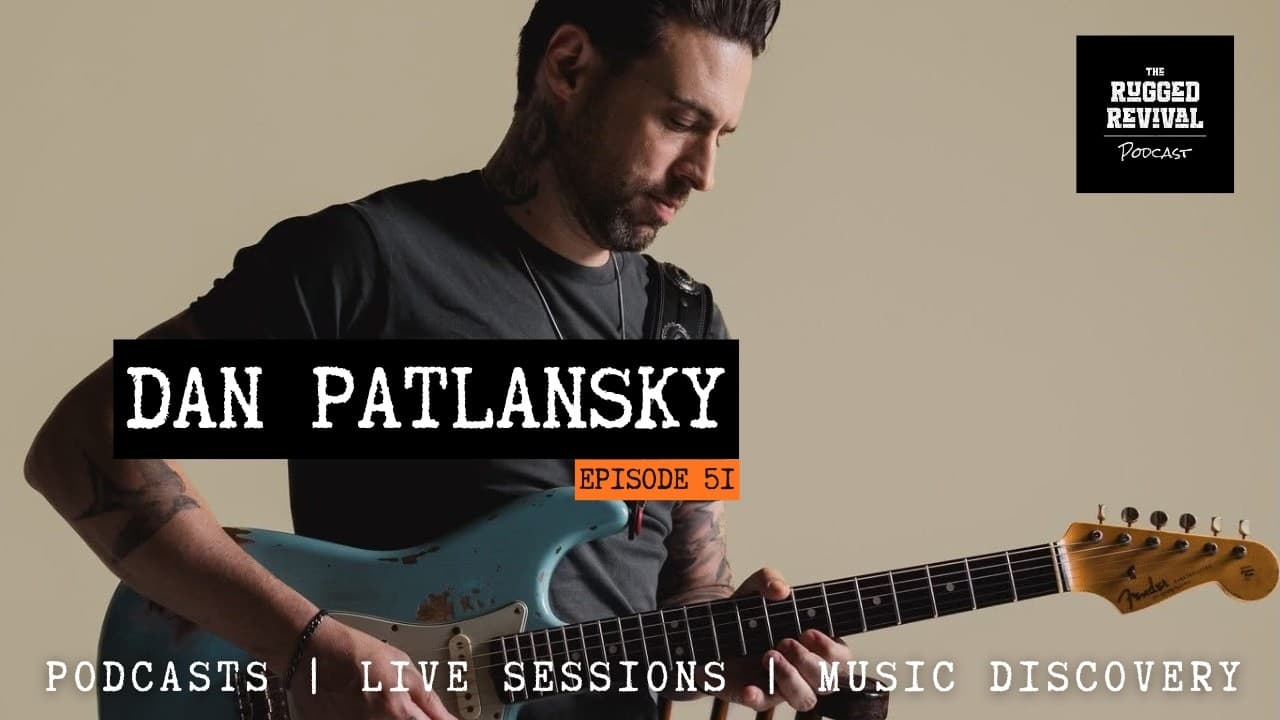
Dan Patlansky
Bruce Springsteen Handpicked This Guitarist to Open for 85,000 Fans | Dan Patlansky
Bruce Springsteen handpicked Dan Patlansky to open for 85,000 fans in Johannesburg. We sat down with one of the world's top blues guitarists to find out what that moment felt like, what it's really like playing blues in South Africa, and why his latest album Movin' On is the most honest music he's ever made. Dan opens up about the nerves of playing to a sea of 85,000 people, then glancing over to see Springsteen and Tom Morello watching from the wings. He talks about touring with Joe Satriani across Europe, growing up in apartheid-era South Africa with Hendrix blasting through his dad's stereo, mental health on the road, and the one piece of advice every aspiring guitarist needs to hear. Dan's UK tour kicks off November 2026. Tickets and info at danpatlansky.com Follow The Rugged Revival on Instagram, TikTok, and YouTube at @theruggedrevival
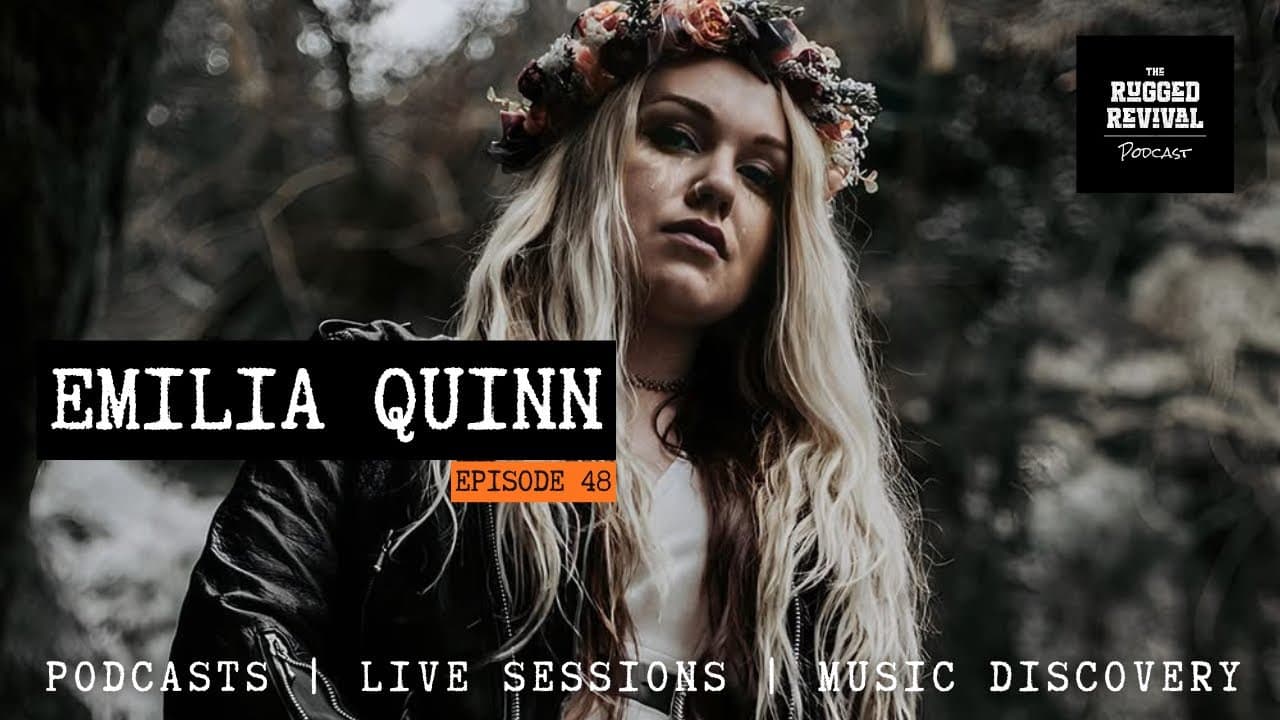
Emilia Quinn
A UK Voice in Americana, Folk Rock & Blues | Emilia Quinn
Emilia Quinn is a UK-based artist blending Americana, folk rock and blues with a raw, soulful voice and deeply honest songwriting.In this Rugged Revival podcast, Emilia talks about her music, influences and journey, from festival stages to her latest album Dented Halos.This conversation explores storytelling, resilience and the human experience through music.Discover more country, Americana and roots artists on The Rugged Revival.
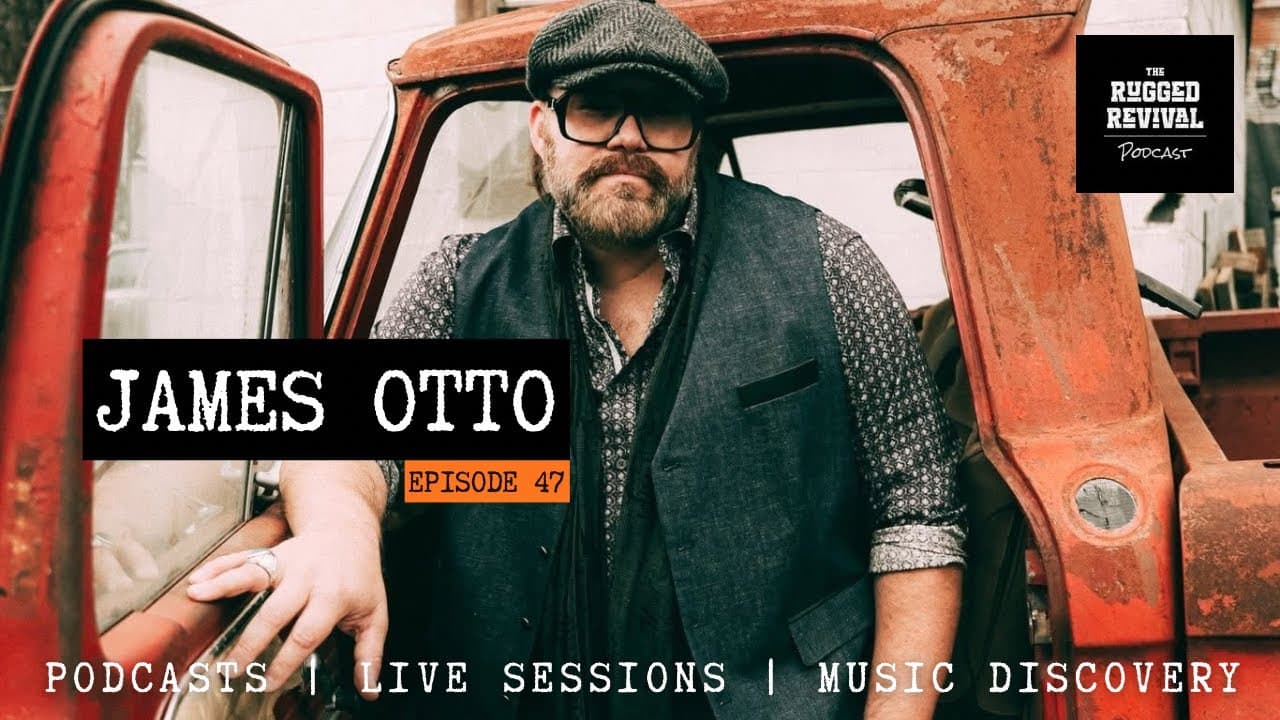
James Otto
#1 Hits, Grammy Nominations & Going Solo | James Otto
James Otto has been called The Biggest Voice in Country Music & that might just be true. Standing a broad-shouldered 6 foot 5 inches tall, Otto has a powerhouse voice to match.His textured, sometimes raspy vocals are delivered with passion and plenty of soul.Otto blends that soulful voice with great storytelling and a smooth, funky groove to create his signature Country Soul sound.Otto rose to prominence when he signed with Warner Bros. and released the album Sunset Man. His breakthrough hit, "Just Got Started Lovin' You," went to the top of the charts as a 2-week #1 song and became the "most played country song of the year." Otto also received a Grammy Nomination for "Best Male Country Vocal Performance" of the song. The hit's popularity has endured, as it’s on the list of Billboard's 100 Greatest Country Songs, confirming it as one of the most played songs in the history of country radio.A founding member of MuzikMafia, Otto has also earned a reputation as one of Nashville’s most compelling songwriters. He co-wrote Jamey Johnson’s career-defining hit, “In Color," and for that song, Otto again received a Grammy nod, but this time as a songwriter for "Best Country Song." “In Color” brought further recognition, as he took home awards for both the Academy of Country Music and the Country Music Academy’s “Song of the Year.” Later, Otto co-penned "Somethin' 'Bout a Boat" for Jimmy Buffett, which uniquely made its way to Broadway as part of the musical Escape to Margaritaville. He also co-wrote “No Hurry” which soared to the top of the charts for the Zac Brown Band. Additionally, Otto has collaborated on songs for artists: Randy Houser, Chris Janson, Darius Rucker, Trace Adkins, Josh Kiser, John Rich, John Anderson, Randy Owen, the supergroup Alabama and many more.
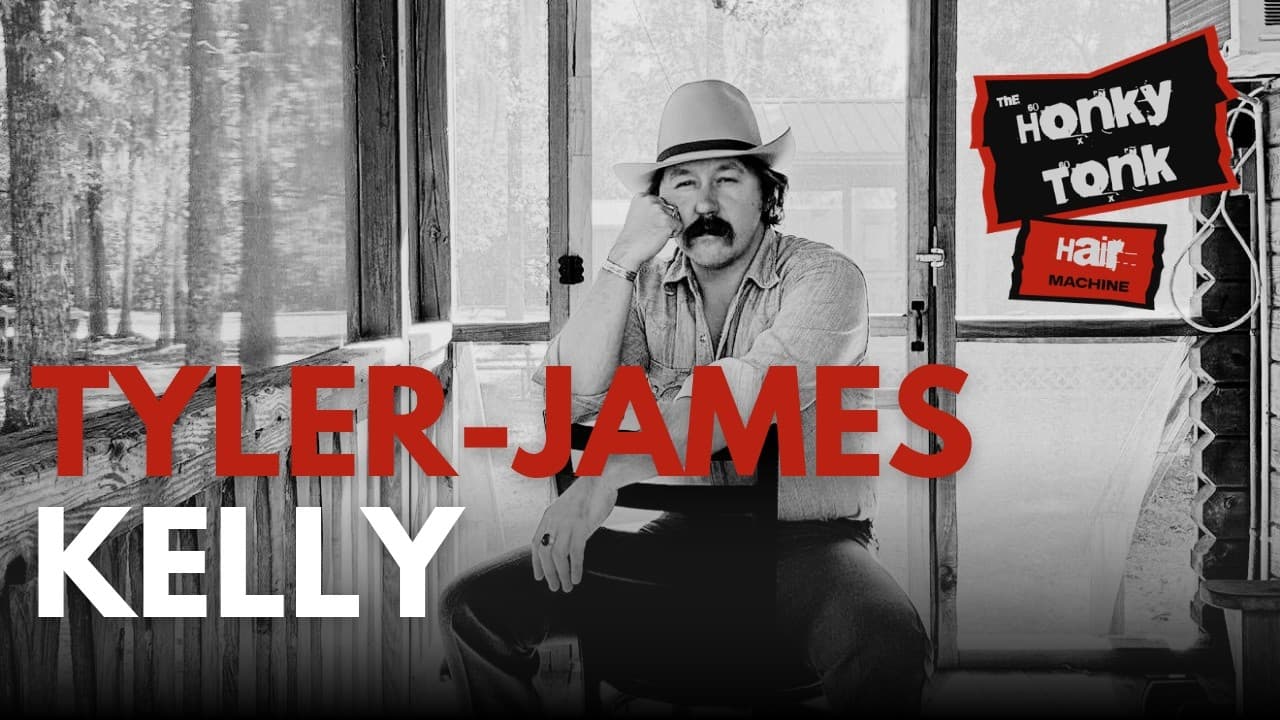
Tyler-James Kelly
Tyler-James Kelly - Real Country Music Is Back | Rugged Revival
Tyler-James Kelly joins Camden to talk about real country music, 1970s influences, and his latest music.Blending vintage tones with modern songwriting, Tyler-James Kelly is part of a new wave of artists bringing authenticity back to country, Americana, and roots music. Inspired by legends like Hank Williams, Kris Kristofferson, Merle Haggard, and Guy Clark, his sound feels timeless while still carving out its own space today.If you’re a fan of authentic country, Americana, and roots music, this is a conversation you don’t want to miss.Subscribe to The Rugged Revival for more conversations with independent and emerging artists.