
Alex Williams on Texas Country and Cosmic Country Influences
Watch on YouTube
Subscribe for new episodes, Grit Sessions & more
Listen to this episode
In This Episode
There's something disarming about Alex Williams' honesty. When asked what it's like juggling the demands of live performance—the guitar, the vocals, the theatrical presence—he doesn't offer some polished answer about perfectionism or relentless dedication. Instead, he admits what most touring musicians won't: some nights just won't be 100 percent. There's a realism there, a groundedness that feels increasingly rare in an industry obsessed with curated images and flawless narratives.
That candor shapes everything about Williams, the small-town Indiana songwriter who's quietly building something compelling at the intersection of Texas country tradition and something altogether more cosmic. Coming out of Pendleton, Indiana—the kind of place where ambitions either shrivel or strengthen—Williams has managed to chart a course that honors the past while pushing toward something distinctly his own.
I'll help you start a revolution.
— Alex Williams
The genesis of his musical identity traces back to age seven, when he first picked up a guitar, though the real learning didn't begin until his early teens. Those formative years spent absorbing country music in its various guises proved foundational. He gravitated toward the songwriting nobility of Guy Clark and Townes Van Zandt, absorbing the kind of poetic precision and emotional honesty that only comes from studying masters. But Williams wasn't content to simply venerate the past. As his musical sensibility matured, he began integrating influences from the 70s—that era when country music got weird and wonderful, when cosmic and country weren't mutually exclusive concepts.
The creative breakthrough came around sixteen or seventeen, when Williams started writing original material. His father—perhaps operating on that particular brand of parental instinct that recognizes something genuine in their child—encouraged him to debut at a high school talent show called Wintertainment. From that single moment of vulnerability and risk, everything else followed naturally: local bar gigs, more writing, the slow accumulation of repertoire and experience that separates dilettantes from serious artists.
Every night, you're not going to be 100%. That's just being human and realistic.
— Alex Williams
What emerges from Williams' story is someone deeply conscious of performance as a complete act. He's not simply singing songs; he's becoming someone else when the lights go up. For someone who describes himself as reserved off-stage, the transformation that happens between the venue lights and the first chord is remarkable. He talks about that 90-minute to two-hour window on stage as "the most fulfilling part of the day," and you hear in those words the fundamental difference between someone who performs and someone who lives to perform.
That completeness extends to how he presents himself as an artist. The visual reimagining that accompanied his covers album—the mullet, the sleeveless shirt, the shredded jeans—wasn't some cynical marketing play. It was a conscious artistic choice, a way of signaling that he'd integrated different influences and wanted to show that evolution. Earlier incarnations saw him adopting a folky country aesthetic, but Williams has always understood that authenticity sometimes demands reinvention, that honoring your influences doesn't mean being frozen in amber.
The "cosmic country" descriptor isn't mere marketing speak either. It speaks to something real in Williams' approach: the willingness to let 70s experimentation and Texas country fundamentalism coexist in the same song, to believe that Townes Van Zandt's emotional intensity could share space with more expansive, cosmic arrangements. That's not a compromise; it's an expansion of what country music can be.
What makes Williams worth paying attention to is precisely this refusal to compartmentalize his influences or play it safe. He's from Indiana, not Nashville. He draws from Texas country royalty and prog-rock cosmic sensibilities. He's reserved until he's not. He's still learning, still writing, still figuring it out—and he's doing it in public, on stages, one fulfilling 90 minutes at a time.
Hear the full conversation with Alex Williams on The Rugged Revival podcast to discover how this uncommonly thoughtful songwriter is charting his own path through American roots music.
I'll help you. I'll help you start a revolution. [music] For this Monday morning love situation. >> Hey, what's up everybody? This is Cam aka the Honky Tonk Hair Machine for the Rugged Revival. Who am I with today? >> Uh Alex Williams. >> Alex Williams, thank you so much for sitting down with me. I appreciate you. >> Thanks for having me, man. >> So, I always like to ask everybody this question. You can answer as much detail or as little detail as you want. Just kind of give us a little peek behind the curtain of who you are. So, where are you from originally and what was life like for you as a kid? >> I'm from uh Pendleton, Indiana. That's where I'm uh based currently. Um I uh life was pretty uh simple, you know, for any other any other young kid kind of growing up in a small town um in Indiana. Um so, yeah. >> All right, sounds good, man. When did you uh start playing the guitar? >> Man, I started playing when I was about um I got a guitar around 7 or 8 years old and I really didn't start picking it up and you know, actually learning songs and stuff until I was about 12 or 13. Um and then I did that for a few years. Um and finally got in got into writing um probably around 16, 17. >> Okay, cool. So, when would you say you started taking your original music on the road? >> Well, you know, um I uh was pretty private about it um when I was uh probably a junior in high school and my dad heard me, you know, playing playing something and he came in and he's like, "What was that?" He's like, "Oh, I'm just this song I'm song I'm working on and and uh he's like, "You know, there's a talent show at the high school uh called Wintertainment. I I feel like it'd be cool to uh try it out there and I was like, all right. So, that's what I did and from there just kind of started playing bars and you know, writing more and playing shows, you know, locally. So. >> Nice. Yeah, that's cool, man. I like that. That's feels like a nice natural progression. >> Yeah. >> So, you know, as as a touring musician, you've got your hands full. You know, you're you're trying to play the guitar, you're trying to sing and remember your own lyrics, which at times can be challenging. And you know, >> Yeah. >> And you're trying to be What are you trying to be entertaining too, right? So, there's a lot going on. >> Yeah. >> What are some of the biggest challenges you face juggling all that stuff when playing live? >> Um as far as far as the you know, remembering the words or >> Or like for you personally, like when you're up there on the stage, you know, what's the biggest challenge that you face making sure that you're 100% locked in and and doing the best that you can? >> Well, I mean, I don't think uh you know, just being human and realistic at all think uh every night, you know, you're going to be 100%. Uh so, I feel like uh you know, as as being a more of a reserved type of guy um off the stage is definitely um whether it's a solo gig or a full band show, I think it's a it's always a challenge to to get yourself in that that headspace that you're not that I'm not normally used to, you know. >> Yeah. >> Um on the daily, but uh man, it's always uh you know, the 90 minutes to 2 hours is always the most uh fulfilling, you know, part of the uh part of the day, you know. >> Absolutely. Like when I was when I was touring in bands a lot, man, I I've got like the worst ADHD and I could get up there playing a song that I've played 100 times and then I'll see something out of the corner of my eye and just completely forget what I was doing. >> Yeah, that's the Yeah, that's the thing. Yeah. >> It's ridiculous. >> Yeah. >> But uh yeah, man. And guys that can pull that off and somebody was telling me what they like to do is they almost were even though they're the same person, right? They like to put on like a different version of themselves. Like I'm no longer shy, quiet Cam. I go up there. I'm, you know, the Nikki Sixx version of Cam or whoever it may be. >> Exactly, yeah. Yeah. Oh, man. I'd love to see that, man. That Nikki Sixx version, man. >> [laughter] >> Oh, luckily he's been shoved away for a while. We'll keep him We'll keep him safe. That was >> Yeah, no. It's It's definitely that, man. I mean, it's kind of um definitely two different modes. Um I don't know where it comes from. Maybe adrenaline or something. Especially with full band shows are a bit more high octane than um the solo gigs and and stuff like that. So Yeah. >> Yeah. Well, so one of the things I really like about you is you seem like a total package kind of guy. Like when you put out your covers album, you you changed your whole look. You had more of like the the mullet. You had the sleeveless shirt. You had the shredded jeans on and the boots. And then earlier on of course, correct me if I'm wrong. But earlier on, you had more of like, you know, when you were doing the almost like folky country, if if if you don't mind that term. Um you had like the long hair, almost kind of like the Texas troubadour look. Um I really appreciate that about artists when you can see the different phases of the art and they put together a total look. Like and where you're shifting out of that kind of '80s hair metal cover album into more of your original stuff. I even see now you shifted back into the flannels. The hair is kind of like nice and choppy and shaggy. Um where do you pull like when you're putting together an album, where do you pull your biggest influences stylistically from? >> Man, I'm not don't really uh you know really don't think about it too much. It's kind of a natural thing, you know. I I feel like as artists and songwriters, I'm sure you've heard it before, but you know, you're constantly uh you know transitioning and changing. I mean, you know, I wouldn't say that it's uh it's forced in any way. I think it's just you know, whatever I'm called to do in the moment. You know, I'm still the same guy. I feel like um Yeah, it's just kind of turned out that way type of thing. >> Yeah. >> Yeah, it's always a constant >> natural. >> Yeah, man, it's always a constant, you know, finding yourself, you know, when you when you grow up and mature as an artist human being, you kind of you know, just make those transitions. I feel like you have to. It's important. >> Yeah, it's cool, too, man, cuz it feels like, you know, when you're doing things naturally, you know, you're not going to be accused of putting on like a costume or something. You know, like it seemed it seemed like even with the covers album and and your look morphed a little bit, you know, it still felt very very much you, very like tried and true, you know, it didn't feel like, oh, he's teasing up his hair and hairspray and it's look like Vince Neil. You know, he still looks like Alex Williams and sounds like Alex Williams. And it's really cool, man. It's nice to see. >> Thanks, man. I mean, that being said, I'm I don't know if you feel the same looking back at um you know older photos of how things used to be and you're like, you know, what are you doing? What were you doing back then, man? That's what I was saying, but I mean, it's just part of it, you know. >> Well, and that's, you know, for me being, you know, I've been a hair stylist and barber for 20 years, you know, that's almost my entire adult life. Um the first thing that I'm drawn to with an artist is, you know, their look and their image, of course, you know, and that's you know, I grew up in the DC punk scene, so I've had the mohawk stage. Um definitely got into like hair metal for a while, and the first thing you see is like, you know, Mötley Crüe had a total package, the Ramones had a total package. And when you see the uh Georgia Satellites, they all have like a total package, you know what I mean? >> Yeah. >> So, I I I I think, you know, I can't really help it. And when I first saw you, I saw, you know, the long hair, cowboy hat, tattoos. I got all that. I want to I want to hear what this guy's all about. And of course, I was blown away. I was like, "Cool, he's got the look, and he's got the music, and he's got the attitude. It's a total package. I love it." >> Thanks, man. >> So, outside of um you know, your your covers album that you It's very clear who your inspirations were for that, right? >> Yeah. >> Who would you say your biggest um country influences are? >> Man, um well, I mean, it's shifted over the years. I really didn't discover uh you know, uh more traditional, older, kind of '60s, '70s country until I'm um moved to Nashville, um as, you know, I'm probably not the only one. Um but uh around that time, you know, my grandparents, right before I moved to Nashville, cuz I went to college there, um had like, you know, Red Headed Stranger and uh Dreaming My Dreams on vinyl and you know, those those two things just kind of opened up a portal and and uh of course, you know, playing those day time gigs at Tootsie's, uh which was a very different uh I have no shame in saying that. Uh very different uh plays back in 2009. Um you know, uh there were still kind of bands with older guys, you know, that you would see at at Robert's that are fantastic that um you know, had played with with a lot of great great artists back in the day, and you know, I had to learn you know, 4 hours of old country music too. And you know, some contemporary stuff just to get the wheels rolling and I feel like that was where kind of the education of country started. I don't feel like I answered your question, but >> [snorts] >> uh you know, it's it started out with you know, obviously the Merle and and Willie and Waylon and stuff, but I you know, quickly got into guys like Guy Clark and Townes Van Zandt. And uh Jerry Jeff and all that stuff, Billy Joe Shaver. So yeah, I would say uh you know, more of the Texas kind of 70s uh country stuff is really what kind of inspires me the most, cosmic kind of country stuff. >> Yeah. And that makes sense. That that all fits. Absolutely with with I think what makes up the Alex Williams project. Um so I think we're about the same age. I just turned 40 in December. >> Okay, I'm 35. >> Yeah, so we're kind of more around there a little bit. I I started playing music live uh when I was about 17 touring the East Coast a lot in a punk band. >> Yeah. >> And uh you know, it's crazy how different in that to me feels like a short amount of time how much like booking shows, touring, even just like uh the attitude in the scene how it's all changed so much, you know, everything's Yeah. feels very digital, you know, it's like the scene exists online for the most part. And um you know, even when I was I mean, gosh, that was must have been 2002 right right around 2002. Um it just the world itself and touring in an underground punk band felt very outlaw and very kind of you know, kind of scary at times. I remember carrying knives and switchblades everywhere we went and that kind of thing. I couldn't imagine doing that now, you know, walking into a club and being like all right, who's the you know, who's the danger in this environment? >> Man, I mean, you know, I get that for sure. I mean, but at the same time, man, I I yearn for those days, you know, back back when back when it truly mattered, you know, that's all we had was to roll around in a van and >> Yeah. >> and go out and play gigs and that was, you know, the pinnacle above, you know, the Instagrams and and TikToks and everything else, you know, the >> Yeah, dude. I I remember having like all my contacts written on loose leaf paper and folded up in my biker jacket in the pocket. >> [laughter] >> That's awesome. >> Yeah, if I lost that if I lost that chunk of paper, we we were in trouble. >> [laughter] >> Yeah, you're screwed back then. >> Yeah, but now, you know, everything's you know, everything's right here, you know. >> Yeah. Did you So you guys rolled around in a van and trailer and stuff like that? >> Oh, yeah. We didn't even have a trailer. Like we actually Sometimes we had a van and we would shove the Marshall stacks and everything in the back and we would just lay on top. Um sometimes we had two um what are they called? Uh two Subarus at one point, you know. >> [laughter] >> Yeah, but I yeah, it's funny, right? Like now, you know, if I was touring in a band now, I would appreciate um the easy access for communication, the stream the streamline of it all >> Mhm. >> and um you know, at 40 years old, that feels nice that I can just jump on the phone and book a Airbnb or a hotel like that. >> Sure. >> Where as before, you know, we were depending on some kind of after party. Like hey, who's hosting the after party? We can sleep on your floor. That kind of thing. >> Exactly. Yeah. >> Which you know, look, there's a time and a place, you know, like you know, it's fine. So let's let's shift gears a little bit, man. When did you when did you start getting tattooed? >> Uh well, I got my first one I think if I remember correctly uh Uh, this one right here on my forearm um it's my great uh grandfather's initials and I'm pretty sure I I got that when I was 16 or 17. I had to have my mom sign a sign a waiver um I got it up there in northern Indiana. I don't know >> That's That's way smarter than how I did it, man. I was getting tattooed by a guy who was using a single liner needle. >> Yeah. >> And he was uh and I didn't know this, but they were literally cooking cooking drugs in the back room. >> Are you serious? [laughter] >> Yeah. So, I just kept asking him like, "What is that What is that smell? Like, what is that?" And they're like, "Oh, we're just back there cooking, you know." And I'm like, "All right." >> Yeah, like that's not what I want to eat, whatever that is. >> Yeah, you know, so they were in like a a studio apartment. And they had things kind of sectioned off. And I'm just back there, you know, he was he would boil the needles. I don't know how my arms didn't fall off, but uh you know, thankfully that did not happen. >> How did it turn out? Did it turn out all right? Yeah. >> Oh, no. They they've been long since covered up. This one But look, when you're when you're 16, 17, you're like, "Oh, this is cool. I know a guy that can tattoo me. I'll pop over to his house, you know, that kind of thing." I think we lost you for just a minute there. >> I lost connection. >> Yep, I got you back. >> Okay, there we go. Yeah. >> But yeah, man, definitely a different time, you know. That's uh If If my kid came and told me that they were getting tattooed out of somebody's uh trailer, I'd I'd have a lot of questions, you know. But uh so, are you are you still actively collecting tattoos or do you think you're done? >> Um I haven't gotten any in um probably I don't know a couple years. Um still plan to keep it rolling. >> Yeah. >> Yeah. Do you think you'll ever We ever go up top? >> Um I've got one right there. >> Oh, okay. >> Yeah, I've got the the wolf howling. Uh I think that was my last one actually a couple years ago. I just I usually do that where I'll, you know, splurge and get two or three at a time and then, you know, wait a couple years. >> What about you? >> Dude, it's like it's like the recovery time, man. Like I've had some put on my like, you know, and I'm running out of space. I've got like weird spots left basically like your underwear zone. >> Yeah. >> And uh you know, it's it's not a good time at this point, but um yeah, there's always room to to slide a little small tattoo in there somewhere. >> Of course, yeah. Yeah. Always room for another, that's for sure. >> So, um you know, I know you're a family man. How do How do you juggle things maintaining a good home life while you're on the road all the time? What's What's the secret sauce? >> Uh man, I've got a you know, a pretty good schedule going on where during the week I'll have my my son for you know, during the week and you know, go out usually play on the weekends. I mean, if something comes up where I'll, you know, have to go out and open and be gone for a couple weeks and, you know, make do there, but uh yeah, man. I mean, my son's great and and luckily, you know, as young as he is understands what the job entails and >> Yep. >> and you know, we play guitar together during the week and stuff and still maintain that you know, what I would do anyways if I was if it was just me, you know. Uh so, it works out pretty well. >> I always say little kids have little kid problems and big kids have big kid problems. You know, my my girls are both teenagers now and it's it's a different fight. >> Yeah, I was going to ask you man. That's Yeah, you're a professional then man. >> Ah, man. You would think at this point, but yeah, every day every day is a different journey. But um >> Yeah. >> You know, um and I know he just had a birthday, so congratulations. Happy birthday on that. >> Thank you. Yeah, yesterday. >> That's awesome, dude. >> We had a KISS We had a KISS party. He's obsessed >> for now. Yes, that's amazing. >> Yeah. >> I love that. >> Yeah. >> Who's Who's his favorite KISS member right now? >> Oh, obviously Gene Simmons, man. Um Gene He's big into Ace and Um God rest his soul, nonetheless, but >> Yeah, that's that's really cool. As you know, that's how I started too, you know. >> Yeah. >> Yeah, they're like comic book heroes, right? >> Oh my gosh. Yeah, that's probably why, man. So. >> Yeah, larger than life. Well, look Alex, like I said, I like to keep this short and sweet, you know, I don't want to chew up too much of your morning. I know you got a lot going on, but where where can we find you on social media? >> Oh, just the the normal platforms, Instagram, Facebook. >> Okay. >> TikTok's not the greatest right now, but um it's on there. Uh but yeah, just those three really. >> Very cool. And then uh do you have a standalone website as well? >> Yeah, it's alexwilliamsofficial.com. >> Okay. Um I'm not sure exactly where you fall in the queue. I think you're a few episodes behind, but do you have any events you want to shout out real quick before we close it off? >> Man, I have a uh thing to I've got a lot of new music coming out this year. I guess the I have an EP coming out. Um >> [gasps and sighs] >> in just about a month. Um uh you know, five songs that uh you know, coup- couple of them were, you know, little older. Few of them a little newer, but uh really just getting back to getting back to the core again after the '80s thing and and uh excited, man. Not going to wait uh five or six years in between projects anymore to to release. So, that's the goal. >> Yeah, man. And and and us that are huge fans of yours, we want to see that material coming. So, keep it coming. >> Yeah, man. Absolutely, brother. And I appreciate the opportunity, man. This is awesome. >> Uh thank you. Well, if you don't mind, just hang on the line with me for just a minute, but we'll end here, brother. Thank you very much. >> Appreciate you, man.
Comments
Keep listening
Related Episodes
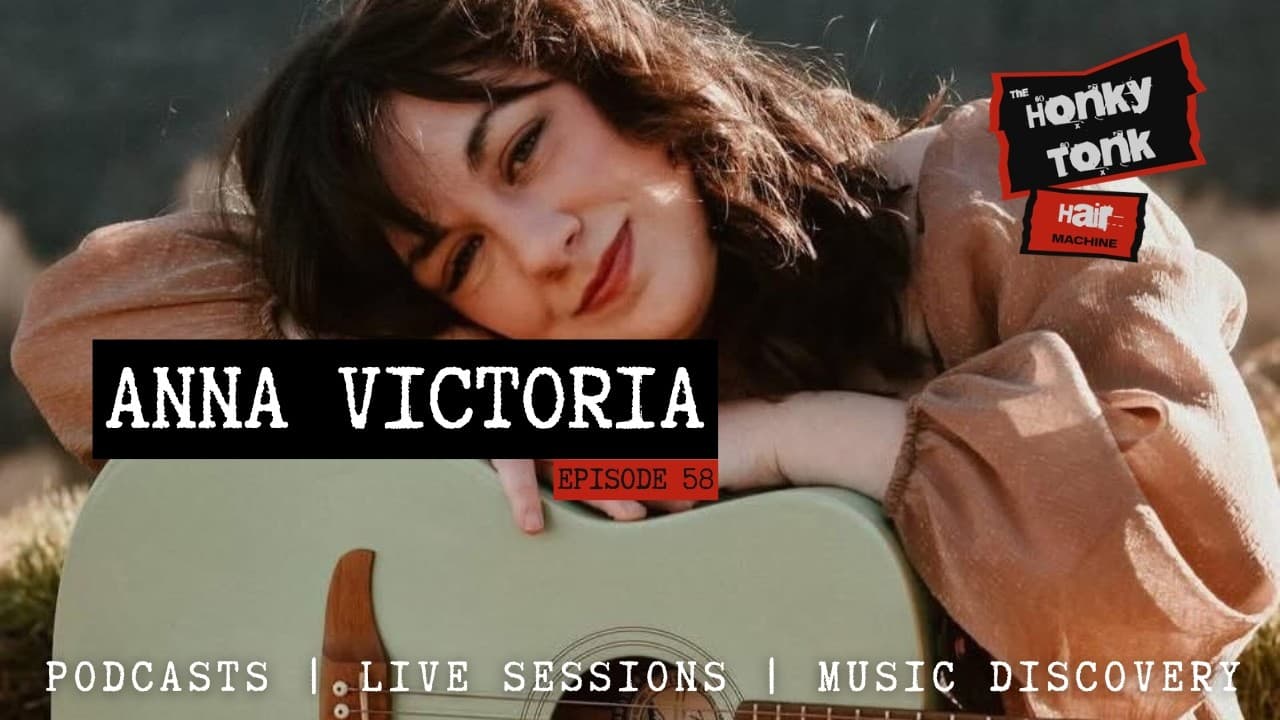
Anna Victoria
Inside North Carolina's Appalachian Music Scene | Anna Victoria
Anna Victoria joins Camden for an honest conversation about growing up in the mountains of North Carolina, discovering her voice as a songwriter and navigating life as an independent Country and Americana artist. We talk about learning to perform live, protecting her voice, finding confidence on stage, the influence of Appalachian music and artists such as Luke Combs, Sierra Ferrell and Dolly Parton, balancing music with motherhood, and the challenge of staying creative in a world driven by social media. It's a thoughtful conversation about music, family, creativity and staying true to yourself while building a career in independent music. Chapters 00:00 – Introductions, Weaverville, childhood. 02:00 – Singing, vocal health and beginning her musical journey. 06:00 – The pandemic, booking gigs and developing as a live performer. 09:00 – Coping with distractions, confidence and performing. 12:00 – Appalachian influences, Luke Combs, Sierra Ferrell, Dolly Parton and mountain songwriting. 15:00 – Family life, being a stay-at-home mum, social media and balancing music with everyday life. #lukecombs #sierraferrell #dollyparton Subscribe to The Rugged Revival. Share it with your friends. Support independent music! Listen to the full podcast on Spotify: https://open.spotify.com/show/6wnHcgA73o1aiiKaz882vH?si=30aabdaa220a4628 Follow The Rugged Revival: Instagram: https://www.instagram.com/theruggedrevival/ TikTok: https://www.tiktok.com/@theruggedrevival Facebook: https://www.facebook.com/profile.php?id=100094507520679 Website: www.theruggedrevival.com Email: ruggedrevival@hotmail.com
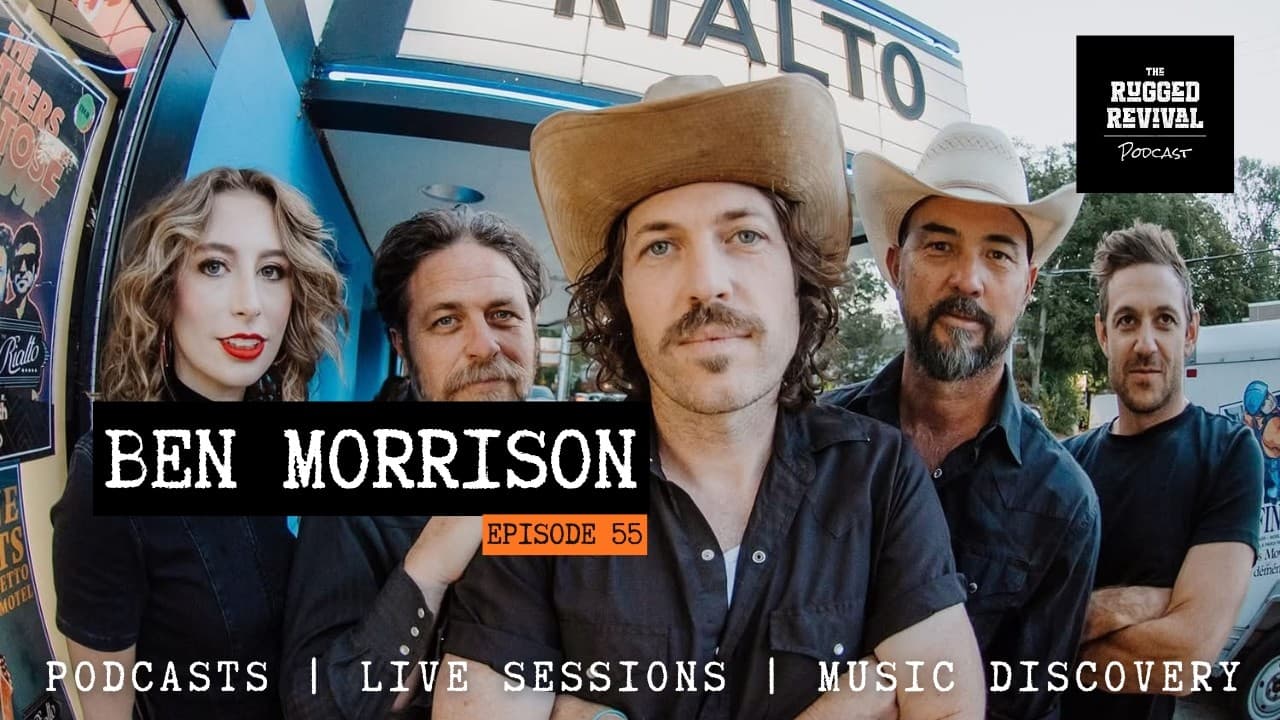
Ben Morrison
The Brothers Comatose: Ben Morrison on 18 Years of Music, Family & Touring
Ben Morrison of The Brothers Comatose joins the Rugged Revival Podcast for an honest conversation about nearly two decades ...
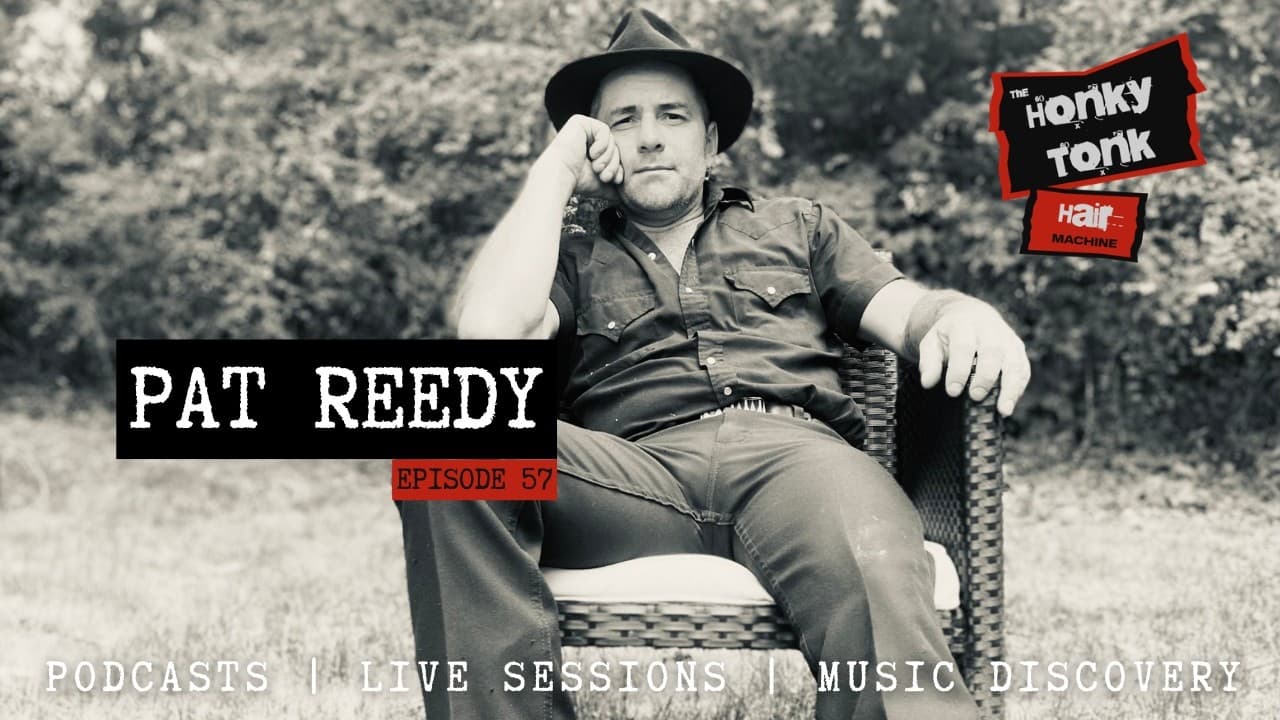
Pat Reedy
Pat Reedy on Busking, Nashville & Building a Country Music Career
Pat Reedy joins Camden to discuss leaving construction behind for country music, busking in New Orleans, life in Nashville, ...
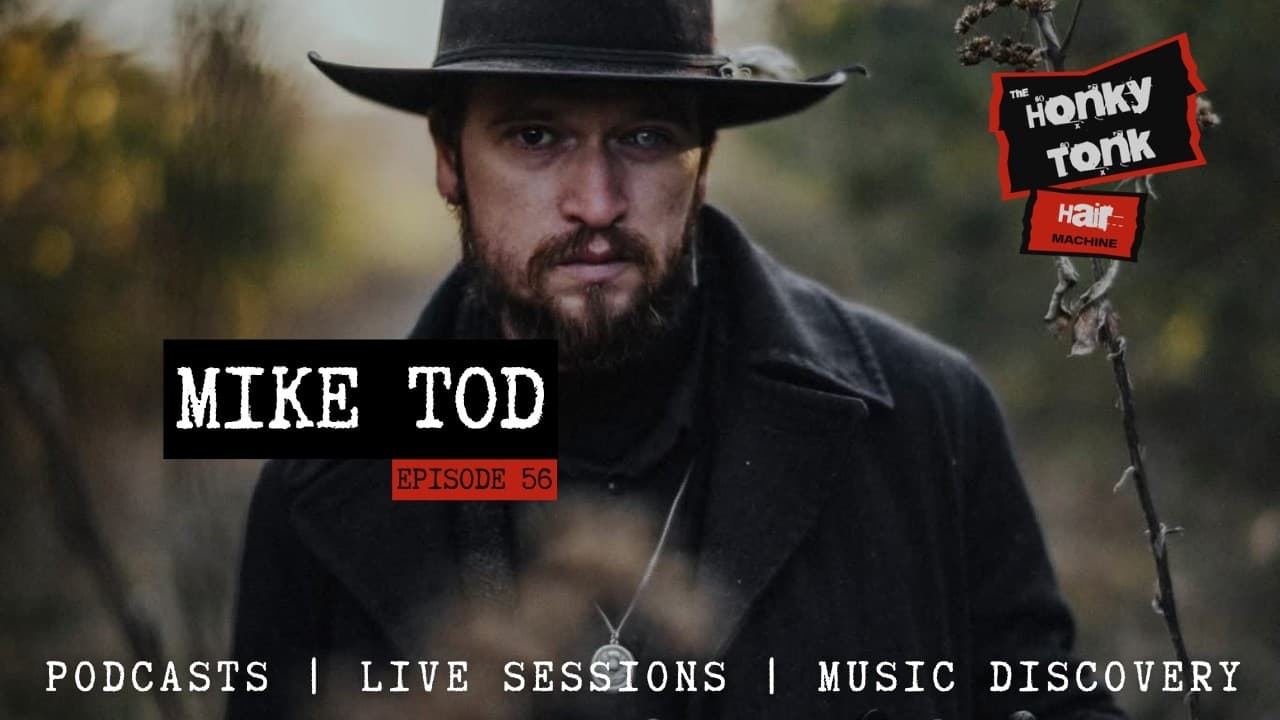
Mike Tod
Keeping Traditional Folk Music Alive in Nashville | Mike Tod Podcast
Mike Tod joins Camden to discuss traditional folk music, Canadian roots, life in Nashville, forgotten songs, unusual instruments and why preserving musical history still matters today.Originally from Canada and now based in Nashville, Mike explores the stories behind traditional songs, the connections between folk music around the world and how old music continues to influence modern artists. We also discuss his unique "Crankenstein" instrument, musical curiosity, collecting songs from the past and the importance of keeping traditions alive for future generations.Chapters00:00 Introduction00:00:30 Growing Up in Canada00:02:20 Discovering Music & The Crankenstein00:04:10 The Story Behind The Crankenstein00:05:20 Drones, Folk Traditions & Ancient Music00:08:10 Learning Guitar & Performing Original Songs00:09:40 Accessing Traditional Music in the Digital Age00:11:20 Researching Music History00:12:10 Playing The Crankenstein Live00:14:00 Creating Atmospheric Sounds & Live Performance00:16:00 Traditional Songs & Musical Origins00:17:50 The Artists Influencing Mike Today00:19:20 Studying Philosophy & Creative Thinking00:22:00 Horror, Heavy Music & Folk Culture00:24:00 Scottish Heritage & Family History00:27:10 Final ThoughtsSubscribe to The Rugged Revival. Share it with your friends. Support independent music!Listen to the full podcast on Spotify: https://open.spotify.com/show/6wnHcgA73o1aiiKaz882vH?si=30aabdaa220a4628Follow The Rugged Revival:Instagram: https://www.instagram.com/theruggedrevival/TikTok: https://www.tiktok.com/@theruggedrevivalFacebook: https://www.facebook.com/profile.php?id=100094507520679Website: www.theruggedrevival.comEmail: ruggedrevival@hotmail.com